B21, China Town Mall, Midrand

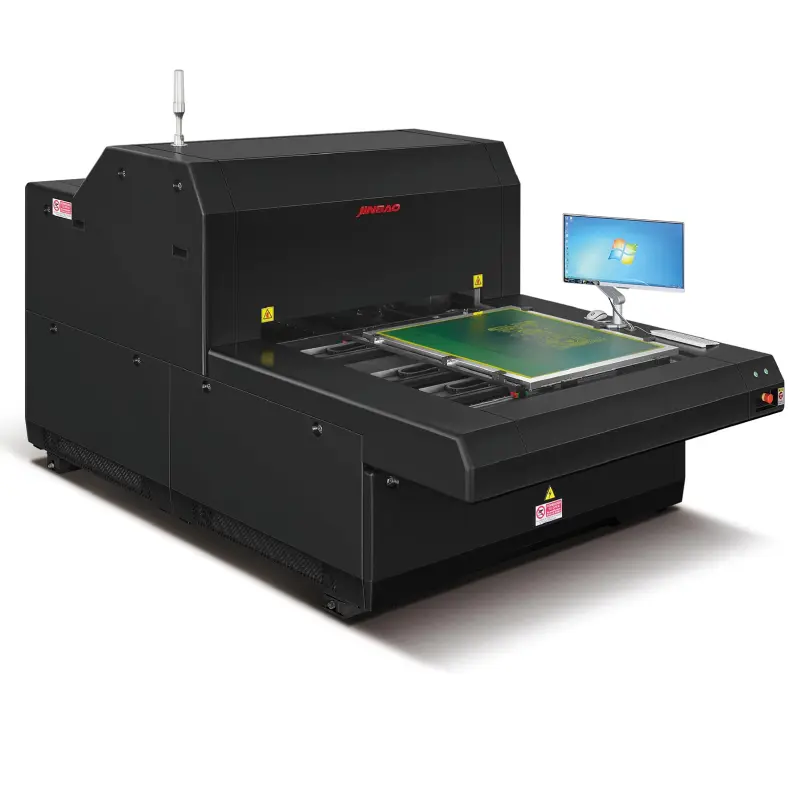
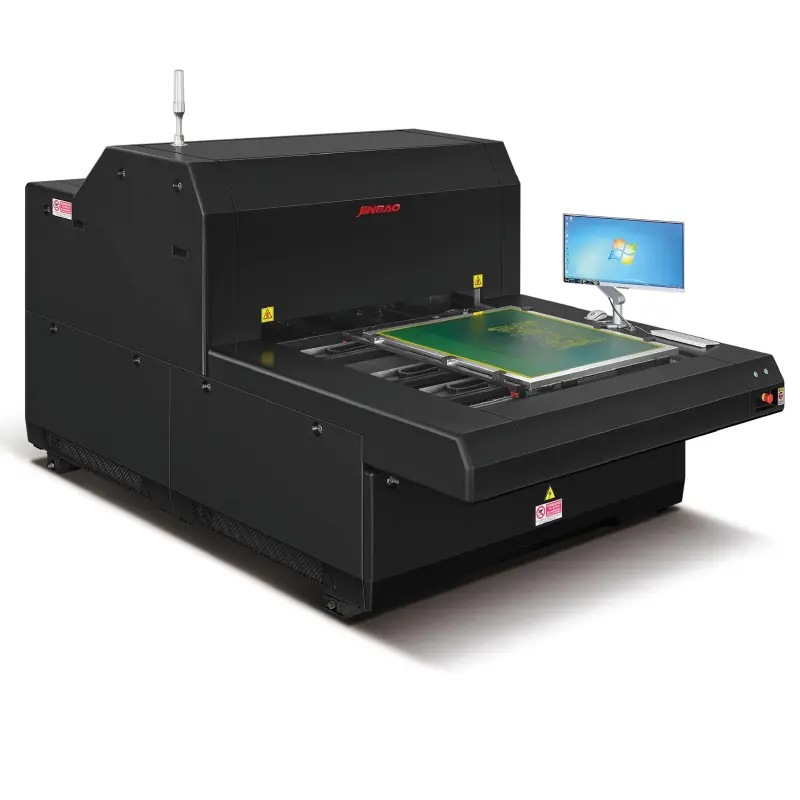
TC-1300CTS Computer to Screen Plate Machine
Asset finance available
Do you want funding for this equipment?
Afrimart can connect you with trusted funding partners who specialise in asset finance for businesses like yours. Compare options and apply in minutes — final approval is subject to provider review.
Check funding options
Secure & no obligation
- Section : Machinery
- Category : Industrial Machinery
- SKU : 60818127935

TC-1300CTS Computer to Screen Plate Machine
Product Description

TC-1300CTS Computer to Screen Plate Machine
TC-1300CTS is using UV laser technology to make the screen plate by computer.With 405nm high power module, as well as the high precision linear motor systems and water cooling system. No film, Laser direct to screen plate. To bring customer high resolution, high efficiency and low cost products. This is new digital exposure system and will become the new standard.
Specification
| Overall size | 2930mmx1900mmx1650mm |
| Weight | 280kg |
| Supporting point | 4pcs |
| Load of each support point | 10KN/¢>120mm |
| Rated voltage | Single 220V/50HZ |
| Max.power | 4KW |
| Rated compressed air pressure | 0.4Mpa |
| Max.screen frame size | 1200mmx1300mm |
| Max.imaging area | 1100mmx1100mm |
| Screen frame | 20mm-40mm |
| Wave of laser | 405mm |
| Input file format | Gerber274X |
| Service life of laser head | ≥8000h |
- Shipping Timeframes: All orders are processed within 2-5 business days (excluding weekends and holidays). After your order has been processed, the estimated delivery time is before 15 Aug, 2026, depending on customs, Please note that due to high demand, some items may experience longer shipping times, which will be communicated at order confirmation email.
- Order Processing Time: Please allow 2-5 business days for us to process your order before it is shipped . Orders placed after 16:00 on Fridays, or during weekends and public holidays, will begin processing on the next business day. Processing times may be extended during peak seasons or sales events.
- Manufacturing Time: Some products needs manufacturing time, the manufacturing process will take approximately 10-30 business days depending on the product. This timeframe may vary depending on the complexity of the product and current demand. but this will be communicated with you during order confirmation.
- Returns and Exchanges: We offer a 30-day return policy for most items. If you are not completely satisfied with your purchase, you may return it within 30 days of receipt for a refund or exchange. Items must be unused, in their original packaging, and accompanied by proof of purchase. Return shipping costs are the responsibility of the customer, unless the item was damaged or defective upon arrival.
1. What is the TC-1300CTS Computer to Screen Plate Machine?
The TC-1300CTS is a digital screen-making system that uses a 405 nm UV laser to image mesh screen plates directly from computer files (no film), offering high resolution, improved efficiency, and lower running costs compared with traditional exposure methods.
2. How does the TC-1300CTS work (technology used)?
It uses a high-power 405 nm UV laser module together with high-precision linear motor drives and a water-cooling system to expose the screen directly from digital data (laser direct-to-screen), eliminating the need for film positives.
3. What file formats does the machine accept?
The machine accepts Gerber274X files. Prepare artwork in the specified Gerber274X format per your prepress workflow; contact your supplier if you need format-conversion guidance.
4. What is the maximum screen frame and imaging area the TC-1300CTS can handle?
Maximum screen frame size is 1200 mm x 1300 mm. The maximum imaging area is 1100 mm x 1100 mm.
5. What screen frame thicknesses are supported?
The machine supports screen frames with thicknesses (depth) from 20 mm to 40 mm.
6. What are the machine dimensions, weight, and floor/support requirements?
Overall size is 2930 mm x 1900 mm x 1650 mm and the weight is approximately 280 kg. It uses 4 support points; each support point is rated for up to 10 kN. Ensure your floor can support this load and allow space for operator access and maintenance.
7. What are the electrical and power requirements?
Rated voltage is single-phase 220 V / 50 Hz and maximum power consumption is 4 kW. Verify site electrical capacity and dedicated circuit requirements before installation.
8. Does the machine require compressed air?
Yes. The rated compressed air pressure is 0.4 MPa. Use clean, dry, regulated compressed air and fit appropriate filters and regulators as recommended.
9. How long does the laser head last?
The laser head service life is specified at 8,000 hours or more. Actual lifetime depends on usage patterns and maintenance; replace the laser module per the supplier's instructions when performance degrades.
10. What cooling system does the TC-1300CTS use and what maintenance does it need?
The system uses water cooling for the laser module. Regular maintenance includes checking coolant level and quality, replacing coolant per schedule, inspecting hoses and fittings for leaks, and keeping the cooling radiator and filters clean.
11. Is film required for exposure with the TC-1300CTS?
No. This is a laser direct-to-screen system—no film positives are required, which reduces materials and processing steps.
12. What safety measures should be followed when operating this machine?
Follow laser-safety regulations: use required interlocks and protective enclosures, wear appropriate eyewear if access to beam is possible, ensure proper ventilation or fume extraction for screen processing fumes, secure electrical grounding, and train operators on safe operation and emergency shutdown.
13. What routine maintenance is recommended?
Routine maintenance typically includes cleaning optics and windows, keeping rails and linear guides clean and lubricated, checking and replacing air filters, maintaining the water-cooling system, inspecting belts and mechanical components, and scheduling periodic calibration and alignment checks.
14. What throughput or imaging speed can I expect?
Imaging speed depends on artwork complexity, screen mesh and coating, exposure settings and resolution chosen. For typical throughput figures and to size production expectations, request sample throughput data from the supplier or ask for a machine demo using your workflow.
15. Who provides spare parts, service and warranty?
Spare parts, service, and warranty terms are supplied by the manufacturer or authorized dealer. Contact your supplier for details on warranty coverage, recommended spare parts to stock (e.g., laser module, optics, filters), and service agreements.
Latest Order Arrivals
Discover our latest orders
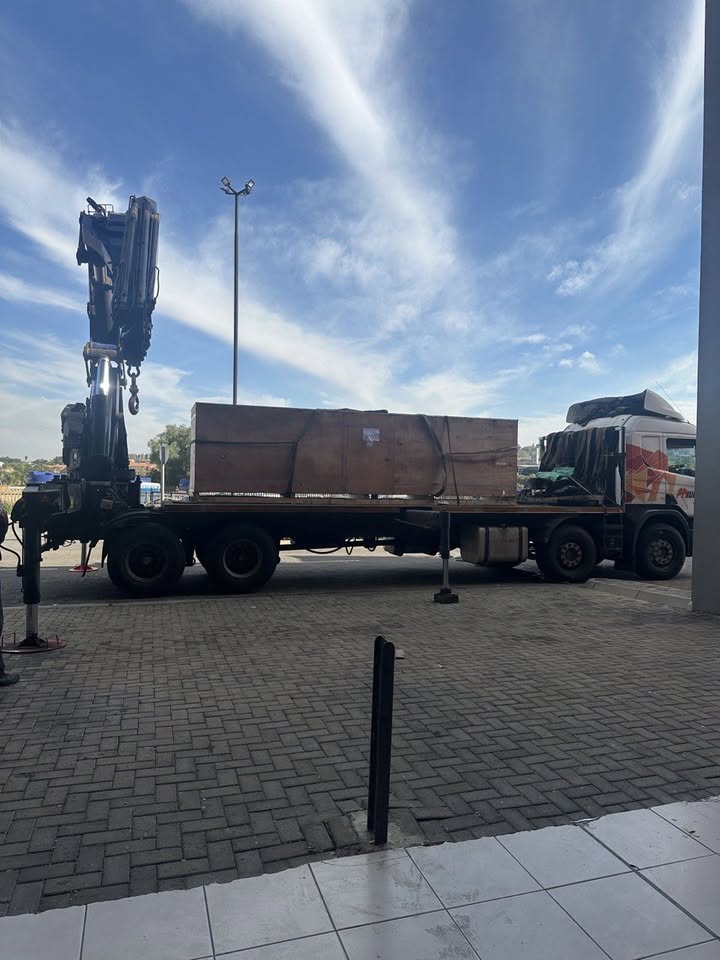
12 Heads Embroidery Machine
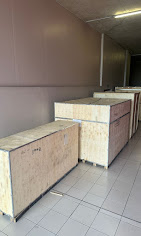
Toilet Paper Machine Machine
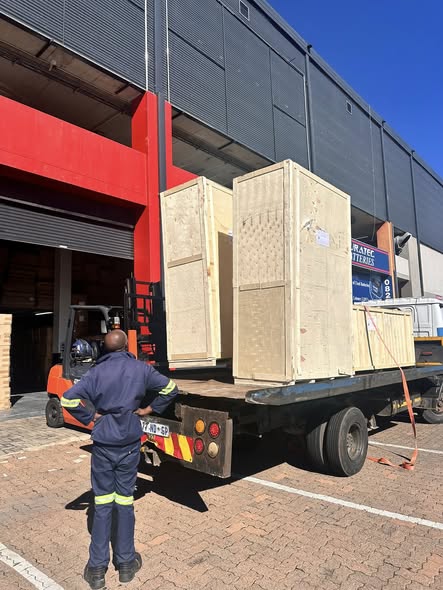
Order Collection
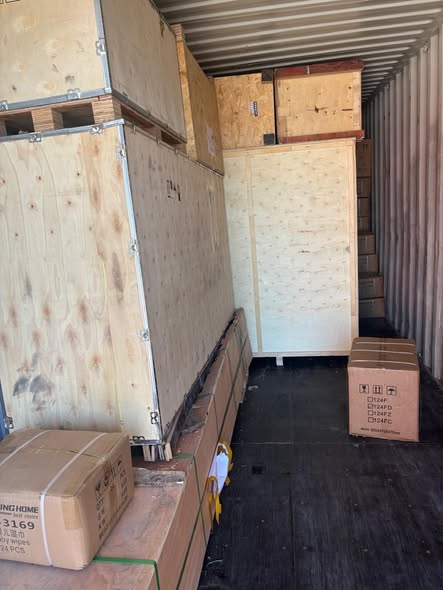
Cross Border Clients
Order cros border countries Collected
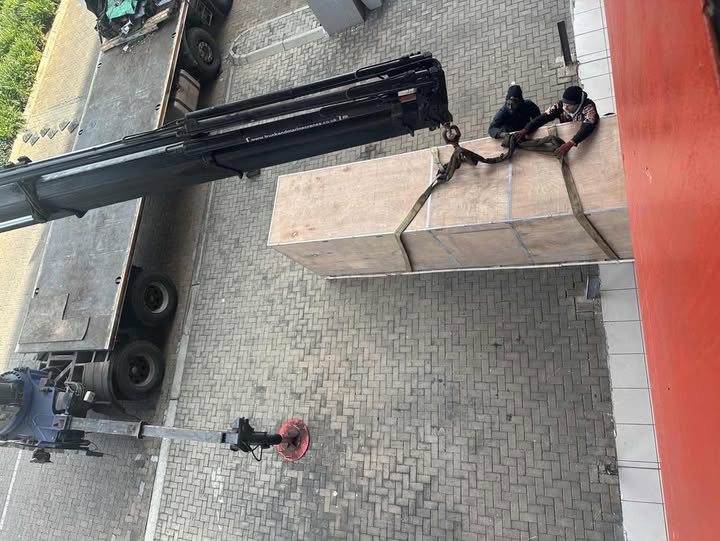
Industrial Machine Cllection
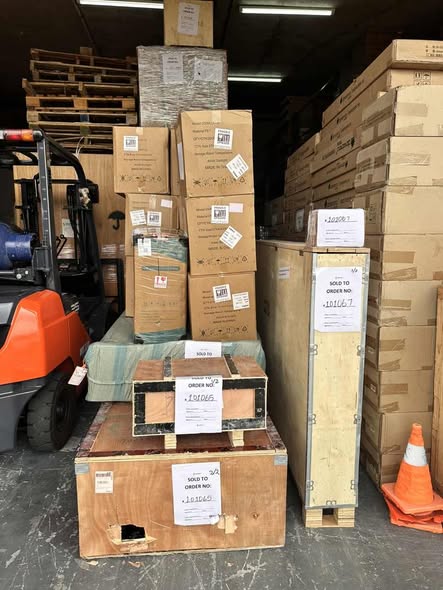
Agriculture Processing Machines
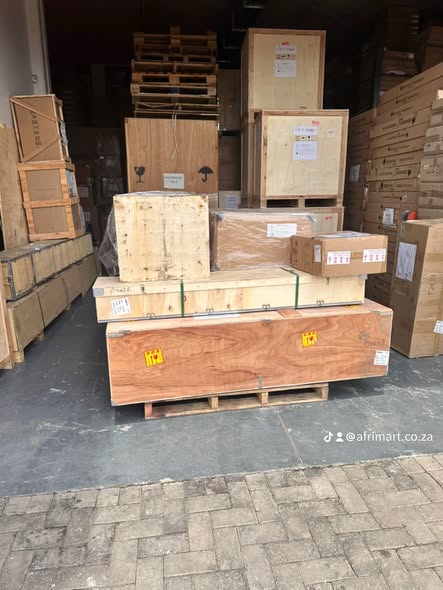
Ready for collection
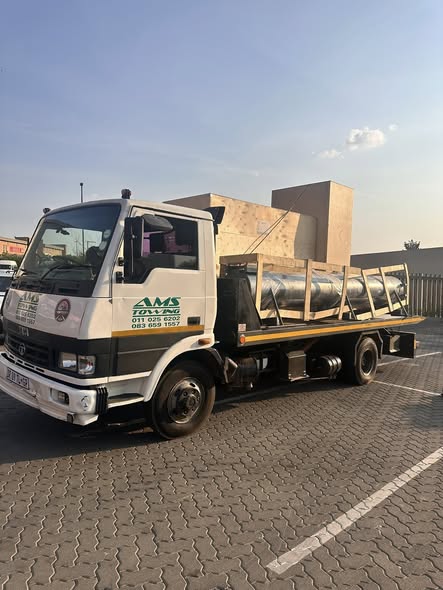
Water Pump Equipment
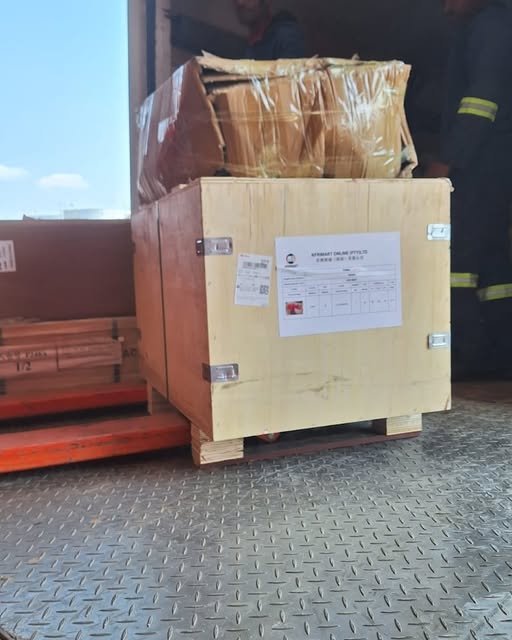
Packaging Machine and accessories
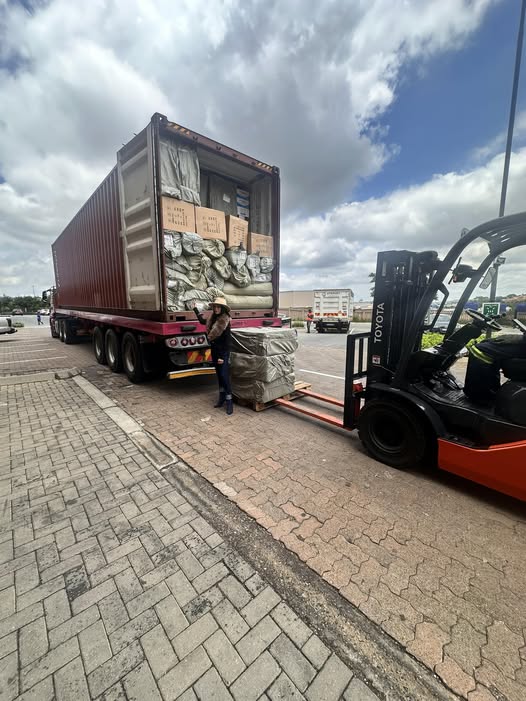
Fabrics Manufacturing Equipment
Mining Equipments
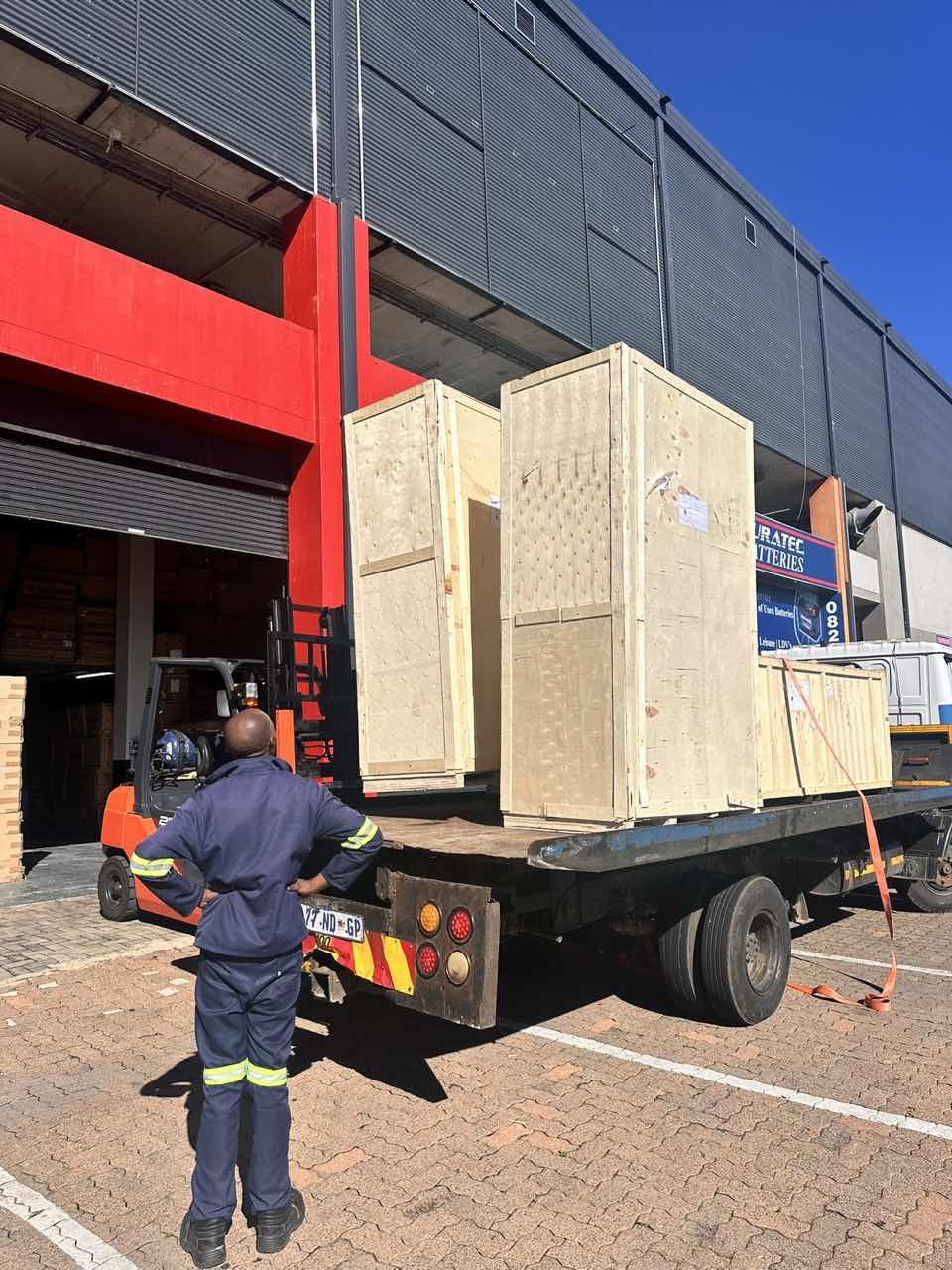
Food Processing Machine
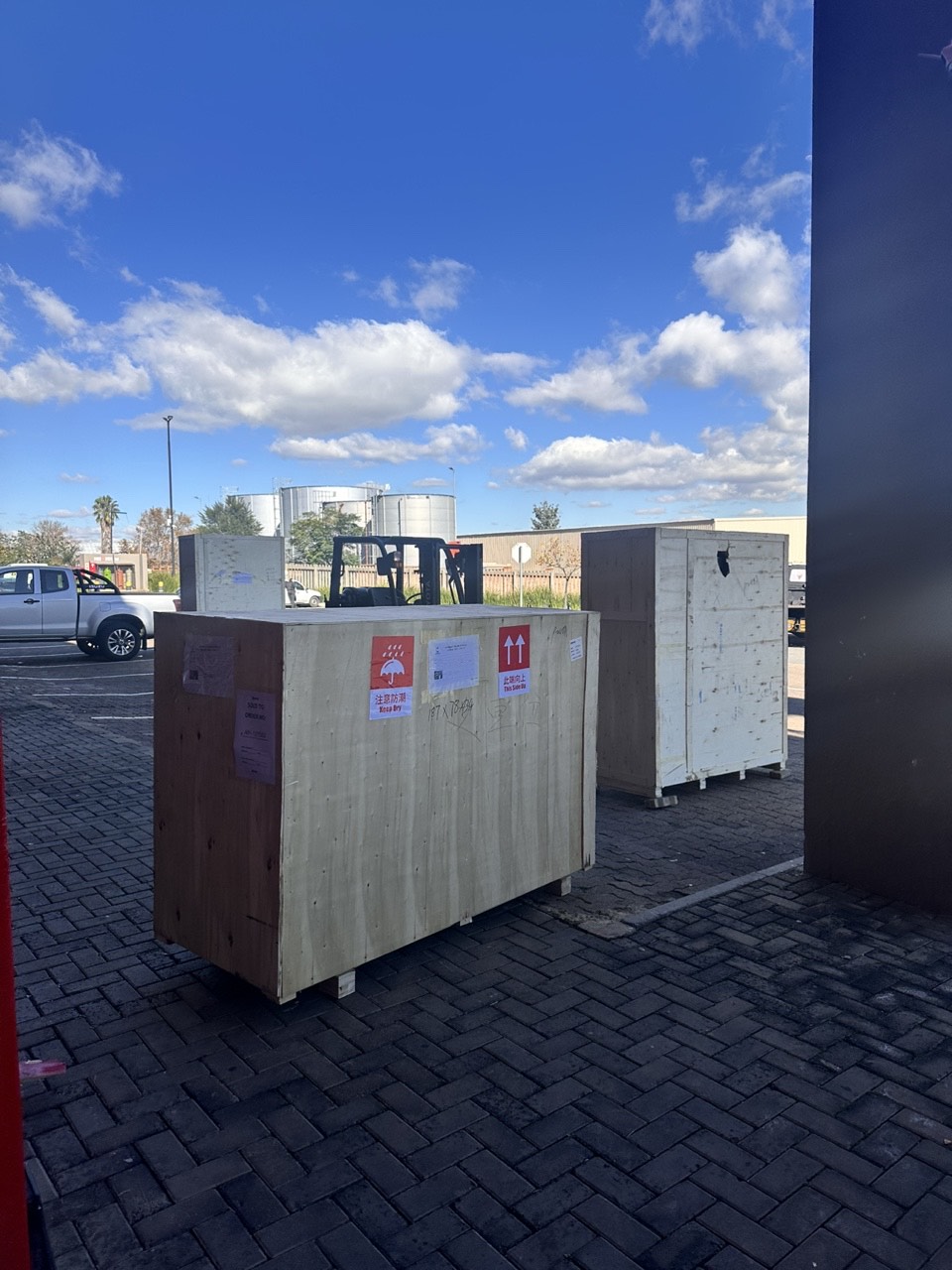
Batch of Orders
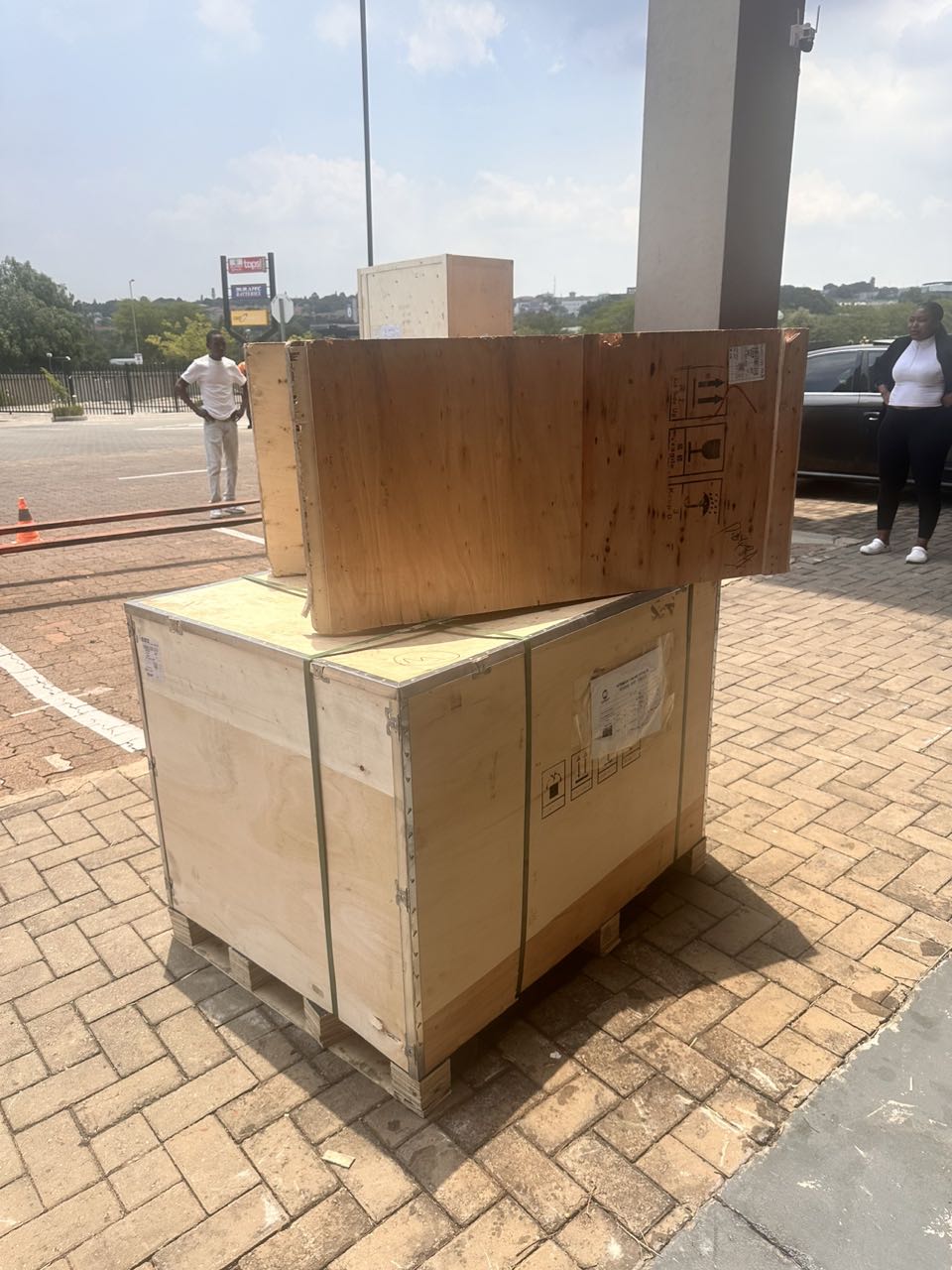
Batch of Orders
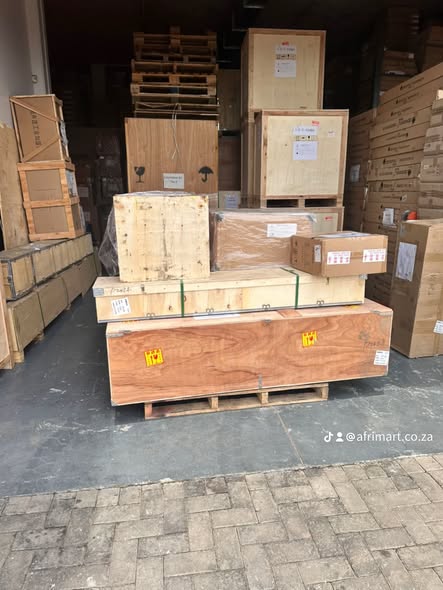
Latest Orders Labelled
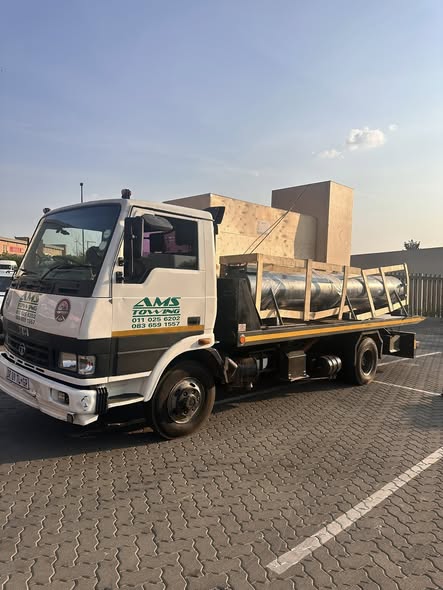
wheel alignment machines
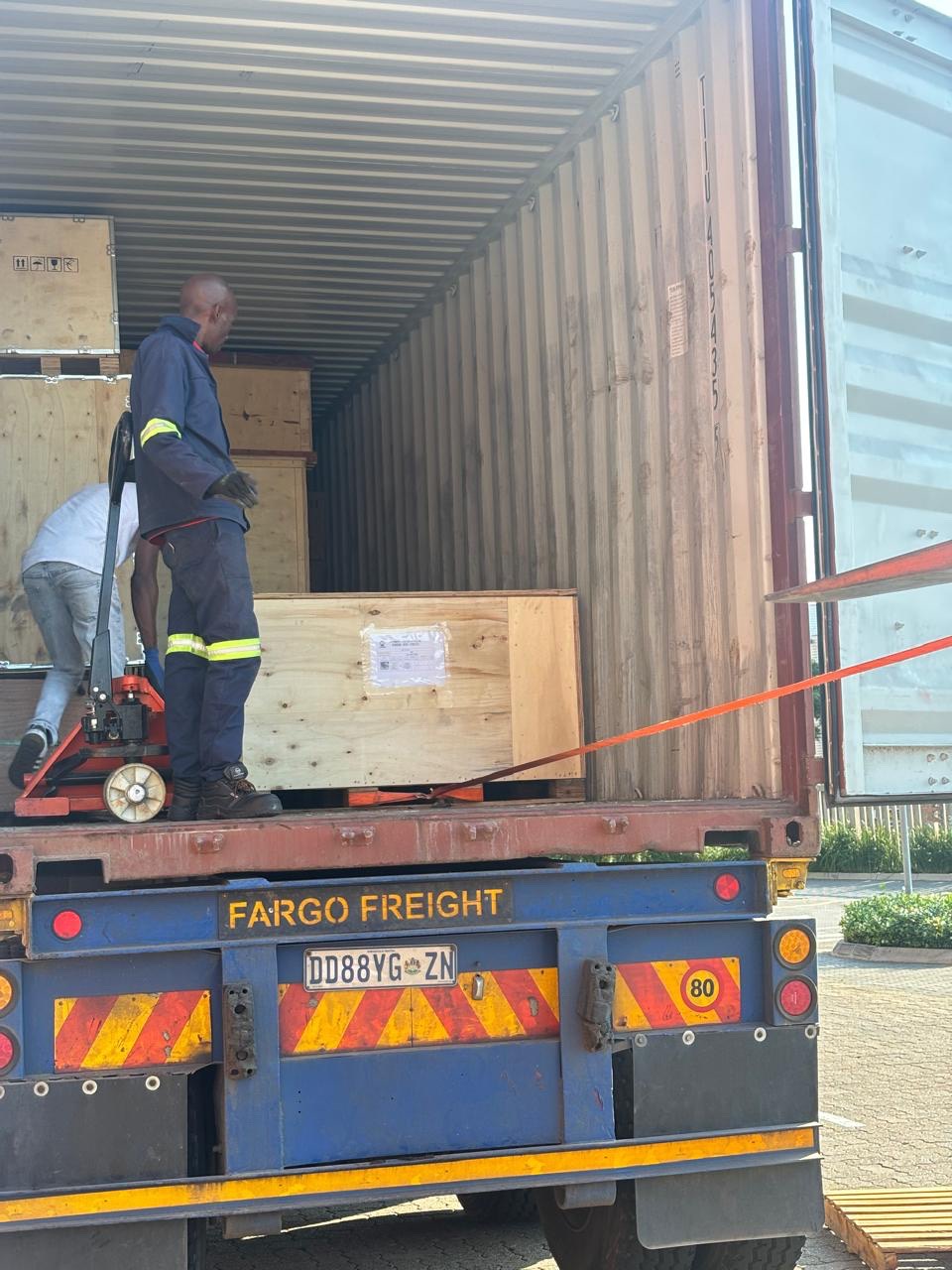
new arrivals
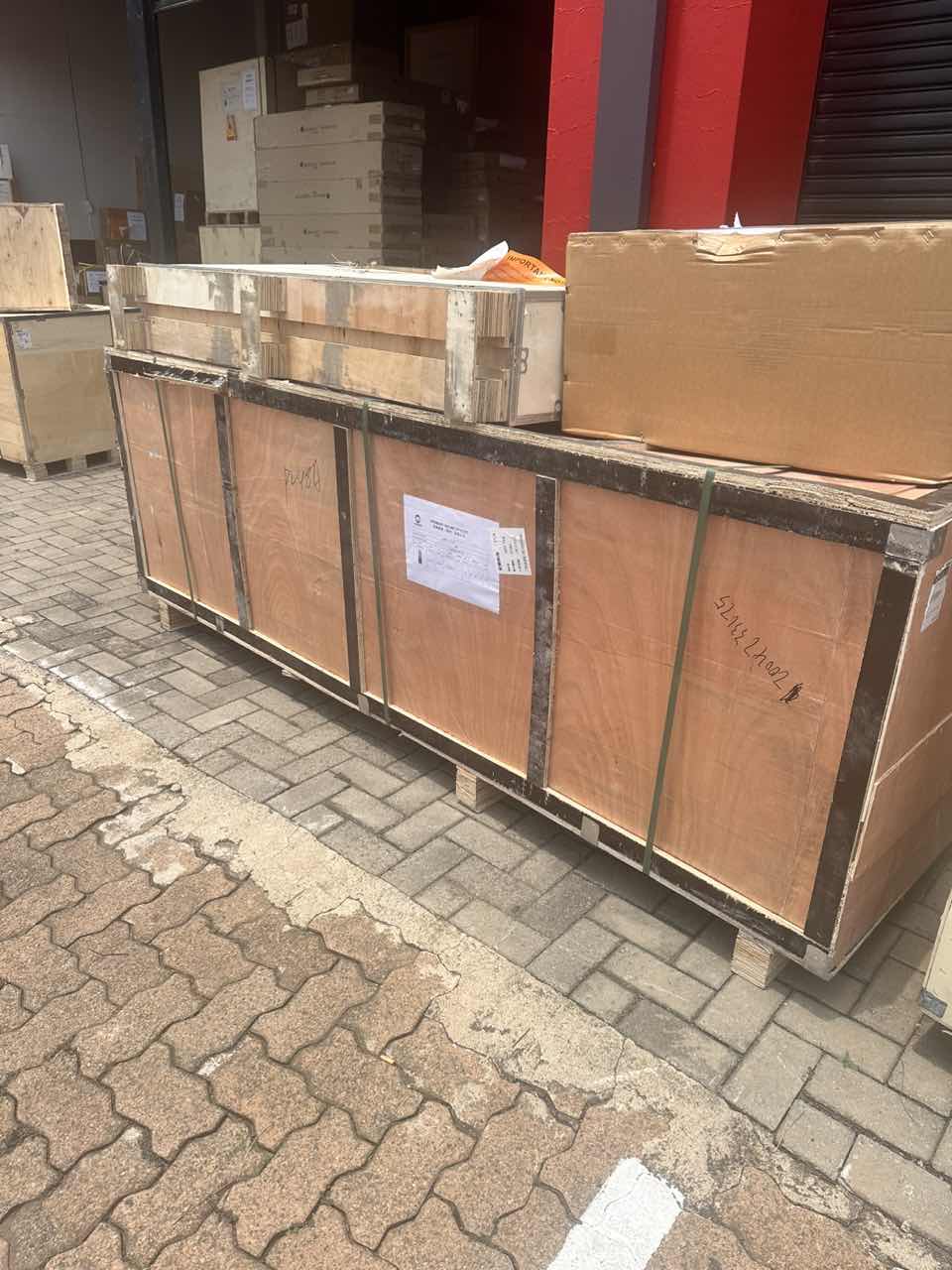
Pre Orders Offloading
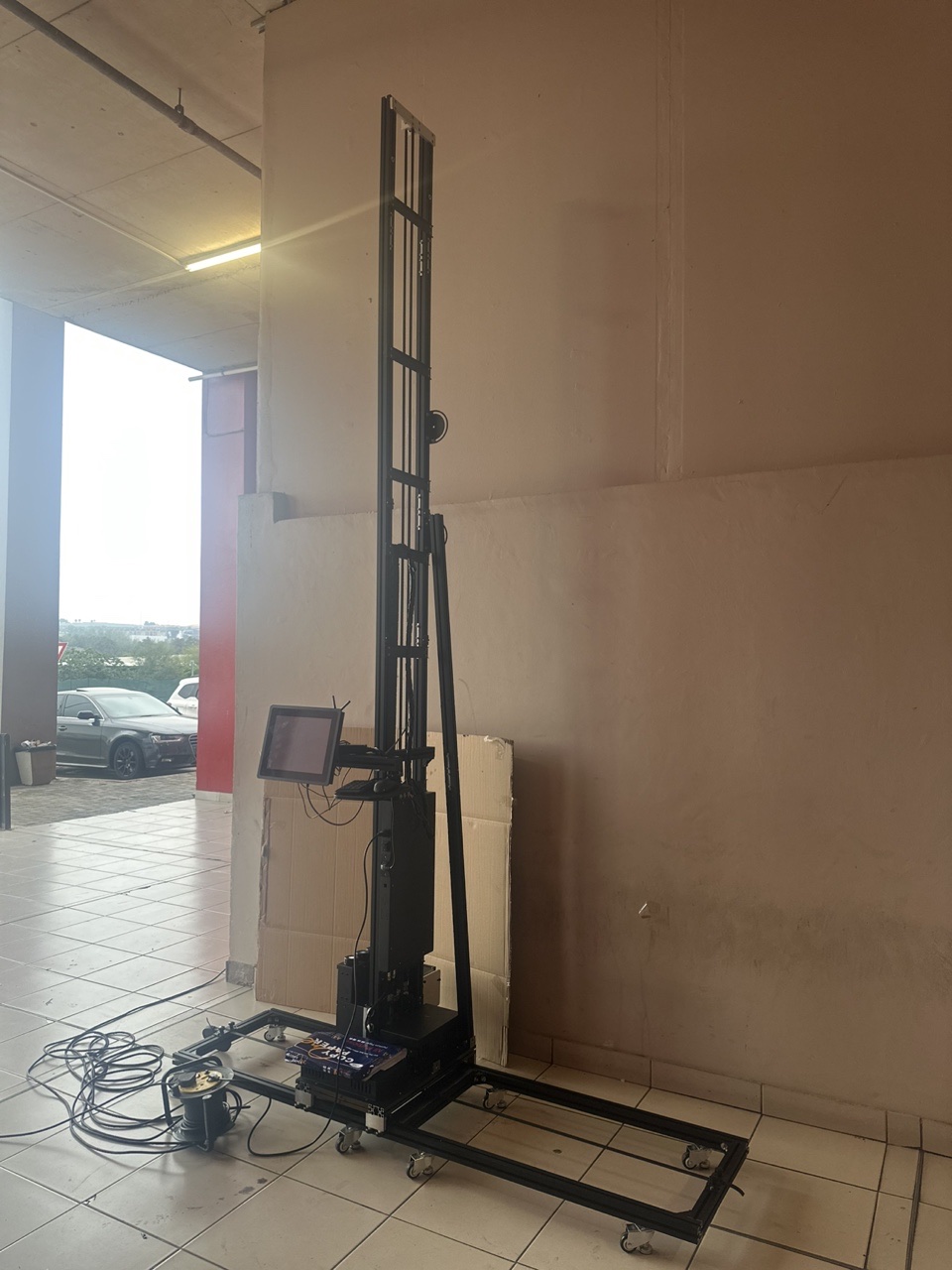
Latest Arrivals
Latest Arrivals
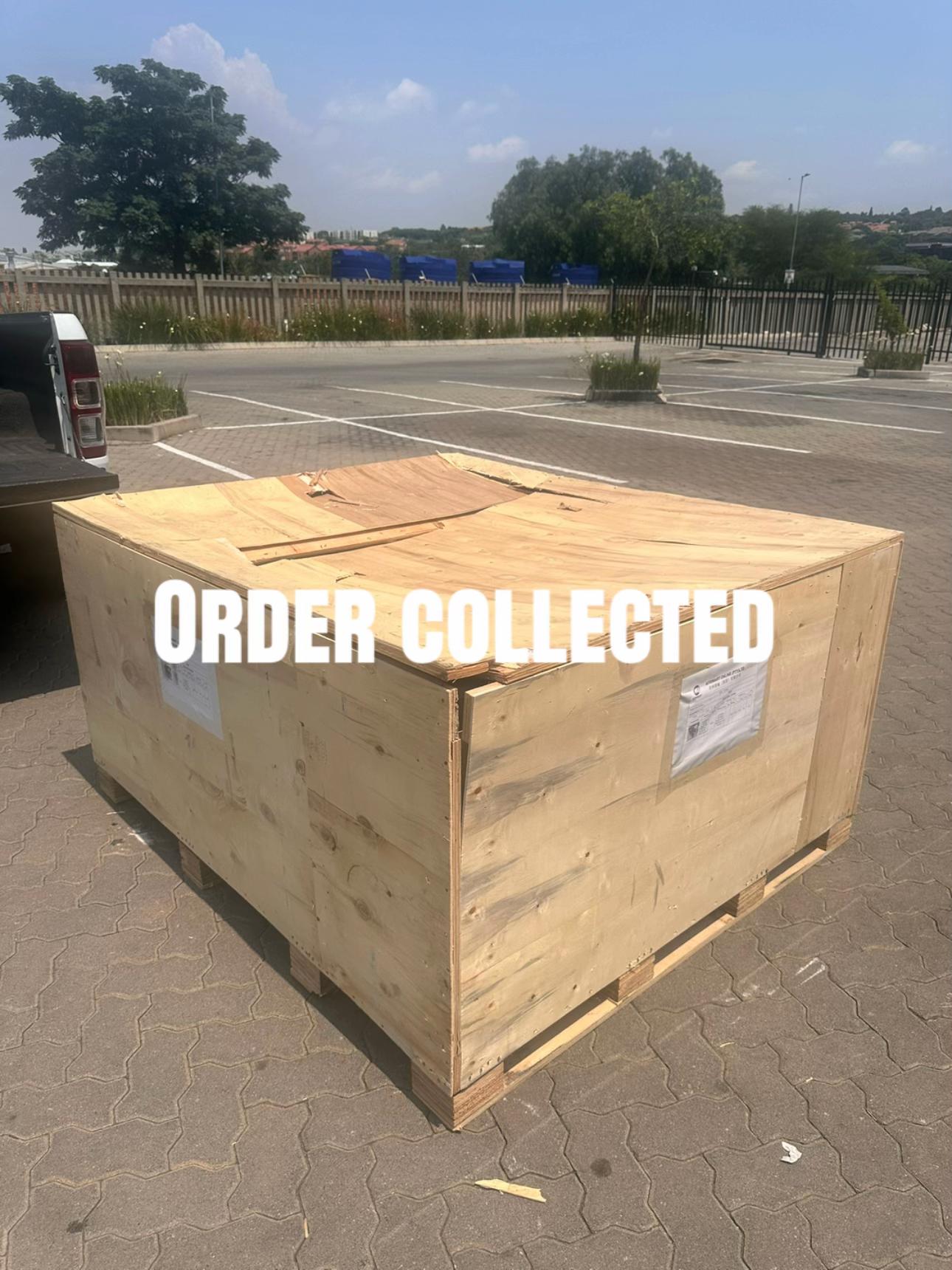
Latest Arrivals
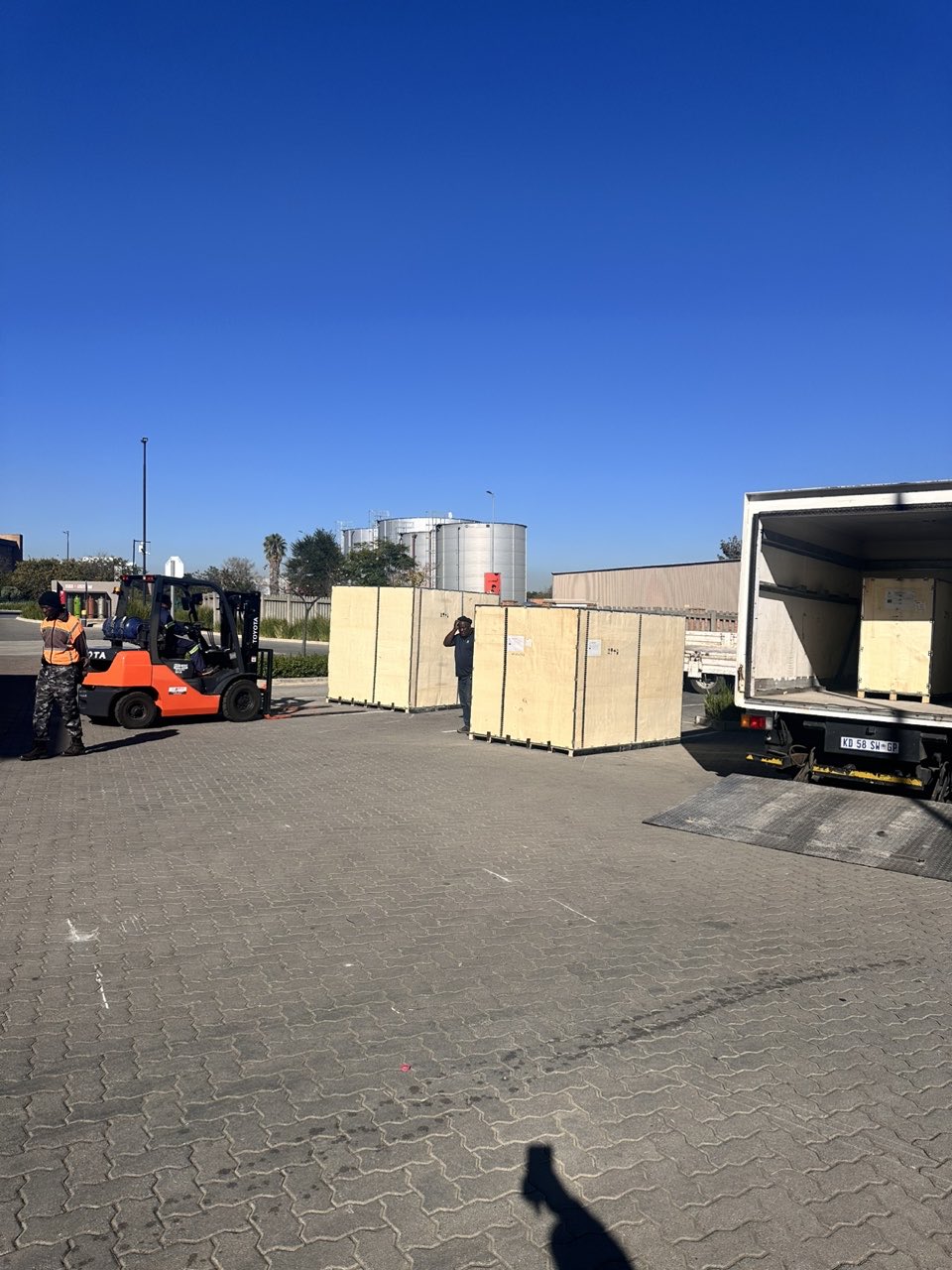
Loading
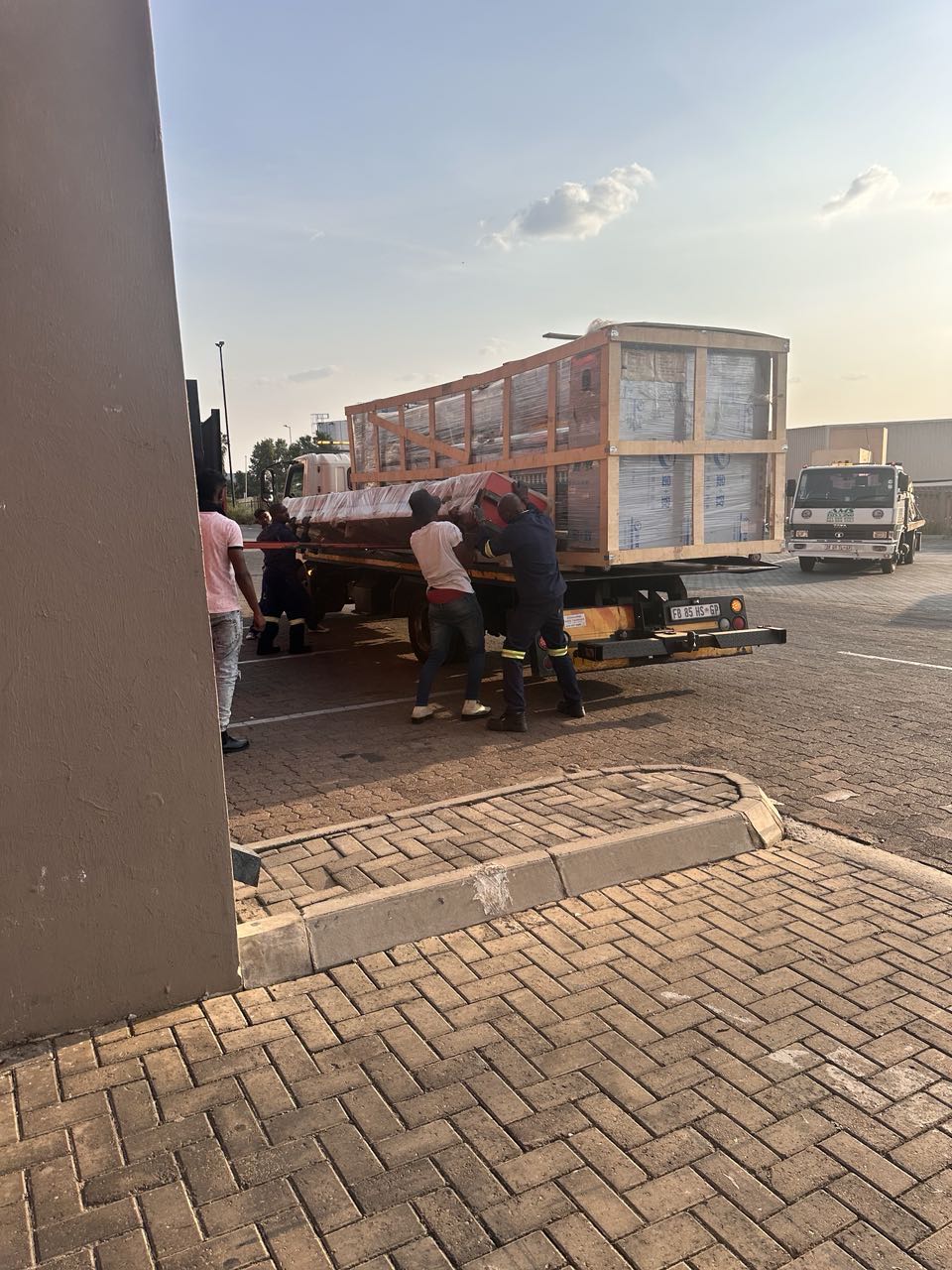
Toilet paper making machine
Toilet paper making machine
Toilet paper Rewinding Machine
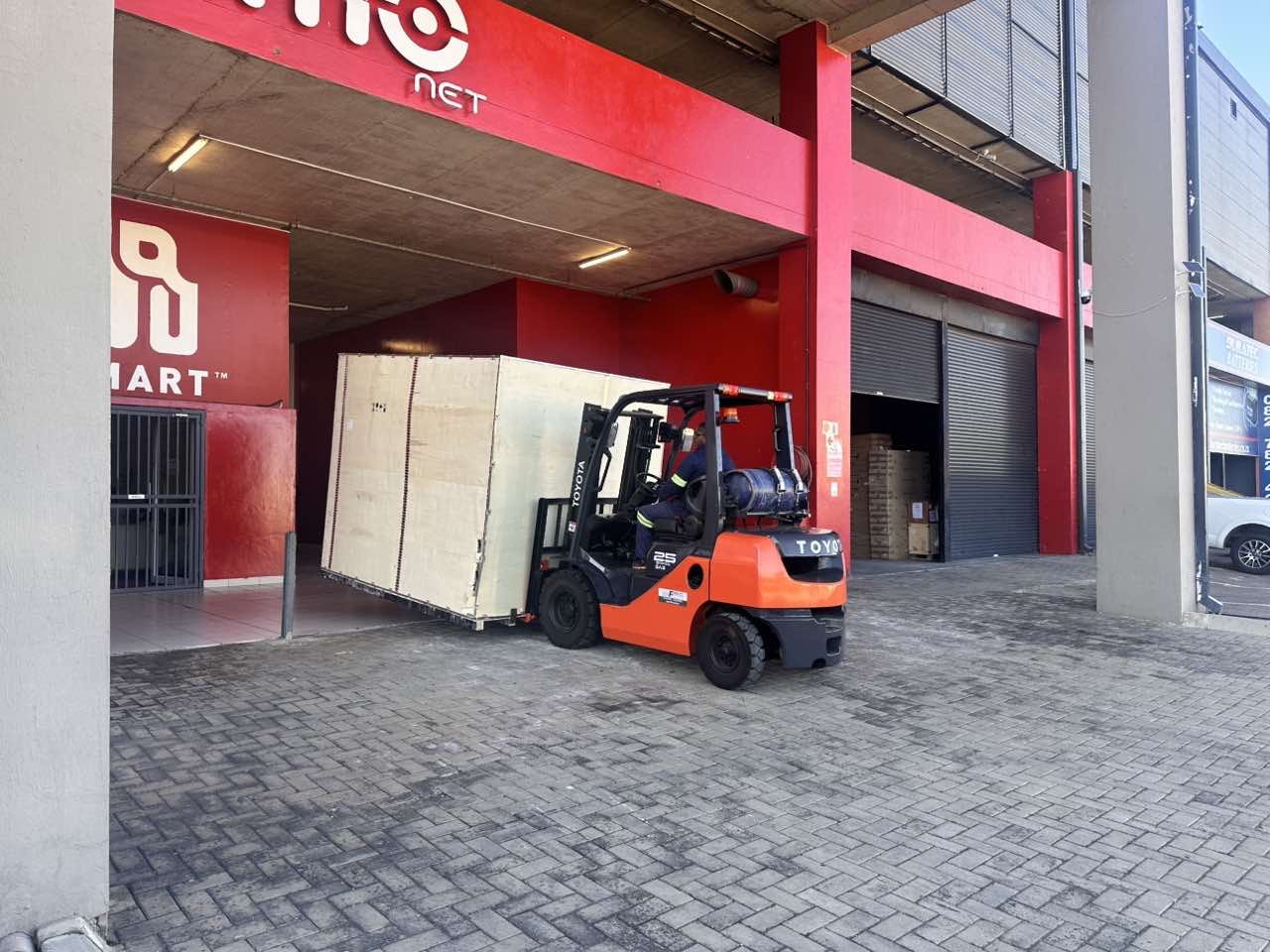
latest arrivals
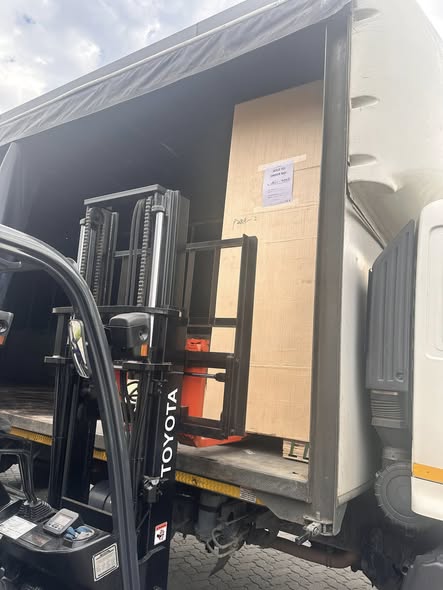
offloading
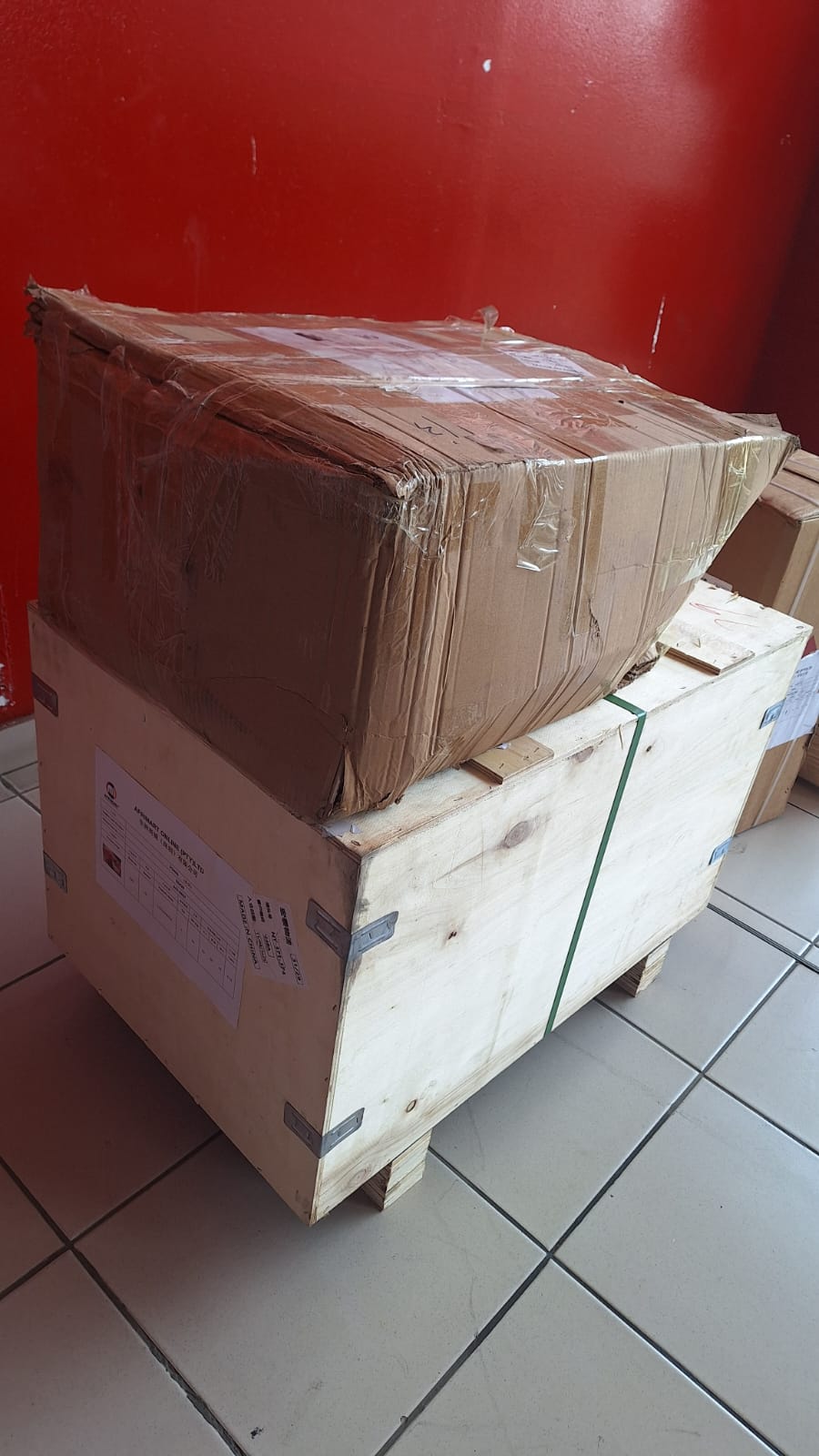
order success
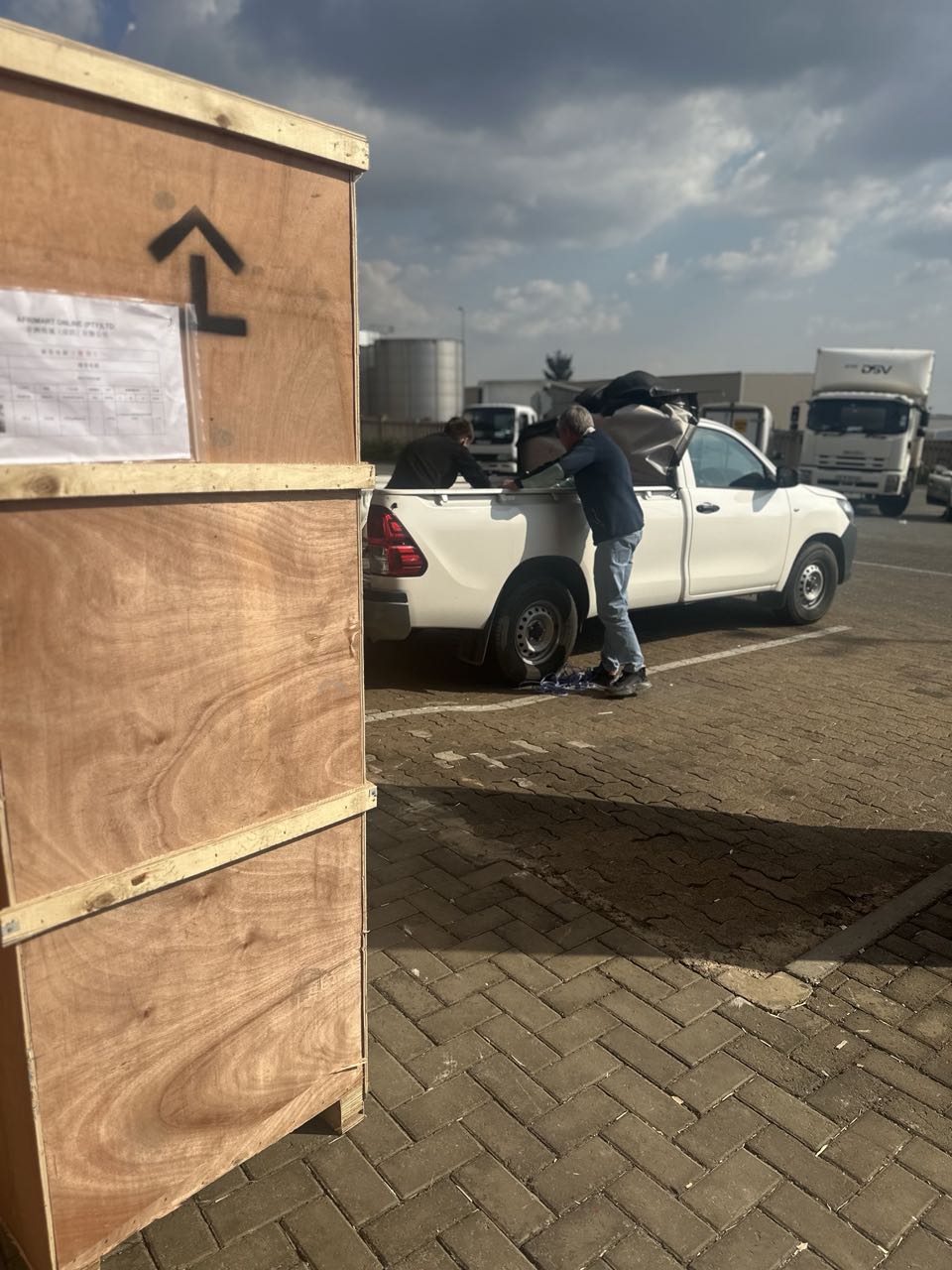
order collection
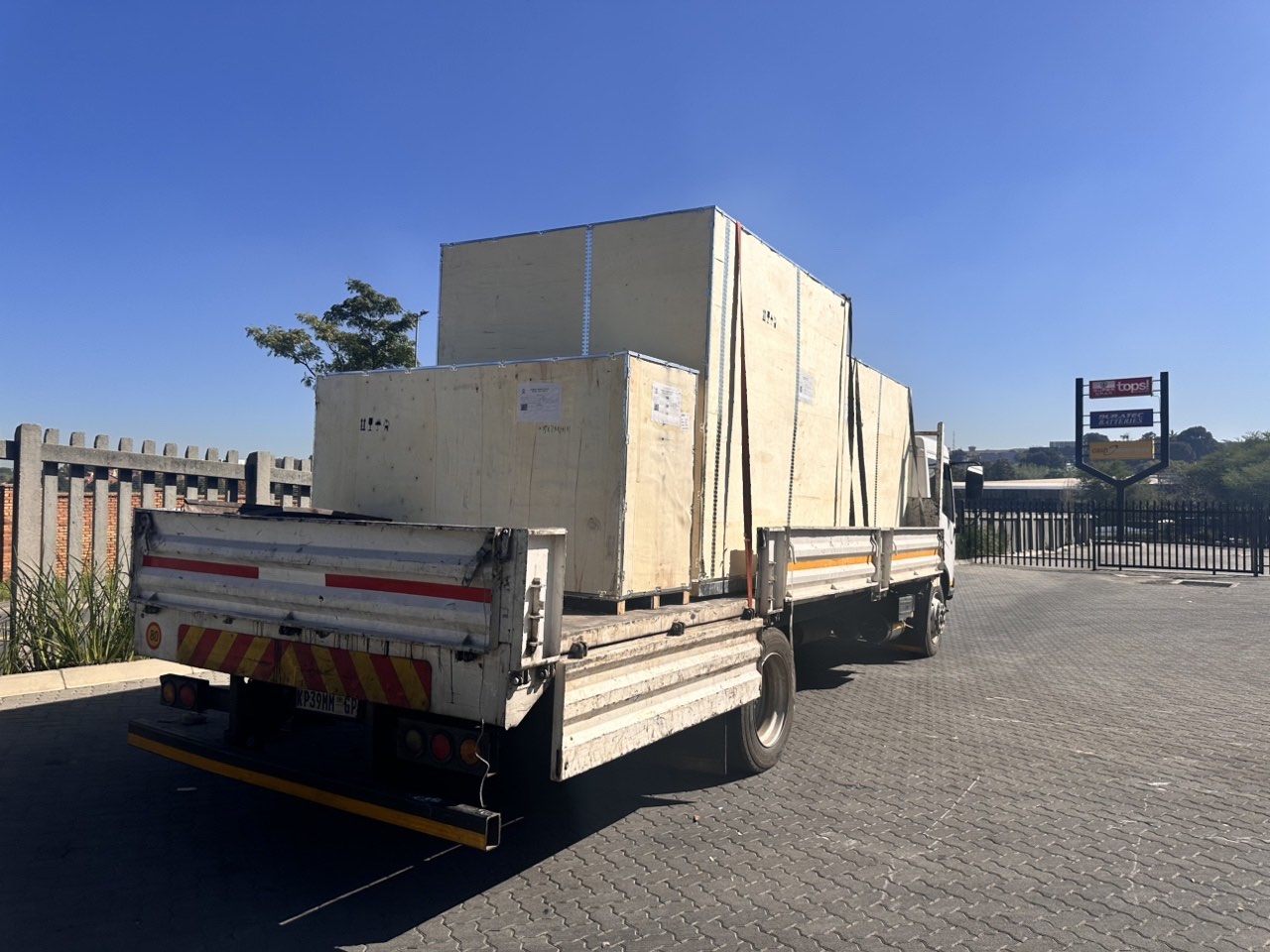
order offloading