B21, China Town Mall, Midrand

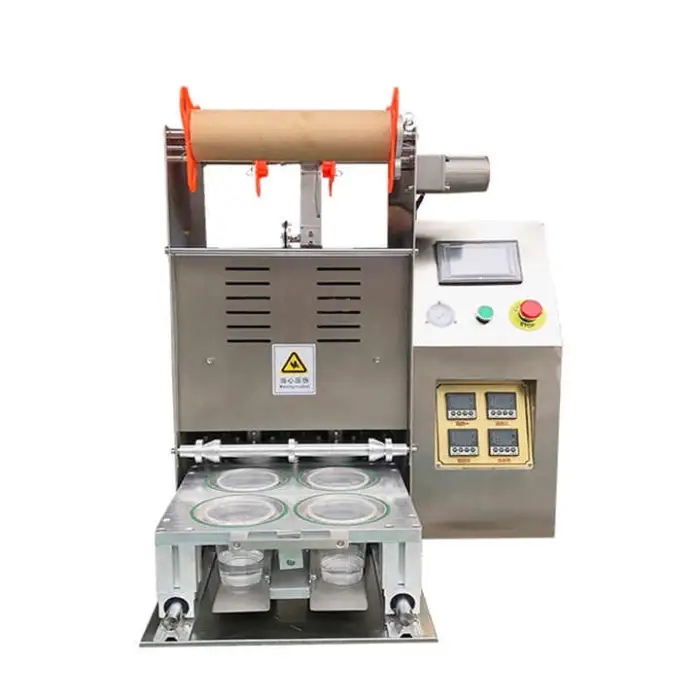
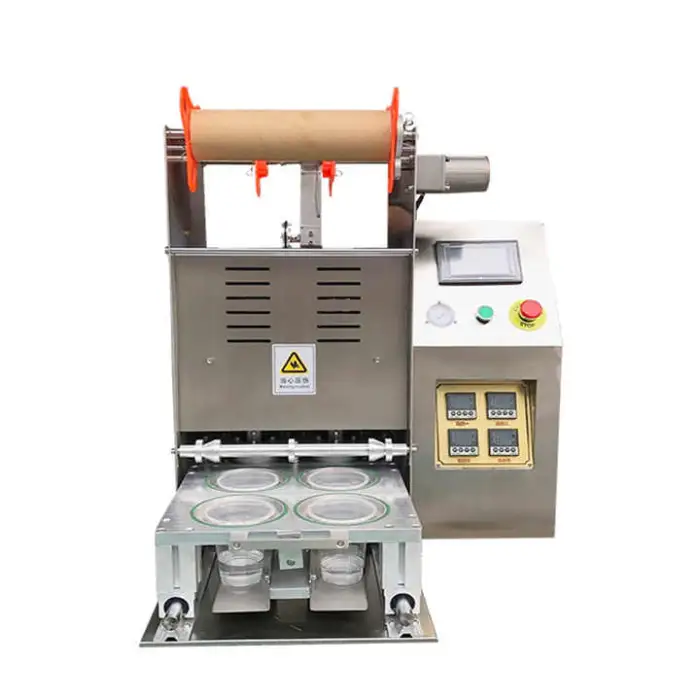
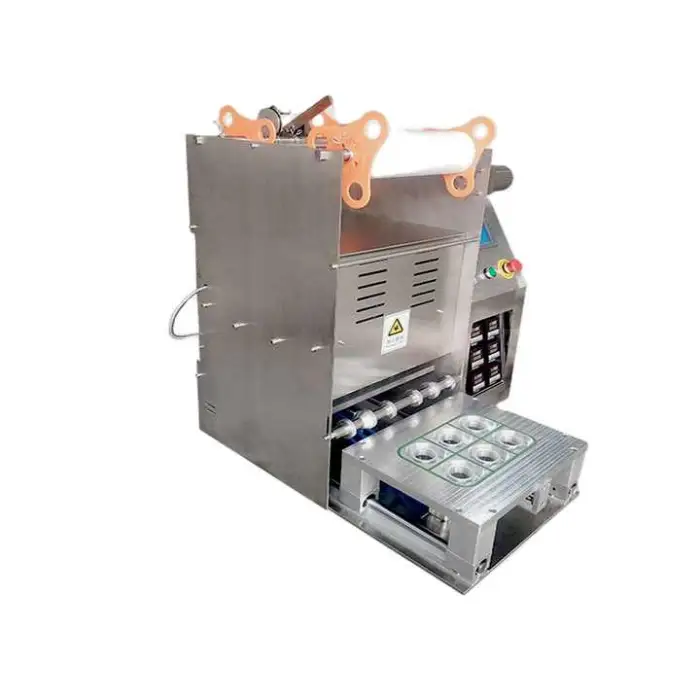
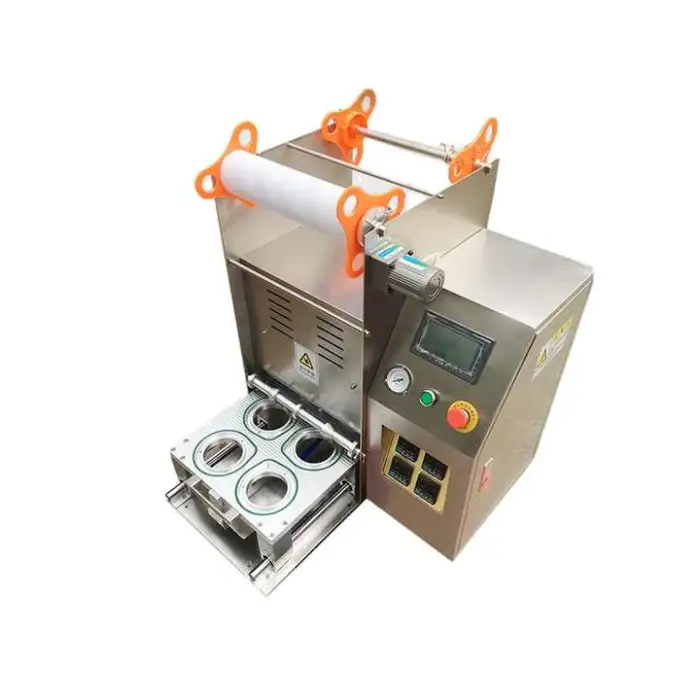
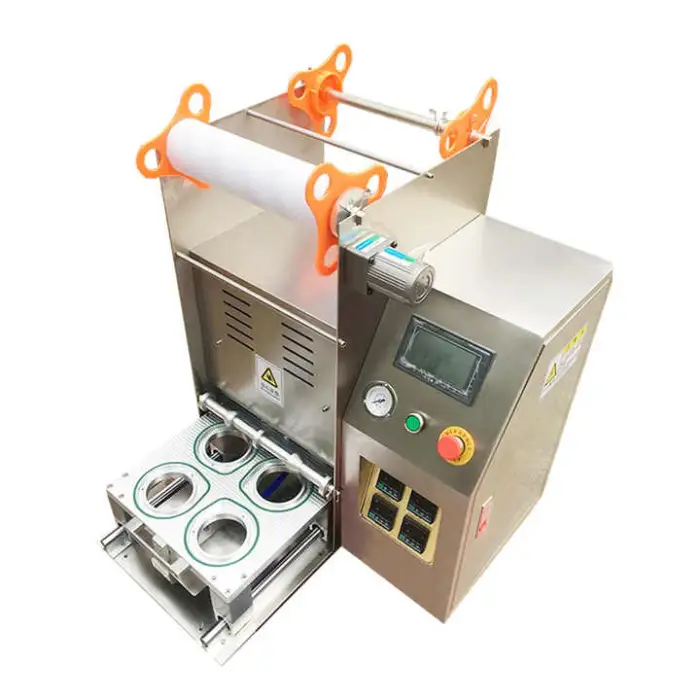
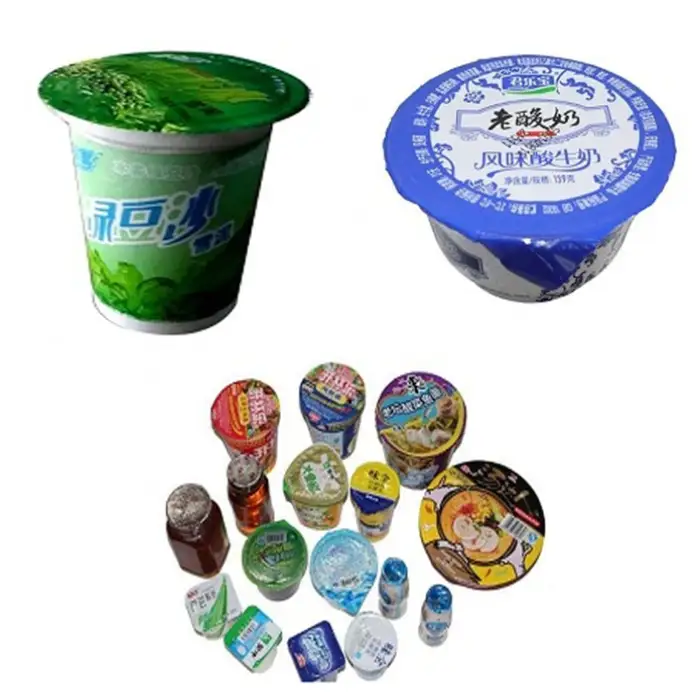
Tabletop Electric Plastic Snack Coffee Milk Tea Cup Fast Food Sealing Machine Yogurt Tray Box Container Sealer
Asset finance available
Do you want funding for this equipment?
Afrimart can connect you with trusted funding partners who specialise in asset finance for businesses like yours. Compare options and apply in minutes — final approval is subject to provider review.
Check funding options
Secure & no obligation

- Section : Machinery
- Category : Packaging Machines
- SKU : 1600967838541

Tabletop Electric Plastic Snack Coffee Milk Tea Cup Fast Food Sealing Machine Yogurt Tray Box Container Sealer
The Tabletop Electric Plastic Snack Coffee Milk Tea Cup Fast Food Sealing Machine is an essential tool for any food and beverage business. This automatic sealer is designed to make packaging quick and easy. It works with various materials like plastic, paper, and metal. Whether you're sealing cups of coffee or trays of yogurt, this machine gets the job done efficiently.
Specifications
| Attribute | Details |
|---|---|
| Driven Type | Electric |
| Packaging Type | Film, Foil, CUP |
| Voltage | 110V/220V |
| Automatic Grade | Automatic |
| Packaging Material | Plastic, paper, metal |
| Max Speed | 40 pcs/min |
| Dimension (L*W*H) | 50*40*65 cm |
| Weight | 900.000 KG |
Key Features
- Easy to operate for quick sealing.
- High-speed performance of up to 40 pcs/min.
- Compatible with various packaging materials.
- Compact design for tabletop use.
- Automatic operation for efficiency.
Applications
- Sealing coffee cups for cafes.
- Packing milk tea for delivery.
- Sealing yogurt trays for stores.
- Fast food packaging in restaurants.
- Industrial use in chemical and hardware sectors.
Product Info Gallery
- Shipping Timeframes: All orders are processed within 2-5 business days (excluding weekends and holidays). After your order has been processed, the estimated delivery time is before 14 Aug, 2026, depending on customs, Please note that due to high demand, some items may experience longer shipping times, which will be communicated at order confirmation email.
- Order Processing Time: Please allow 2-5 business days for us to process your order before it is shipped . Orders placed after 16:00 on Fridays, or during weekends and public holidays, will begin processing on the next business day. Processing times may be extended during peak seasons or sales events.
- Manufacturing Time: Some products needs manufacturing time, the manufacturing process will take approximately 10-30 business days depending on the product. This timeframe may vary depending on the complexity of the product and current demand. but this will be communicated with you during order confirmation.
- Returns and Exchanges: We offer a 30-day return policy for most items. If you are not completely satisfied with your purchase, you may return it within 30 days of receipt for a refund or exchange. Items must be unused, in their original packaging, and accompanied by proof of purchase. Return shipping costs are the responsibility of the customer, unless the item was damaged or defective upon arrival.
1. What materials can this sealer work with?
The machine is compatible with plastic, paper and metal packaging materials and supports film, foil and cup-type packaging.
2. What types of containers can it seal?
It can seal cups (coffee, milk tea), yogurt trays, fast food containers and other similar tabletop containers—sized to fit the machine's sealing area or with compatible molds/inserts.
3. How fast does the machine operate?
Maximum sealing speed is up to 40 pieces per minute, depending on container size, operator workflow and film type.
4. What power/voltage options are available?
The unit is available for 110V or 220V electrical supply. Select the correct voltage version for your region and ensure proper grounding.
5. What are the physical dimensions and weight of the machine?
Overall dimensions are approximately 50 × 40 × 65 cm (L × W × H). The listed weight is 900.000 KG (as specified) — confirm shipping/installation requirements before purchase.
6. Is the sealer fully automatic?
Yes. The machine is described as automatic to streamline sealing operations for higher throughput and consistent results.
7. Is this machine suitable for food-grade use?
Yes. It is intended for food and beverage packaging (coffee, milk tea, yogurt, fast food). Always use food-grade films/foils and follow recommended cleaning and sanitation procedures.
8. What cup or tray sizes will it accept?
Specific compatible sizes are not listed in the general spec. Many tabletop sealers accept a range of diameters and tray formats, often using different molds or adjusters. Provide your container dimensions to the supplier to confirm compatibility or request custom tooling.
9. What are the film/roll specifications (width, core size, max diameter)?
Film roll specifications are not included in the basic listing. Typical parameters (width, core diameter, max roll OD) vary by model—contact the seller or check the user manual for the exact roll width, core size and maximum roll diameter required.
10. How do I change the sealing film or foil roll?
General steps: power off and unplug the machine, remove the finished roll, mount the new roll on the film holder, thread the film along the film path to the sealing head, set film alignment/tension, power on and run a test seal. Always follow the manufacturer’s step-by-step instructions in the manual.
11. What routine maintenance is required?
Perform daily cleaning of contact surfaces, remove residue from the sealing area, inspect and replace worn sealing rubbers or Teflon strips, check mechanical fasteners, and lubricate moving parts per the manual. Never immerse electrical components in water and disconnect power before maintenance.
12. What safety precautions should operators follow?
Ensure the machine is properly grounded, keep hands clear of the sealing head during operation, use provided guards, unplug before cleaning or maintenance, and provide operator training on safe use. Follow all local electrical and food safety regulations.
13. Why am I getting weak or incomplete seals, and how can I fix it?
Common causes: incorrect film type, dirty sealing surface, worn or damaged sealing element, improper temperature or pressure settings, or misaligned film. Clean the sealing area, check/replace sealing parts, verify film compatibility, and consult the manual or supplier for temperature/pressure adjustments.
14. Can this machine seal metal containers or thick metal lids?
The specification lists 'metal' as a packaging material, which generally refers to thin foil lids or metalized films rather than thick stamped metal containers. For heavy or rigid metal lids, confirm suitability with the supplier and test the specific container type.
15. Are spare parts and technical support available?
Spare parts, consumables and technical support availability vary by seller. Ask your supplier about spare sealing strips, heaters, cutters, molds/inserts and warranty/after-sales support before purchase.
Latest Order Arrivals
Discover our latest orders
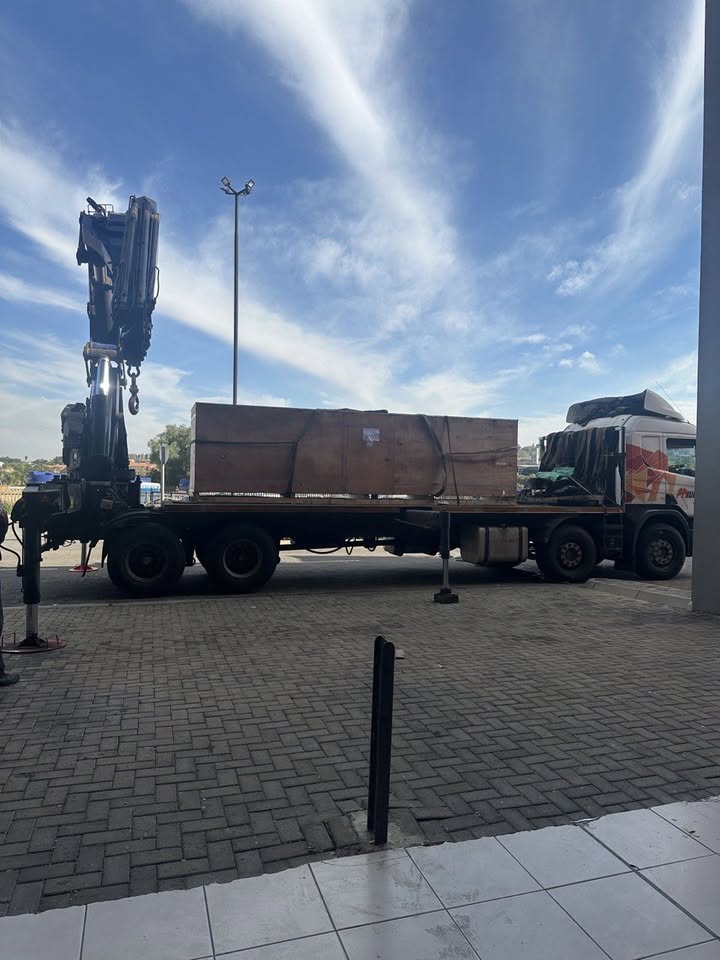
12 Heads Embroidery Machine
Toilet Paper Machine Machine
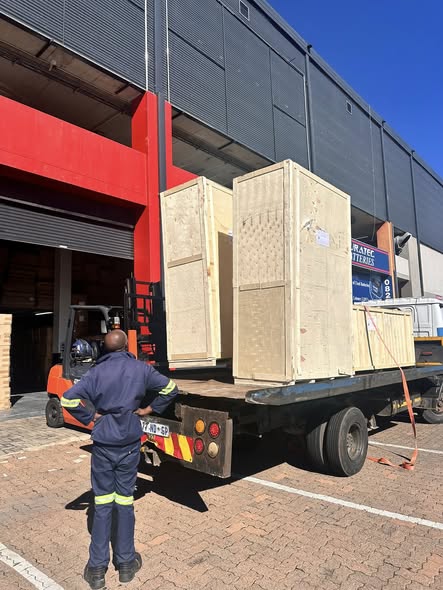
Order Collection
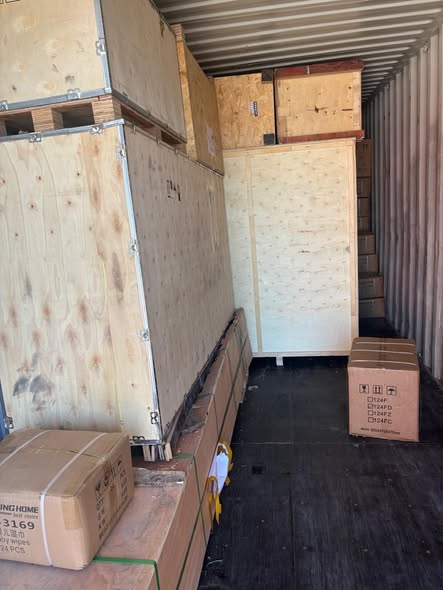
Cross Border Clients
Order cros border countries Collected
Industrial Machine Cllection
Agriculture Processing Machines
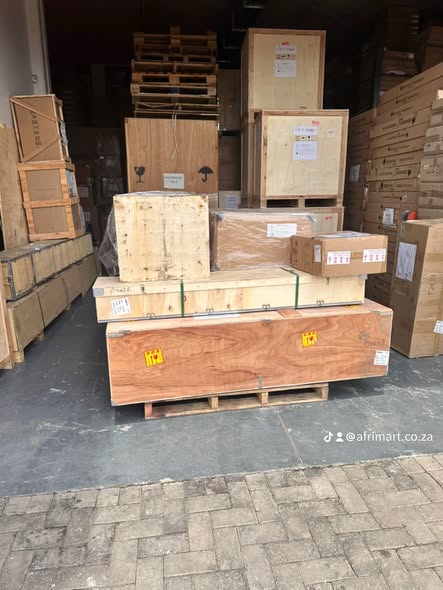
Ready for collection
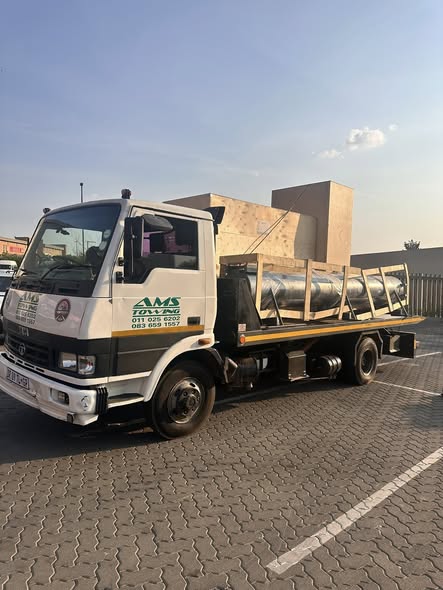
Water Pump Equipment
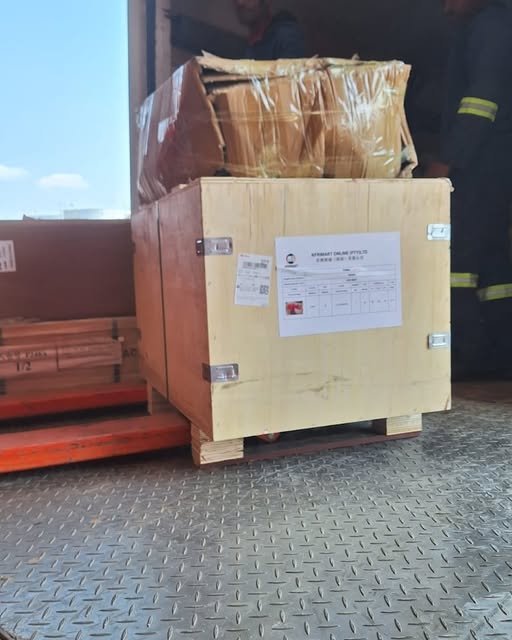
Packaging Machine and accessories
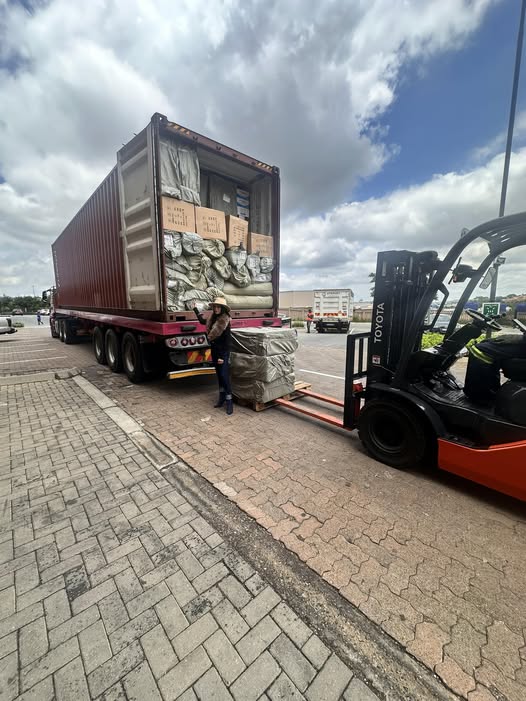
Fabrics Manufacturing Equipment
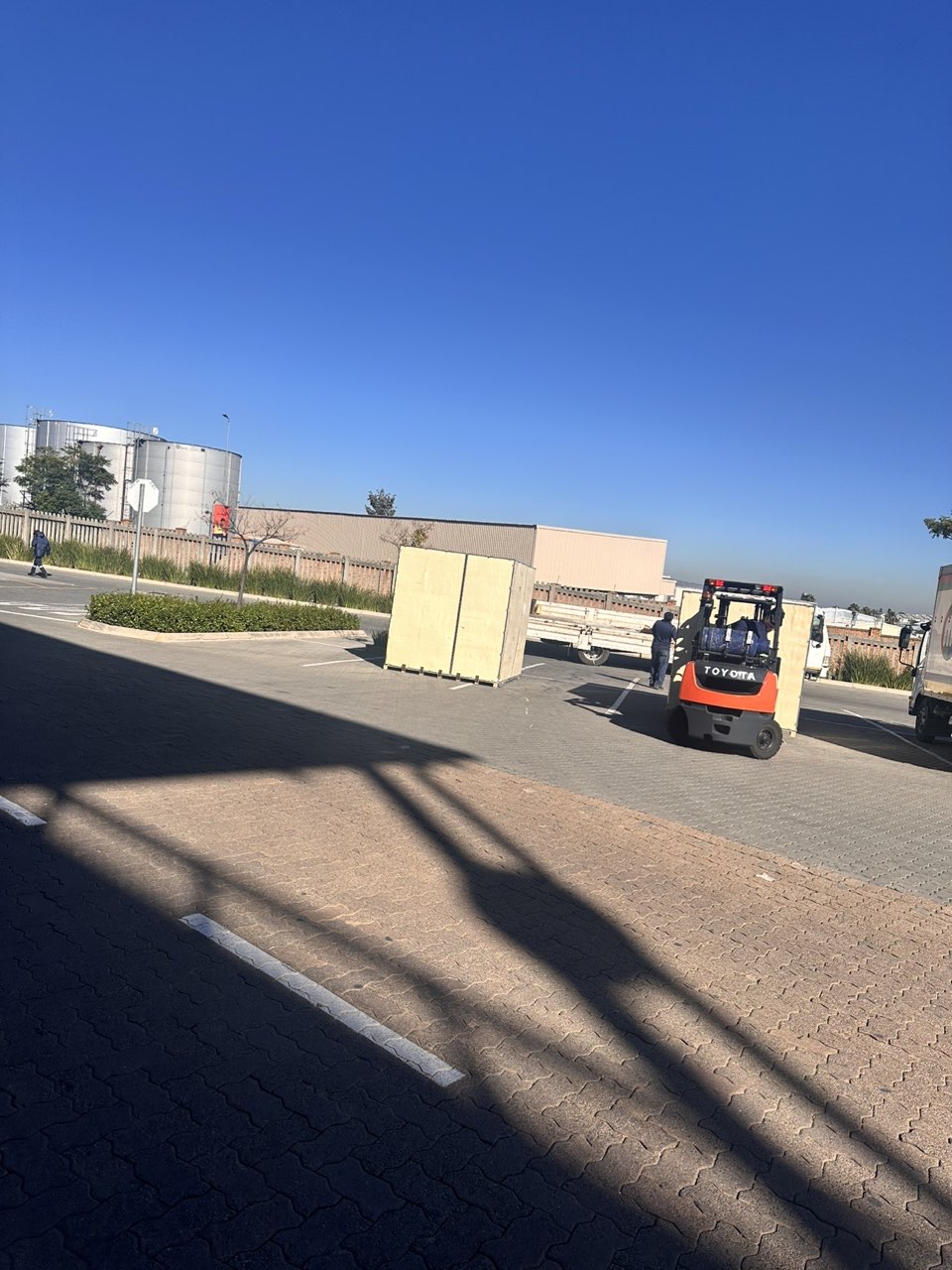
Mining Equipments
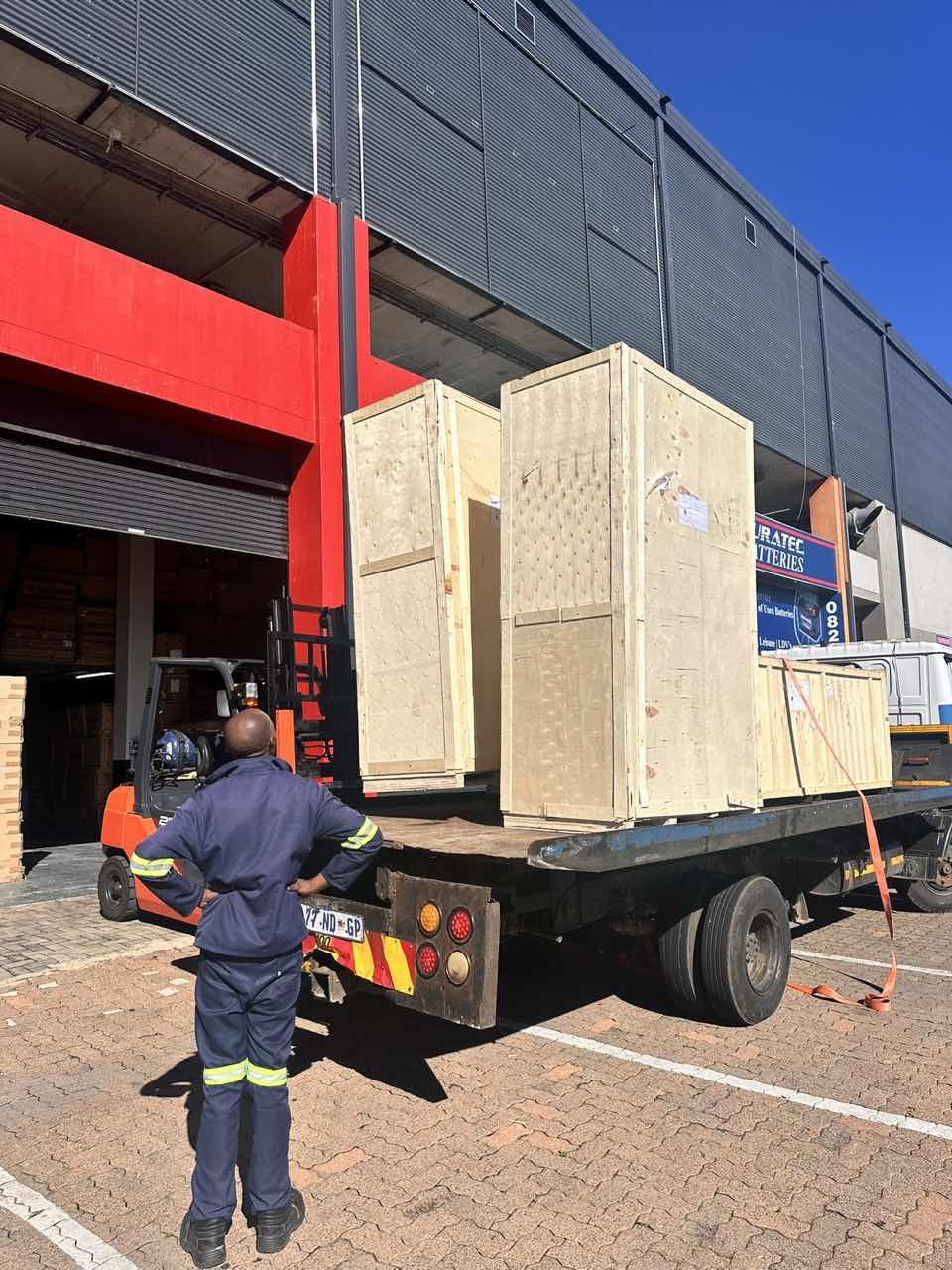
Food Processing Machine
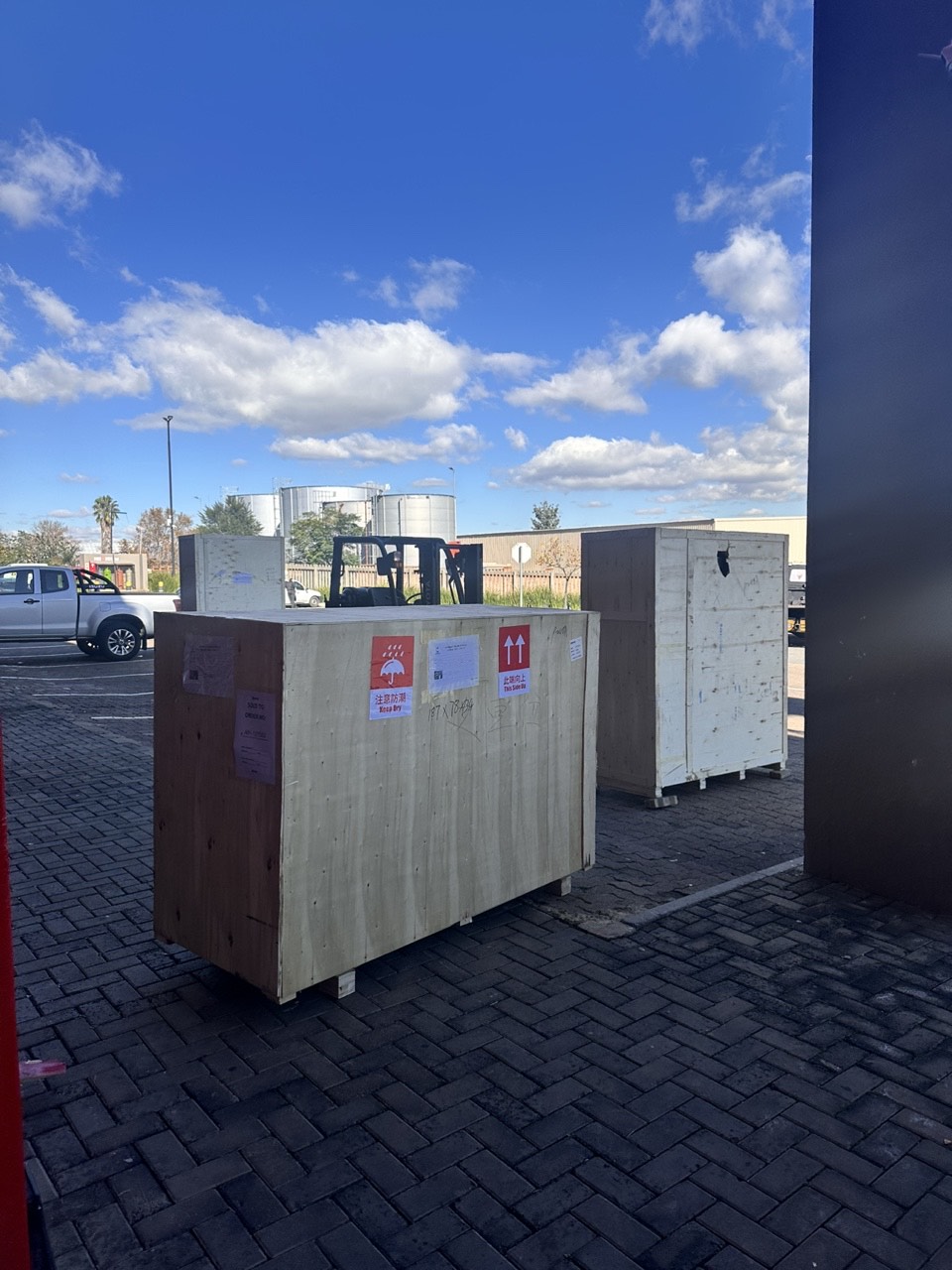
Batch of Orders
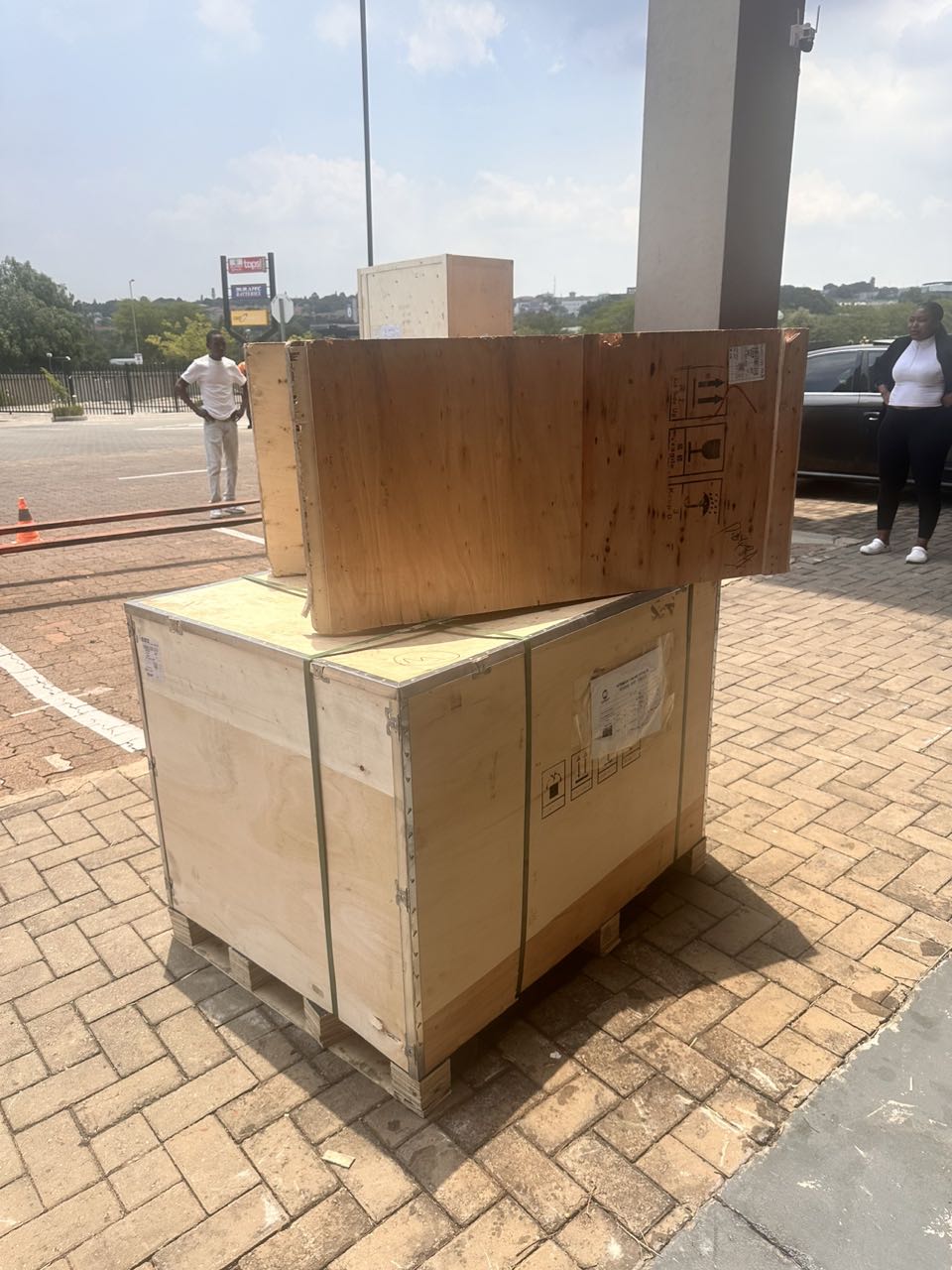
Batch of Orders
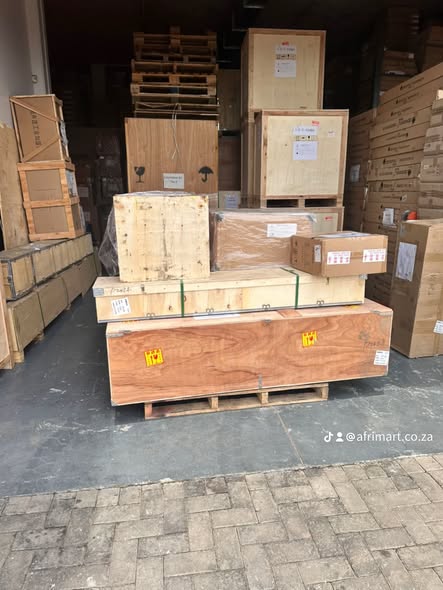
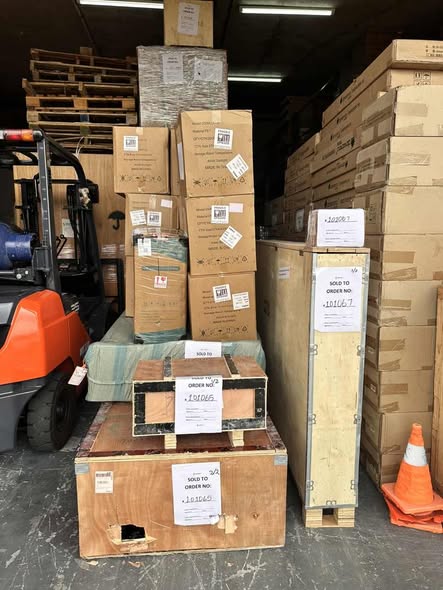
Latest Orders Labelled
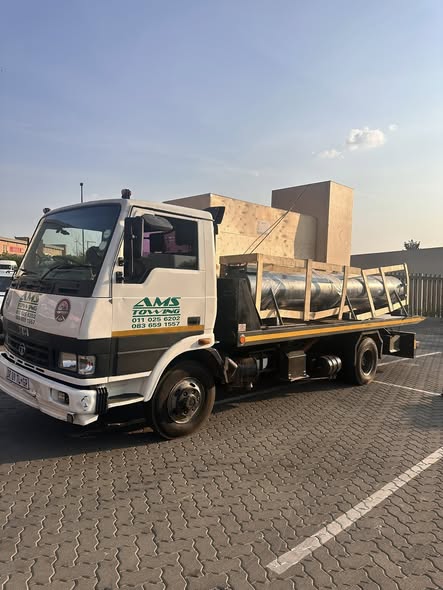
wheel alignment machines
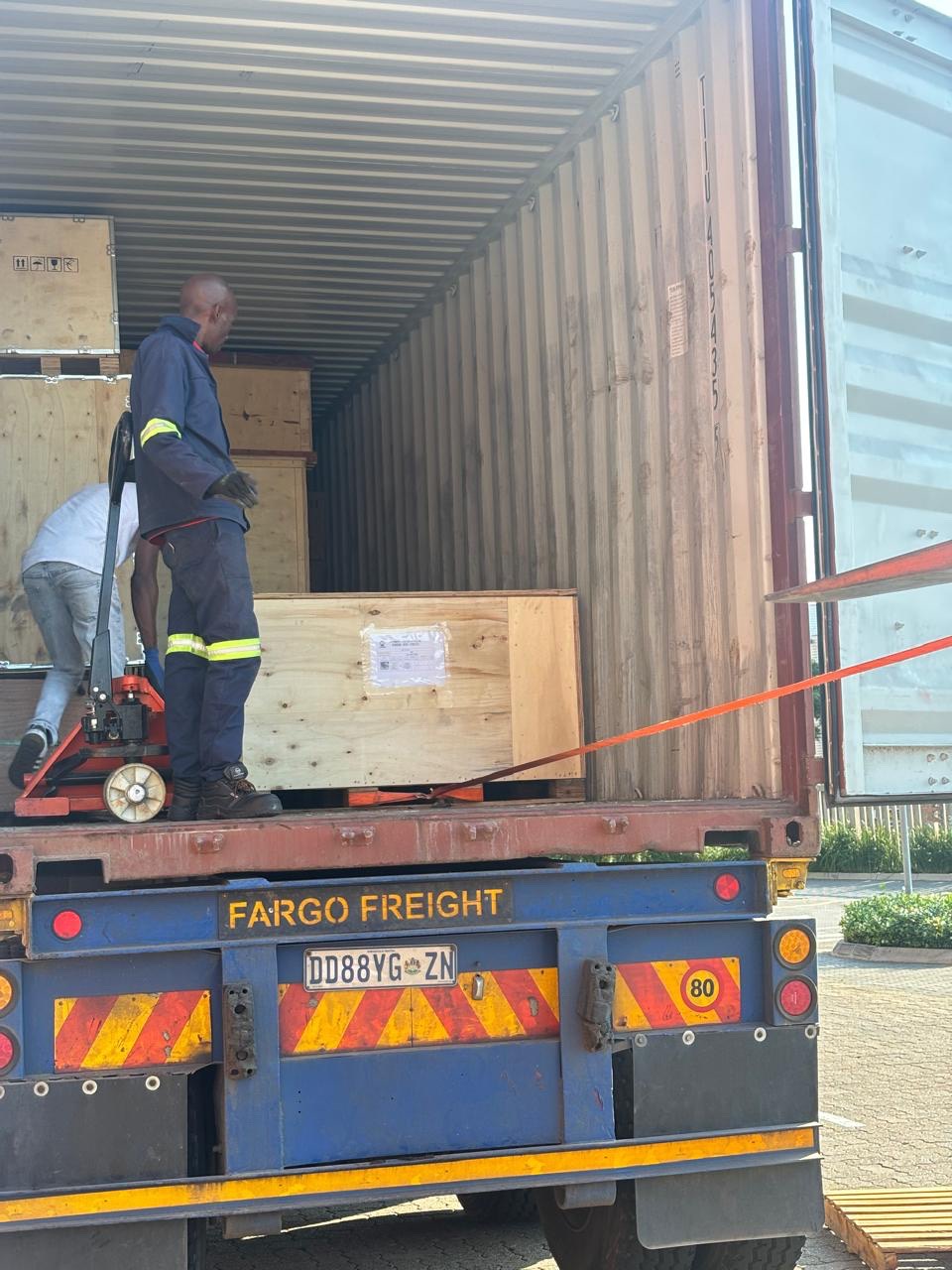
new arrivals
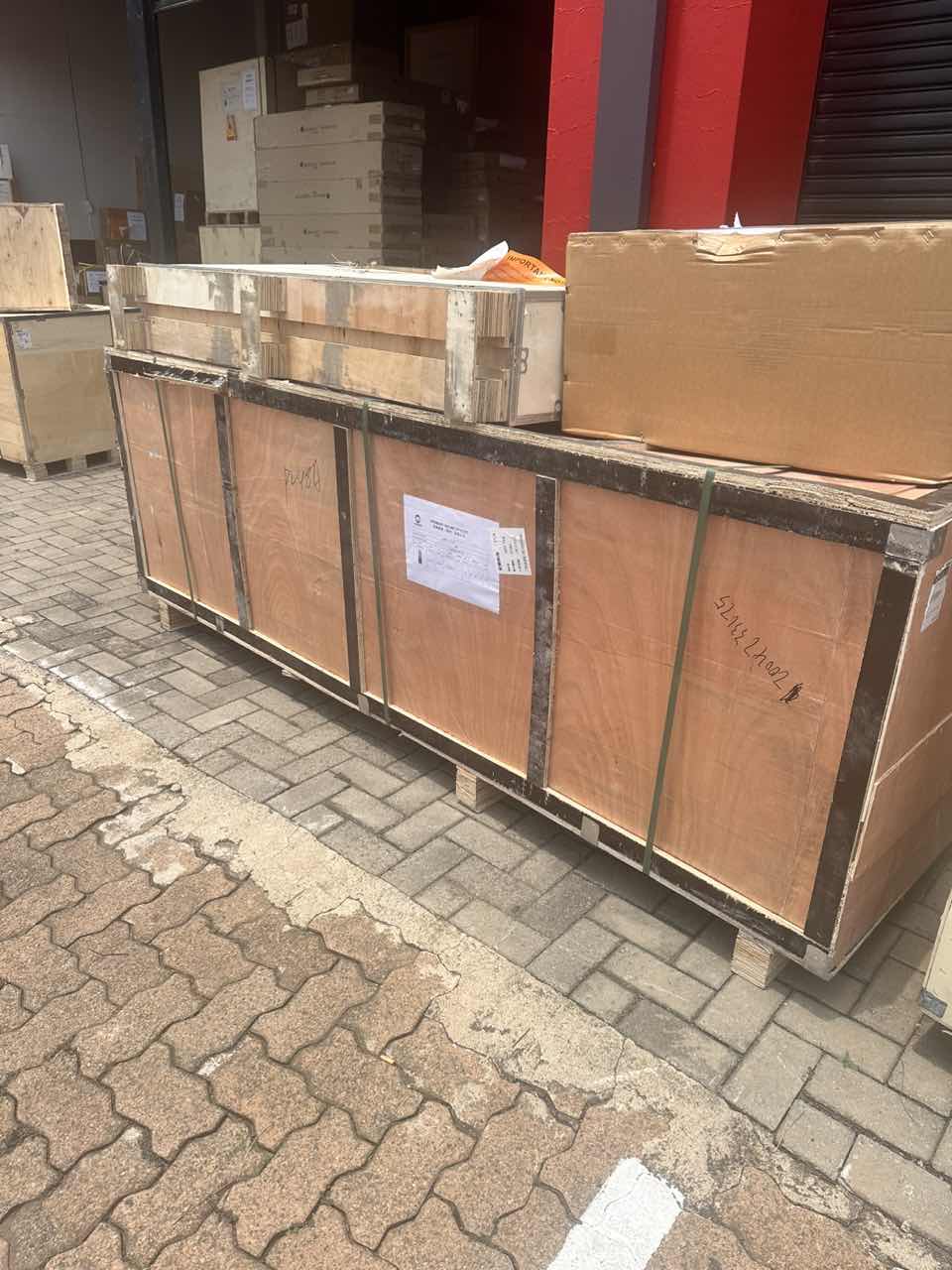
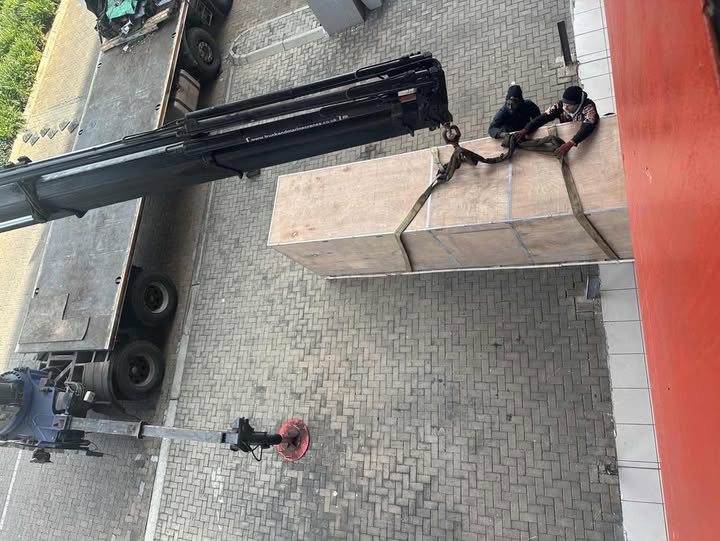
Pre Orders Offloading
Latest Arrivals
Latest Arrivals
Latest Arrivals
Loading
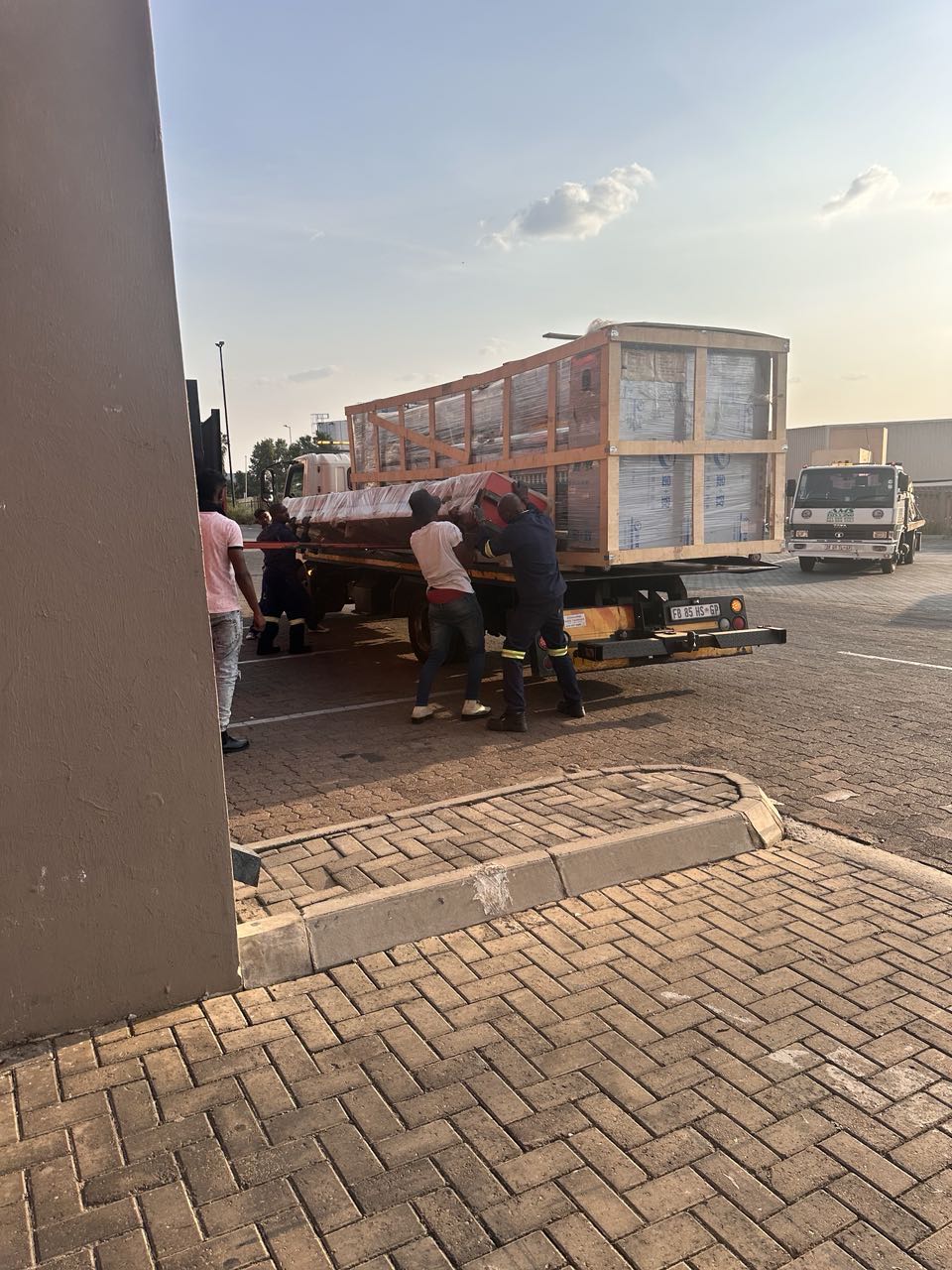
Toilet paper making machine
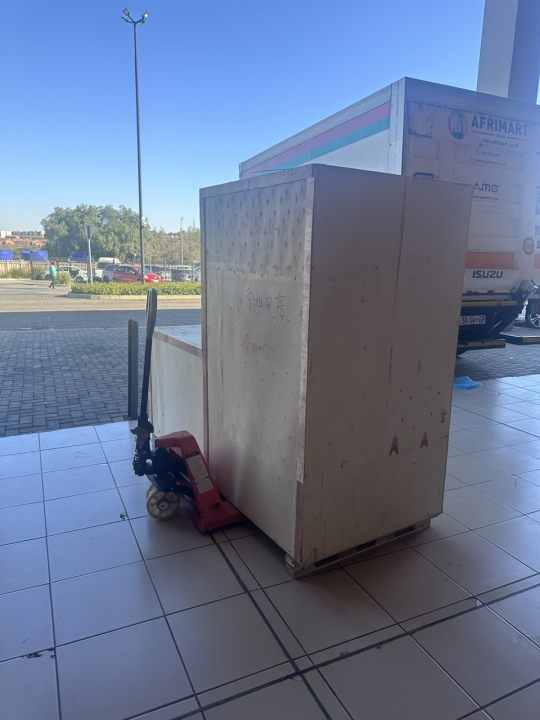
Toilet paper making machine
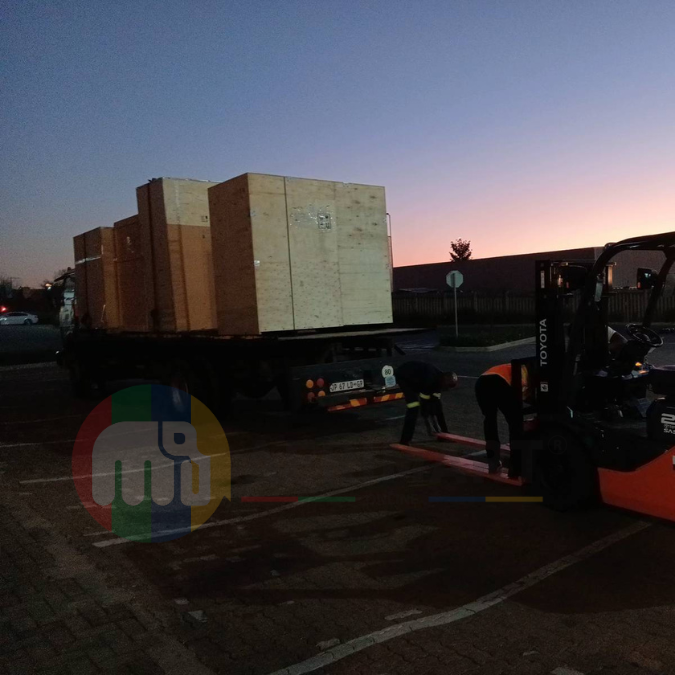
Toilet paper Rewinding Machine
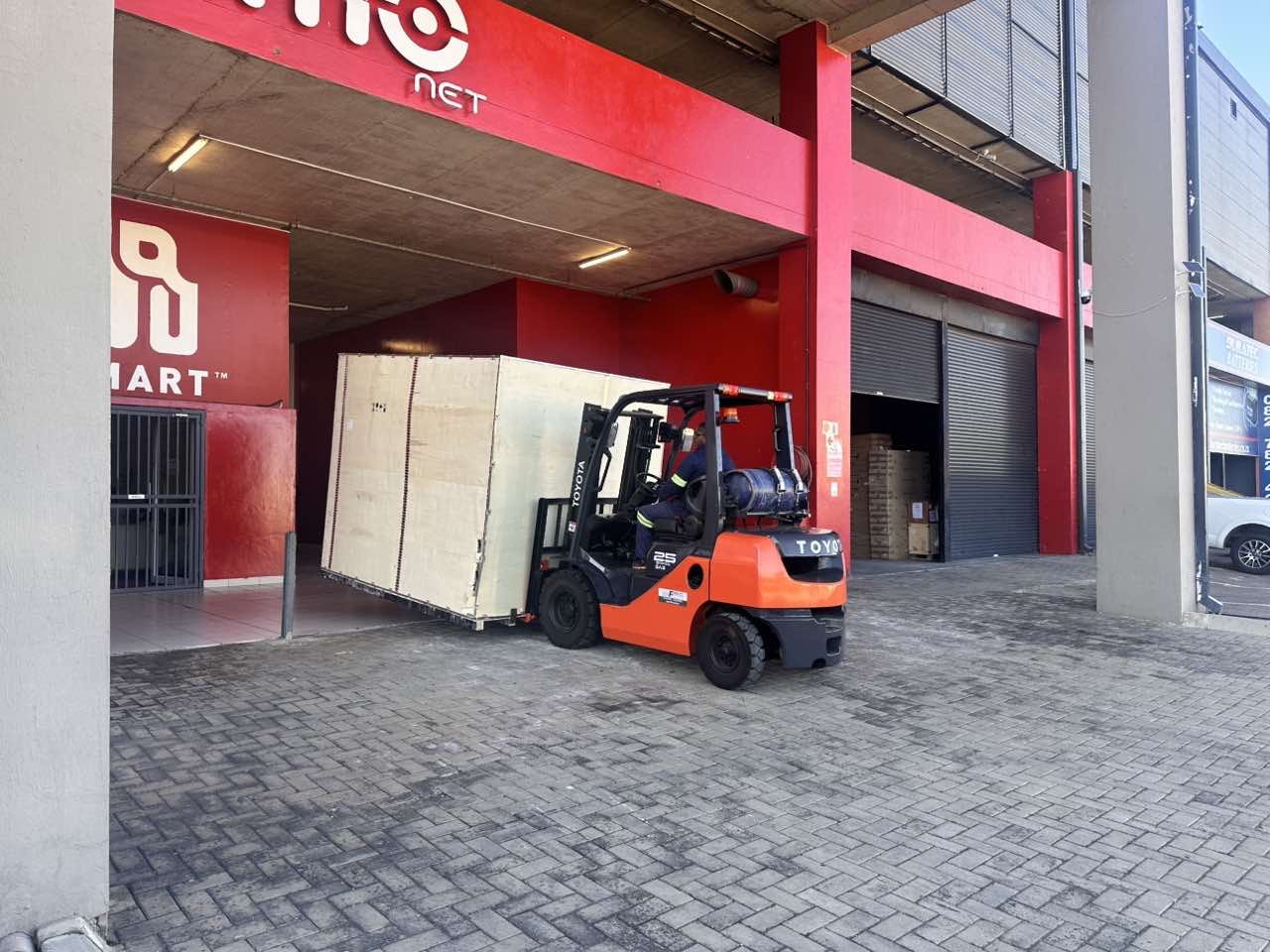
latest arrivals
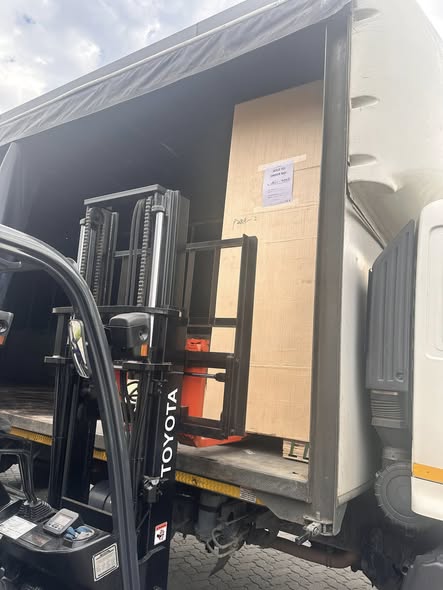
offloading
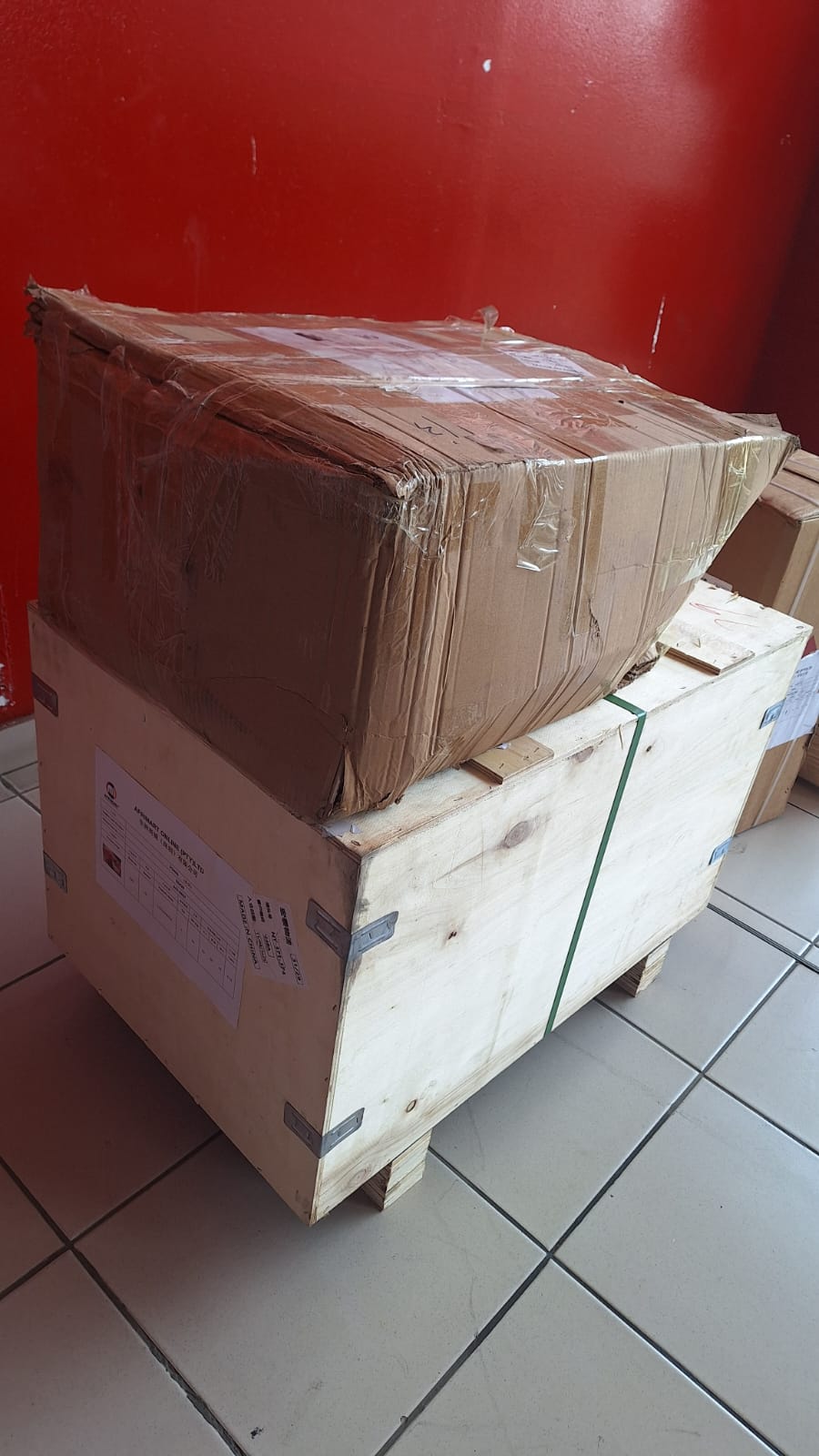
order success
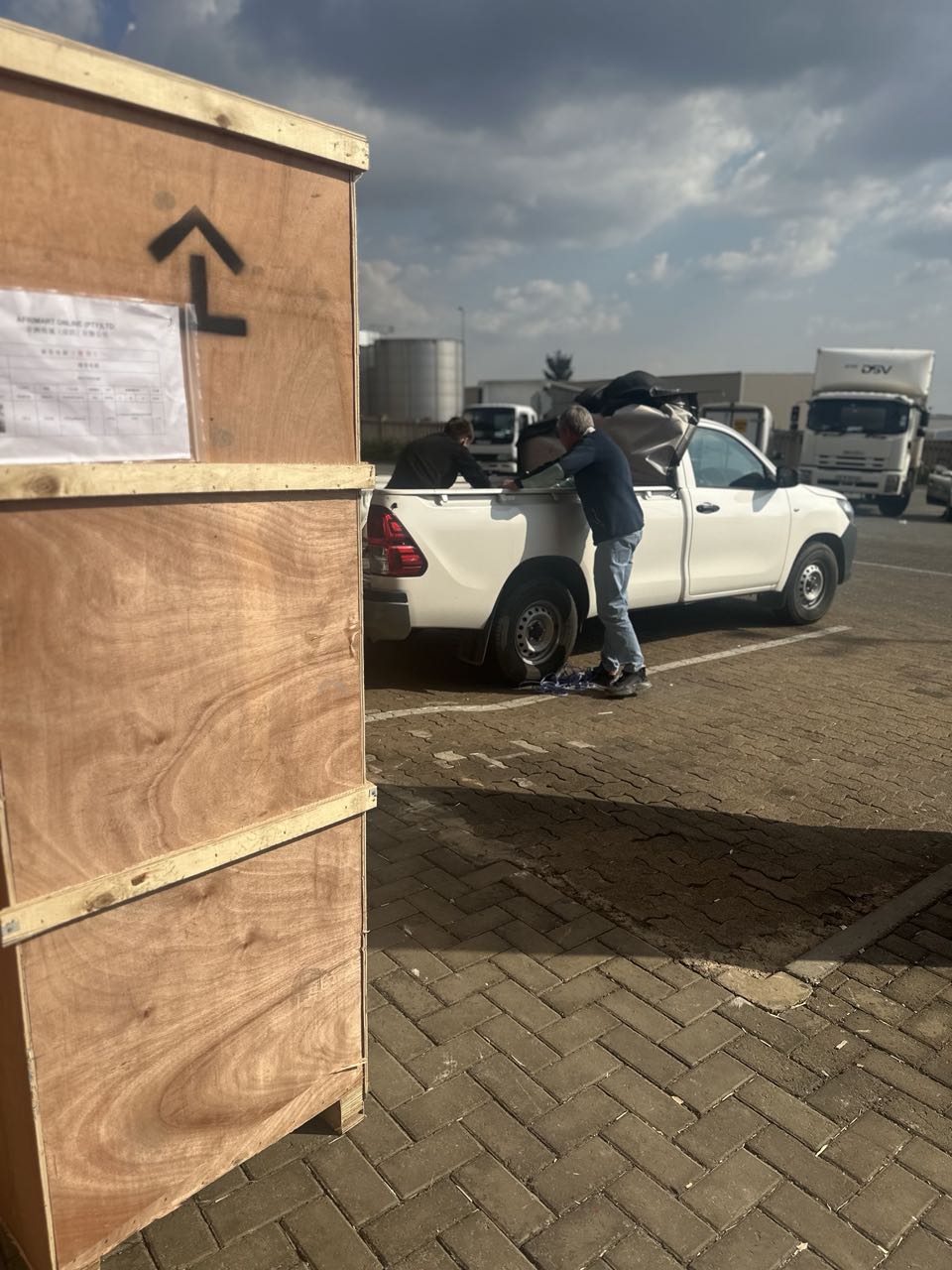
order collection
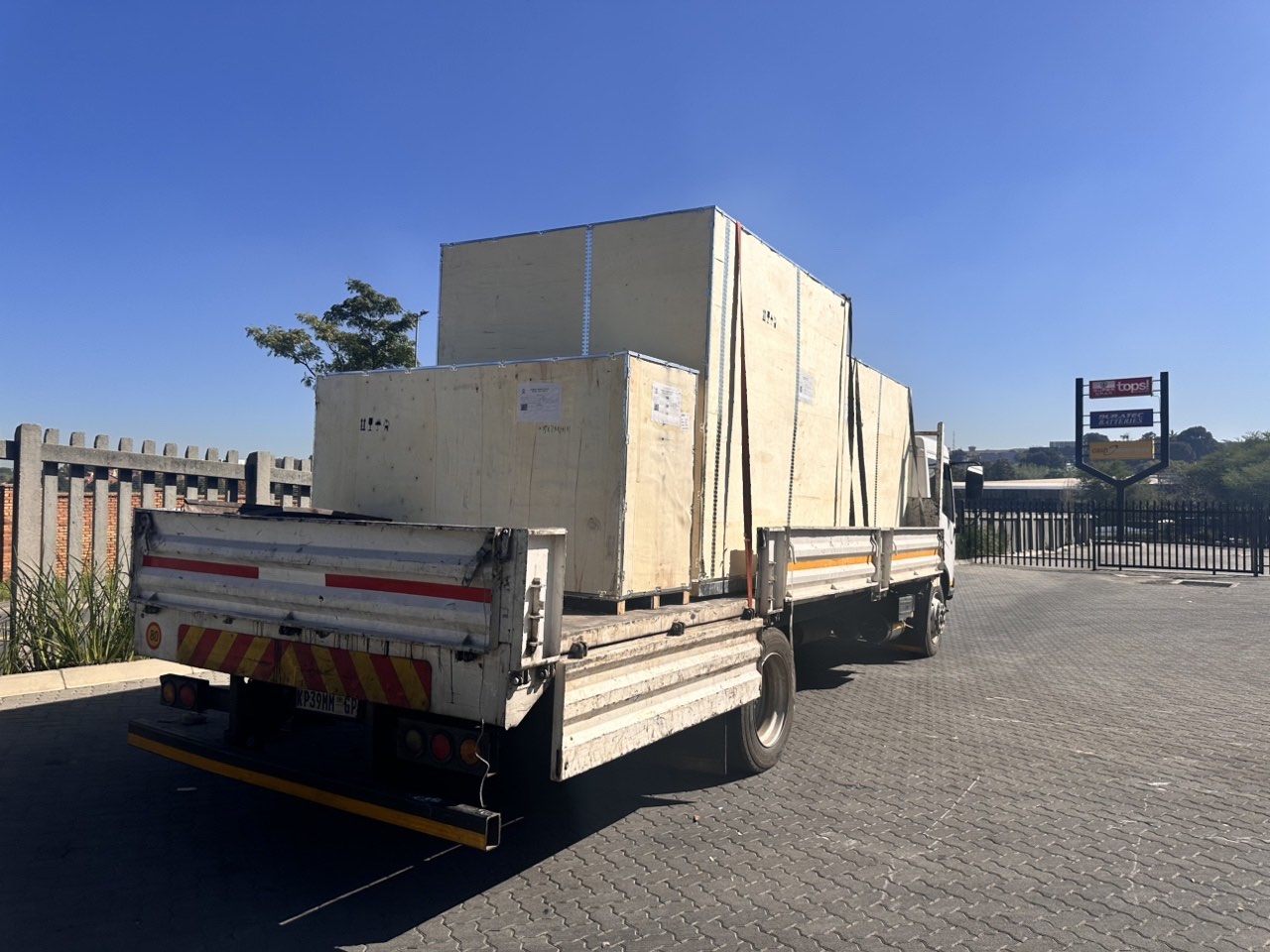
order offloading