B21, China Town Mall, Midrand

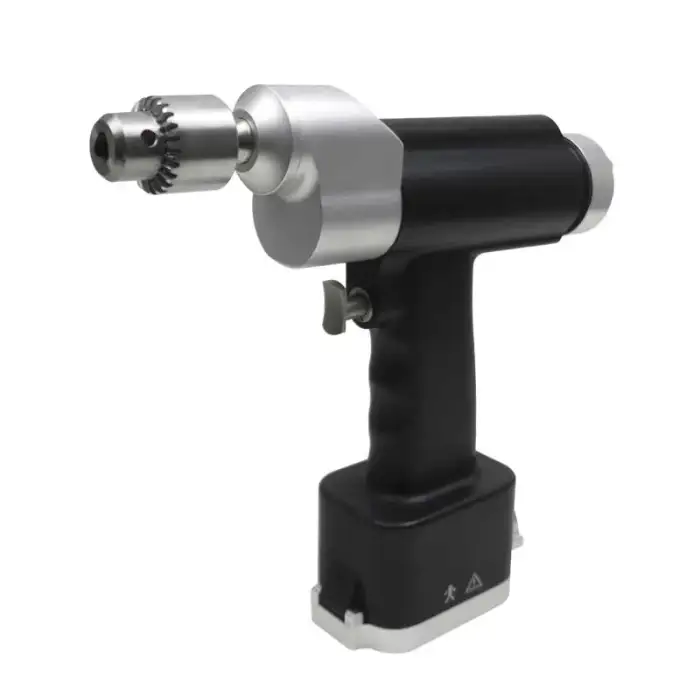
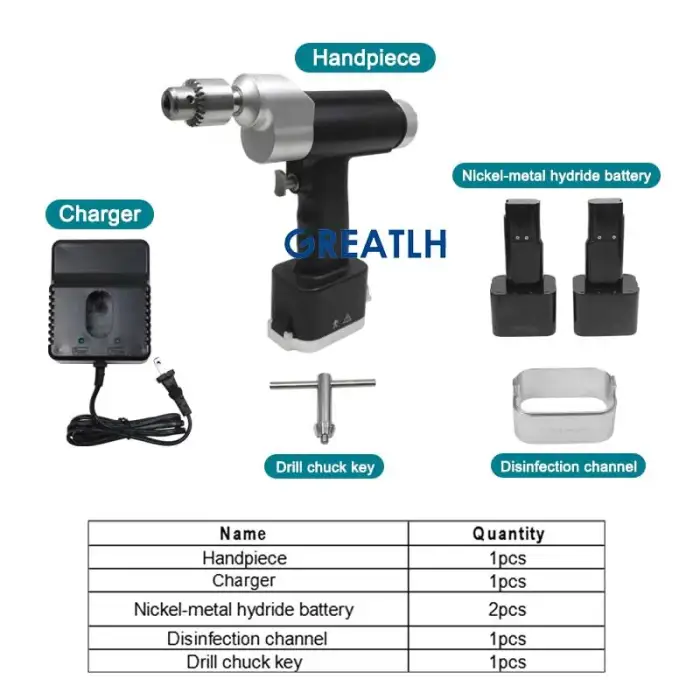
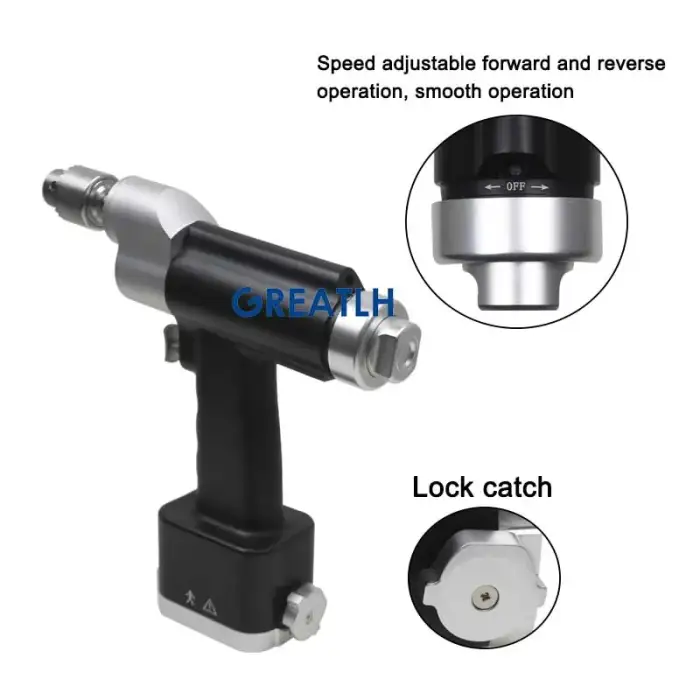
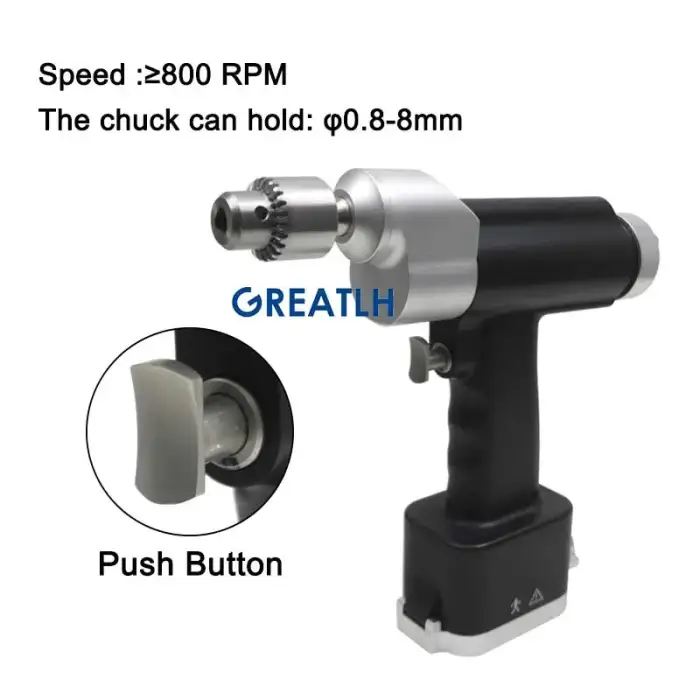
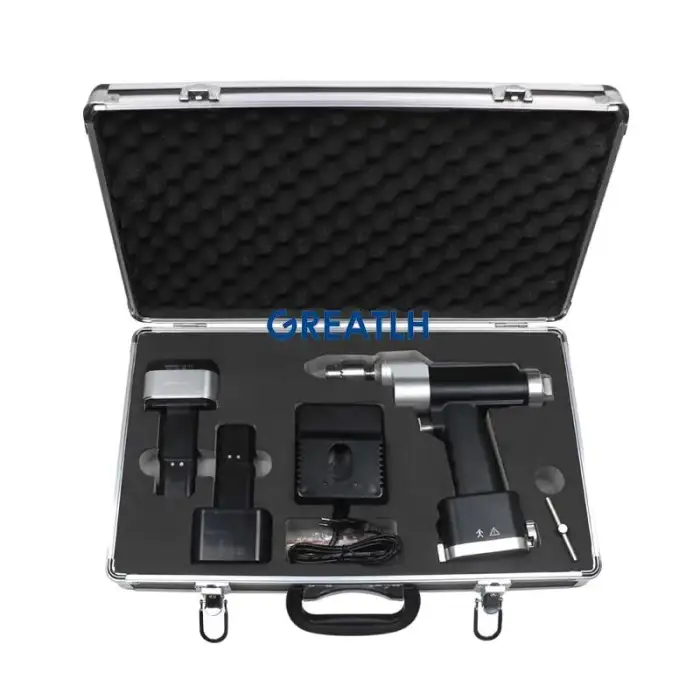
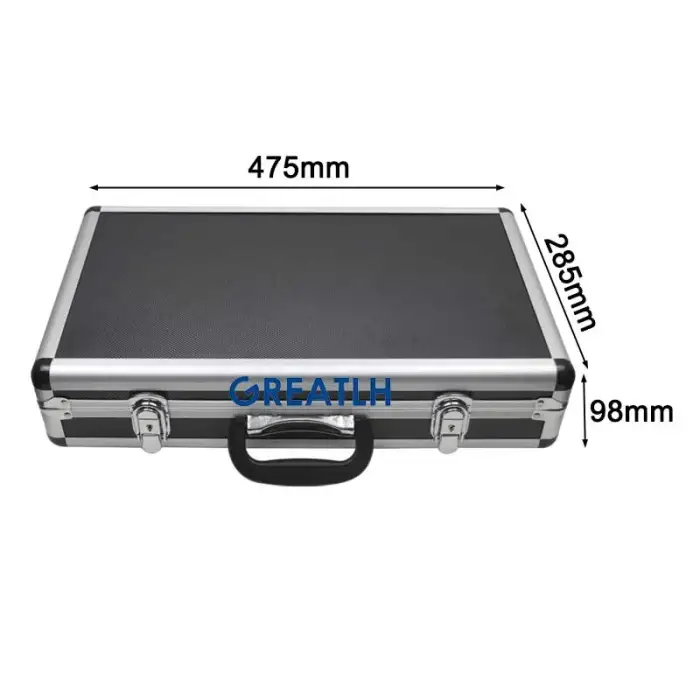
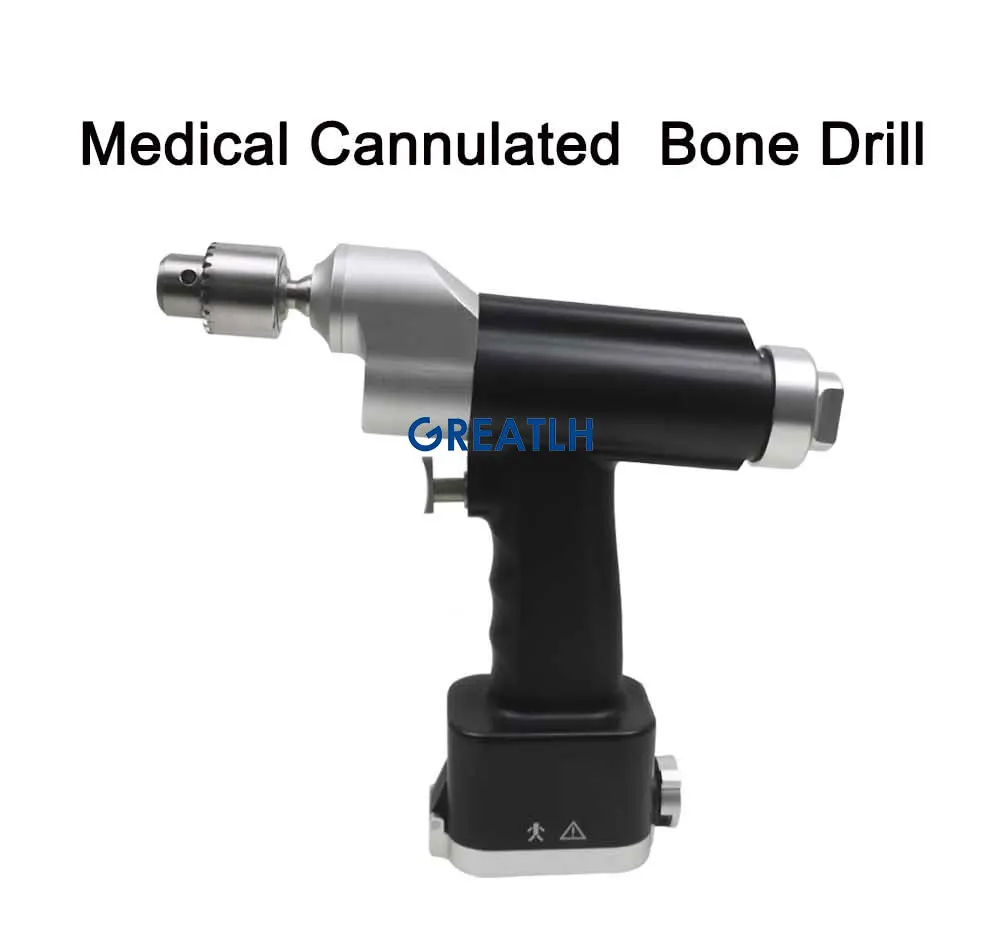
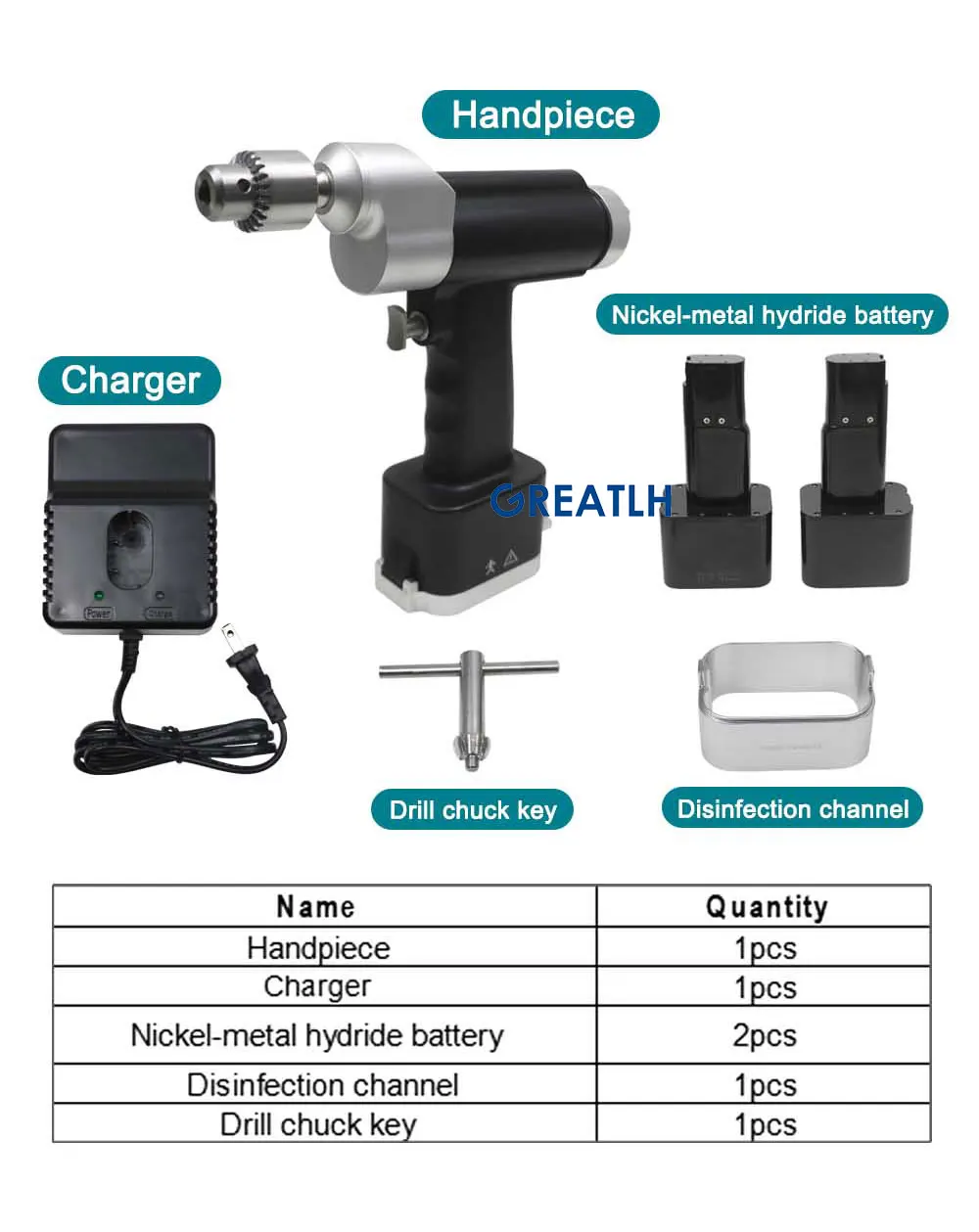
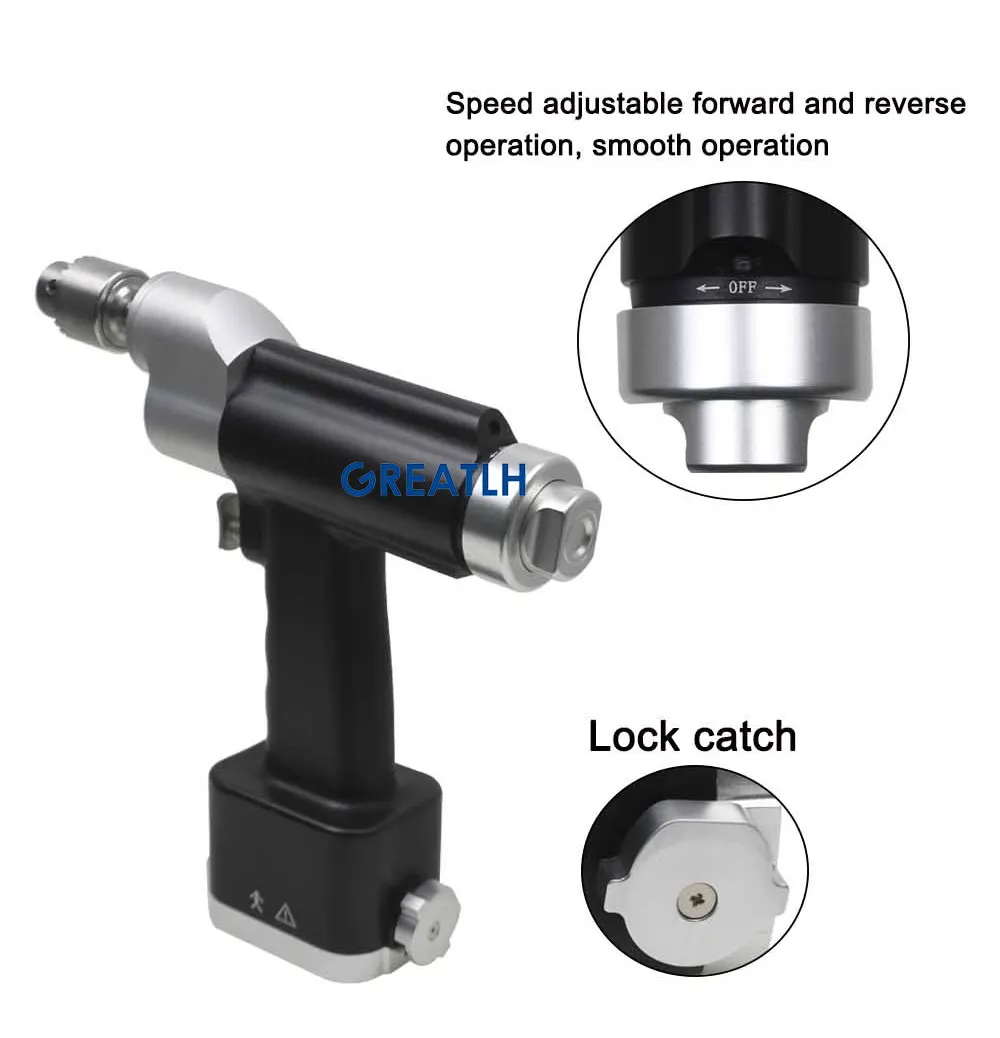
Surgery Machine Orthopedic Cannulated drill Surgery Orthopedic Surgical Instrument

- Section : Machinery
- Category : Machine Tool Equipment
- SKU : 1601211016417

Product Description



- Shipping Timeframes: All orders are processed within 2-5 business days (excluding weekends and holidays). After your order has been processed, the estimated delivery time is before 25 Aug, 2026, depending on customs, Please note that due to high demand, some items may experience longer shipping times, which will be communicated at order confirmation email.
- Order Processing Time: Please allow 2-5 business days for us to process your order before it is shipped . Orders placed after 16:00 on Fridays, or during weekends and public holidays, will begin processing on the next business day. Processing times may be extended during peak seasons or sales events.
- Manufacturing Time: Some products needs manufacturing time, the manufacturing process will take approximately 10-30 business days depending on the product. This timeframe may vary depending on the complexity of the product and current demand. but this will be communicated with you during order confirmation.
- Returns and Exchanges: We offer a 30-day return policy for most items. If you are not completely satisfied with your purchase, you may return it within 30 days of receipt for a refund or exchange. Items must be unused, in their original packaging, and accompanied by proof of purchase. Return shipping costs are the responsibility of the customer, unless the item was damaged or defective upon arrival.
1. What is a cannulated drill in orthopedic surgery?
A cannulated drill is a specialized surgical instrument used in orthopedic procedures that allows for precise drilling through a hollow shaft, facilitating the placement of screws or other hardware.
2. What types of surgeries can this orthopedic drill be used for?
This cannulated drill is commonly used in surgeries related to bone fixation, including but not limited to fracture repairs, joint reconstruction, and placement of orthopedic implants.
3. Is the surgery machine easy to operate?
Yes, the surgery machine is designed for ease of use, with ergonomic features that allow surgeons to operate it efficiently during procedures.
4. What materials are used in the construction of the cannulated drill?
The cannulated drill is typically made from high-grade surgical stainless steel, ensuring durability, sterility, and resistance to corrosion.
5. Can the cannulated drill be sterilized?
Yes, the cannulated drill can be sterilized using standard medical sterilization methods such as autoclaving, ensuring it is safe for surgical use.
6. What sizes of cannulated drills are available?
The surgery machine may come in various sizes to accommodate different surgical needs, and it's important to select the appropriate size based on the specific procedure.
7. Is training required to use the orthopedic surgical instrument?
Yes, medical professionals should receive proper training on the use of the orthopedic surgical instrument to ensure safety and effectiveness during procedures.
8. What is the warranty on the surgery machine?
The surgery machine typically comes with a manufacturer's warranty, which may vary; it’s advisable to check with the supplier for specific warranty details.
9. How do I maintain and care for the cannulated drill?
To maintain the cannulated drill, ensure it is cleaned and sterilized after each use, and inspect it regularly for any signs of wear or damage.
10. What are the benefits of using a cannulated drill in orthopedic surgery?
Using a cannulated drill allows for enhanced precision, reduced trauma to surrounding tissues, and improved outcomes in terms of implant placement and stability.
11. Can this drill be used for minimally invasive surgeries?
Yes, the design of the cannulated drill makes it suitable for minimally invasive procedures, allowing for smaller incisions and quicker recovery times.
12. Where can I purchase the surgery machine orthopedic cannulated drill?
The surgery machine can be purchased through medical supply companies, surgical instrument distributors, or directly from manufacturers specializing in orthopedic instruments.
13. Is there a user manual available for this surgical instrument?
Yes, a user manual is typically provided with the surgical instrument, detailing operating procedures, care instructions, and safety guidelines.
14. What should I do if the drill breaks during a procedure?
If the drill breaks during a procedure, it is critical to follow established emergency protocols, remove the broken piece carefully, and assess the situation before proceeding.
15. Are there any specific contraindications for using this drill?
Contraindications may vary based on patient conditions and specific surgical scenarios; it is essential to evaluate each case with clinical judgment before use.
Latest Order Arrivals
Discover our latest orders

12 Heads Embroidery Machine

Toilet Paper Machine Machine

Order Collection

Cross Border Clients

Order cros border countries Collected
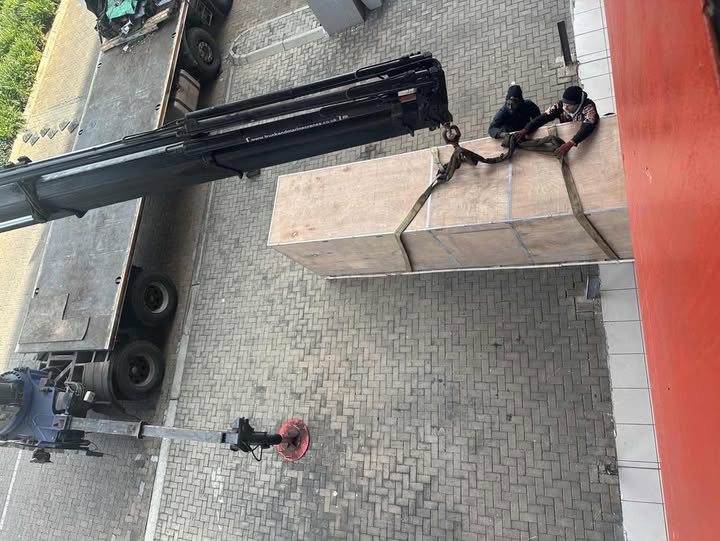
Industrial Machine Cllection

Agriculture Processing Machines
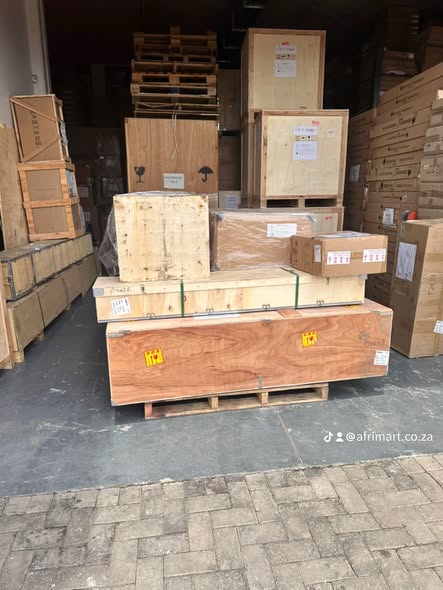
Ready for collection

Water Pump Equipment

Packaging Machine and accessories

Fabrics Manufacturing Equipment

Mining Equipments

Food Processing Machine

Batch of Orders
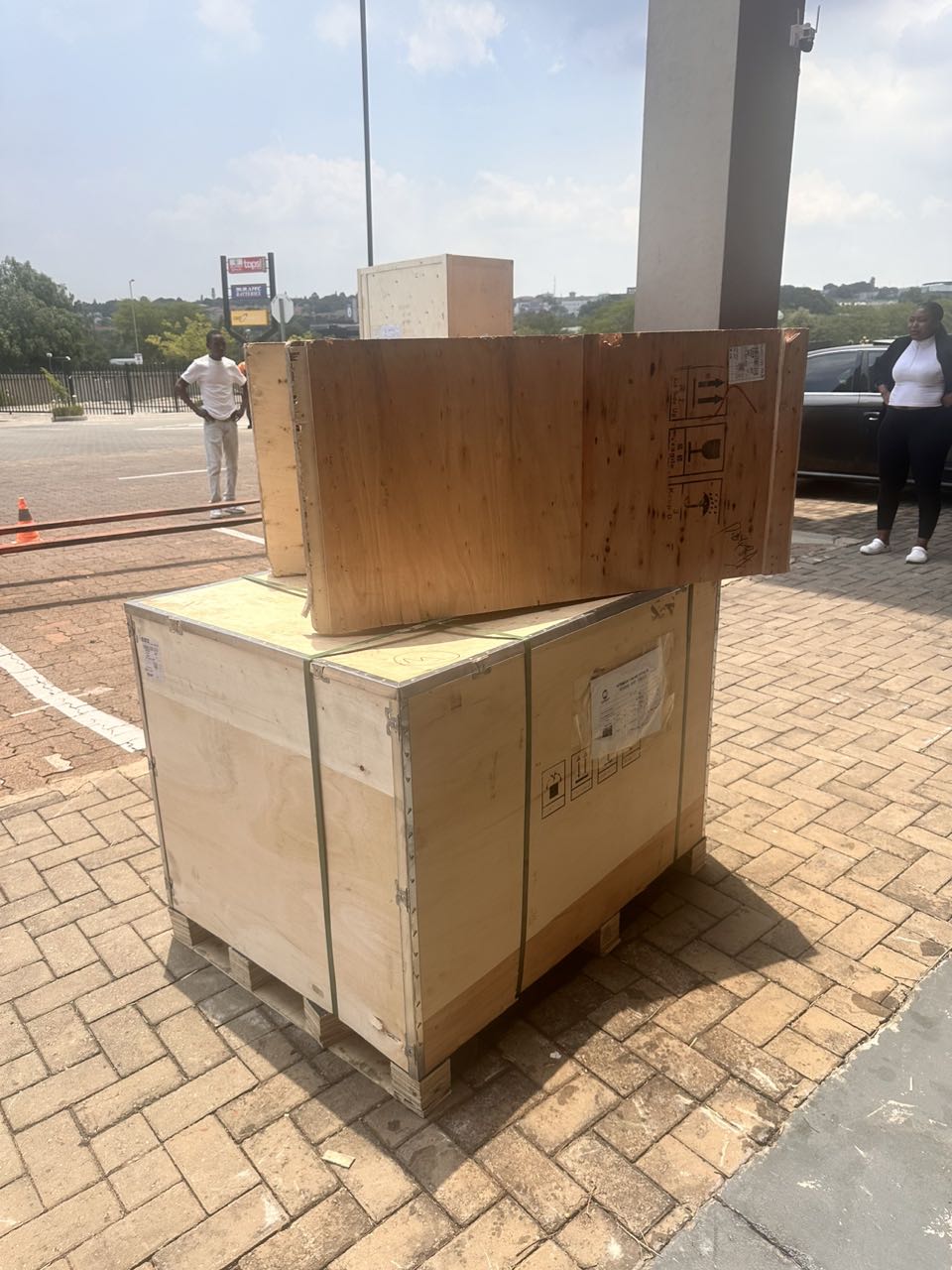
Batch of Orders
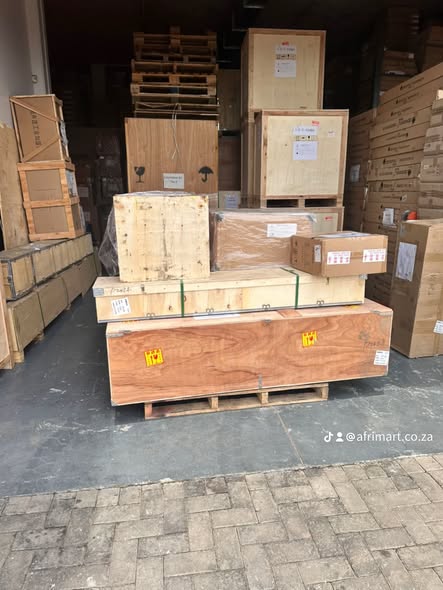
Latest Orders Labelled

wheel alignment machines

new arrivals
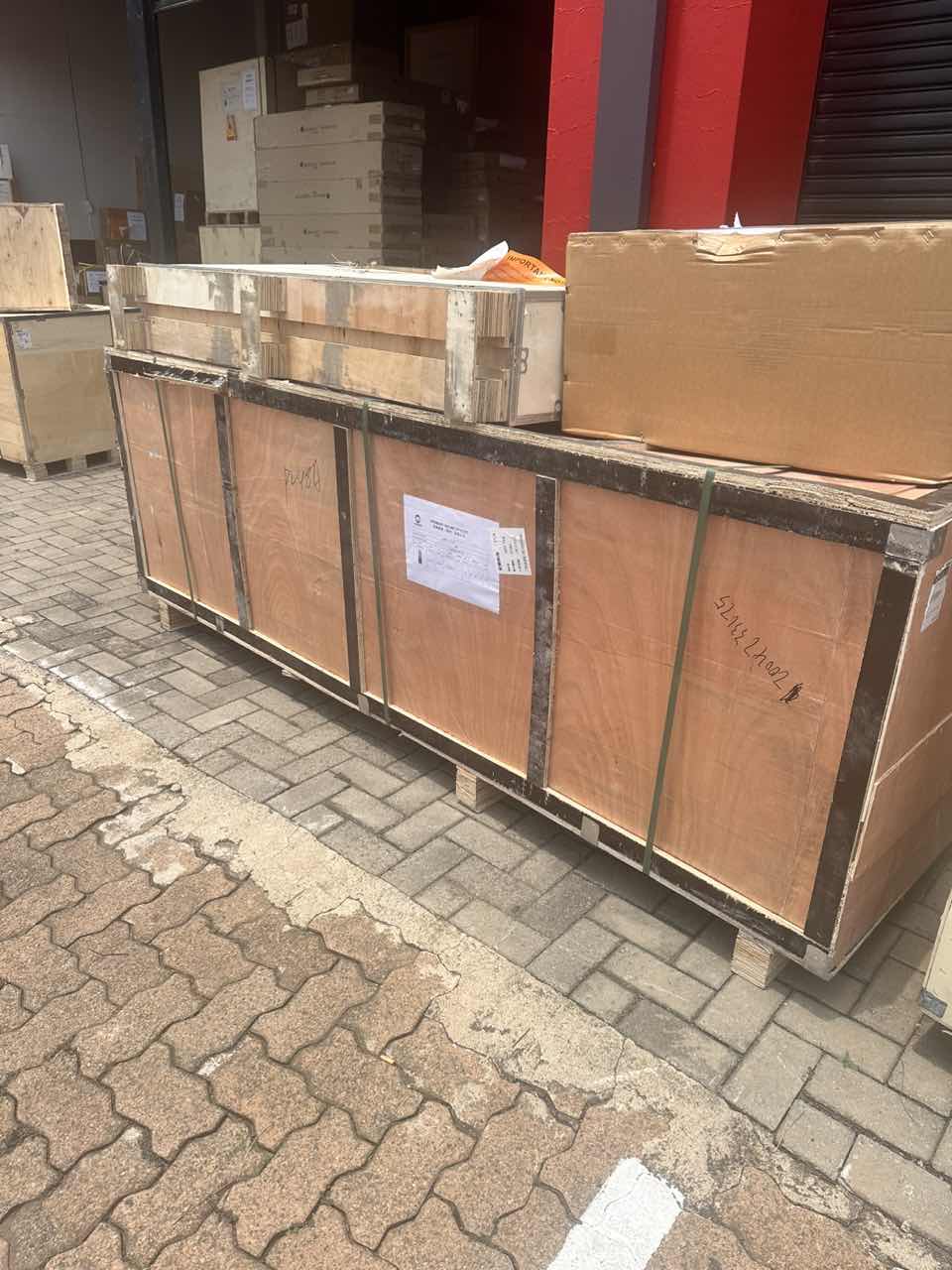
Pre Orders Offloading
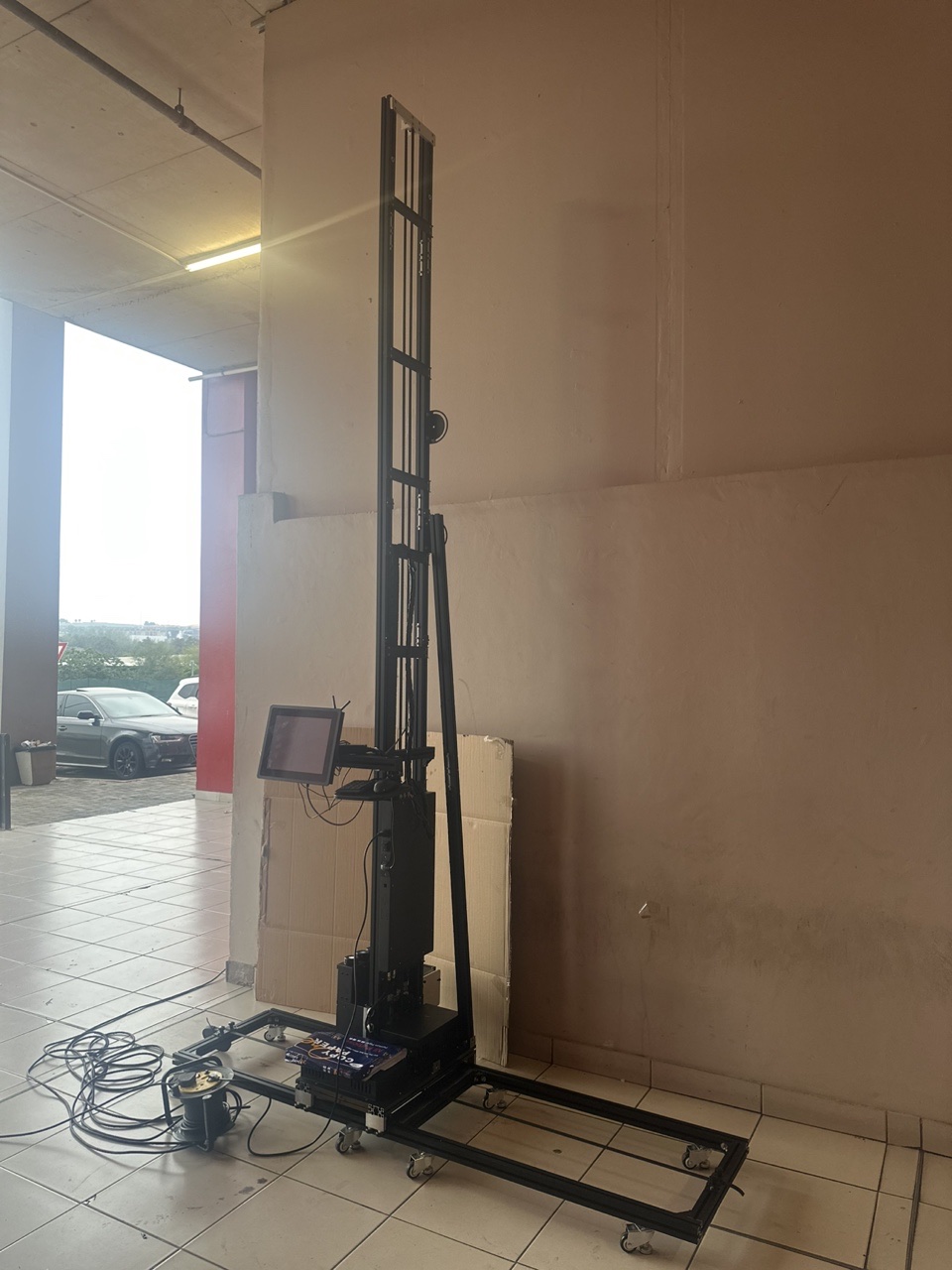
Latest Arrivals

Latest Arrivals

Latest Arrivals

Loading

Toilet paper making machine
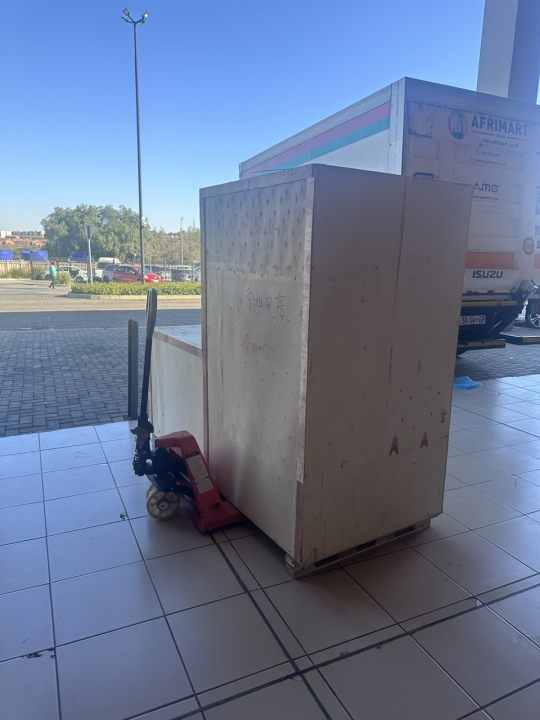
Toilet paper making machine

Toilet paper Rewinding Machine

latest arrivals

offloading
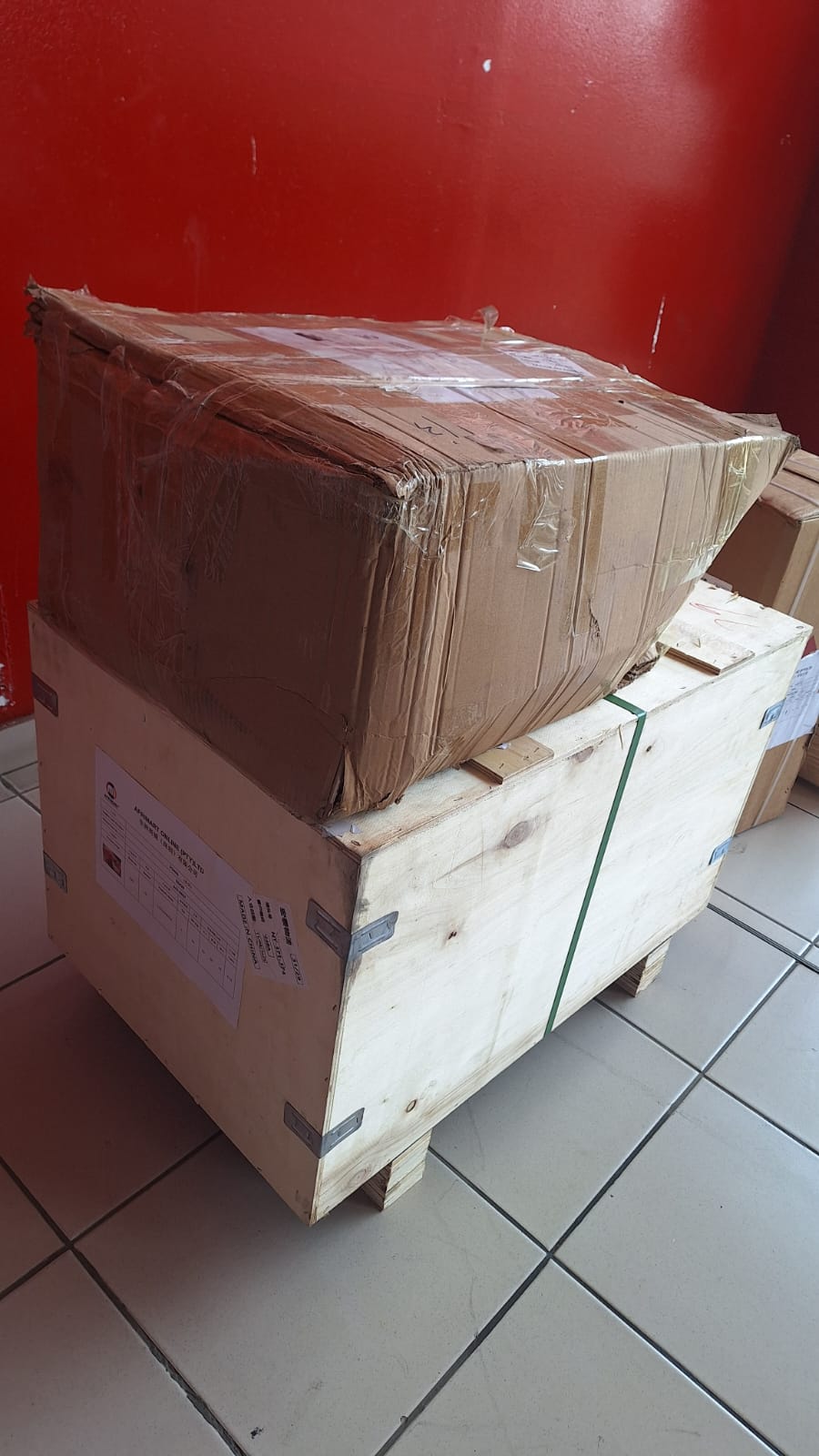
order success

order collection

order offloading