B21, China Town Mall, Midrand

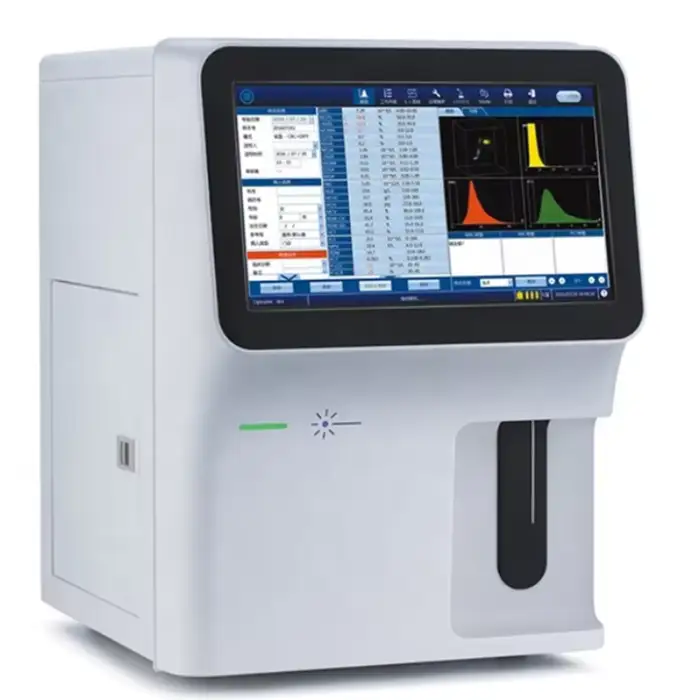
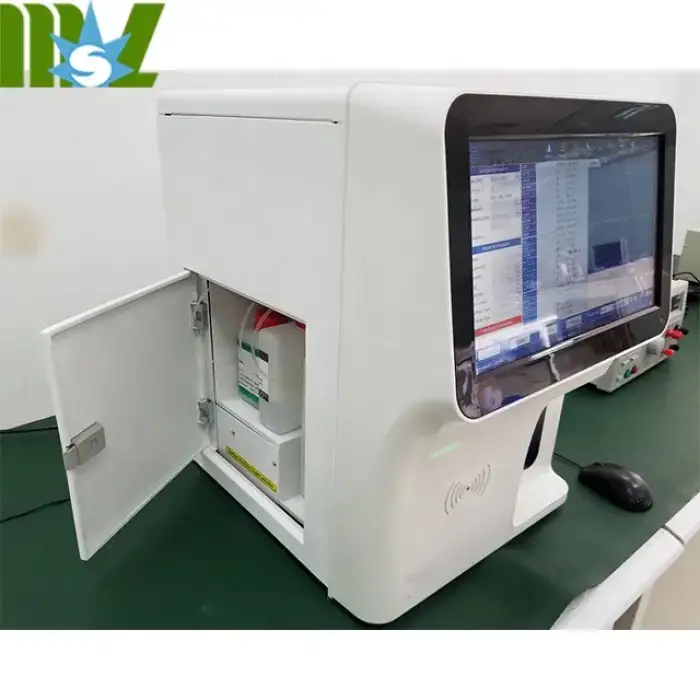
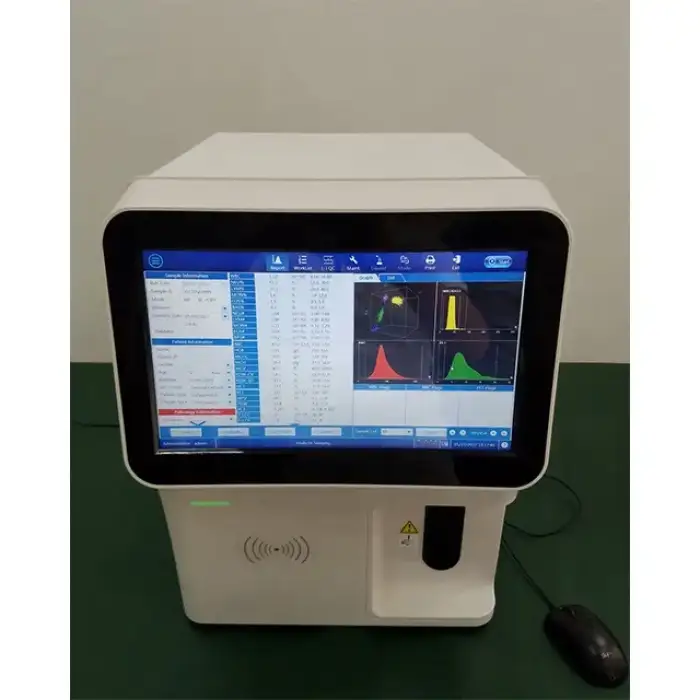
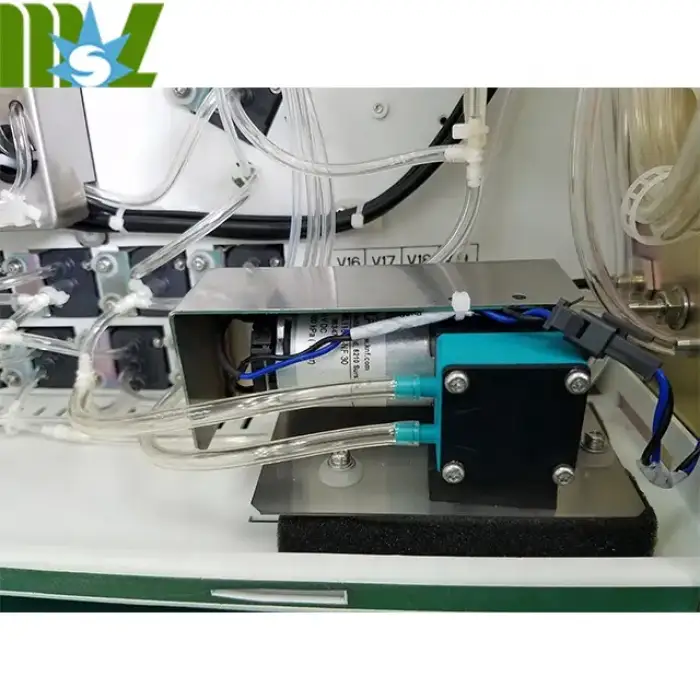
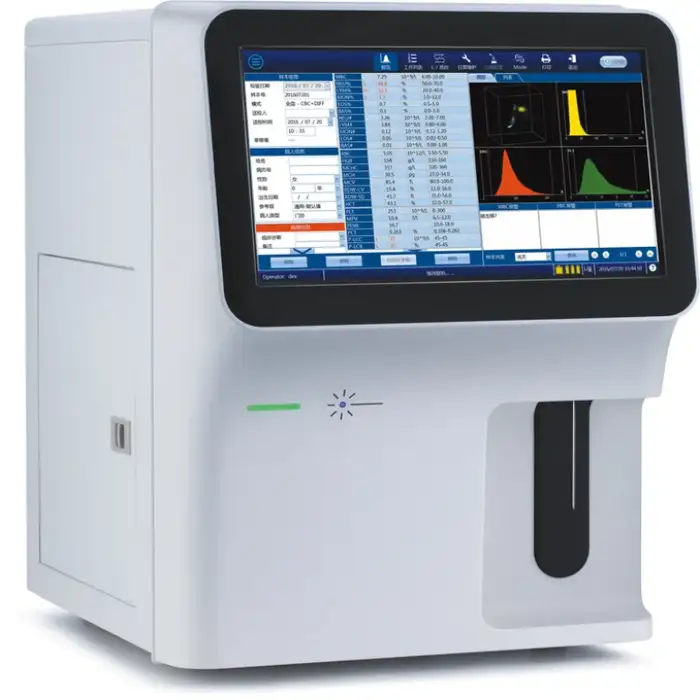
Supply Fully Auto 5 Part Hematology Analyzer Medical Blood Test CBC Analyzer Clinical Analytical Instruments
Asset finance available
Do you want funding for this equipment?
Afrimart can connect you with trusted funding partners who specialise in asset finance for businesses like yours. Compare options and apply in minutes — final approval is subject to provider review.
Check funding options
Secure & no obligation

- Section : Medical Supplies
- Category : Professional Medical Devices
- SKU : 1601364902464

Supply Fully Auto 5 Part Hematology Analyzer Medical Blood Test CBC Analyzer Clinical Analytical Instruments
The Supply Fully Auto 5 Part Hematology Analyzer is a powerful tool for hospitals, clinics, and laboratories. This advanced blood analysis system provides quick and accurate results, helping healthcare professionals assess body health effectively. With its user-friendly design, this analyzer is perfect for various medical settings.
Specifications
| Attribute | Details |
|---|---|
| Instrument Classification | Class II |
| Type | Blood Analysis System |
| Model Number | ZC-LC |
| Function | Detecting Body Health |
| Display | LCD Histograms |
| Parameters | WBC/BASO, RBC, PLT |
| Selling Units | Single Item |
| Single Package Size | 130x130x130 cm |
| Single Gross Weight | 130.000 KG |
Key Features
- Fully automatic operation for ease of use.
- Accurate 5-part differential blood analysis.
- Clear LCD display with histograms for easy reading.
- Online technical support available for assistance.
- Lightweight design for easy transportation.
Applications
- Used in hospitals for routine blood tests.
- Ideal for clinics needing quick blood analysis.
- Perfect for laboratories conducting detailed blood studies.
- Helpful in monitoring patient health and diagnosing conditions.
- Supports research in hematology and related fields.
Product Info Gallery
- Shipping Timeframes: All orders are processed within 2-5 business days (excluding weekends and holidays). After your order has been processed, the estimated delivery time is before 04 Aug, 2026, depending on customs, Please note that due to high demand, some items may experience longer shipping times, which will be communicated at order confirmation email.
- Order Processing Time: Please allow 2-5 business days for us to process your order before it is shipped . Orders placed after 16:00 on Fridays, or during weekends and public holidays, will begin processing on the next business day. Processing times may be extended during peak seasons or sales events.
- Manufacturing Time: Some products needs manufacturing time, the manufacturing process will take approximately 10-30 business days depending on the product. This timeframe may vary depending on the complexity of the product and current demand. but this will be communicated with you during order confirmation.
- Returns and Exchanges: We offer a 30-day return policy for most items. If you are not completely satisfied with your purchase, you may return it within 30 days of receipt for a refund or exchange. Items must be unused, in their original packaging, and accompanied by proof of purchase. Return shipping costs are the responsibility of the customer, unless the item was damaged or defective upon arrival.
1. What is the Supply Fully Auto 5 Part Hematology Analyzer?
It is a fully automatic clinical hematology analyzer that performs 5-part white blood cell differentials and routine CBC (complete blood count) testing for hospitals, clinics and laboratories, with an LCD display showing histograms.
2. Which blood parameters does this analyzer measure?
It provides a 5-part WBC differential (neutrophils, lymphocytes, monocytes, eosinophils, basophils) and routine CBC parameters such as RBC, HGB, HCT and platelet counts. For a full parameter list please confirm with the manufacturer/spec sheet.
3. What sample type and anticoagulant should be used?
This analyzer is designed for anticoagulated whole blood samples. Confirm the recommended anticoagulant (typically K2/K3 EDTA) and exact sample volume in the user manual or with the supplier.
4. How long does a test take and what is the throughput?
Processing time and throughput depend on sample handling and configuration. The exact time-per-sample and samples-per-hour specification are provided by the manufacturer—please contact the supplier or consult the technical documentation for precise figures.
5. What consumables and reagents are required?
The analyzer requires manufacturer-recommended reagents, diluents, and quality control materials. Use only approved consumables and follow reagent storage/handling guidelines. Contact the supplier for part numbers and ordering information.
6. How is quality control and calibration handled?
Perform routine internal and external quality control using certified control materials, and follow the instrument calibration procedures in the user manual. The supplier can provide recommended QC frequency and calibration services.
7. What maintenance is required and how often?
Regular maintenance typically includes daily/weekly cleaning, reagent replacement, and periodic preventive maintenance per the manual. Schedule manufacturer-recommended servicing and keep maintenance logs. Online technical support is available for troubleshooting.
8. Does the analyzer offer connectivity and data export options?
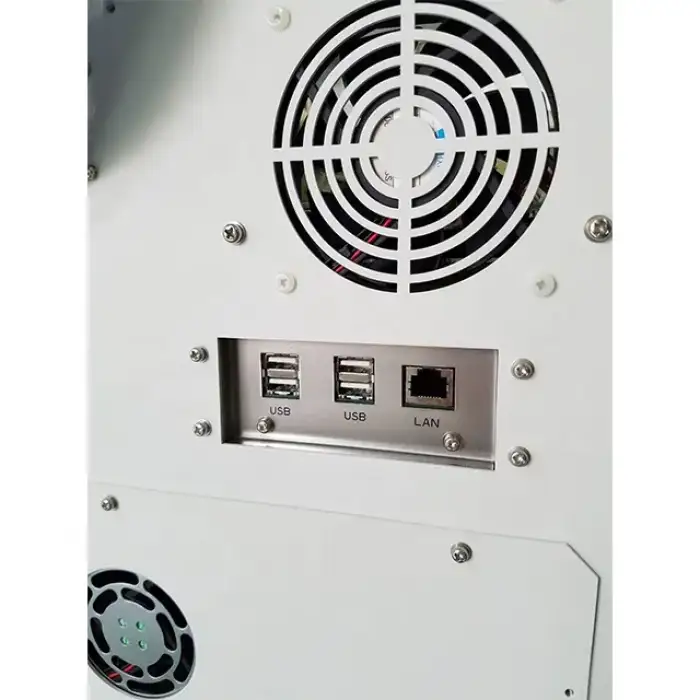
The unit features an LCD with histograms for results review. Connectivity (USB, LAN, LIS/HIS integration) may be available depending on model/configuration—confirm supported interfaces with the supplier.
9. What are the physical size and shipping weight?
The listed single package size is 130 x 130 x 130 cm and the single gross weight is 130.000 kg. Because of this weight and size, transportation and installation may require multiple people or special handling equipment.
10. Is this device approved for clinical use?
The product is described as Instrument Classification: Class II. Regulatory approvals and certifications (CE, FDA clearance, ISO) can vary by market—verify applicable certifications and local registration requirements with the manufacturer or supplier before clinical use.
11. What training and installation services are available?
Suppliers commonly offer on-site installation and user training or remote training sessions. Contact the vendor to arrange installation, validation, and operator training packages.
12. What warranty and technical support are provided?
Online technical support is listed as available. Warranty terms (duration and coverage) vary by seller—request the warranty policy, service-level details, and options for extended support from the supplier.
13. What should I do if the analyzer shows an error or abnormal result?
Follow troubleshooting steps in the user manual: check reagents and sample quality, restart the instrument if instructed, ensure maintenance tasks are up to date, and contact technical support if the issue persists. Keep error codes and conditions handy when contacting support.
14. Is this analyzer suitable for small clinics or point-of-care settings?
It is suitable for hospitals, clinics and laboratories. Due to packaging weight and installation needs, assess space, power, and staffing requirements before deploying in small or point-of-care settings.
15. How do I order the analyzer and arrange delivery?
Contact the manufacturer or authorized distributor for pricing, lead time, and shipping arrangements. Provide site details so the vendor can advise on delivery logistics, installation requirements and any required site preparation.
Latest Order Arrivals
Discover our latest orders

12 Heads Embroidery Machine

Toilet Paper Machine Machine

Order Collection

Cross Border Clients

Order cros border countries Collected

Industrial Machine Cllection

Agriculture Processing Machines

Ready for collection

Water Pump Equipment

Packaging Machine and accessories

Fabrics Manufacturing Equipment

Mining Equipments

Food Processing Machine

Batch of Orders

Batch of Orders

Latest Orders Labelled

wheel alignment machines

new arrivals

Pre Orders Offloading

Latest Arrivals

Latest Arrivals

Latest Arrivals

Loading

Toilet paper making machine

Toilet paper making machine

Toilet paper Rewinding Machine

latest arrivals

offloading

order success

order collection

order offloading