B21, China Town Mall, Midrand

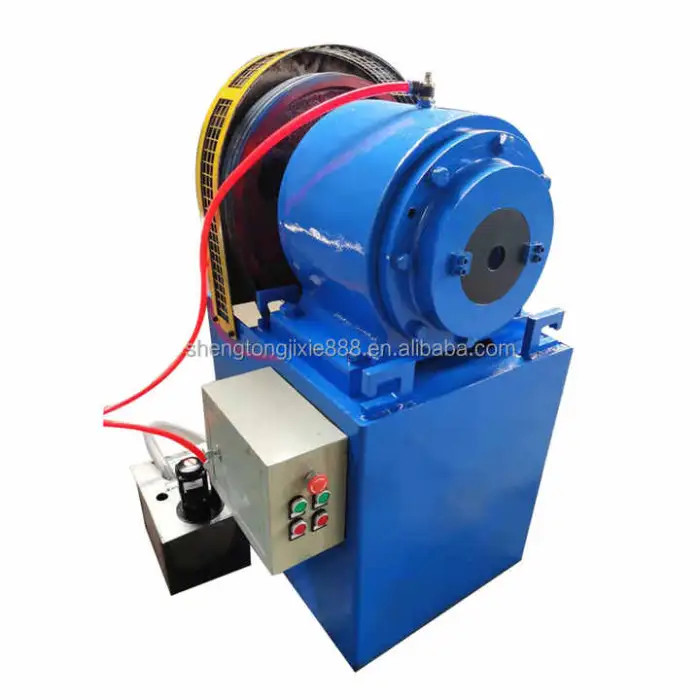
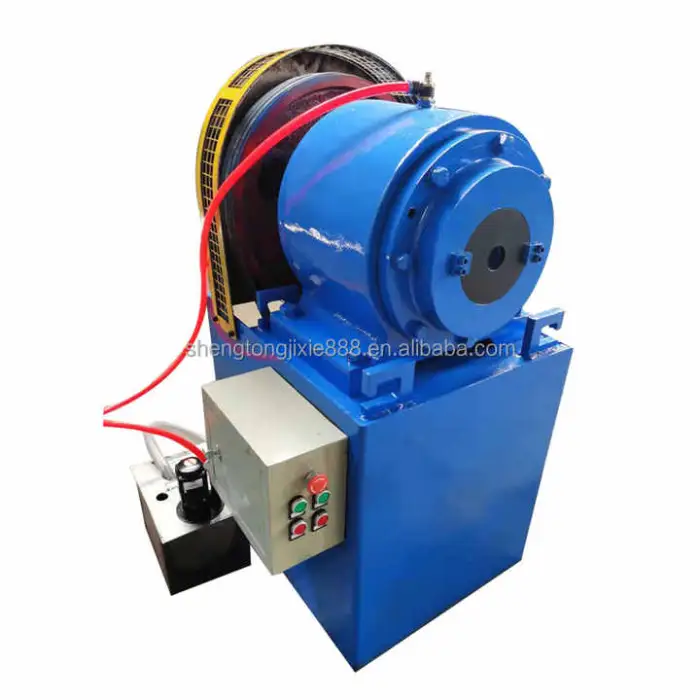
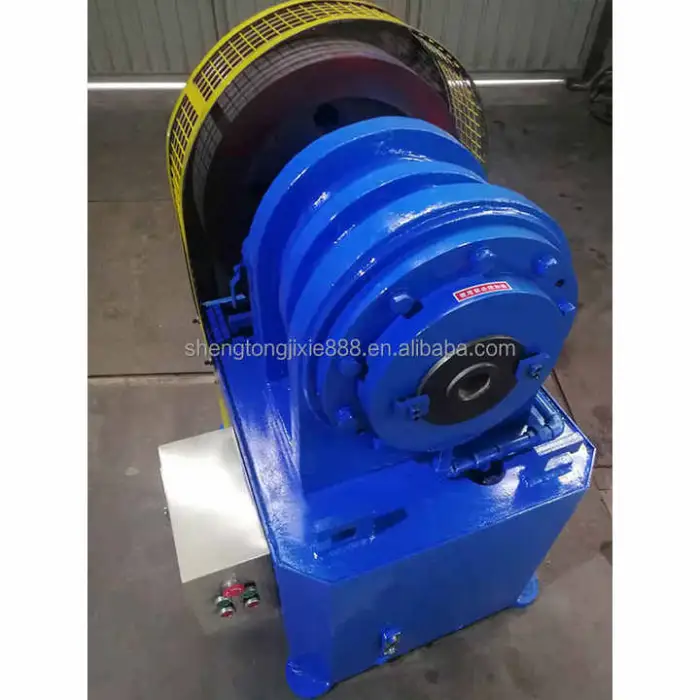
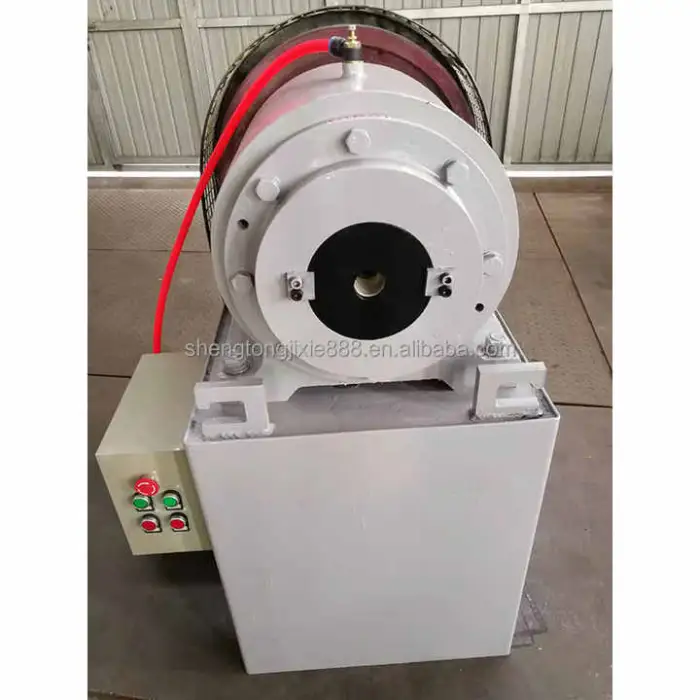
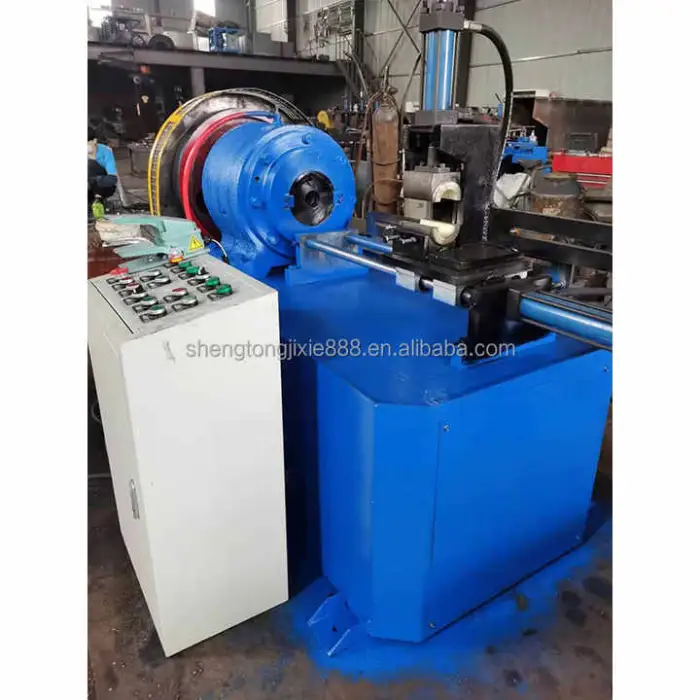
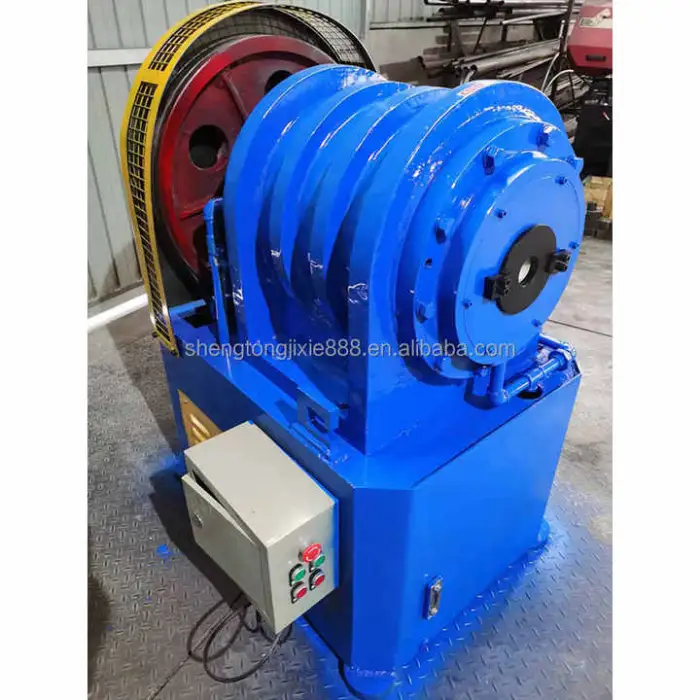
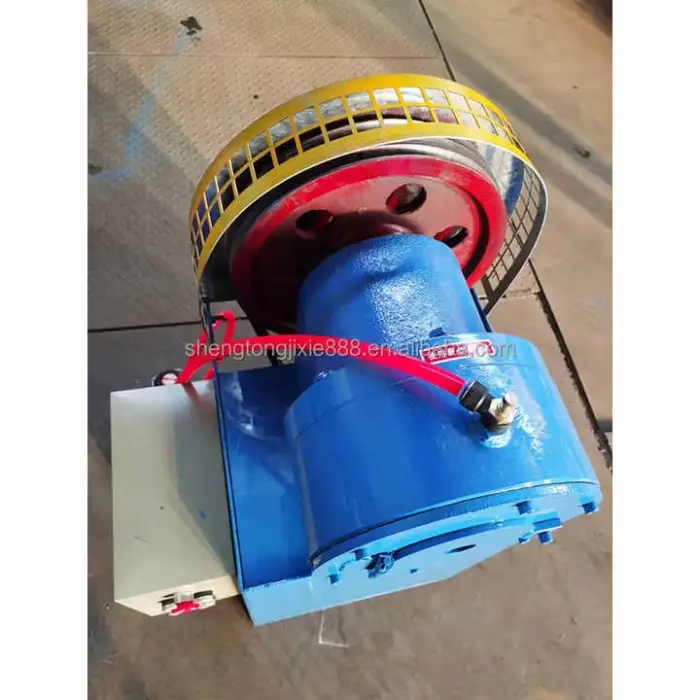
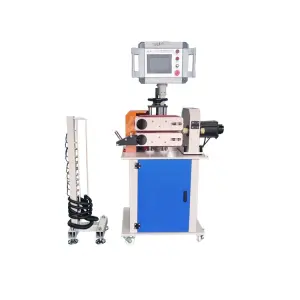
Stainless Steel Pipe Round Tube Shrinking Machine, Small Pipe End Forming Machine
Asset finance available
Do you want funding for this equipment?
Afrimart can connect you with trusted funding partners who specialise in asset finance for businesses like yours. Compare options and apply in minutes — final approval is subject to provider review.
Check funding options
Secure & no obligation
- Section : Machinery
- Category : Machine Tool Equipment
- SKU : 1601390291274

Stainless Steel Pipe Round Tube Shrinking Machine, Small Pipe End Forming Machine
The Stainless Steel Pipe Round Tube Shrinking Machine is a powerful tool designed for high efficiency and productivity. This machine is perfect for forming the ends of small pipes made of various materials. With its advanced automation features, it ensures quick and precise tube contracting, making it an essential piece of equipment for any workshop.
Specifications
| Attribute | Details |
|---|---|
| Max. Shrinking Capacity (Diameter) | 50 mm |
| Max. Tube Contracting Length | 290 mm |
| Power | 3 kW |
| Weight | 200 kg |
| Max. Shrinking Capacity (Thickness) | 5 mm |
| Tube Contracting Cycle | 2 - 3 seconds |
| Automation | Automatic |
| Material Processed | Brass / Copper, Alloy, Stainless Steel, Plastic, Aluminum |
| Raw Material | Sheet / Plate Rolling, Pipe, Steel Bar |
| Minimum Order Quantity | 1 set |
Key Features
- High productivity with quick tube contracting cycles.
- Processes a variety of materials including stainless steel and plastic.
- Automatic operation for ease of use.
- Compact design suitable for workshops with limited space.
- Comprehensive machinery test reports provided.
Applications
- Pipe end forming for plumbing and HVAC systems.
- Manufacturing components for automotive applications.
- Creating custom shapes for furniture and decor.
- Used in specialized manufacturing for electrical and electronic equipment.
- Ideal for small-scale production runs in various industries.
Enhance your workshop's capabilities with the Stainless Steel Pipe Round Tube Shrinking Machine. Its reliable performance and high efficiency make it a must-have for professionals looking to streamline their pipe forming processes.
Product Info Gallery
- Shipping Timeframes: All orders are processed within 2-5 business days (excluding weekends and holidays). After your order has been processed, the estimated delivery time is before 01 Sep, 2026, depending on customs, Please note that due to high demand, some items may experience longer shipping times, which will be communicated at order confirmation email.
- Order Processing Time: Please allow 2-5 business days for us to process your order before it is shipped . Orders placed after 16:00 on Fridays, or during weekends and public holidays, will begin processing on the next business day. Processing times may be extended during peak seasons or sales events.
- Manufacturing Time: Some products needs manufacturing time, the manufacturing process will take approximately 10-30 business days depending on the product. This timeframe may vary depending on the complexity of the product and current demand. but this will be communicated with you during order confirmation.
- Returns and Exchanges: We offer a 30-day return policy for most items. If you are not completely satisfied with your purchase, you may return it within 30 days of receipt for a refund or exchange. Items must be unused, in their original packaging, and accompanied by proof of purchase. Return shipping costs are the responsibility of the customer, unless the item was damaged or defective upon arrival.
1. What is the Stainless Steel Pipe Round Tube Shrinking Machine used for?
It is used for end forming (shrinking/contracting) of small round tubes and pipes to create reduced ends, collars or custom end shapes for plumbing, HVAC, automotive, furniture, electrical components and other small-scale manufacturing applications.
2. What materials can this machine process?
It can process a variety of materials including stainless steel, brass, copper, aluminum, alloy metals and certain plastics.
3. What are the key specifications of the machine?
Max shrinking diameter: 50 mm; max contracting length: 290 mm; max material thickness: 5 mm; power: 3 kW; weight: 200 kg; tube contracting cycle: 2–3 seconds; automation: automatic.
4. What is the maximum pipe diameter, wall thickness and contracting length the machine supports?
Maximum pipe (outer) diameter: 50 mm; maximum wall/thickness capacity: 5 mm; maximum tube contracting length: 290 mm.
5. How fast is the machine? What is the cycle time?
The machine typically completes a tube contracting cycle in about 2–3 seconds, enabling high productivity for small to medium production runs.
6. Is the machine fully automatic and how easy is it to operate?
Yes — it features automatic operation. An operator is usually required to load/unload parts and monitor the process; controls are designed for straightforward use. Full training and commissioning can be provided on request.
7. What are the electrical and power requirements?
The machine’s rated power is 3 kW. Exact voltage and phase requirements depend on the model/configuration—please confirm required voltage/phase with the supplier or sales engineer before purchase.
8. What are the installation and site requirements?
The machine is compact and suitable for workshops with limited space. It weighs approximately 200 kg — a stable, level floor is recommended. No heavy foundation is normally required, but secure mounting and access to appropriate power supply and ventilation are necessary. Ask supplier for footprint/dimension drawings if needed.
9. Does the machine require special tooling or dies for different pipe sizes and materials?
Yes. Shrinking/forming typically uses interchangeable tooling or dies sized to the target pipe diameter and material. Standard tooling covers common sizes; custom tooling is available for special profiles or tighter tolerances.
10. What level of dimensional accuracy and repeatability can I expect?
The machine delivers high precision and consistent results, but final tolerances depend on material type, wall thickness, tooling choice and process parameters. Sample testing and a machinery test report are available to verify achievable tolerances for your specific parts.
11. What routine maintenance does this machine require?
Typical maintenance includes daily cleaning and visual checks, periodic lubrication of moving parts, inspection and replacement of wear items (dies, seals) as needed, and scheduled preventive service (manufacturer recommendations). Exact intervals depend on usage intensity.
12. What safety features should I expect and what operator protections are recommended?
Standard safety measures include emergency stop, guards or light curtains around moving parts and safe lockout procedures. Operators should receive training, use appropriate PPE and follow the supplied safety manual. Ask supplier for machine-specific safety options and certifications.
13. What is the minimum order quantity, and are machinery test reports provided?
Minimum order quantity is 1 set. Comprehensive machinery test reports are provided as part of the product offering.
14. Can the machine be customized for special applications or small production runs?
Yes — the compact automatic design is suitable for small-scale production and can be adapted with custom tooling or process settings for special shapes and applications. Discuss your requirements with the supplier for customization options.
15. What after-sales support, spare parts and warranty options are available?
After-sales support typically includes commissioning, operator training, spare parts supply and technical support. Warranty terms and spare parts availability vary by supplier — contact the sales team for details on warranty duration, spare-part kits and service agreements.
Latest Order Arrivals
Discover our latest orders
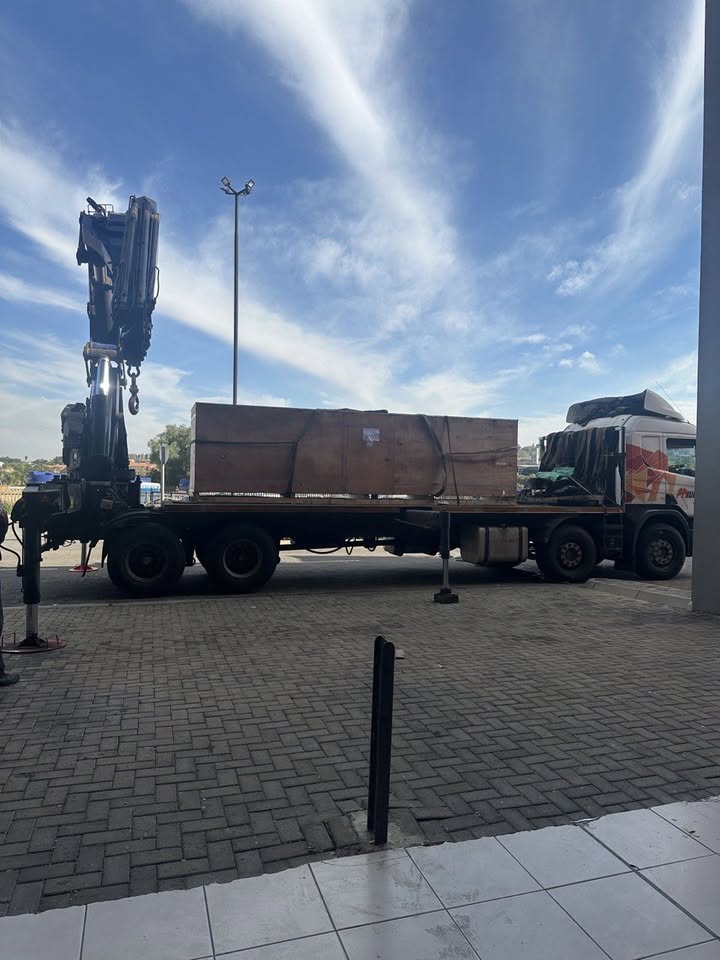
12 Heads Embroidery Machine
Toilet Paper Machine Machine
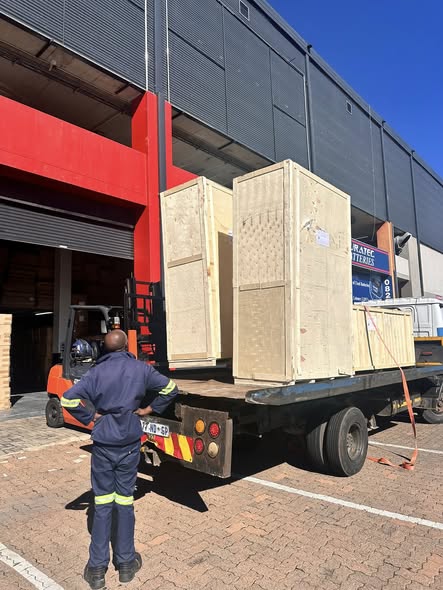
Order Collection
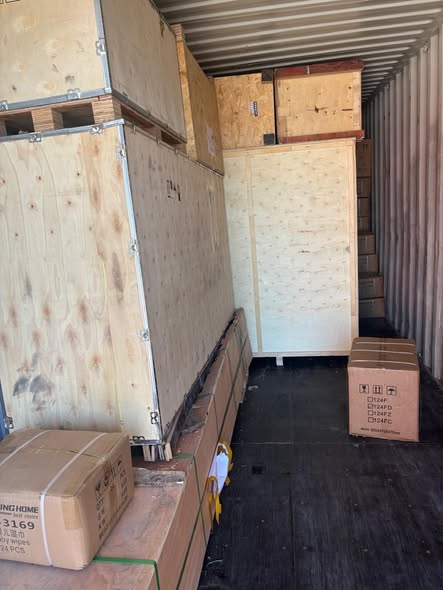
Cross Border Clients
Order cros border countries Collected
Industrial Machine Cllection
Agriculture Processing Machines
Ready for collection
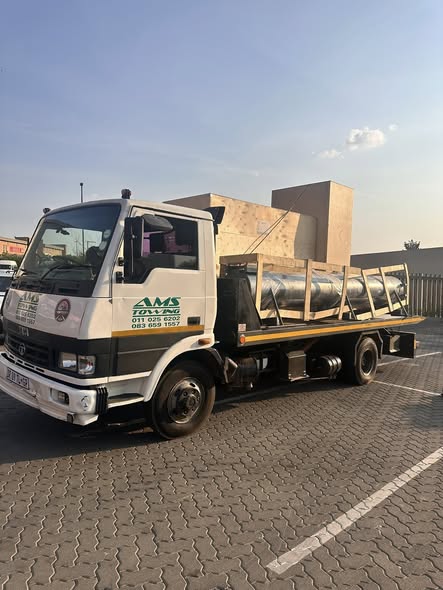
Water Pump Equipment
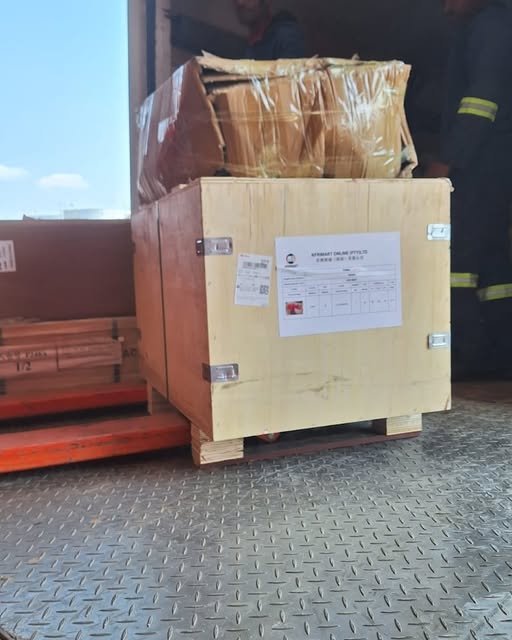
Packaging Machine and accessories
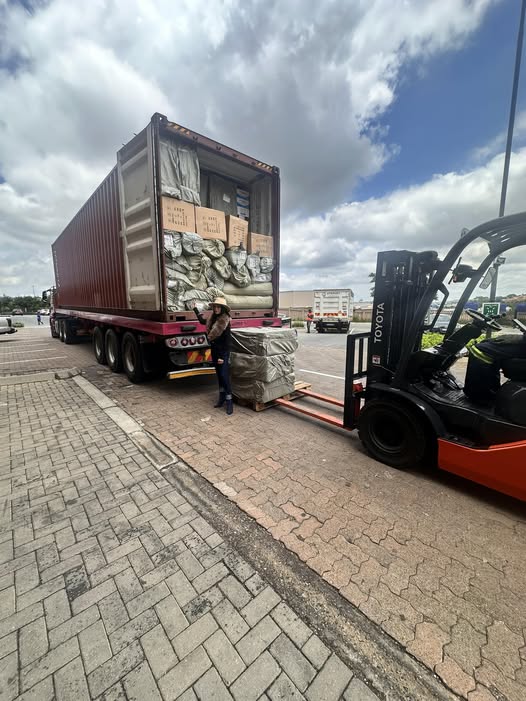
Fabrics Manufacturing Equipment
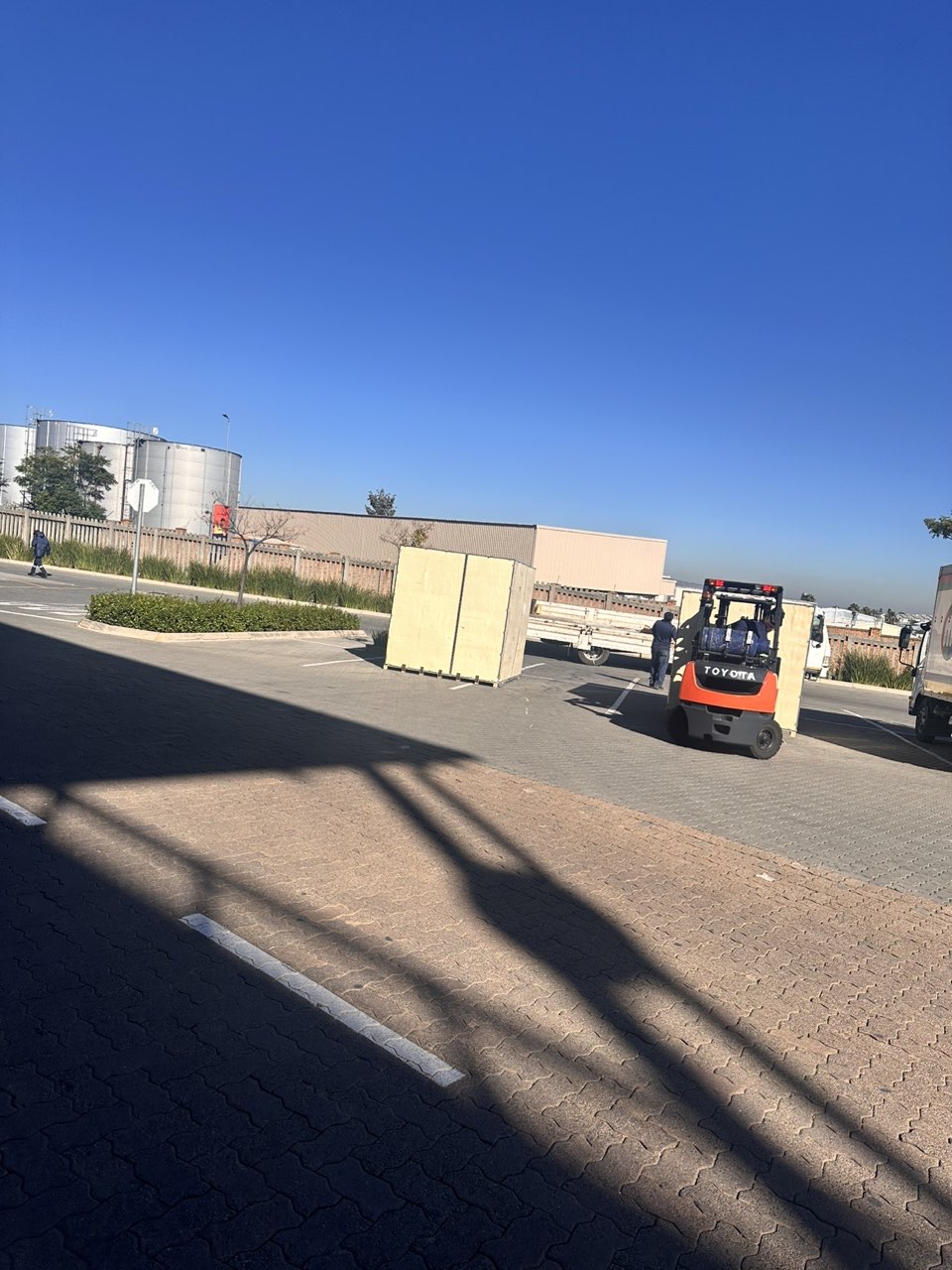
Mining Equipments
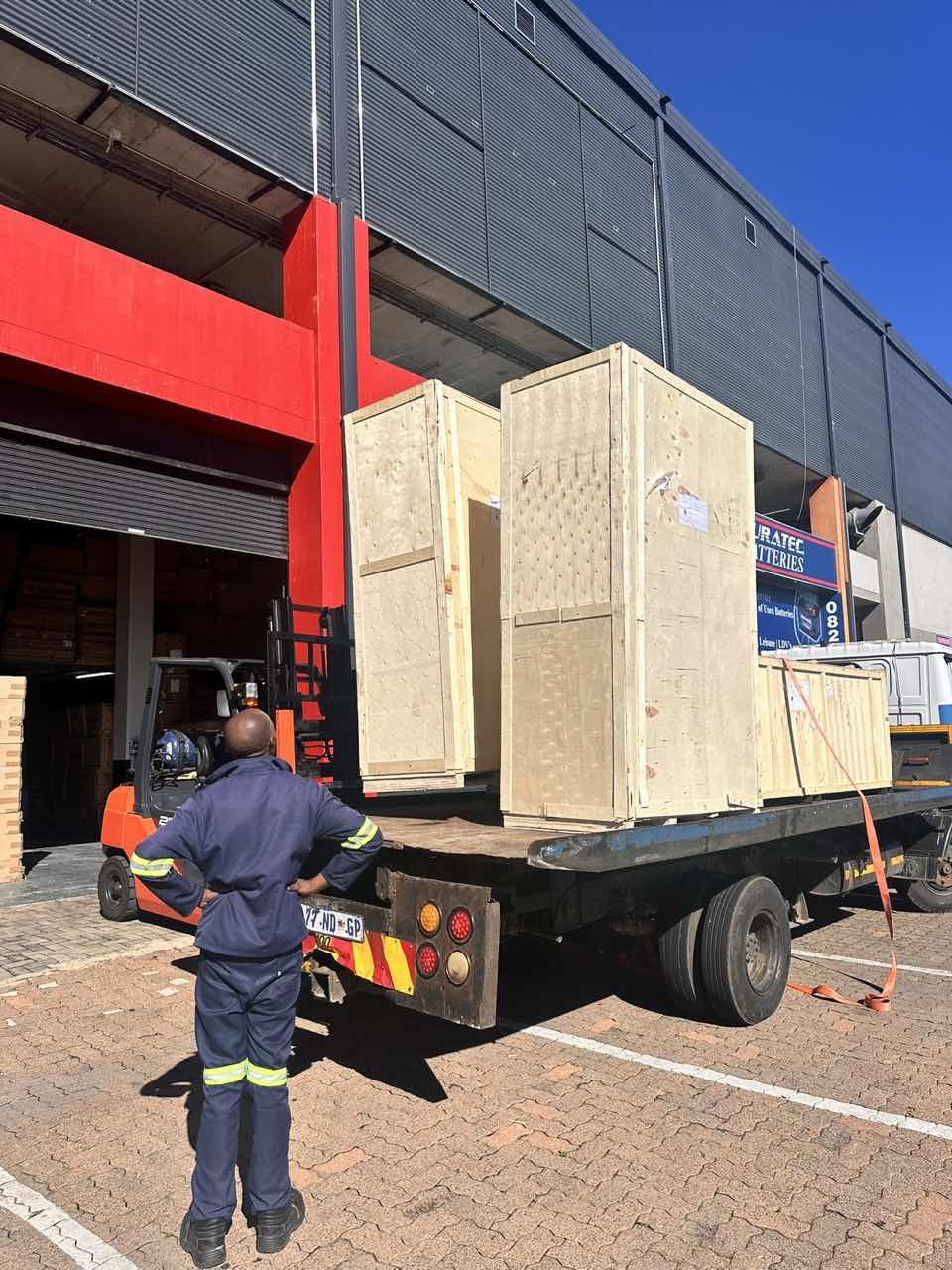
Food Processing Machine
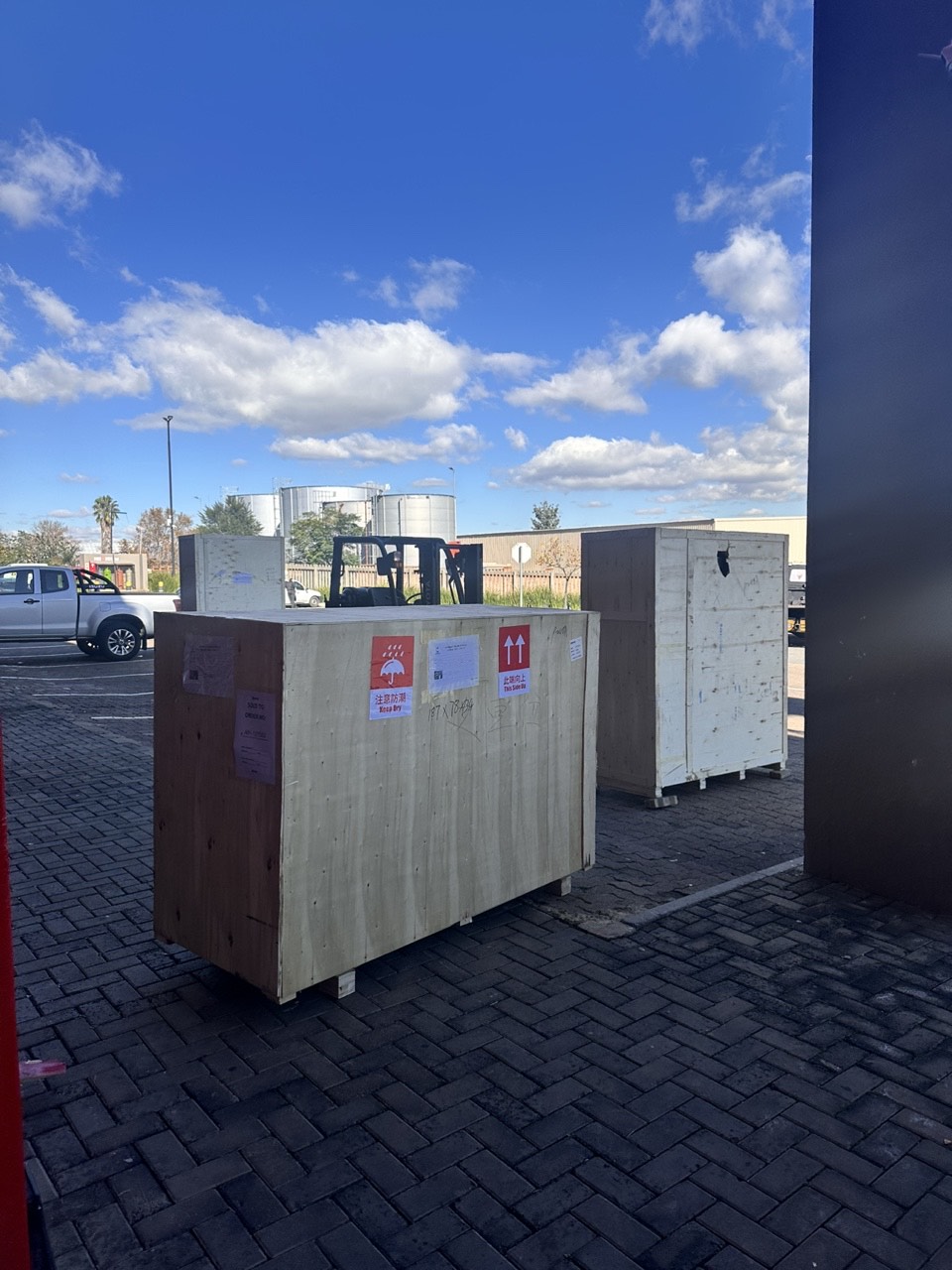
Batch of Orders
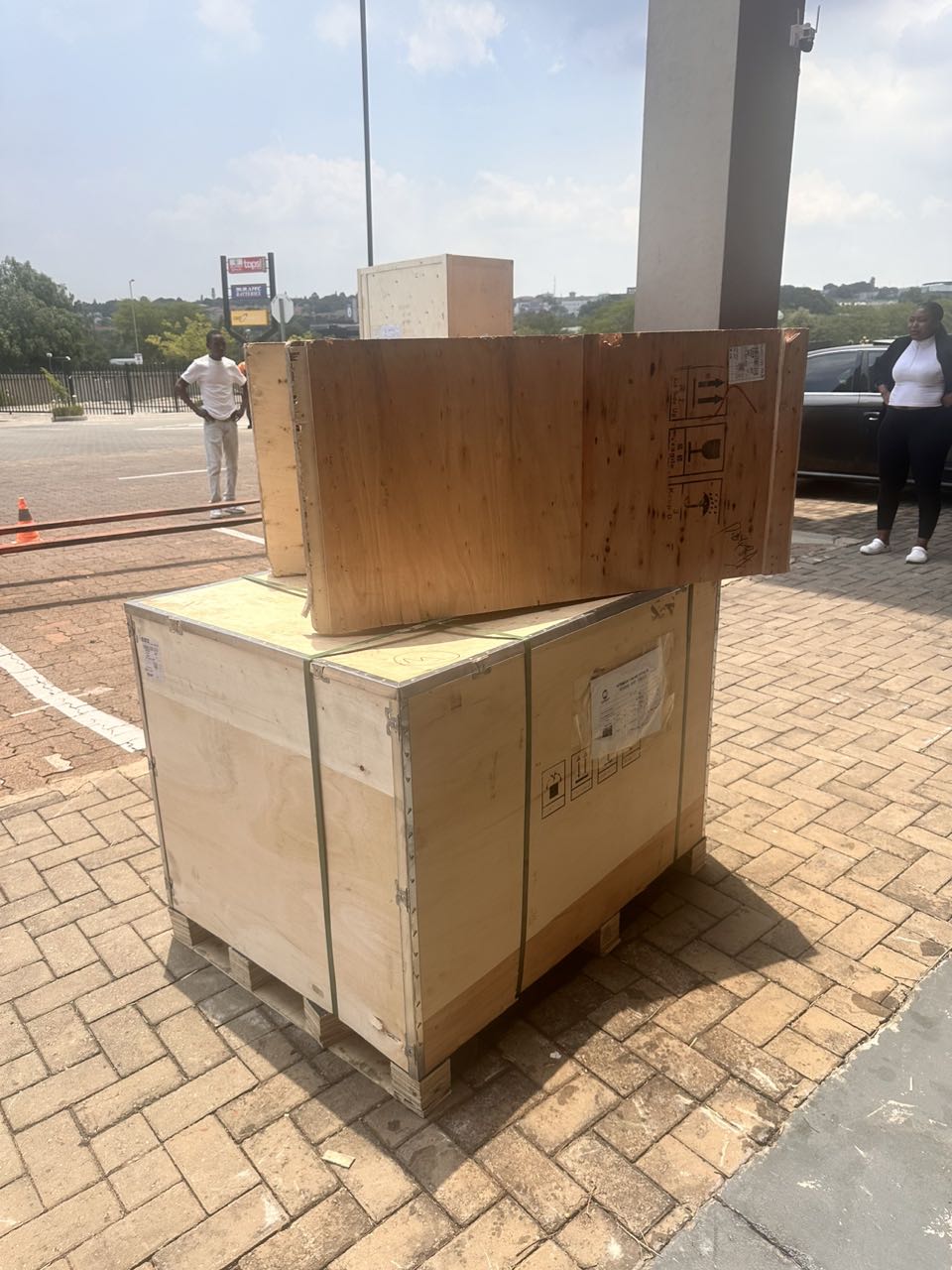
Batch of Orders
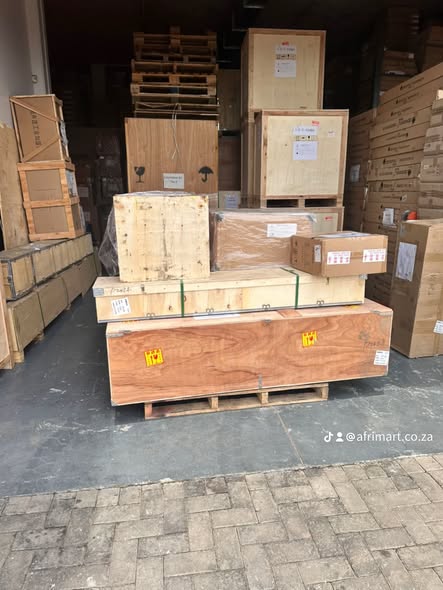
Latest Orders Labelled
wheel alignment machines
new arrivals
Pre Orders Offloading
Latest Arrivals
Latest Arrivals
Latest Arrivals
Loading
Toilet paper making machine
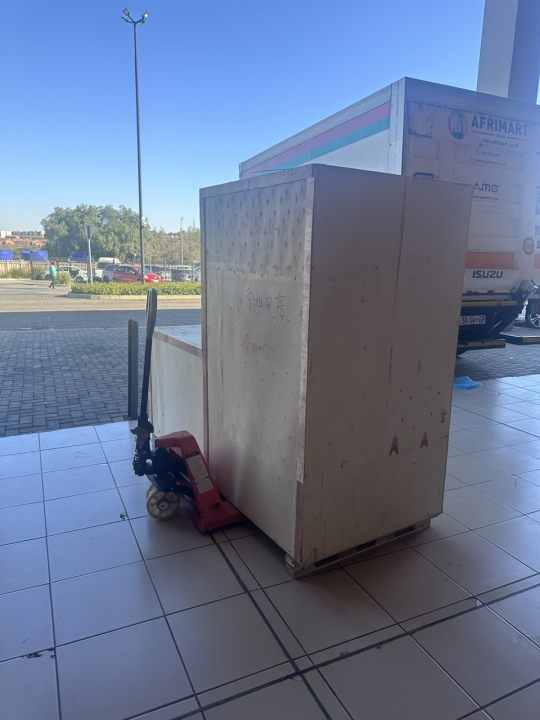
Toilet paper making machine
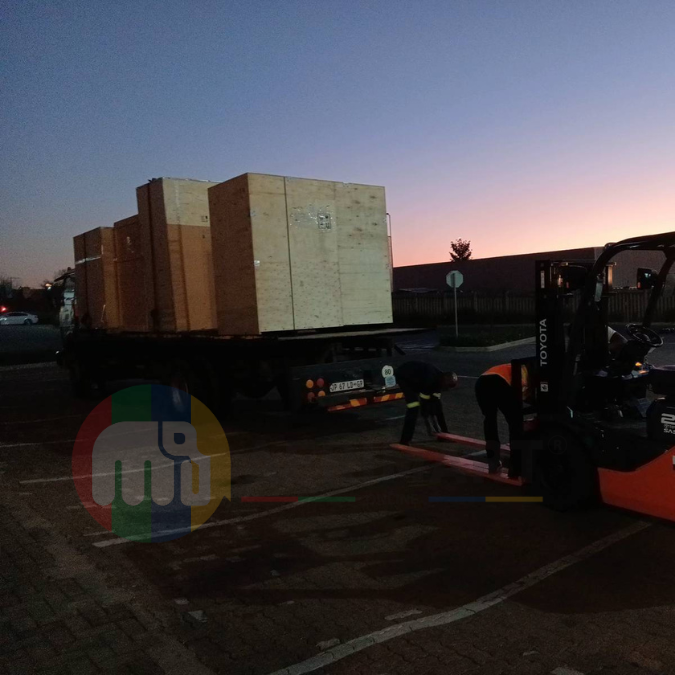
Toilet paper Rewinding Machine
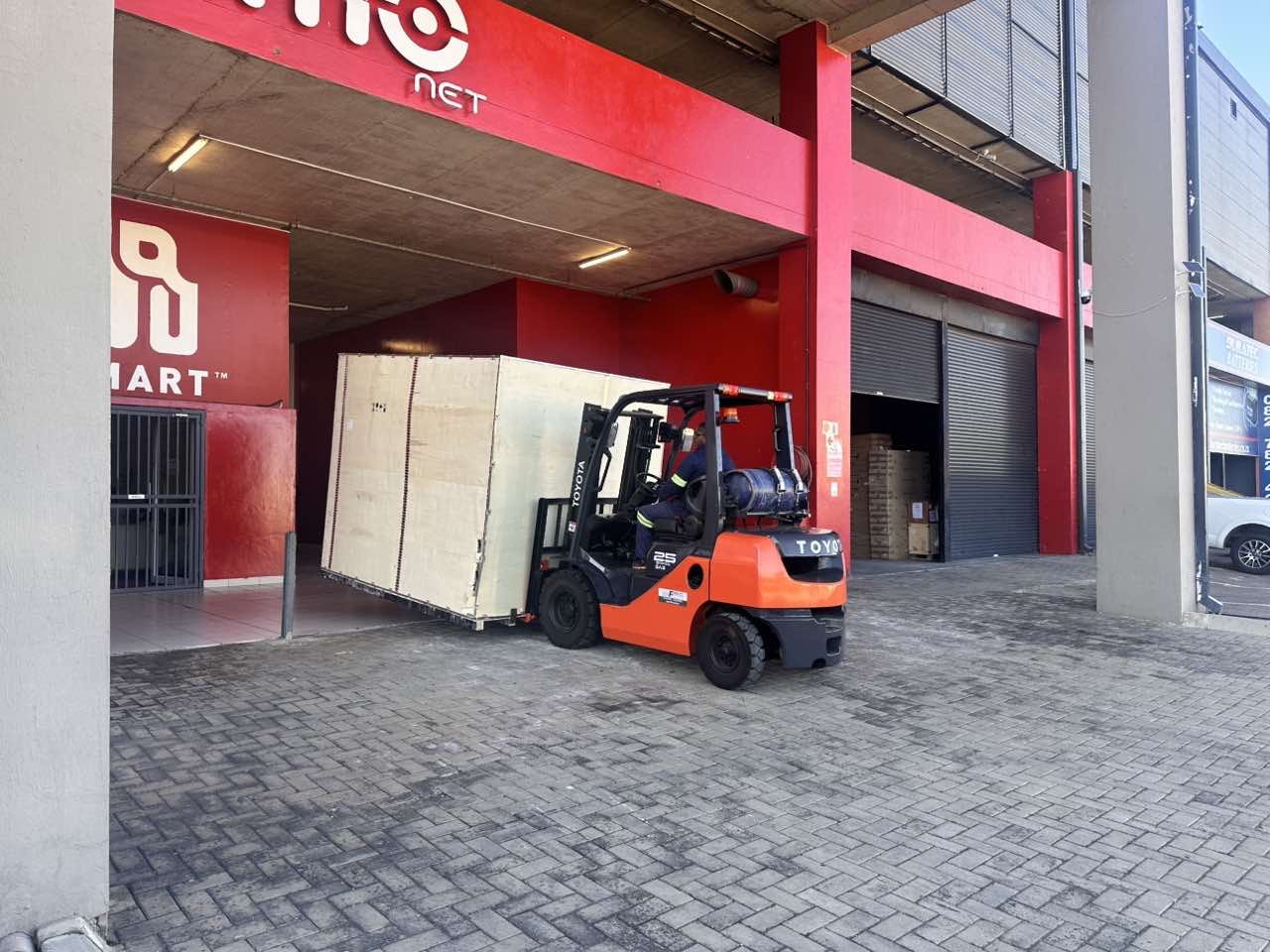
latest arrivals
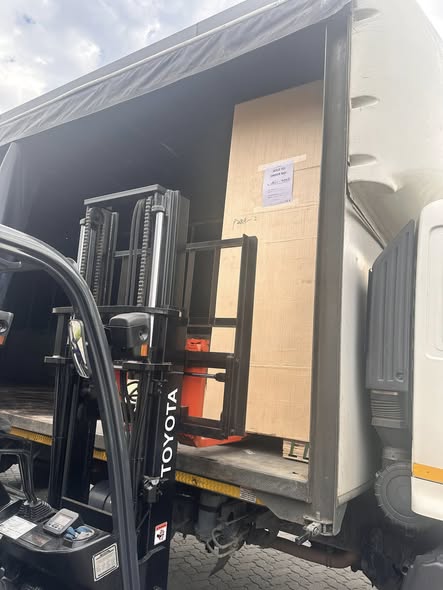
offloading
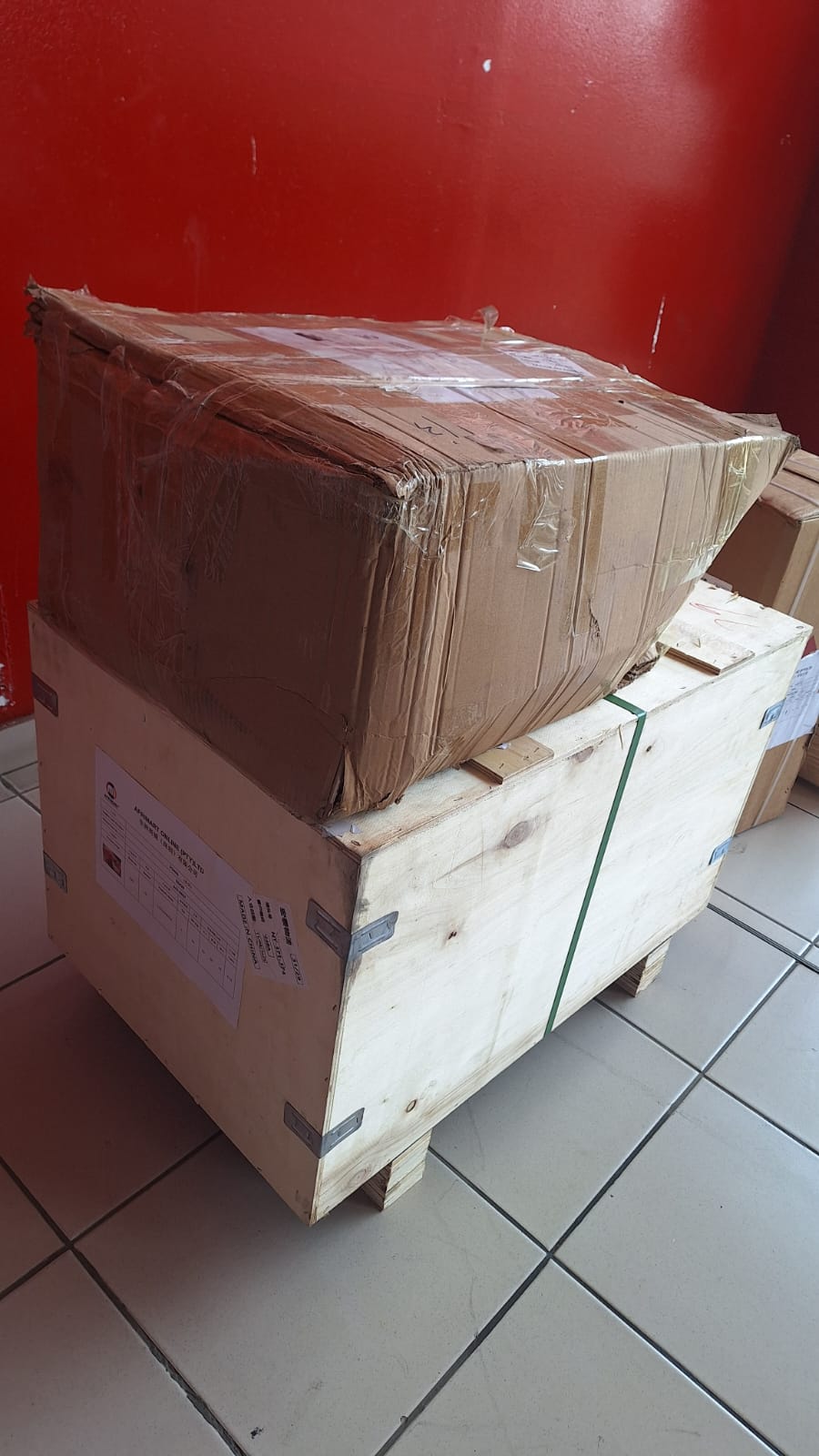
order success
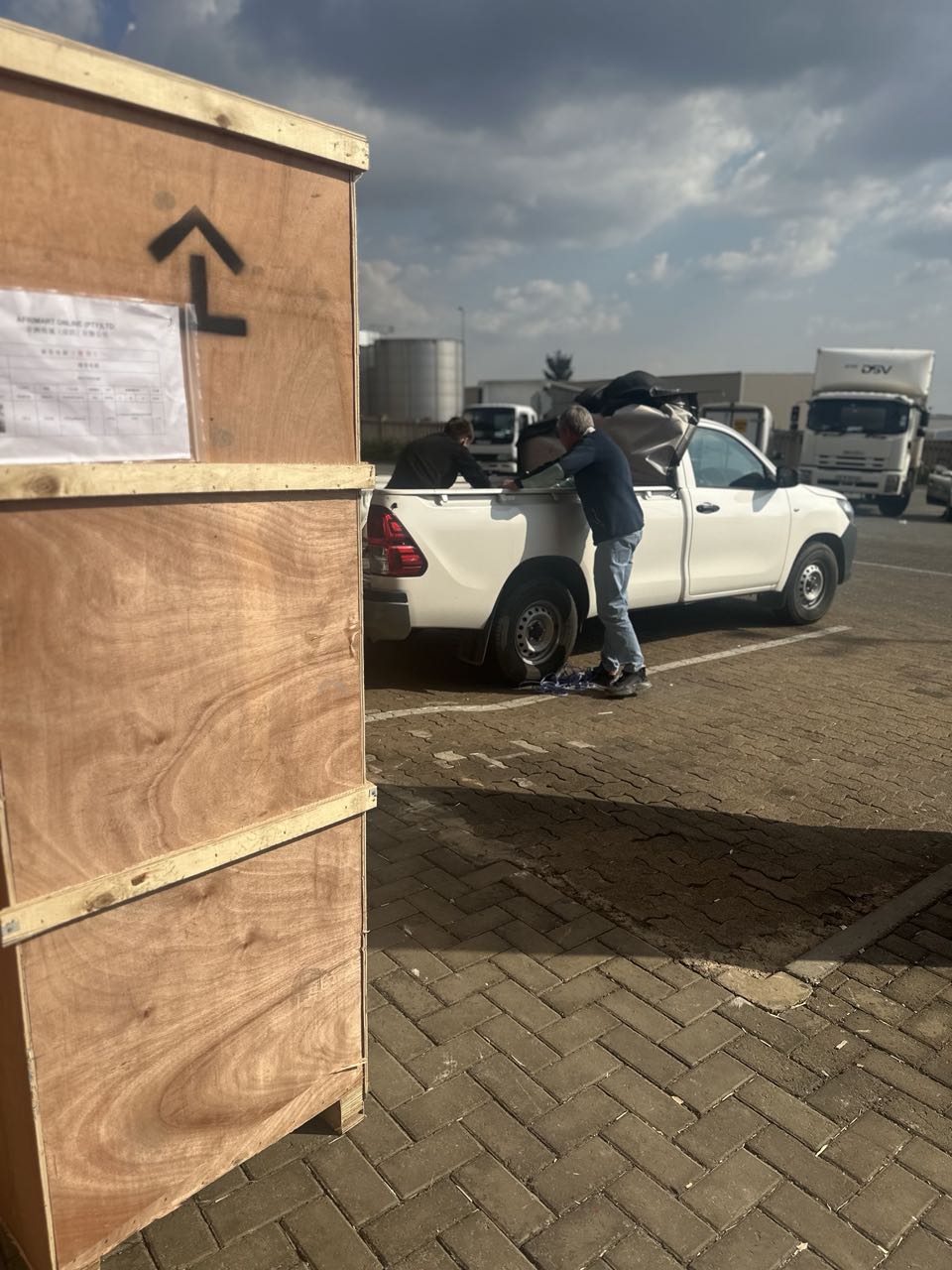
order collection
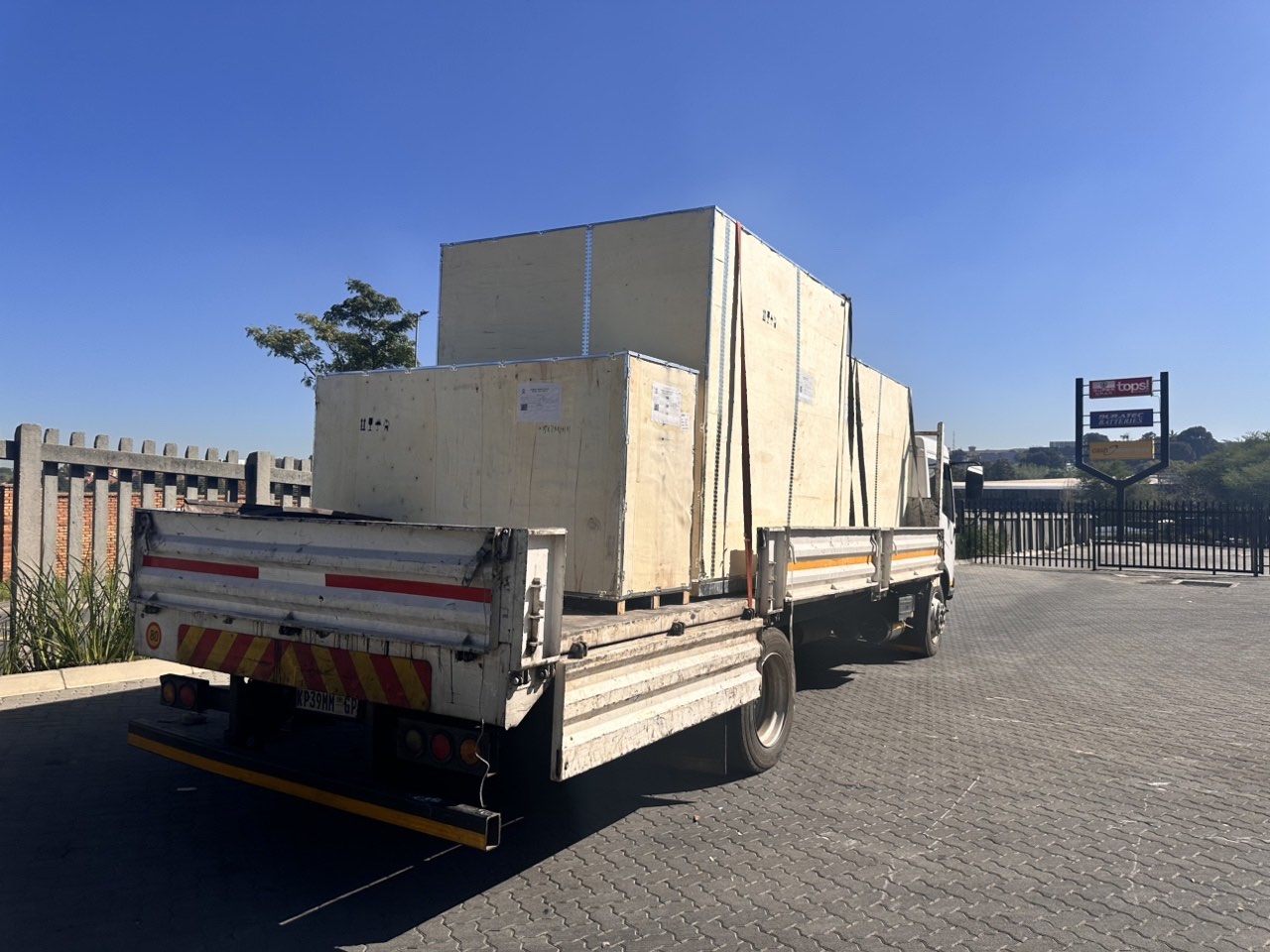
order offloading