B21, China Town Mall, Midrand

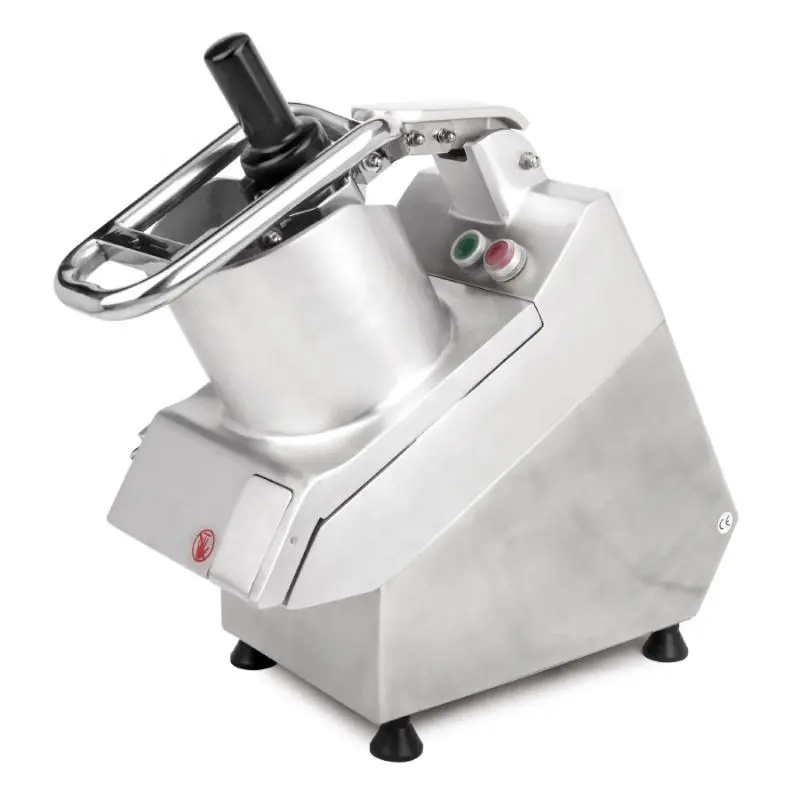


Stainless Steel Electric Potato Onion Vegetable Slicer Dicing Cutter

- Section : Appliances
- Category : Electric Slicers
- SKU : 1600121468442

Stainless Steel Electric Potato Onion Vegetable Slicer Dicing Cutter
The Stainless Steel Electric Potato Onion Vegetable Slicer Dicing Cutter is a powerful and versatile kitchen tool designed to simplify the process of slicing and dicing a variety of vegetables. Whether you’re preparing potatoes, onions, carrots, or other vegetables, this electric slicer and dicer can handle the task quickly and efficiently. With its durable stainless steel construction and user-friendly design, it’s perfect for commercial kitchens, restaurants, catering businesses, or home chefs looking to save time and effort while achieving professional results.
Key Features
High-Efficiency Electric Operation
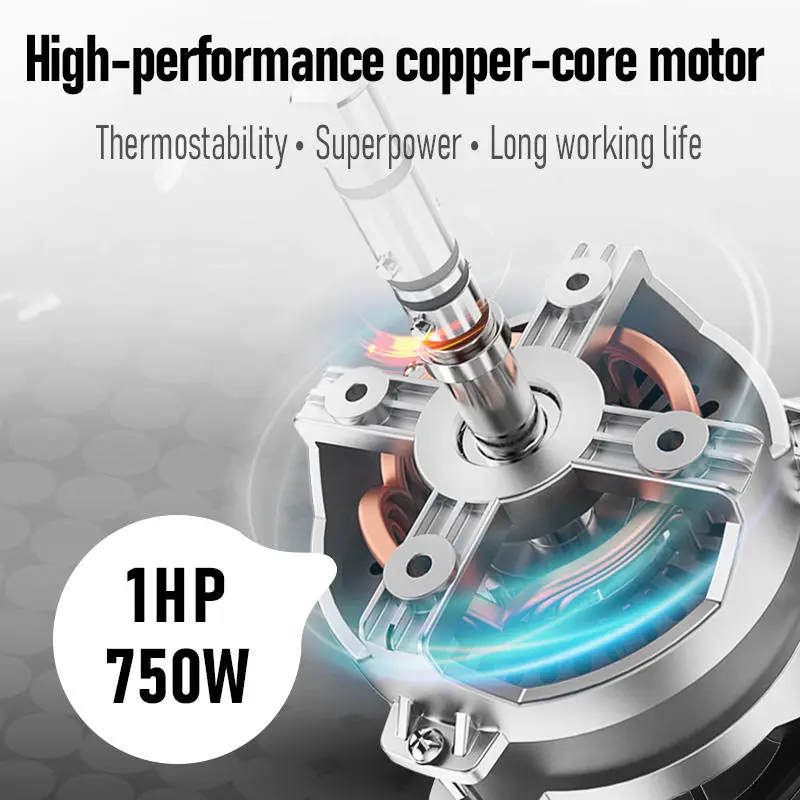
- Fast and Consistent Results: The Electric Potato Onion Vegetable Slicer Dicing Cutter is equipped with a high-speed motor that quickly slices and dices vegetables, reducing manual effort and speeding up food preparation. It can process large quantities of vegetables in a short amount of time, making it ideal for busy kitchens or catering services.
- Easy Operation: The machine is designed for ease of use. Simply feed the vegetables into the chute, and the machine will automatically slice or dice them to your preferred size. No need for complex manual slicing.
Durable Stainless Steel Construction
- Rust-Resistant and Strong: Built with high-quality stainless steel, this slicer and dicer is resistant to rust, corrosion, and wear, ensuring long-term durability. Its robust construction makes it suitable for both commercial and heavy-duty use.
- Hygienic and Easy to Clean: The stainless steel design ensures the slicer is easy to clean and sanitize, promoting food safety and hygiene in the kitchen. Simply wipe it down or rinse with water after use for hassle-free maintenance.
Versatile Cutting Options
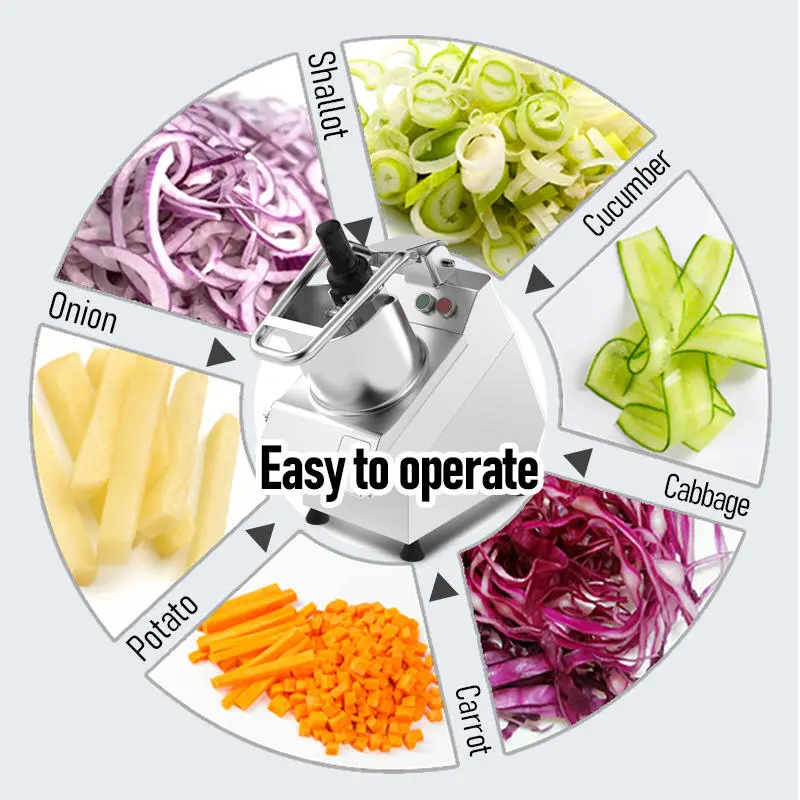
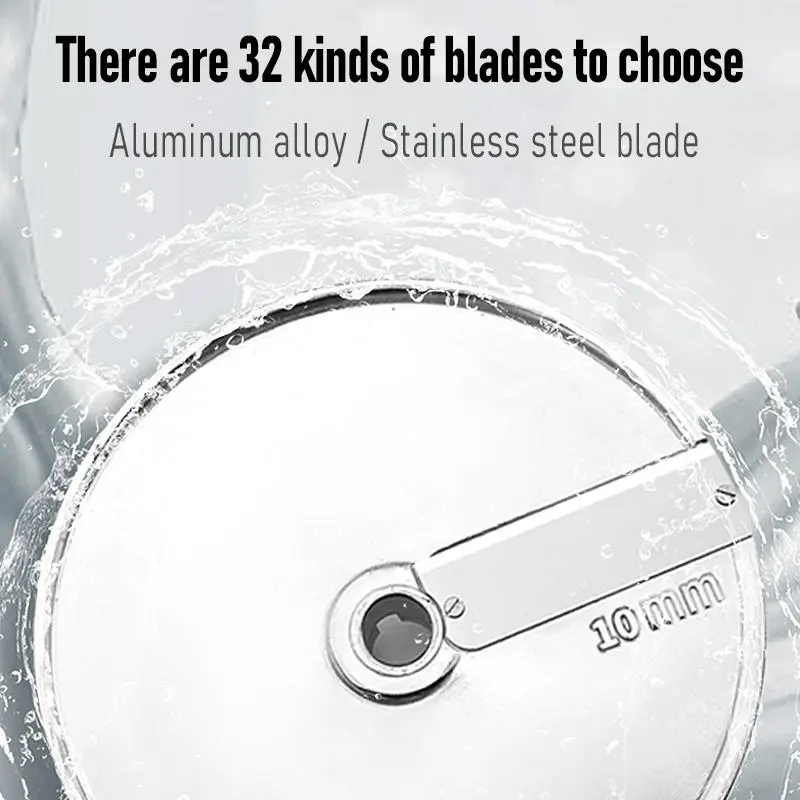
- Adjustable Blades: This machine comes with multiple cutting blades that allow you to choose between different slice thicknesses or dice sizes. Whether you need thin slices for salads or thicker cuts for fries, the Electric Potato Onion Vegetable Slicer Dicing Cutter offers flexibility to suit various recipes.
- Multi-Purpose Use: It is ideal for slicing and dicing a wide variety of vegetables, including potatoes, onions, carrots, cucumbers, tomatoes, and more. You can also use it for fruits and other items that require slicing or dicing.
Time-Saving and Efficient
- Increased Productivity: The electric slicer can quickly process large batches of vegetables, saving you significant time and effort compared to manual cutting. This efficiency makes it perfect for commercial kitchens, food processing, and catering services where high productivity is required.
- Consistent Results: The machine ensures uniform slices and dices every time, which is crucial for dishes that require even cooking or presentation. This consistency reduces waste and enhances the overall quality of your food preparation.
Compact and Space-Saving Design
- Space-Efficient: Despite its powerful motor and large cutting capacity, the Electric Potato Onion Vegetable Slicer Dicing Cutter has a compact design that doesn’t take up too much counter space. It fits easily into most kitchen setups without being bulky or cumbersome.
- Lightweight and Portable: The machine is easy to move around the kitchen or store when not in use, making it a convenient option for both professional kitchens and home chefs with limited space.
Safety Features
- Safety Locking Mechanism: The machine includes safety features such as a locking system to ensure that the blades are securely in place while the machine is operating. This prevents accidents and ensures the operator's safety during use.
- Non-Slip Base: The machine is equipped with a non-slip base, keeping it stable on the counter while in use and preventing any movement during operation.
Conclusion
The Stainless Steel Electric Potato Onion Vegetable Slicer Dicing Cutter is an indispensable tool for anyone looking to streamline their food preparation process. Its powerful electric motor, durable stainless steel construction, and versatile cutting options make it the perfect solution for quickly and consistently slicing and dicing a wide variety of vegetables. Whether you are running a busy restaurant, catering business, or simply want to make meal prep easier at home, this machine delivers professional-grade results, saves time, and ensures food safety and hygiene in the kitchen.
Product Info Gallery


- Shipping Timeframes: All orders are processed within 2-5 business days (excluding weekends and holidays). After your order has been processed, the estimated delivery time is before 03 Feb, 2026, depending on customs, Please note that due to high demand, some items may experience longer shipping times, which will be communicated at order confirmation email.
- Order Processing Time: Please allow 2-5 business days for us to process your order before it is shipped . Orders placed after 16:00 on Fridays, or during weekends and public holidays, will begin processing on the next business day. Processing times may be extended during peak seasons or sales events.
- Manufacturing Time: Some products needs manufacturing time, the manufacturing process will take approximately 10-30 business days depending on the product. This timeframe may vary depending on the complexity of the product and current demand. but this will be communicated with you during order confirmation.
- Returns and Exchanges: We offer a 30-day return policy for most items. If you are not completely satisfied with your purchase, you may return it within 30 days of receipt for a refund or exchange. Items must be unused, in their original packaging, and accompanied by proof of purchase. Return shipping costs are the responsibility of the customer, unless the item was damaged or defective upon arrival.
1. What can I use this slicer/dicer for?
It is designed to slice and dice a wide variety of vegetables and many fruits — for example potatoes, onions, carrots, cucumbers, tomatoes — and other similarly sized produce. It’s suitable for preparing salad ingredients, fries, garnishes and bulk prep in home or commercial kitchens.
2. How do I change the slice thickness or dice size?
The unit includes multiple interchangeable cutting blades/plates that let you choose different slice thicknesses and dice sizes. Blades are exchanged or adjusted using the blade holder assembly; follow the user manual for safe removal and installation.
3. Is this machine suitable for commercial use?
Yes. It’s built with durable stainless steel construction and a high-speed motor to handle large quantities, making it appropriate for restaurants, catering and other commercial food-prep environments. Always verify the specific model’s capacity and duty-cycle with the seller.
4. How do I clean and sanitize the slicer?
Because many parts are stainless steel they are easy to wipe and rinse. Unplug the machine and remove any removable blades, trays or hoppers, then wash or sanitize those parts. Wipe down the motor housing with a damp cloth and avoid immersing the motor unit in water. Refer to the manual for parts rated for dishwashers or harsher sanitizers.
5. What safety features does it have?
Typical safety features include a blade safety lock/locking mechanism to secure blades during operation and a non-slip base to keep the unit stable. Always use the feed chute/press (if supplied), keep hands away from blades, and unplug before servicing or cleaning.
6. Can it cut frozen vegetables or very hard items?
This slicer is intended for fresh produce. Avoid feeding frozen solid items, bones, or extremely hard objects, which can damage the blades or motor. Allow frozen items to thaw before processing and use caution with very dense roots.
7. Do I need to peel vegetables before slicing or dicing?
Peeling is optional depending on the recipe and the vegetable. Some items (like potatoes or cucumbers) can be processed with skins on, but thick skins or dirt should be removed first. Peeling may yield a more uniform finish for some dishes.
8. What are the electrical requirements and power consumption?
Electrical specifications (voltage, frequency, wattage) vary by model. Check the label on the machine or the product specification sheet for the correct voltage and power rating for your region before plugging in.
9. How noisy is the machine?
The motorized cutter produces typical kitchen-equipment noise while running. Noise level depends on motor size and load; it’s not silent but is suitable for commercial and home kitchens. If noise is a concern, review the model’s specifications or test in-store if possible.
10. How much can it process in a single session or per hour?
Throughput depends on the model, blade choice and the type of vegetable. The unit is designed for efficient batch processing and is generally much faster than manual cutting, but consult the product specs or supplier for estimated kg/hour figures for your intended use.
11. How do I maintain blades and where can I get replacements?
Inspect blades regularly for sharpness, chips or bending. Dull blades reduce performance and increase risk. Blades can be sharpened or replaced; contact the supplier or manufacturer for replacement parts and approved sharpening/maintenance procedures.
12. Is the machine portable and how much space does it take?
The product is described as compact and lightweight for its class, so it’s easy to move and store compared with larger industrial equipment. Exact dimensions and weight vary by model — check the product listing for measurements to ensure it fits your workspace.
13. Can I use it to slice/dice soft or very juicy fruits like tomatoes?
Yes, many blades can handle soft fruits, but very soft or overripe produce may crush rather than cleanly slice. Use the appropriate blade for softer items and adjust feed speed/pressure to get the best results.
14. What are the recommended operating steps?
Basic steps: 1) Place unit on a stable, dry surface and lock non-slip feet. 2) Choose and securely install the desired blade. 3) Plug in the machine and switch it on. 4) Feed vegetables through the chute using the pusher (never hands). 5) Turn off and unplug, then remove and clean components. Always follow the full user manual for safety details.
15. Is there a warranty or after-sales support?
Warranty terms and after-sales support vary by seller and region. Check the product listing or contact the vendor/manufacturer for warranty length, what it covers, and how to request spare parts or service.
Latest Order Arrivals
Discover our latest orders
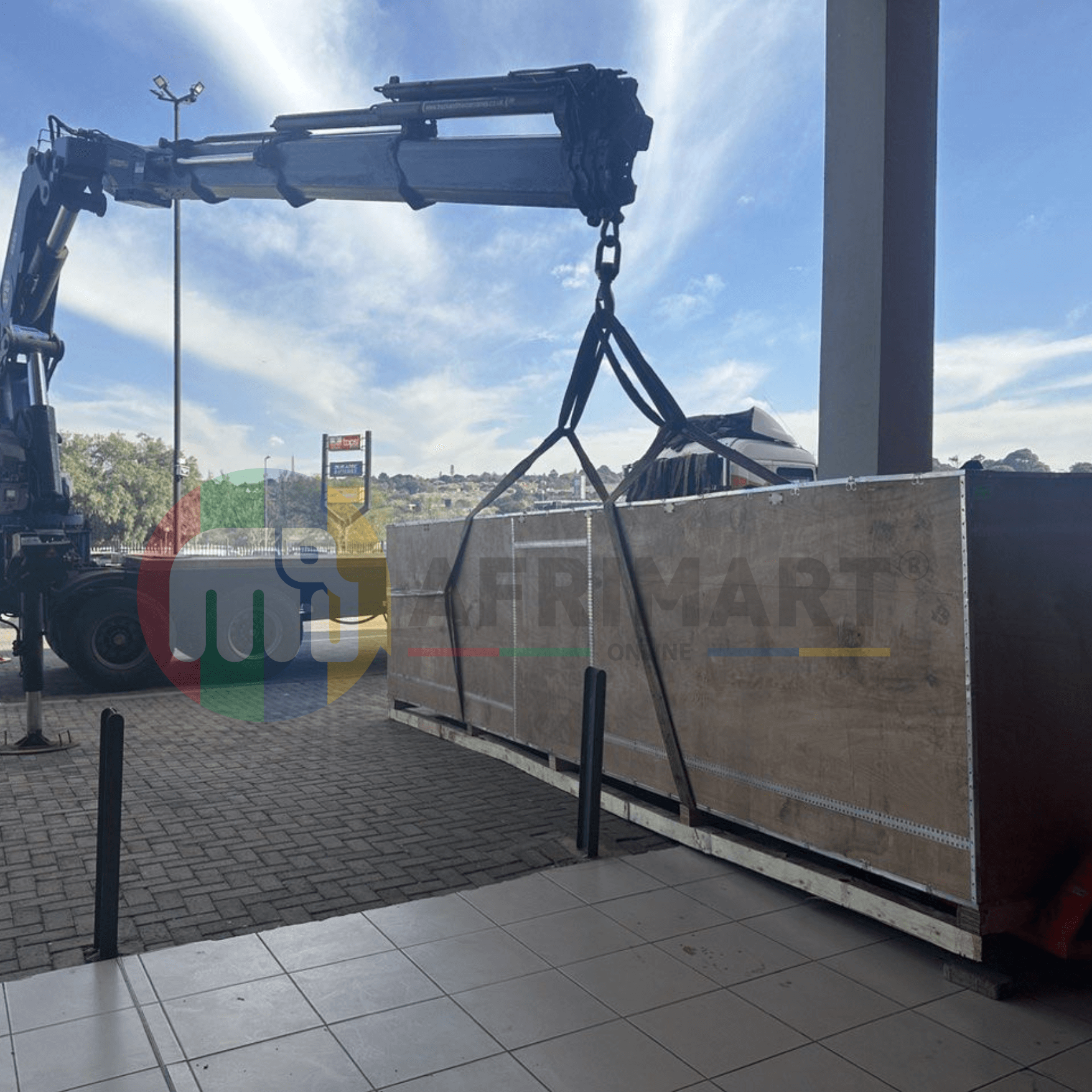
12 Heads Embroidery Machine

Dewatering Pump Machine

Order Collection
Portable Water Drilling Rig
Order Usefully Collected

Batch of Orders
Agriculture Processing Machines
Meat Grinder Machine
Water Pump Equipment
Packaging Machine and accessories

Fabrics Manufacturing Equipment
Mining Equipments

Food Processing Machine
Batch of Orders

Batch of Orders
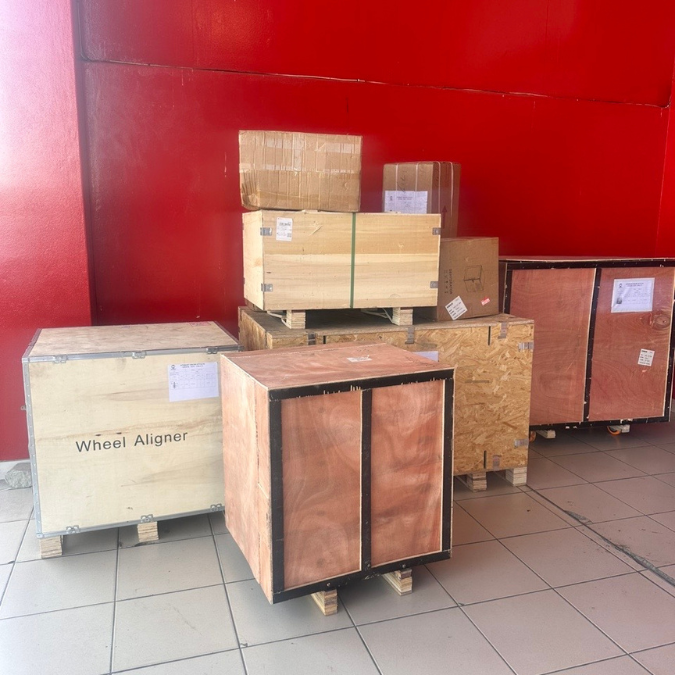
Latest Orders Labelled
wheel alignment machines
new arrivals

Pre Orders Offloading
Latest Arrivals
Latest Arrivals