B21, China Town Mall, Midrand

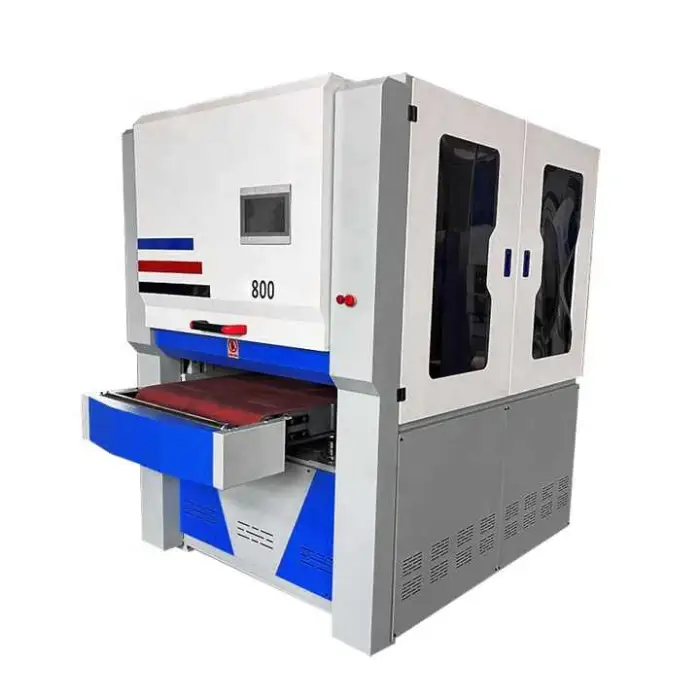
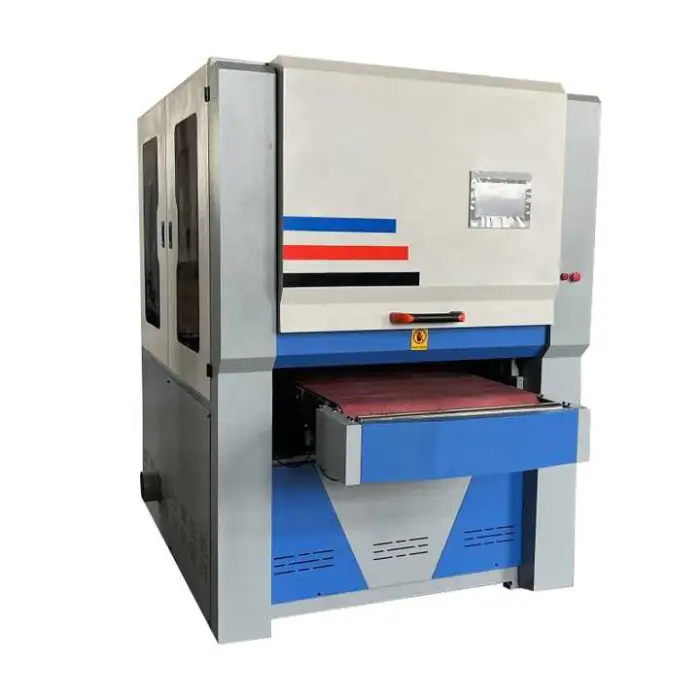
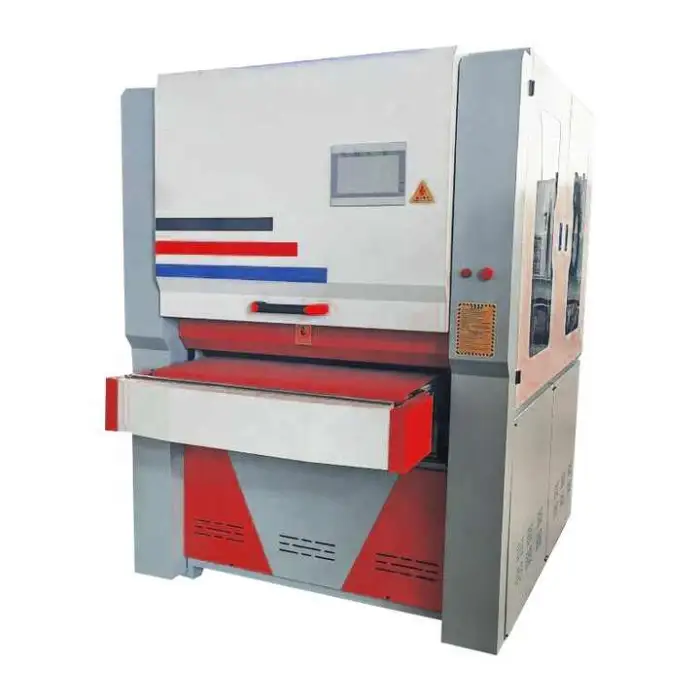
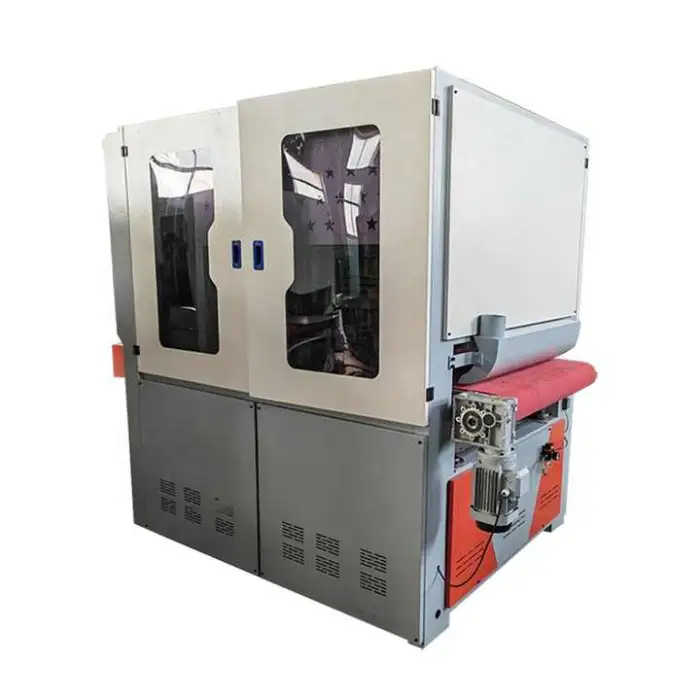
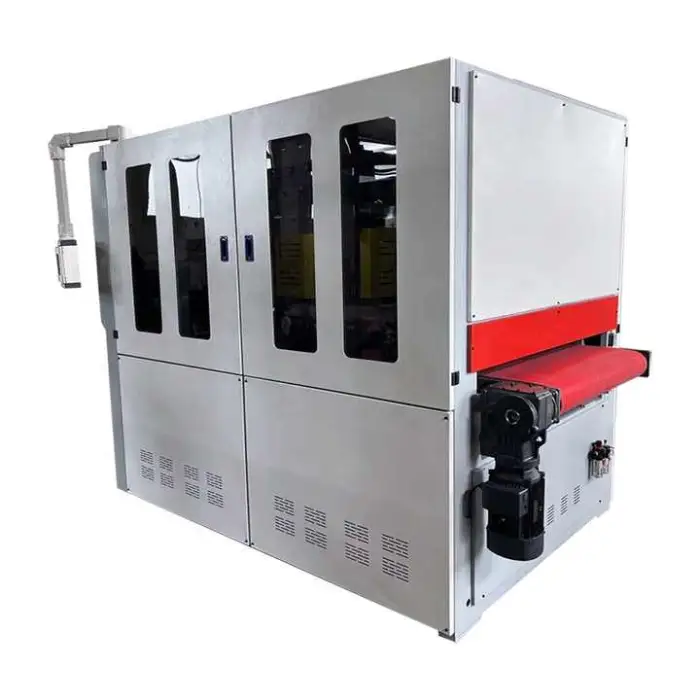
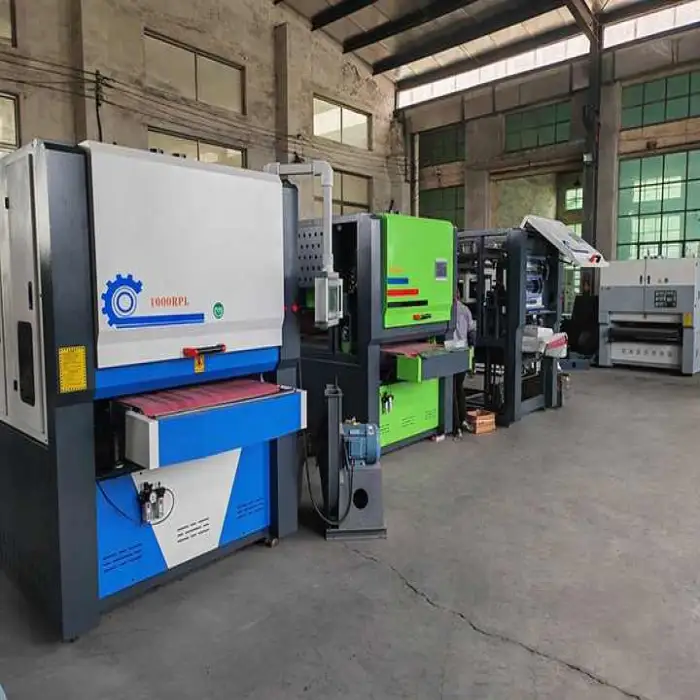
Stainless Automatic Machines Grinding Plate Polish Debur Metal Edge Deburring Machine for Sheet Metal Laser
Asset finance available
Do you want funding for this equipment?
Afrimart can connect you with trusted funding partners who specialise in asset finance for businesses like yours. Compare options and apply in minutes — final approval is subject to provider review.
Check funding options
Secure & no obligation

- Section : Machinery
- Category : Machine Tool Equipment
- SKU : 1601093830323

Stainless Automatic Machines Grinding Plate Polish Debur Metal Edge Deburring Machine for Sheet Metal Laser
The Stainless Automatic Machines Grinding Plate Polish Debur Metal Edge Deburring Machine is designed to make metal work easier and more efficient. This powerful machine is perfect for polishing and deburring metal edges on sheet metal. With its high accuracy and advanced features, it can handle various metal workpieces with ease.
Specifications
| Attribute | Details |
|---|---|
| Voltage | 380V, 110V, 220V |
| Power (kw) | 56 |
| Weight (kg) | 3000 |
| Processing Width | 800mm |
| Processing Thickness | 0-110mm |
| Minimum Processing Length | 100mm |
| Feeding Speed | 0-15 meters per minute |
| Abrasive Belt Size | 820X1820mm |
| Rotating Rod Diameter | 300X300 |
| Platform | Half vacuum adsorption, half strong magnetic adsorption |
| Size | 1500X2900X2000 |
| Weight | 3 tons |
Key Features
- High-accuracy for precise metalwork.
- Available in multiple voltages (380V, 110V, 220V).
- Powerful 56 kW motor for efficient performance.
- Handles various thicknesses up to 110mm.
- Fast feeding speed of up to 15 meters per minute.
- Durable abrasive belt for long-lasting use.
Applications
- Ideal for sheet metal processing.
- Perfect for deburring and polishing metal edges.
- Used in fabrication shops for metal work.
- Great for automotive and aerospace industries.
- Suitable for various metal materials.
The Stainless Automatic Machines Grinding Plate Polish Debur Metal Edge Deburring Machine is a vital tool for anyone working with metal. It provides efficiency and precision, making your metalworking tasks easier and faster.
Product Info Gallery
- Shipping Timeframes: All orders are processed within 2-5 business days (excluding weekends and holidays). After your order has been processed, the estimated delivery time is before 01 Sep, 2026, depending on customs, Please note that due to high demand, some items may experience longer shipping times, which will be communicated at order confirmation email.
- Order Processing Time: Please allow 2-5 business days for us to process your order before it is shipped . Orders placed after 16:00 on Fridays, or during weekends and public holidays, will begin processing on the next business day. Processing times may be extended during peak seasons or sales events.
- Manufacturing Time: Some products needs manufacturing time, the manufacturing process will take approximately 10-30 business days depending on the product. This timeframe may vary depending on the complexity of the product and current demand. but this will be communicated with you during order confirmation.
- Returns and Exchanges: We offer a 30-day return policy for most items. If you are not completely satisfied with your purchase, you may return it within 30 days of receipt for a refund or exchange. Items must be unused, in their original packaging, and accompanied by proof of purchase. Return shipping costs are the responsibility of the customer, unless the item was damaged or defective upon arrival.
1. What is this machine used for?
It is an automatic grinding, polishing and deburring machine designed to clean and finish metal edges on sheet metal—especially after laser cutting—improving edge quality and surface finish.
2. What materials can it process?
It is suitable for stainless steel and a wide range of other metals commonly used in sheet forms (carbon steel, aluminum alloys, etc.). For very soft or very hard specialty alloys, test cutting is recommended.
3. What are the machine's main specifications?
Key specs: processing width 800 mm; thickness 0–110 mm; minimum processing length 100 mm; feeding speed 0–15 m/min; abrasive belt 820×1820 mm; rotating rod diameter 300×300 mm; motor power 56 kW; overall size 1500×2900×2000 mm; weight ~3000 kg.
4. Which voltage options are available?
The machine is available in multiple supply voltages: 380 V, 220 V and 110 V. Choose the model that matches your facility's electrical system; consult your supplier for phase and amperage requirements.
5. How fast can the machine process parts and what affects throughput?
Feeding speed is adjustable from 0 to 15 meters per minute. Actual throughput depends on material thickness, feed speed selected, number of passes for desired finish, and loading/unloading efficiency.
6. How is the workpiece held in place during processing?
The platform uses a hybrid system: half vacuum adsorption and half strong magnetic adsorption, allowing secure holding of a variety of sheet metals during grinding and polishing.
7. What is the minimum part length that can be processed?
The minimum processing length is 100 mm. Parts shorter than this may require fixturing or custom handling.
8. What abrasive belt does the machine use and how often must it be replaced?
The machine uses an 820×1820 mm abrasive belt. Belt life depends on material, feed speed, and finish required; inspect belts regularly and replace when worn, torn, or when finish quality degrades. Keep spares on hand for high-volume shops.
9. Can this machine be integrated into a laser-cutting production line?
Yes—it is commonly used downstream of laser cutting for edge deburring and polishing. Integration details (conveyors, part transfer, control interfaces) should be coordinated with your equipment supplier or systems integrator.
10. How automated is the machine and what operator skills are required?
The unit is an automatic processing machine with adjustable feed and process parameters. Operators should be trained on setup, parameter selection, routine maintenance, and safety procedures; basic mechanical and electrical literacy is helpful.
11. What maintenance is required?
Routine maintenance includes checking and replacing abrasive belts, inspecting drive belts and bearings, cleaning dust/debris, verifying adsorption/platen condition, lubrication as specified, and periodic electrical/control inspections.
12. What safety measures should be in place when using the machine?
Use appropriate guards and interlocks, provide local exhaust/dust collection, wear PPE (safety glasses, gloves, hearing protection), follow lockout/tagout for maintenance, and ensure operators are trained on emergency stops and safe operating procedures.
13. Does the machine include dust collection or do I need to add one?
The specification does not list an integrated dust collector. For health and process reasons, a dedicated industrial dust/exhaust system is strongly recommended and often installed alongside the machine.
14. What are typical applications and industries for this machine?
Typical uses include sheet metal deburring and edge polishing in fabrication shops, automotive parts manufacture, aerospace components, appliance production and any operation needing improved edge quality after cutting or stamping.
15. What about warranty, certifications, spare parts and after-sales support?
Warranty terms, certifications (CE, etc.), spare parts availability and training/services vary by supplier. Contact the vendor for specific warranty coverage, certification documentation, recommended spare parts kits and available installation/training packages.
Latest Order Arrivals
Discover our latest orders
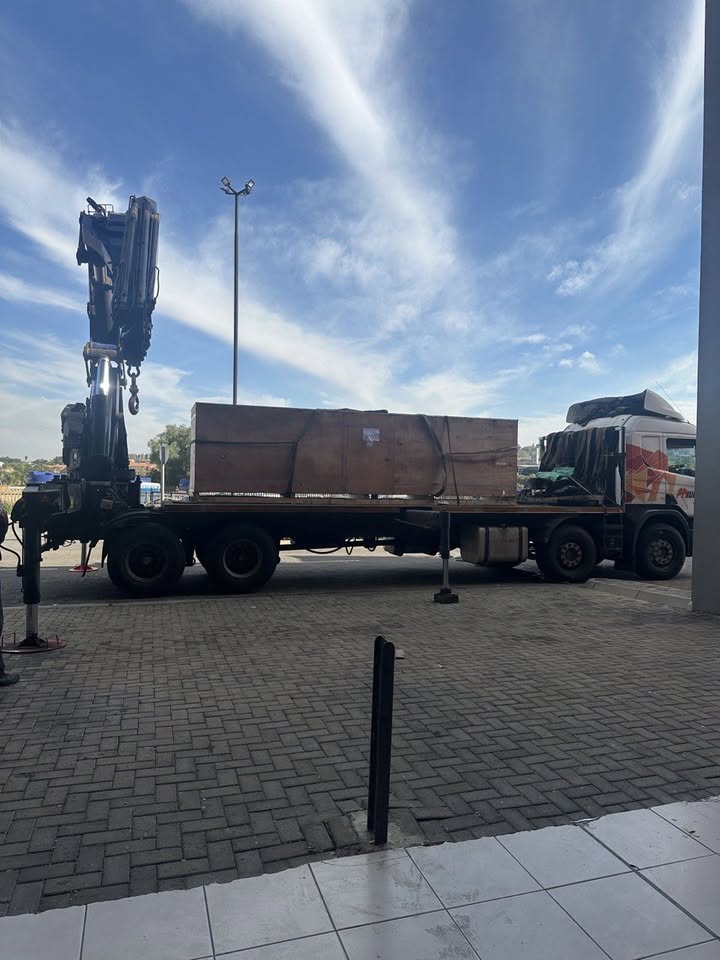
12 Heads Embroidery Machine
Toilet Paper Machine Machine
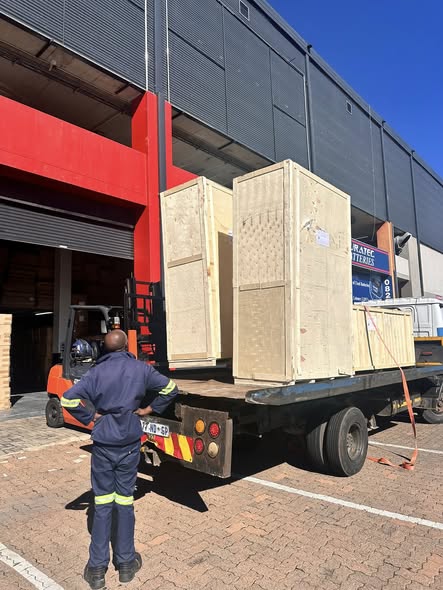
Order Collection
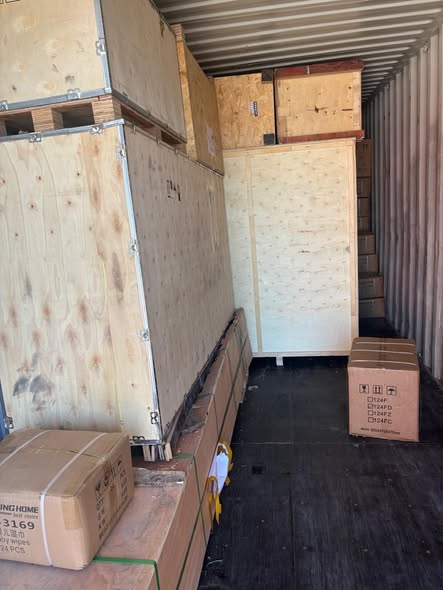
Cross Border Clients
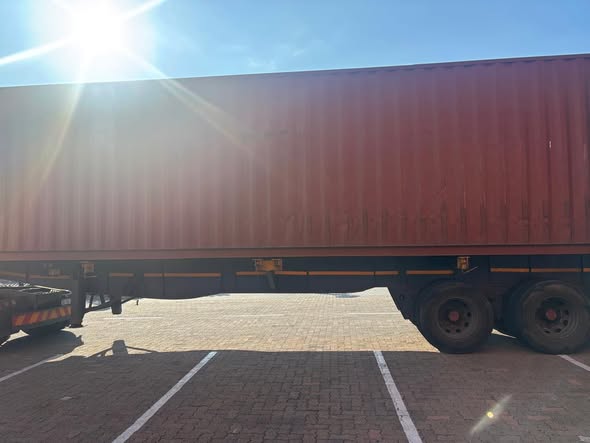
Order cros border countries Collected
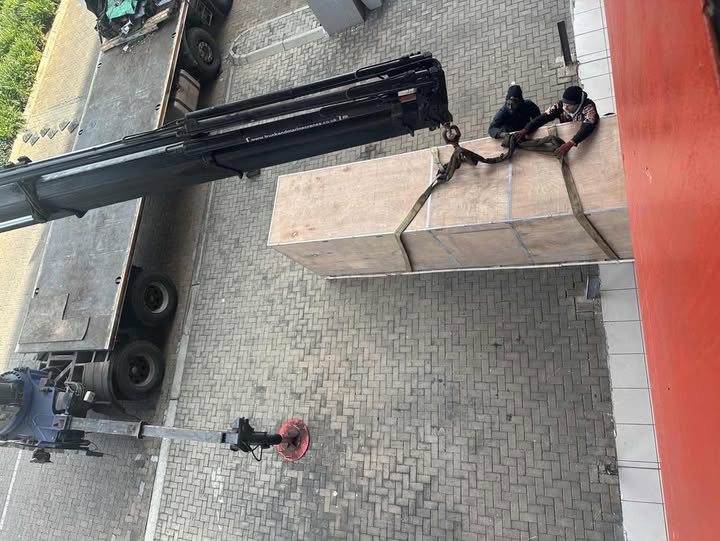
Industrial Machine Cllection
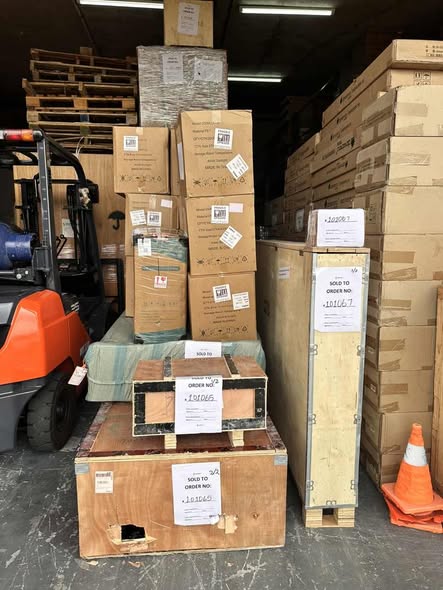
Agriculture Processing Machines
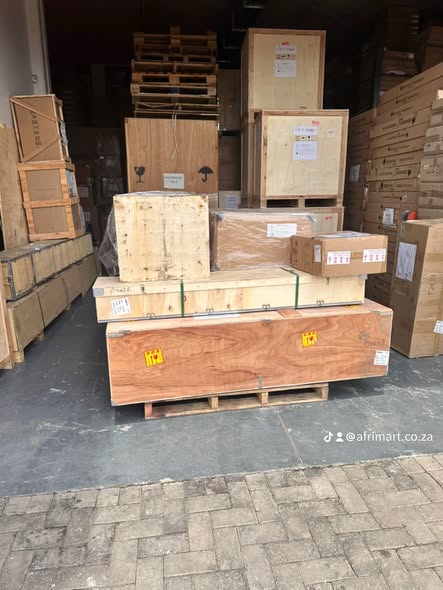
Ready for collection
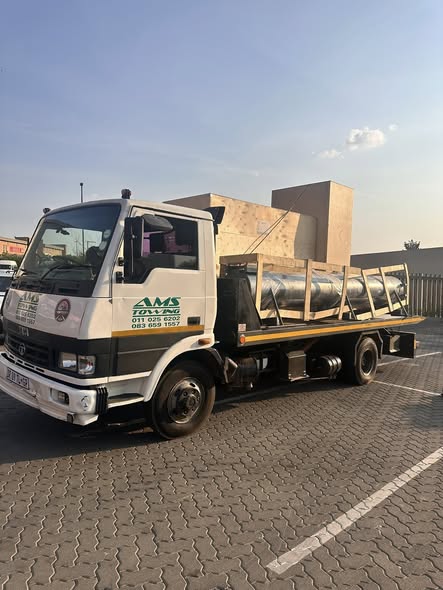
Water Pump Equipment
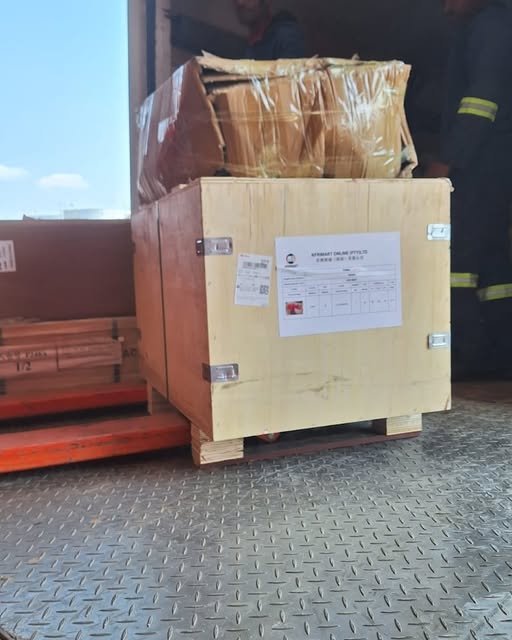
Packaging Machine and accessories
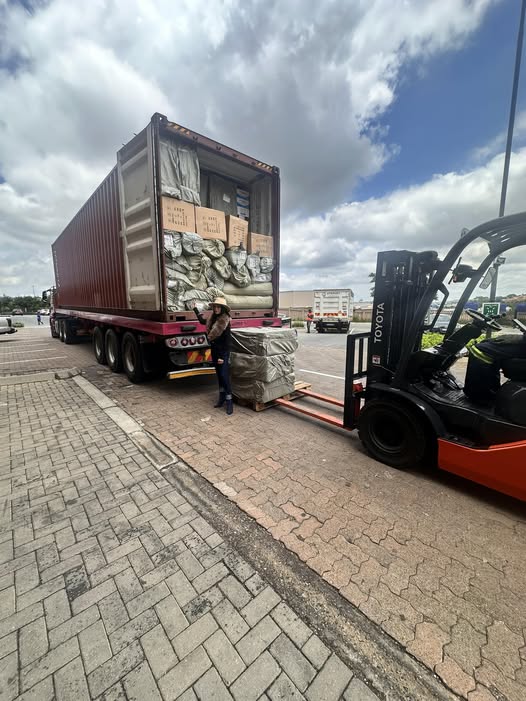
Fabrics Manufacturing Equipment
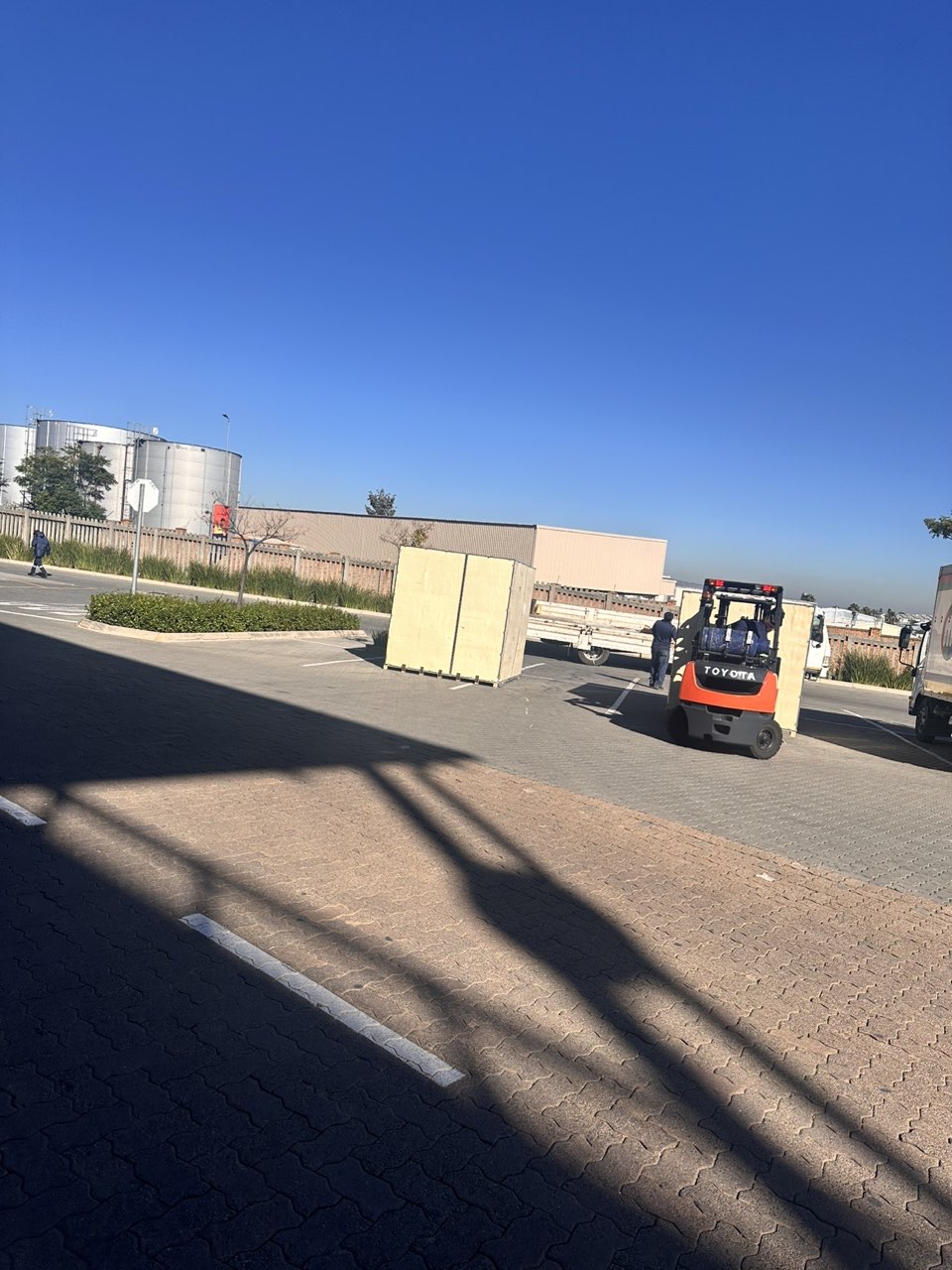
Mining Equipments
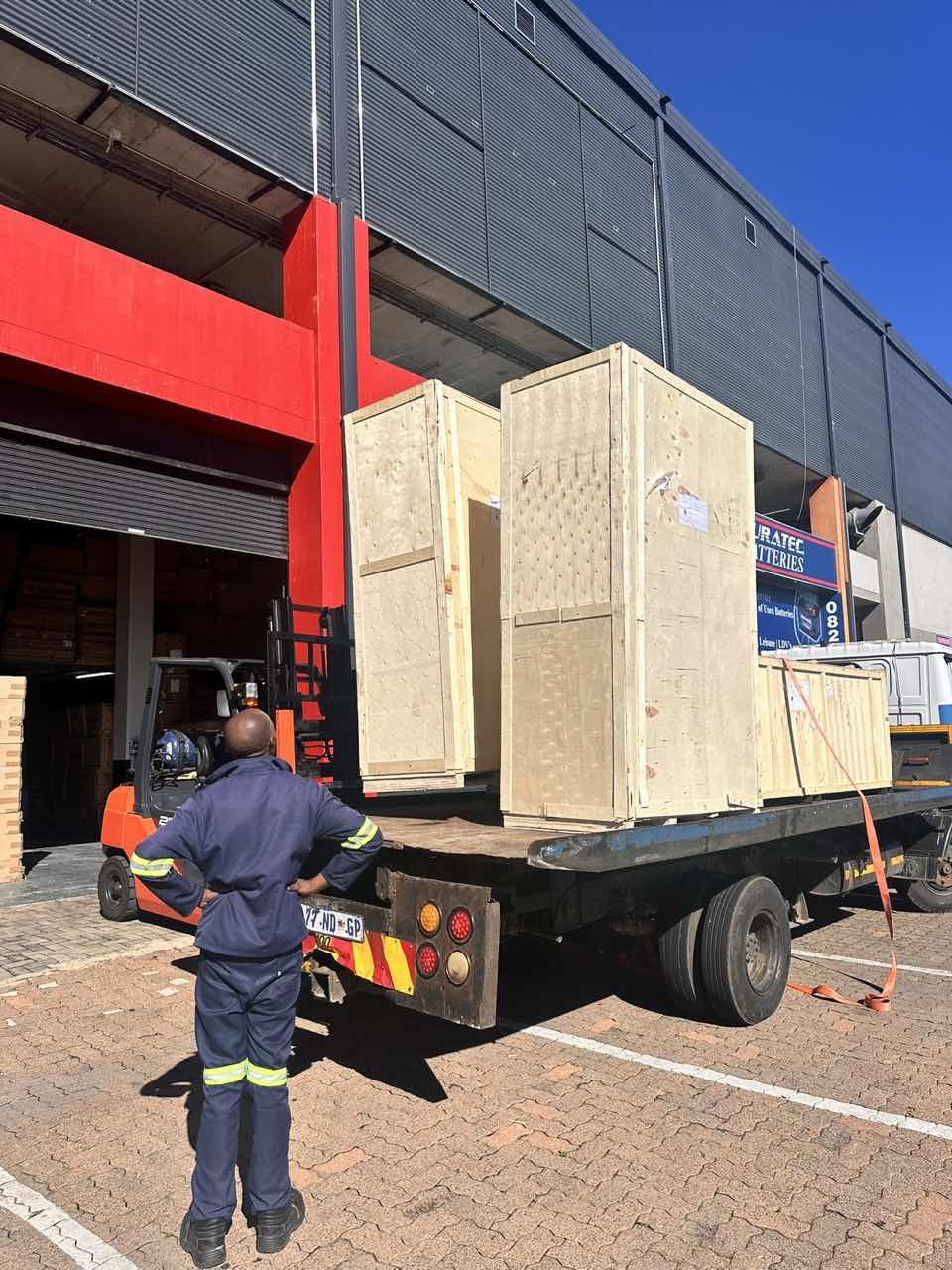
Food Processing Machine
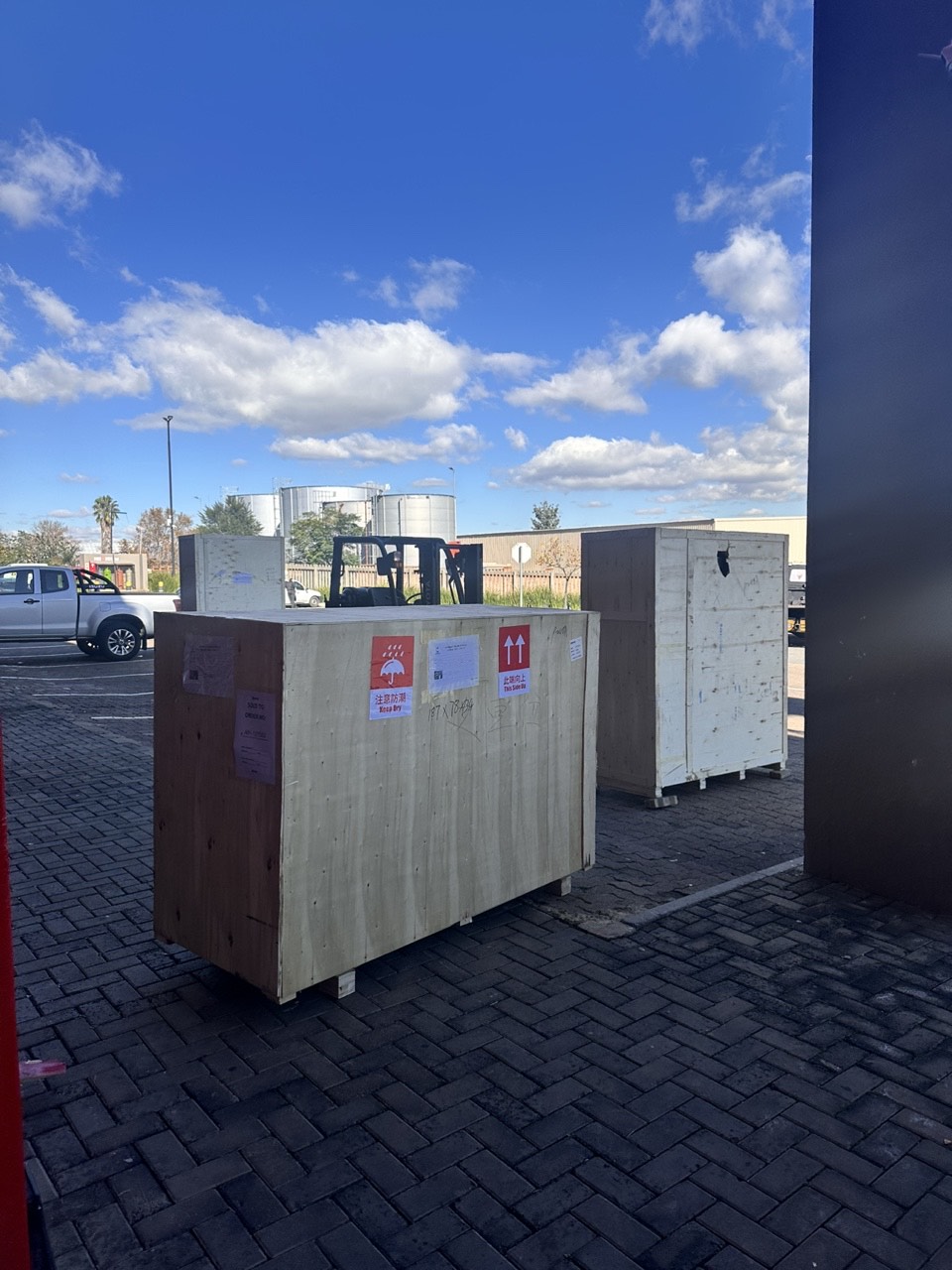
Batch of Orders
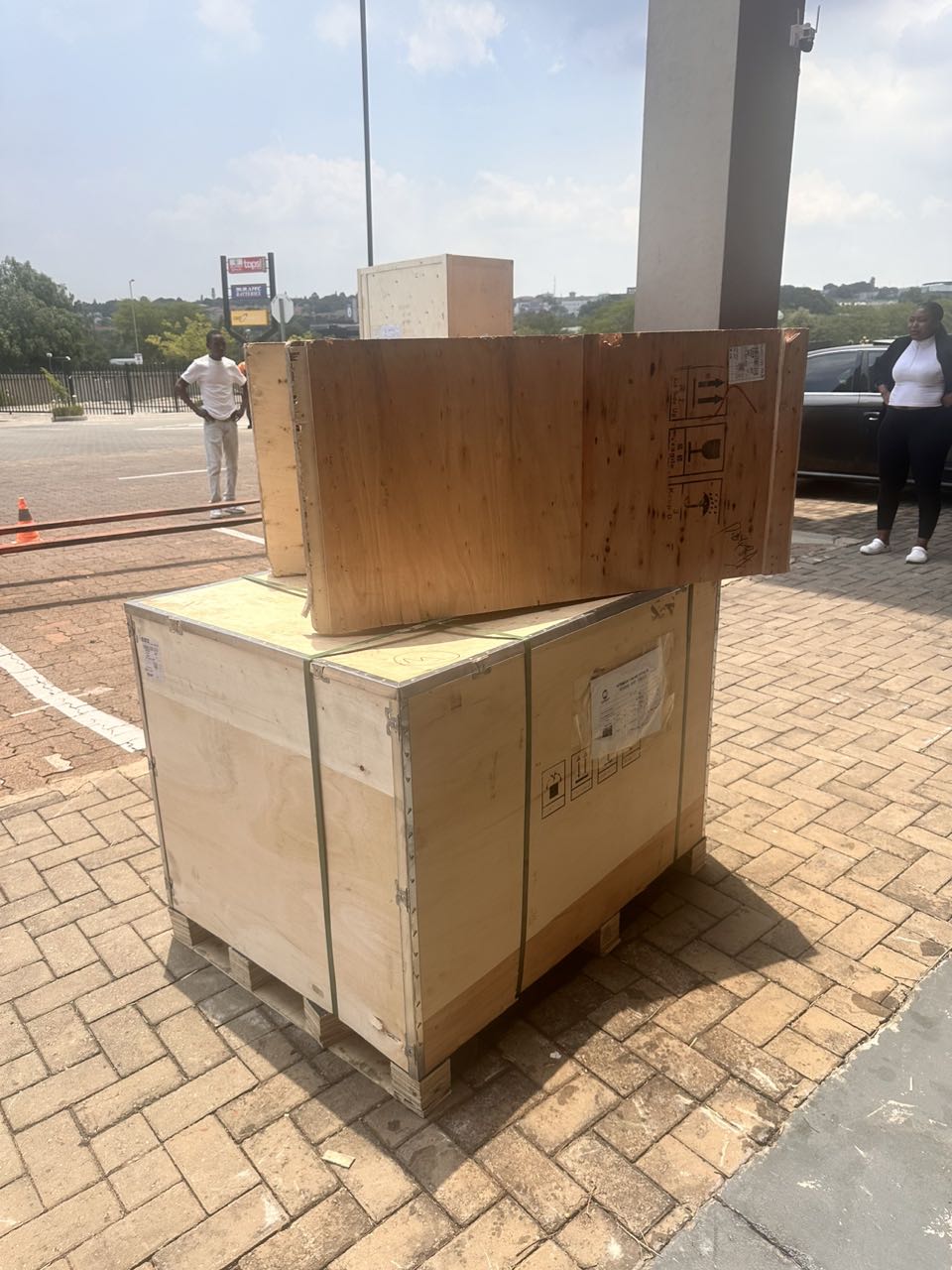
Batch of Orders
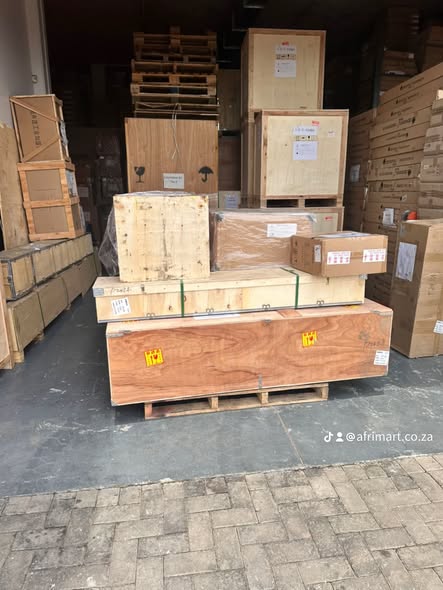
Latest Orders Labelled
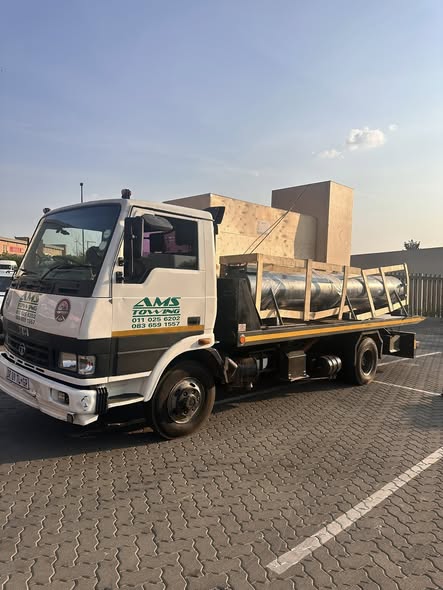
wheel alignment machines
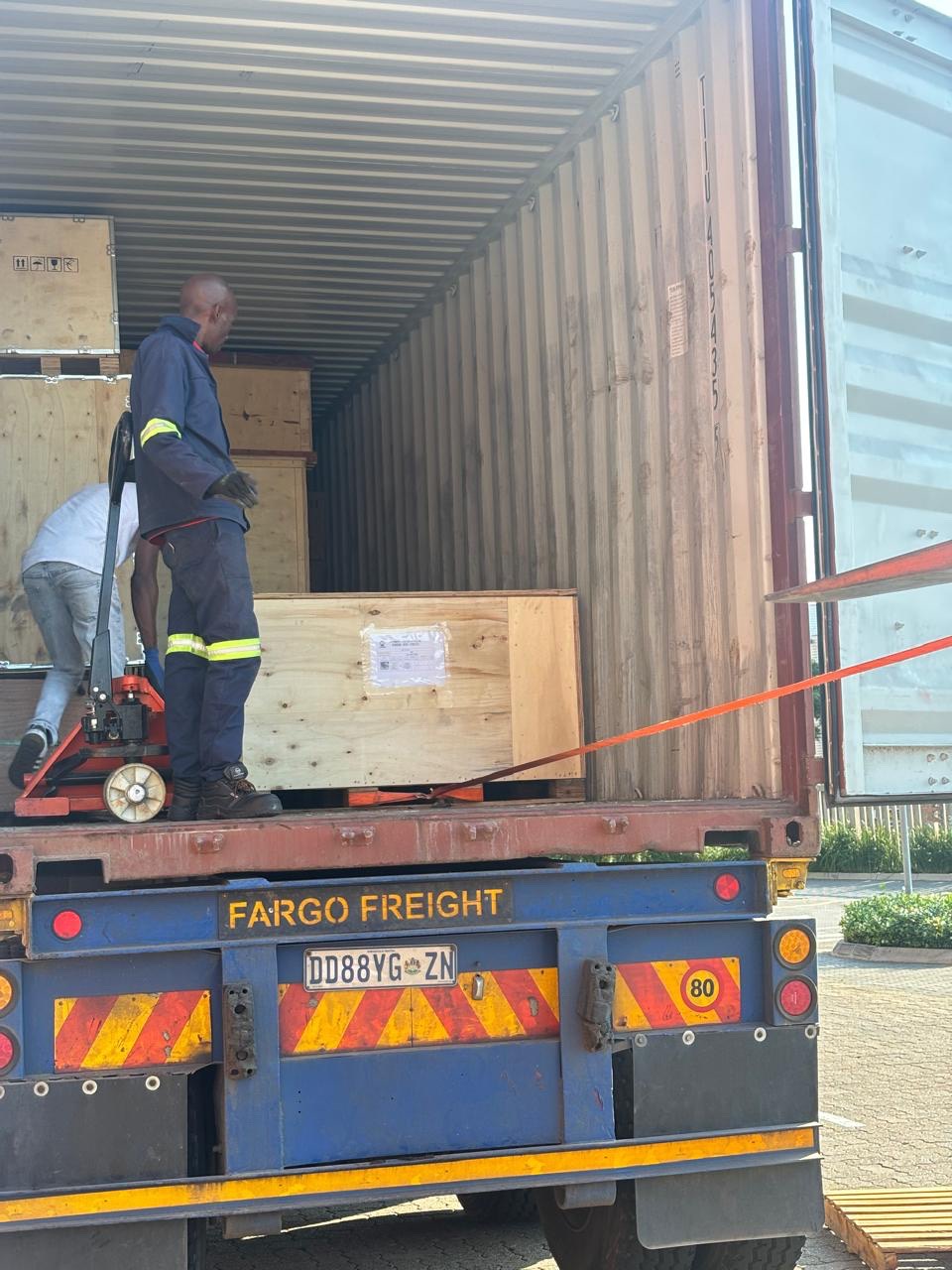
new arrivals
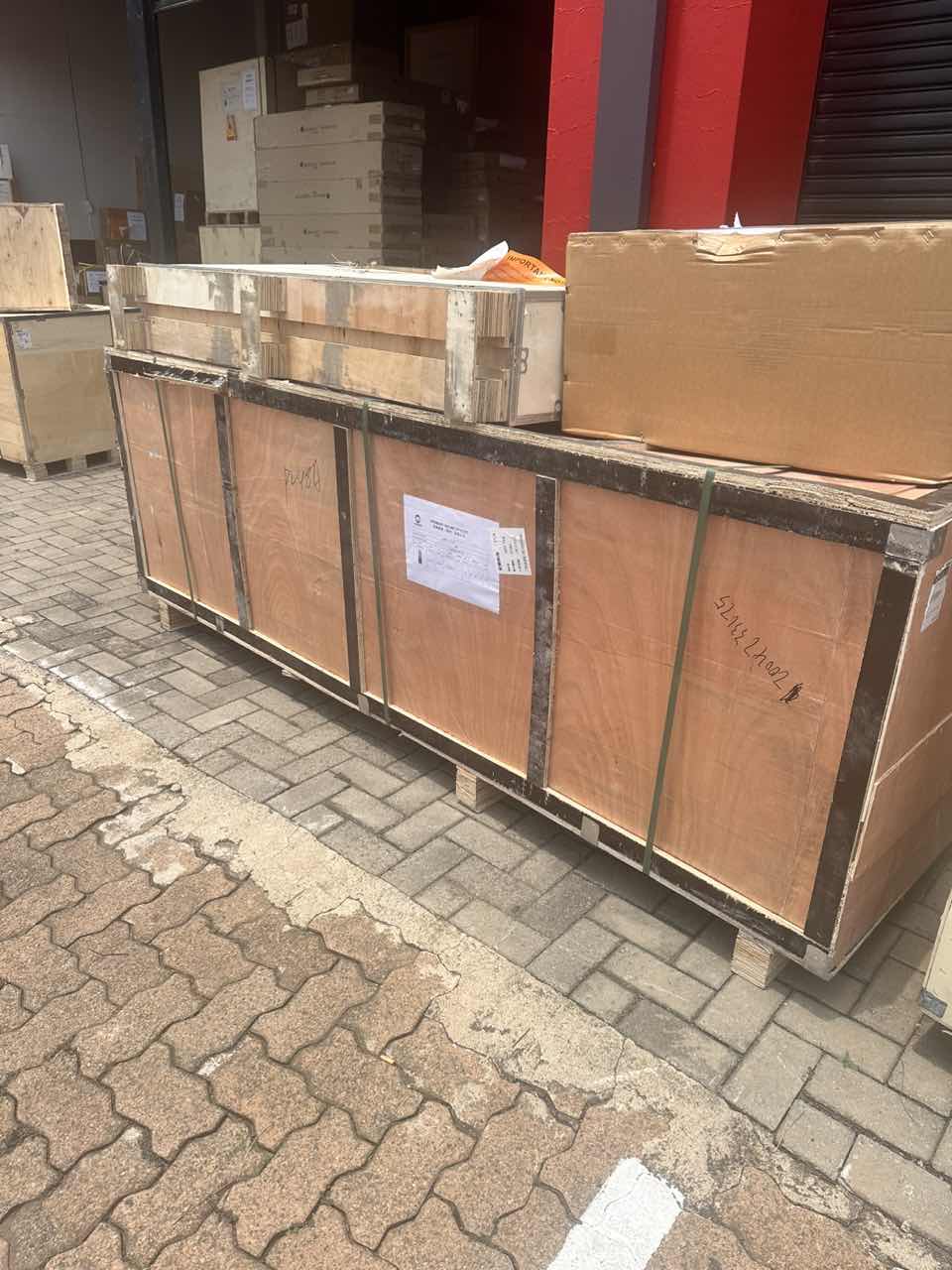
Pre Orders Offloading
Latest Arrivals
Latest Arrivals
Latest Arrivals
Loading
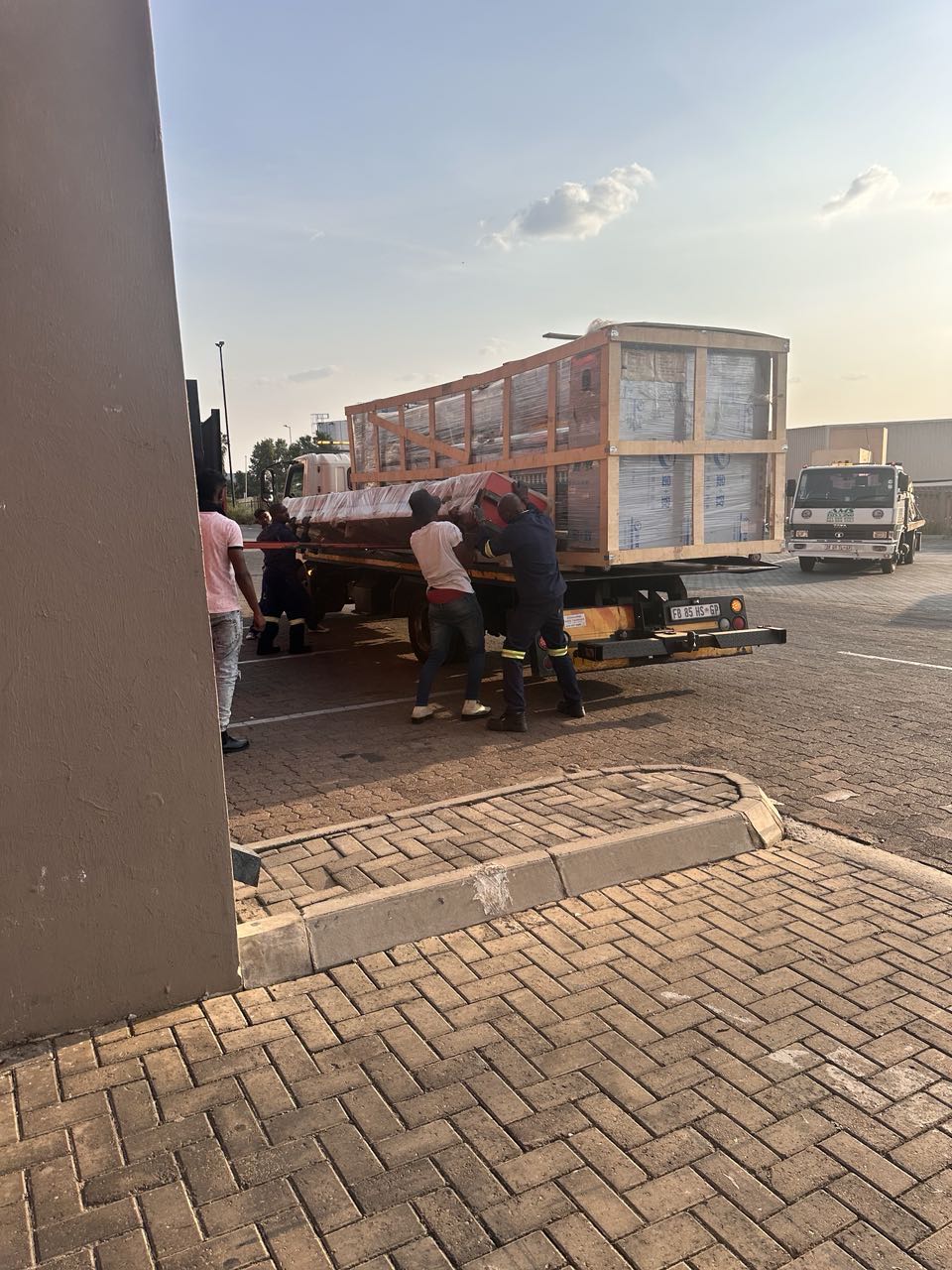
Toilet paper making machine
Toilet paper making machine
Toilet paper Rewinding Machine
latest arrivals
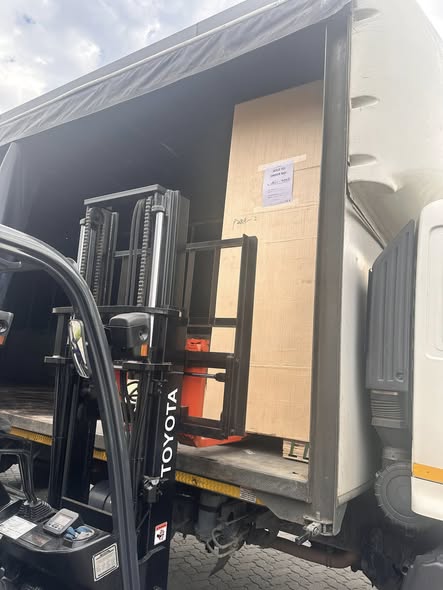
offloading
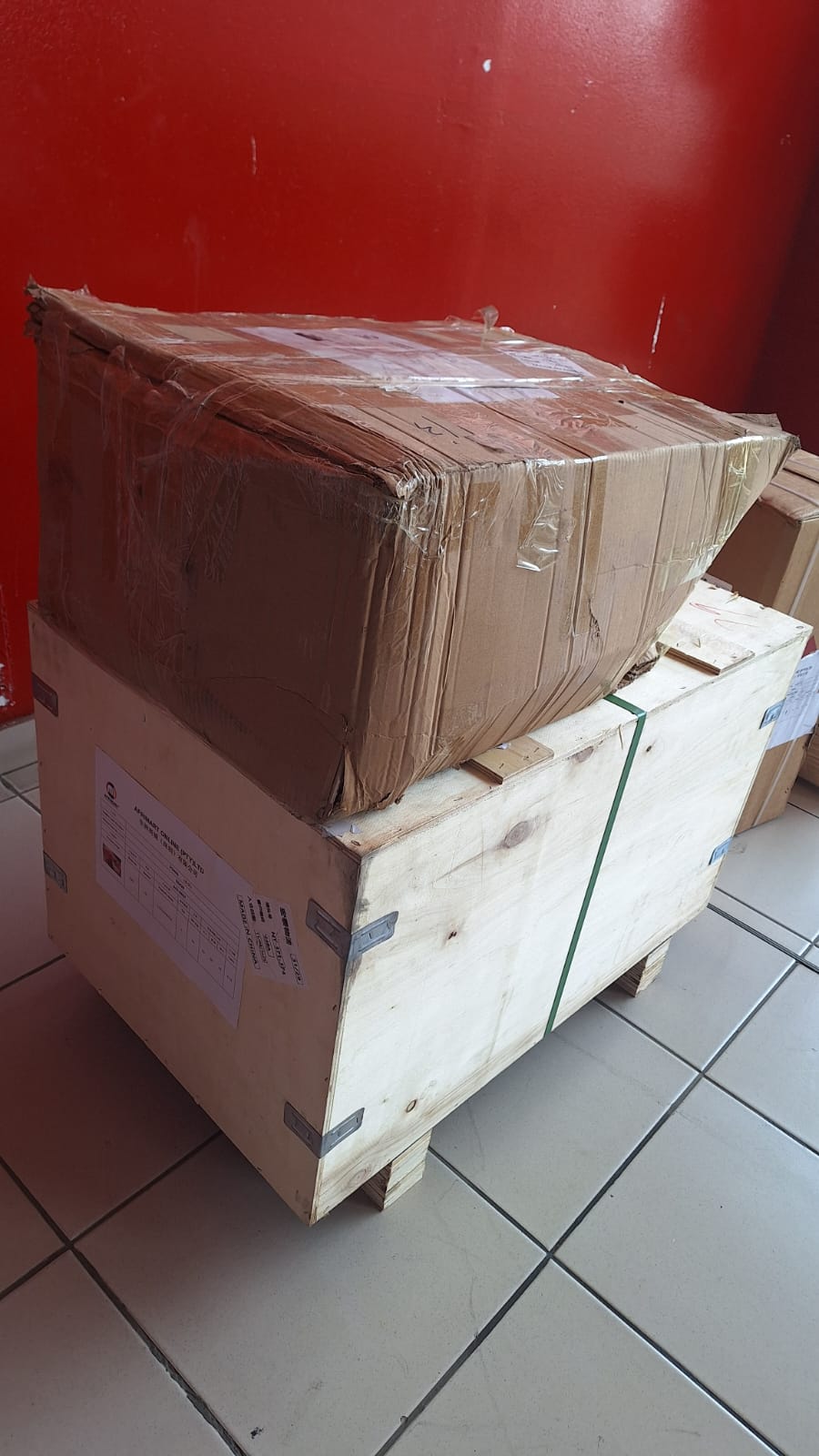
order success
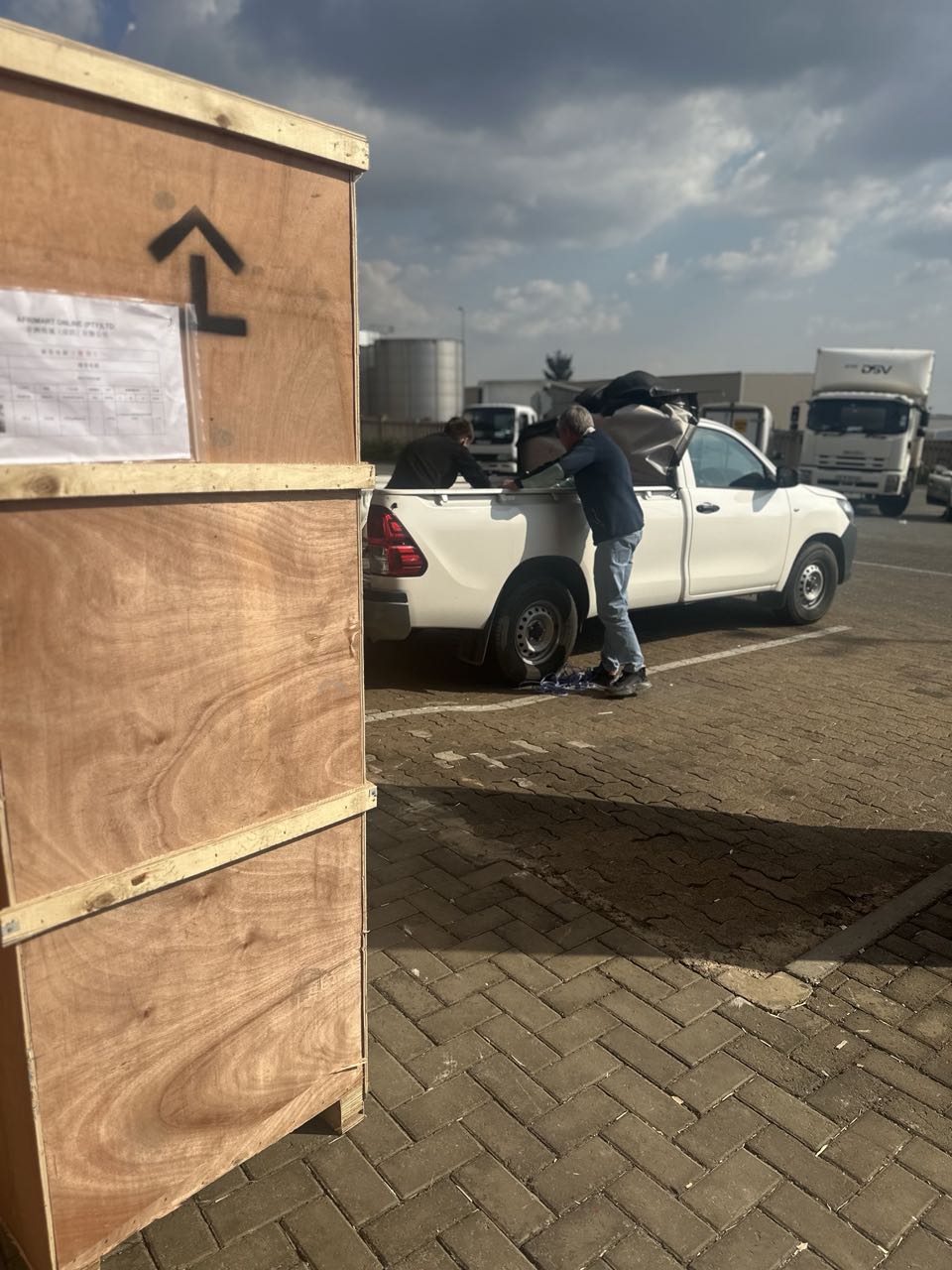
order collection
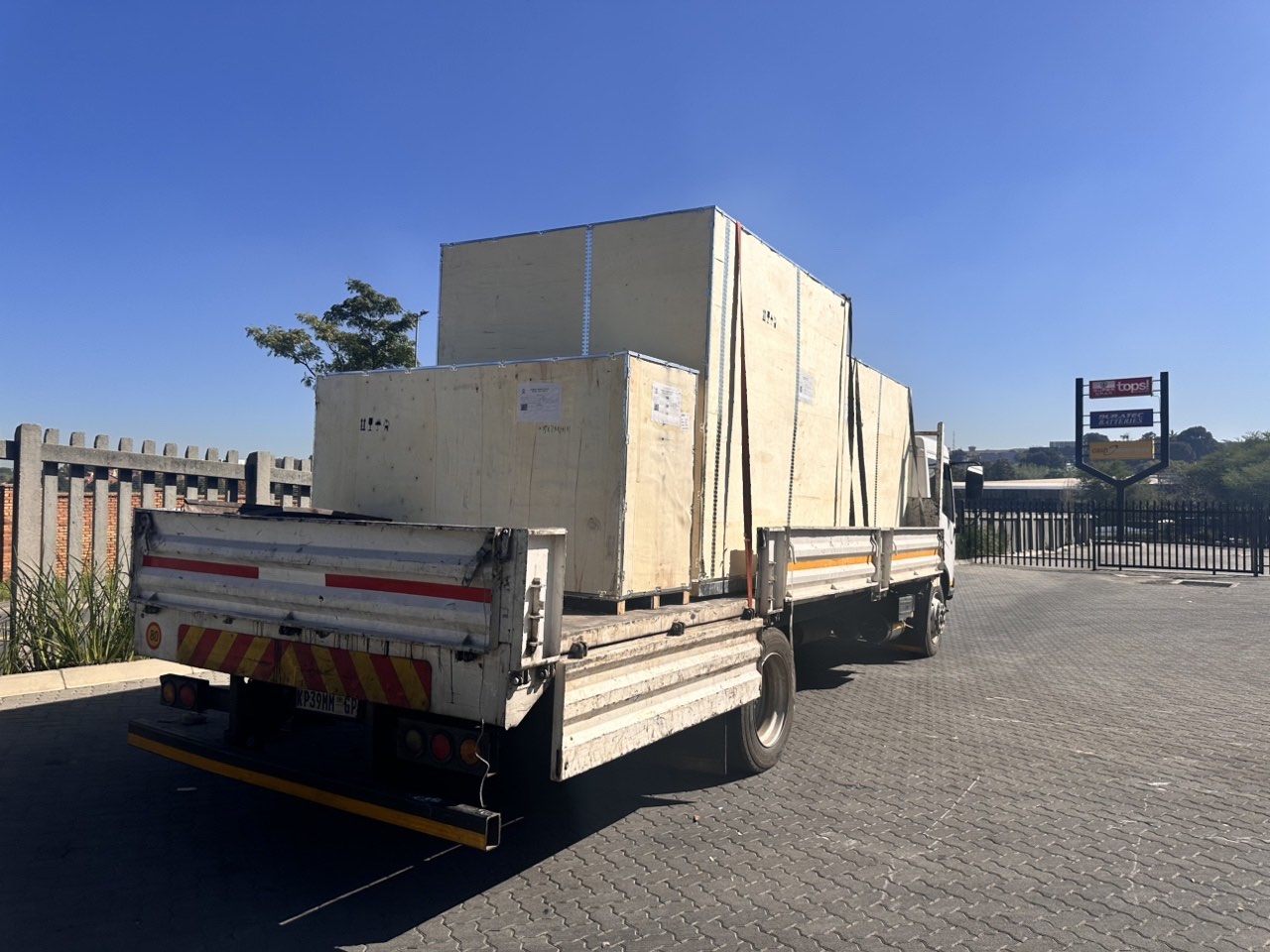
order offloading