B21, China Town Mall, Midrand

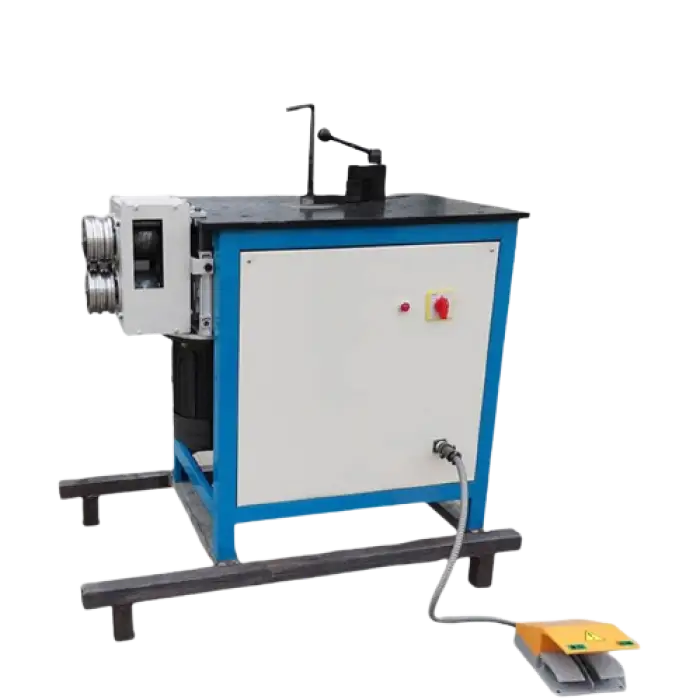
Square Pipe Bending One Machine Electric Hydraulic square Steel Bending Machine Iron Round Pipe Flat Iron Rolling Machine
Asset finance available
Do you want funding for this equipment?
Afrimart can connect you with trusted funding partners who specialise in asset finance for businesses like yours. Compare options and apply in minutes — final approval is subject to provider review.
Check funding options
Secure & no obligation
- Section : Machinery
- Category : Metal & Metallurgy Machinery
- SKU : 1600862436387

Square Pipe Bending One Machine Electric Hydraulic Square Steel Bending Machine
The Square Pipe Bending One Machine is a powerful and easy-to-use tool for bending various types of steel. This electric hydraulic machine is perfect for working with square pipes, round pipes, and flat iron. With a strong motor and a compact design, it is ideal for both professionals and DIY enthusiasts. This machine makes bending steel simple and efficient.
Specifications
| Attribute | Details |
|---|---|
| Machine Type | Square Tube Bending |
| Maximum Processing Flat Steel | ≤50*3 mm |
| Max. Processing Square Pipe | ≤20*20 mm |
| Max. Processing Round Bar | ≤8*8 mm |
| Max. Processing Round Pipe | ≤8 mm |
| Motor | 1.1kw |
| Voltage | 380V 50HZ |
| Dimension | 800*550*1100mm |
| Weight | 300KG |
Key Features
- Easy to operate with simple controls.
- Electric hydraulic design for smooth bending.
- Compact size for easy placement in workshops.
- Durable construction for long-lasting use.
- Comes with a machinery test report for quality assurance.
Applications
- Bending square and round pipes for construction projects.
- Shaping flat iron for various metalworking tasks.
- Creating custom frames and structures.
- Suitable for hobbyists and professional metal fabricators.
- Useful in automotive and machinery repairs.
The Square Pipe Bending One Machine is your go-to solution for efficient and precise bending of steel materials. Whether you are a professional or a hobbyist, this machine will meet your bending needs with ease.
Product Info Gallery
- Shipping Timeframes: All orders are processed within 2-5 business days (excluding weekends and holidays). After your order has been processed, the estimated delivery time is before 05 Aug, 2026, depending on customs, Please note that due to high demand, some items may experience longer shipping times, which will be communicated at order confirmation email.
- Order Processing Time: Please allow 2-5 business days for us to process your order before it is shipped . Orders placed after 16:00 on Fridays, or during weekends and public holidays, will begin processing on the next business day. Processing times may be extended during peak seasons or sales events.
- Manufacturing Time: Some products needs manufacturing time, the manufacturing process will take approximately 10-30 business days depending on the product. This timeframe may vary depending on the complexity of the product and current demand. but this will be communicated with you during order confirmation.
- Returns and Exchanges: We offer a 30-day return policy for most items. If you are not completely satisfied with your purchase, you may return it within 30 days of receipt for a refund or exchange. Items must be unused, in their original packaging, and accompanied by proof of purchase. Return shipping costs are the responsibility of the customer, unless the item was damaged or defective upon arrival.
1. What materials and shapes can this machine bend?
The machine is designed to bend square pipes (up to 20×20 mm), round rods/pipes (up to 8 mm diameter), and flat steel (up to 50×3 mm). It works with common steel types used in construction and fabrication; for specialty alloys (e.g., some stainless grades) consult the supplier about tooling and process adjustments.
2. What is the motor power and electrical requirement?
The machine is driven by a 1.1 kW motor and requires a 380 V, 50 Hz (three‑phase) power supply. Ensure your workshop electrical system matches these requirements or arrange appropriate power conversion and professional installation.
3. How large and heavy is the machine? Can it be moved easily?
Overall dimensions are 800×550×1100 mm and the machine weighs approximately 300 kg. It is relatively compact but heavy; moving it will typically require a forklift or pallet jack and at least two people. It is not intended to be handheld portable.
4. What bending radii and angles can it achieve?
Bending radius and achievable angles depend on the material, thickness, and the tooling/dies used. The machine provides precise hydraulic control for consistent bends, but specific radii should be determined by testing with the chosen material and tooling or by consulting the supplier for recommended dies.
5. Does the machine come with dies or tooling for different pipe sizes?
Standard tooling may be included depending on the seller, but specifications do not list all included dies. Verify with the supplier which dies are supplied and order any additional or specialty tooling needed for your pipe/profile sizes.
6. Is the machine suitable for both professional shops and hobbyists?
Yes. The electric hydraulic design, compact footprint, and straightforward controls make it suitable for professional metal fabricators and experienced hobbyists. Keep in mind it requires a 380 V three‑phase supply and safe workshop handling due to its weight.
7. What safety features does the machine have?
The product description highlights easy operation and durable construction but does not list specific safety features. Standard safe practice includes using guards, an accessible emergency stop, proper operator training, and personal protective equipment. Ask the supplier for details on installed safety devices and recommended guarding.
8. How do I maintain the machine (hydraulics, lubrication)?
Regular maintenance typically includes checking and changing hydraulic oil per the manufacturer's schedule, inspecting hoses and fittings for leaks, keeping moving parts clean and lubricated, and tightening fasteners. Request the machine's maintenance manual or maintenance checklist from the supplier for recommended intervals and oil specifications.
9. Is a machinery test report or quality documentation provided?
Yes—the machine comes with a machinery test report for quality assurance. For additional documentation such as operation manuals, wiring diagrams, or certificates, confirm with the seller at the time of purchase.
10. Can this machine bend stainless steel or high‑strength alloys?
It can bend many steel types, but material formability varies. Stainless steel and high‑strength alloys may require special dies, slower bend rates, or pre/post processes to avoid cracking or springback. Consult the supplier and perform tests when working with these materials.
11. What installation or foundation is required?
Because the machine weighs about 300 kg, it should be placed on a flat, stable floor capable of supporting the load. Depending on local practice and usage, anchoring to the floor may be recommended to minimize movement during operation. Have a qualified electrician perform the electrical hookup to 380 V three‑phase supply.
12. How precise and repeatable are the bends?
The electric hydraulic drive provides smooth, controllable bending for consistent results. Actual precision and repeatability will depend on tooling, setup, material properties, and operator technique. For high‑precision production runs, establish jigs and consistent setup procedures.
13. What after‑sales support and warranty options are available?
Warranty and after‑sales support vary by seller and region. The product description does not list a warranty period—contact the supplier or dealer for details on warranty coverage, spare parts availability, technical support, and any training services.
Latest Order Arrivals
Discover our latest orders
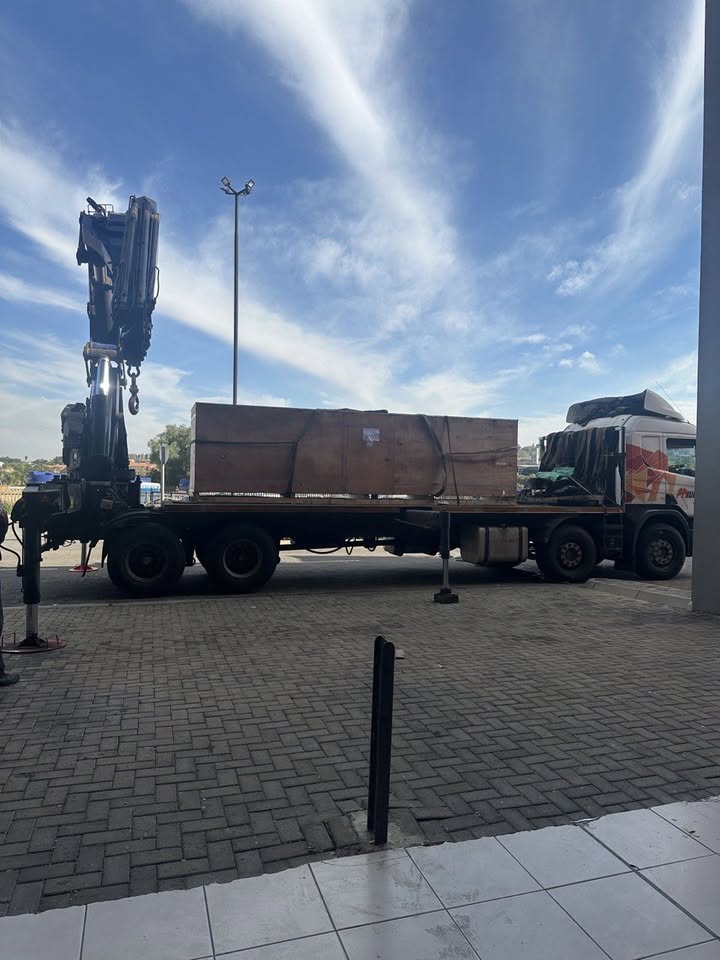
12 Heads Embroidery Machine
Toilet Paper Machine Machine
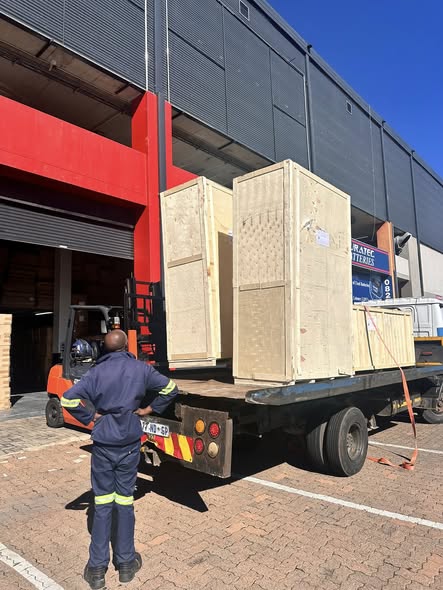
Order Collection
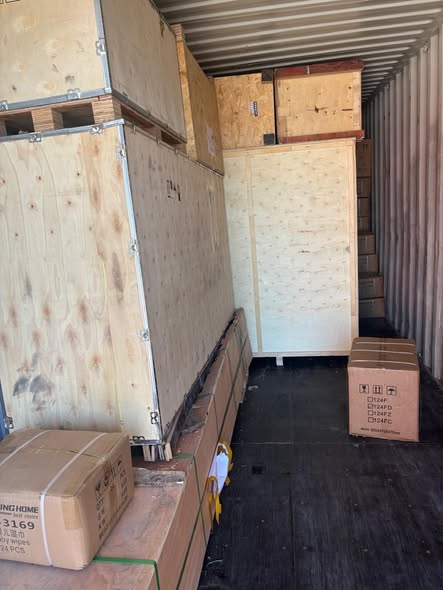
Cross Border Clients
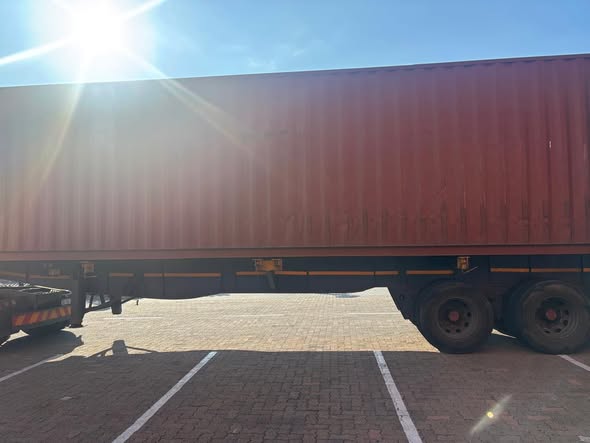
Order cros border countries Collected
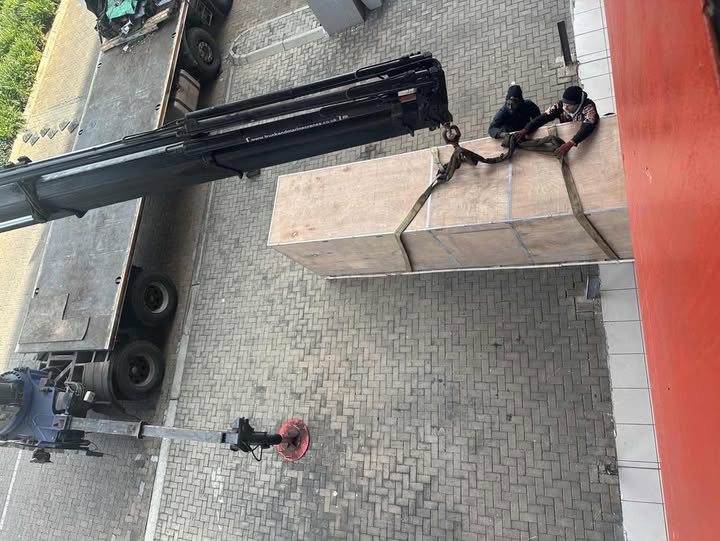
Industrial Machine Cllection
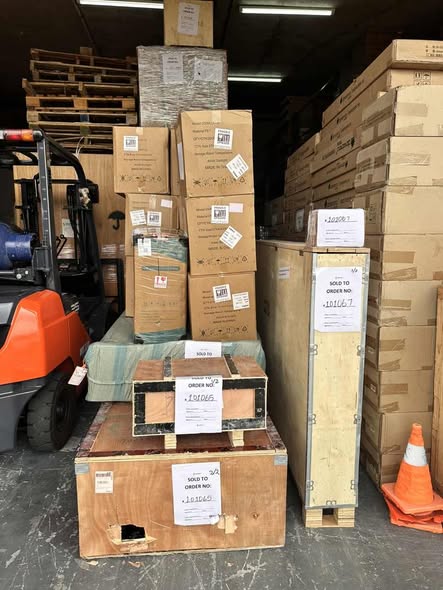
Agriculture Processing Machines
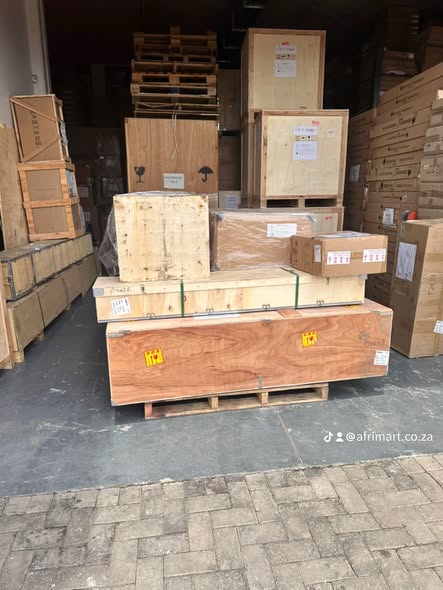
Ready for collection
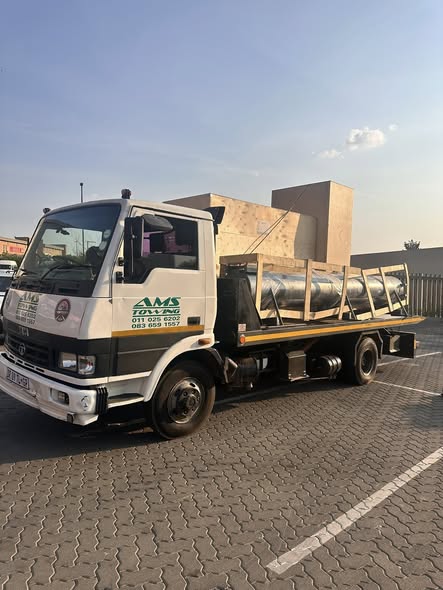
Water Pump Equipment
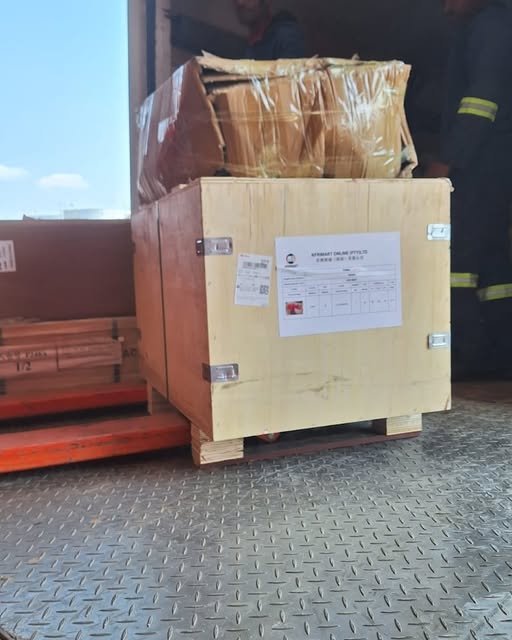
Packaging Machine and accessories
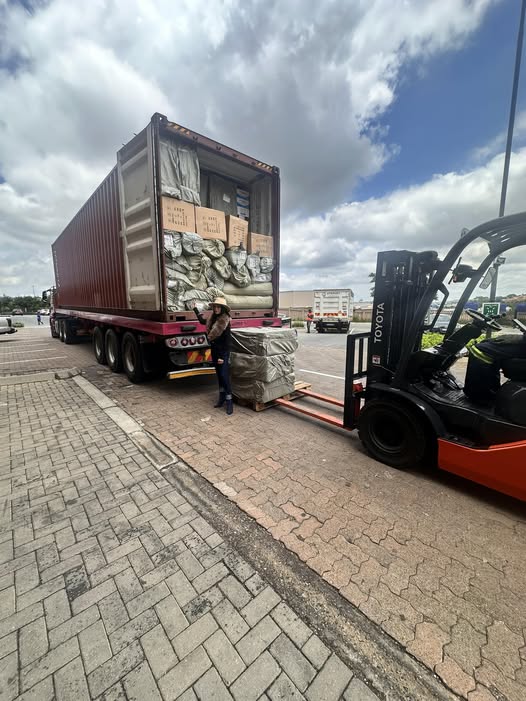
Fabrics Manufacturing Equipment
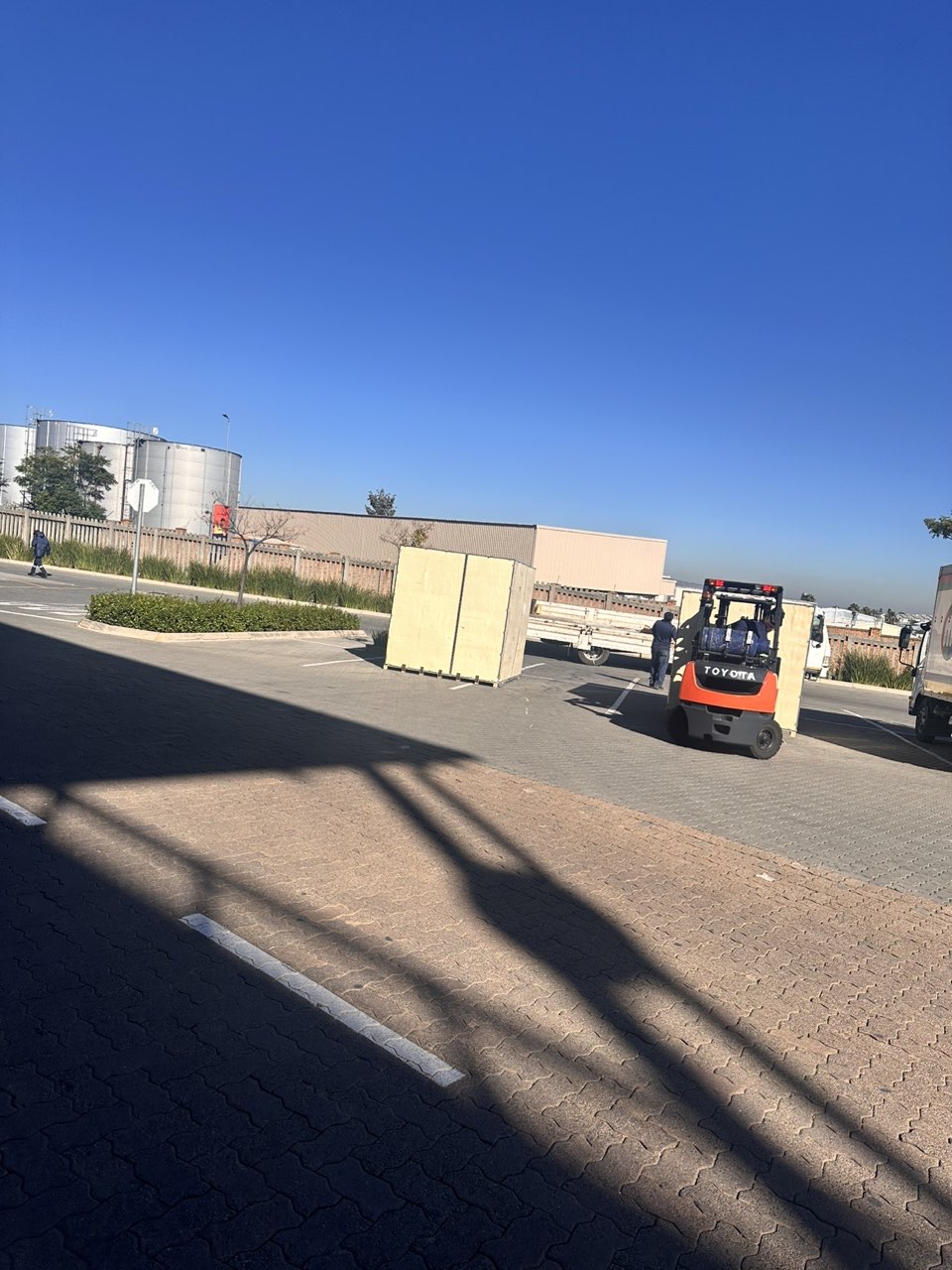
Mining Equipments
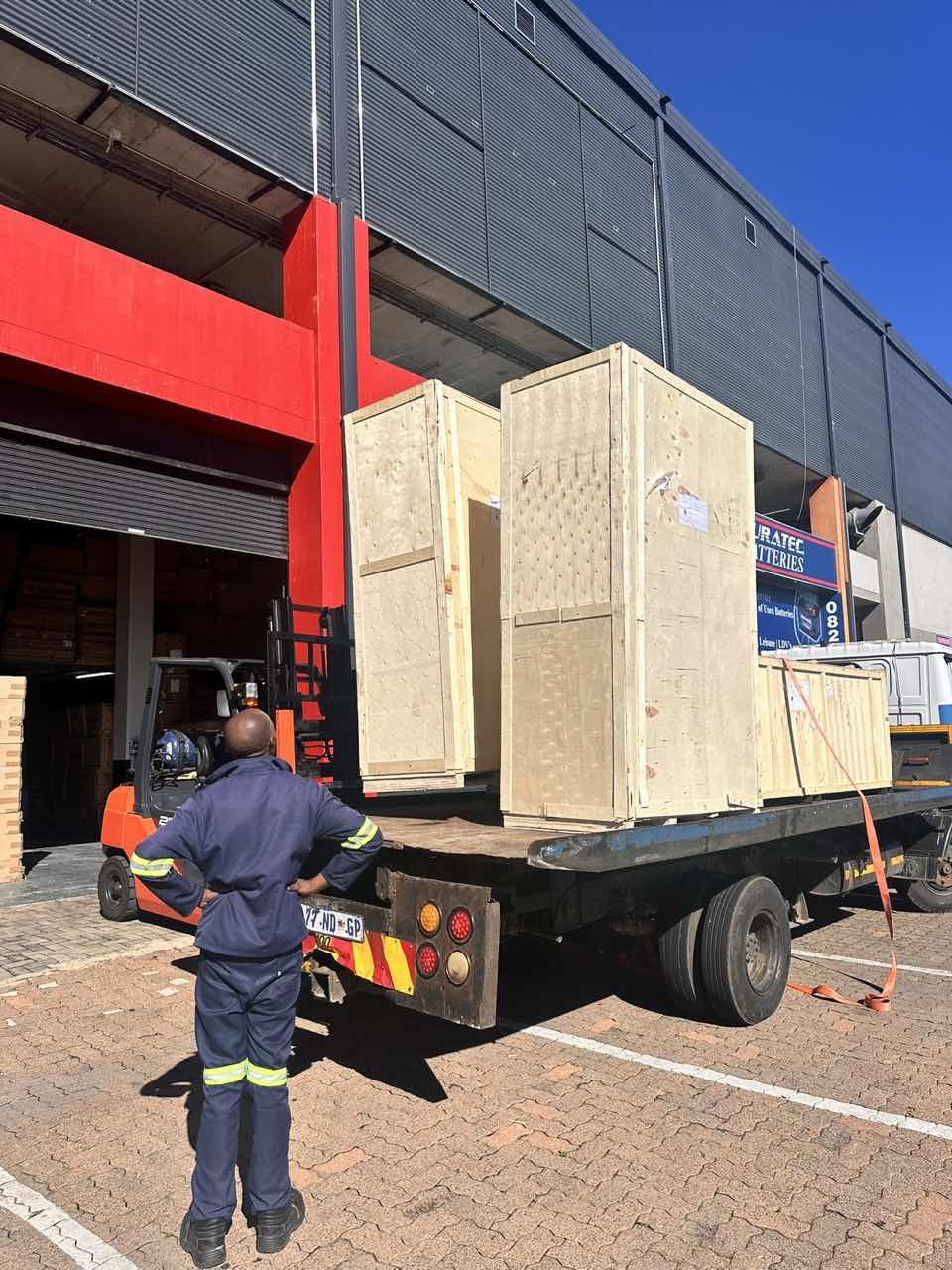
Food Processing Machine
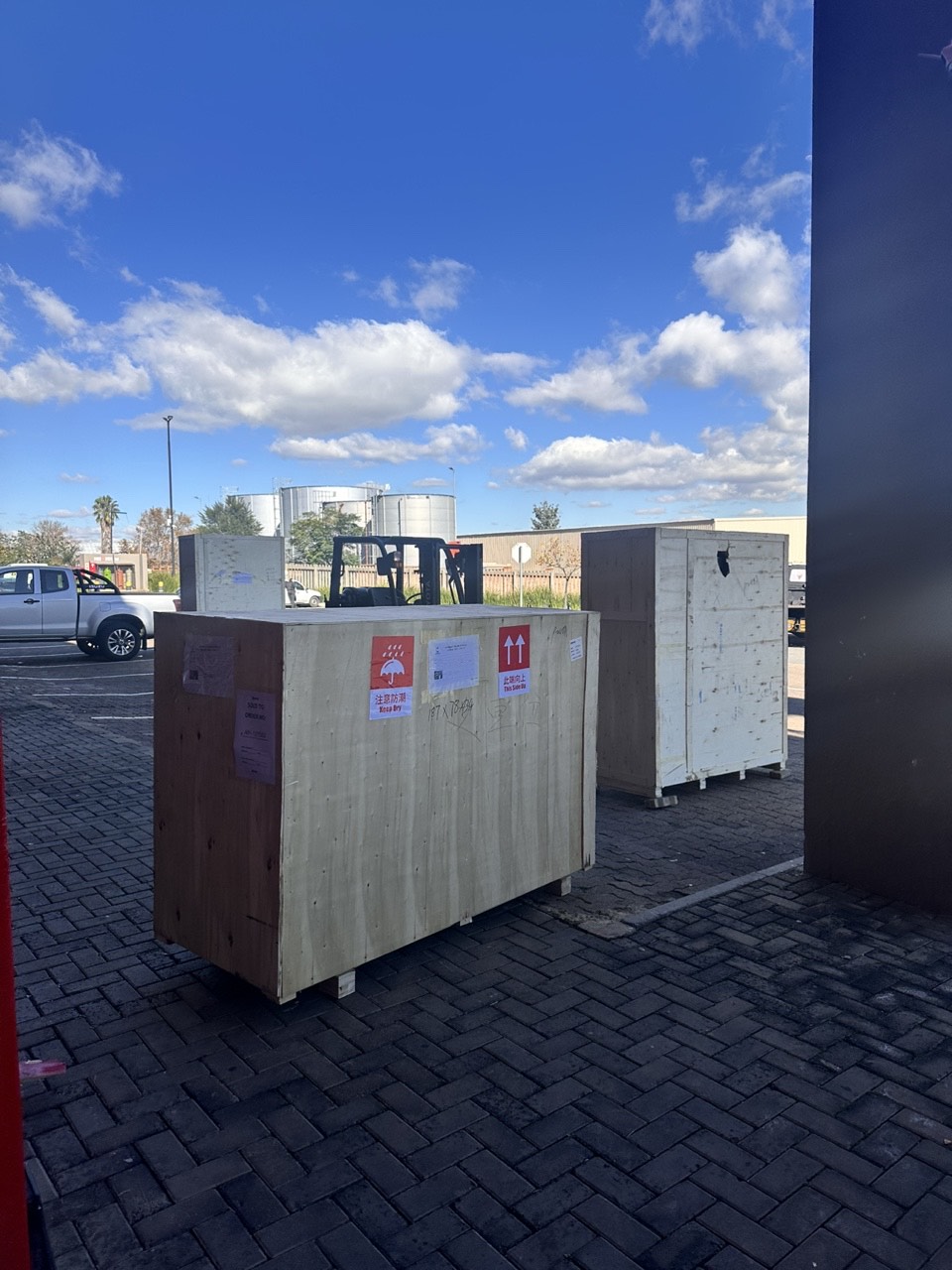
Batch of Orders
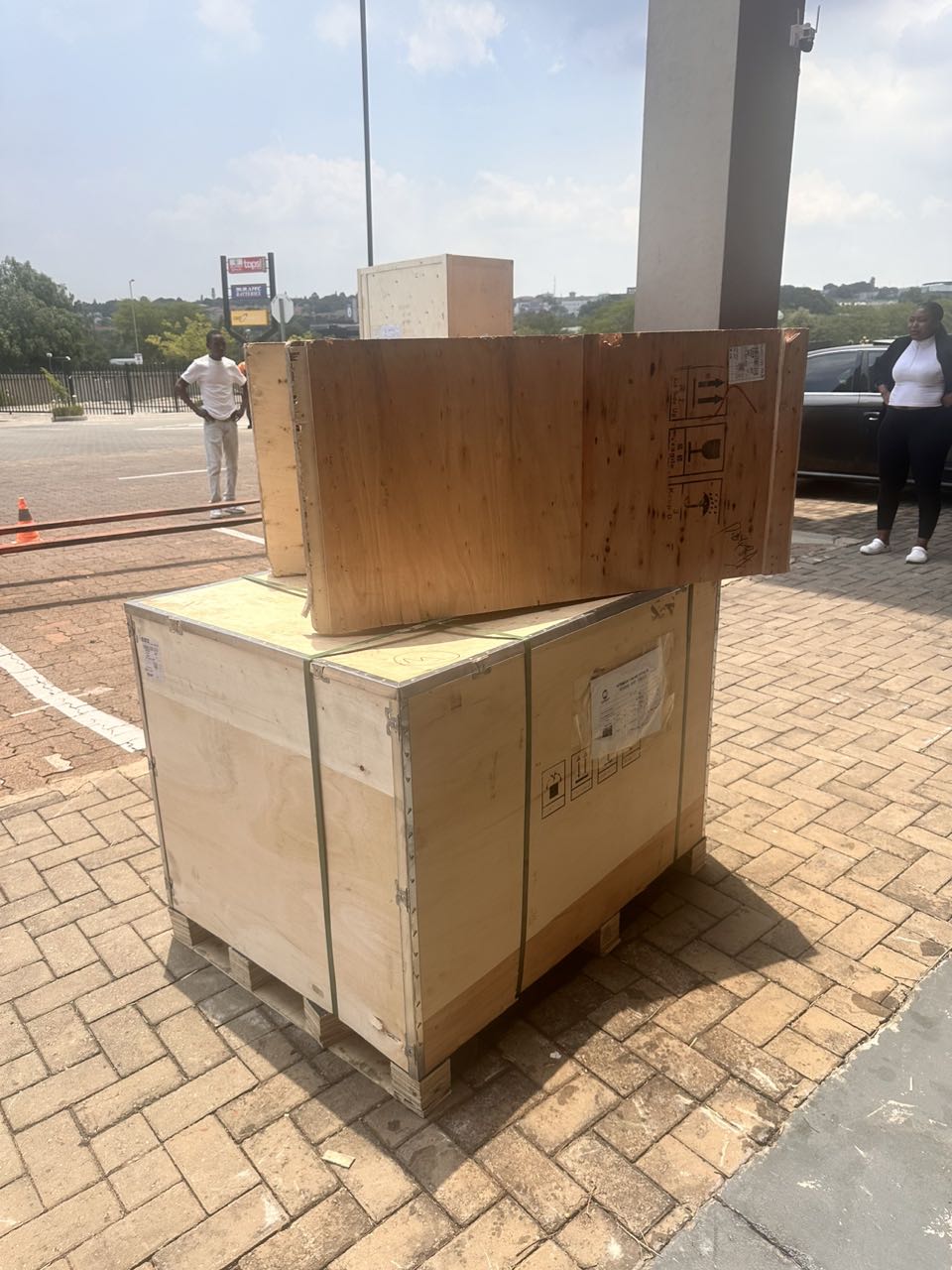
Batch of Orders
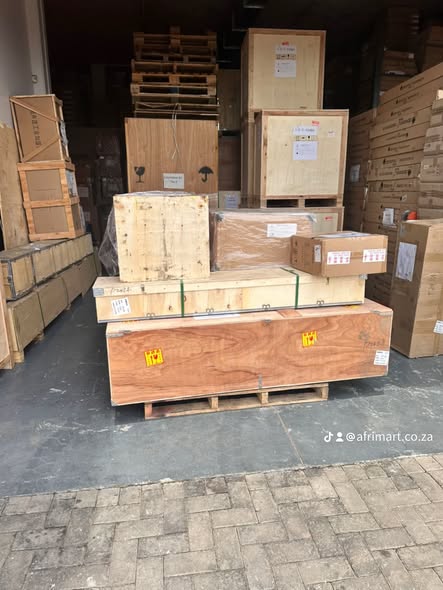
Latest Orders Labelled
wheel alignment machines
new arrivals
Pre Orders Offloading
Latest Arrivals
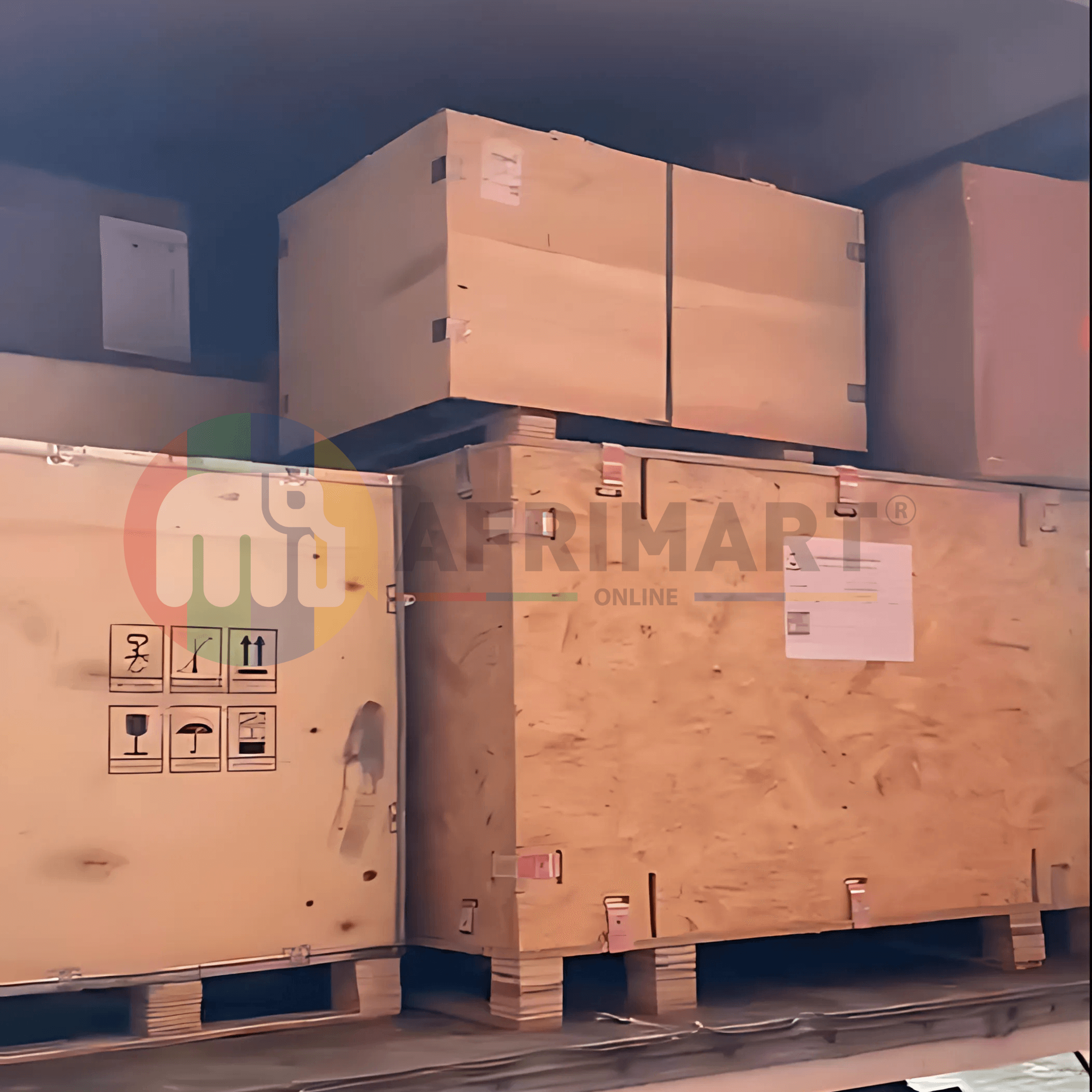
Latest Arrivals
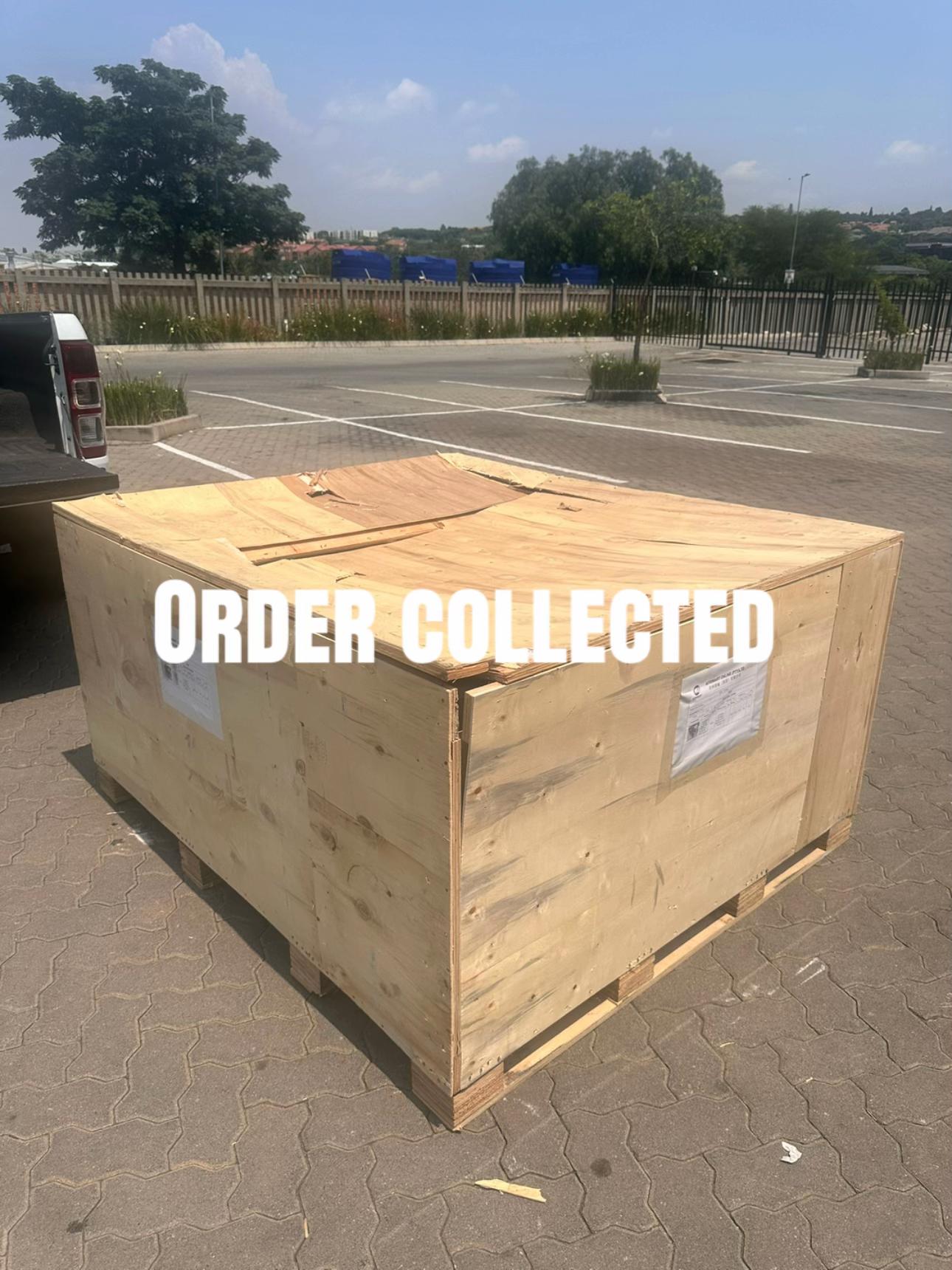
Latest Arrivals
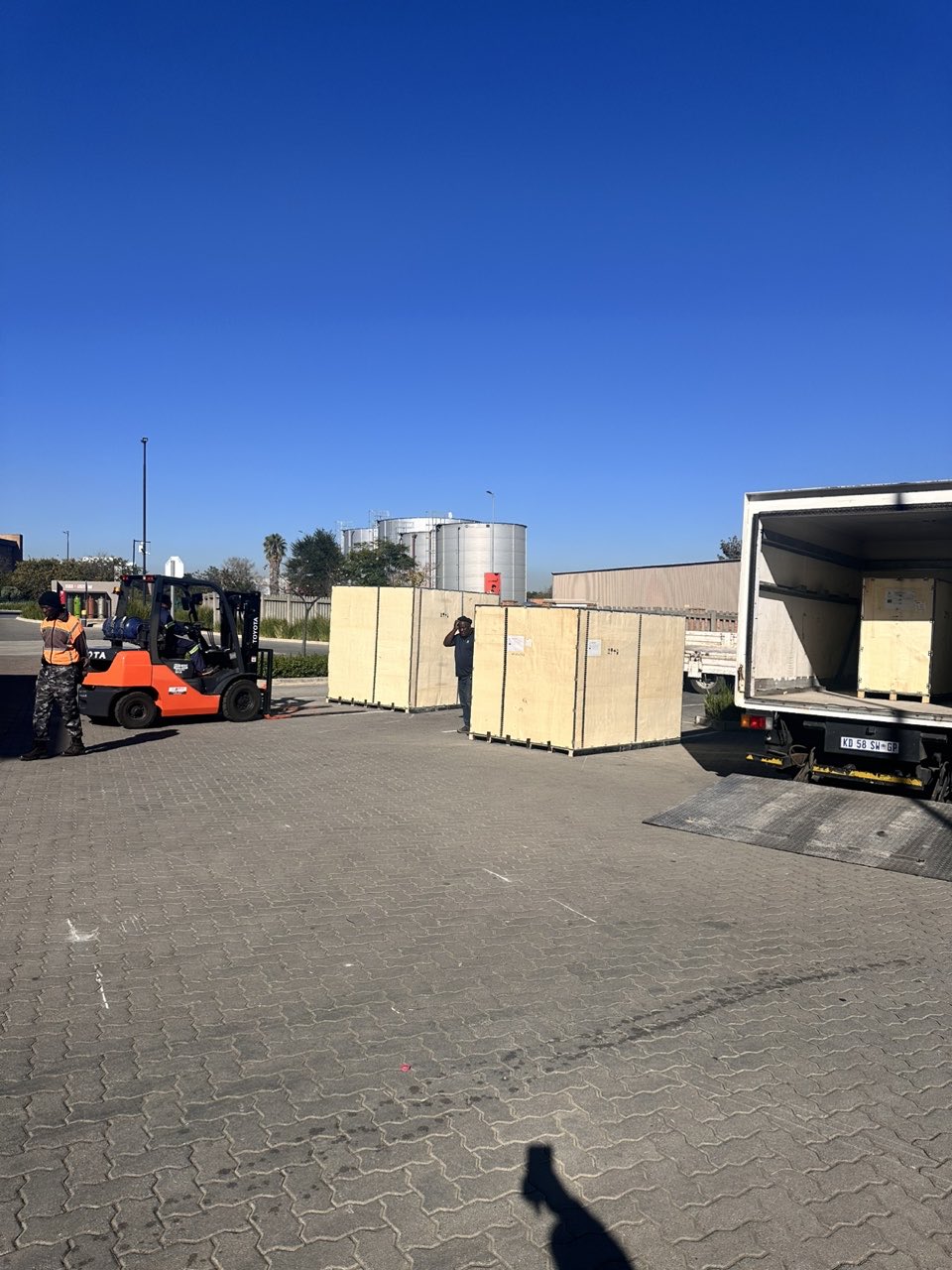
Loading
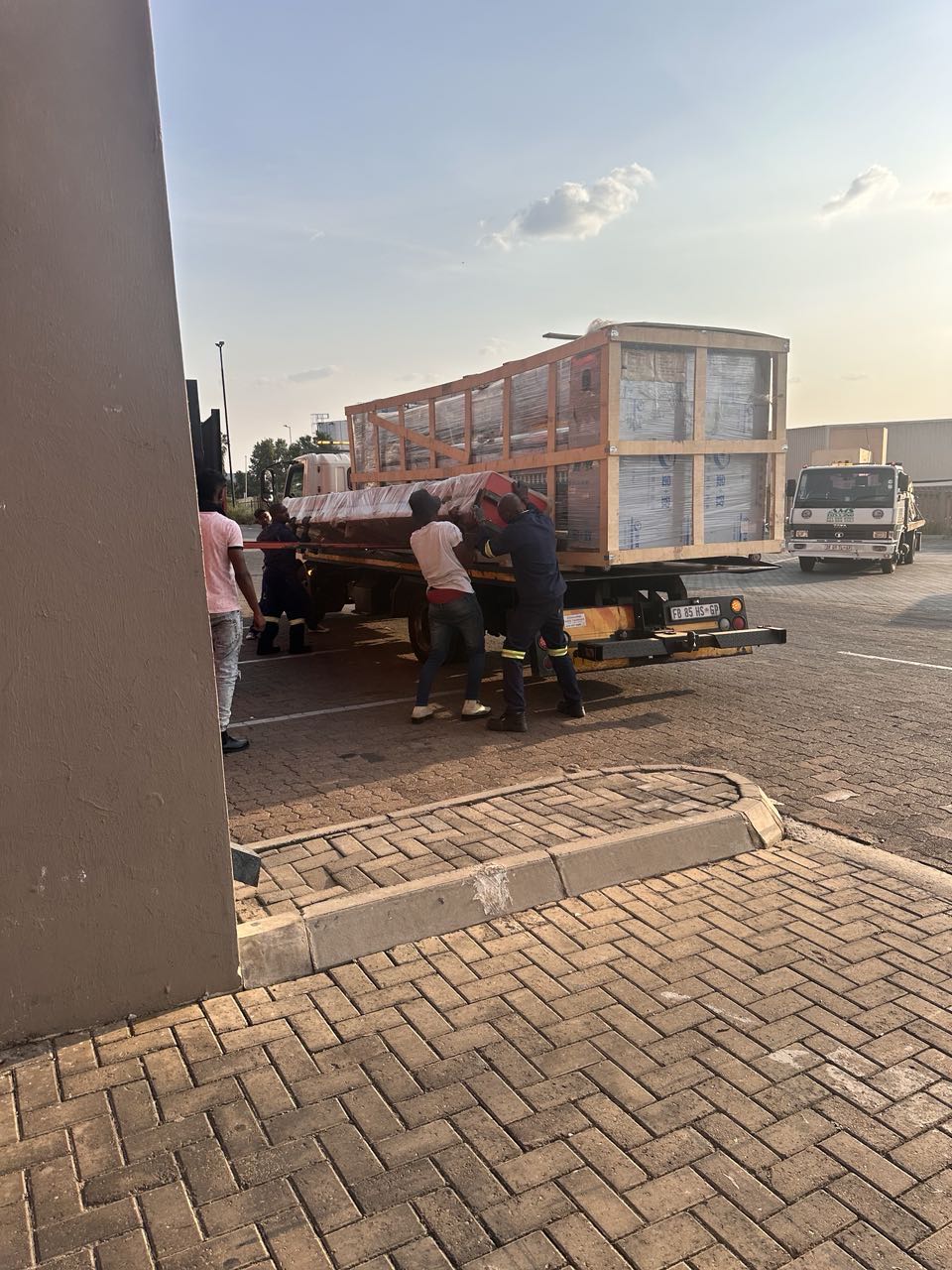
Toilet paper making machine
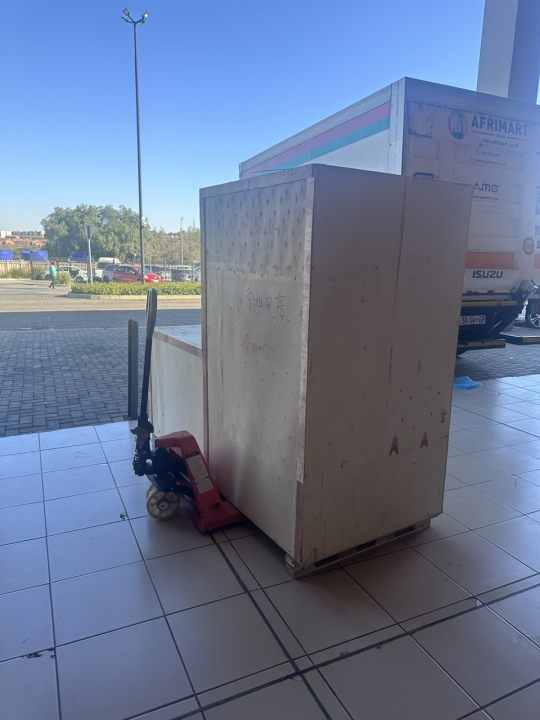
Toilet paper making machine
Toilet paper Rewinding Machine
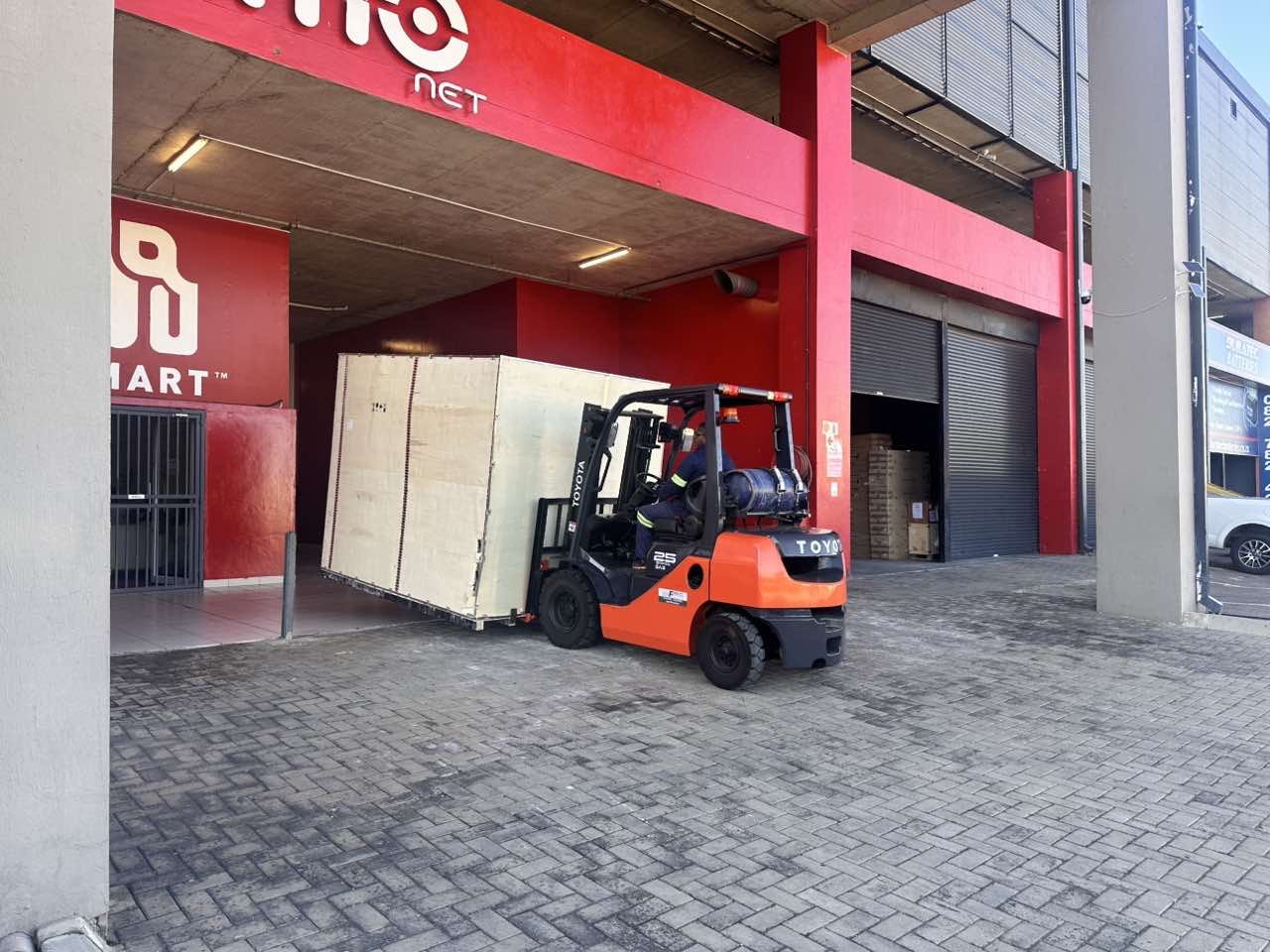
latest arrivals
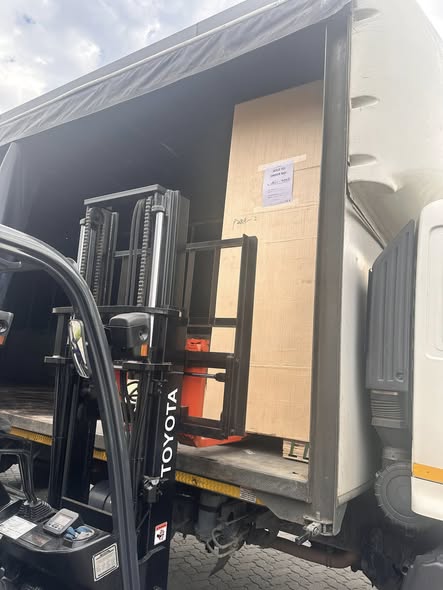
offloading
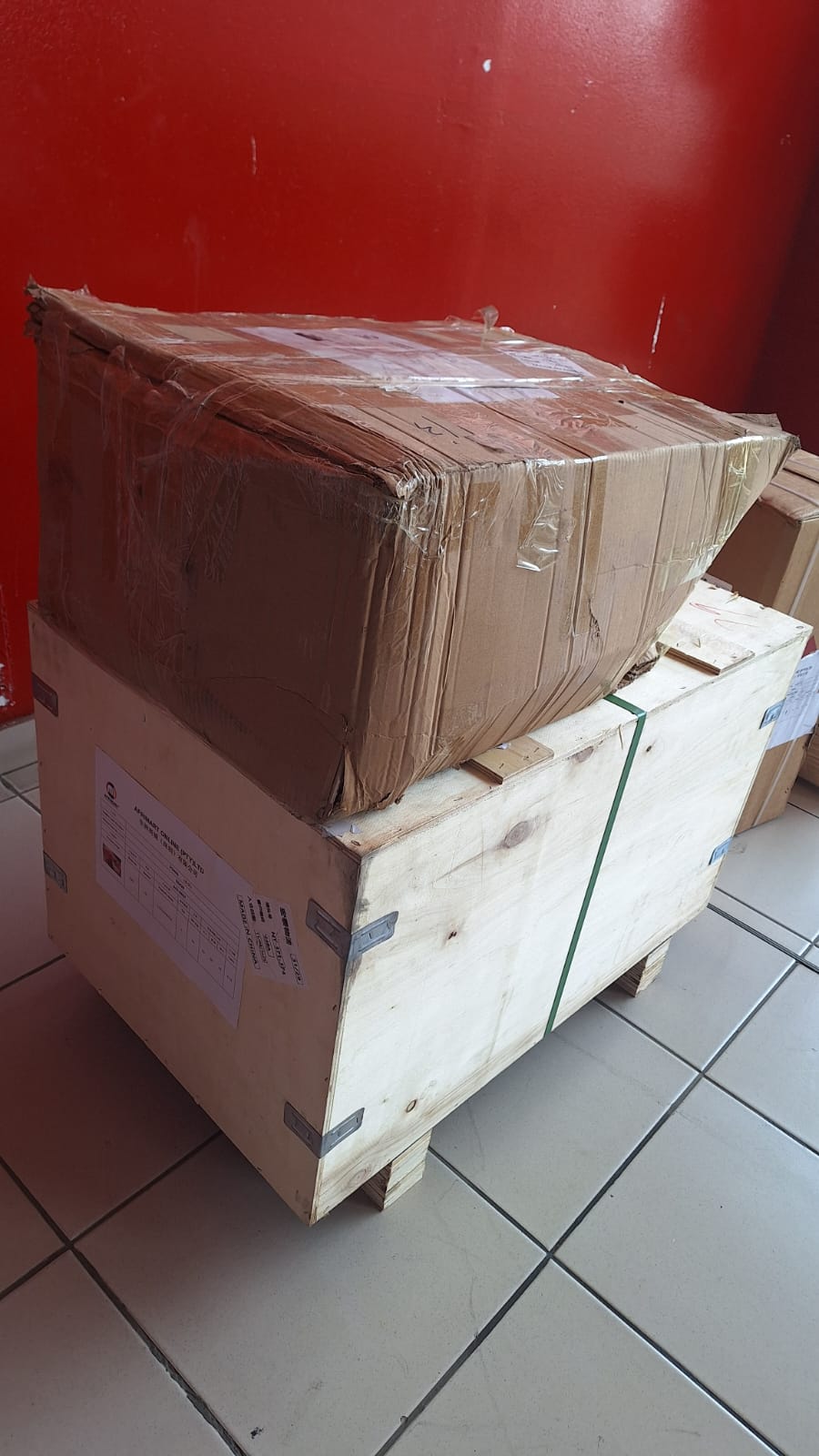
order success
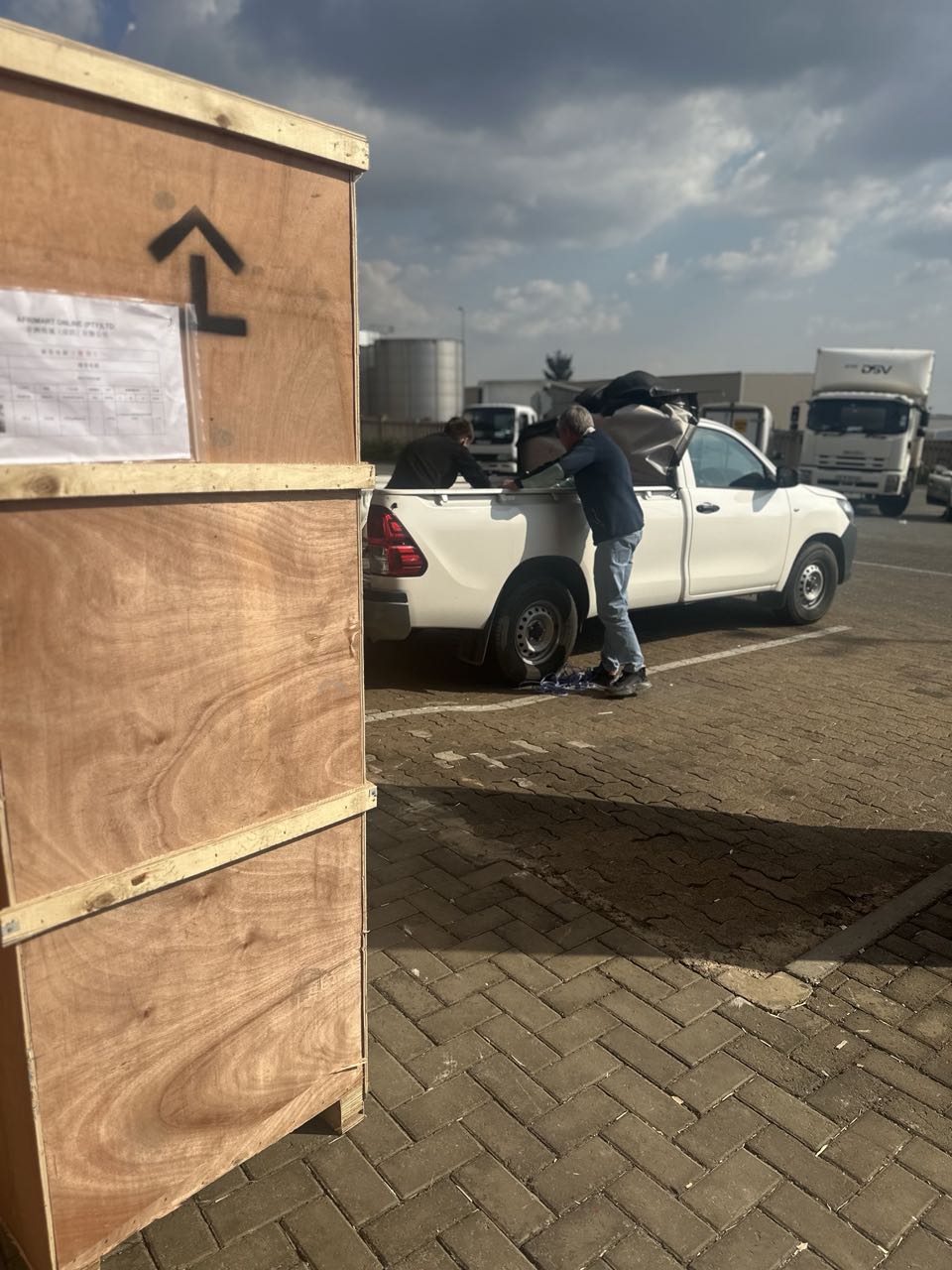
order collection
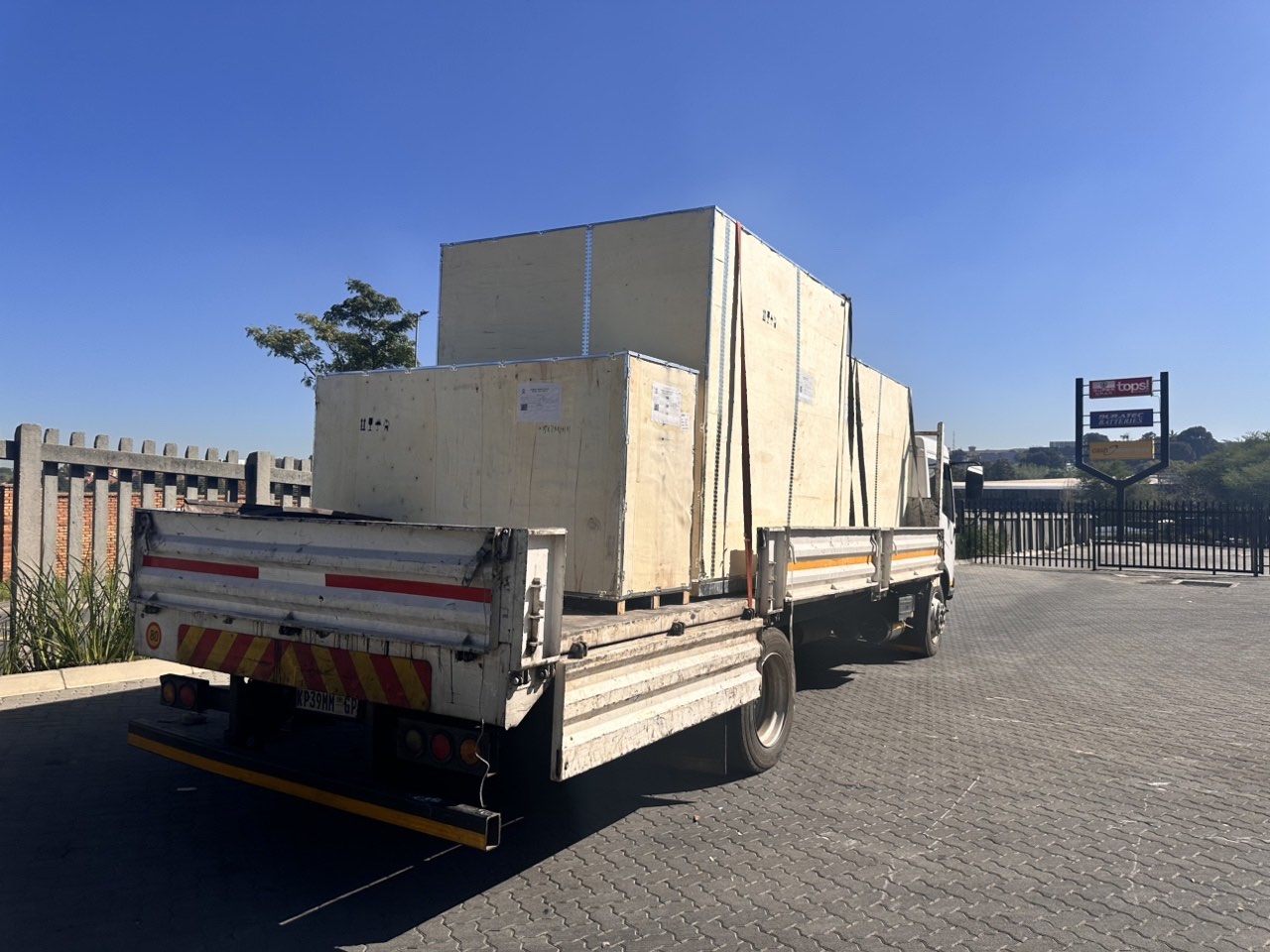
order offloading