B21, China Town Mall, Midrand

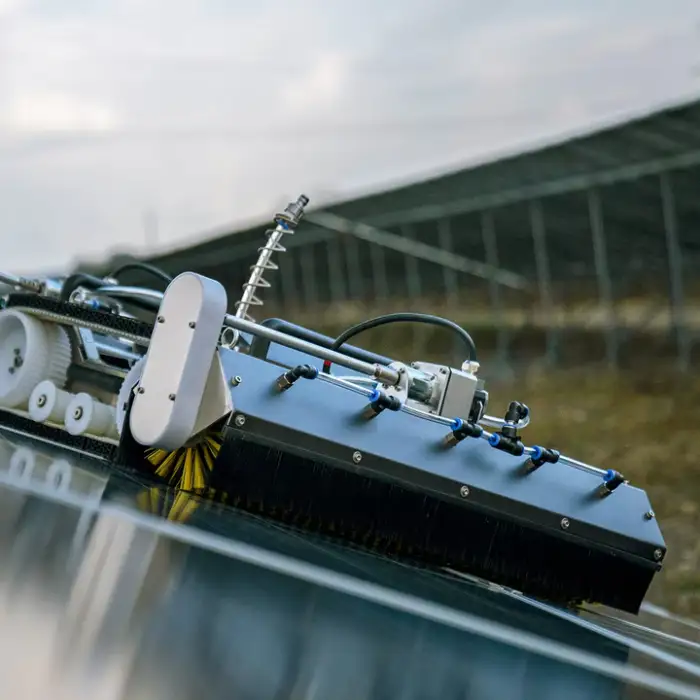
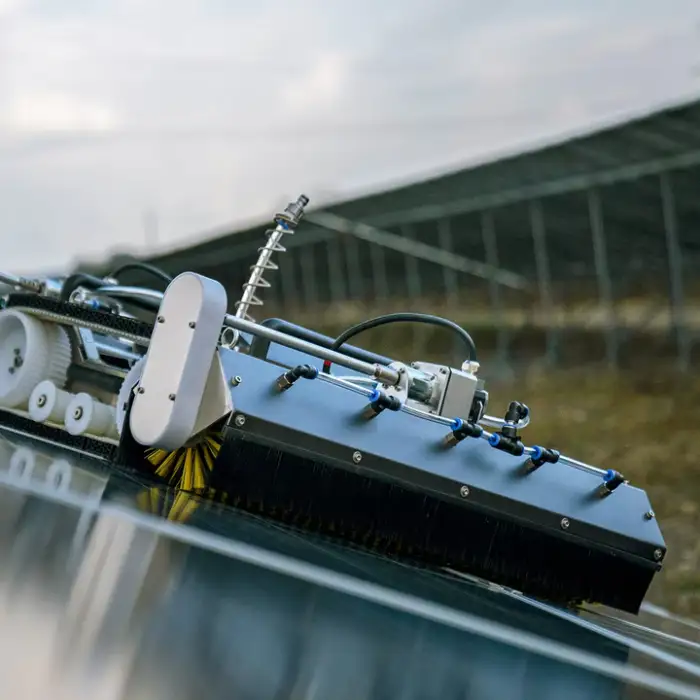
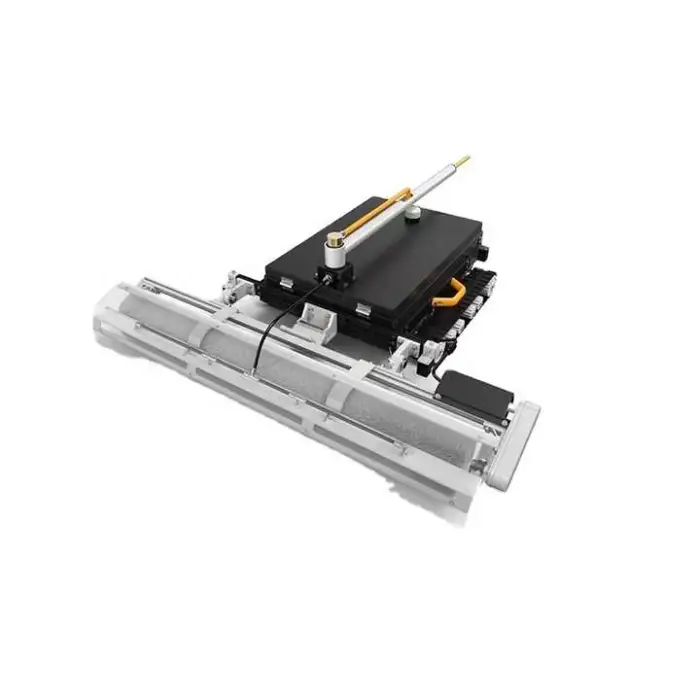
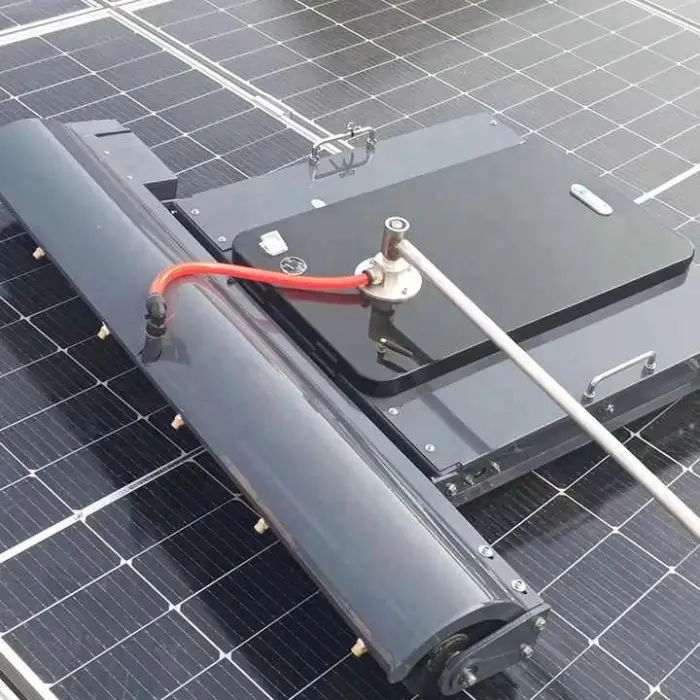
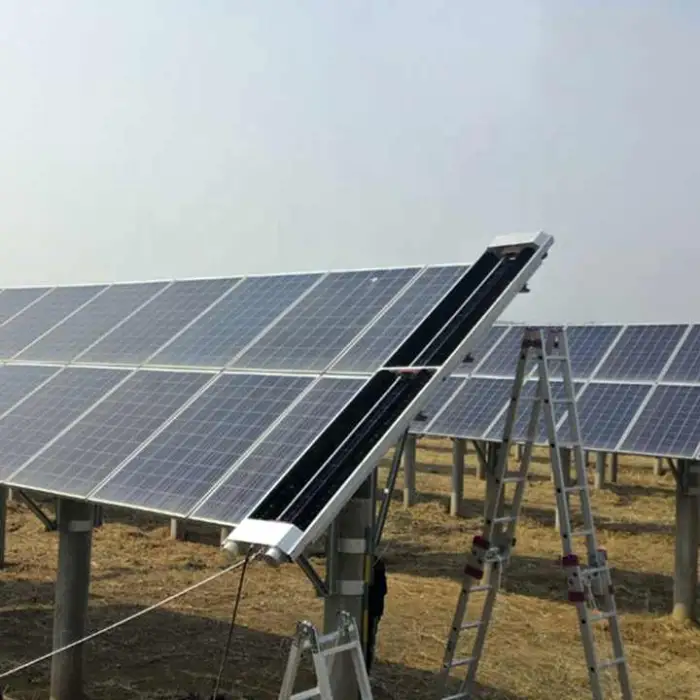
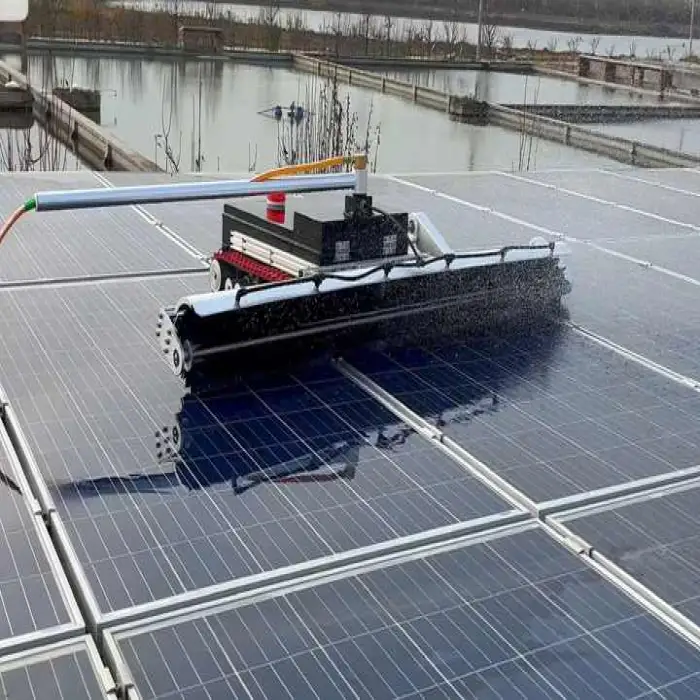
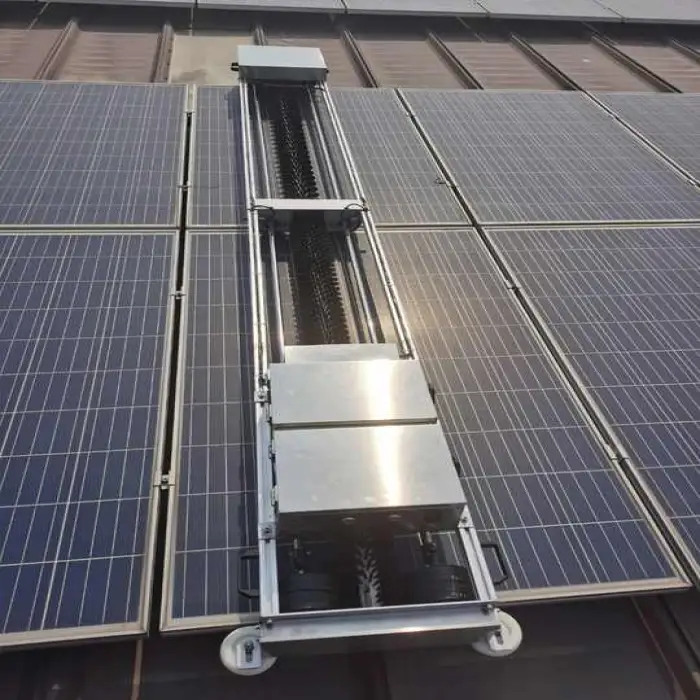
Solar Panel Cleaning Robot Cleaning Robot for Solar Panel Cleaning Robot Equipment
Asset finance available
Do you want funding for this equipment?
Afrimart can connect you with trusted funding partners who specialise in asset finance for businesses like yours. Compare options and apply in minutes — final approval is subject to provider review.
Check funding options
Secure & no obligation

- Section : Machinery
- Category : Cleaning Equipment
- SKU : 1601198713095

Solar Panel Cleaning Robot
The Solar Panel Cleaning Robot is a smart and efficient solution for keeping your solar panels clean and functioning at their best. This innovative robot saves time and energy while ensuring your solar panels are free of dirt and debris. With remote control capabilities and a powerful lithium battery, this cleaning robot makes solar maintenance simple and effective.
Specifications
| Attribute | Details |
|---|---|
| Condition | New |
| Machine Type | Other |
| Weight (kg) | 30 |
| Brand Name | PaiLiEn |
| Working Mode | Remote Control |
| Running Speed | 9-10 m/min |
| Power Supply Mode | Lithium Battery |
| Cleaning Brush | PVC/Single Roller |
| Control System | Switch / Remote Control |
| Working Speed | 11-12 m/min |
| Working Efficiency | 0.8-1.2 MWP |
| Size | 1820*500*190 mm |
| Utilization Voltage | 24 V |
| Selling Units | Single item |
Key Features
- Efficient cleaning with remote control operation.
- Lightweight design at just 30 kg for easy handling.
- Fast cleaning speed of 11-12 m/min.
- Long-lasting lithium battery power supply.
- Durable PVC cleaning brush for effective dirt removal.
Applications
- Residential solar panel maintenance.
- Commercial solar energy facilities.
- Agricultural solar installations.
- Rooftop solar systems.
- Large solar farms needing regular cleaning.
Product Info Gallery
- Shipping Timeframes: All orders are processed within 2-5 business days (excluding weekends and holidays). After your order has been processed, the estimated delivery time is before 02 Sep, 2026, depending on customs, Please note that due to high demand, some items may experience longer shipping times, which will be communicated at order confirmation email.
- Order Processing Time: Please allow 2-5 business days for us to process your order before it is shipped . Orders placed after 16:00 on Fridays, or during weekends and public holidays, will begin processing on the next business day. Processing times may be extended during peak seasons or sales events.
- Manufacturing Time: Some products needs manufacturing time, the manufacturing process will take approximately 10-30 business days depending on the product. This timeframe may vary depending on the complexity of the product and current demand. but this will be communicated with you during order confirmation.
- Returns and Exchanges: We offer a 30-day return policy for most items. If you are not completely satisfied with your purchase, you may return it within 30 days of receipt for a refund or exchange. Items must be unused, in their original packaging, and accompanied by proof of purchase. Return shipping costs are the responsibility of the customer, unless the item was damaged or defective upon arrival.
1. What is the Solar Panel Cleaning Robot and what does it do?
The Solar Panel Cleaning Robot is a remote‑controlled device designed to remove dirt and debris from solar panels using a durable PVC single‑roller brush and a lithium battery power supply, helping maintain panel output and reduce manual cleaning labor.
2. What are the key specifications I should know?
Key specs include: weight 30 kg, size 1820×500×190 mm, utilization voltage 24 V, cleaning brush PVC/single roller, control via switch or remote control, working (cleaning) speed 11–12 m/min, running speed 9–10 m/min, and a listed working efficiency of 0.8–1.2 MWP.
3. How is the robot powered and how long does the battery last?
The robot uses a lithium battery as its power source. Battery life varies with operating conditions and cleaning patterns; consult the supplier or product manual for exact runtimes and recommended battery maintenance. Replacement batteries are typically available from the manufacturer.
4. How fast can the robot clean solar panels?
The manufacturer's working (cleaning) speed is 11–12 m/min, while running/movement speed is listed at 9–10 m/min. Actual cleaning throughput depends on panel layout, tilt, dirt level and operator settings.
5. What types of solar installations is this robot suitable for?
It is suitable for residential rooftop systems, commercial installations, agricultural solar arrays, rooftop solar systems and large solar farms. For unusual panel sizes, framings, or steep tilts, confirm compatibility with the supplier.
6. Does the robot use water or other liquids for cleaning?
The product description specifies a PVC cleaning brush but does not state a built‑in water system. Contact the supplier or check the technical manual to confirm whether wet cleaning is supported or if an external water supply is required.
7. How is the robot controlled and operated?
Control is via a switch on the unit and a remote control for convenient operation. The remote enables operators to start, stop and guide the robot across panel arrays as needed.
8. What maintenance does the robot require?
Regular maintenance includes inspecting and replacing the PVC brush when worn, keeping drive and guide components free of debris, checking battery health and charging circuitry, and following the manufacturer's preventative maintenance schedule in the user manual.
9. Is the robot safe to use on all solar panel glass surfaces?
The robot is designed for standard glass solar modules and uses a PVC brush for gentle cleaning. For panels with special coatings, textured glass, thin‑film modules or delicate frames, verify compatibility with the manufacturer to avoid damage.
10. Can the robot operate in rainy or windy conditions?
Most cleaning robots should not be operated in heavy rain, during storms, or in high winds due to safety and traction concerns. Refer to the user manual for the robot's recommended environmental operating limits and weather guidelines.
11. What does the listed working efficiency of 0.8–1.2 MWP mean?
The 'working efficiency' figure is a throughput indicator provided by the manufacturer. It is not a direct measure of electrical performance but an approximate cleaning capacity metric. Contact the supplier for conversion to area per hour or other practical throughput figures for your installation.
12. How portable is the robot and how is it installed on a panel array?
At 30 kg and with dimensions 1820×500×190 mm, the robot is relatively lightweight for handling and transport. Installation and mounting procedures depend on array geometry; follow the manufacturer's installation instructions and use appropriate ladders, safety equipment or personnel for rooftop work.
13. Are spare parts and consumables available (e.g., brushes, batteries)?
Yes — consumables such as replacement PVC brushes and batteries are typically available from the manufacturer or authorized dealers. Check with your supplier for part numbers, availability and recommended replacement intervals.
14. What safety features should I expect and what precautions should I take?
Expect basic safety controls such as emergency stop via remote/switch and secure mounting on panels. Always follow the user manual: secure the work area, use fall protection on roofs, do not operate in unsafe weather, and ensure only trained personnel operate the equipment.
15. How do I get technical support, warranty or a detailed spec sheet?
For technical support, warranty details and a full specification or user manual, contact the manufacturer PaiLiEn or your authorized dealer. They can provide detailed electrical specs, charging times, tilt limits, and warranty/service options.
Latest Order Arrivals
Discover our latest orders
12 Heads Embroidery Machine
Toilet Paper Machine Machine
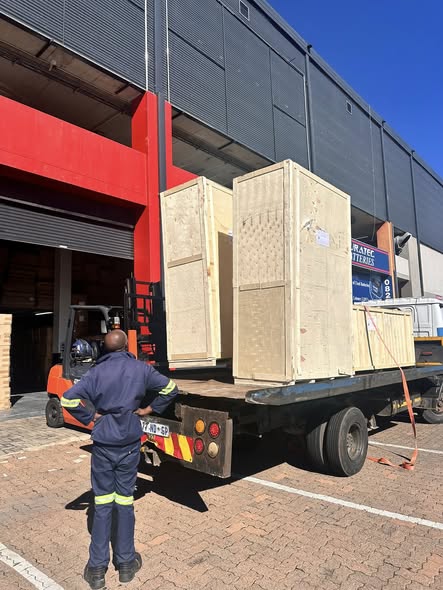
Order Collection
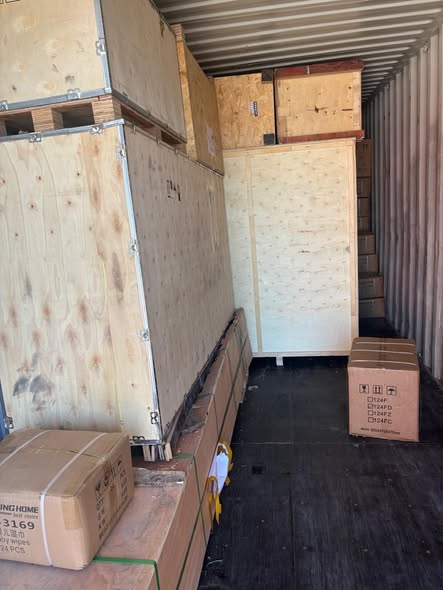
Cross Border Clients
Order cros border countries Collected
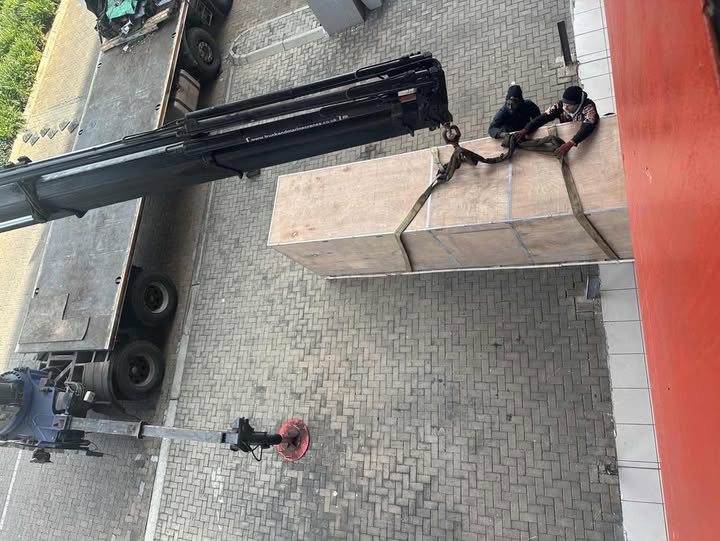
Industrial Machine Cllection
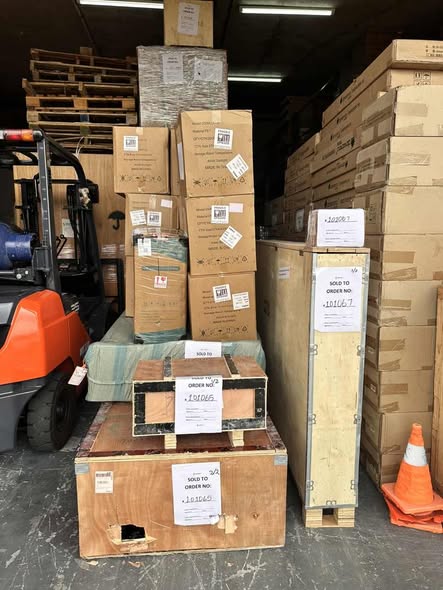
Agriculture Processing Machines
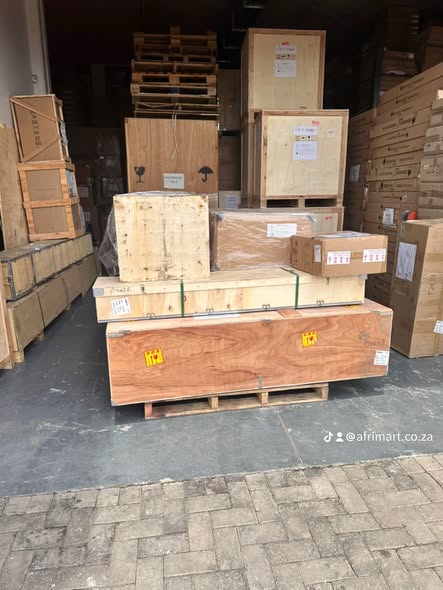
Ready for collection
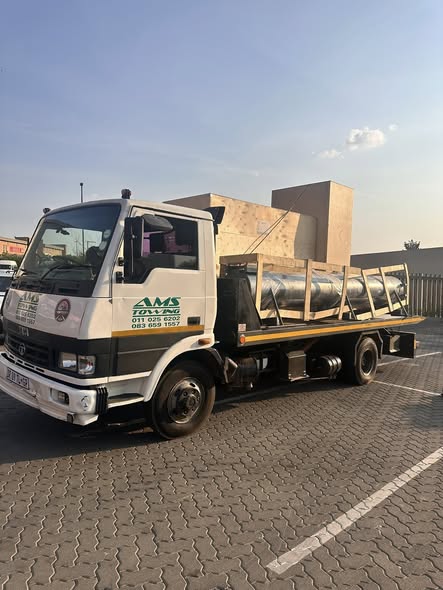
Water Pump Equipment
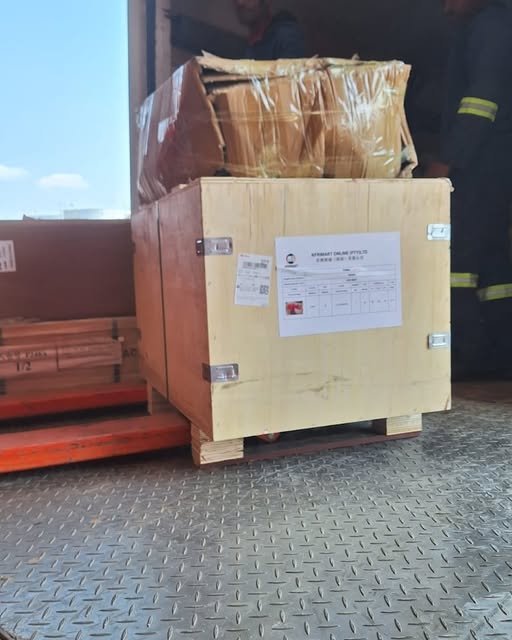
Packaging Machine and accessories
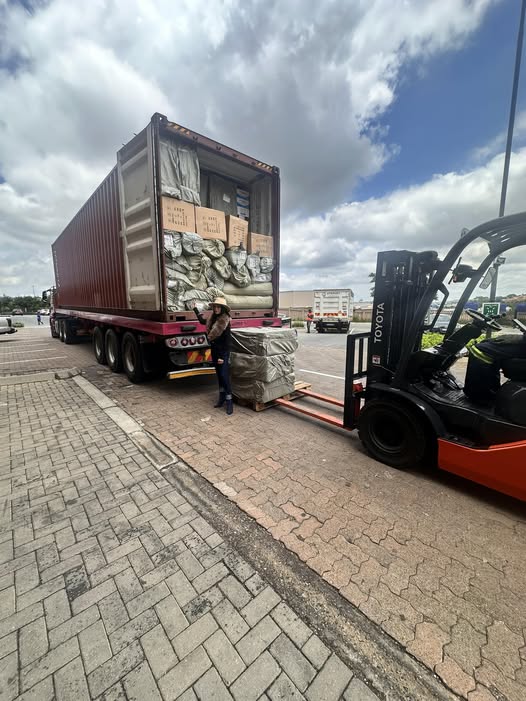
Fabrics Manufacturing Equipment
Mining Equipments
Food Processing Machine
Batch of Orders
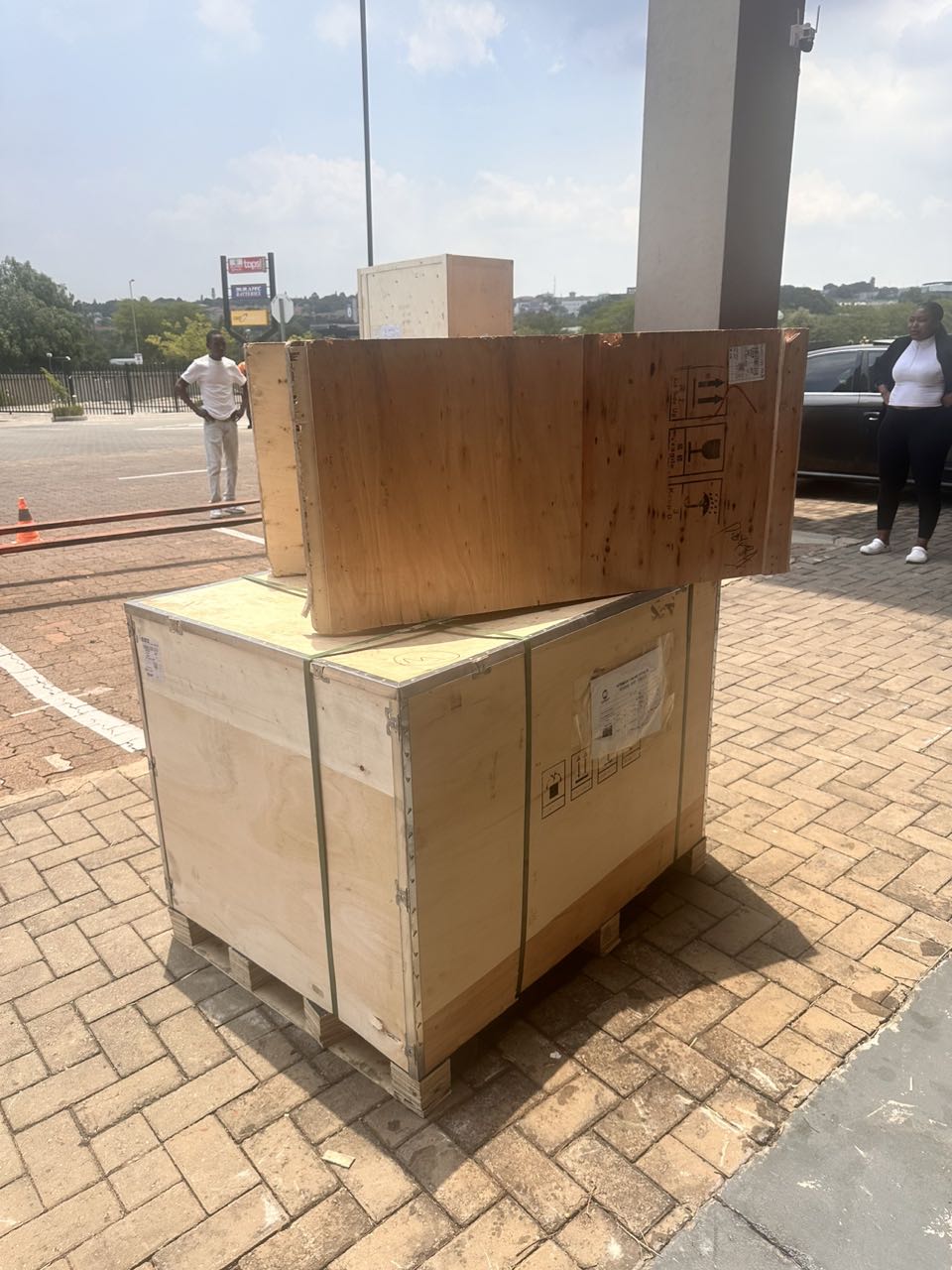
Batch of Orders
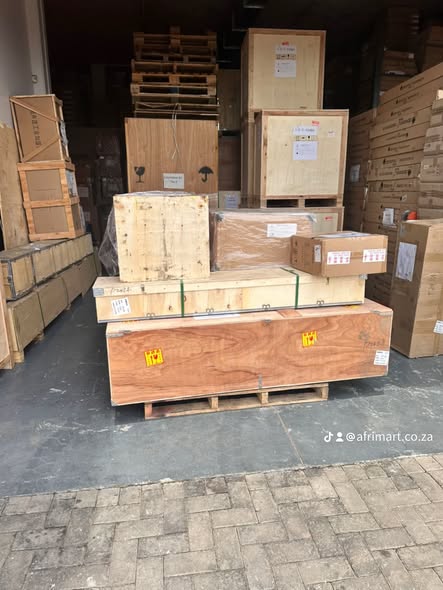
Latest Orders Labelled
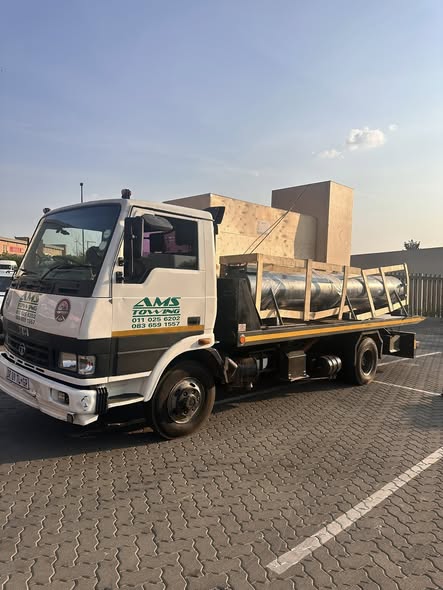
wheel alignment machines
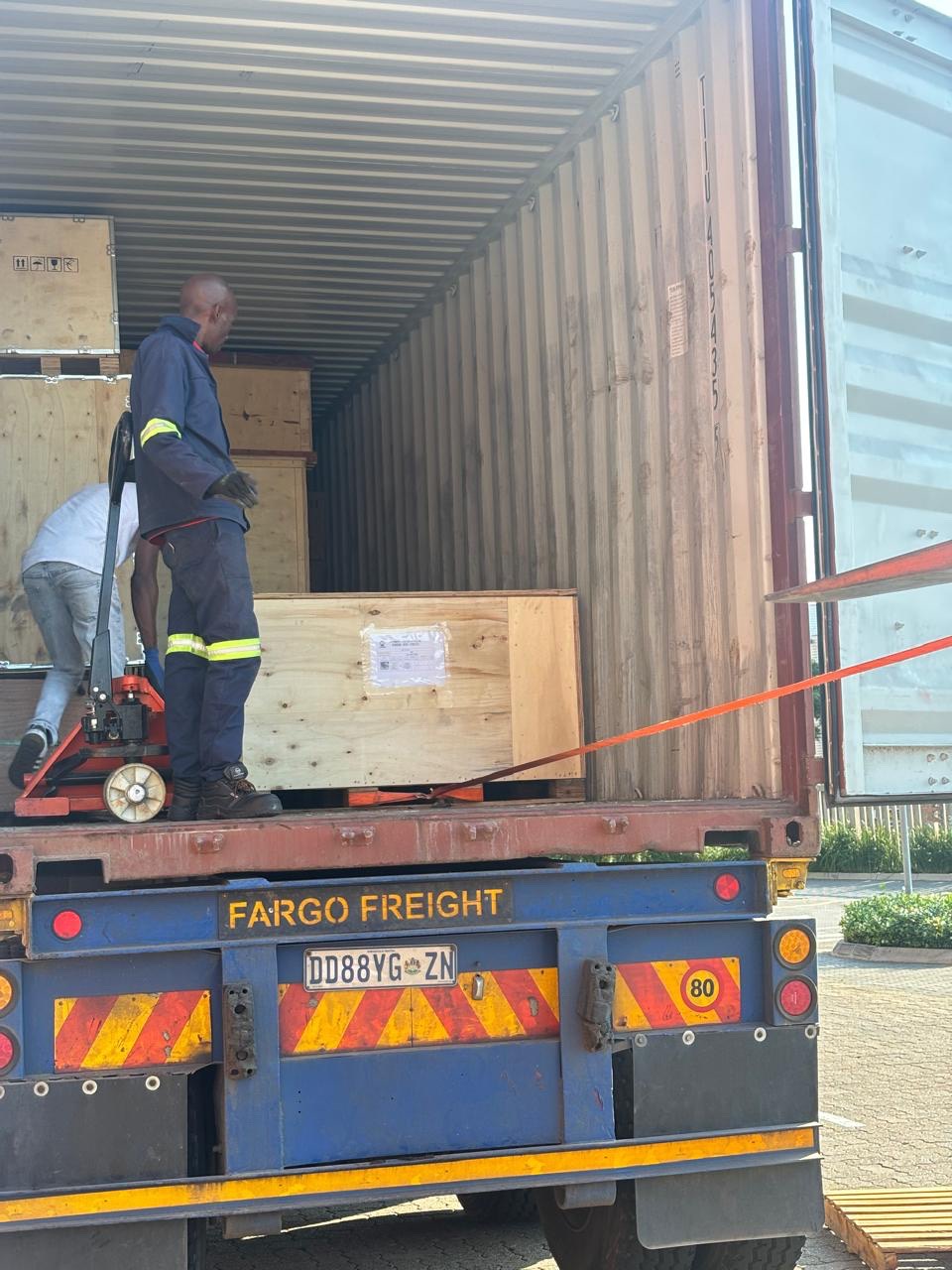
new arrivals
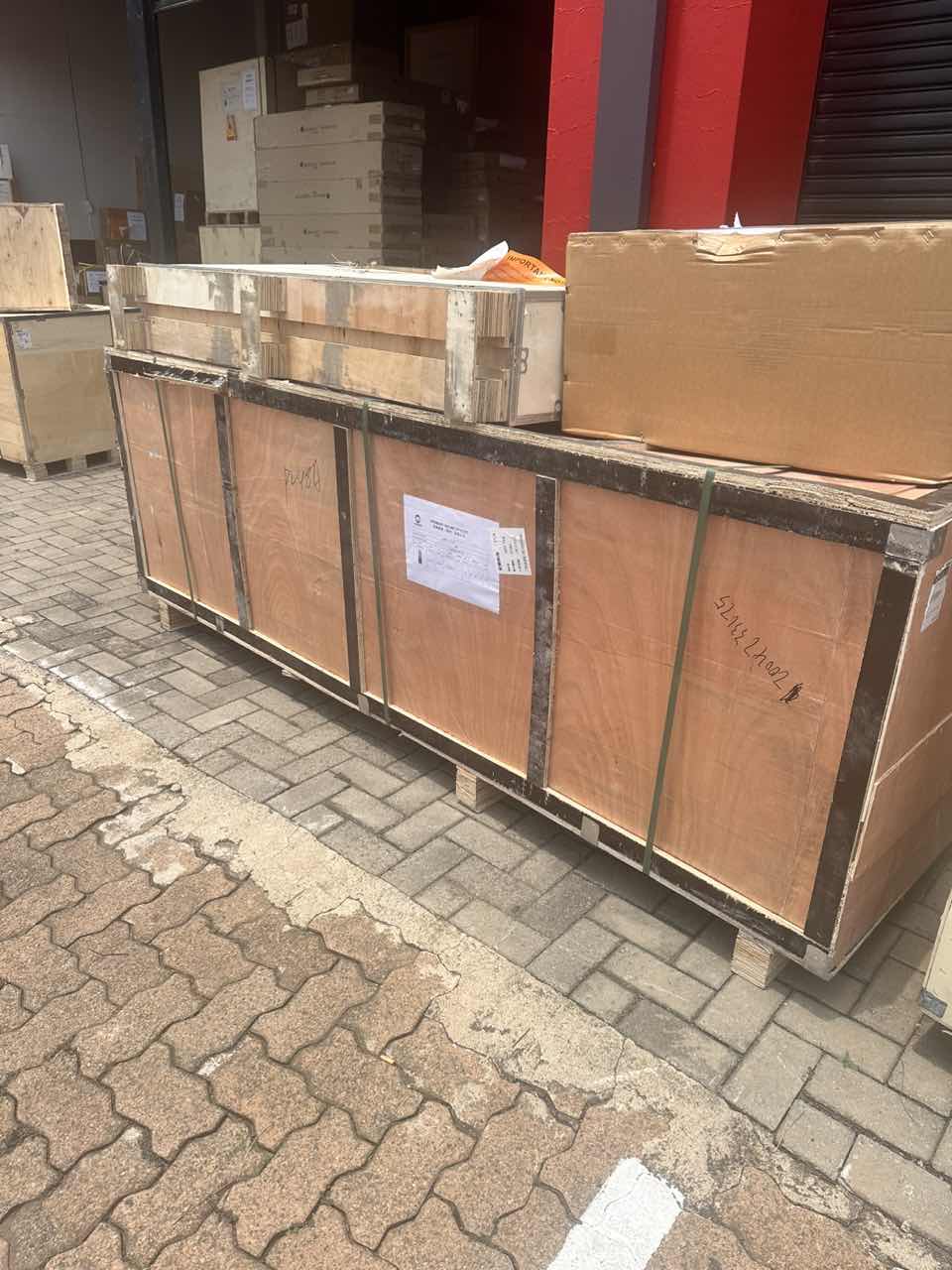
Pre Orders Offloading
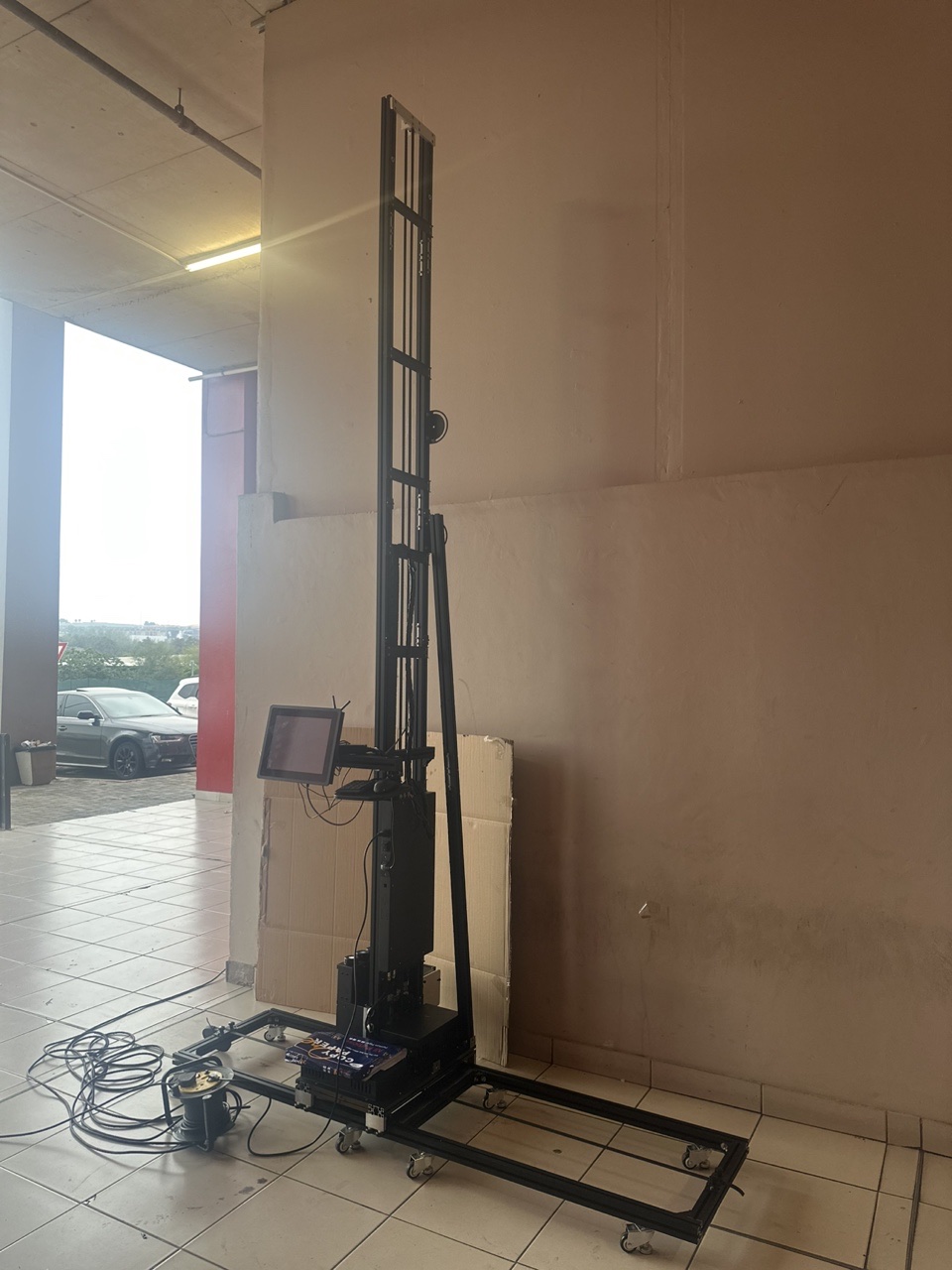
Latest Arrivals
Latest Arrivals
Latest Arrivals
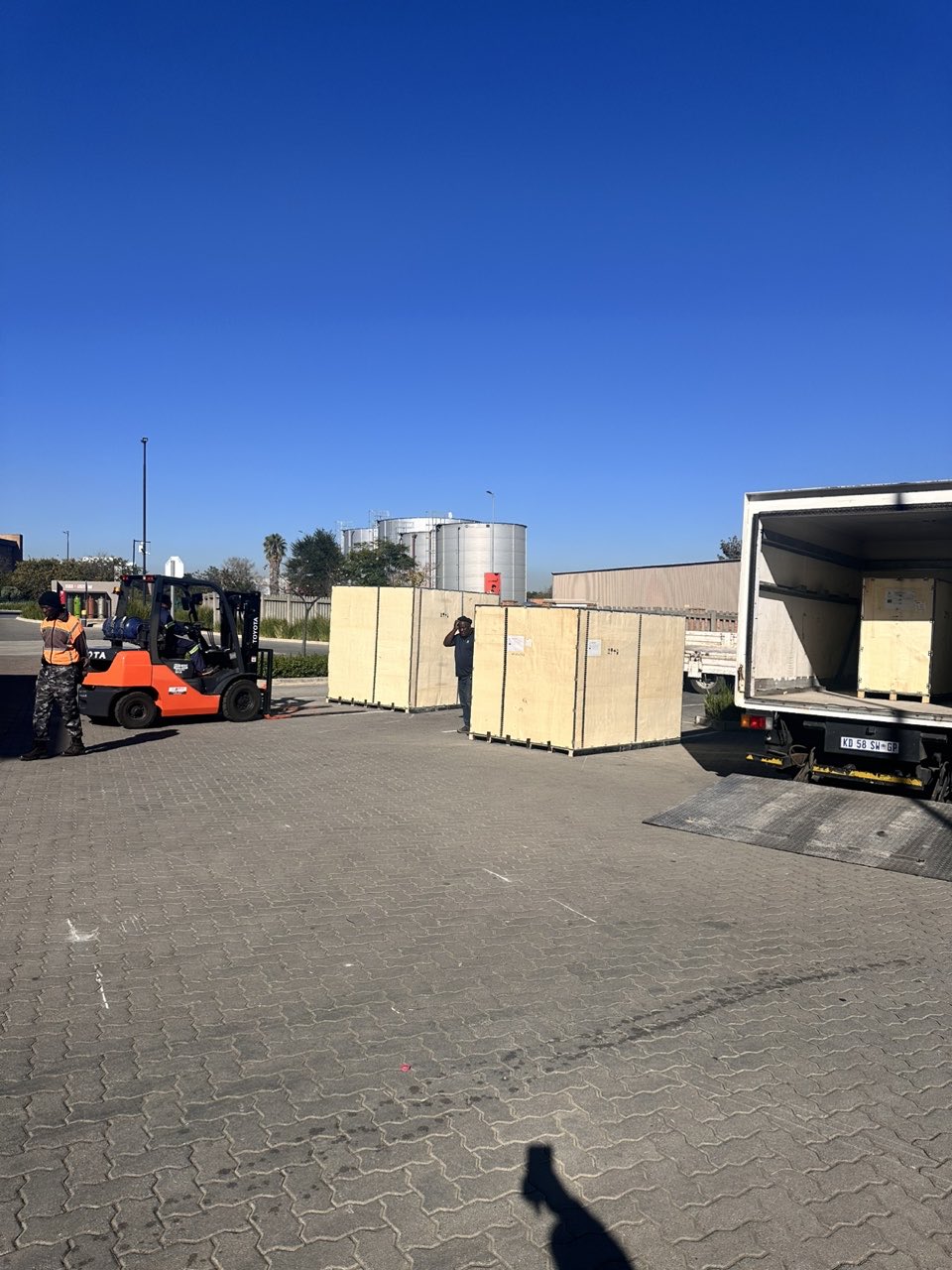
Loading
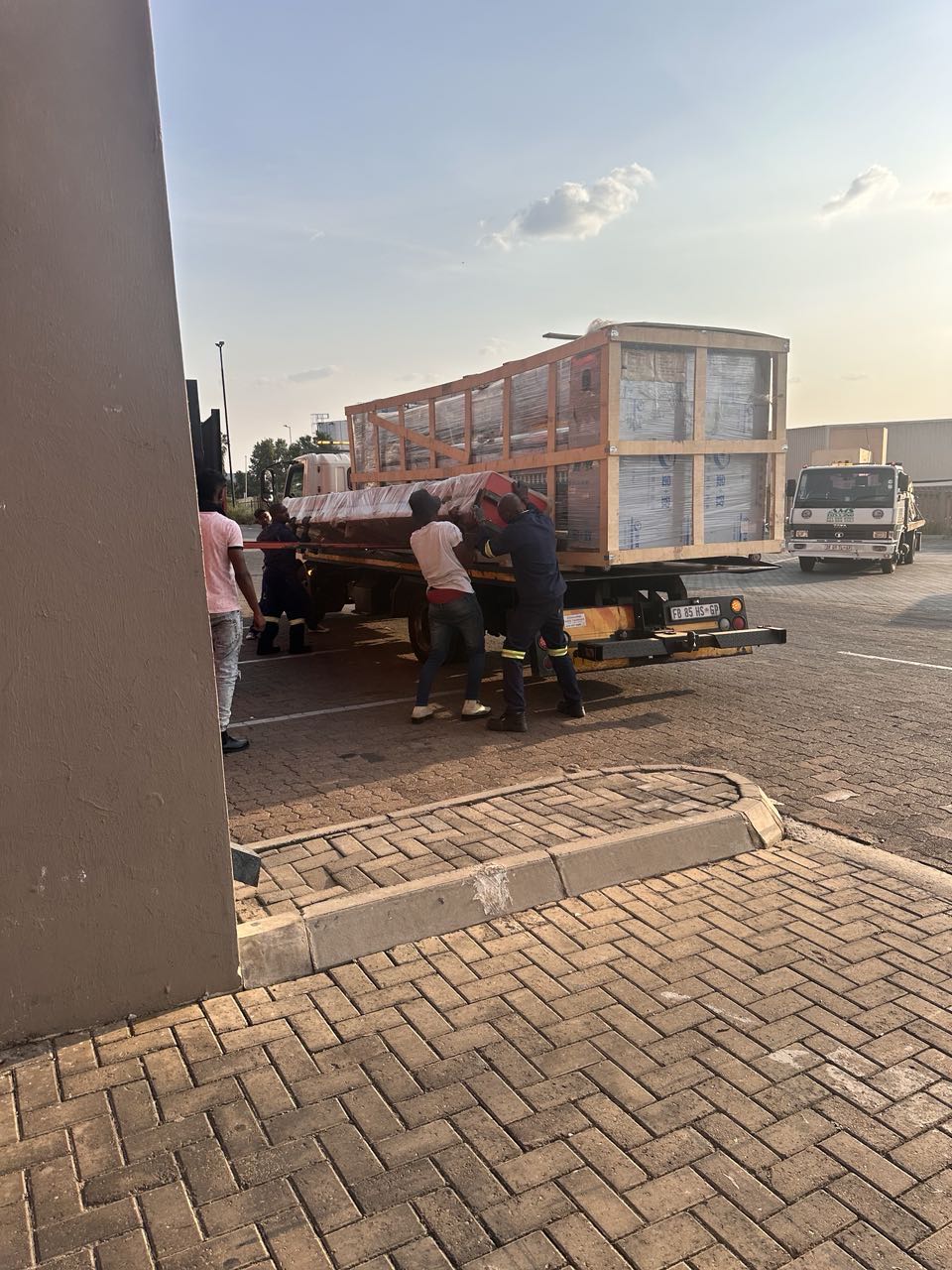
Toilet paper making machine
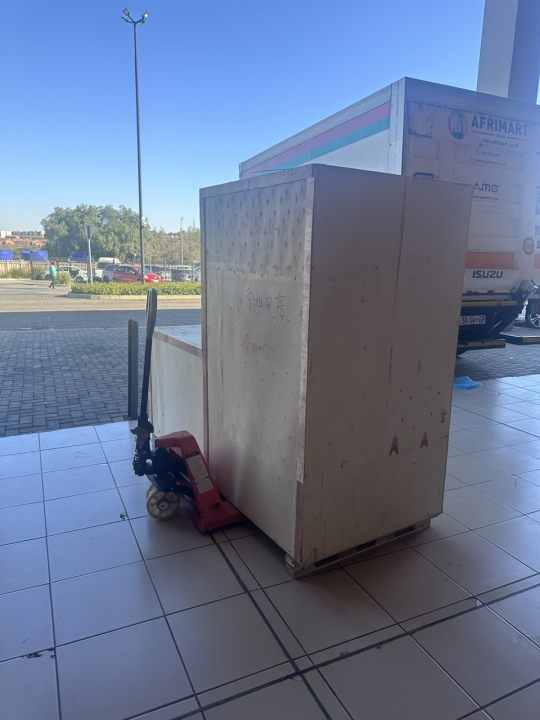
Toilet paper making machine
Toilet paper Rewinding Machine
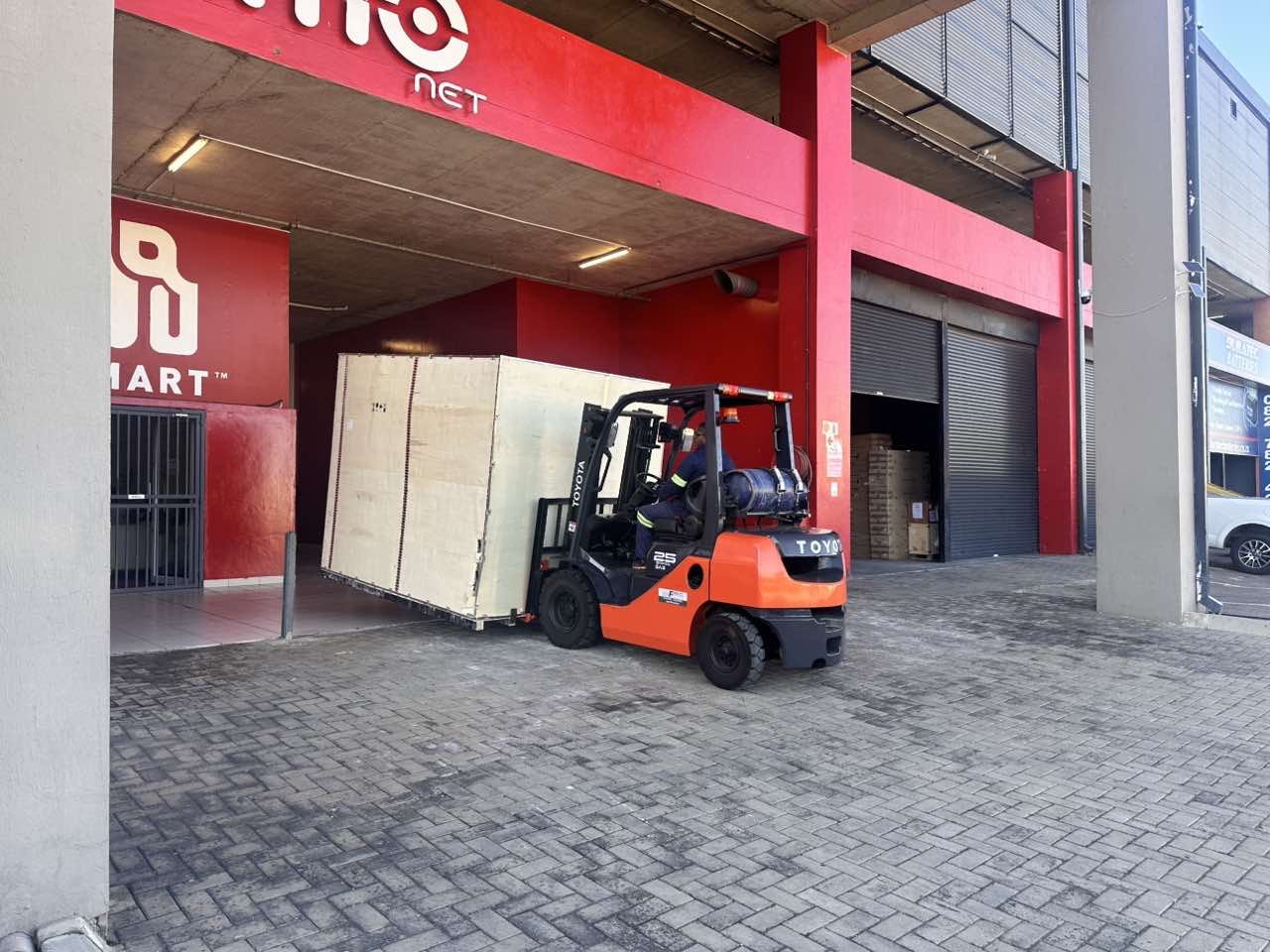
latest arrivals
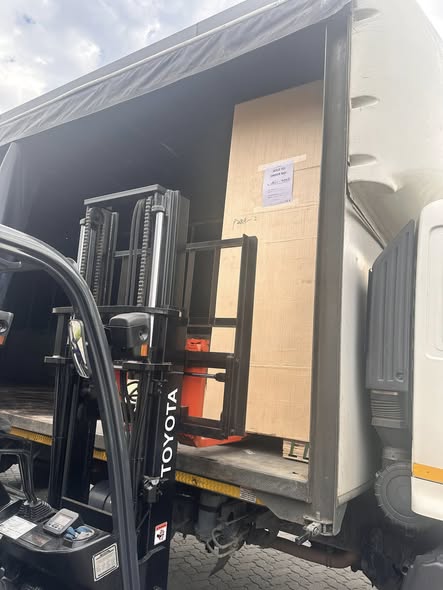
offloading
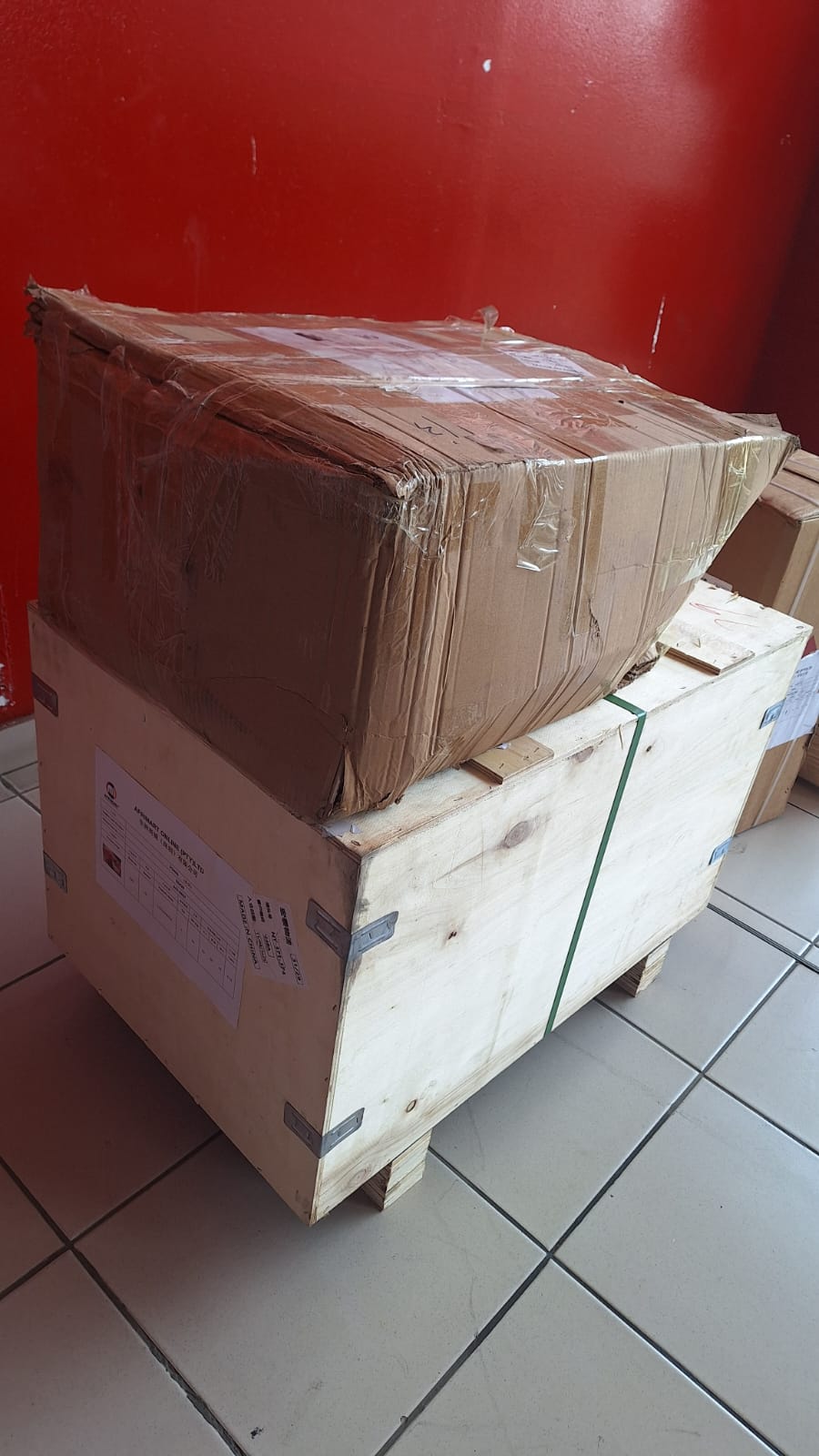
order success
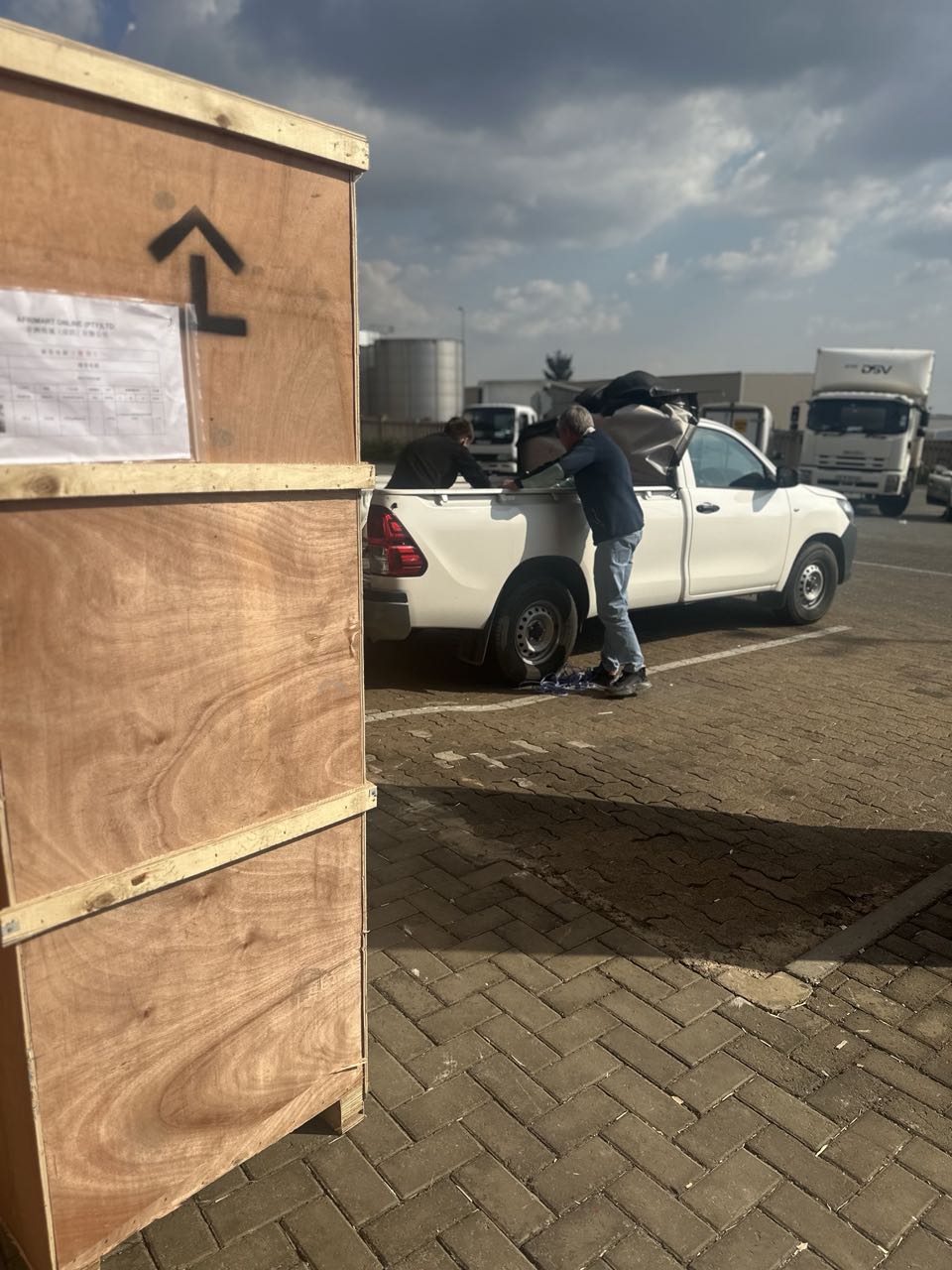
order collection
order offloading