B21, China Town Mall, Midrand

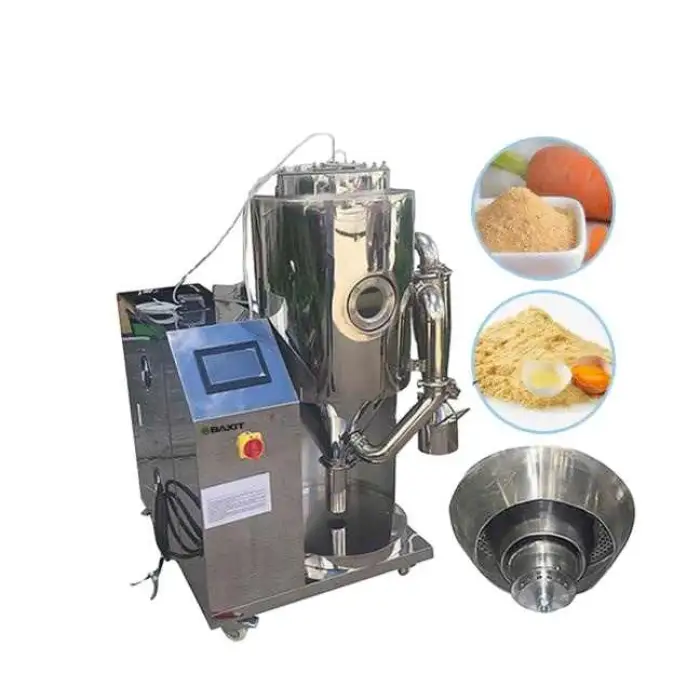
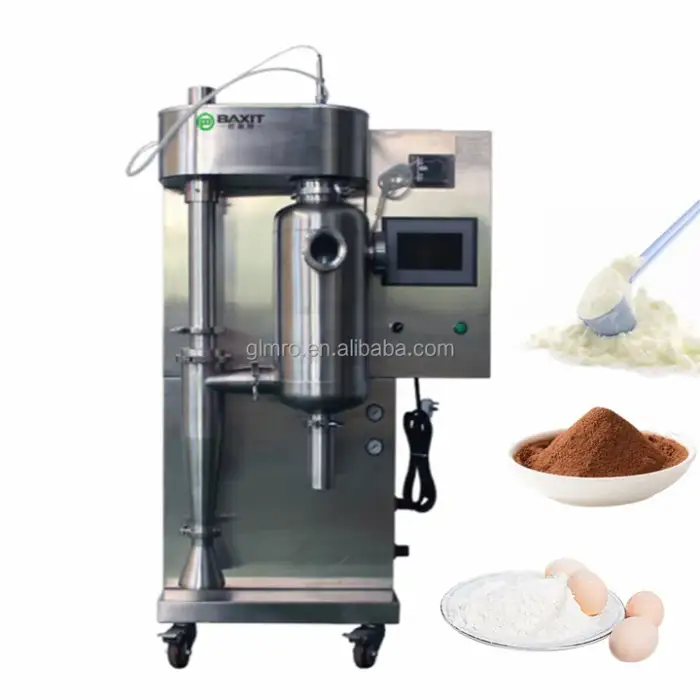
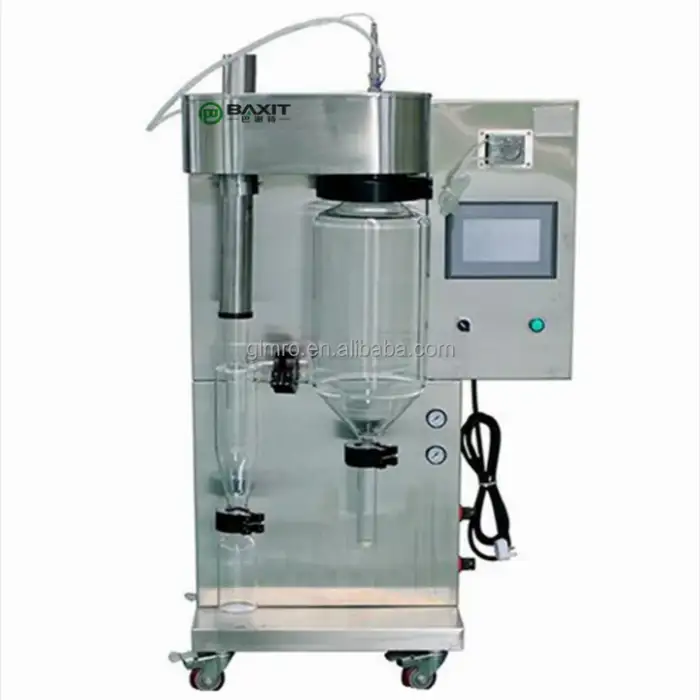
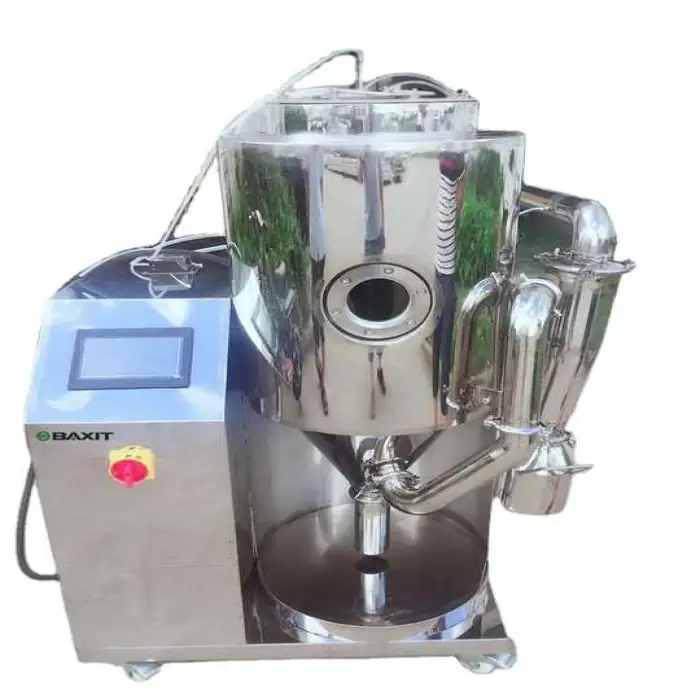
Small Lab Spray Dryer Laboratory Spray Drying Equipment Food Herbal Protein Powder Spray Drying
Asset finance available
Do you want funding for this equipment?
Afrimart can connect you with trusted funding partners who specialise in asset finance for businesses like yours. Compare options and apply in minutes — final approval is subject to provider review.
Check funding options
Secure & no obligation

- Section : Machinery
- Category : Chemical Machinery
- SKU : 10000018277700

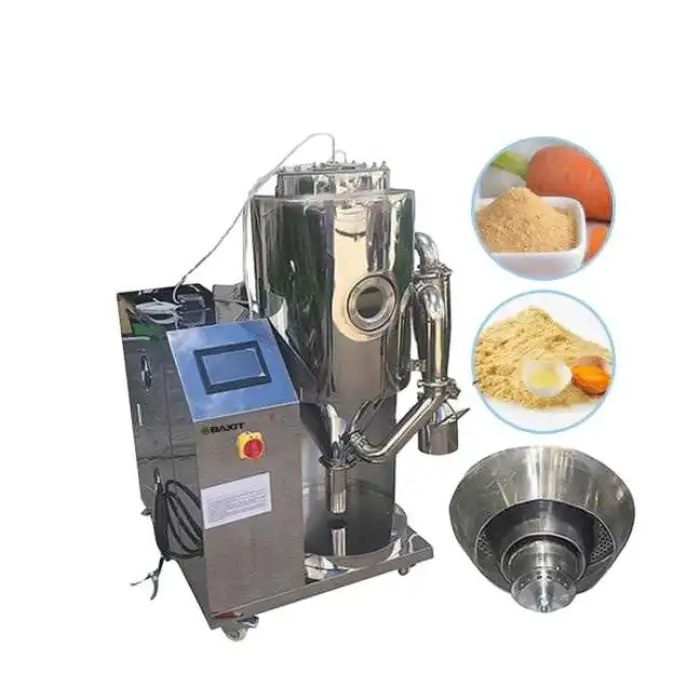
Small Lab Spray Dryer Laboratory Spray Drying Equipment Food Herbal Protein Powder Spray Drying
The Small Lab Spray Dryer is a powerful tool for creating fine powders from liquids. It is perfect for laboratories looking to process food, herbs, and proteins. This efficient equipment is designed to provide reliable results while being easy to use. With its electric heating method and durable SUS304 material, you can count on it for long-lasting performance.
Specifications
| Attribute | Details |
|---|---|
| Application | Chemicals Processing, Food Processing |
| Video Outgoing Inspection | Provided |
| Machinery Test Report | Provided |
| Type | Spray Drying Equipment |
| Voltage | 220V |
| Key Selling Points | Long Service Life |
| Core Components | Bearing |
| Heating Method | Electric Heating |
| Material | SUS304 |
| Weight (kg) | 100 |
| Single Package Size | 91X76X141 cm |
| Single Gross Weight | 200.000 KG |
Key Features
- Compact design for easy handling
- Electric heating for efficient drying
- Constructed from high-quality SUS304 material
- Long service life for reliable use
- Suitable for various applications in food and herbal processing
Applications
- Creating fine powders from food and herbal extracts
- Processing proteins for nutritional supplements
- Research and development in laboratories
- Producing powdered chemicals for various industries
- Drying liquid samples for storage and analysis
Product Info Gallery
- Shipping Timeframes: All orders are processed within 2-5 business days (excluding weekends and holidays). After your order has been processed, the estimated delivery time is before 31 Aug, 2026, depending on customs, Please note that due to high demand, some items may experience longer shipping times, which will be communicated at order confirmation email.
- Order Processing Time: Please allow 2-5 business days for us to process your order before it is shipped . Orders placed after 16:00 on Fridays, or during weekends and public holidays, will begin processing on the next business day. Processing times may be extended during peak seasons or sales events.
- Manufacturing Time: Some products needs manufacturing time, the manufacturing process will take approximately 10-30 business days depending on the product. This timeframe may vary depending on the complexity of the product and current demand. but this will be communicated with you during order confirmation.
- Returns and Exchanges: We offer a 30-day return policy for most items. If you are not completely satisfied with your purchase, you may return it within 30 days of receipt for a refund or exchange. Items must be unused, in their original packaging, and accompanied by proof of purchase. Return shipping costs are the responsibility of the customer, unless the item was damaged or defective upon arrival.
1. What is the Small Lab Spray Dryer used for?
It converts liquids and suspensions into fine, free‑flowing powders. Typical uses include drying food extracts, herbal extracts, protein solutions, chemical samples and general laboratory R&D.
2. What are the main materials and construction?
The main wetted and structural parts are made from SUS304 stainless steel, chosen for corrosion resistance and ease of cleaning.
3. What is the heating method and power requirement?
This unit uses electric heating and is specified for a 220V power supply. Confirm local power compatibility with the supplier before use.
4. What sample types can I process?
Suitable for aqueous or solvent-based food and herbal extracts, protein solutions, and a wide range of laboratory chemical samples. Compatibility depends on solvent and safety considerations.
5. What throughput/capacity can I expect?
Throughput depends on feed concentration, feed rate, nozzle size and operating parameters. Small laboratory spray dryers typically process from tens of milliliters per hour up to a few liters per hour. Contact the supplier with your sample details for an estimated yield.
6. What particle sizes can this spray dryer produce?
Particle size depends on atomization method, feed properties and drying conditions. Lab spray dryers commonly produce fine powders in the micron range (often ~1–50 µm). Provide sample details for more specific expectations.
7. What safety and installation considerations are there?
Install on a stable bench, ensure proper electrical grounding and adequate ventilation or exhaust for solvent vapors. Follow local electrical and occupational safety codes. Confirm any additional safety features with the manufacturer.
8. How easy is it to clean and maintain?
SUS304 construction facilitates cleaning. Key maintenance tasks include regular cleaning of the drying chamber, nozzle/atomizer, filters and routine inspection/lubrication of bearings. Follow the supplied maintenance guide.
9. What documentation is provided with the unit?
The product is supplied with a video outgoing inspection and a machinery test report. Additional user manuals and QC documents should be provided—confirm with the seller.
10. What are the unit weight and package dimensions for shipping?
Net weight is listed as 100 kg. Single gross (packaged) weight is 200 kg. Package dimensions are 91 × 76 × 141 cm.
11. Is this machine suitable for heat‑sensitive materials like proteins?
Yes—many heat‑sensitive materials can be processed by optimizing inlet/outlet temperatures, feed concentration and atomization. Use the lowest effective drying temperature and rapid drying conditions; perform trials and consult the supplier for recommended parameters.
12. Are spare parts and consumables available?
Common wear parts for spray dryers include atomizer/nozzle tips, seals, filters and bearings (listed as a core component). Contact the supplier for availability, lead times and part numbers.
13. Can this unit be used for scale‑up or production?
This is designed as a small laboratory spray dryer for R&D and small batches. Results can inform scale‑up, but production requires larger pilot or industrial spray drying equipment.
14. Does the product come with certifications or warranty?
Certifications and warranty information are not specified in the basic listing. Request certificates (CE, ISO, etc.), warranty terms and after‑sales support details from the seller before purchase.
15. How do I get operating parameters (temperatures, feed rates) for my material?
Operating parameters depend on your specific sample. Provide the supplier or technical team with sample composition, solids content and desired powder properties—then they can recommend inlet/outlet temperatures, feed rates and nozzle settings. Bench trials are normally performed to optimize conditions.
Latest Order Arrivals
Discover our latest orders

12 Heads Embroidery Machine

Toilet Paper Machine Machine

Order Collection

Cross Border Clients

Order cros border countries Collected

Industrial Machine Cllection

Agriculture Processing Machines

Ready for collection

Water Pump Equipment

Packaging Machine and accessories

Fabrics Manufacturing Equipment

Mining Equipments

Food Processing Machine

Batch of Orders

Batch of Orders

Latest Orders Labelled

wheel alignment machines

new arrivals

Pre Orders Offloading

Latest Arrivals

Latest Arrivals

Latest Arrivals

Loading

Toilet paper making machine

Toilet paper making machine

Toilet paper Rewinding Machine

latest arrivals

offloading

order success

order collection

order offloading