B21, China Town Mall, Midrand

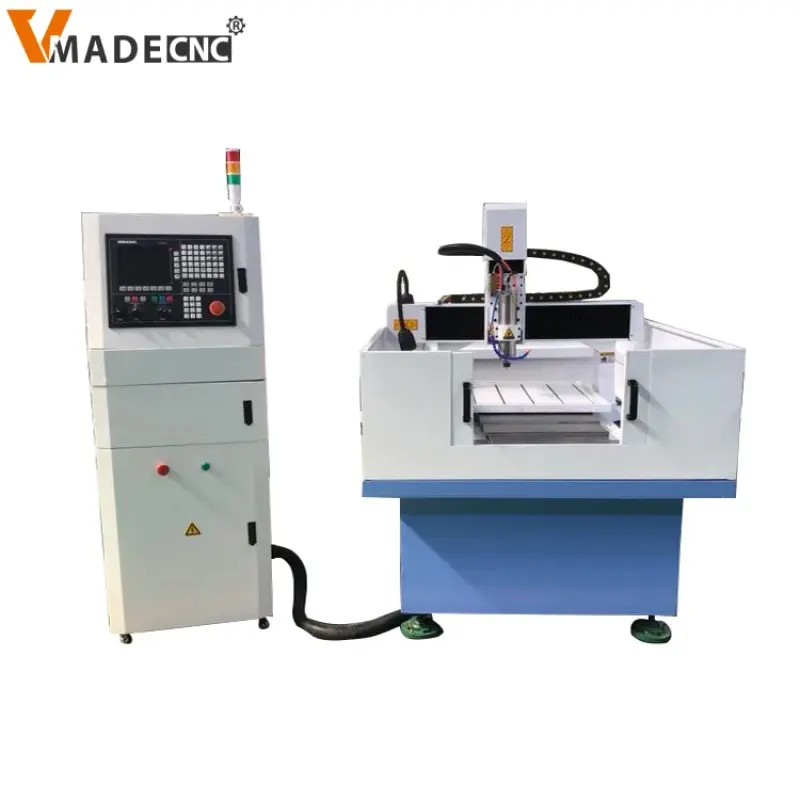
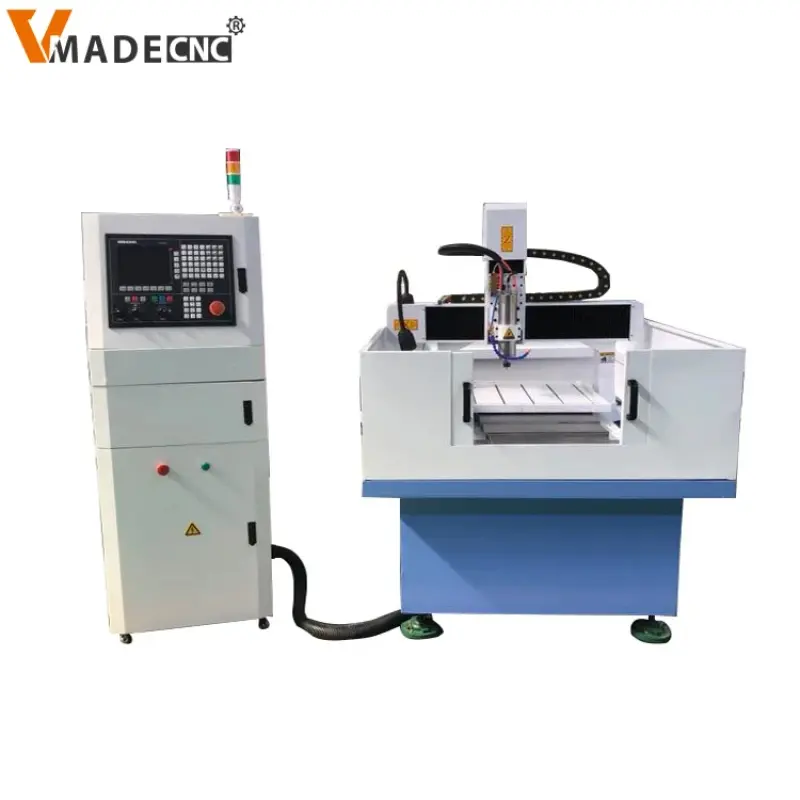
Small 6060 Wood 4 axis 3D CNC Router Milling Machine
Asset finance available
Do you want funding for this equipment?
Afrimart can connect you with trusted funding partners who specialise in asset finance for businesses like yours. Compare options and apply in minutes — final approval is subject to provider review.
Check funding options
Secure & no obligation

- Section : Machinery
- Category : CNC industrial Machinery
- SKU : 60553996217

Small 6060 Wood 4 axis 3D CNC Router Milling Machine
Product Description

VRW-6090 Metal Milling Drilling Spinning CNC Milling Machine
Polishing/lapping single surface of metal parts and thin and hard brittle non-metal parts.
1.Integrally cast lathe bed,firm and non-deforming,high rigifty and high accuracy,adopts Taiwan line guide rail.2. Use high speed drive motor,also servo motors for optional3. Memory function ensures the processing point when the blade is broken or having to postpone the process.4. With better compatibility, can math with many programs such as Typle3, artcam, castmate, proE, Coreldraw/CAD, CAM. It achieves 2D and 3D works easily.
Our Advantages

Product Paramenters

- Shipping Timeframes: All orders are processed within 2-5 business days (excluding weekends and holidays). After your order has been processed, the estimated delivery time is before 16 Sep, 2026, depending on customs, Please note that due to high demand, some items may experience longer shipping times, which will be communicated at order confirmation email.
- Order Processing Time: Please allow 2-5 business days for us to process your order before it is shipped . Orders placed after 16:00 on Fridays, or during weekends and public holidays, will begin processing on the next business day. Processing times may be extended during peak seasons or sales events.
- Manufacturing Time: Some products needs manufacturing time, the manufacturing process will take approximately 10-30 business days depending on the product. This timeframe may vary depending on the complexity of the product and current demand. but this will be communicated with you during order confirmation.
- Returns and Exchanges: We offer a 30-day return policy for most items. If you are not completely satisfied with your purchase, you may return it within 30 days of receipt for a refund or exchange. Items must be unused, in their original packaging, and accompanied by proof of purchase. Return shipping costs are the responsibility of the customer, unless the item was damaged or defective upon arrival.
1. What is the Small 6060 Wood 4 axis 3D CNC Router Milling Machine designed for?
It's a compact 4-axis CNC router intended primarily for woodworking and 3D carving jobs, and is also compatible with machining plastics, composites, acrylic, foam and—with the correct tooling and setup—light metal tasks such as aluminum. The description also references metal polishing/lapping capabilities for thin or brittle parts.
2. What does '6060' mean and what is the working area?
'6060' commonly refers to a nominal 600 x 600 mm work envelope. Exact usable X, Y and Z travel can vary by build, so confirm the precise working area with the seller or datasheet before purchase.
3. What does 4-axis mean on this machine?
A 4th axis adds rotary motion (typically an A axis) so you can rotate a workpiece while the X, Y and Z axes move. This enables machining around cylindrical parts, indexing operations and more complex 3D contours without manual repositioning.
4. What are the key mechanical features that affect rigidity and accuracy?
The machine uses an integrally cast bed to resist deformation and Taiwan linear guide rails for better rigidity and smoother motion. These design choices improve stability and positioning accuracy compared with lighter-framed machines.
5. What spindle and motors does it use?
The standard configuration uses a high-speed drive motor suitable for wood and plastics. Servo motors are offered as an optional upgrade for higher torque, better speed control and improved accuracy. Exact spindle power and RPM range should be confirmed with the vendor.
6. Which software and file formats are compatible?
The machine is compatible with widely used CAD/CAM packages such as Type3, ArtCAM, Castmate, ProE, CorelDraw/CAD and similar CAM programs that generate standard G-code. Verify the specific controller firmware (e.g., Mach3, DSP, etc.) to ensure direct compatibility.
7. Does the machine recover from a tool break or power interruption?
Yes—there is a memory (resume) function that stores the processing point so operations can be resumed after a blade break, pause or other interruption. Confirm whether it supports resume after complete power loss on your chosen controller.
8. What materials can it polish or lap?
According to the description, it can polish or lap single surfaces of metal parts and thin, hard, brittle non-metal parts. For heavy-duty metal cutting or large-volume milling, a dedicated metal CNC with higher torque and coolant management is recommended.
9. What consumables and tooling are recommended?
Common tooling includes end mills (flat and ball nose), V-bits for signmaking, engraving bits, and carbide cutters for harder materials. For 4-axis work you'll use rotary fixtures or A-axis mandrels. Choose tooling rated for the material and RPM of your spindle.
10. What optional accessories are typically available?
Optional items often include servo motor upgrades, vacuum tables, rotary 4th-axis chucks/mandrels, dust collectors, mist/coolant systems for metal work, and different spindle options. Confirm available options with the supplier.
11. What are the typical maintenance requirements?
Routine maintenance includes cleaning chips and dust, lubricating linear guides and ball screws, checking belt/tension (if belt-driven), inspecting spindle collets and tooling, and ensuring electrical connections and emergency stop function are intact.
12. What safety measures should I take when operating this CNC?
Wear eye and hearing protection, use dust collection when cutting wood, secure the workpiece properly, keep guards and enclosures in place, use the emergency stop if needed, and follow all electrical and fire-safety precautions. For metal work, use appropriate coolant/mist and PPE.
13. What are the electrical and installation requirements?
Specific power requirements vary by configuration (spindle power and motor type). Many small routers run on single-phase 220V or 110V; higher-power spindles or optional servo systems may require different supply. Confirm voltage, amperage and grounding needs with the manufacturer.
14. How accurate and repeatable is the machine?
The cast bed and Taiwan linear rails are chosen to improve accuracy and repeatability, but exact specifications (e.g., positioning accuracy and repeatability in mm) are model-dependent. Ask the seller for the machine's stated accuracy and test certificates if needed.
15. What warranty and after-sales support are available?
Warranty terms and support vary by seller. Before buying, confirm warranty length, what components are covered (electrical, mechanical, spindle), availability of spare parts, technical support channels and any onsite service options.
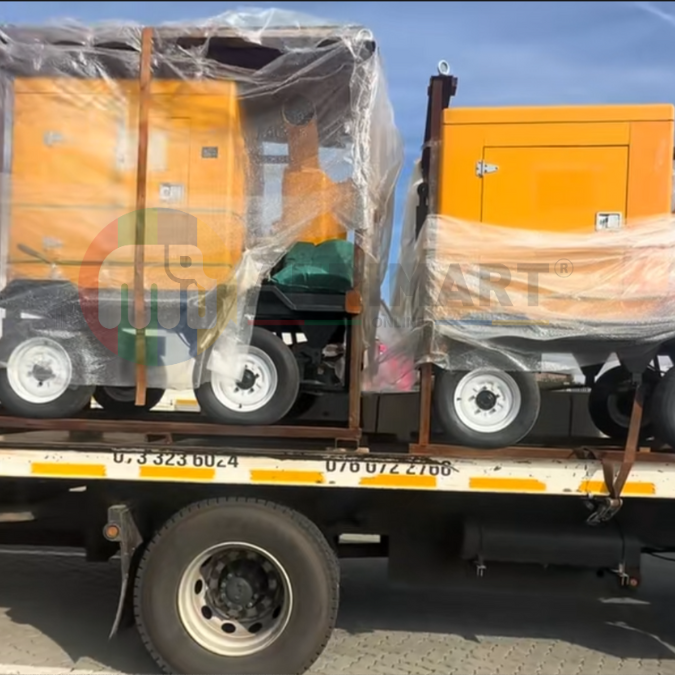
Latest Order Arrivals
Discover our latest orders
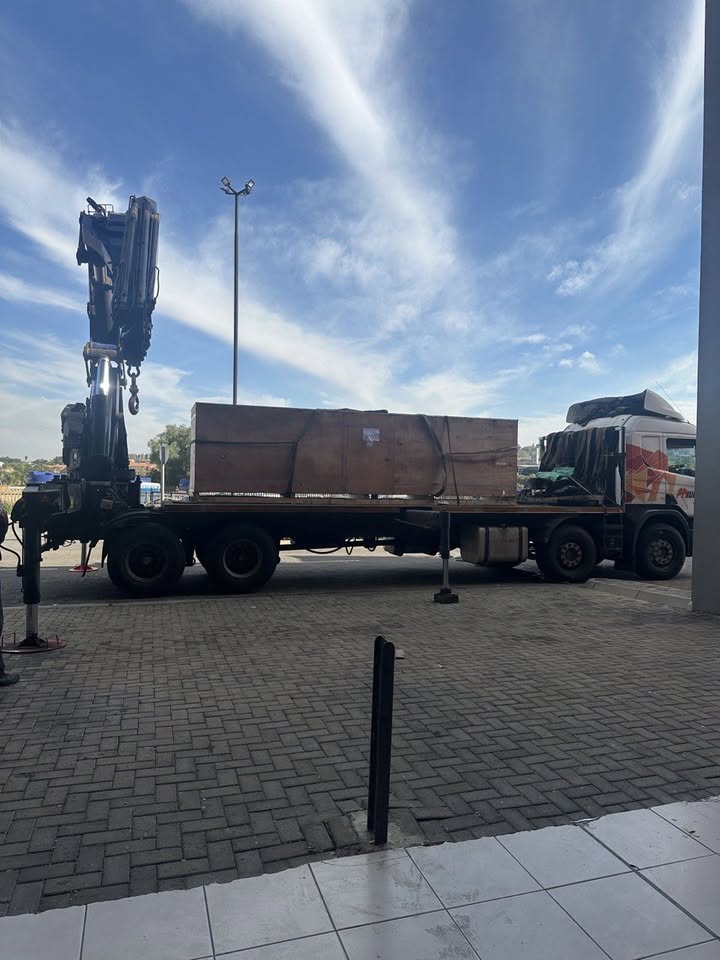
12 Heads Embroidery Machine
Toilet Paper Machine Machine
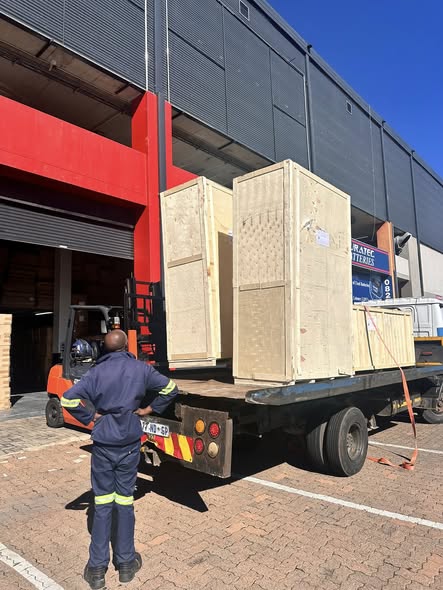
Order Collection
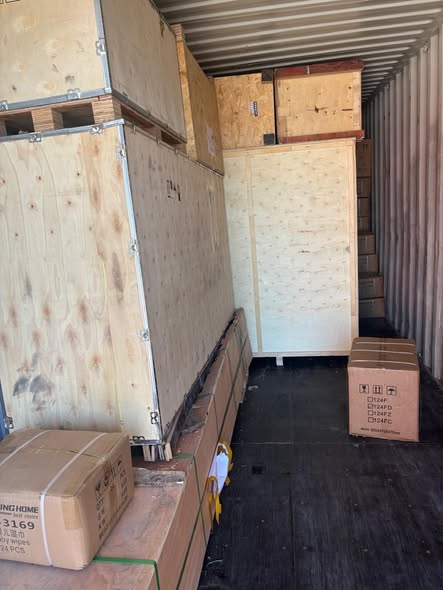
Cross Border Clients
Order cros border countries Collected
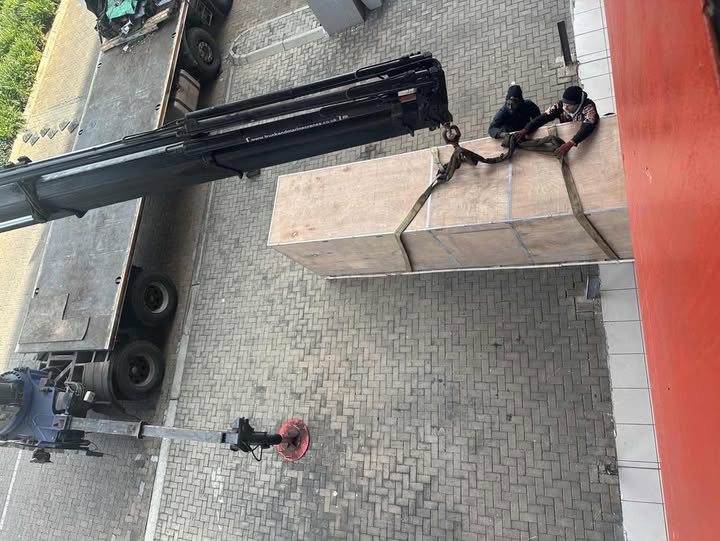
Industrial Machine Cllection
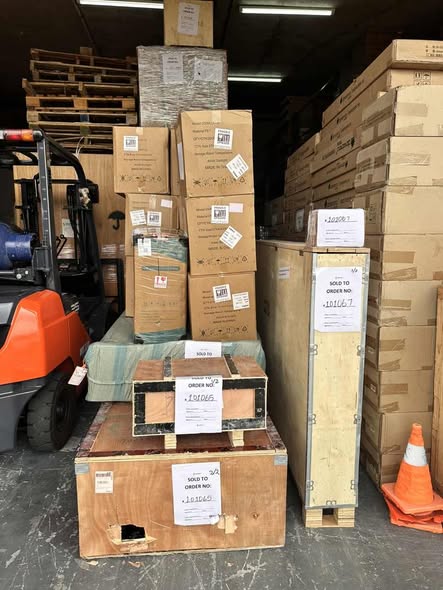
Agriculture Processing Machines
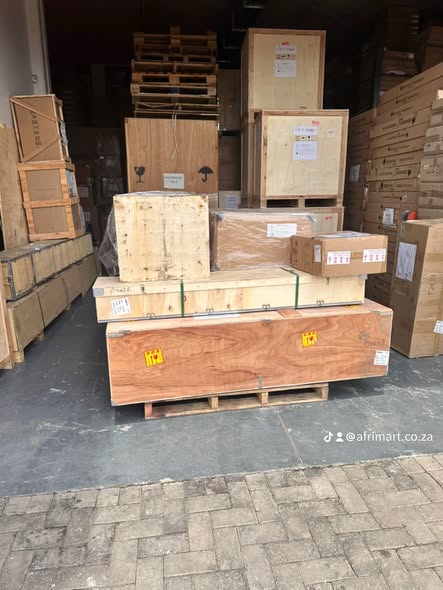
Ready for collection
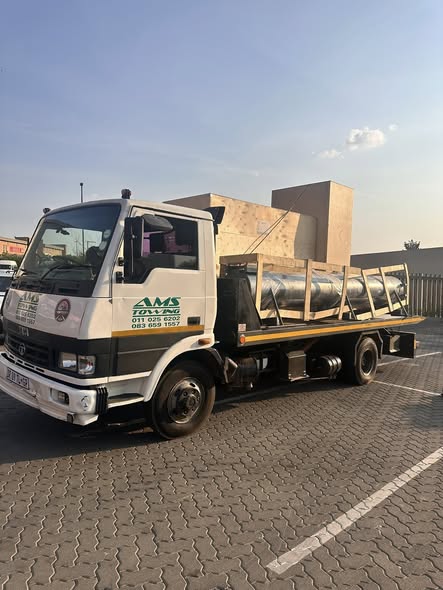
Water Pump Equipment
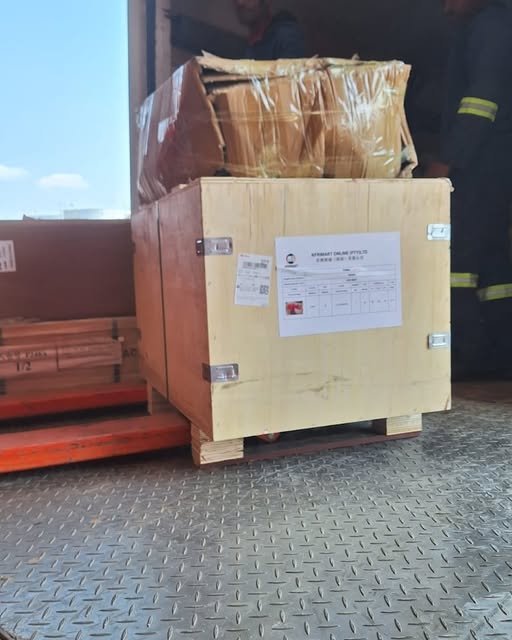
Packaging Machine and accessories
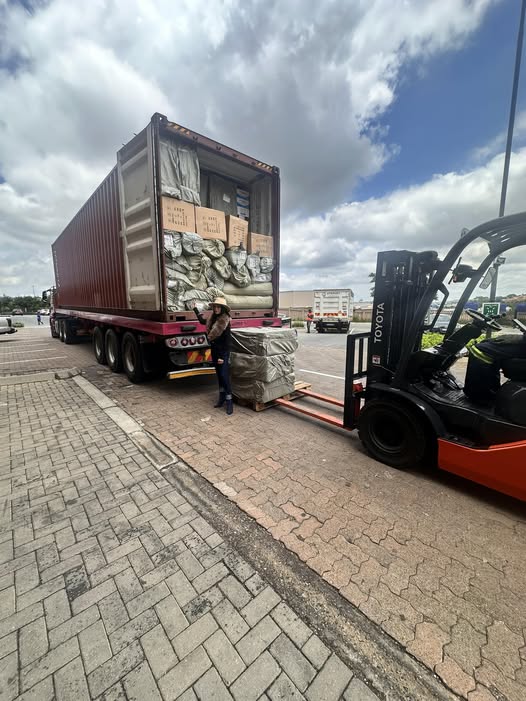
Fabrics Manufacturing Equipment
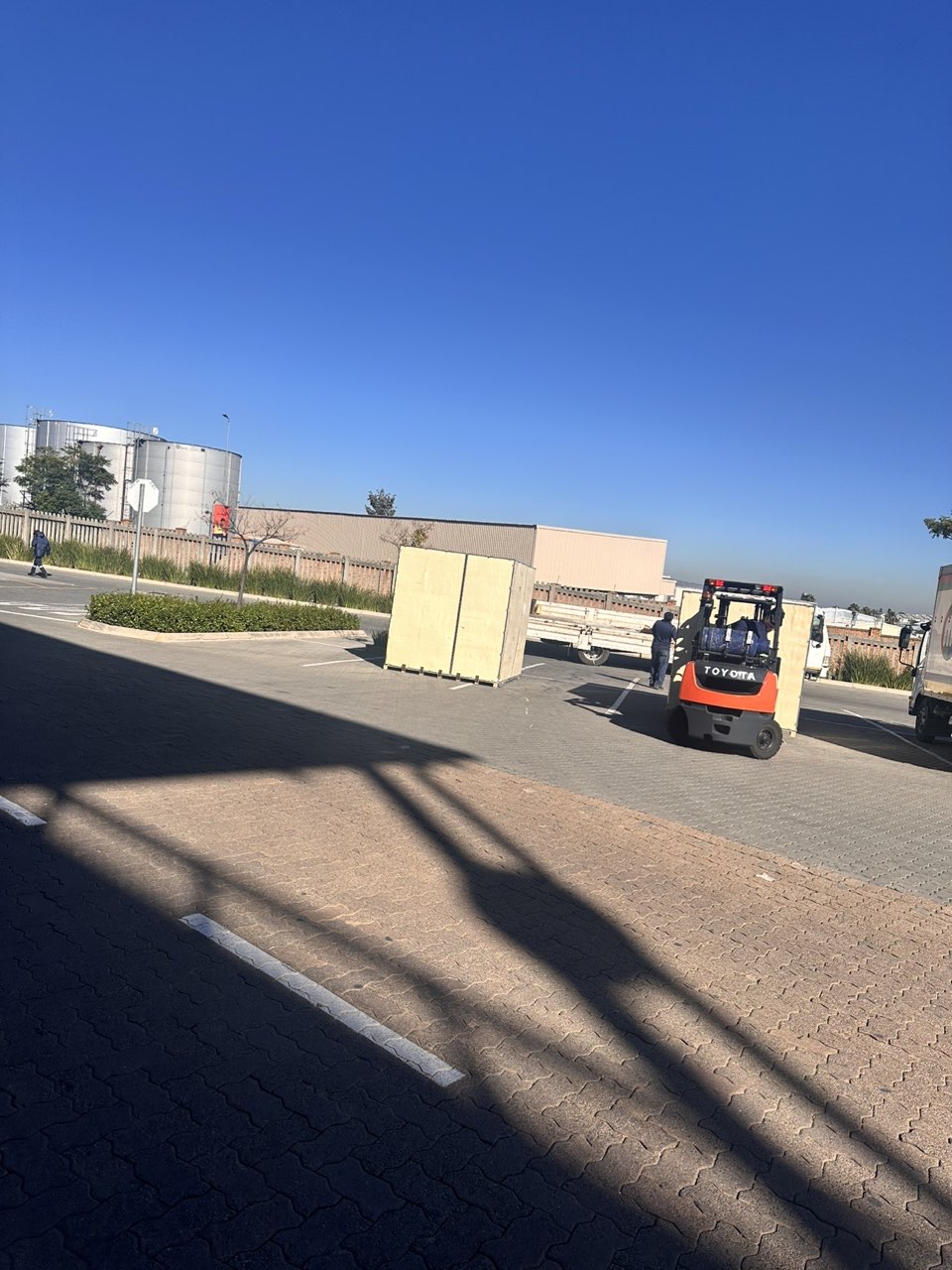
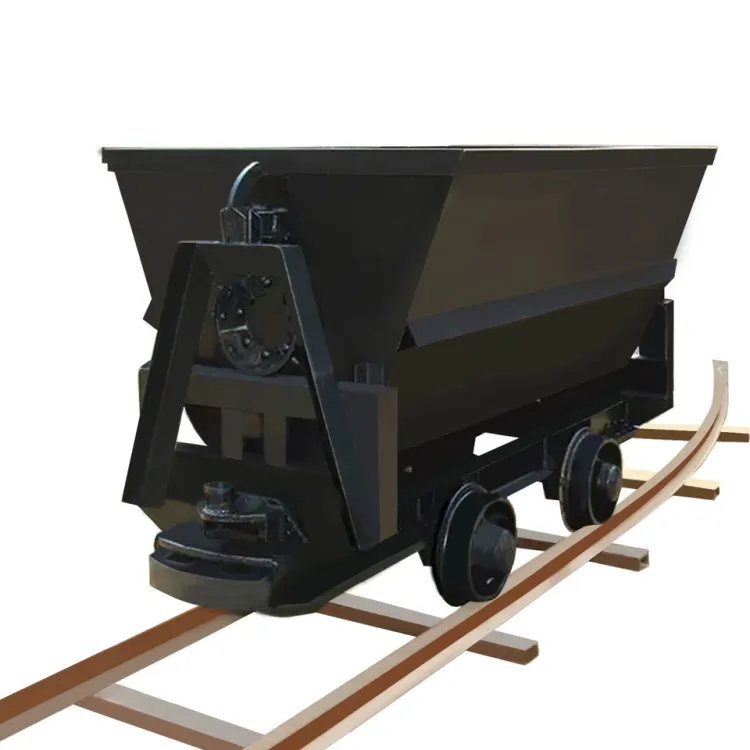
Mining Equipments
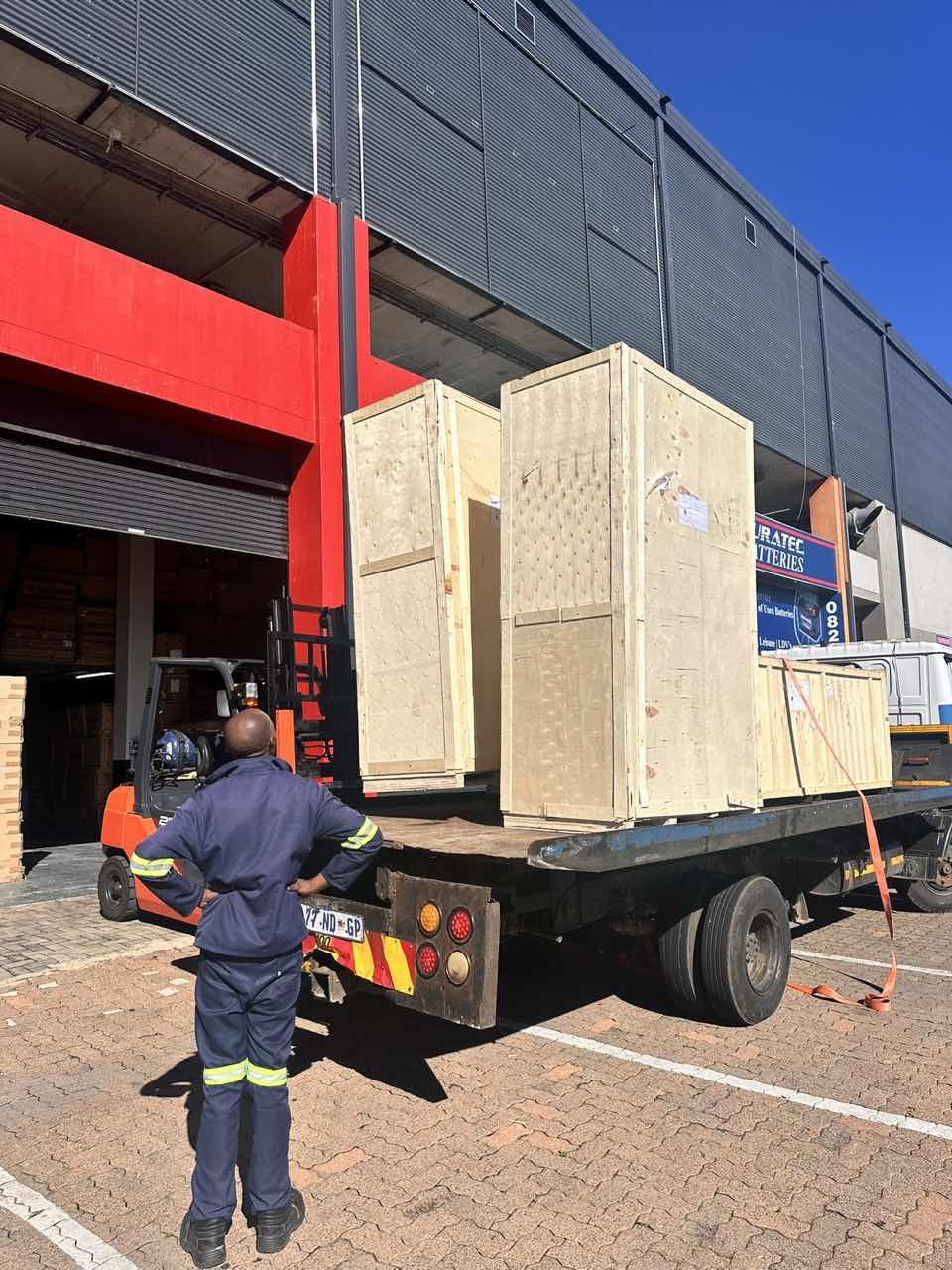
Food Processing Machine
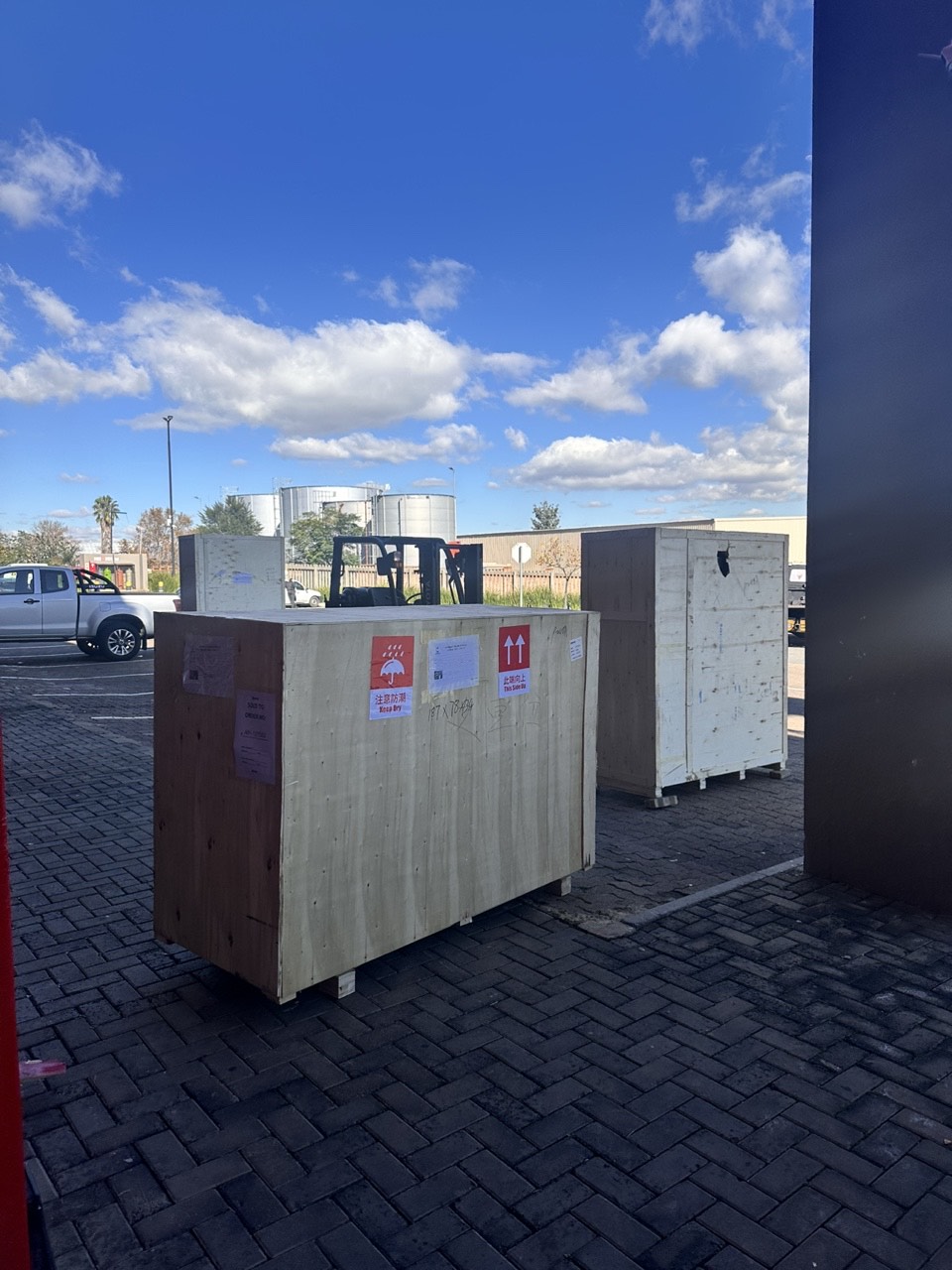
Batch of Orders
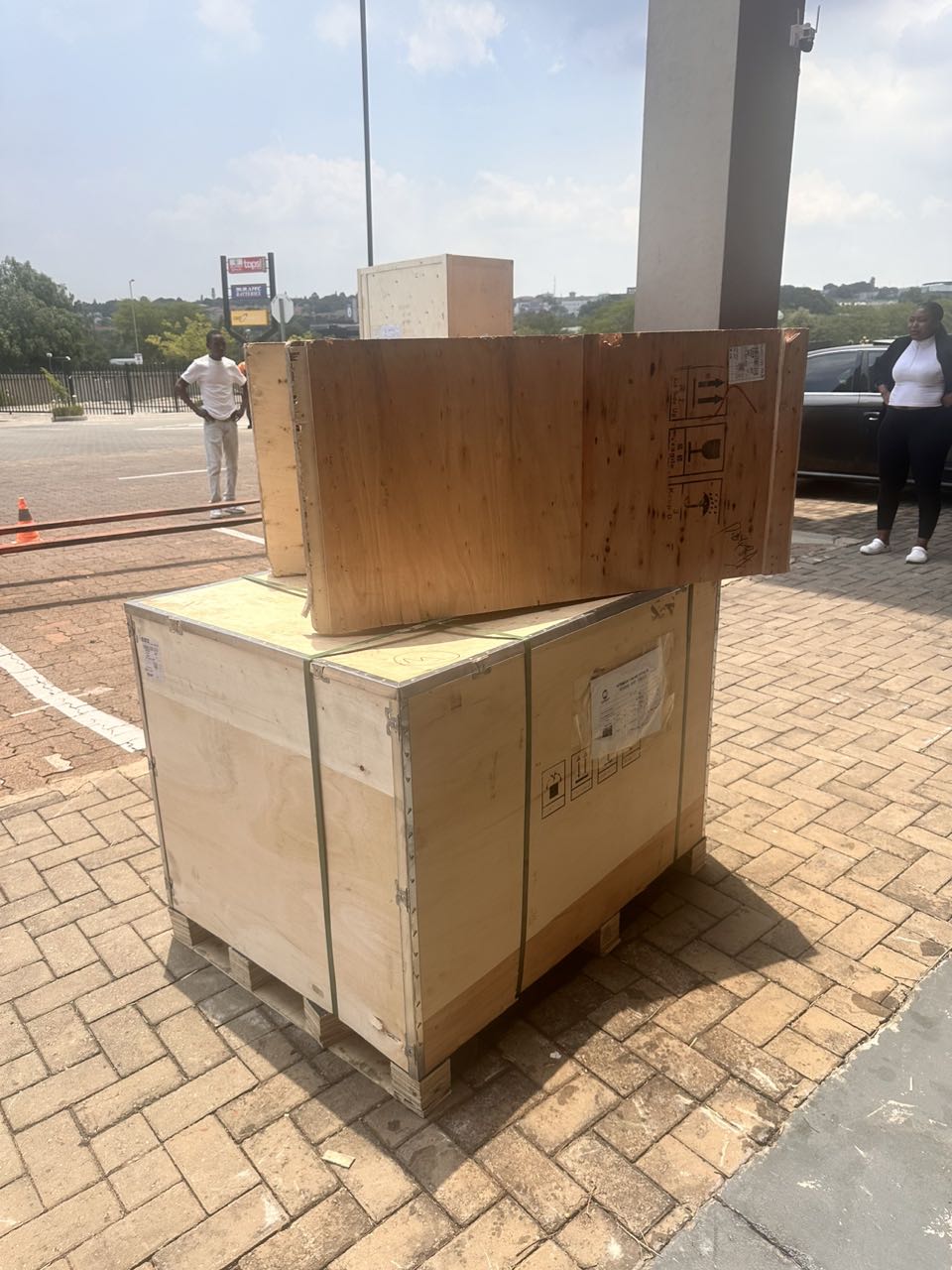
Batch of Orders
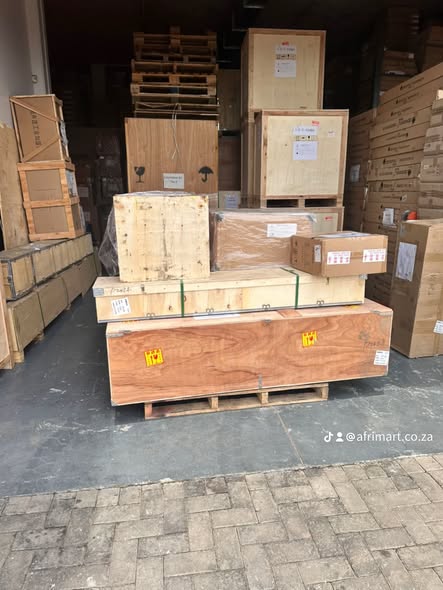
Latest Orders Labelled
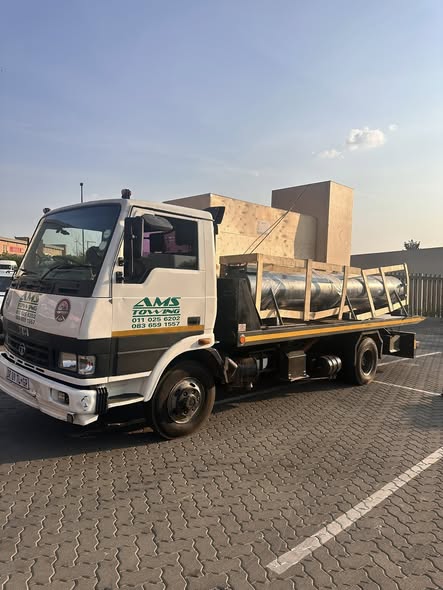
wheel alignment machines
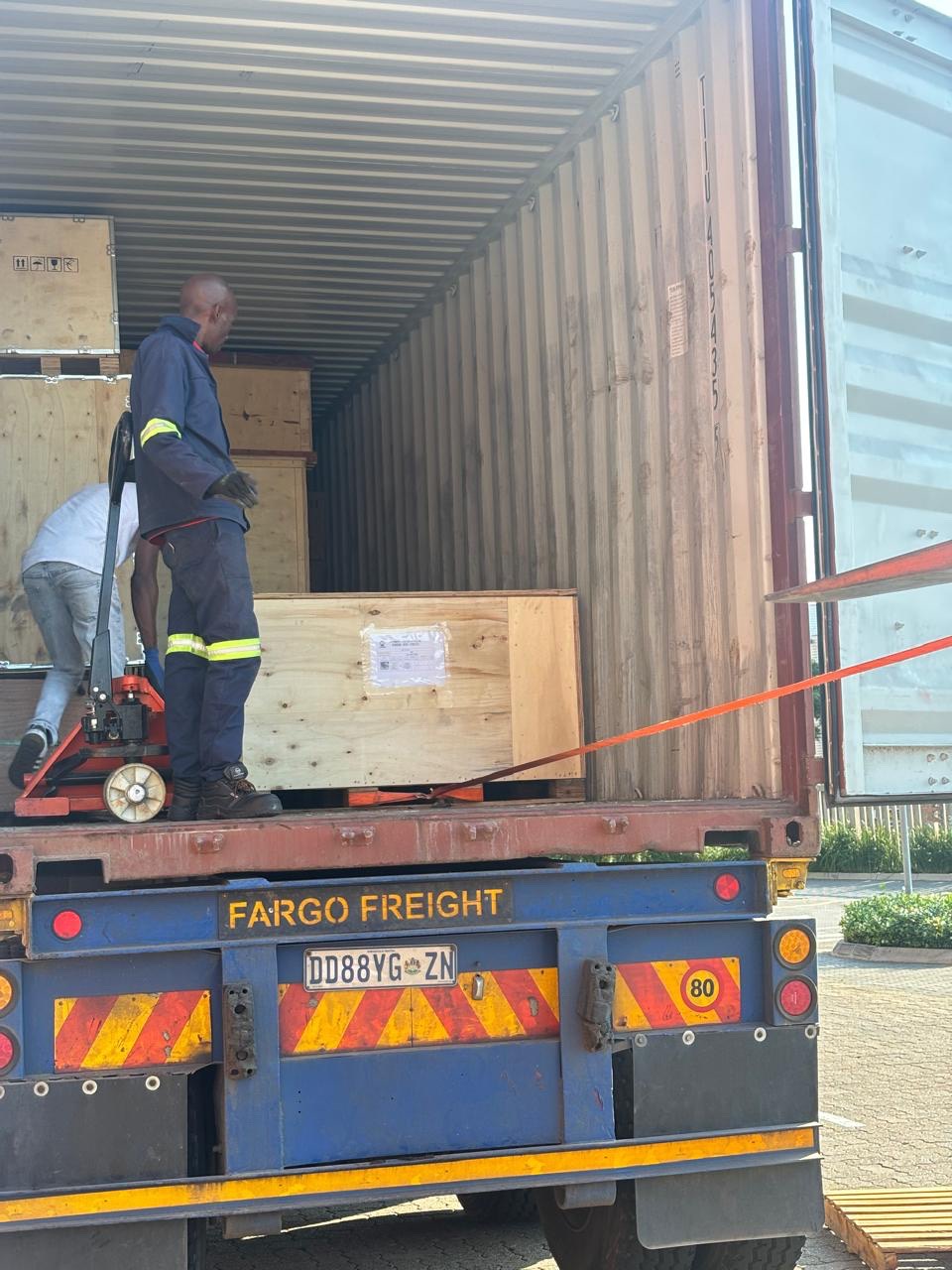
new arrivals
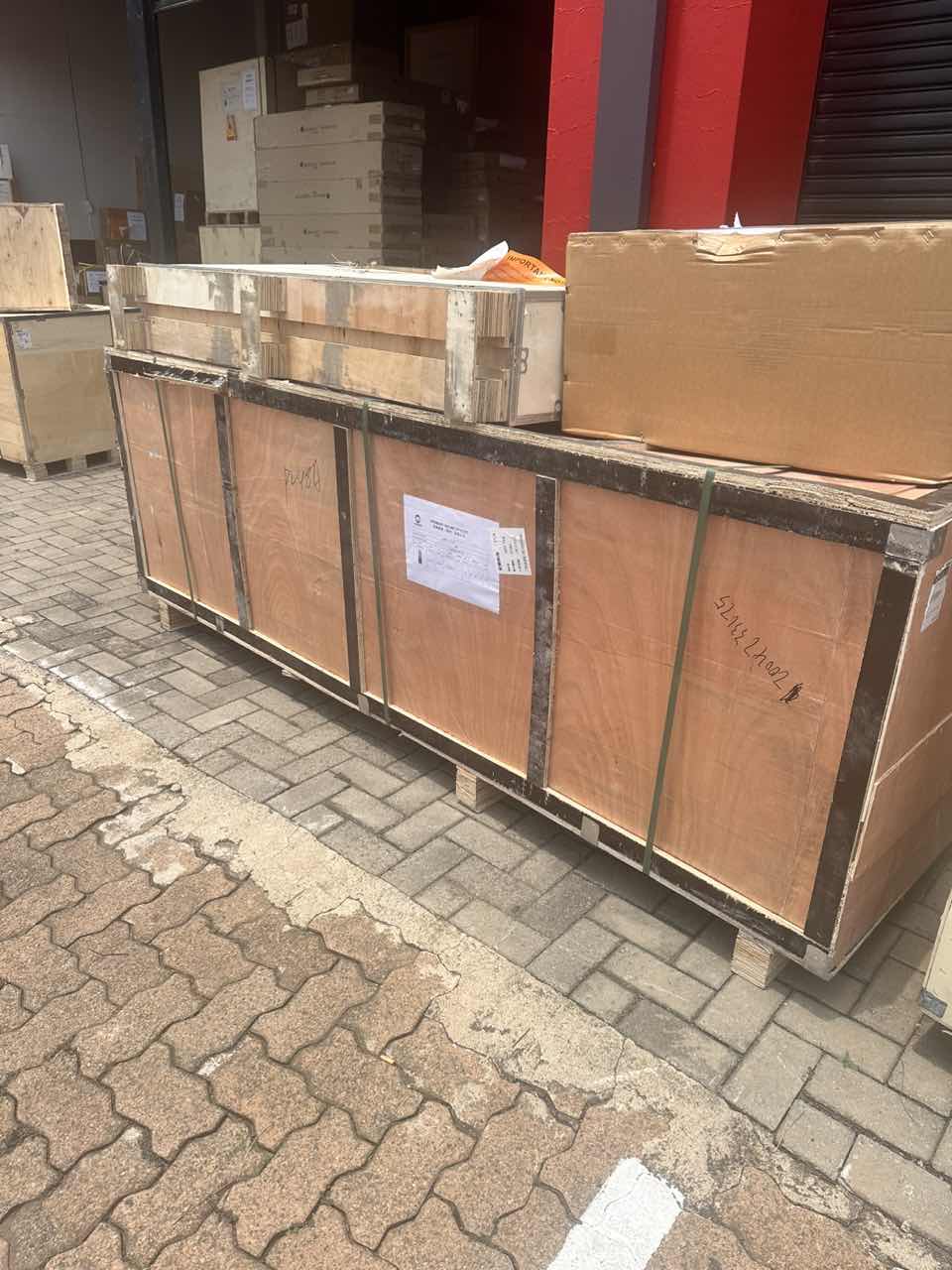
Pre Orders Offloading
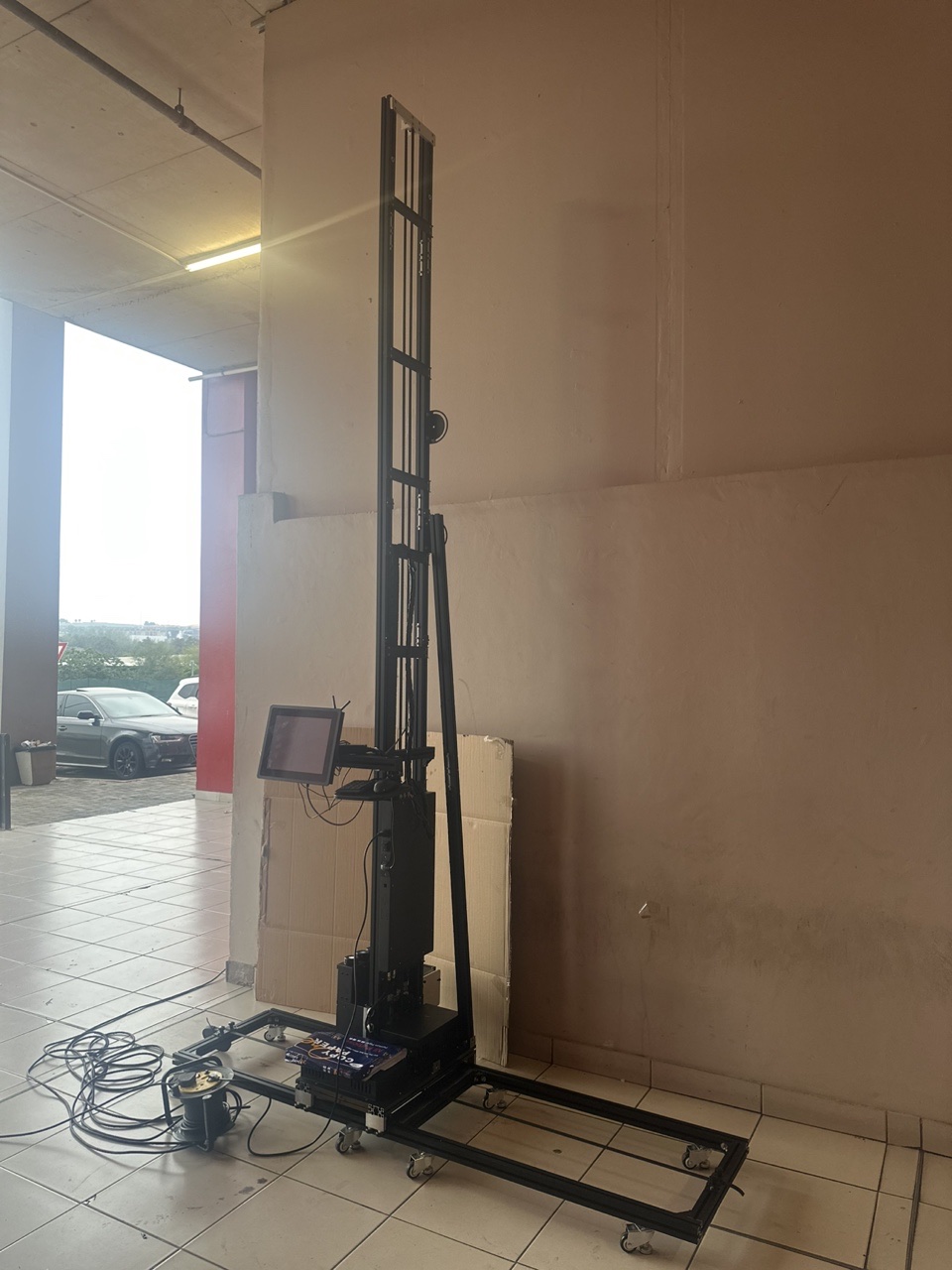
Latest Arrivals
Latest Arrivals
Latest Arrivals
Loading
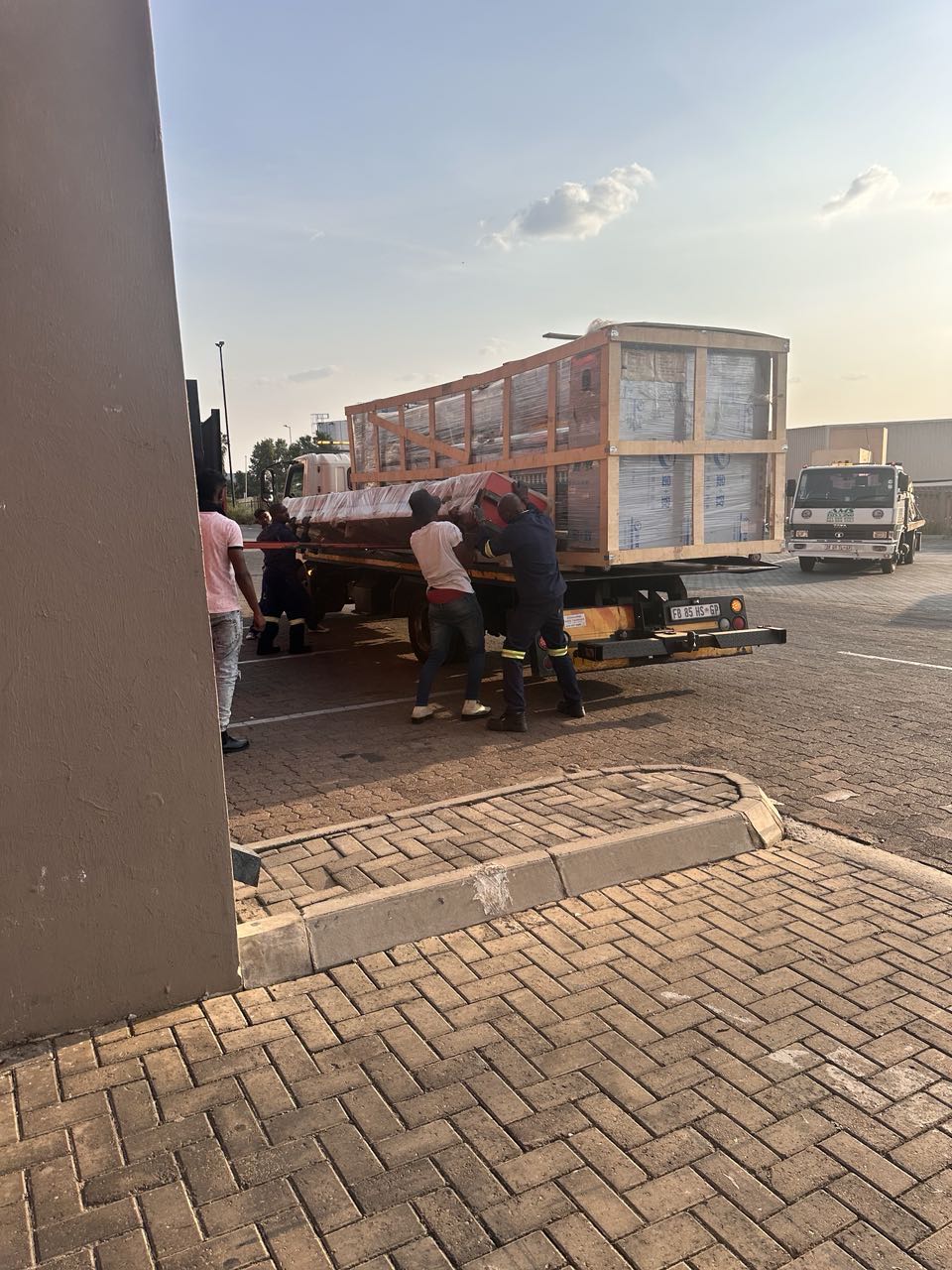
Toilet paper making machine
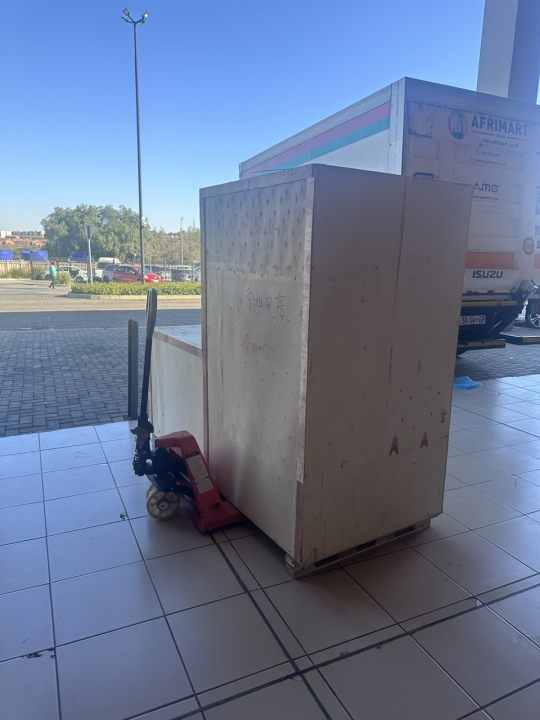
Toilet paper making machine
Toilet paper Rewinding Machine
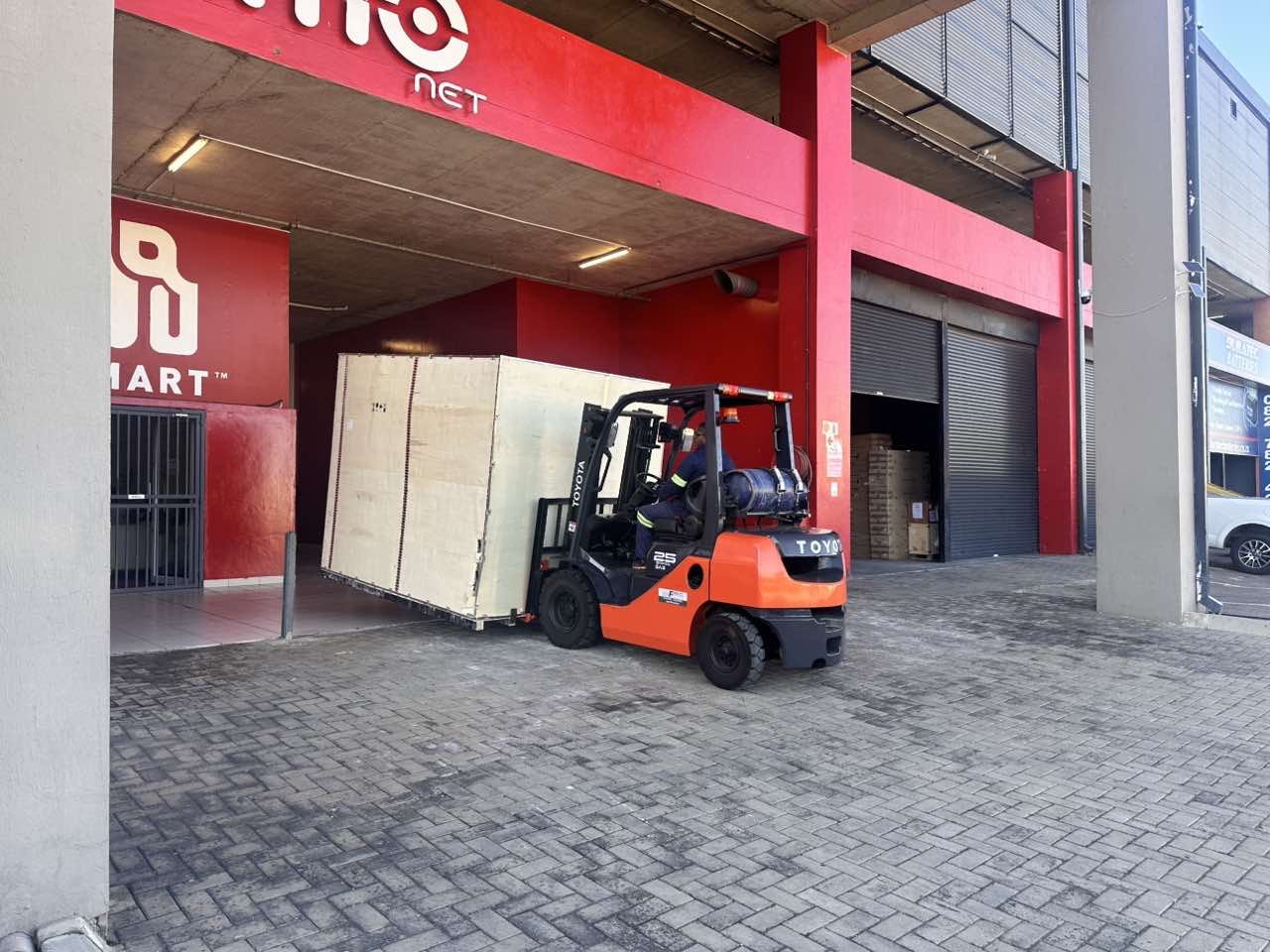
latest arrivals
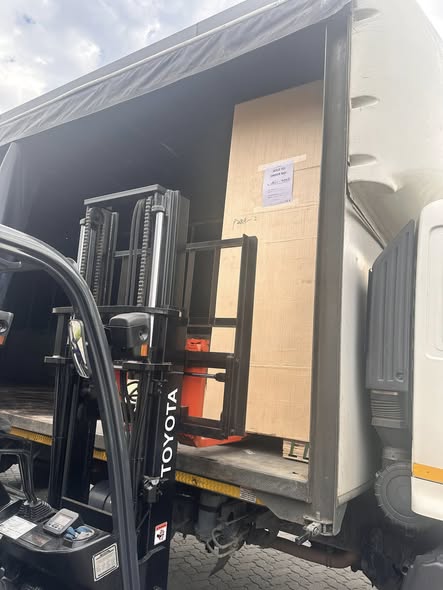
offloading
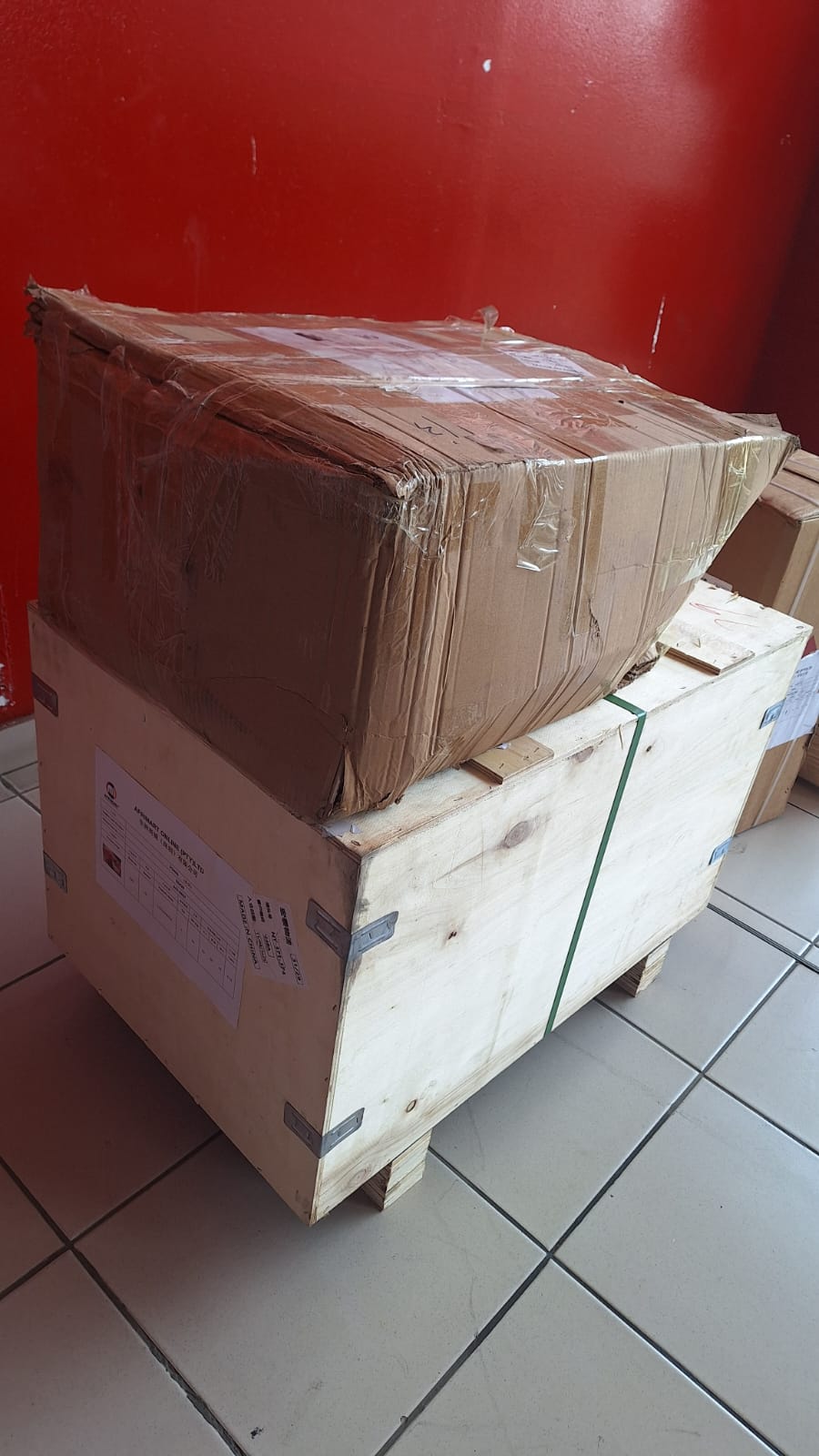
order success
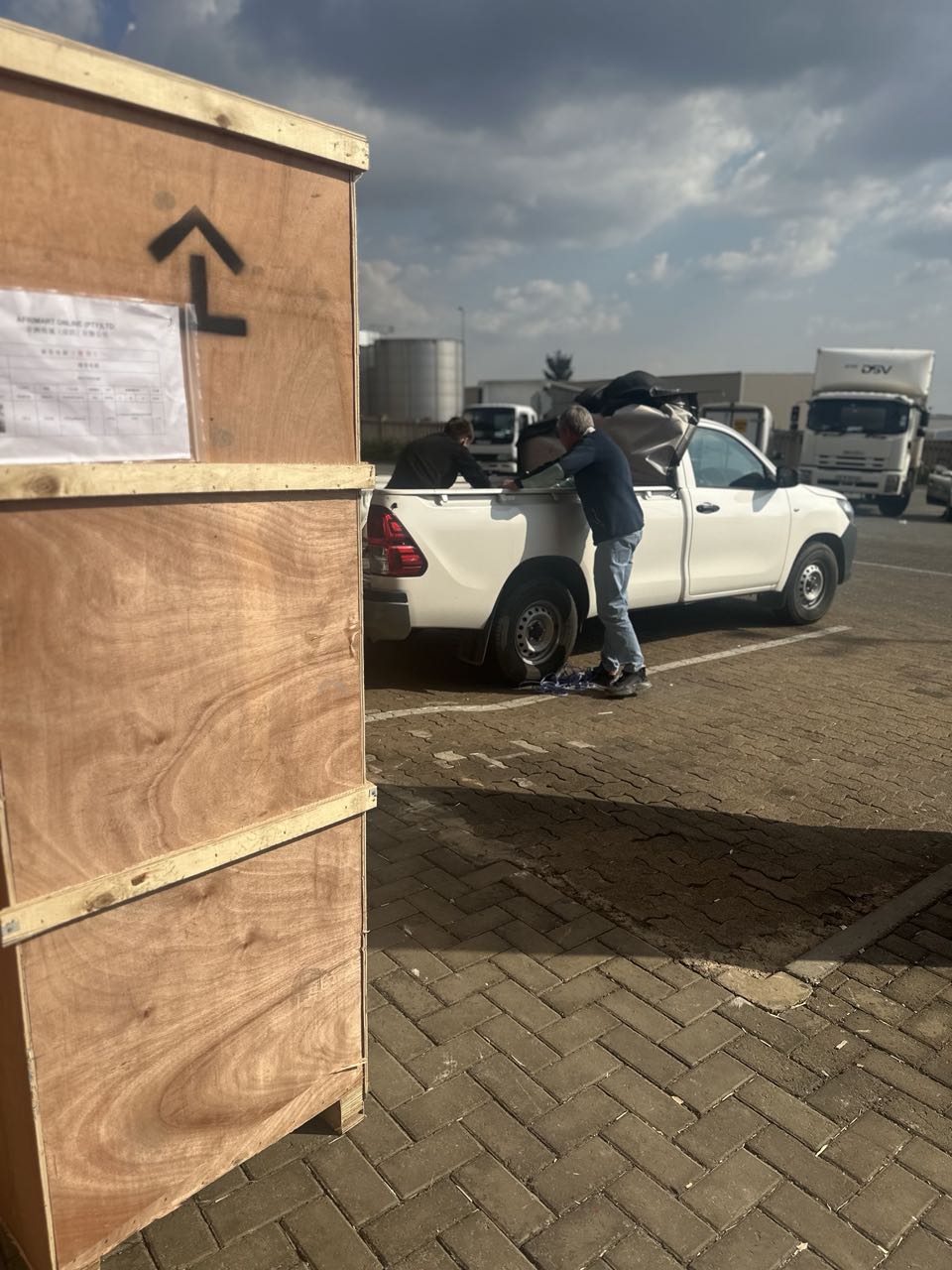
order collection
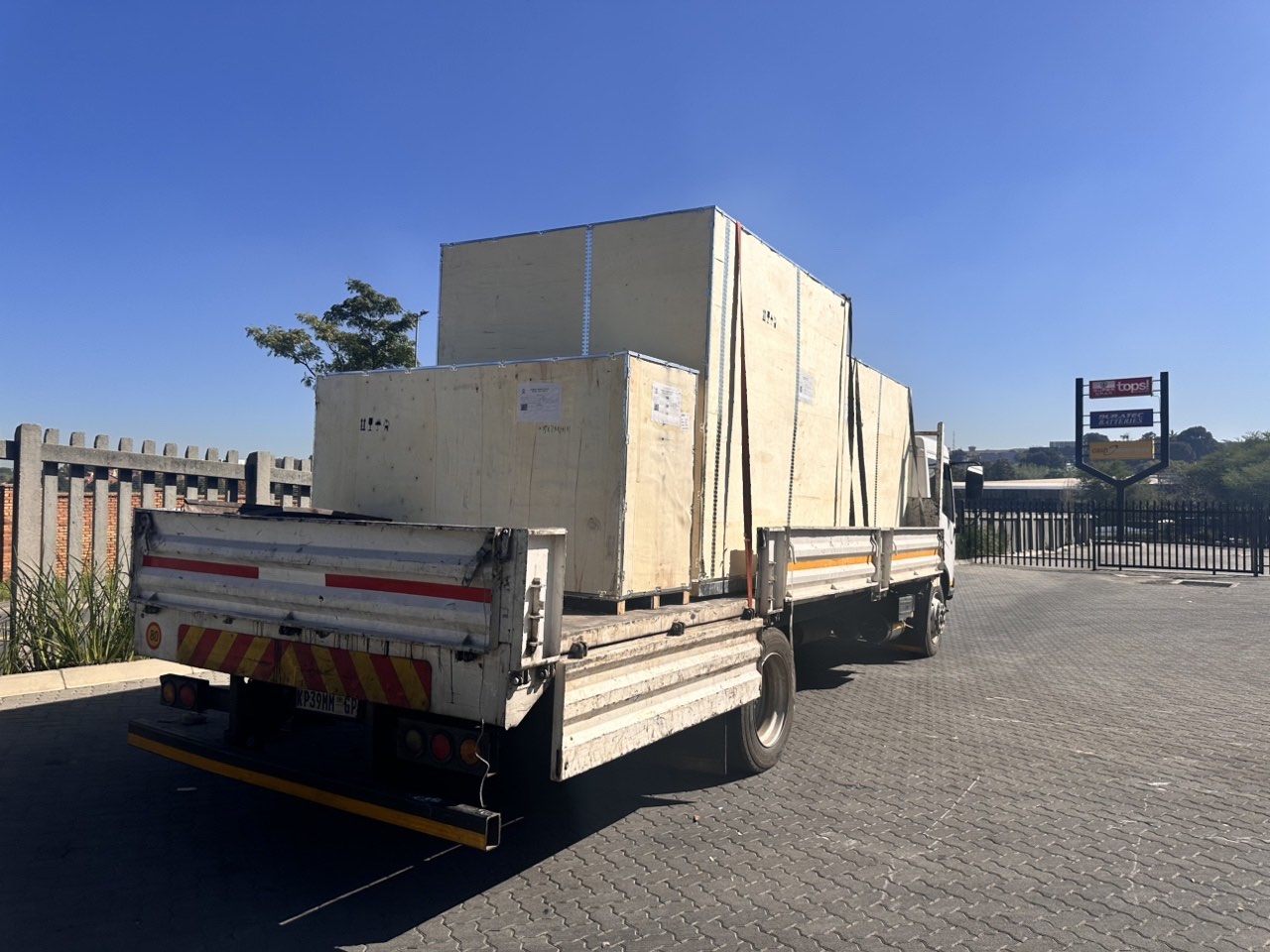
order offloading