B21, China Town Mall, Midrand

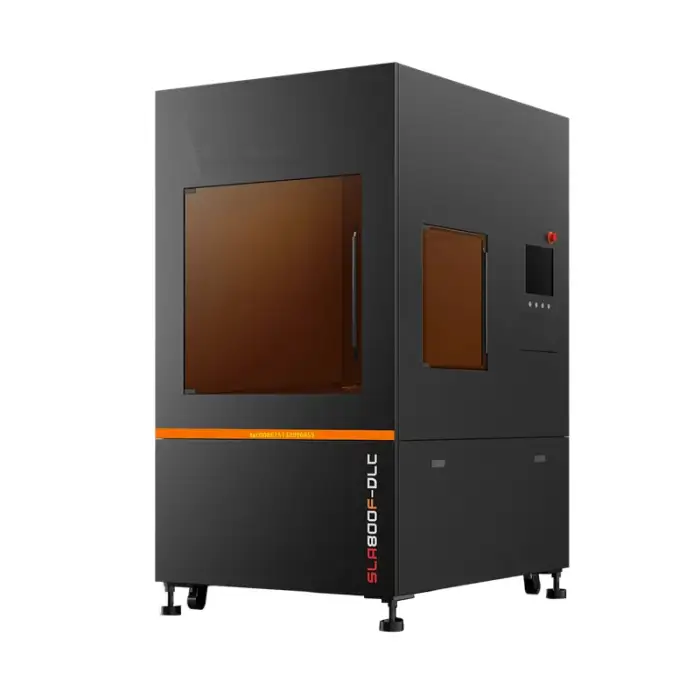
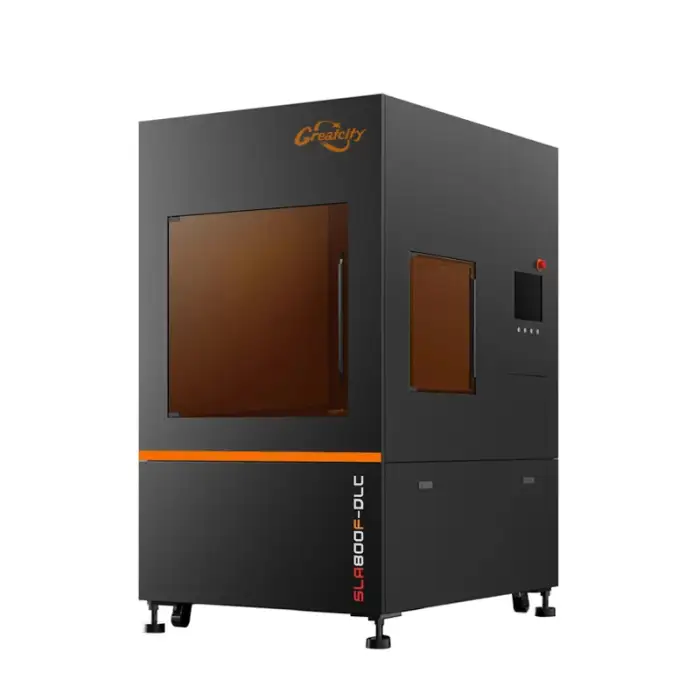
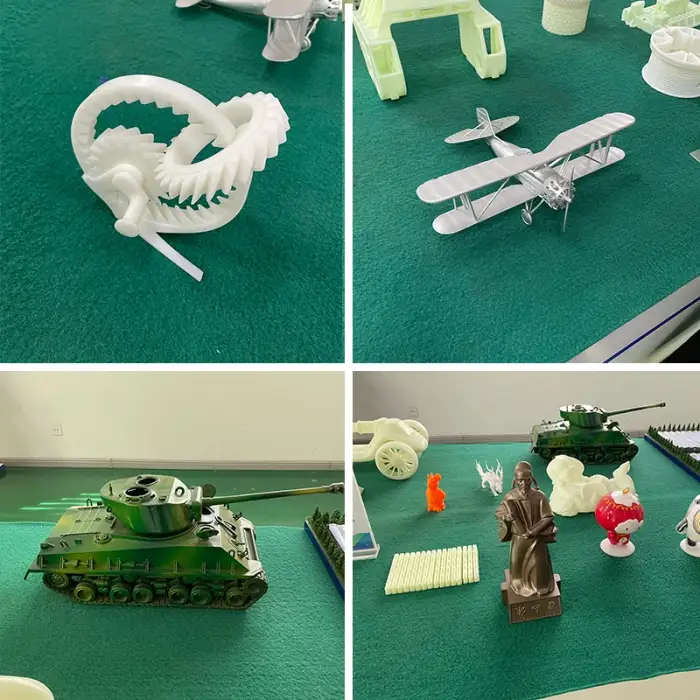
SLA-600 3D printers 3D metal printing machine
Asset finance available
Do you want funding for this equipment?
Afrimart can connect you with trusted funding partners who specialise in asset finance for businesses like yours. Compare options and apply in minutes — final approval is subject to provider review.
Check funding options
Secure & no obligation

- Section : Machinery
- Category : Industrial Machinery
- SKU : 1600814469877

Product Description
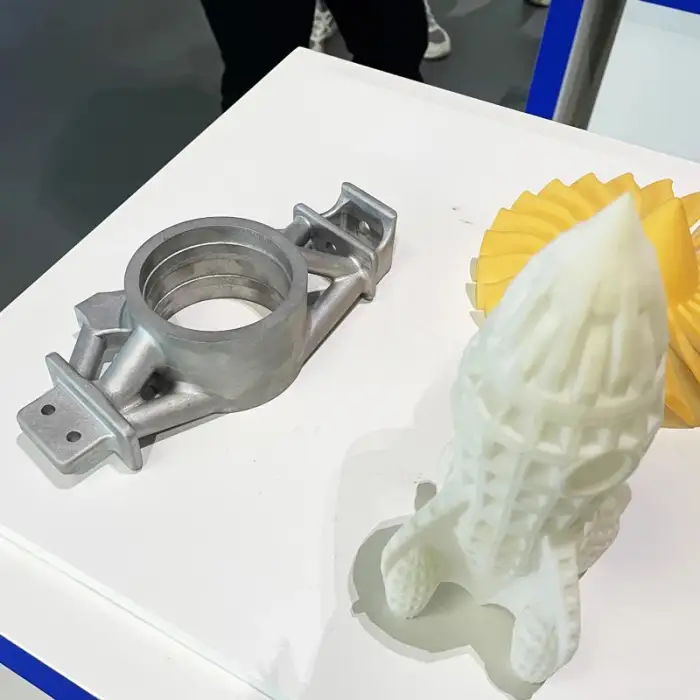
High Technology SLA 3D printers 3D metal printing machine
SLA 3D Printers , also known as photocuring molding, refers to the molding method that uses ultraviolet light to irradiate liquid photosensitive resin to undergo polymerization reaction to cure layer by layer and generate three-dimensional entity. The workpiece prepared by SLA has high scale accuracy,which is the earliest commercialized 3D printers technology
Product Features
High Technology SLA 3D printers 3D metal printing machine
The following is the working priciple of SLA 3D printers
1.UV laser source

2.UV curing reaction

3.Layer by layer scanning forming

Technical Parameter
High Technology SLA 3D printers 3D metal printing machine
| Model | SLA-600 3D printers |
| Laser forming type | Laser solidification molding, layered manufacturing |
| printing size | 600*600*400mm |
| Resin material type | Photosensitive resin |
| Normal production layer thickness | 0.1mm |
| Special production layer thickness | 0.05-0.2mm |
| facula diameter | Fixed spot diameter0.08-0.15mm
Dimming spot diameter:small facula 0.08-0.15mm big facula:0.45mm |
| Scanning galvanometer |
High-speed scanning galvanometer |
| language | chinese/english support for multiple languages |
Part scanning speed | 6.0m/s-10m/s |
| Production weight | 75-180g/h |
| Forming accuracy | 0.1 |
| machine size | 1.05*1.49*2.01M |
Product Application
High Technology SLA 3D printers 3D metal printing machine
Application field:
medical care
education
Aerospace
automobile
Consumer Electronics
Cultural tourism
Biomimetic Archaeology
Architectural decoration
Design of Hand Decoration Electromechanical Industry
Mold development and design
precision casting
Product Show
High Technology SLA 3D printers 3D metal printing machine

- Shipping Timeframes: All orders are processed within 2-5 business days (excluding weekends and holidays). After your order has been processed, the estimated delivery time is before 15 Aug, 2026, depending on customs, Please note that due to high demand, some items may experience longer shipping times, which will be communicated at order confirmation email.
- Order Processing Time: Please allow 2-5 business days for us to process your order before it is shipped . Orders placed after 16:00 on Fridays, or during weekends and public holidays, will begin processing on the next business day. Processing times may be extended during peak seasons or sales events.
- Manufacturing Time: Some products needs manufacturing time, the manufacturing process will take approximately 10-30 business days depending on the product. This timeframe may vary depending on the complexity of the product and current demand. but this will be communicated with you during order confirmation.
- Returns and Exchanges: We offer a 30-day return policy for most items. If you are not completely satisfied with your purchase, you may return it within 30 days of receipt for a refund or exchange. Items must be unused, in their original packaging, and accompanied by proof of purchase. Return shipping costs are the responsibility of the customer, unless the item was damaged or defective upon arrival.
1. What is the SLA-600 3D printer used for?
The SLA-600 3D printer is used for high-precision metal printing in various fields such as medical care, aerospace, automotive, consumer electronics, and mold development.
2. What printing technology does the SLA-600 utilize?
The SLA-600 uses SLA (Stereolithography Apparatus) technology, which involves photocuring molding by irradiating liquid photosensitive resin with ultraviolet light to create three-dimensional objects layer by layer.
3. What are the dimensions of the printing area?
The SLA-600 has a printing size of 600 mm x 600 mm x 400 mm.
4. What materials can be used with the SLA-600?
The SLA-600 is designed to work with photosensitive resin materials for 3D printing.
5. What is the normal layer thickness for production?
The normal production layer thickness for the SLA-600 is 0.1 mm, with the option for special production layer thicknesses ranging from 0.05 mm to 0.2 mm.
6. What is the production speed of the SLA-600?
The SLA-600 can produce parts at a speed of 75 to 180 grams per hour, with a part scanning speed of 6.0 m/s to 10 m/s.
7. What is the forming accuracy of the SLA-600?
The SLA-600 has a forming accuracy of 0.1 mm.
8. What is the size of the SLA-600 machine?
The overall dimensions of the SLA-600 machine are 1.05 m x 1.49 m x 2.01 m.
9. Can the SLA-600 support multiple languages?
Yes, the SLA-600 supports multiple languages, including Chinese and English.
10. What is the facula diameter for the SLA-600?
The SLA-600 has a fixed spot diameter of 0.08-0.15 mm and a dimming spot diameter that varies between 0.08-0.15 mm for small facula and 0.45 mm for big facula.
11. What industries can benefit from the SLA-600 3D printer?
Industries such as medical care, aerospace, automotive, consumer electronics, cultural tourism, biomimetic archaeology, architectural decoration, and precision casting can benefit from the SLA-600.
12. What is the working principle of the SLA-600?
The SLA-600 operates through a UV laser source that initiates a UV curing reaction, followed by a layer-by-layer scanning process to form the printed object.
13. Is the SLA-600 suitable for high-precision applications?
Yes, the SLA-600 is designed for high-precision applications due to its high scale accuracy and fine layer resolution.
14. How does the SLA-600 compare to other 3D printing technologies?
The SLA-600 is known for its high accuracy and surface finish compared to other 3D printing technologies, which may focus more on speed or material variety.
15. What type of maintenance does the SLA-600 require?
Regular maintenance includes cleaning the resin tank, checking the laser system, and ensuring proper calibration for optimal printing performance.
Latest Order Arrivals
Discover our latest orders

12 Heads Embroidery Machine

Toilet Paper Machine Machine

Order Collection

Cross Border Clients

Order cros border countries Collected

Industrial Machine Cllection

Agriculture Processing Machines

Ready for collection

Water Pump Equipment

Packaging Machine and accessories

Fabrics Manufacturing Equipment

Mining Equipments

Food Processing Machine

Batch of Orders

Batch of Orders

Latest Orders Labelled

wheel alignment machines

new arrivals

Pre Orders Offloading

Latest Arrivals

Latest Arrivals

Latest Arrivals

Loading

Toilet paper making machine

Toilet paper making machine

Toilet paper Rewinding Machine

latest arrivals

offloading

order success

order collection

order offloading