B21, China Town Mall, Midrand

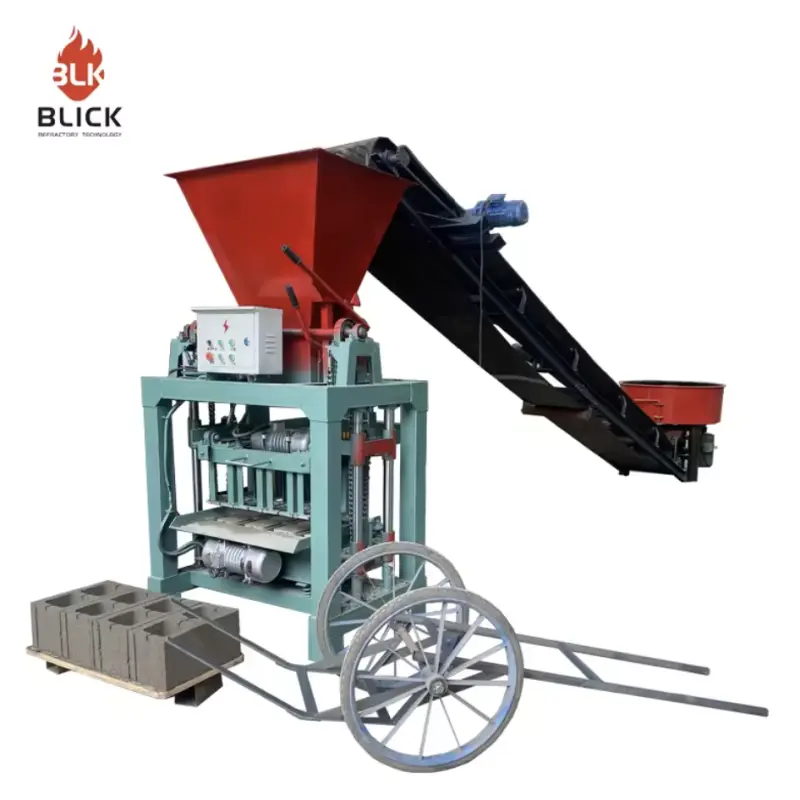
silicate form brick making machine
Asset finance available
Do you want funding for this equipment?
Afrimart can connect you with trusted funding partners who specialise in asset finance for businesses like yours. Compare options and apply in minutes — final approval is subject to provider review.
Check funding options
Secure & no obligation
- Section : Machinery
- Category : Brick Making Machinery
- SKU : 1601044409852

Products Description
BLK4-35C
The machine(4-35C )can be matched with hoppers, mixers, and conveyor belts to form a production line, which can greatly save labor costs, increase production capacity, and complete operations efficiently.One machine for multiple purposes, changing the mold can produce hollow bricks, standard bricks, slope protection bricks, paving bricks and other brick types.
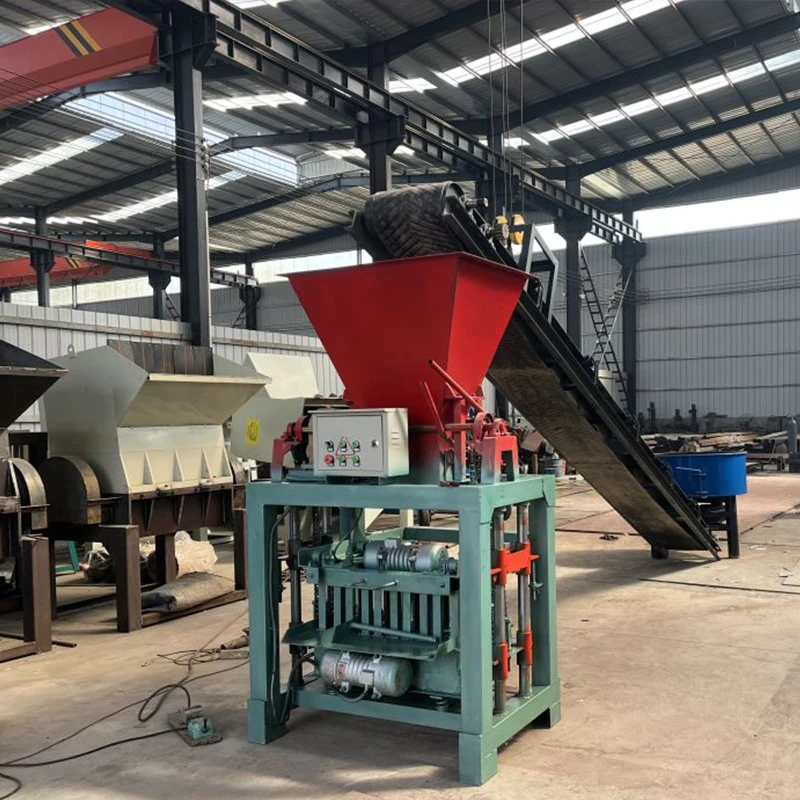
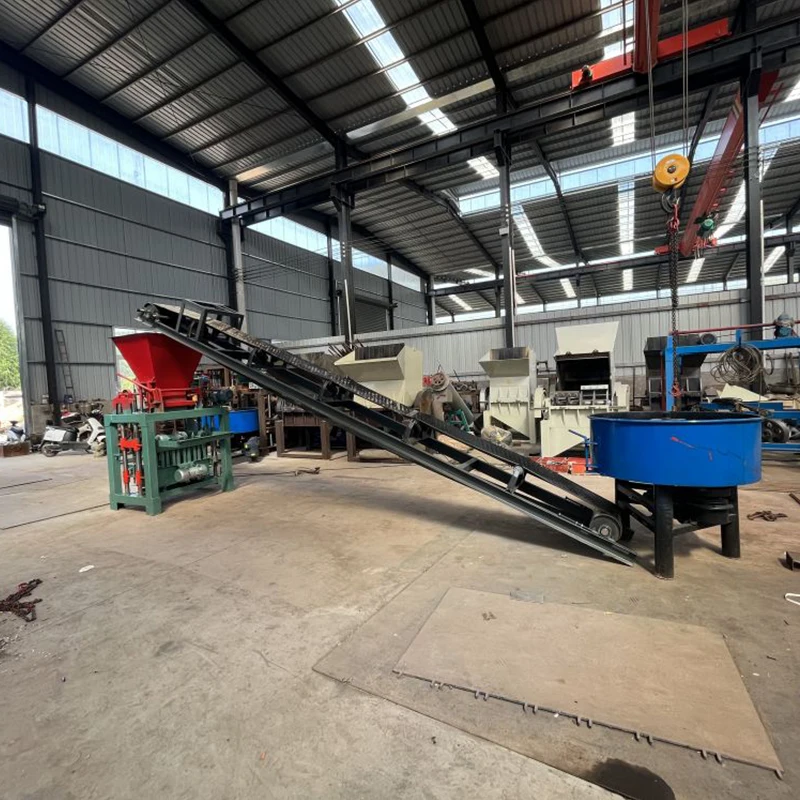
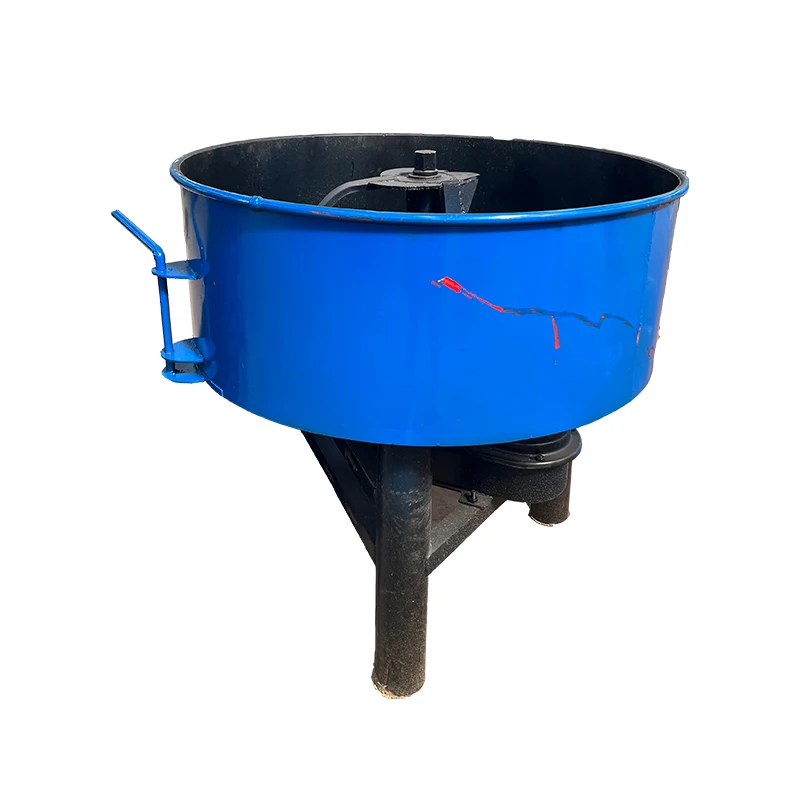
Stand Mixer
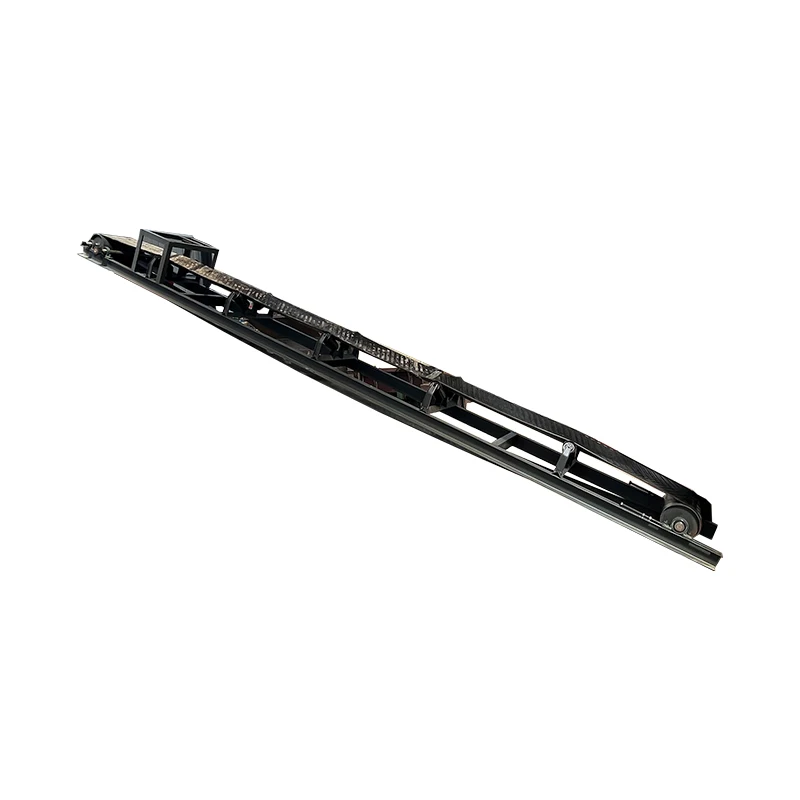
Belt Conveyor
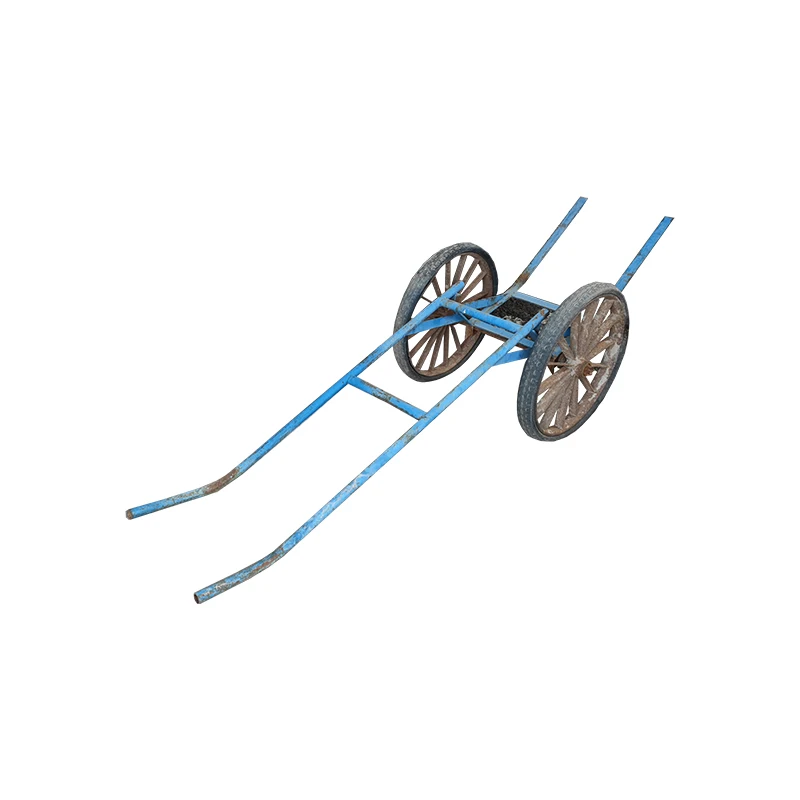
trolley
BLK4-35 series This machine is a very mature product, can be replaced by different specifications of the mold, to produce different sizes of cement products.The output of this machine is greatly increased.
Product Parameters
| Model | Machine Type | Dimensions | Power | Weight |
4-35C
|
Stationary |
1350*1250*2100mm |
7.5kw |
800KG |
| Items | Block size | Pcs/mould | Cycle molding | Pcs/day |
| Hollow Block | 390*190*190mm | 4 | 35~45s | 3300 |
| Porous Block | 240*115*90mm | 6 | 35~45s | 5000 |
| Standard Block | 240*115*53mm | 21 | 35~45s | 20000 |
- Shipping Timeframes: All orders are processed within 2-5 business days (excluding weekends and holidays). After your order has been processed, the estimated delivery time is before 16 Aug, 2026, depending on customs, Please note that due to high demand, some items may experience longer shipping times, which will be communicated at order confirmation email.
- Order Processing Time: Please allow 2-5 business days for us to process your order before it is shipped . Orders placed after 16:00 on Fridays, or during weekends and public holidays, will begin processing on the next business day. Processing times may be extended during peak seasons or sales events.
- Manufacturing Time: Some products needs manufacturing time, the manufacturing process will take approximately 10-30 business days depending on the product. This timeframe may vary depending on the complexity of the product and current demand. but this will be communicated with you during order confirmation.
- Returns and Exchanges: We offer a 30-day return policy for most items. If you are not completely satisfied with your purchase, you may return it within 30 days of receipt for a refund or exchange. Items must be unused, in their original packaging, and accompanied by proof of purchase. Return shipping costs are the responsibility of the customer, unless the item was damaged or defective upon arrival.
1. What is the BLK4-35C silicate form brick making machine?
The BLK4-35C is a stationary silicate (sand-lime/cement) brick forming machine designed to be part of a production line. It can be fitted with hoppers, mixers and conveyor belts to increase production efficiency and reduce labor. It produces multiple brick types by changing molds.
2. What types of bricks can this machine produce?
By changing molds the machine can manufacture hollow blocks, porous (aerated) blocks, standard bricks, slope protection bricks, paving bricks and other cement/silicate products.
3. What are the typical block sizes it can make?
Typical block sizes listed for the BLK4-35C include hollow block 390×190×190 mm, porous block 240×115×90 mm and standard block 240×115×53 mm. Other sizes are possible with custom molds.
4. What is the production capacity and cycle time?
Typical cycle molding time is approximately 35–45 seconds (depending on product and operating conditions). Example daily outputs provided by the manufacturer: hollow blocks ~3,300 pcs/day, porous blocks ~5,000 pcs/day, standard blocks up to ~20,000 pcs/day (based on the listed mold configurations and working shifts). Actual output depends on mold configuration, raw mix and operator efficiency.
5. What are the machine's main technical specifications?
Manufacturer specifications: model BLK4-35C, stationary type, dimensions 1350×1250×2100 mm, rated power 7.5 kW, weight approximately 800 kg.
6. What additional equipment is recommended to build a complete production line?
Common complementary equipment includes hoppers, mixers (stand mixers), belt conveyors, feeding trolleys and curing racks. These items allow continuous feeding, mixing, conveying and handling for a full production line.
7. How do I change molds to produce different block types and sizes?
The BLK4-35C uses replaceable mold sets. To change product type you remove the current mold and install the desired mold set, align and secure it per the manufacturer's instructions. Mold change procedures and safety steps should be followed closely; training from the supplier is recommended.
8. What raw materials can be used with this machine?
The machine is suitable for silicate (sand-lime) mixes and cement-based mixes. Typical ingredients include sand, lime (for silicate bricks), cement, water and possible additives or fly ash depending on the product. Correct mix proportions and water content are critical for quality.
9. How many operators are required to run the machine?
A compact machine like the BLK4-35C typically requires 1–3 operators depending on the level of automation and auxiliary equipment (feeding, mould change, product removal and curing). A full production line may require additional personnel for mixing, conveying and curing management.
10. What are the site and installation requirements?
Install on a level, firm concrete floor. Ensure sufficient space for feeding, conveyors and product handling. A forklift or crane is recommended for positioning (machine weight ~800 kg). Provide a reliable 7.5 kW power supply with appropriate wiring and breakers per local electrical code.
11. What routine maintenance is required?
Daily checks and cleaning, regular lubrication of moving parts, inspection and tightening of bolts, monitoring of hydraulic/air systems (if applicable) and routine inspection of molds for wear. Replace worn parts (molds, seals, bearings) promptly to maintain product quality.
12. What safety features and training are recommended?
Use provided guards and emergency stop controls. Operators should receive training on safe operation, mold changes, lockout/tagout procedures and routine maintenance. Enforce PPE (gloves, safety glasses, hearing protection) and safe handling of raw materials.
13. Are spare parts and after-sales service available?
Spare parts and after-sales support are normally provided by the manufacturer or authorized distributor. Contact the supplier for details on warranty terms, spare parts lists, lead times and local service arrangements.
14. Can the machine be customized or upgraded?
Yes — common customizations include different mold sets, conveyor/mixer configurations, automation options and integration into larger production lines. Discuss your product sizes, capacity targets and automation needs with the supplier for tailored solutions.
15. How is the machine packaged and shipped?
The BLK4-35C is a stationary unit and is typically crated or palletized for sea/air/land transport. Packaging and shipping terms vary by supplier — confirm lead time, packaging method, FOB/CIF terms and any on-site installation service when ordering.
Latest Order Arrivals
Discover our latest orders
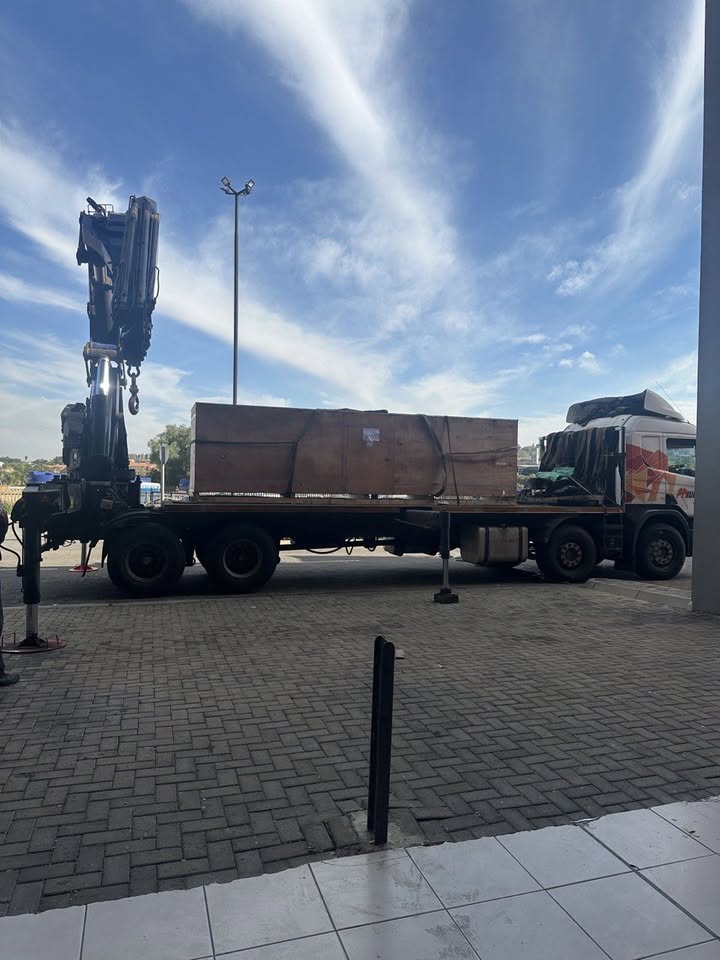
12 Heads Embroidery Machine
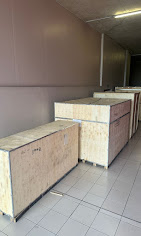
Toilet Paper Machine Machine
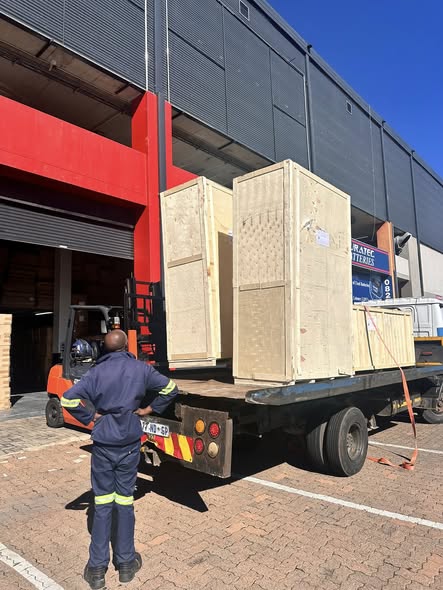
Order Collection
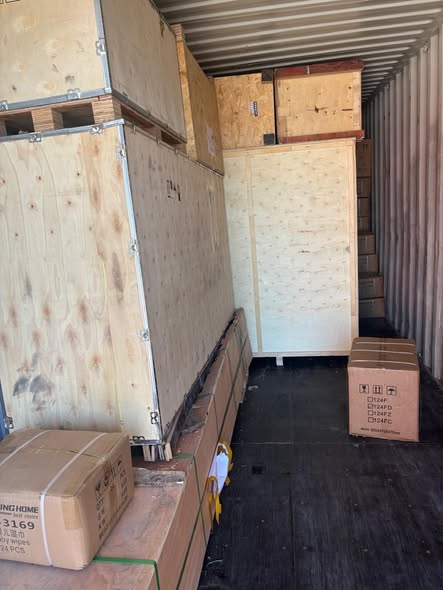
Cross Border Clients
Order cros border countries Collected
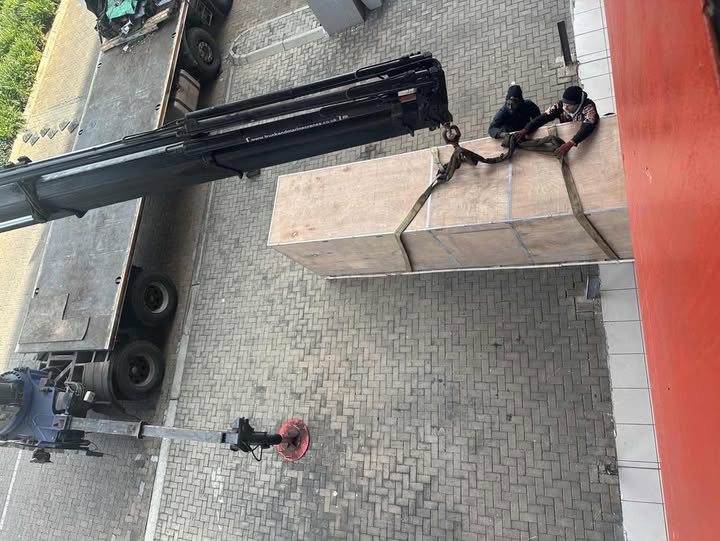
Industrial Machine Cllection
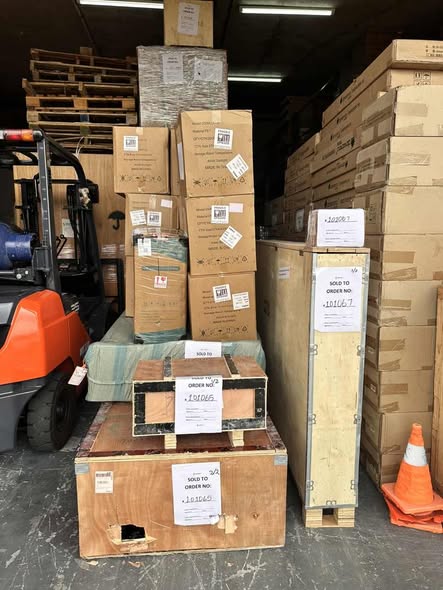
Agriculture Processing Machines
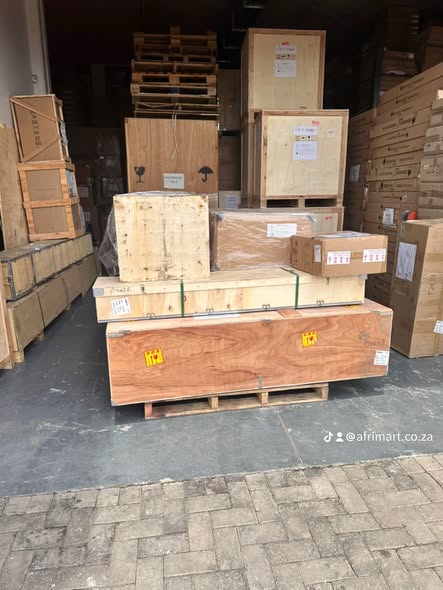
Ready for collection
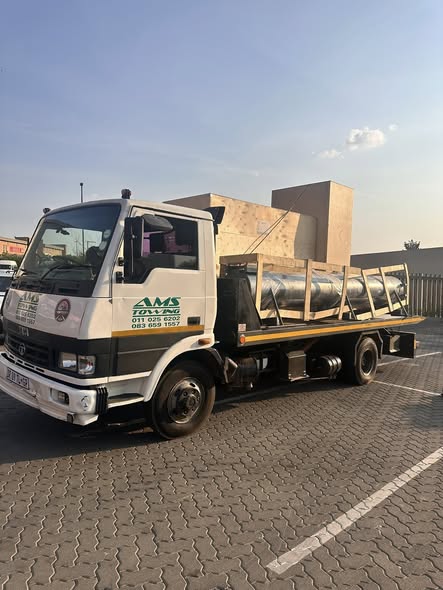
Water Pump Equipment
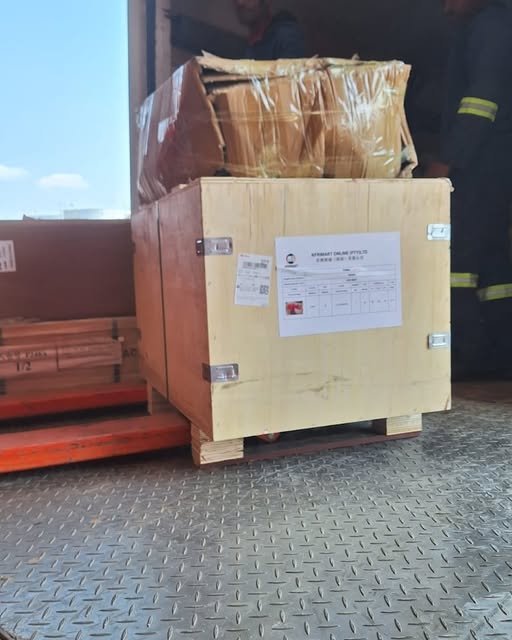
Packaging Machine and accessories
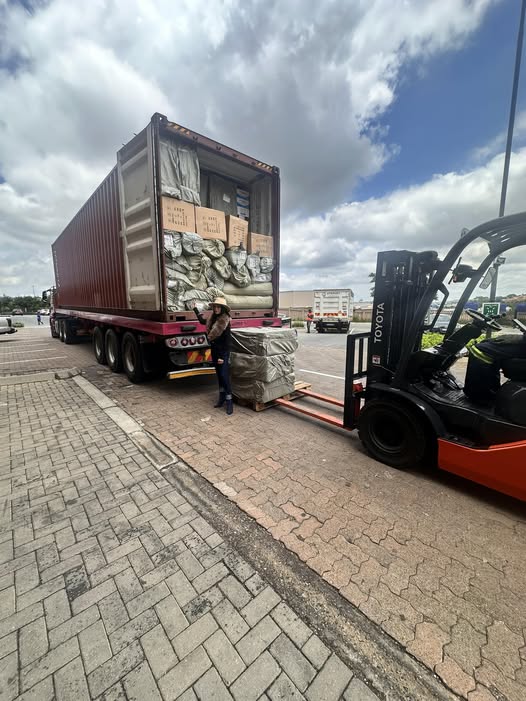
Fabrics Manufacturing Equipment
Mining Equipments
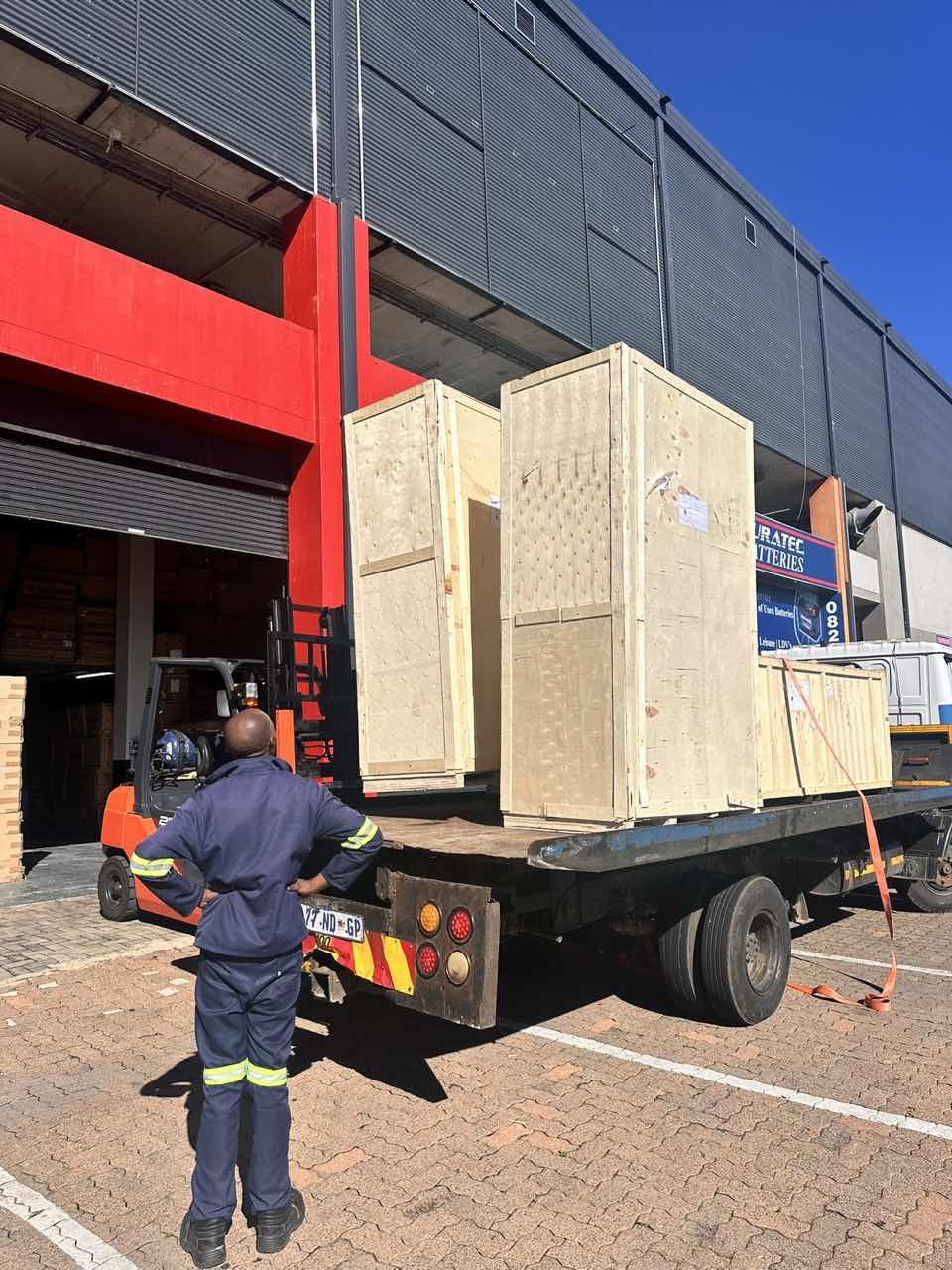
Food Processing Machine
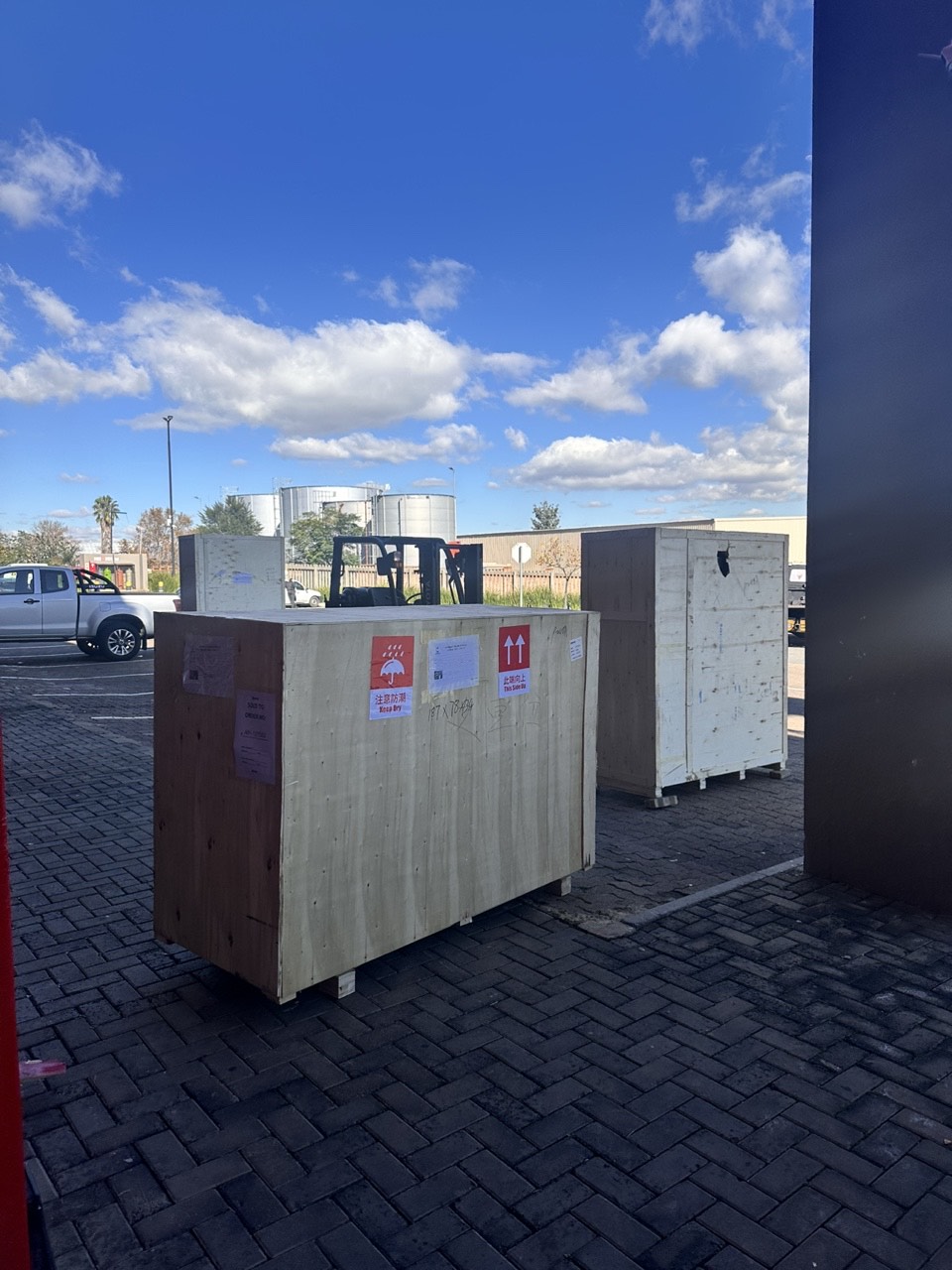
Batch of Orders
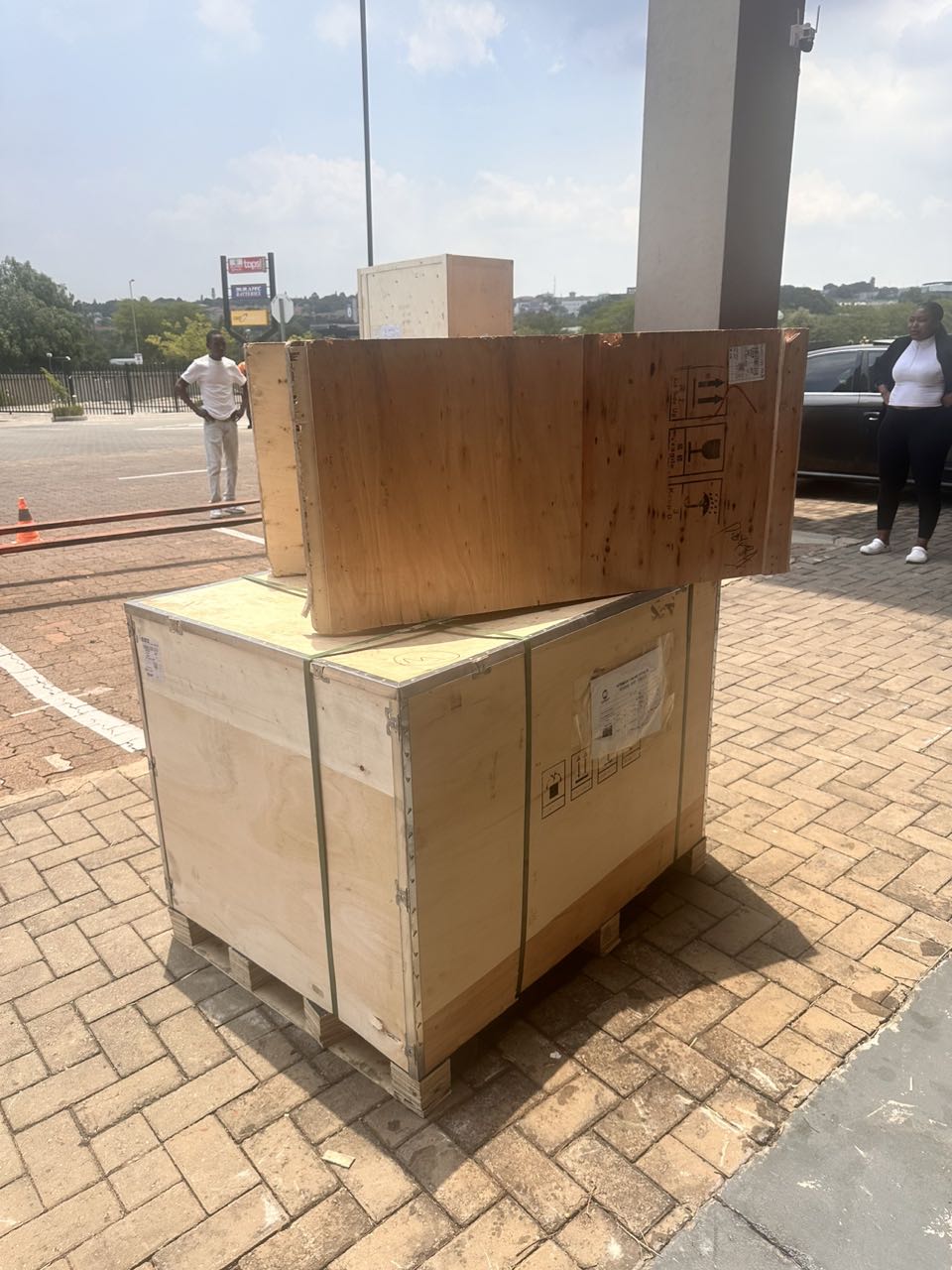
Batch of Orders
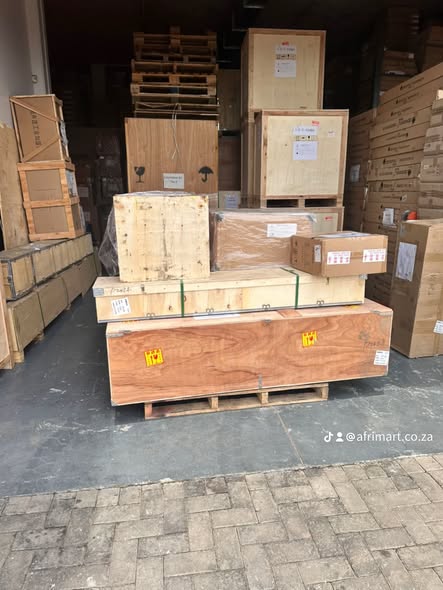
Latest Orders Labelled
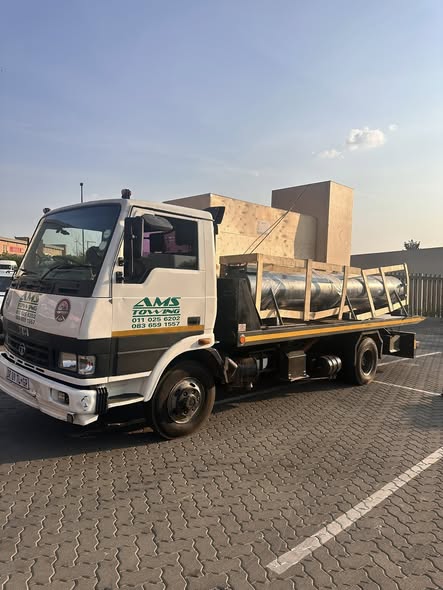
wheel alignment machines
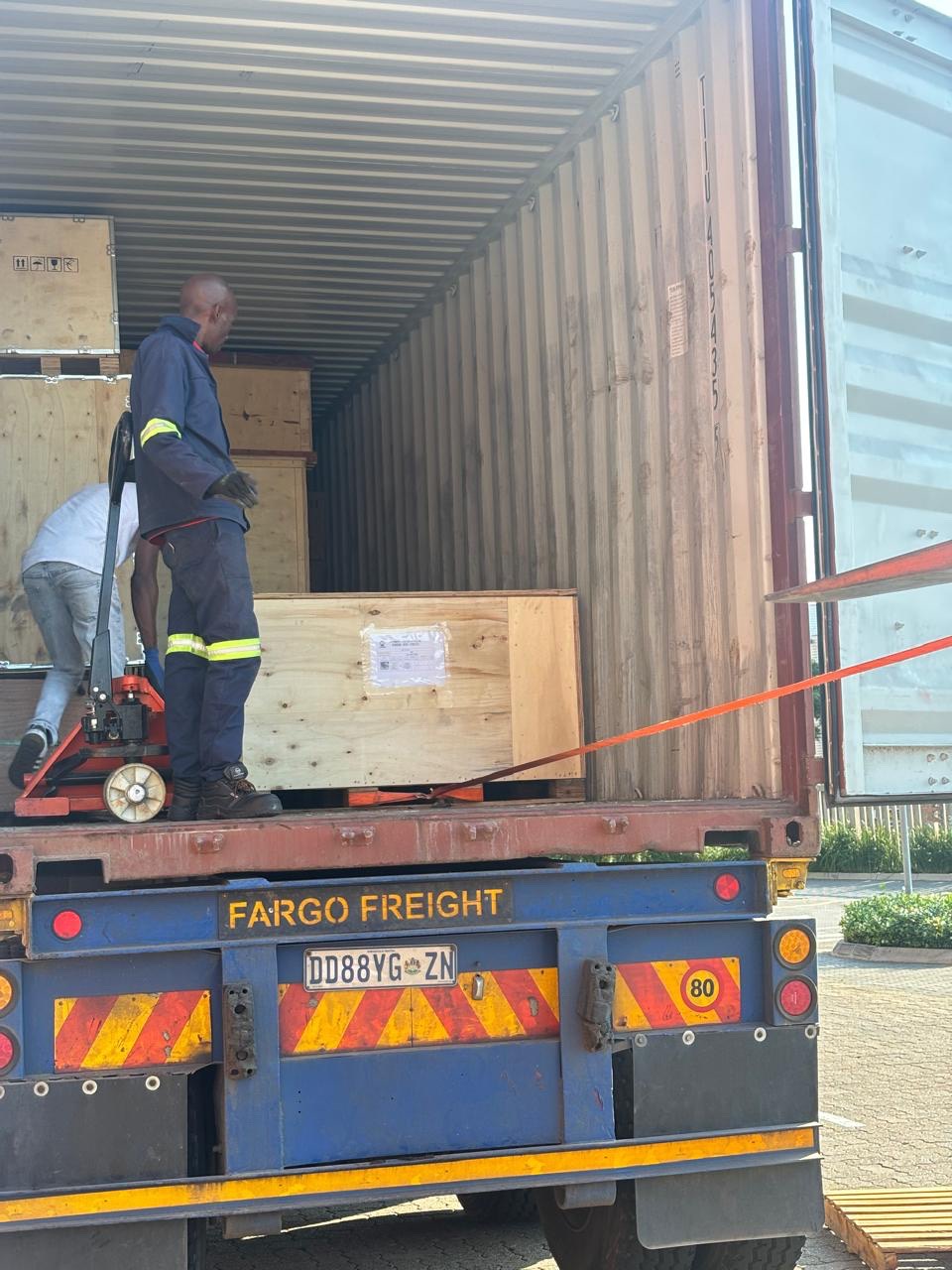
new arrivals
Pre Orders Offloading
Latest Arrivals
Latest Arrivals
Latest Arrivals
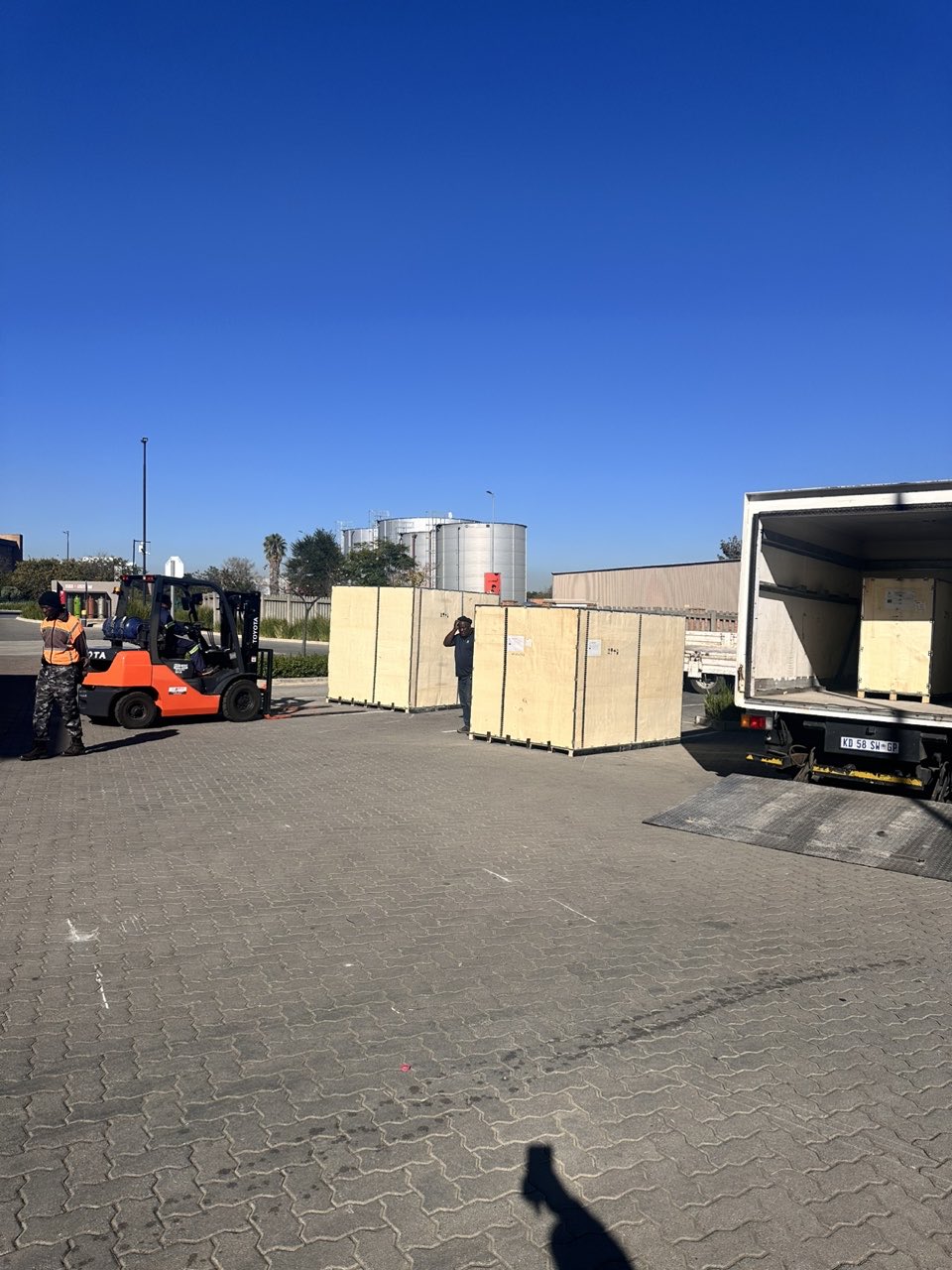
Loading
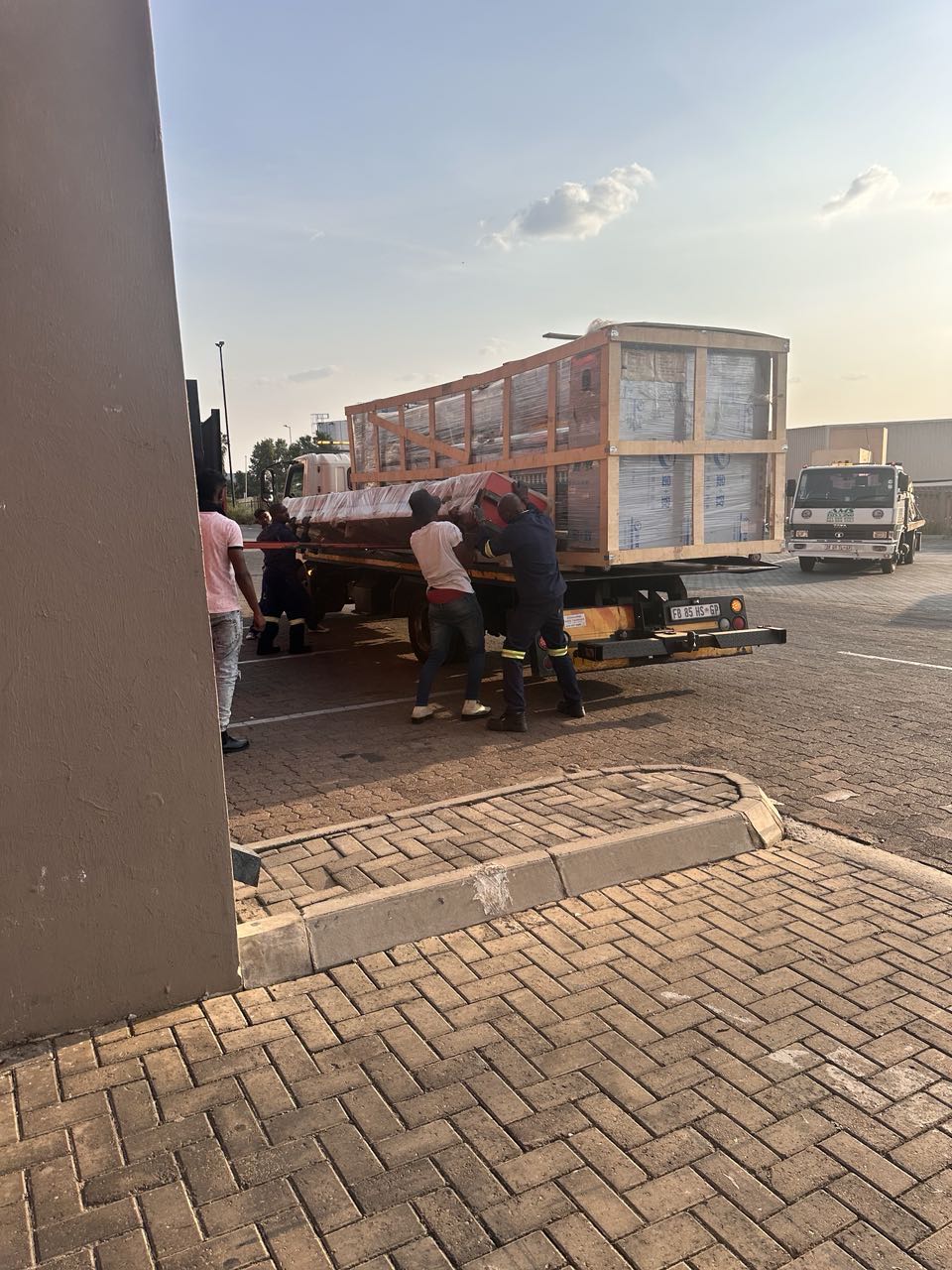
Toilet paper making machine
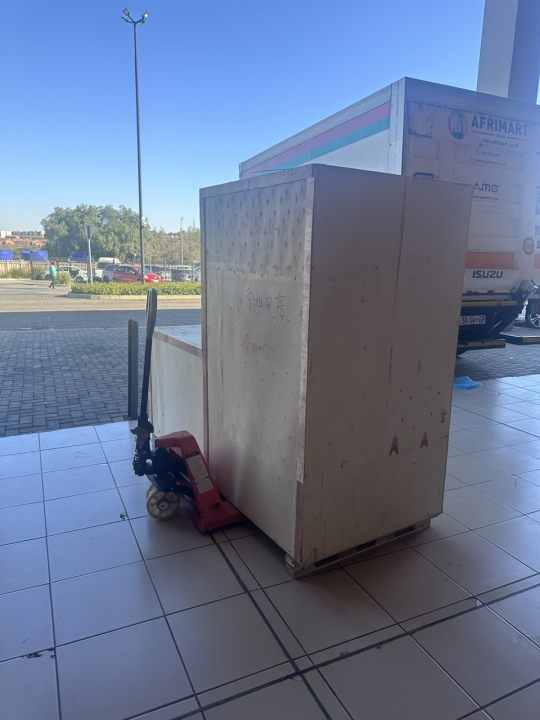
Toilet paper making machine
Toilet paper Rewinding Machine
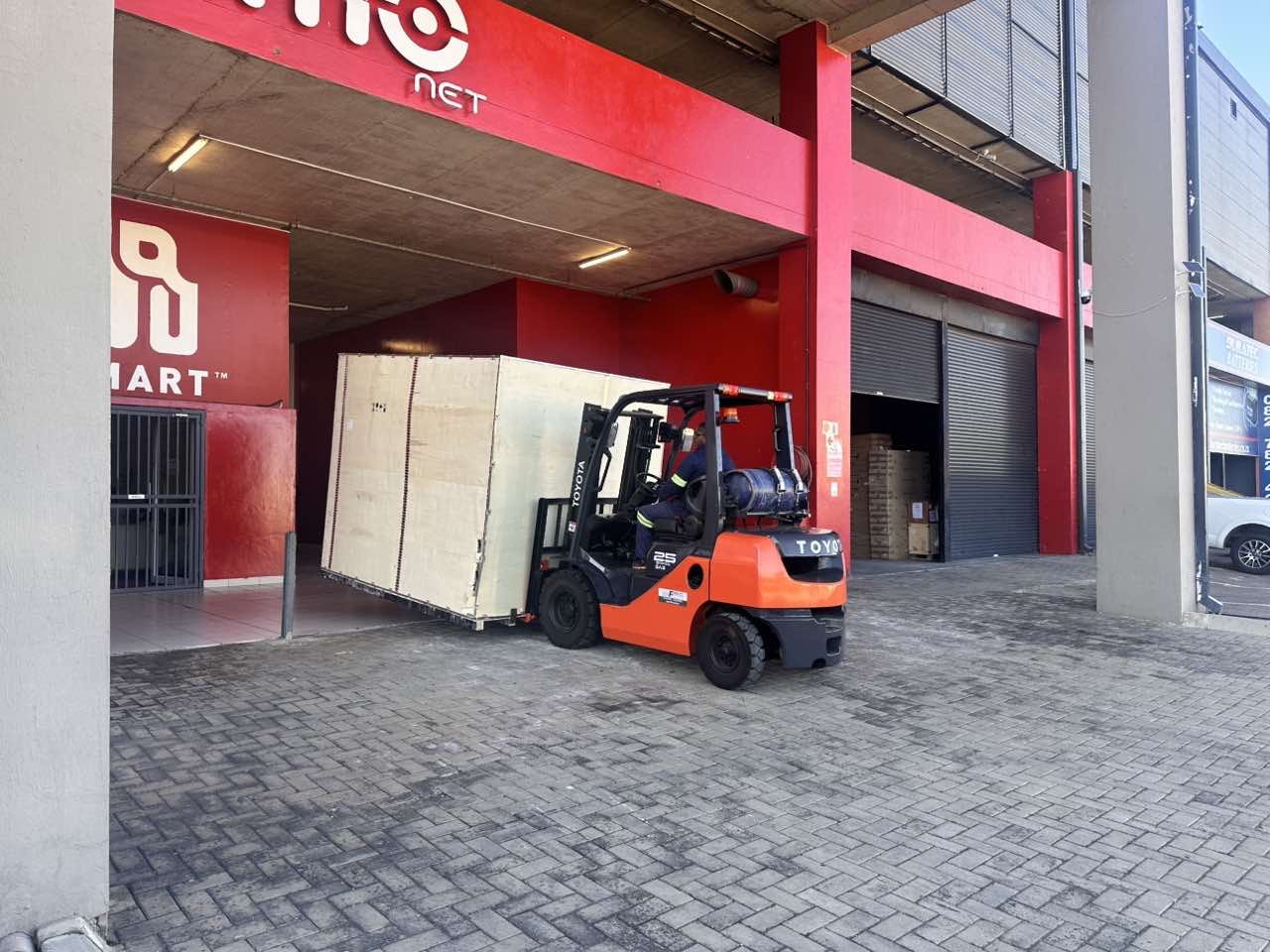
latest arrivals
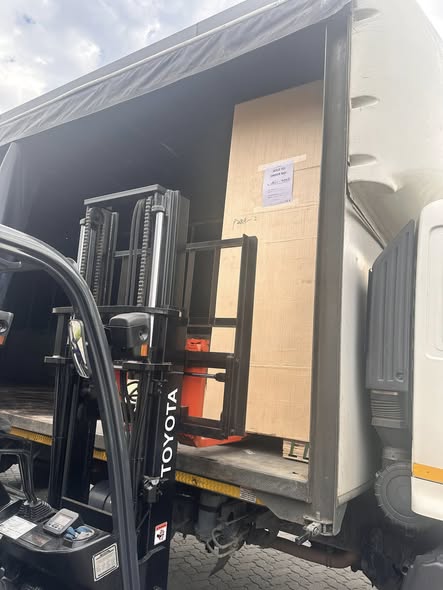
offloading
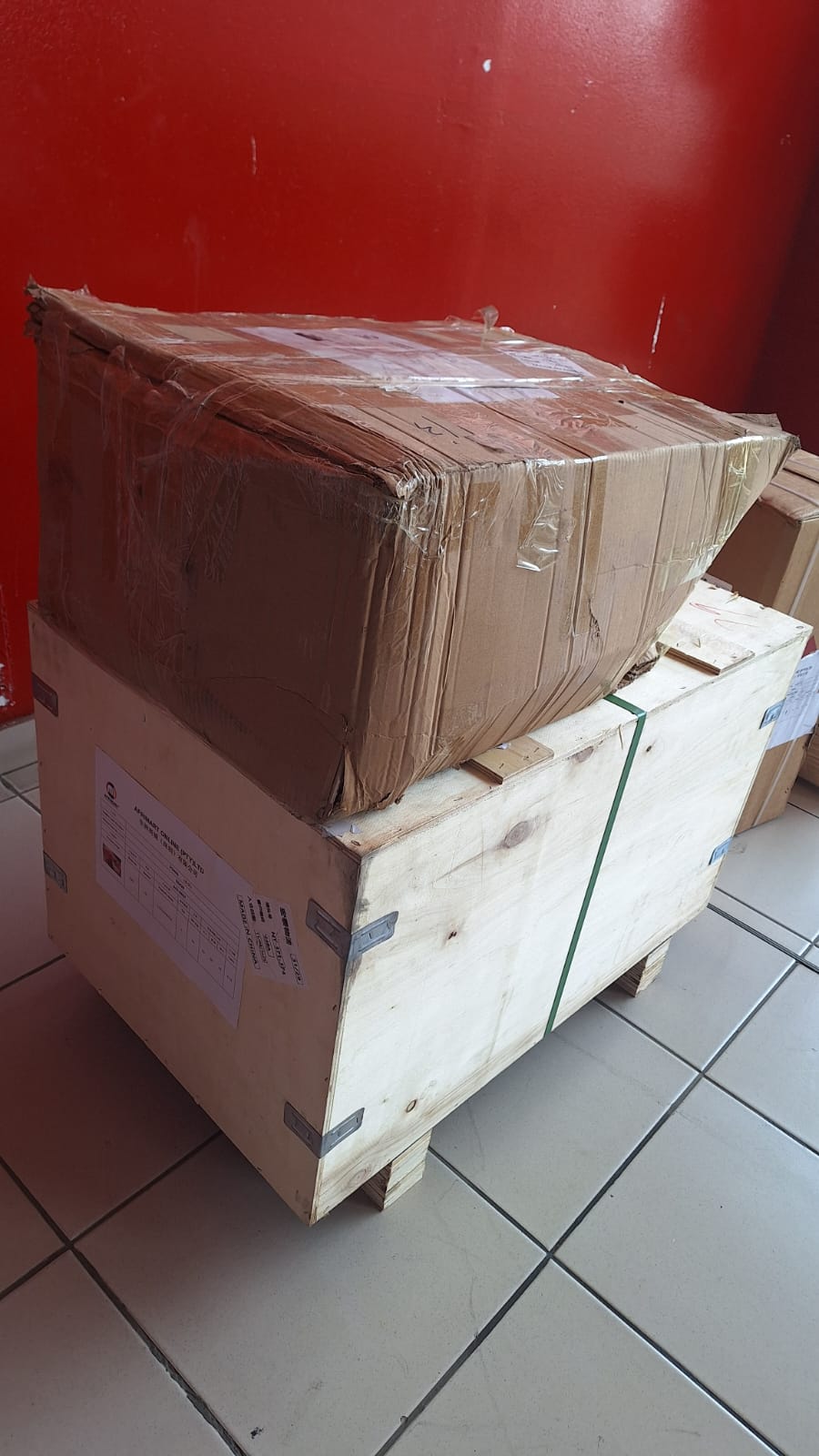
order success
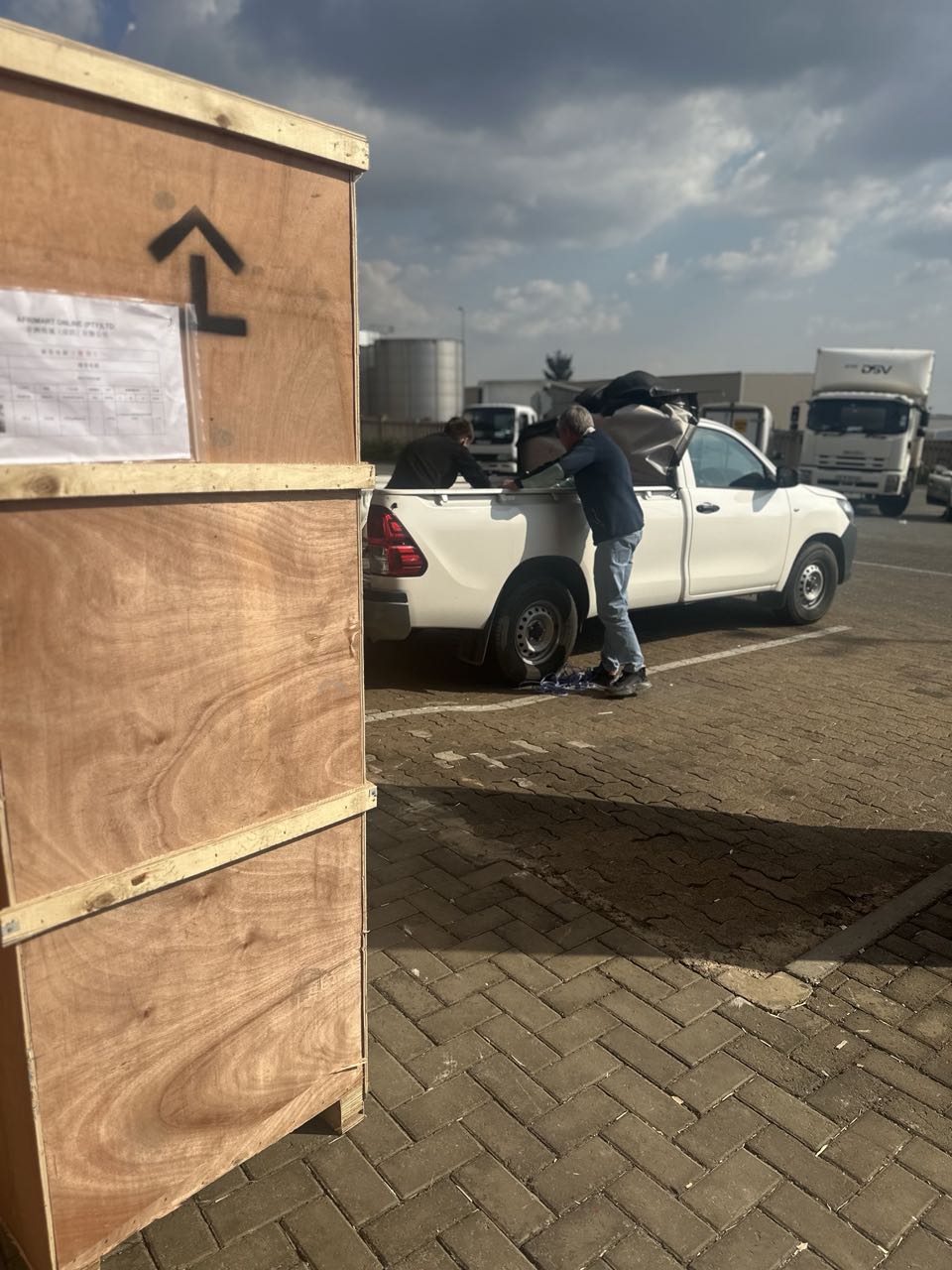
order collection
order offloading