B21, China Town Mall, Midrand


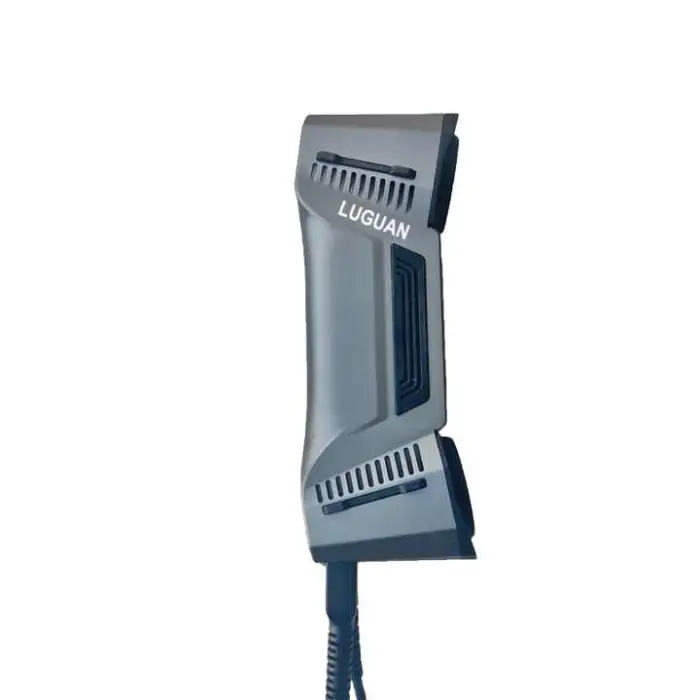
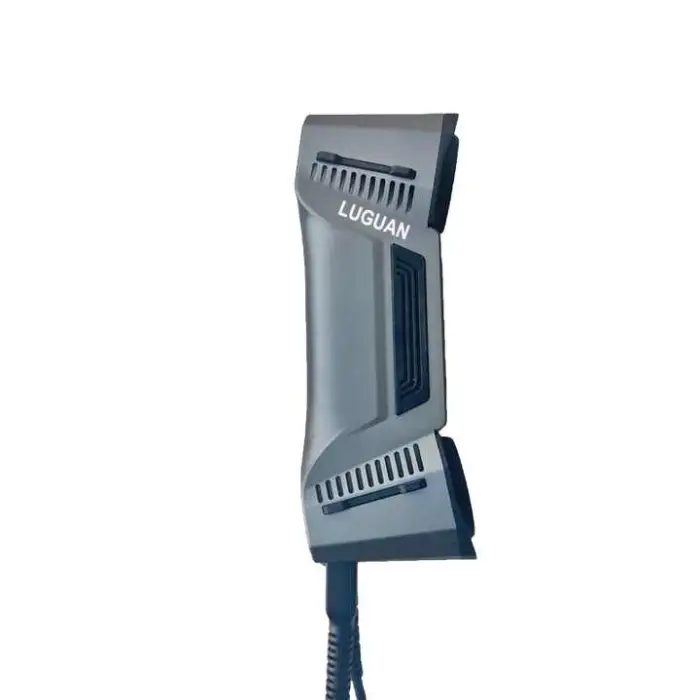
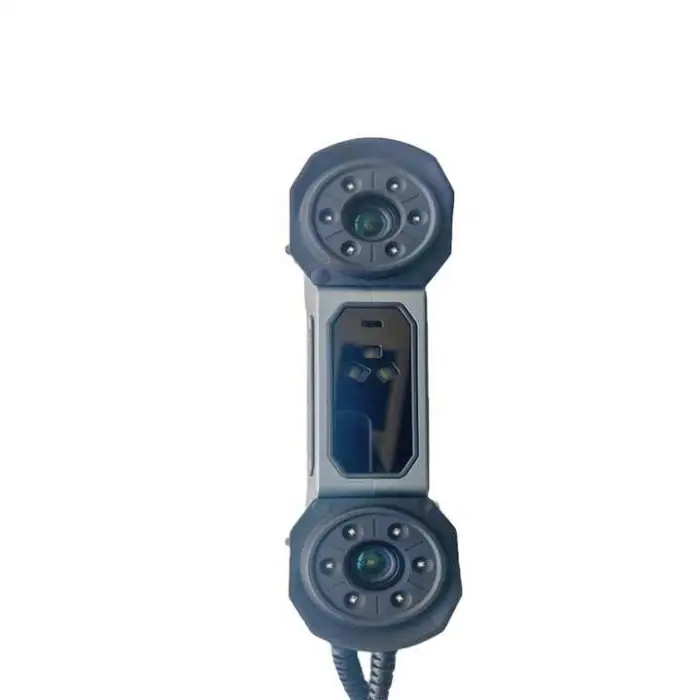
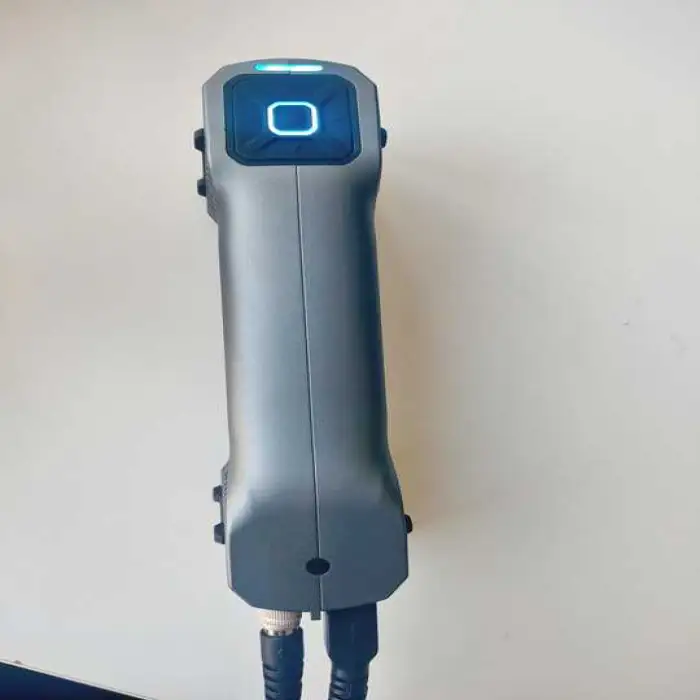
Shinning Combo for Foot Insole Orthotic 3d Printer Scanner Laser Scanning Equipment FreeScan Handheld 3d Scanner
Asset finance available
Do you want funding for this equipment?
Afrimart can connect you with trusted funding partners who specialise in asset finance for businesses like yours. Compare options and apply in minutes — final approval is subject to provider review.
Check funding options
Secure & no obligation

- Section : Consumer Electronics
- Category : Computer Hardware & Software
- SKU : 1601229197351

Shinning Combo for Foot Insole Orthotic 3D Printer Scanner Laser Scanning Equipment FreeScan Handheld 3D Scanner
The Shinning Combo for Foot Insole Orthotic 3D Printer Scanner is a powerful tool for creating custom foot insoles. This handheld 3D scanner uses laser technology to capture precise measurements and details. It is easy to use and perfect for both professionals and hobbyists. With its sleek design and advanced features, it makes scanning quick and simple.
Specifications
| Attribute | Details |
|---|---|
| Product Status | Stock |
| Service Return and Replacement | 1-Year |
| Type | 3D Scanner |
| Colour Depth | 32 Bit |
| Interface Type | USB |
| Scan Element Type | CMOS |
| Available Colors | Dark Blue, Glowing Orange, Translucent Green, Blue, Maize |
| Private Mold | Yes |
| Software Development Kit (SDK) | No |
| Max Paper Size | A4 |
| Selling Units | Single Item |
| Single Package Size | 350 x 190 x 200 cm |
| Single Gross Weight | 850.000 KG |
Key Features
- Handheld design for easy scanning
- High precision laser scanning technology
- Multiple color options available
- 1-year warranty for peace of mind
- Compatible with various software
Applications
- Creating custom foot insoles for comfort
- Prototyping for footwear design
- Medical applications in orthotics
- Educational purposes in design and engineering
- Hobbyist projects involving 3D printing
Product Info Gallery
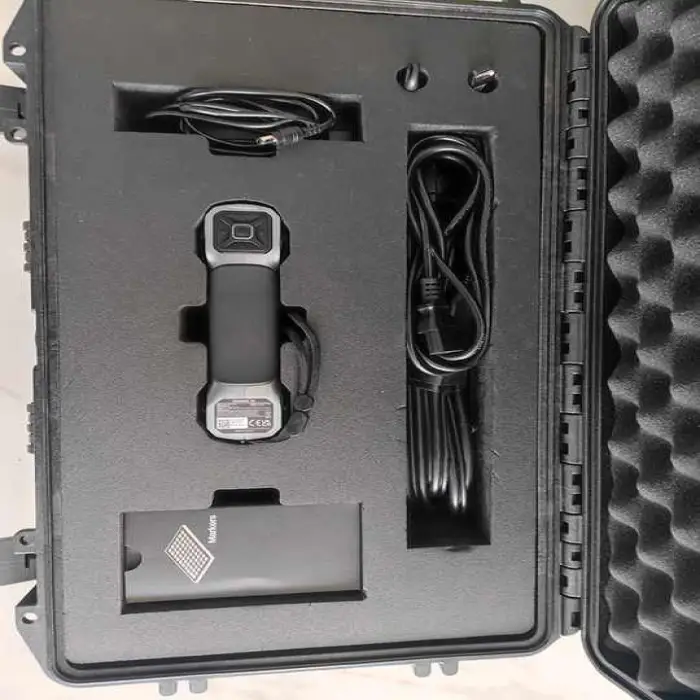
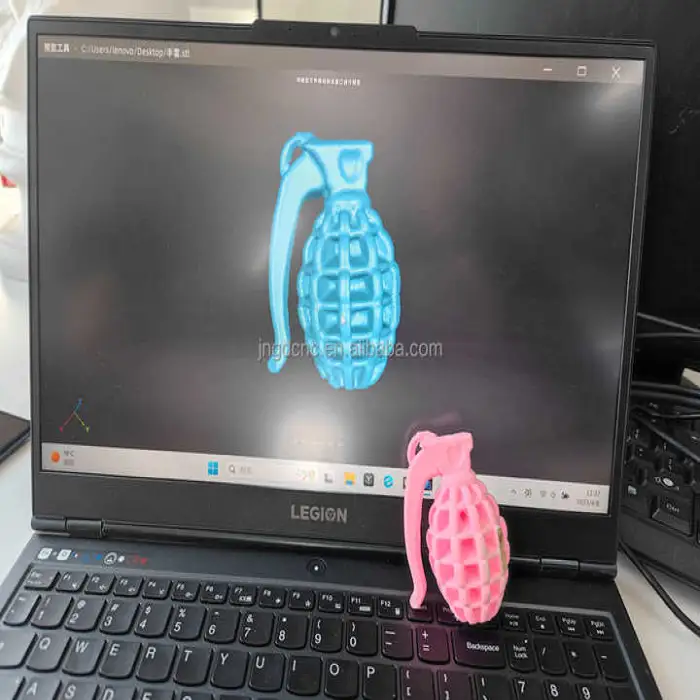
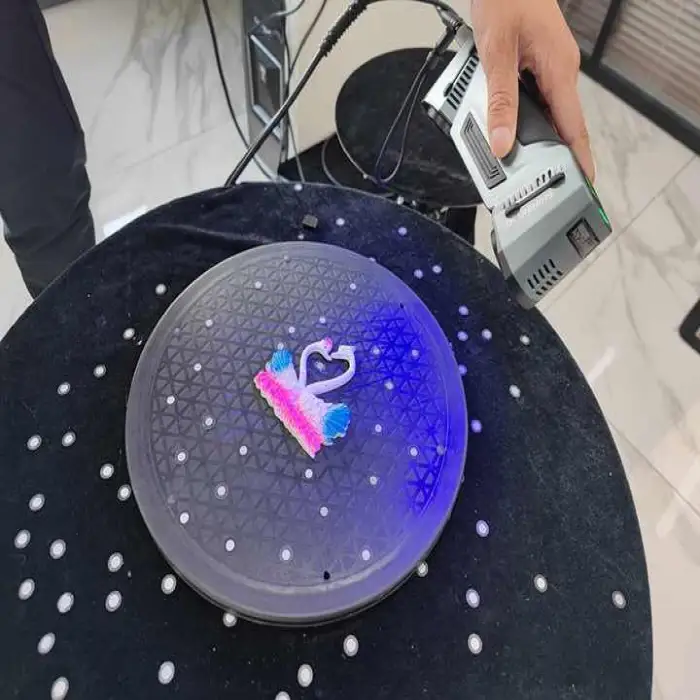
- Shipping Timeframes: All orders are processed within 2-5 business days (excluding weekends and holidays). After your order has been processed, the estimated delivery time is before 03 Aug, 2026, depending on customs, Please note that due to high demand, some items may experience longer shipping times, which will be communicated at order confirmation email.
- Order Processing Time: Please allow 2-5 business days for us to process your order before it is shipped . Orders placed after 16:00 on Fridays, or during weekends and public holidays, will begin processing on the next business day. Processing times may be extended during peak seasons or sales events.
- Manufacturing Time: Some products needs manufacturing time, the manufacturing process will take approximately 10-30 business days depending on the product. This timeframe may vary depending on the complexity of the product and current demand. but this will be communicated with you during order confirmation.
- Returns and Exchanges: We offer a 30-day return policy for most items. If you are not completely satisfied with your purchase, you may return it within 30 days of receipt for a refund or exchange. Items must be unused, in their original packaging, and accompanied by proof of purchase. Return shipping costs are the responsibility of the customer, unless the item was damaged or defective upon arrival.
1. What is the Shinning Combo for Foot Insole Orthotic 3D Printer Scanner?
It's a handheld laser 3D scanner designed to capture detailed scans for creating custom foot insoles, prototyping footwear, orthotic medical applications, education and hobbyist 3D printing projects.
2. What scanning technology does it use?
The device uses high-precision laser scanning with a CMOS scan element and 32-bit color depth to capture surface geometry and color details.
3. Is the scanner easy to use for non-professionals?
Yes — the product describes a handheld design intended for easy scanning and quick operation. Hobbyists and professionals can use it, though practice improves scan quality.
4. What interfaces and connectivity does the scanner have?
The scanner connects via USB. Confirm which USB standard and cable type are included with the seller if you need specific ports or adapters.
5. Which file formats does the scanner export (STL/OBJ/etc.)?
The listing states compatibility with various software but does not list formats. Most laser 3D scanners commonly export STL, OBJ and PLY. Confirm supported export formats with the vendor before purchase.
6. Does the scanner come with an SDK for custom software integration?
No. The specifications indicate no SDK is provided. If you require an SDK, contact the seller or manufacturer for custom solutions or compatible third-party software.
7. What operating systems and software are supported?
The product notes compatibility with various software but does not specify OS. Many handheld scanners are supported on Windows; check with the seller for confirmed Windows/Mac/Linux compatibility and recommended software.
8. What is the warranty and return policy?
The product includes a 1-year service return and replacement warranty. For exact terms, coverage details and RMA procedures, verify with the seller or manufacturer.
9. Are there size, weight or packaging details I should be aware of?
The listing shows a single package size of 350 x 190 x 200 cm and a gross weight of 850.000 KG, which are likely erroneous for a handheld scanner. Please confirm accurate product dimensions, net weight and shipping measurements with the seller before ordering.
10. Can this scanner be used for medical orthotics?
Yes — it’s marketed for orthotic and foot insole applications. However, if you plan clinical use, ensure the scanner meets your clinic’s accuracy, certification and regulatory requirements and validate scans for clinical decision-making.
11. How accurate are the scans?
The listing advertises high precision laser scanning but does not give numerical accuracy. Scan accuracy can depend on operator technique, surface properties and post-processing. Request manufacturer specs or sample scans for accuracy figures.
12. Can it scan reflective or dark surfaces like glossy shoe materials?
Laser scanners can struggle with highly reflective, transparent or very dark surfaces. Using a matte spray or scanning powder and good lighting typically improves results. Confirm best practices with the manufacturer.
13. What accessories and items are included in the box?
The listing does not specify contents. Typical packages include the handheld scanner, USB cable, basic mounting/stand, user manual and possibly software or drivers. Ask the seller for a detailed packing list.
14. Is the scanner ready for 3D printing workflows?
Yes — scans from the device can be post-processed in CAD/mesh software and exported to formats used for 3D printing. You may need to clean, align and repair meshes before printing.
15. How should I maintain and care for the scanner?
Keep optical surfaces clean and free of dust, avoid dropping the device, store it in a protective case when not in use, and follow any calibration or firmware update procedures recommended by the manufacturer. For specific maintenance instructions, consult the seller or user manual.
Latest Order Arrivals
Discover our latest orders
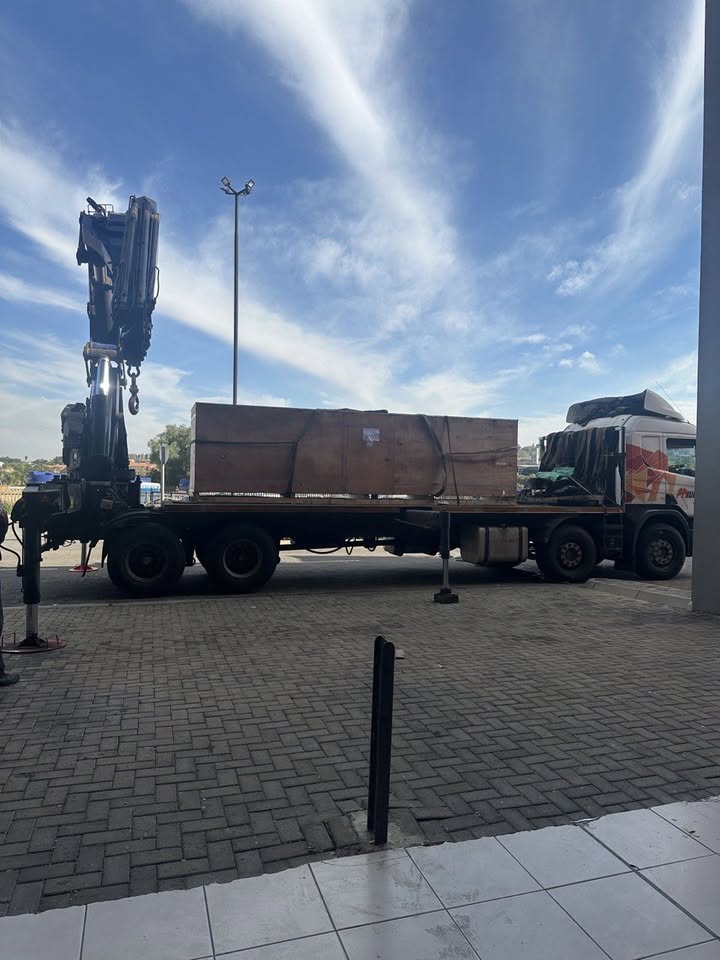
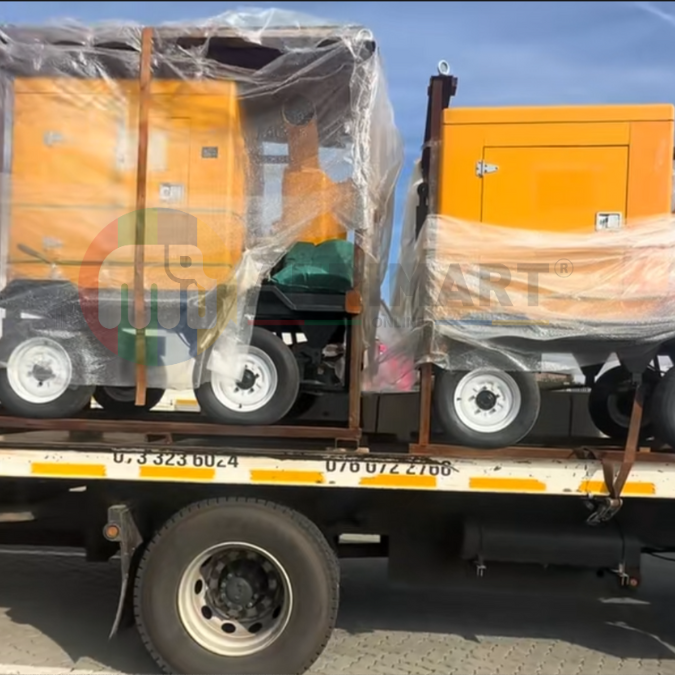
12 Heads Embroidery Machine
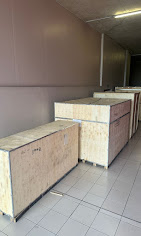
Toilet Paper Machine Machine
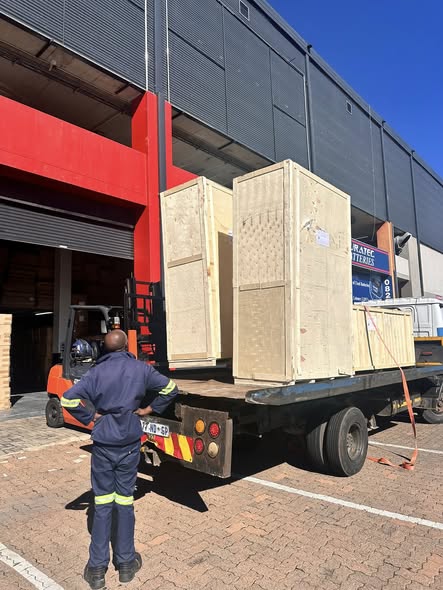
Order Collection
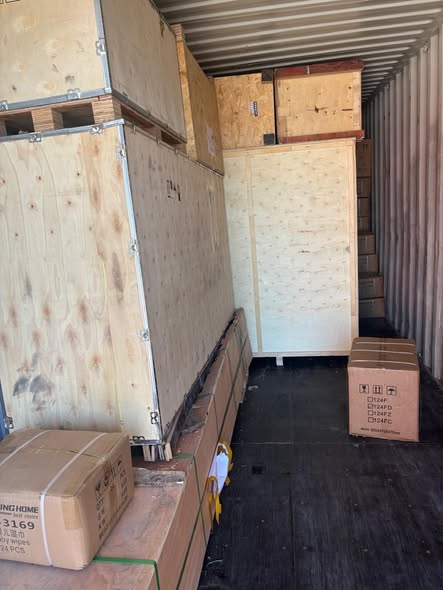
Cross Border Clients
Order cros border countries Collected
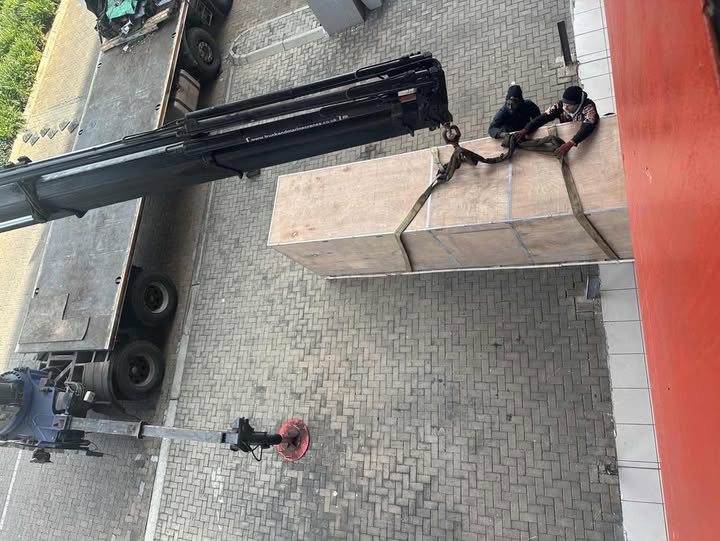
Industrial Machine Cllection
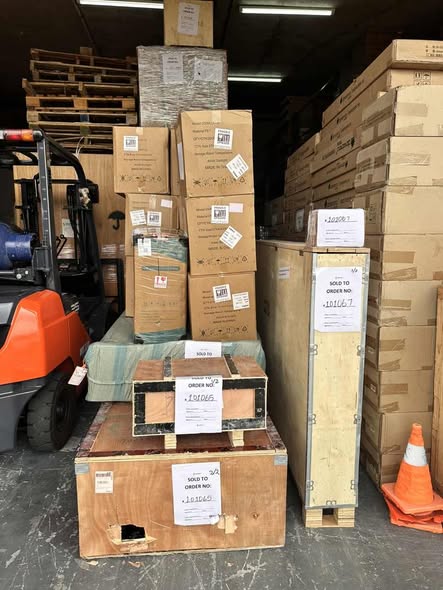
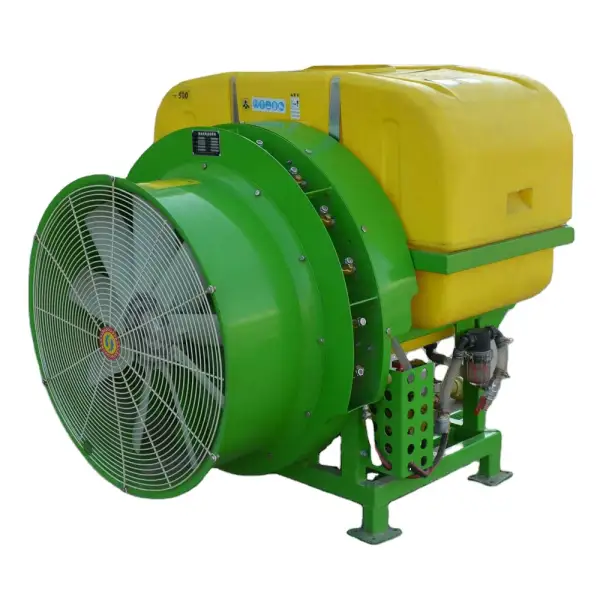
Agriculture Processing Machines
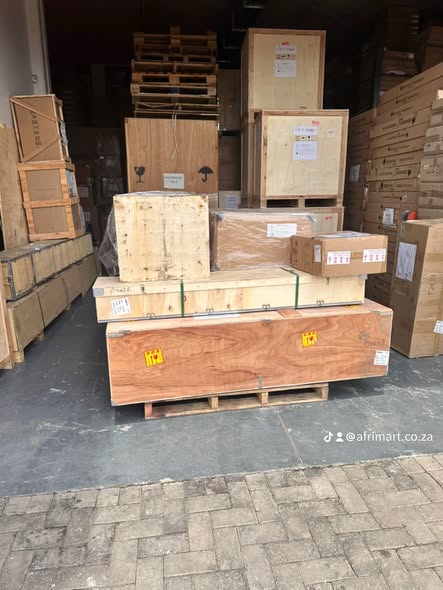
Ready for collection
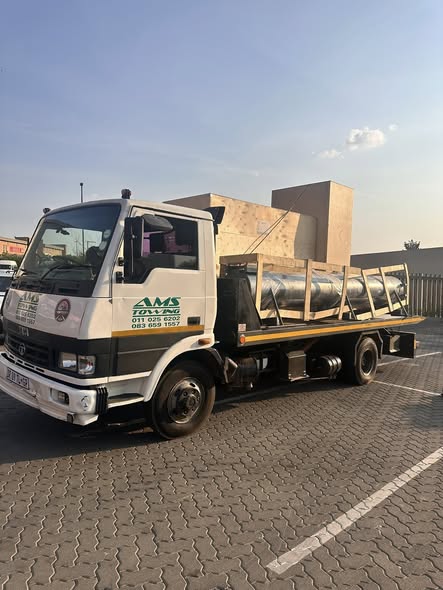
Water Pump Equipment
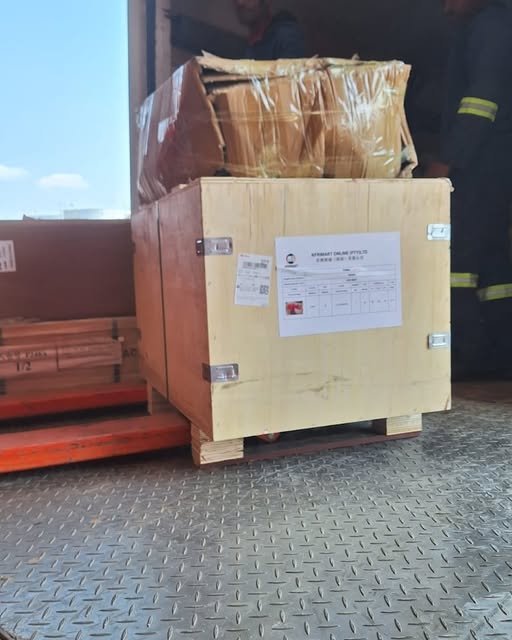
Packaging Machine and accessories
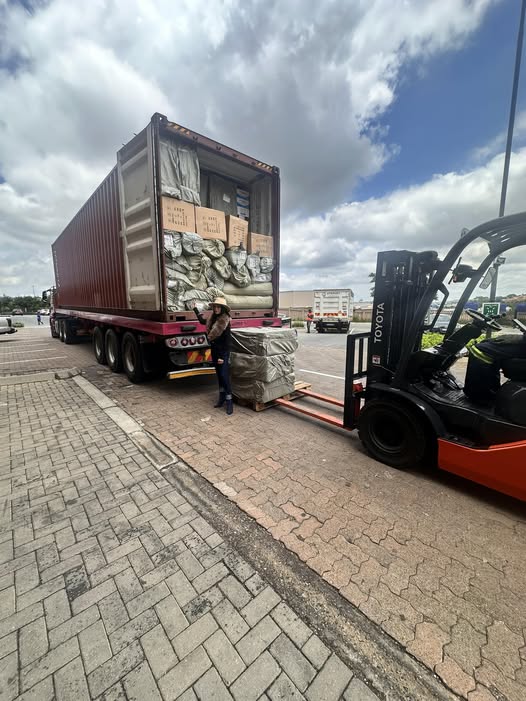
Fabrics Manufacturing Equipment
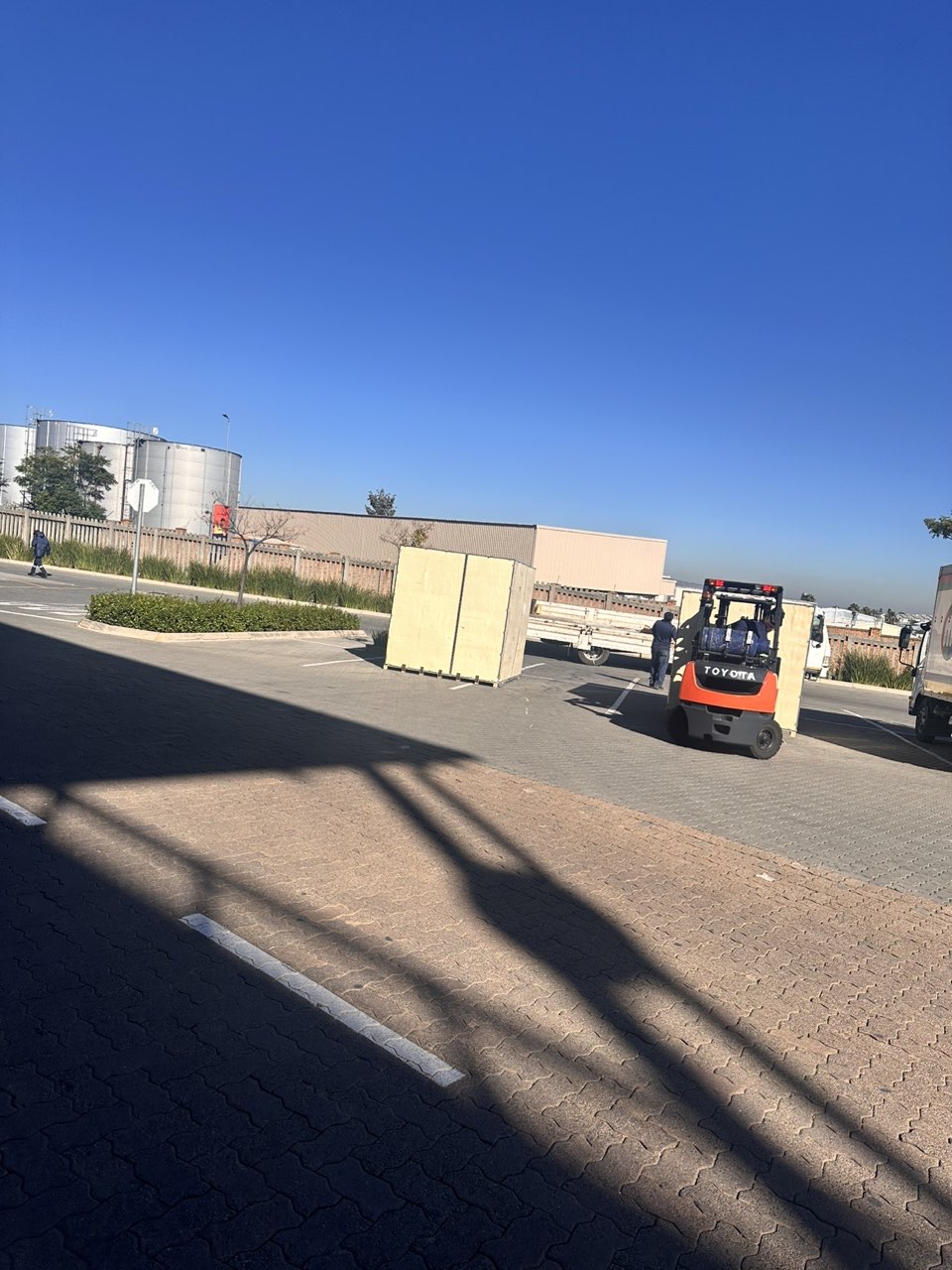
Mining Equipments
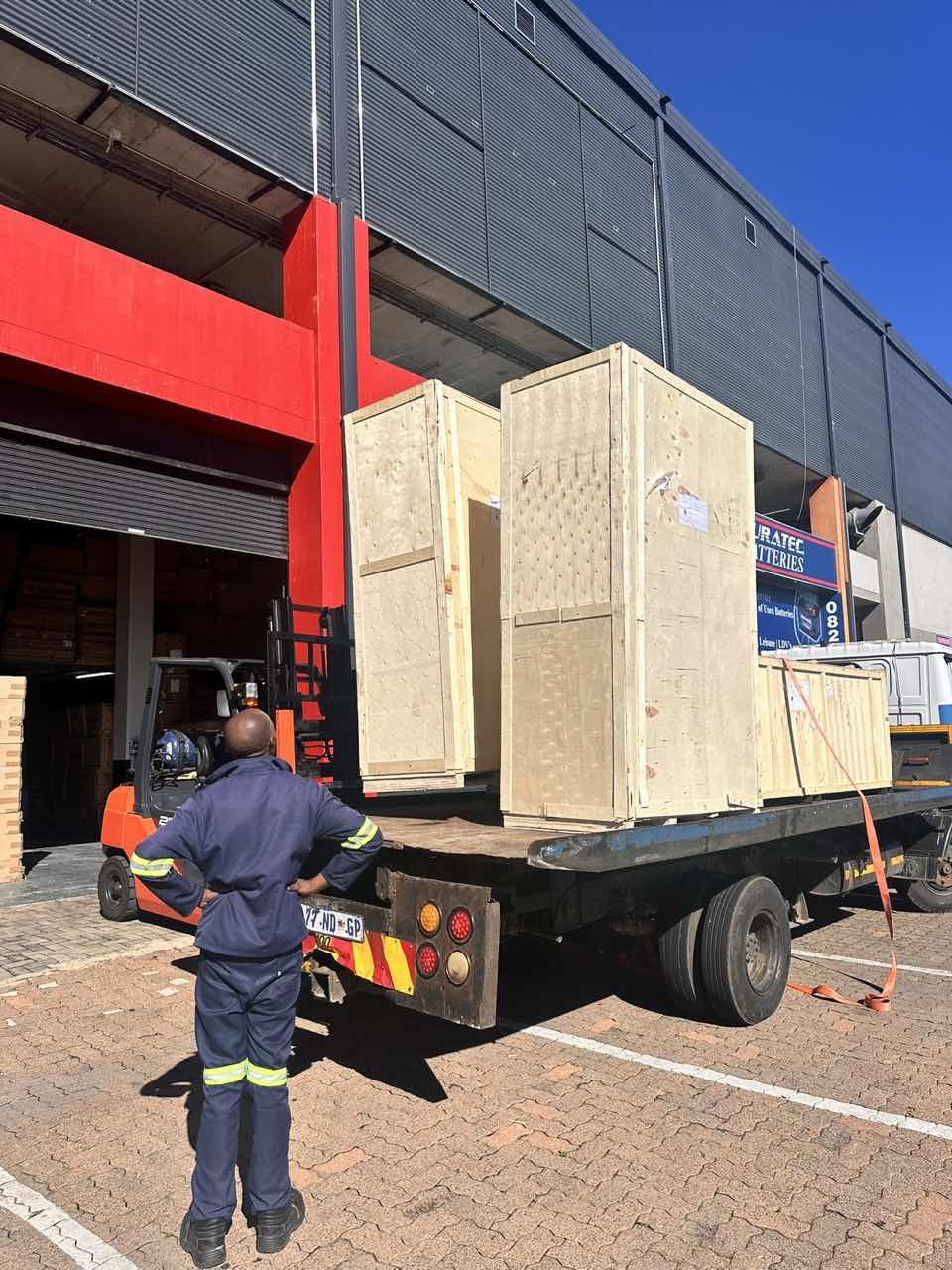
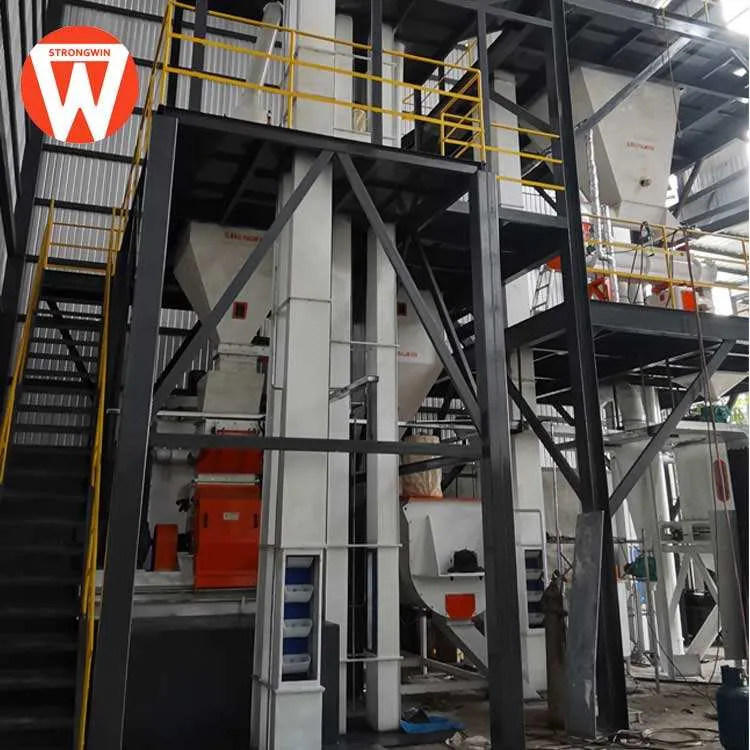
Food Processing Machine
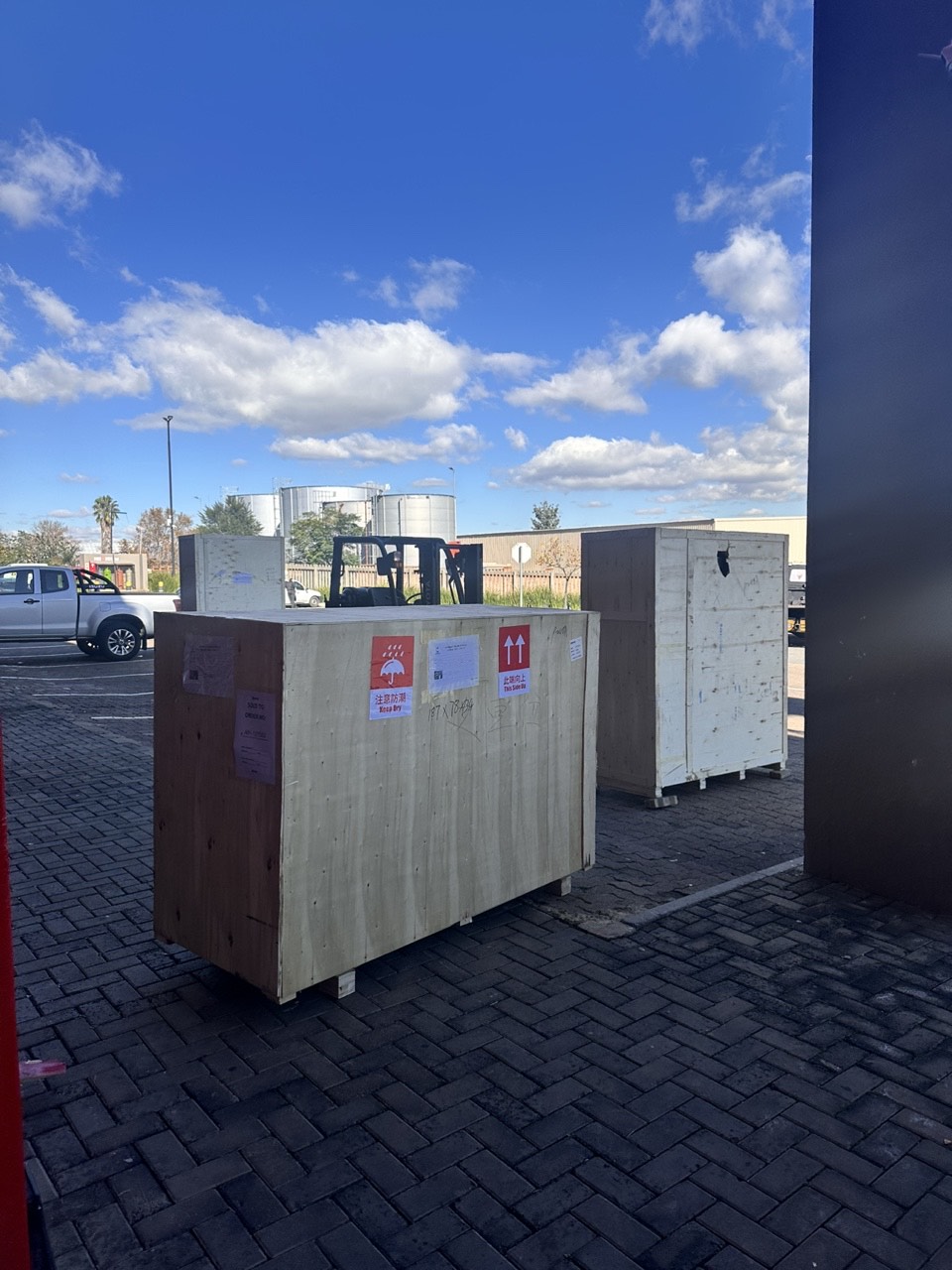
Batch of Orders
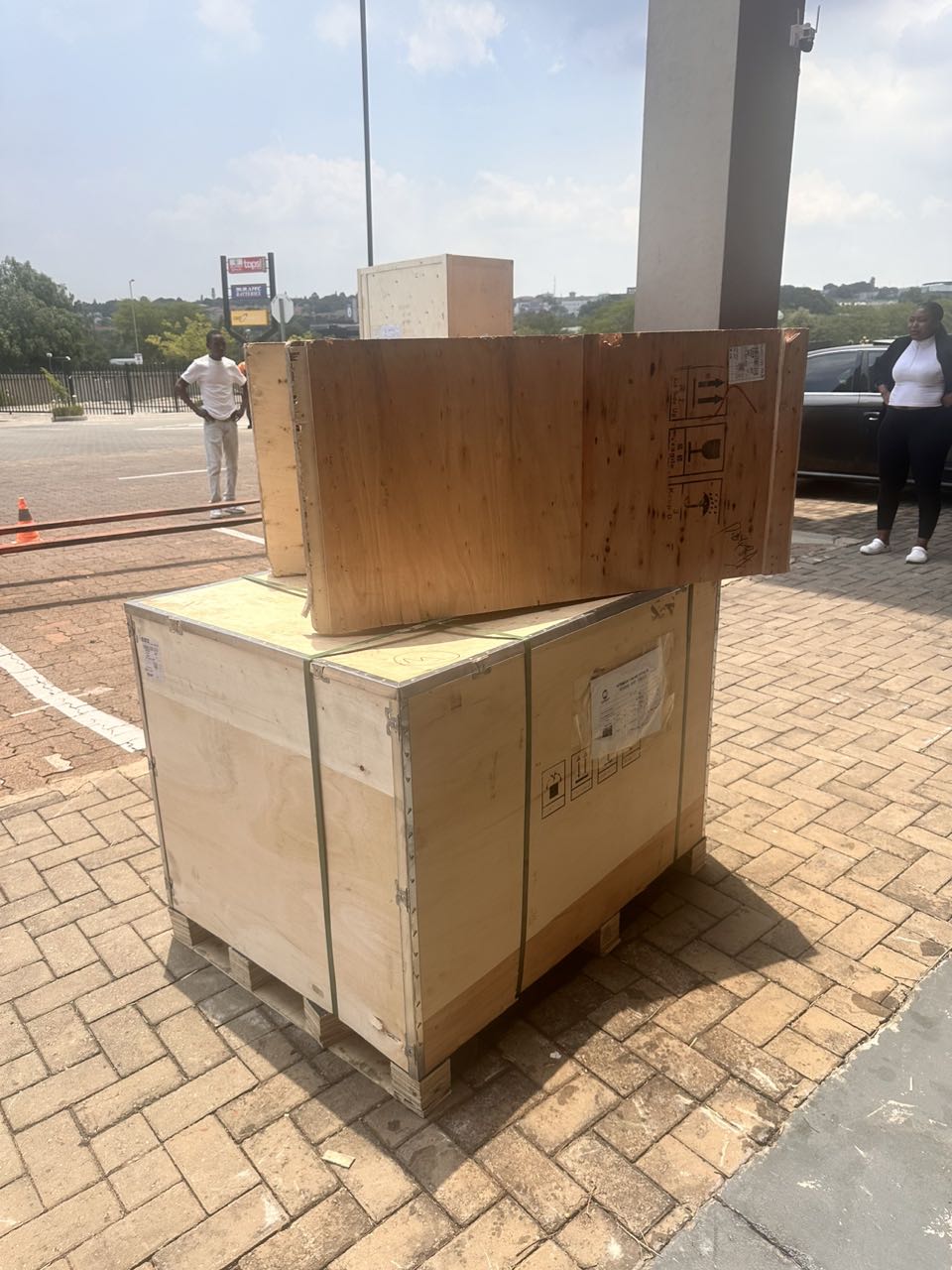
Batch of Orders
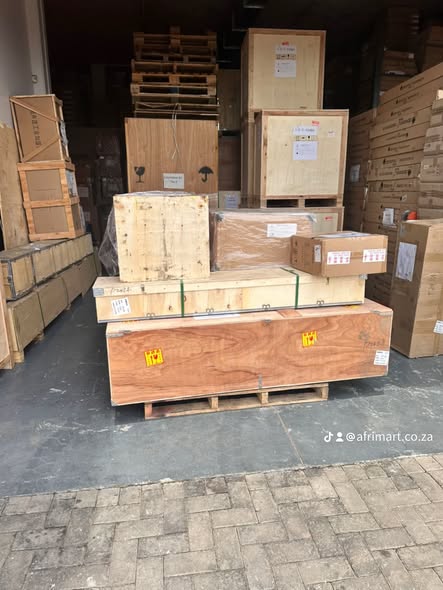
Latest Orders Labelled
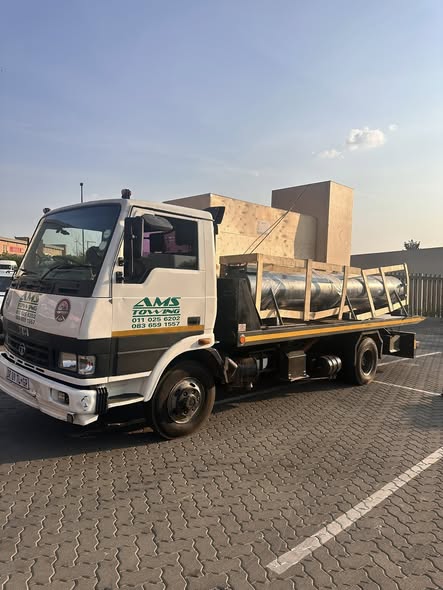
wheel alignment machines
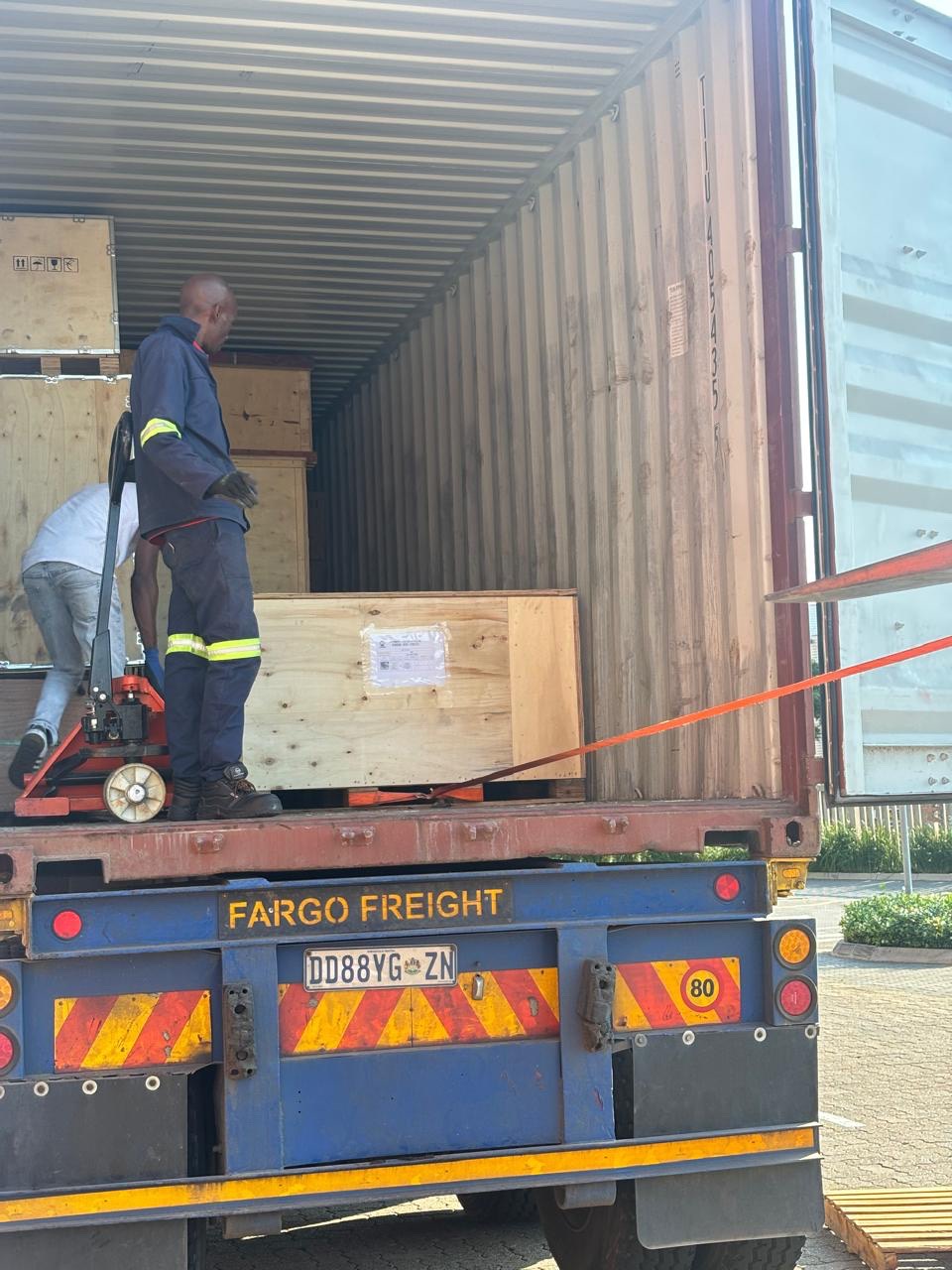
new arrivals
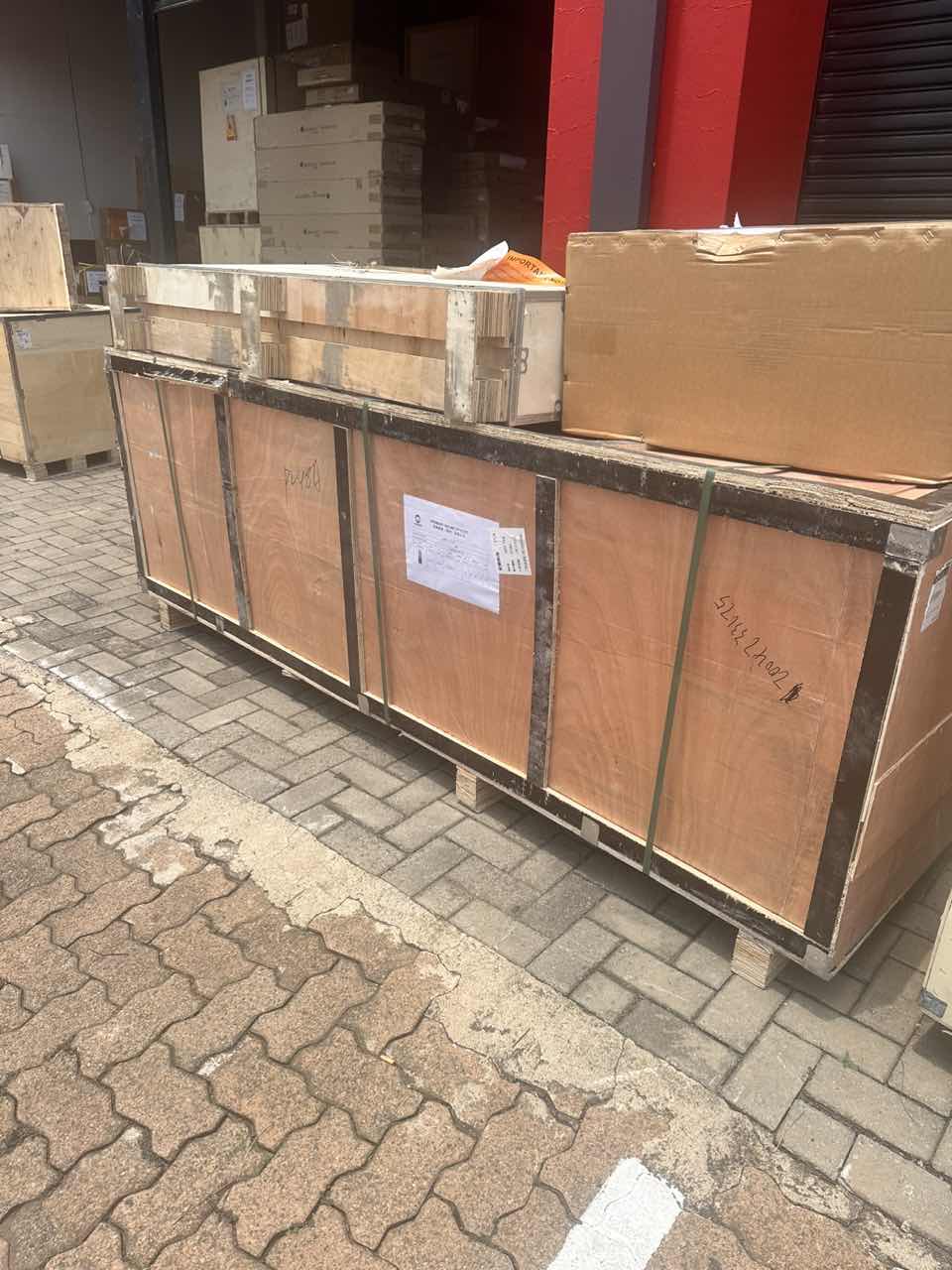
Pre Orders Offloading
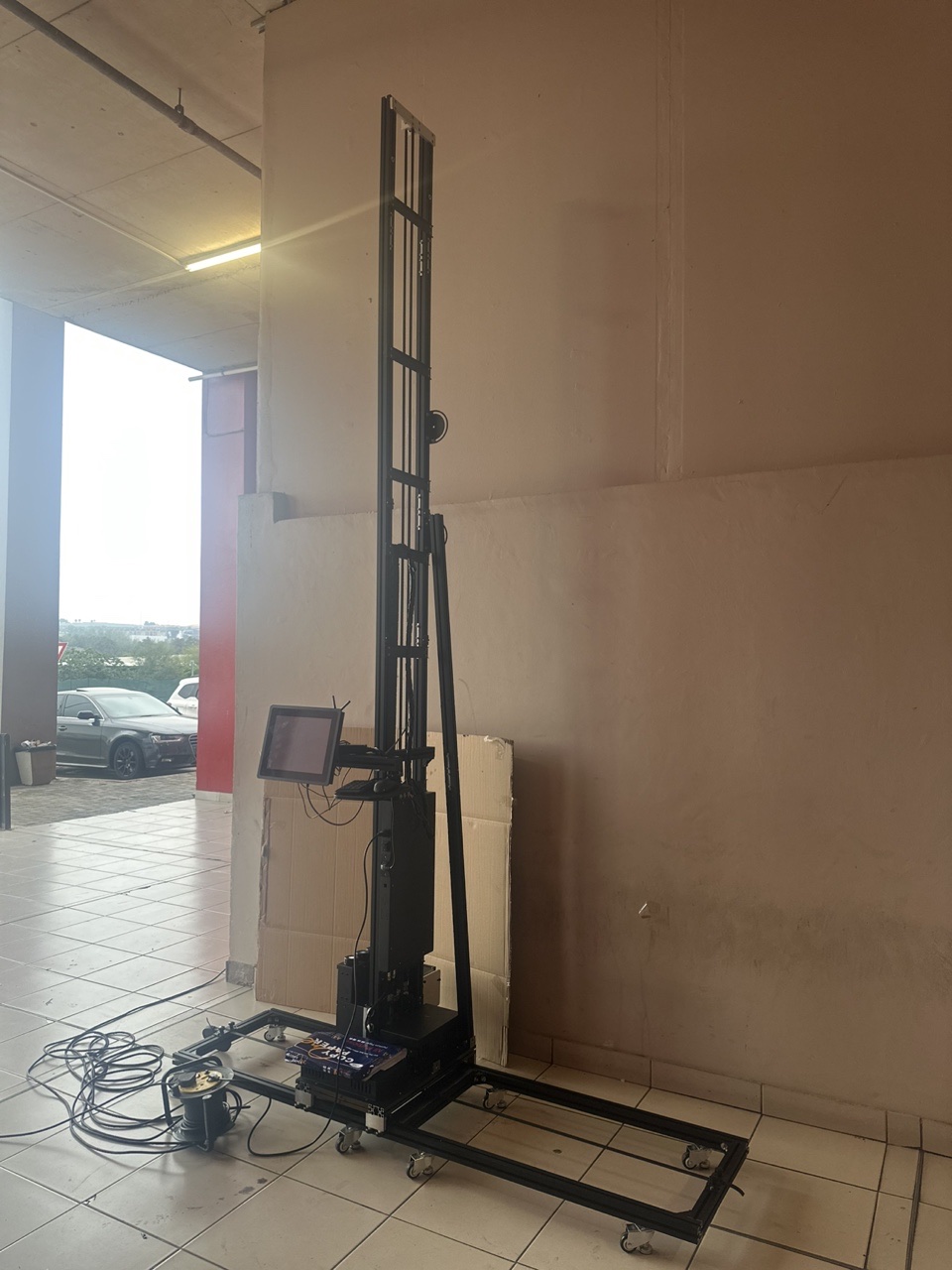
Latest Arrivals
Latest Arrivals
Latest Arrivals
Loading
Toilet paper making machine
Toilet paper making machine
Toilet paper Rewinding Machine
latest arrivals
offloading
order success
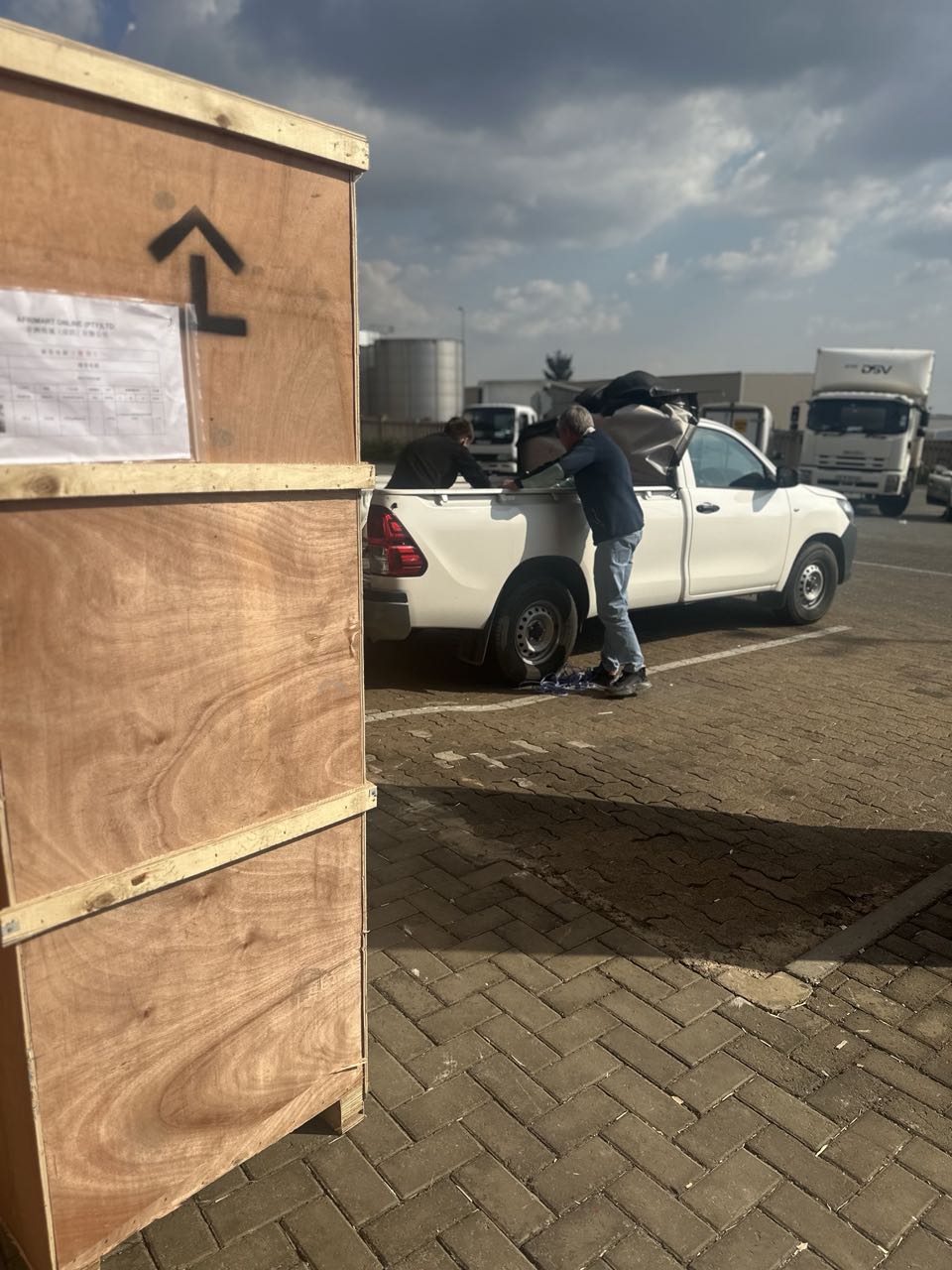
order collection
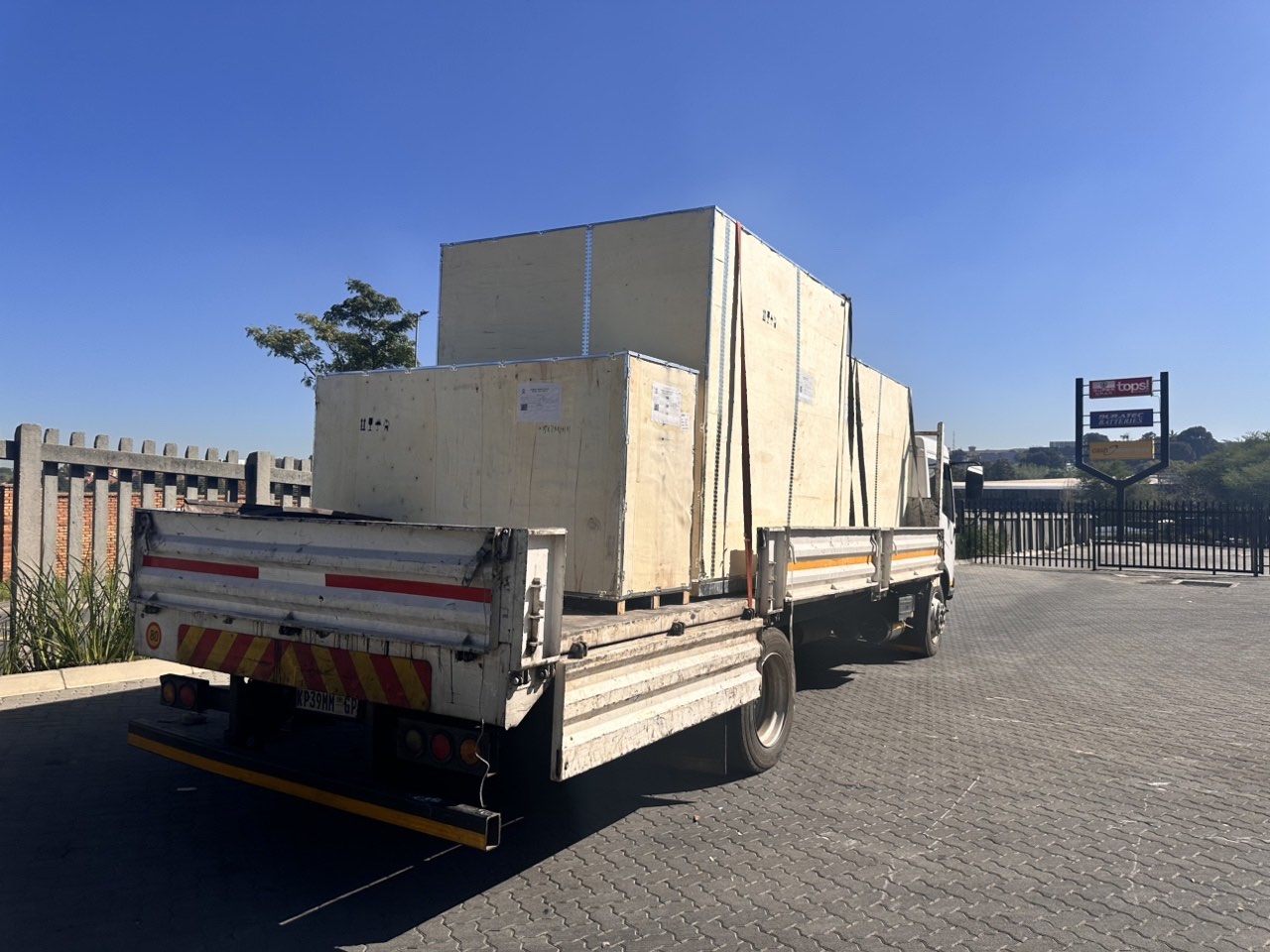
order offloading