B21, China Town Mall, Midrand

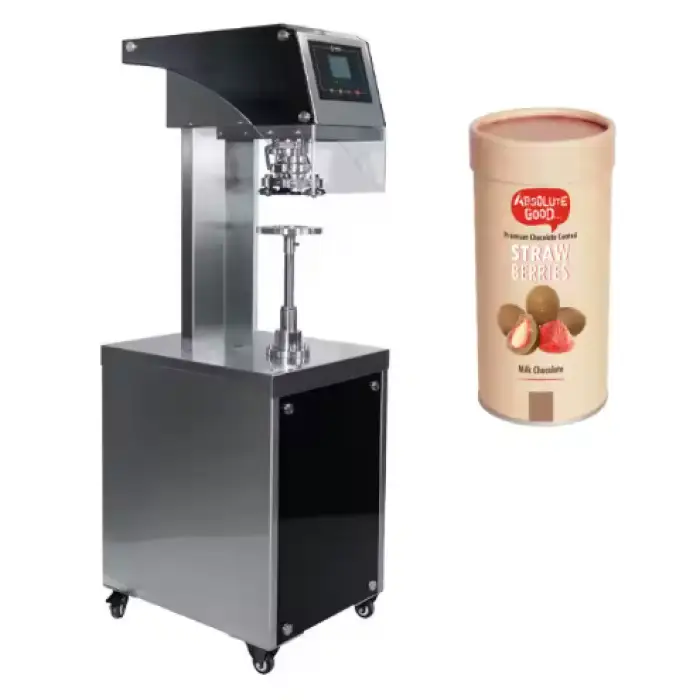
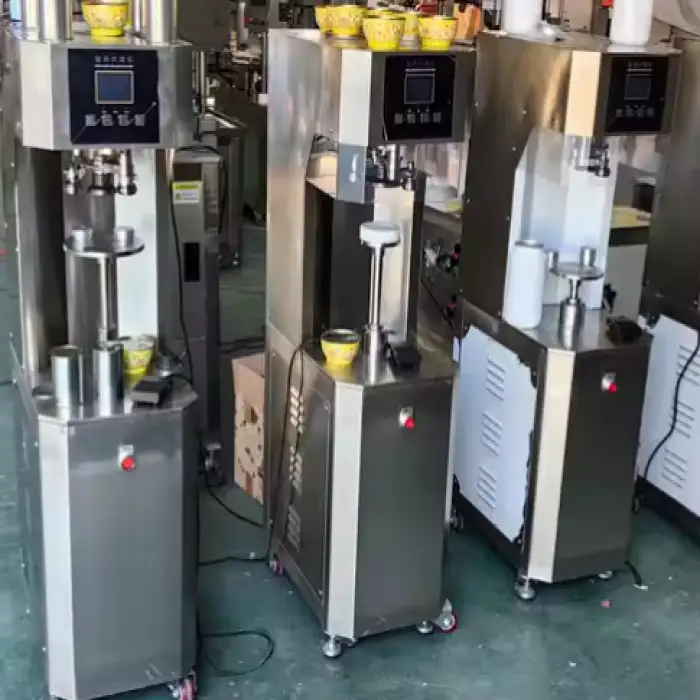
Semi-Automatic Liquid Bottle Food Aluminium Tin Can Sealer Machine
Asset finance available
Do you want funding for this equipment?
Afrimart can connect you with trusted funding partners who specialise in asset finance for businesses like yours. Compare options and apply in minutes — final approval is subject to provider review.
Check funding options
Secure & no obligation
- Section : Machinery
- Category : Packaging Machines
- SKU : 1601166315945

Semi-Automatic Liquid Bottle Food Aluminium Tin Can Sealer Machine
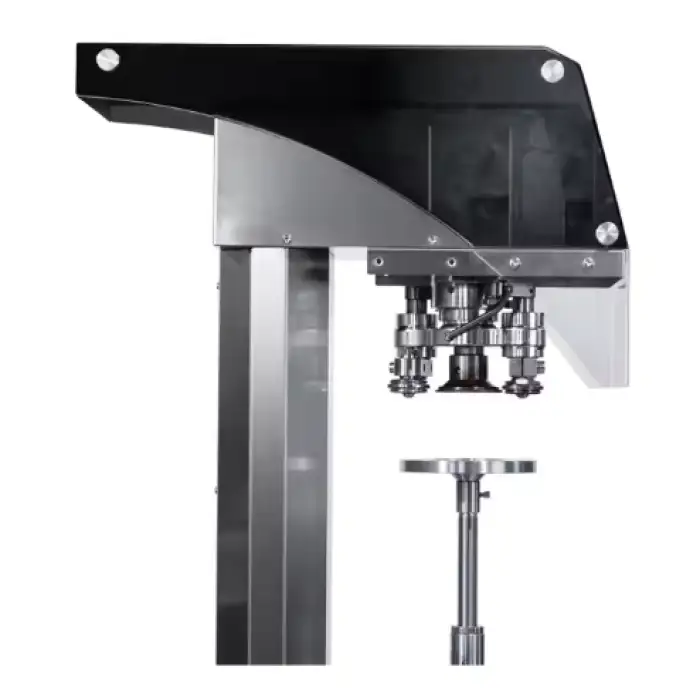
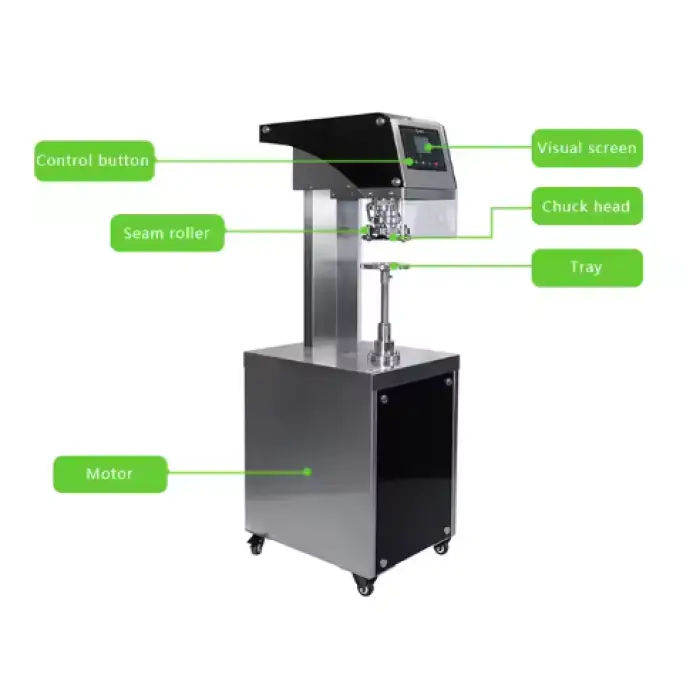
The Semi-Automatic Liquid Bottle Food Aluminium Tin Can Sealer Machine is a reliable solution for sealing cans quickly and effectively. This machine is designed to handle various packaging materials like plastic, paper, and metal. It is perfect for food, beverages, and other products. With its high-frequency sealing technology, it ensures strong and secure seals every time.
Specifications
| Attribute | Details |
|---|---|
| Driven Type | Electric |
| Voltage | 220V/50-60HZ |
| Sealing Type | High-Frequency Sealing |
| Automatic Grade | Semi-Automatic |
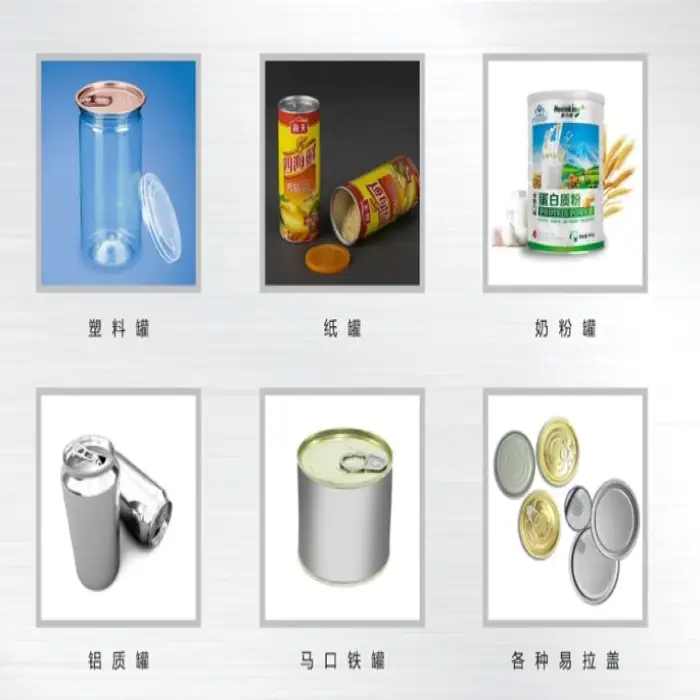
| Packaging Material | Plastic, Paper, Metal |
| Application | Food, Beverage, Commodity, Chemical |
| Weight (KG) | 130 |
| Dimension (L*W*H) | 560*450*1450mm |
| Can Sealing Speed | 20-25 cans/min |
Key Features
- Easy to Operate
- Semi-Automatic Functionality
- High-Frequency Sealing for Strong Seals
- Suitable for Various Packaging Materials
- Fast Sealing Speed of 20-25 cans per minute
- Comes with Machinery Test Report
- Video Outgoing Inspection Provided
Applications
- Food Packaging
- Beverage Sealing
- Commodity Packaging
- Chemical Product Sealing
The Semi-Automatic Liquid Bottle Food Aluminium Tin Can Sealer Machine is your go-to equipment for efficient and secure can sealing. It is designed to meet the needs of various industries, making it a versatile addition to your packaging line.
Product Info Gallery
- Shipping Timeframes: All orders are processed within 2-5 business days (excluding weekends and holidays). After your order has been processed, the estimated delivery time is before 13 Aug, 2026, depending on customs, Please note that due to high demand, some items may experience longer shipping times, which will be communicated at order confirmation email.
- Order Processing Time: Please allow 2-5 business days for us to process your order before it is shipped . Orders placed after 16:00 on Fridays, or during weekends and public holidays, will begin processing on the next business day. Processing times may be extended during peak seasons or sales events.
- Manufacturing Time: Some products needs manufacturing time, the manufacturing process will take approximately 10-30 business days depending on the product. This timeframe may vary depending on the complexity of the product and current demand. but this will be communicated with you during order confirmation.
- Returns and Exchanges: We offer a 30-day return policy for most items. If you are not completely satisfied with your purchase, you may return it within 30 days of receipt for a refund or exchange. Items must be unused, in their original packaging, and accompanied by proof of purchase. Return shipping costs are the responsibility of the customer, unless the item was damaged or defective upon arrival.
1. What is the Semi-Automatic Liquid Bottle Food Aluminium Tin Can Sealer Machine used for?
It is used to seal cans and bottles (made from plastic, paper or metal) for food, beverages, commodities and certain chemical products. The machine provides a strong, high-frequency seal to secure lids and closures.
2. What sealing technology does the machine use?
The machine uses high-frequency sealing technology to create strong and reliable seals on compatible packaging materials.
3. Is this machine fully automatic?
No. It is semi-automatic. Operators manually load and unload containers while the machine performs the sealing cycles.
4. What is the sealing speed (throughput)?
The typical sealing speed is 20–25 cans per minute, depending on operator efficiency and container size.
5. What power supply does the machine require?
It is electric-driven and requires 220V, 50–60 Hz power input.
6. What container materials and types are compatible?
Compatible packaging materials include plastic, paper and metal. It is commonly used for aluminium tin cans and plastic bottles; compatibility with specific lid types should be confirmed.
7. What container sizes and shapes can it handle?
The machine is designed to handle a range of small to medium cans and bottles, but exact size/shape limits depend on tooling and setup. Provide samples or detailed dimensions to the manufacturer for confirmation and any needed tooling adjustments.
8. Is it suitable for sealing liquid and carbonated beverages?
It is suitable for most liquid products. For carbonated or pressurized beverages, specialized sealing methods or additional testing may be required—please consult the manufacturer before use with carbonated products.
9. How many operators are required to run the machine?
One trained operator can typically run the machine, though production lines may use additional staff for feeding, inspection and packing to maintain the target throughput.
10. What are the machine dimensions and weight?
Overall machine dimensions are 560 × 450 × 1450 mm (L × W × H) and the weight is approximately 130 kg.
11. What routine maintenance is required?
Routine maintenance includes daily cleaning of external surfaces, regular inspection of sealing heads/electrodes, checking electrical connections and fasteners, periodic replacement of wear parts and following the manufacturer’s maintenance schedule in the manual.
12. How should I clean and sanitize the machine for food use?
Always disconnect power before cleaning. Use food-safe cleaning agents and wipe surfaces with a damp cloth. Avoid spraying water on electrical components or the HF generator. Follow the manufacturer’s cleaning and sanitation guidelines.
13. What safety features are included?
Standard safety features include protective guards, emergency stop controls and interlocks. Operators should be trained in safe operation and follow local workplace safety regulations.
14. Are spare parts, installation support and training available?
Yes. Spare parts, installation support and operator training are typically available—contact the supplier or manufacturer for details, parts lists and service options. The product comes with a machinery test report and outgoing inspection video.
15. What about certifications, warranty, lead time and shipping?
Specific certifications (e.g., CE/ISO), warranty terms, lead time and shipping/packaging details vary by supplier and order. Please contact the seller or authorized distributor for current certificates, warranty policy, delivery time and pricing.
Latest Order Arrivals
Discover our latest orders

12 Heads Embroidery Machine

Toilet Paper Machine Machine

Order Collection

Cross Border Clients

Order cros border countries Collected

Industrial Machine Cllection

Agriculture Processing Machines

Ready for collection

Water Pump Equipment

Packaging Machine and accessories

Fabrics Manufacturing Equipment

Mining Equipments

Food Processing Machine

Batch of Orders

Batch of Orders

Latest Orders Labelled

wheel alignment machines

new arrivals

Pre Orders Offloading

Latest Arrivals

Latest Arrivals

Latest Arrivals

Loading

Toilet paper making machine

Toilet paper making machine

Toilet paper Rewinding Machine

latest arrivals

offloading

order success

order collection

order offloading