B21, China Town Mall, Midrand

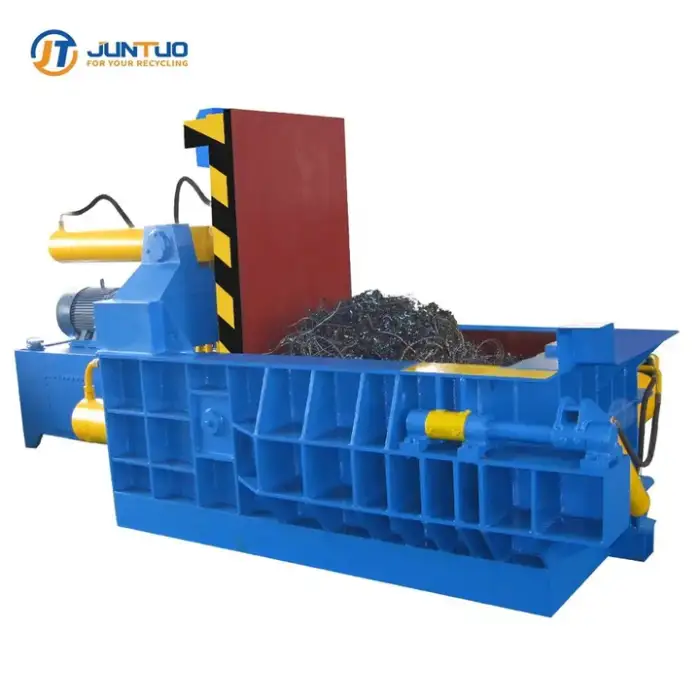
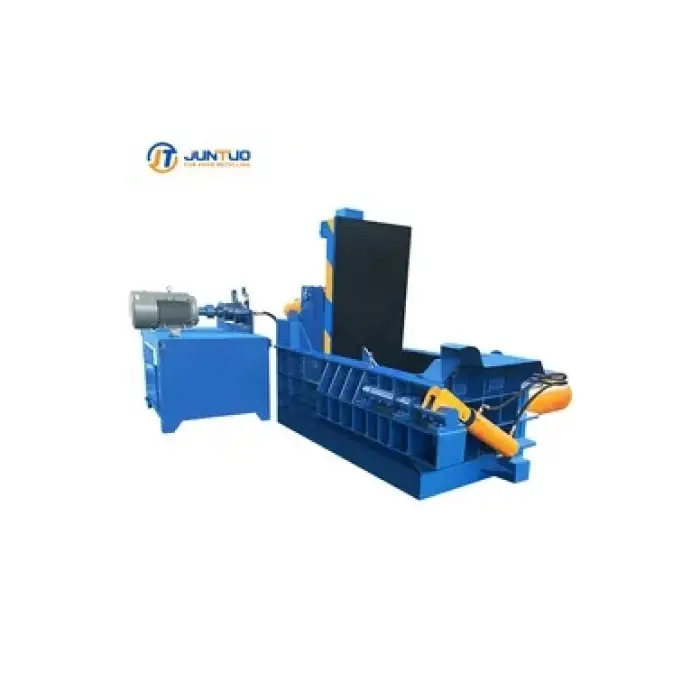
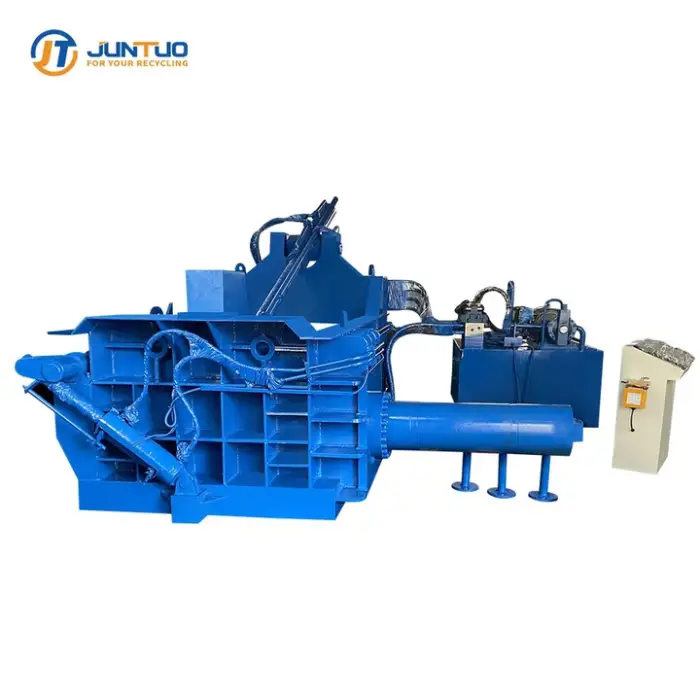
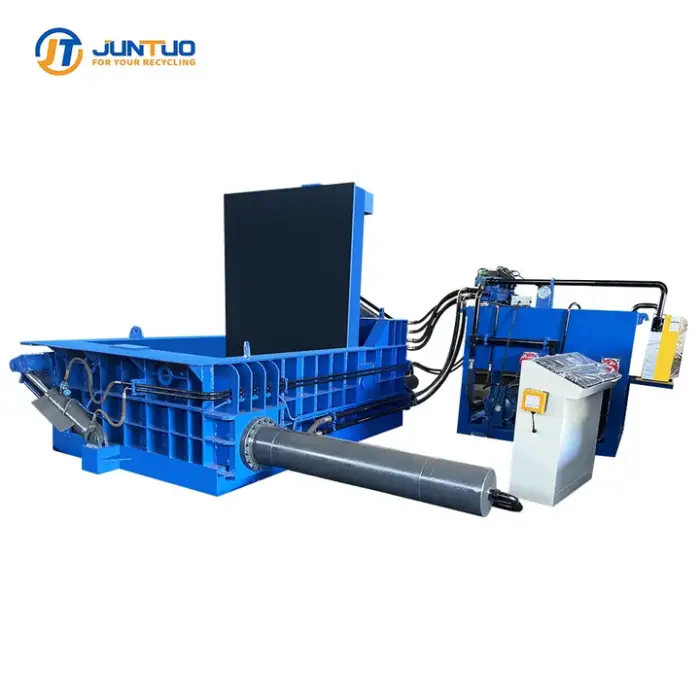
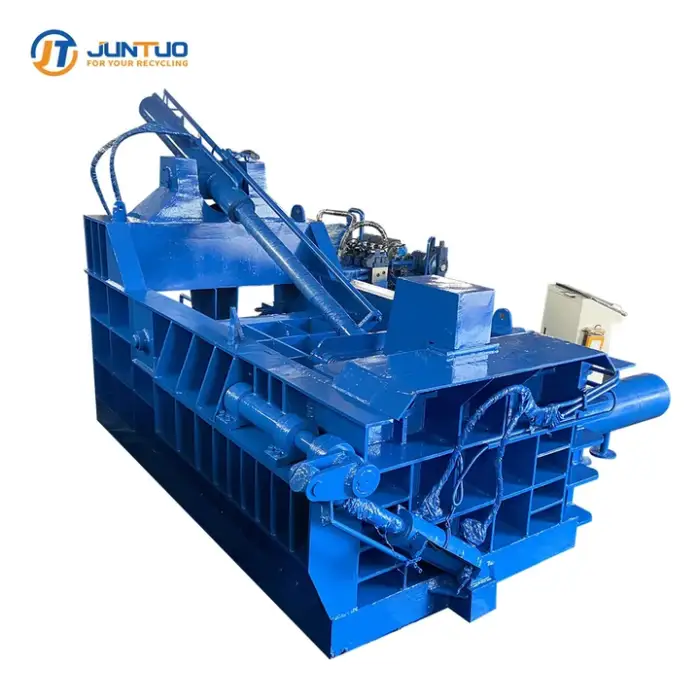
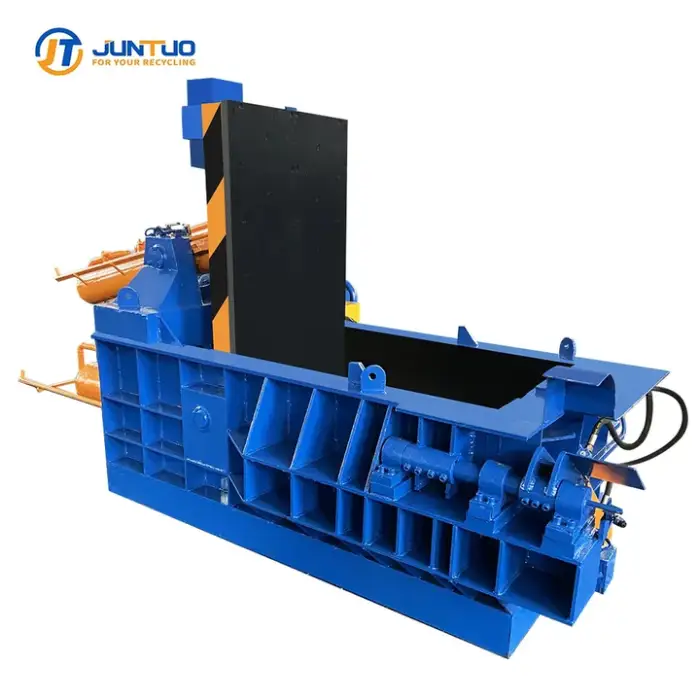
Scrap Metal Crusher Capacity Palm Oil Baling Press Machine With Aluminium Alloy
Asset finance available
Do you want funding for this equipment?
Afrimart can connect you with trusted funding partners who specialise in asset finance for businesses like yours. Compare options and apply in minutes — final approval is subject to provider review.
Check funding options
Secure & no obligation

- Section : Machinery
- Category : Metal & Metallurgy Machinery
- SKU : 1600918551862

Scrap Metal Crusher Capacity Palm Oil Baling Press Machine With Aluminium Alloy
The Scrap Metal Crusher Capacity Palm Oil Baling Press Machine With Aluminium Alloy is a powerful and efficient machine designed for processing various types of metals. This machine is perfect for recycling operations and can handle materials like brass, copper, aluminum, and stainless steel. With its robust construction and easy operation, it is a reliable choice for any scrap metal business.
Specifications
| Attribute | Details |
|---|---|
| Model | Y81F-250A |
| Nominal Force | 2500KN |
| Chamber Size | 1800*1200*900mm |
| Bale Size | 500*500mm |
| Power | 44KW |
| Capacity | 4-6 tons/h |
| Weight | 19000KGS |
| Warranty | 12 months |
| Delivery Time | 30 days |
| Packaging Details | Packaged: Film wrapped |
| Selling Units | Single item |
| Single Package Size | 180X160X90 cm |
| Single Gross Weight | 68.000 KG |
Key Features
- Easy to operate with user-friendly controls.
- Robust design for long-lasting performance.
- High processing capacity of 4-6 tons per hour.
- Includes machinery test report and outgoing inspection video.
- Suitable for various metals including aluminum and stainless steel.
Applications
- Recycling scrap metal from automobiles.
- Processing metal waste in factories.
- Producing bales of scrap metal for easy transportation.
- Supporting eco-friendly recycling initiatives.
- Enhancing efficiency in metal recovery operations.
Product Info Gallery
- Shipping Timeframes: All orders are processed within 2-5 business days (excluding weekends and holidays). After your order has been processed, the estimated delivery time is before 05 Aug, 2026, depending on customs, Please note that due to high demand, some items may experience longer shipping times, which will be communicated at order confirmation email.
- Order Processing Time: Please allow 2-5 business days for us to process your order before it is shipped . Orders placed after 16:00 on Fridays, or during weekends and public holidays, will begin processing on the next business day. Processing times may be extended during peak seasons or sales events.
- Manufacturing Time: Some products needs manufacturing time, the manufacturing process will take approximately 10-30 business days depending on the product. This timeframe may vary depending on the complexity of the product and current demand. but this will be communicated with you during order confirmation.
- Returns and Exchanges: We offer a 30-day return policy for most items. If you are not completely satisfied with your purchase, you may return it within 30 days of receipt for a refund or exchange. Items must be unused, in their original packaging, and accompanied by proof of purchase. Return shipping costs are the responsibility of the customer, unless the item was damaged or defective upon arrival.
1. What materials can the Scrap Metal Crusher Capacity Palm Oil Baling Press Machine process?
It is designed for various scrap metals including aluminum and its alloys, brass, copper, and stainless steel. For non-metal materials (e.g., organic palm oil residues), confirm suitability with the manufacturer as the machine is primarily for metal recycling.
2. What is the machine model and main specifications?
Model Y81F-250A: nominal force 2500 kN, chamber size 1800×1200×900 mm, bale size 500×500 mm, power 44 kW, processing capacity 4–6 tons/hour, weight ~19,000 kg.
3. What does the nominal force of 2500 kN mean?
Nominal force (2500 kN) is the maximum compressive pressure the press can apply during baling. Higher force produces denser bales and better compaction for tough or thick materials.
4. What is the expected throughput/capacity?
Rated capacity is 4–6 tons per hour. Actual throughput depends on material type, feed preparation, operator skill and operating conditions.
5. What are the bale dimensions and how much will a bale weigh?
Bale cross-section is 500×500 mm. Bale weight depends on material density and compression ratio; contact the supplier for typical weights for specific materials or to calculate expected bale mass.
6. What are the power and electrical requirements?
Installed power is 44 kW. The machine typically requires a three-phase industrial supply—confirm the exact voltage and amperage (commonly 380/400V or 415V depending on region) with the manufacturer or local dealer prior to installation.
7. What are the shipping, packaging and delivery details?
Standard delivery time is about 30 days. Packaging is film-wrapped. For large machines like this, shipment is usually by container or flat-rack; final packing and shipping terms should be confirmed with the seller.
8. Why does the spec sheet list a 'Single Gross Weight' of 68 kg while the machine weight is 19,000 kg?
The 68 kg figure likely refers to a small packaged accessory or documentation box and not the main machine. The main unit weight is approximately 19,000 kg. Confirm package lists with the supplier for accurate shipping planning.
9. What warranty and after-sales support are provided?
The machine comes with a 12-month warranty covering manufacturing defects. The supplier also provides an outgoing machinery test report and inspection video. Ask your vendor about spare parts availability, technical support, and extended warranty options.
10. What installation and site preparation are required?
The machine requires a solid concrete foundation capable of supporting ~19,000 kg and resisting operational loads. Cranes or forklifts are needed for unloading and installation. Prepare appropriate power hookups and adequate floor space; request detailed foundation drawings from the manufacturer.
11. What routine maintenance is required?
Typical maintenance includes daily visual checks, keeping the hydraulic system and moving parts clean, periodic lubrication, checking hydraulic fluid levels and hoses, and replacing wear parts as needed. Follow the manufacturer's maintenance schedule for intervals and approved lubricants/fluids.
12. What safety features and operator requirements are there?
The machine is supplied with user-friendly controls; additional safety components (emergency stop, guards, interlocks) should be confirmed with the supplier. Operators should receive training on safe operation and lockout/tagout procedures before use.
13. Are spare parts and consumables available?
Yes — suppliers typically provide spare parts and wear components. Confirm lead times and which parts are recommended to keep on-hand (e.g., hydraulic seals, blades, filters) when placing your order.
14. Can the machine be customized (different bale sizes, higher power, automation)?
Many manufacturers offer customization options such as different bale sizes, additional automation, or adapted controls. Discuss your requirements with the supplier to see available options and any impact on lead time or cost.
15. Is there documentation and pre-shipment testing provided?
Yes — the machine comes with a machinery test report and an outgoing inspection video. Ask the supplier for full documentation including operation manual, wiring diagrams, hydraulic schematics, and certificates (if required).
Latest Order Arrivals
Discover our latest orders
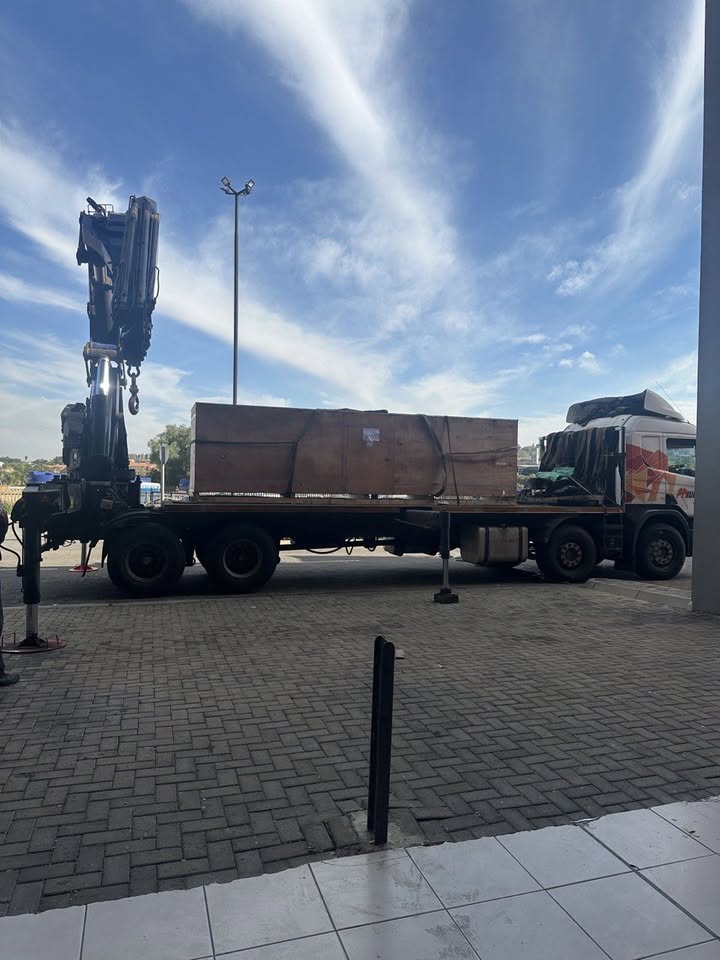
12 Heads Embroidery Machine
Toilet Paper Machine Machine
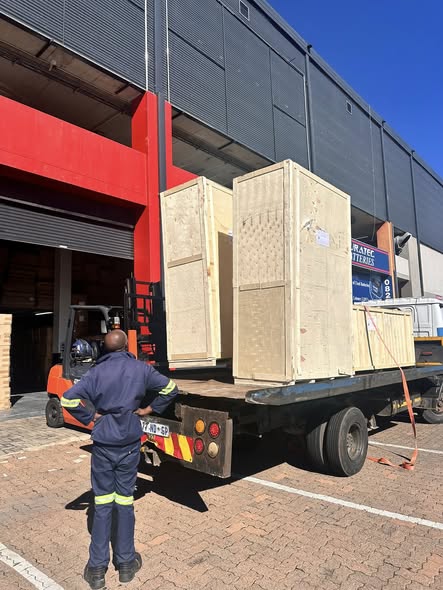
Order Collection
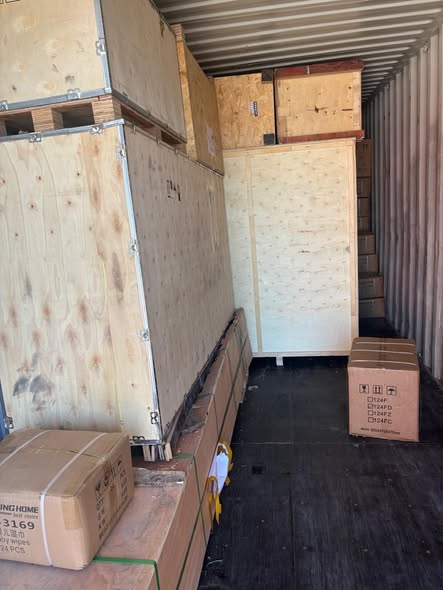
Cross Border Clients
Order cros border countries Collected
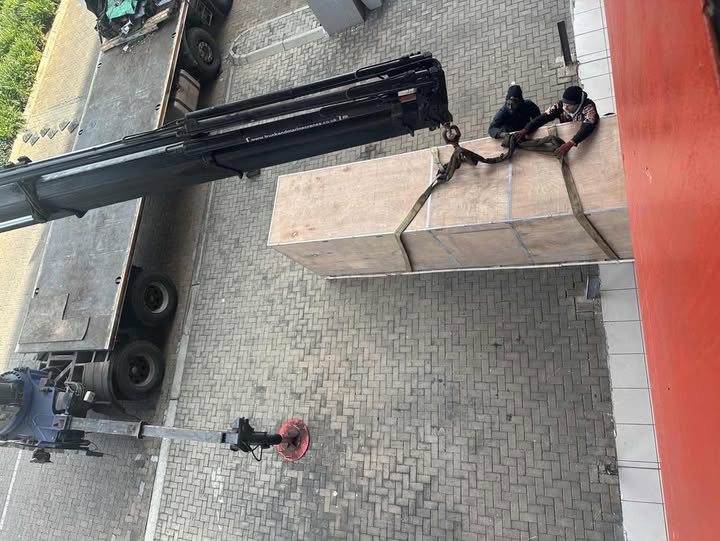
Industrial Machine Cllection
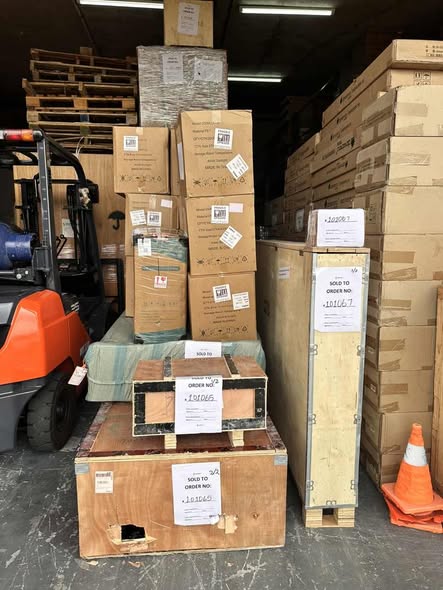
Agriculture Processing Machines
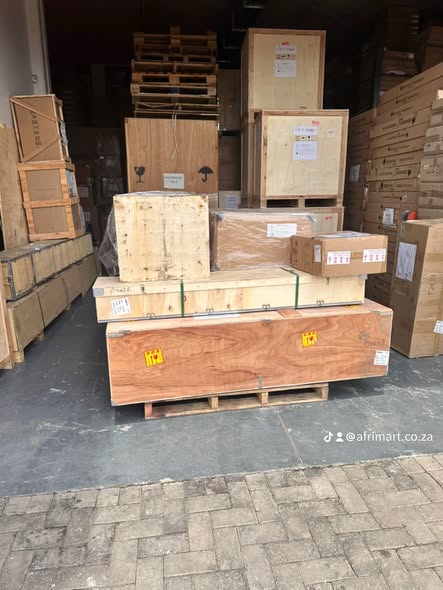
Ready for collection
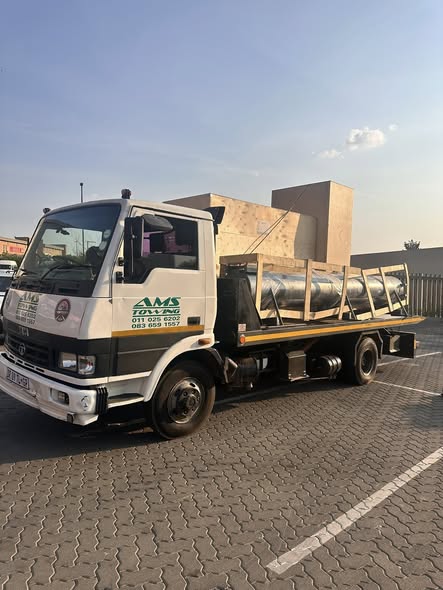
Water Pump Equipment
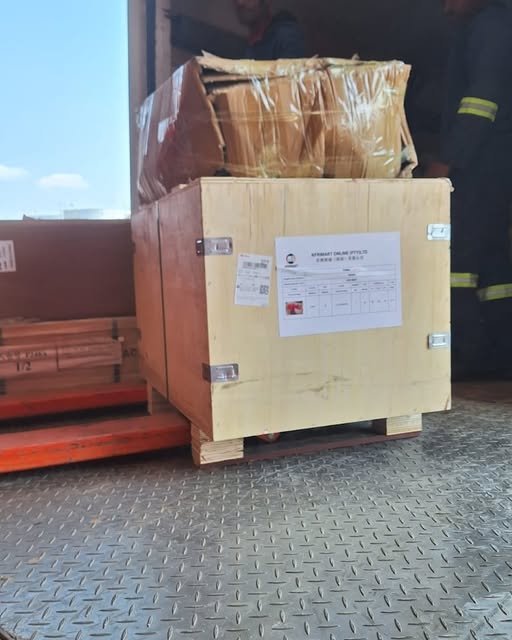
Packaging Machine and accessories
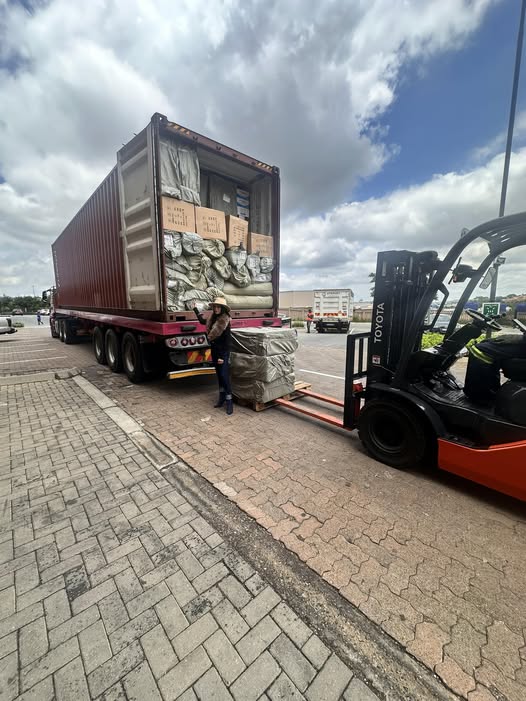
Fabrics Manufacturing Equipment
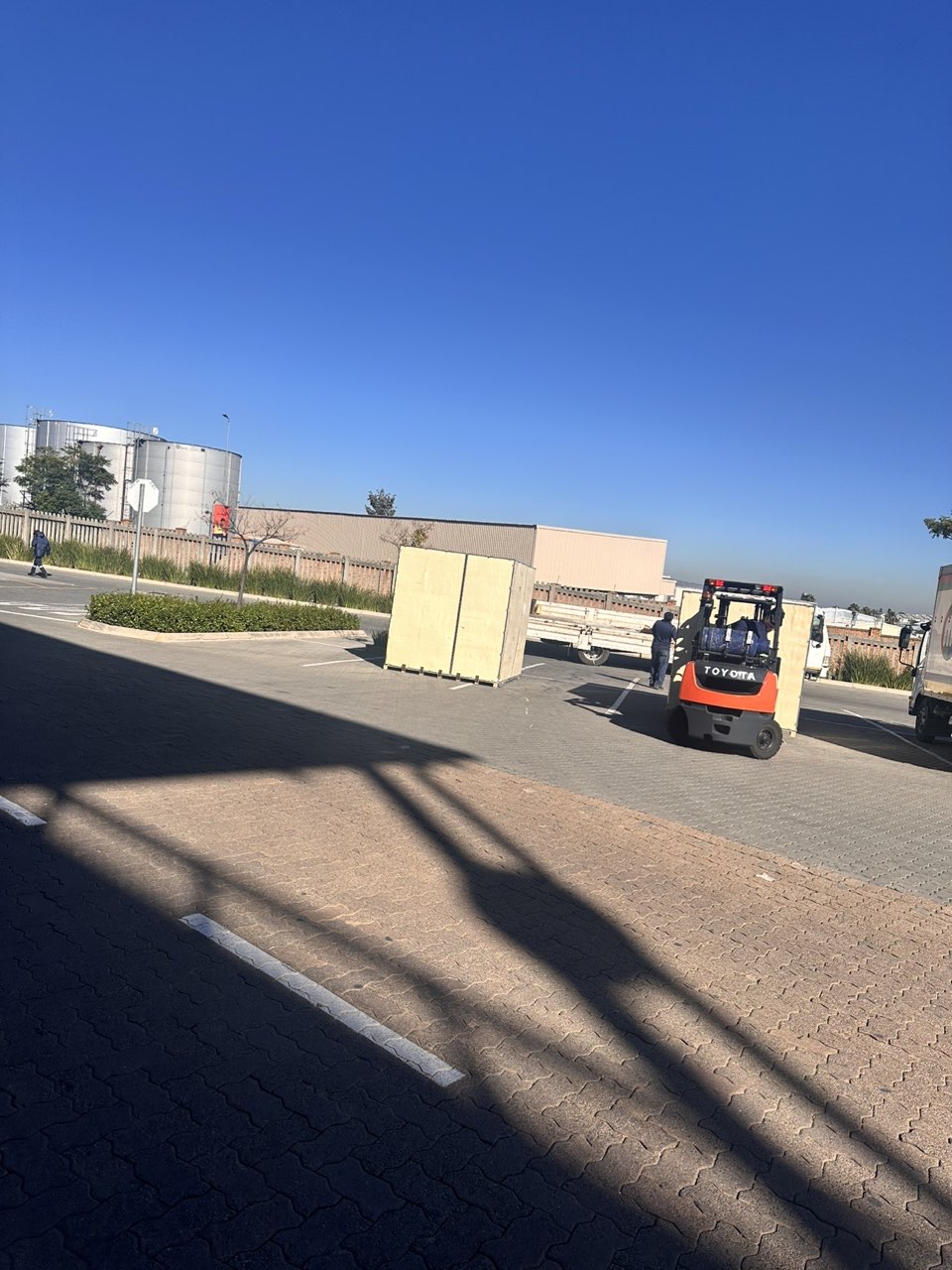
Mining Equipments
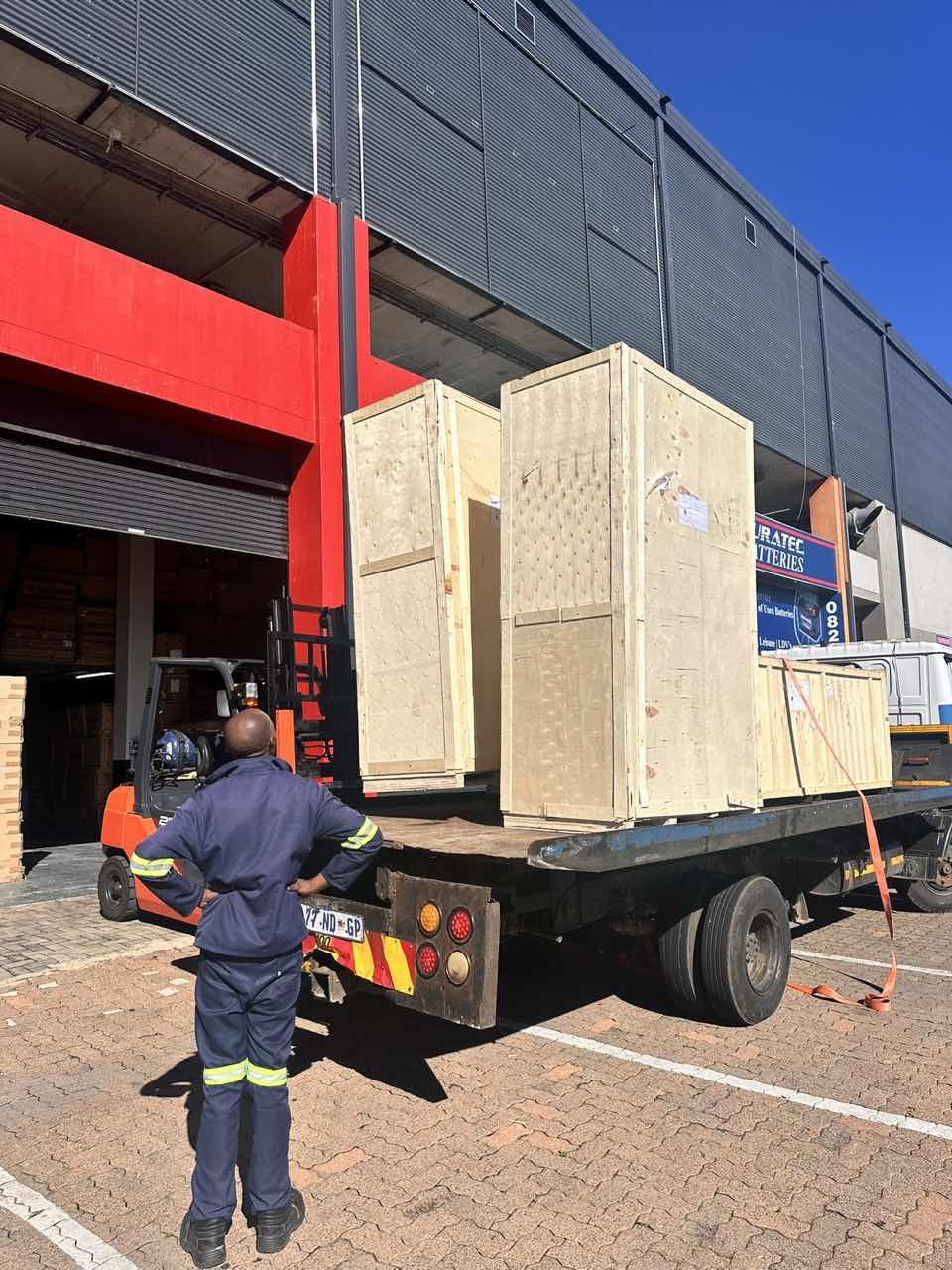
Food Processing Machine
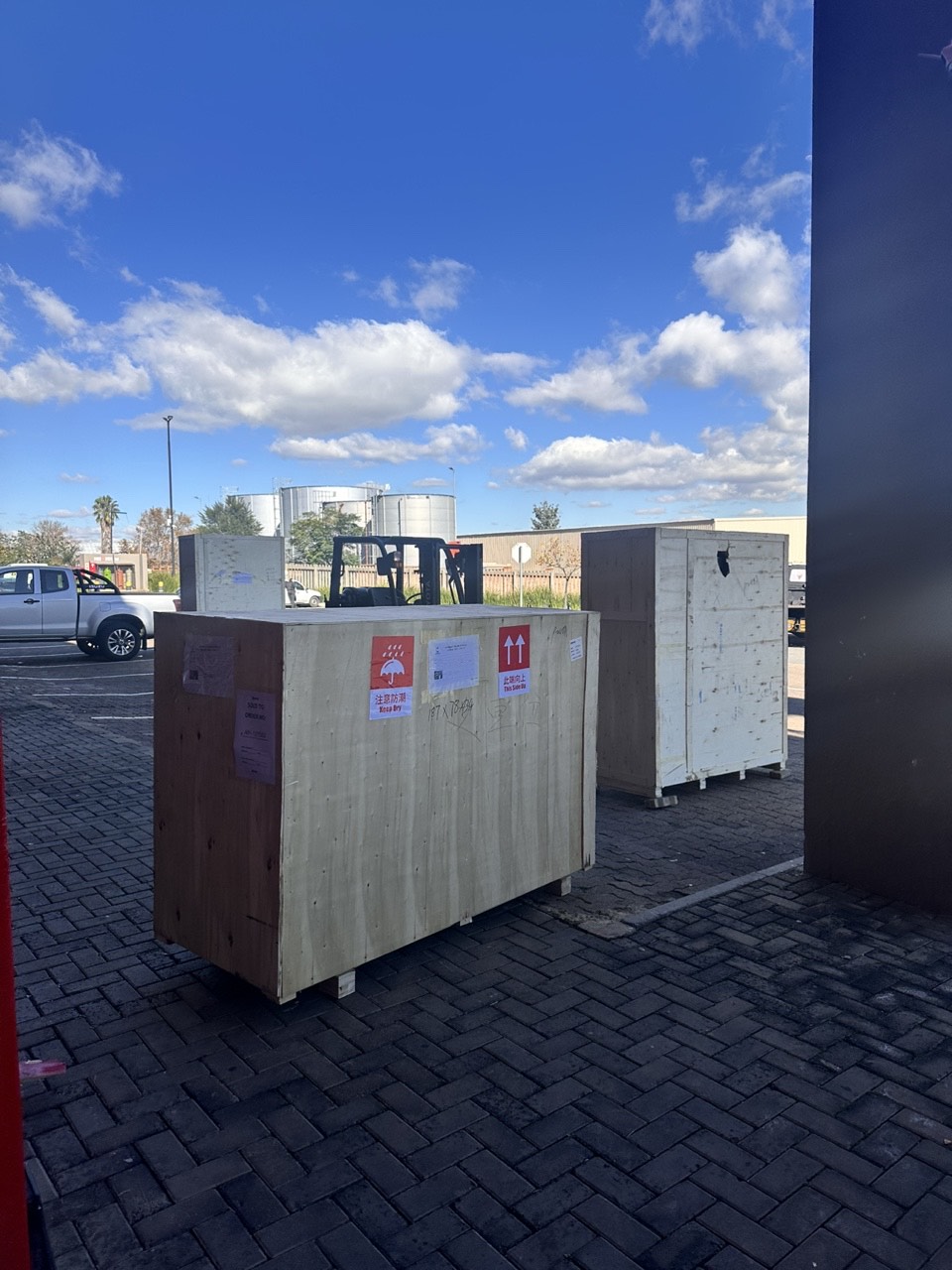
Batch of Orders
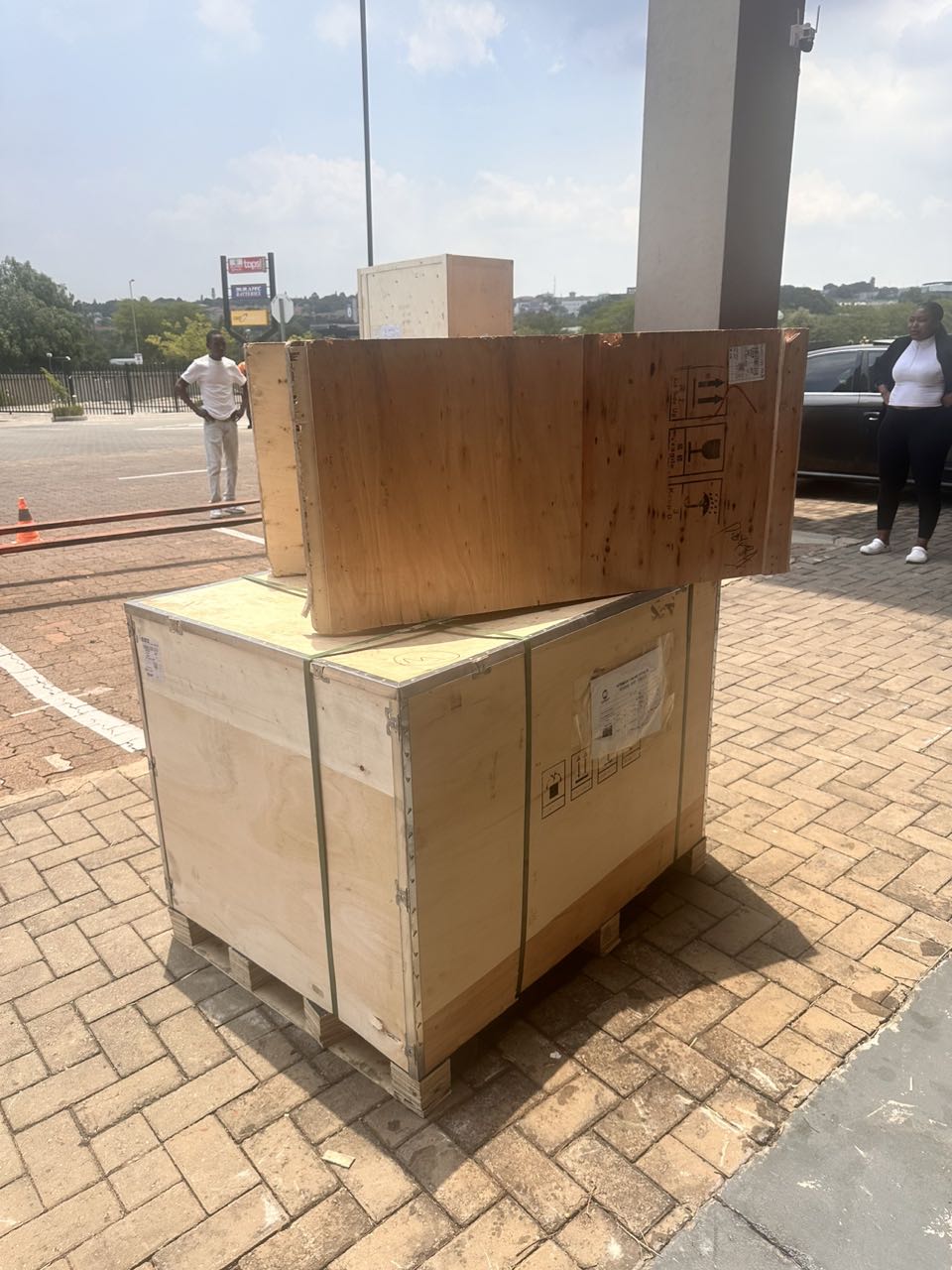
Batch of Orders
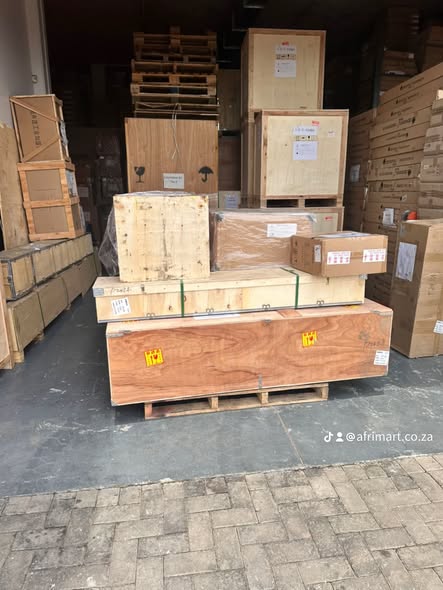
Latest Orders Labelled
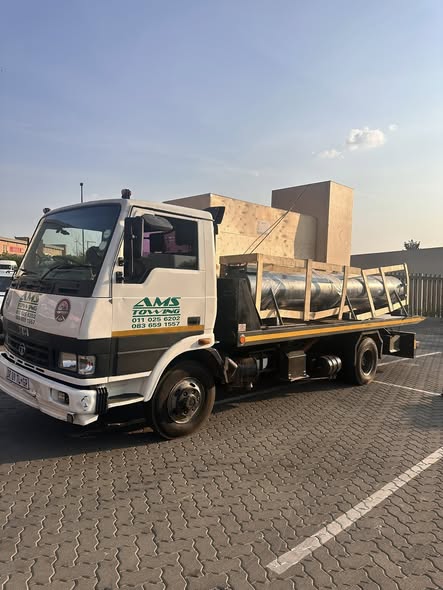
wheel alignment machines
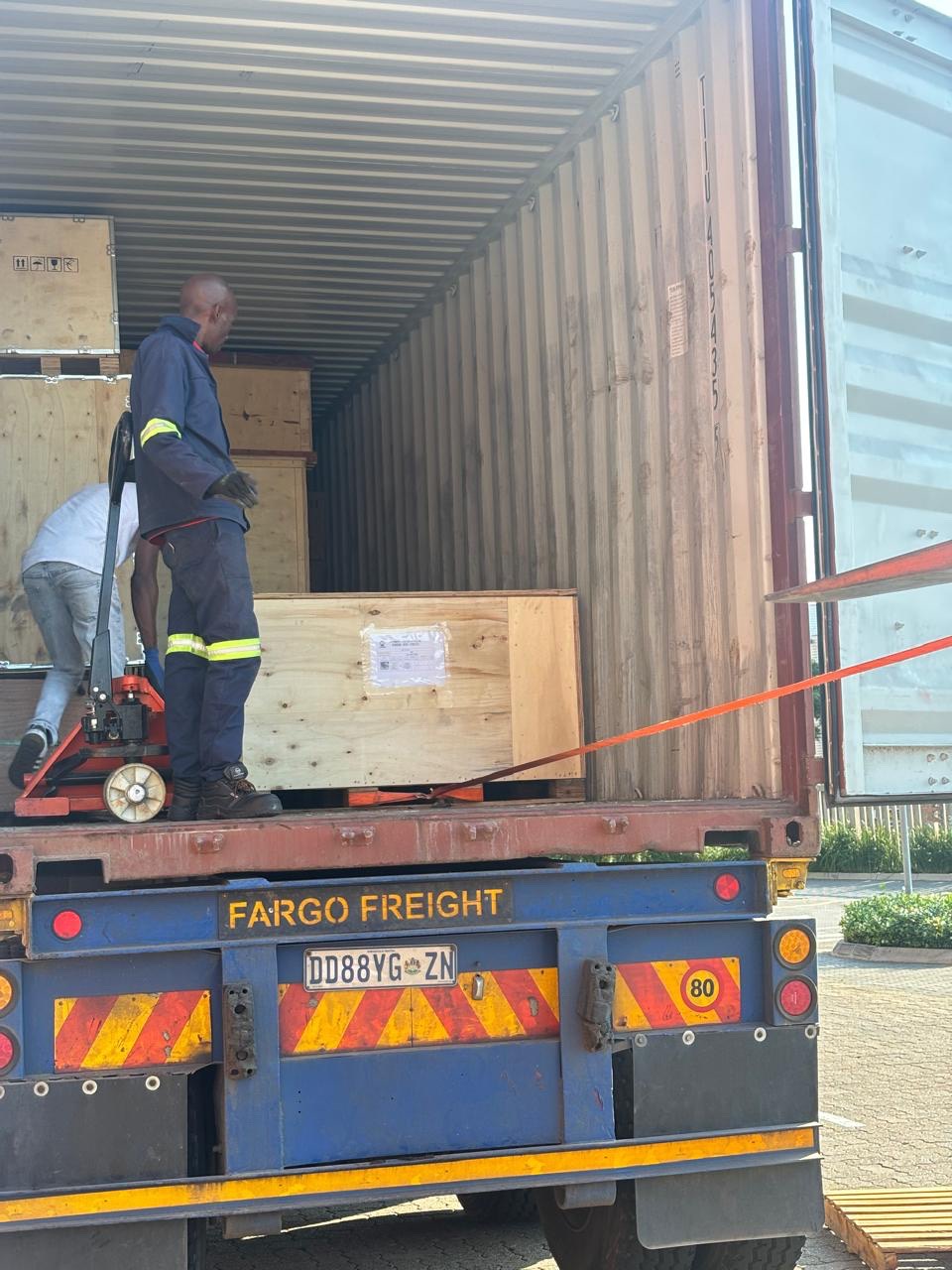
new arrivals
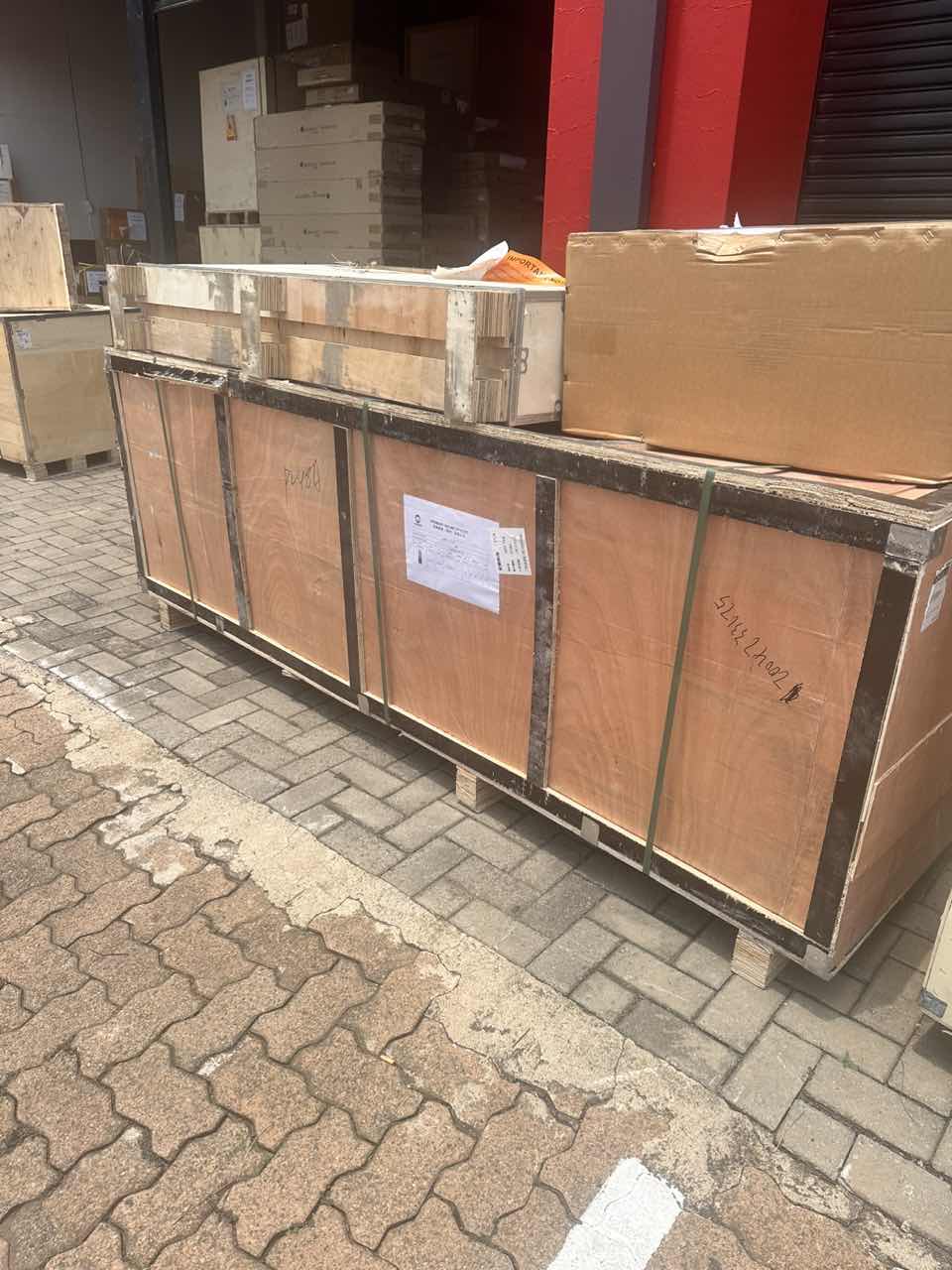
Pre Orders Offloading
Latest Arrivals
Latest Arrivals
Latest Arrivals
Loading
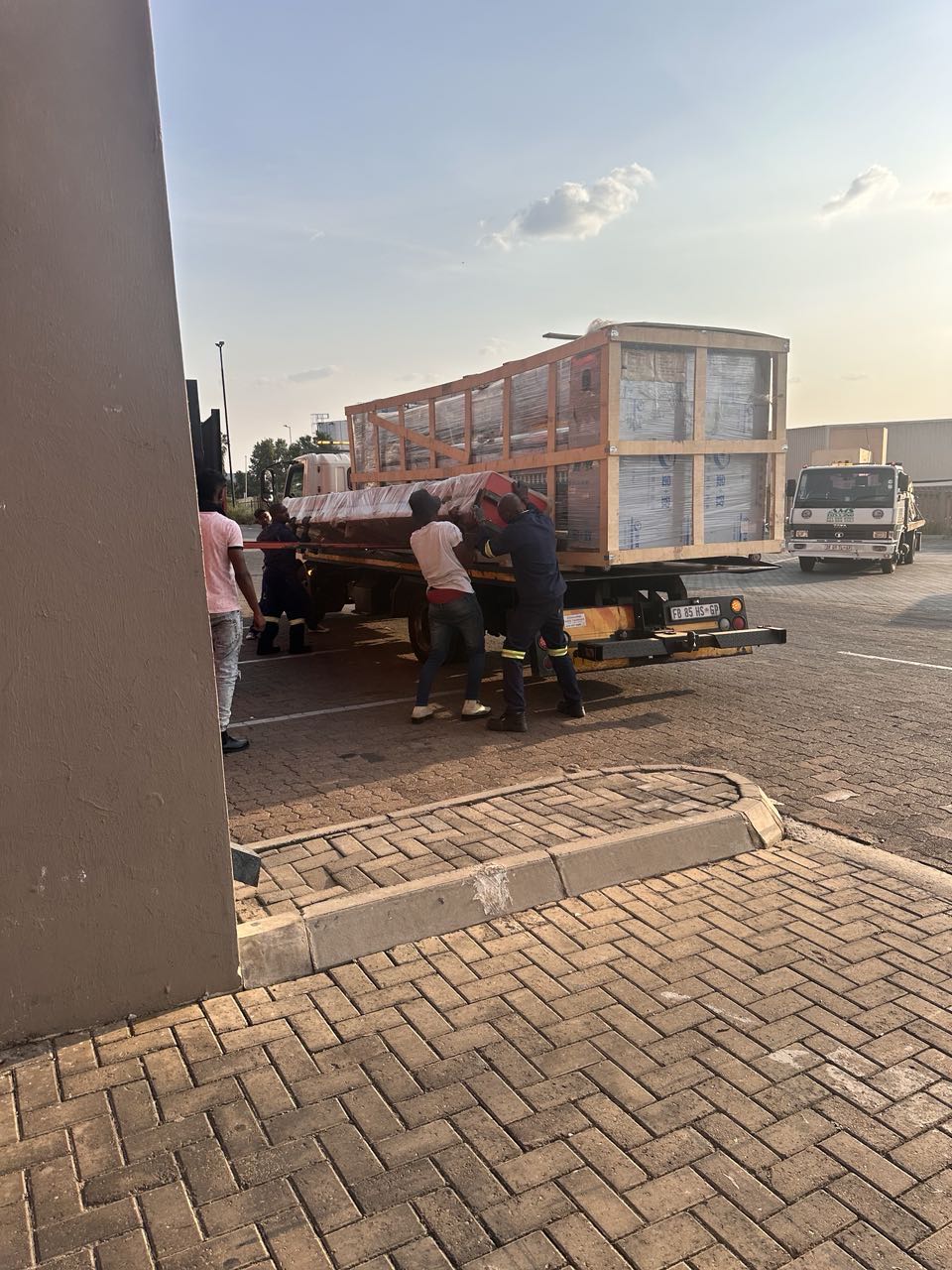
Toilet paper making machine
Toilet paper making machine
Toilet paper Rewinding Machine
latest arrivals
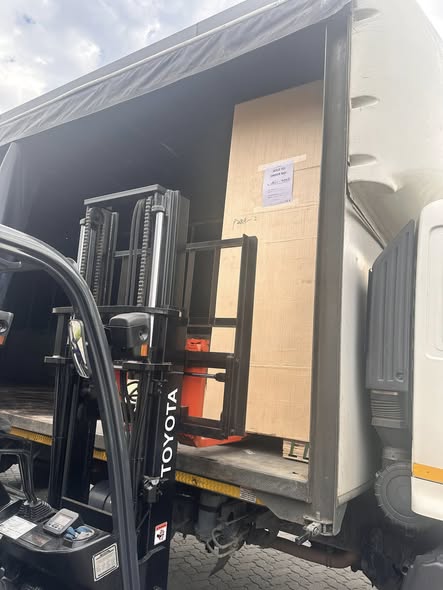
offloading
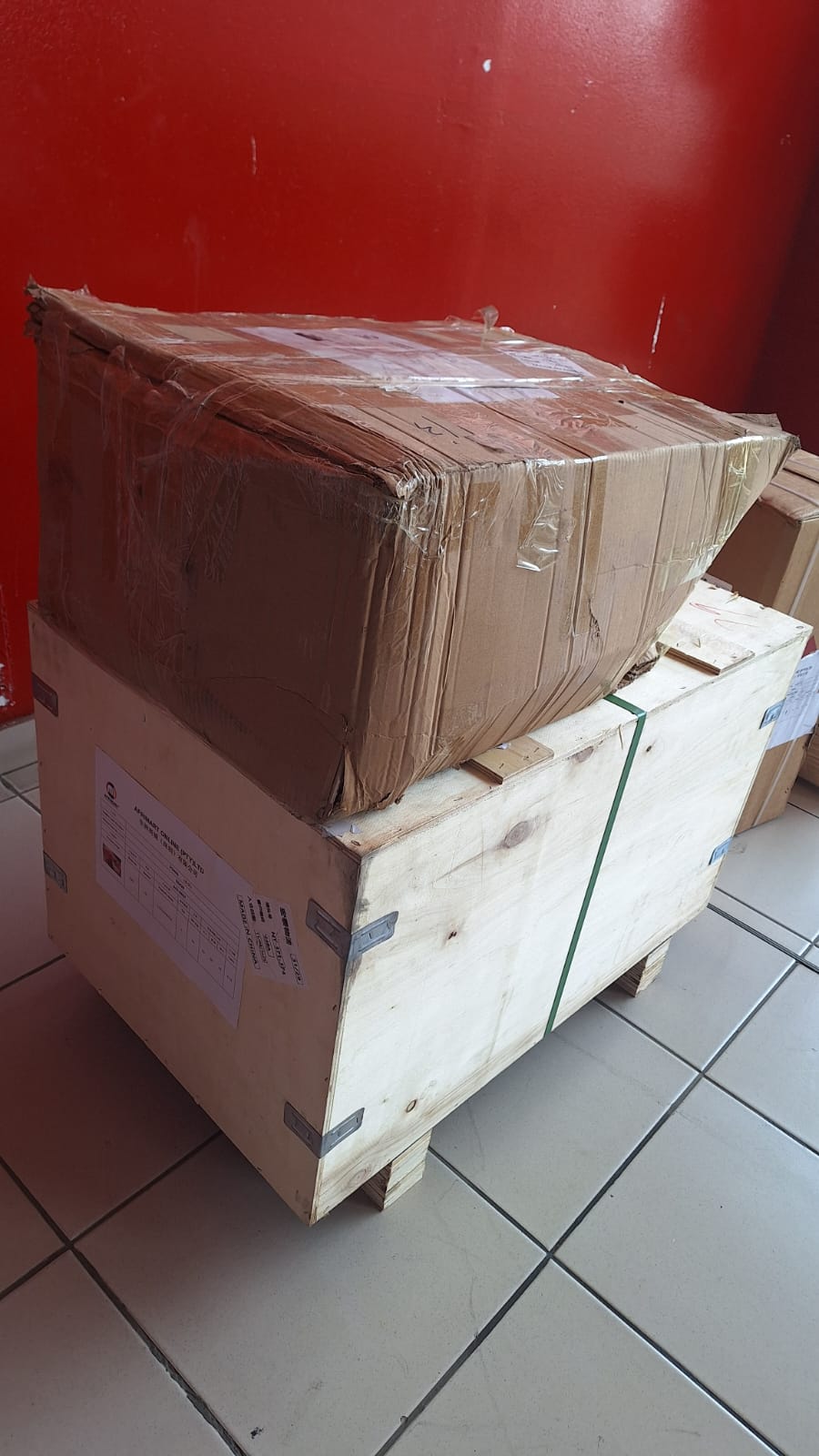
order success
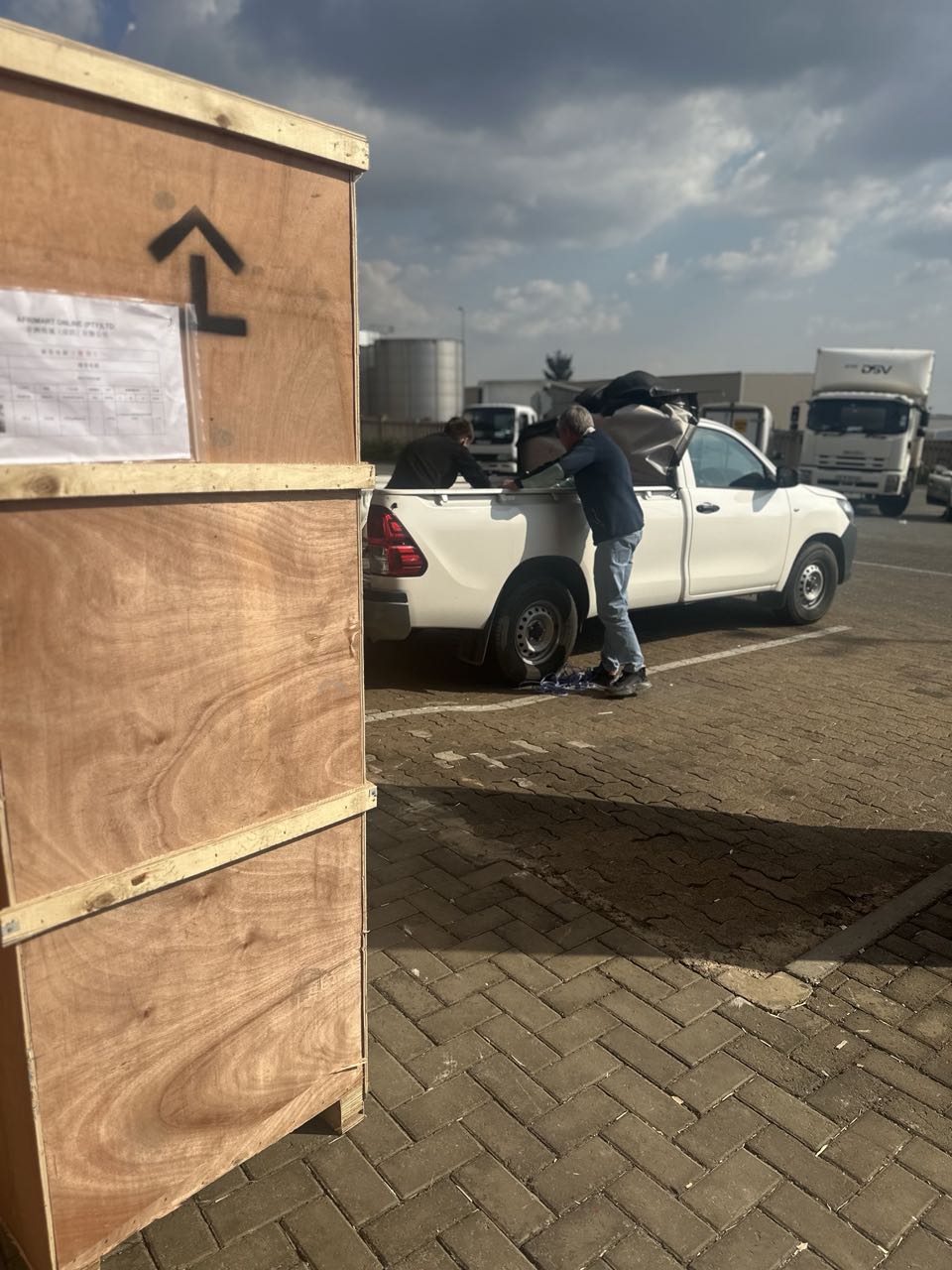
order collection
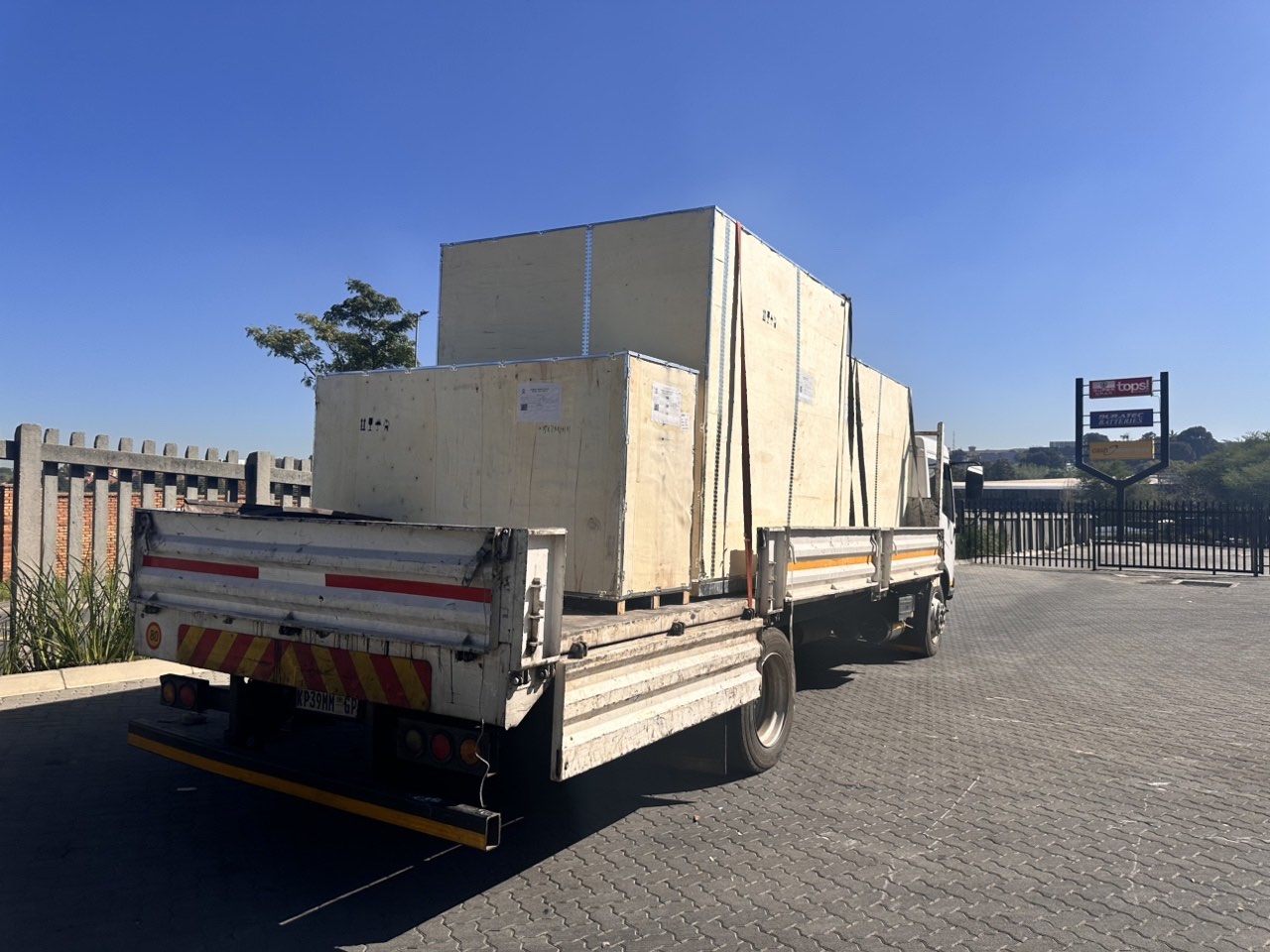
order offloading