B21, China Town Mall, Midrand

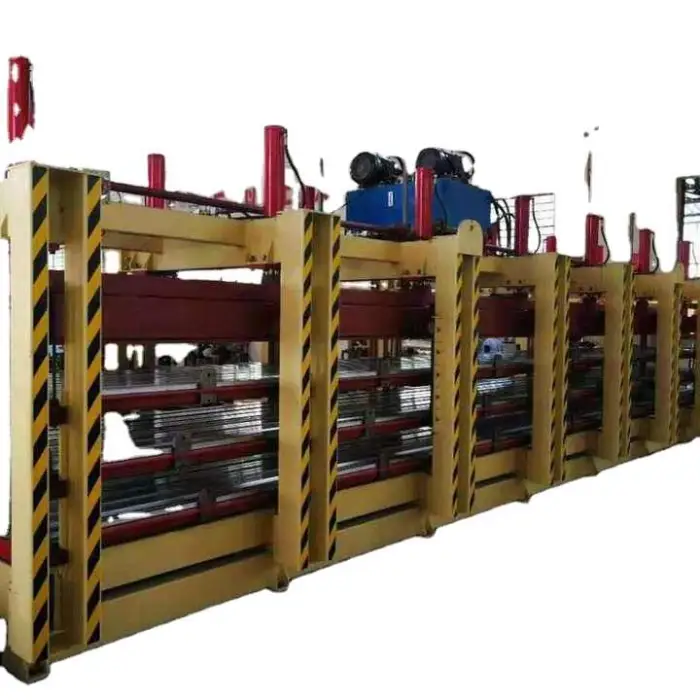
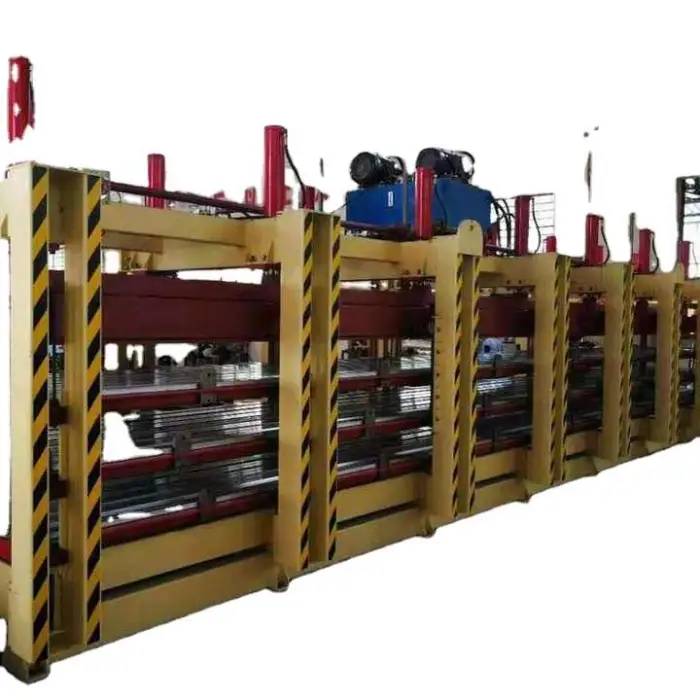
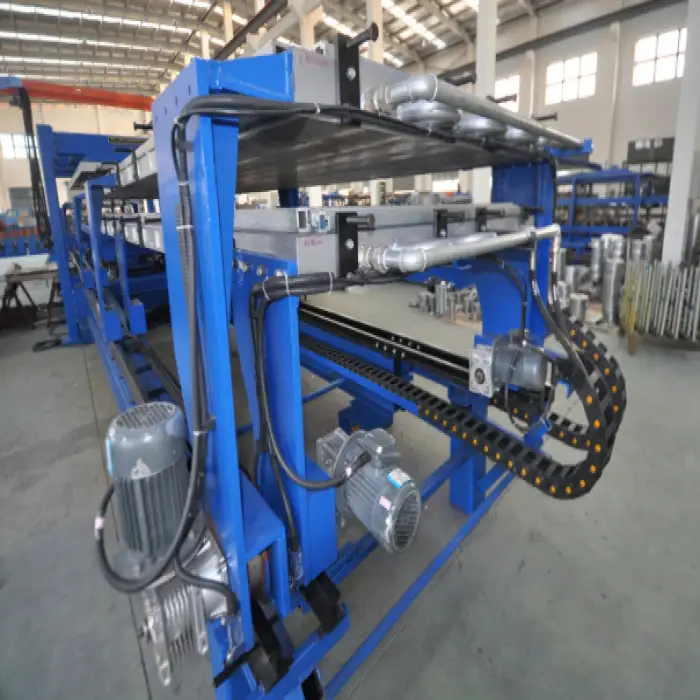
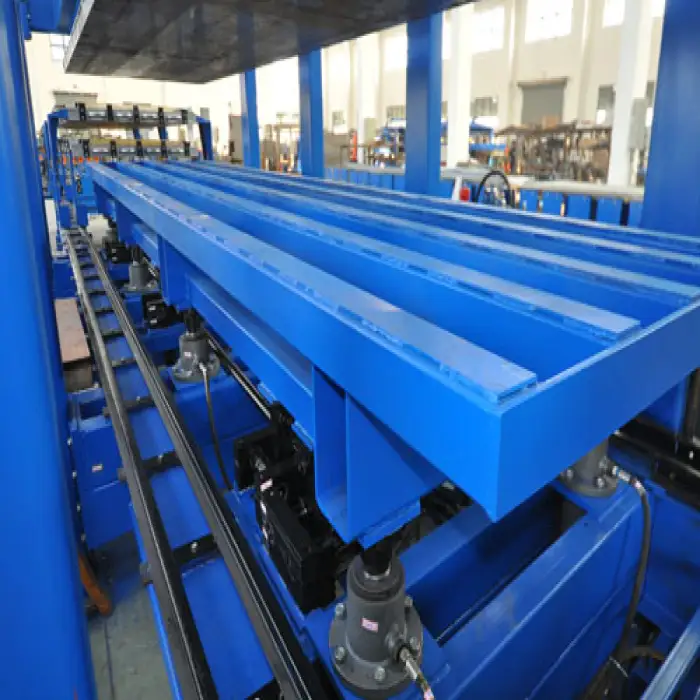
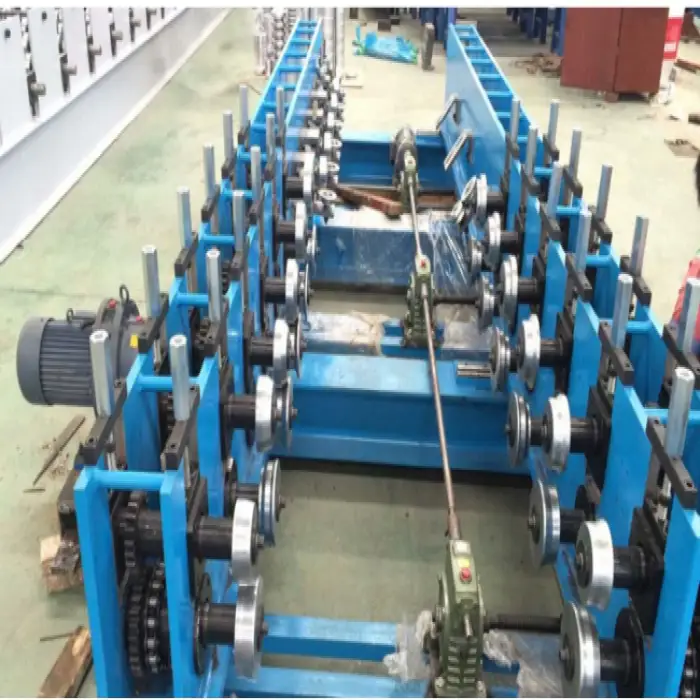
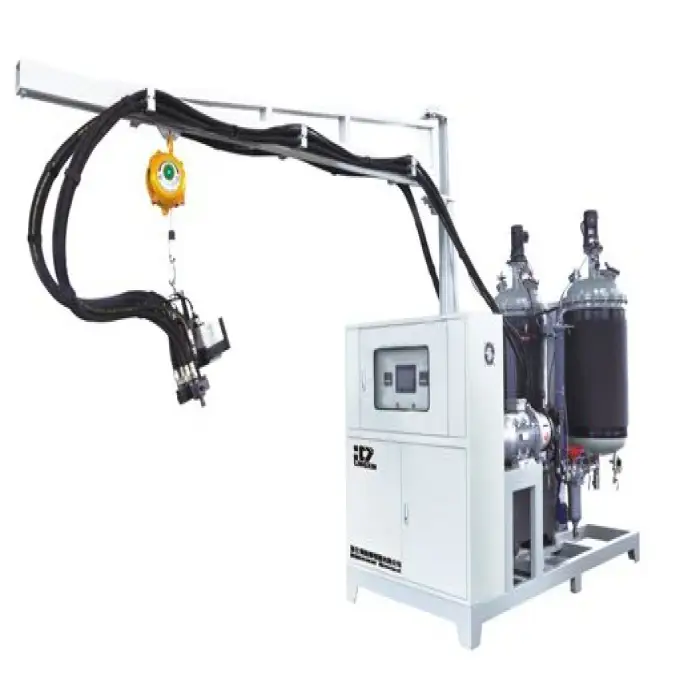
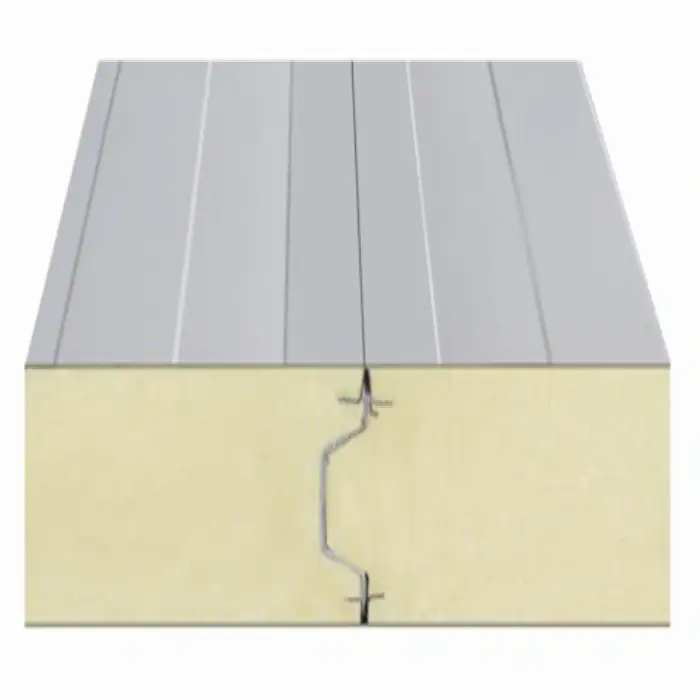
Sandwich Panel Machine Pu Sandwich Panel Line Other Construction Material Making Machinery
Asset finance available
Do you want funding for this equipment?
Afrimart can connect you with trusted funding partners who specialise in asset finance for businesses like yours. Compare options and apply in minutes — final approval is subject to provider review.
Check funding options
Secure & no obligation
- Section : Machinery
- Category : Tile Making Machinery
- SKU : 1600196030356

Sandwich Panel Machine PU Sandwich Panel Line
Introducing the Sandwich Panel Machine PU Sandwich Panel Line, a powerful and efficient solution for creating high-quality sandwich panels. This machine is perfect for producing panels used in construction, providing durability and insulation. With its advanced features and robust design, it is an essential addition to any manufacturing facility.
Specifications
| Attribute | Details |
|---|---|
| Weight | 5000 KG |
| Core Components | Alarm Lock |
| Brand Name | HRF |
| Product Name | 15m Continuous PU Sandwich Panel Machine |
| Coil Thickness | 0.4-0.8 mm |
| Size of Sheet | 1250 mm |
| Working Speed | 3-7 m/min |
| Total Power | About 250 kW |
| Effective Length of Double Belt Conveyor | 30 m |
| Coil Weight | 10 Ton |
| Wall Panel Width | 1000 mm |
| Power Required | 380V/3 phase/50Hz |
| Selling Units | Single Item |
| Single Package Size | 8500 x 2000 x 1500 cm |
| Single Gross Weight | 8000.000 KG |
Key Features
- High production efficiency with a working speed of 3-7 m/min.
- Robust construction with a weight of 5000 KG for stability.
- Versatile coil thickness handling from 0.4 to 0.8 mm.
- Effective double belt conveyor for smooth operation.
- Powerful motor with a total power of about 250 kW.
Applications
- Manufacturing sandwich panels for building insulation.
- Creating panels for cold storage and refrigeration units.
- Producing wall panels for industrial buildings.
- Utilizing in modular construction projects.
- Developing lightweight structures for various construction needs.
Product Info Gallery
- Shipping Timeframes: All orders are processed within 2-5 business days (excluding weekends and holidays). After your order has been processed, the estimated delivery time is before 05 Aug, 2026, depending on customs, Please note that due to high demand, some items may experience longer shipping times, which will be communicated at order confirmation email.
- Order Processing Time: Please allow 2-5 business days for us to process your order before it is shipped . Orders placed after 16:00 on Fridays, or during weekends and public holidays, will begin processing on the next business day. Processing times may be extended during peak seasons or sales events.
- Manufacturing Time: Some products needs manufacturing time, the manufacturing process will take approximately 10-30 business days depending on the product. This timeframe may vary depending on the complexity of the product and current demand. but this will be communicated with you during order confirmation.
- Returns and Exchanges: We offer a 30-day return policy for most items. If you are not completely satisfied with your purchase, you may return it within 30 days of receipt for a refund or exchange. Items must be unused, in their original packaging, and accompanied by proof of purchase. Return shipping costs are the responsibility of the customer, unless the item was damaged or defective upon arrival.
1. What is the Sandwich Panel Machine PU Sandwich Panel Line?
A continuous production line designed to manufacture PU (polyurethane) sandwich panels for building insulation, cold storage, modular construction and other lightweight wall/roof applications. This model is a 15m continuous PU sandwich panel machine from brand HRF.
2. What are the main technical specifications?
Key specs: weight ~5000 kg (gross 8000 kg), working speed 3–7 m/min, wall panel width 1000 mm, sheet size 1250 mm, coil thickness 0.4–0.8 mm, effective double belt conveyor length 30 m, coil weight up to 10 tons, total power ~250 kW, power supply 380V/3 phase/50Hz.
3. What materials and coil types can the line handle?
The line is designed for metal facing coils with thicknesses between 0.4 and 0.8 mm. Typical compatible materials include galvanized or color-coated steel and similar metal facings; confirm specific metal grades with the supplier.
4. What is the production capacity (throughput)?
At the rated working speed the line produces between 3 and 7 meters of panel length per minute. For a 1 m panel width (1000 mm), that corresponds to roughly 180–420 m² of panel per hour (actual output depends on panel length, cycle time for cutting and line configuration).
5. What panel sizes can be produced?
The standard wall panel width is 1000 mm and the line accepts sheets up to 1250 mm. Panel length is continuous and can be cut to customer-required lengths by the integrated cutting unit.
6. What are the electric power requirements?
The machine requires a three-phase 380V/50Hz electrical supply and has a total installed power of about 250 kW. Final electrical connection and local compliance should be handled by a qualified electrician or the supplier’s installation team.
7. What components are included in the sandwich panel line?
Typical components include coil feeding/leveling, forming stations for facings, a PU foaming system, a double belt conveyor (effective length 30 m) for curing, a cutting unit, control panel and safety devices (alarm lock included). Exact configuration may vary—request a detailed scope from the supplier.
8. What site preparation and space are required for installation?
You should allocate floor space for the effective conveyor length (30 m) plus additional material handling areas and access. A level, solid concrete foundation and adequate overhead clearance are required. The supplier can provide a recommended layout and foundation drawing based on your chosen configuration.
9. How long does installation and commissioning take?
Installation and commissioning time depends on site readiness and configuration. Typical mechanical installation and commissioning are completed in a few days to a couple of weeks. The supplier usually provides on-site commissioning and operator training—confirm exact timelines with sales.
10. What safety and control features does the machine include?
Safety features include an alarm lock and standard industrial protections such as emergency stop buttons, safety guards and interlocks. The control system manages production parameters; specific safety certifications and options should be confirmed with the manufacturer.
11. What maintenance is required and are spare parts available?
Routine maintenance includes lubrication, inspection of belts/rollers, checking hydraulic and electrical systems, and filter/nozzle maintenance for the PU system. Spare parts and wear items are normally available from the supplier; signing a spare-parts or service agreement is recommended for continuous operation.
12. Is operator training provided?
Yes. The supplier typically offers operator and maintenance training during commissioning to ensure safe and efficient operation. Remote or additional training options may also be available.
13. Can the machine be customized or upgraded?
Yes. Common customizations include different panel widths, alternative coil material compatibilities, extended conveyor length, automation levels, and additional cutting or handling options. Discuss specific requirements with the supplier to get a tailored solution.
14. What are the packaging and shipping details?
The listing shows a single package dimension of 8500 x 2000 x 1500 (units as specified by supplier) and a gross weight of 8000 kg. Shipping method (container, flat rack or breakbulk) will depend on final machine configuration and destination—confirm with the sales team for exact packing and logistics.
15. What warranty and after-sales service are offered?
Warranty and after-sales terms vary by supplier and region. Most manufacturers provide a standard warranty period and offer technical support, spare parts supply and field service contracts. Ask the vendor for their precise warranty, service level agreements and response times.
Latest Order Arrivals
Discover our latest orders
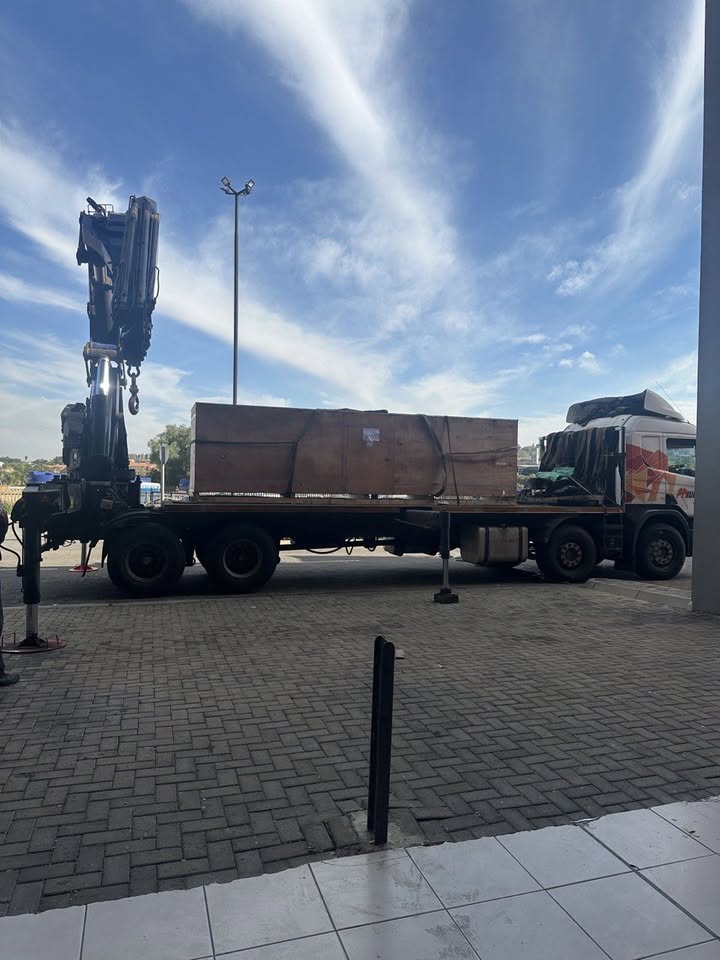
12 Heads Embroidery Machine
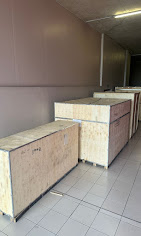
Toilet Paper Machine Machine
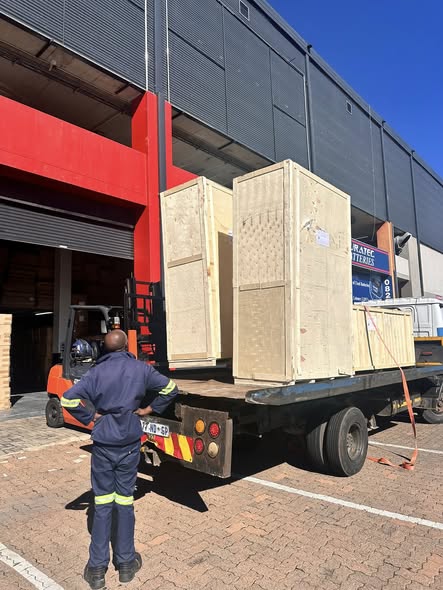
Order Collection
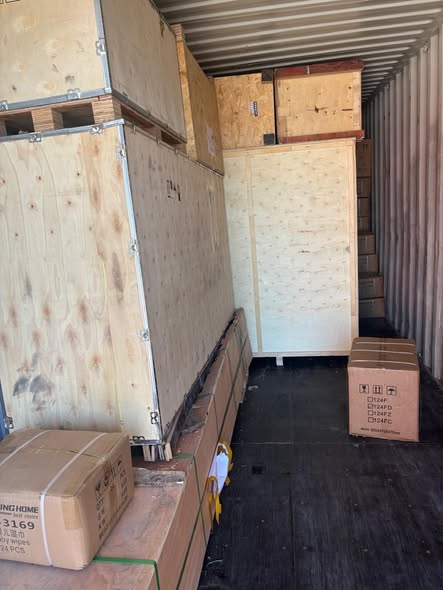
Cross Border Clients
Order cros border countries Collected
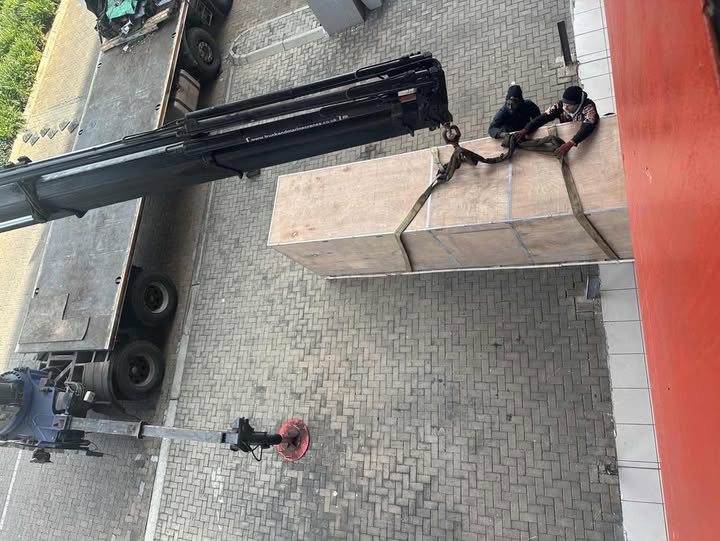
Industrial Machine Cllection
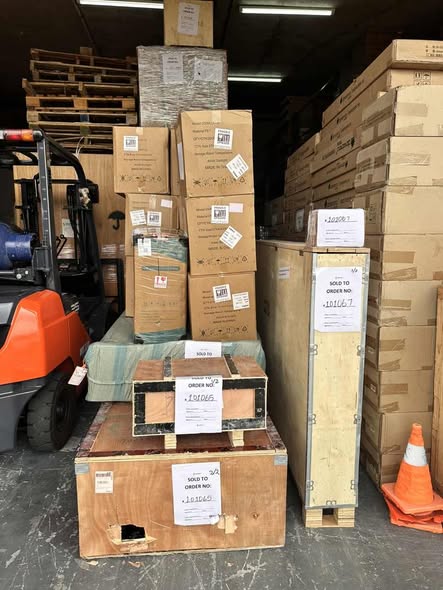
Agriculture Processing Machines
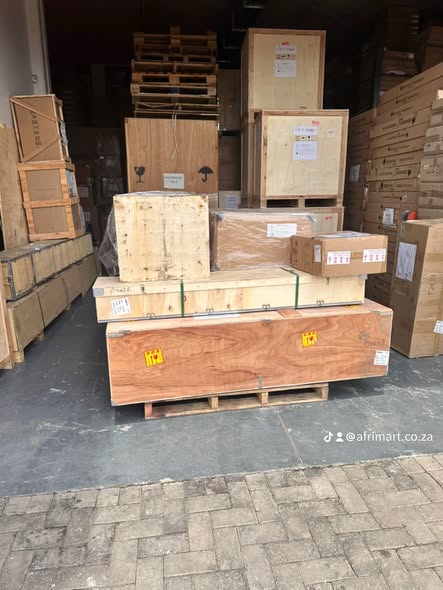
Ready for collection
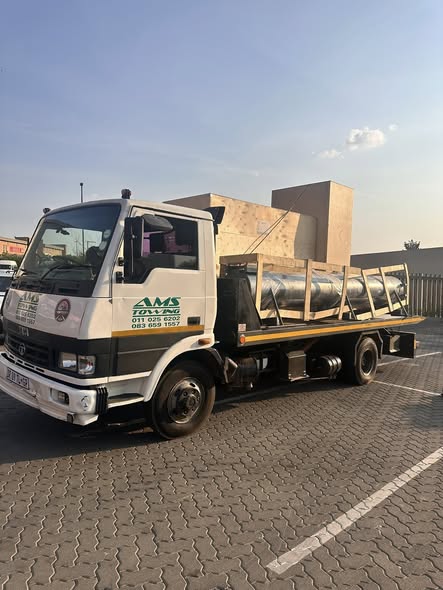
Water Pump Equipment
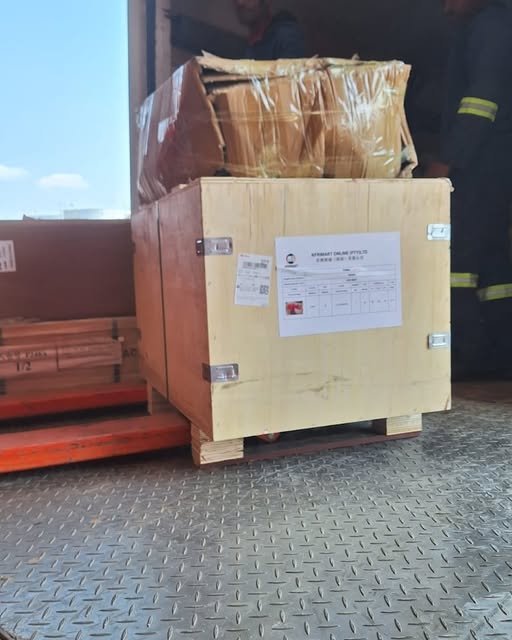
Packaging Machine and accessories
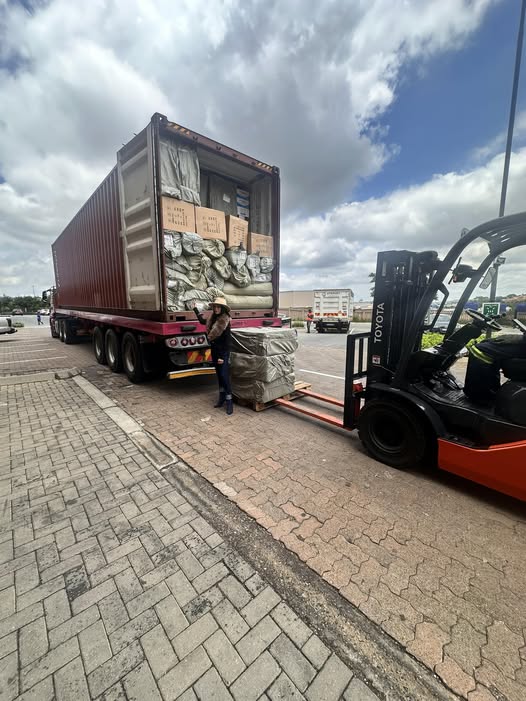
Fabrics Manufacturing Equipment
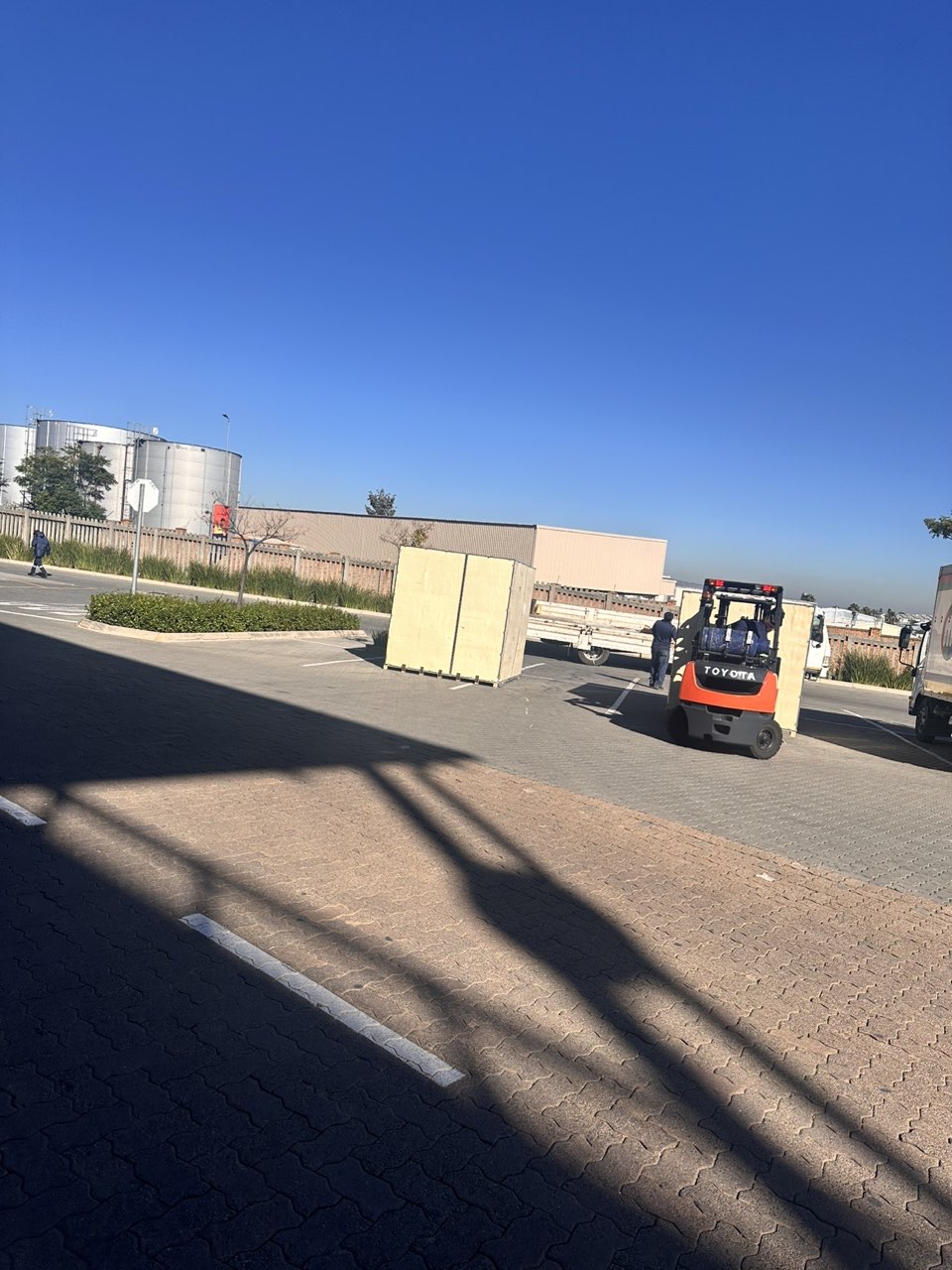
Mining Equipments
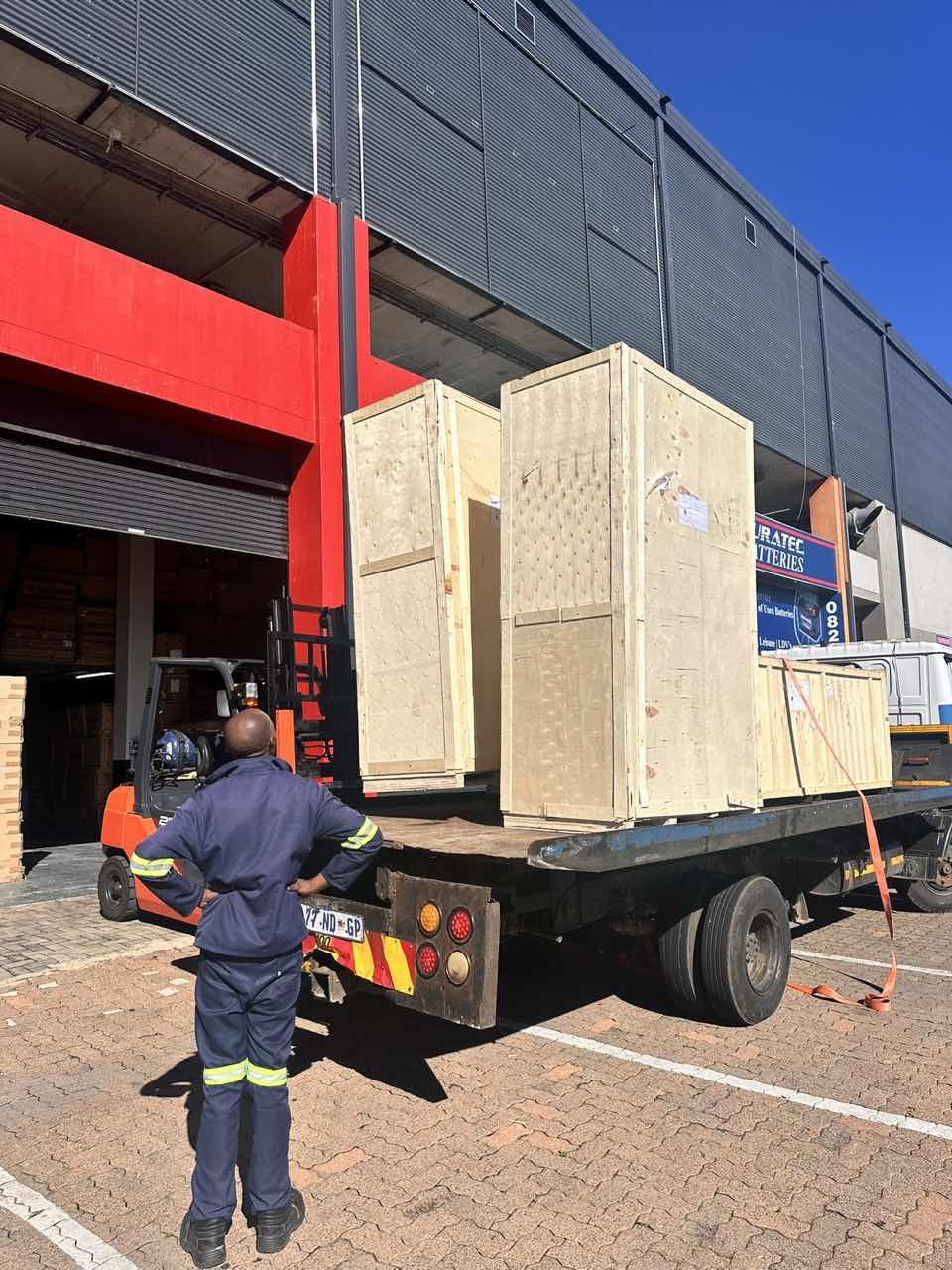
Food Processing Machine
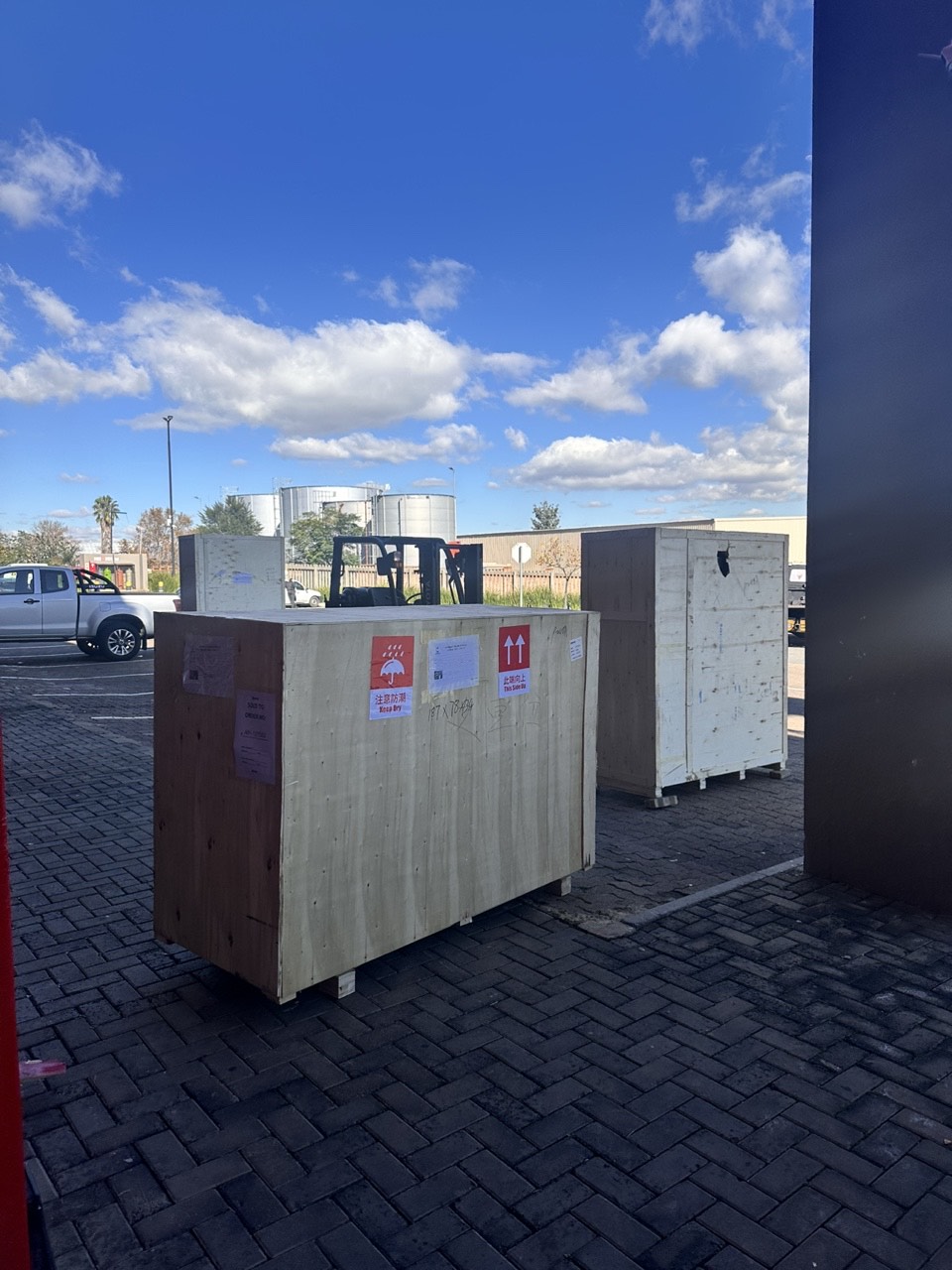
Batch of Orders
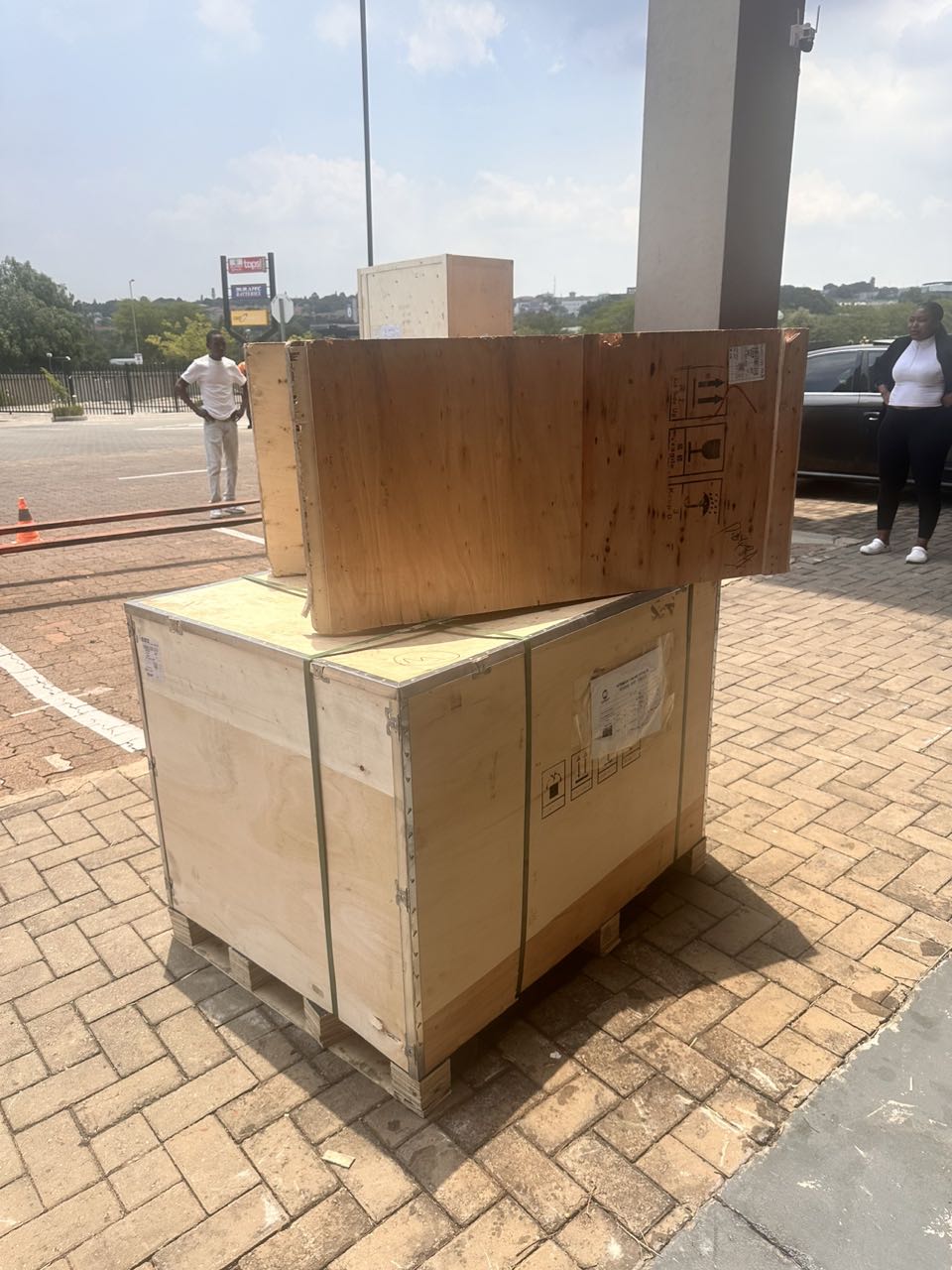
Batch of Orders
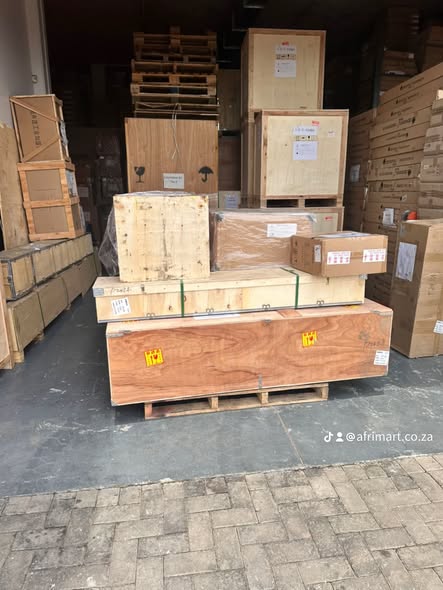
Latest Orders Labelled
wheel alignment machines
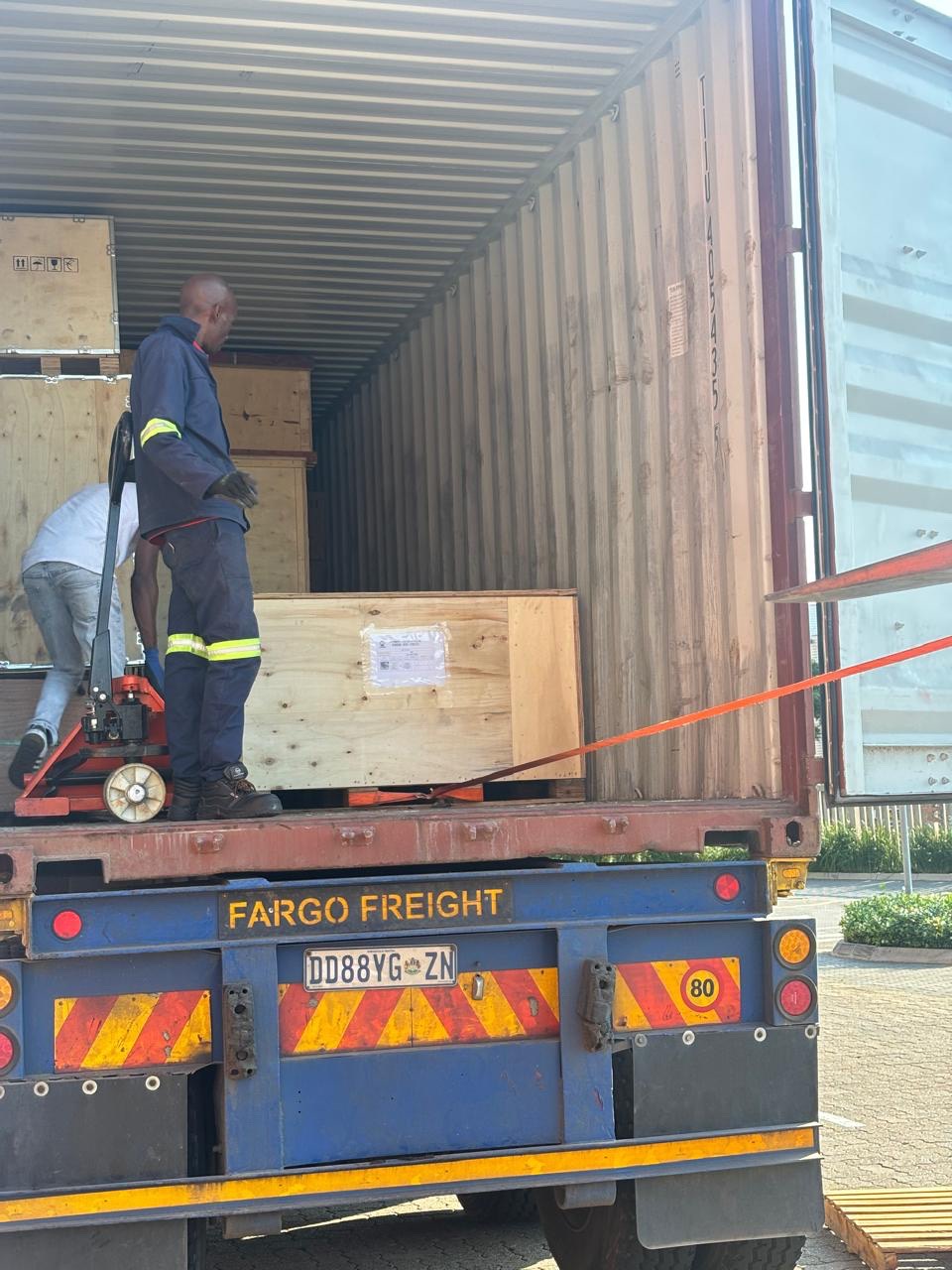
new arrivals
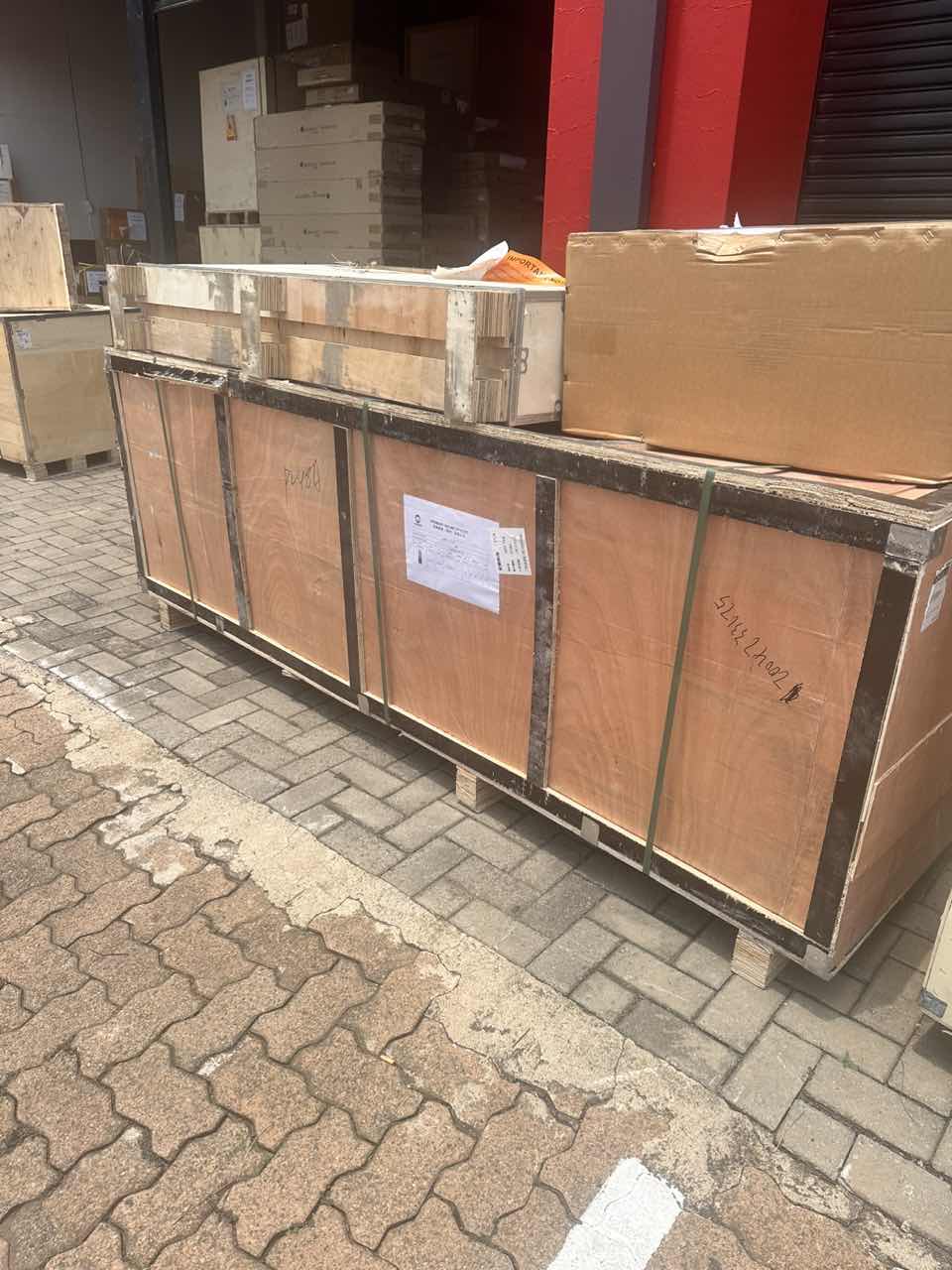
Pre Orders Offloading
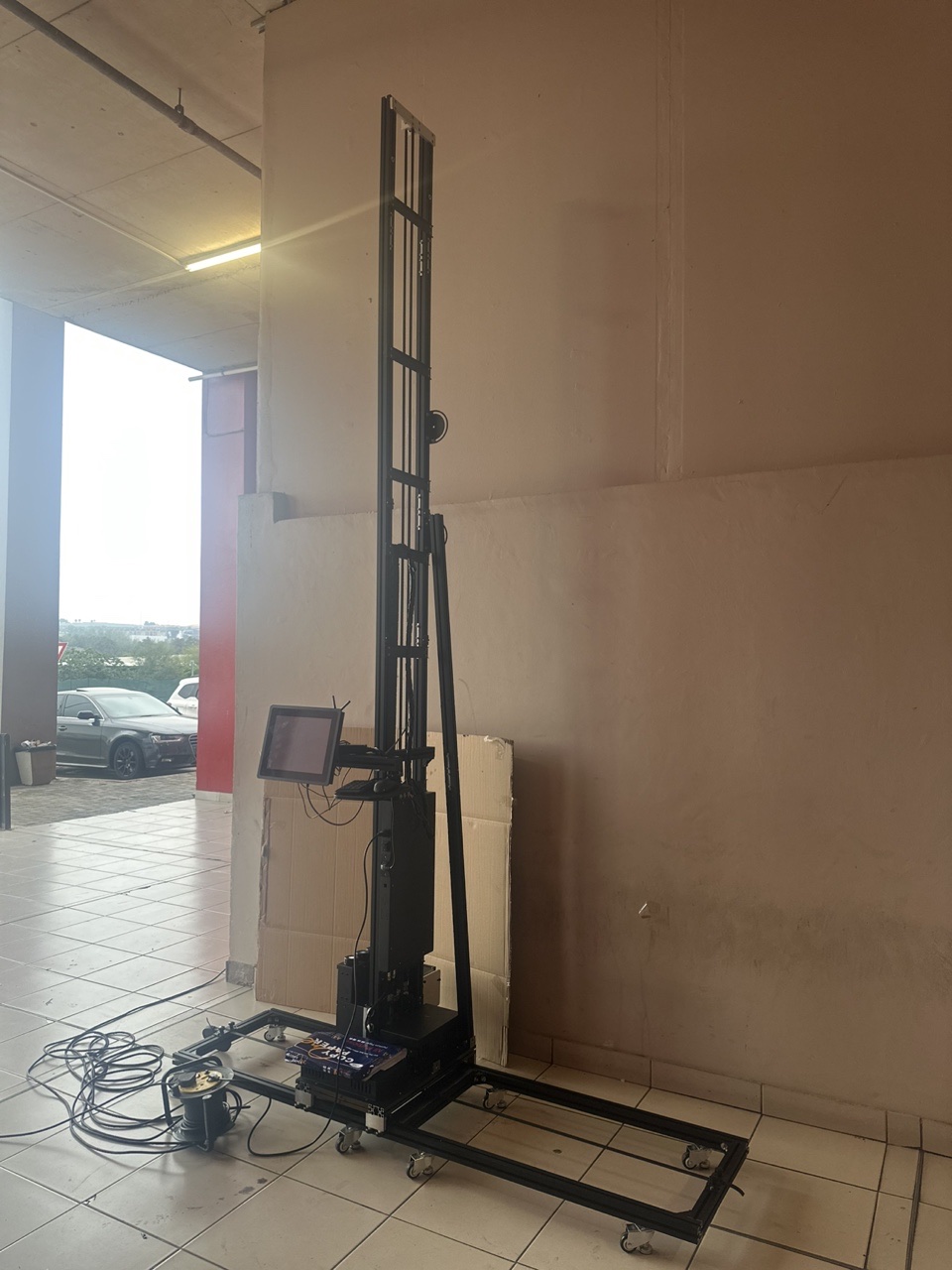
Latest Arrivals
Latest Arrivals
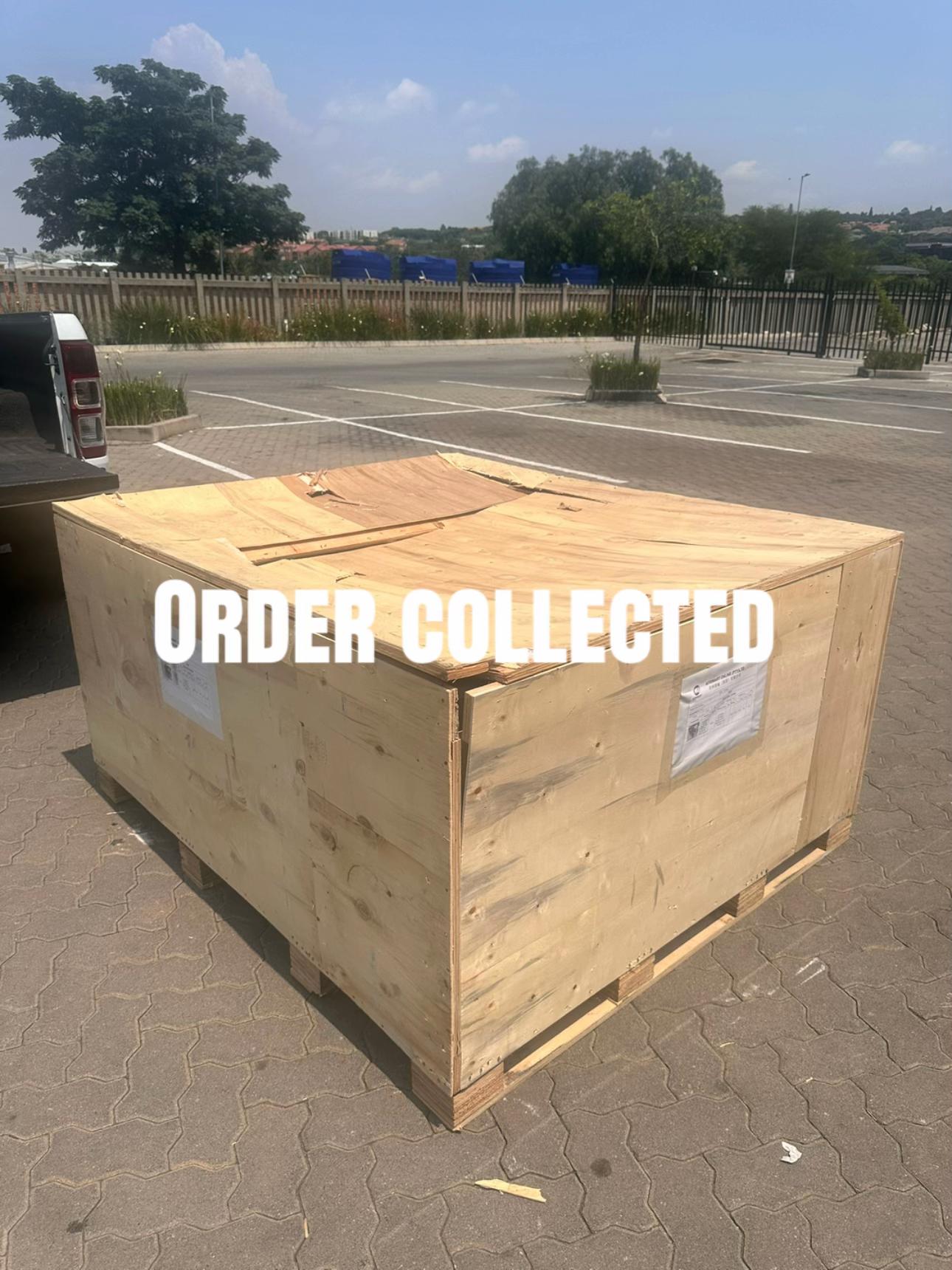
Latest Arrivals
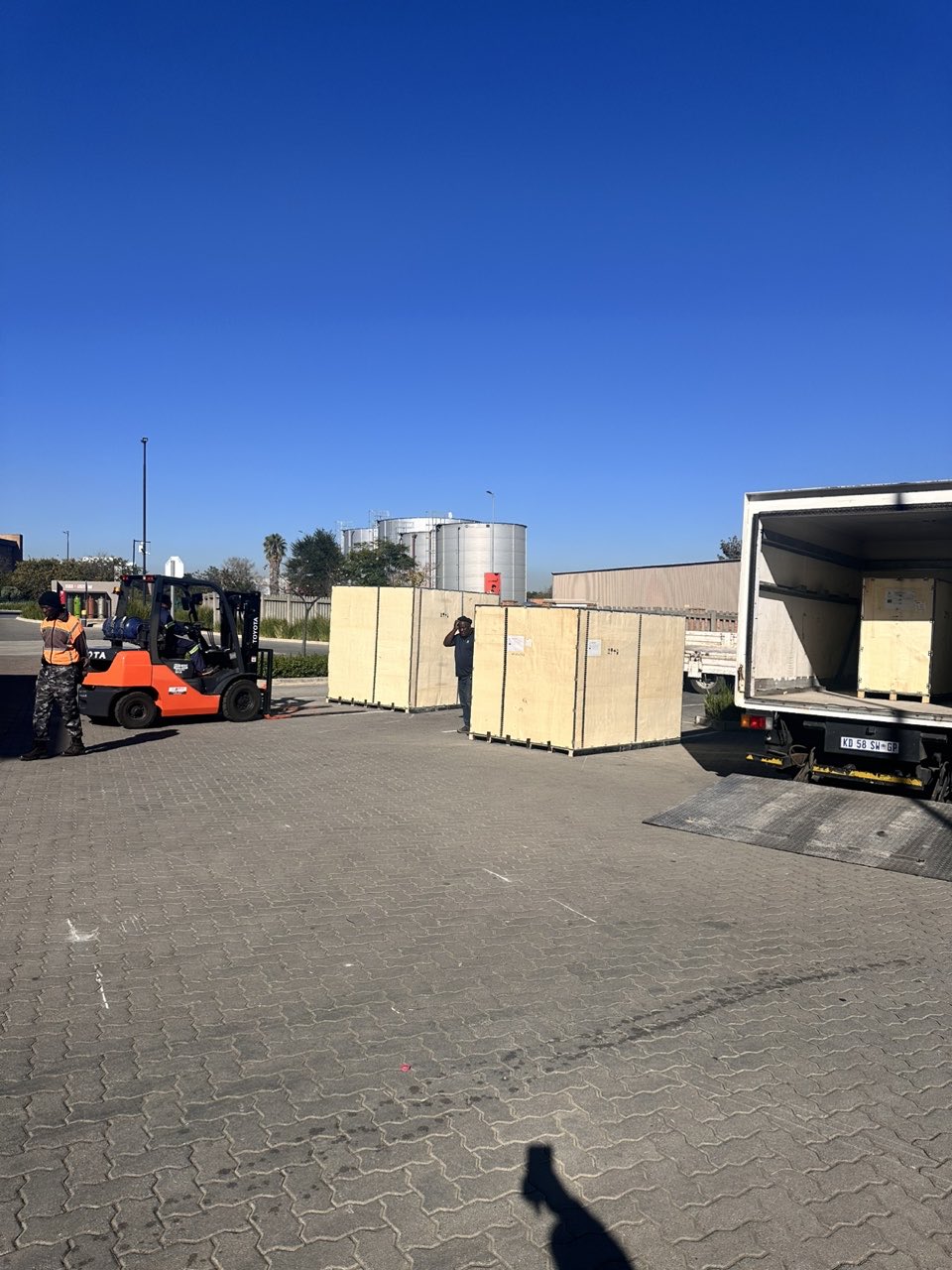
Loading
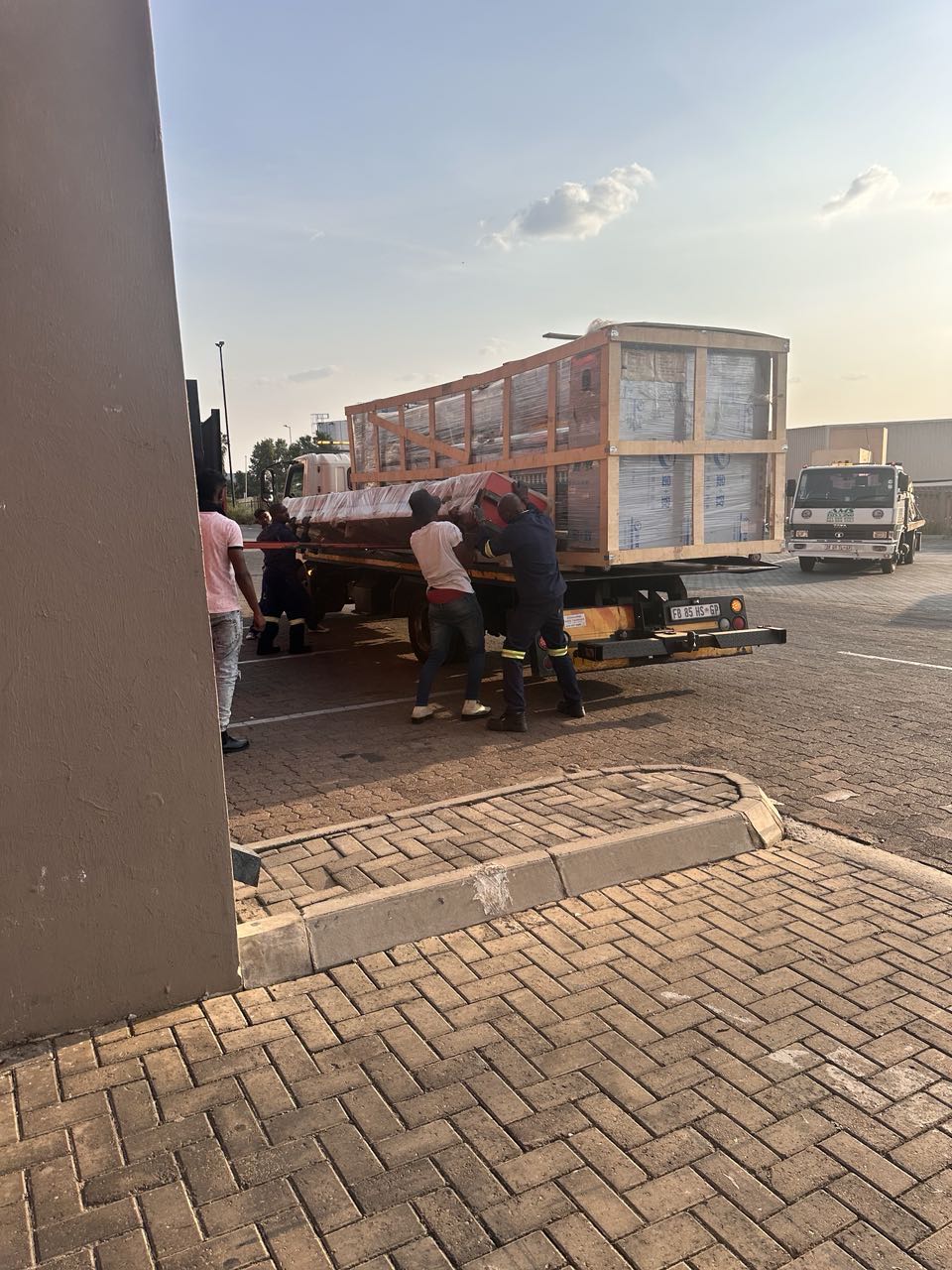
Toilet paper making machine
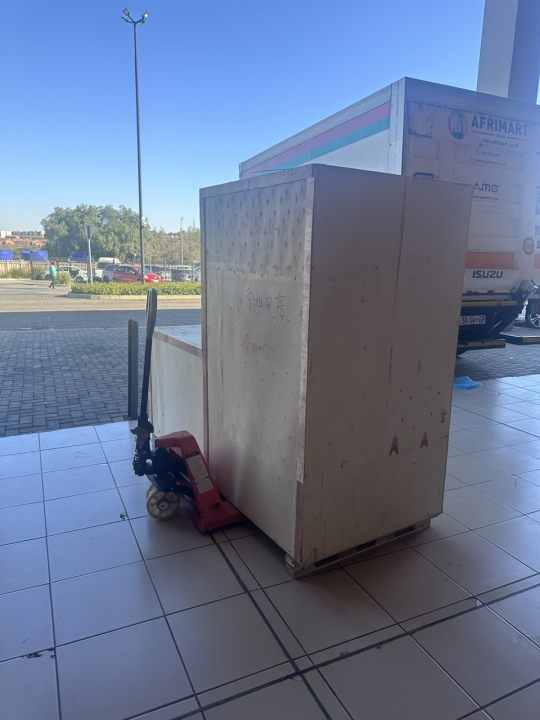
Toilet paper making machine
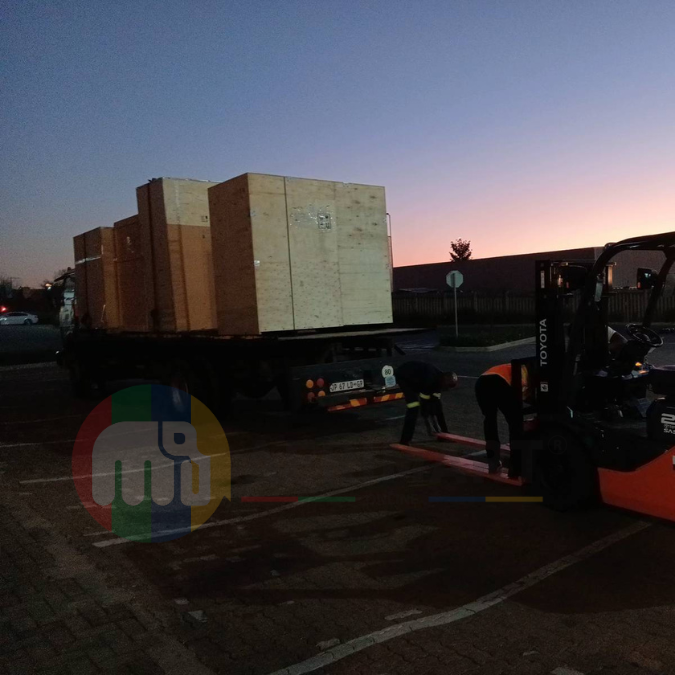
Toilet paper Rewinding Machine
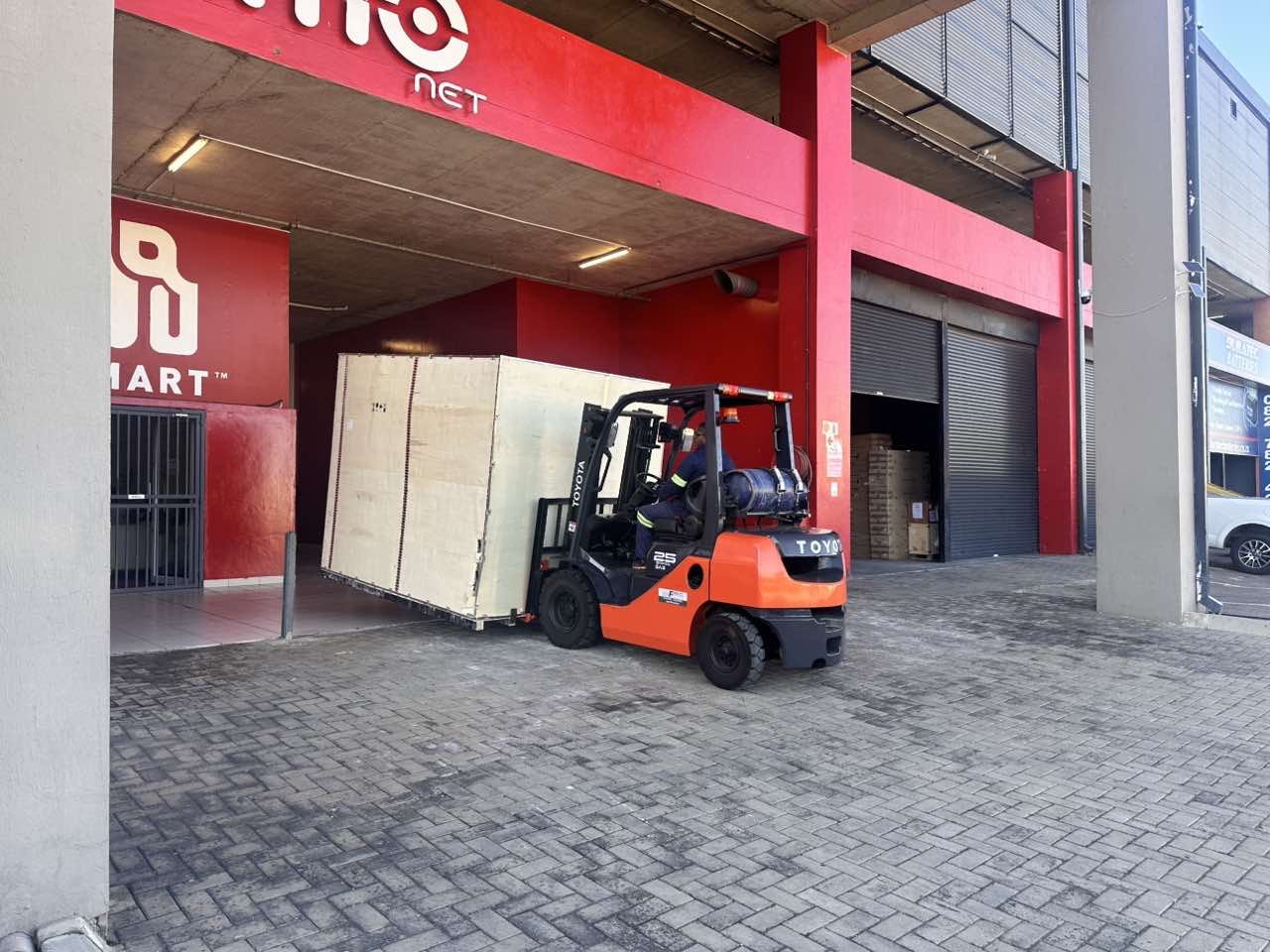
latest arrivals
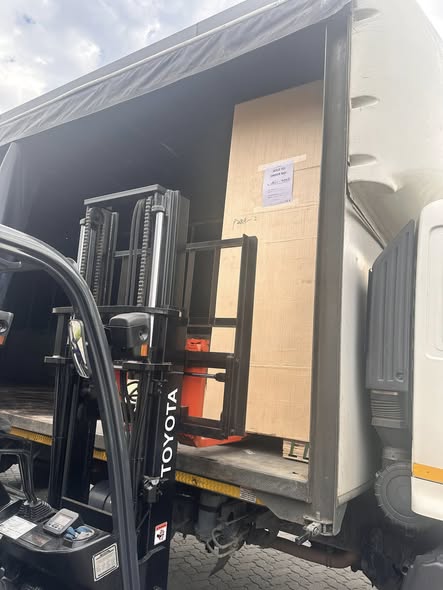
offloading
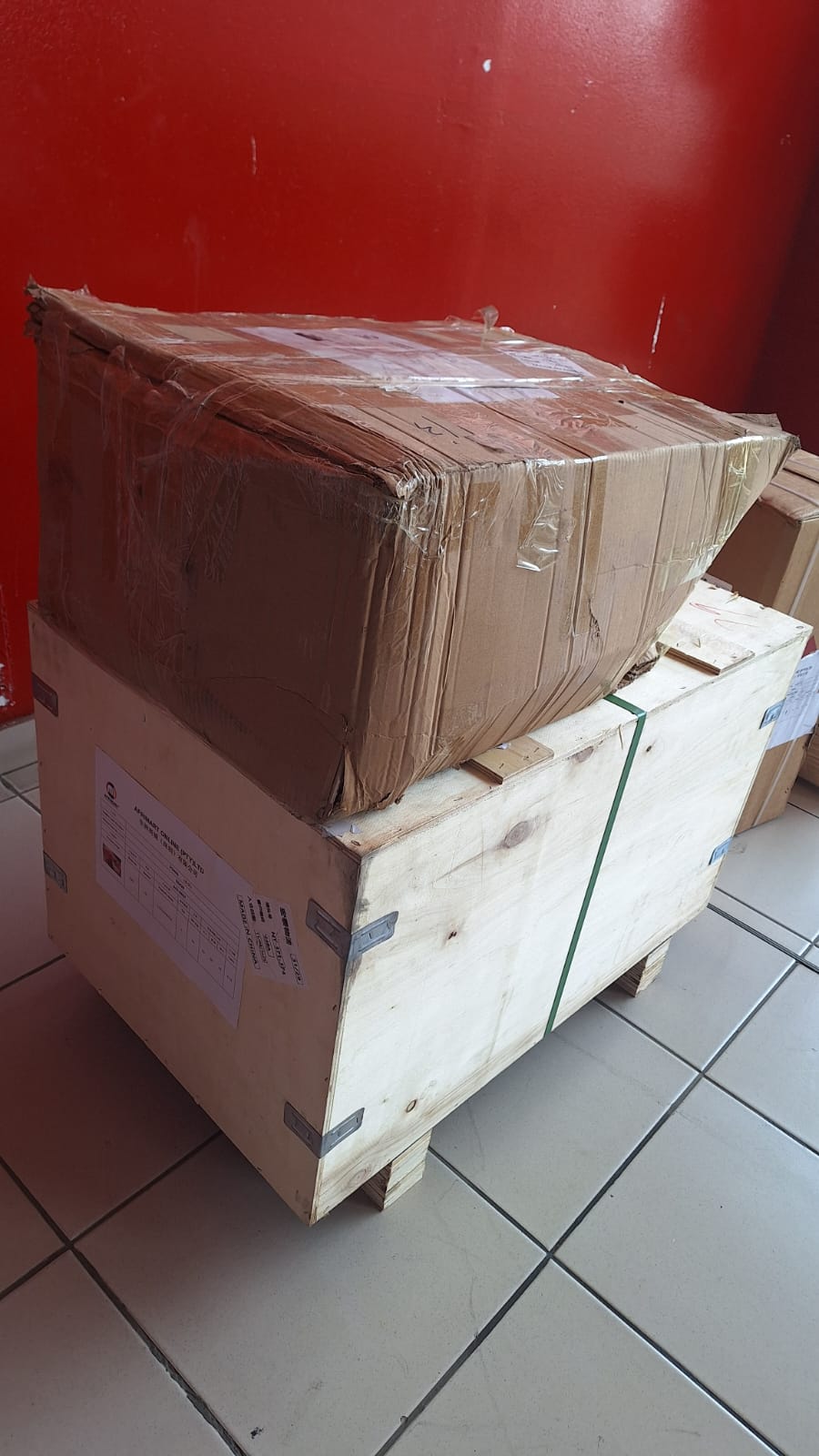
order success
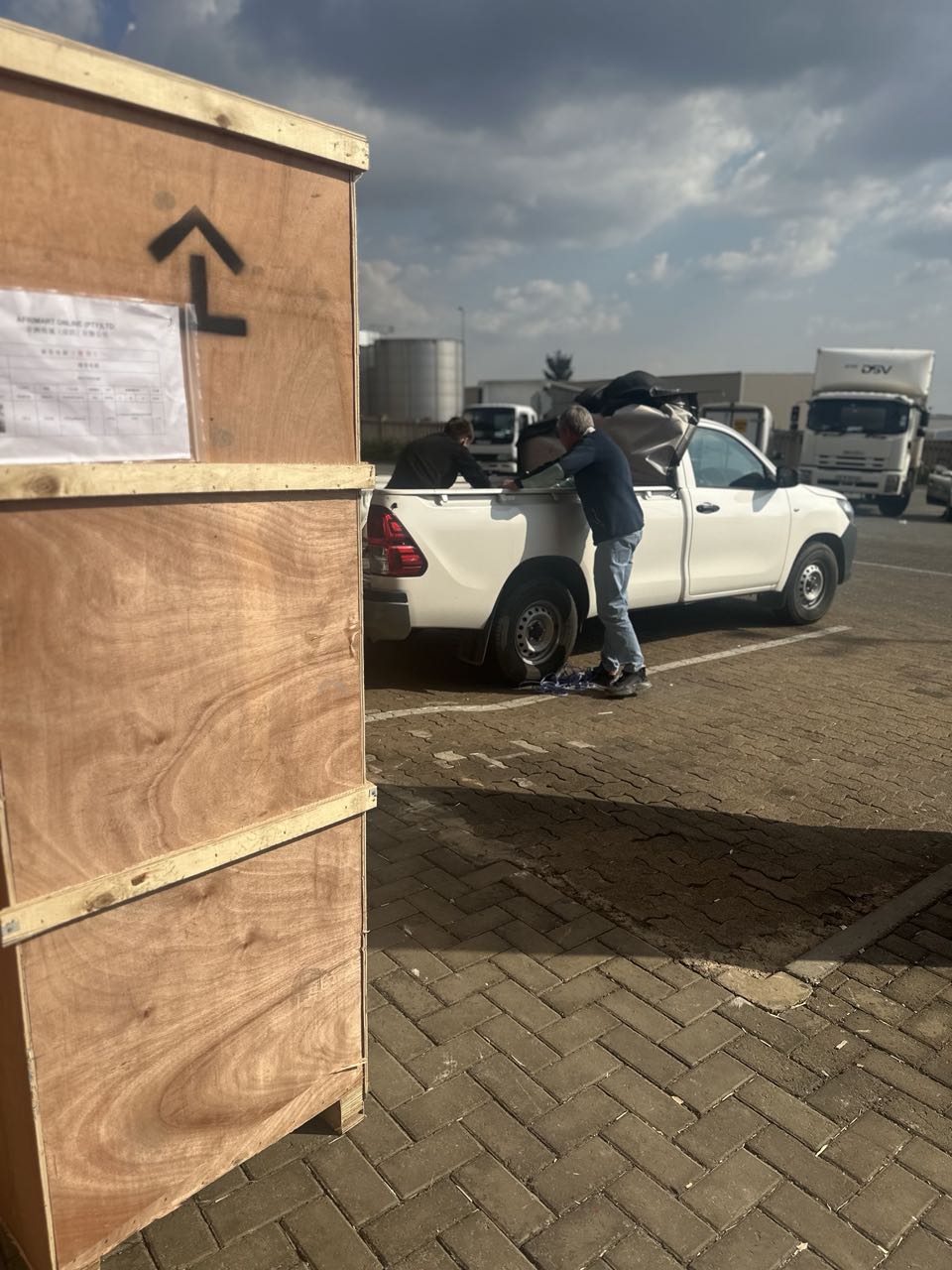
order collection
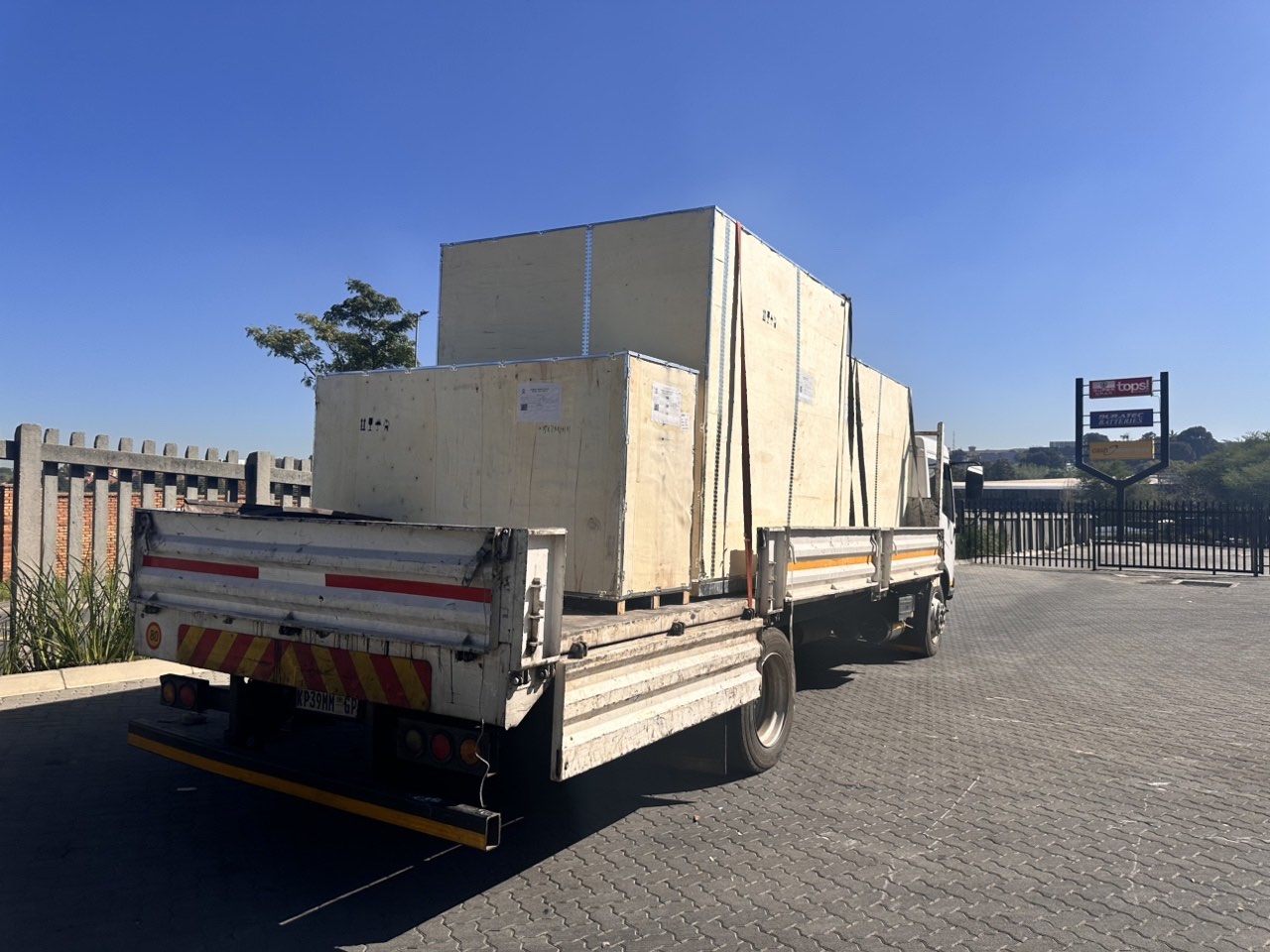
order offloading