B21, China Town Mall, Midrand

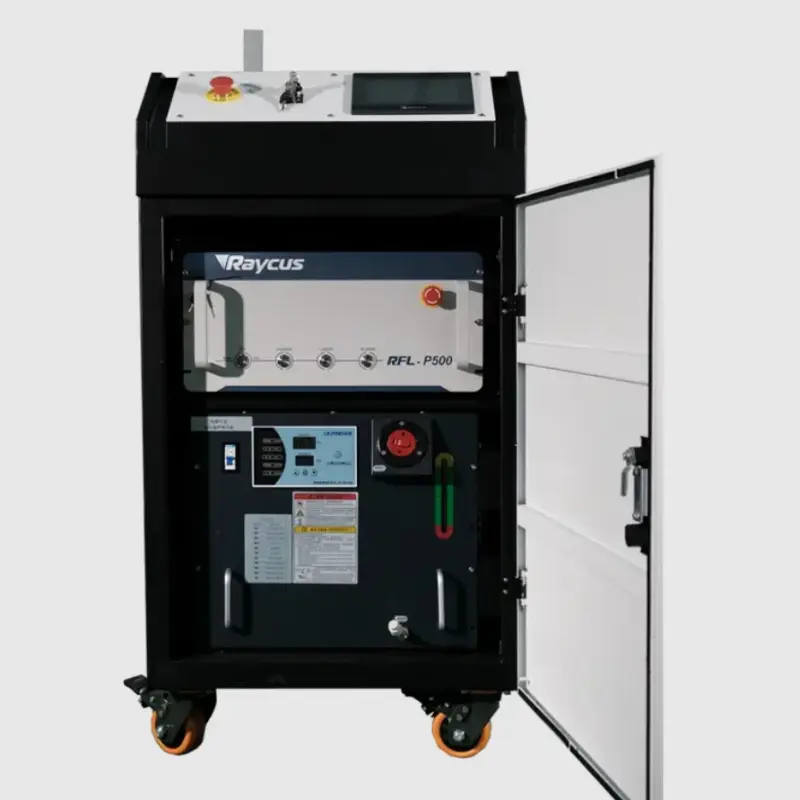
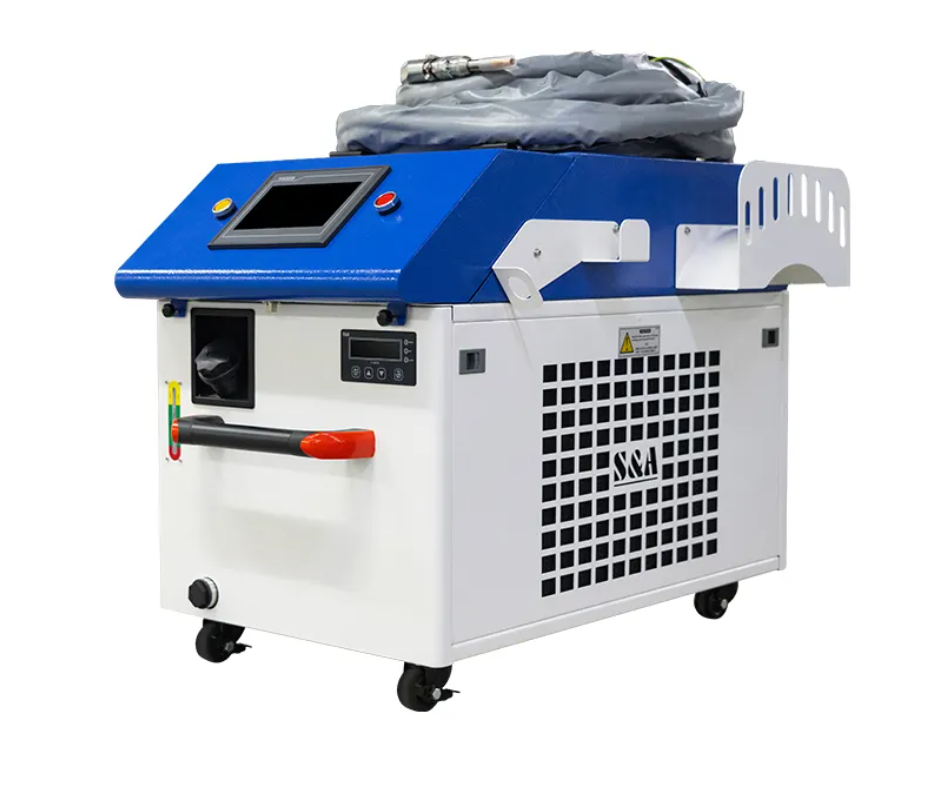
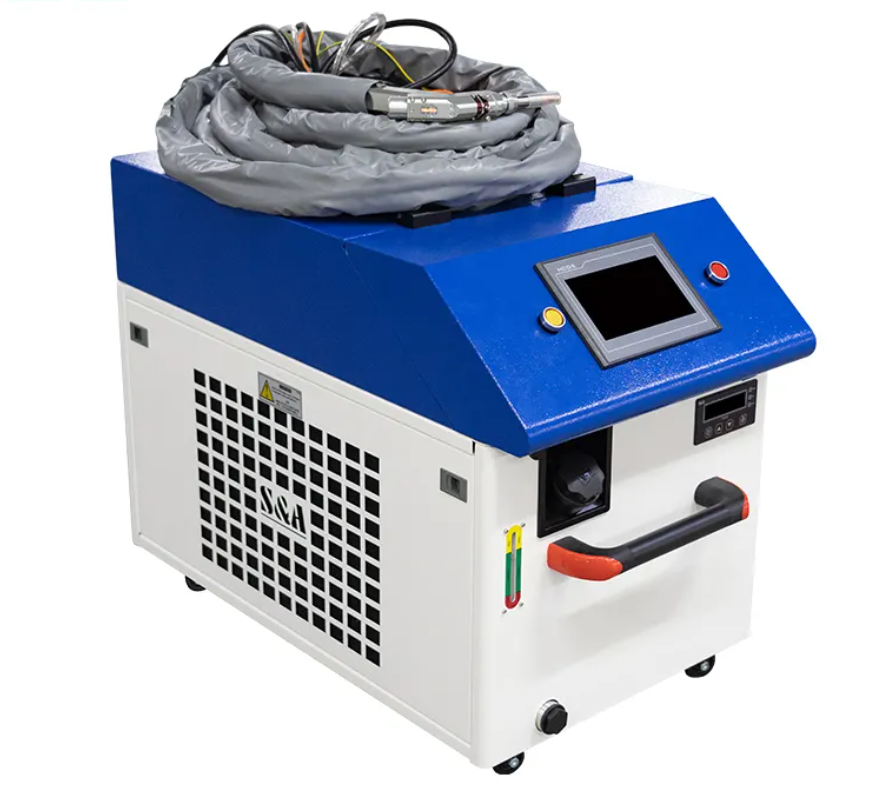
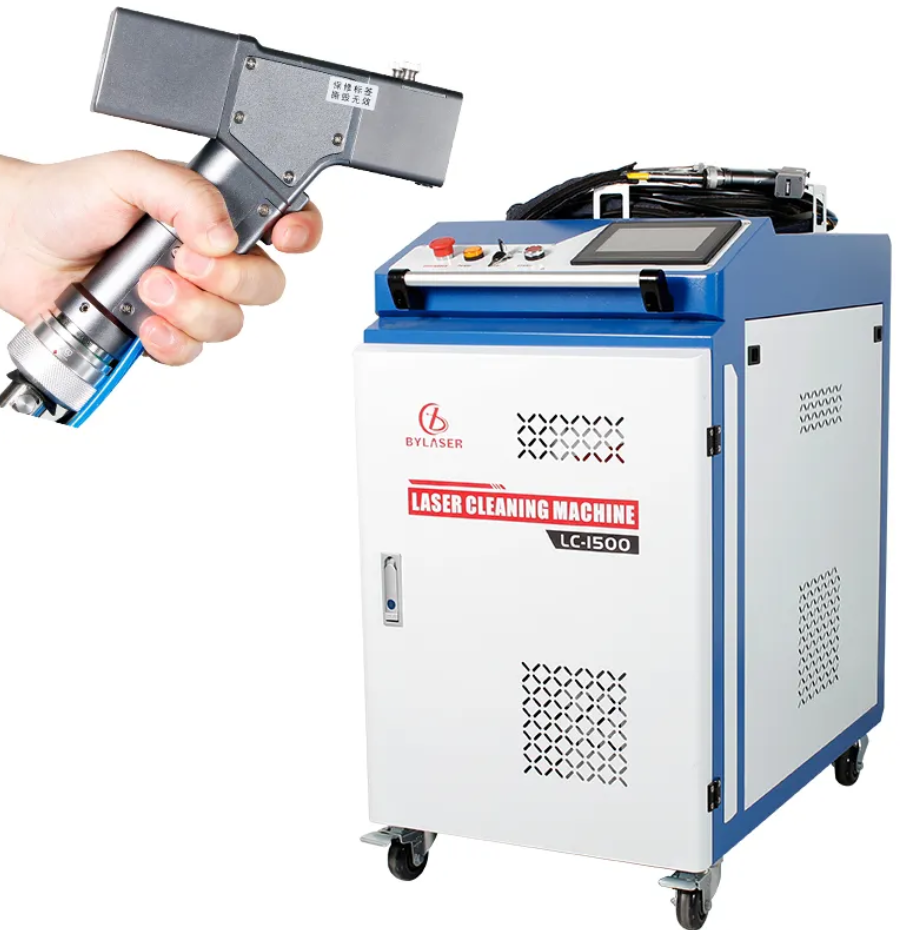
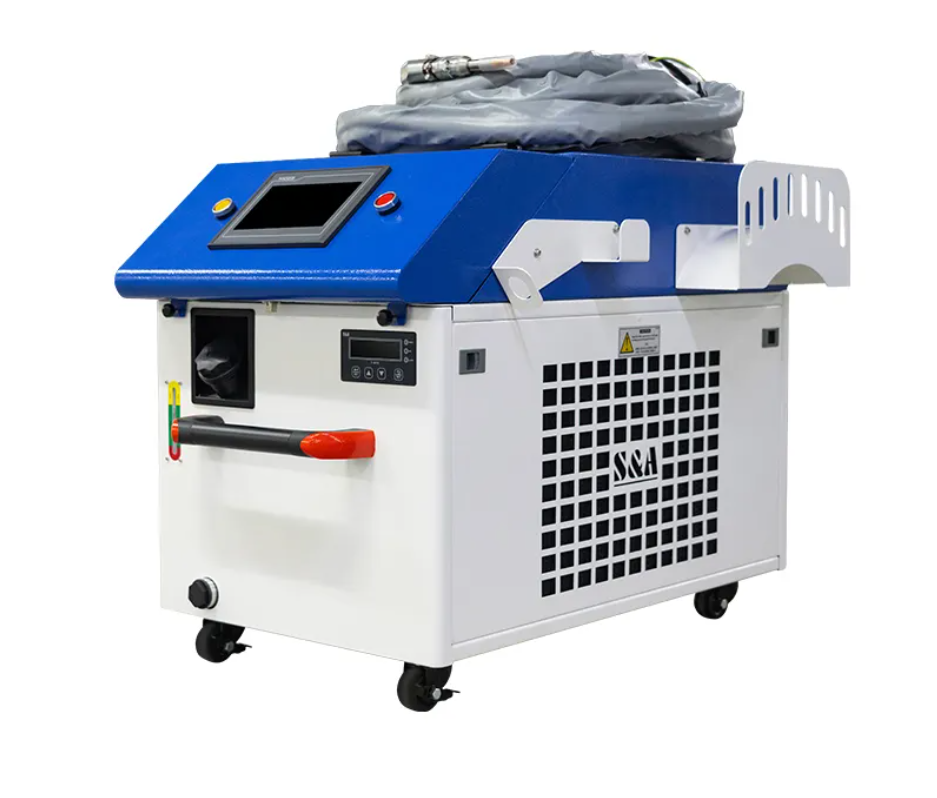
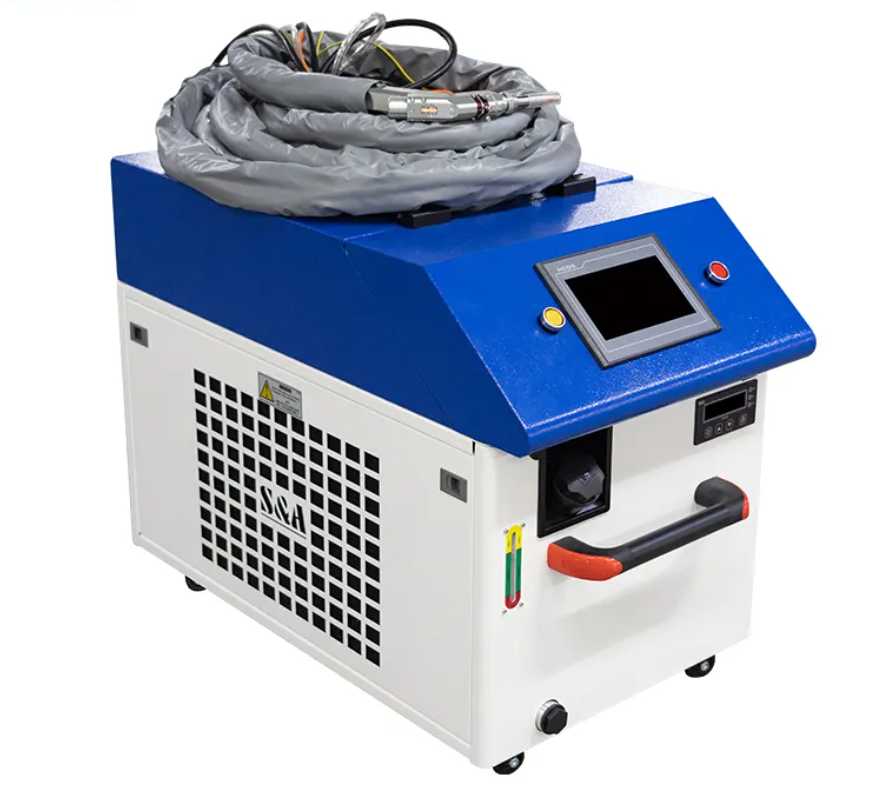
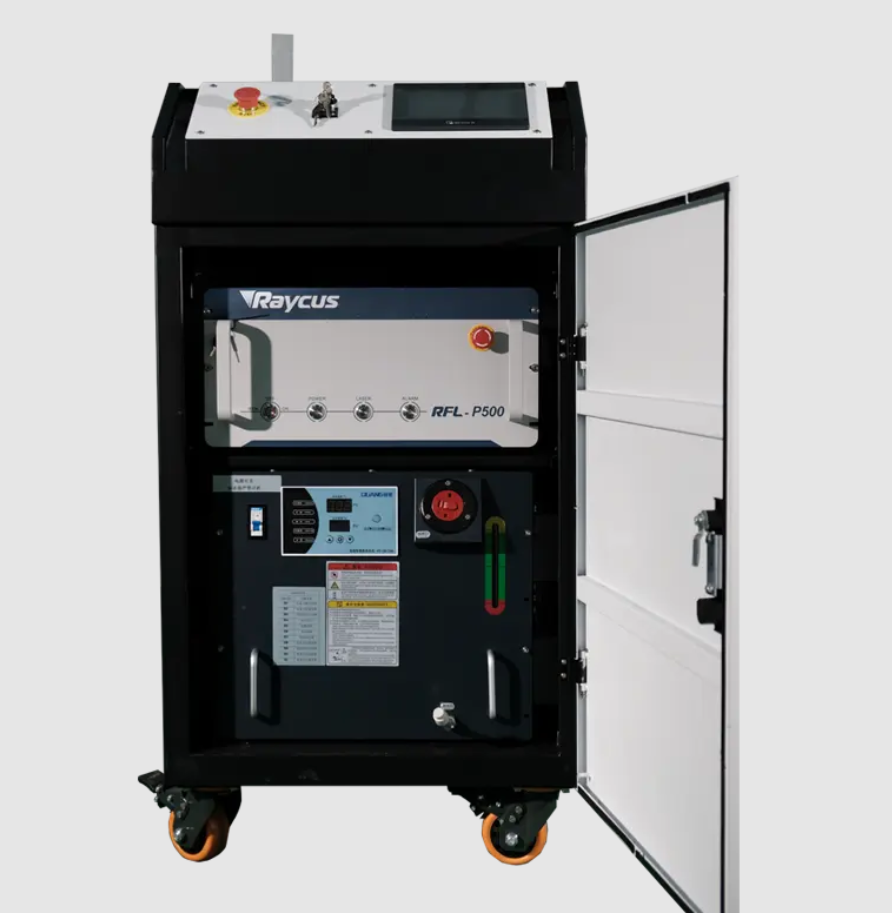
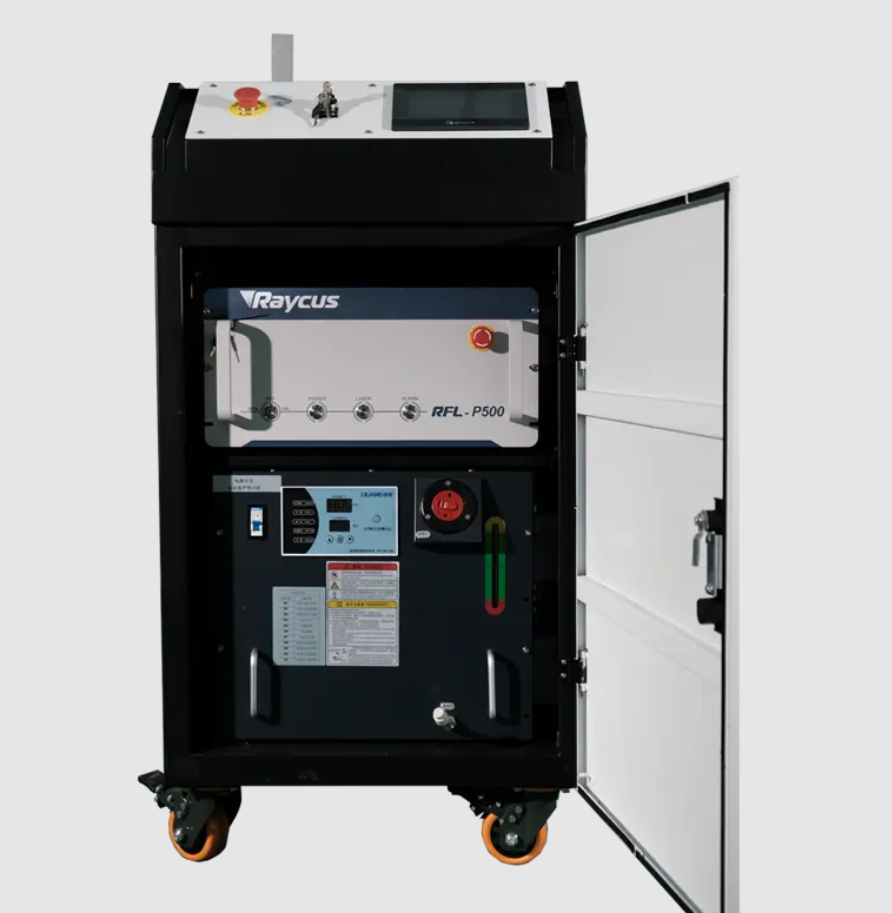
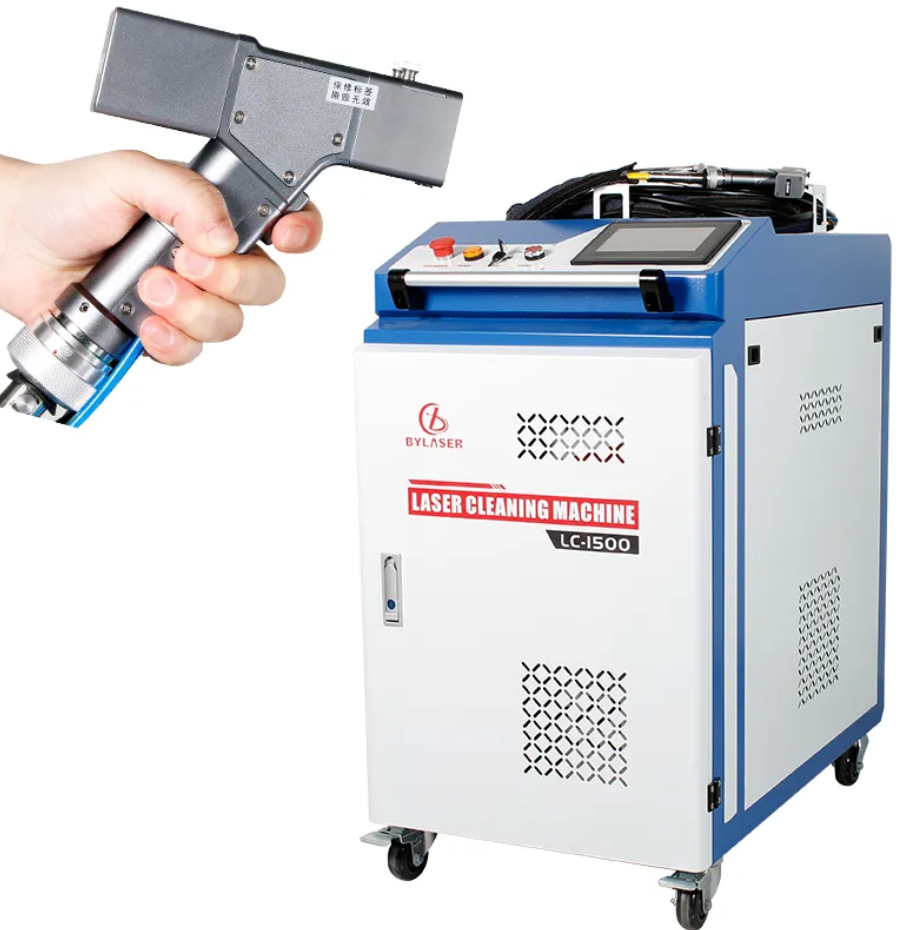
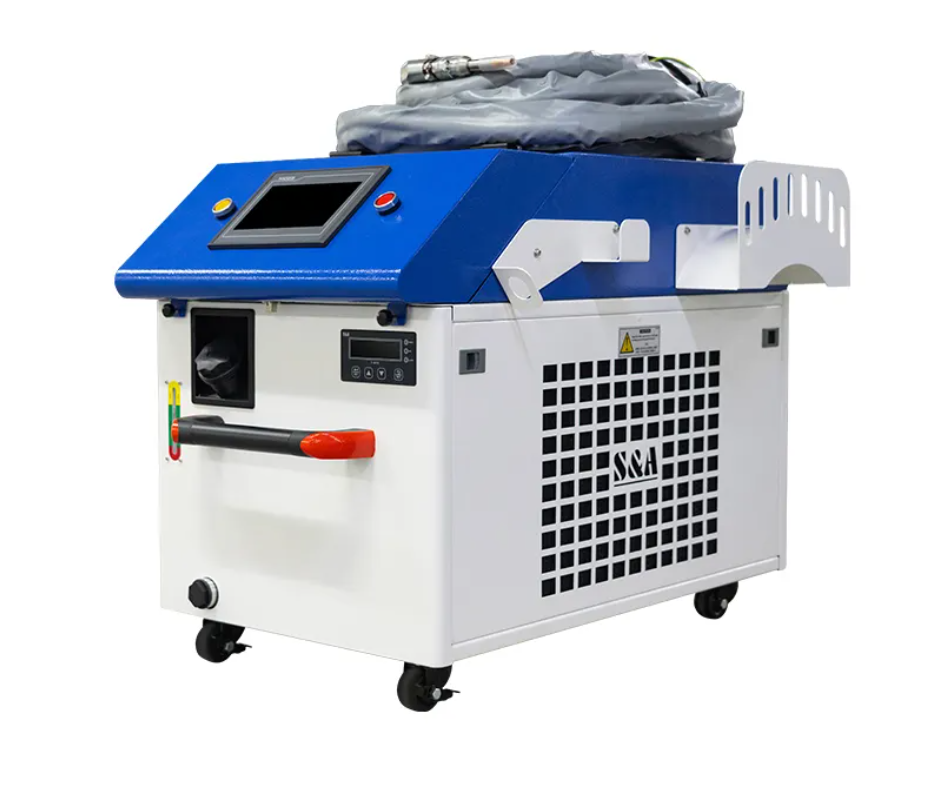
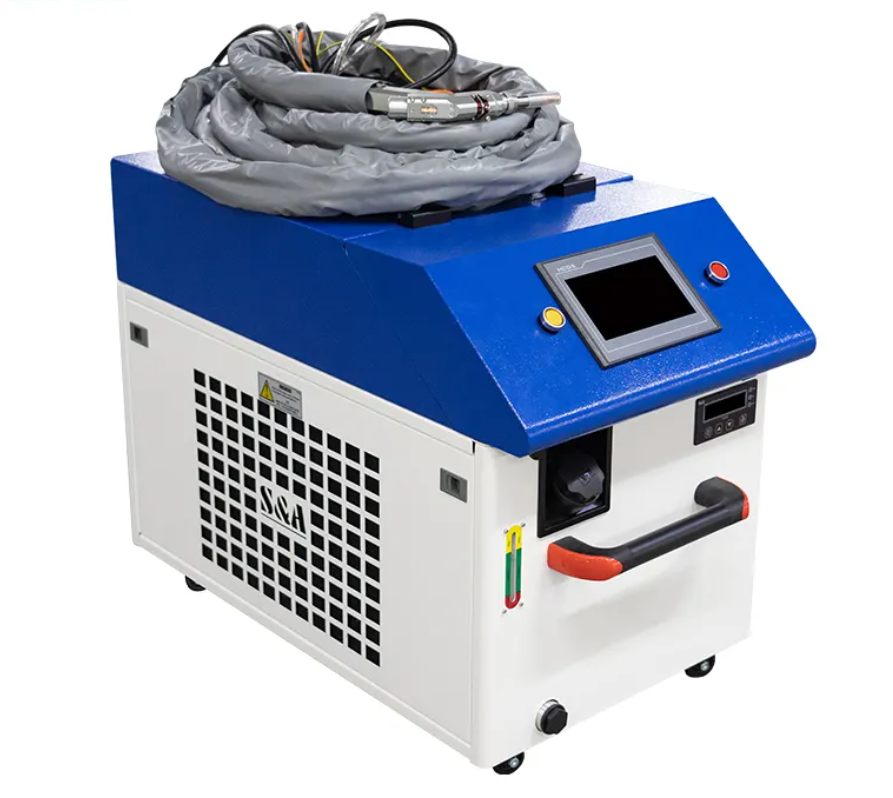
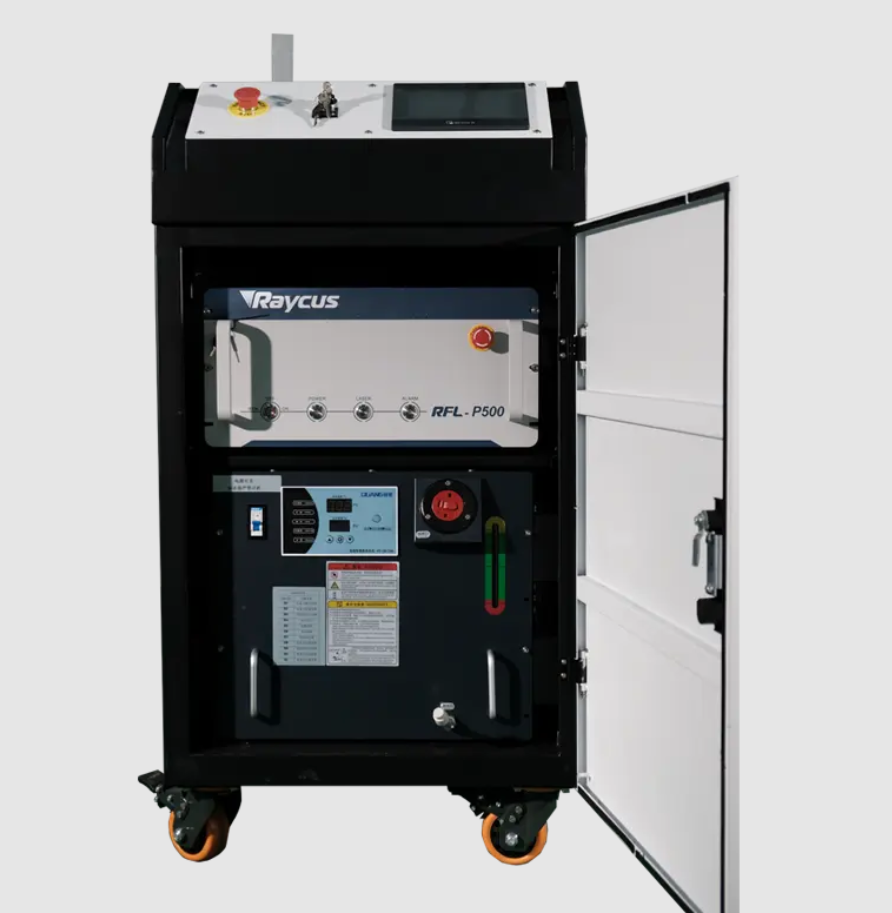
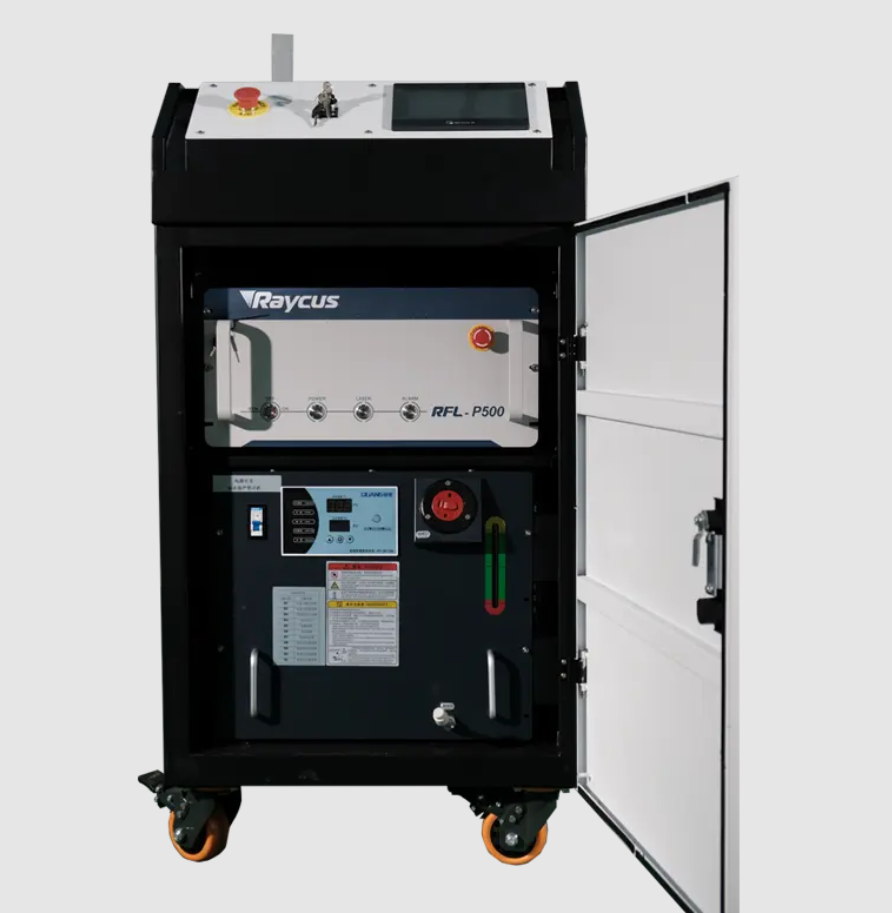
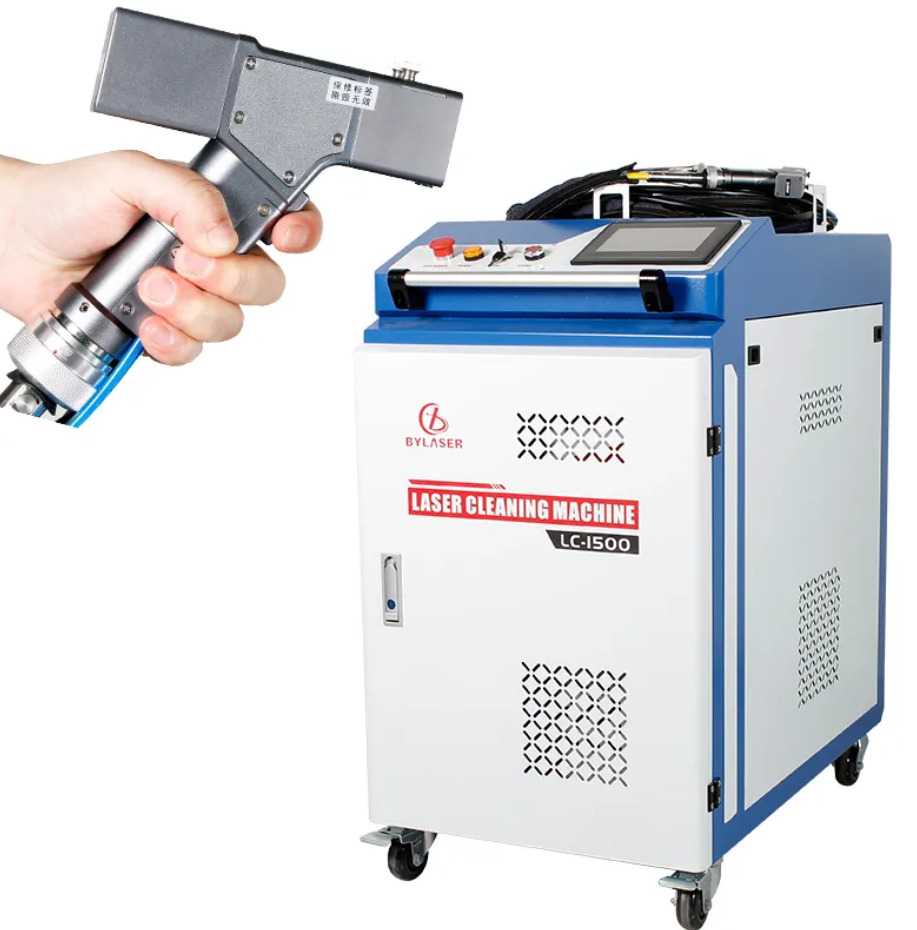
Rust Removal Machine - Fiber Laser Cleaning Machine
Asset finance available
Do you want funding for this equipment?
Afrimart can connect you with trusted funding partners who specialise in asset finance for businesses like yours. Compare options and apply in minutes — final approval is subject to provider review.
Check funding options
Secure & no obligation

- Section : Machinery
- Category : Welding Equipment
- SKU : 11000008587469

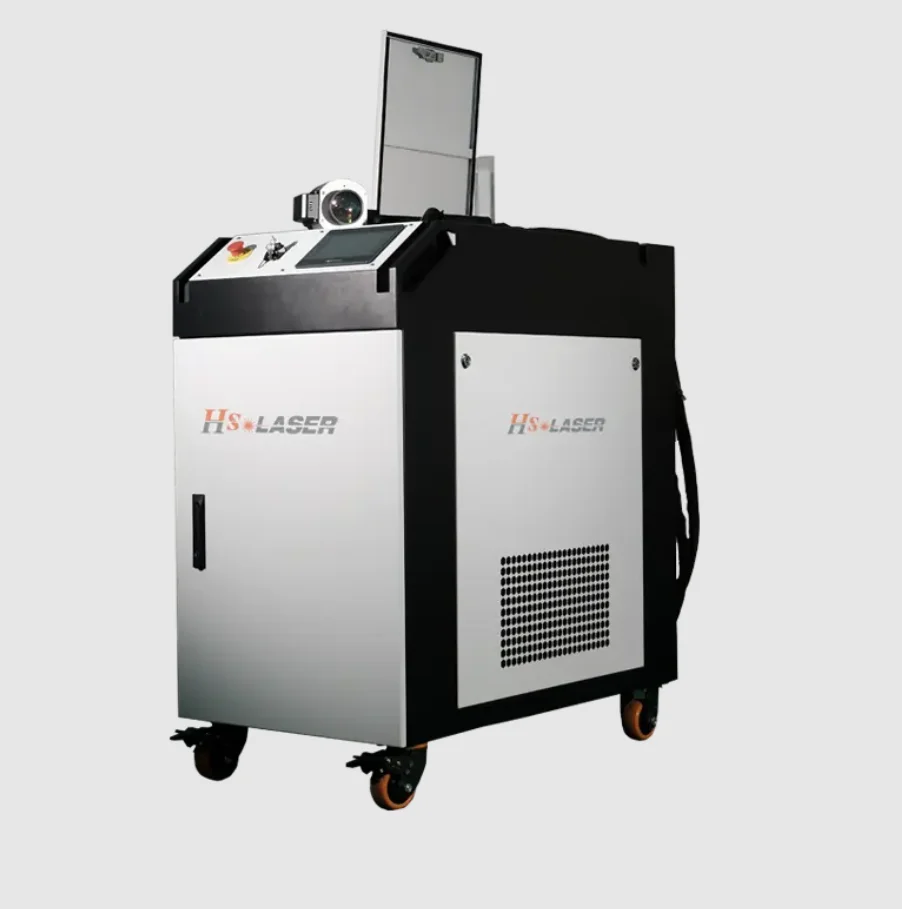
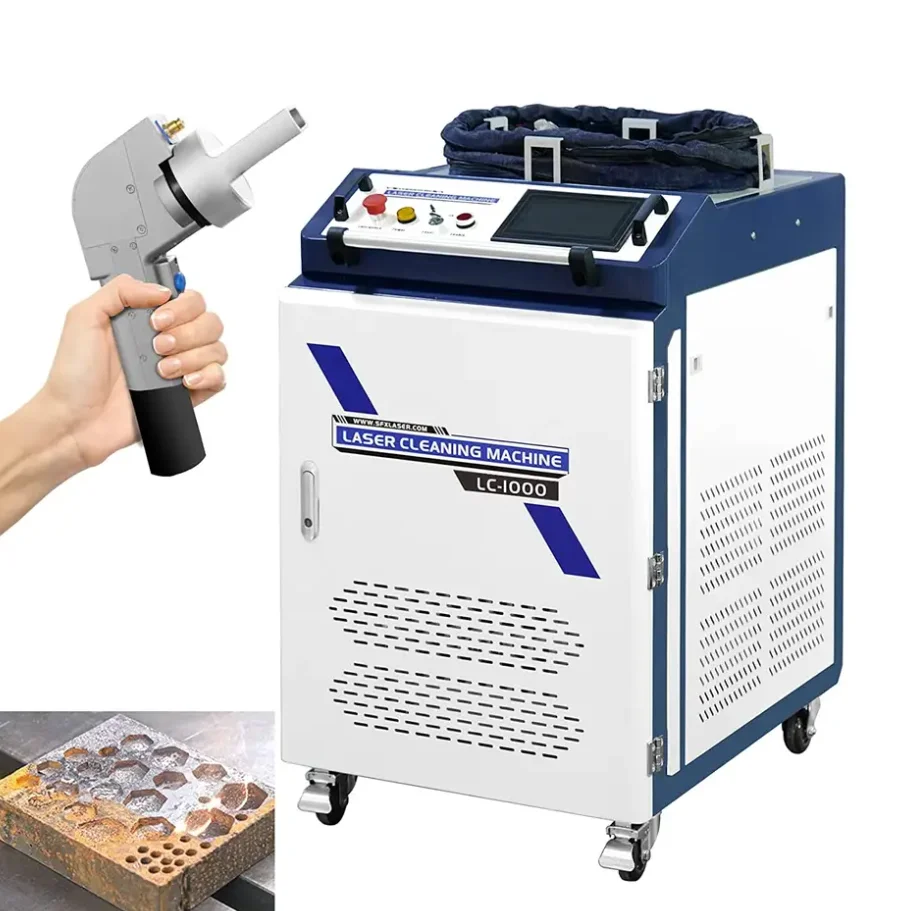
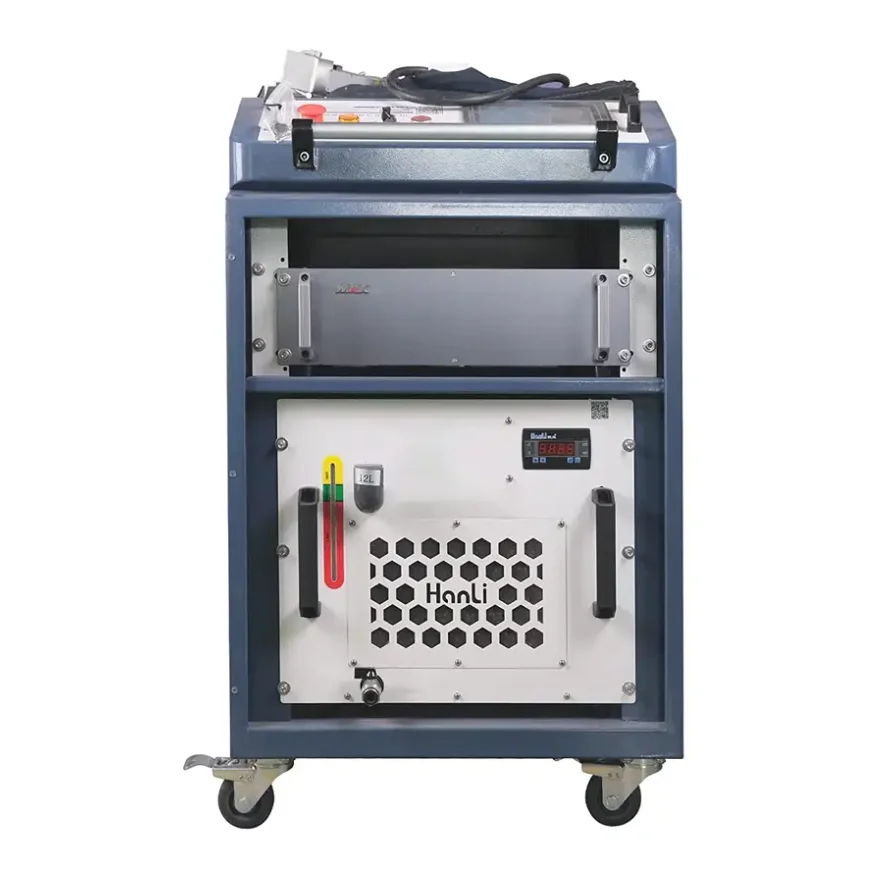
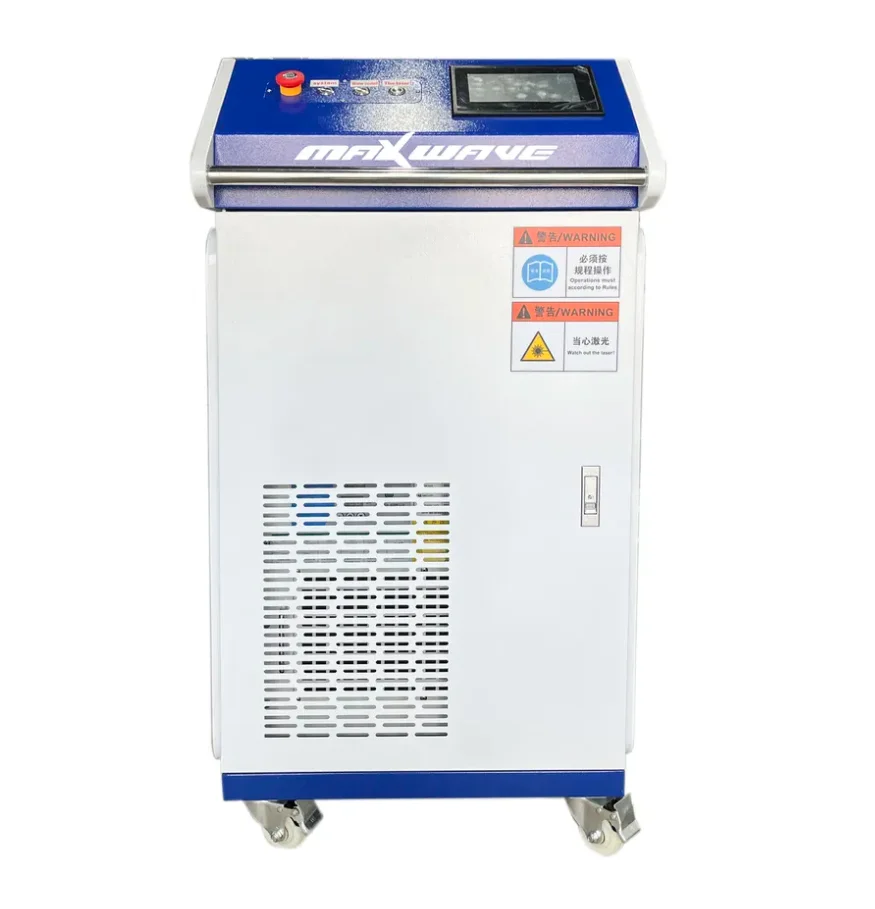
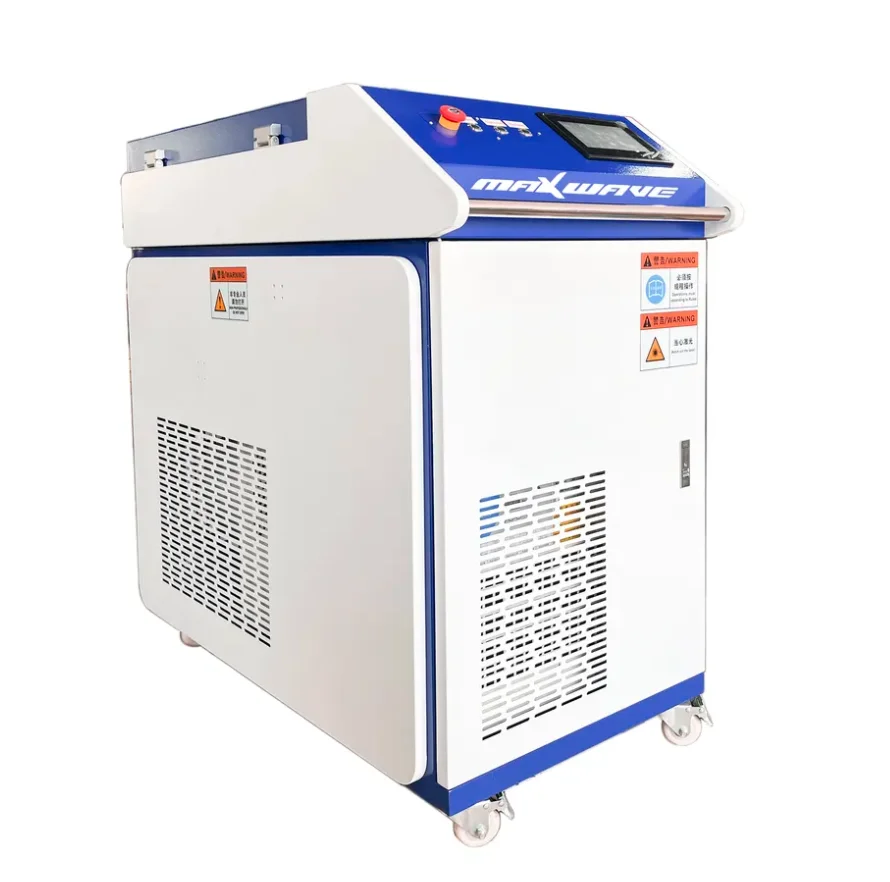
Rust Removal Machine - Fiber Laser Cleaning Machine
Introducing the Fiber Laser Cleaning Machine, an advanced solution for effective surface paint cleaning and metal rust removal. This machine is designed to provide precise and efficient cleaning for various applications in industrial settings.
Key Features
Powerful Laser Options: Available in multiple laser power options—1000W, 1500W, and 2000W—ensuring you have the right power for your cleaning needs.
Innovative Cleaning Process: Utilizes a handheld laser cleaner for non-touch cleaning, making it safe and efficient for delicate surfaces.
Durable and Reliable: Built with high-quality materials, including a sheet metal case, this machine is designed for long service life, ideal for heavy-duty applications.
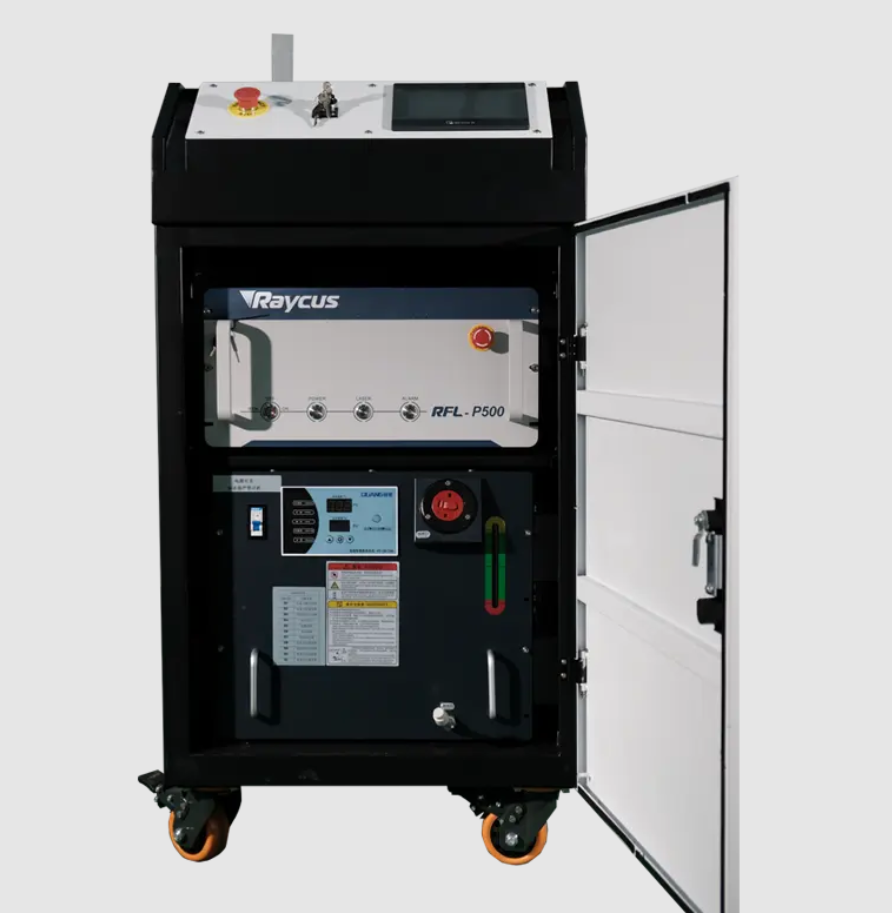
Top Brand Components: Equipped with a RAYCUS laser source, Galvonometer laser head, and Sundor guiderail and control system, ensuring optimal performance and reliability.
Precision Cleaning: Provides accurate cleaning capabilities, effectively removing rust and surface paint without damaging the underlying material.
Compact Design: With dimensions of 1100mm x 950mm x 700mm and a weight of 2500 kg, this machine is designed to fit in various workspaces while remaining robust.
Warranty for Peace of Mind: Backed by a warranty of up to 3 years, ensuring you can rely on the machine for your cleaning operations.
The Fiber Laser Cleaning Machine is the perfect solution for industries looking to maintain the quality of their metal surfaces. Its advanced features and reliable performance make it a valuable addition to any cleaning process.
Product Info Gallery
Explore the benefits of the Fiber Laser Cleaning Machine and enhance your surface cleaning operations today!
| Product name | laser cleaning machine metal |
| Laser wavelength | 1064 Nm |
| Cooling System | Water Cooling |
| Power Supply | 1000W 1500w 2000W |
| Advantage | Easy Operation |
| Application | Surface Paint Cleaning |
| Function | Metal Rust Surface Laser Cleaning |
| Scanning Width | 10-80mm |
| Voltage | 220V,50/60HZ |
| Feature | Accurate Cleaning |
- Shipping Timeframes: All orders are processed within 2-5 business days (excluding weekends and holidays). After your order has been processed, the estimated delivery time is before 13 Aug, 2026, depending on customs, Please note that due to high demand, some items may experience longer shipping times, which will be communicated at order confirmation email.
- Order Processing Time: Please allow 2-5 business days for us to process your order before it is shipped . Orders placed after 16:00 on Fridays, or during weekends and public holidays, will begin processing on the next business day. Processing times may be extended during peak seasons or sales events.
- Manufacturing Time: Some products needs manufacturing time, the manufacturing process will take approximately 10-30 business days depending on the product. This timeframe may vary depending on the complexity of the product and current demand. but this will be communicated with you during order confirmation.
- Returns and Exchanges: We offer a 30-day return policy for most items. If you are not completely satisfied with your purchase, you may return it within 30 days of receipt for a refund or exchange. Items must be unused, in their original packaging, and accompanied by proof of purchase. Return shipping costs are the responsibility of the customer, unless the item was damaged or defective upon arrival.
1. What is the Rust Removal Machine - Fiber Laser Cleaning Machine used for?
It's designed for non-contact surface cleaning, including removal of rust, scale, oxides and surface paint from metal parts in industrial applications, restoring bare metal without damaging the substrate.
2. What laser power options are available and how do I choose?
Available powers are 1000W, 1500W and 2000W. Choose higher power for faster cleaning, thicker rust/paints or larger production volumes; lower power is suitable for thin coatings, delicate parts or smaller jobs.
3. What is the laser wavelength and why does it matter?
The machine uses a 1064 nm fiber laser, which is highly effective on a wide range of metals and oxide layers. This wavelength couples well with metallic surfaces for efficient rust and paint removal.
4. Is the cleaning process contactless and safe for delicate parts?
Yes — cleaning is non-contact (handheld laser head or scanned beam), so it minimizes mechanical abrasion and is suitable for delicate or precision parts when operated correctly.
5. What are the machine dimensions and weight? Can it be moved easily?
Dimensions are approximately 1100 mm x 950 mm x 700 mm and weight is about 2500 kg. Due to its weight, relocation typically requires lifting equipment (forklift or pallet jack) and professional handling.
6. What power supply and cooling are required?
The machine requires 220V, 50/60 Hz power and uses a water-cooling system. Ensure a stable power source and a suitable water cooling loop or chiller per the supplier's installation instructions.
7. What is the scanning width and how does it affect cleaning?
Scanning width ranges from 10 mm to 80 mm. Wider scan widths cover larger areas faster but may reduce peak energy density; choose width according to part size and required cleaning intensity.
8. Which components and brands are used in the system?
Key components include a RAYCUS fiber laser source, a galvanometer-based laser head for beam scanning, and Sundor guiderail and control systems for stable motion and control.
9. What safety precautions are required when operating the laser cleaner?
Operators must wear appropriate laser safety eyewear rated for 1064 nm, use beam enclosures or screens where possible, maintain proper ventilation for fumes, and follow local laser safety regulations and the supplier's safety manual.
10. What maintenance is required to keep the machine operating reliably?
Routine maintenance typically includes checking/maintaining the water-cooling system and coolant quality, cleaning/replacing protective optics, inspecting fiber connections, keeping the galvanometer and head clean, and following the vendor's service schedule.
11. What consumables or spare parts should I plan for?
Common items include protective lens/windows, coolant and filters for the chiller, fuses, and occasionally replacement protective components for the laser head. Keep contact info for authorized spare parts from the supplier.
12. Does the machine come with a warranty and technical support?
Yes — the product is backed by a warranty of up to 3 years. Confirm exact warranty terms, included coverage and response/support options with the seller before purchase.
13. What materials and coatings can this fiber laser clean effectively?
It is optimized for metals (carbon steel, stainless steel, cast iron, some aluminum alloys) and for removing rust, oxides and many types of surface paint and coatings. Performance may vary by coating composition; testing is recommended for uncommon materials.
14. Are there any limitations or surfaces that should not be laser cleaned?
Avoid using the laser on materials that can emit hazardous vapors when heated (unknown coatings, certain composites) without proper fume extraction. Also be cautious with thin or heat-sensitive substrates where thermal impact could occur—conduct spot tests first.
15. What are typical troubleshooting steps for common issues (reduced power, unstable beam)?
Check coolant temperature and flow, ensure stable mains voltage, inspect fiber and connector integrity, clean or replace protective optics, verify galvanometer/calibration, and consult supplier support if issues persist.
Latest Order Arrivals
Discover our latest orders
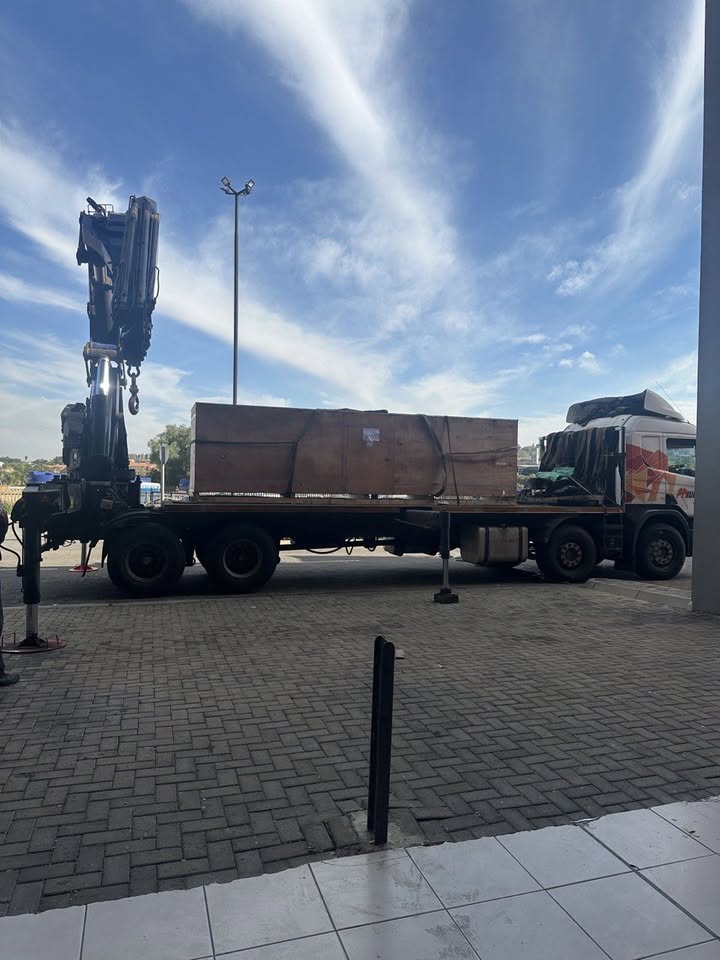
12 Heads Embroidery Machine
Toilet Paper Machine Machine
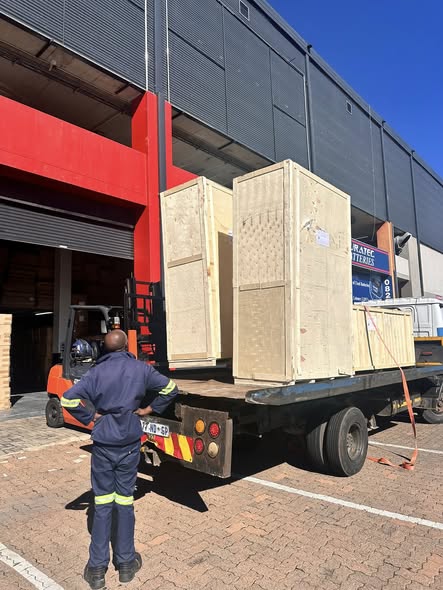
Order Collection
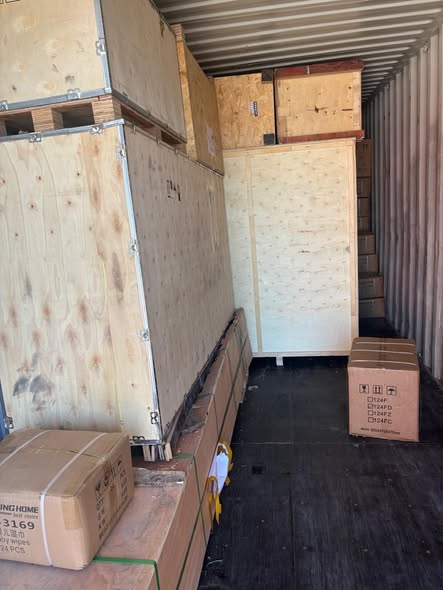
Cross Border Clients
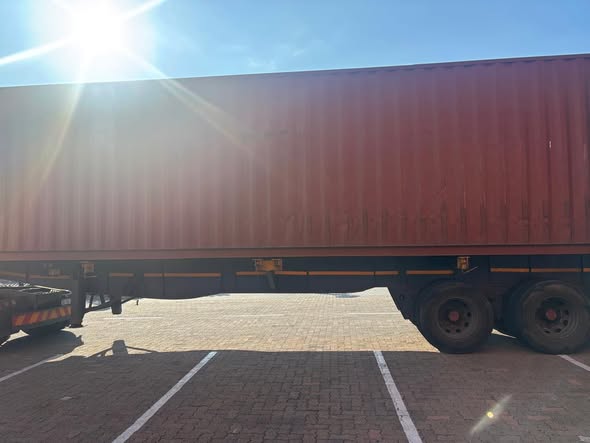
Order cros border countries Collected
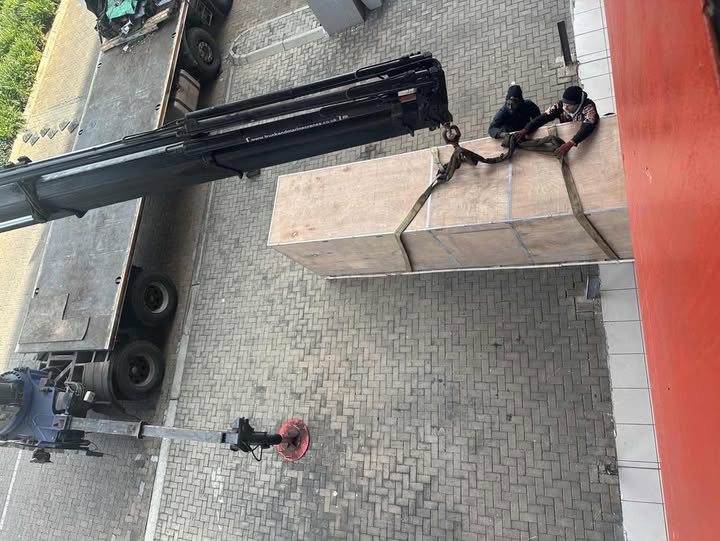
Industrial Machine Cllection
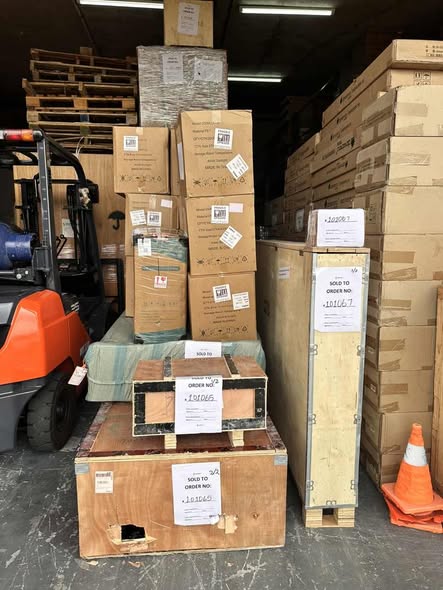
Agriculture Processing Machines
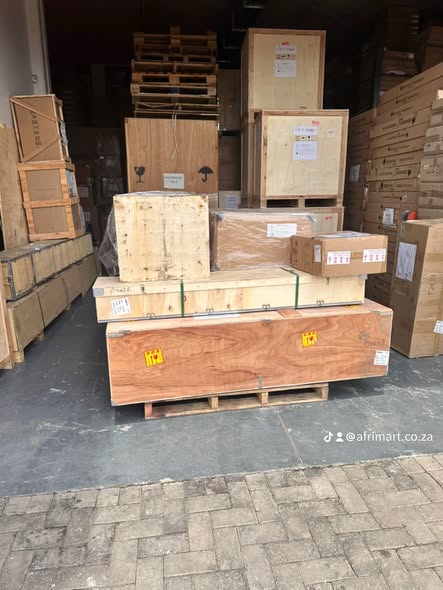
Ready for collection
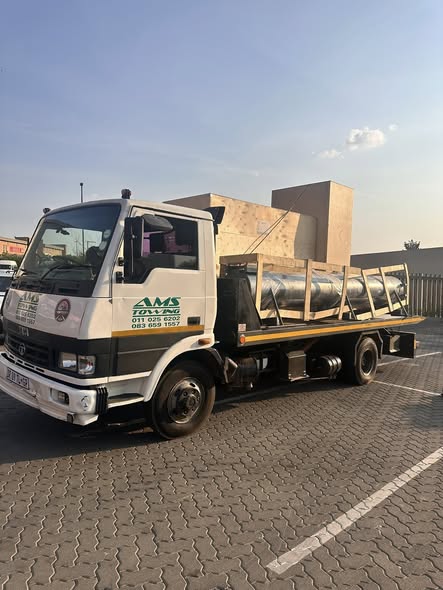
Water Pump Equipment
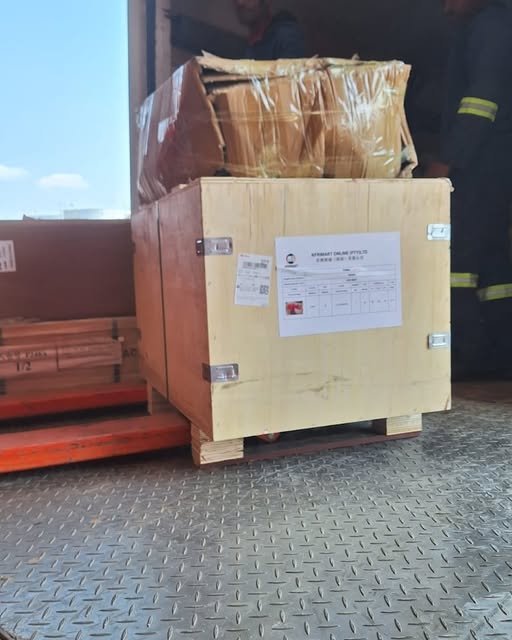
Packaging Machine and accessories
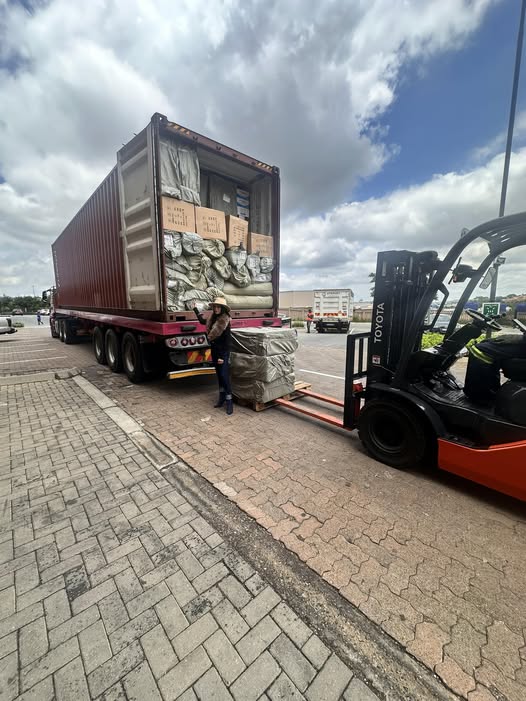
Fabrics Manufacturing Equipment
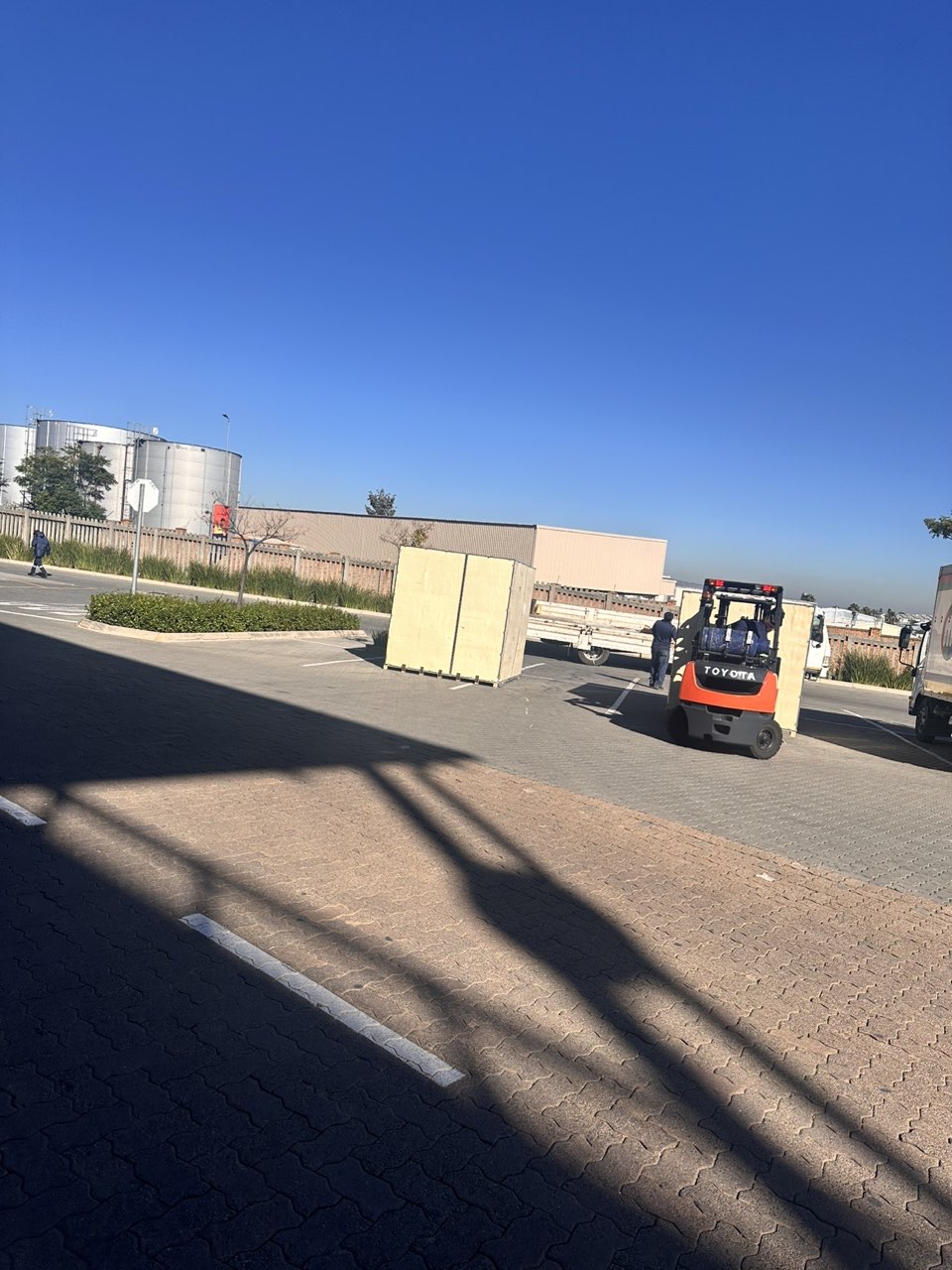
Mining Equipments
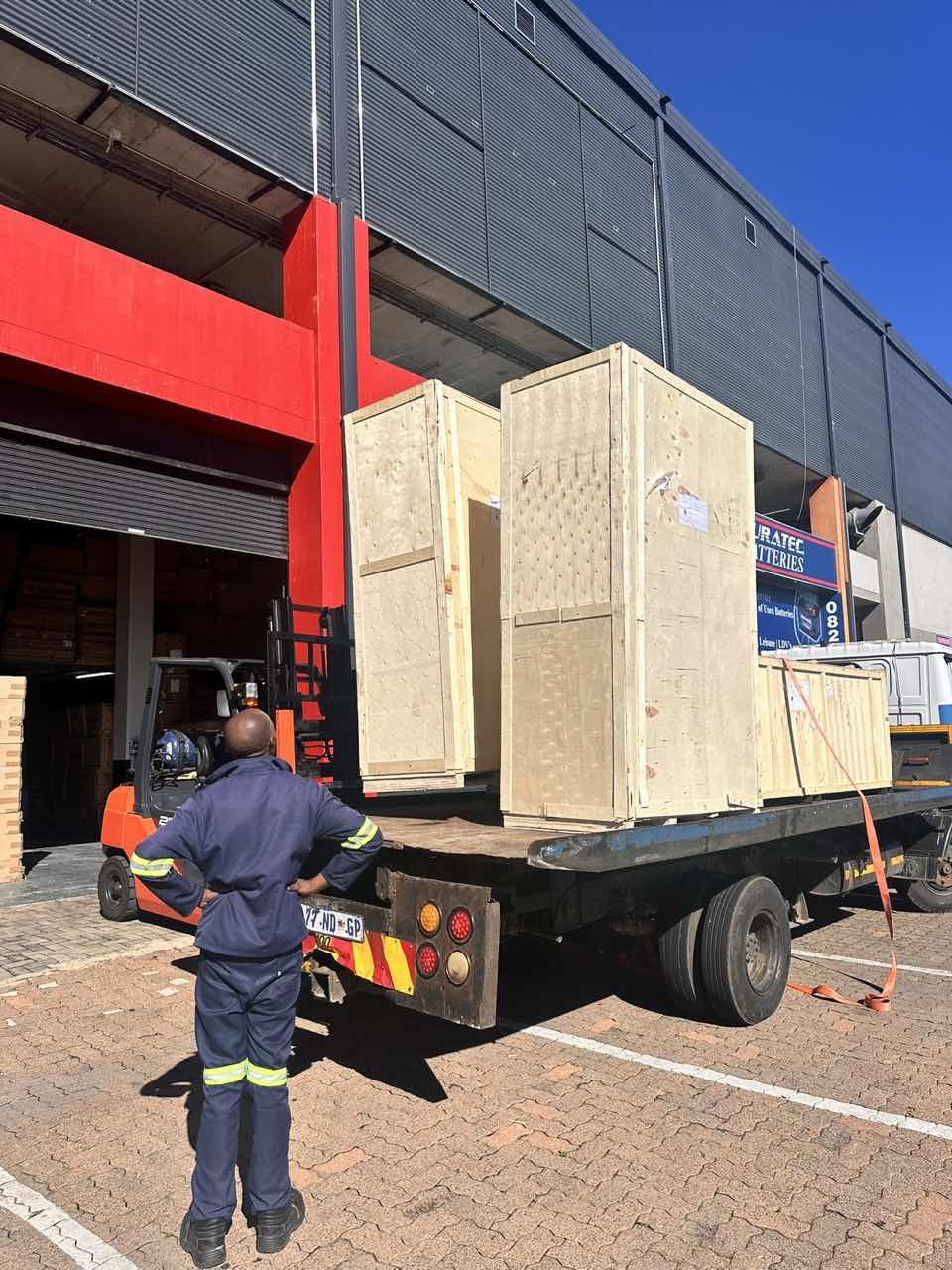
Food Processing Machine
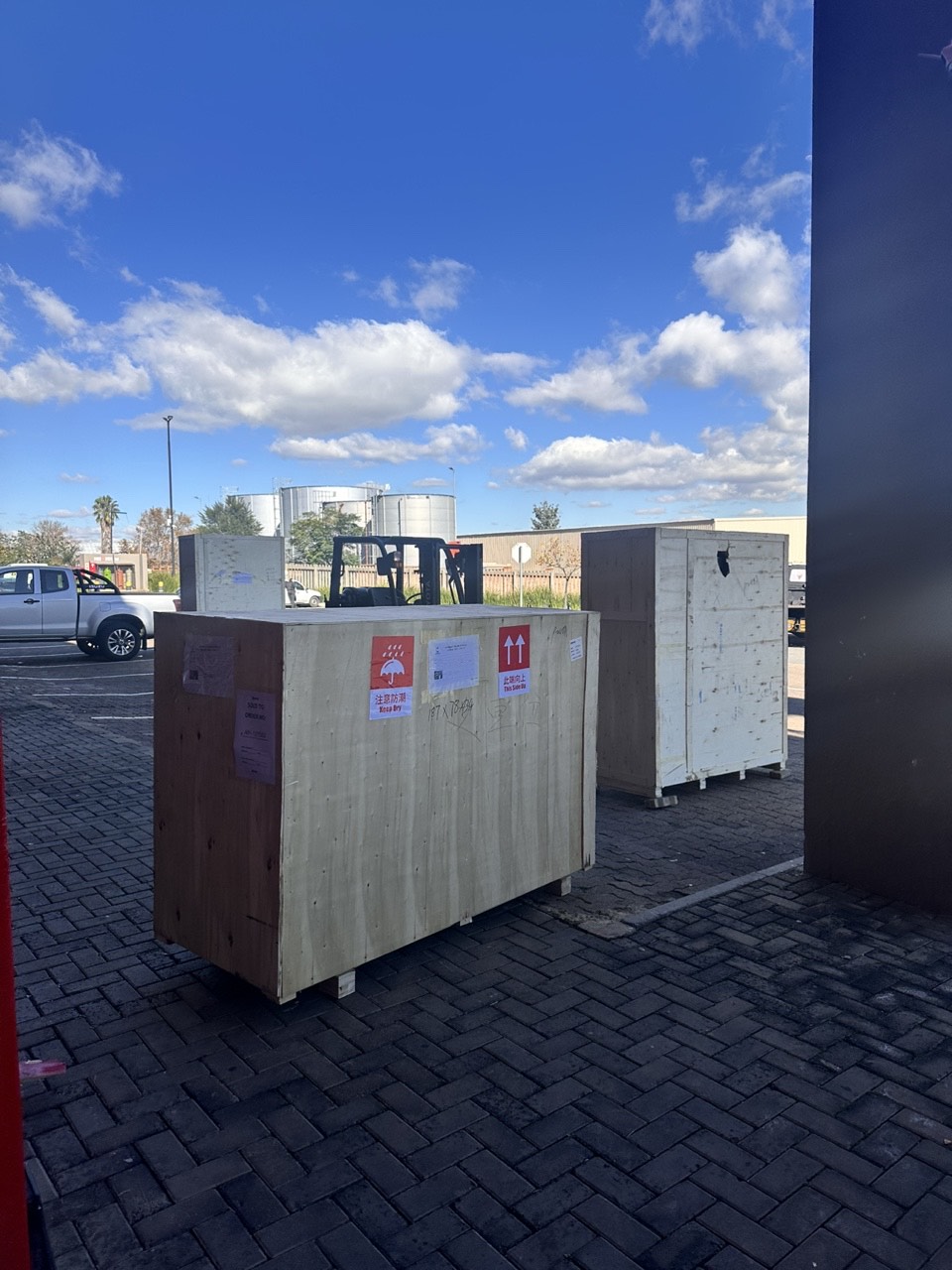
Batch of Orders
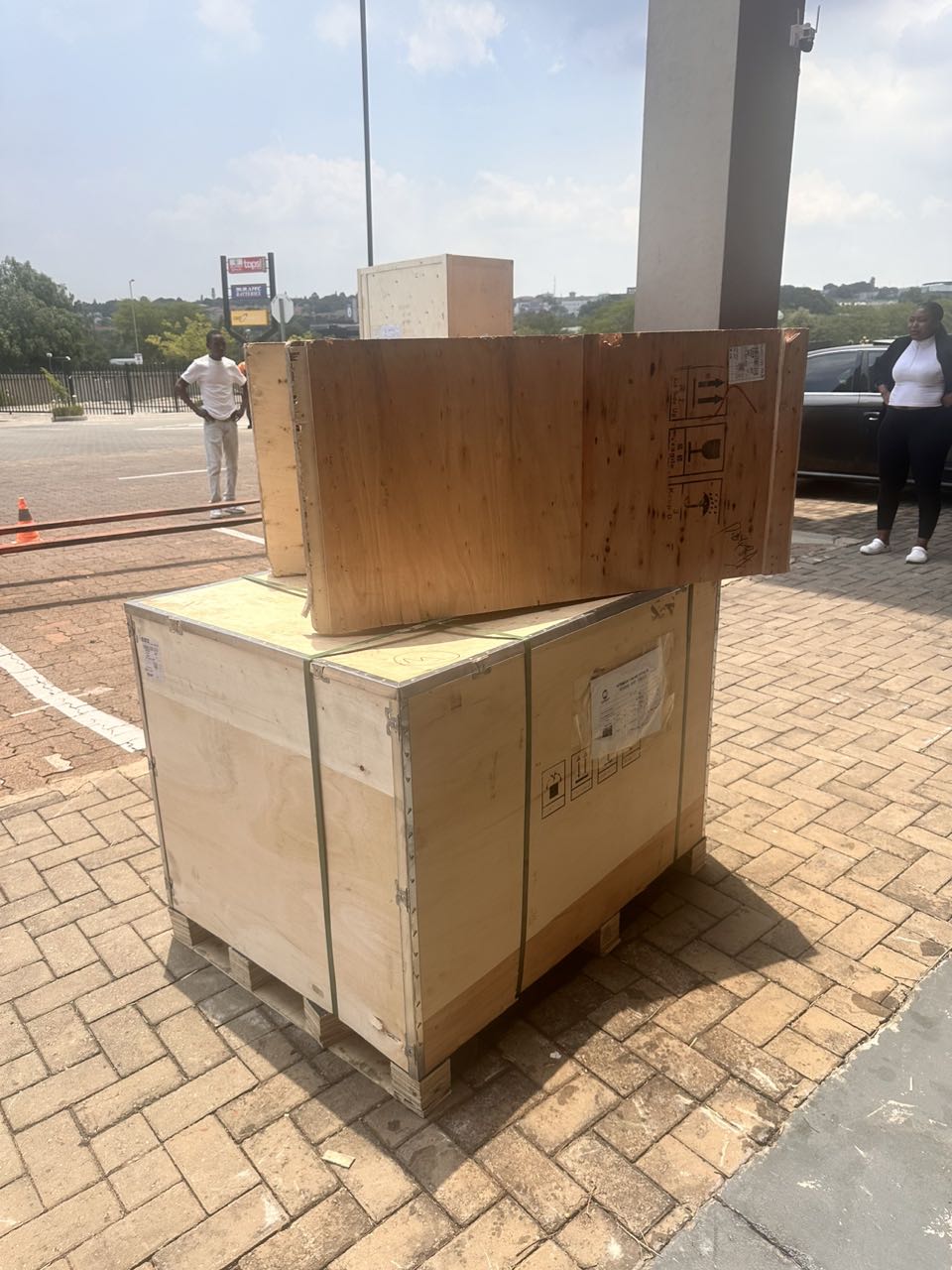
Batch of Orders
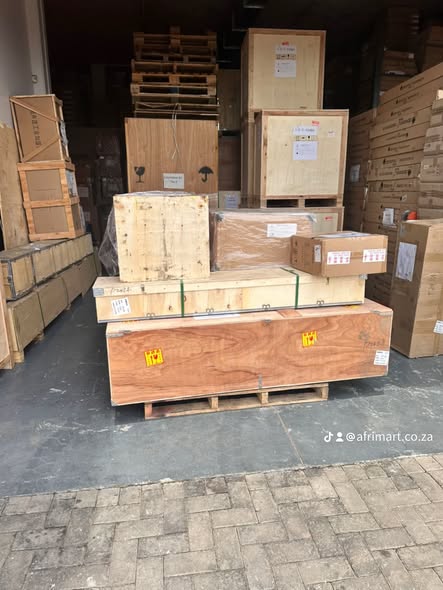
Latest Orders Labelled
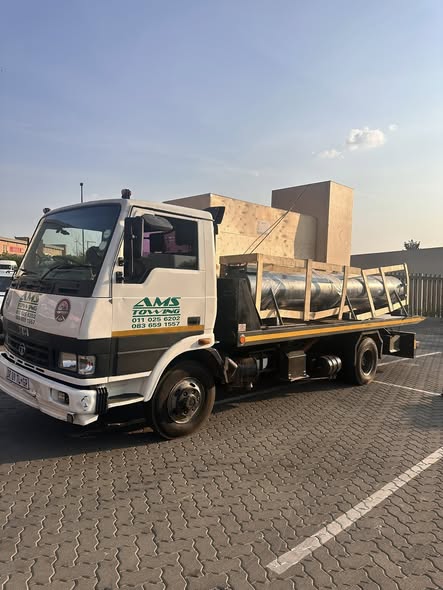
wheel alignment machines
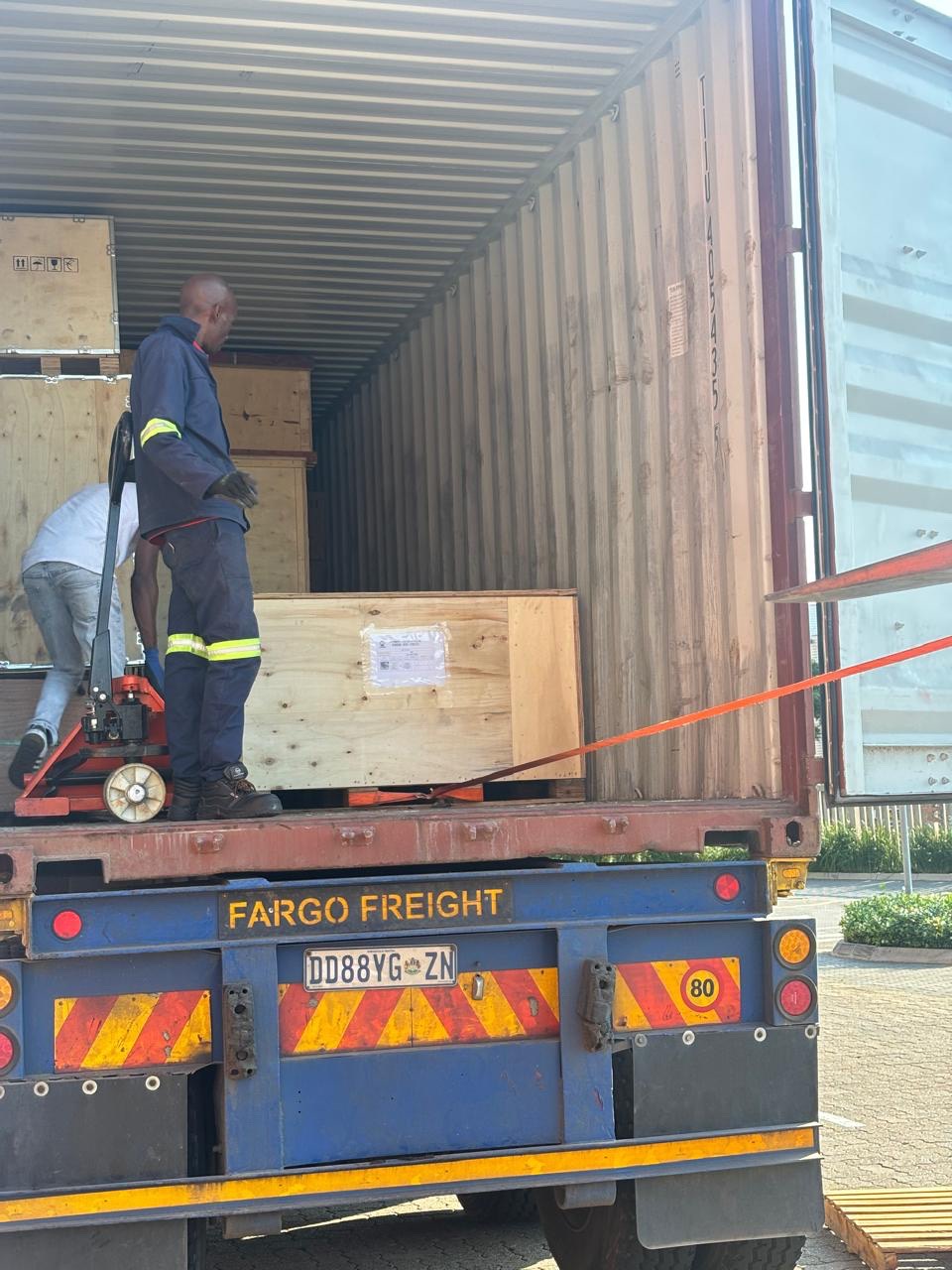
new arrivals
Pre Orders Offloading
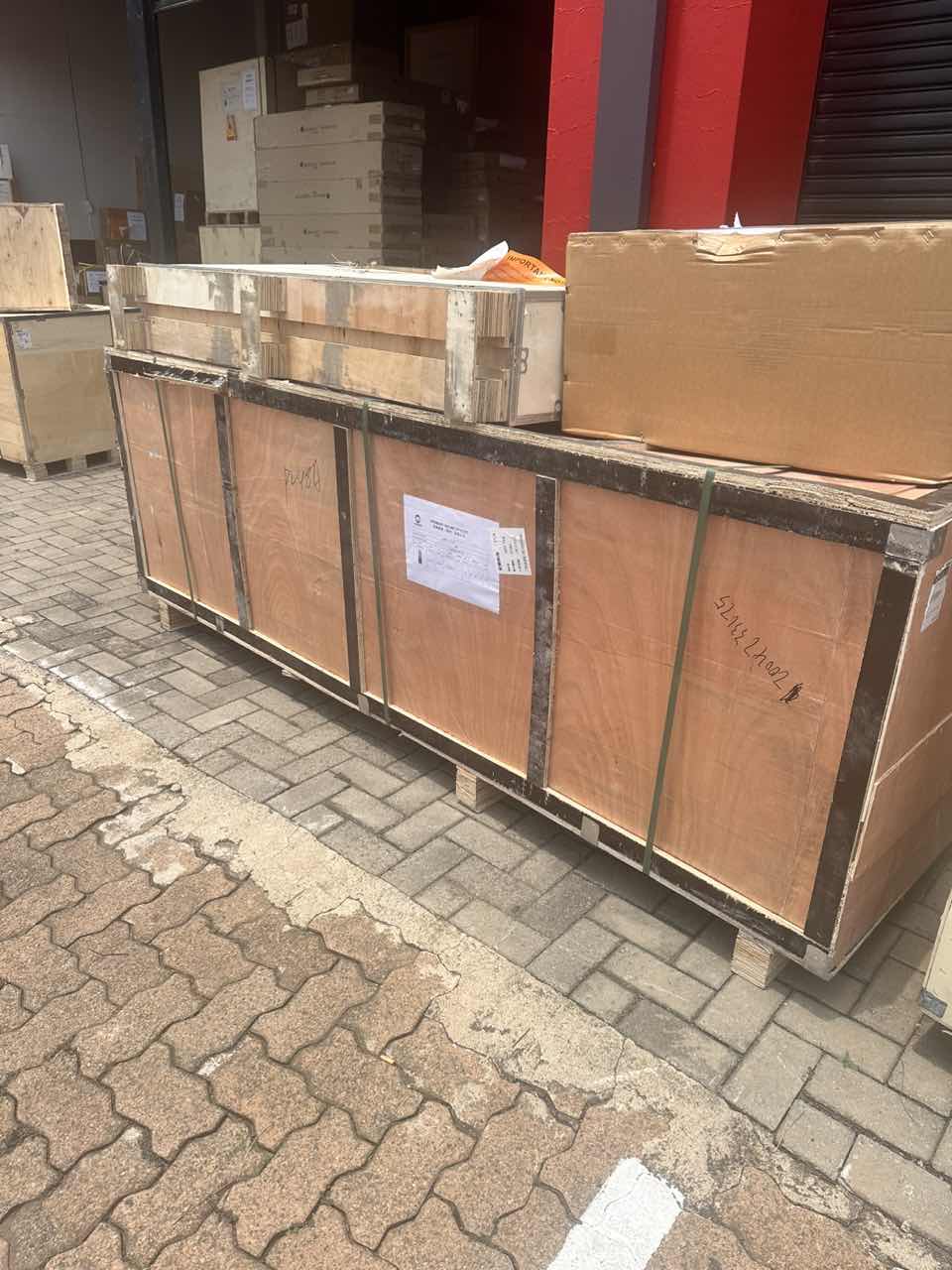
Latest Arrivals
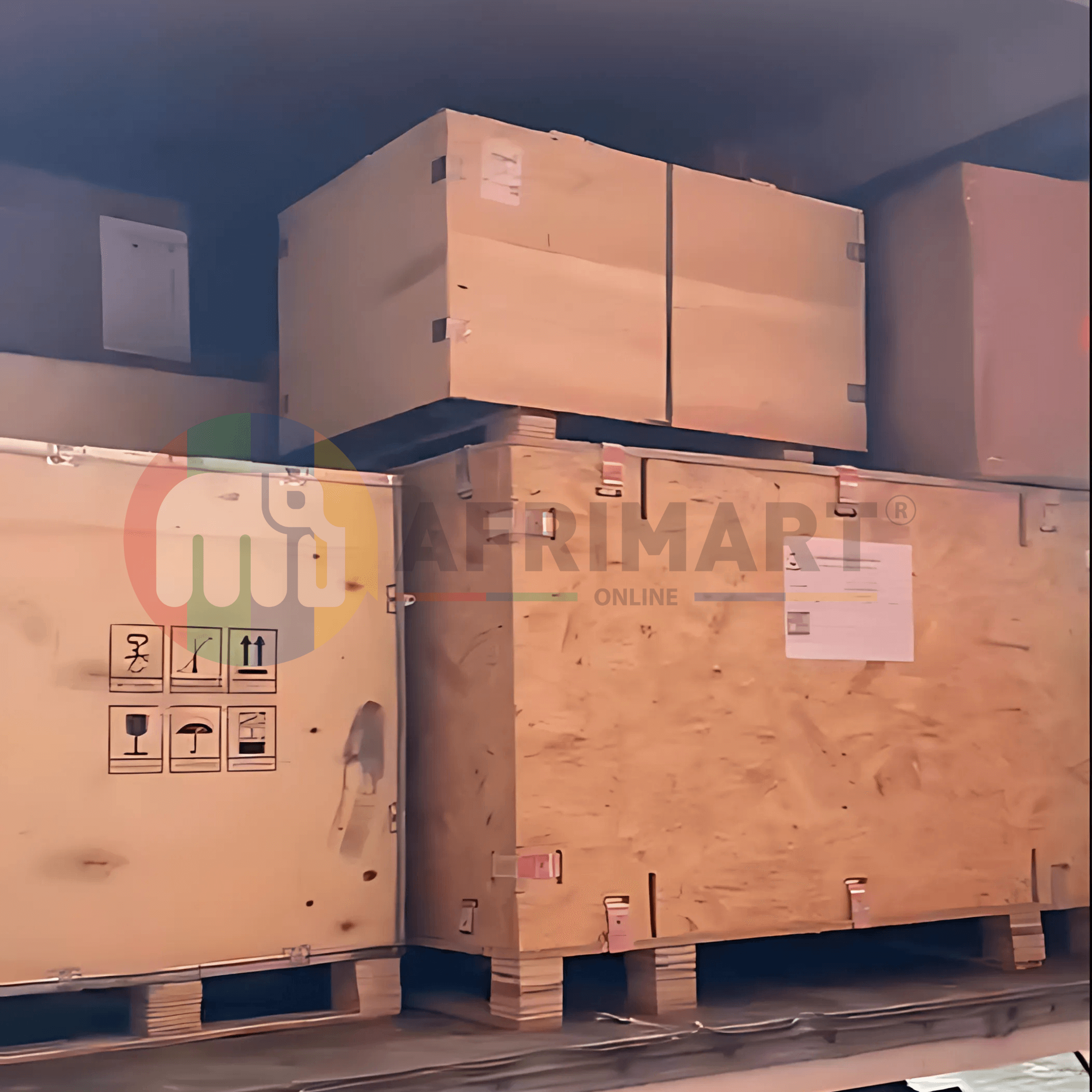
Latest Arrivals
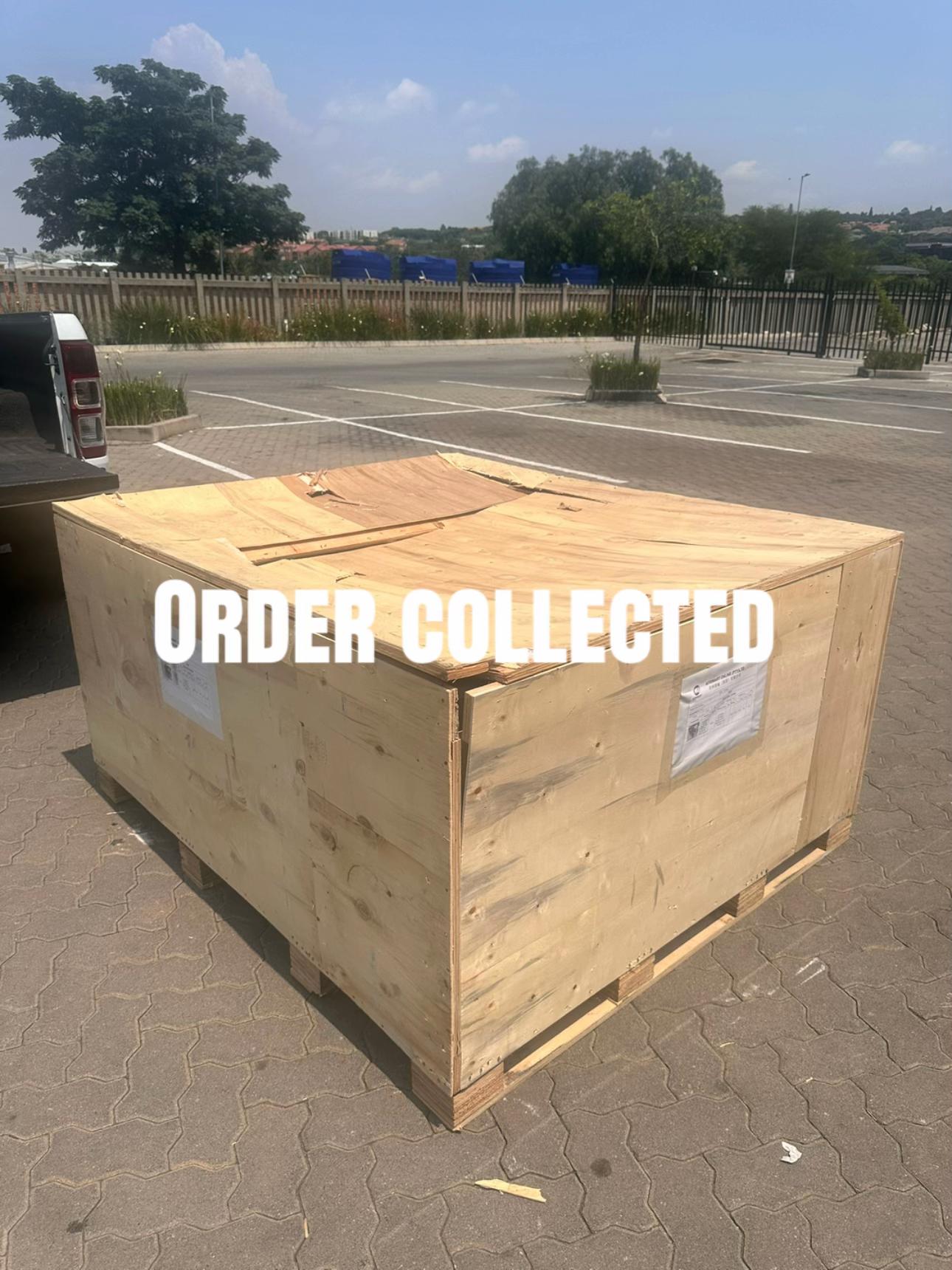
Latest Arrivals
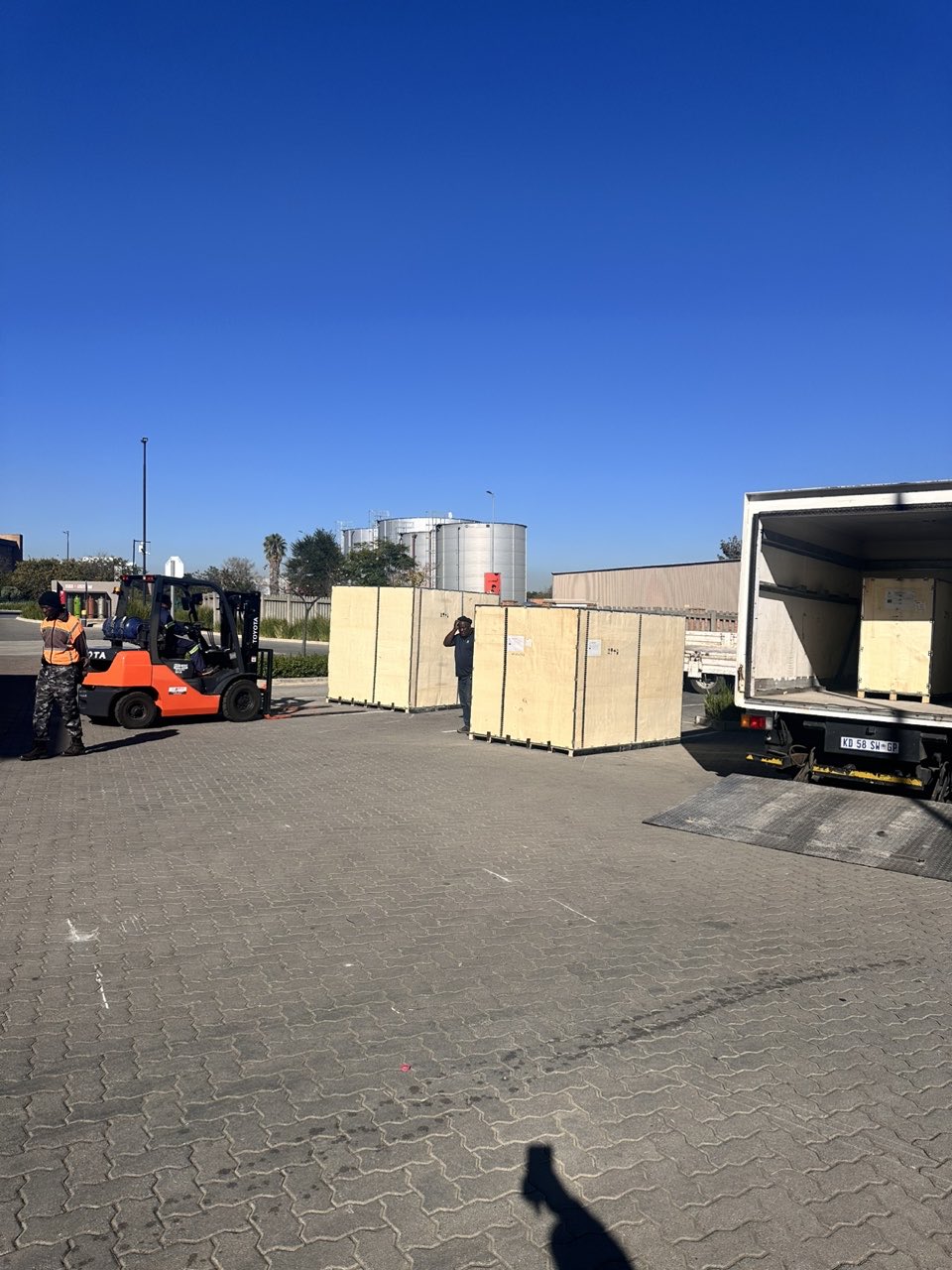
Loading
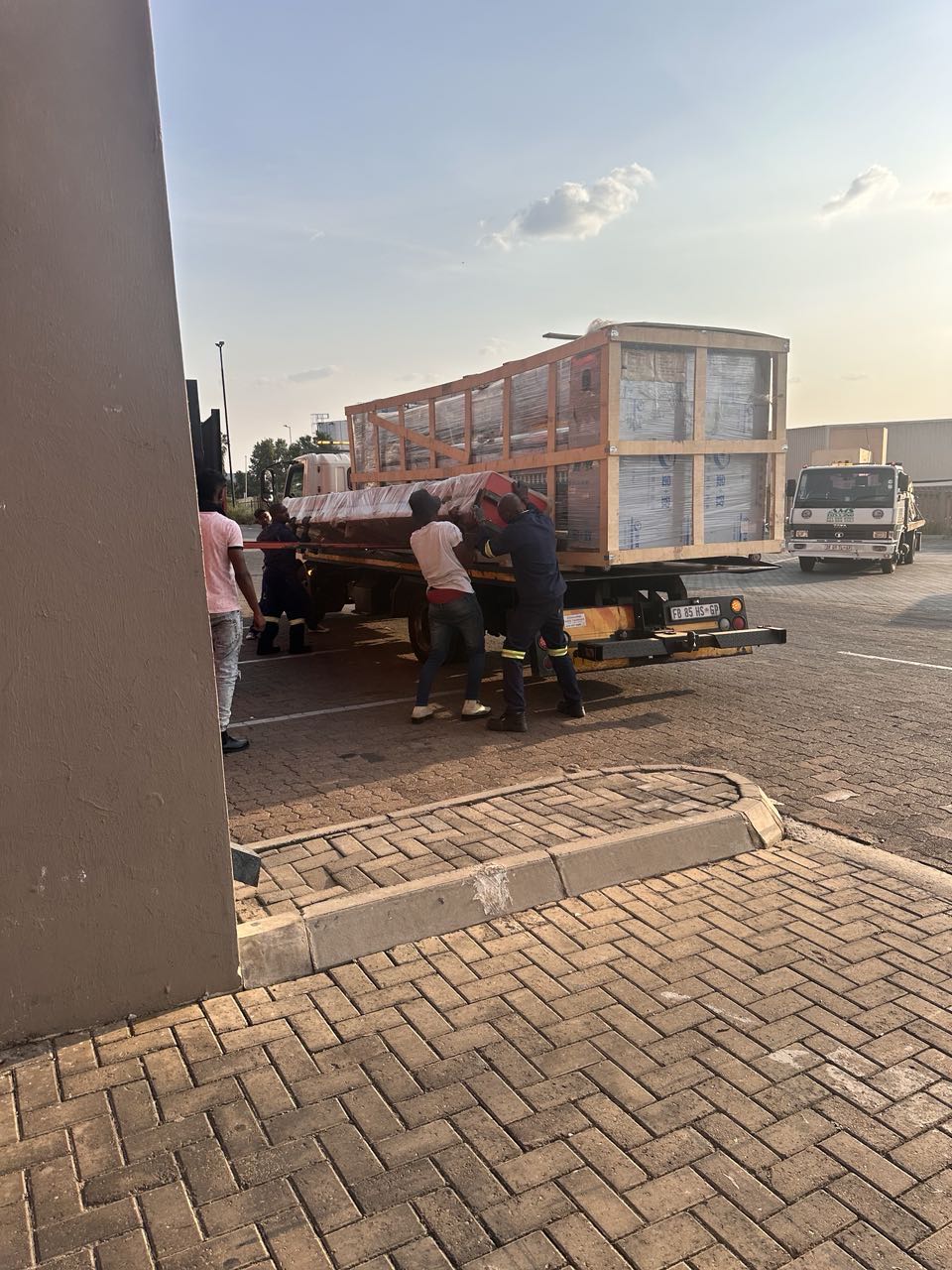
Toilet paper making machine
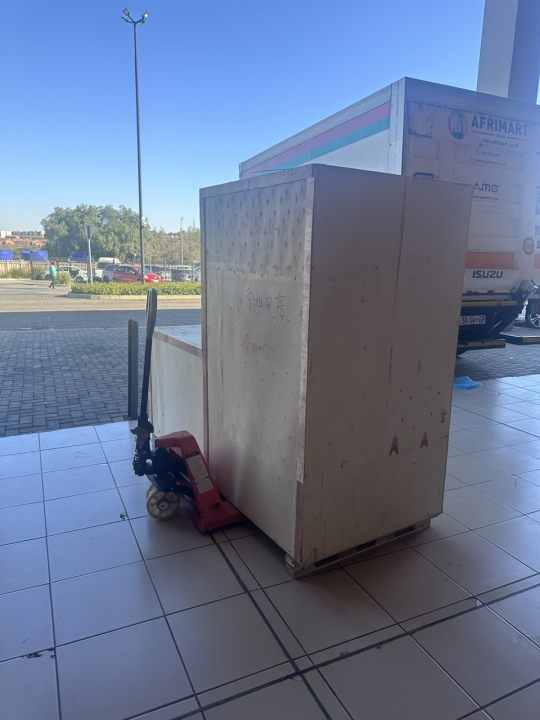
Toilet paper making machine
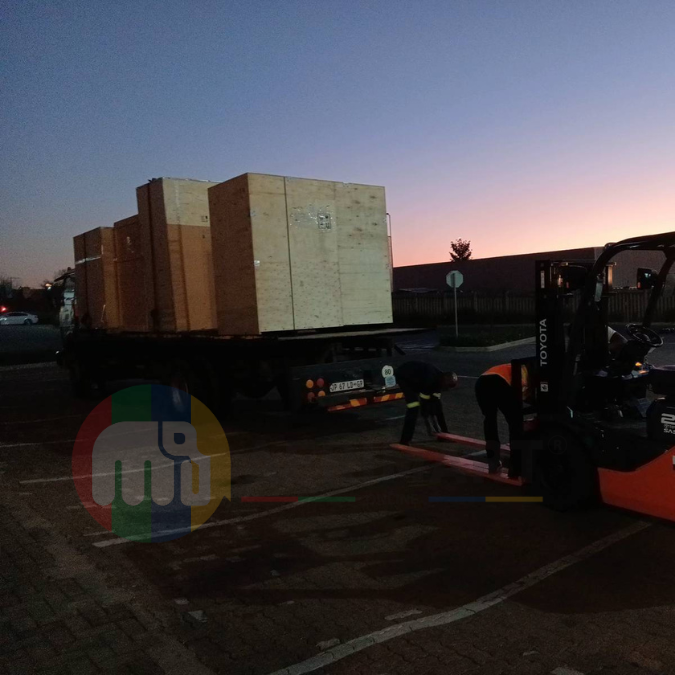
Toilet paper Rewinding Machine
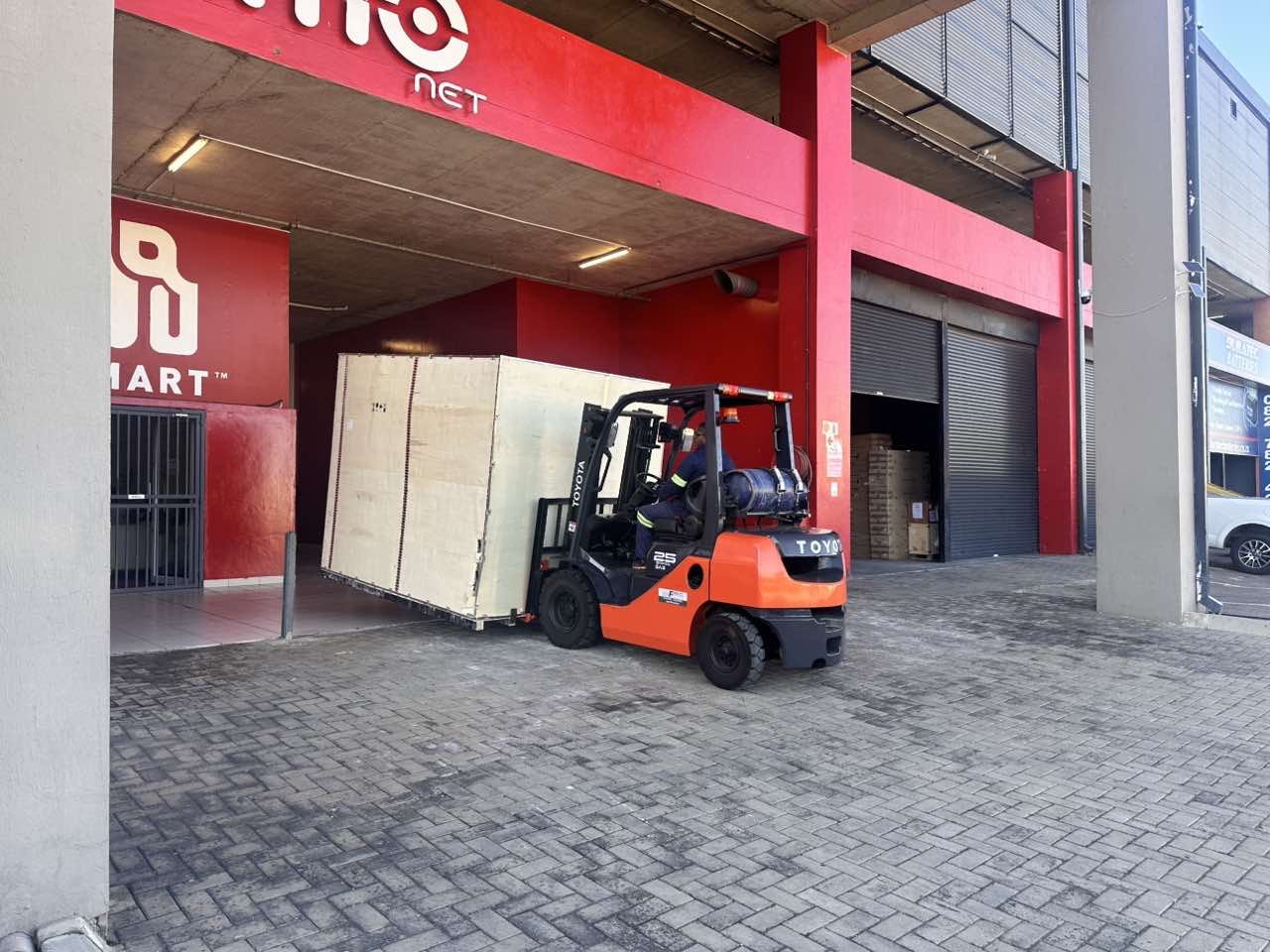
latest arrivals
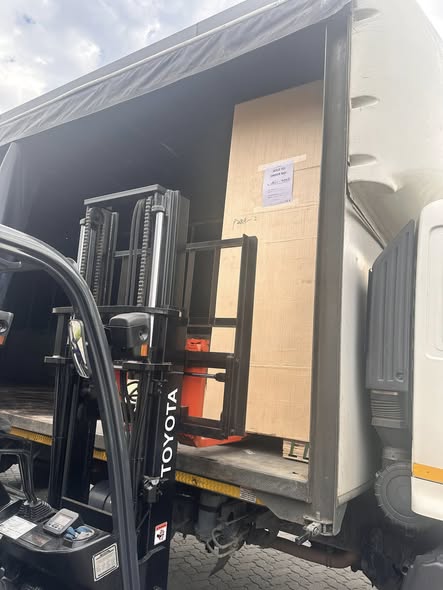
offloading
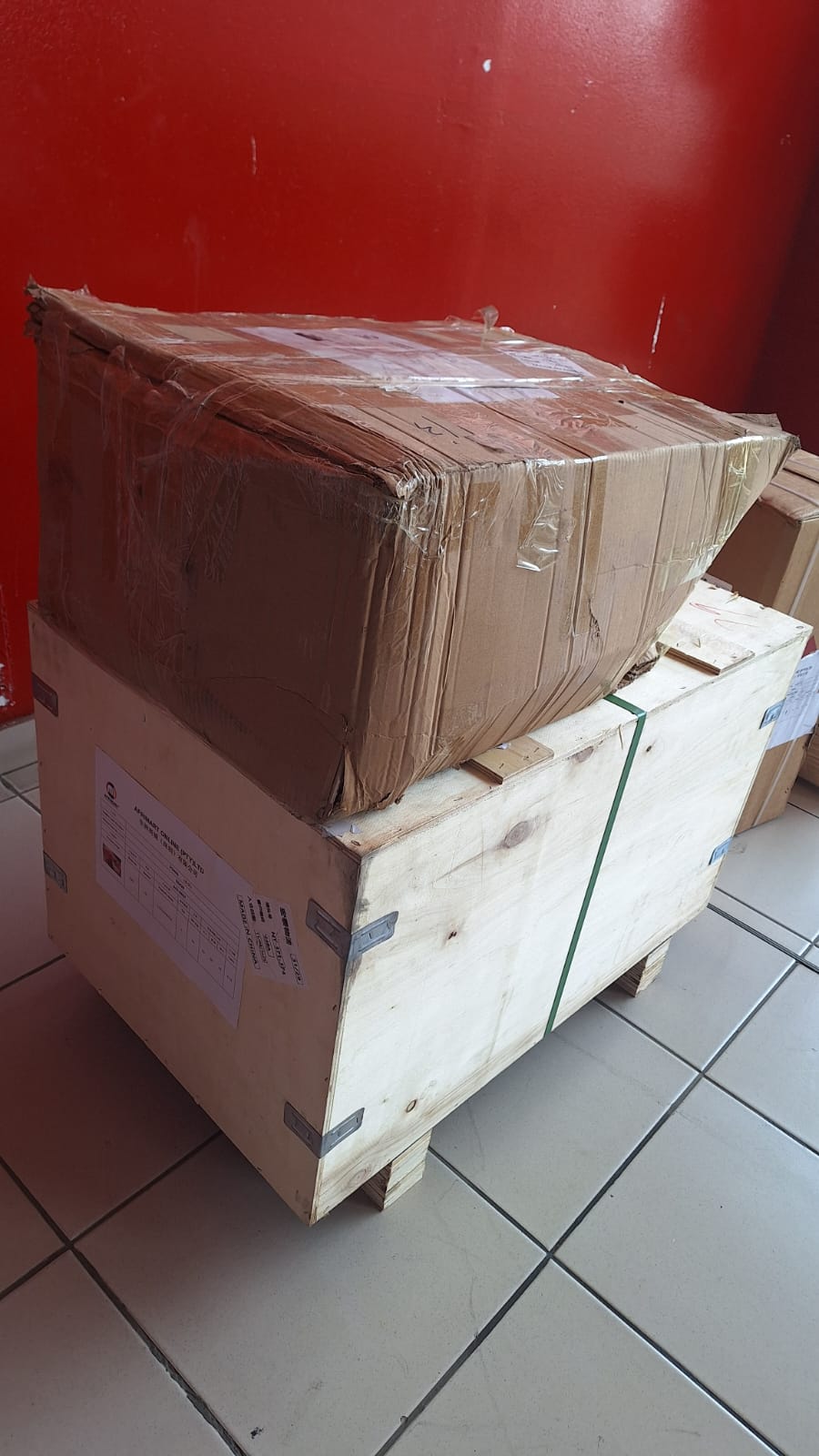
order success
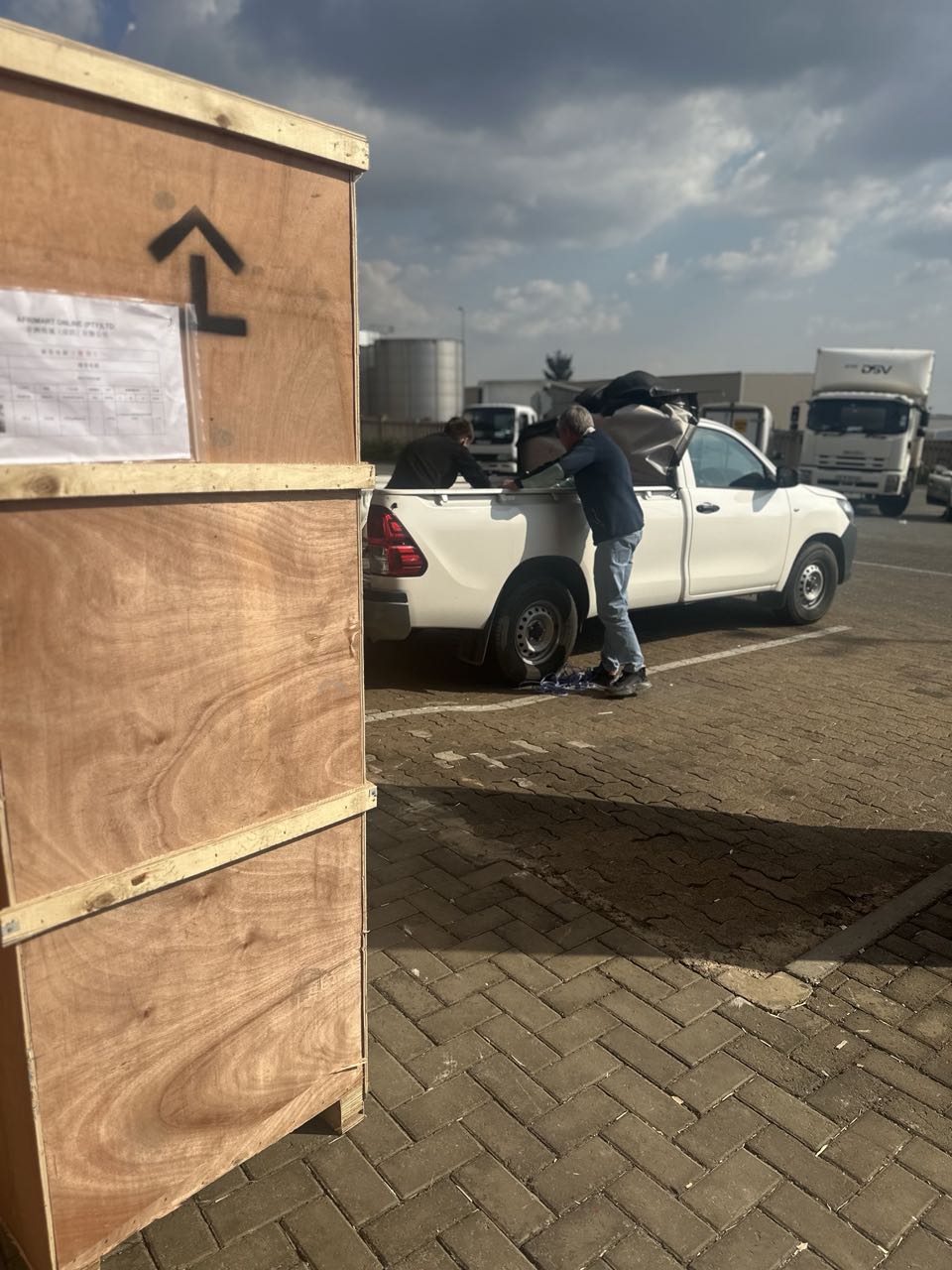
order collection
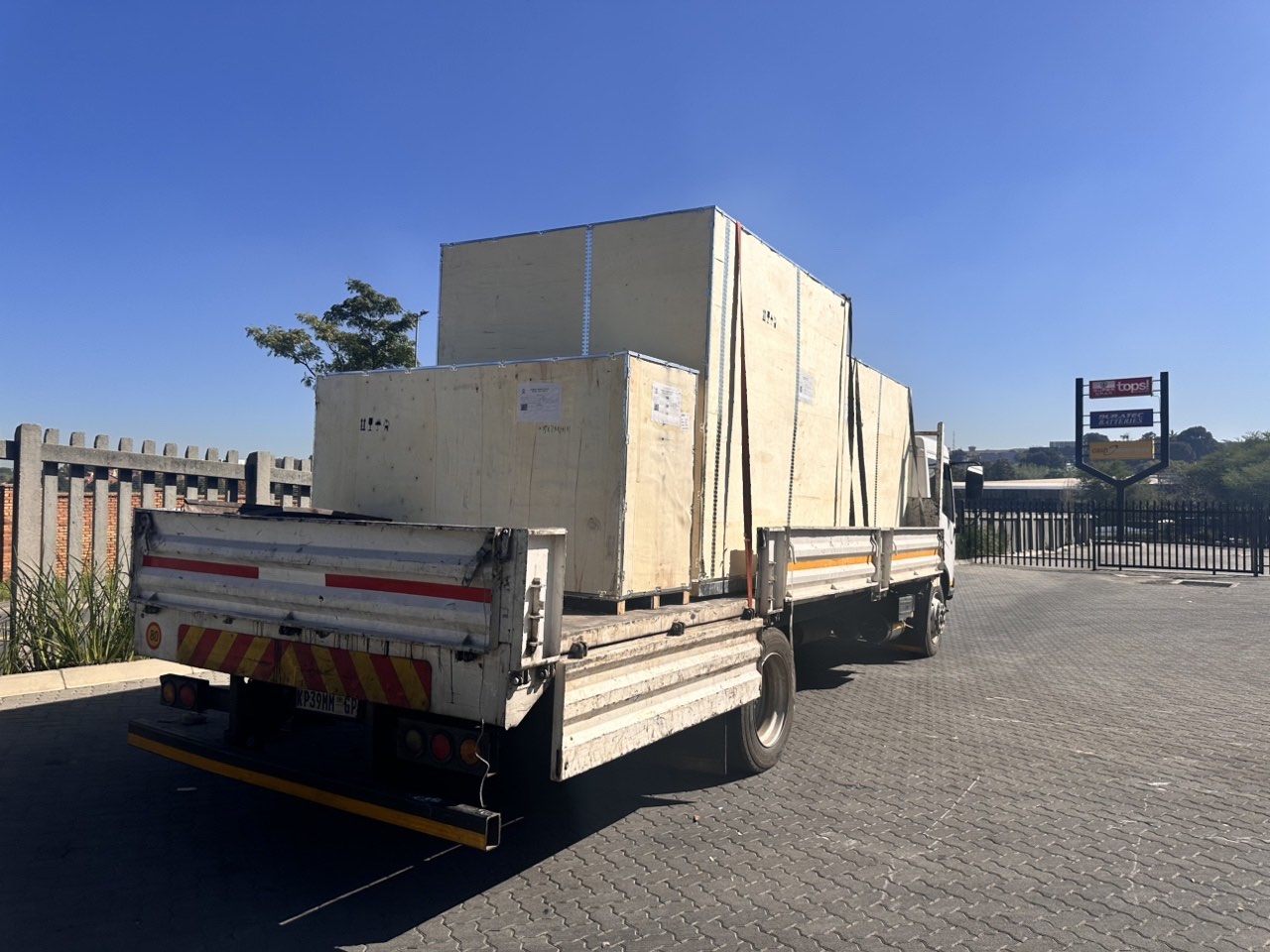
order offloading