B21, China Town Mall, Midrand

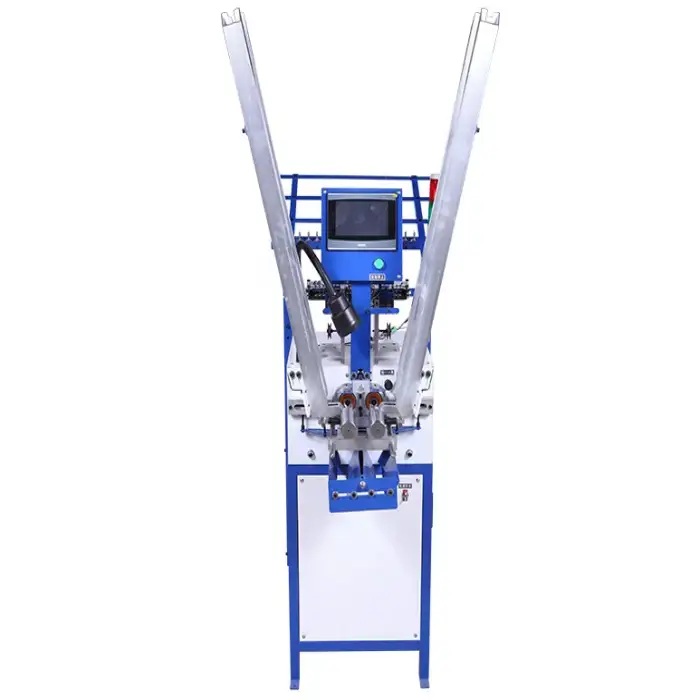
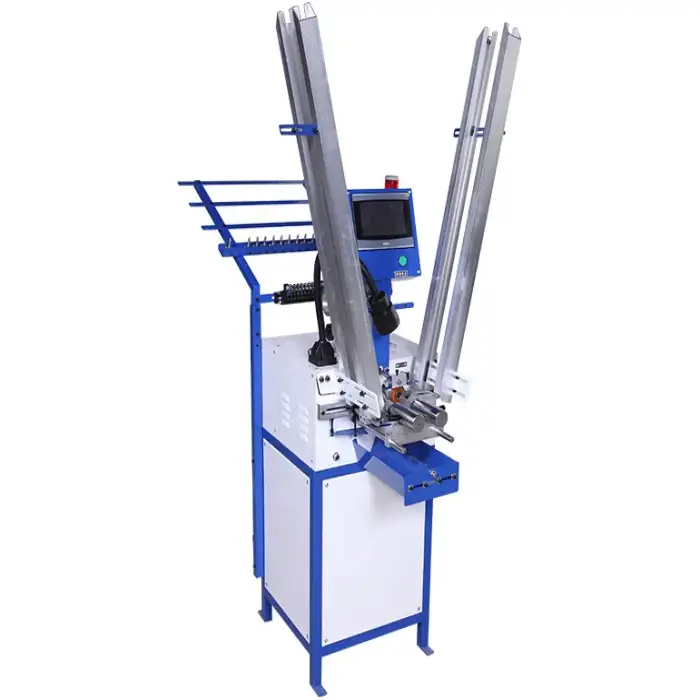
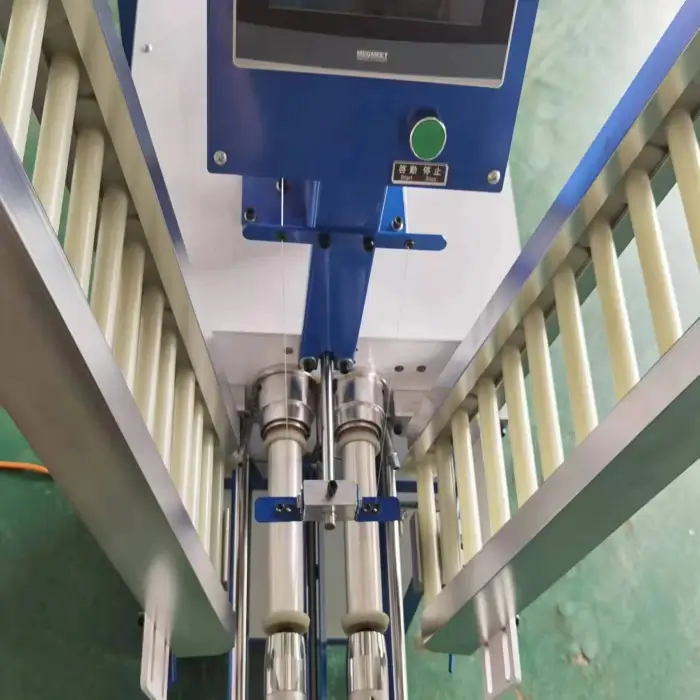
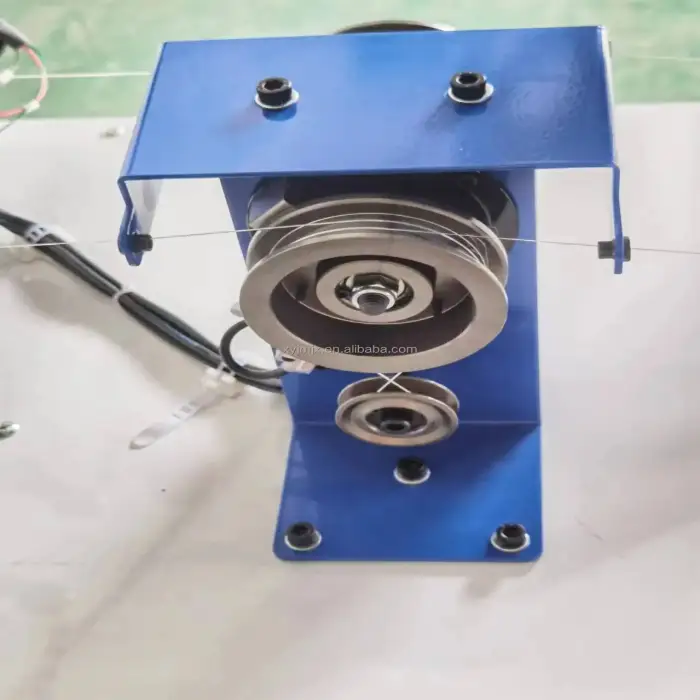
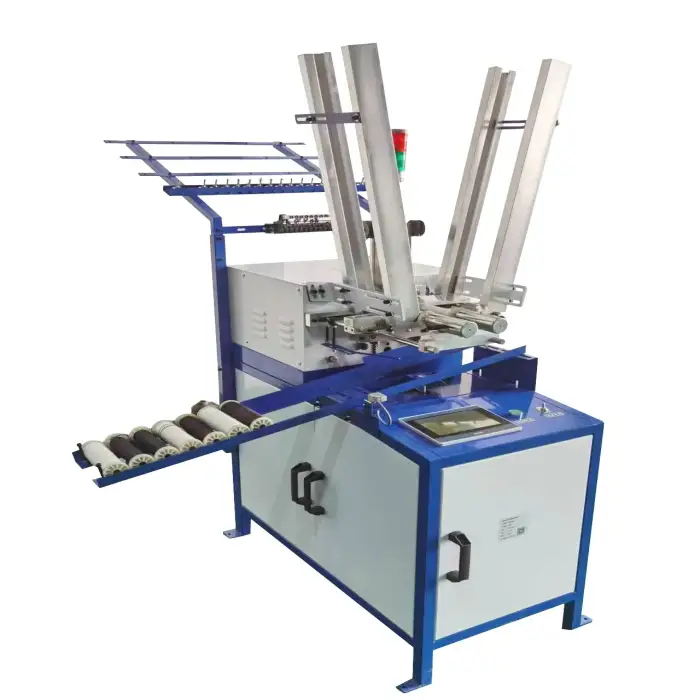
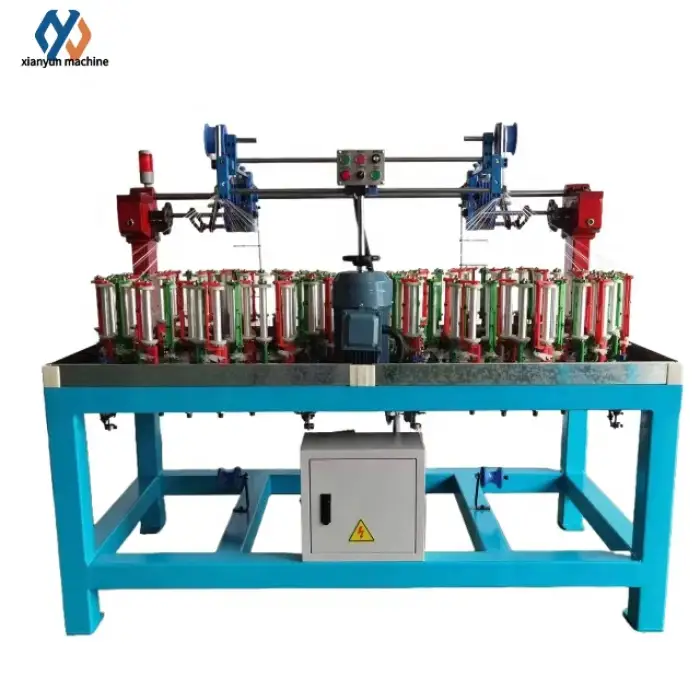
Rope braiding machine yarn winding machine bobbin machine
Asset finance available
Do you want funding for this equipment?
Afrimart can connect you with trusted funding partners who specialise in asset finance for businesses like yours. Compare options and apply in minutes — final approval is subject to provider review.
Check funding options
Secure & no obligation

- Section : Machinery
- Category : Industrial Machinery
- SKU : 1601102608298

Product descriptions from the supplier
Overview
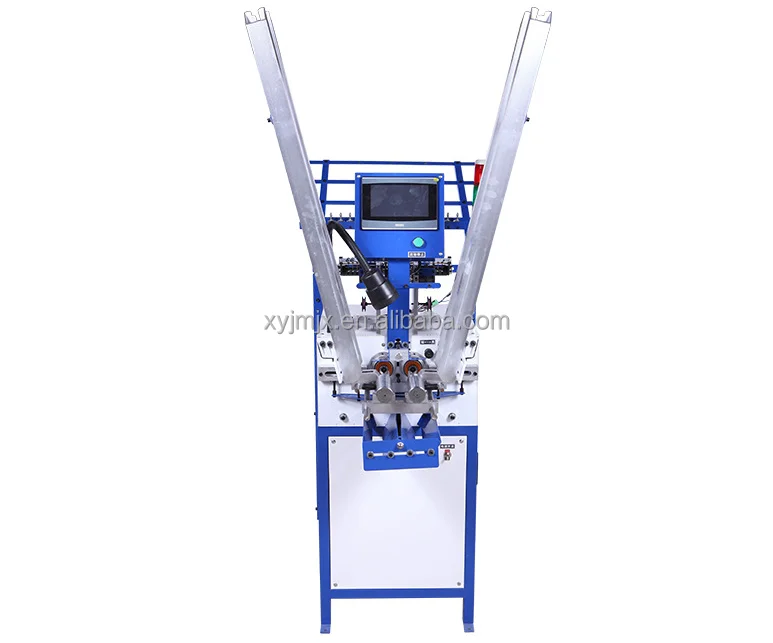
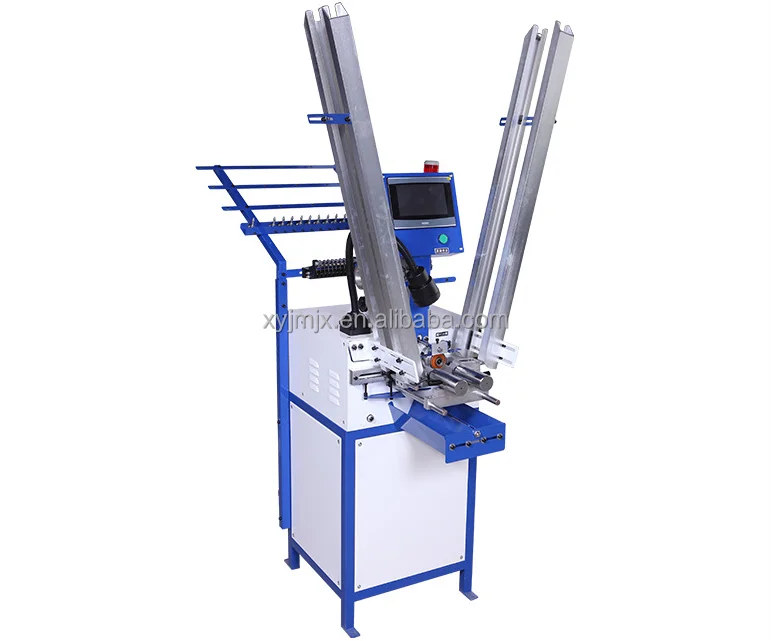


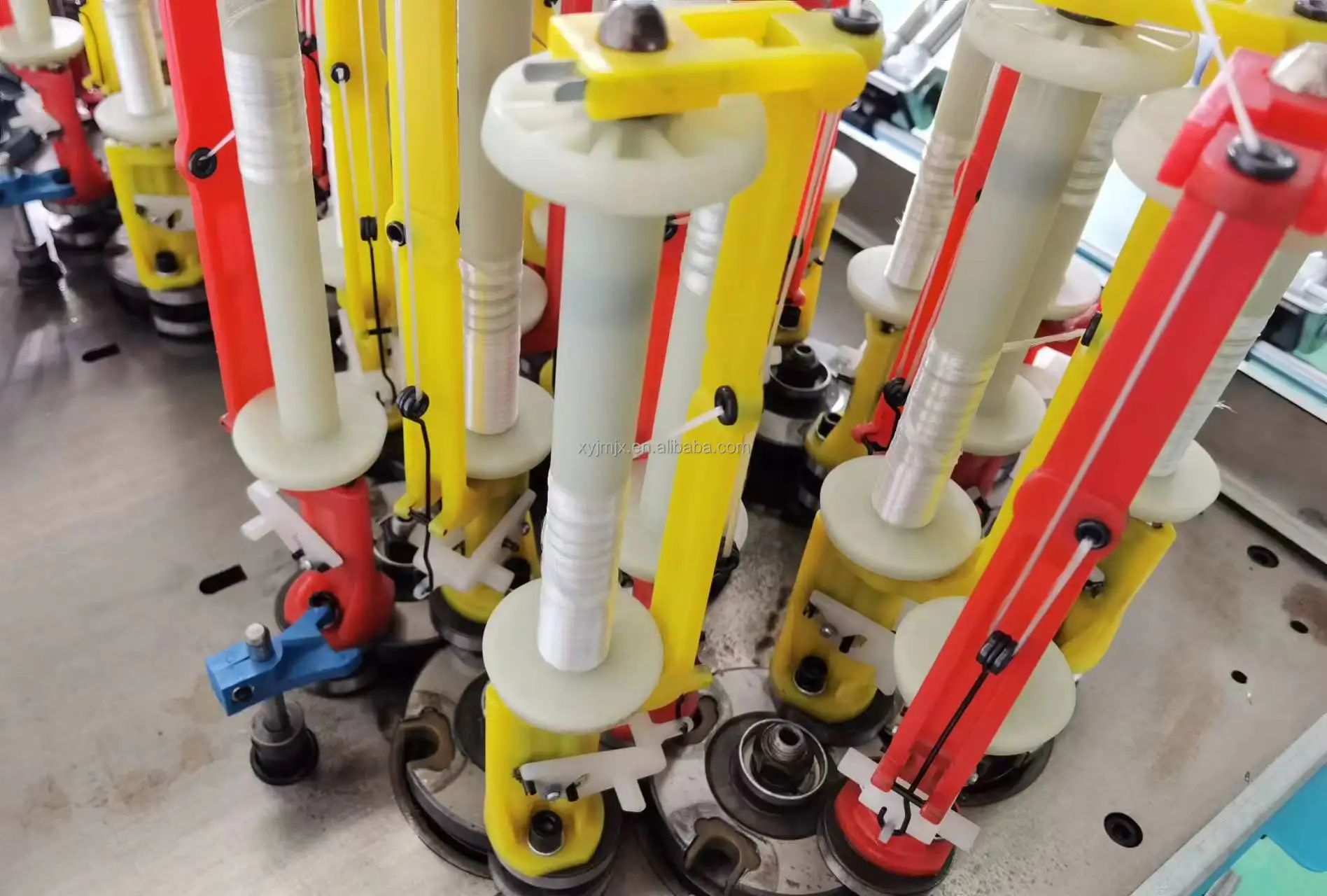
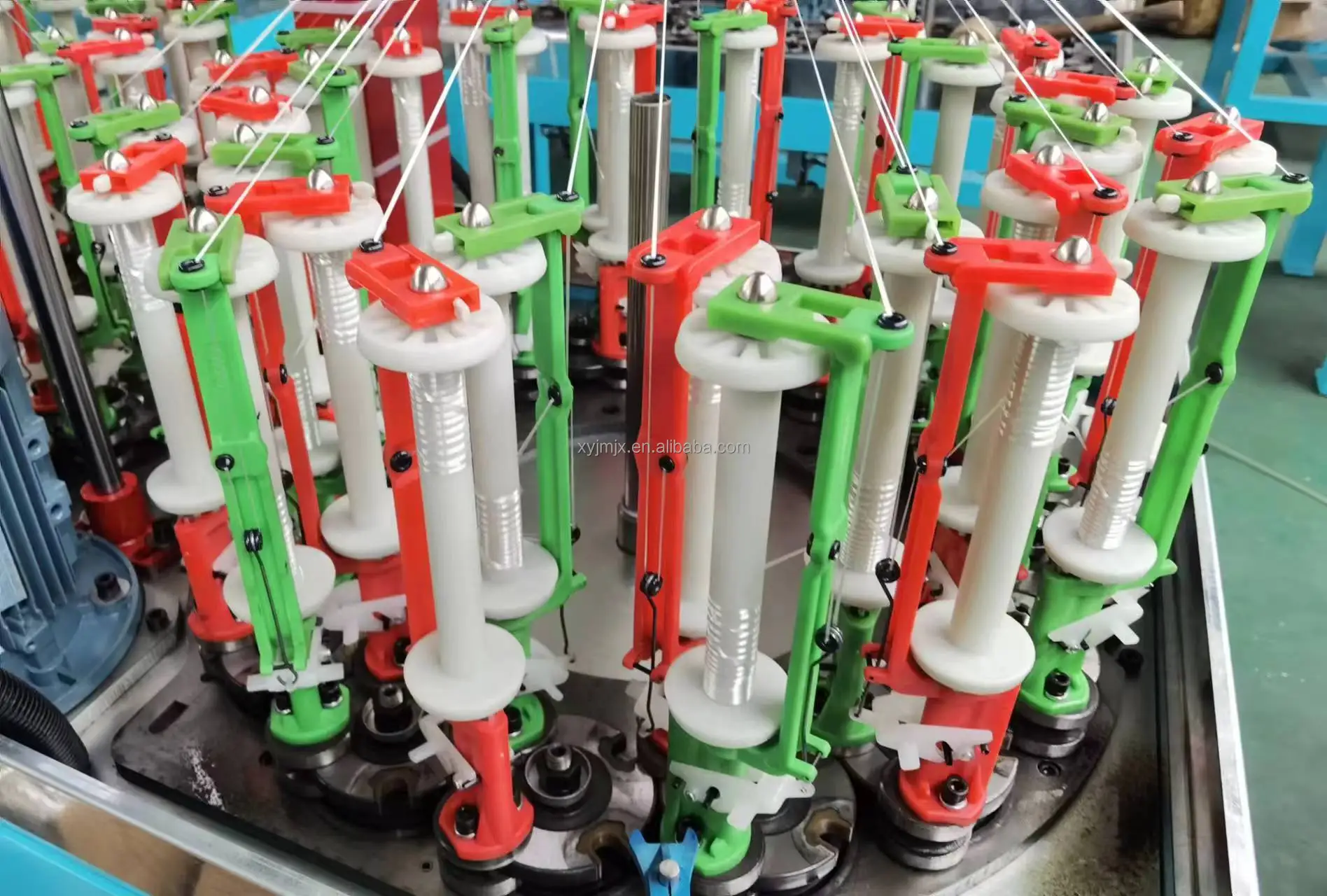
1. Added automatic cut yarn tail function to save labor.
2. Yard-counting, the length of winding yarn is uniform, and the yarn can be changed at one time on the braiding machine, so the
downtime can be reduced, and the output can be increased by 20% -30%, which greatly reduces yarn waste and saves labor.
3. Touch screen control, double-spindle single-counting, two sides can winding different sizes of bobbins, to achieve
single-spindle independent control, double motor and inverter, accurate counting, powerful functions;
4. Real-time display of production data, convenient for production management and control, greatly improving productivity.
Suitable for all kinds of yarns
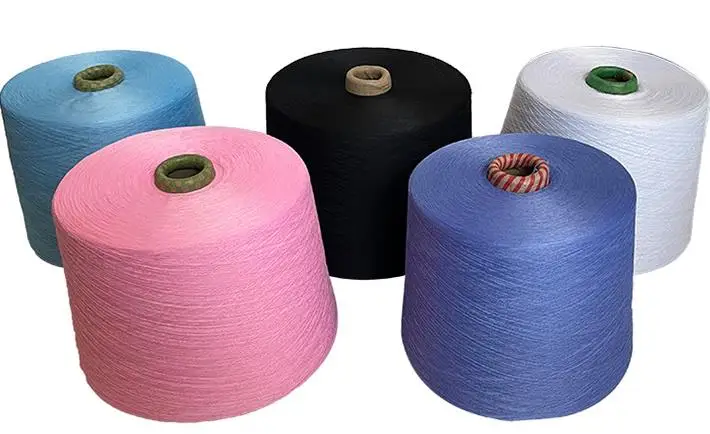
cotton yarn
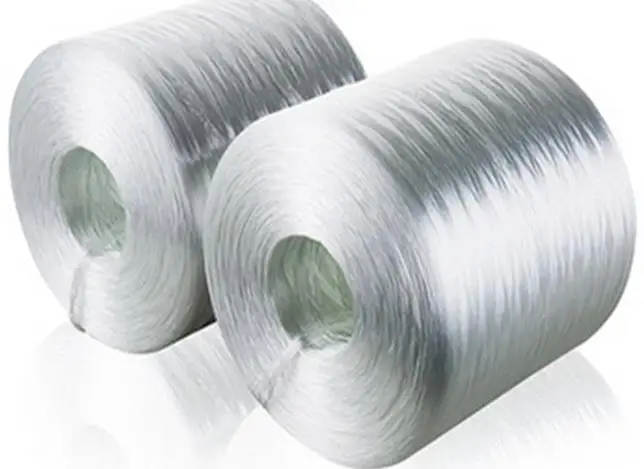
glass fiber
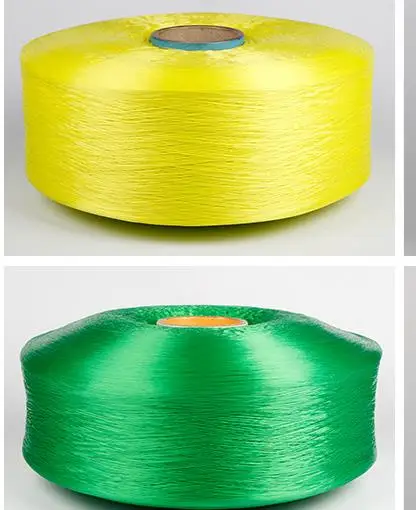
Polypropylene yarn
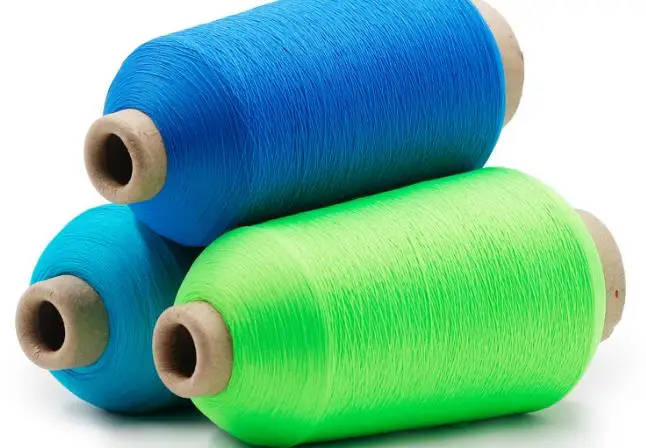
nylons
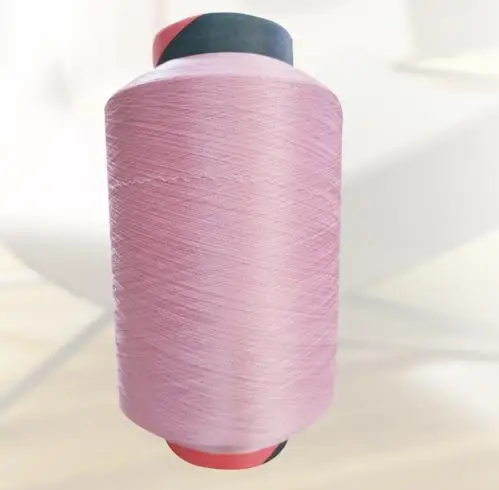
chemical fiber
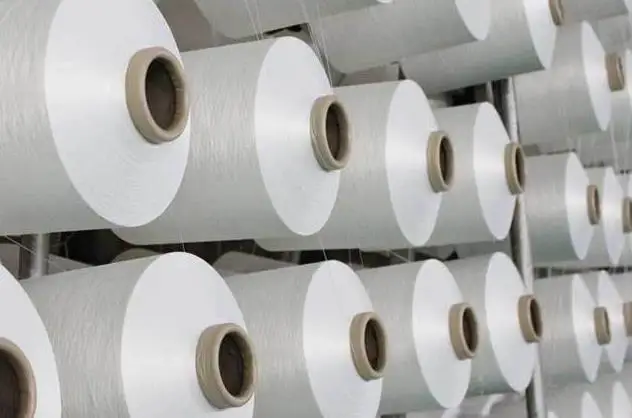
Polyester Yarn
- Shipping Timeframes: All orders are processed within 2-5 business days (excluding weekends and holidays). After your order has been processed, the estimated delivery time is before 15 Aug, 2026, depending on customs, Please note that due to high demand, some items may experience longer shipping times, which will be communicated at order confirmation email.
- Order Processing Time: Please allow 2-5 business days for us to process your order before it is shipped . Orders placed after 16:00 on Fridays, or during weekends and public holidays, will begin processing on the next business day. Processing times may be extended during peak seasons or sales events.
- Manufacturing Time: Some products needs manufacturing time, the manufacturing process will take approximately 10-30 business days depending on the product. This timeframe may vary depending on the complexity of the product and current demand. but this will be communicated with you during order confirmation.
- Returns and Exchanges: We offer a 30-day return policy for most items. If you are not completely satisfied with your purchase, you may return it within 30 days of receipt for a refund or exchange. Items must be unused, in their original packaging, and accompanied by proof of purchase. Return shipping costs are the responsibility of the customer, unless the item was damaged or defective upon arrival.
1. What types of yarn can be used with the rope braiding machine?
The rope braiding machine is suitable for various types of yarns including cotton yarn, glass fiber, polypropylene yarn, nylon, chemical fiber, and polyester yarn.
2. How does the automatic cut yarn tail function work?
The automatic cut yarn tail function allows the machine to cut the yarn tail automatically after winding, which saves labor and reduces the time spent on manual cutting.
3. What is the benefit of yard-counting in this machine?
Yard-counting ensures that the length of the winding yarn is uniform, which helps in reducing yarn waste and improving overall efficiency by increasing output by 20% to 30%.
4. Can the machine wind different sizes of bobbins simultaneously?
Yes, the machine has a double-spindle design allowing it to wind different sizes of bobbins on each side independently.
5. How does the touch screen control enhance usability?
The touch screen control provides an intuitive interface for managing the machine's functions, making it easier to operate and monitor the production process.
6. What is the advantage of having double motor and inverter control?
The double motor and inverter control allows for precise and independent control of each spindle, enhancing accuracy in counting and improving overall performance.
7. Is there a way to monitor production data in real-time?
Yes, the machine features a real-time display of production data, making it convenient for production management and control, which significantly boosts productivity.
8. What is the maximum output increase I can expect?
Users can expect an output increase of 20% to 30% compared to traditional winding methods, thanks to the machine's efficient design.
9. How does the machine help in reducing downtime?
The ability to change the yarn at one time on the braiding machine reduces downtime significantly, allowing for more continuous operation.
10. Is the machine suitable for industrial use?
Yes, this rope braiding machine is designed for industrial use, providing high efficiency and productivity suitable for large-scale production.
11. What maintenance is required for the machine?
Regular maintenance includes cleaning the machine, checking for wear on the spindles, and ensuring that all electronic components are functioning properly to maintain optimal performance.
12. Can I operate the machine manually if needed?
Yes, the machine can be operated manually, but it is designed for automated processes to maximize efficiency.
13. What safety features are included in the machine?
The machine includes safety features such as emergency stop buttons and protective covers to ensure safe operation.
14. How does this machine compare to manual winding methods?
This machine significantly outperforms manual winding methods in terms of speed, efficiency, consistency, and reduction of labor costs.
15. What is the warranty period for the machine?
The warranty period varies by supplier, but typically it ranges from one to two years for parts and labor.
Latest Order Arrivals
Discover our latest orders
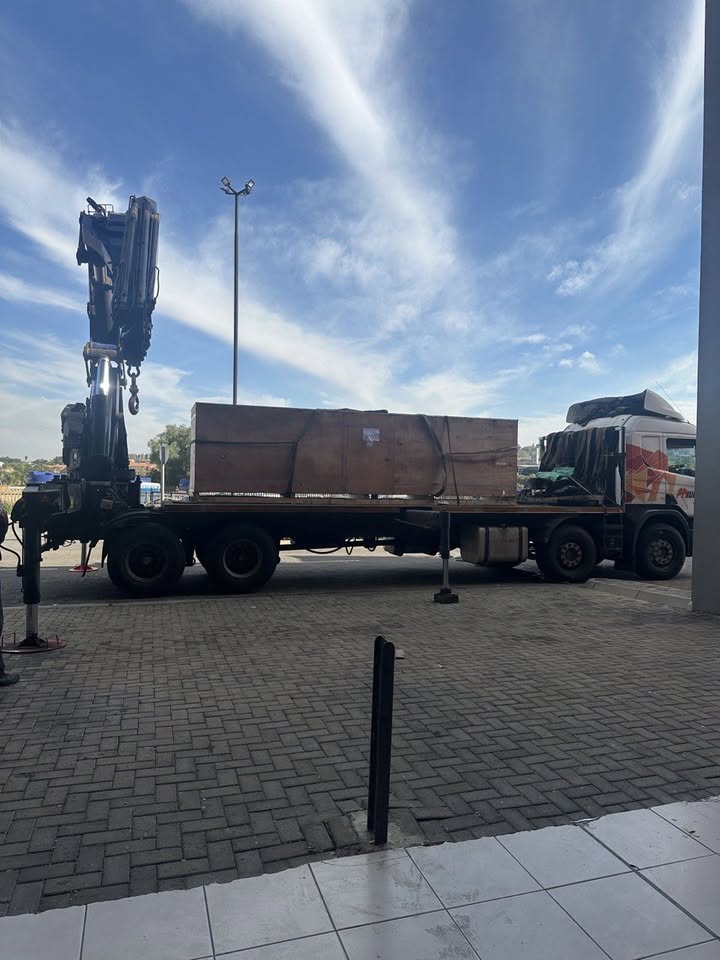
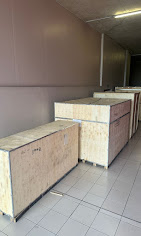
12 Heads Embroidery Machine
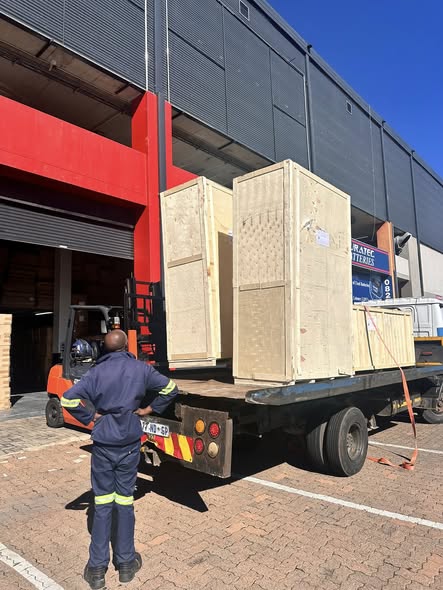
Toilet Paper Machine Machine
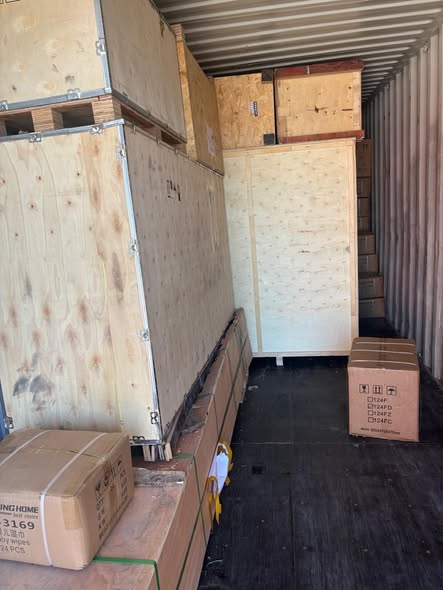
Order Collection
Cross Border Clients
Order cros border countries Collected
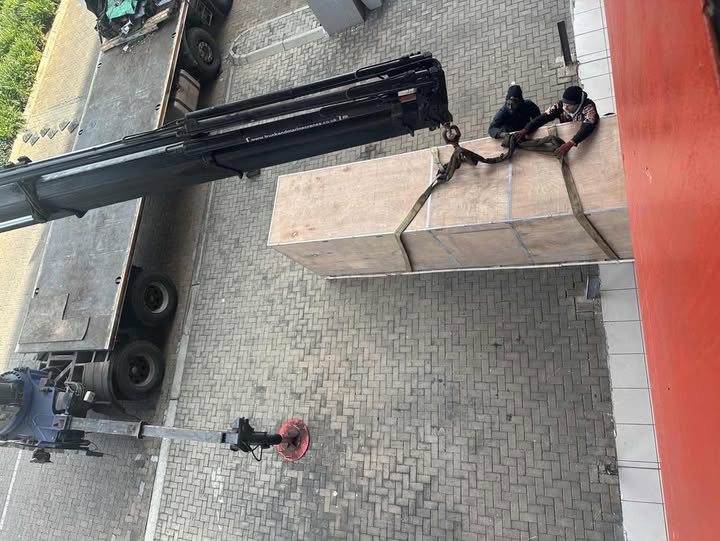
Industrial Machine Cllection
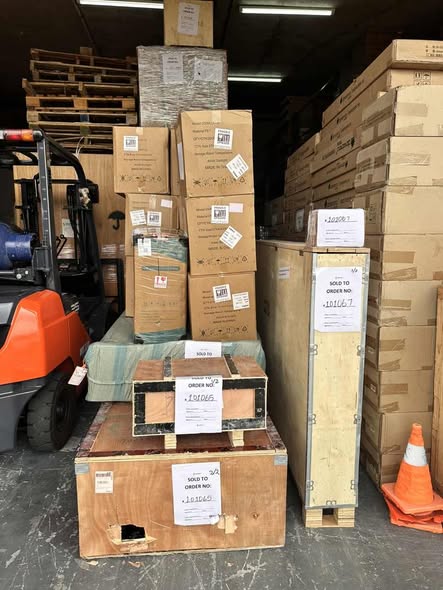
Agriculture Processing Machines
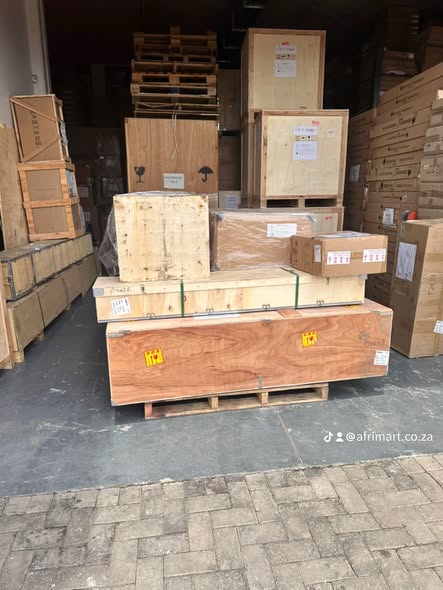
Ready for collection
Water Pump Equipment
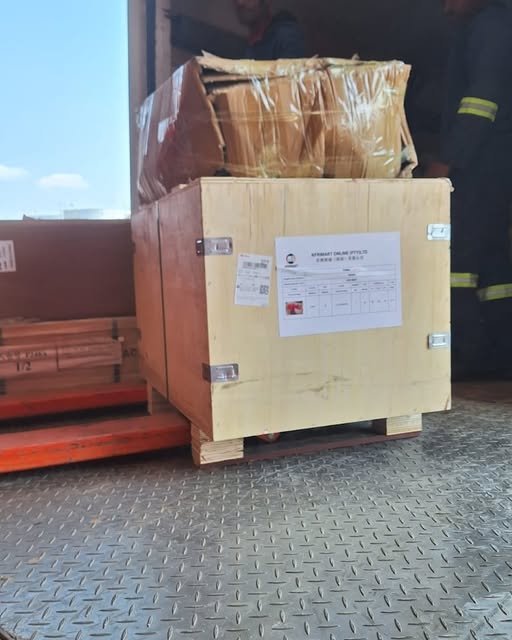
Packaging Machine and accessories
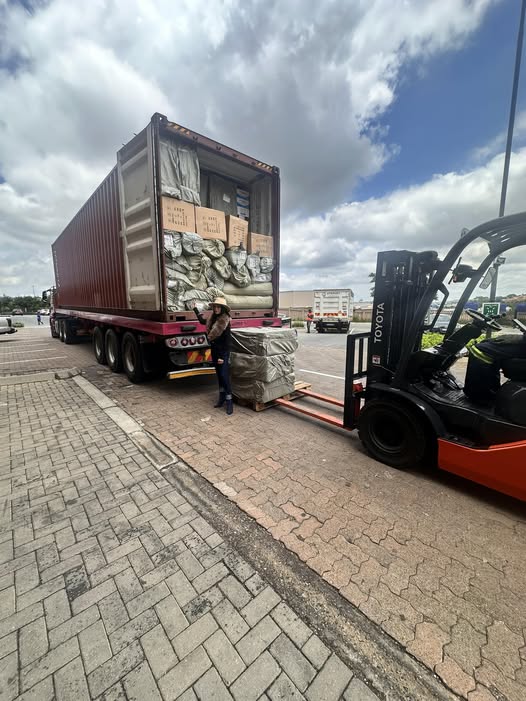
Fabrics Manufacturing Equipment
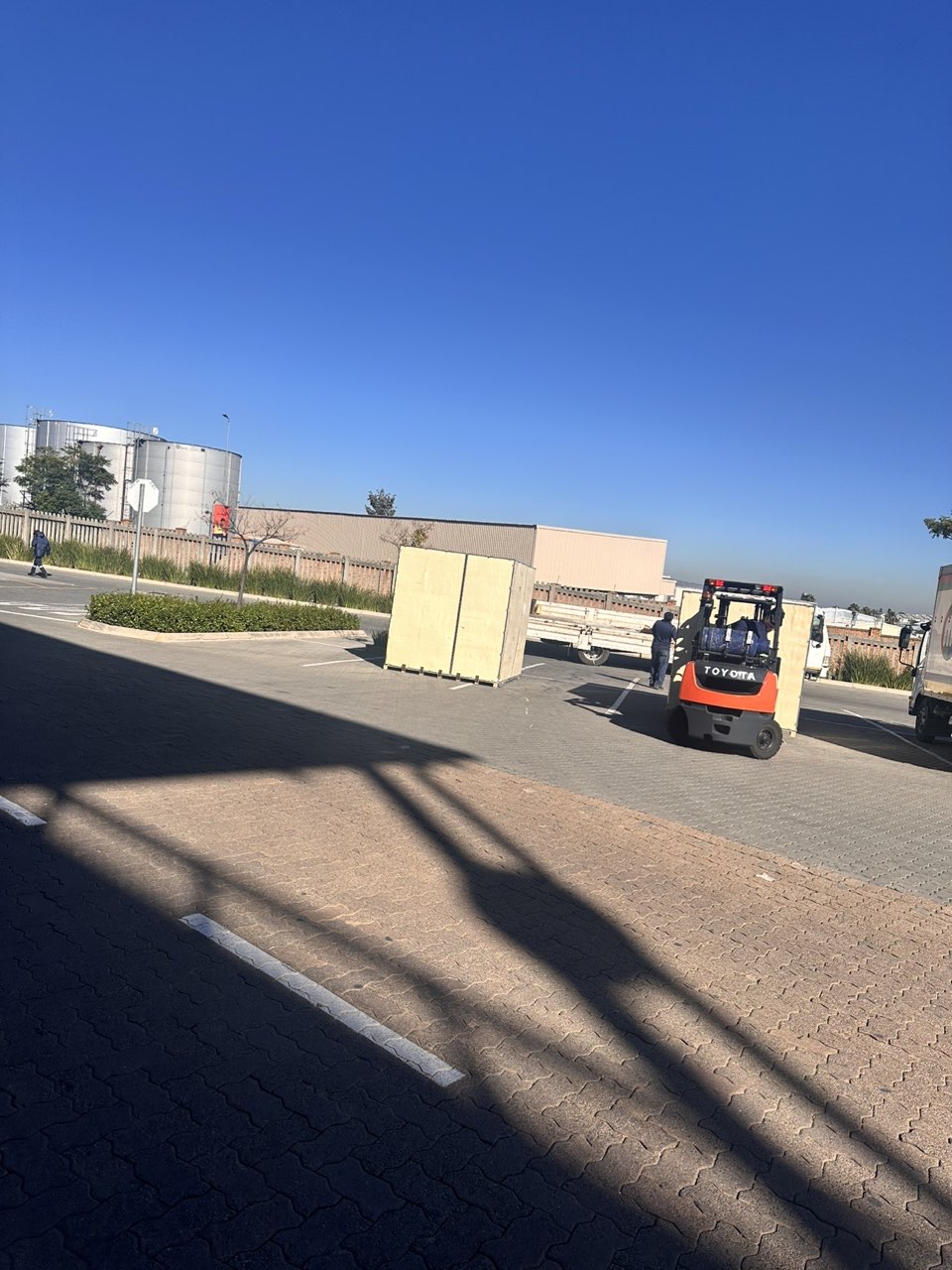
Mining Equipments
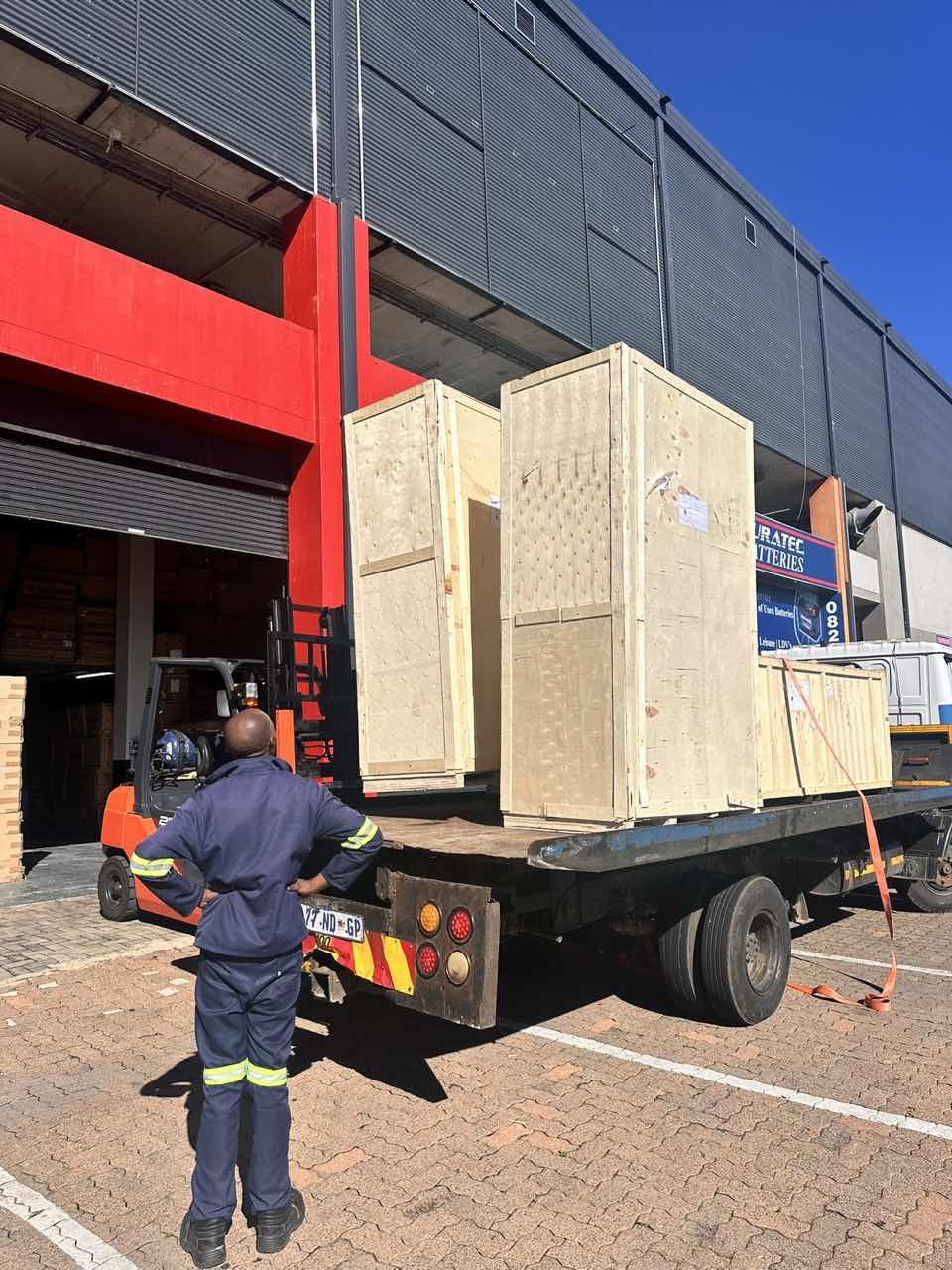
Food Processing Machine
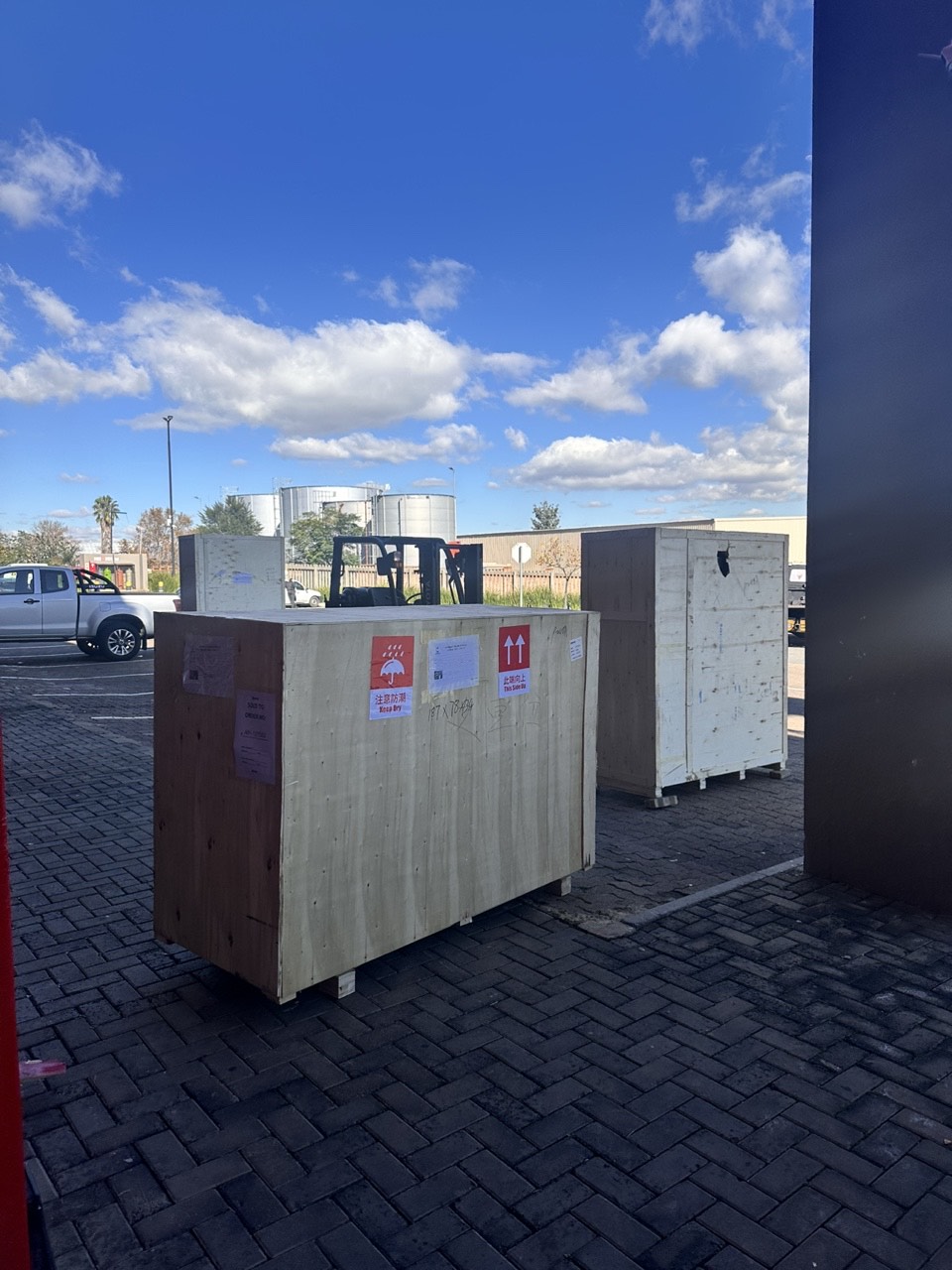
Batch of Orders
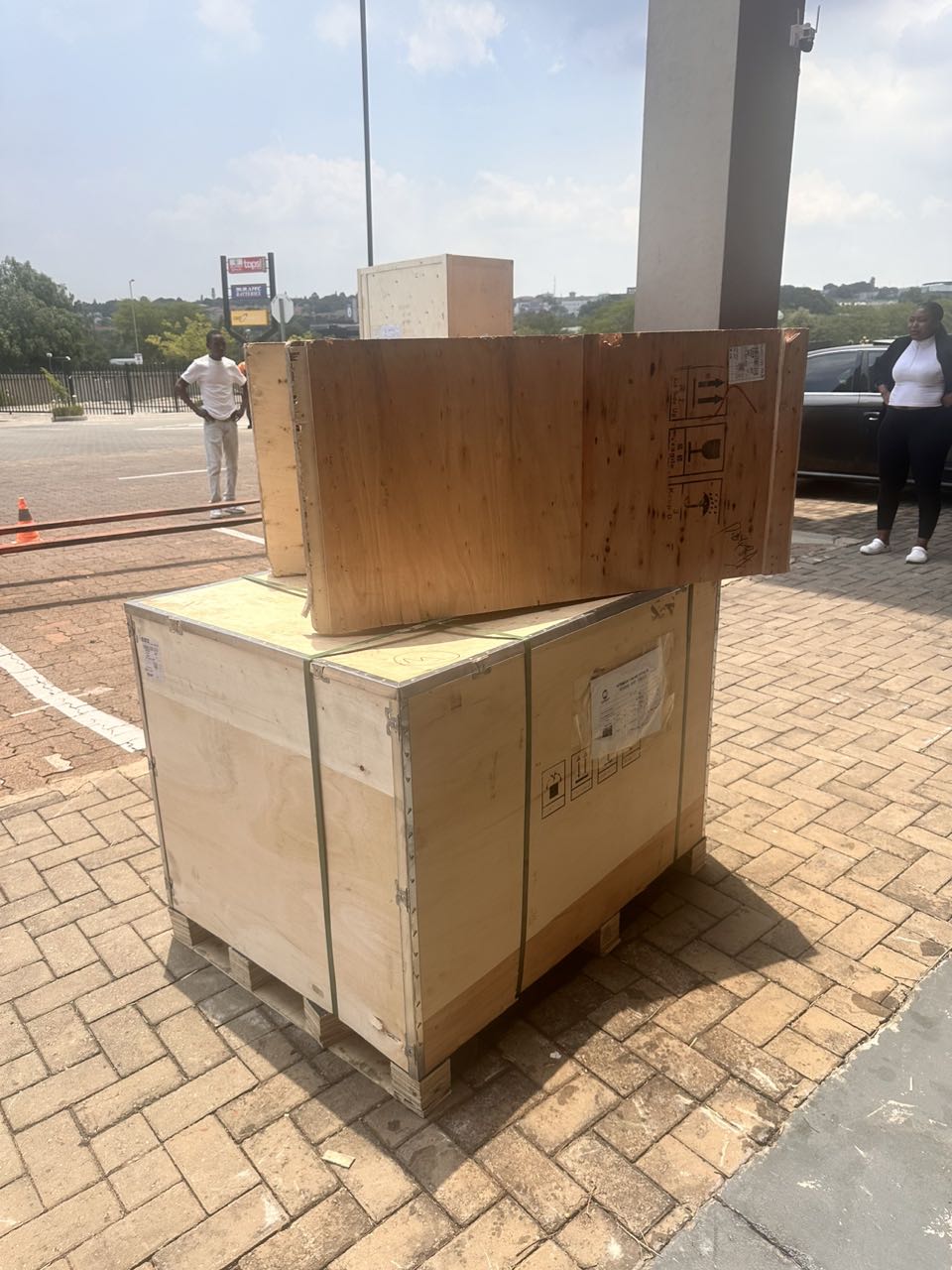
Batch of Orders
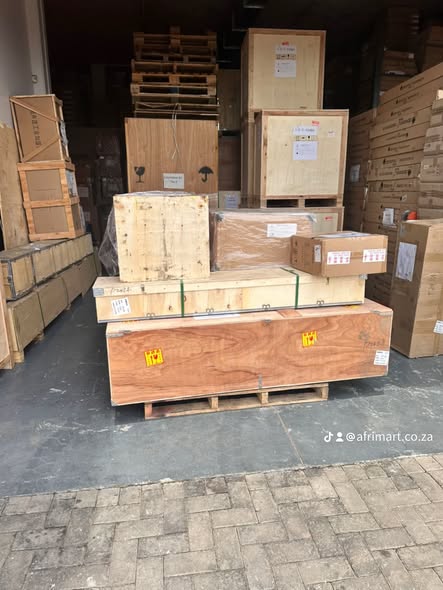
Latest Orders Labelled
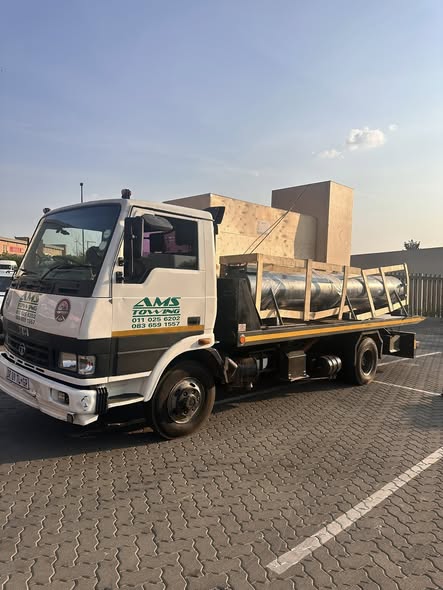
wheel alignment machines
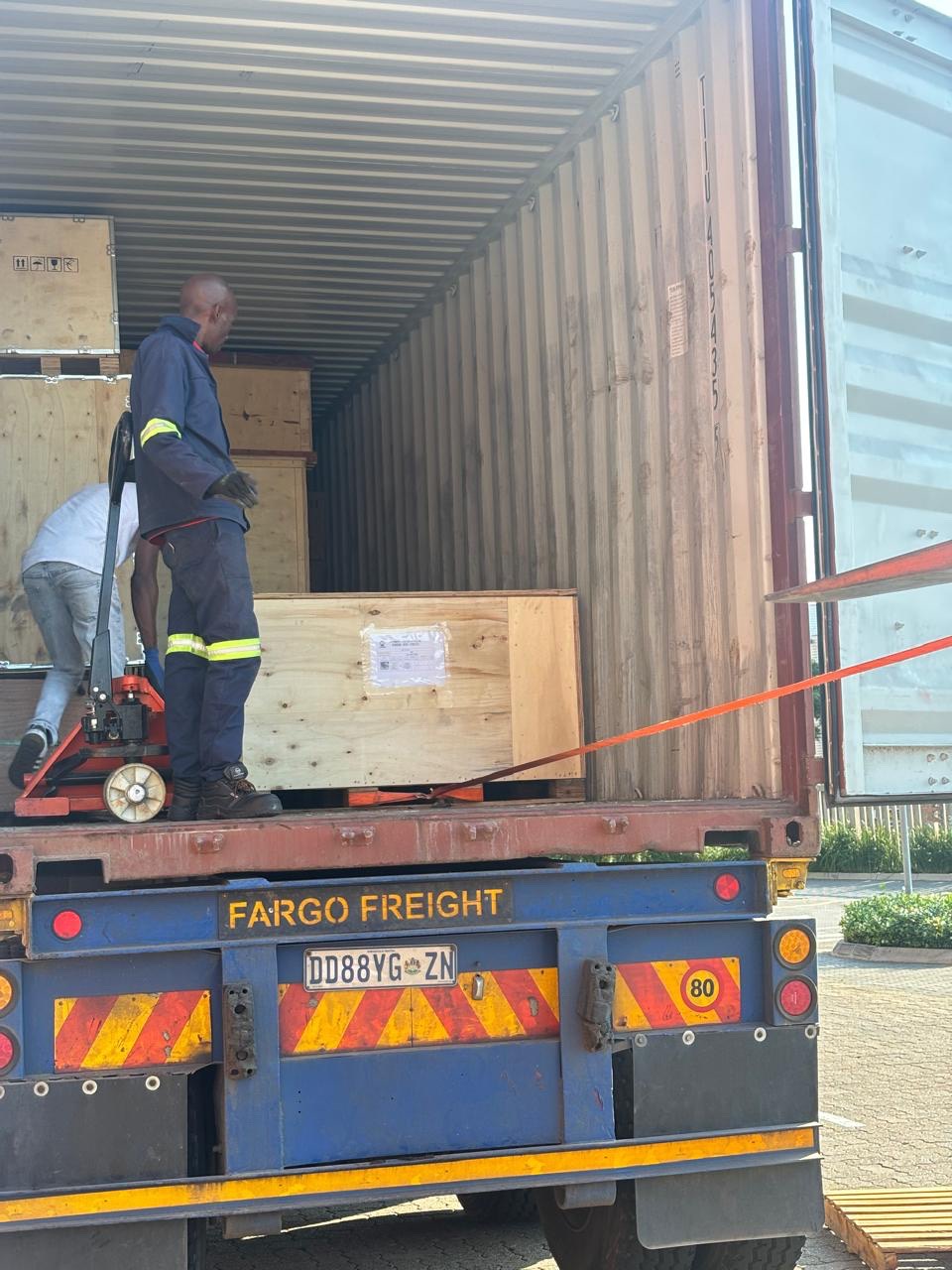
new arrivals
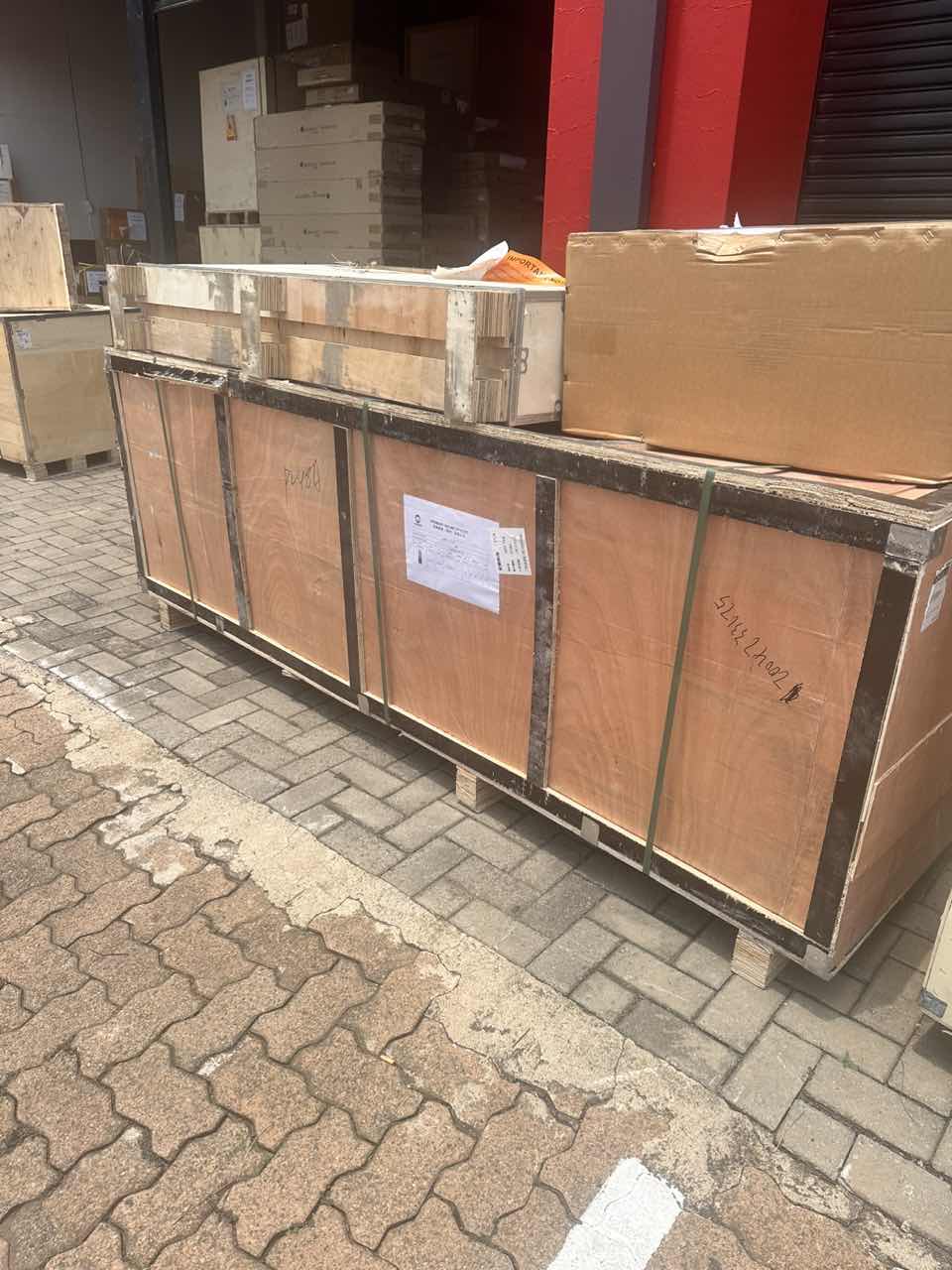
Pre Orders Offloading
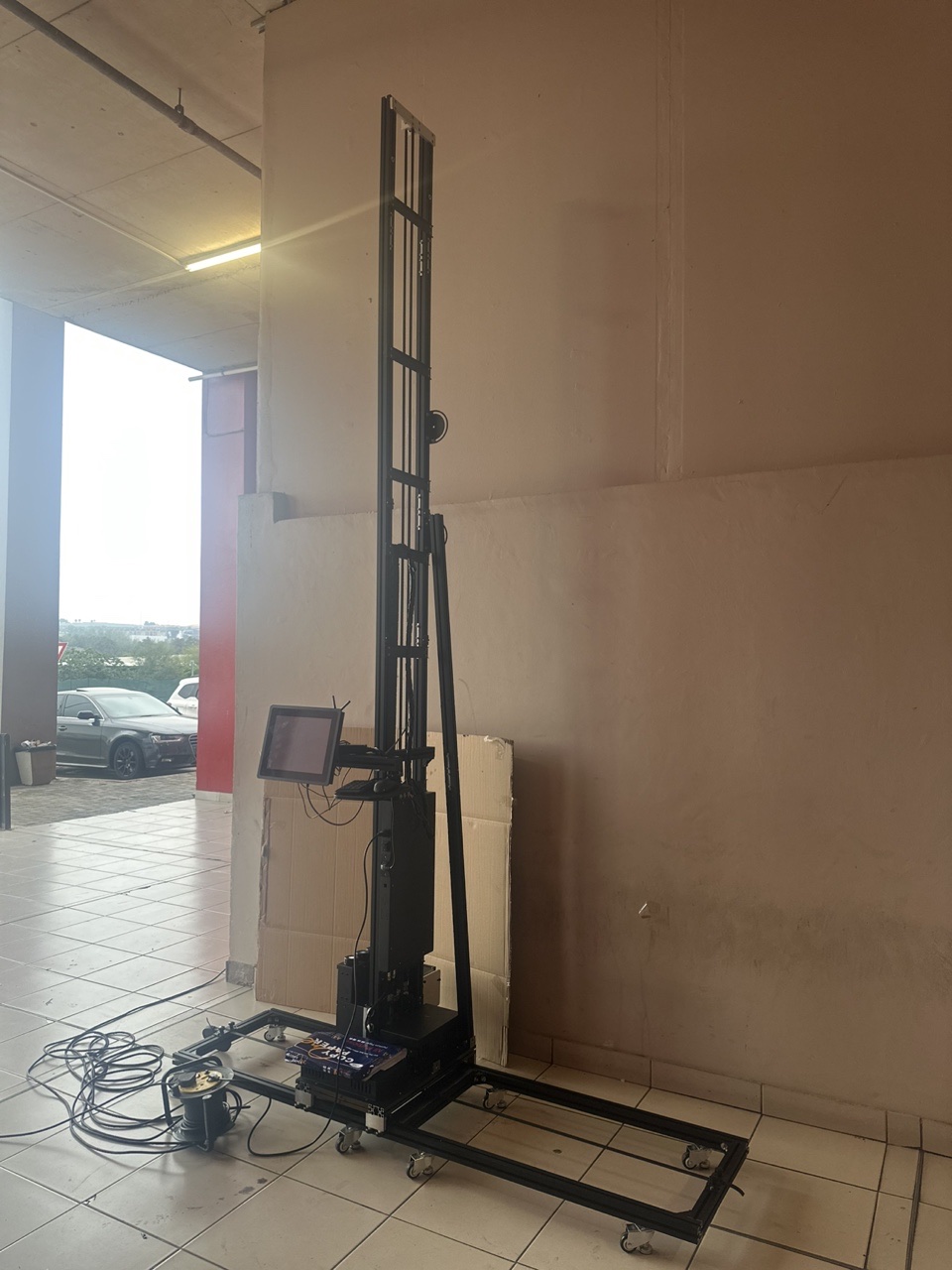
Latest Arrivals
Latest Arrivals
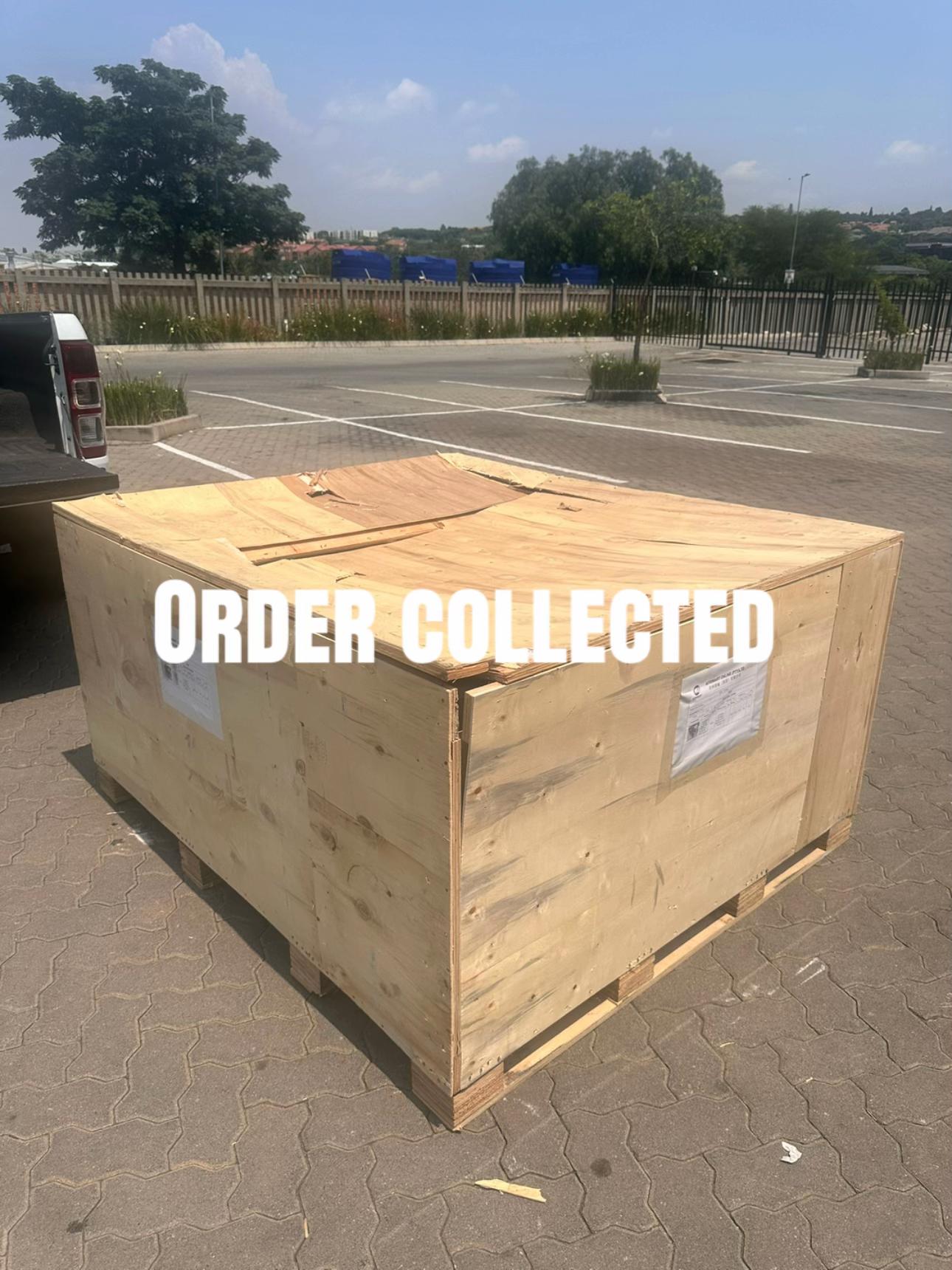
Latest Arrivals
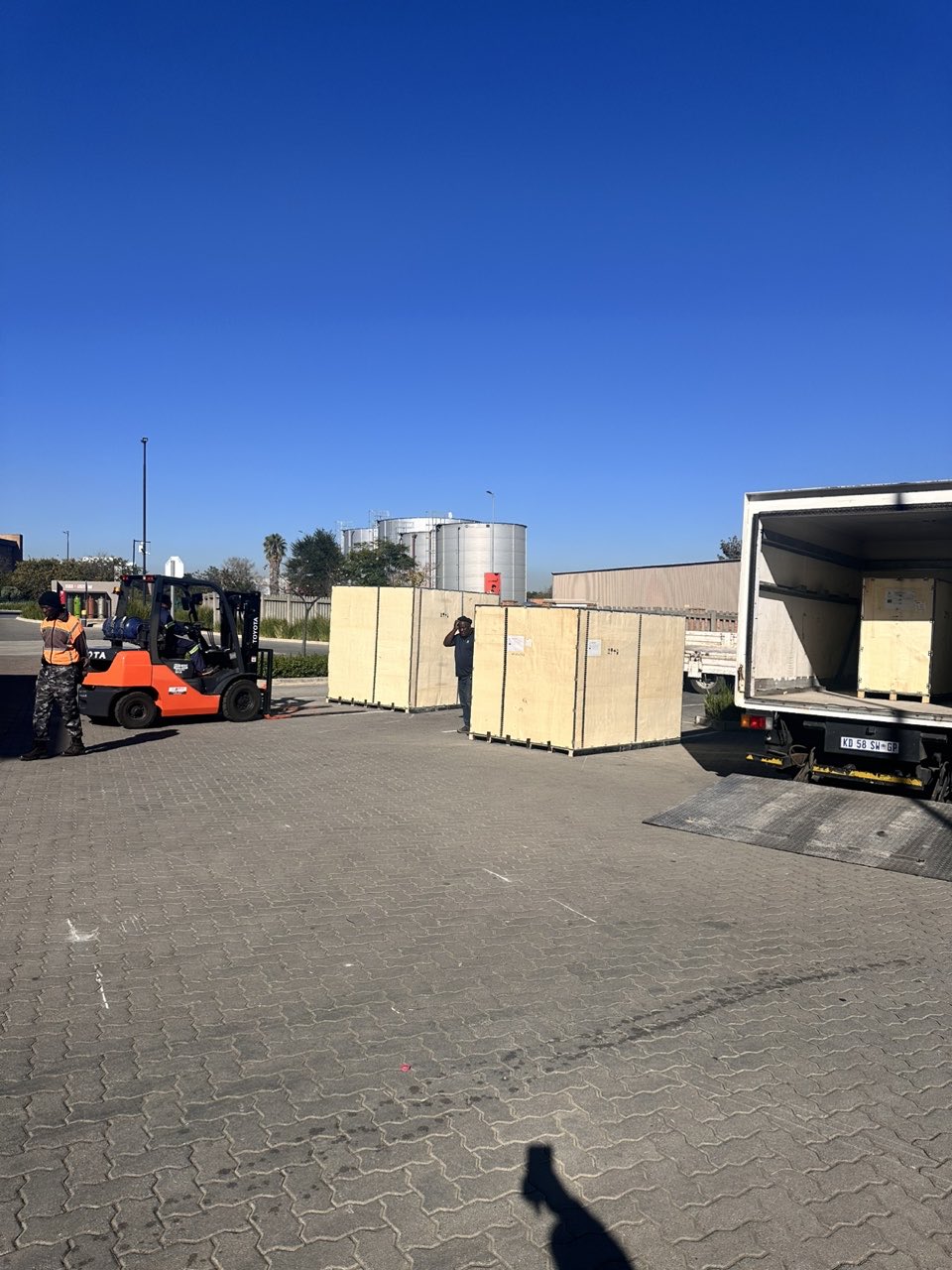
Loading
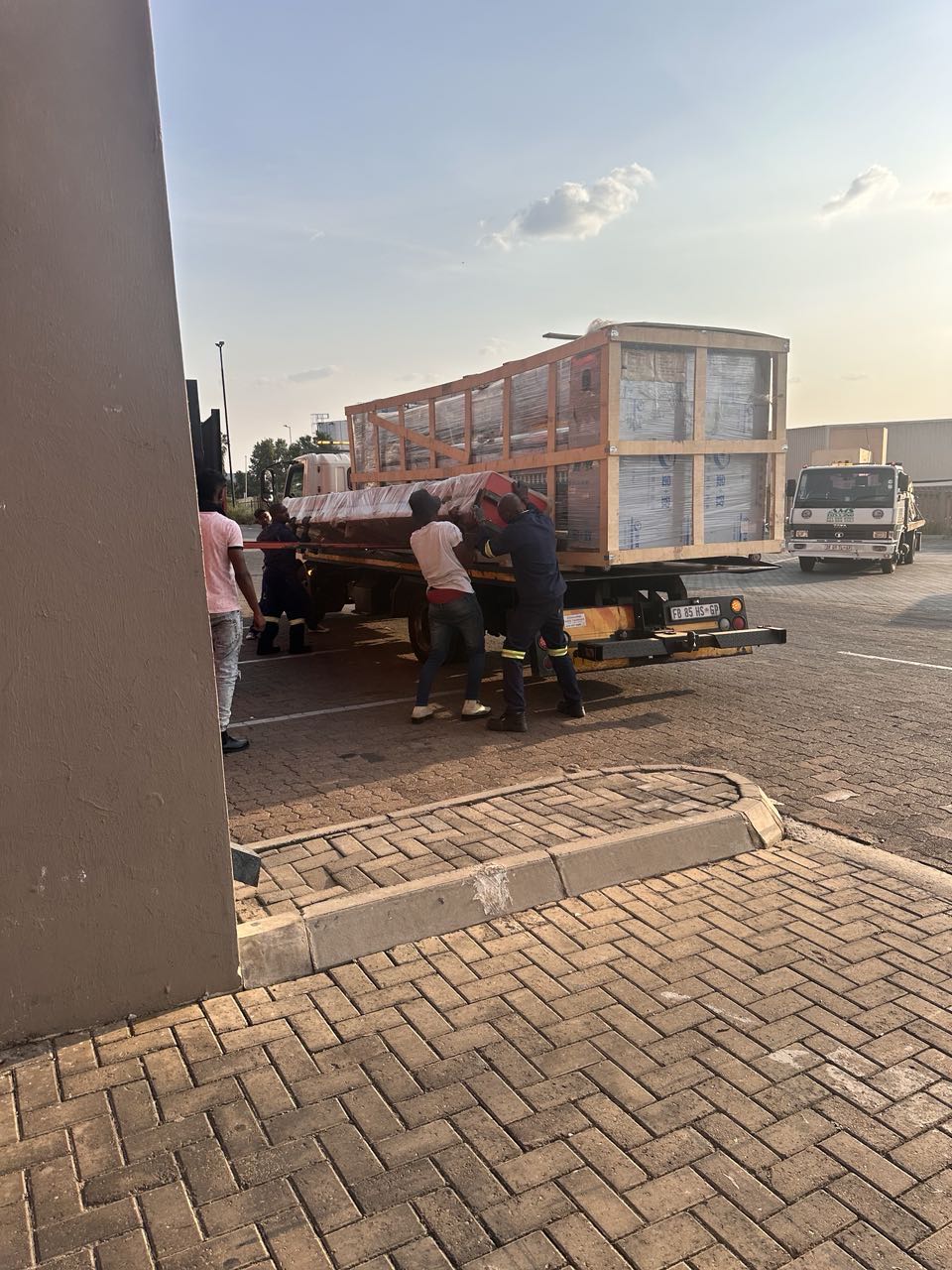
Toilet paper making machine
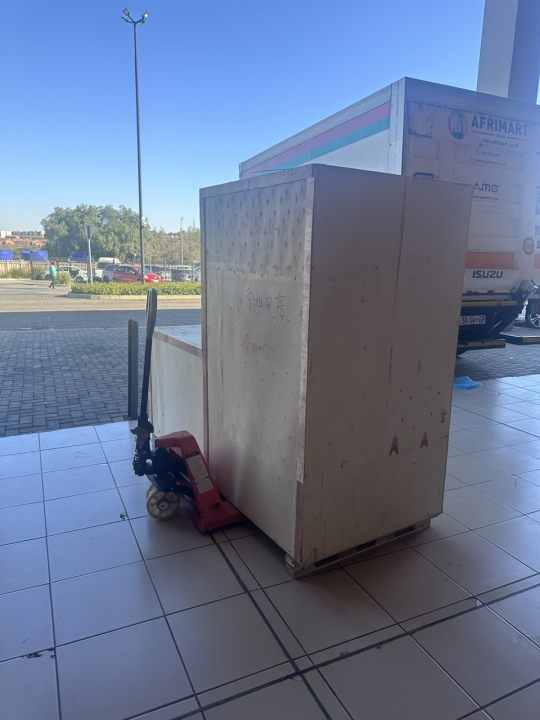
Toilet paper making machine
Toilet paper Rewinding Machine
latest arrivals
offloading
order success
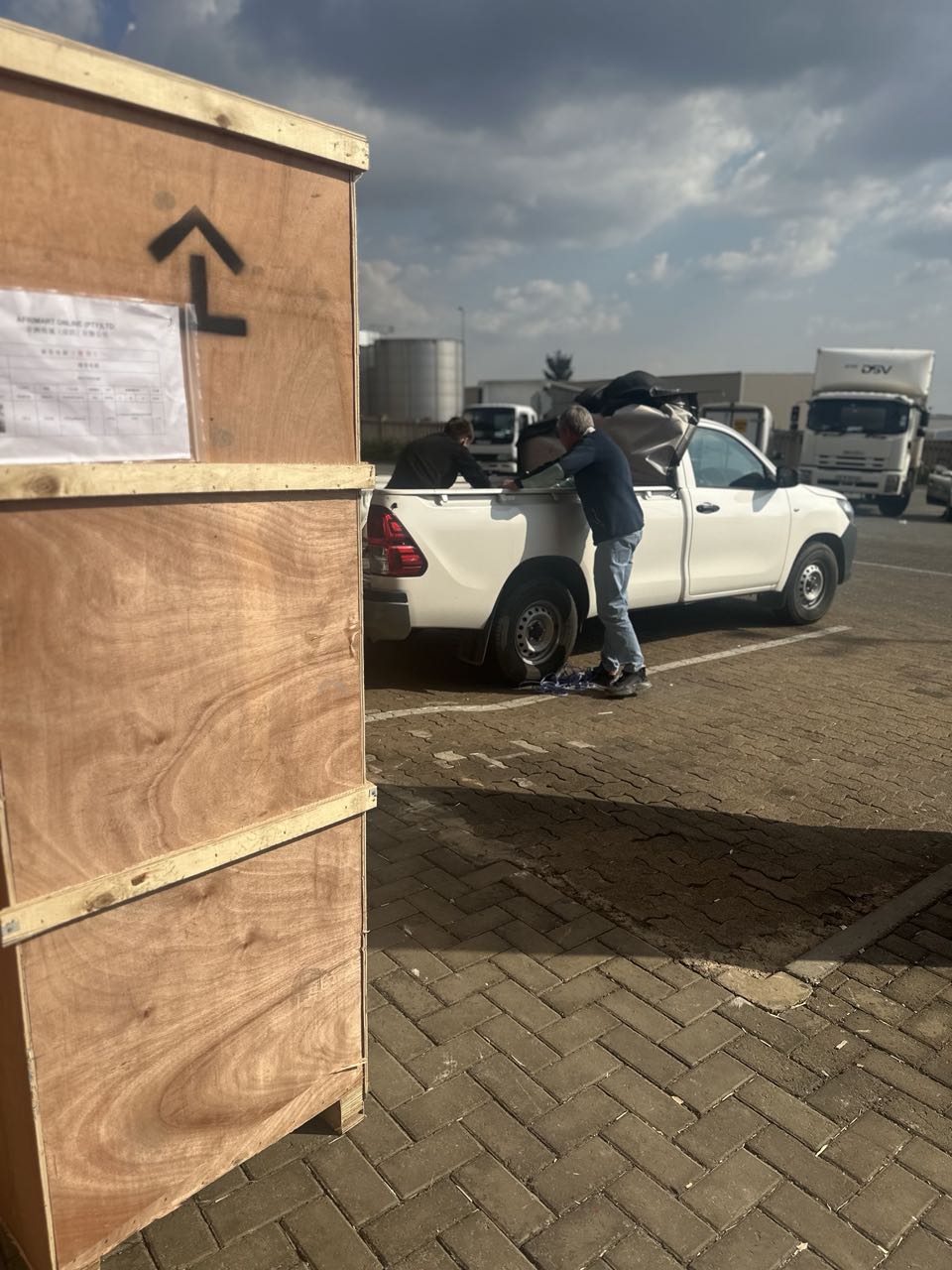
order collection
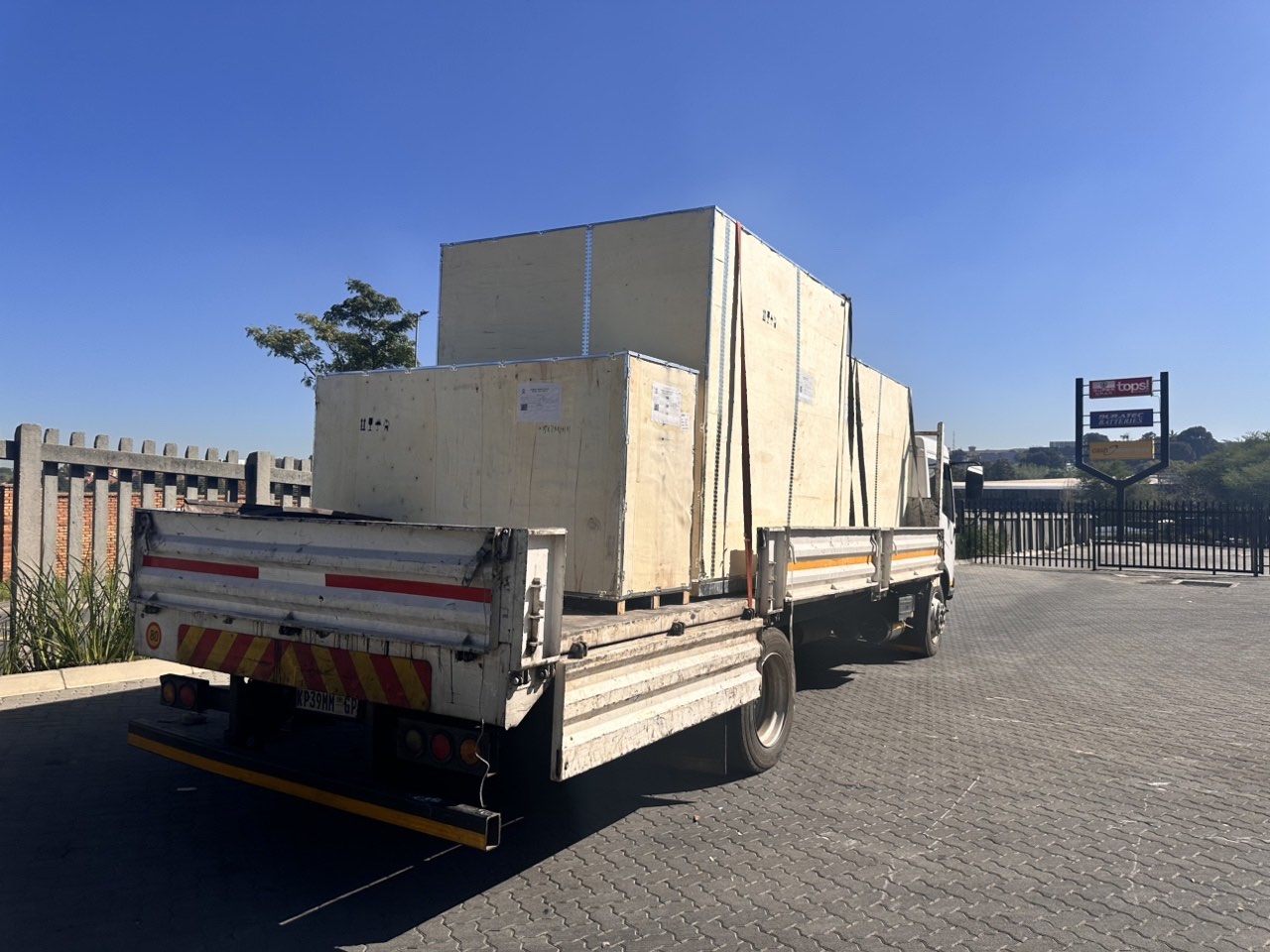
order offloading