B21, China Town Mall, Midrand

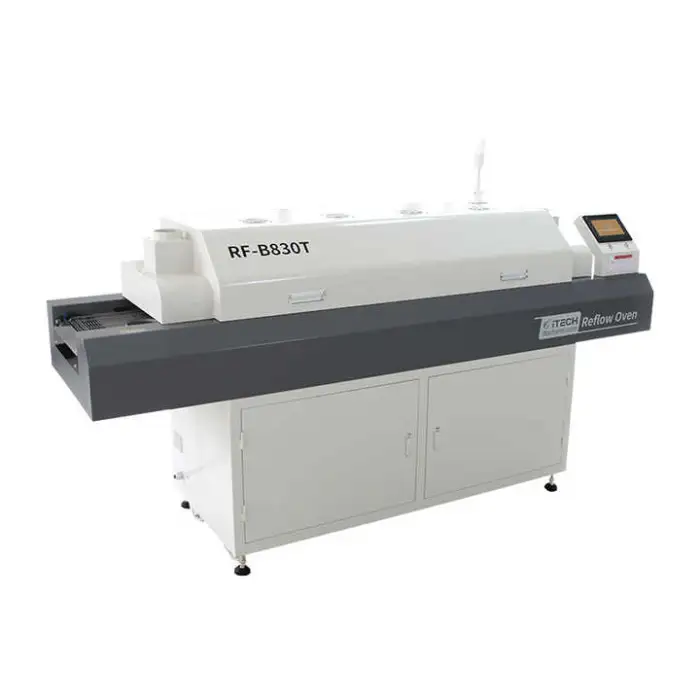
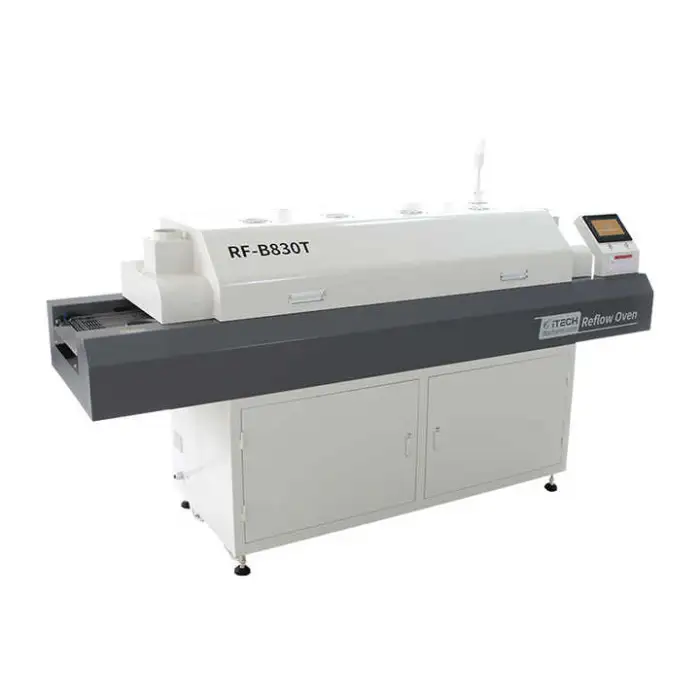
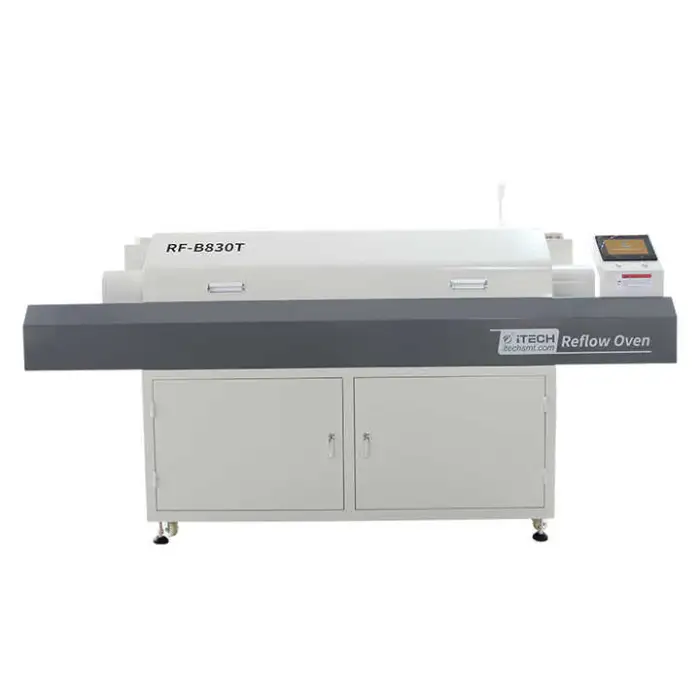
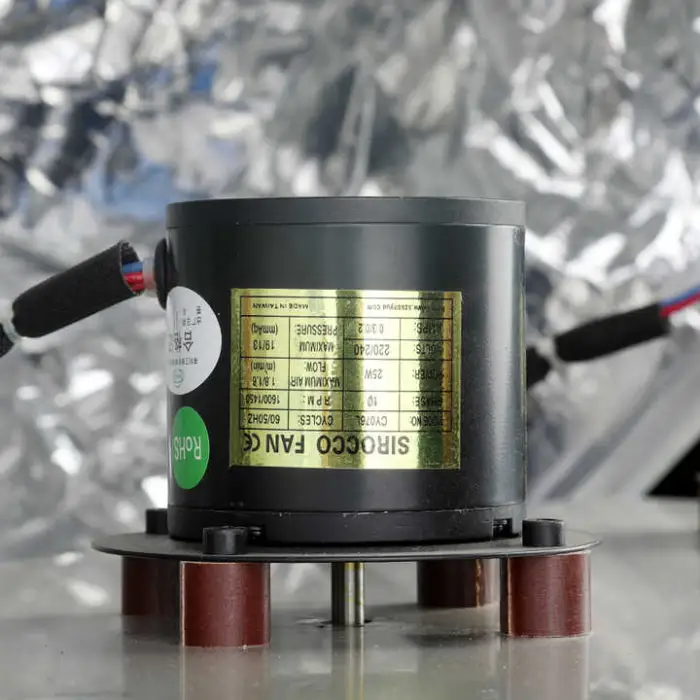
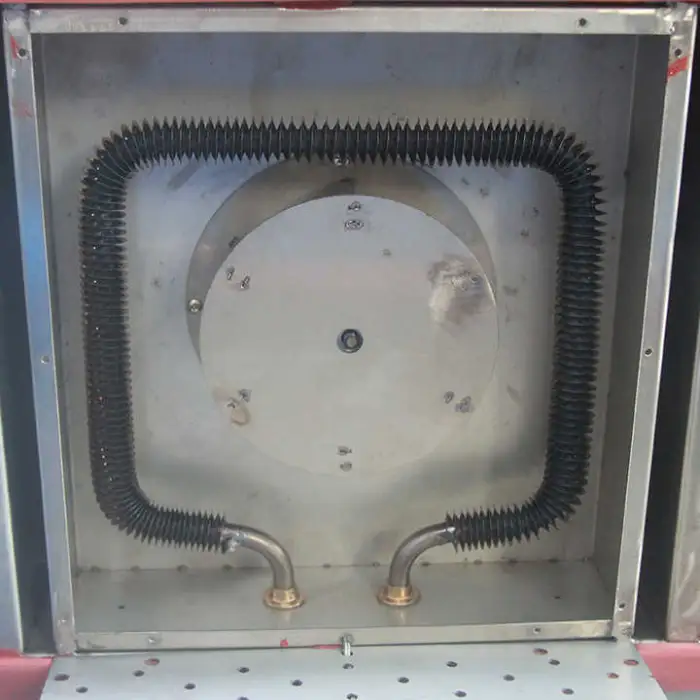
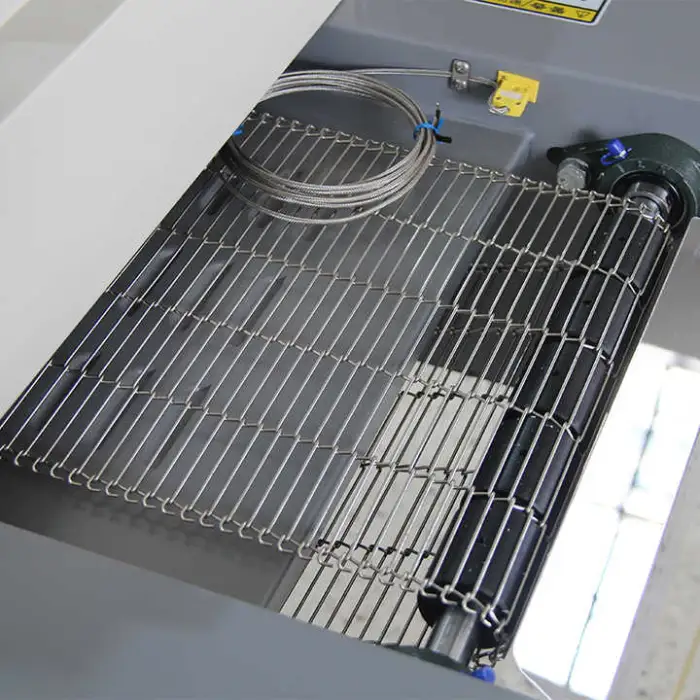
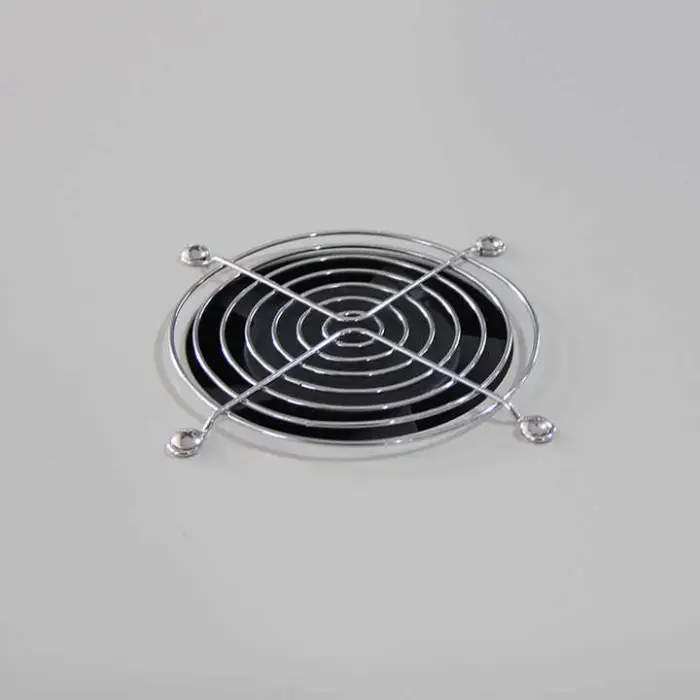
RF-B830T Reflow Soldering Machine 8 Warm Zone Air Reflow Solders Welding Equipment Pcb Solder Reflow Oven for Smt Production
Asset finance available
Do you want funding for this equipment?
Afrimart can connect you with trusted funding partners who specialise in asset finance for businesses like yours. Compare options and apply in minutes — final approval is subject to provider review.
Check funding options
Secure & no obligation

- Section : Machinery
- Category : Welding Equipment
- SKU : 1600487085151

RF-B830T Reflow Soldering Machine
The RF-B830T Reflow Soldering Machine is a top-of-the-line solution for your SMT production needs. This machine features eight warm zones and uses hot wind to ensure effective soldering. Designed for reliability and efficiency, it is perfect for both small and large-scale operations. The RF-B830T is built for optimal performance, making it a must-have for professionals in the electronics assembly industry.
Specifications
| Attribute | Details |
|---|---|
| Type | Reflow Solder |
| Voltage | AC220V |
| Rated Capacity | 220V 50/60Hz |
| Condition | New |
| Usage | Reflow Oven |
| Dimensions | L2440*W680*H1200mm |
| Rated Duty Cycle | 0-1350mm/min |
| Current | AC 220V 5% 50/60Hz |
| Weight | 250 KG |
| Heat Zone Numbers | 8 Zones |
| Heat Method | Hot Wind |
| Length of Heating Zones | 1400 mm |
| Width of Net Belt | 300 mm |
| Input Supply Power | 220 V or 380 V |
| Starting Power | 11 KW |
| Working Power | 3.5 KW |
| Certification | CE |
| Selling Units | Single item |
| Single Package Size | 260X81X135 cm |
| Single Gross Weight | 300.000 KG |
Key Features
- Eight warm zones for precise soldering.
- Hot wind heating method for uniform temperature distribution.
- High rated duty cycle of 0-1350mm/min for efficient production.
- Compact dimensions suitable for various workspace layouts.
- Robust design with a weight of 250 KG for stability.
Applications
- Assembly of printed circuit boards (PCBs).
- SMT production lines requiring reliable soldering.
- Repair and rework of electronic components.
- Manufacturing processes in electronics industries.
- Prototyping and small batch production.
Product Info Gallery
- Shipping Timeframes: All orders are processed within 2-5 business days (excluding weekends and holidays). After your order has been processed, the estimated delivery time is before 13 Aug, 2026, depending on customs, Please note that due to high demand, some items may experience longer shipping times, which will be communicated at order confirmation email.
- Order Processing Time: Please allow 2-5 business days for us to process your order before it is shipped . Orders placed after 16:00 on Fridays, or during weekends and public holidays, will begin processing on the next business day. Processing times may be extended during peak seasons or sales events.
- Manufacturing Time: Some products needs manufacturing time, the manufacturing process will take approximately 10-30 business days depending on the product. This timeframe may vary depending on the complexity of the product and current demand. but this will be communicated with you during order confirmation.
- Returns and Exchanges: We offer a 30-day return policy for most items. If you are not completely satisfied with your purchase, you may return it within 30 days of receipt for a refund or exchange. Items must be unused, in their original packaging, and accompanied by proof of purchase. Return shipping costs are the responsibility of the customer, unless the item was damaged or defective upon arrival.
1. What is the RF-B830T Reflow Soldering Machine designed for?
The RF-B830T is designed for SMT production, PCB assembly, repair/rework, prototyping and small- to large-batch electronics manufacturing that require reliable reflow soldering.
2. How many heating zones does the RF-B830T have and why does that matter?
It has eight warm (heating) zones. Multiple zones allow more precise temperature profiling across preheat, soak and reflow stages, improving solder joint quality and process control.
3. What heating method does this reflow oven use?
The RF-B830T uses hot wind (hot air) heating, which promotes uniform temperature distribution across the PCB and components.
4. What are the key electrical requirements and power ratings?
Standard input supply options are 220 V or 380 V. Rated capacity is 220V 50/60Hz. Starting (inrush) power is 11 kW and typical working power is 3.5 kW. Current spec lists AC 220V ±5% 50/60Hz.
5. What is the conveyor speed range and how does it affect throughput?
Conveyor (rated duty) speed is adjustable from 0 to 1350 mm/min. Throughput depends on board length and process time—for example, at 1350 mm/min a 100 mm board would pass the heating zones at about 13.5 boards per minute.
6. What are the physical dimensions and weight of the machine?
Machine dimensions are L2440 × W680 × H1200 mm. Net weight is 250 kg; single package size is 260 × 81 × 135 cm with a gross weight of approximately 300 kg.
7. What is the maximum PCB width the machine can handle?
The net belt width is 300 mm, so PCB assemblies must fit within that width (including fixturing or carrier rails).
8. Is the RF-B830T CE certified and suitable for industrial use?
Yes, the product is listed with CE certification and is built for industrial SMT production environments.
9. Can I run custom temperature profiles on the RF-B830T?
The RF-B830T’s eight-zone design enables precise thermal profiling across the line. For details on programming temperature ramps, setpoints and controllers supported, consult the user manual or contact the supplier for controller documentation.
10. Does the machine require special installation or site preparation?
You should ensure sufficient floor space for the machine and its package, a stable level surface, proper ventilation or fume extraction, and an appropriate electrical supply (220 V or 380 V) with adequate capacity and breaker protection. Professional installation and electrical hookup are recommended.
11. What routine maintenance is required?
Routine maintenance includes keeping the conveyor and belt clean, checking and cleaning fans and air ducts, inspecting heating elements and sensors, verifying belt alignment, and following the manufacturer’s preventive maintenance schedule. Replace worn parts as needed to maintain process stability.
12. Is operator training required to use this reflow oven?
Yes. Operators should be trained in safe operation, temperature profiling, conveyor speed adjustment, basic troubleshooting, and safety procedures (including electrical safety and ventilation).
13. How do I determine the correct process settings for my PCB assembly?
Start by consulting component and solder paste manufacturer recommended reflow profiles. Use thermal profiling equipment (thermocouples/data logger) to measure actual board temperatures through the zones and adjust zone setpoints and conveyor speed until the measured profile meets the recommended ramp, soak and peak temperatures.
14. What warranty, spare parts or technical support is available?
Warranty terms, spare parts availability and technical support vary by seller. Contact the supplier or manufacturer for specific warranty coverage, lead times for spare parts and available service or support contracts.
Latest Order Arrivals
Discover our latest orders

12 Heads Embroidery Machine

Toilet Paper Machine Machine

Order Collection

Cross Border Clients

Order cros border countries Collected

Industrial Machine Cllection

Agriculture Processing Machines

Ready for collection

Water Pump Equipment

Packaging Machine and accessories

Fabrics Manufacturing Equipment

Mining Equipments

Food Processing Machine

Batch of Orders

Batch of Orders

Latest Orders Labelled

wheel alignment machines

new arrivals

Pre Orders Offloading

Latest Arrivals

Latest Arrivals

Latest Arrivals

Loading

Toilet paper making machine

Toilet paper making machine

Toilet paper Rewinding Machine

latest arrivals

offloading

order success

order collection

order offloading