B21, China Town Mall, Midrand

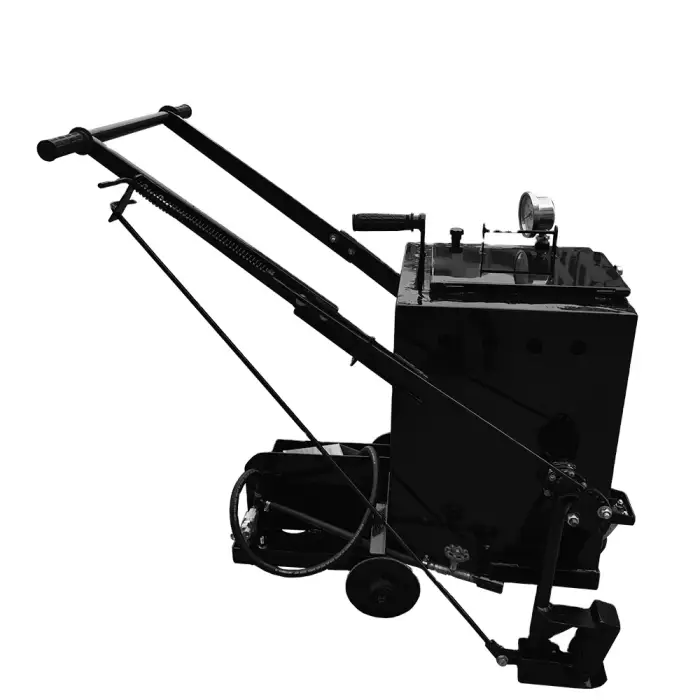
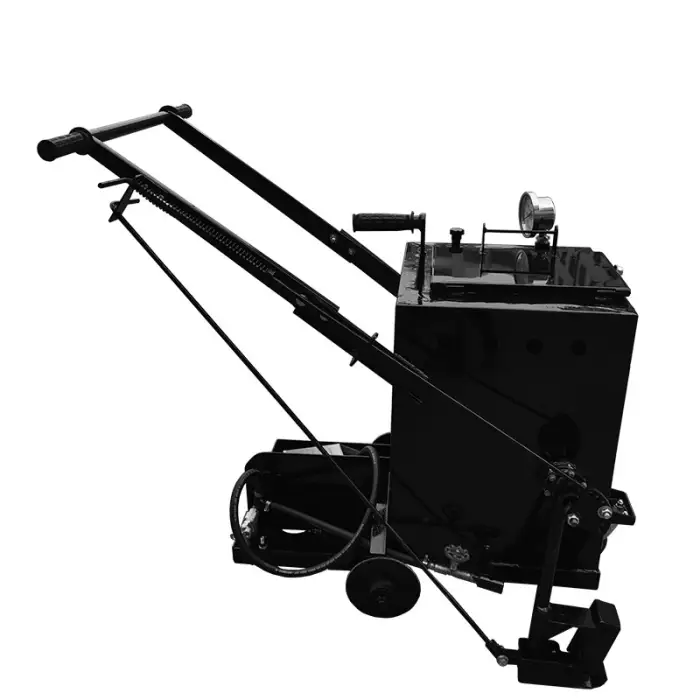
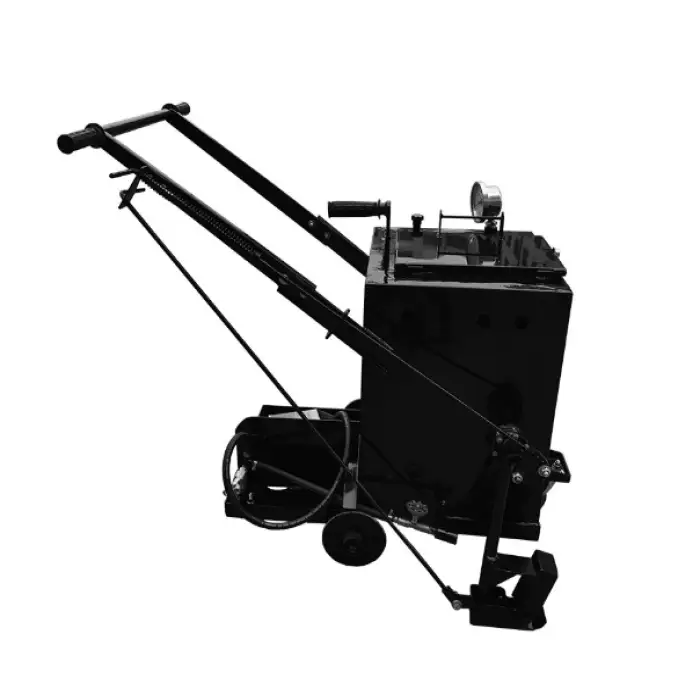
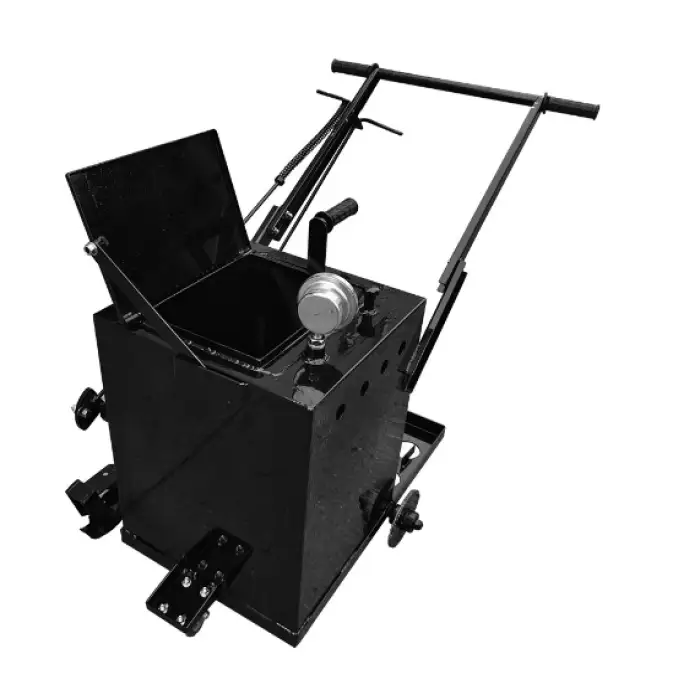
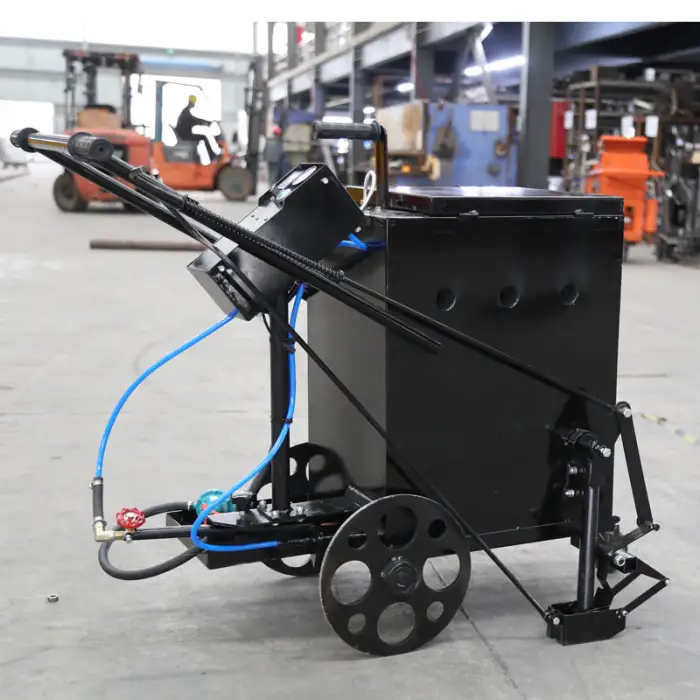
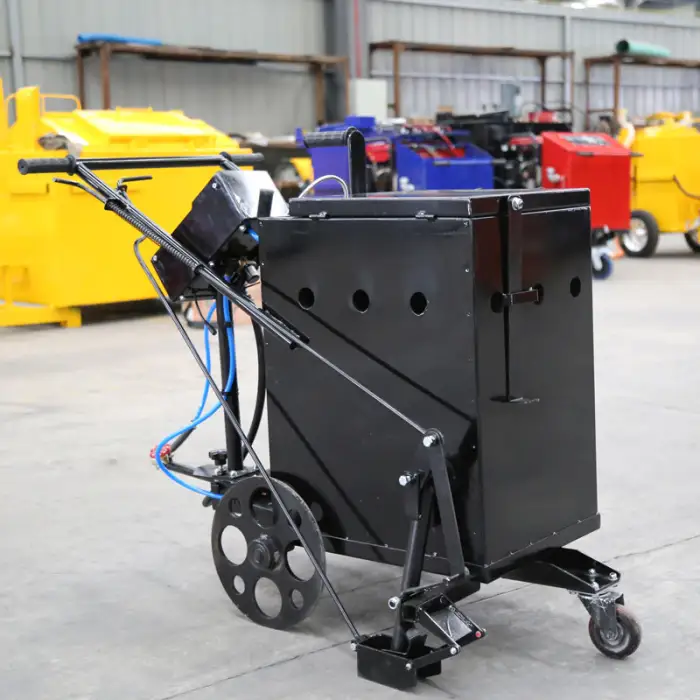
Repair Trolley for Road Sealing Machines Used for Filling and Sealing Pavement Cracks Joints
Asset finance available
Do you want funding for this equipment?
Afrimart can connect you with trusted funding partners who specialise in asset finance for businesses like yours. Compare options and apply in minutes — final approval is subject to provider review.
Check funding options
Secure & no obligation

- Section : Machinery
- Category : Road Machinery
- SKU : 1601351893113

Repair Trolley for Road Sealing Machines Used for Filling and Sealing Pavement Cracks Joints
The Repair Trolley for Road Sealing Machines is the perfect solution for filling and sealing pavement cracks and joints. This efficient machine is designed to help you maintain roads easily and effectively. With its low maintenance cost and convenient features, it is an essential tool for any road maintenance team.
Specifications
| Attribute | Details |
|---|---|
| Weight | 97 kg |
| Dimension (L*W*H) | 1230*740*1140 MM |
| Fuel Type | LPG |
| Heat Transfer Oil | 10 L |
| Walking Mode | Hand Push |
| Heating Method | Liquefied Gas Heating |
| Color | Adjustable |
| Style | Convenient |
| Function | Joint Filling Asphalt |
Key Features
- Low maintenance cost for easy upkeep
- Pressure vessel for safe operation
- Lightweight design at 97 kg for easy maneuvering
- Compact dimensions for easy storage
- Hand push walking mode for user-friendly operation
- Adjustable color options to suit your preference
Applications
- Filling and sealing pavement cracks
- Joint filling in asphalt paving
- Road maintenance for improved safety
- Repairing damaged road surfaces
- Maintaining high-quality road conditions
The Repair Trolley for Road Sealing Machines is a reliable and effective tool for road maintenance. Its features make it a must-have for anyone involved in asphalt paving and repair work.
Product Info Gallery
- Shipping Timeframes: All orders are processed within 2-5 business days (excluding weekends and holidays). After your order has been processed, the estimated delivery time is before 08 Sep, 2026, depending on customs, Please note that due to high demand, some items may experience longer shipping times, which will be communicated at order confirmation email.
- Order Processing Time: Please allow 2-5 business days for us to process your order before it is shipped . Orders placed after 16:00 on Fridays, or during weekends and public holidays, will begin processing on the next business day. Processing times may be extended during peak seasons or sales events.
- Manufacturing Time: Some products needs manufacturing time, the manufacturing process will take approximately 10-30 business days depending on the product. This timeframe may vary depending on the complexity of the product and current demand. but this will be communicated with you during order confirmation.
- Returns and Exchanges: We offer a 30-day return policy for most items. If you are not completely satisfied with your purchase, you may return it within 30 days of receipt for a refund or exchange. Items must be unused, in their original packaging, and accompanied by proof of purchase. Return shipping costs are the responsibility of the customer, unless the item was damaged or defective upon arrival.
1. What is the Repair Trolley for Road Sealing Machines used for?
It is used for filling and sealing pavement cracks and joints in asphalt surfaces, helping maintain roads, parking lots and pavements to improve safety and prolong surface life.
2. What are the key specifications of the trolley?
Weight: 97 kg; Dimensions (L*W*H): 1230*740*1140 mm; Fuel Type: LPG (liquefied petroleum gas); Heat transfer oil capacity: 10 L; Heating method: Liquefied gas heating; Walking mode: Hand push.
3. Which sealant materials can be used with this trolley?
It is intended for asphalt/bitumen-based joint and crack sealants commonly used in road repair. Always confirm compatibility with the sealant manufacturer and the trolley operator manual before use.
4. How is the unit heated and powered?
Heating is provided by an LPG-fueled burner that heats the 10 L heat transfer oil, which in turn melts/maintains the working temperature of the sealing material.
5. How do I operate and move the trolley on site?
The trolley is hand-push operated for easy maneuvering. Position it near the work area, connect LPG per instructions, heat the material to working viscosity, and apply the sealant using the supplied nozzle/dispensing system. Follow all safety and operating procedures in the manual.
6. How long does it take to heat the material to working temperature?
Preheat time depends on ambient temperature and material type. Typical preheat times vary; follow the sealant and trolley manual for recommended temperatures and target viscosity rather than a fixed time.
7. What safety features and precautions should I follow?
The trolley includes a pressure vessel and LPG burner — follow pressure vessel inspection schedules, use approved LPG cylinders and connections, operate in well-ventilated areas, wear heat-resistant PPE, avoid open flames near fuel, and follow the manufacturer's safety guidelines.
8. What maintenance is required and how often?
Maintenance is low-cost but important: regularly inspect LPG fittings and pressure vessel, check heat transfer oil level and condition (replace per manual), clean nozzles and hoses after use, and perform routine checks on valves and seals. Follow the service intervals in the operator manual.
9. How do I transport or lift the trolley given its weight?
At 97 kg the trolley is relatively lightweight but too heavy for one person. Move it by hand on level ground, use two people for lifting, or transport with a small vehicle or forklift. Use designated lifting points and secure it during transport.
10. Is there storage or winterizing advice?
Store the trolley in a cool, dry, well-ventilated area away from ignition sources. Drain or protect heated material and heat transfer oil per the manual if storing long-term or in freezing conditions. Disconnect LPG cylinder when not in use.
11. Are replacement parts and accessories available?
Yes — common spare parts such as nozzles, hoses, valves, burners and pressure vessel components are typically available from the manufacturer or authorized dealers. Contact your supplier for part numbers and availability.
12. What certifications or inspections are required for the pressure vessel?
Pressure vessel inspection and certification requirements depend on local regulations. The unit must be inspected and maintained according to applicable pressure vessel and LPG safety standards — follow local law and the manufacturer's recommendations.
13. Can the trolley be customized or are there color options?
The product description lists adjustable color options. For further customization (branding, accessories, special fittings), contact the manufacturer or dealer to discuss available options.
14. What temperature range should I use for different sealant types?
Recommended temperatures depend on the specific sealant formulation. Always follow the sealant manufacturer's temperature and viscosity guidelines and the trolley's operating manual; if unsure, consult the sealant supplier or manufacturer.
15. Who should I contact for technical support or warranty service?
Contact the product manufacturer or the authorized dealer who supplied the trolley for technical support, spare parts, scheduled service and warranty information. Keep your purchase and serial number available when inquiring.
Latest Order Arrivals
Discover our latest orders
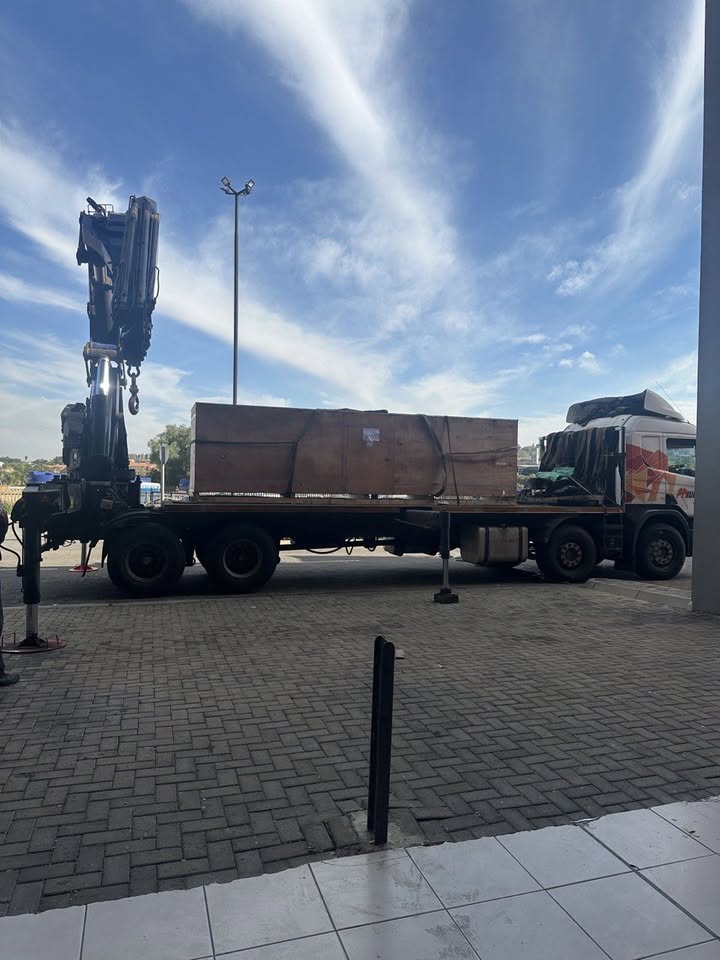
12 Heads Embroidery Machine
Toilet Paper Machine Machine
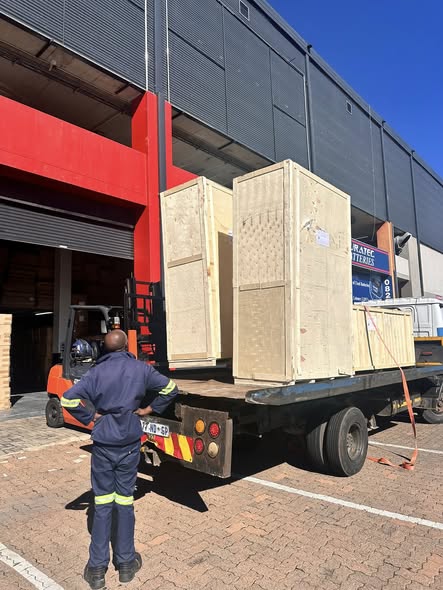
Order Collection
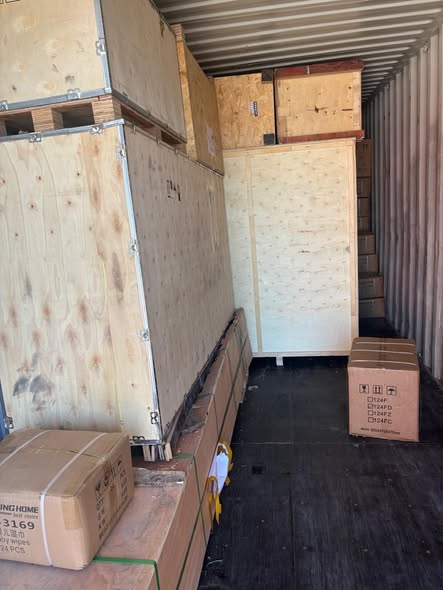
Cross Border Clients
Order cros border countries Collected
Industrial Machine Cllection
Agriculture Processing Machines
Ready for collection
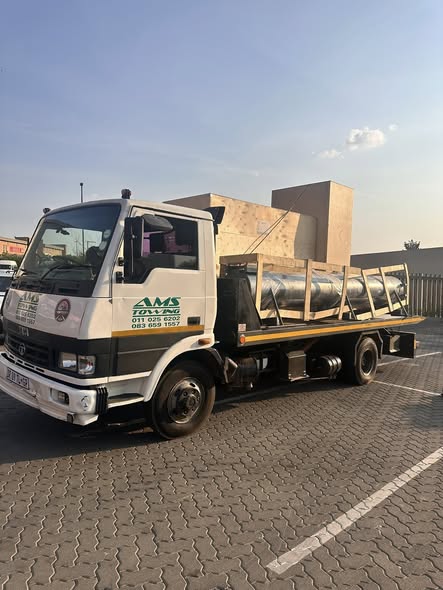
Water Pump Equipment
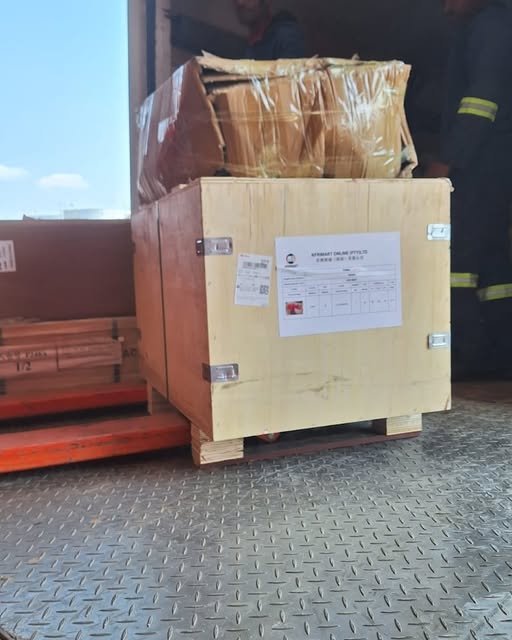
Packaging Machine and accessories
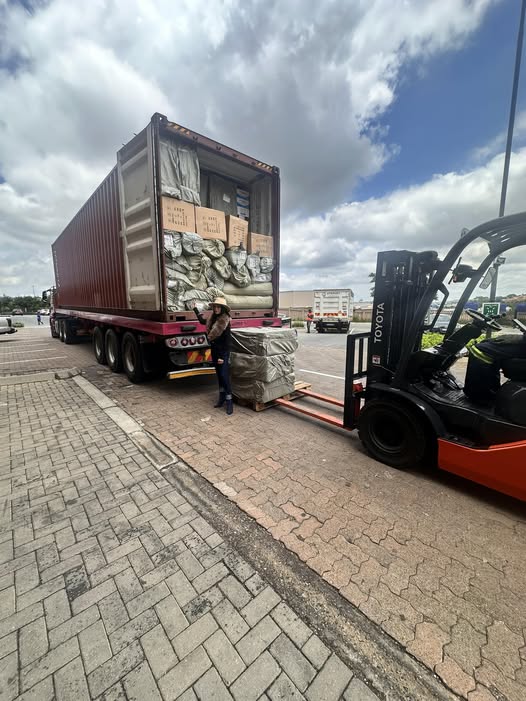
Fabrics Manufacturing Equipment
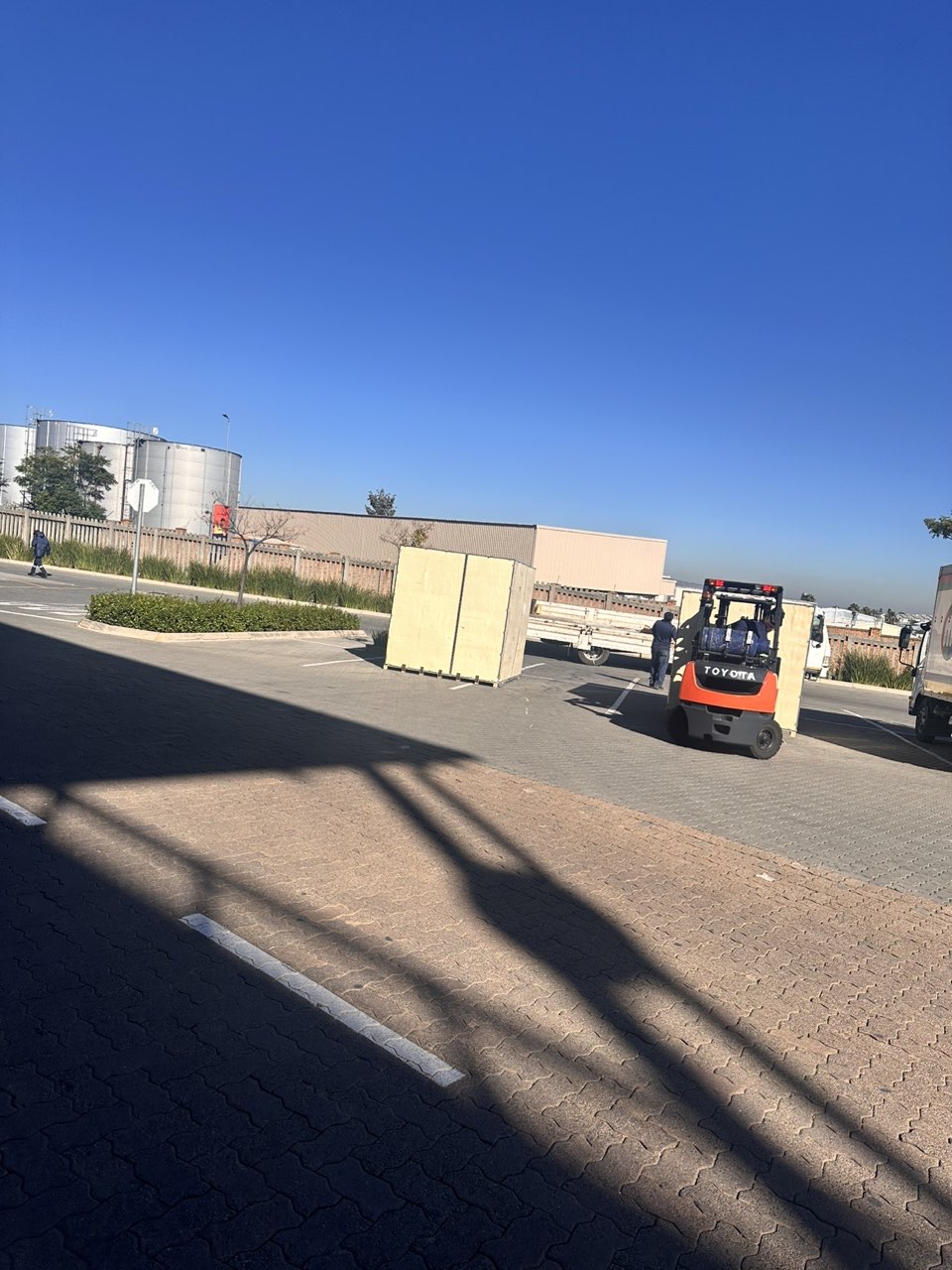
Mining Equipments
Food Processing Machine
Batch of Orders
Batch of Orders
Latest Orders Labelled
wheel alignment machines
new arrivals
Pre Orders Offloading
Latest Arrivals
Latest Arrivals
Latest Arrivals
Loading
Toilet paper making machine
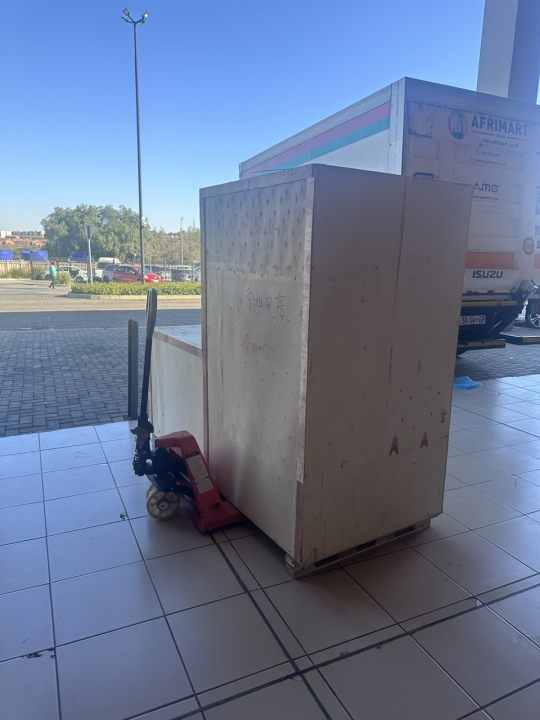
Toilet paper making machine
Toilet paper Rewinding Machine
latest arrivals
offloading
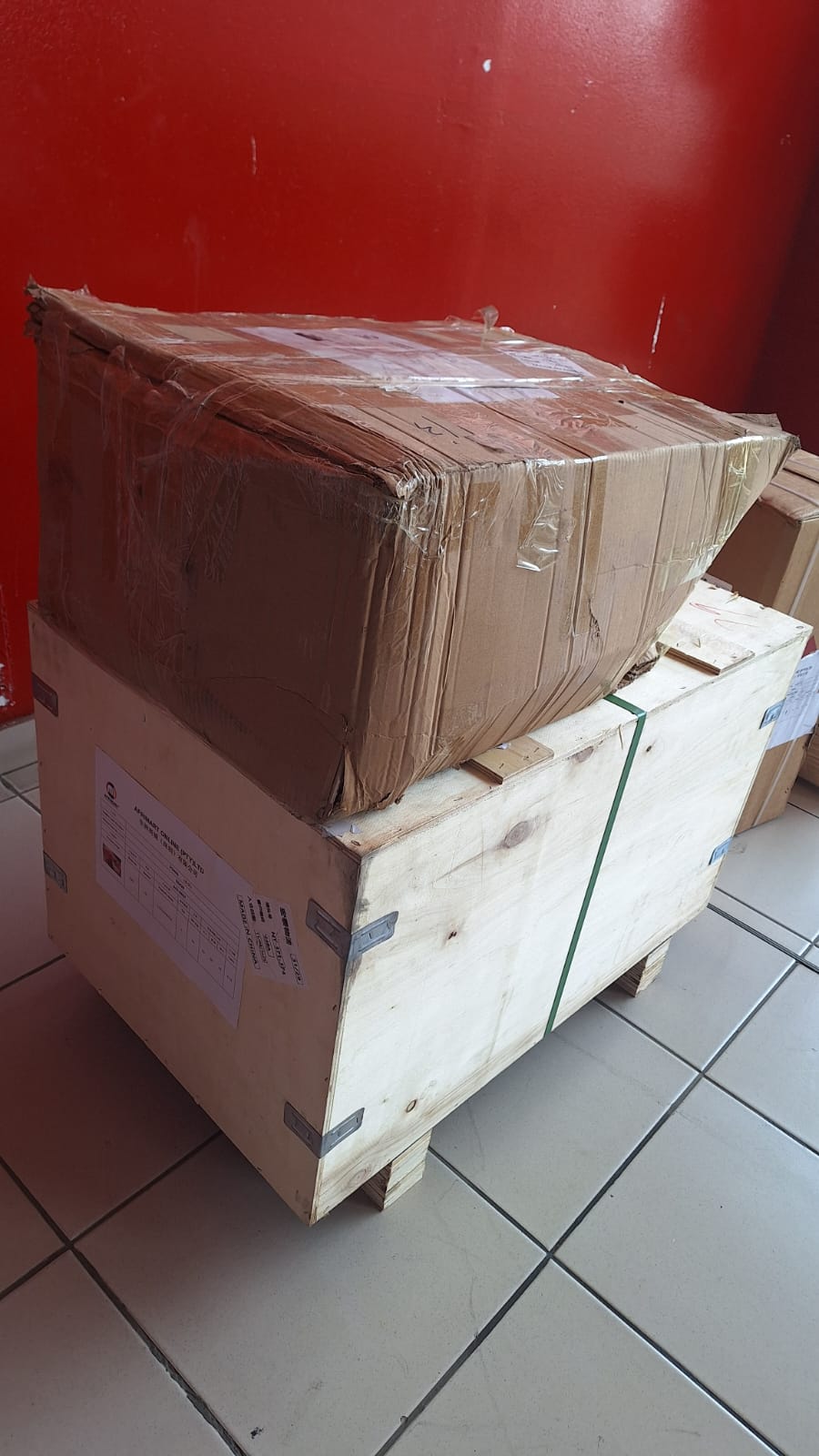
order success
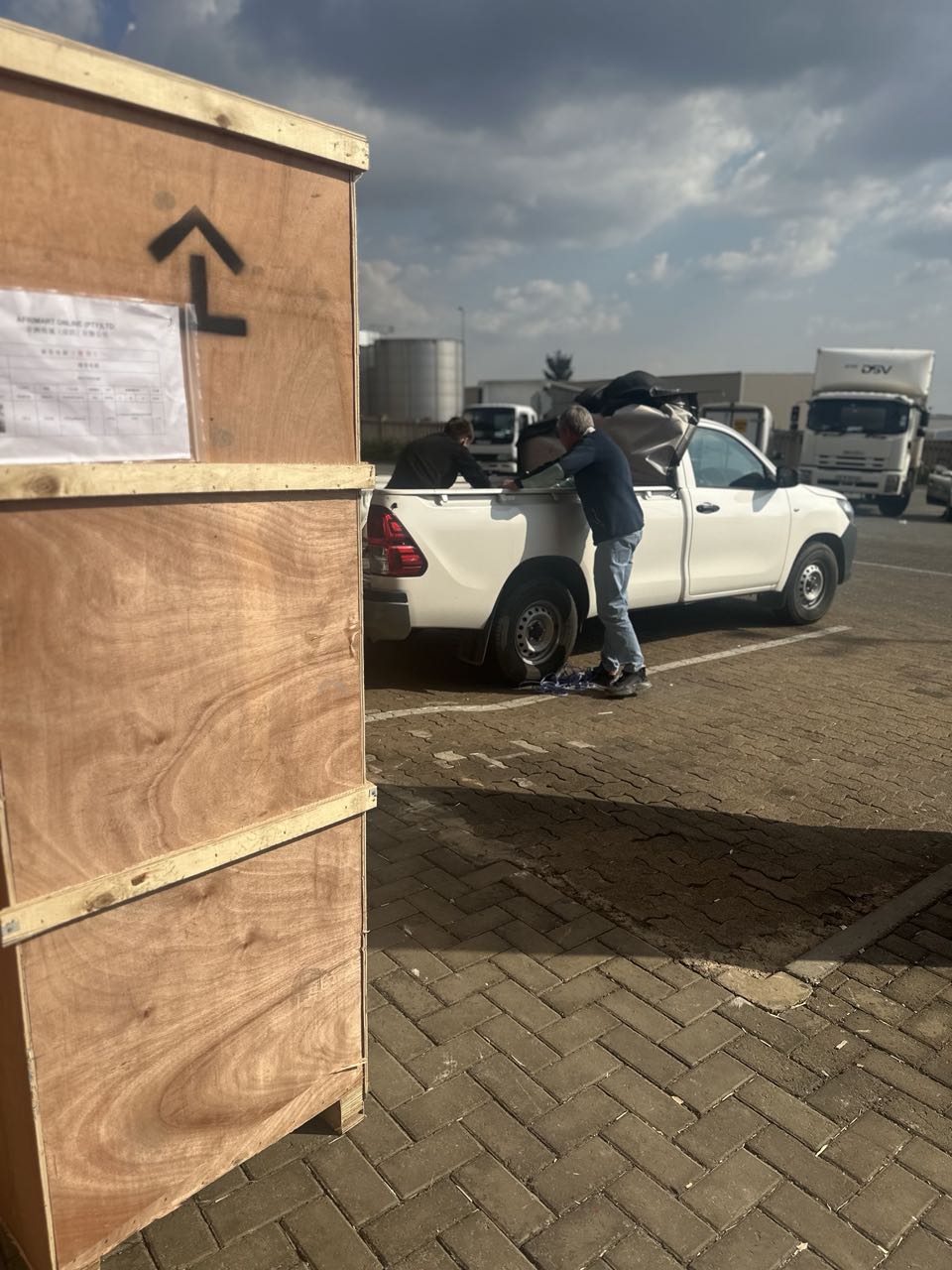
order collection
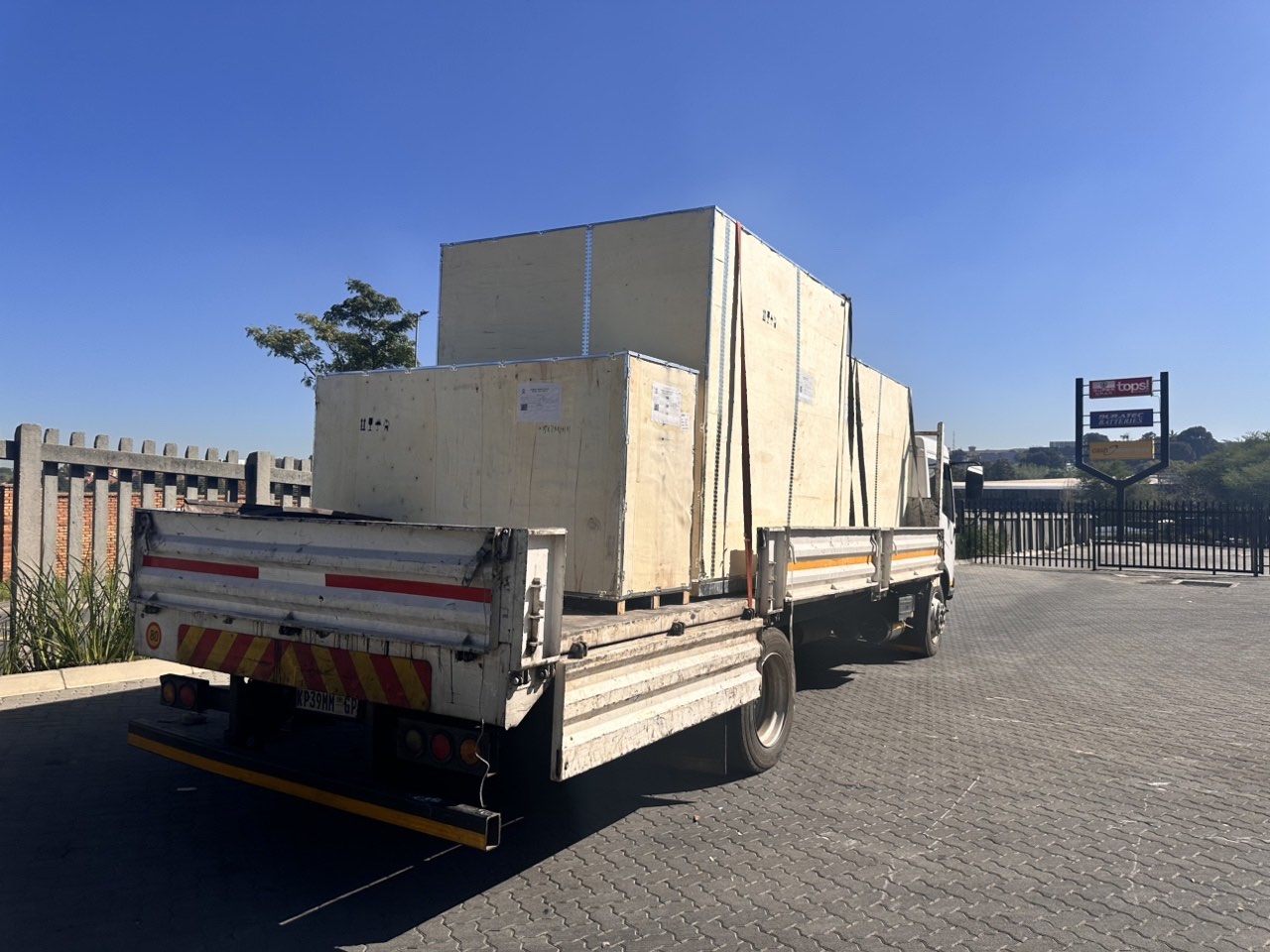
order offloading