B21, China Town Mall, Midrand

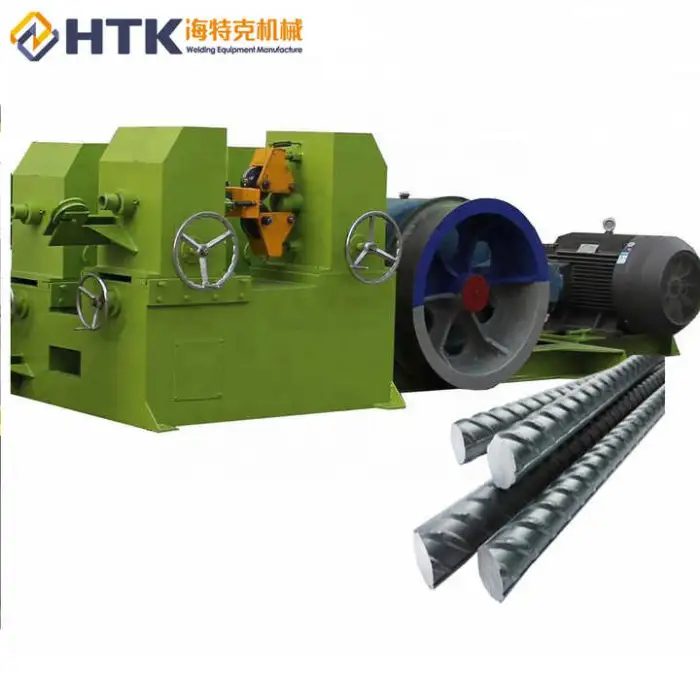
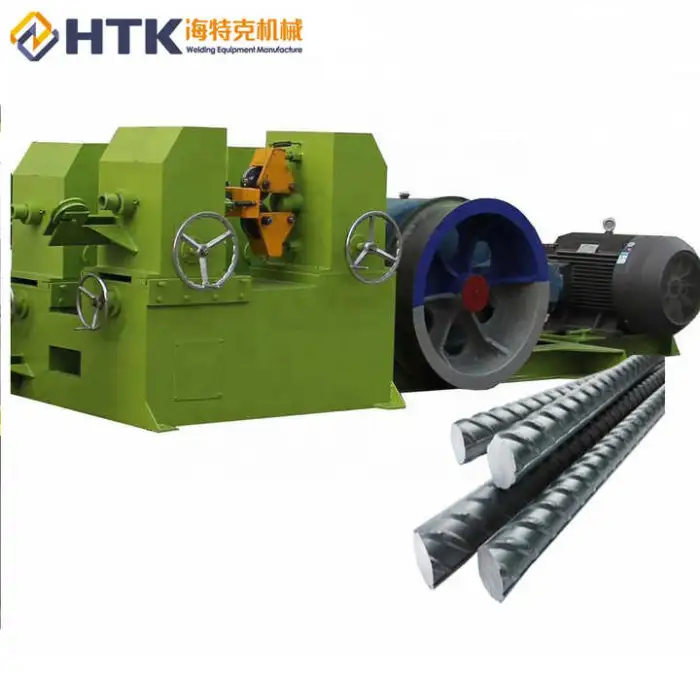
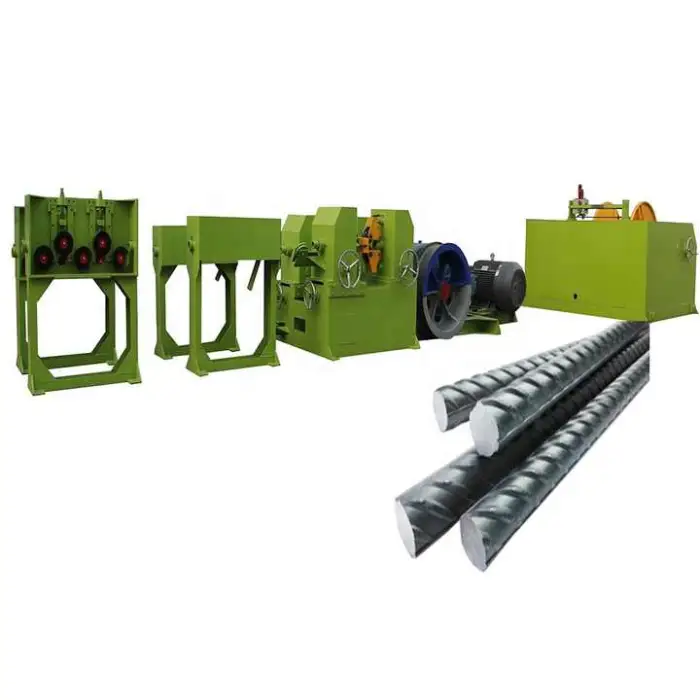
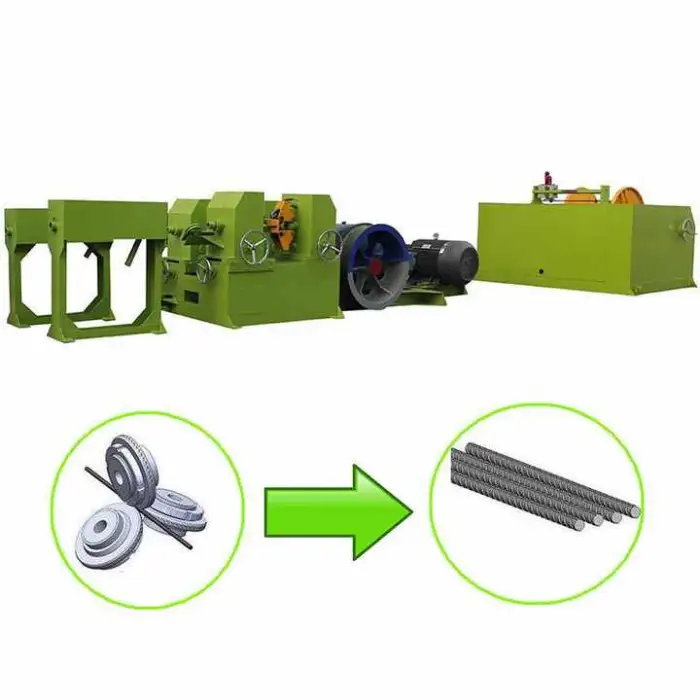
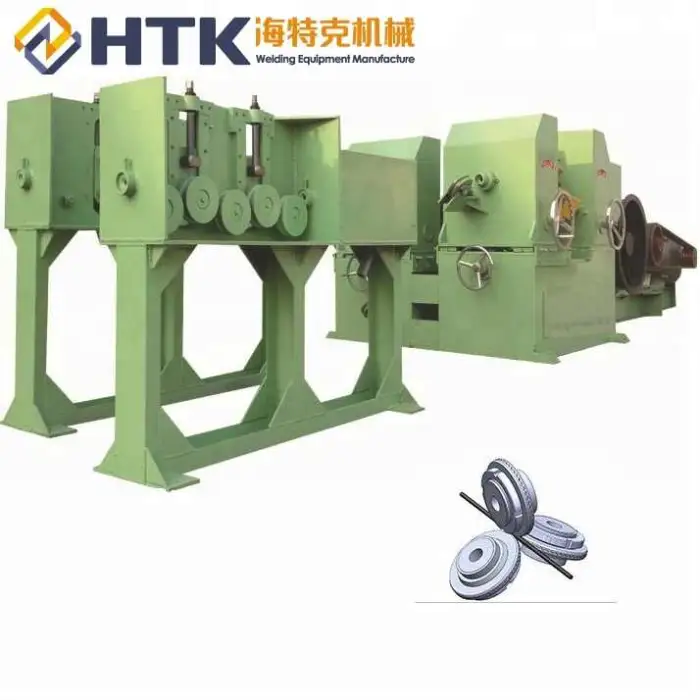
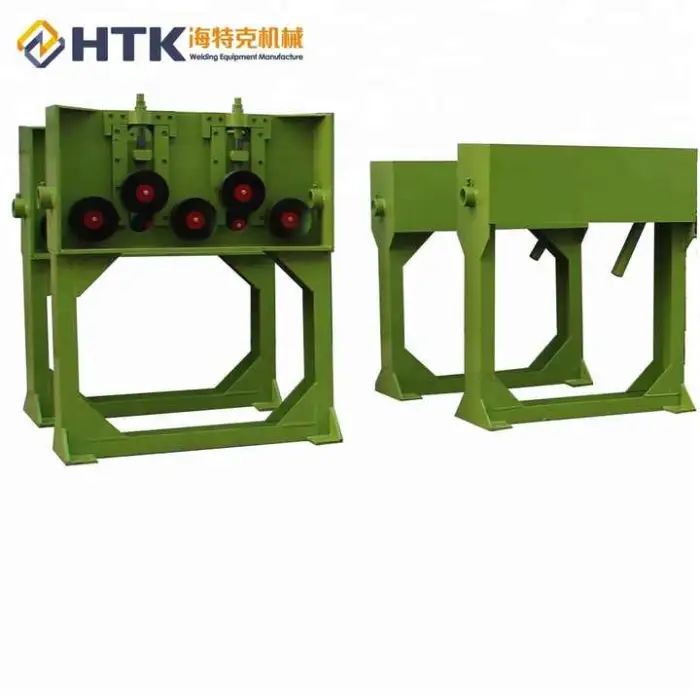
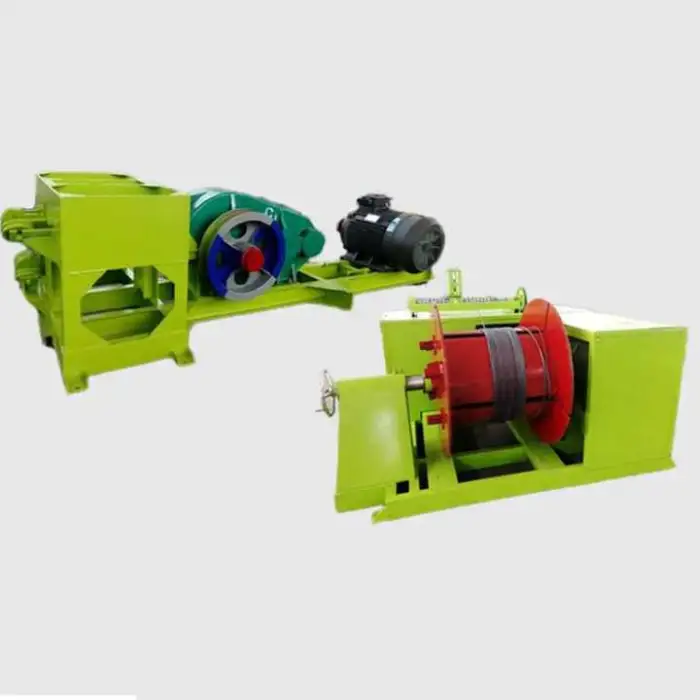
Rebar Cold Rolled Mills Scrap Steel Melting Machine Ribbed Steel bar Making Machine
Asset finance available
Do you want funding for this equipment?
Afrimart can connect you with trusted funding partners who specialise in asset finance for businesses like yours. Compare options and apply in minutes — final approval is subject to provider review.
Check funding options
Secure & no obligation

- Section : Machinery
- Category : Metal & Metallurgy Machinery
- SKU : 1601177484961

Rebar Cold Rolled Mills Scrap Steel Melting Machine Ribbed Steel Bar Making Machine
The Rebar Cold Rolled Mills Scrap Steel Melting Machine Ribbed Steel Bar Making Machine is an advanced solution for producing high-quality ribbed steel bars. This machine is designed to efficiently process scrap steel and turn it into usable products. With its easy operation and powerful features, it is perfect for various industries including manufacturing and construction.
Specifications
| Attribute | Details |
|---|---|
| Type | Cold Rolling Mill |
| Voltage | 380V |
| Power (w) | 30KW |
| Weight (kg) | 9000 |
| Dimension (l*w*h) | 22*6M |
| Condition | New |
| Service Provided | Online support |
| Core Components | PLC, Engine, Bearing, Gearbox, Motor, Gear, Pump |
Key Features
- Easy to operate with user-friendly controls
- High efficiency in producing ribbed steel bars
- Robust design for durability and long service life
- Comprehensive machinery test report included
- Video outgoing inspection for quality assurance
Applications
- Manufacturing plants
- Building material shops
- Home use for DIY projects
- Hotels and other commercial facilities
- Direct factory supply for construction needs
Product Info Gallery
- Shipping Timeframes: All orders are processed within 2-5 business days (excluding weekends and holidays). After your order has been processed, the estimated delivery time is before 05 Aug, 2026, depending on customs, Please note that due to high demand, some items may experience longer shipping times, which will be communicated at order confirmation email.
- Order Processing Time: Please allow 2-5 business days for us to process your order before it is shipped . Orders placed after 16:00 on Fridays, or during weekends and public holidays, will begin processing on the next business day. Processing times may be extended during peak seasons or sales events.
- Manufacturing Time: Some products needs manufacturing time, the manufacturing process will take approximately 10-30 business days depending on the product. This timeframe may vary depending on the complexity of the product and current demand. but this will be communicated with you during order confirmation.
- Returns and Exchanges: We offer a 30-day return policy for most items. If you are not completely satisfied with your purchase, you may return it within 30 days of receipt for a refund or exchange. Items must be unused, in their original packaging, and accompanied by proof of purchase. Return shipping costs are the responsibility of the customer, unless the item was damaged or defective upon arrival.
1. What is the Rebar Cold Rolled Mills Scrap Steel Melting Machine Ribbed Steel Bar Making Machine?
An integrated industrial machine that processes scrap steel, melts it, and cold-rolls it into ribbed (deformed) steel bars used in construction. It combines melting, rolling, and control systems for continuous rebar production.
2. What are the key specifications of this machine?
Typical specification highlights: type — cold rolling mill; voltage — 380V (three-phase); power — 30 kW; weight — ~9000 kg; footprint/installed dimension — approximately 22 m × 6 m; condition — new. Core components include PLC, engine, bearings, gearbox, motor, gears, and pump.
3. What raw materials can it process?
Primarily scrap steel (various grades and forms). It can also accept recycled rebar, steel scrap from manufacturing, and other ferrous feedstock suitable for melting and rolling; final suitability depends on material composition and pre-processing.
4. What sizes and types of ribbed rebar can it produce?
The machine is designed to produce standard ribbed/deformed steel bars used in construction. Exact diameter ranges, rib patterns and tolerances depend on the selected configuration and tooling—please consult the manufacturer with desired bar sizes for confirmation.
5. What is the production capacity or throughput?
Throughput depends on machine configuration, scrap quality, melting system, rolling speed and production parameters. A factory machinery test report and outgoing inspection video are provided to show tested performance for the specific unit—contact sales with your capacity requirements for a tailored figure.
6. What are the electrical and utility requirements?
Standard electrical supply is 380V three-phase. The power rating listed is 30 kW, but total site electrical capacity, starting current and auxiliary loads (cranes, pumps, fans) should be checked with the supplier. Additional utilities such as compressed air, cooling water or fume extraction may be required depending on the melting system.
7. What site and installation requirements should I prepare for?
Prepare a flat, load-bearing concrete foundation sized for the machine footprint (~22 × 6 m) and weight (~9000 kg), overhead lifting equipment for installation, proper electrical connections, ventilation/fume extraction, and safe material handling paths. The supplier can provide detailed foundation drawings and installation guidance.
8. How easy is the machine to operate and what control system does it use?
The machine features user-friendly controls and a PLC-based control system for automated operation and monitoring. Basic operator training is recommended and generally provided; online support and remote assistance are available.
9. What routine maintenance is required?
Routine tasks include lubrication of bearings and gears, inspection of gearbox and drive components, checking electrical connections and PLC status, replacing worn tooling/rolls as needed, and keeping melting/feeding systems clean. A maintenance schedule and spare-parts list should be supplied by the manufacturer.
10. What safety features are included?
Standard safety provisions usually include emergency stop buttons, guards and interlocks on moving parts, and required electrical protections. Specific safety features and compliance with local regulations should be confirmed with the supplier prior to purchase.
11. Does the machine come with pre-delivery tests and documentation?
Yes. The product description states a comprehensive machinery test report and a video outgoing inspection are included to verify quality and performance before shipment.
12. Are spare parts and consumables available?
Yes. Core components (PLC, bearings, gearbox, motor, gears, pump) are identifiable and spare parts can typically be supplied. Consumables vary by melting/rolling configuration—confirm availability and lead times with the manufacturer.
13. Can this machine be customized?
Yes. Many aspects are customizable, including production capacity, rebar diameter range, rib profile tooling, level of automation, and auxiliary systems. Discuss your production requirements with the factory to specify custom options.
14. What after-sales support and warranty are provided?
Online support is provided as stated. Warranty, on-site commissioning, spare parts supply and training availability vary by supplier and contract—ask the vendor for detailed warranty terms and service packages.
15. How do I get pricing, lead time and shipping information?
Provide the supplier with required production capacity, desired bar sizes, optional features and installation location. The vendor will supply a formal quotation, lead time and shipping terms (FOB/CIF/etc.). Lead times typically vary by configuration and order queue—contact sales for a specific quote.
Latest Order Arrivals
Discover our latest orders

12 Heads Embroidery Machine

Toilet Paper Machine Machine

Order Collection

Cross Border Clients

Order cros border countries Collected

Industrial Machine Cllection

Agriculture Processing Machines

Ready for collection

Water Pump Equipment

Packaging Machine and accessories

Fabrics Manufacturing Equipment

Mining Equipments

Food Processing Machine

Batch of Orders

Batch of Orders

Latest Orders Labelled

wheel alignment machines

new arrivals

Pre Orders Offloading

Latest Arrivals

Latest Arrivals

Latest Arrivals

Loading

Toilet paper making machine

Toilet paper making machine

Toilet paper Rewinding Machine

latest arrivals

offloading

order success

order collection

order offloading