B21, China Town Mall, Midrand

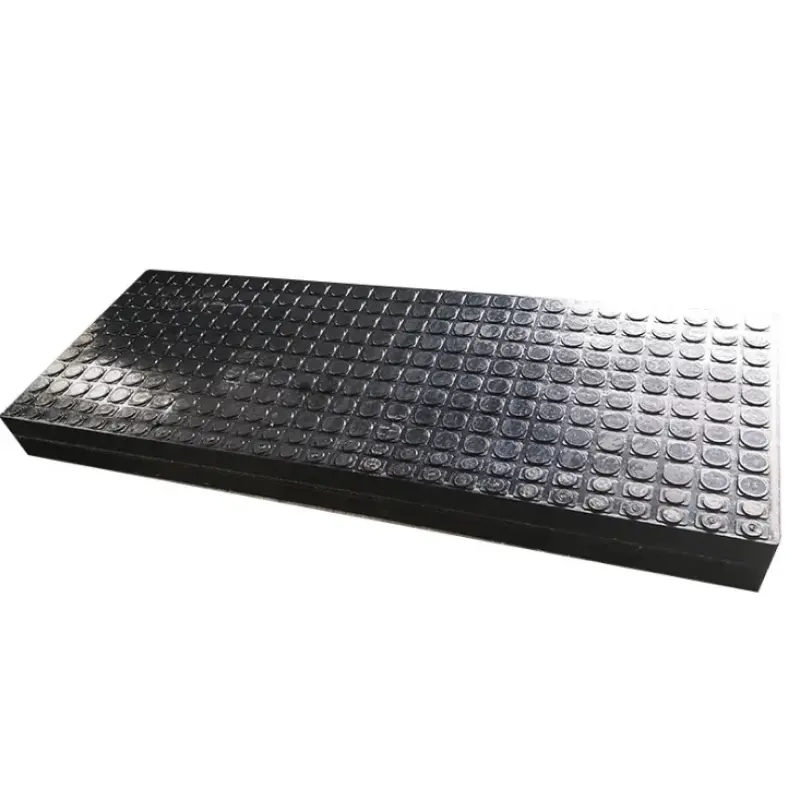
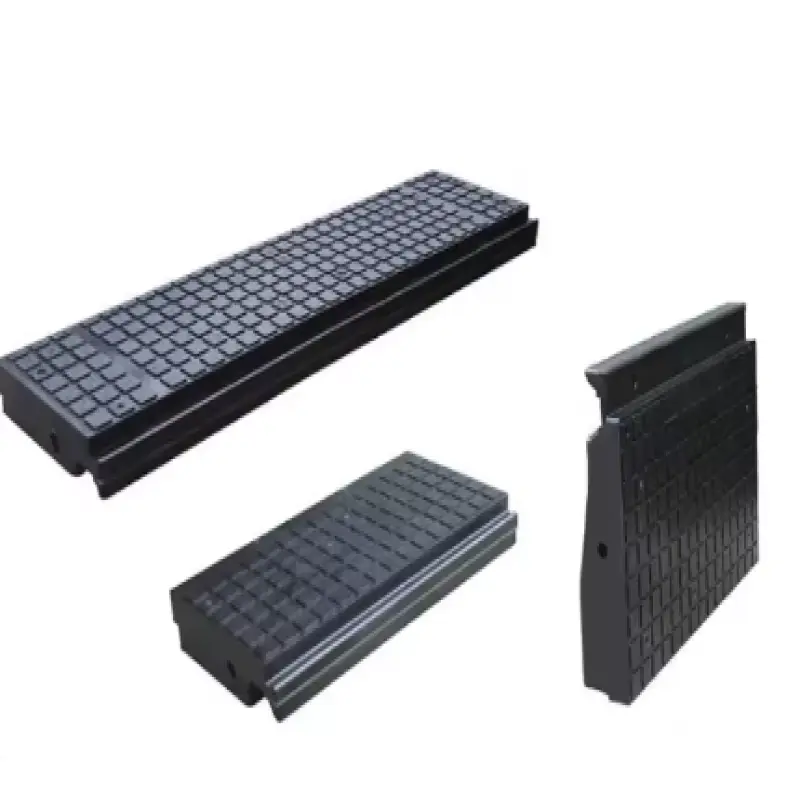
Railway Track Rubber Crossing Plate

- Section : Sports & Entertainment
- Category : Vehicle Parts & Accessories
- SKU : 62390620862

Product Description
High quality railway track rail rubber crossing plate
| Product name | railway crossing rubber plate | ||
| Application | UIC 54,UIC 60, BS 80 lbs,BS 100 lbs | ||
| Material | HDPE | EVA | Rubber |
| Technical Parameter | density: 0.95-0.98g/cm3 | density: 0.95-0.98g/cm3 | Hardness:75±5A |
| Tensile strength : ≥19Mpa | Tensile strength:≥15Mpa | Tensile strength: ≥12.5N/mm² | |
| Elongation: >80% | Elongation: >500% | Elongation: ≥250% | |
| Melting point: 170-190°C | Melting point: 170-190°C | Operating temperature:-25°C~100°C | |
| Insulation resistance: ≥1×10¹⁰Ω | Insulation resistance:≥1×10¹⁰Ω | ||
| Hardness:≥98A | Hardness: ≥90A | ||
| Color | Black | ||


- Shipping Timeframes: All orders are processed within 2-5 business days (excluding weekends and holidays). After your order has been processed, the estimated delivery time is before 03 Aug, 2026, depending on customs, Please note that due to high demand, some items may experience longer shipping times, which will be communicated at order confirmation email.
- Order Processing Time: Please allow 2-5 business days for us to process your order before it is shipped . Orders placed after 16:00 on Fridays, or during weekends and public holidays, will begin processing on the next business day. Processing times may be extended during peak seasons or sales events.
- Manufacturing Time: Some products needs manufacturing time, the manufacturing process will take approximately 10-30 business days depending on the product. This timeframe may vary depending on the complexity of the product and current demand. but this will be communicated with you during order confirmation.
- Returns and Exchanges: We offer a 30-day return policy for most items. If you are not completely satisfied with your purchase, you may return it within 30 days of receipt for a refund or exchange. Items must be unused, in their original packaging, and accompanied by proof of purchase. Return shipping costs are the responsibility of the customer, unless the item was damaged or defective upon arrival.
1. What is a Railway Track Rubber Crossing Plate?
A rubber crossing plate is a durable panel installed at rail crossings to provide a continuous, safe surface across sleepers and rails. It protects track components, offers electrical insulation and improves pedestrian/vehicle crossing safety.
2. What materials are available for this product?
The product is available in HDPE, EVA and rubber formulations, allowing selection based on mechanical and environmental requirements.
3. Which rail profiles and standards is the plate compatible with?
This crossing plate is designed for compatibility with UIC 54, UIC 60, BS 80 lbs and BS 100 lbs rail profiles.
4. What are the key technical parameters?
Typical parameters (vary by material): density 0.95–0.98 g/cm³; hardness range approximately 75±5A up to ≥98A depending on formulation; tensile strength in the range ≥12.5–≥19 MPa; elongation from >80% up to >500%; melting point 170–190 °C; insulation resistance ≥1×10^10 Ω.
5. What is the operating temperature range?
The operating temperature range is approximately −25 °C to 100 °C.
6. What color options are available?
The standard color is black. Ask the supplier about custom color options if required.
7. How is the crossing plate installed?
Installation typically involves aligning the plate to the rail profile and fixing it to sleepers or existing fastenings per track design. Specific bolt patterns and installation instructions depend on track type—request the manufacturer's installation guide for details.
8. Is the plate electrically insulating?
Yes. The product has a high insulation resistance (≥1×10^10 Ω), making it suitable where electrical insulation between rail and crossing surface is required.
9. Is the surface slip-resistant and suitable for pedestrian crossings?
Rubber formulations provide good grip and are commonly used at pedestrian and vehicle crossings. Confirm the specific surface texture and anti-slip grade with the supplier for your application.
10. How resistant is the product to heat and melting?
The material melting point is in the 170–190 °C range. Normal service temperatures are up to 100 °C; performance at higher temperatures depends on material selection.
11. What maintenance is required?
Maintenance is low: periodic inspections to check for wear, debris removal, and replacement of plates showing excessive wear or damage. Follow railway maintenance schedules and the manufacturer's recommendations.
12. Can the crossing plate be customized (size, thickness, holes)?
Yes. Plates can typically be customized in dimensions, thickness, mounting hole patterns and material grades to fit specific track geometries and performance requirements—contact the supplier with your specifications.
13. How long will the plate last?
Service life depends on traffic load, environmental exposure and material choice. For an estimated lifespan for your application, provide traffic and site conditions to the manufacturer for a projected service-life assessment.
14. What about chemical, oil or UV resistance?
Resistance properties vary by material (HDPE, EVA, rubber). Many formulations offer good resistance to oils and UV, but performance is formulation-dependent—request detailed chemical and UV resistance data from the supplier for your specific conditions.
15. How do I get pricing, lead time and ordering information?
Contact the supplier or manufacturer with required rail profile, dimensions and quantities. They will provide pricing, minimum order quantities, lead times, packaging and shipment options.
Latest Order Arrivals
Discover our latest orders
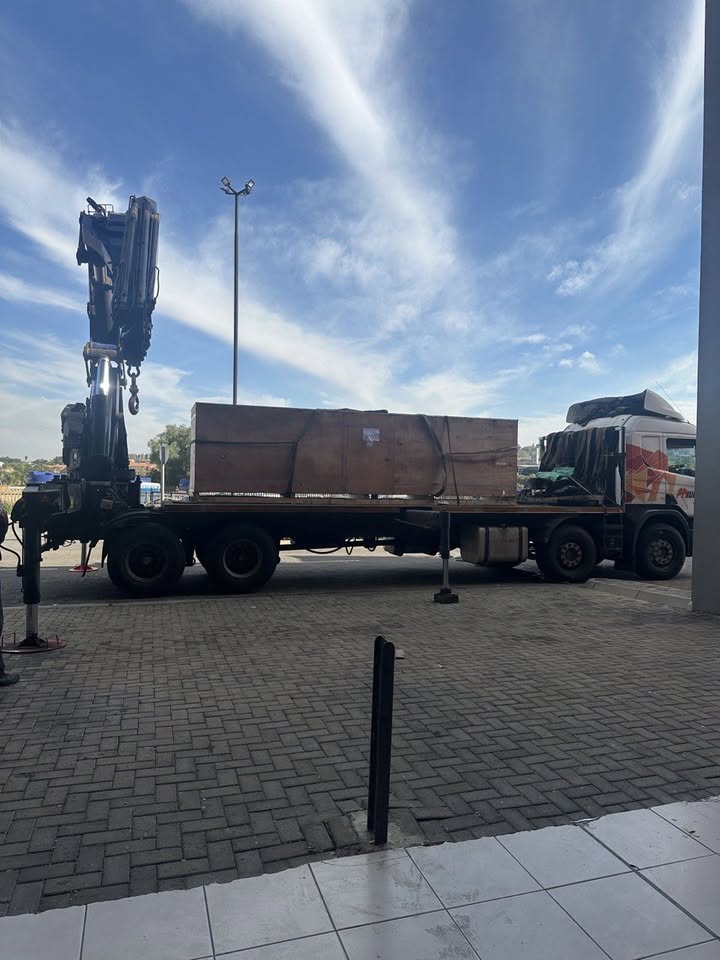
12 Heads Embroidery Machine
Toilet Paper Machine Machine
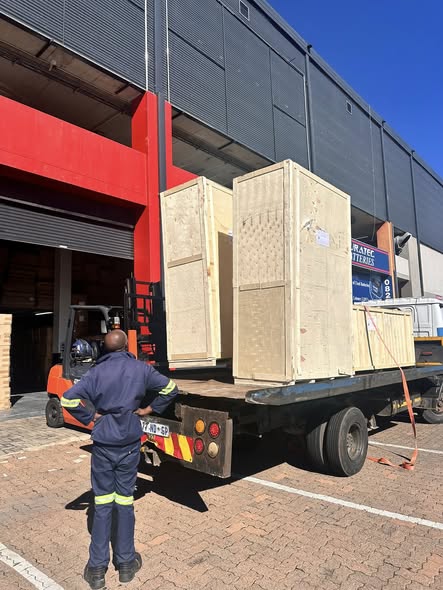
Order Collection
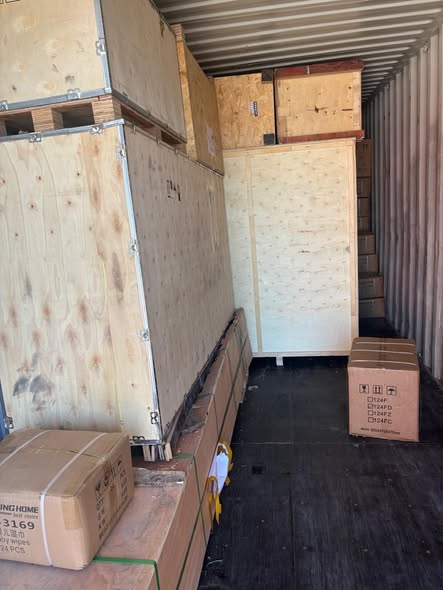
Cross Border Clients
Order cros border countries Collected
Industrial Machine Cllection
Agriculture Processing Machines
Ready for collection
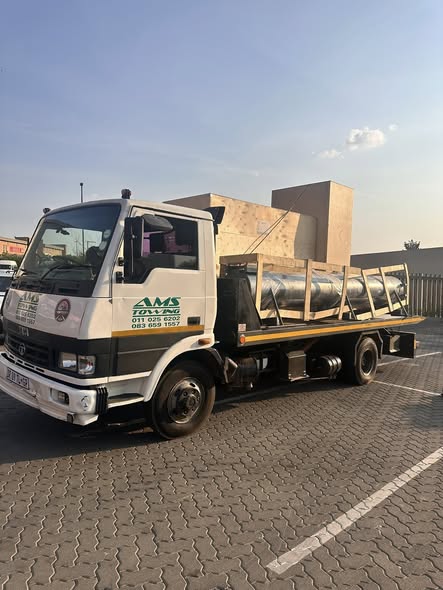
Water Pump Equipment
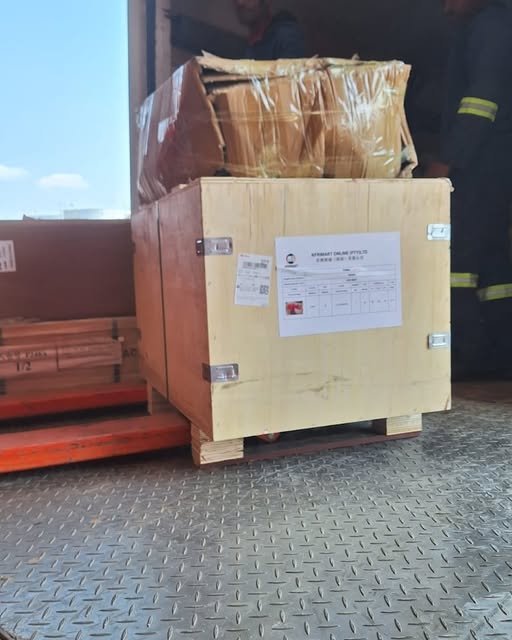
Packaging Machine and accessories
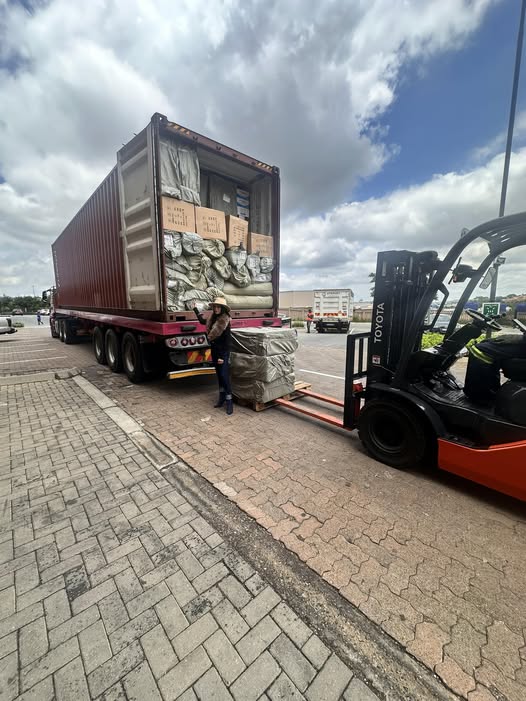
Fabrics Manufacturing Equipment
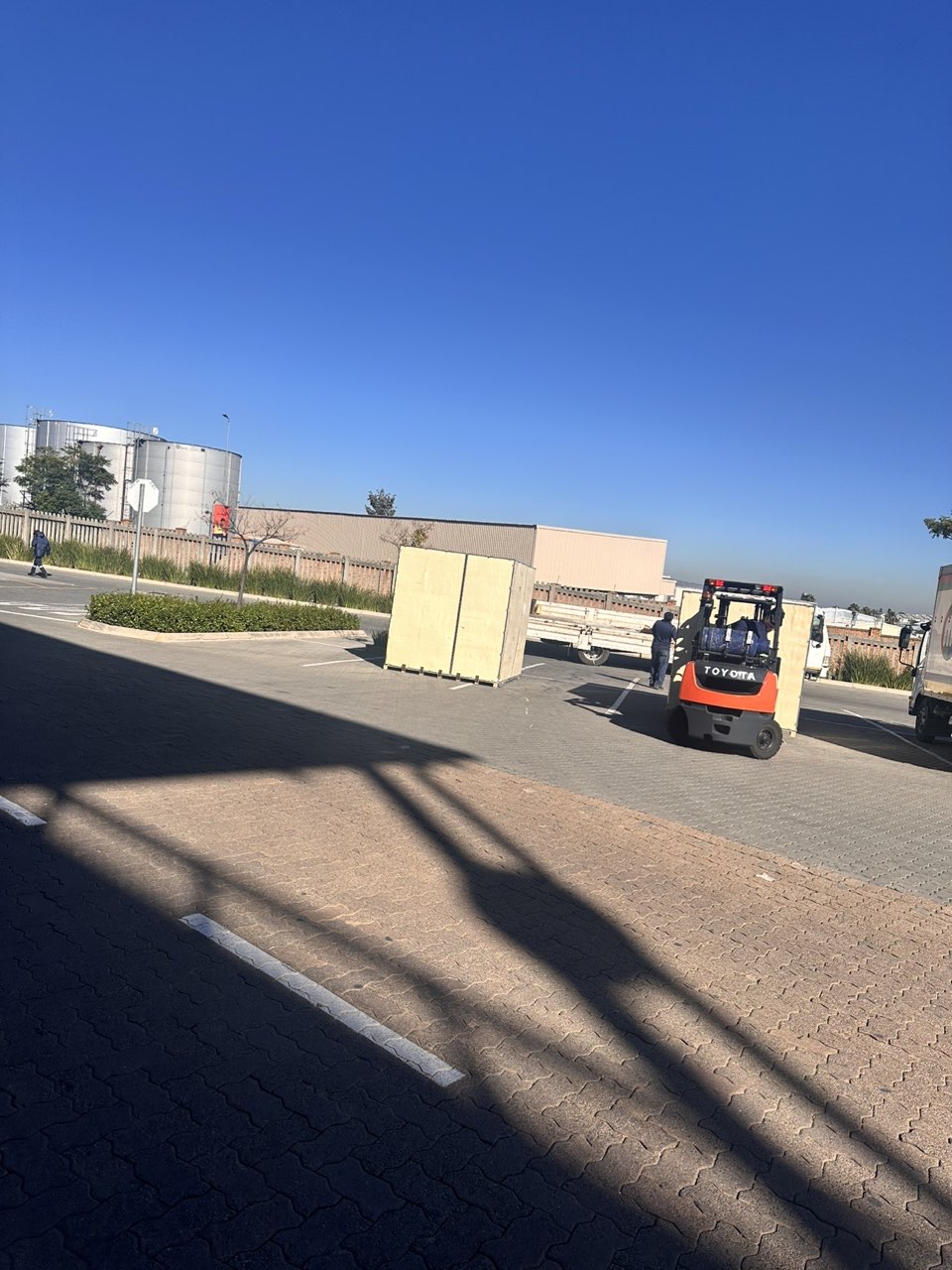
Mining Equipments
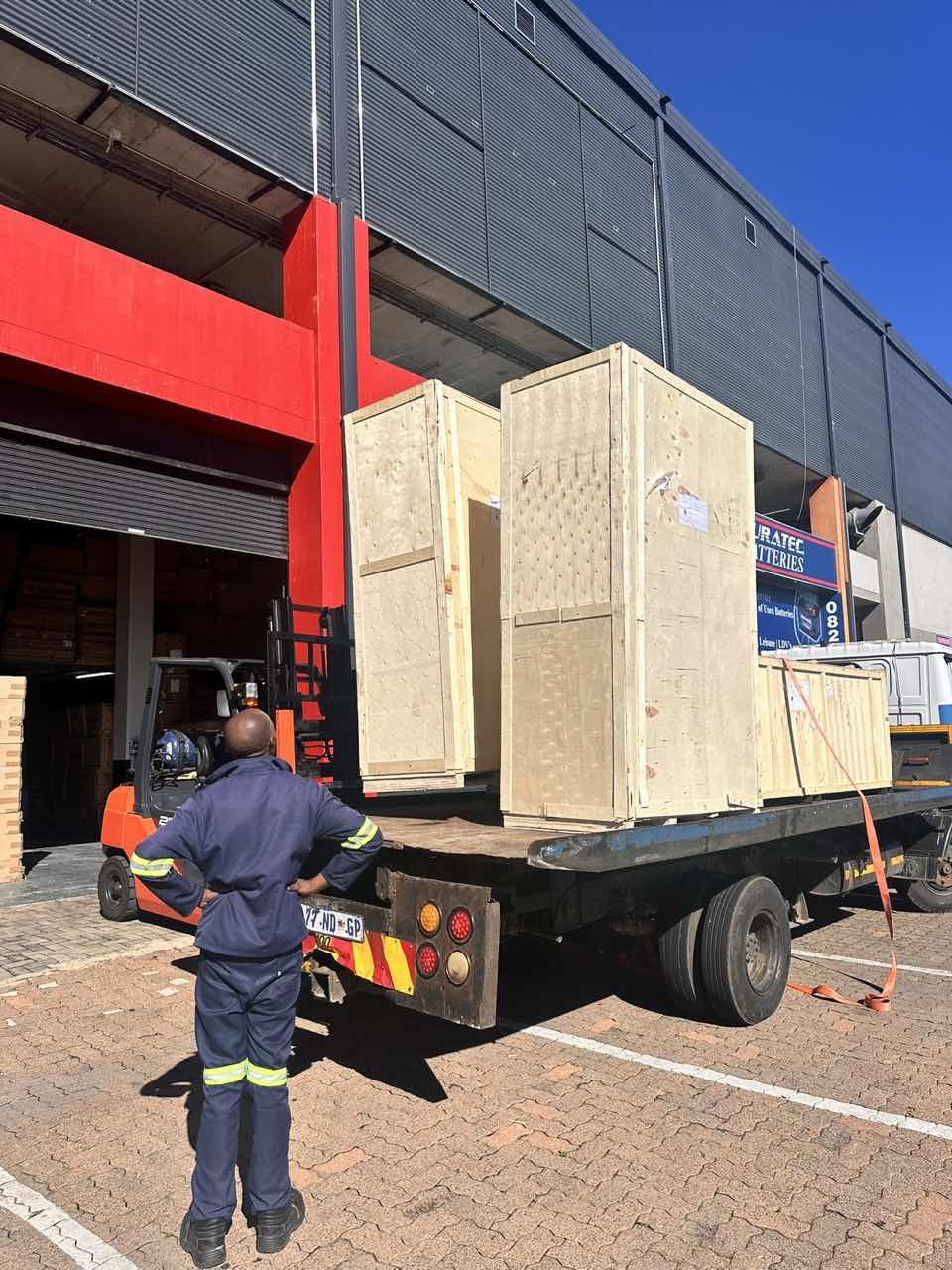
Food Processing Machine
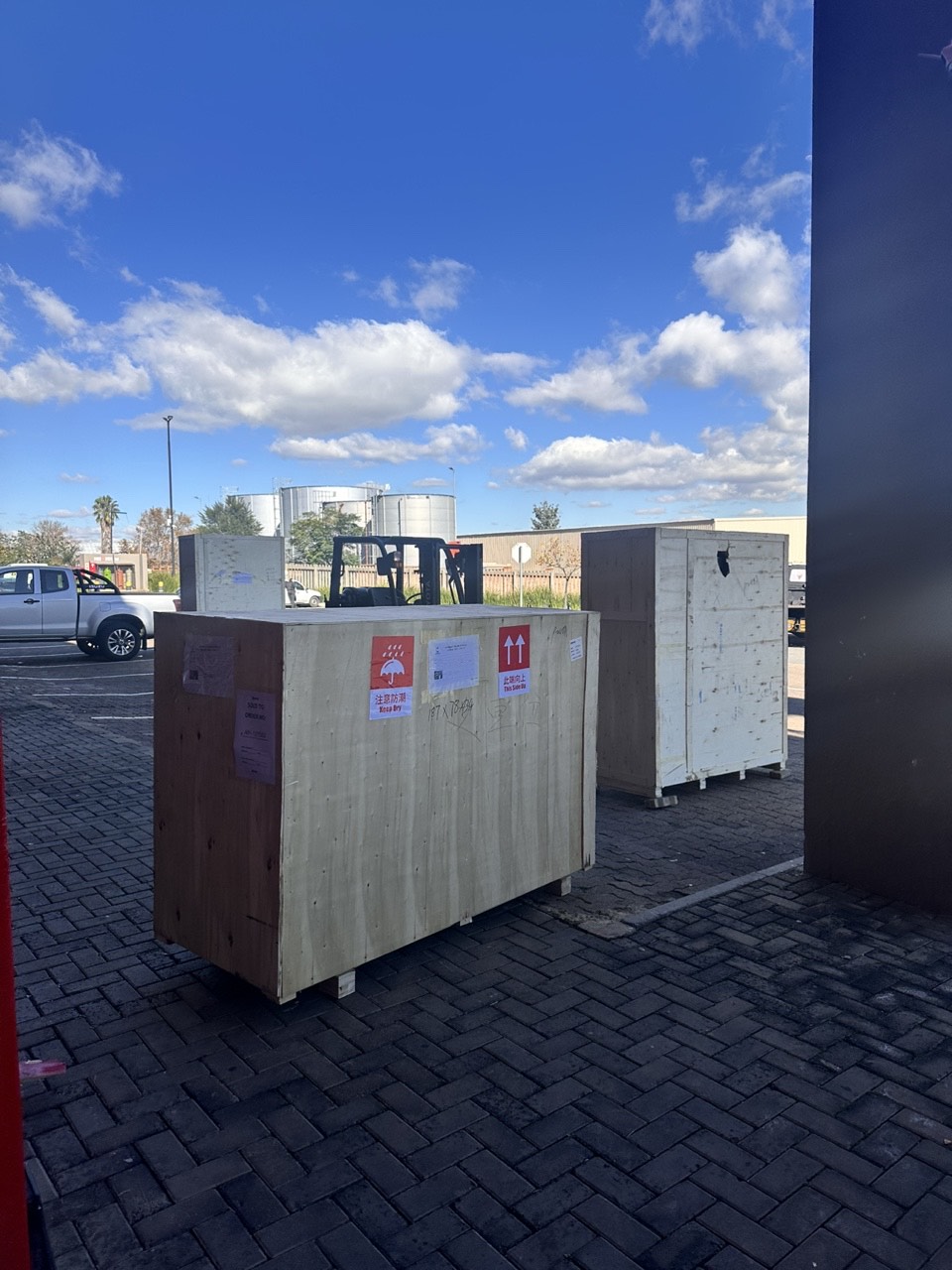
Batch of Orders
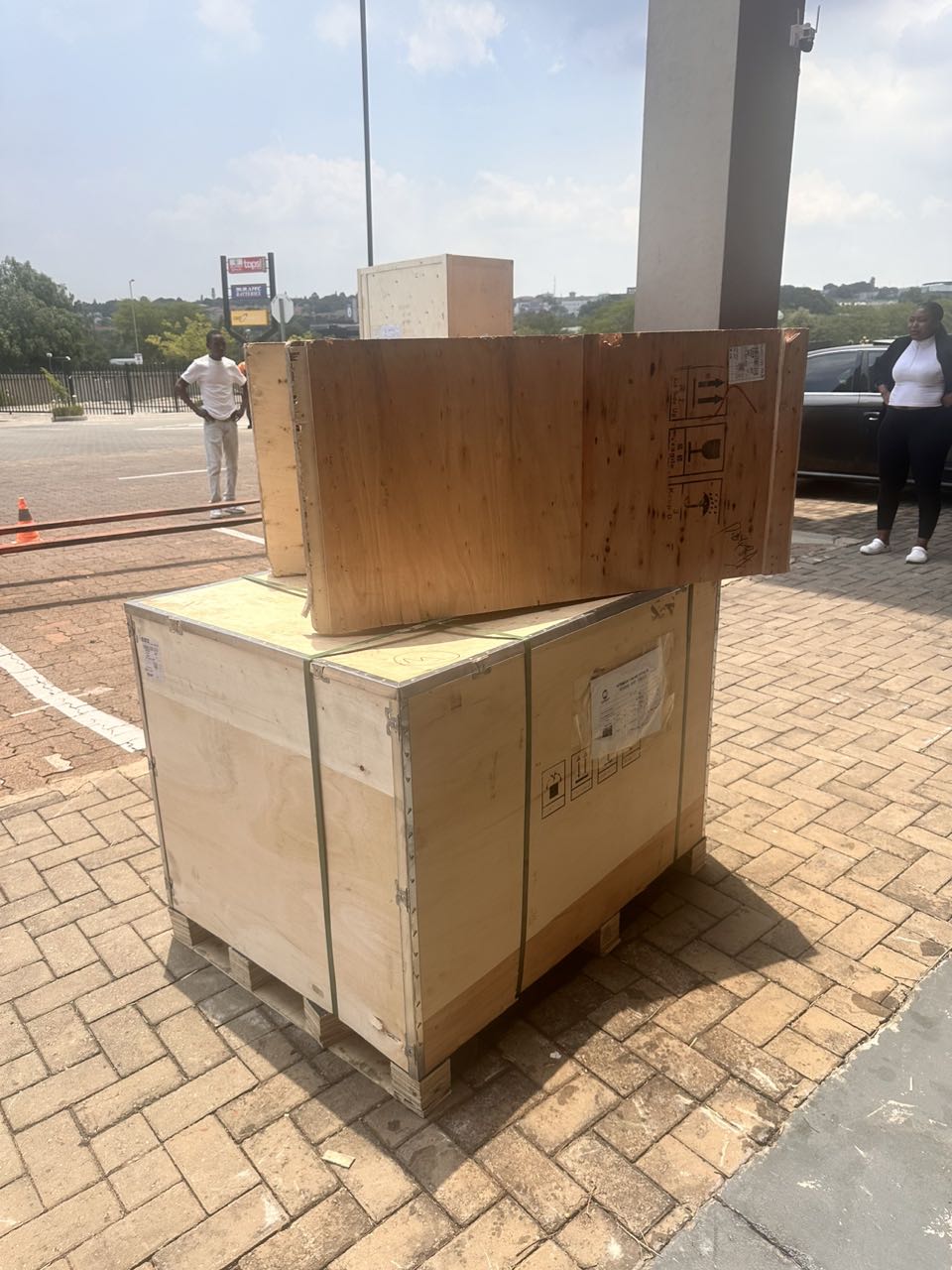
Batch of Orders
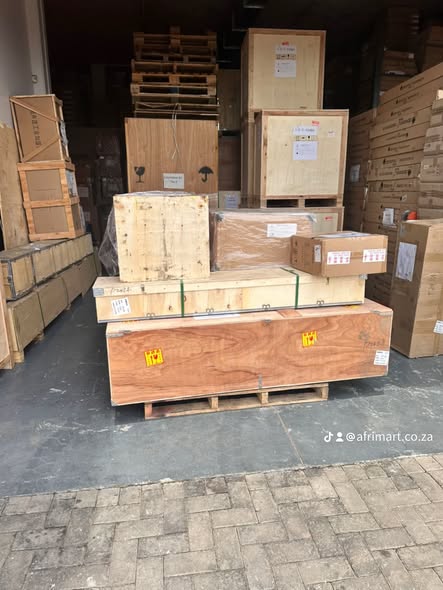
Latest Orders Labelled
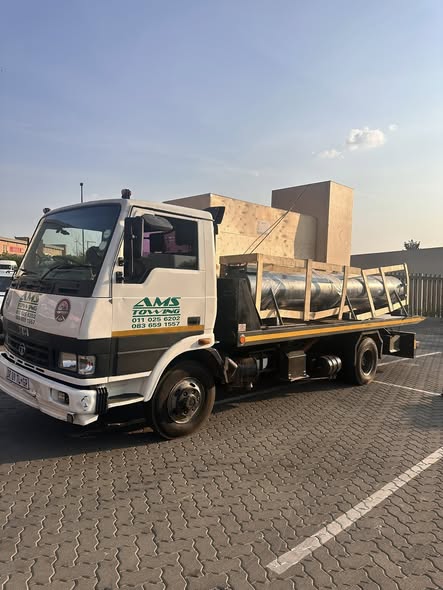
wheel alignment machines
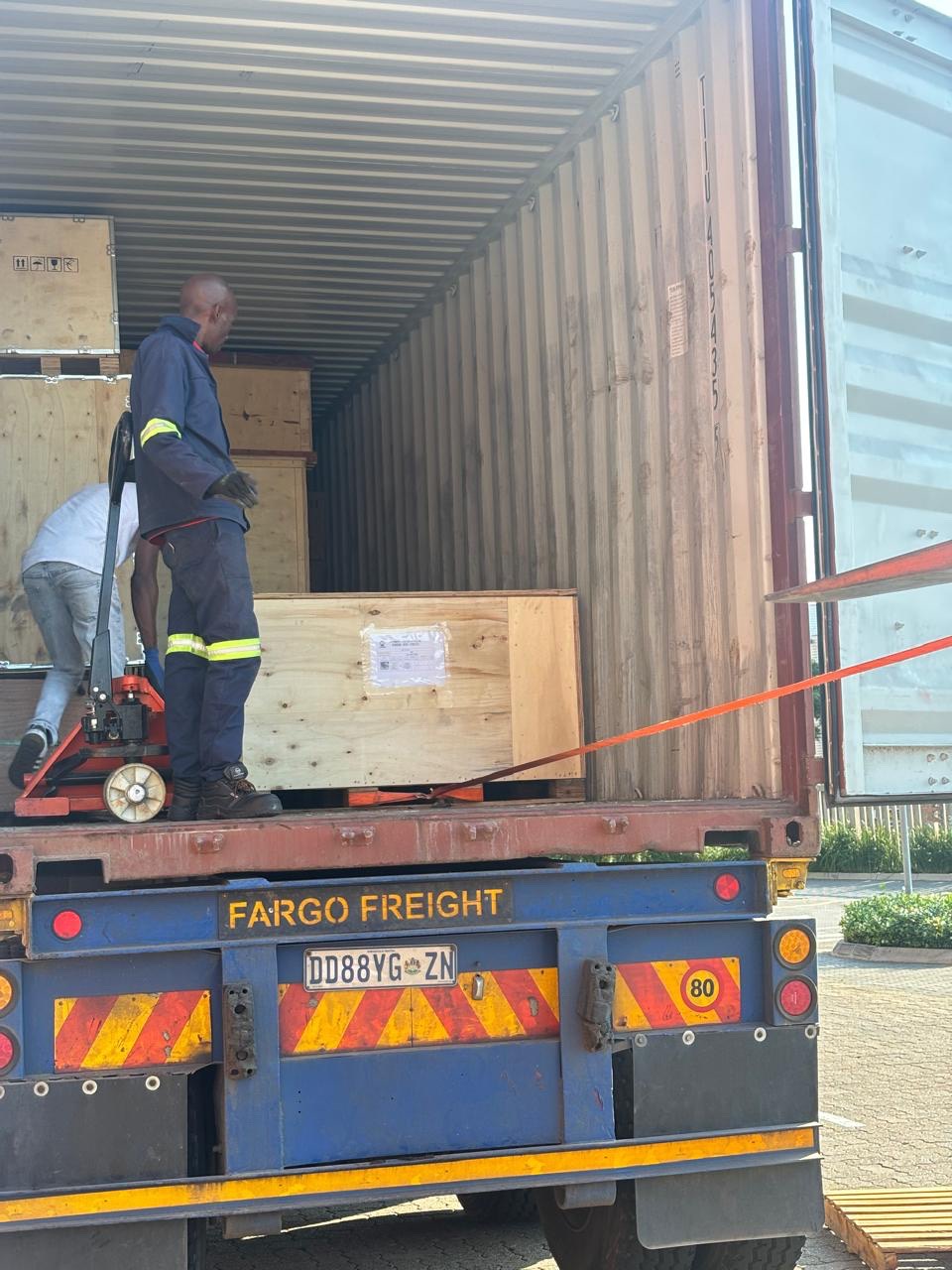
new arrivals
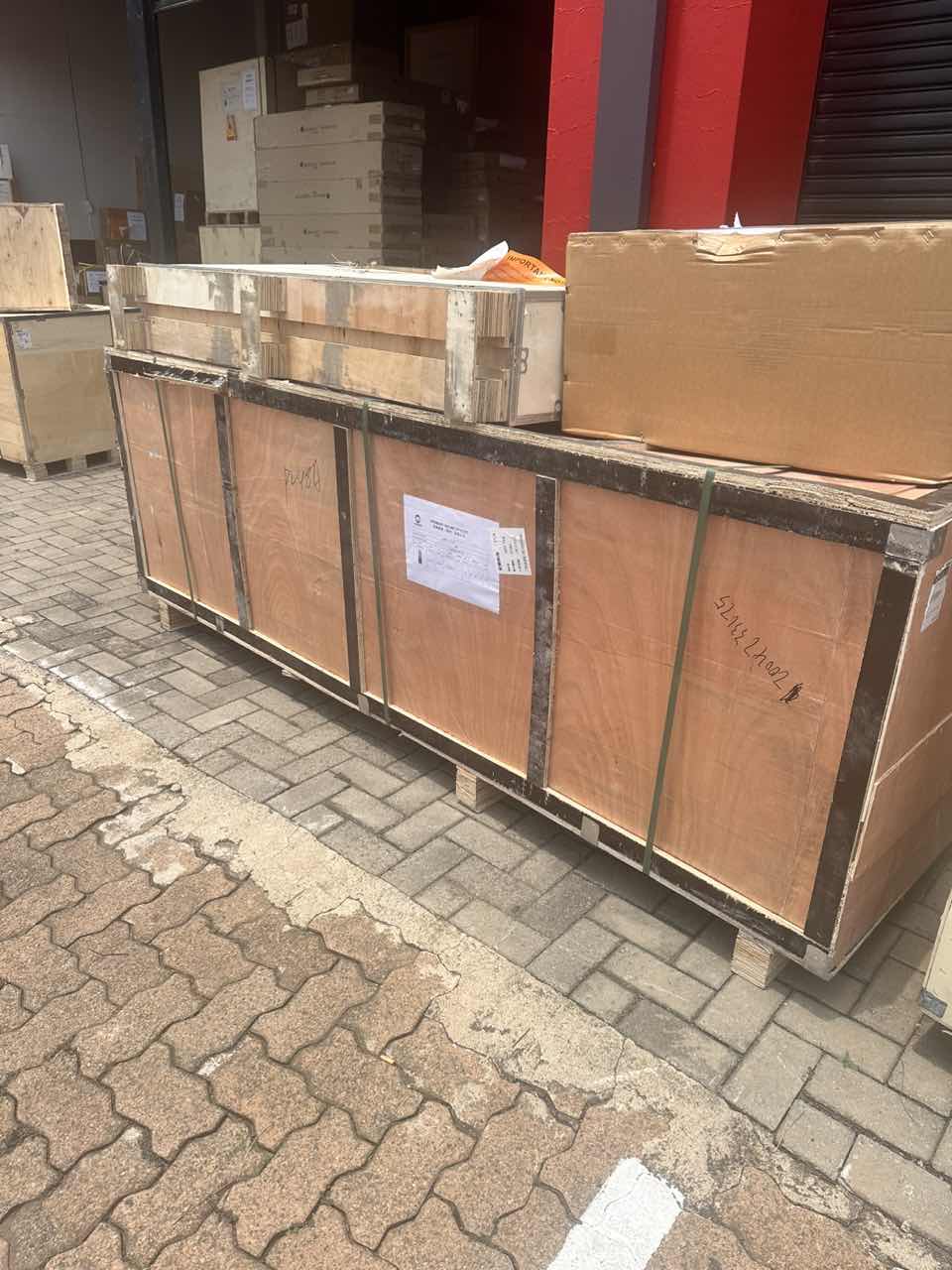
Pre Orders Offloading
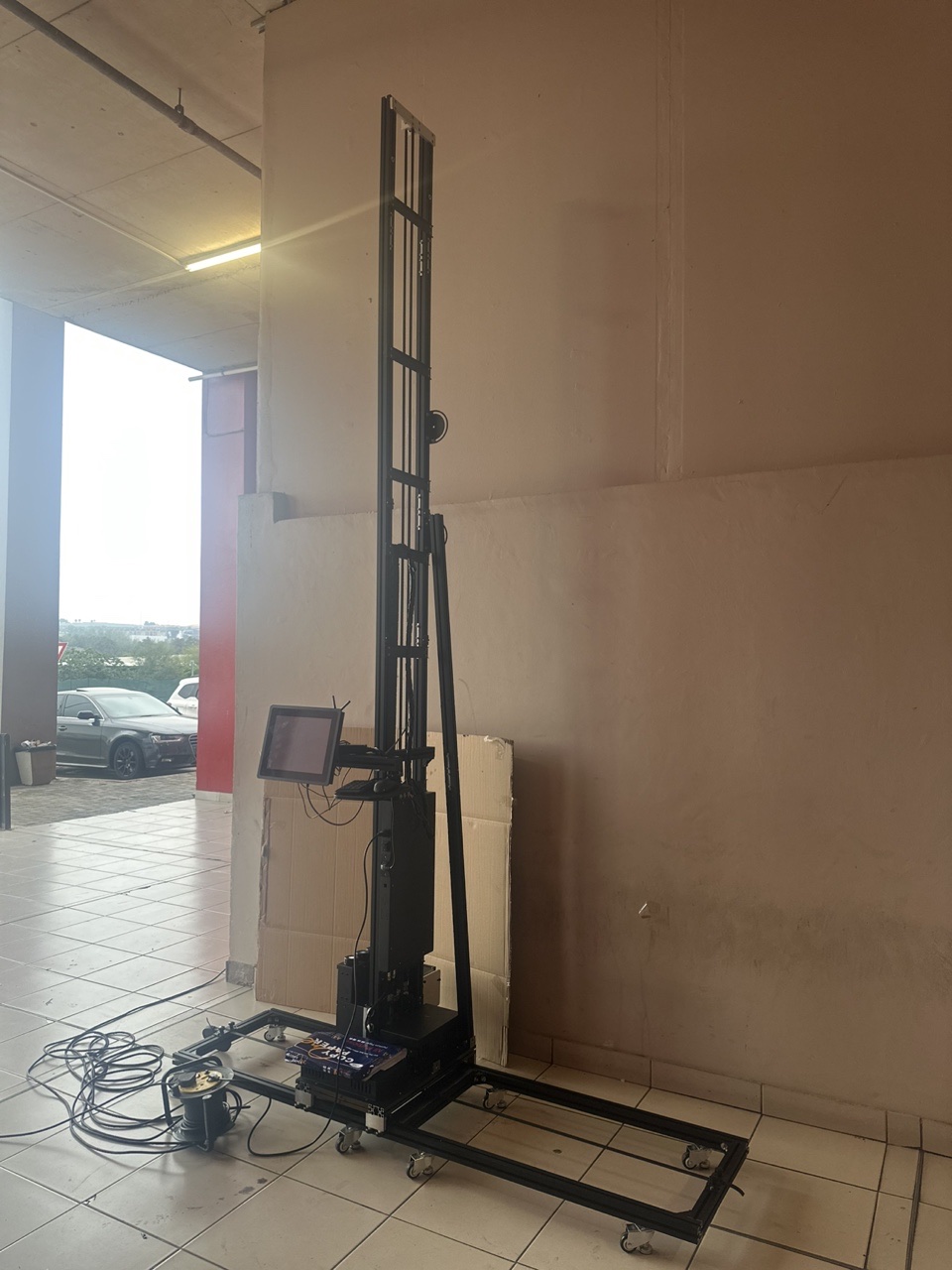
Latest Arrivals
Latest Arrivals
Latest Arrivals
Loading
Toilet paper making machine
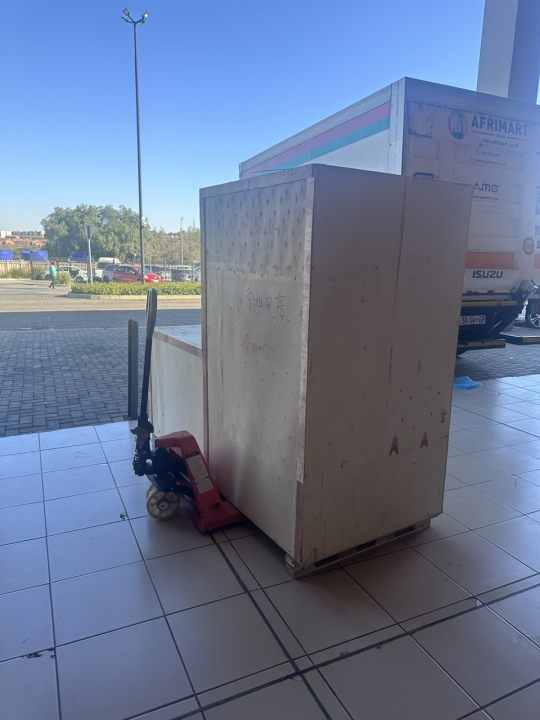
Toilet paper making machine
Toilet paper Rewinding Machine
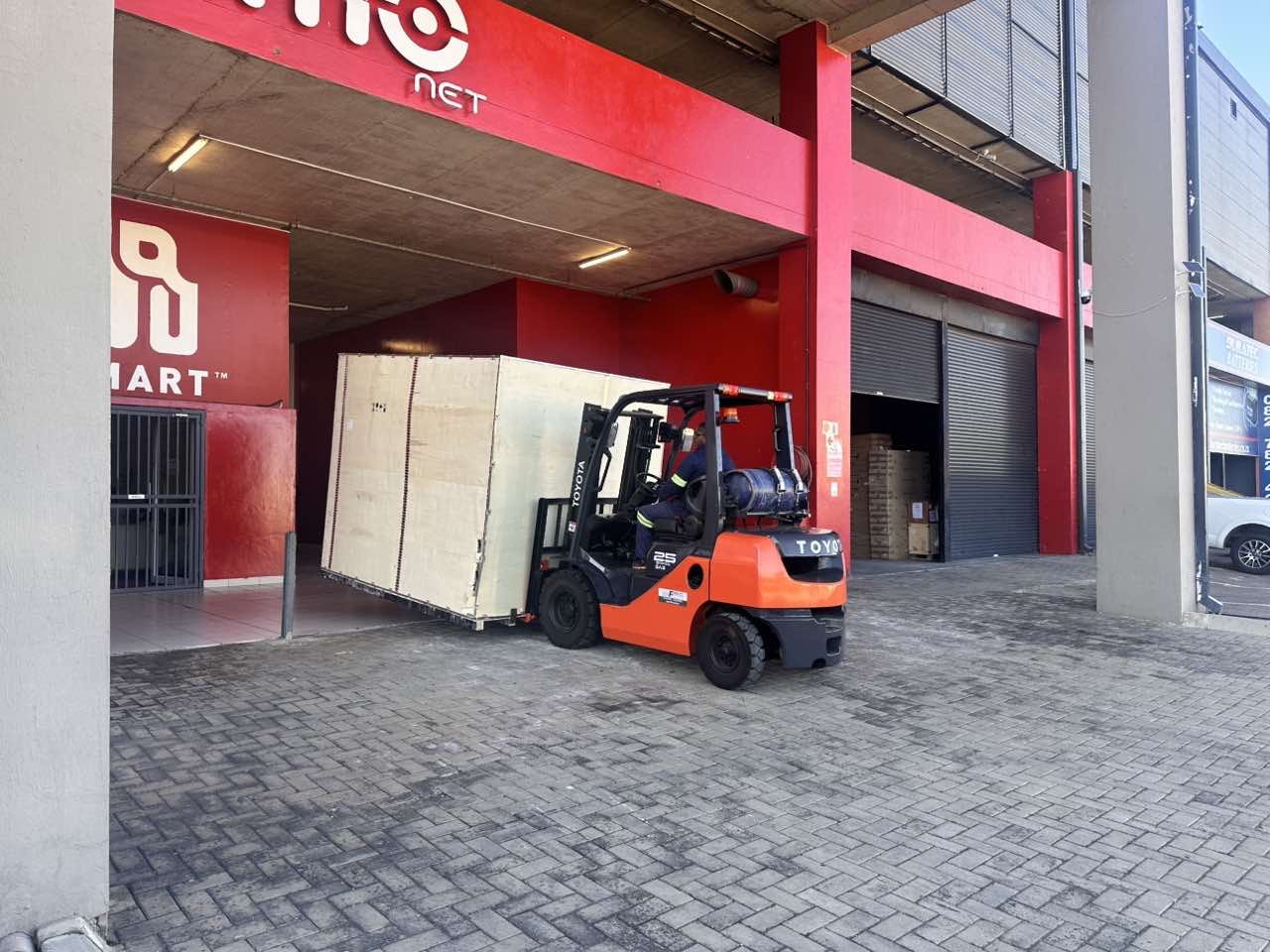
latest arrivals
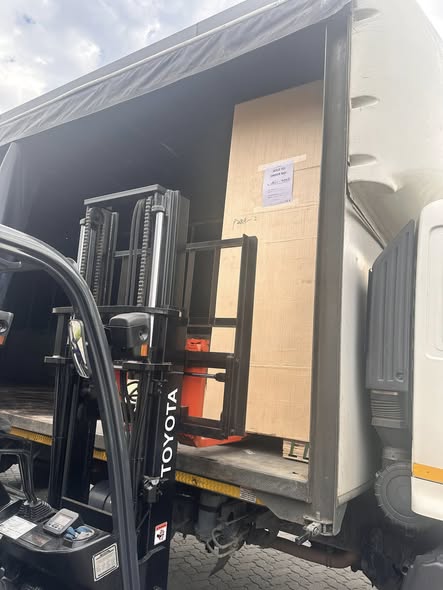
offloading
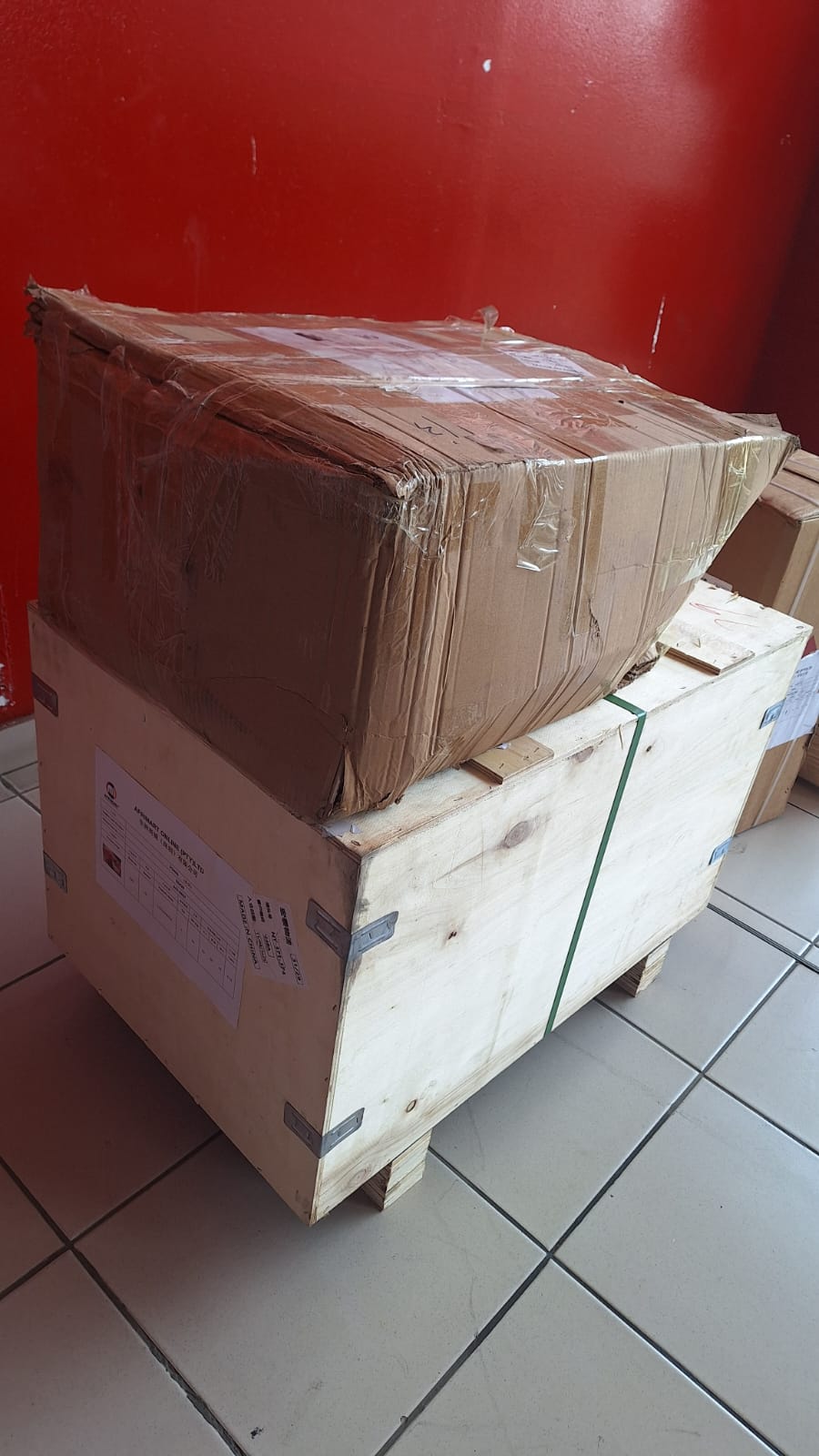
order success
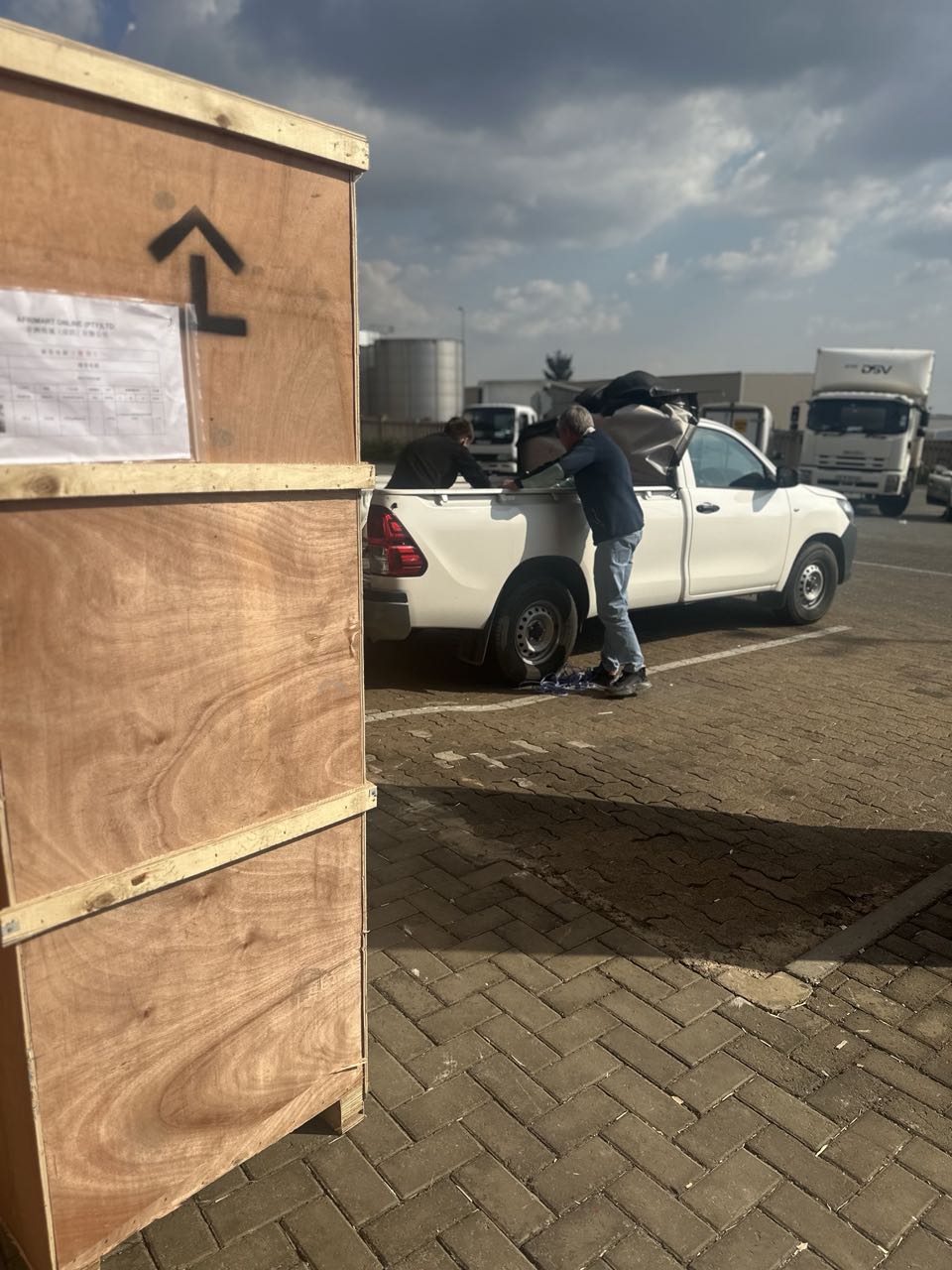
order collection
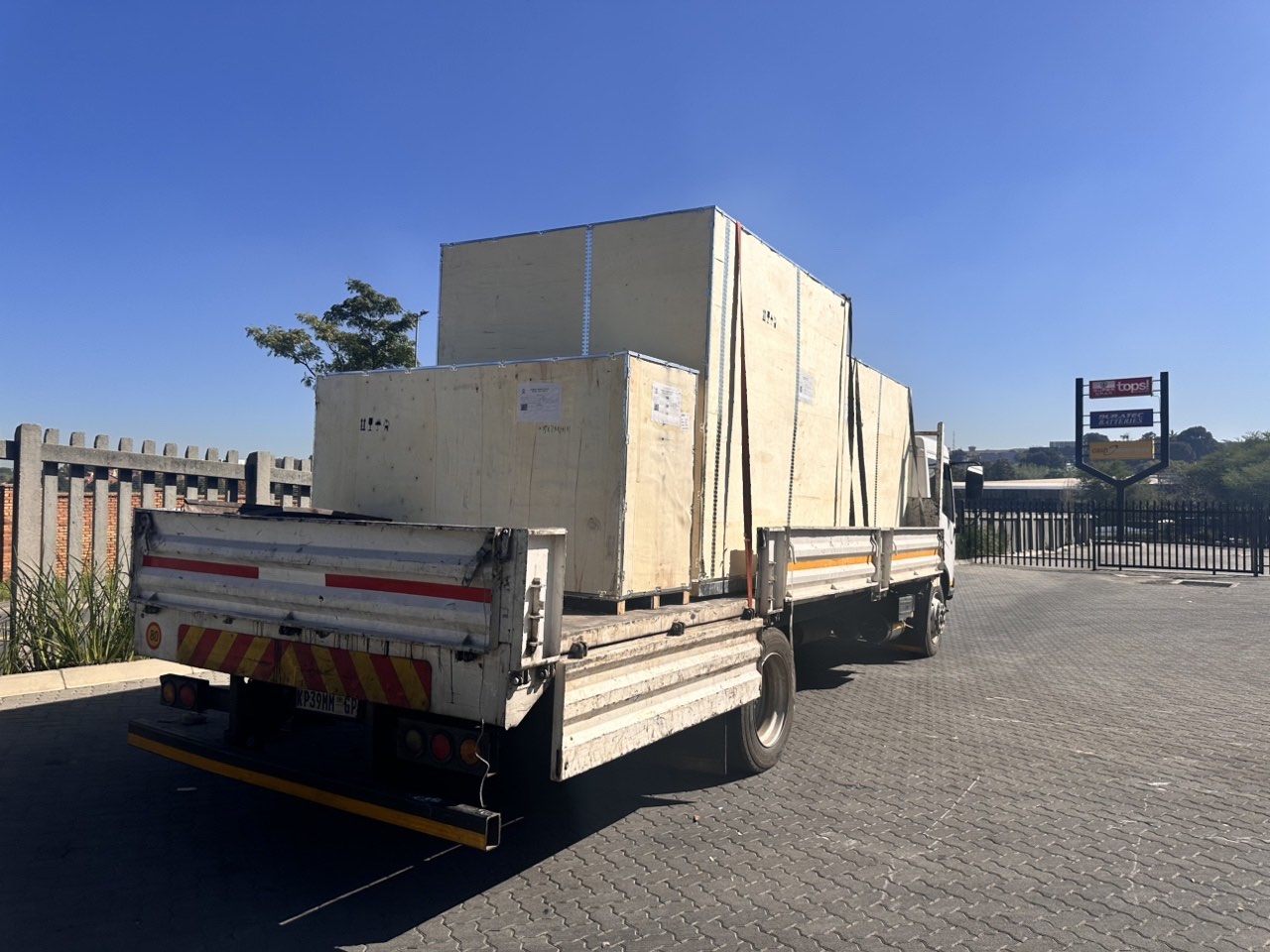
order offloading