B21, China Town Mall, Midrand

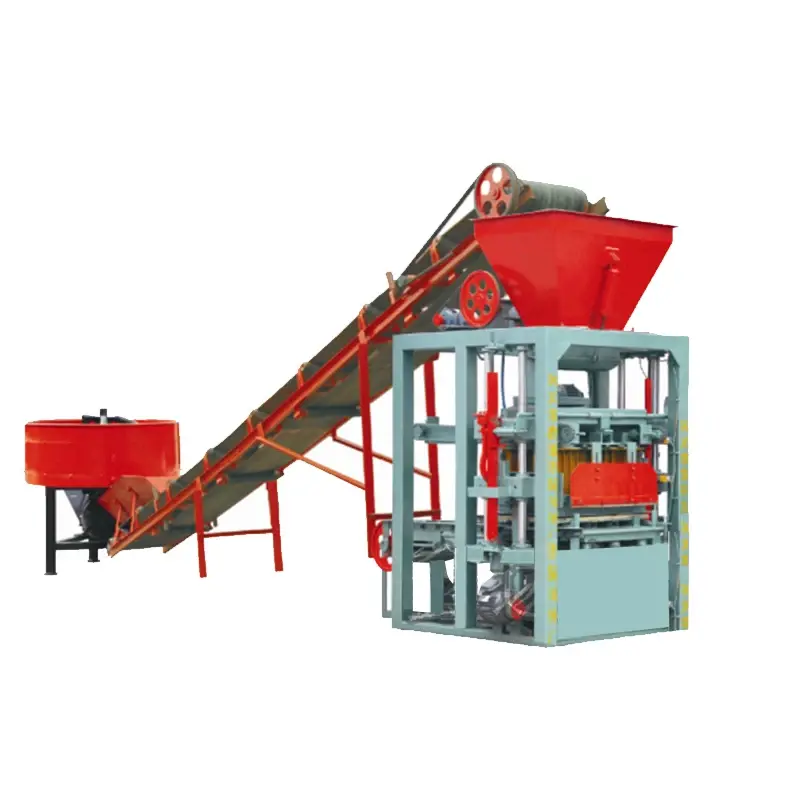
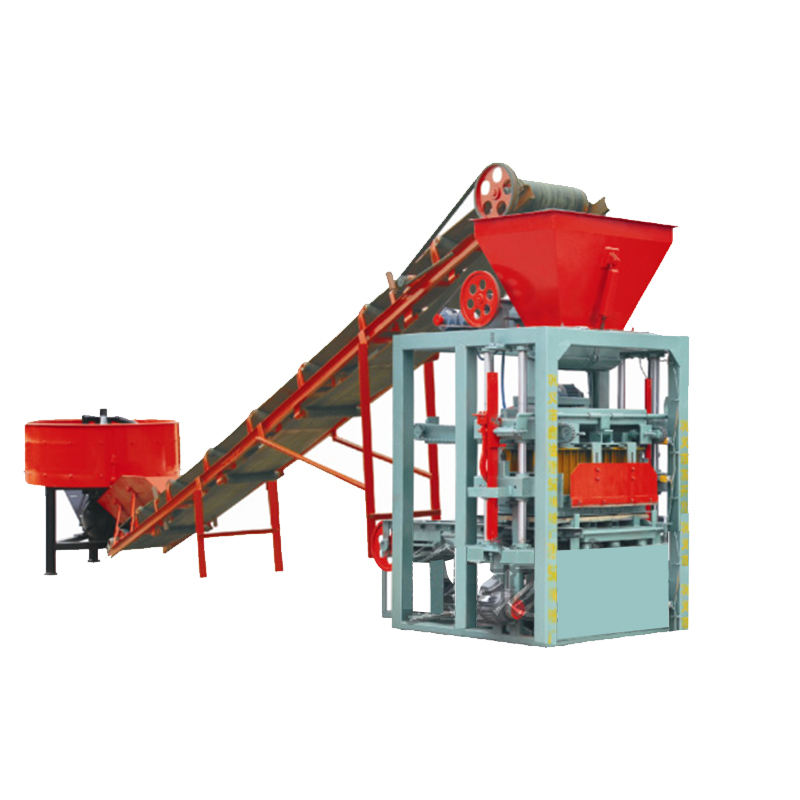
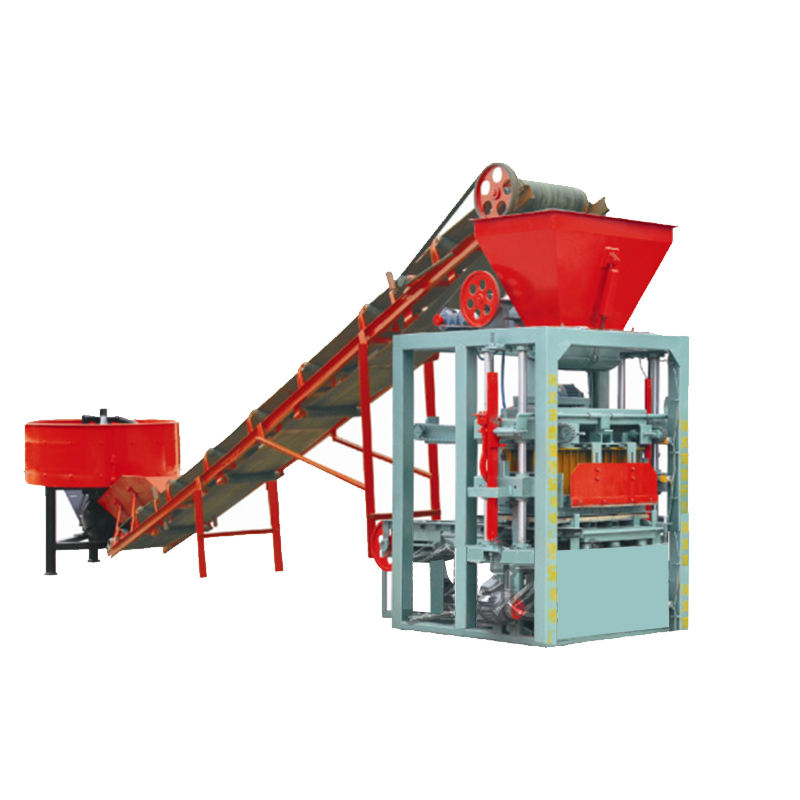
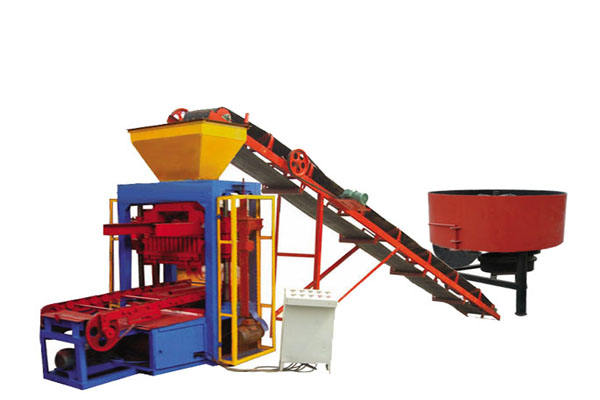
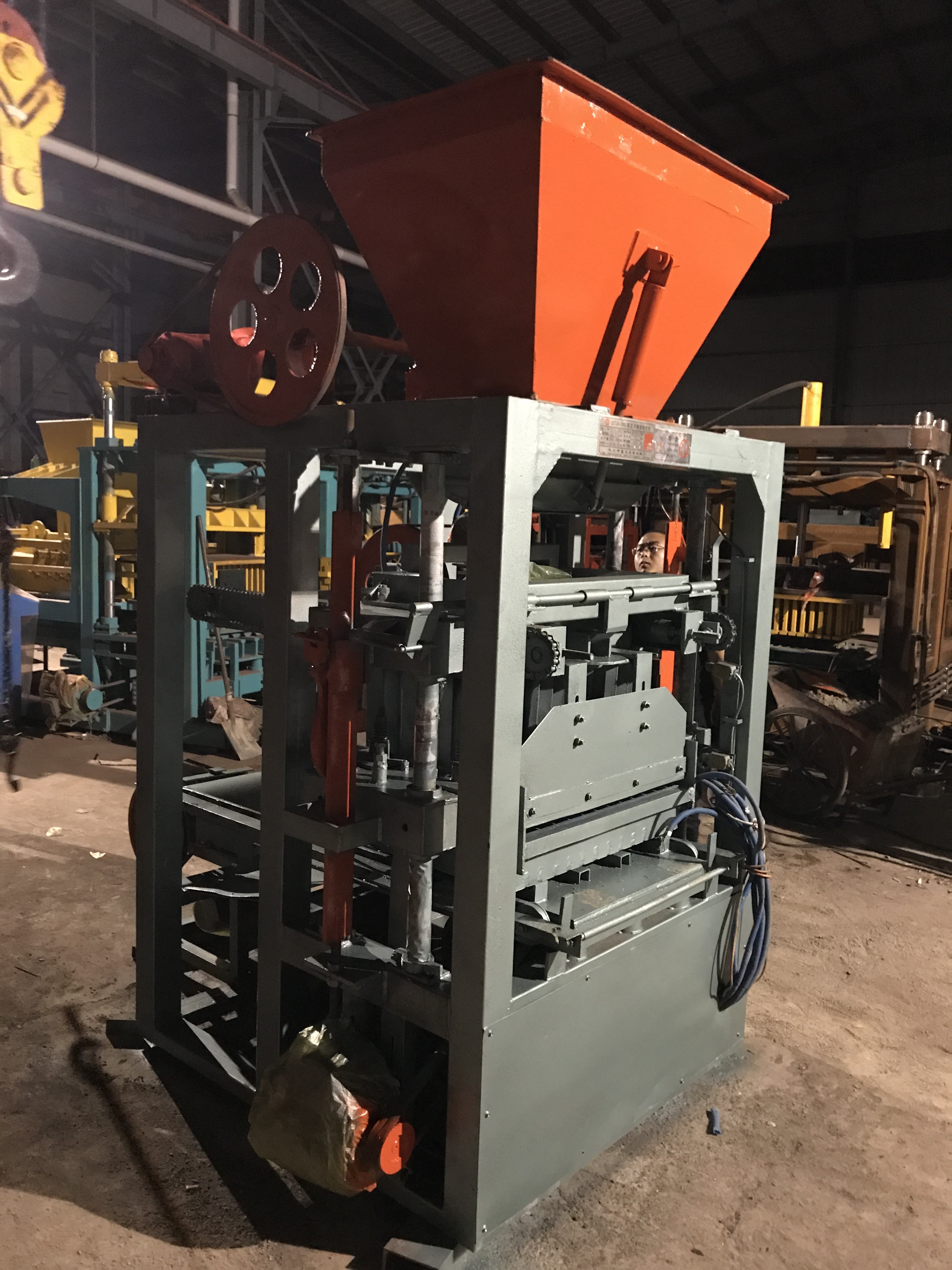
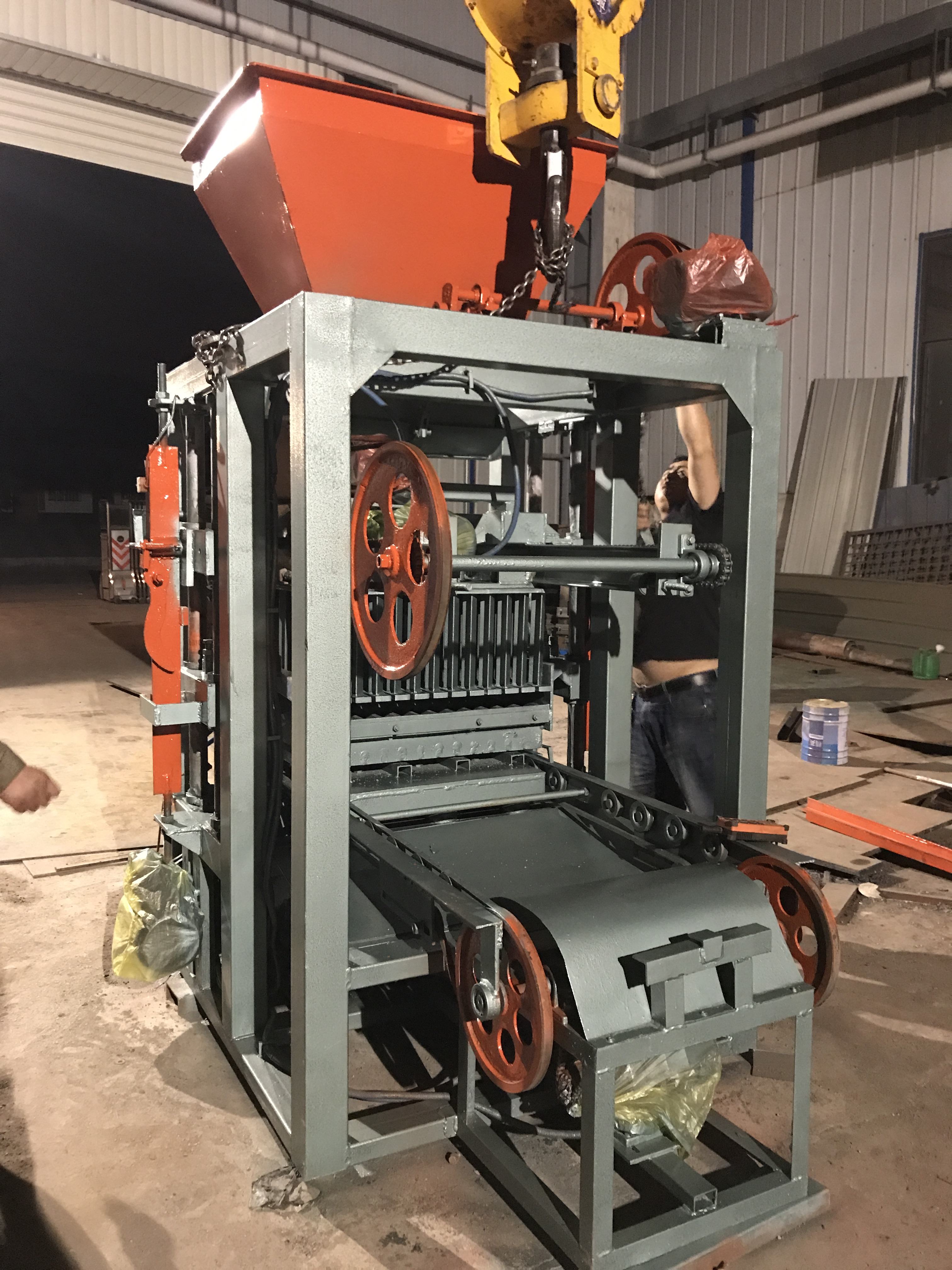
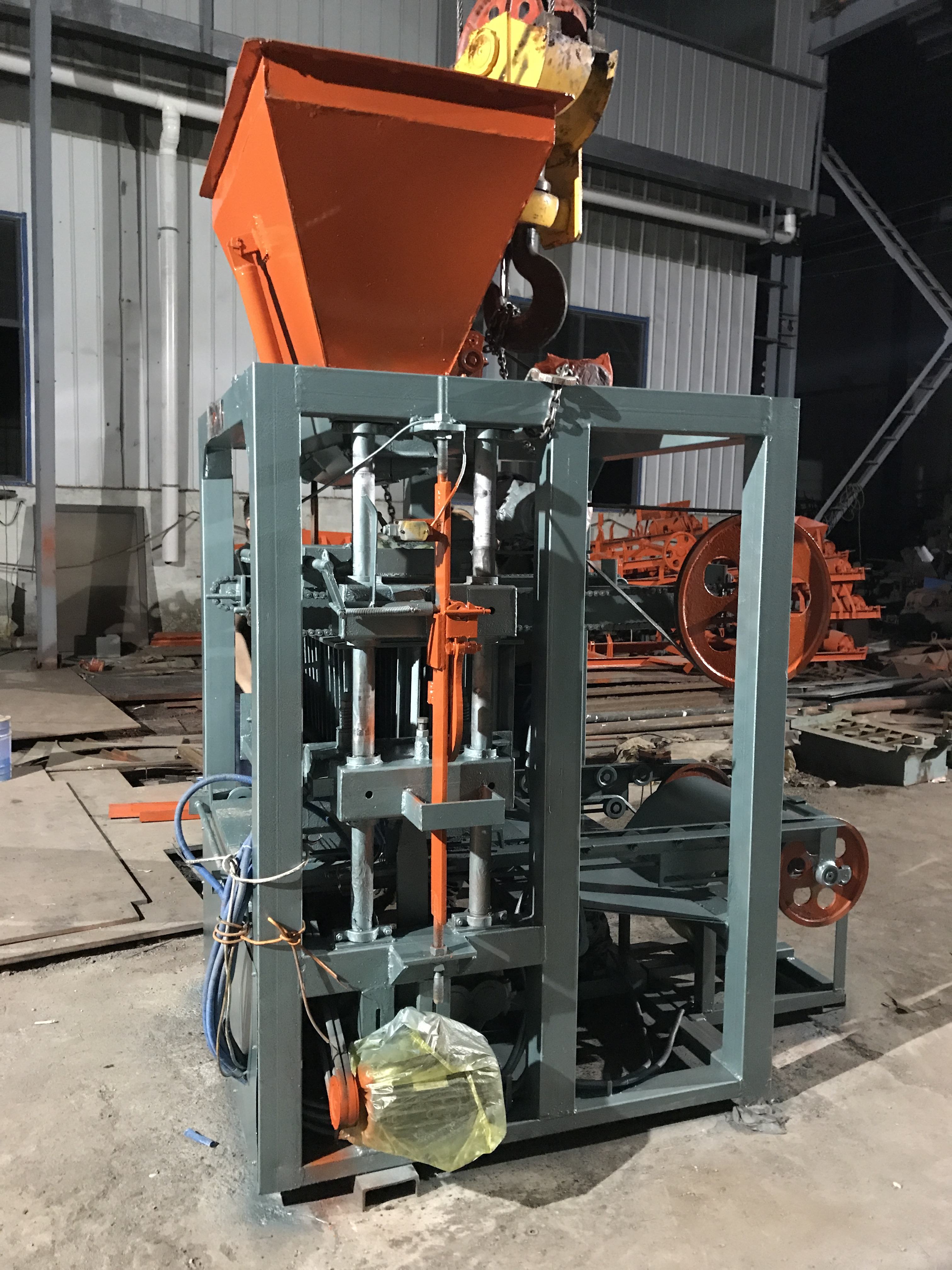
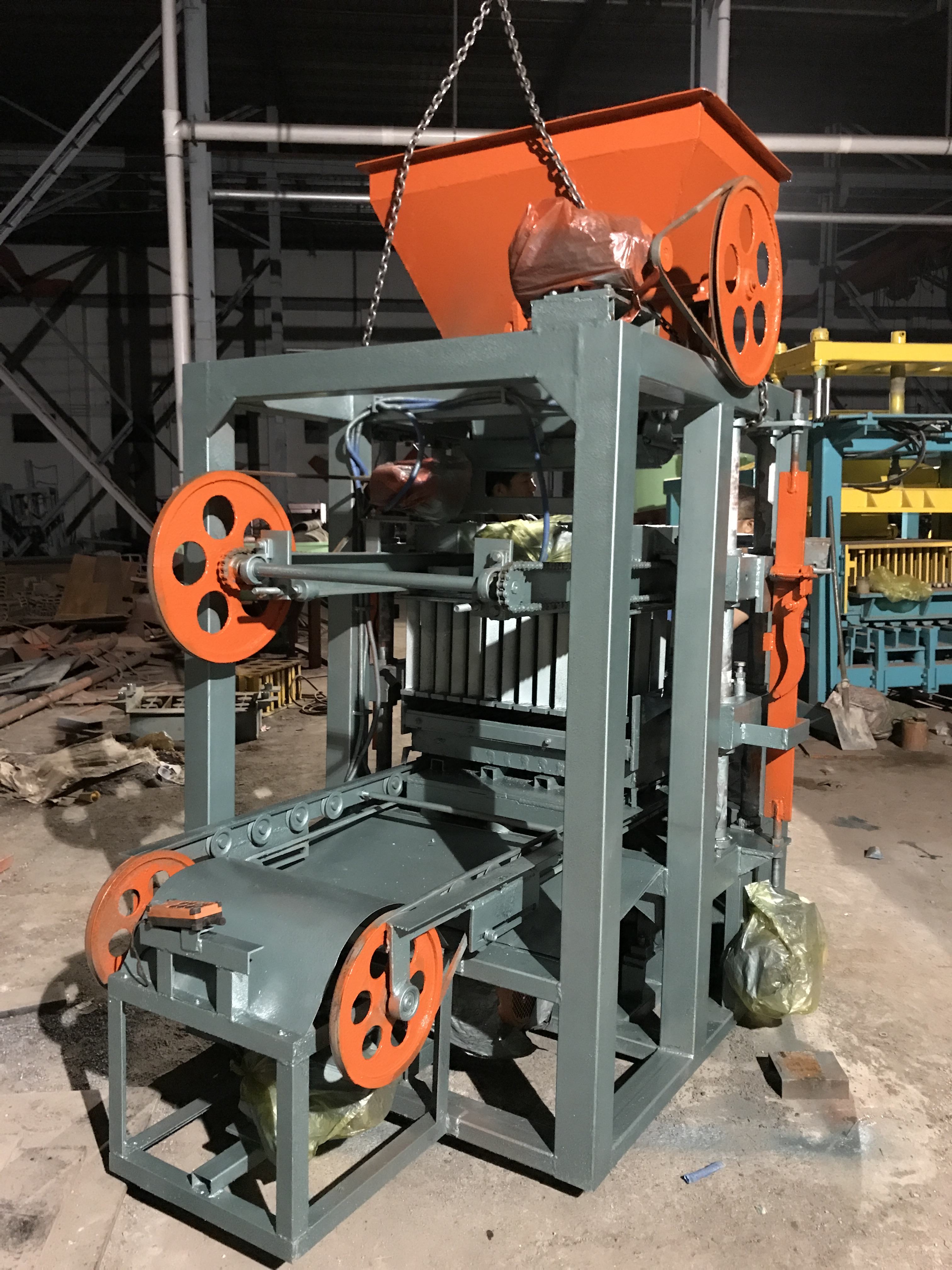
QTJ4-26C Cement Brick Block Making Machine
Asset finance available
Do you want funding for this equipment?
Afrimart can connect you with trusted funding partners who specialise in asset finance for businesses like yours. Compare options and apply in minutes — final approval is subject to provider review.
Check funding options
Secure & no obligation

- Section : Machinery
- Category : Brick Making Machinery
- SKU : 1600308994526

QTJ4-26C Cement Brick Block Making Machine
The QTJ4-26C Cement Brick Block Making Machine is an efficient solution for producing high-quality interlocking pavers and concrete blocks. Designed for building construction, this machine offers high productivity and versatility in block types.
Key Features
High Productivity: The machine utilizes mould vibration technology to enhance production speed and quality.
Versatile Block Types: Capable of producing hollow concrete bricks, hole bricks, and interlocking pavers.
Semi-Automatic Operation: This design simplifies the production process while maintaining high efficiency.
Robust Components: Built with high-quality core components, including a PLC, pressure vessel, engine, motor, pump, and gearbox for durability and reliability.
Compact Dimensions: With a size of 3200mm x 2100mm x 2350mm, this machine fits into various production setups.
Weight: Weighing 1500 kg, it provides stability during operation.
Applications
The QTJ4-26C is ideal for making concrete interlock blocks using raw materials such as fly ash, cement, sand, and concrete. This makes it suitable for a variety of construction projects.
In conclusion, the QTJ4-26C Cement Brick Block Making Machine is an excellent choice for businesses looking to enhance their production capabilities in the building construction industry.
Product Info Gallery

electric motor from waste lego faserpalette making antique wood solar machine for king brick mold interlocking pavers
Working principle of concrete block brick molding making machine
This type of brick making machine is developed by combining the advantages of several other manual brick making machines. The machine is designed with reasonable structure and advanced technology. Four vertical axis guidance, upper die push and pull, automatic scraping, reducer lifting mode. Thereby increasing block forming speed, increasing block density and reducing raw material consumption. It Only 2-3 people are needed for production and transportation. , and the investment is low, so this manual hollow block machine is very suitable for factories or family businesses.


Feartures of QTJ4-26C brick making machine
1. Multi functionQtj4-26C concrete block machine can produce various hollow blocks, solid blocks, pavers and curbs by changing molds.2. Strong and durable, high density brick
Adopt new technology mold vibration mode to make brick., which makes the working state of brick machine more stable and efficient, and produces bricks with better quality, higher density and higher strength.
3. High quality mouldPrecision wire cutting technology and carburizing treatment technology ensure longer die life.4. StandardizationAll materials and spare parts are selected according to international CE standard to ensure stable operation.5.Spare parts
Follow the machine shipment, we supply suitable wearing parts, the after-sales services will be faster.6.Low investment and high return.
| Basic parameters of QTJ 4-26C brick making machinery | ||||
| Model | QTJ4-26C | |||
| Power | 13.5KW | |||
| Raw material | Concrete,cement,fly ash,etc | |||
| Molding cycle | 26-30s | |||
| Dimension(L*W*H) | 3200*2100*2350mm | |||
| Host machine weight | 1.5t |

Blender
Diameter: 1.3m
Power: 7.5 kw
Weight: 400kg
Dimension: 1300*1300*1100mm

Conveyor belt
Model: 6m
Power: 1.5kw
Weight: 300kg
Dimension: 800*320*6000mm
Brick cart+tools
FREE
The handle of the brick cart is lengthened, which saves manpower and makes transportation more efficient.
Products Description

| Theoretical Production Capacity | ||||
| Item | Size | Quantity | Cycle molding | 10 hours |
Hollow brick | 400*200*200mm | 4pcs/mould | 26-30s | 4000pcs |
| Hollow brick | 400*150*200mm | 5pcs/mould | 26-30s | 5600pcs |
| Hollow brick | 400*100*200mm | 8pcs/mould | 26-30s | 8800pcs |


- Shipping Timeframes: All orders are processed within 2-5 business days (excluding weekends and holidays). After your order has been processed, the estimated delivery time is before 22 Aug, 2026, depending on customs, Please note that due to high demand, some items may experience longer shipping times, which will be communicated at order confirmation email.
- Order Processing Time: Please allow 2-5 business days for us to process your order before it is shipped . Orders placed after 16:00 on Fridays, or during weekends and public holidays, will begin processing on the next business day. Processing times may be extended during peak seasons or sales events.
- Manufacturing Time: Some products needs manufacturing time, the manufacturing process will take approximately 10-30 business days depending on the product. This timeframe may vary depending on the complexity of the product and current demand. but this will be communicated with you during order confirmation.
- Returns and Exchanges: We offer a 30-day return policy for most items. If you are not completely satisfied with your purchase, you may return it within 30 days of receipt for a refund or exchange. Items must be unused, in their original packaging, and accompanied by proof of purchase. Return shipping costs are the responsibility of the customer, unless the item was damaged or defective upon arrival.
1. What is the QTJ4-26C Cement Brick Block Making Machine?
The QTJ4-26C is a semi-automatic concrete block and paver making machine designed to produce high-quality hollow bricks, hole bricks and interlocking pavers using mould vibration technology for improved density and finish.
2. Which types and sizes of blocks can the QTJ4-26C produce?
By changing moulds the machine can produce hollow blocks, solid blocks, interlocking pavers, curbs and various hole bricks. Typical example sizes quoted include 400×200×200mm, 400×150×200mm and 400×100×200mm.
3. What is the production capacity of the QTJ4-26C?
Production depends on block type and cycle time. Typical theoretical outputs per 10-hour shift are: 400×200×200mm — 4,000 pcs; 400×150×200mm — 5,600 pcs; 400×100×200mm — 8,800 pcs.
4. What is the molding cycle time?
The moulding cycle is approximately 26–30 seconds per cycle, depending on material mix and operator efficiency.
5. What are the power and motor specifications?
Host machine rated power is 13.5 kW. The accompanying blender is 7.5 kW and the conveyor is 1.5 kW. Exact electrical supply requirements (voltage/phase) should be confirmed with the supplier based on your region.
6. What are the machine dimensions and weight?
Overall machine dimensions are 3200 mm × 2100 mm × 2350 mm (L×W×H). Host machine weight is 1.5 tonnes. Blender and conveyor have separate dimensions and weights (blender: 1300×1300×1100 mm, ~400 kg; conveyor: 800×320×6000 mm, ~300 kg).
7. What raw materials can be used with the QTJ4-26C?
The machine works with common concrete block raw materials including cement, sand, fly ash and ready-mix concrete. Material proportions and mix design should be optimized for desired strength and density.
8. How many operators are required to run the machine?
The QTJ4-26C is designed to be efficient — typically 2–3 people are sufficient for production and transportation of finished blocks.
9. What level of automation and controls does the machine have?
The machine is semi-automatic and equipped with a PLC and control system for consistent operation. Key actuators include vibration moulding, lifting and scraping systems; loading/feeding and curing are handled manually or with auxiliary equipment.
10. How do I change moulds and how long does it take?
Moulds are changed manually; the machine is multifunctional so different moulds produce different block types. Changeover time depends on operator skill and mould complexity but typically ranges from 30 minutes to an hour.
11. What are the main components and are spare parts provided?
Key components include a PLC, pressure vessel, engine/motor, pump and gearbox. Standard wearing parts are supplied with the shipment and the supplier provides after-sales support to facilitate faster spare parts replacement.
12. What maintenance does the QTJ4-26C require?
Regular maintenance includes daily cleaning of the mould and moving surfaces, routine lubrication of bearings and gearboxes, periodic inspection of hydraulic and vibration systems, and timely replacement of wearing parts. Follow supplier maintenance schedules for best performance.
13. What are the site and installation requirements?
The machine requires a flat, level and stable foundation (concrete recommended), adequate workshop space for operation and material handling, and appropriate power supply capacity for the host, blender and conveyor. Confirm exact electrical and foundation specs with your supplier.
14. What safety features should I expect and what training is required?
Safety features typically include emergency stop controls, guarding on moving parts, and standardized electrical protections. Operators should receive training on safe operation, lockout/tagout, basic troubleshooting and routine maintenance from the supplier or trained personnel.
15. What after-sales support, warranty and training are available?
Warranty terms and after-sales services vary by supplier and region. The product description indicates spare parts and faster after-sales service are provided; contact your supplier or distributor for details on warranty coverage, replacement parts, installation assistance and operator training packages.
Latest Order Arrivals
Discover our latest orders
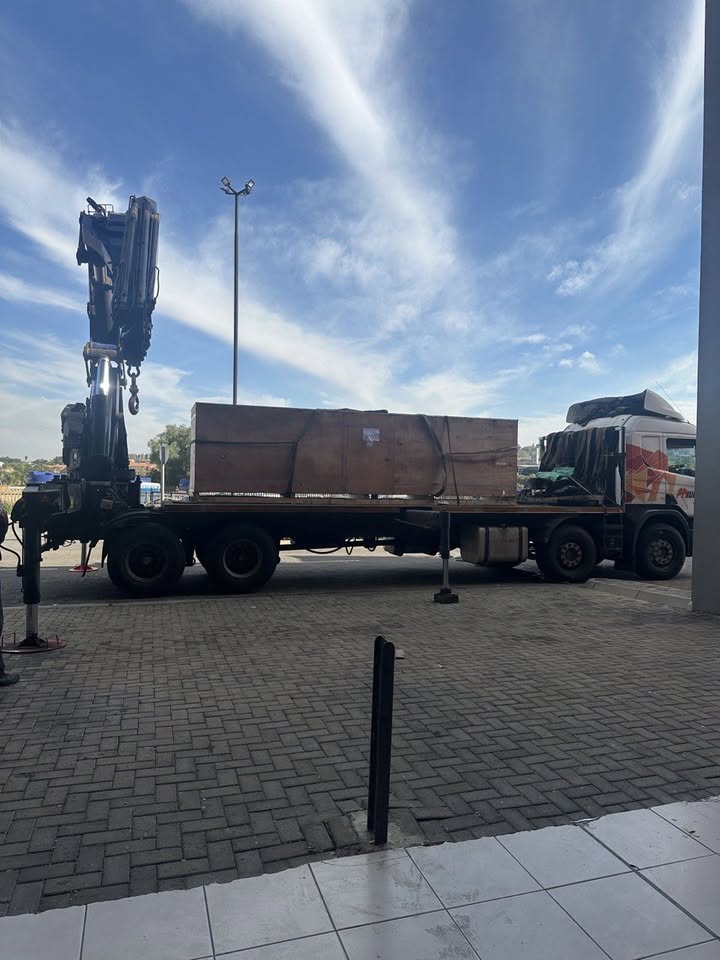
12 Heads Embroidery Machine
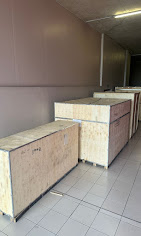
Toilet Paper Machine Machine
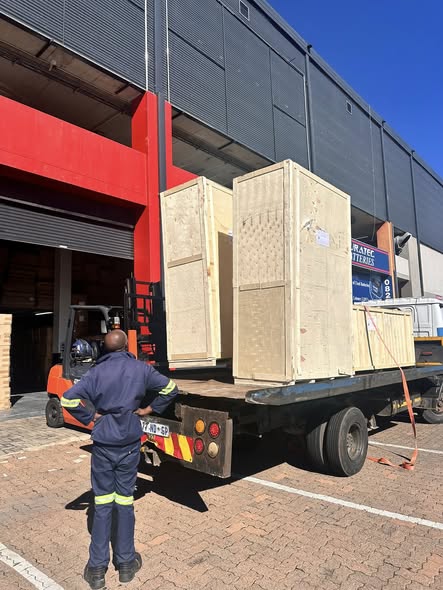
Order Collection
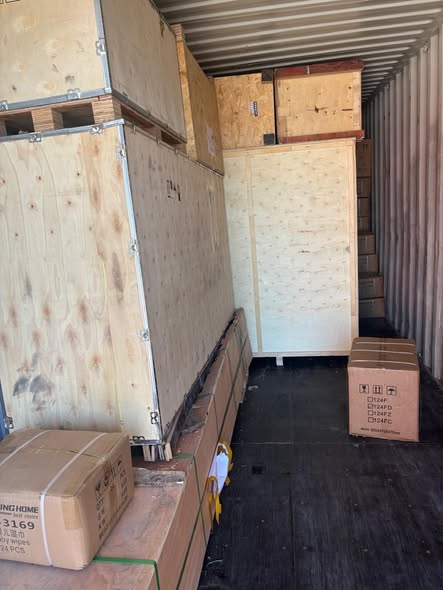
Cross Border Clients
Order cros border countries Collected
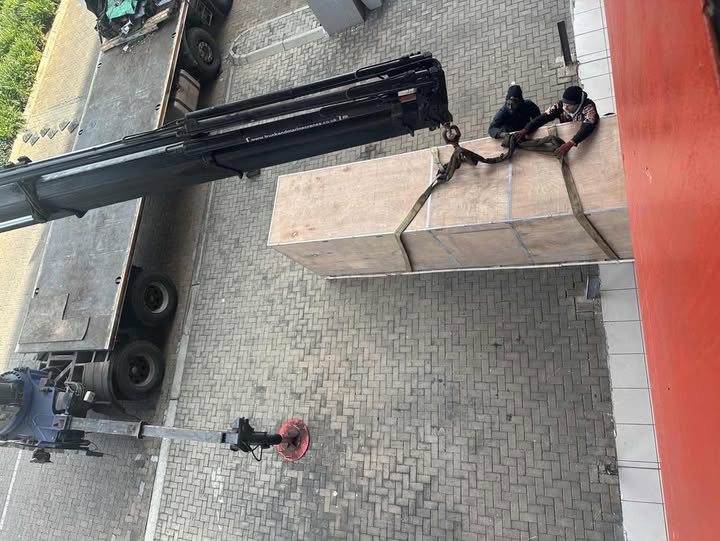
Industrial Machine Cllection
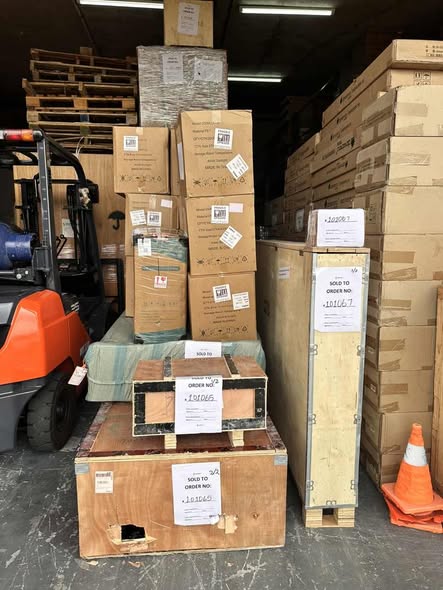
Agriculture Processing Machines
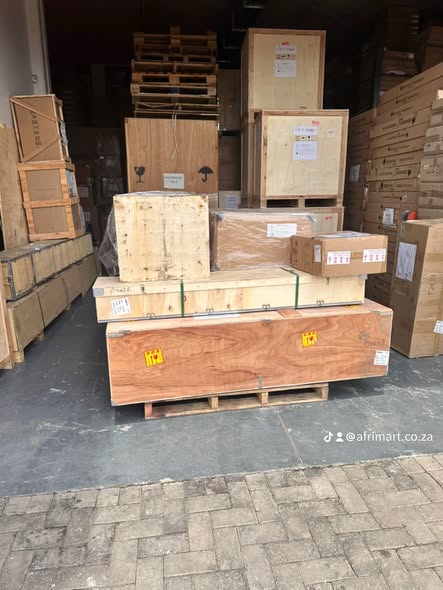
Ready for collection
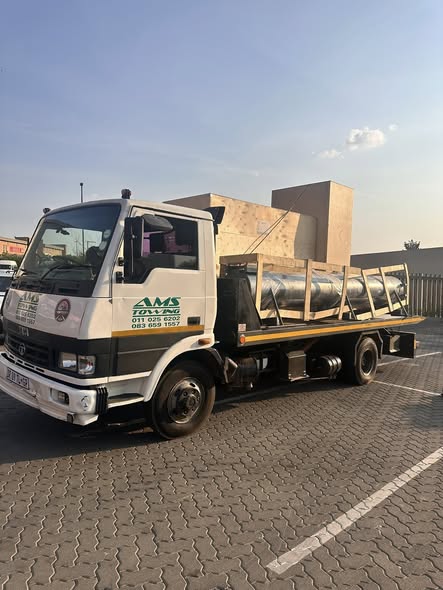
Water Pump Equipment
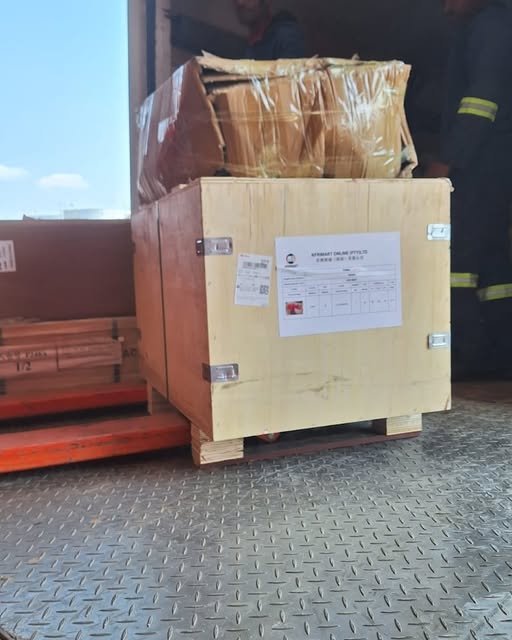
Packaging Machine and accessories
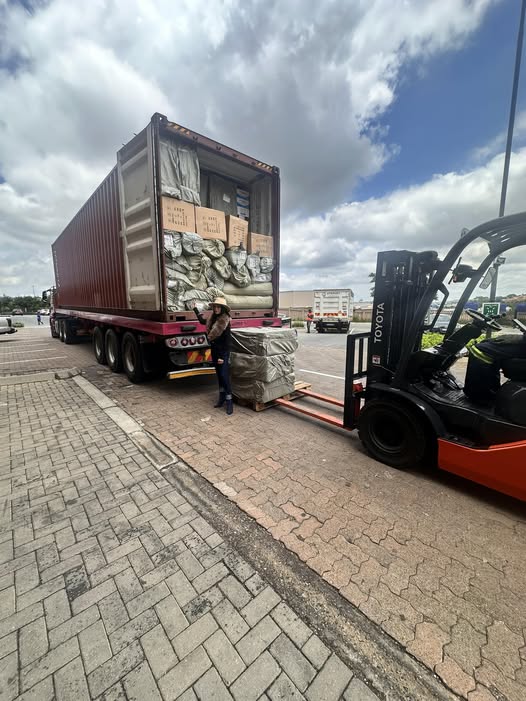
Fabrics Manufacturing Equipment
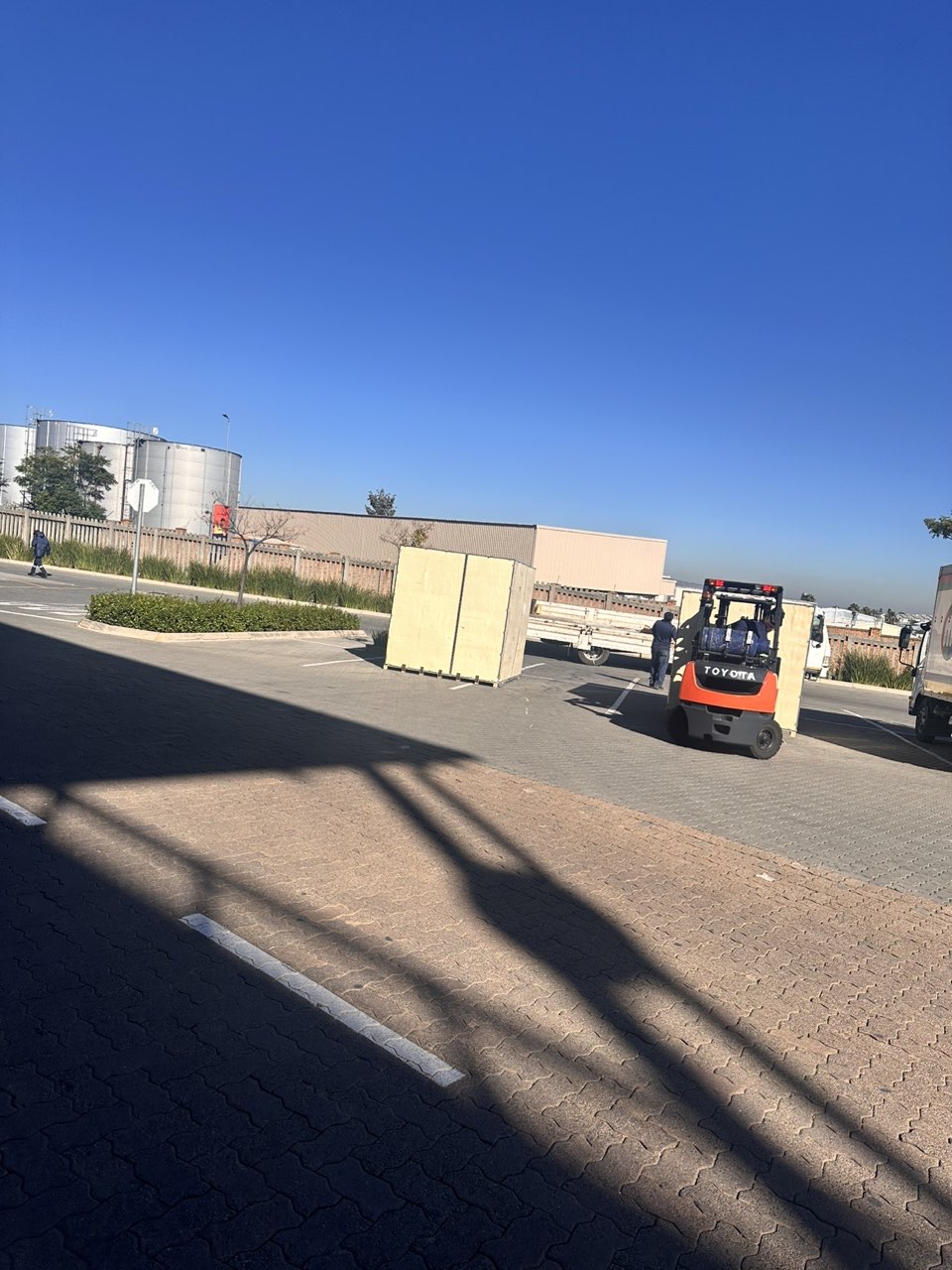
Mining Equipments
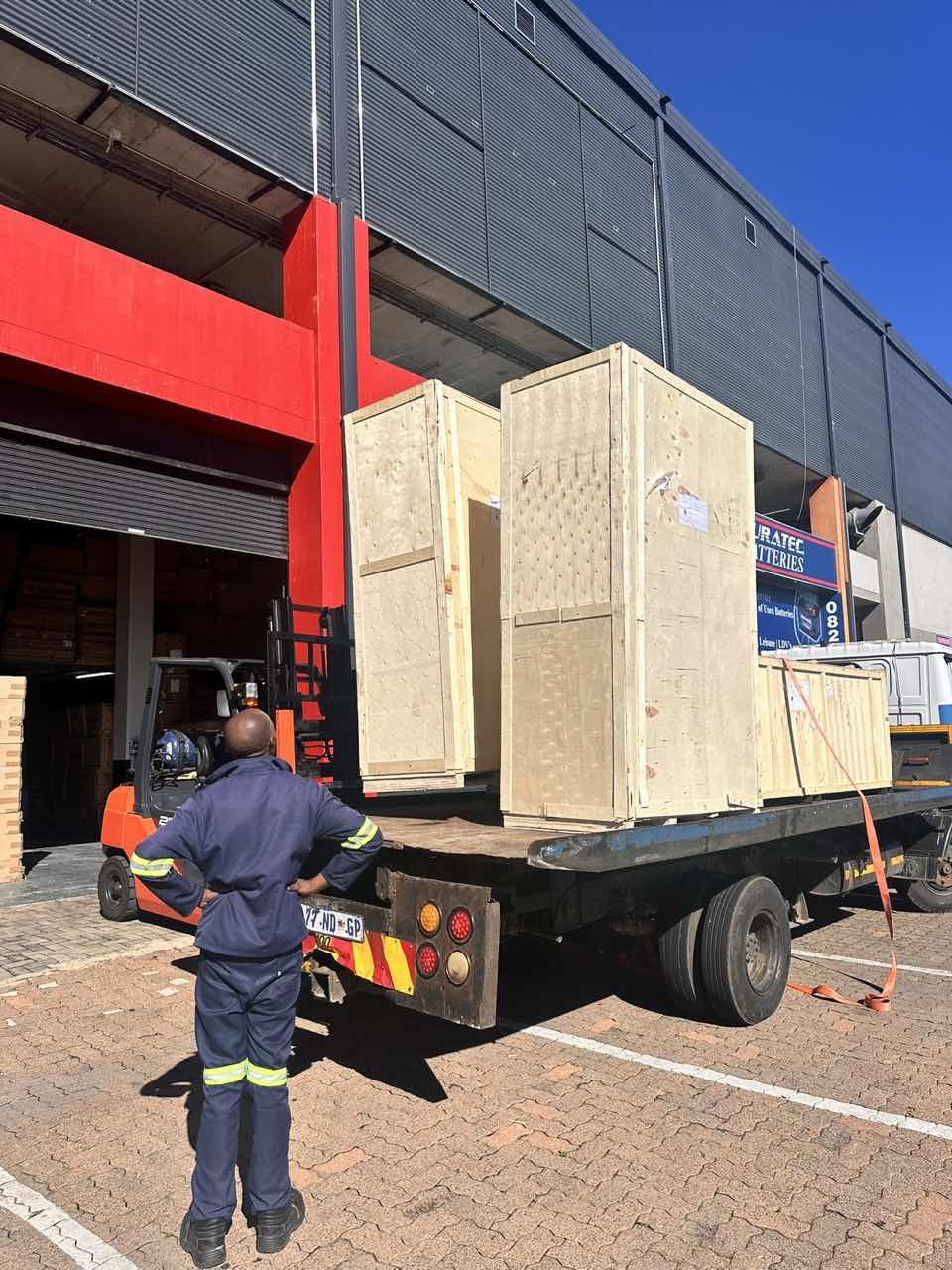
Food Processing Machine
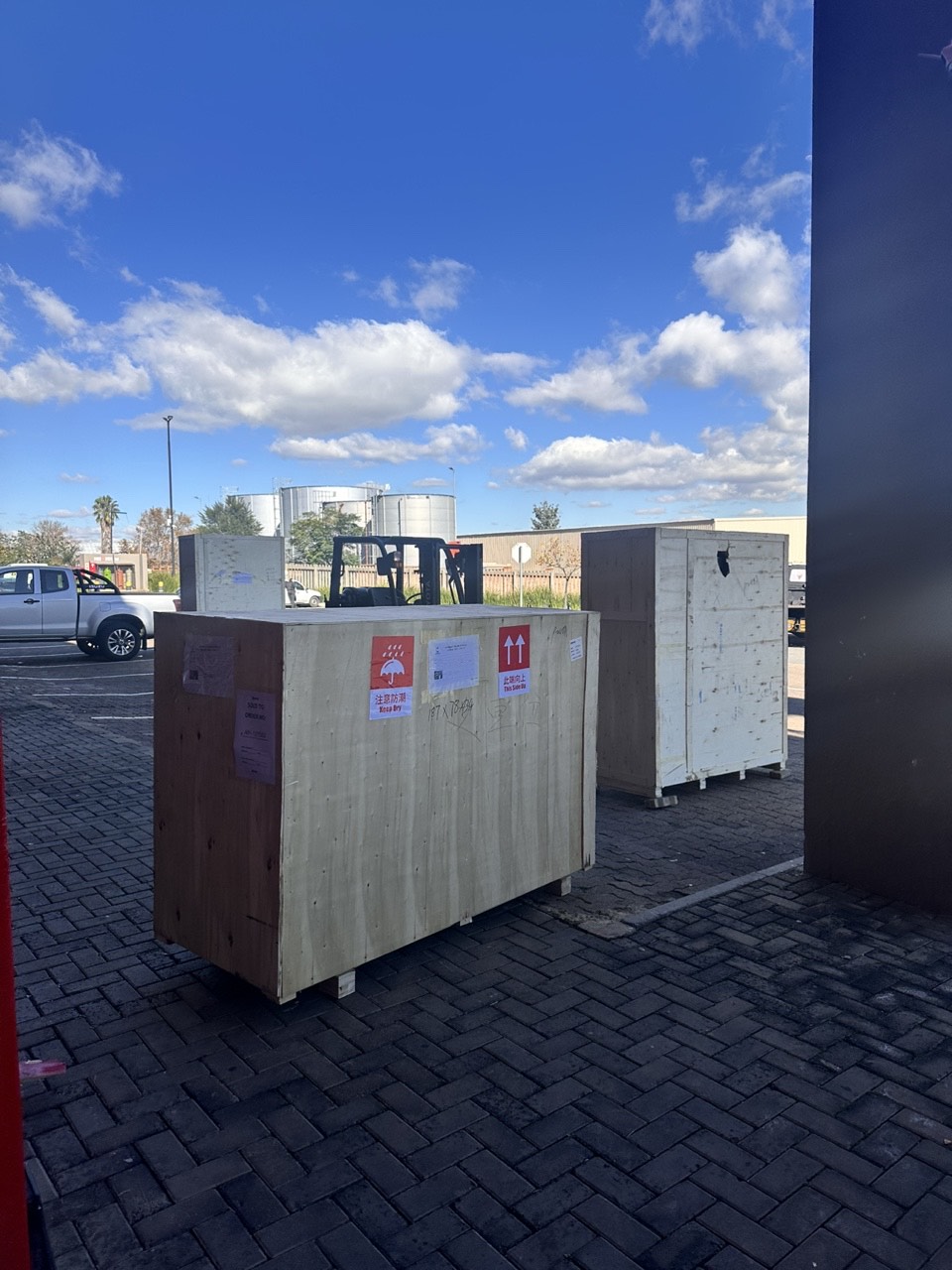
Batch of Orders
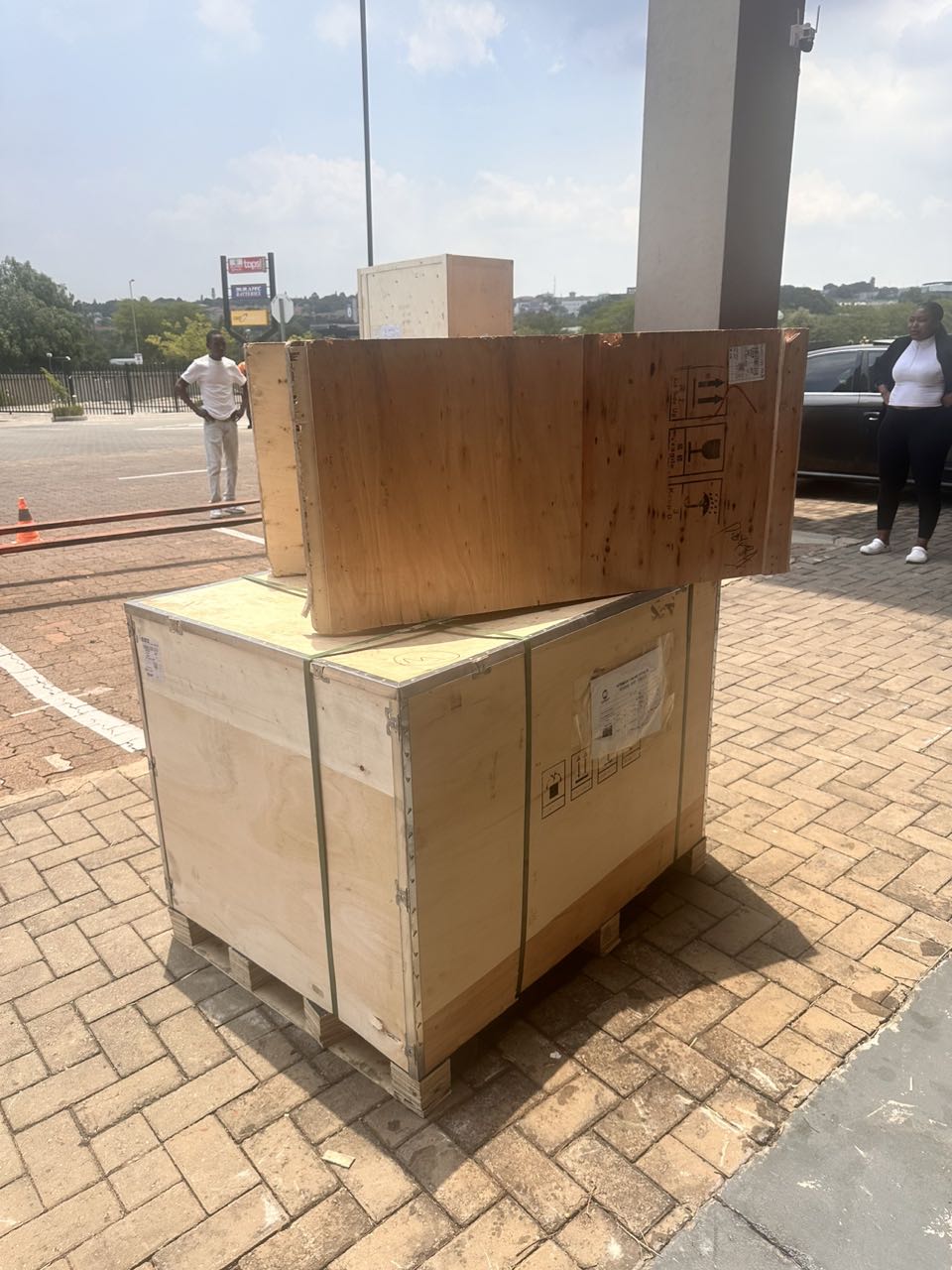
Batch of Orders
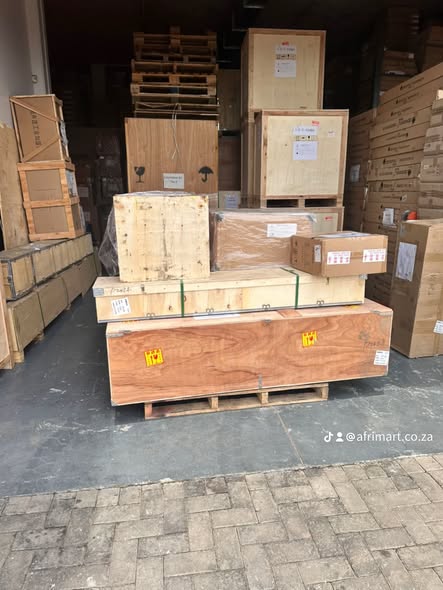
Latest Orders Labelled
wheel alignment machines
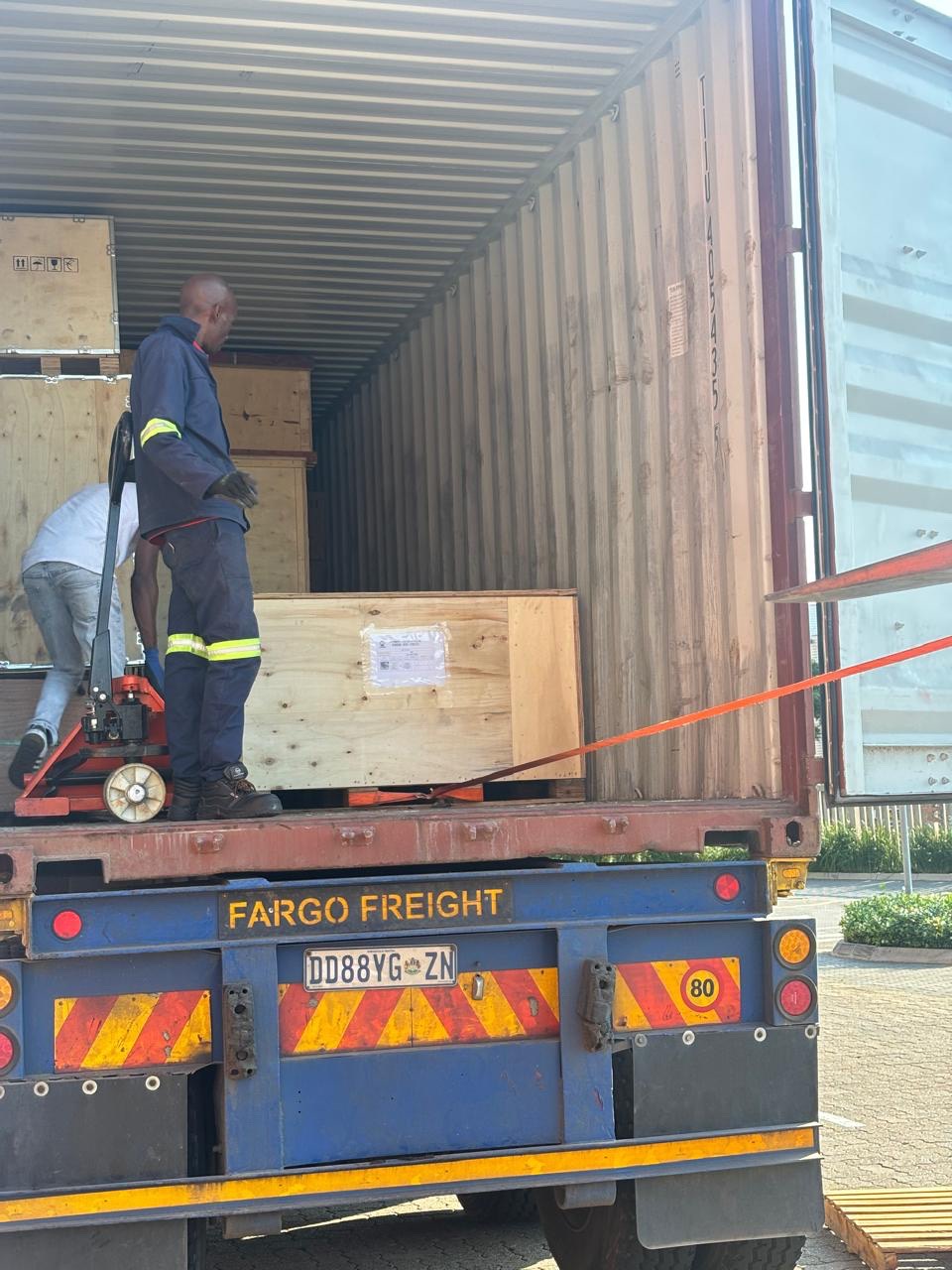
new arrivals
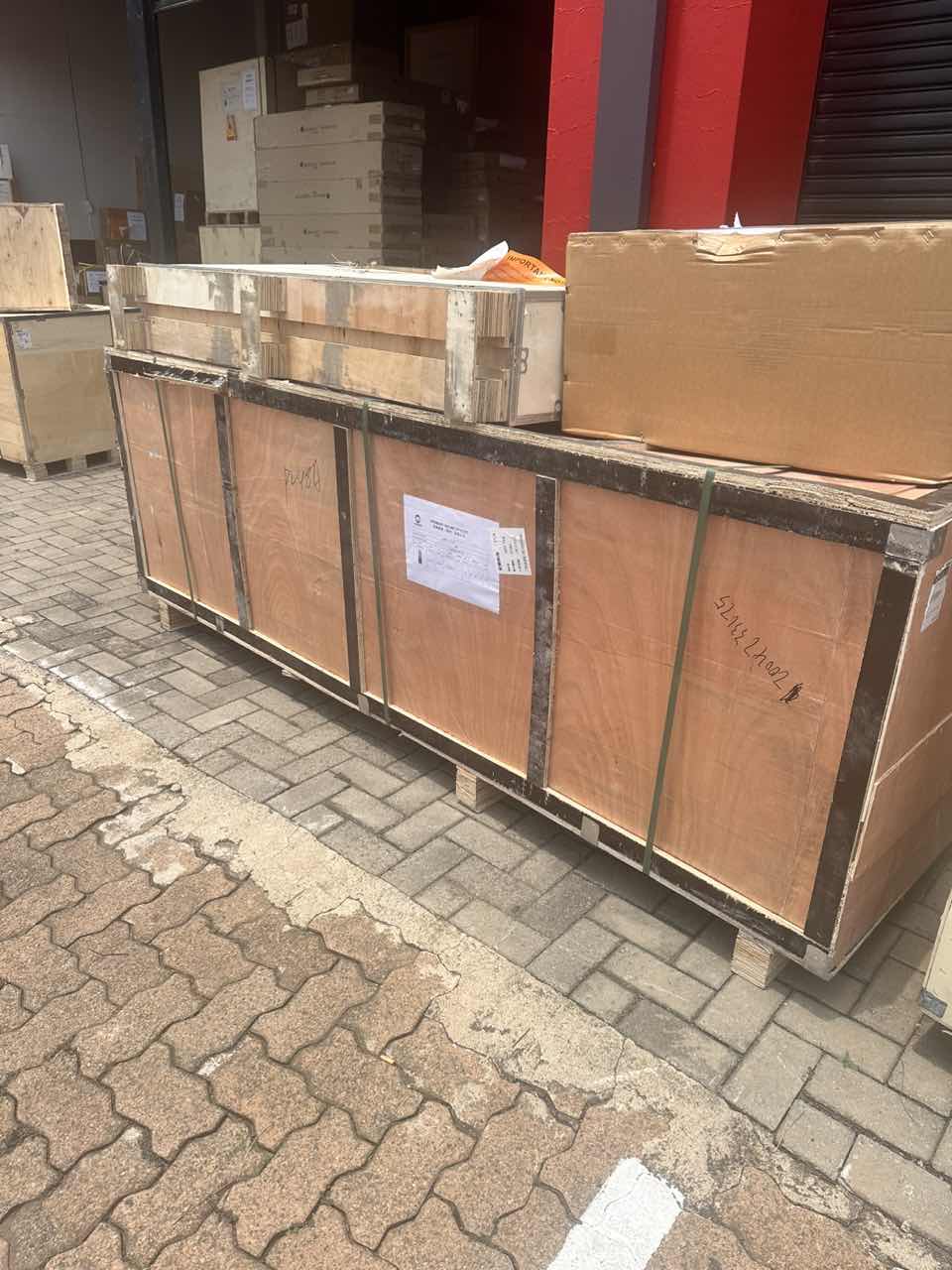
Pre Orders Offloading
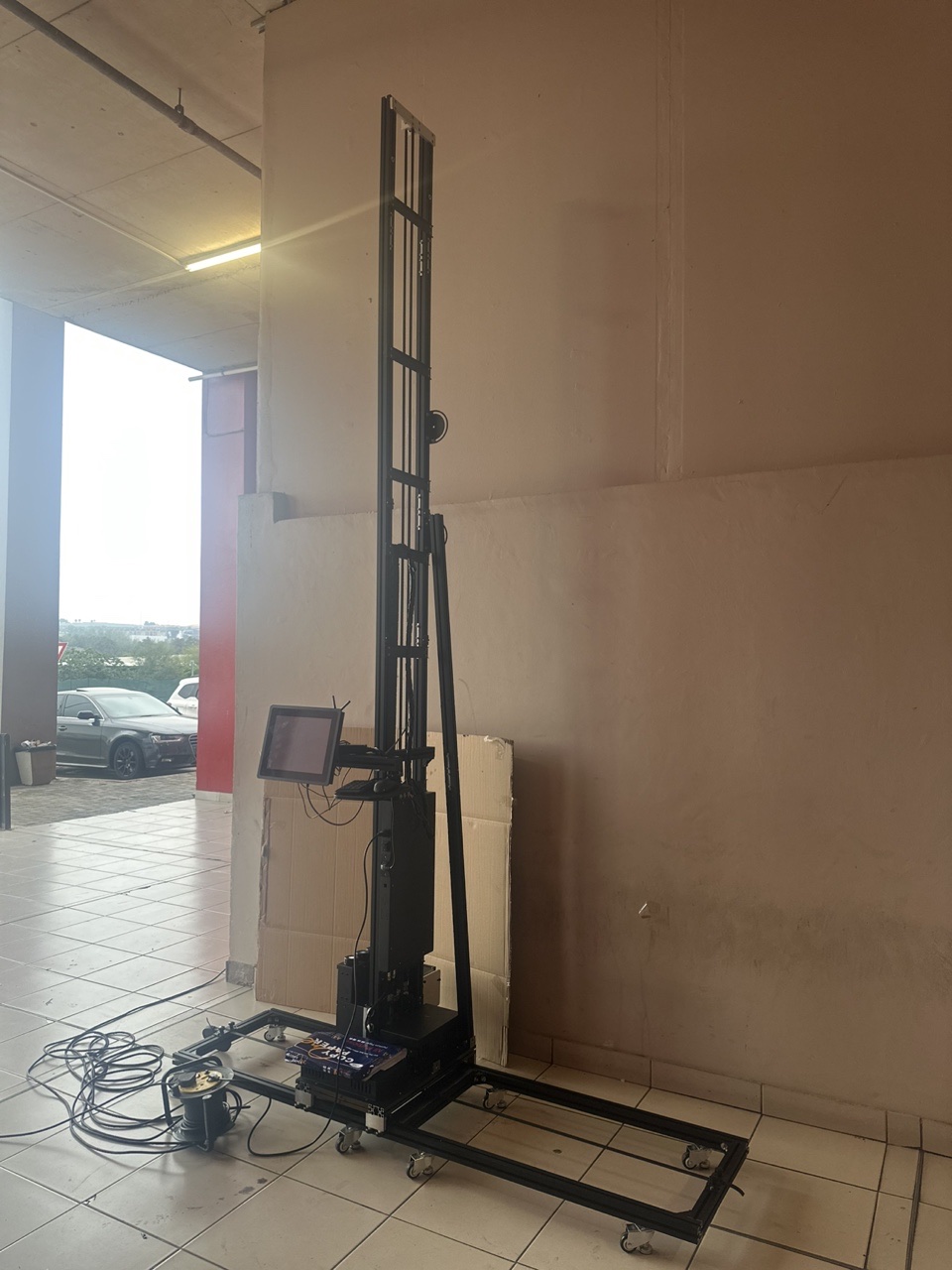
Latest Arrivals
Latest Arrivals
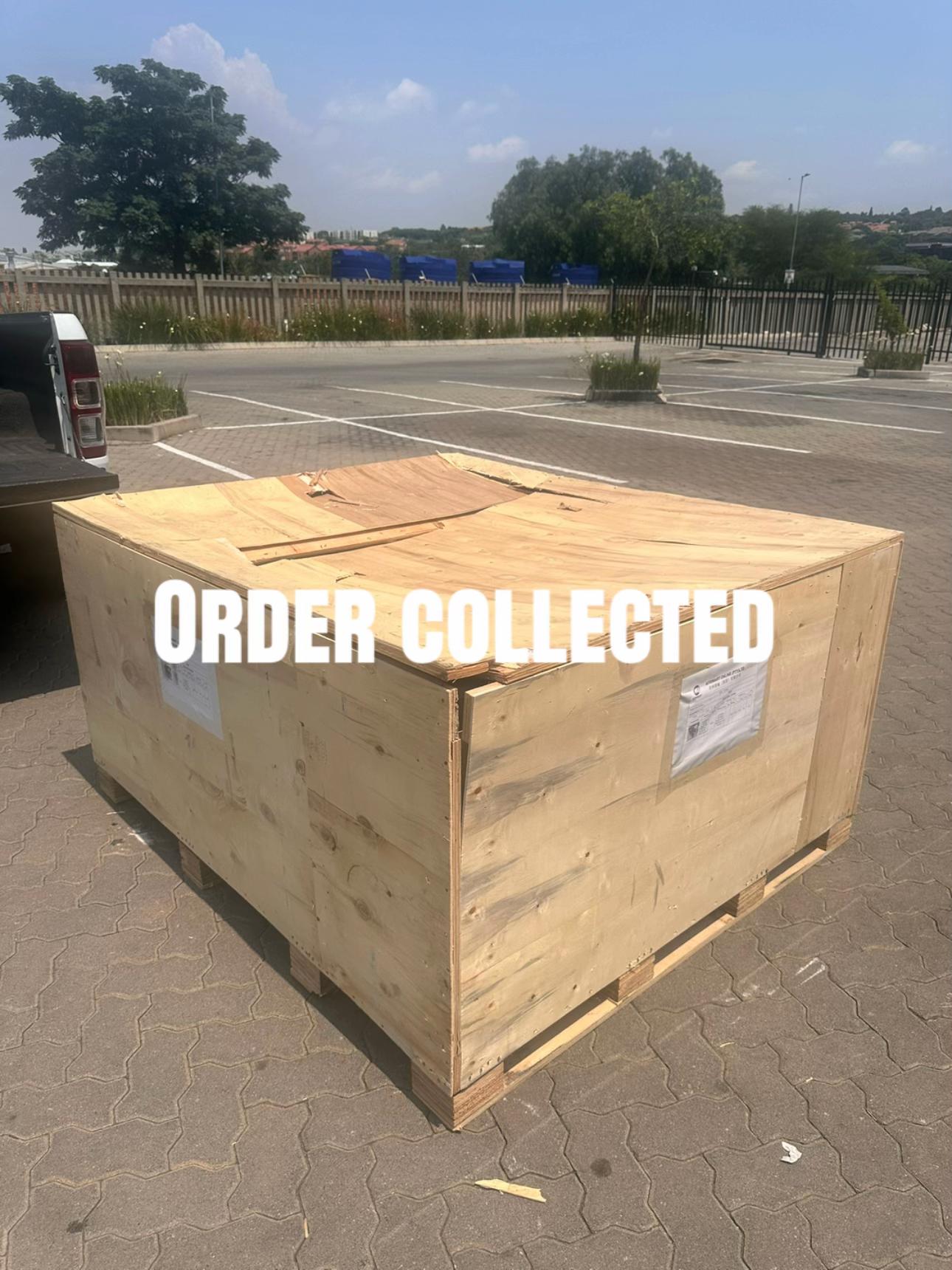
Latest Arrivals
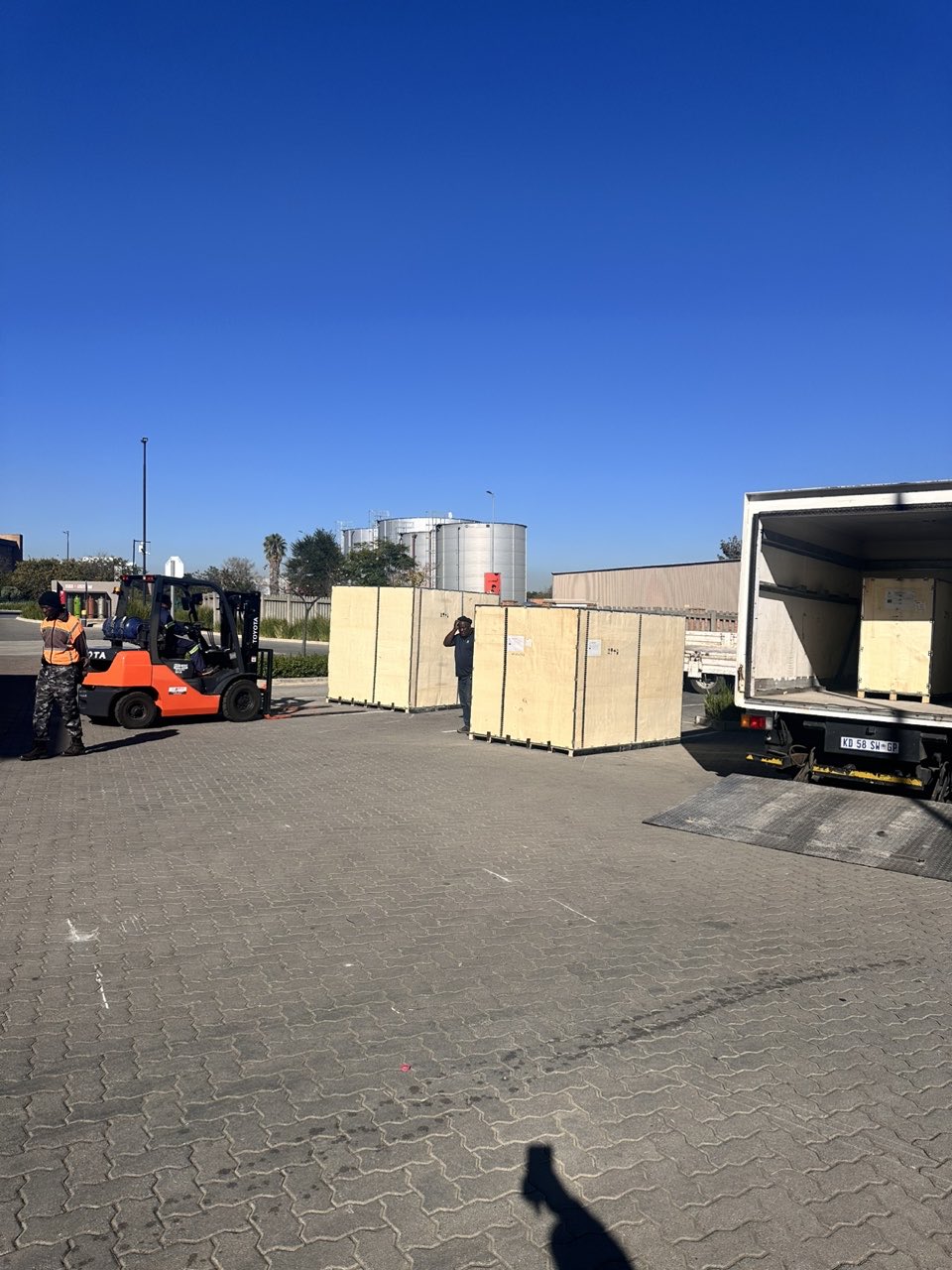
Loading
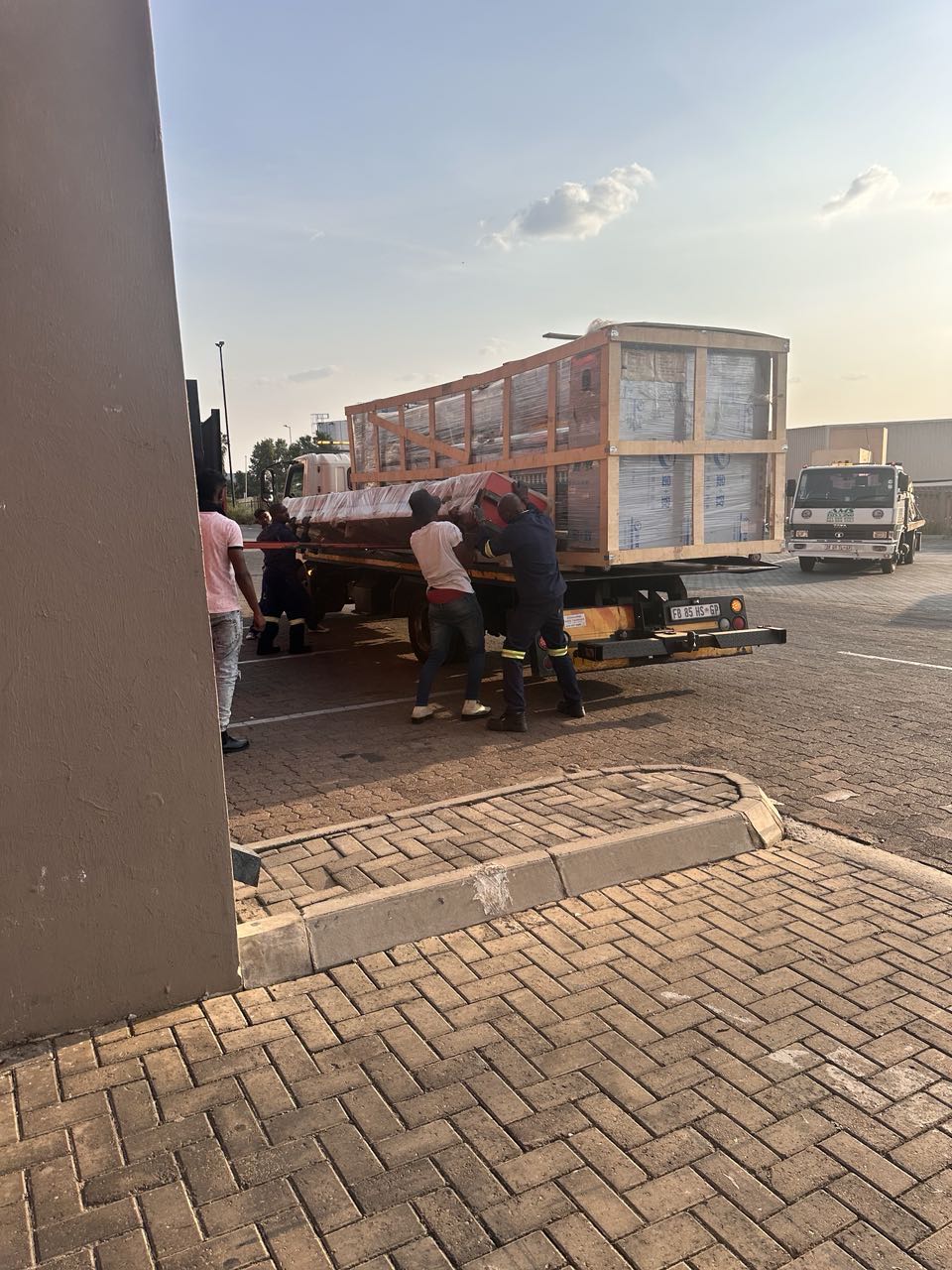
Toilet paper making machine
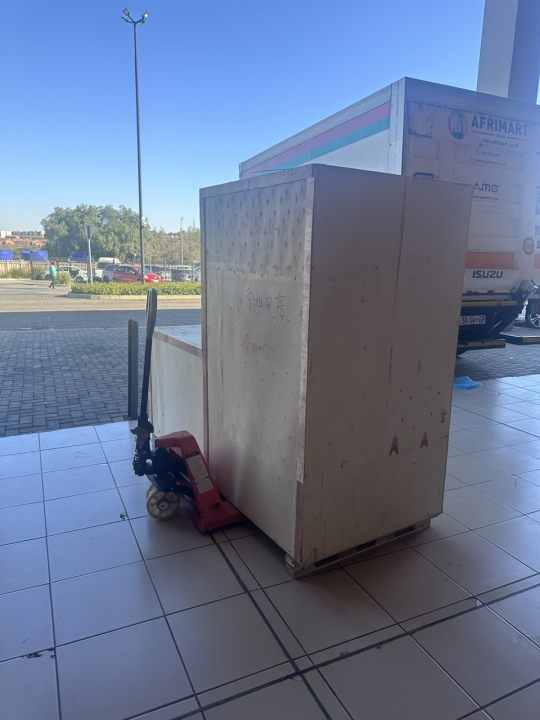
Toilet paper making machine
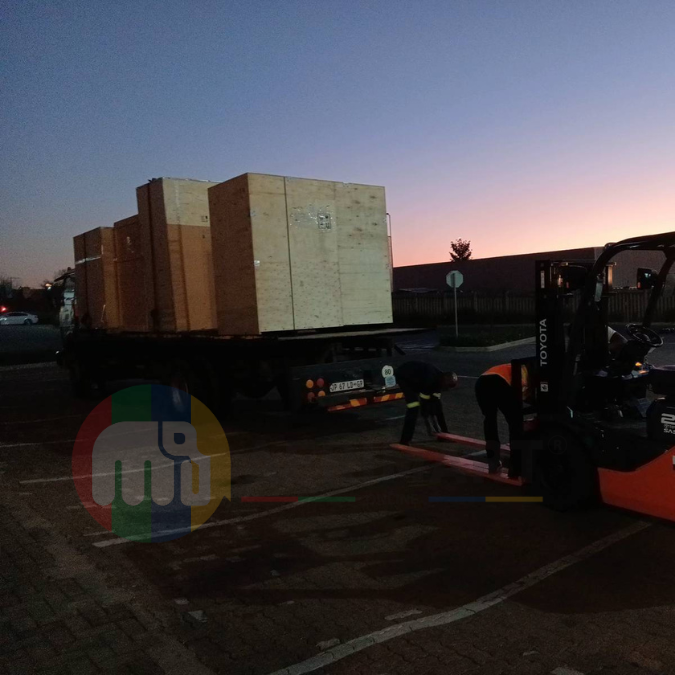
Toilet paper Rewinding Machine
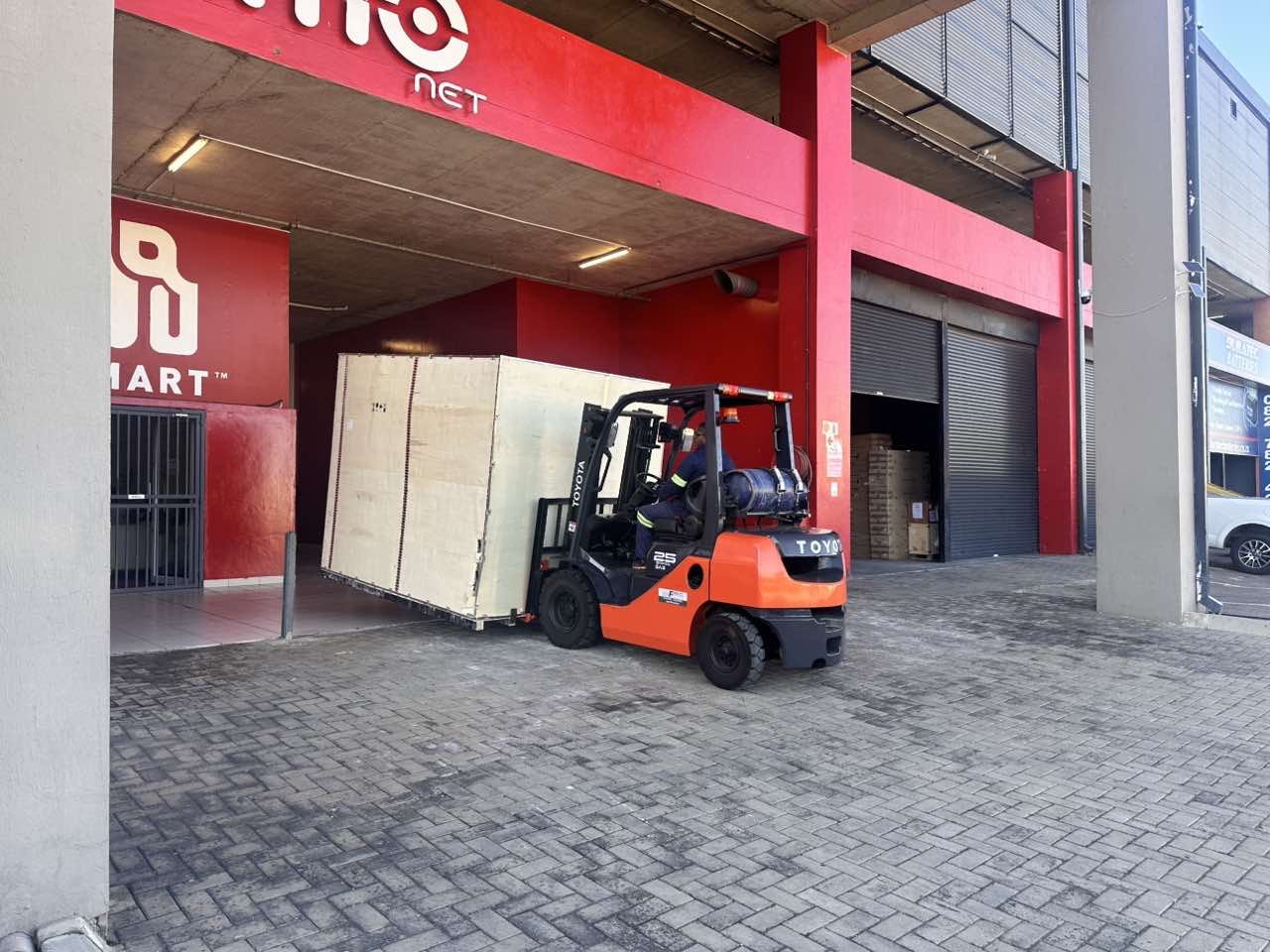
latest arrivals
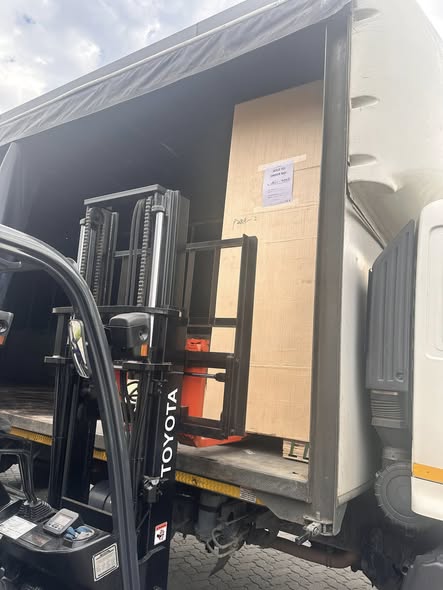
offloading
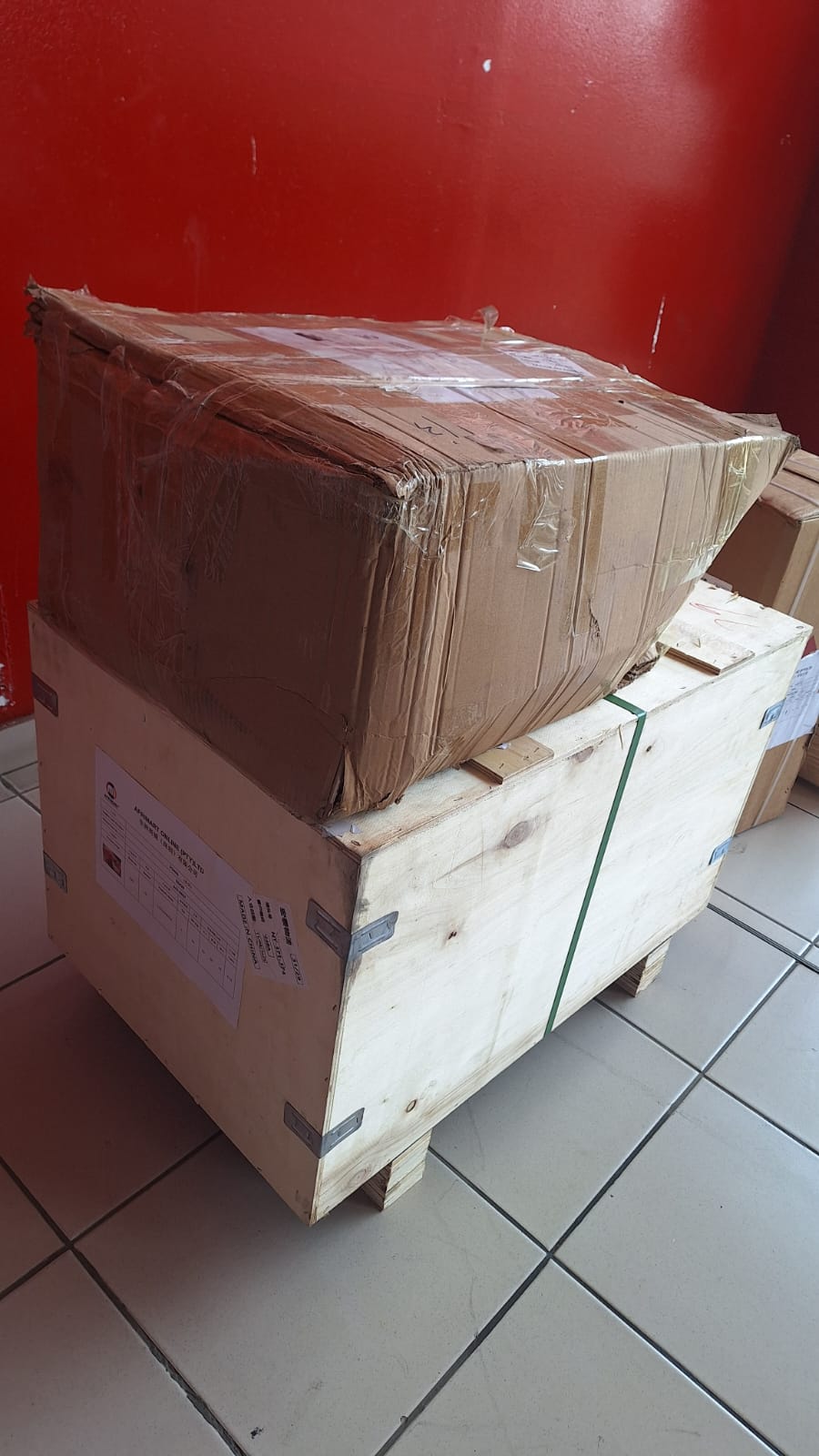
order success
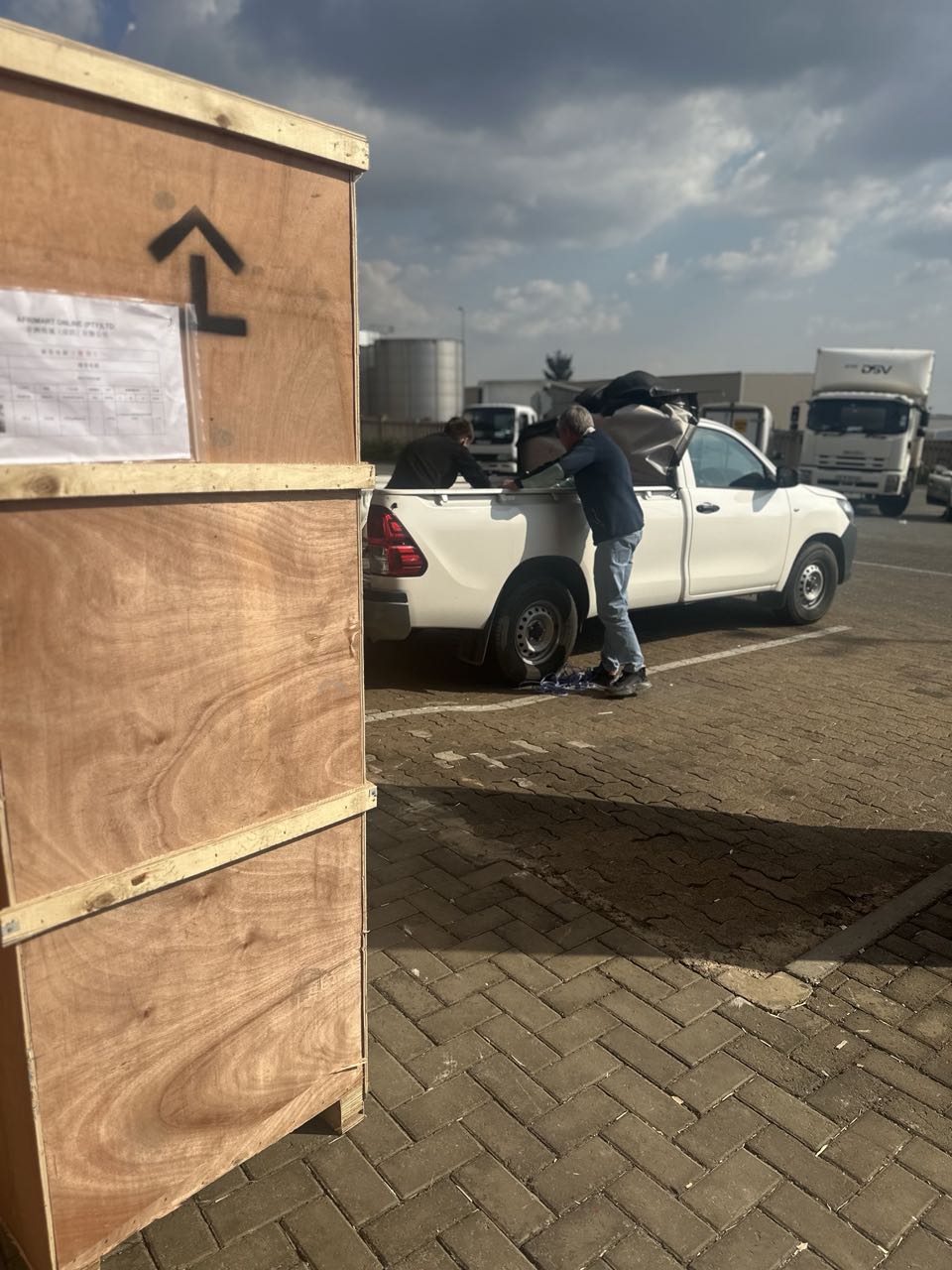
order collection
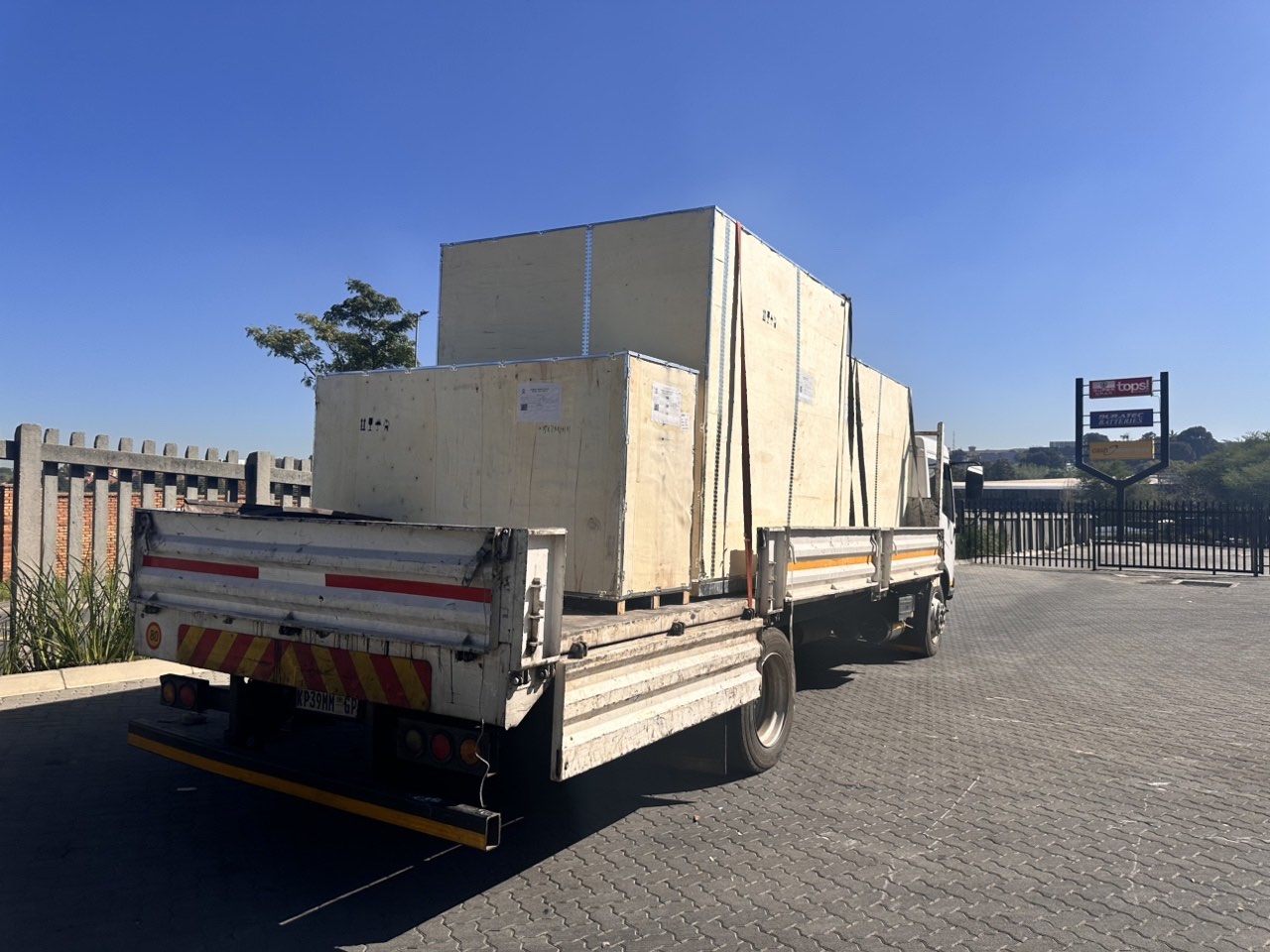
order offloading