B21, China Town Mall, Midrand

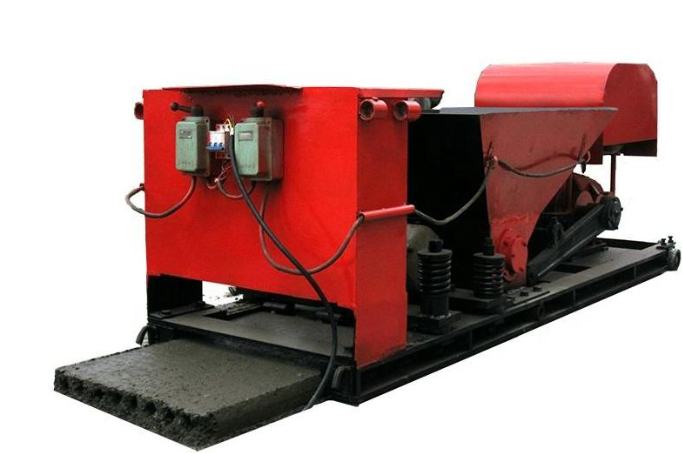
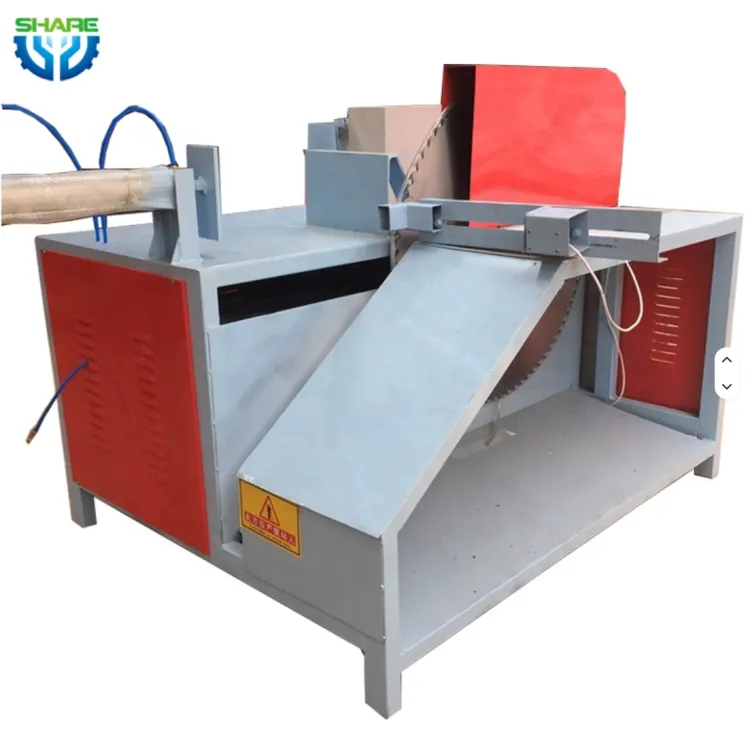
Precast Concrete Floor Panel Machine
Asset finance available
Do you want funding for this equipment?
Afrimart can connect you with trusted funding partners who specialise in asset finance for businesses like yours. Compare options and apply in minutes — final approval is subject to provider review.
Check funding options
Secure & no obligation

- Section : Machinery
- Category : Construction Machinery
- SKU : 1600699925336

Product Description

- Shipping Timeframes: All orders are processed within 2-5 business days (excluding weekends and holidays). After your order has been processed, the estimated delivery time is before 13 Sep, 2026, depending on customs, Please note that due to high demand, some items may experience longer shipping times, which will be communicated at order confirmation email.
- Order Processing Time: Please allow 2-5 business days for us to process your order before it is shipped . Orders placed after 16:00 on Fridays, or during weekends and public holidays, will begin processing on the next business day. Processing times may be extended during peak seasons or sales events.
- Manufacturing Time: Some products needs manufacturing time, the manufacturing process will take approximately 10-30 business days depending on the product. This timeframe may vary depending on the complexity of the product and current demand. but this will be communicated with you during order confirmation.
- Returns and Exchanges: We offer a 30-day return policy for most items. If you are not completely satisfied with your purchase, you may return it within 30 days of receipt for a refund or exchange. Items must be unused, in their original packaging, and accompanied by proof of purchase. Return shipping costs are the responsibility of the customer, unless the item was damaged or defective upon arrival.
1. What is a precast concrete floor panel machine?
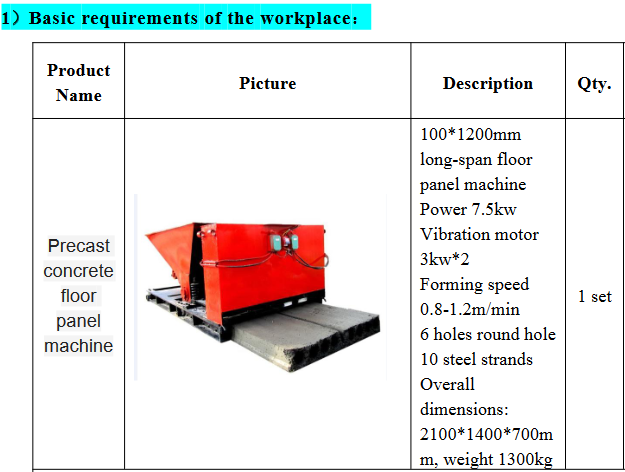
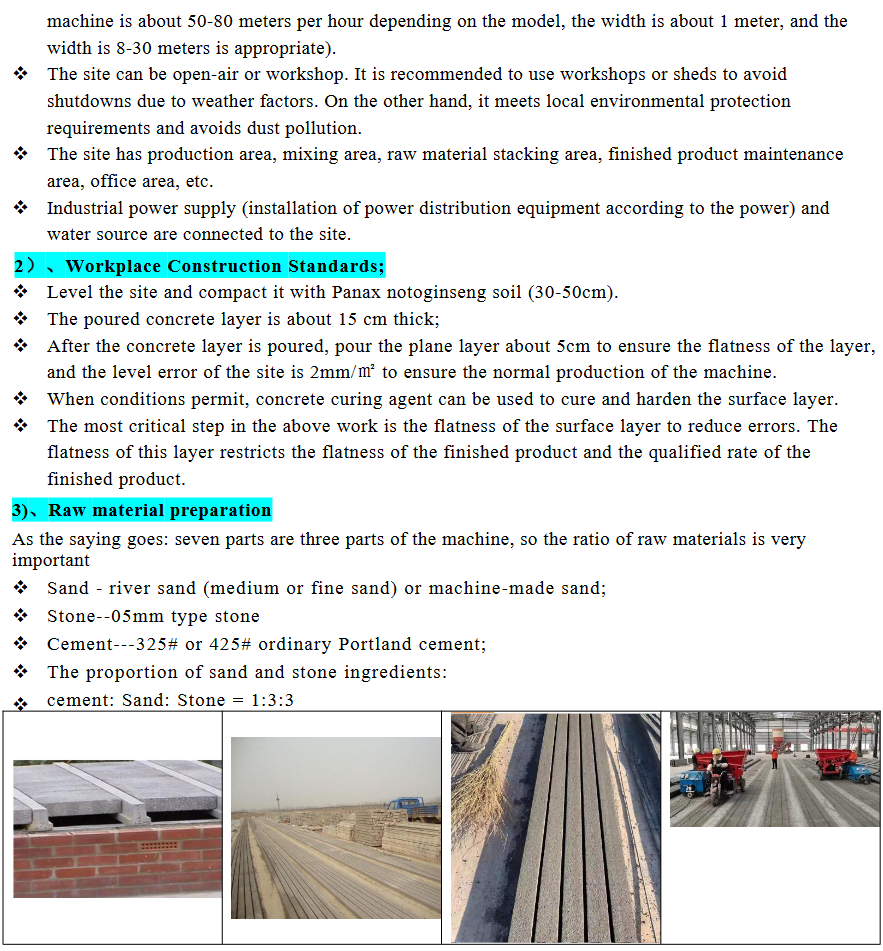
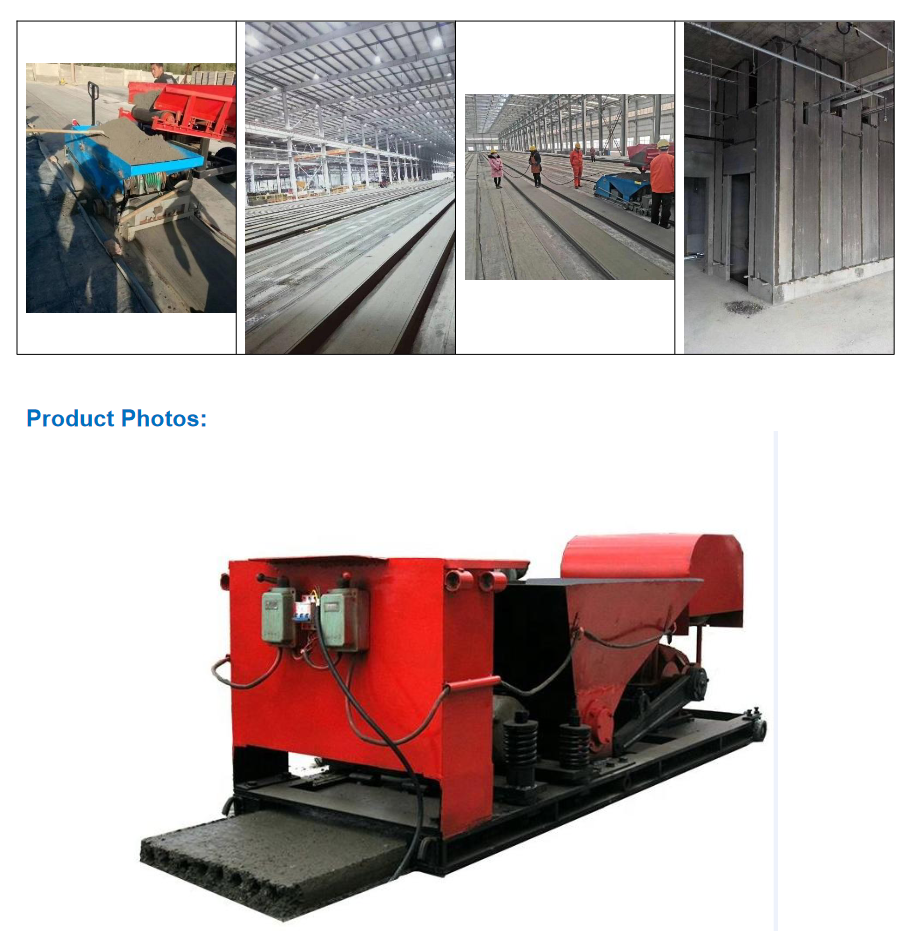
A precast concrete floor panel machine is equipment used to cast, vibrate, demold and sometimes cure large concrete floor panels in a factory environment for use in buildings and infrastructure projects.
2. What types and sizes of floor panels can it produce?
Panel types include hollow core, solid slab, ribbed and sandwich panels; sizes and thicknesses vary by model and mold configuration but typically range from 1 m to 12 m in length and 100 mm to 300 mm in thickness, with custom sizes available on request.
3. What is the typical production capacity and cycle time?
Capacity depends on the model and automation level; small lines may produce a few panels per shift while automated lines can produce dozens per shift. Typical cycle times for a single cast can range from 30 minutes to several hours depending on curing method and panel complexity.
4. What level of automation and control does the machine offer?
Most machines offer PLC-based control with programmable casting sequences, automated mold handling, vibration control and optional robotics for reinforcement placement and demolding. Level of automation is configurable to customer needs.
5. What concrete mix and reinforcement are required?
The machine can work with standard precast concrete mixes formulated for workability and early strength; reinforcement options include wire mesh, rebar cages or prestressing tendons depending on panel type and structural requirements.
6. Which curing methods are supported?
Common curing methods include ambient/air curing, wet curing, and accelerated steam curing in a chamber or autoclave. The choice affects cycle time and final strength development.
7. What are the power and site requirements for installation?
Requirements vary by model; typical needs include a three-phase electrical supply (voltage depending on region), compressed air, water supply for curing, and a level concrete foundation or reinforced floor for mounting. Exact specs are provided in the machine's installation manual.
8. How precise are the dimensional tolerances and surface finish?
Dimensional tolerances usually meet industry precast standards (often ±2–5 mm depending on panel size and handling). Surface finish quality depends on mold material and release agents; glass-faced molds provide smooth finishes.
9. Can the machine be customized for specific project requirements?
Yes, machines are commonly customized for panel dimensions, reinforcement systems, automation level, and integration with handling and stacking equipment to meet specific production and design requirements.
10. What maintenance is required and what is the expected service life?
Regular maintenance includes lubrication, inspection of electrical and hydraulic systems, vibration motors and mold surfaces. With proper maintenance, robust precast equipment can last 10–20+ years; critical wear parts will need periodic replacement.
11. What safety features are included?
Typical safety features include emergency stop systems, safety interlocks on moving parts, guarded access panels, warning signage, and compliance with applicable machine safety standards; additional guarding can be added per site requirements.
12. Are spare parts and after-sales support available?
Manufacturers generally provide spare parts, technical documentation, remote support, and on-site service packages. Availability and lead times for parts depend on the supplier and geographic location.
13. What certifications or standards does the machine comply with?
Compliance varies by manufacturer but commonly includes CE for the EU, ISO 9001 for quality management, and adherence to local electrical and machine safety regulations. Customers should request specific certifications from the supplier.
14. What is the typical lead time and shipping arrangement?
Lead times range from a few weeks for standard components to several months for fully customized lines. Shipping can be arranged as FOB, CIF or DDP depending on the supplier; installation and commissioning services are usually available.
15. How much does a precast concrete floor panel machine cost?
Price depends on capacity, automation level, customization and included accessories. Indicative pricing ranges from tens of thousands to several hundred thousand dollars; request a quote from suppliers with your production requirements for an accurate estimate.
Latest Order Arrivals
Discover our latest orders

12 Heads Embroidery Machine

Toilet Paper Machine Machine

Order Collection

Cross Border Clients

Order cros border countries Collected

Industrial Machine Cllection

Agriculture Processing Machines

Ready for collection

Water Pump Equipment

Packaging Machine and accessories

Fabrics Manufacturing Equipment

Mining Equipments

Food Processing Machine

Batch of Orders

Batch of Orders

Latest Orders Labelled

wheel alignment machines

new arrivals

Pre Orders Offloading

Latest Arrivals

Latest Arrivals

Latest Arrivals

Loading

Toilet paper making machine

Toilet paper making machine

Toilet paper Rewinding Machine

latest arrivals

offloading

order success

order collection

order offloading