B21, China Town Mall, Midrand

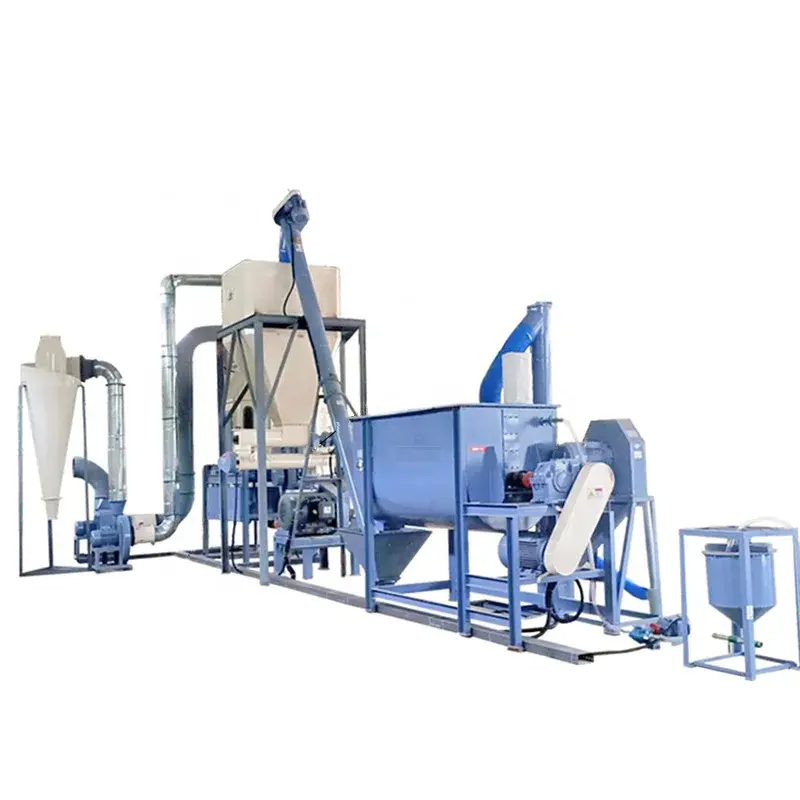
Poultry pellet feed production line,small feed mill plant feed processing machine for cow pig chicken 1-2 ton
Asset finance available
Do you want funding for this equipment?
Afrimart can connect you with trusted funding partners who specialise in asset finance for businesses like yours. Compare options and apply in minutes — final approval is subject to provider review.
Check funding options
Secure & no obligation

- Section : Machinery
- Category : Agriculture Machinery
- SKU : 1600477141760

Product Description
Animal pellet feed production line
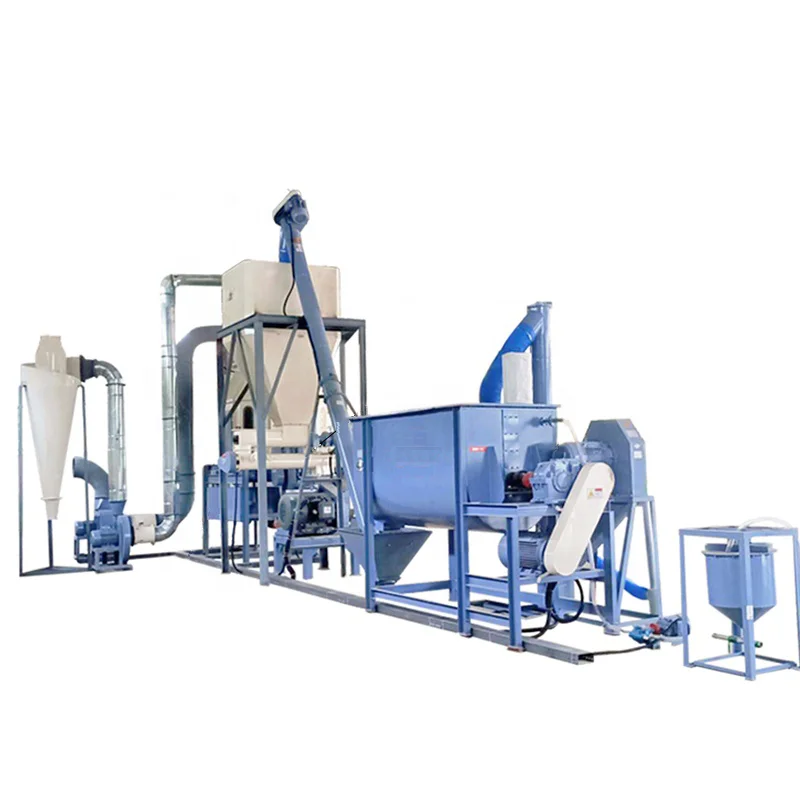
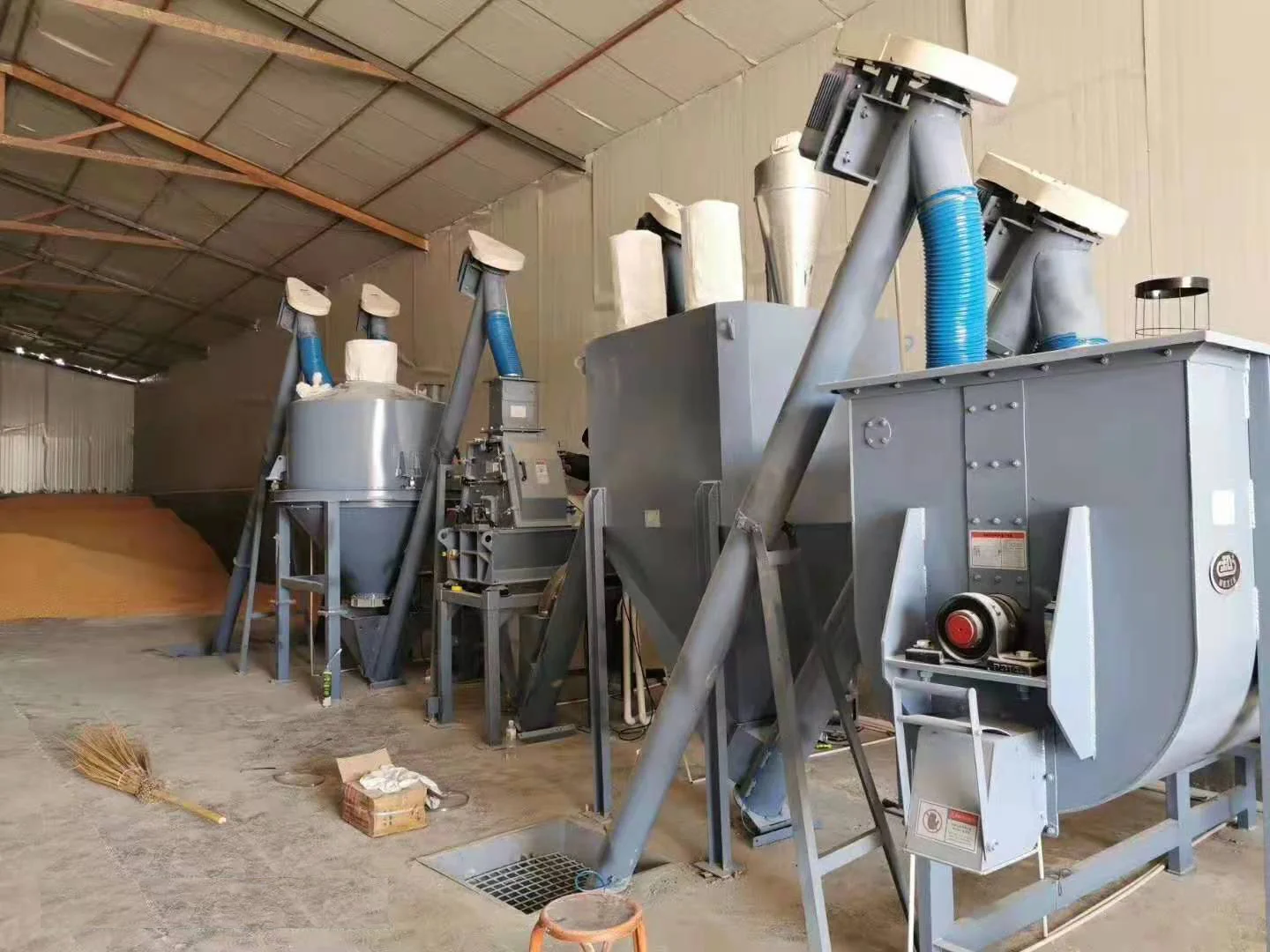
Various types of animal pellet feed can be produced, We can offer different capacities of production line, such as 500KG/H,1-2T/H, 2-3 T/H, 4-5 T/H, 7-8 T/H, 10 T/H, and more.Can choose the suitable production line according to your requirement.
- Shipping Timeframes: All orders are processed within 2-5 business days (excluding weekends and holidays). After your order has been processed, the estimated delivery time is before 28 Jun, 2026, depending on customs, Please note that due to high demand, some items may experience longer shipping times, which will be communicated at order confirmation email.
- Order Processing Time: Please allow 2-5 business days for us to process your order before it is shipped . Orders placed after 16:00 on Fridays, or during weekends and public holidays, will begin processing on the next business day. Processing times may be extended during peak seasons or sales events.
- Manufacturing Time: Some products needs manufacturing time, the manufacturing process will take approximately 10-30 business days depending on the product. This timeframe may vary depending on the complexity of the product and current demand. but this will be communicated with you during order confirmation.
- Returns and Exchanges: We offer a 30-day return policy for most items. If you are not completely satisfied with your purchase, you may return it within 30 days of receipt for a refund or exchange. Items must be unused, in their original packaging, and accompanied by proof of purchase. Return shipping costs are the responsibility of the customer, unless the item was damaged or defective upon arrival.
1. What animals can be fed with pellets produced by this line?
The line can produce pellets for a variety of farm animals including chickens, pigs and cattle (cow). Formulations can be adjusted for poultry, swine and ruminant nutrition.
2. What production capacities are available?
We offer multiple capacities such as 500 kg/h, 1–2 t/h, 2–3 t/h, 4–5 t/h, 7–8 t/h, 10 t/h and larger. Choose the capacity that matches your daily output requirements and budget.
3. What raw materials can the machine process?
Common inputs include corn, soybean meal, wheat bran, fish meal, alfalfa, straw, grass, rice husk and mixed compound feed. The line handles powdery and fibrous raw materials, though formulation and grinding requirements vary.
4. What pellet sizes and shapes can be produced?
Pellet diameter can typically range from 2 mm to 10 mm (common sizes 2–8 mm) depending on the die used. Pellet length is adjustable. Die and mould changes let you produce sizes suitable for chicks up to adult cattle.
5. What components are included in a typical 1–2 t/h production line?
A typical small line includes a raw material hopper, hammer mill/crusher, mixer, pellet mill (ring die or flat die), conditioner (steam or hot water), cooler, screener, and optional packaging machine and conveyors. Configuration may vary by supplier and customer needs.
6. What are the power and utility requirements?
Power and utilities depend on the selected configuration and motors. Exact electrical load, voltage and steam/water requirements will be provided with the quotation. Please provide your local power supply details so we can tailor specifications.
7. How much floor space does the plant need?
Footprint depends on capacity and optional equipment. Small 1–2 t/h plants are compact but exact dimensions vary; we provide detailed layout drawings after you confirm the configuration and site conditions.
8. How long is the delivery and installation time?
Lead time depends on model, customization and order volume. Typical manufacturing and delivery take from 15 to 45 days. Installation and commissioning on site are arranged separately and lead time will be confirmed in the sales contract.
9. Do you provide installation, training and after-sales support?
Yes. We offer installation, commissioning and operator training. After-sales support includes spare parts supply, remote technical assistance and optional on-site service by our engineers (travel and local costs may apply).
10. What warranty and spare parts support do you offer?
Standard warranty terms vary by model and region (commonly 12 months). We supply wear parts and recommended spare parts lists; long-term supply of parts is available. Exact warranty details will be specified in the sales agreement.
11. Can the line be customized for my formula or local raw materials?
Yes. We can customize equipment, die specifications, conditioning (steam vs. hot water), and automation levels to suit your raw materials, pellet formula and production goals.
12. What routine maintenance is required?
Regular maintenance includes lubrication of bearings and gearboxes, inspection and replacement of die and rollers, tensioning/checking belts and chains, cleaning of the hammer mill and screens, and periodic checking of electrical components.
13. How many operators are needed to run a 1–2 t/h small feed mill?
A small 1–2 t/h plant typically needs 2–4 operators depending on automation (feeding, packaging and material handling). Greater automation can reduce staffing needs.
14. What is the expected pellet quality and moisture control?
With proper formulation, conditioning and cooling, the line produces dense, uniform pellets with good durability. Raw material moisture should generally be controlled (commonly around 12–16% before pelleting, though exact values depend on formulation and conditioning).
15. How can I get a price quote and technical proposal?
Provide desired capacity (e.g., 1–2 t/h), target animals, typical raw materials, expected pellet size, local power supply and any optional equipment (packaging, auto-batching). We will then prepare a tailored quotation, layout drawing and lead time estimate.
Latest Order Arrivals
Discover our latest orders
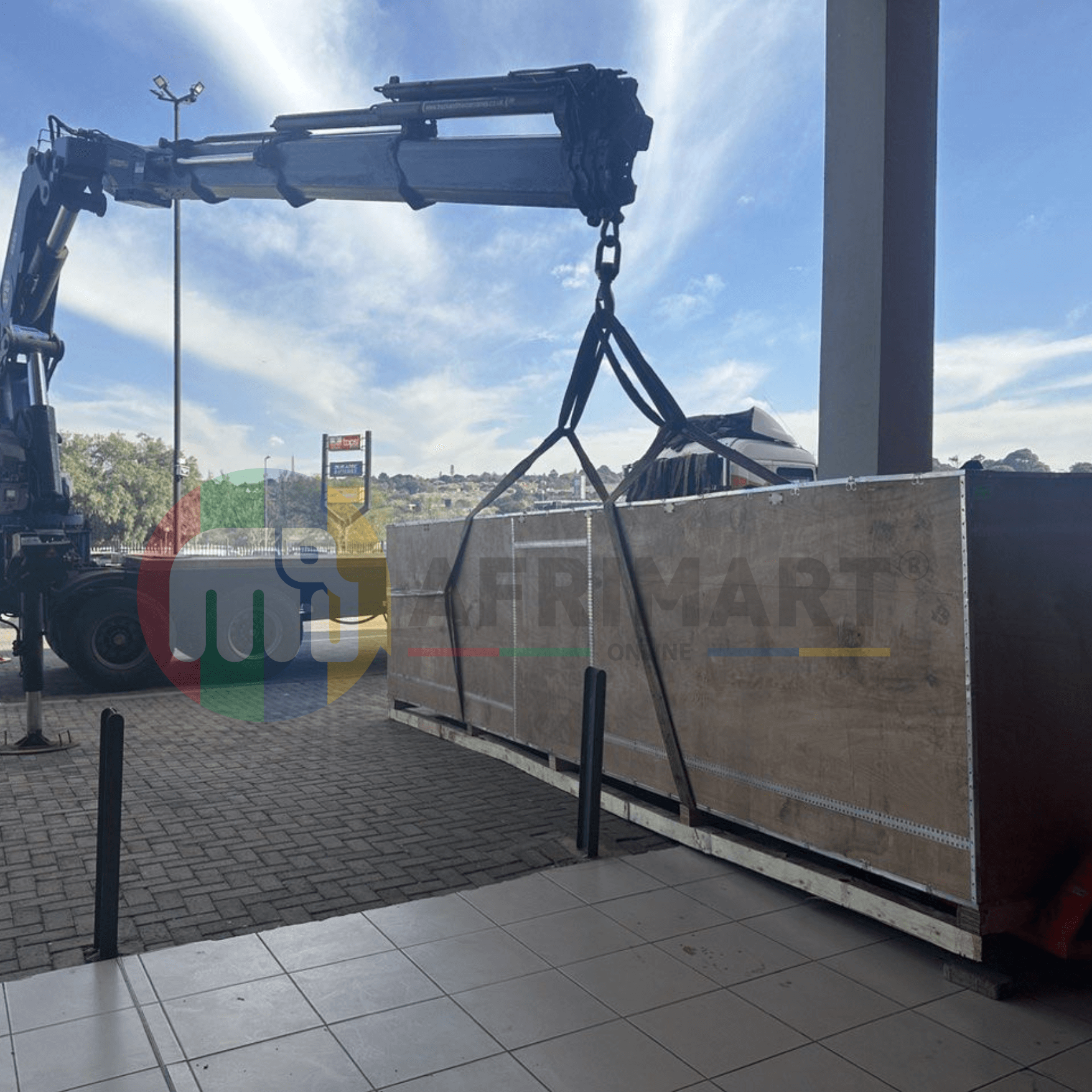
12 Heads Embroidery Machine
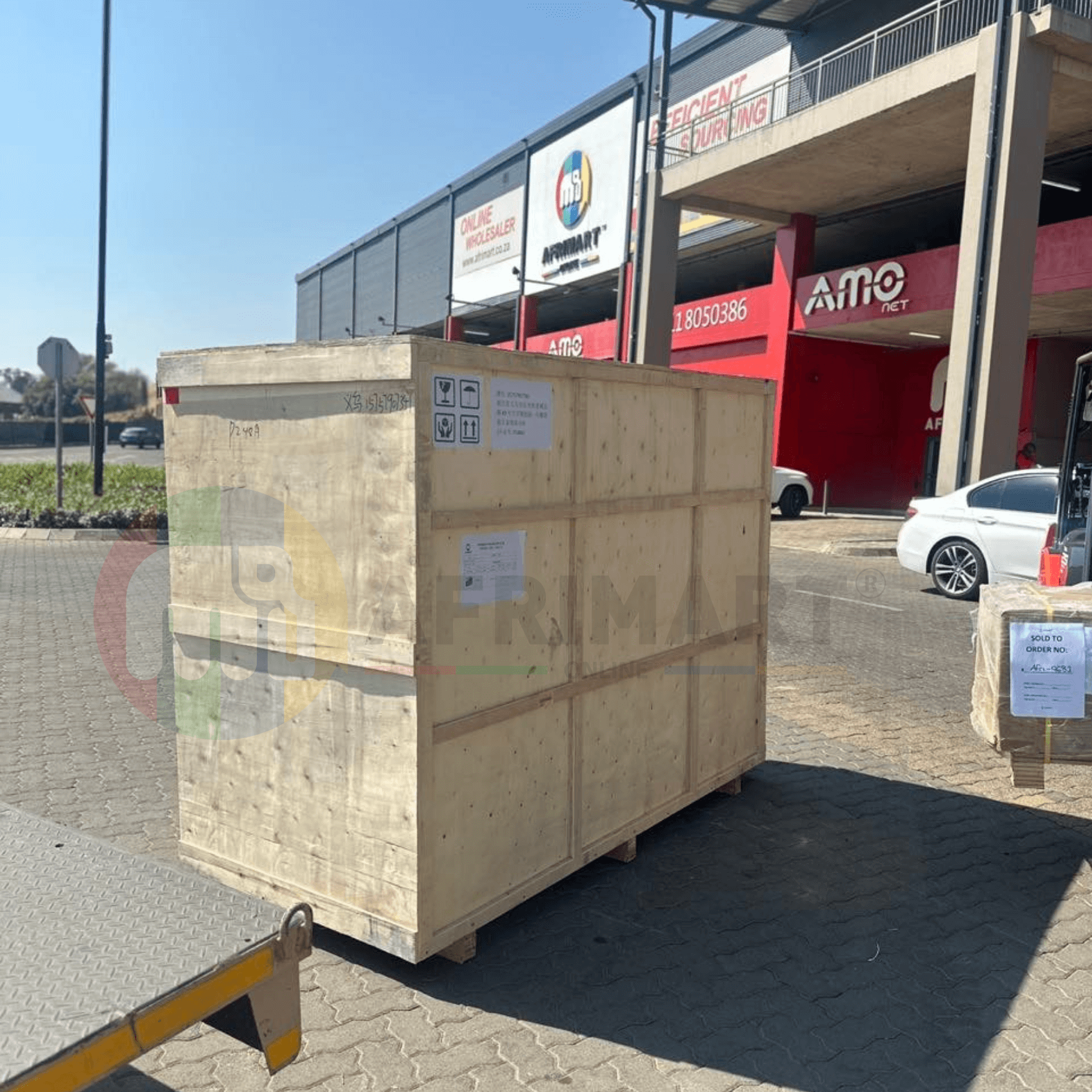
Dewatering Pump Machine
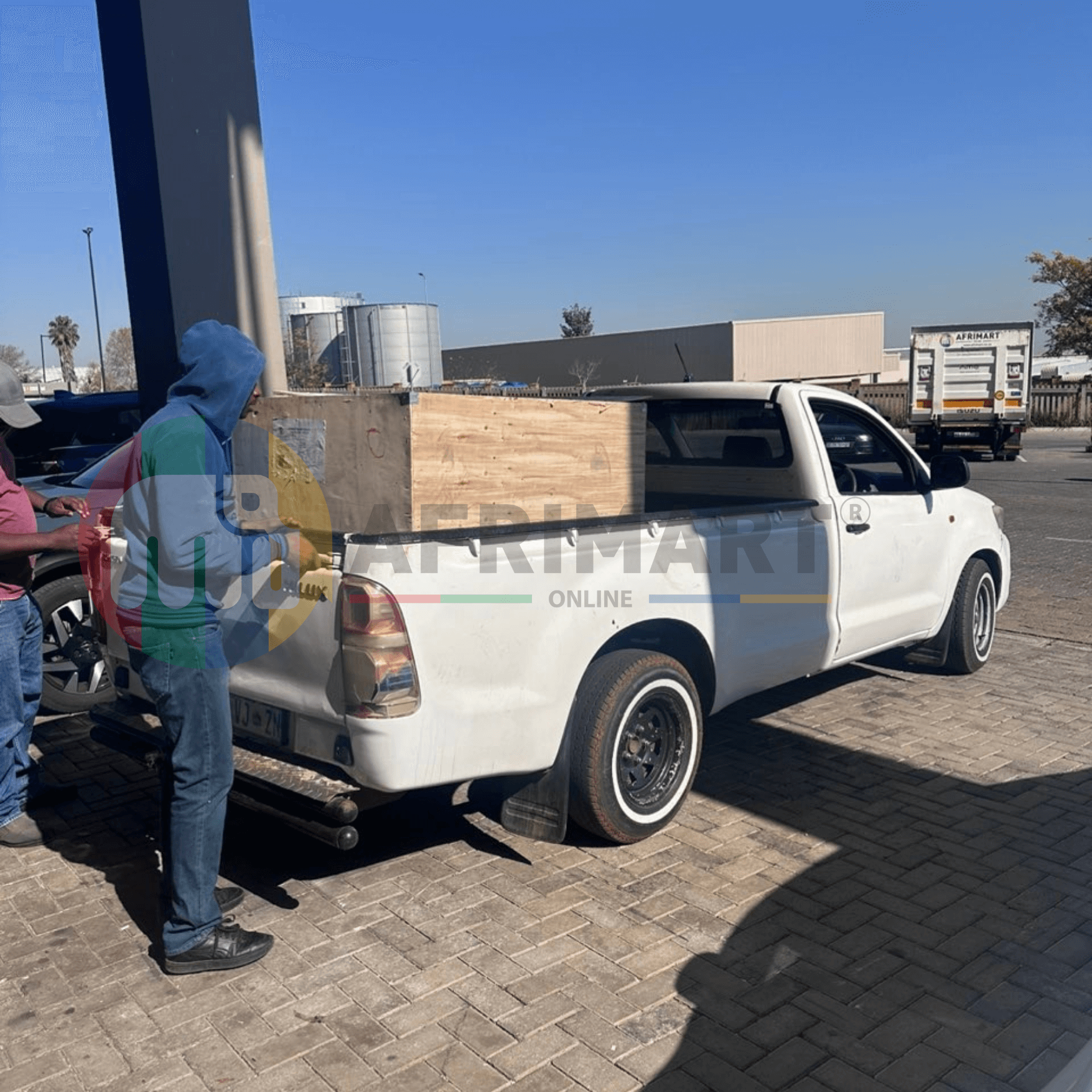
Order Collection
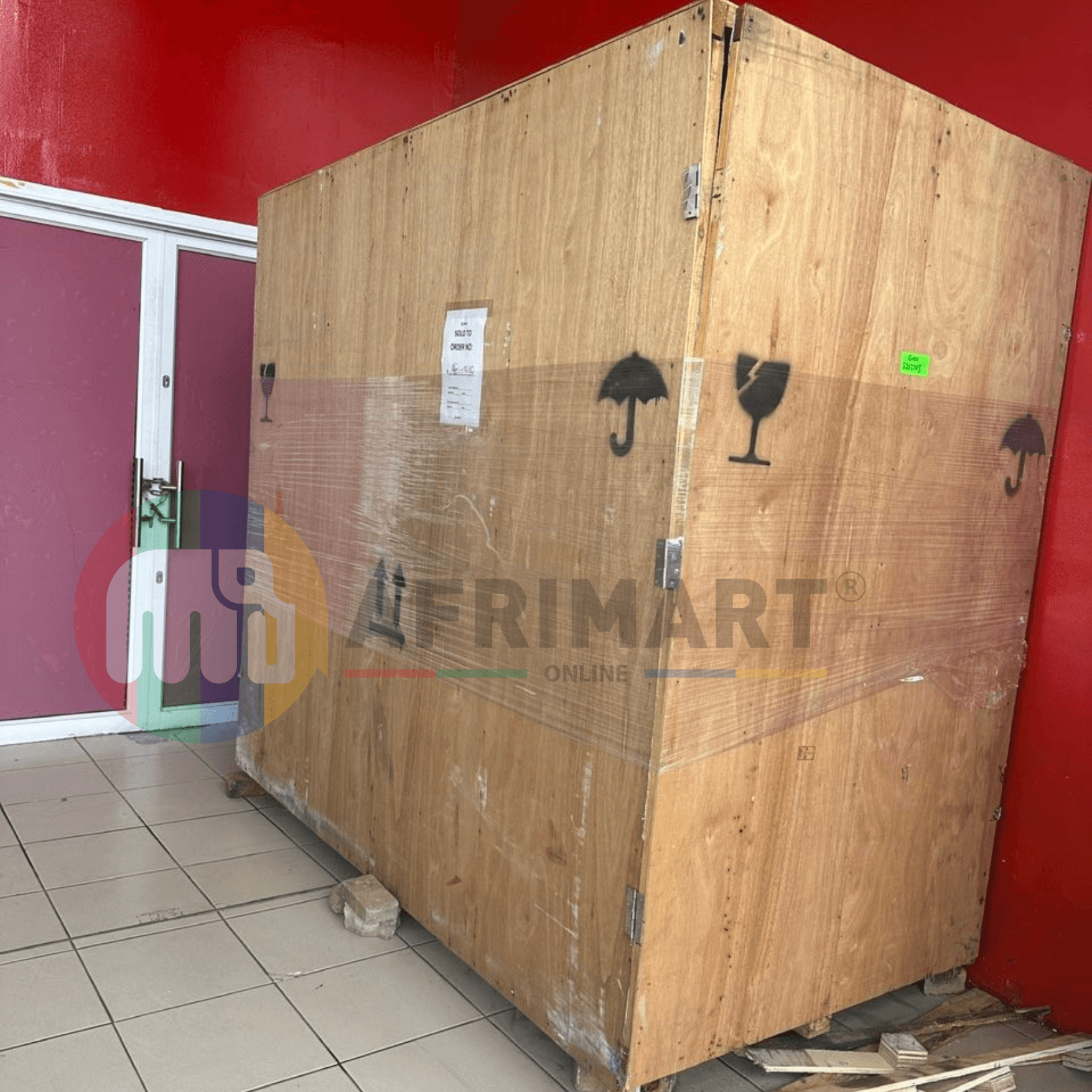
Portable Water Drilling Rig
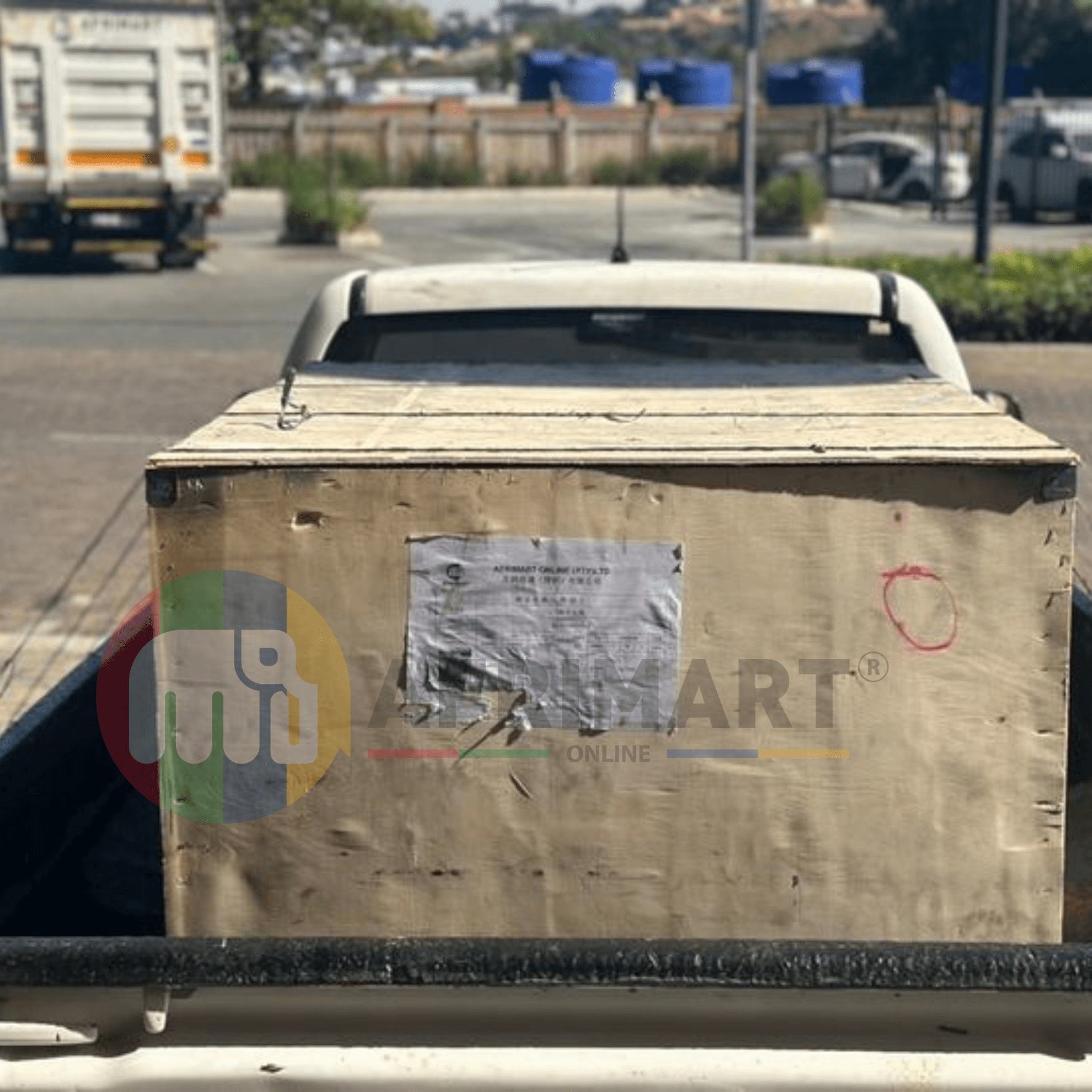
Order Usefully Collected
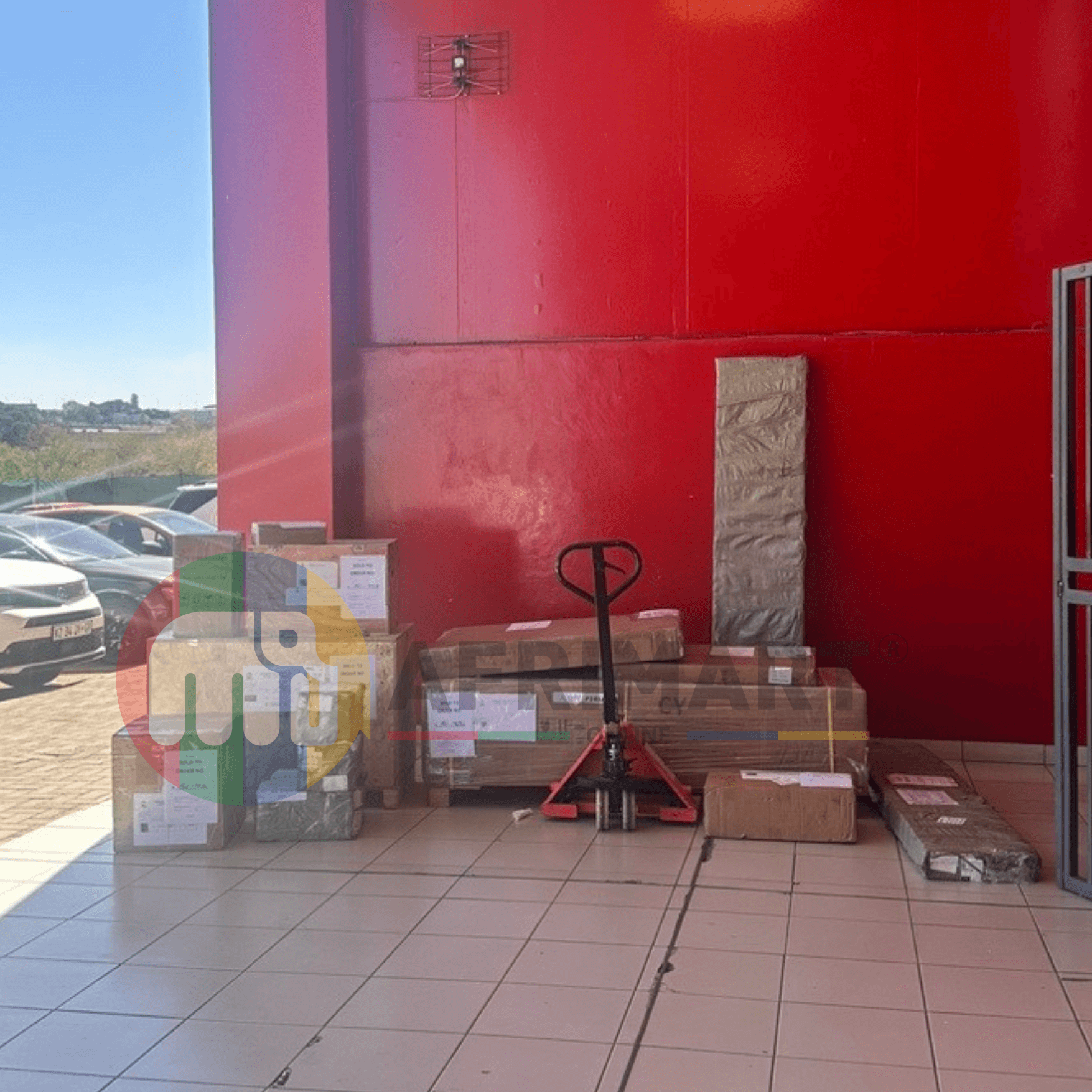
Batch of Orders
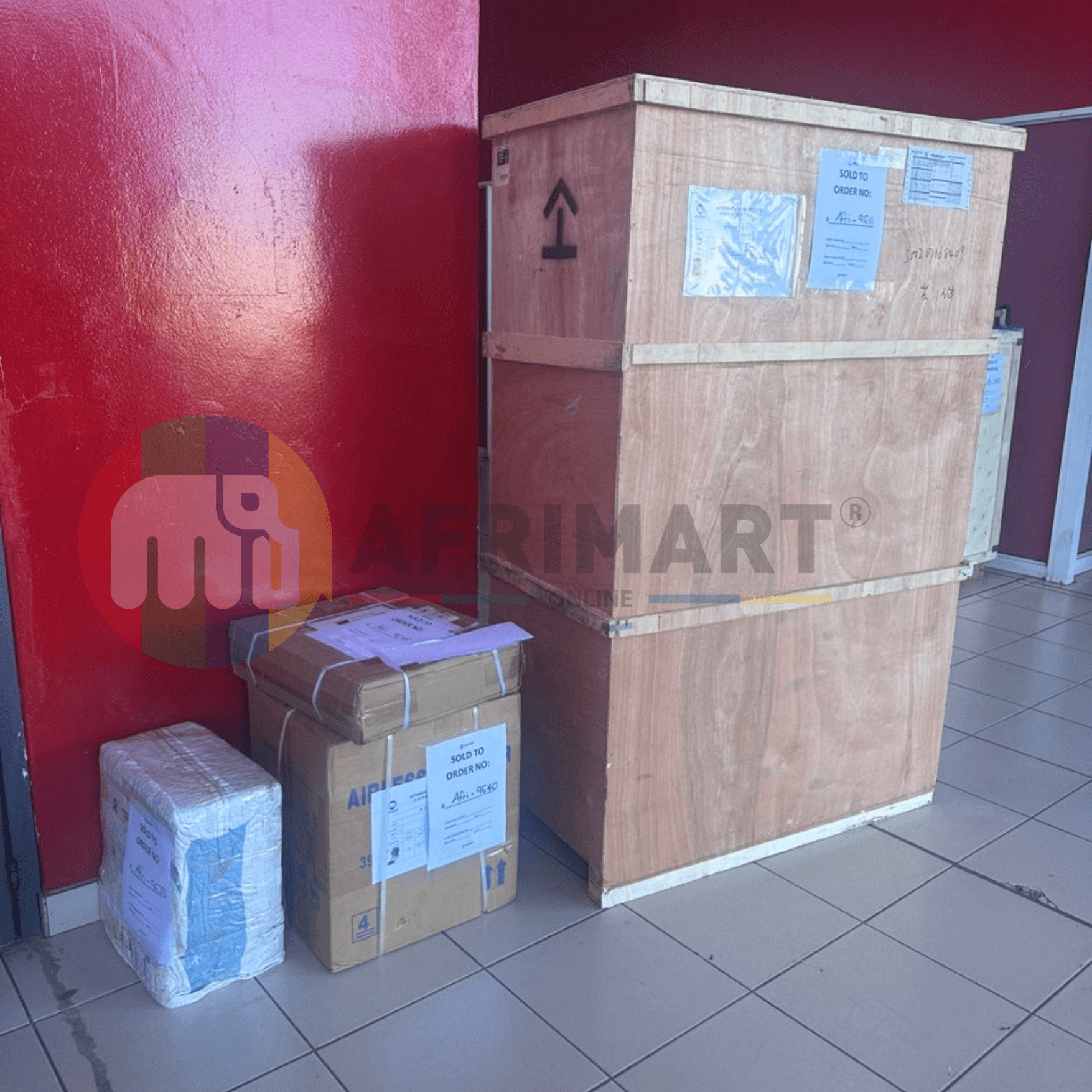
Agriculture Processing Machines
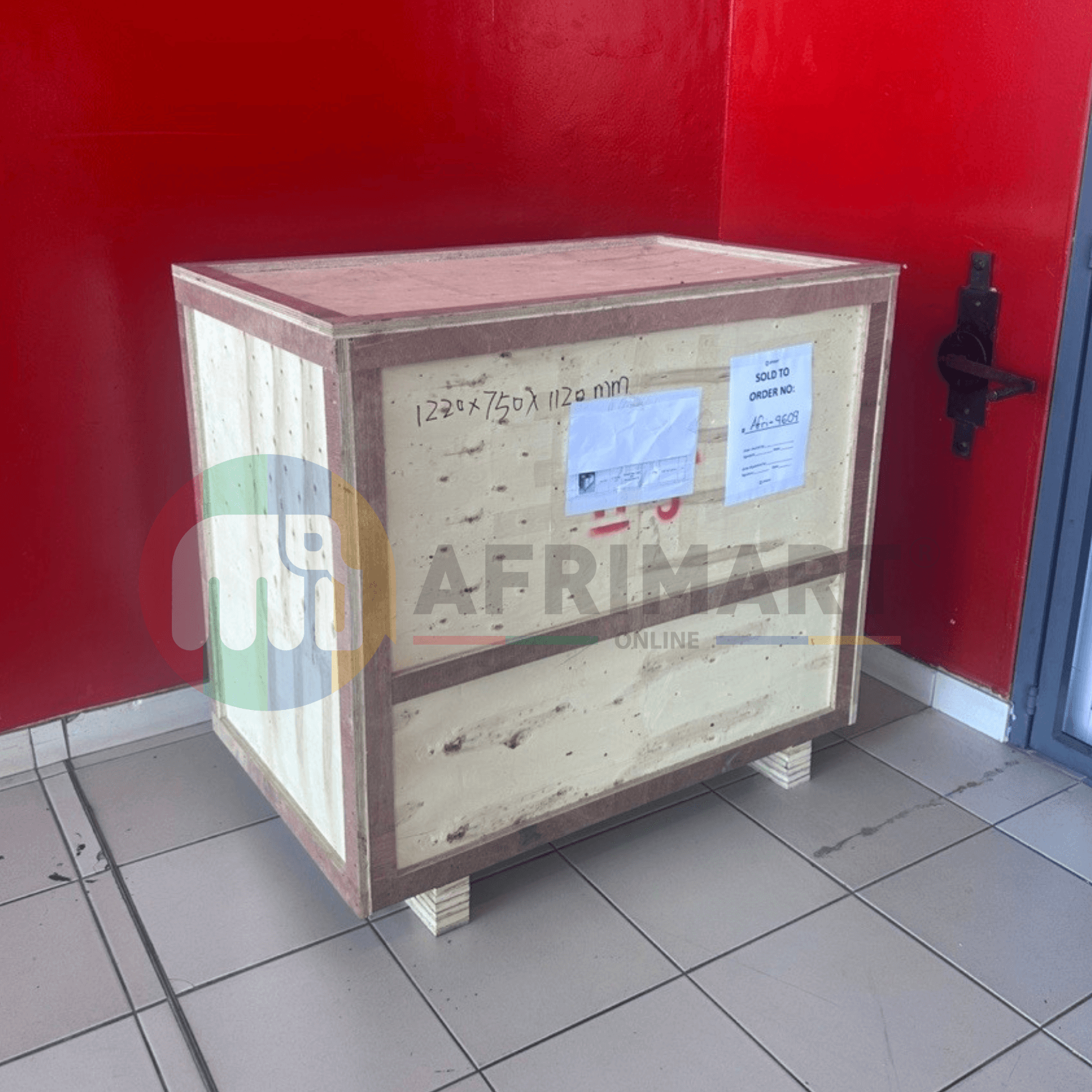
Meat Grinder Machine
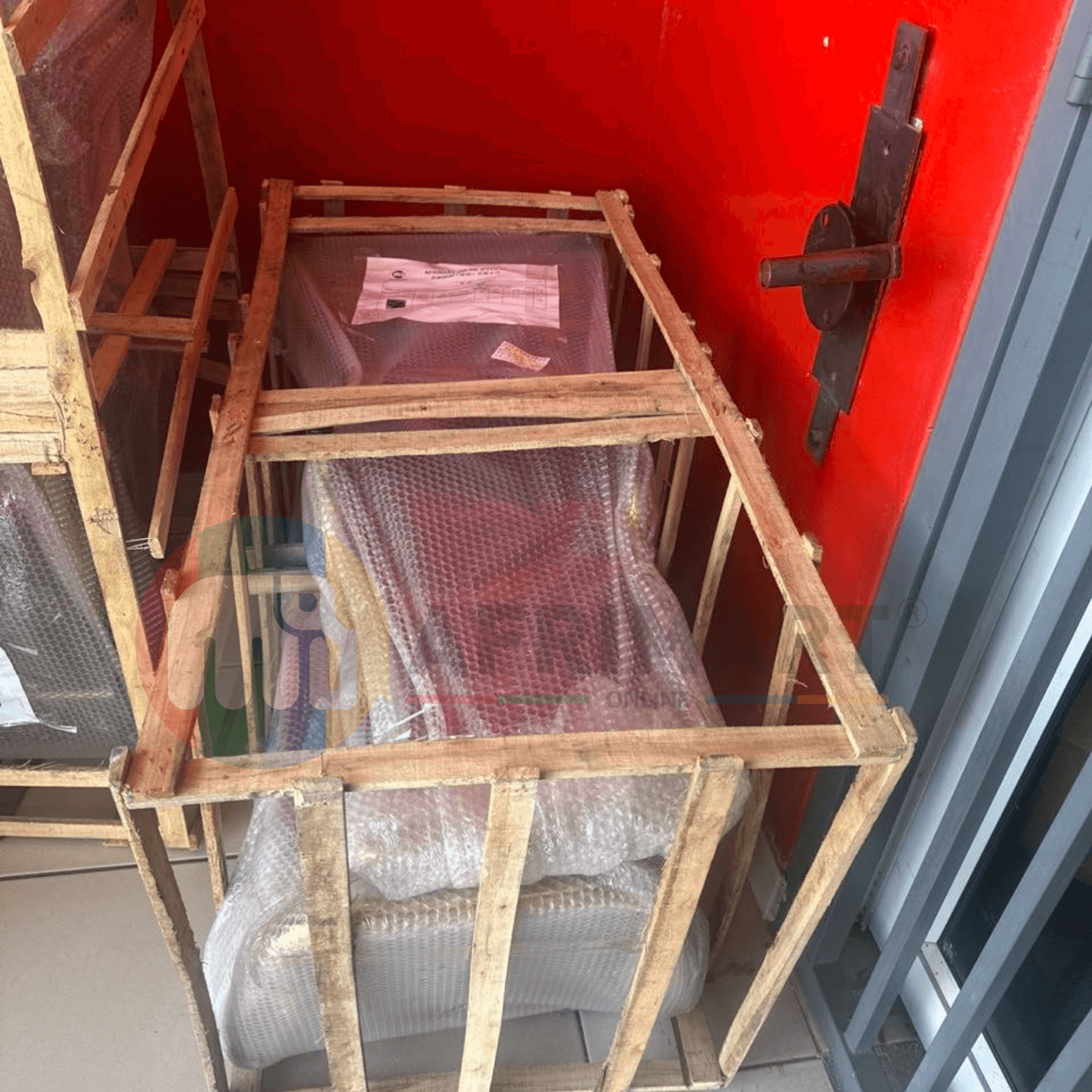
Water Pump Equipment
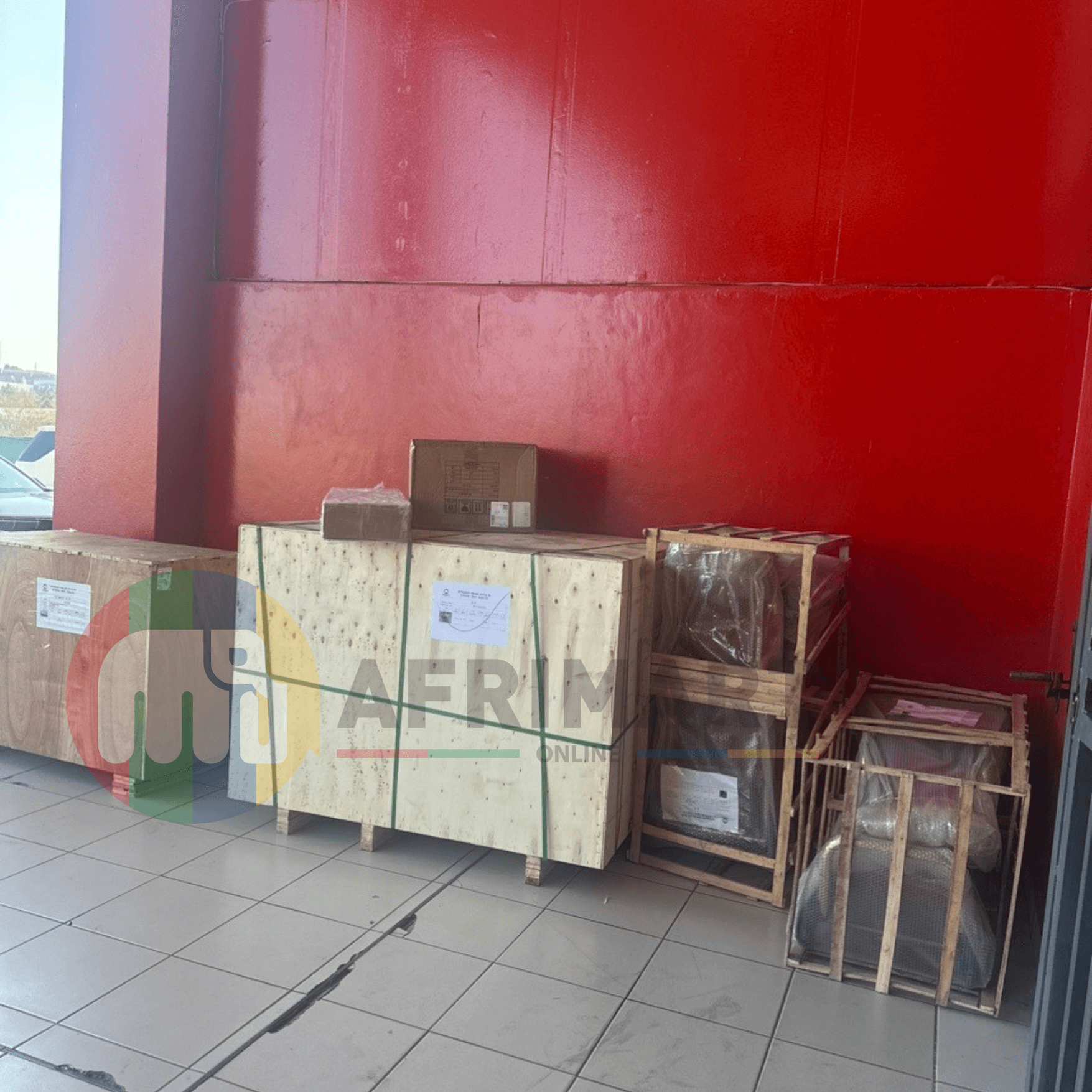
Packaging Machine and accessories
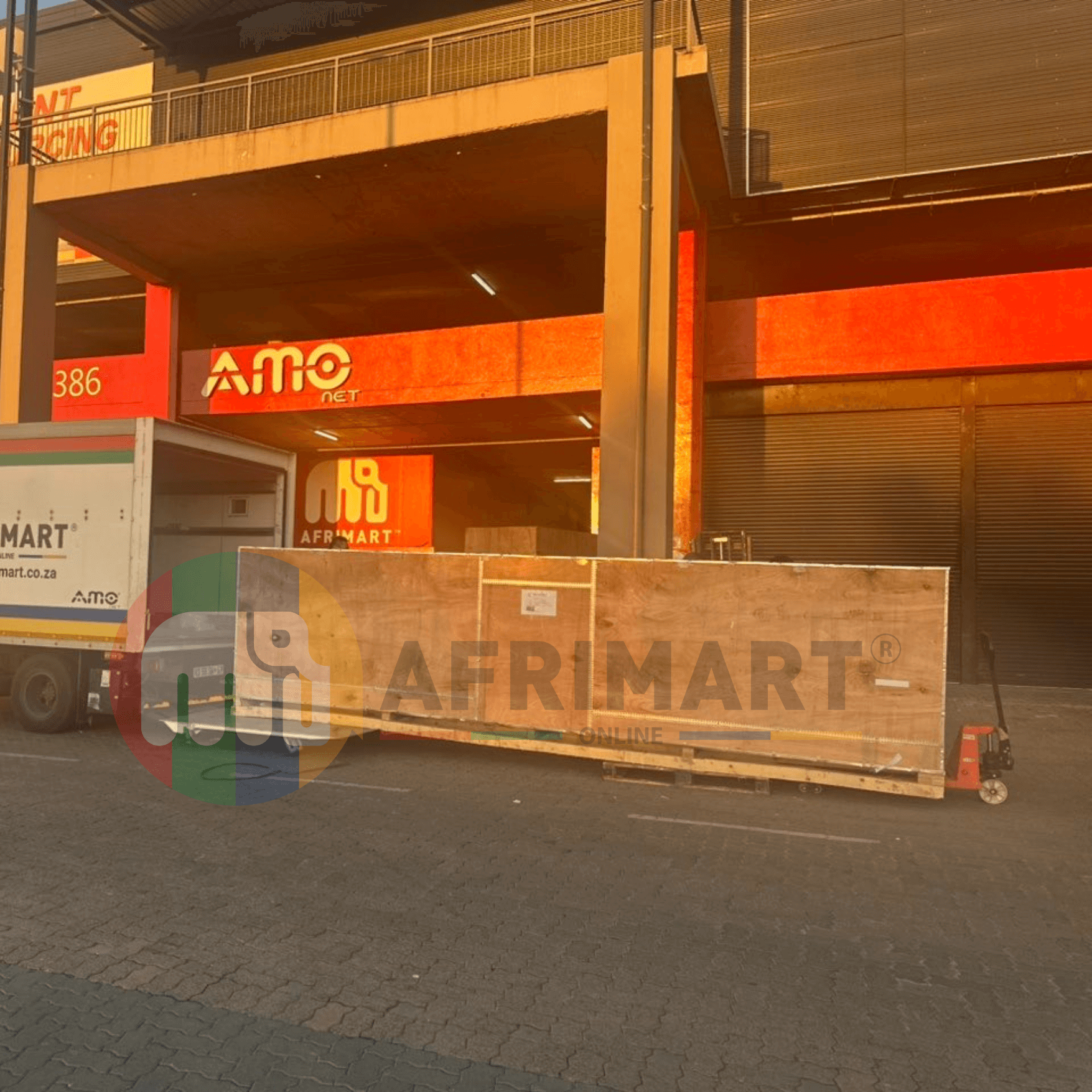
Fabrics Manufacturing Equipment
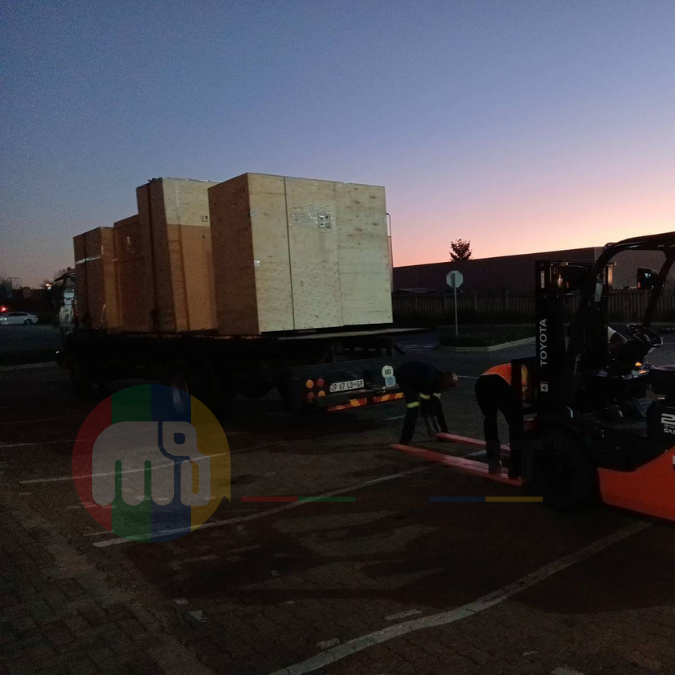
Mining Equipments
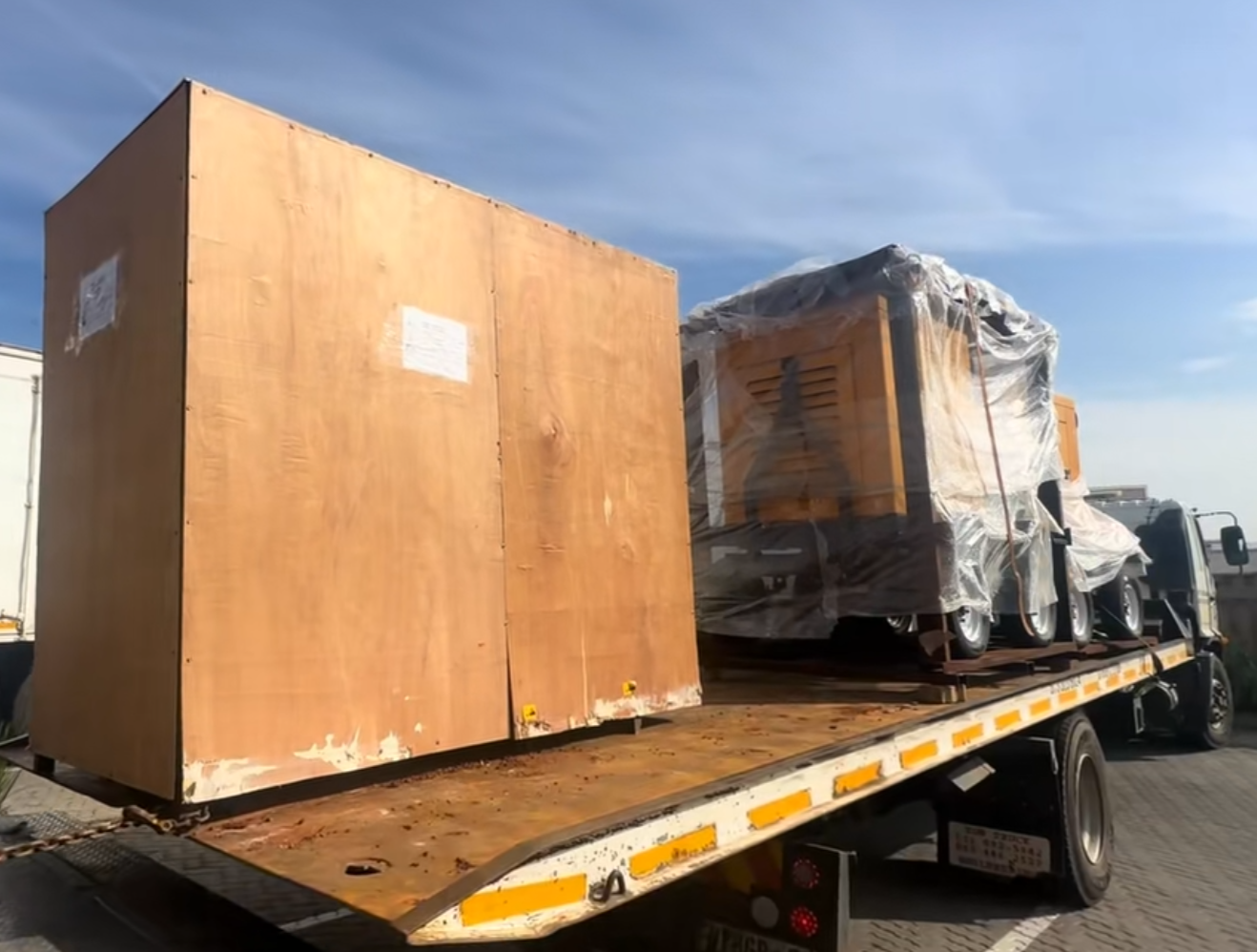
Food Processing Machine
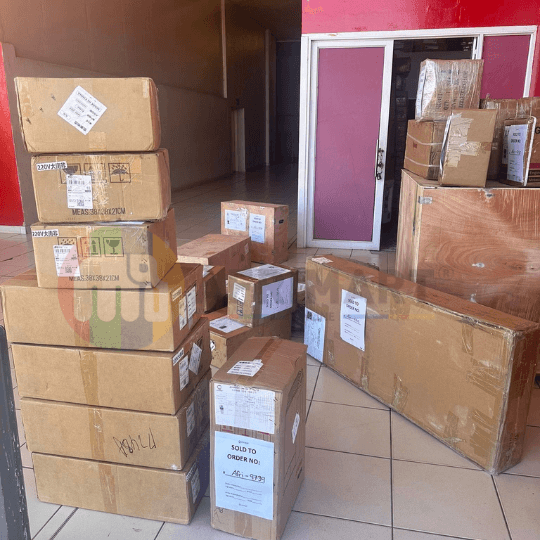
Batch of Orders
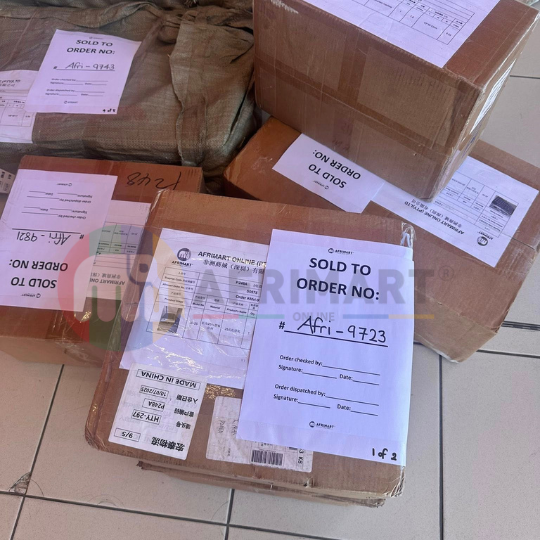
Batch of Orders
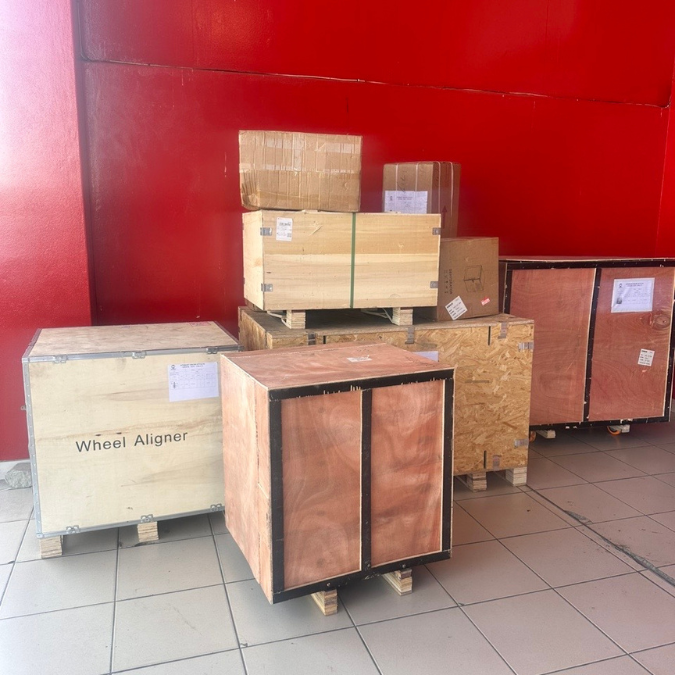
Latest Orders Labelled
wheel alignment machines
new arrivals
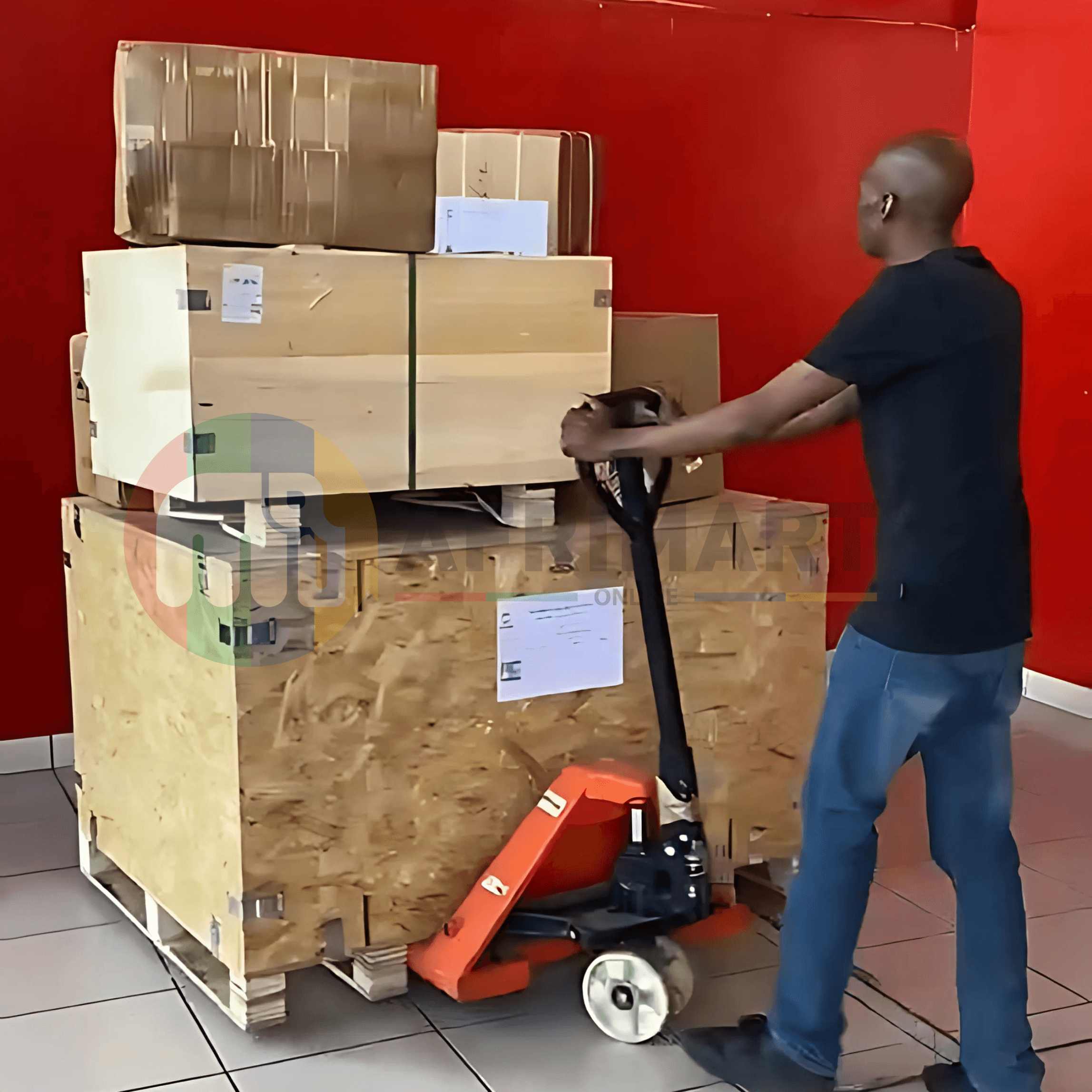
Pre Orders Offloading
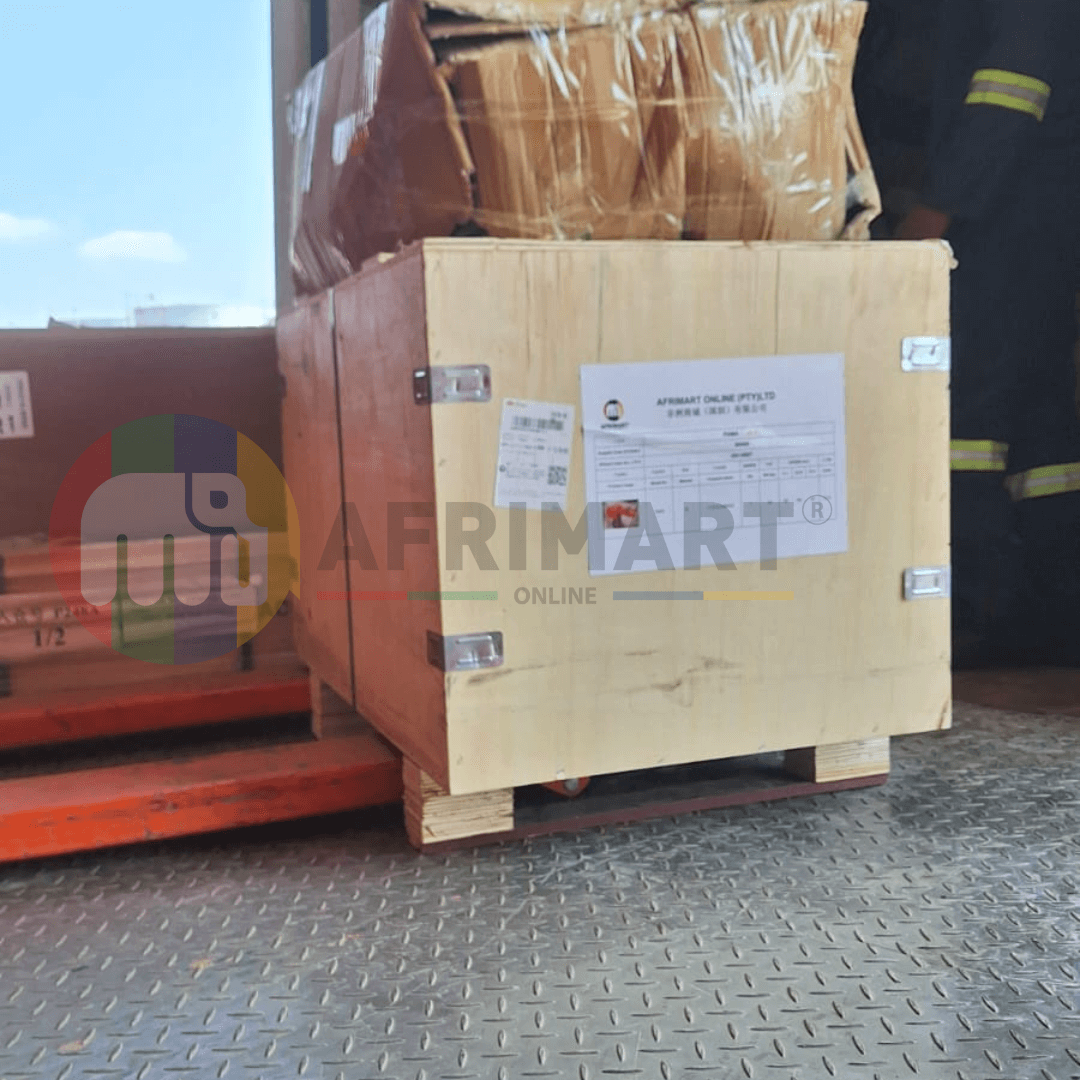
Latest Arrivals
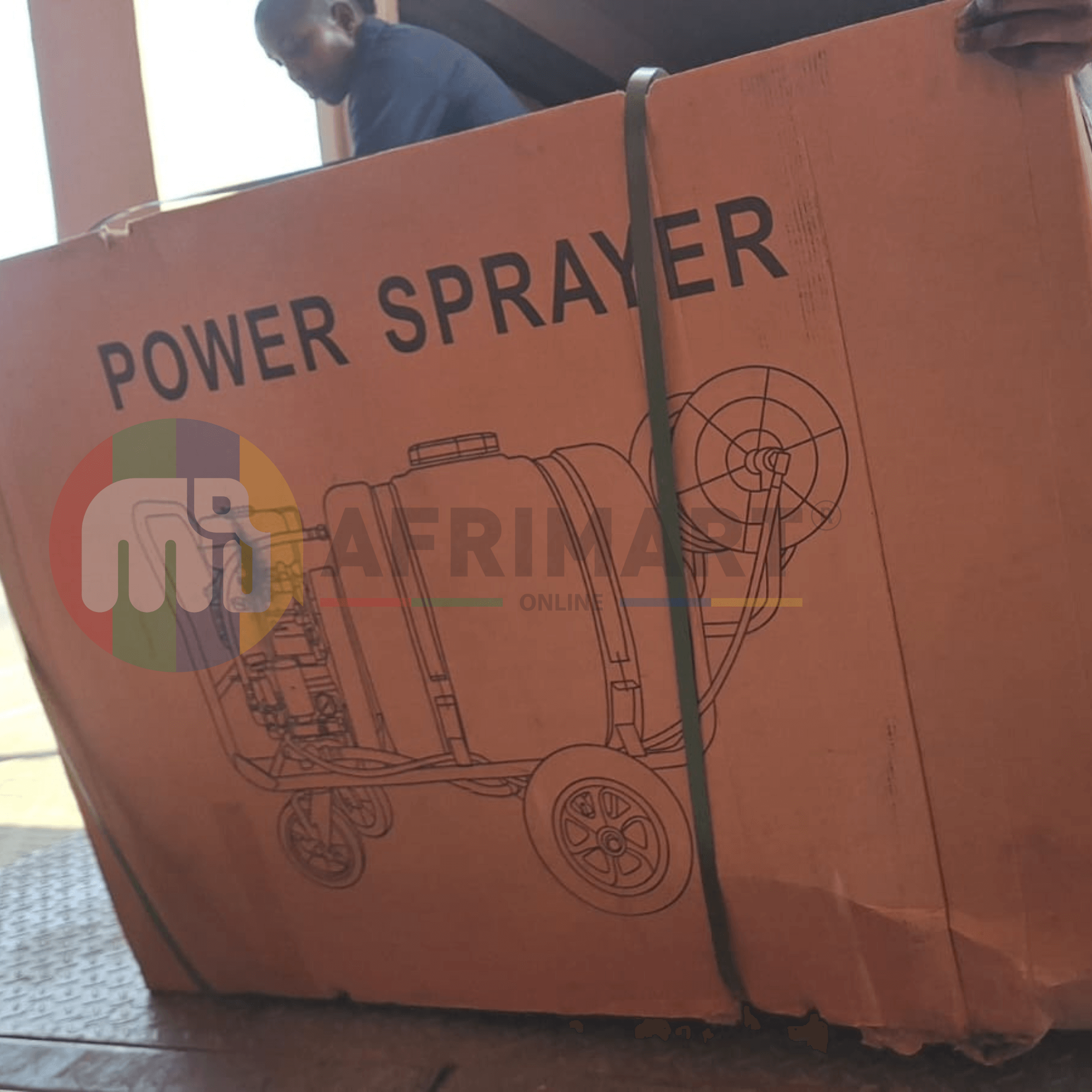
Latest Arrivals
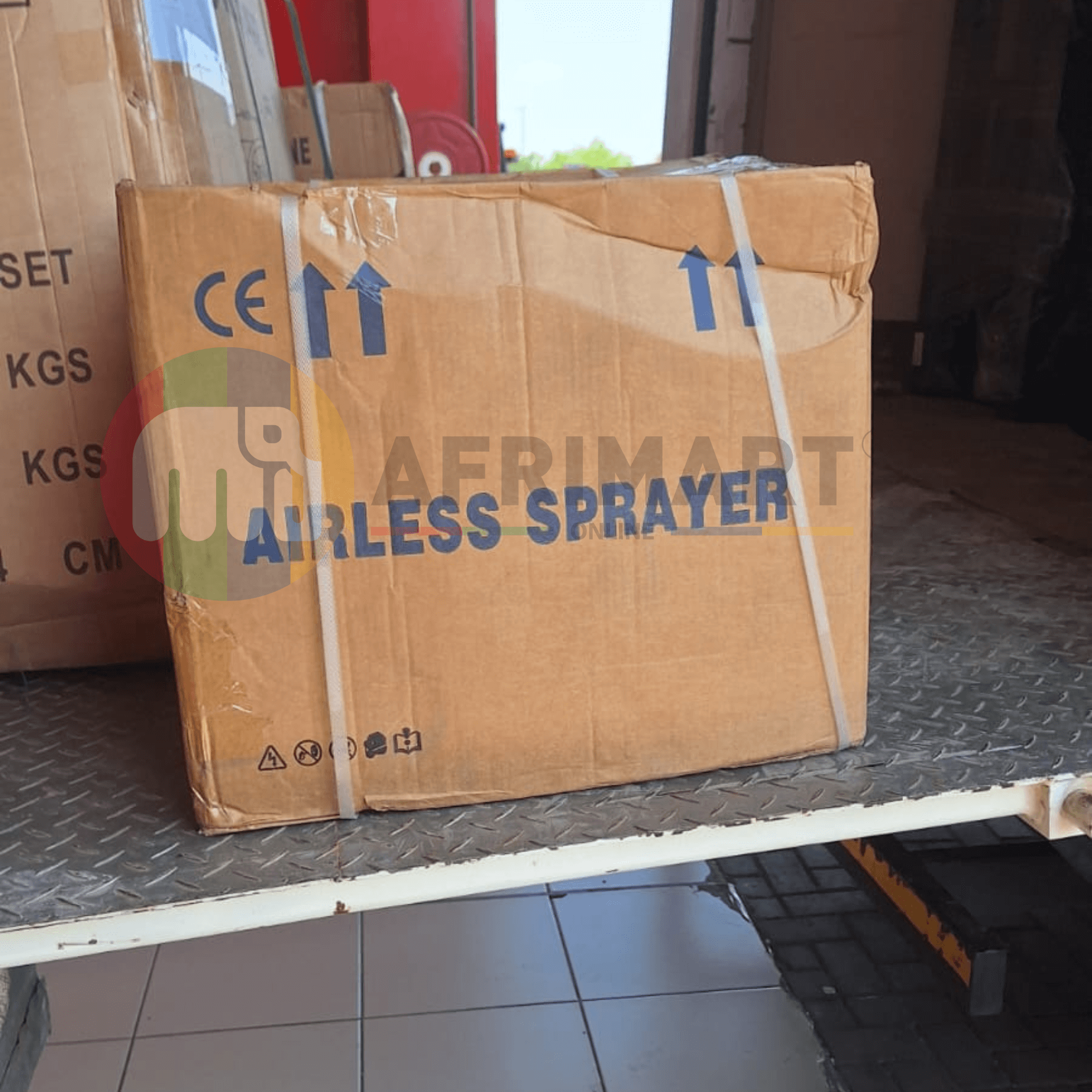
Latest Arrivals
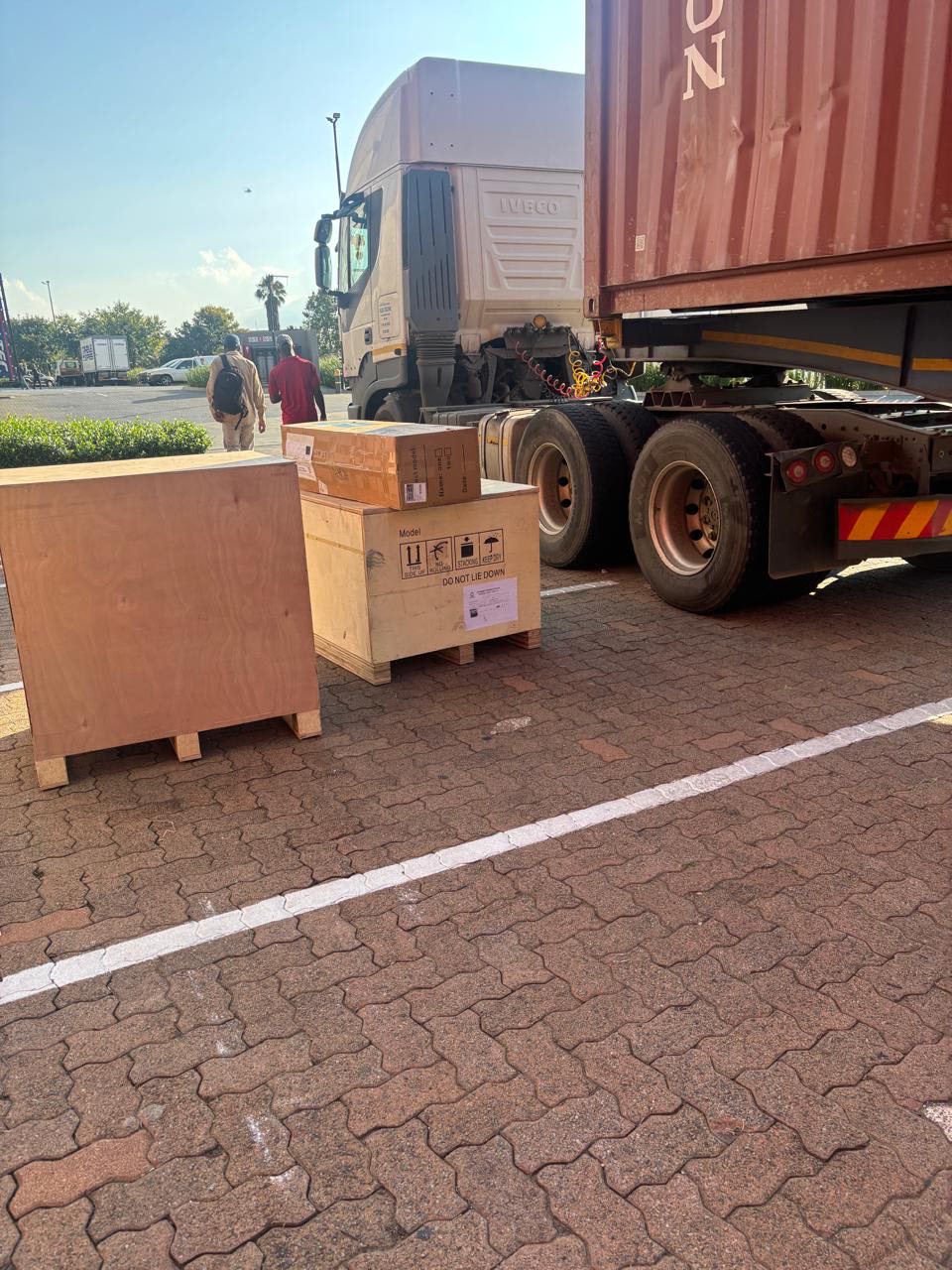
26 January 2026
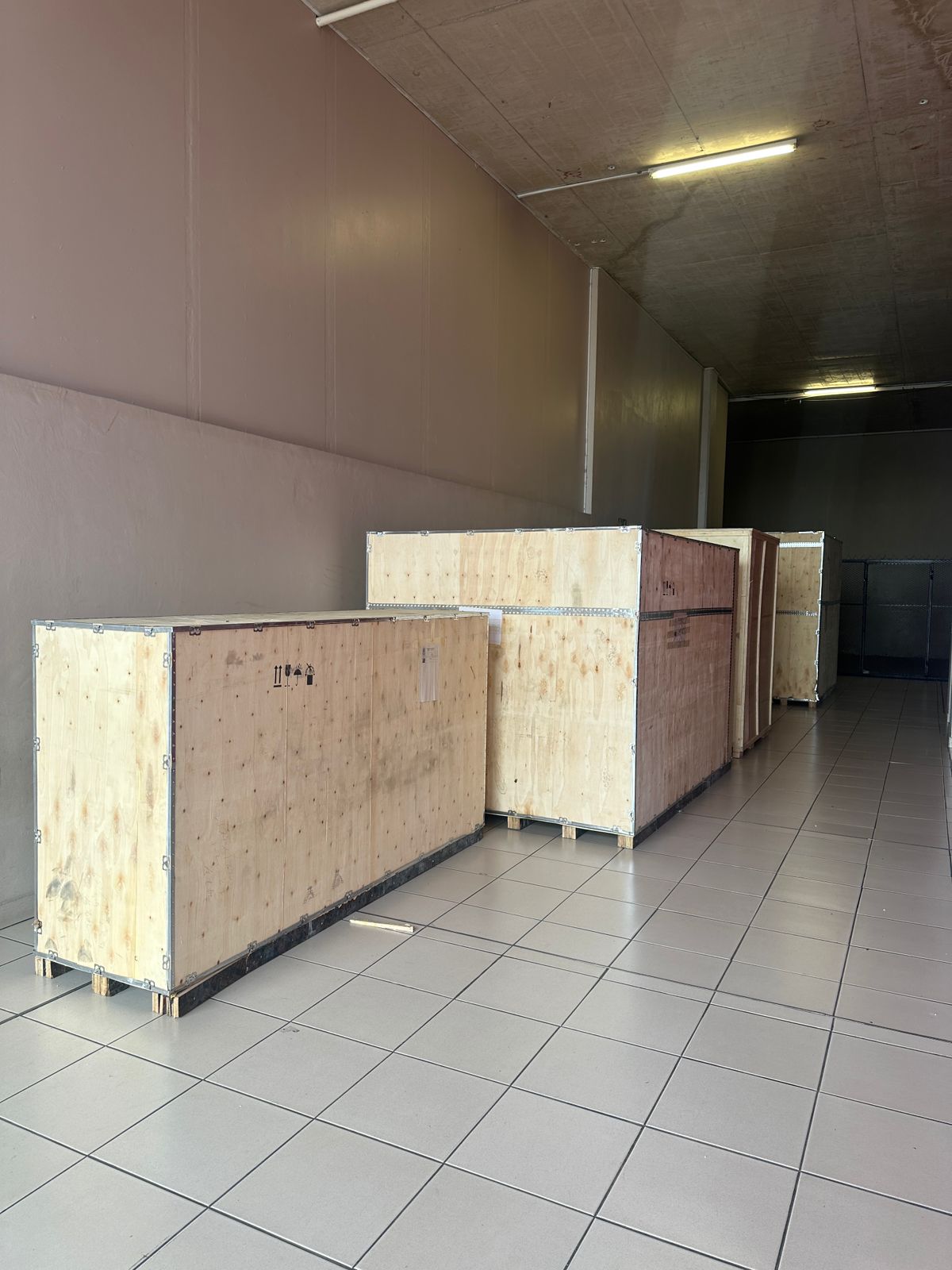
Toilet paper making machine
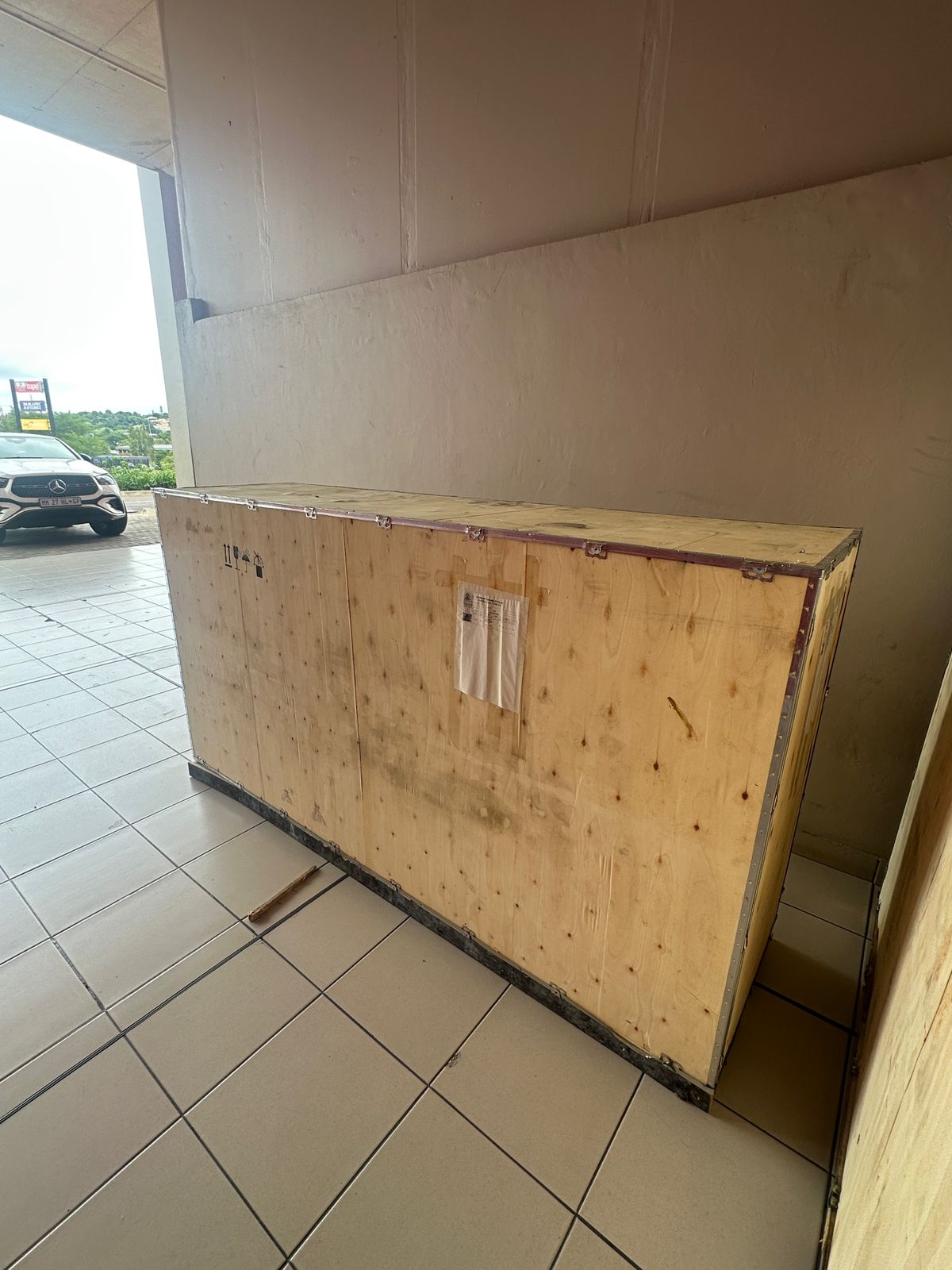
Toilet paper making machine
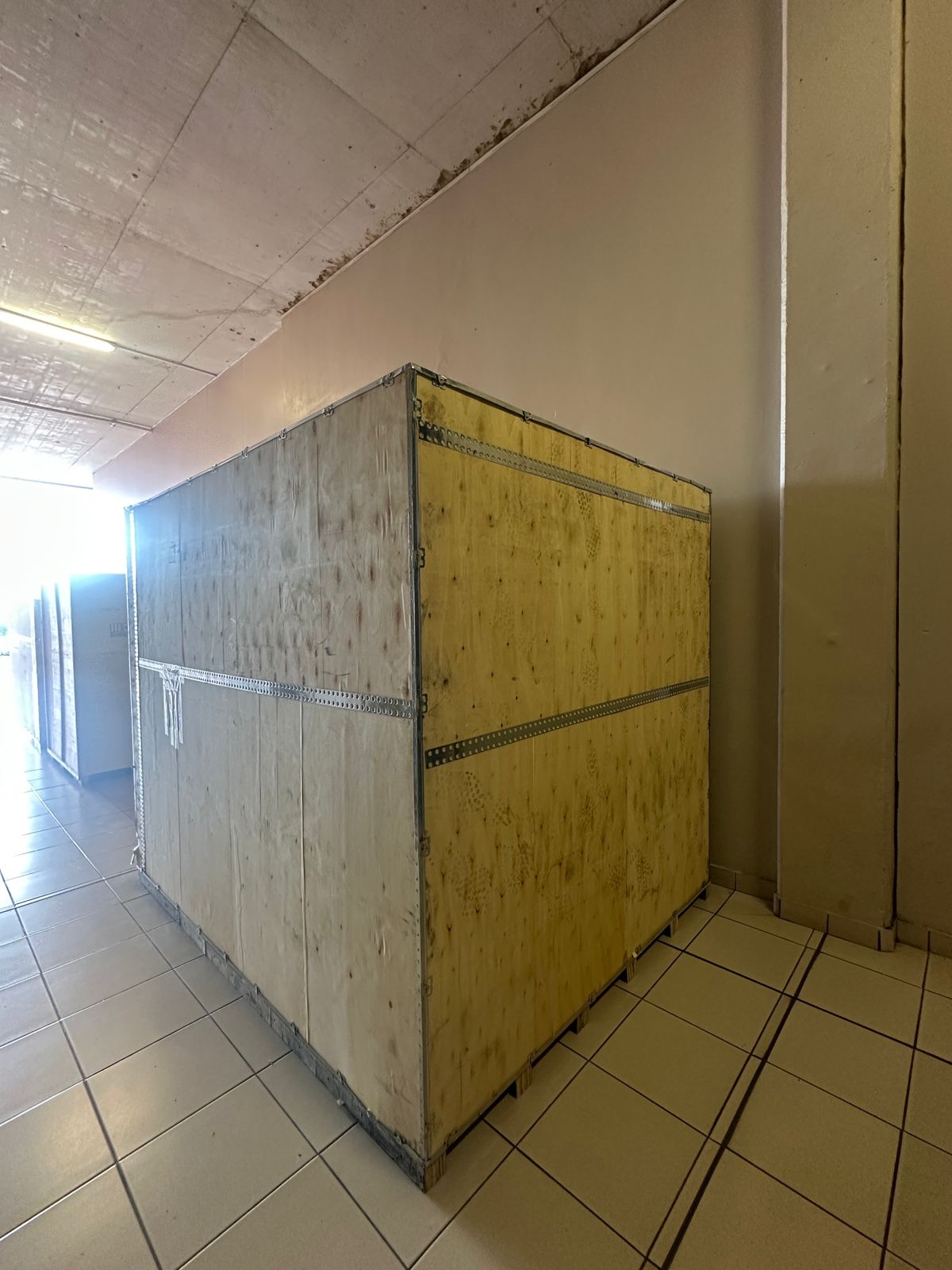
Toilet paper Rewinding Machine
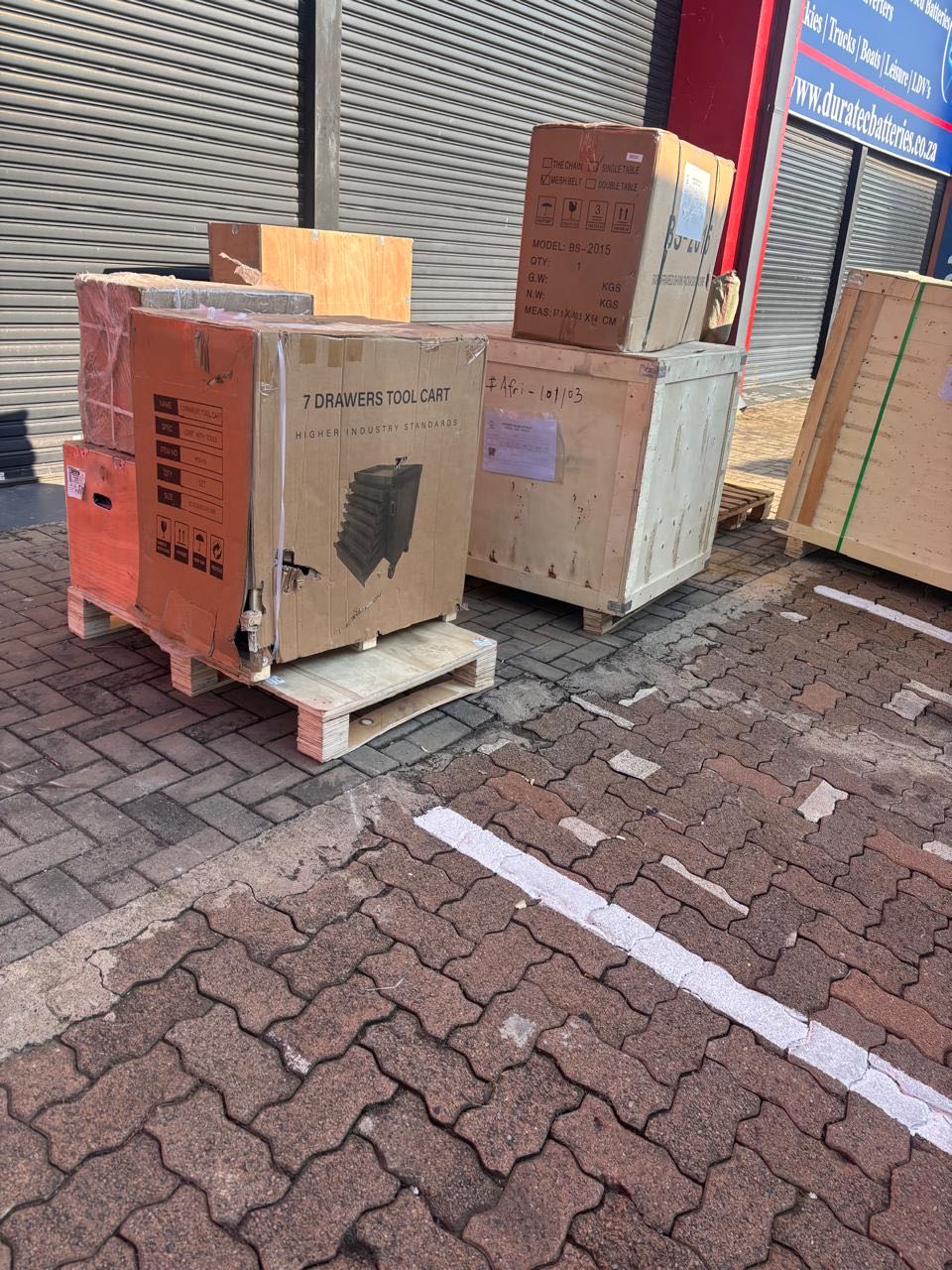
latest arrivals
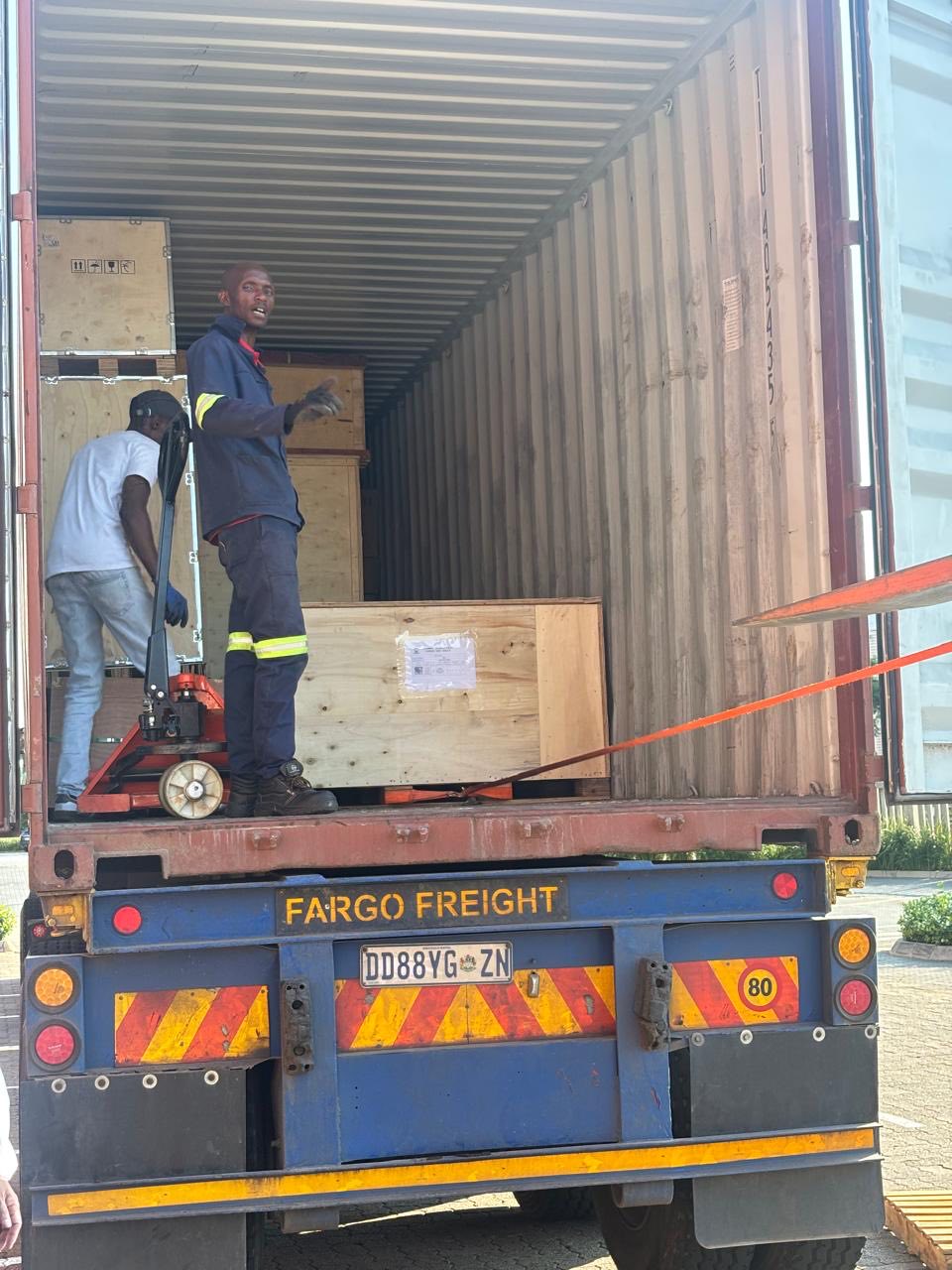
offloading
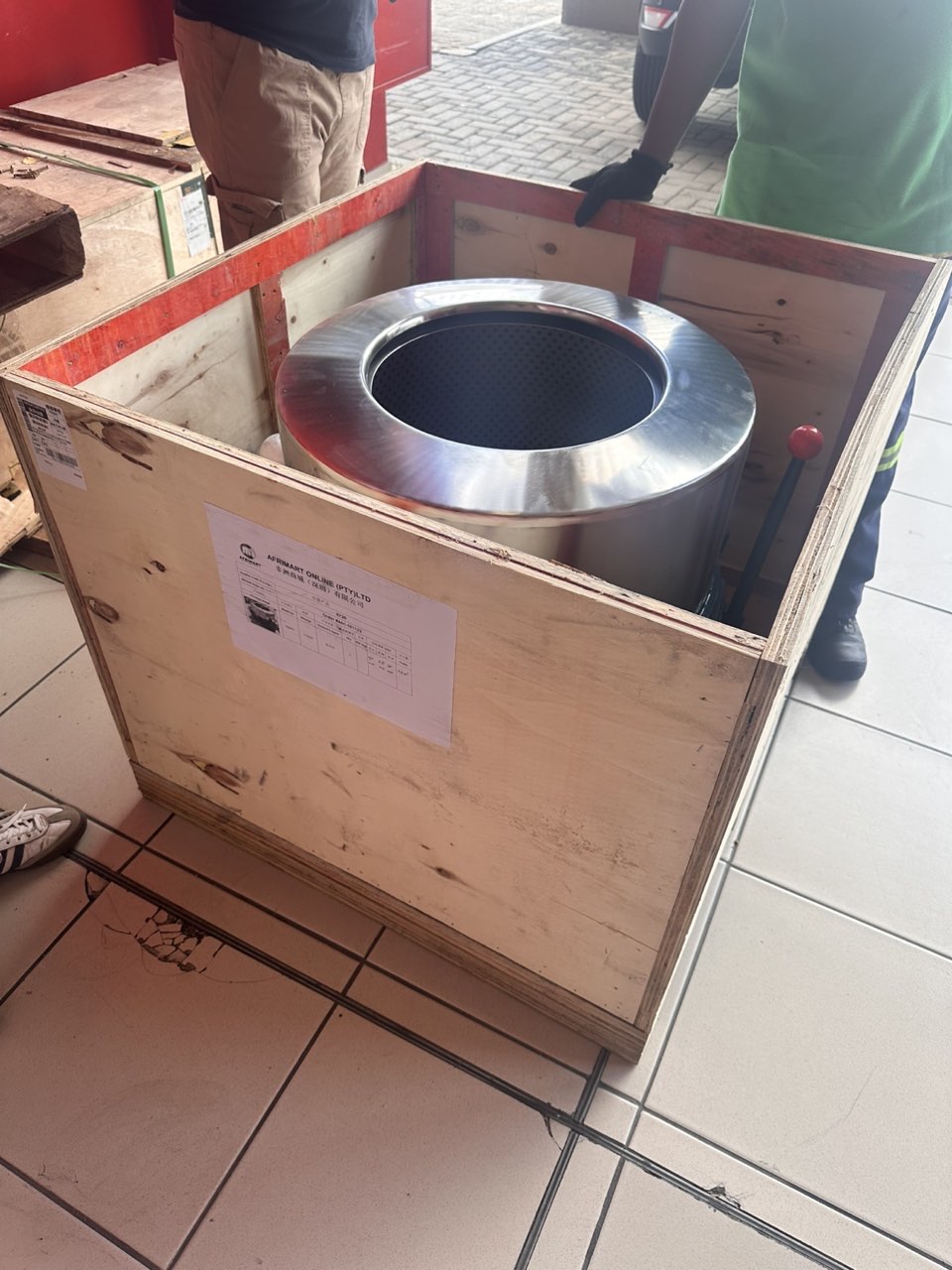
order success
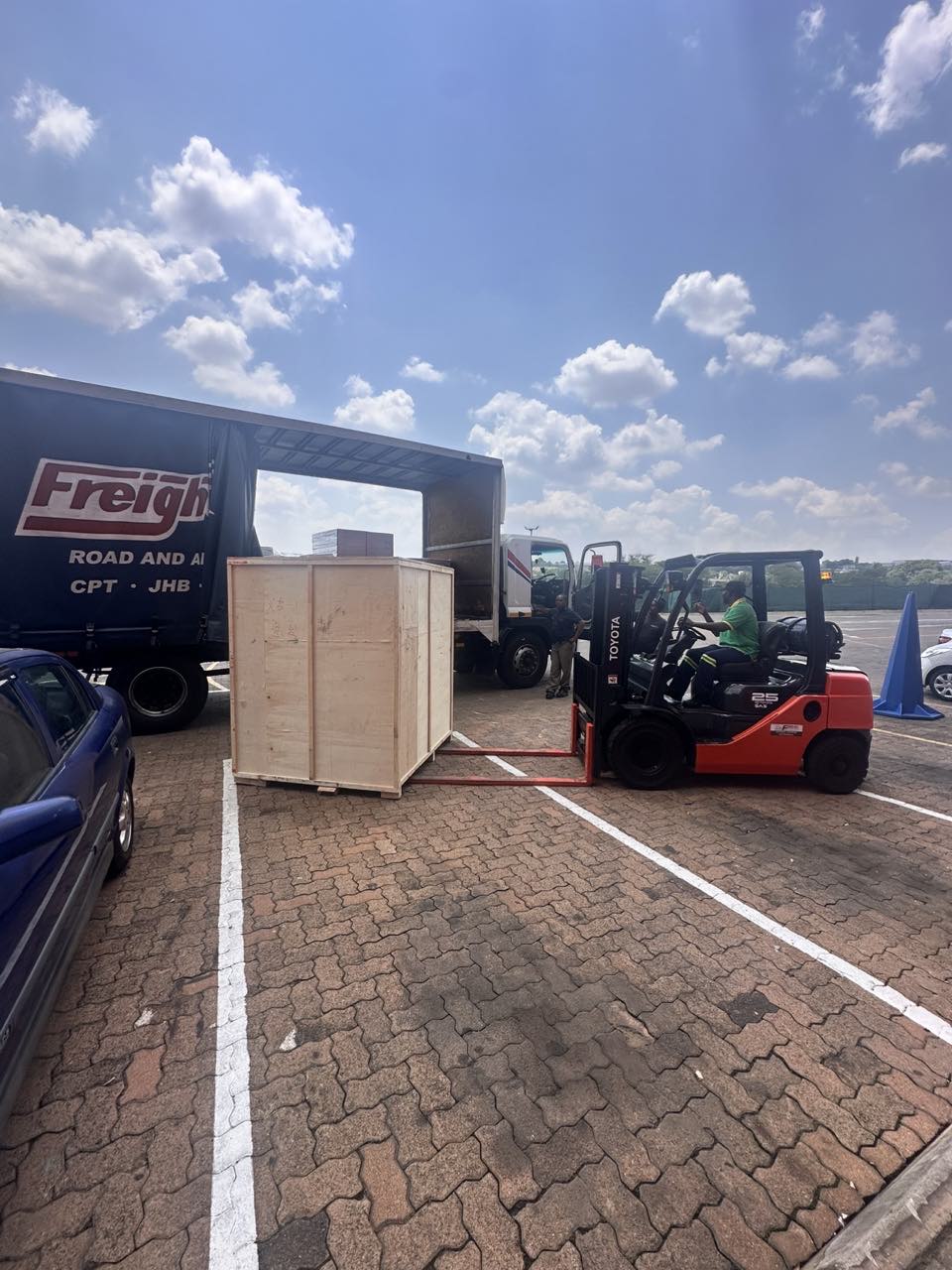
order collection
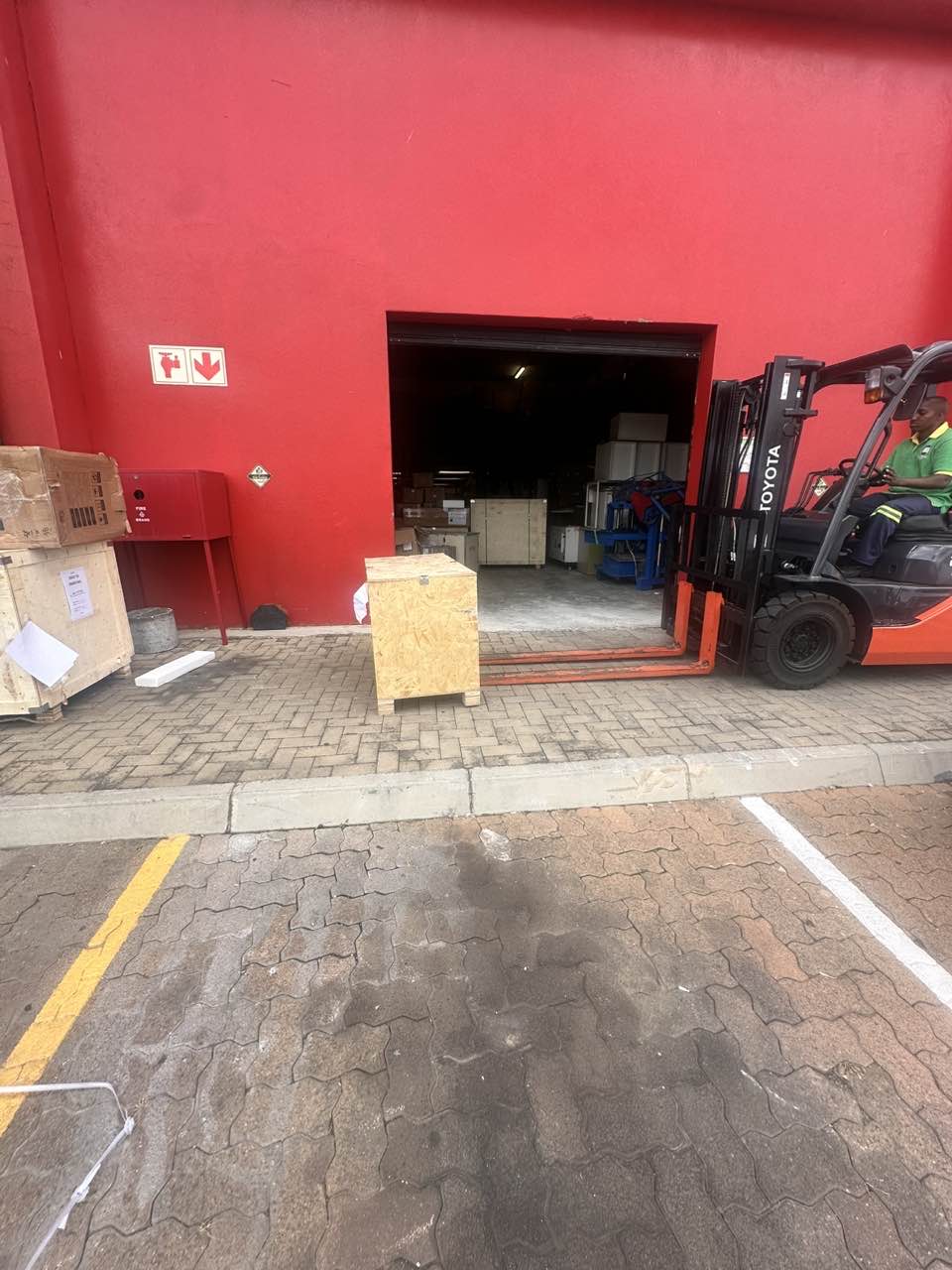
order offloading