B21, China Town Mall, Midrand

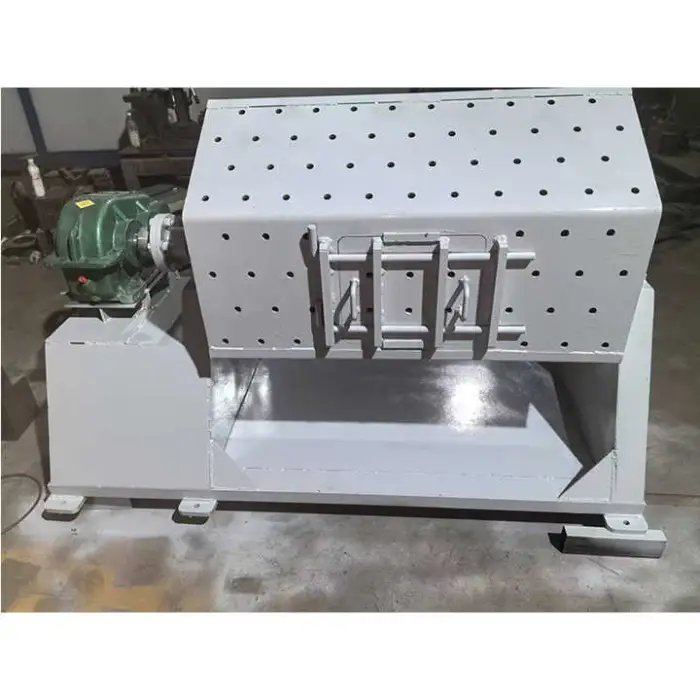
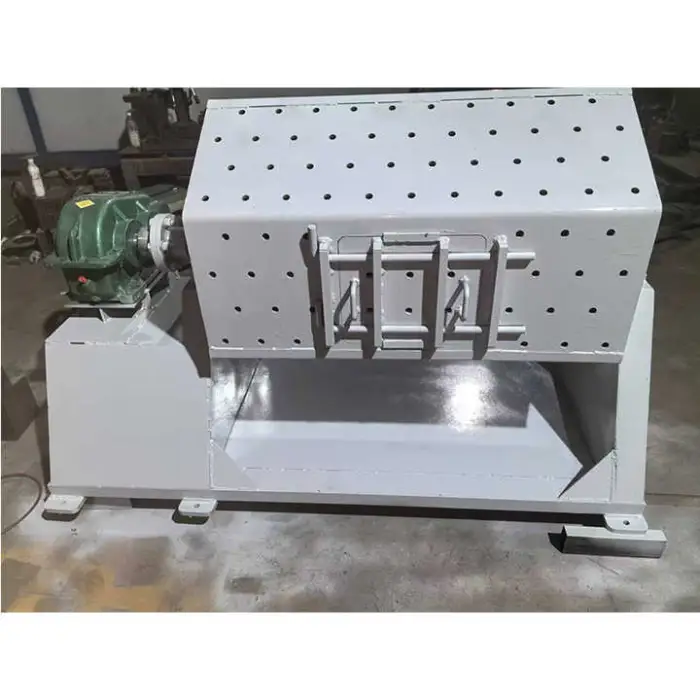
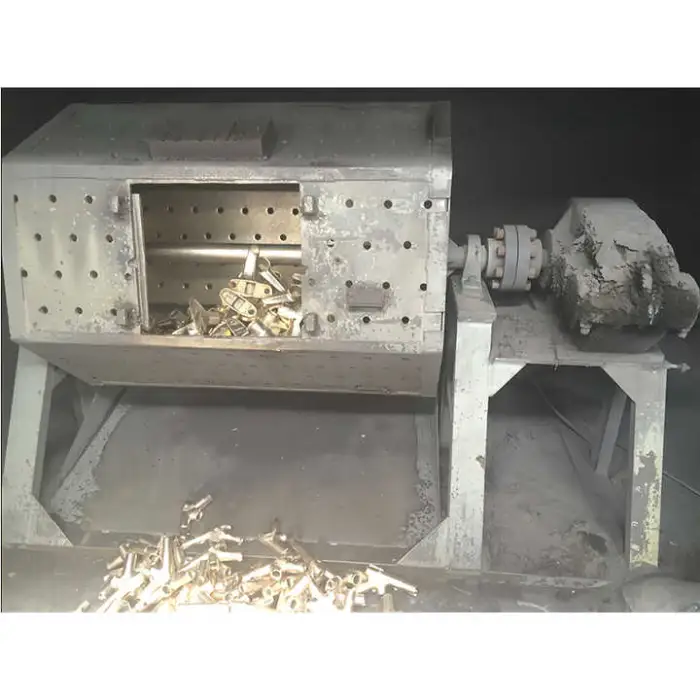
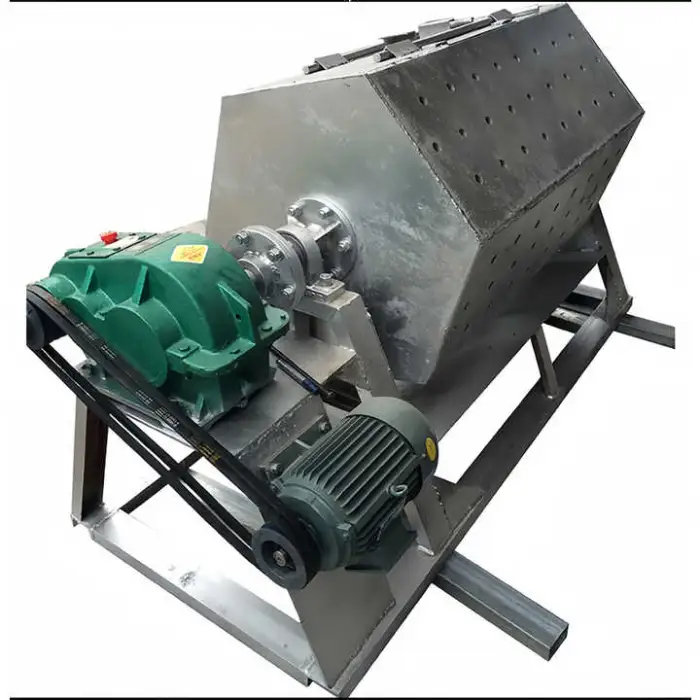
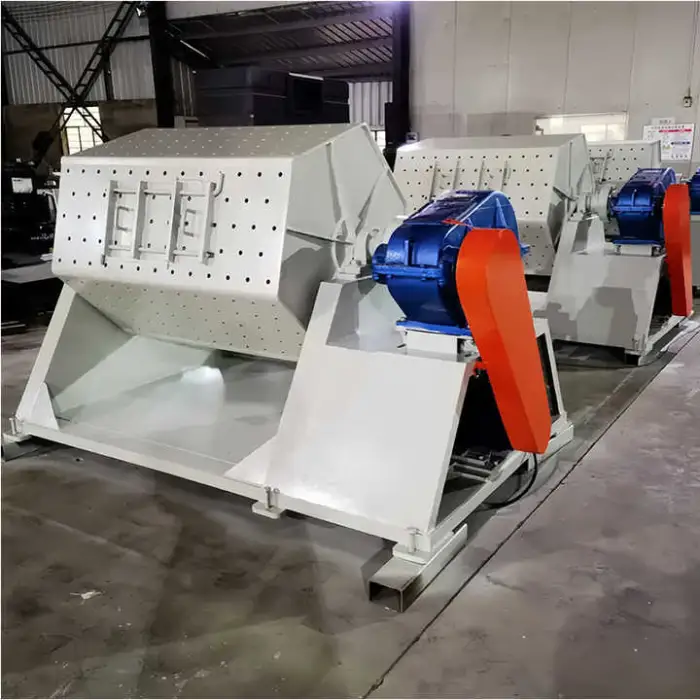
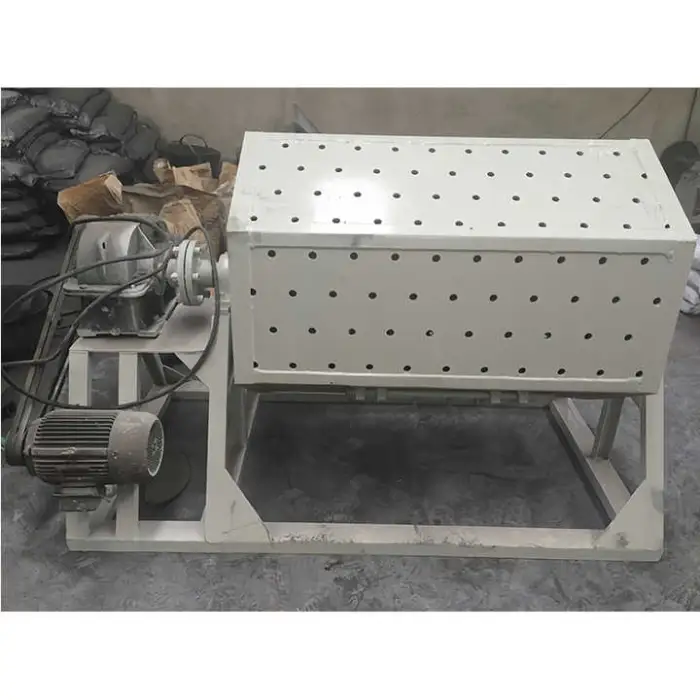
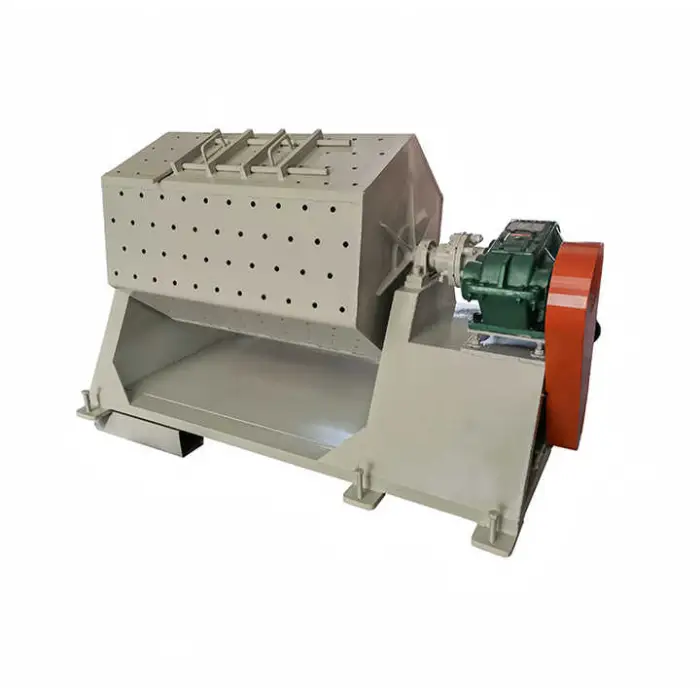
Plated Steel Bucket Faucet Die Casting Machine Gravity Casting Brass Faucet Making Machine
Asset finance available
Do you want funding for this equipment?
Afrimart can connect you with trusted funding partners who specialise in asset finance for businesses like yours. Compare options and apply in minutes — final approval is subject to provider review.
Check funding options
Secure & no obligation

- Section : Machinery
- Category : Metal & Metallurgy Machinery
- SKU : 1601381615809

Plated Steel Bucket Faucet Die Casting Machine Gravity Casting Brass Faucet Making Machine
The Plated Steel Bucket Faucet Die Casting Machine is a powerful tool designed for making high-quality brass faucets. This machine offers high productivity and efficiency, making it ideal for manufacturing industries focused on faucet production. With advanced features and robust construction, it is built to last and perform exceptionally.
Specifications
| Attribute | Details |
|---|---|
| Machine Type | Cold Chamber Die Casting Machine |
| Core Components | Motor |
| Voltage | 380V |
| Power (kw) | 11 |
| Weight (kg) | 520 |
| Max. Thickness of Die Block (mm) | 1100 |
| Min. Thickness of Die Block (mm) | 1100 |
| Ejection Force (kn) | 1100 |
| Ejection Stroke (mm) | 1100 |
| Dimension (L*W*H) | 1000*720*1900 |
| Selling Units | Single item |
| Single Package Size | 1X1X1 cm |
| Single Gross Weight | 1.000 KG |
Key Features
- High productivity for efficient faucet manufacturing.
- Includes video outgoing inspection for quality assurance.
- Comes with a machinery test report for reliability.
- Robust design ensures durability and long-term use.
- Cold chamber die casting technology for precise casting.
Applications
- Manufacturing brass faucets for residential and commercial use.
- Production of high-quality faucet components.
- Ideal for large-scale faucet production lines.
- Used in plumbing supply industries.
- Supports customization of faucet designs.
Product Info Gallery
- Shipping Timeframes: All orders are processed within 2-5 business days (excluding weekends and holidays). After your order has been processed, the estimated delivery time is before 05 Aug, 2026, depending on customs, Please note that due to high demand, some items may experience longer shipping times, which will be communicated at order confirmation email.
- Order Processing Time: Please allow 2-5 business days for us to process your order before it is shipped . Orders placed after 16:00 on Fridays, or during weekends and public holidays, will begin processing on the next business day. Processing times may be extended during peak seasons or sales events.
- Manufacturing Time: Some products needs manufacturing time, the manufacturing process will take approximately 10-30 business days depending on the product. This timeframe may vary depending on the complexity of the product and current demand. but this will be communicated with you during order confirmation.
- Returns and Exchanges: We offer a 30-day return policy for most items. If you are not completely satisfied with your purchase, you may return it within 30 days of receipt for a refund or exchange. Items must be unused, in their original packaging, and accompanied by proof of purchase. Return shipping costs are the responsibility of the customer, unless the item was damaged or defective upon arrival.
1. What is this machine used for?
This machine is designed to manufacture brass faucets and faucet components using die casting technology, making it suitable for residential and commercial faucet production and large-scale production lines.
2. What casting method does the machine use?
The specification lists it as a cold-chamber die casting machine, which is the standard method for non-ferrous alloys like brass. (If you require pure gravity casting setups, please confirm with the supplier for available options or modifications.)
3. What materials can I cast with this machine?
It is primarily intended for brass and other non-ferrous alloys commonly used in faucet manufacturing. Always confirm alloy compatibility with the supplier for special alloys or additives.
4. What are the electrical and power requirements?
Rated voltage is 380V and total power is 11 kW. This typically requires a three-phase industrial power supply; have a qualified electrician verify site power compatibility before installation.
5. What are the machine dimensions and weight?
Overall dimensions are 1000 x 720 x 1900 mm and the machine weight is approximately 520 kg. Allow extra space around the machine for maintenance and mold handling.
6. What is the machine's production capacity or cycle time?
Cycle time depends on part geometry, die design, cooling setup and process parameters. The machine is specified for high productivity, but please request sample parts or a production test from the supplier to estimate cycle time for your specific faucet design.
7. What do the ejection force and ejection stroke specifications mean?
Ejection force (1100 kN) is the maximum force the ejector can apply to remove cast parts from the die. Ejection stroke (1100 mm) is the maximum travel distance of the ejector. These values indicate strong ejection capability suitable for larger faucet components—confirm units and values with the supplier.
8. The spec shows Max and Min die block thickness both as 1100 mm—is that correct?
That appears to be an inconsistent or placeholder entry. Die block thickness typically has a range; please verify the correct maximum and minimum die block thickness with the manufacturer or supplier before ordering.
9. Are molds/dies included and what are the tooling requirements?
Tooling and dies are usually sold separately. You will need appropriately designed dies for your faucet designs, made from compatible tool steels. Ask the supplier about die-making services, recommended die dimensions, and installation guidance.
10. What quality assurance and testing come with the machine?
The machine includes a video outgoing inspection and a machinery test report to verify operation and performance prior to shipment. Request these documents and any sample castings when evaluating the machine.
11. What about packaging, shipping weight, and crate dimensions?
Some listed package details (e.g., 1x1x1 cm and 1 kg gross weight) appear to be placeholders. Actual packaging will reflect the machine's 520 kg weight and will be crated for transport. Confirm final crate size, weight and shipping method with the vendor.
12. What installation, foundation and site preparation are required?
Prepare a level, load-bearing concrete floor and sufficient electrical supply (380V, three-phase). Space should accommodate the machine footprint plus access for maintenance and mold changes. The supplier should provide installation instructions and any foundation requirements.
13. What training and operator skills are required?
Operators should have experience with die casting equipment, safety procedures and basic mechanical/electrical troubleshooting. Suppliers typically offer operator training and start-up support—confirm availability when ordering.
14. How is maintenance and spare parts support handled?
Regular maintenance includes lubrication, inspection of hydraulic/ejection systems, and die upkeep. Ask the supplier for a recommended maintenance schedule, spare parts list, and lead times for critical components.
15. Can the machine be customized for specific faucet designs or production needs?
Yes—suppliers commonly offer customization options such as different die mounts, automation for part handling, customized ejector setups, and integration with downstream finishing equipment. Discuss your design and volume requirements to get a tailored solution.
Latest Order Arrivals
Discover our latest orders

12 Heads Embroidery Machine

Toilet Paper Machine Machine

Order Collection

Cross Border Clients

Order cros border countries Collected

Industrial Machine Cllection

Agriculture Processing Machines

Ready for collection

Water Pump Equipment

Packaging Machine and accessories

Fabrics Manufacturing Equipment

Mining Equipments

Food Processing Machine

Batch of Orders

Batch of Orders

Latest Orders Labelled

wheel alignment machines

new arrivals

Pre Orders Offloading

Latest Arrivals

Latest Arrivals

Latest Arrivals

Loading

Toilet paper making machine

Toilet paper making machine

Toilet paper Rewinding Machine

latest arrivals

offloading

order success

order collection

order offloading