B21, China Town Mall, Midrand

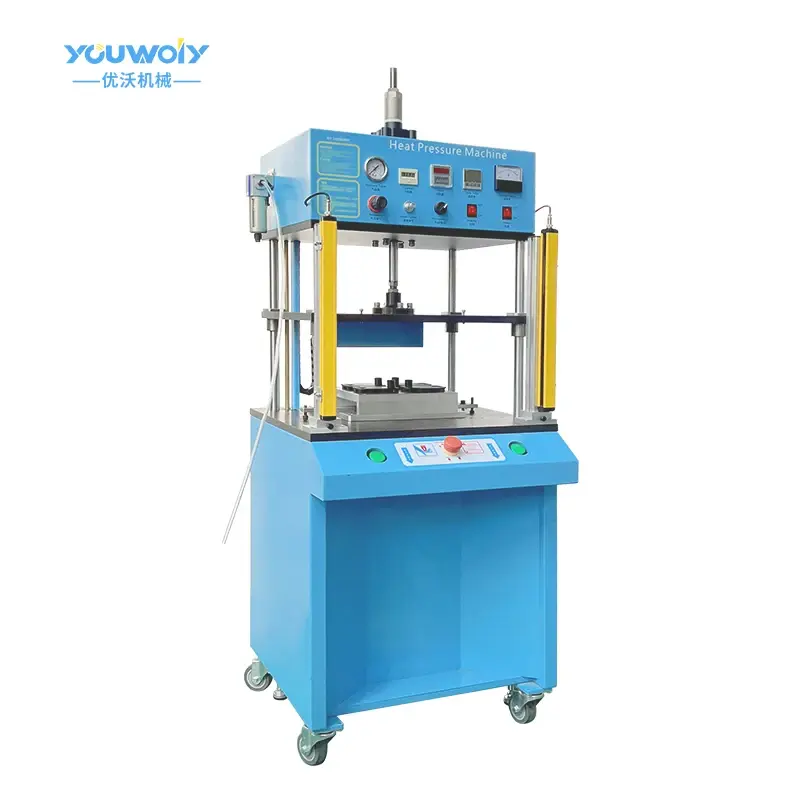
Plastic Welding with Ultrasonic For Medical Device

- Section : Machinery
- Category : Welding Equipment
- SKU : 1600988464432

Plastic Welding Machine
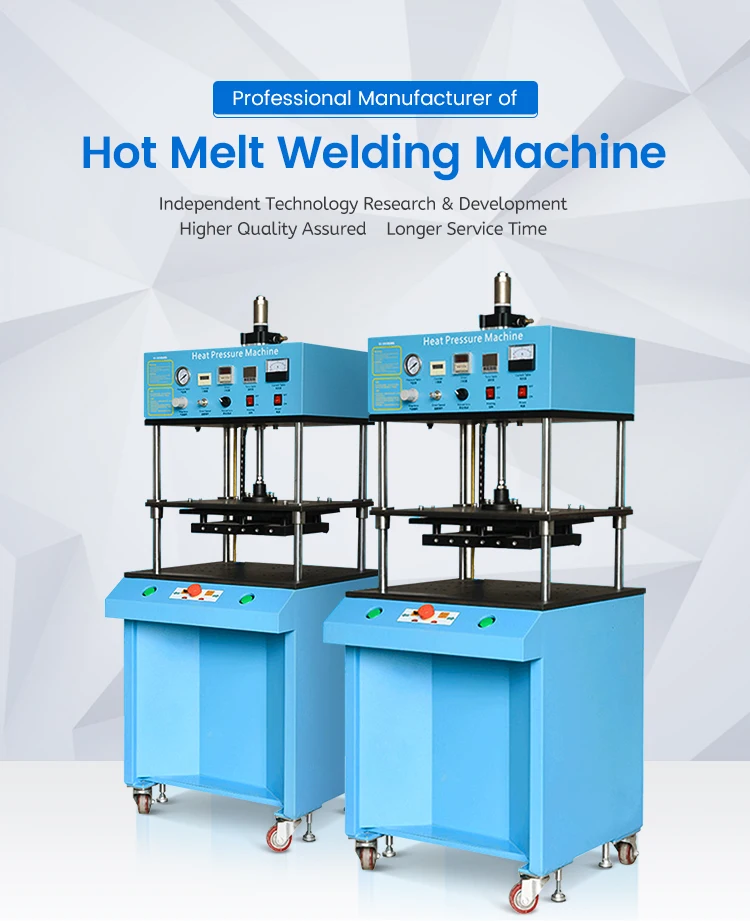
The Plastic Welding Machine is designed for welding various types of plastic materials. It provides a highly effective solution for joining plastics like ABS, acrylic, polyethylene, polycarbonate, PP, HDPE, PE, PVC, and EVA. The machine is ideal for plastic welding applications in industries requiring high-quality and durable welding joints.
Specification
Voltage: 110/220/380V (depending on model)
Frequency: Dependent on application
Welding Area: 450mm x 350mm
Power (kw): 4-7 kW
Welding Materials: ABS, acrylic, polyethylene, polycarbonate, PP, HDPE, PE, PVC, EVA
Dimensions (L x W x H): 1650mm x 1550mm x 2530mm
Weight: 800 kg
Key Features
Durable Construction: Made from high-quality aluminum alloy for longevity and strength.
Versatile Application: Suitable for a wide range of plastics used in various industries.
Simple Operation: The machine operates in auto mode, making it easy to use.
Efficient Welding: Provides precise and strong welds for different plastic materials.
After-Sales Support: Includes video technical support, online support, spare parts, and field maintenance services.
Additional Details
Warranty: 1 year
Certification: CE, ISO
Color: White
Application: Plastic welding
Minimum Order Quantity: 1 set

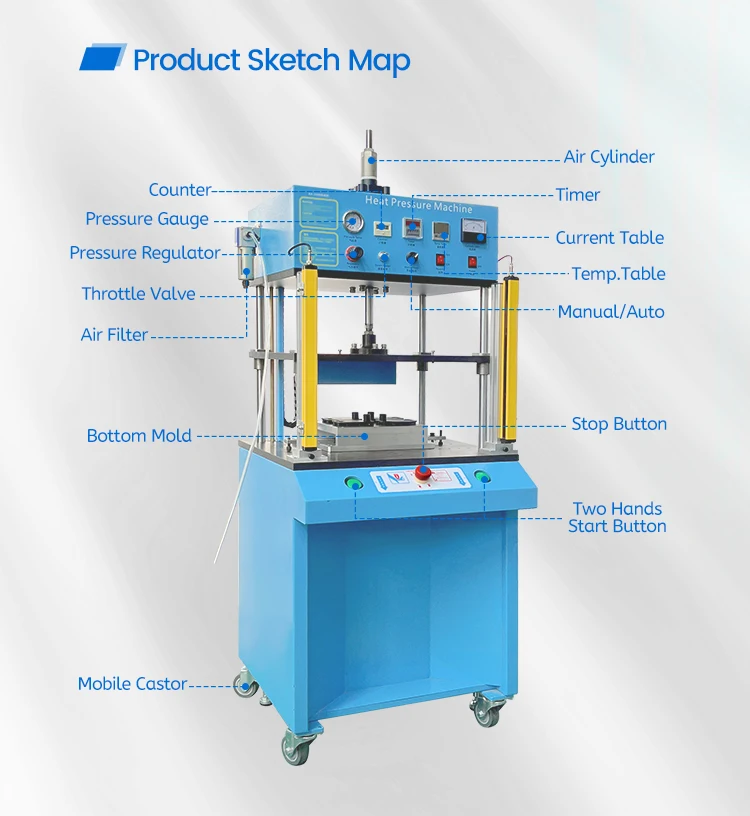
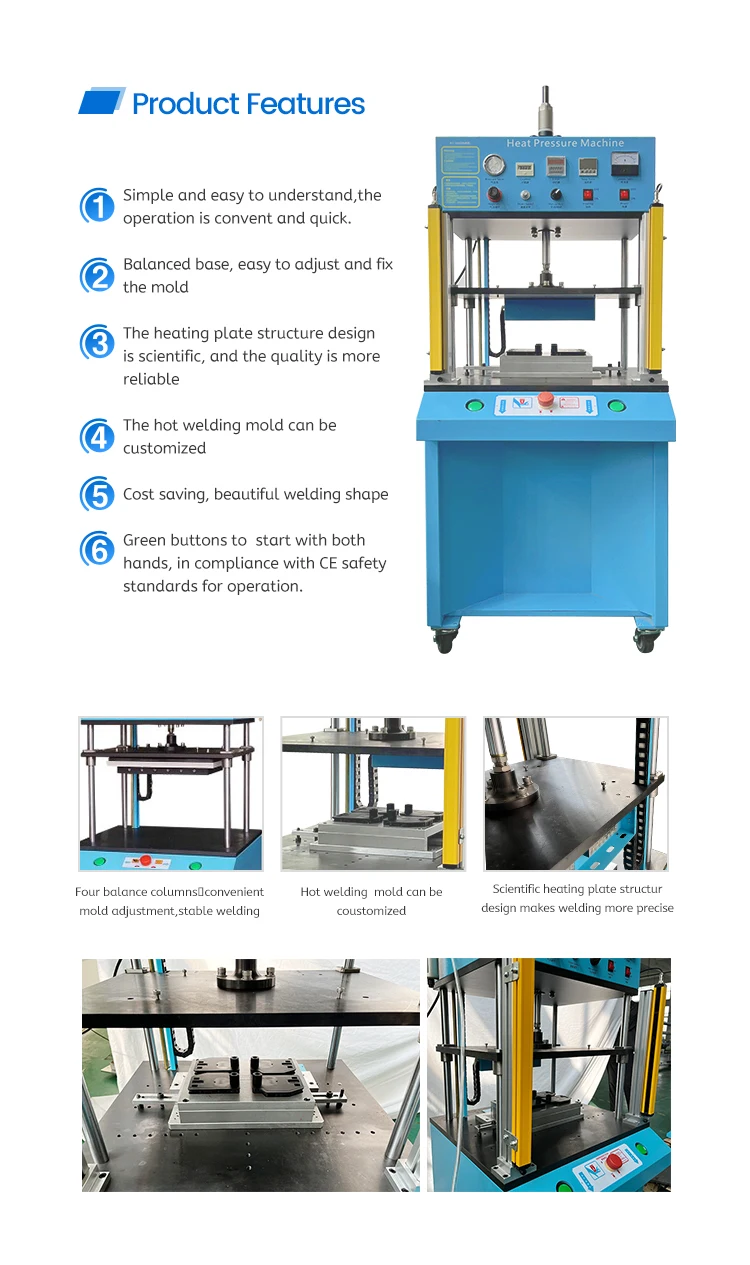
Specification
| Voltage | 110/220/380v |
| Frequency | depend |
| Welding Area | 450mm*350mm |
| Dimensions | (L) 1650 * (W) 1550 * (H) 2530 (MM) |
| Usage | Plastic welding |
| Warranty | 1 Year |
| Free spare parts, Field installation, commissioning and training, Field maintenance and repair service, Online support, Video technical support | |
| After Warranty Service | Video technical support, Online support, Spare parts, Field maintenance and repair service |
| Machinery Test Report | Provided |
| Video outgoing-inspection | Provided |
| Warranty | 1year |
| Cetificate | CE ISO |
Packing & Delivery


- Shipping Timeframes: All orders are processed within 2-5 business days (excluding weekends and holidays). After your order has been processed, the estimated delivery time is before 13 Aug, 2026, depending on customs, Please note that due to high demand, some items may experience longer shipping times, which will be communicated at order confirmation email.
- Order Processing Time: Please allow 2-5 business days for us to process your order before it is shipped . Orders placed after 16:00 on Fridays, or during weekends and public holidays, will begin processing on the next business day. Processing times may be extended during peak seasons or sales events.
- Manufacturing Time: Some products needs manufacturing time, the manufacturing process will take approximately 10-30 business days depending on the product. This timeframe may vary depending on the complexity of the product and current demand. but this will be communicated with you during order confirmation.
- Returns and Exchanges: We offer a 30-day return policy for most items. If you are not completely satisfied with your purchase, you may return it within 30 days of receipt for a refund or exchange. Items must be unused, in their original packaging, and accompanied by proof of purchase. Return shipping costs are the responsibility of the customer, unless the item was damaged or defective upon arrival.
1. What welding technology does this machine use and is it suitable for medical device components?
This machine uses ultrasonic plastic welding technology tailored for joining thermoplastic parts. It is designed for applications in medical device manufacturing, subject to your facility’s regulatory and cleanroom requirements and process validation.
2. Which plastic materials can the machine weld?
The unit is compatible with a wide range of thermoplastics listed in the specification, including ABS, acrylic, polyethylene (PE), polypropylene (PP), polycarbonate (PC), HDPE, PVC and EVA. Material weldability depends on formulation and part geometry, so verification trials are recommended.
3. What are the machine’s key specifications (power, welding area, dimensions)?
Typical specifications: voltage options 110/220/380V, power 4–7 kW, welding area 450 mm × 350 mm, overall dimensions 1650 × 1550 × 2530 mm (L × W × H), and weight approximately 800 kg. Exact values may vary by model—confirm with the supplier.
4. Is the machine suitable for cleanroom or sterile manufacturing environments?
The machine can be used in cleanroom environments with appropriate room classification and gowning procedures. For sterile processing, you must implement validated cleaning and sterilization workflows for fixtures and downstream products. Confirm any additional cleanroom-friendly options with the manufacturer.
5. What certifications and quality standards does the machine have?
The machine is CE marked and supplied with ISO certification (as stated). If you require specific medical-device standards such as ISO 13485 or additional documentation for regulatory submissions, request those certificates from the vendor.
6. What kind of after-sales support and warranty are provided?
Standard offering includes a 1-year warranty, free spare parts, field installation, commissioning and training, online and video technical support, plus field maintenance and repair services. After-warranty support (video, online, spare parts, field repair) is available.
7. Do you provide installation, training, and commissioning on site?
Yes — the supplier provides field installation, commissioning and operator training as part of the standard service package. Remote/video support is also available for follow-up assistance.
8. How do I validate welding parameters for a medical device application?
Validation typically involves establishing process parameters (amplitude, time/hold, pressure, trigger), performing capability and repeatability studies, destructive/non-destructive testing, and documenting results. Work with the supplier and your quality team to create a validation protocol that meets regulatory requirements.
9. What are typical cycle times and throughput?
Cycle time depends on material type, part geometry and required weld strength. Ultrasonic welds are generally fast (seconds per weld), but exact throughput must be determined through process trials for your specific parts.
10. How is machine maintenance handled and how often is it required?
Routine maintenance includes cleaning sonotrode and fixtures, checking horn alignment and wear, inspecting pneumatic components, and replacing consumables as needed. Frequency depends on usage; the vendor provides maintenance guidance and spare parts support.
11. Are spare sonotrodes, fixtures, and tooling available?
Yes — spare parts and tooling are available. The supplier offers spare parts packages and can help design custom fixtures and sonotrodes optimized for your part geometry and production volumes.
12. Can this machine be integrated into an automated production line?
Yes — the machine is suitable for integration into automated lines. Discuss required I/O, safety interlocks, part handlers and conveyors with the supplier so they can specify the proper controls and custom integration options.
13. What safety features does the machine include?
Standard safety features typically include guarded access areas, emergency stop, and interlocks. Exact safety provisions vary by model—confirm the full list of safety hardware and compliance with local safety standards with the manufacturer.
Latest Order Arrivals
Discover our latest orders
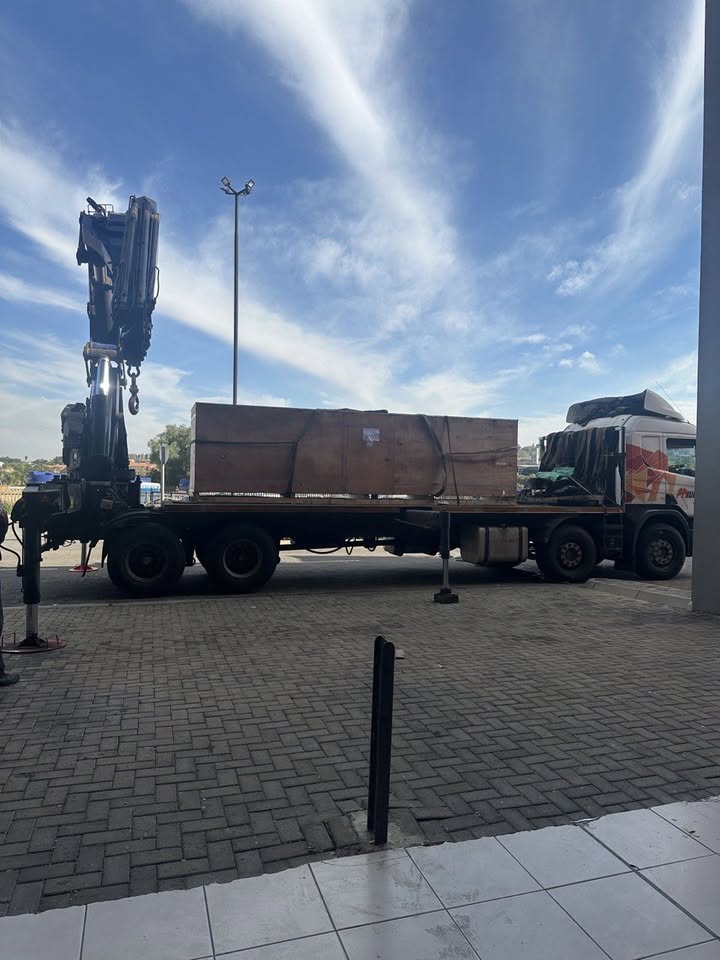
12 Heads Embroidery Machine
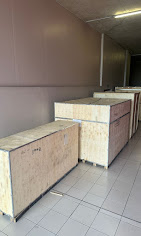
Toilet Paper Machine Machine
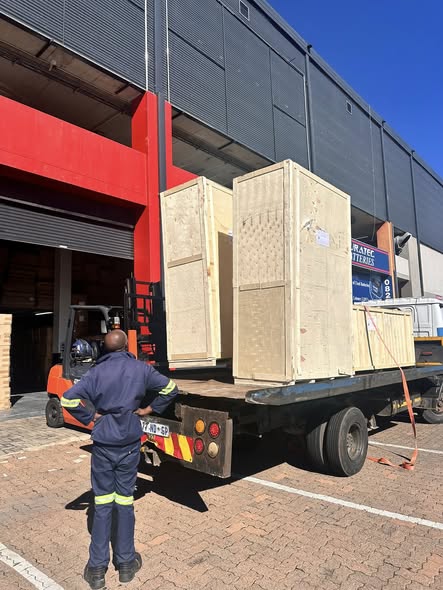
Order Collection
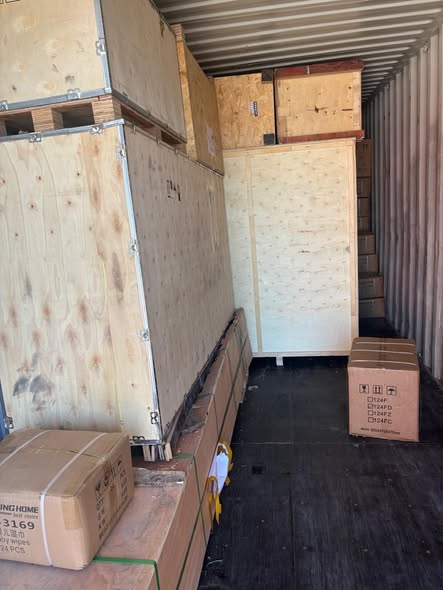
Cross Border Clients
Order cros border countries Collected
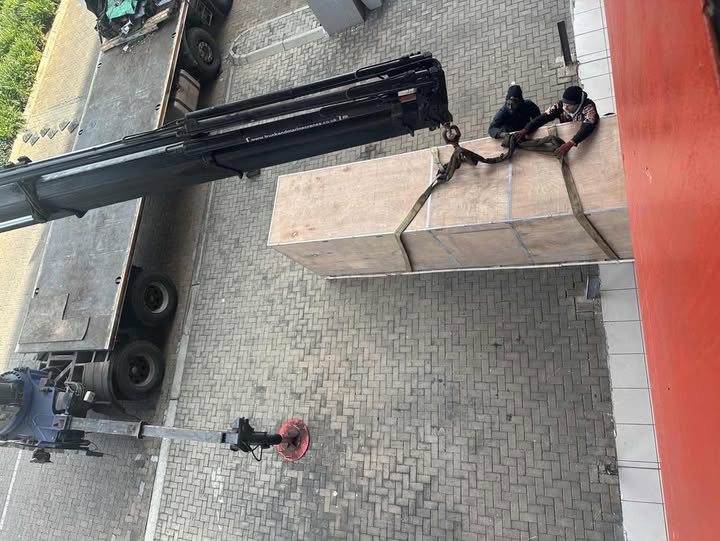
Industrial Machine Cllection
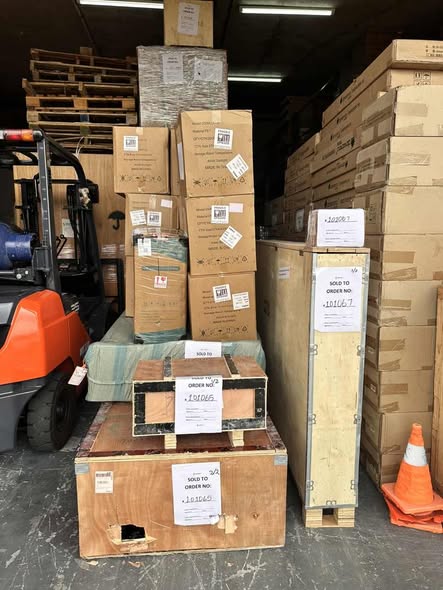
Agriculture Processing Machines
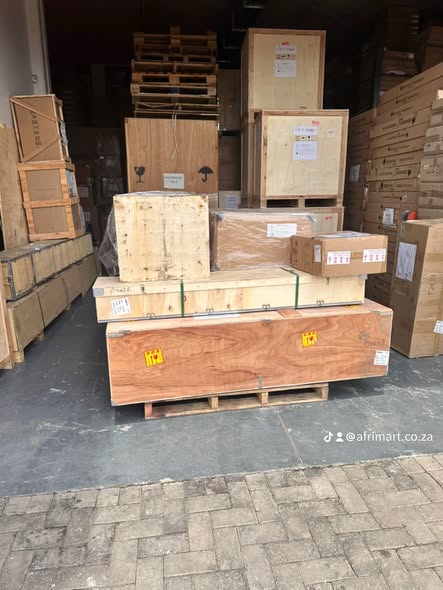
Ready for collection
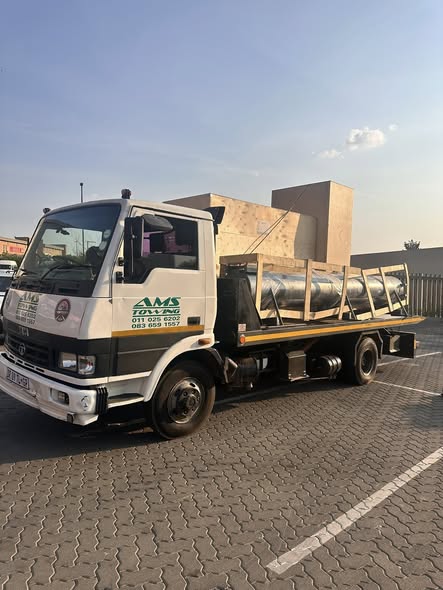
Water Pump Equipment
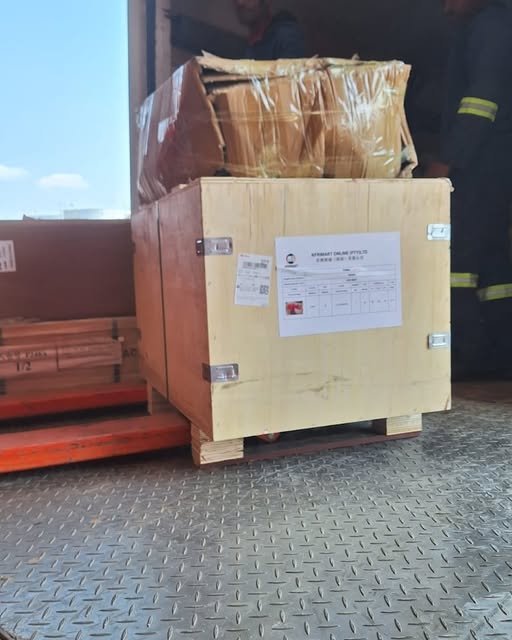
Packaging Machine and accessories
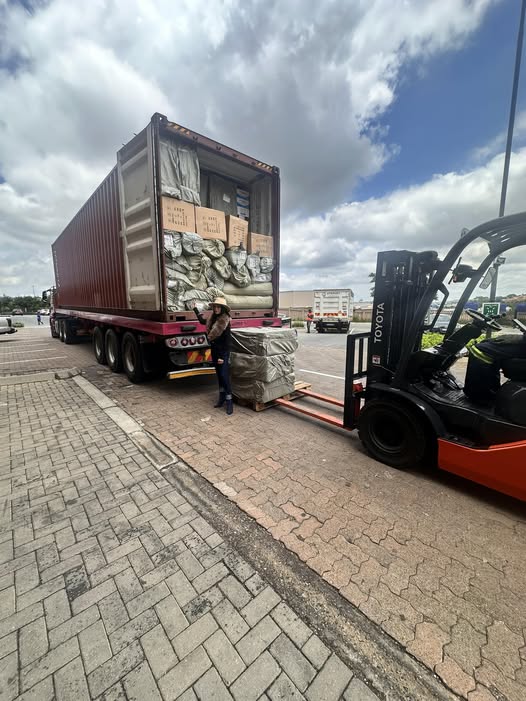
Fabrics Manufacturing Equipment
Mining Equipments
Food Processing Machine
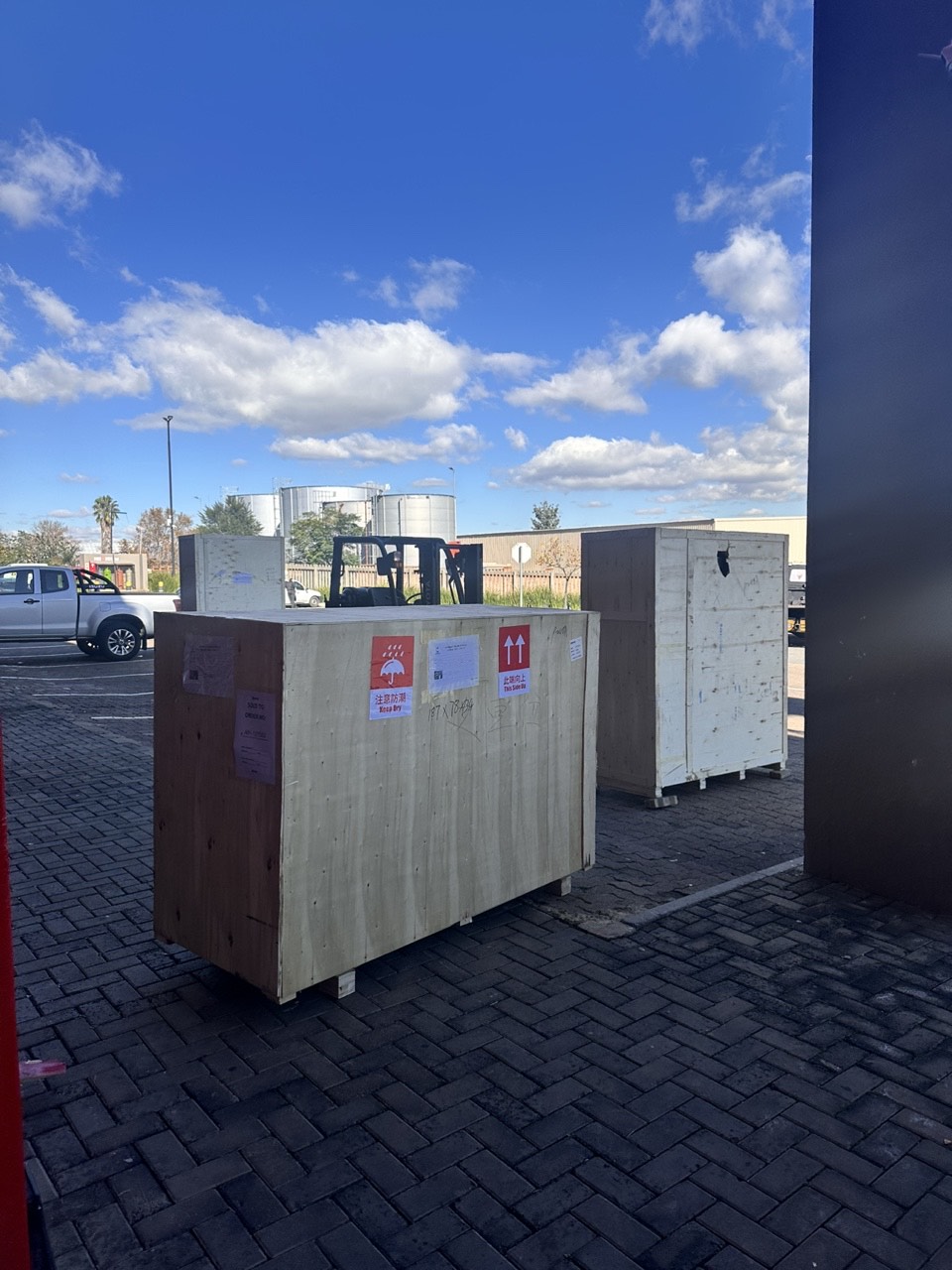
Batch of Orders
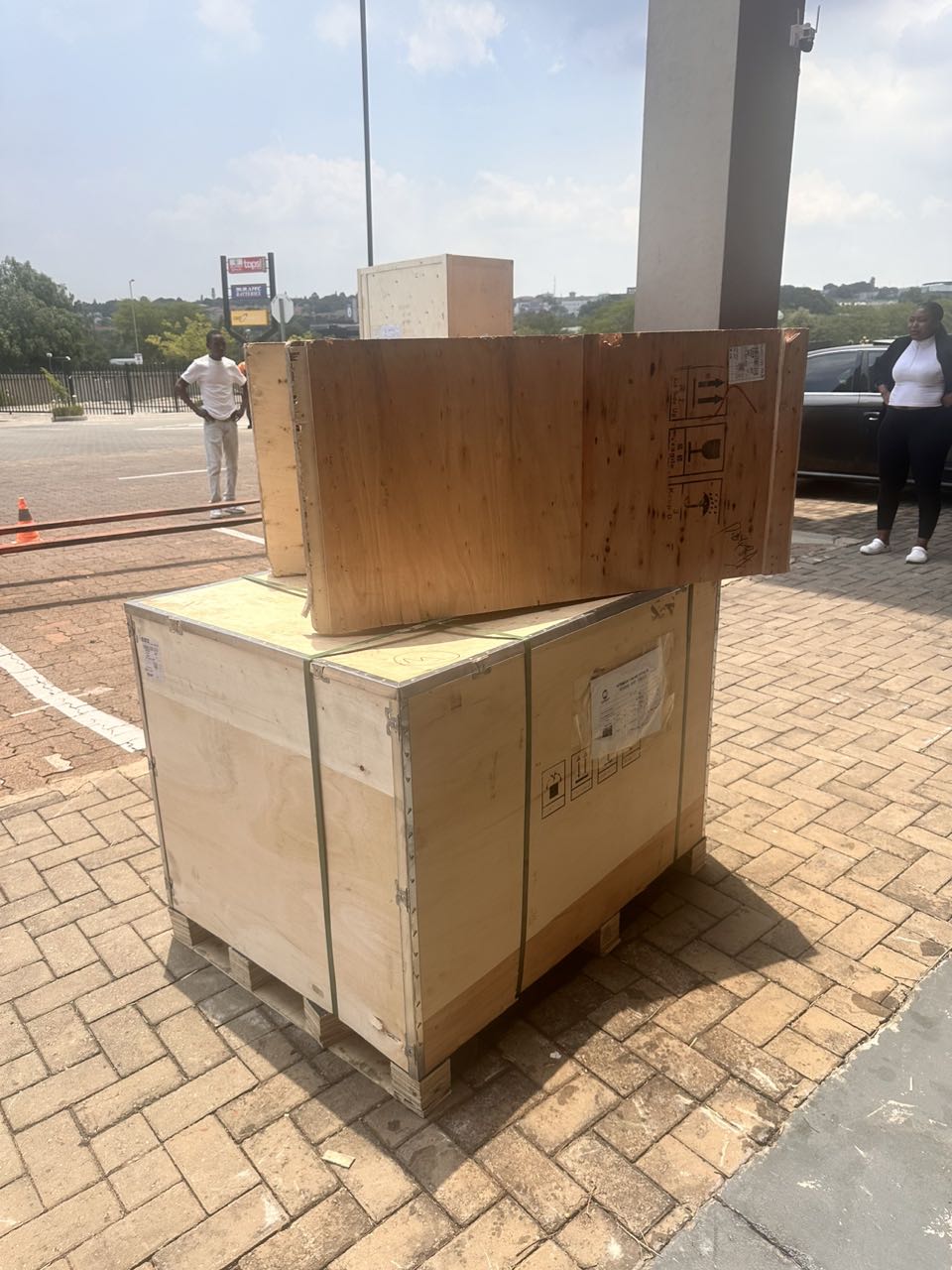
Batch of Orders
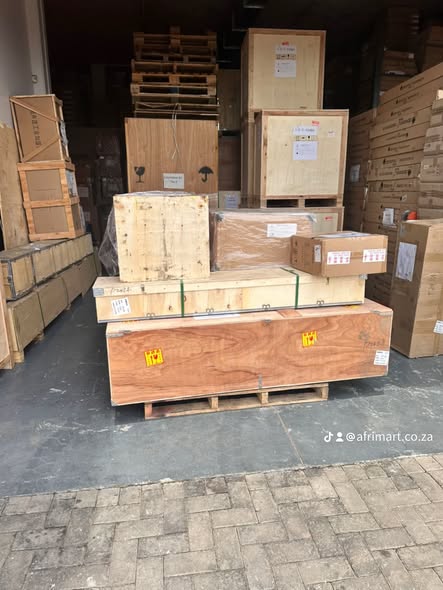
Latest Orders Labelled
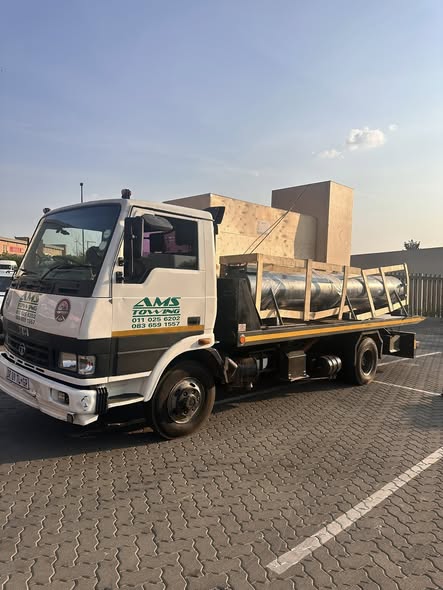
wheel alignment machines
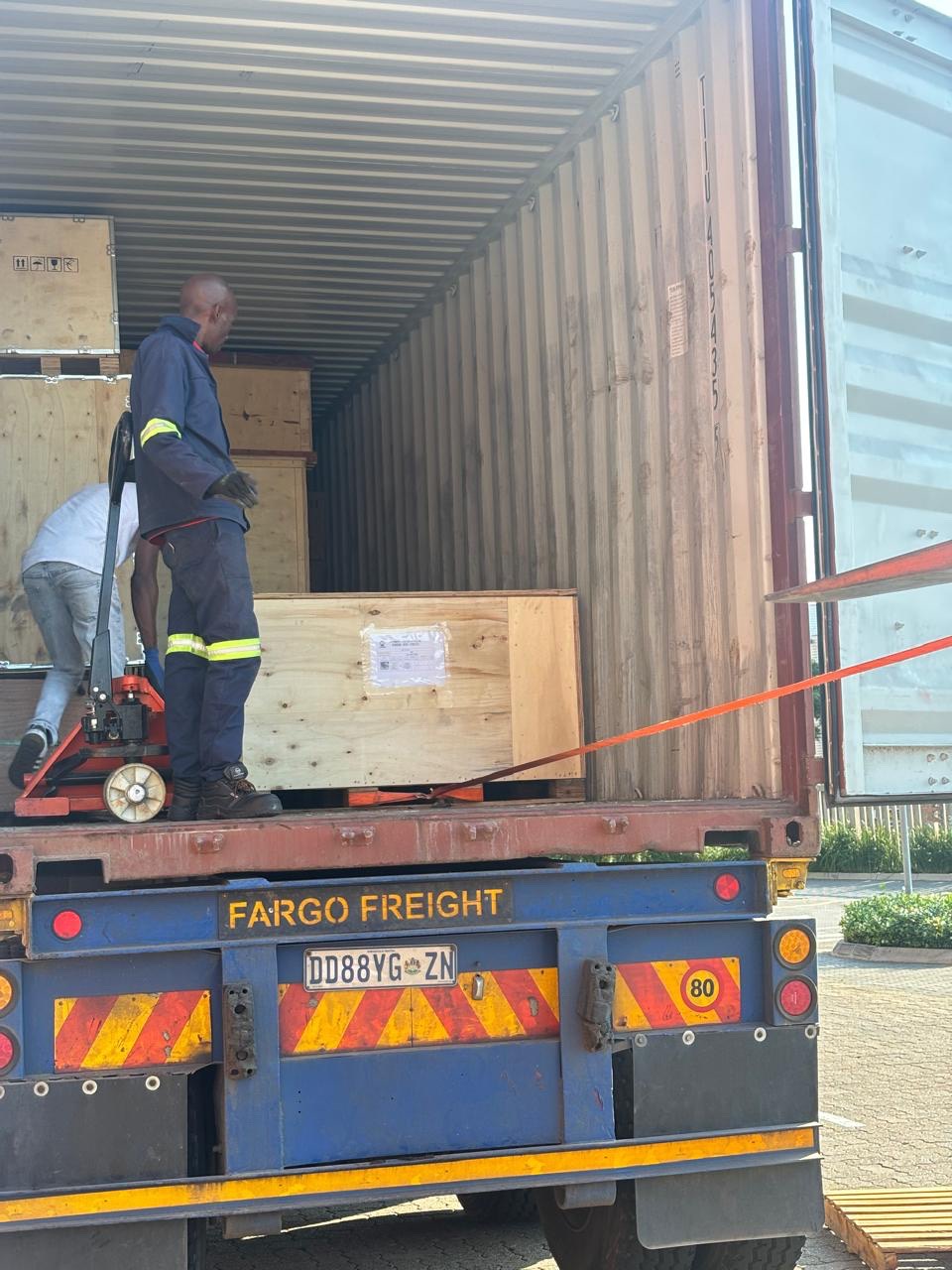
new arrivals
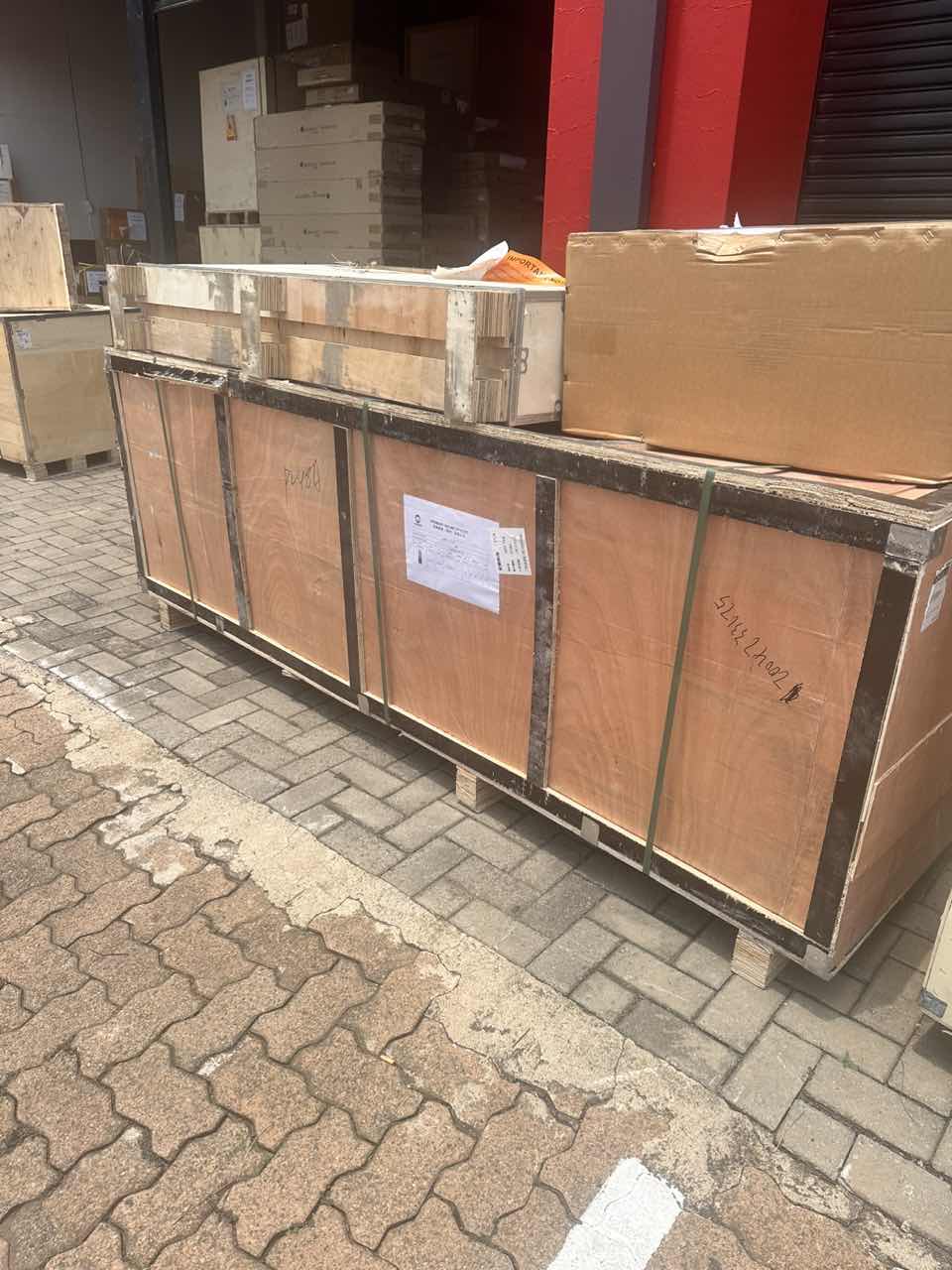
Pre Orders Offloading
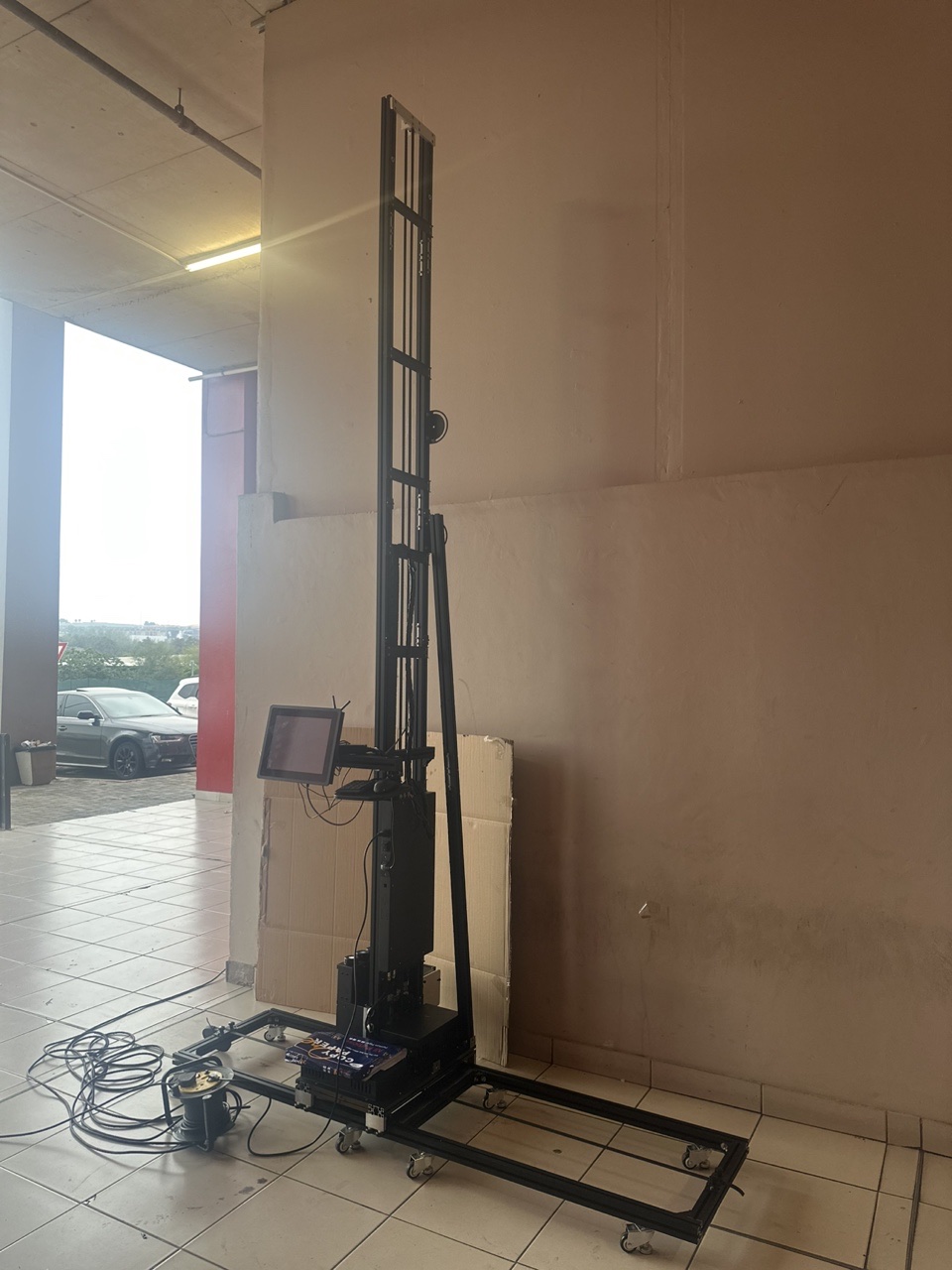
Latest Arrivals
Latest Arrivals
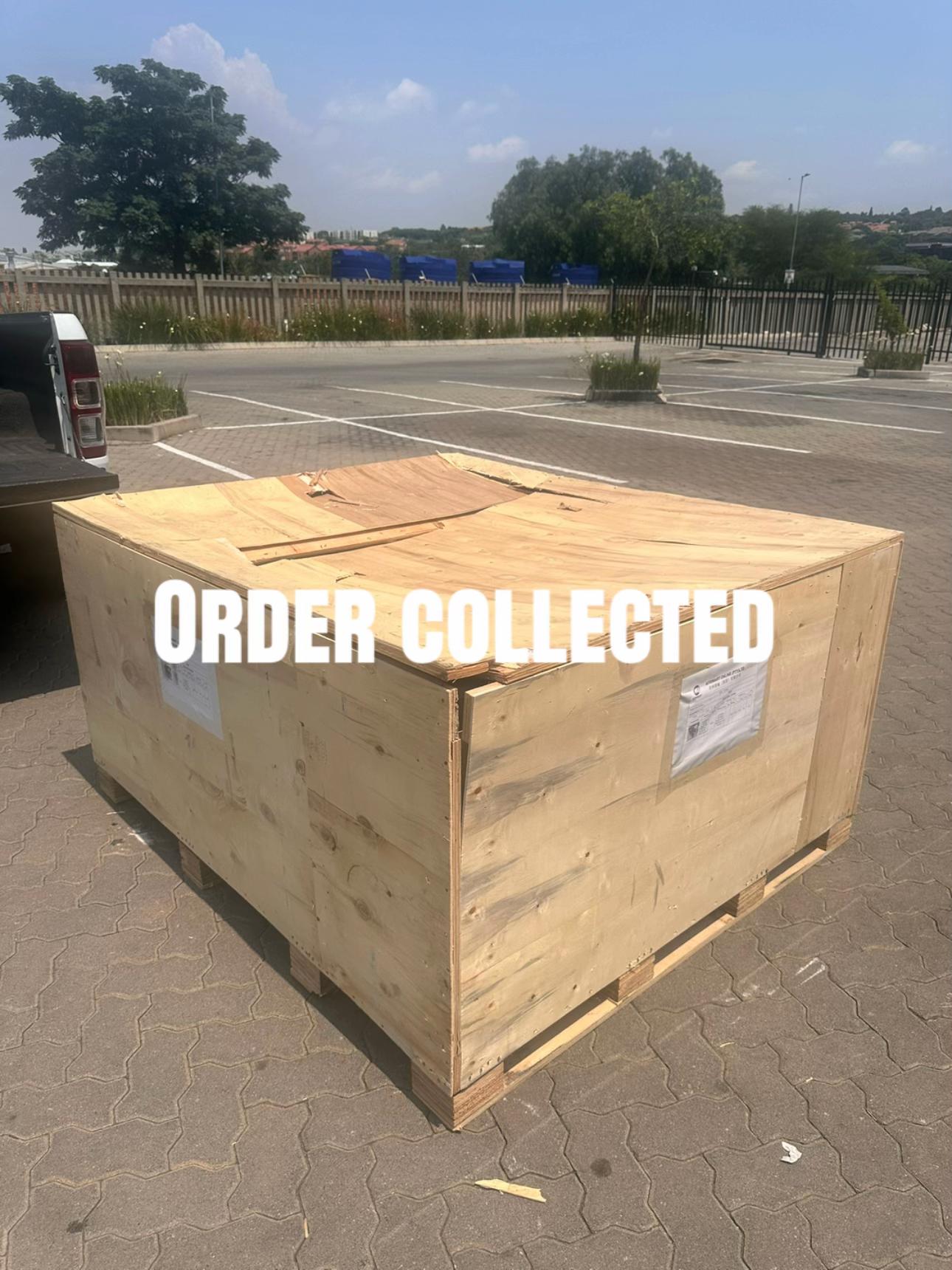
Latest Arrivals
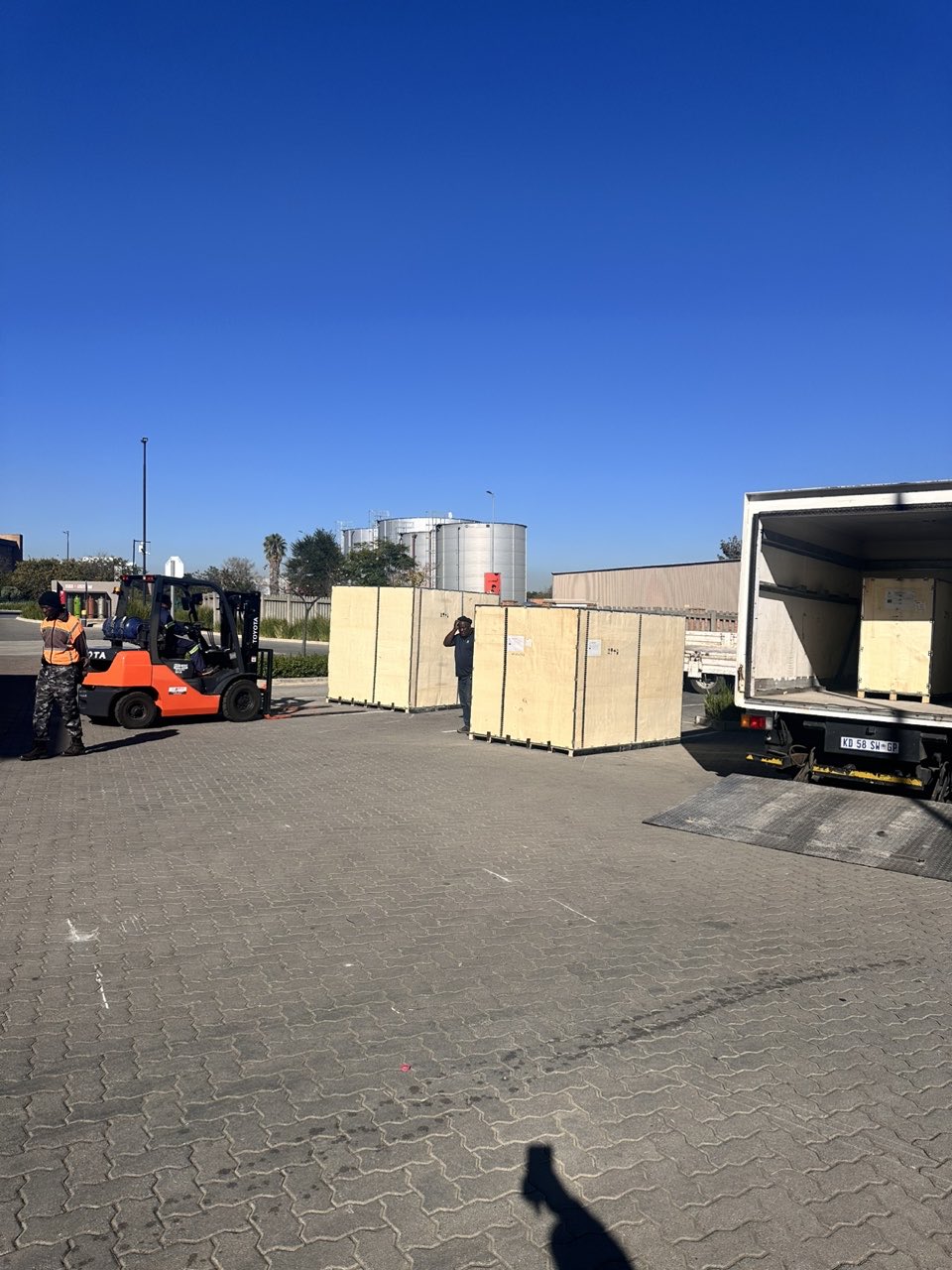
Loading
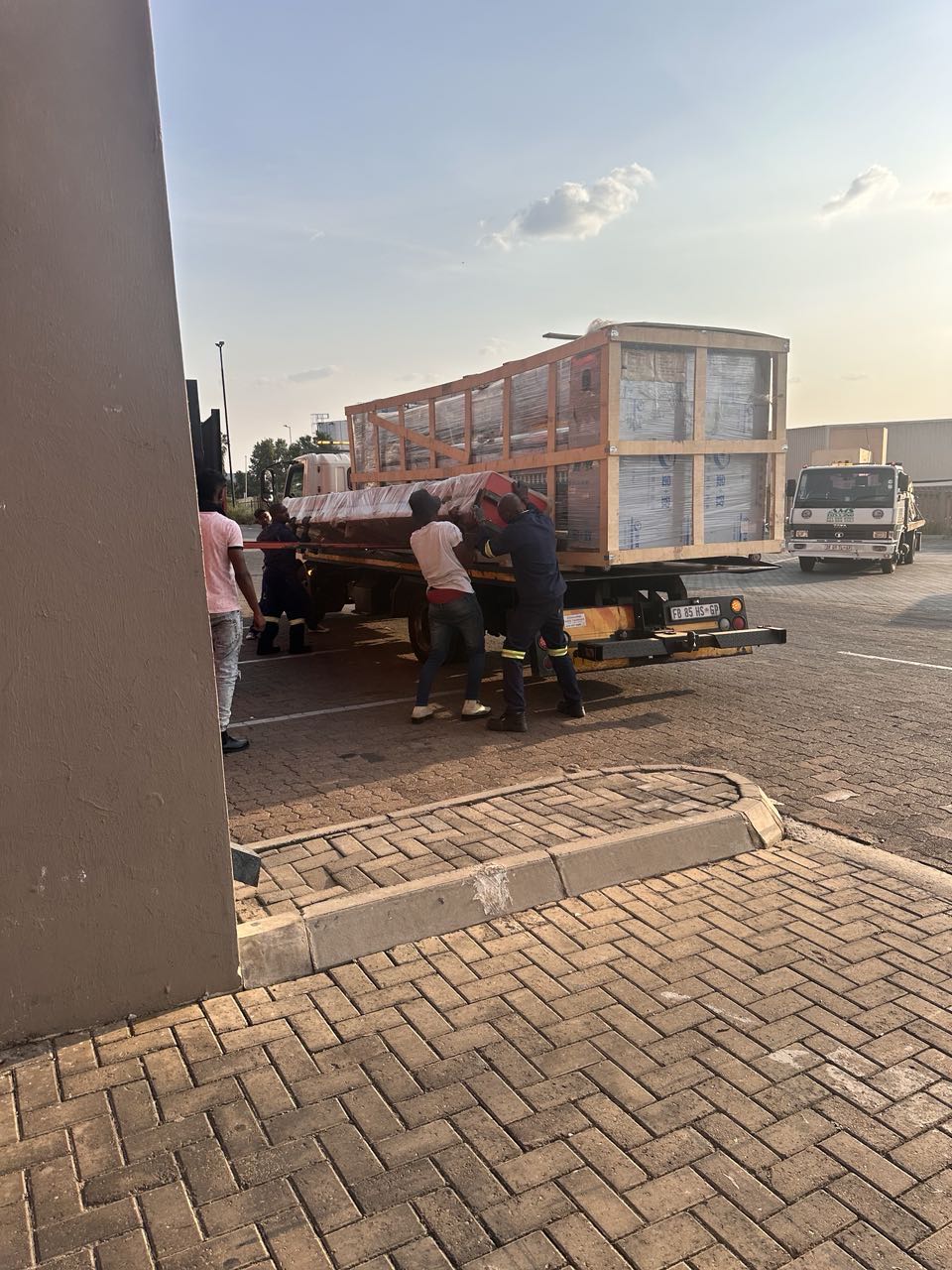
Toilet paper making machine
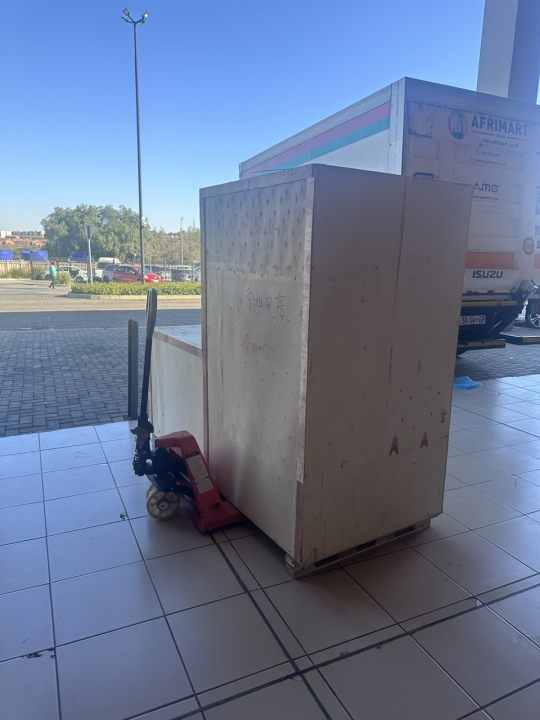
Toilet paper making machine
Toilet paper Rewinding Machine
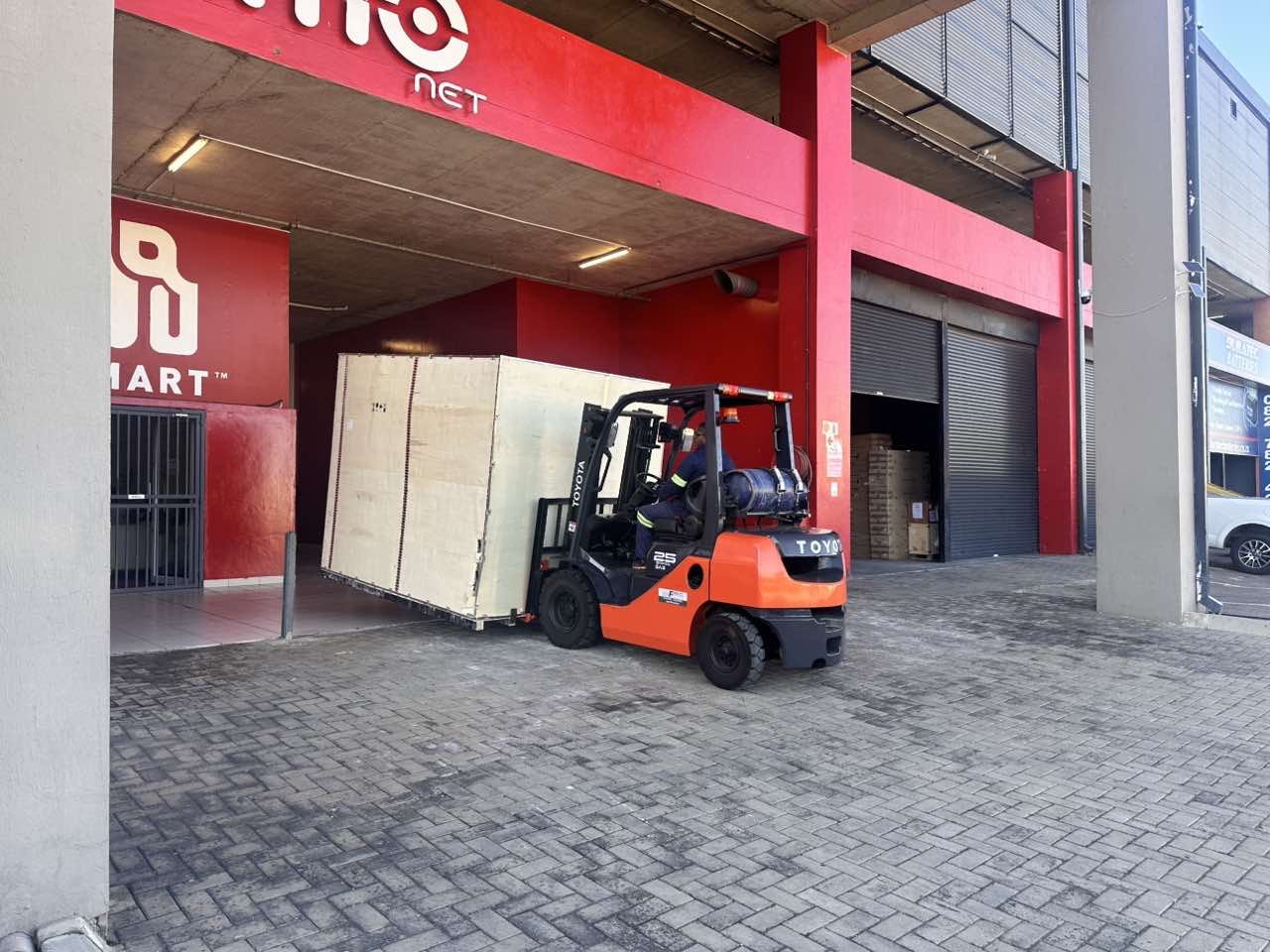
latest arrivals
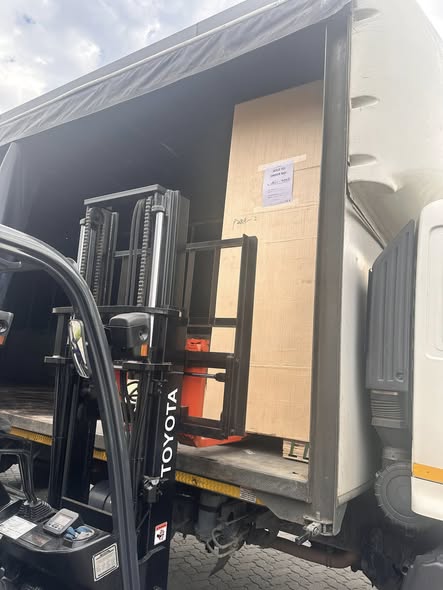
offloading
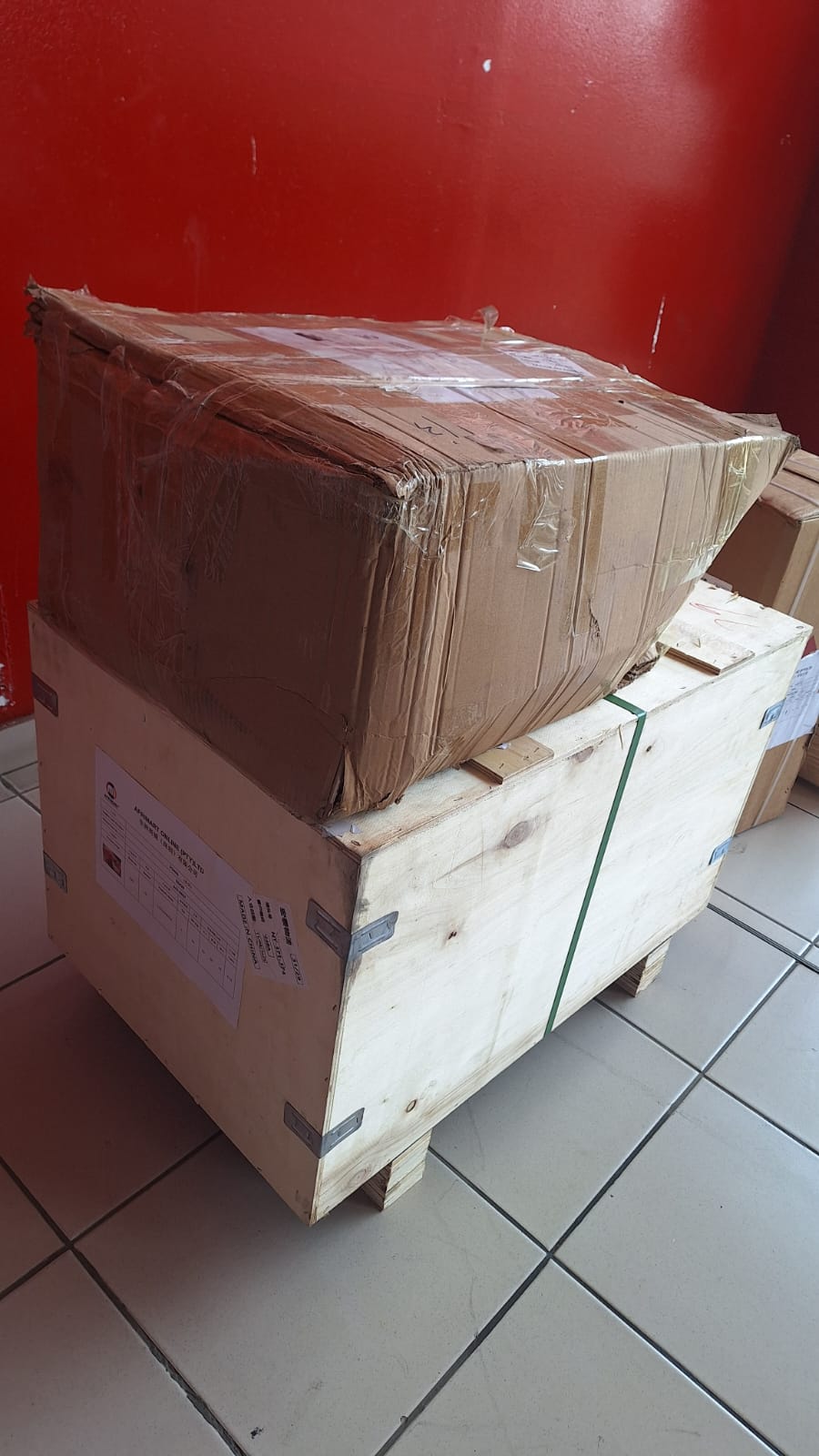
order success
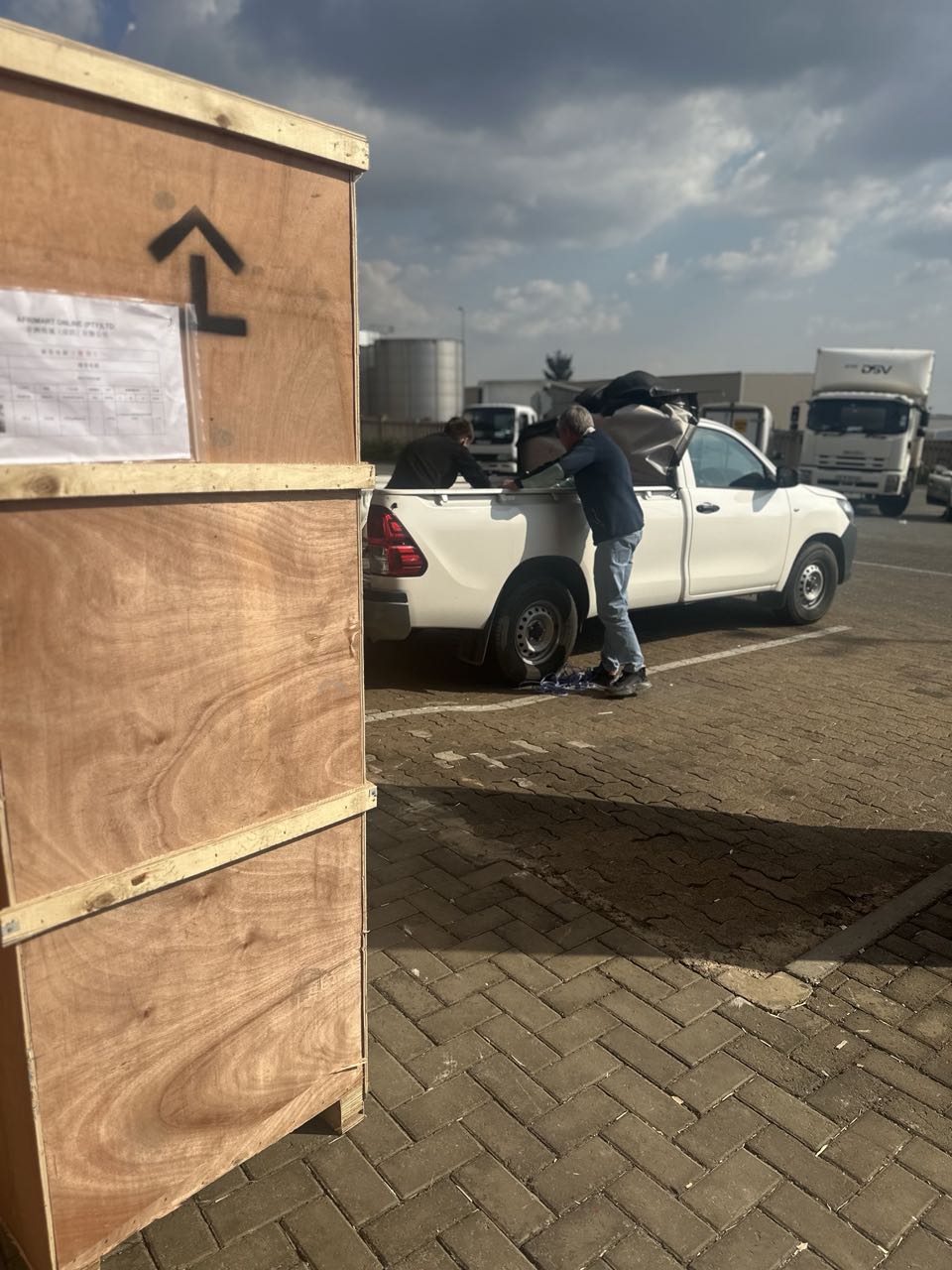
order collection
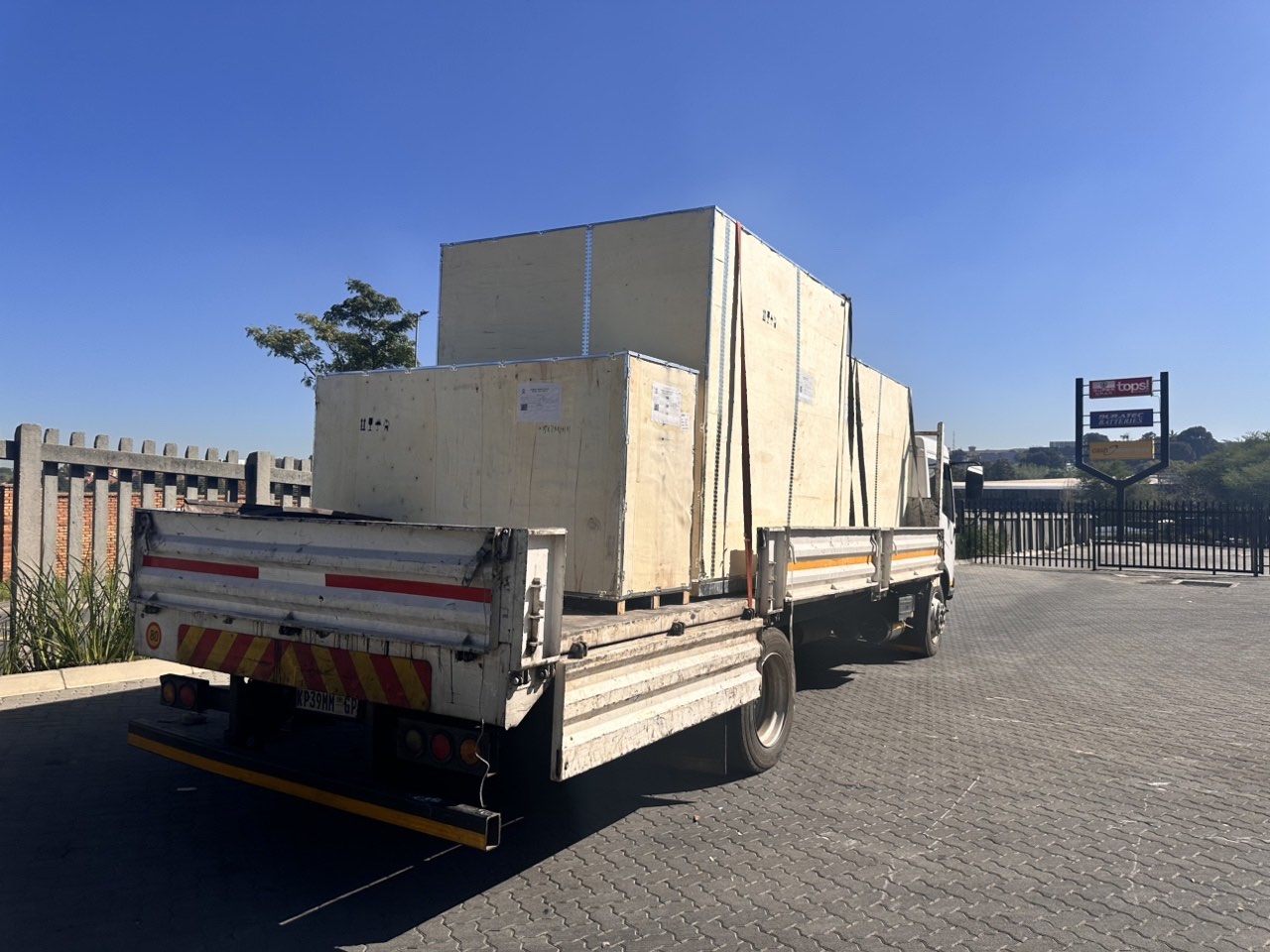
order offloading