B21, China Town Mall, Midrand

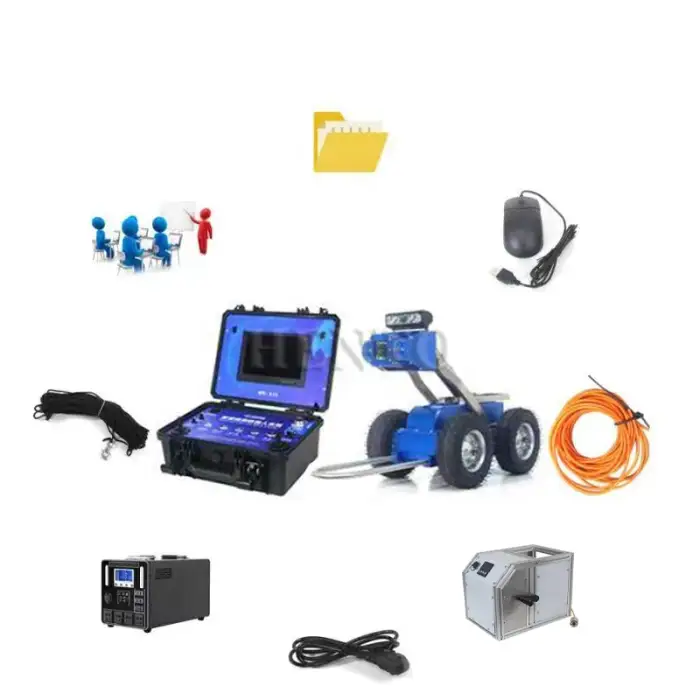
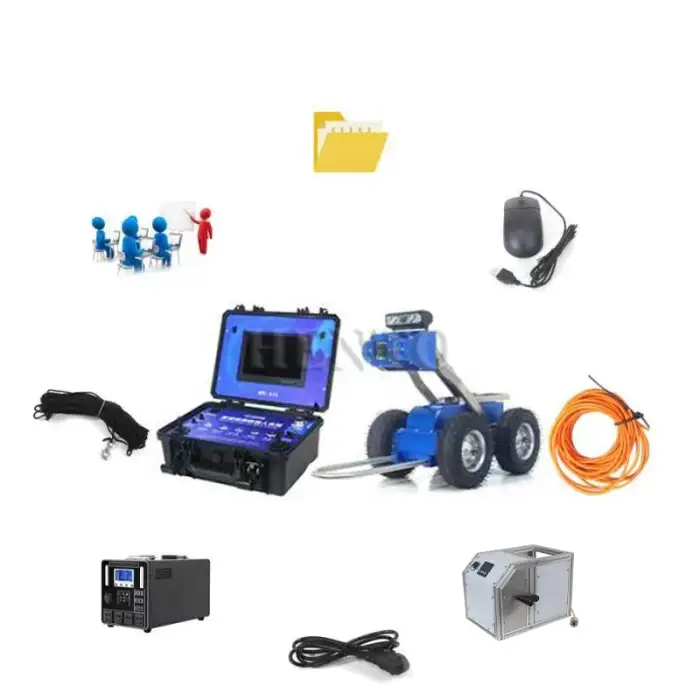
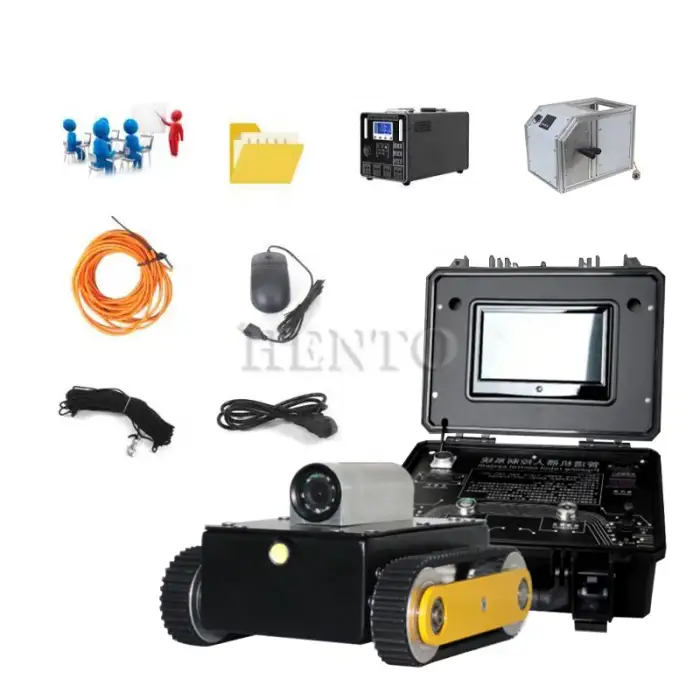
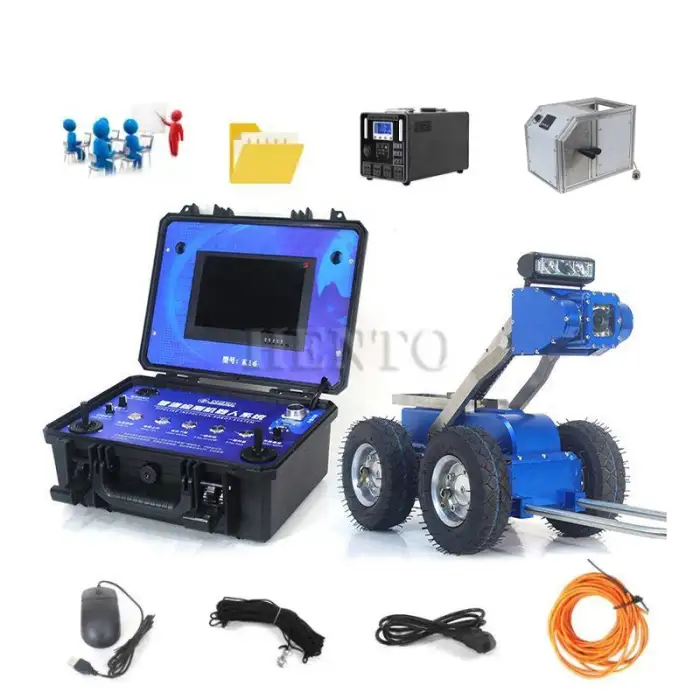
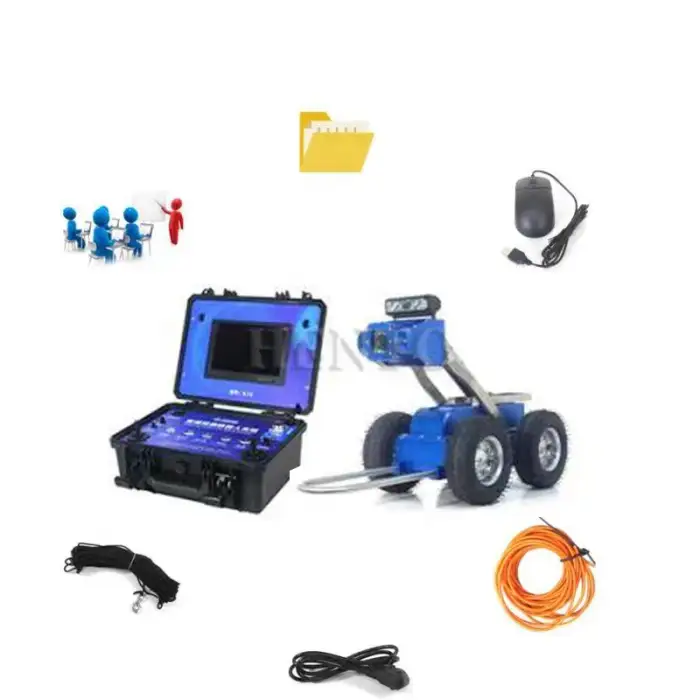
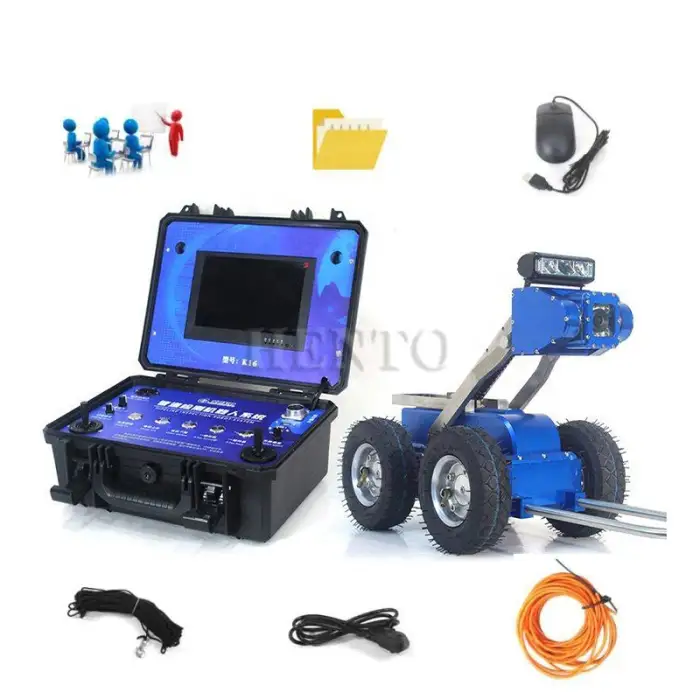
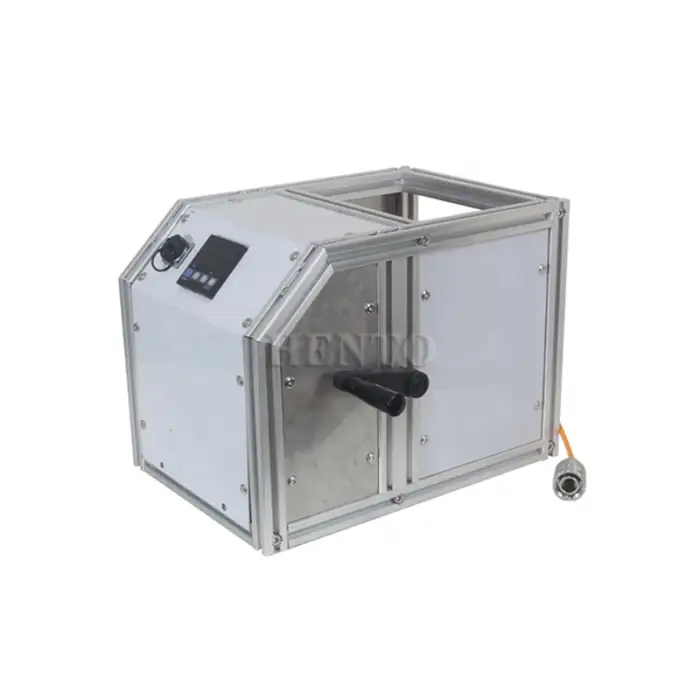
Pipeline Inspection / Cctv Robot Pipeline / Pipeline Sewer Inspection Robotic Crawler
Asset finance available
Do you want funding for this equipment?
Afrimart can connect you with trusted funding partners who specialise in asset finance for businesses like yours. Compare options and apply in minutes — final approval is subject to provider review.
Check funding options
Secure & no obligation

- Section : Machinery
- Category : Industrial Robots
- SKU : 1601153963370

Pipeline Inspection / CCTV Robot Pipeline / Pipeline Sewer Inspection Robotic Crawler
The Pipeline Inspection / CCTV Robot Pipeline is a powerful tool for inspecting pipelines. It is specially designed to navigate through municipal and drainage pipelines. This robotic crawler makes inspections easier and safer, allowing you to see inside pipelines without any hassle. Equipped with advanced features, it ensures efficient and thorough inspections.
Specifications
| Attribute | Details |
|---|---|
| Model | HT-GDK16 |
| Dimensions (L*W*H) | 445*620*250 mm |
| Weight | 19 kg |
| Working Distance | 100 m |
| Gradeability | <30° |
| Drive Wheel Width | 150 mm |
| Obstacle Ability | <50 mm |
| Body Rotation | 360° |
| Video Camera | Infrared high-definition night vision/video/photograph |
| Lift Height | 210 mm |
| Power | See specifications for details |
| Voltage | 220V |
| Production Capacity | See specifications for details |
Key Features
- High-performance robotic crawler designed for pipeline inspections.
- Equipped with infrared high-definition night vision for clear imaging.
- Can navigate through a variety of municipal and drainage pipelines.
- Lightweight design at only 19 kg for easy handling.
- 360° body rotation for comprehensive inspections.
Applications
- Municipal pipeline inspections to ensure safety and compliance.
- Drainage pipeline inspections to prevent blockages and leaks.
- Infrastructure assessments for maintenance and repairs.
- Environmental monitoring and compliance checks.
- Construction site inspections for new pipeline installations.
Product Info Gallery
- Shipping Timeframes: All orders are processed within 2-5 business days (excluding weekends and holidays). After your order has been processed, the estimated delivery time is before 12 Aug, 2026, depending on customs, Please note that due to high demand, some items may experience longer shipping times, which will be communicated at order confirmation email.
- Order Processing Time: Please allow 2-5 business days for us to process your order before it is shipped . Orders placed after 16:00 on Fridays, or during weekends and public holidays, will begin processing on the next business day. Processing times may be extended during peak seasons or sales events.
- Manufacturing Time: Some products needs manufacturing time, the manufacturing process will take approximately 10-30 business days depending on the product. This timeframe may vary depending on the complexity of the product and current demand. but this will be communicated with you during order confirmation.
- Returns and Exchanges: We offer a 30-day return policy for most items. If you are not completely satisfied with your purchase, you may return it within 30 days of receipt for a refund or exchange. Items must be unused, in their original packaging, and accompanied by proof of purchase. Return shipping costs are the responsibility of the customer, unless the item was damaged or defective upon arrival.
1. What is the Pipeline Inspection / CCTV Robot Pipeline used for?
It is a robotic crawler designed for internal inspection of municipal and drainage pipelines (including sewer lines). It enables visual inspection for blockages, defects, leaks, maintenance planning and compliance checks without manual entry into the pipe.
2. What are the key specifications of this robotic crawler?
Model HT-GDK16; dimensions 445 × 620 × 250 mm; weight 19 kg; working distance up to 100 m; gradeability < 30°; drive wheel width 150 mm; obstacle-climbing ability < 50 mm; body rotation 360°; lift height 210 mm; equipped with infrared high-definition night-vision camera. Voltage listed as 220 V — consult the full spec sheet for power/production-capacity variants.
3. What types and sizes of pipelines can it inspect?
It is intended for municipal and drainage/sewer pipelines. Exact minimum and maximum pipe diameter compatibility is not listed in the summary—please confirm pipe diameter range and clearances with the supplier or product datasheet before deployment.
4. What camera and imaging capabilities does the robot have?
It features an infrared high-definition camera capable of video and still photography, with night-vision capability for low-light inspections. For precise camera resolution, pan/tilt specs, zoom level and image formats, refer to the detailed product datasheet or ask your supplier.
5. How far from the control station can the robot operate?
The working distance is specified as 100 m. This typically refers to the maximum tether/cable length or control reach—confirm the exact control/cable configuration supplied and options for longer ranges with the vendor.
6. How is the unit powered?
The specification lists a 220 V voltage. Some inspection crawlers are powered via tethered supply or external mains and may have optional onboard batteries. Check the specific power arrangement for the HT-GDK16 (mains, battery options, charger specs) with your supplier or manual.
7. Is the robot easy to transport and handle on-site?
Yes. At 19 kg and compact dimensions (445 × 620 × 250 mm), the unit is relatively lightweight and portable compared with larger heavy-duty crawlers. Still use proper lifting technique and equipment as required by your site safety procedures.
8. What does the 360° body rotation do and why is it useful?
360° body rotation lets the camera and crawler body rotate fully to capture views in any direction without repositioning the entire robot, enabling comprehensive inspection of pipe walls, joints and defects from a single location.
9. How well can it handle obstacles and inclines inside a pipe?
The crawler has a gradeability of less than 30° and obstacle-climbing ability up to 50 mm. This allows it to traverse typical pipe slopes and small obstructions; larger obstructions or extreme slopes may require alternative inspection methods.
10. What data recording and connectivity options are available?
The product supports video and photograph capture. Typical systems provide live feed to a monitor, and record to onboard or external storage/DVR in standard video formats. For exact recording media, codecs, streaming/network interfaces and software compatibility, request technical details from the vendor.
11. What routine maintenance is required?
Recommended maintenance includes cleaning the camera lens and housing after inspections, checking and lubricating drive components if advised by the manual, inspecting cables/tethers for wear or damage, verifying wheel/tread condition, and following battery and electrical checks per the manufacturer's guidelines.
12. Do operators need special training or certifications?
Operators should be trained in safe operation of the crawler, CCTV system use, and confined-space safety procedures relevant to pipeline work. Many suppliers provide user training or manuals; ensure personnel are competent with the control system and emergency retrieval procedures.
13. What accessories and spare parts are commonly available?
Common accessories include cable reels, remote control consoles/monitors, spare camera modules or lights, replacement wheels/treads, protective cases, and additional tether lengths. Verify available accessories and spares with the supplier to ensure compatibility.
14. Is there a warranty and after-sales support?
Warranty and support terms are not listed in the brief description. Ask the vendor for warranty length, what is covered (parts, labor), available service plans, spare-parts availability, and technical support channels before purchase.
15. How can I get more details, a quote or a demo?
Contact the supplier or manufacturer to request the full technical datasheet, pricing, lead time and demonstration options. Many vendors offer on-site or video demos, and can provide customized configurations or training packages based on your pipeline inspection needs.
Latest Order Arrivals
Discover our latest orders

12 Heads Embroidery Machine

Toilet Paper Machine Machine

Order Collection

Cross Border Clients

Order cros border countries Collected

Industrial Machine Cllection

Agriculture Processing Machines

Ready for collection

Water Pump Equipment

Packaging Machine and accessories

Fabrics Manufacturing Equipment

Mining Equipments

Food Processing Machine

Batch of Orders

Batch of Orders

Latest Orders Labelled

wheel alignment machines

new arrivals

Pre Orders Offloading

Latest Arrivals

Latest Arrivals

Latest Arrivals

Loading

Toilet paper making machine

Toilet paper making machine

Toilet paper Rewinding Machine

latest arrivals

offloading

order success

order collection

order offloading