B21, China Town Mall, Midrand

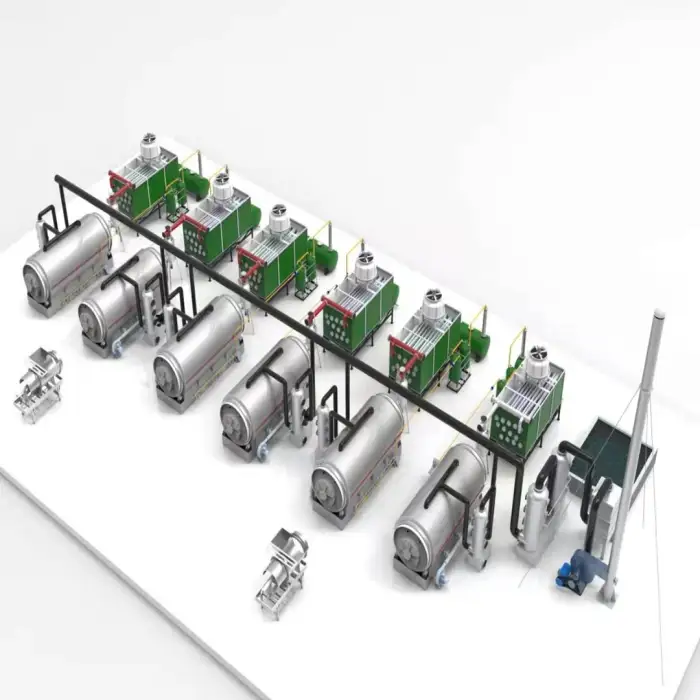
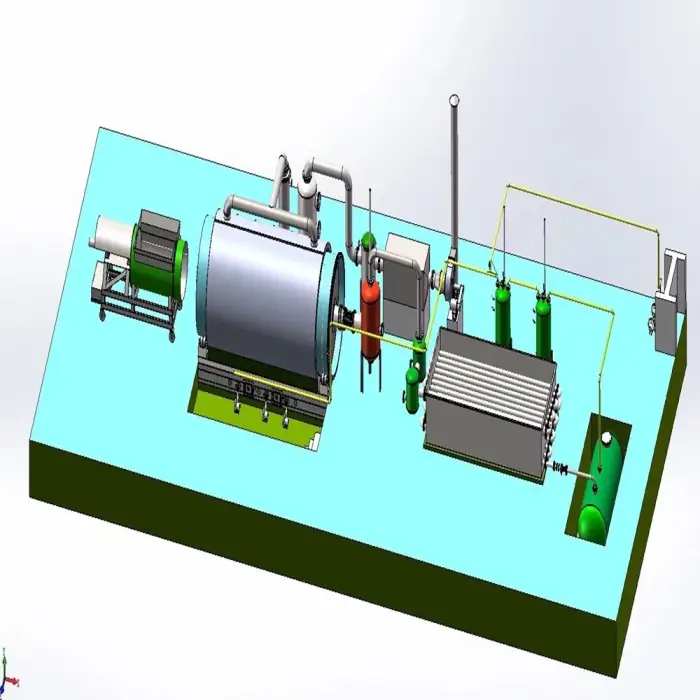
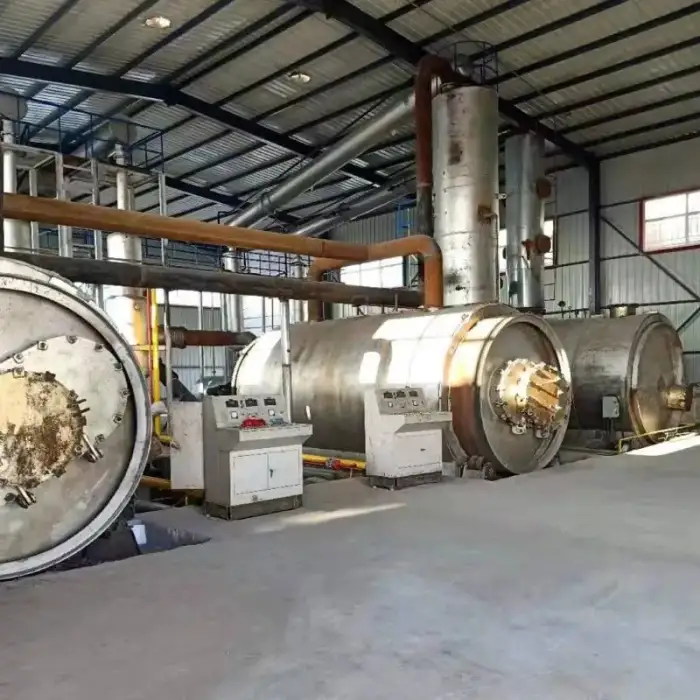
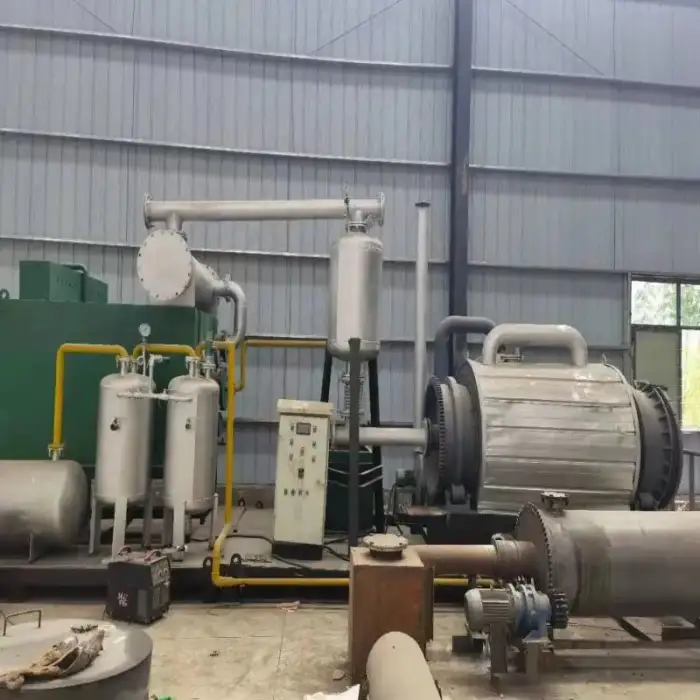
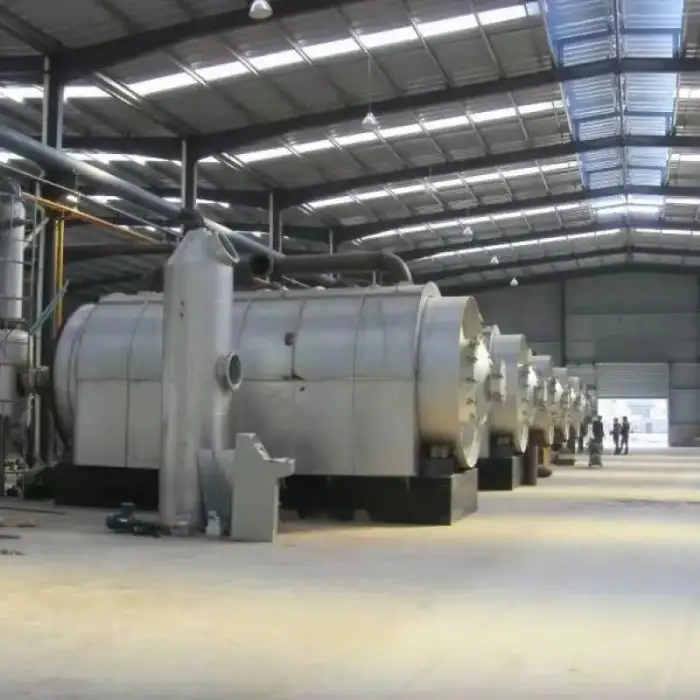
Oil Recycling Production Line Used Oil Refining Equipment To Standard Diesel Machine Waste Black Oil Recycle
Asset finance available
Do you want funding for this equipment?
Afrimart can connect you with trusted funding partners who specialise in asset finance for businesses like yours. Compare options and apply in minutes — final approval is subject to provider review.
Check funding options
Secure & no obligation

- Section : Machinery
- Category : Environmental Machinery
- SKU : 1600257739411

Product Description

Product ApplicationWaste / used engine oil catalyst refinery equipment for diesel Pyrolysis oil can be refined into valuable diesel oil through catalytic cracking and high temperature distillation technology. It is a method of separating mixtures based on differences in volatilities of components in a boiling liquid mixture. After being distilled by the distillation plant, the oil may have dark color with bad smell, then we suggest to deep purify the oil, with matched color and smell removal system, you will get clean diesel oil as final products with beautiful light yellow color.


Distillation plant works as follows: 1. Pump waste oil into distillation reactor by oil pump. 2. Heat the reactor, and the liquid oil will slowly become oil gas, oil gas will go through catalytic chamber and condenser, then diesel will be cooled out first by controlling the temperature over 150 Celsius degrees.3.The gasoline will be cooled out when the temperature is below 150 Celsius degrees, the rest of the system is same as pyrolysis system.、


Waste oil refining plant distills the incoming pyrolysis tire oil/pyrolysis plastic oil into useful products such as diesel oil and fuel oils, gasoline or petrol, jet fuel, etc, the oil yield will be 85%-90%, the by-products are 10%-15% slag and syngas.
Specification


| Item | Contents | |
| Input-Raw Materials | Waste engine/motor oil/Plastic pyrolysis oil/Tire pyrolysis oil/Lubrication oil | |
| Average out-put oil rate | 85%-90% | |
| End products | Diesel oil, waste gas, slag | |
| Structure form | Horizontal | |
| Operating pressure | Constant pressure | |
| Heating material | Coal, charcoal, fuel gas, fuel oil | |
| Model(Diameter*Length)(mm) | Reactor size | Capacity |
| D1500*L3000 | 3 Ton/Day | |
| D2000*L5000 | 5 Ton/Day | |
| D2800*L6000 | 10 Ton/Day | |
| Material of reactor | boiler plate | |
| Thickness of reactor | 16mm, 18mm | |
| Mode of cooling | Circulating water cooling | |
| Space needed | Length: 30m, Width :10 m at most | |
| Power consumption | Average 15 KW/h |

The black pyrolysis oil after processed by the distillation plant and color and smell removal system will become good yellow color like beer . We have SGS oil analysis report for your reference.
- Shipping Timeframes: All orders are processed within 2-5 business days (excluding weekends and holidays). After your order has been processed, the estimated delivery time is before 28 Jun, 2026, depending on customs, Please note that due to high demand, some items may experience longer shipping times, which will be communicated at order confirmation email.
- Order Processing Time: Please allow 2-5 business days for us to process your order before it is shipped . Orders placed after 16:00 on Fridays, or during weekends and public holidays, will begin processing on the next business day. Processing times may be extended during peak seasons or sales events.
- Manufacturing Time: Some products needs manufacturing time, the manufacturing process will take approximately 10-30 business days depending on the product. This timeframe may vary depending on the complexity of the product and current demand. but this will be communicated with you during order confirmation.
- Returns and Exchanges: We offer a 30-day return policy for most items. If you are not completely satisfied with your purchase, you may return it within 30 days of receipt for a refund or exchange. Items must be unused, in their original packaging, and accompanied by proof of purchase. Return shipping costs are the responsibility of the customer, unless the item was damaged or defective upon arrival.
1. What types of waste oil can be processed using this equipment?
This equipment can process waste engine oil, motor oil, plastic pyrolysis oil, tire pyrolysis oil, and lubrication oil.
2. What is the output yield of the oil recycling production line?
The average output oil yield is between 85% to 90%, with the remaining 10% to 15% being by-products such as slag and syngas.
3. How does the distillation process work?
The process involves pumping waste oil into a distillation reactor, heating it to convert the liquid into oil gas, passing it through a catalytic chamber and condenser, and finally cooling it to collect diesel and gasoline.
4. What are the final products obtained from this oil refining equipment?
The final products include clean diesel oil, gasoline, waste gas, and slag.
5. What is the required space for setting up the production line?
The required space is approximately 30 meters long and 10 meters wide.
6. What materials are used for heating in this system?
The heating materials can include coal, charcoal, fuel gas, or fuel oil.
7. What is the power consumption of the equipment?
The average power consumption is about 15 KW/h.
8. What is the significance of the color and smell removal system?
This system helps to purify the oil, removing dark color and odor, resulting in clean diesel oil with a light yellow color.
9. Is there any certification for the oil produced?
Yes, we have an SGS oil analysis report available for reference, which verifies the quality of the produced oil.
10. What are the dimensions of the reactor?
The reactor dimensions vary by model, with options such as D1500*L3000 mm for a capacity of 3 tons/day, D2000*L5000 mm for 5 tons/day, and D2800*L6000 mm for 10 tons/day.
11. Can this equipment be used for large scale production?
Yes, the equipment is designed for various capacities, making it suitable for both small and large scale production.
12. What is the operating pressure of the system?
The system operates at constant pressure.
13. What by-products are generated during the refining process?
The by-products include slag and syngas, which account for about 10% to 15% of the total output.
14. How does the catalytic chamber enhance the refining process?
The catalytic chamber facilitates the conversion of oil gas into more valuable fuel products by promoting chemical reactions at high temperatures.
15. Is training available for operating the oil recycling production line?
Yes, we provide training and support for operators to ensure safe and efficient operation of the equipment.
Latest Order Arrivals
Discover our latest orders
12 Heads Embroidery Machine
Dewatering Pump Machine
Order Collection
Portable Water Drilling Rig
Order Usefully Collected
Batch of Orders
Agriculture Processing Machines
Meat Grinder Machine
Water Pump Equipment
Packaging Machine and accessories
Fabrics Manufacturing Equipment
Mining Equipments
Food Processing Machine
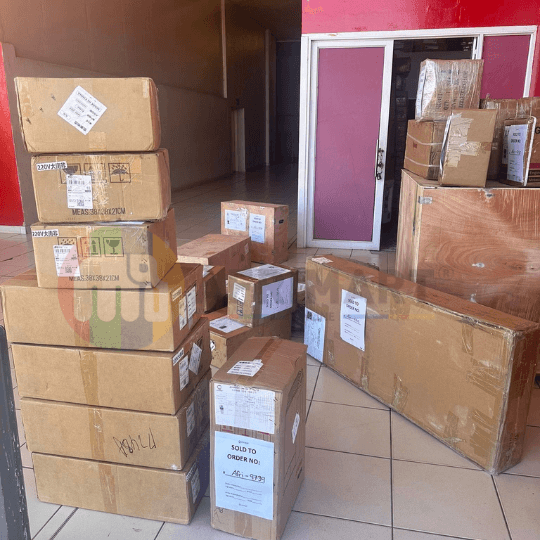
Batch of Orders
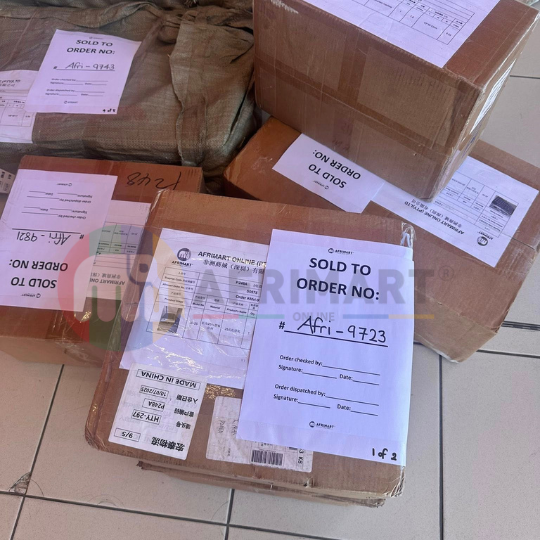
Batch of Orders
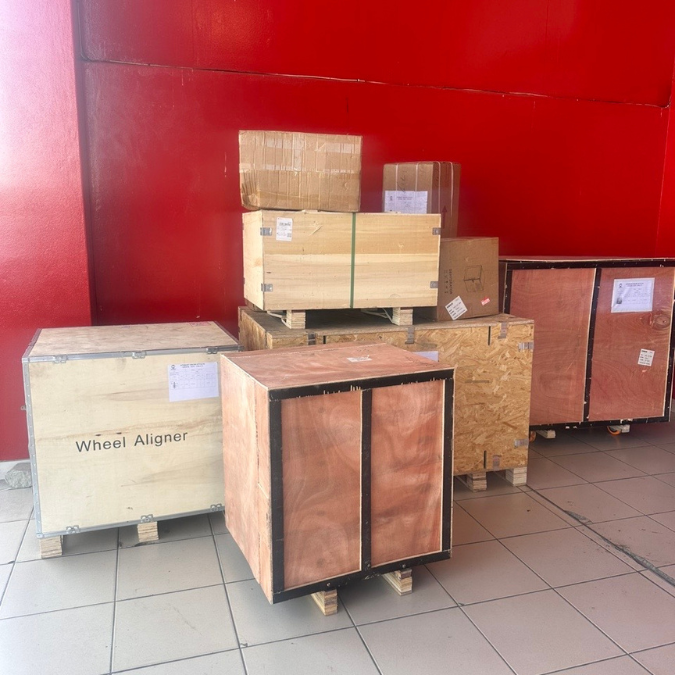
Latest Orders Labelled
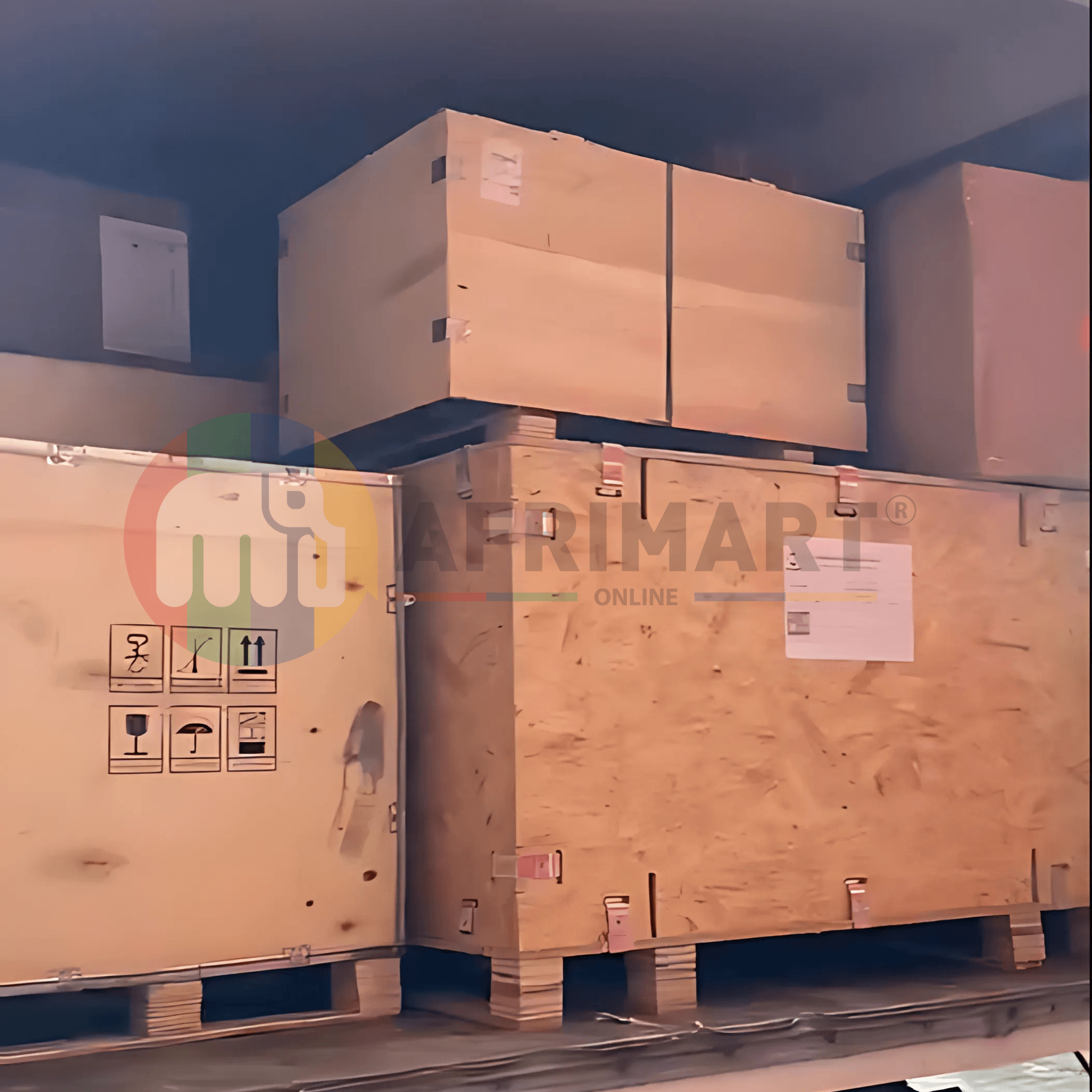
wheel alignment machines
new arrivals
Pre Orders Offloading
Latest Arrivals
Latest Arrivals
Latest Arrivals
26 January 2026
Toilet paper making machine
Toilet paper making machine
Toilet paper Rewinding Machine
latest arrivals
offloading
order success
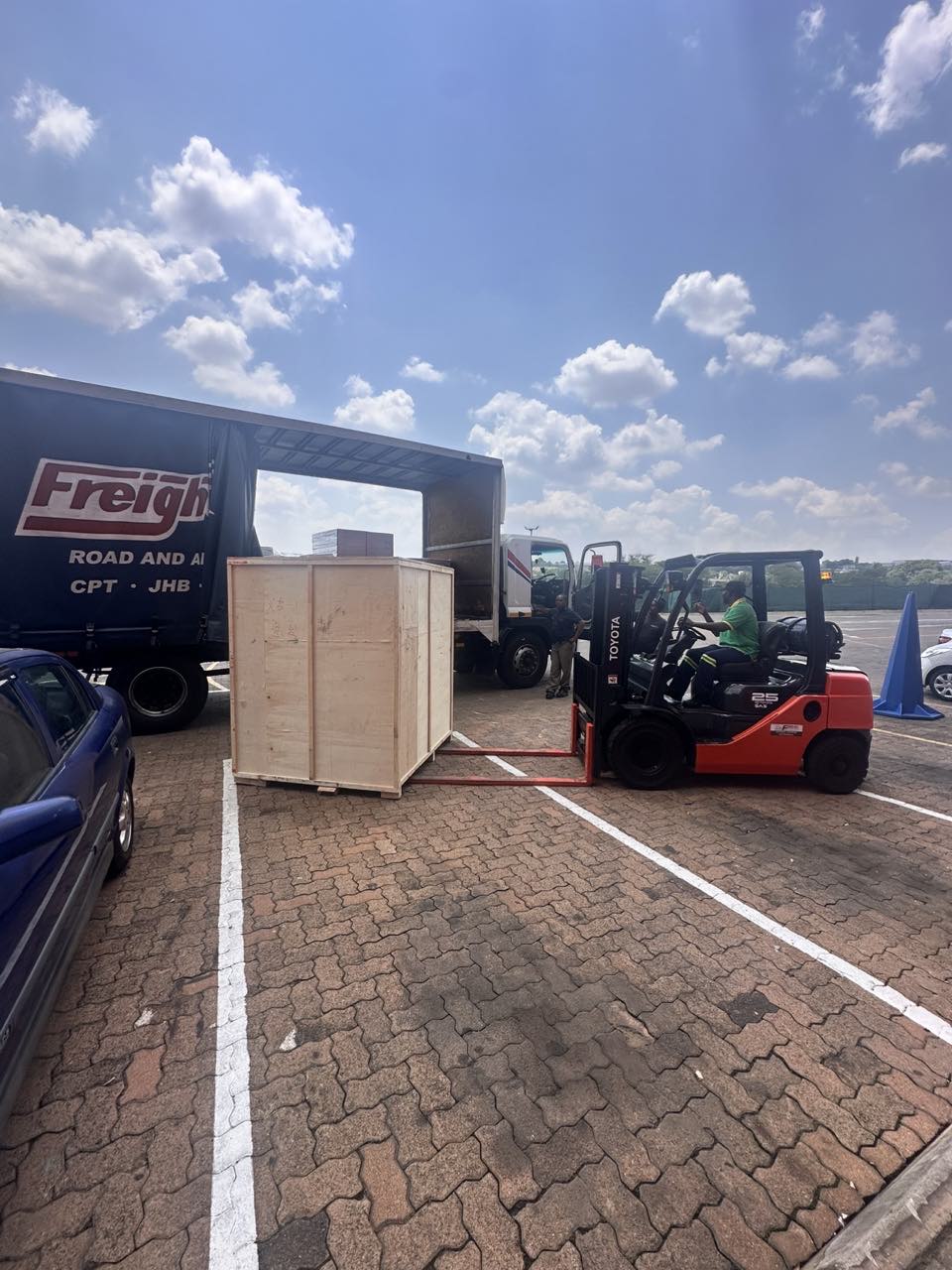
order collection
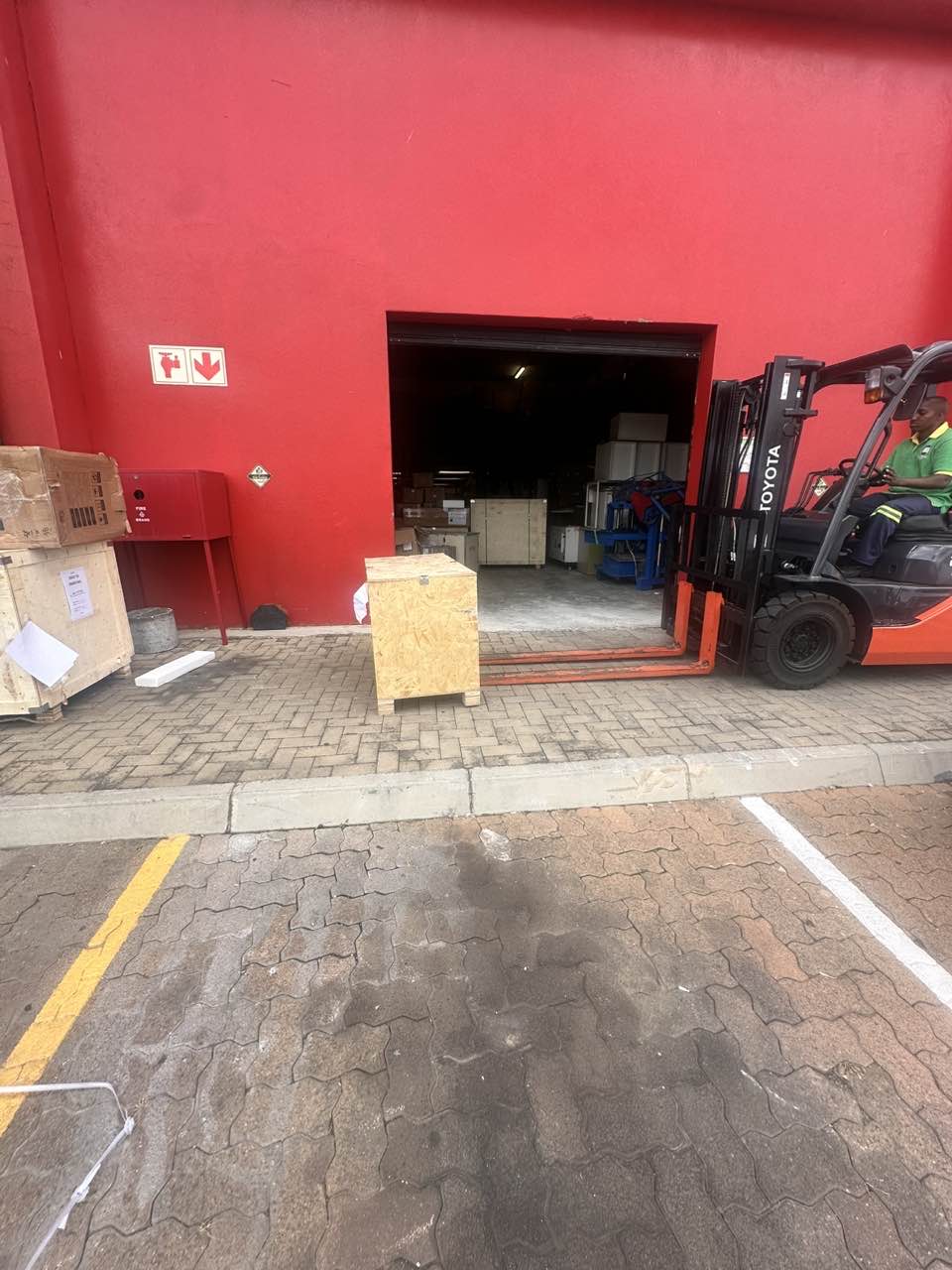
order offloading