B21, China Town Mall, Midrand


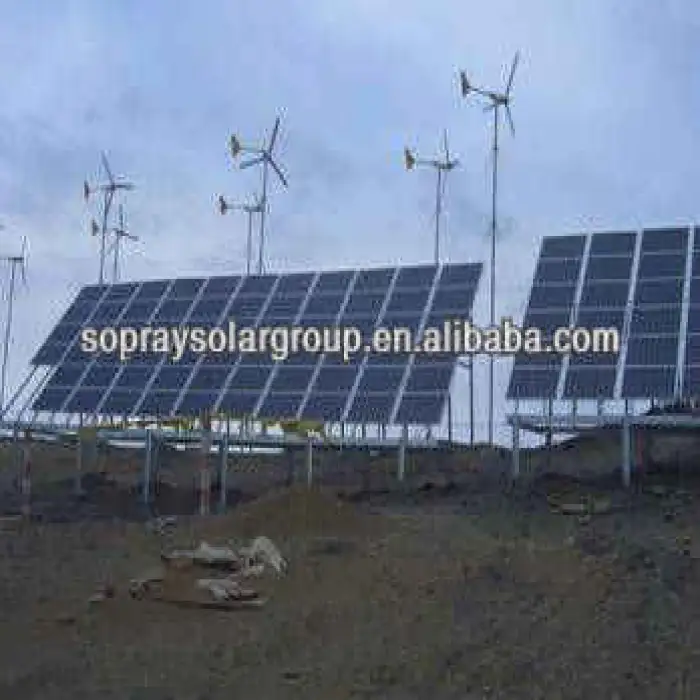
Off-grid 6kw Home Solar System Solar Generator
Asset finance available
Do you want funding for this equipment?
Afrimart can connect you with trusted funding partners who specialise in asset finance for businesses like yours. Compare options and apply in minutes — final approval is subject to provider review.
Check funding options
Secure & no obligation

- Section : Electrical & Tools
- Category : Home Energy Storage
- SKU : 641111236

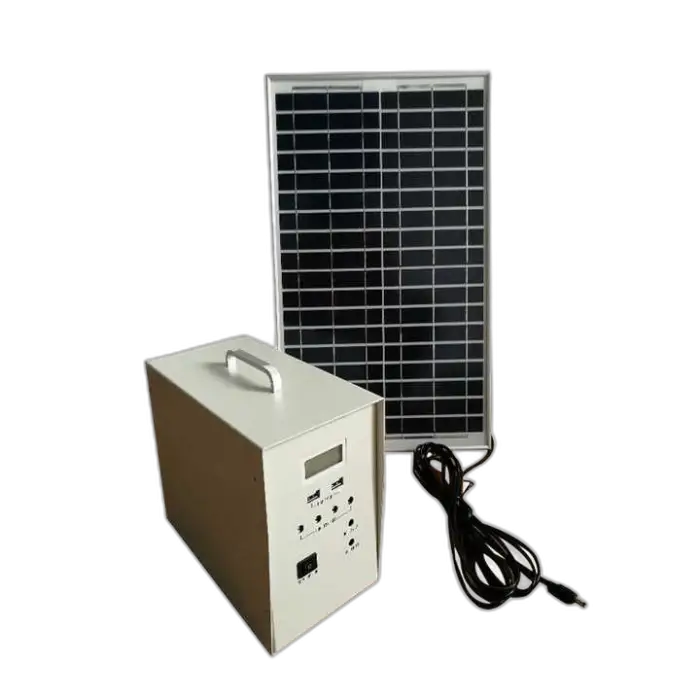
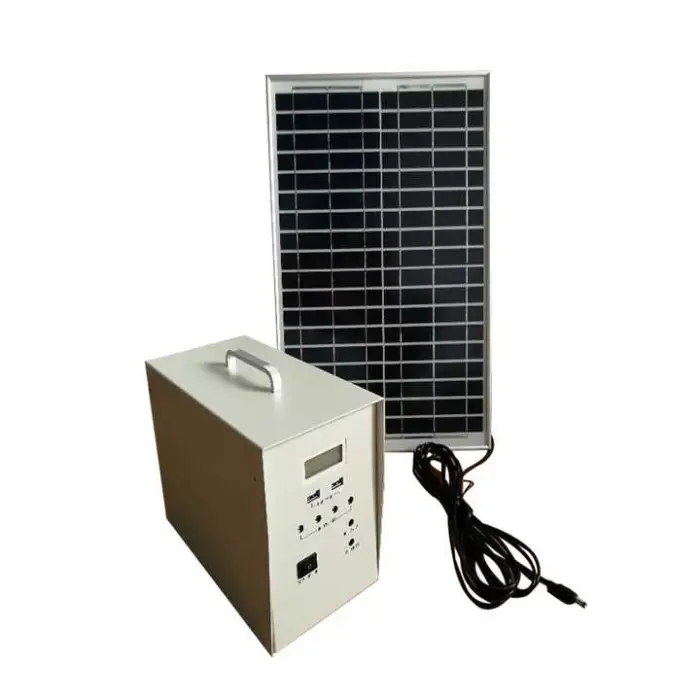
Off-grid 6kw Home Solar System Solar Generator
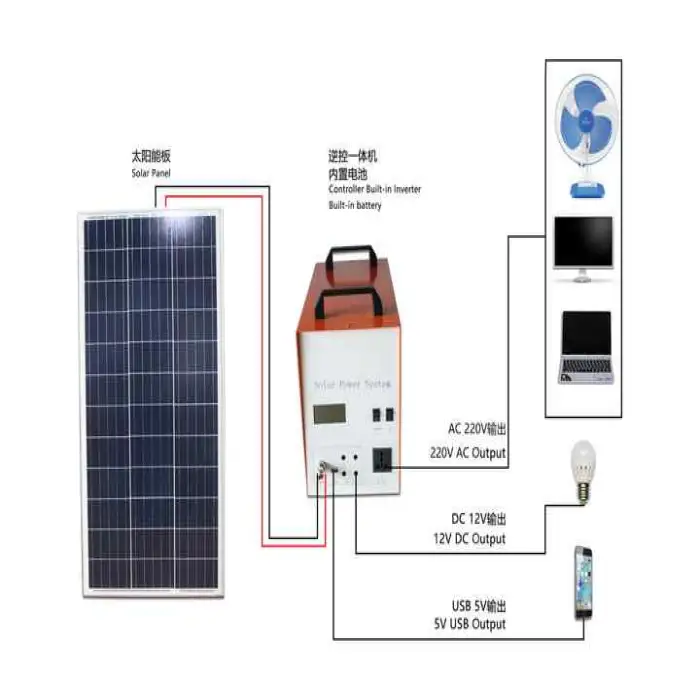
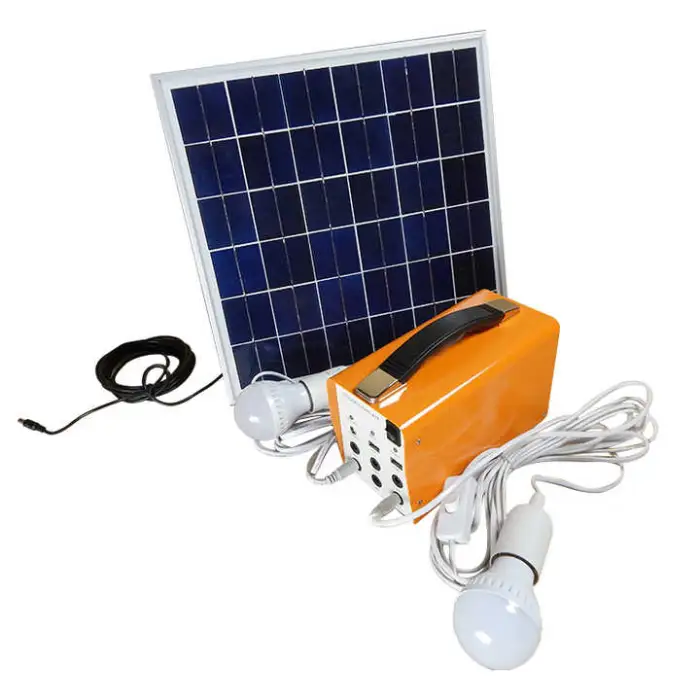
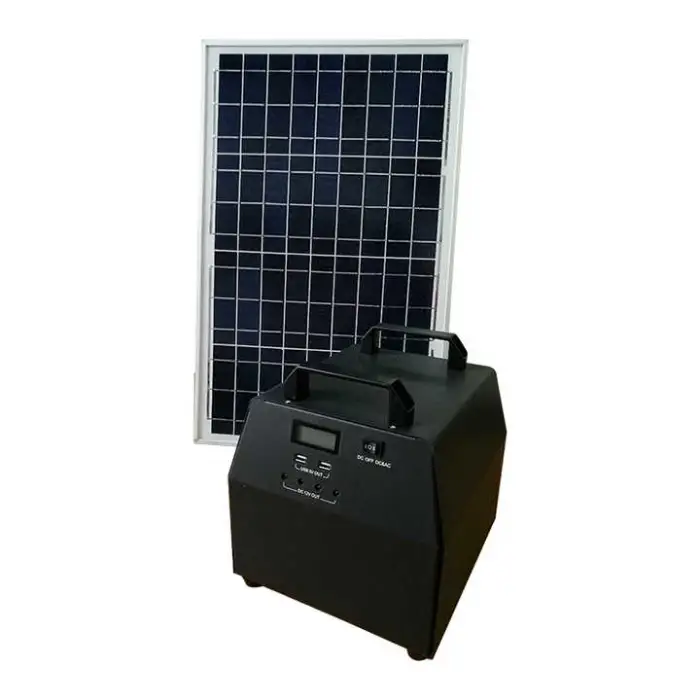
Power your home sustainably with the Off-grid 6kw Home Solar System Solar Generator. This reliable solar power system is designed for everyday use, providing you with clean energy around the clock. Whether you want to reduce your electricity bills or live independently, this solar generator is the perfect solution.
Specifications
| Attribute | Details |
|---|---|
| Model Number | SR-6000 |
| Max Power | 6kw |
| Work Time | 24 Hours |
| Lifetime | 25 Years |
| Trade Term | FOB |
| Payment Terms | T/T, L/C, Western Union |
| Delivery Time | 10-15 days |
| MOQ | 1 SET |
| Packaging Details | Packed in strong paper and carton box, then on a pallet |
| Single Package Size | 42X25X35 cm |
| Single Gross Weight | 27.000 KG |
| Supply Ability | 2000 sets per week |
Key Features
- Off-grid design for energy independence.
- High output of 6kw for reliable power.
- 24-hour usability for continuous energy supply.
- Long life span of 25 years for lasting performance.
- Easy installation and maintenance.
Applications
- Residential homes seeking renewable energy.
- Cottages or cabins in remote areas.
- Emergency power supply during outages.
- Camping trips and outdoor activities.
- Any location requiring off-grid power solutions.
Choose the Off-grid 6kw Home Solar System Solar Generator for a sustainable future and enjoy the benefits of clean energy. It's time to make the switch to solar power!
Product Info Gallery
- Shipping Timeframes: All orders are processed within 2-5 business days (excluding weekends and holidays). After your order has been processed, the estimated delivery time is before 03 Aug, 2026, depending on customs, Please note that due to high demand, some items may experience longer shipping times, which will be communicated at order confirmation email.
- Order Processing Time: Please allow 2-5 business days for us to process your order before it is shipped . Orders placed after 16:00 on Fridays, or during weekends and public holidays, will begin processing on the next business day. Processing times may be extended during peak seasons or sales events.
- Manufacturing Time: Some products needs manufacturing time, the manufacturing process will take approximately 10-30 business days depending on the product. This timeframe may vary depending on the complexity of the product and current demand. but this will be communicated with you during order confirmation.
- Returns and Exchanges: We offer a 30-day return policy for most items. If you are not completely satisfied with your purchase, you may return it within 30 days of receipt for a refund or exchange. Items must be unused, in their original packaging, and accompanied by proof of purchase. Return shipping costs are the responsibility of the customer, unless the item was damaged or defective upon arrival.
1. What does '6kw' mean in the product name?
The 6kW rating is the system's maximum power output (peak AC power it can deliver). It indicates the total instantaneous power available to run appliances — how many and which devices you can run at once depends on the individual wattage of those devices.
2. What does '24 Hours' work time mean?
This product is designed for continuous, 24-hour off-grid use when correctly sized with sufficient battery storage and solar input. Actual continuous runtime depends on battery capacity, daily energy consumption, and available sunlight.
3. Is this a fully off-grid system or does it require a grid connection?
This is an off-grid solar generator designed to operate independently of the utility grid. It can provide power in remote locations or during grid outages. Grid-tied operation or hybrid configuration should be confirmed with the supplier if required.
4. What components are included in one 'set'?
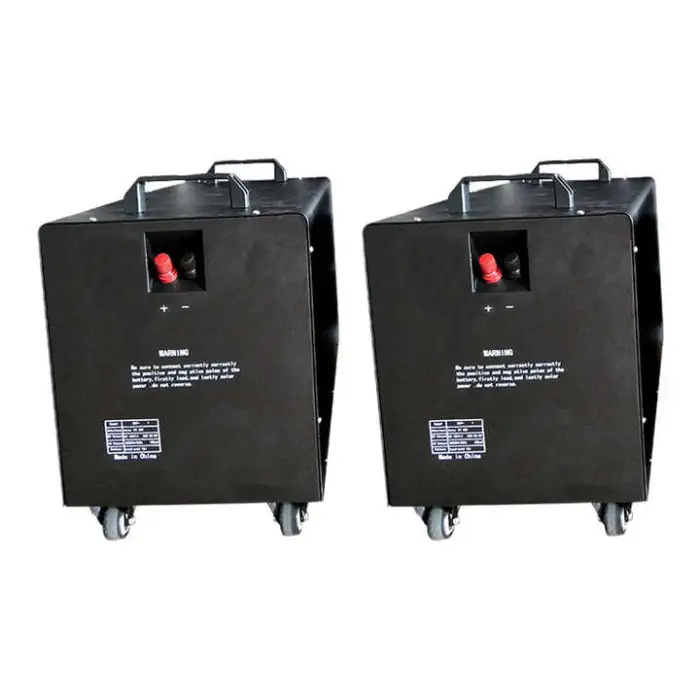
The product listing does not specify exact components included. Typical off-grid systems include an inverter/charger, battery storage, charge controller and cables; solar panels and mounting hardware may be optional. Please contact the seller for a detailed list of included items for the SR-6000.
5. How do I estimate how long the system will power my home?
Estimate runtime by dividing your battery capacity (in kWh) by your average load (in kW). For example, a 6 kW draw will exhaust 6 kWh of stored energy in one hour. Since the listing gives power (kW) but not battery capacity (kWh), request the battery spec from the seller for precise calculations.
6. Can this system run air conditioners and large appliances?
It can run many household appliances, but whether it can run an air conditioner depends on the AC’s running and surge (starting) power. Large central AC units often require higher start-up currents than a 6 kW inverter can support. Provide your appliance wattages to the seller for confirmation.
7. What type of battery does the system use and what is its capacity?
Battery type and capacity are not specified in the provided description. Please contact the supplier for details (e.g., lithium vs lead-acid, usable kWh capacity, cycle life) to ensure it meets your needs.
8. How long is the system expected to last?
The product lists a 25-year lifetime, which commonly refers to the expected useful life of the solar panels. Individual components such as batteries and inverters may have shorter lifespans and different maintenance/replacement schedules.
9. What installation requirements are there?
Installation typically requires a qualified solar installer or electrician. Requirements include secure mounting for solar panels, proper wiring, grounding, ventilation for battery enclosures, and adherence to local codes and safety standards. Ask the supplier for installation manuals and local installer recommendations.
10. What maintenance is required?
Routine maintenance generally includes keeping panels clean and shading-free, checking and tightening electrical connections, monitoring battery health and electrolyte (if applicable), and updating inverter firmware. Follow the vendor’s maintenance schedule for best performance.
11. Is the system expandable if I need more capacity later?
Expandability depends on the specific model and internal design. Many off-grid systems are modular and allow adding more batteries or parallel inverters, but you should confirm expandability options and limits with the manufacturer before purchasing.
12. Does the product include remote monitoring or smart controls?
The description does not specify monitoring features. Many solar generators offer optional monitoring (Wi‑Fi/RS485/Bluetooth) and apps for performance tracking. Check with the supplier for available monitoring and control options.
13. What certifications and safety standards does the system meet?
Certifications (such as CE, IEC, UL) and conformity to local safety standards are not listed in the product description. Request certificates and test reports from the seller to ensure compliance with your country’s regulations.
14. What are the shipping, payment, MOQ and delivery terms?
Trade term is FOB, payment methods accepted include T/T, L/C and Western Union, the minimum order quantity (MOQ) is 1 set, and typical delivery time is 10–15 days. Supply ability is up to 2,000 sets per week.
15. What packaging, weight and dimensions should I expect for shipping?
Packaging details: packed in strong paper and carton box and placed on a pallet. Single package size is listed as 42 x 25 x 35 cm with a gross weight of 27.000 kg. For larger shipments please confirm volumetrics and palletization with the supplier.
Latest Order Arrivals
Discover our latest orders
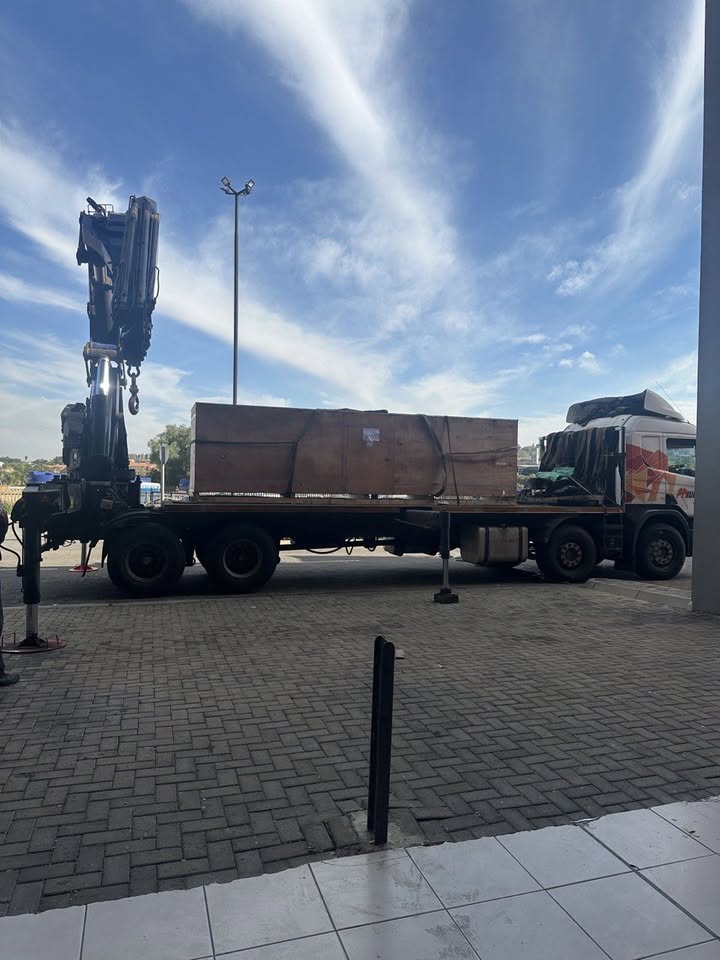
12 Heads Embroidery Machine
Toilet Paper Machine Machine
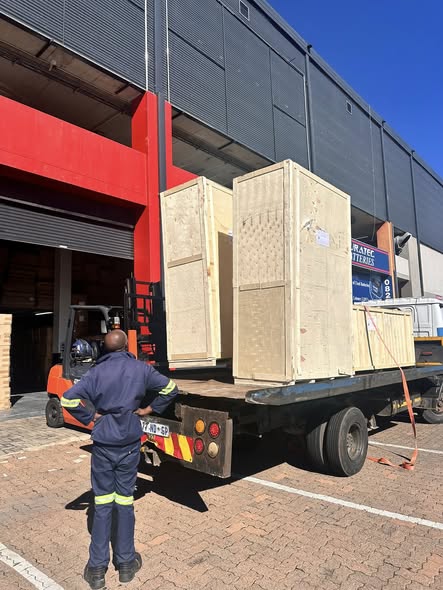
Order Collection
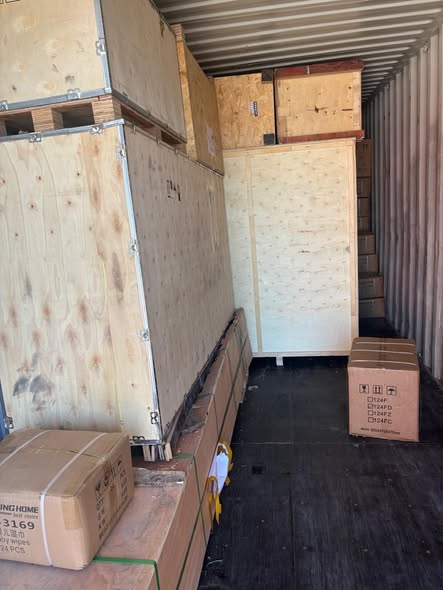
Cross Border Clients
Order cros border countries Collected
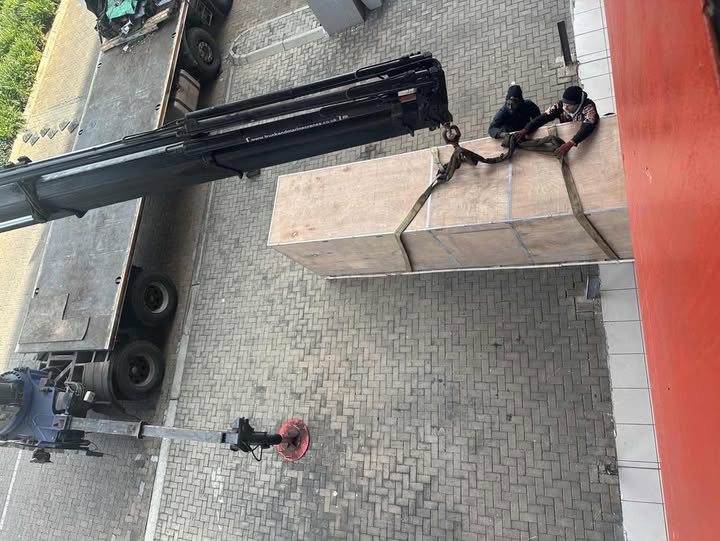
Industrial Machine Cllection
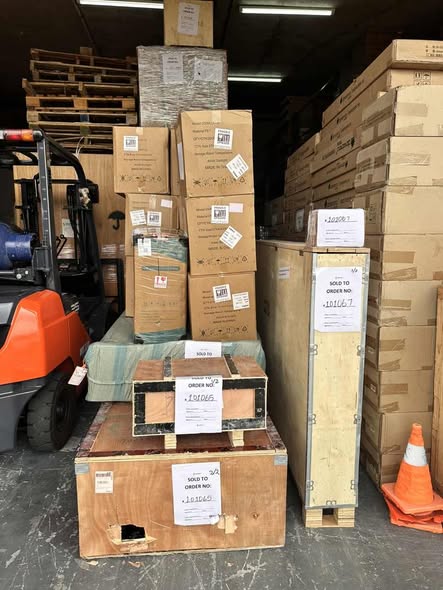
Agriculture Processing Machines
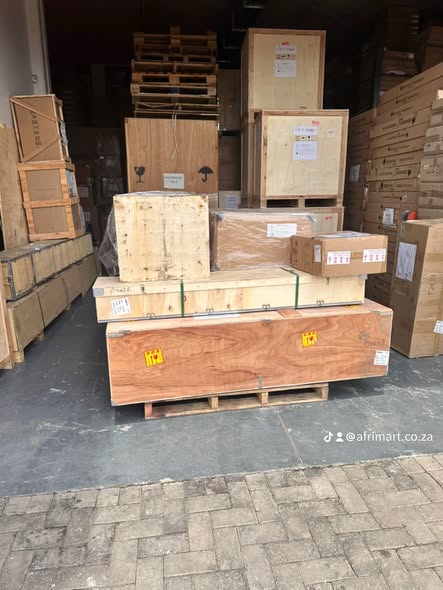
Ready for collection
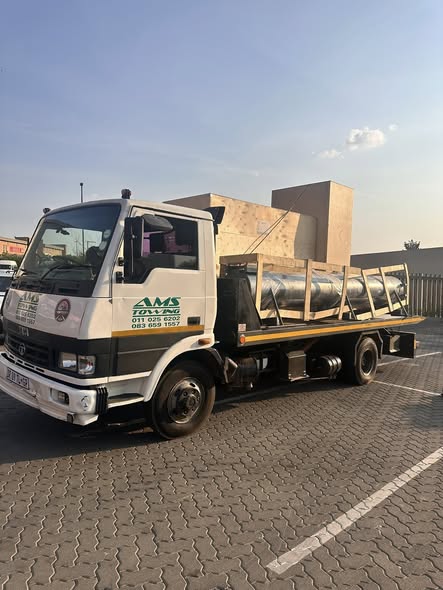
Water Pump Equipment
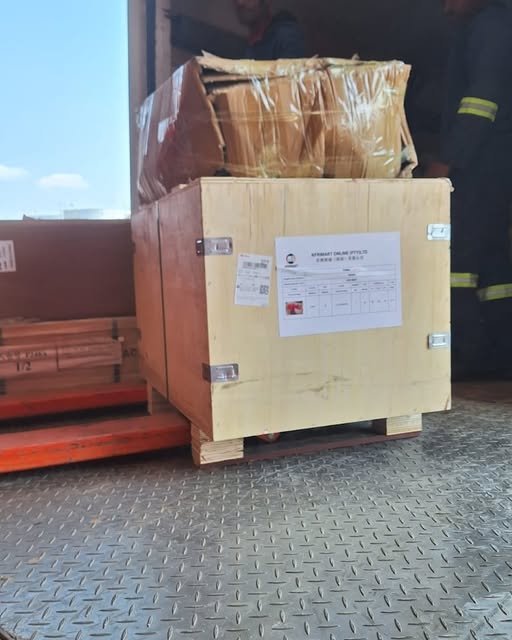
Packaging Machine and accessories
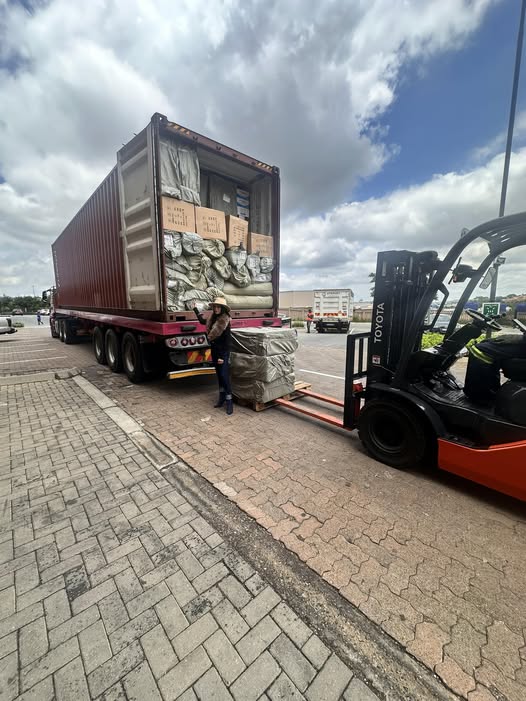
Fabrics Manufacturing Equipment
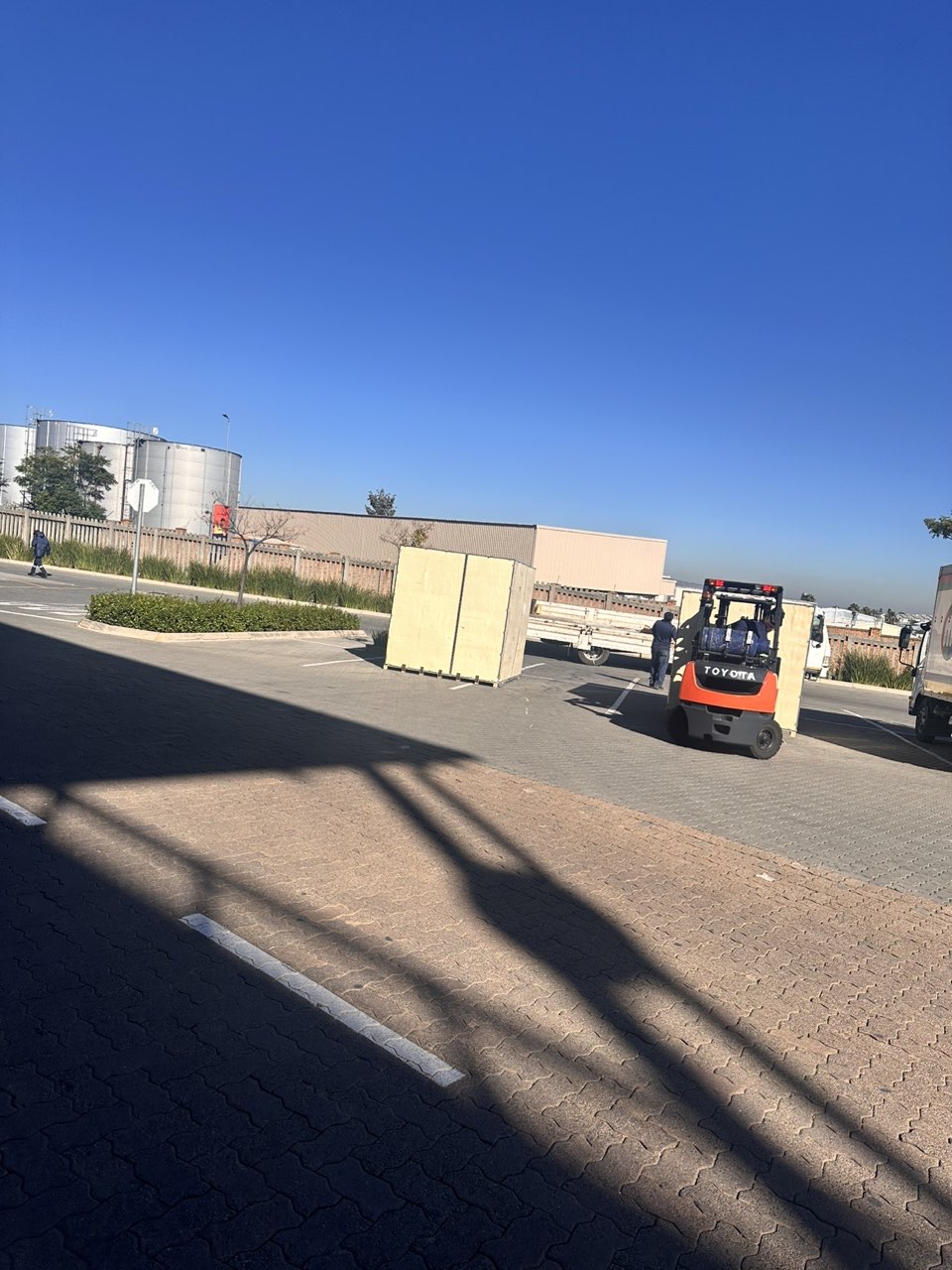
Mining Equipments
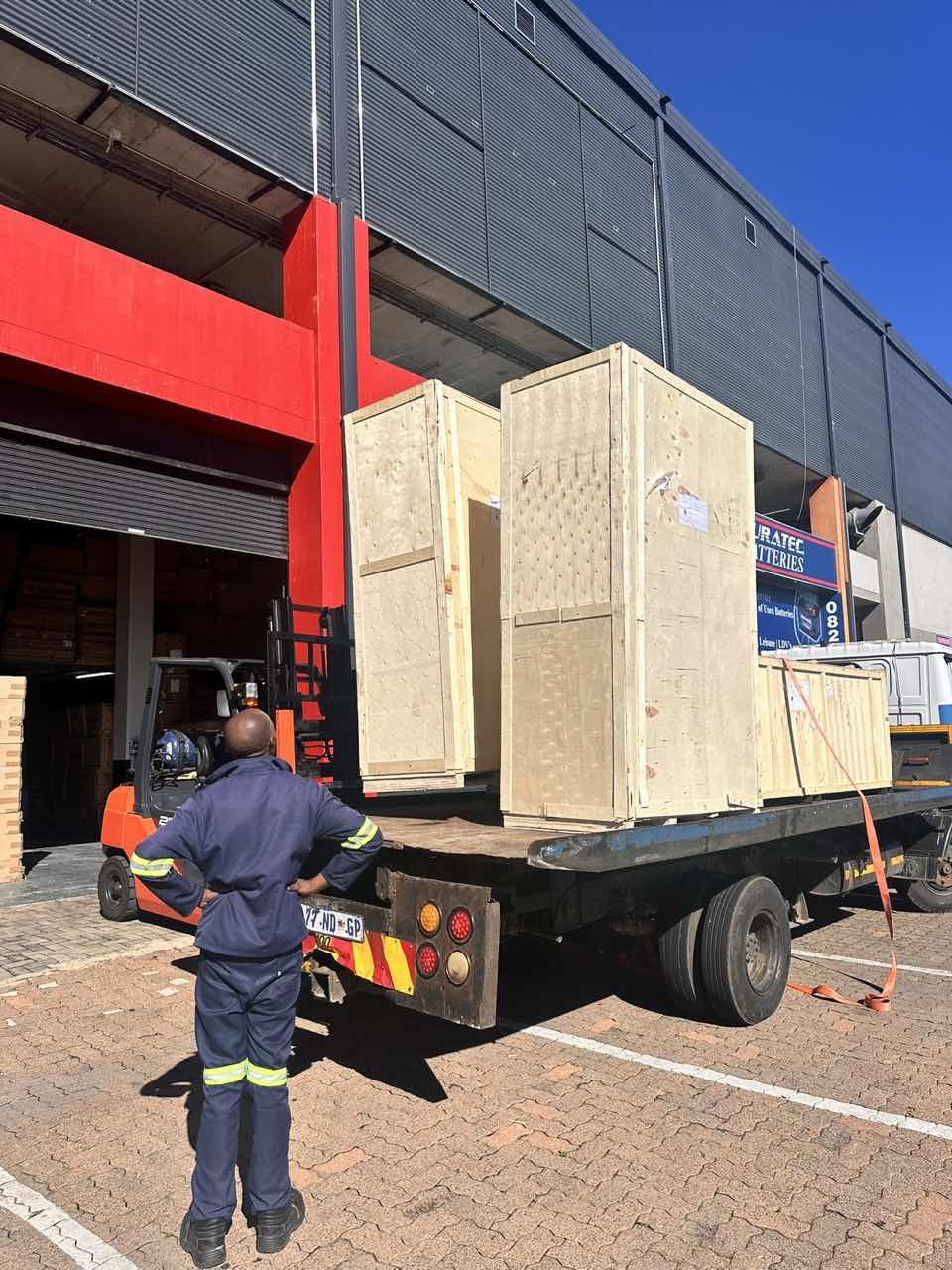
Food Processing Machine
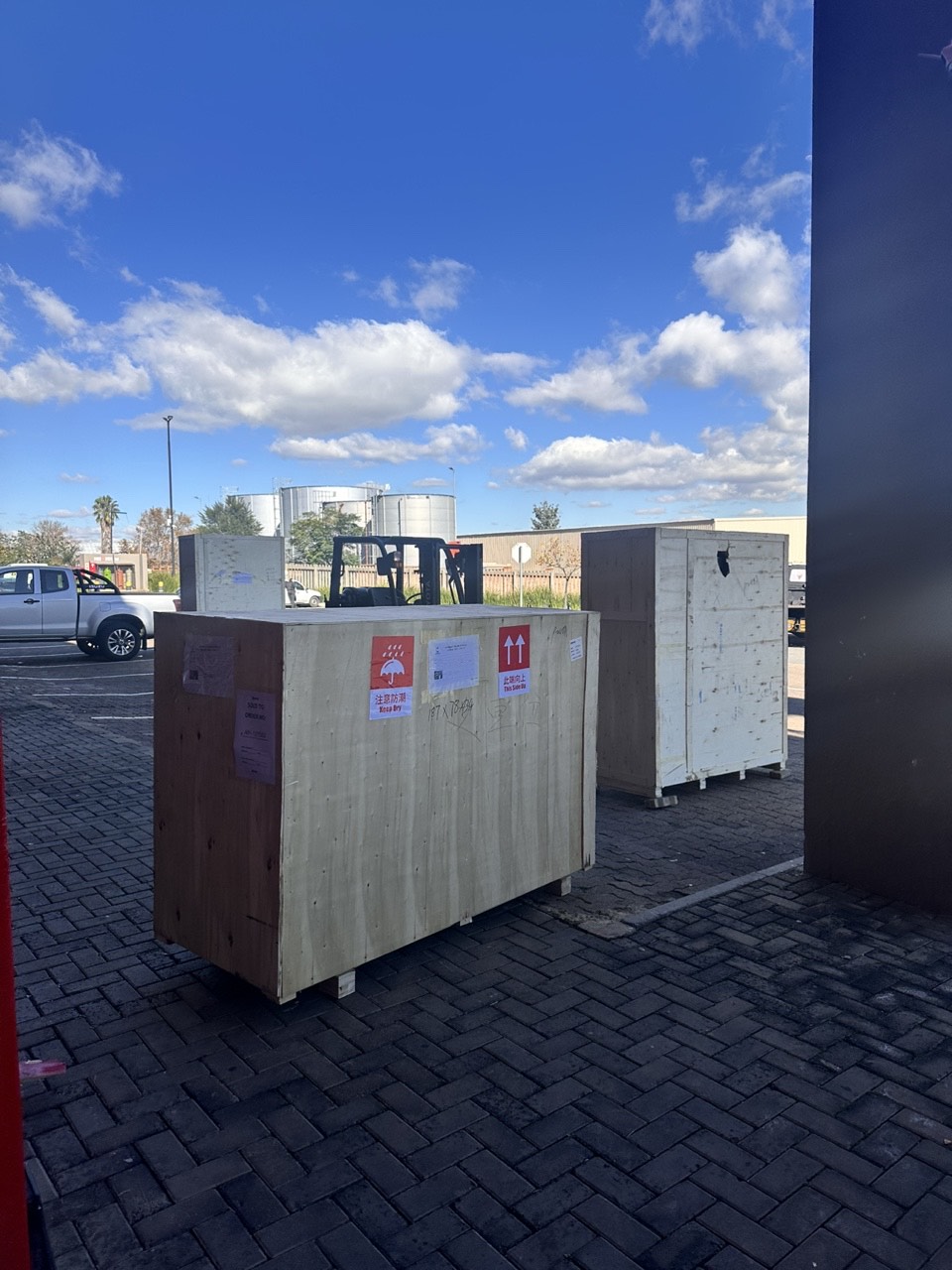
Batch of Orders
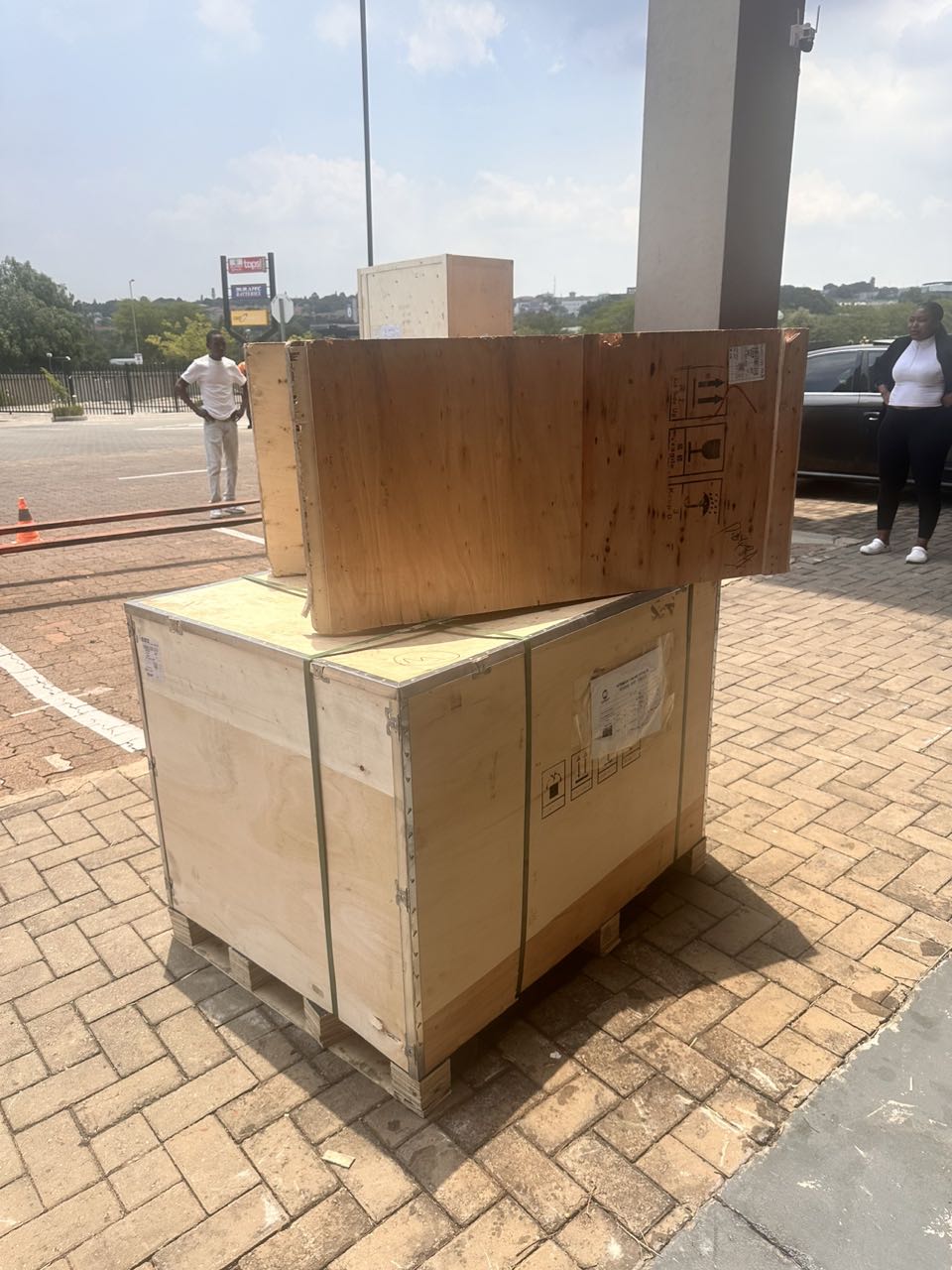
Batch of Orders
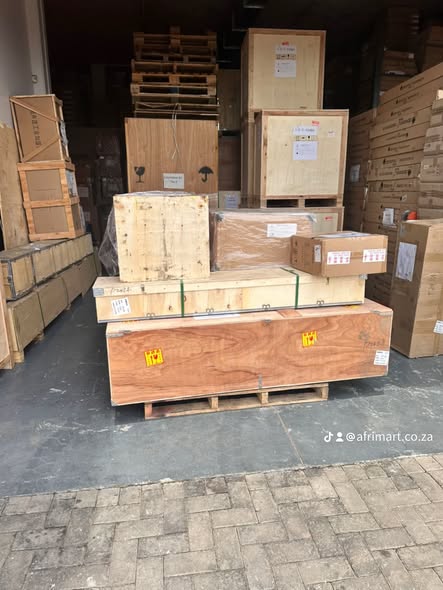
Latest Orders Labelled
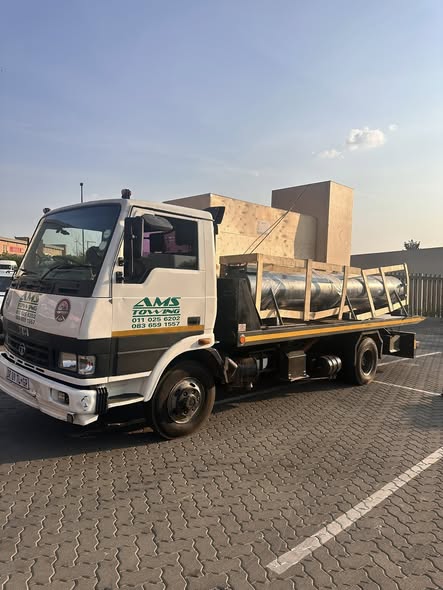
wheel alignment machines
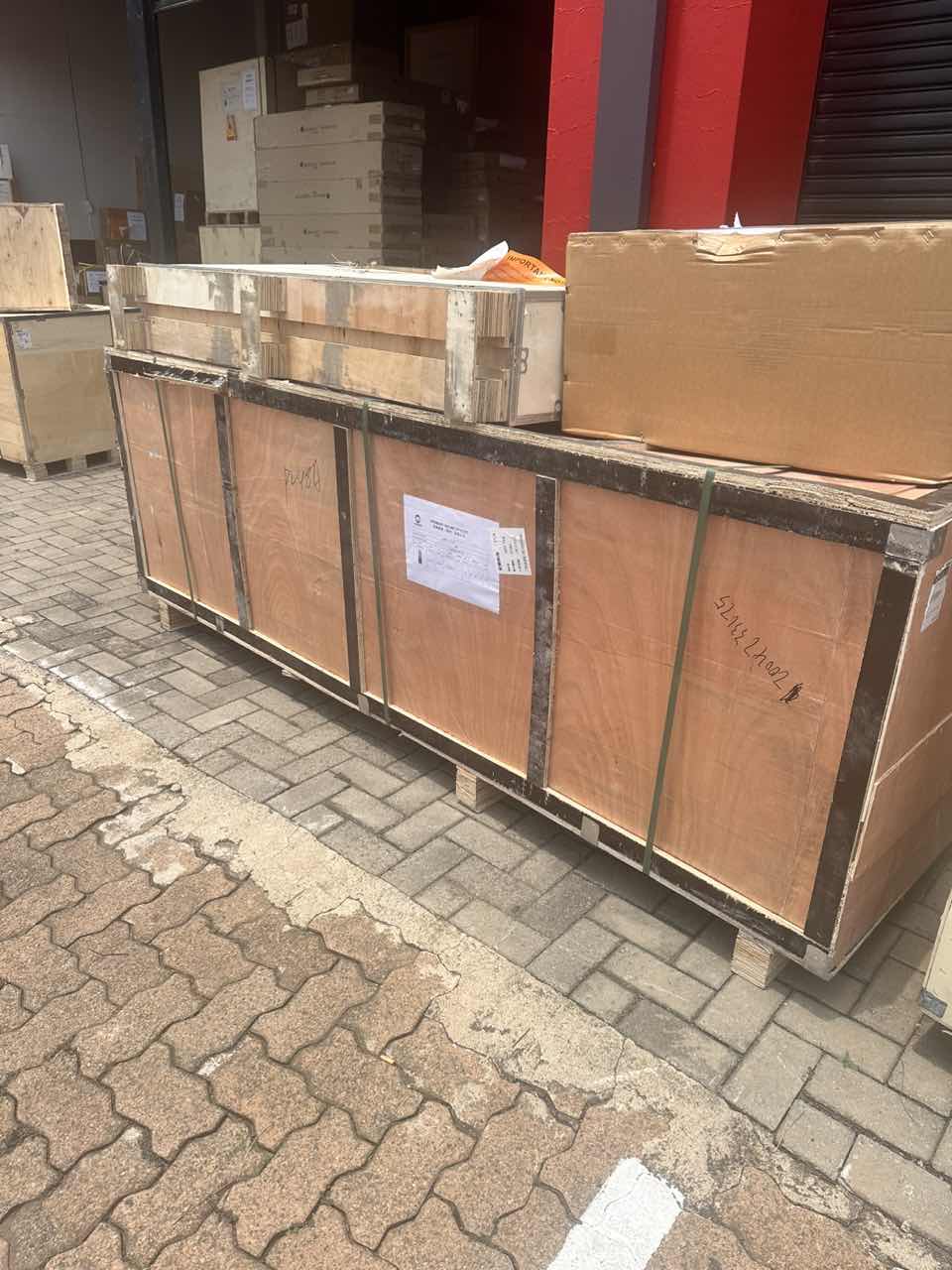
new arrivals
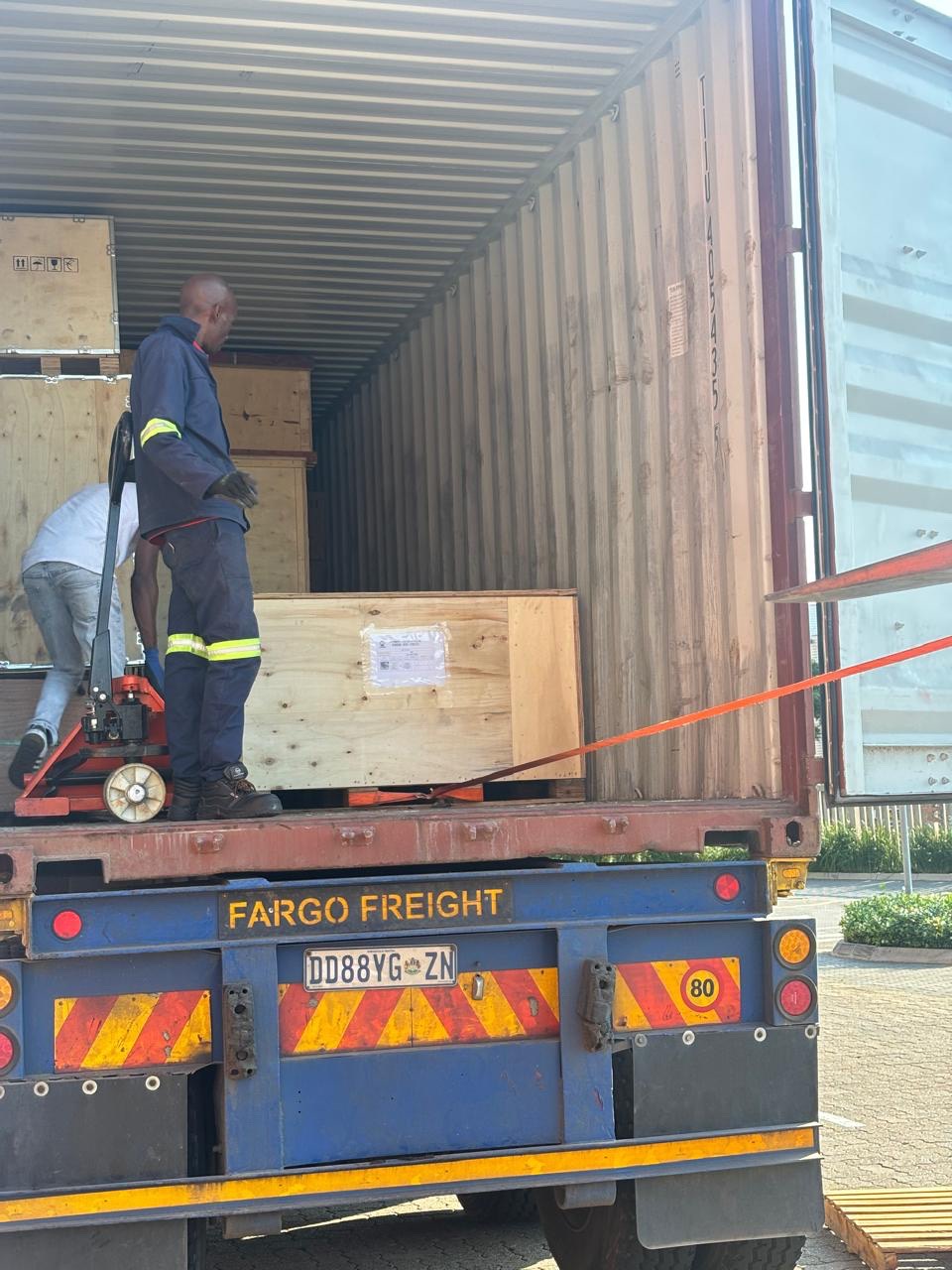
Pre Orders Offloading
Latest Arrivals
Latest Arrivals
Latest Arrivals
Loading
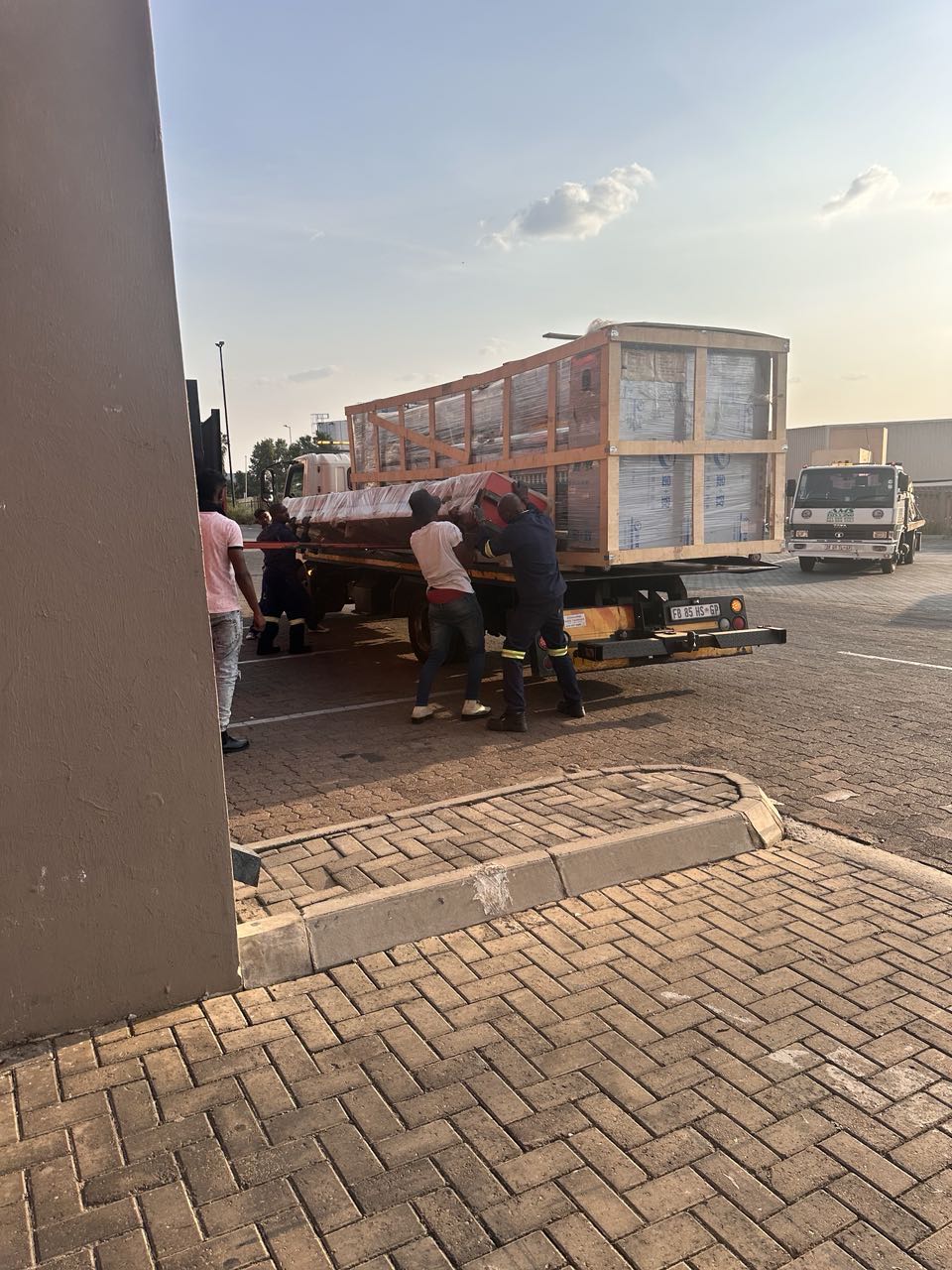
Toilet paper making machine
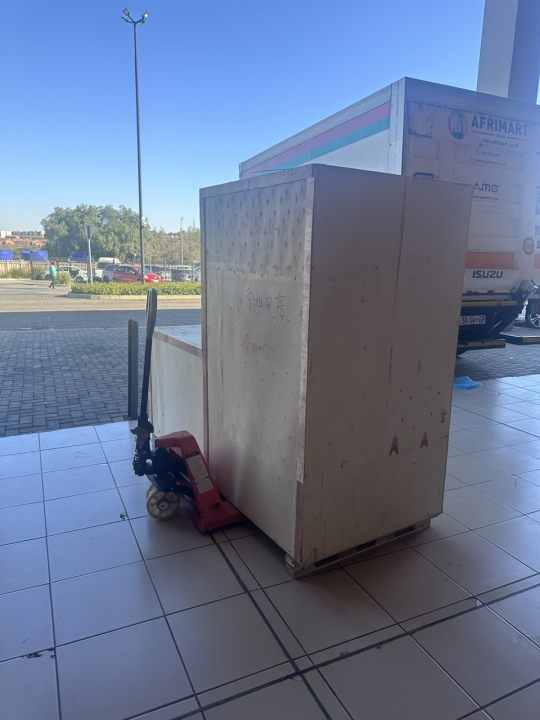
Toilet paper making machine
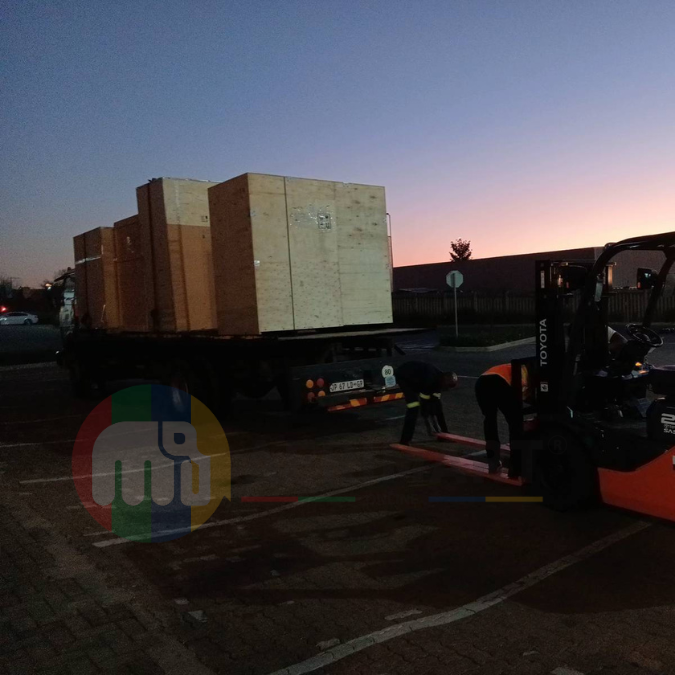
Toilet paper Rewinding Machine
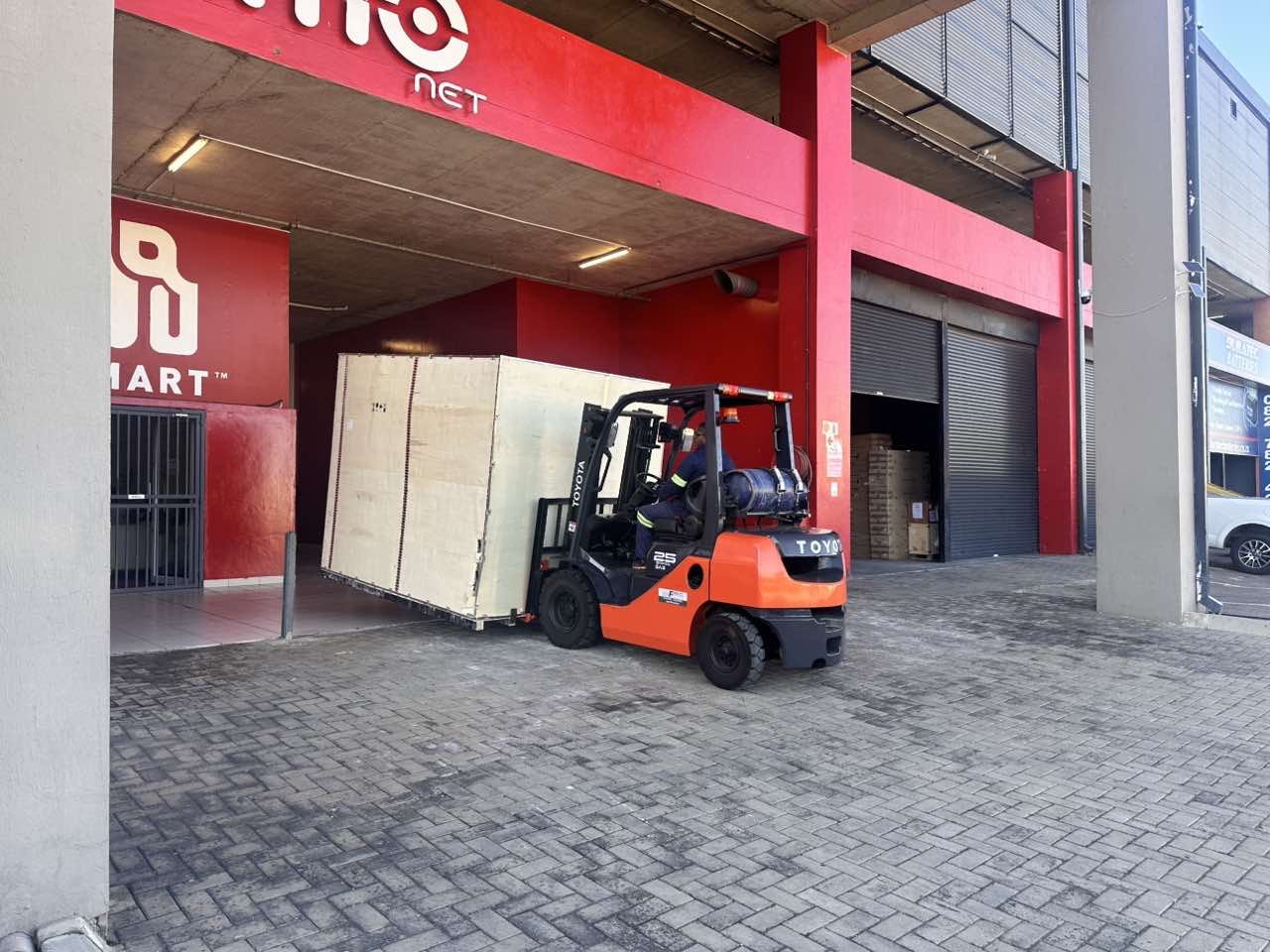
latest arrivals
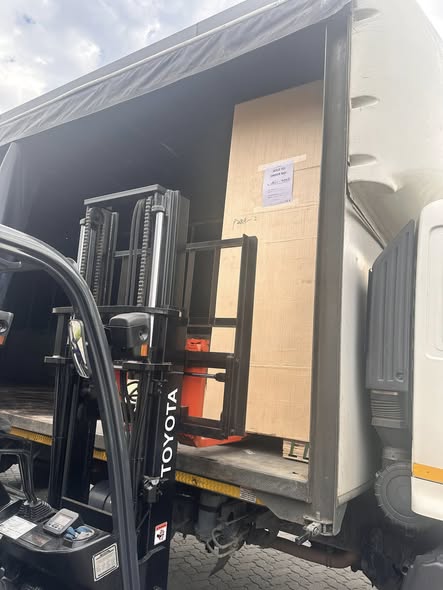
offloading
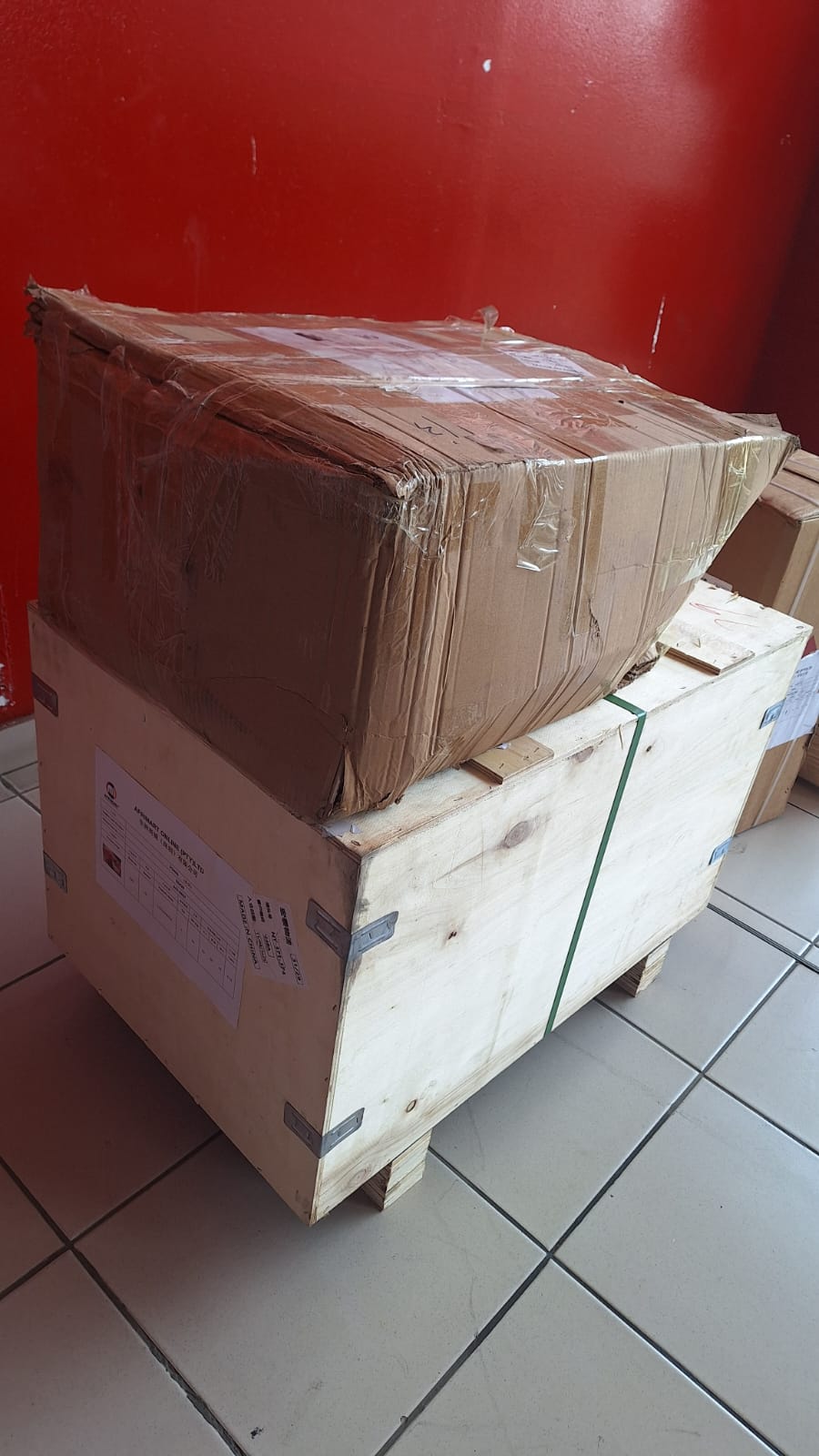
order success
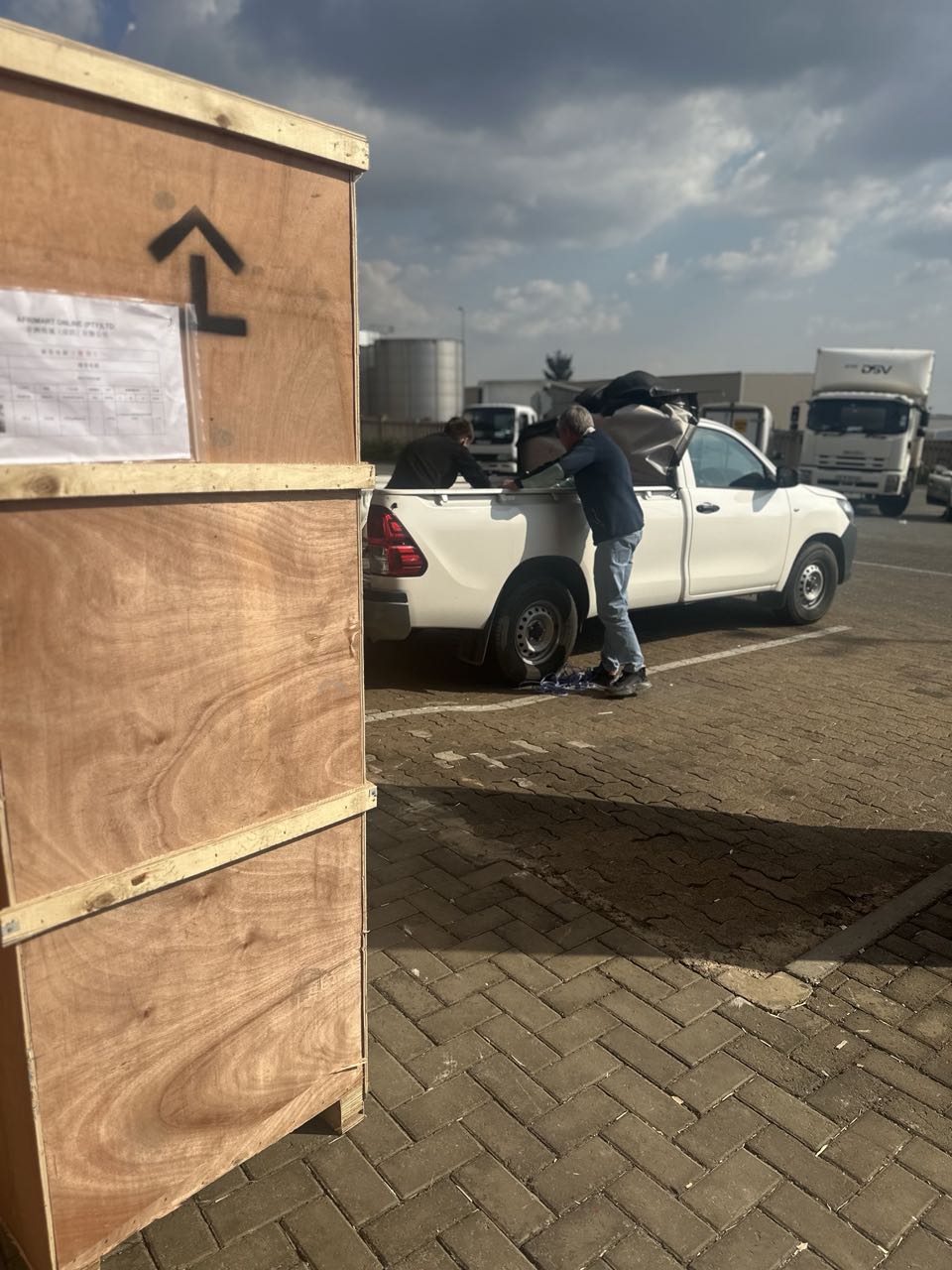
order collection
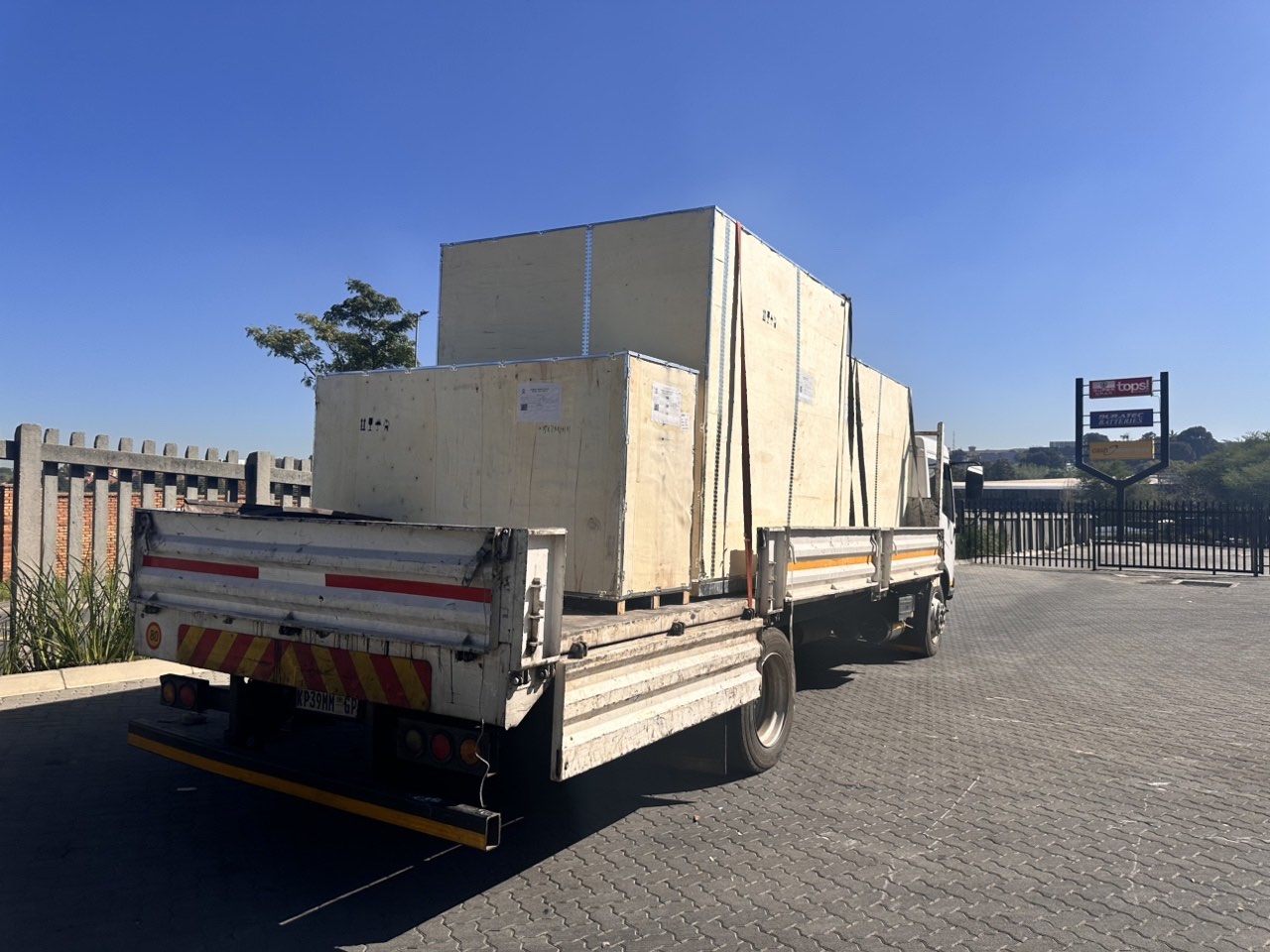
order offloading