B21, China Town Mall, Midrand

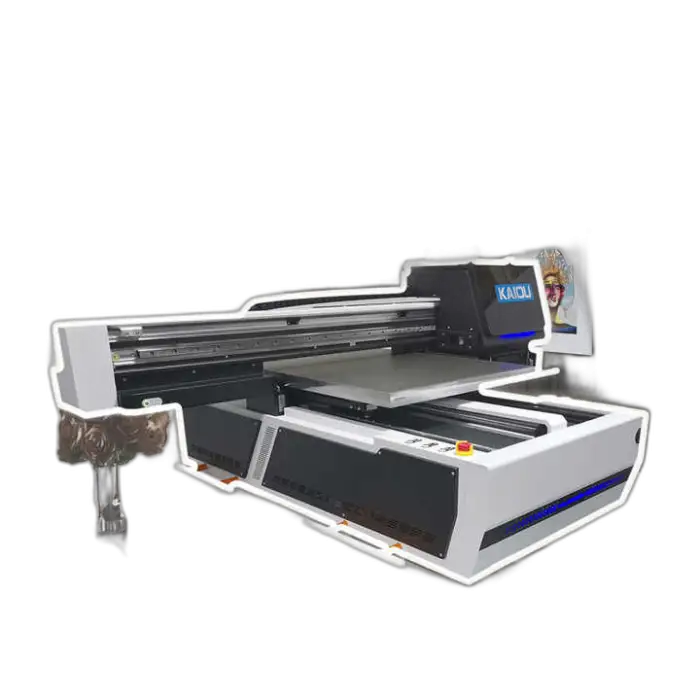
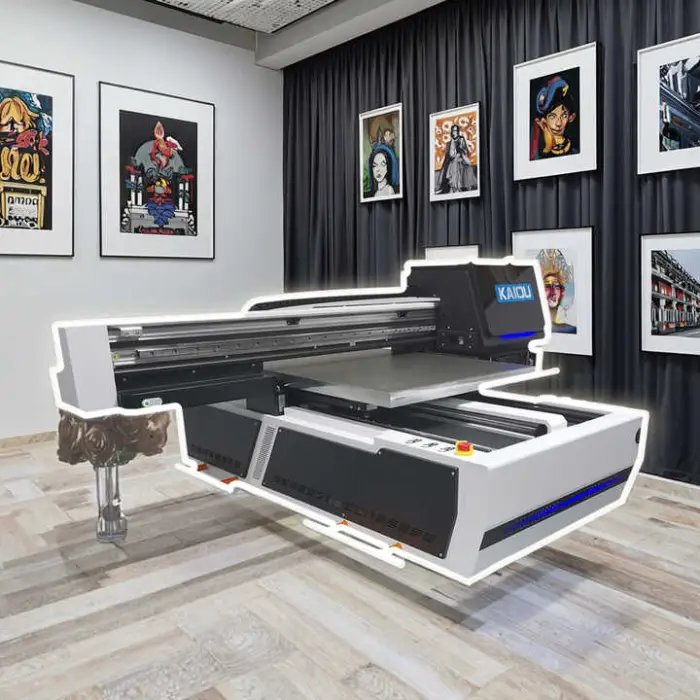
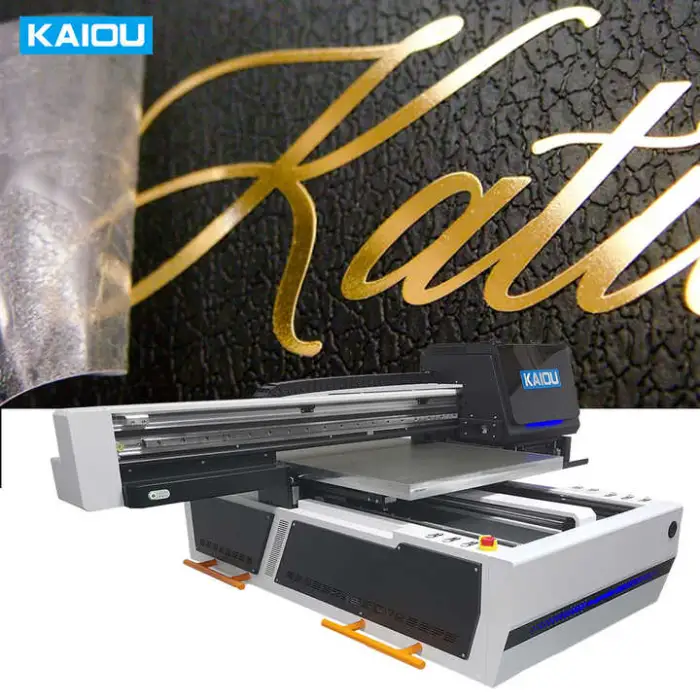
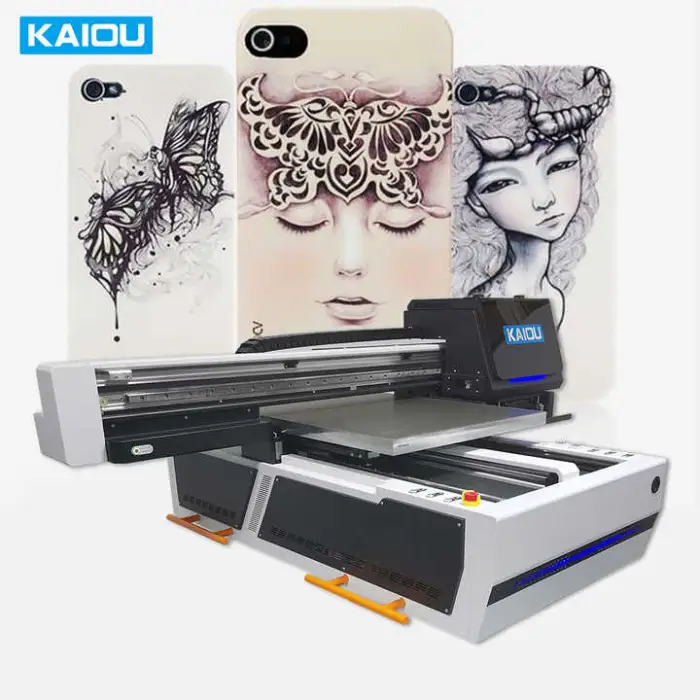
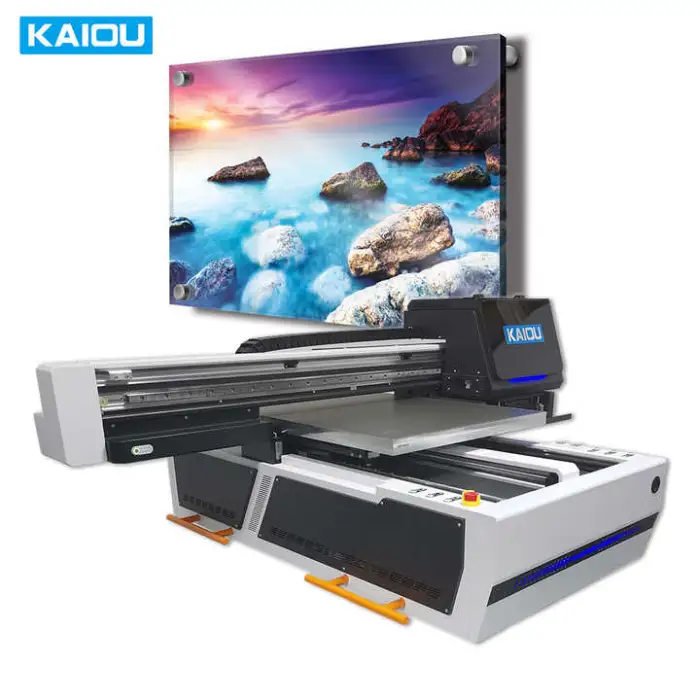
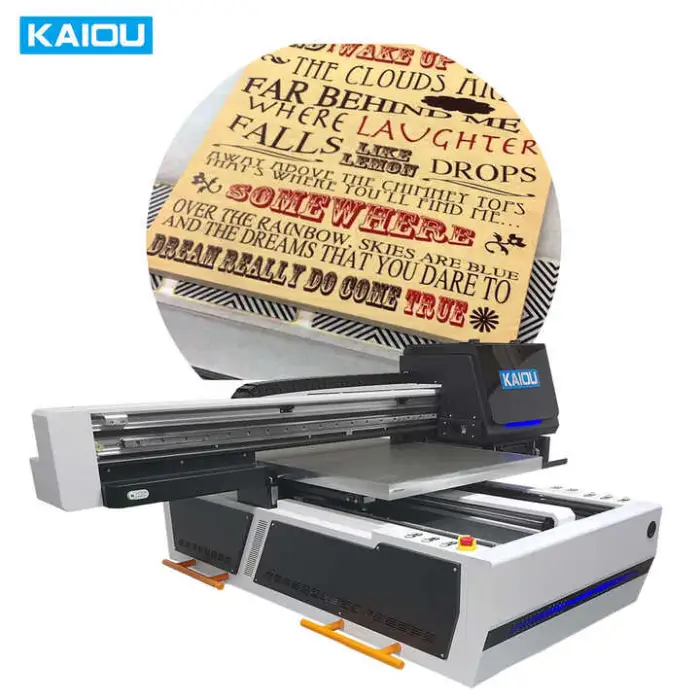
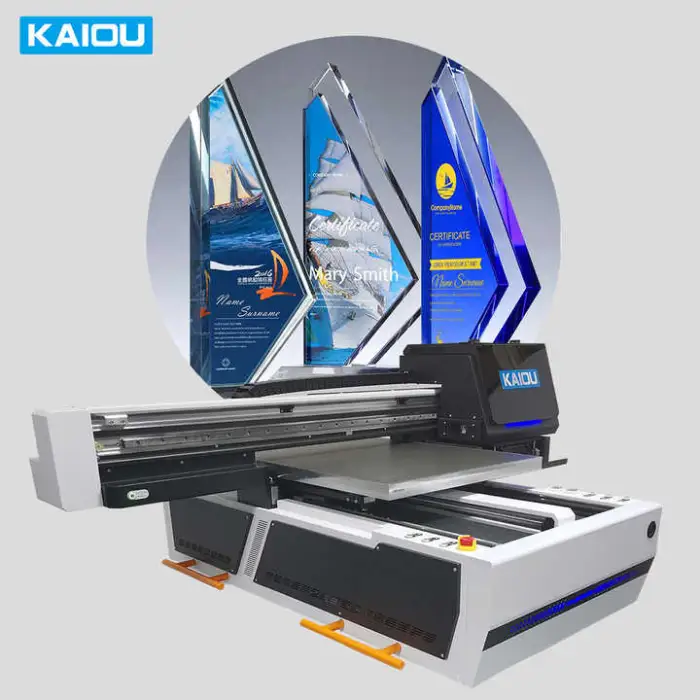
Multifunction Glass Stone Leather Wood PVC ABS TPU Phone Case Printing Machine Label Sticker Large 9060 6090 Uv Flatbed Printer
Asset finance available
Do you want funding for this equipment?
Afrimart can connect you with trusted funding partners who specialise in asset finance for businesses like yours. Compare options and apply in minutes — final approval is subject to provider review.
Check funding options
Secure & no obligation

- Section : Consumer Electronics
- Category : DTG Printers
- SKU : 1600404104392

Multifunction Glass Stone Leather Wood PVC ABS TPU Phone Case Printing Machine Label Sticker Large 9060 6090 Uv Flatbed Printer
The Multifunction Glass Stone Leather Wood PVC ABS TPU Phone Case Printing Machine Label Sticker Large 9060 6090 UV Flatbed Printer is a powerful tool for all your printing needs. This printer can handle a variety of materials, making it versatile for different projects. It delivers high-quality prints with vibrant colors and sharp details. Whether you're printing phone cases, labels, or other items, this machine is designed to meet your demands efficiently.
Specifications
| Attribute | Details |
|---|---|
| Type | Inkjet Printer |
| Color & Page | Multicolor |
| Resolution | 9600dpi, 2400DPI, 4800DPI, 1200DPI |
| Automatic Grade | Automatic |
| Condition | New |
| Print Head | XP600, Epson i3200, Ricoh |
| Plate Type | Flatbed Printer |
| Ink Type | UV Ink |
| Printing Material | PVC, Acrylic, Paper, Metal, Glass, Wood |
| Voltage | 220V |
| Dimensions (L*W*H) | 147*175*65CM |
| Weight | 160kg |
| Speed | 100cm/min |
Key Features
- High-resolution printing up to 9600dpi for clear images.
- Can print on various materials, including glass, wood, and metal.
- Automatic operation for ease of use.
- Multiple print head options for versatile printing needs.
- Fast printing speed of 100cm/min to improve productivity.
Applications
- Phone shell and case printing.
- Label and sticker creation.
- Card and badge printing.
- Personalized gifts and items.
- Clothing and fabric printing.
- Custom wallpaper and decoration projects.
With the Multifunction Glass Stone Leather Wood PVC ABS TPU Phone Case Printing Machine Label Sticker Large 9060 6090 UV Flatbed Printer, you can achieve professional-quality prints for any project. Its versatility and efficiency make it an ideal choice for businesses and creative individuals alike.
Product Info Gallery
- Shipping Timeframes: All orders are processed within 2-5 business days (excluding weekends and holidays). After your order has been processed, the estimated delivery time is before 22 Jun, 2026, depending on customs, Please note that due to high demand, some items may experience longer shipping times, which will be communicated at order confirmation email.
- Order Processing Time: Please allow 2-5 business days for us to process your order before it is shipped . Orders placed after 16:00 on Fridays, or during weekends and public holidays, will begin processing on the next business day. Processing times may be extended during peak seasons or sales events.
- Manufacturing Time: Some products needs manufacturing time, the manufacturing process will take approximately 10-30 business days depending on the product. This timeframe may vary depending on the complexity of the product and current demand. but this will be communicated with you during order confirmation.
- Returns and Exchanges: We offer a 30-day return policy for most items. If you are not completely satisfied with your purchase, you may return it within 30 days of receipt for a refund or exchange. Items must be unused, in their original packaging, and accompanied by proof of purchase. Return shipping costs are the responsibility of the customer, unless the item was damaged or defective upon arrival.
1. What materials can this UV flatbed printer print on?
The machine is designed to print on a wide range of materials including PVC, acrylic, paper, metal, glass, wood, leather, ABS, TPU, phone cases, stickers/labels, and some stones. For unusual substrates or coatings, test first or consult the supplier for compatibility.
2. What type of ink does the printer use and what are the benefits?
It uses UV-curable inks. Benefits include fast curing, durable and scratch-resistant prints, vibrant colors, and the ability to print on non-absorbent materials like glass and metal.
3. Which print heads are available for this model?
The printer supports multiple print head options: XP600, Epson i3200, and Ricoh. Different heads offer trade-offs in speed, resolution and maintenance—choose based on your production needs.
4. What print resolutions does the printer support?
Supported resolutions include up to 9600 dpi and other settings such as 4800 dpi, 2400 dpi, and 1200 dpi, allowing high-detail and photo-quality printing.
5. What is the print speed?
The specified maximum speed is 100 cm/min. Actual throughput will depend on resolution, print mode, media, and print head configuration.
6. What are the machine dimensions and weight?
The machine dimensions are 147 x 175 x 65 cm (L x W x H) and it weighs approximately 160 kg.
7. What is the printable area / flatbed size for the 9060 and 6090 models?
Model names 9060 and 6090 indicate large flatbed variants commonly around 60 x 90 cm (or 90 x 60 cm). Exact printable area may vary by configuration—please confirm the exact bed dimensions with the supplier before purchase.
8. How thick of a substrate can it print on?
Maximum printable thickness is not specified in the basic spec. Many UV flatbeds can handle several centimeters of thickness, but exact clearance depends on the bed and optional fixtures—check with the vendor or request a substrate clearance chart.
9. Does it support white ink and printing on dark or transparent materials?
UV systems commonly offer white ink as a spot or base layer for printing on dark or transparent substrates. Whether white ink is included depends on the specific configuration—confirm if white-channel capability is provided when ordering.
10. What file formats and RIP/software does the printer work with?
Most flatbed printers work with standard raster and vector file formats (TIFF, JPEG, PNG, PDF, EPS, etc.) via a RIP package. The exact software bundle and supported formats vary by supplier—ask which RIP is included and verify format support.
11. What are the electrical requirements?
The listed voltage is 220V. Verify local power compatibility and whether a dedicated circuit or voltage converter is needed for your location.
12. What routine maintenance is required?
Typical maintenance includes regular printhead cleaning, nozzle checks, replacing ink cartridges, keeping the flatbed and vacuum table clean, and following manufacturer-recommended head capping and flushing procedures. Establish a maintenance schedule and training for operators.
13. What applications is this printer best suited for?
Common applications include phone shells and case printing, label and sticker production, cards and badges, personalized gifts, signage, interior decoration elements, and short-run custom jobs on rigid and flexible materials.
14. Does the printer include UV curing lamps and how is curing handled?
UV inks require UV lamps for immediate curing; most UV flatbeds come with integrated UV LED or mercury lamps. Verify the lamp type and intensity with the supplier, and ensure ventilation and safety procedures are in place.
15. What warranty, training and after-sales support are available?
Warranty periods, training, spare parts availability and technical support vary by seller and region. Request detailed warranty terms, included training options, response times for service and availability of consumables before purchase.
Latest Order Arrivals
Discover our latest orders
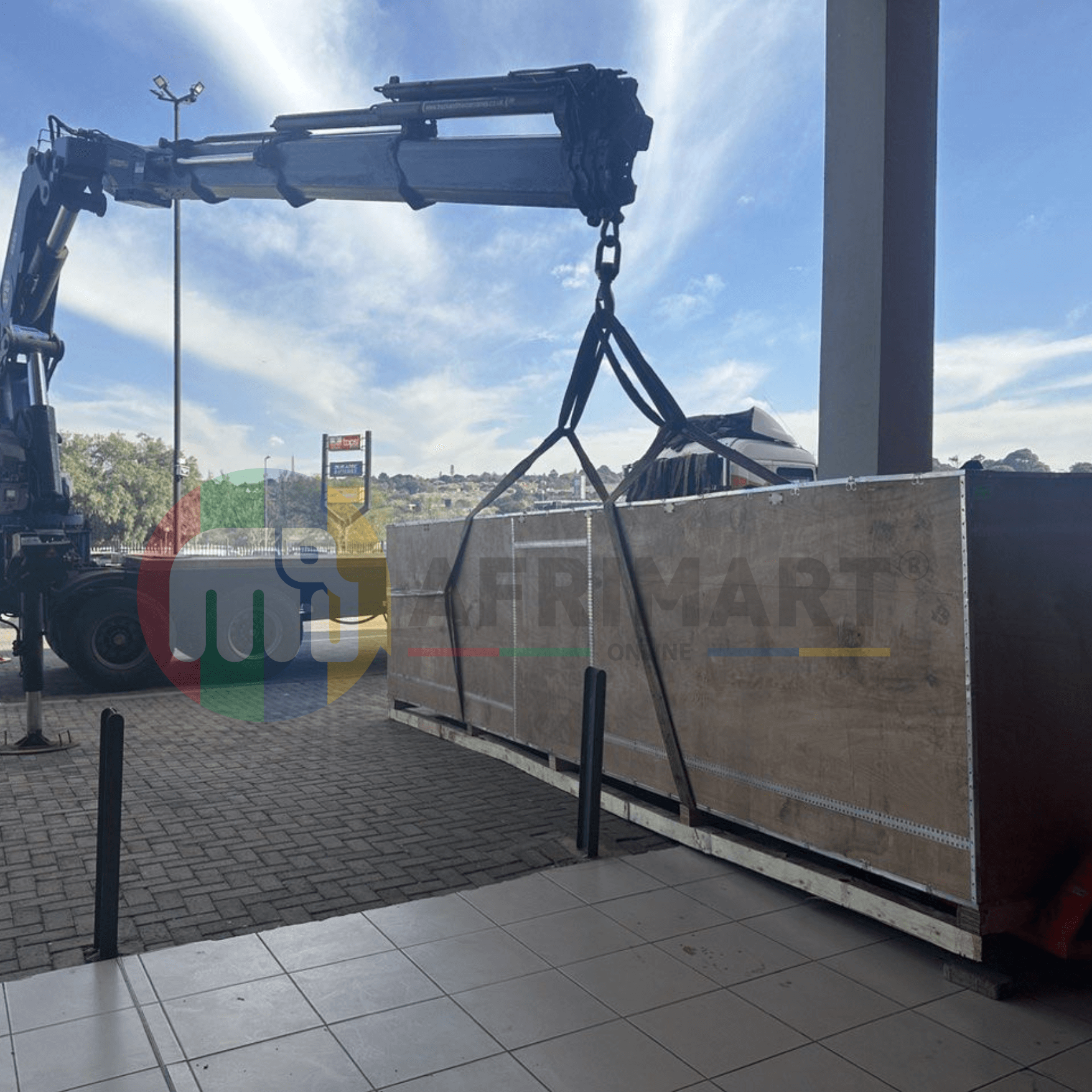
12 Heads Embroidery Machine
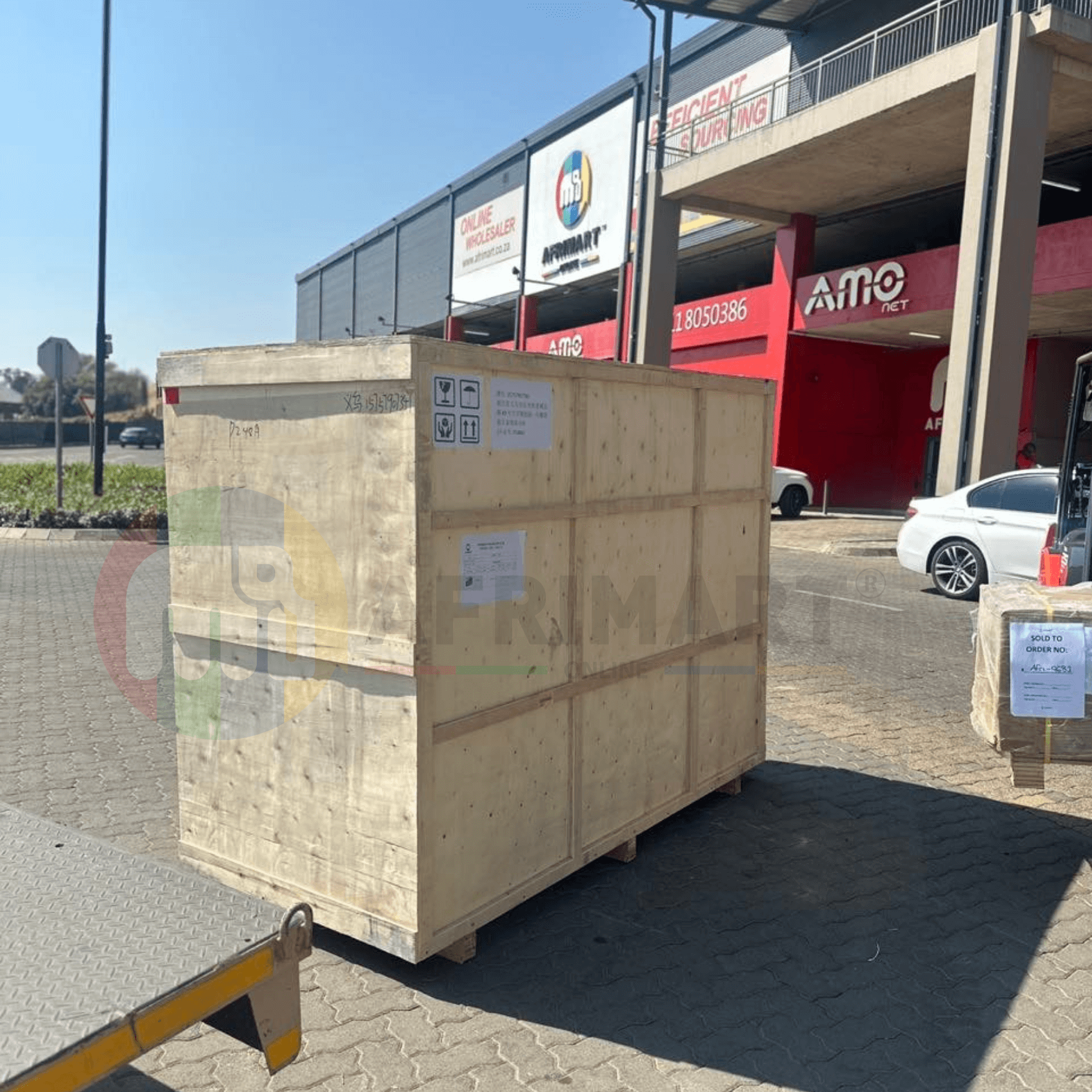
Dewatering Pump Machine
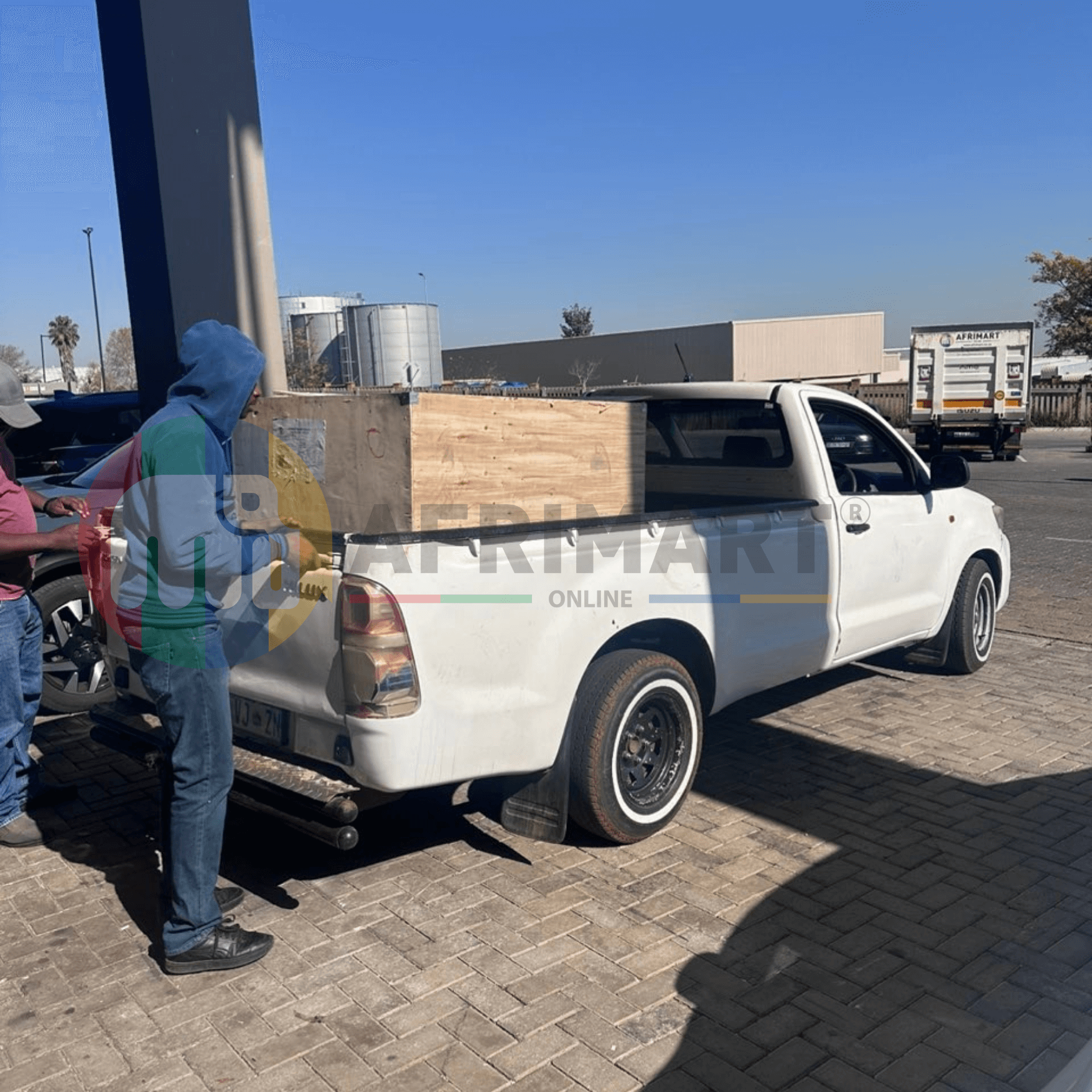
Order Collection
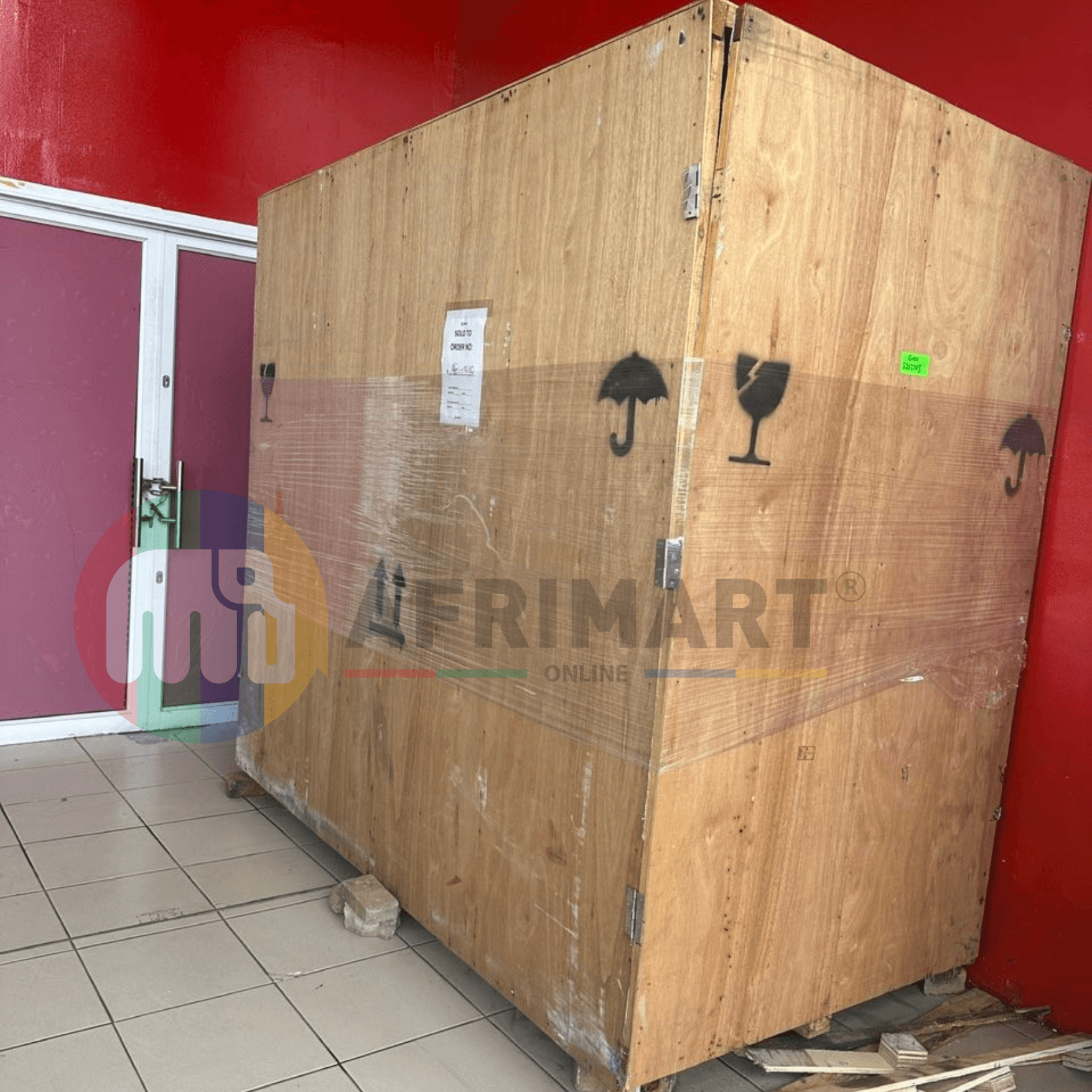
Portable Water Drilling Rig
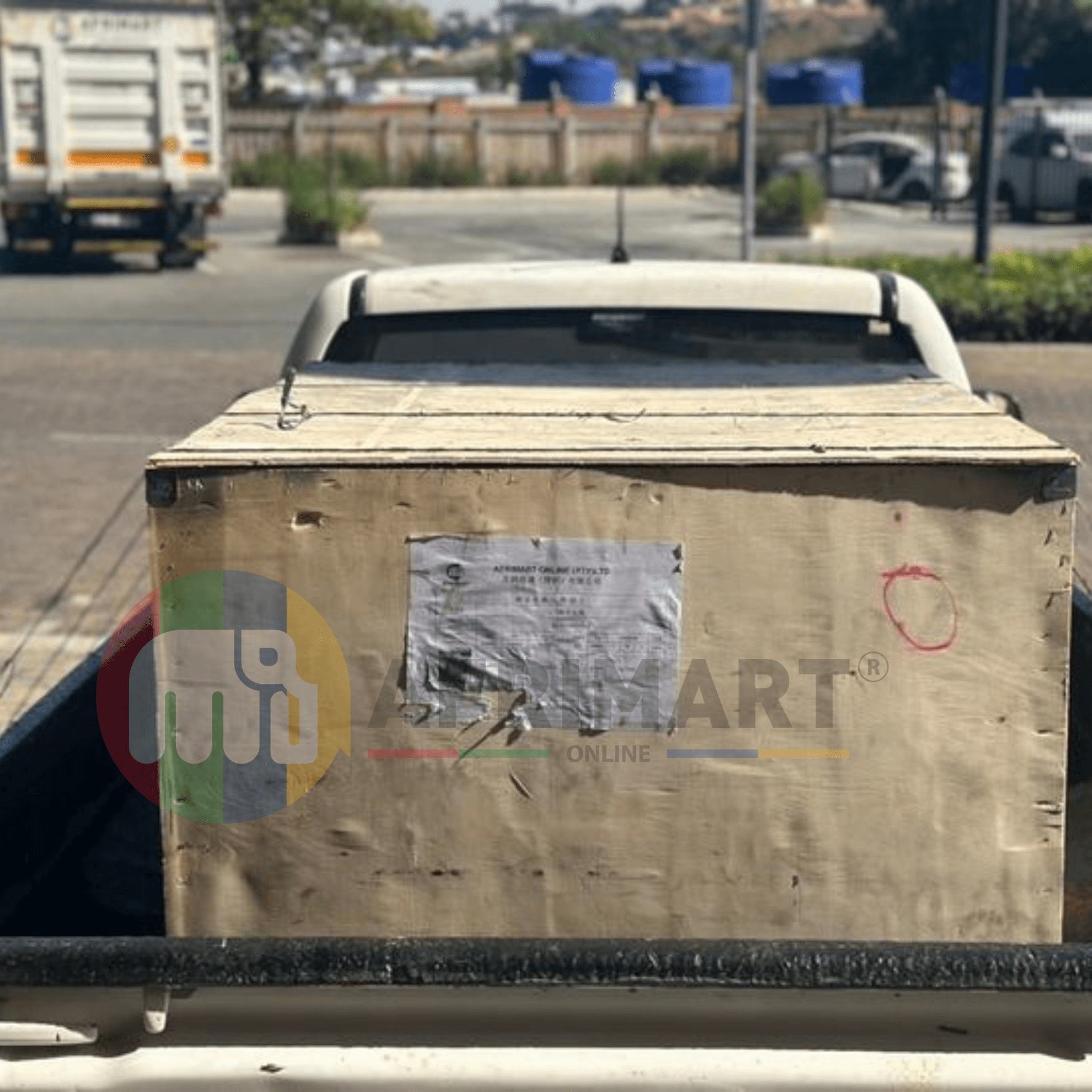
Order Usefully Collected
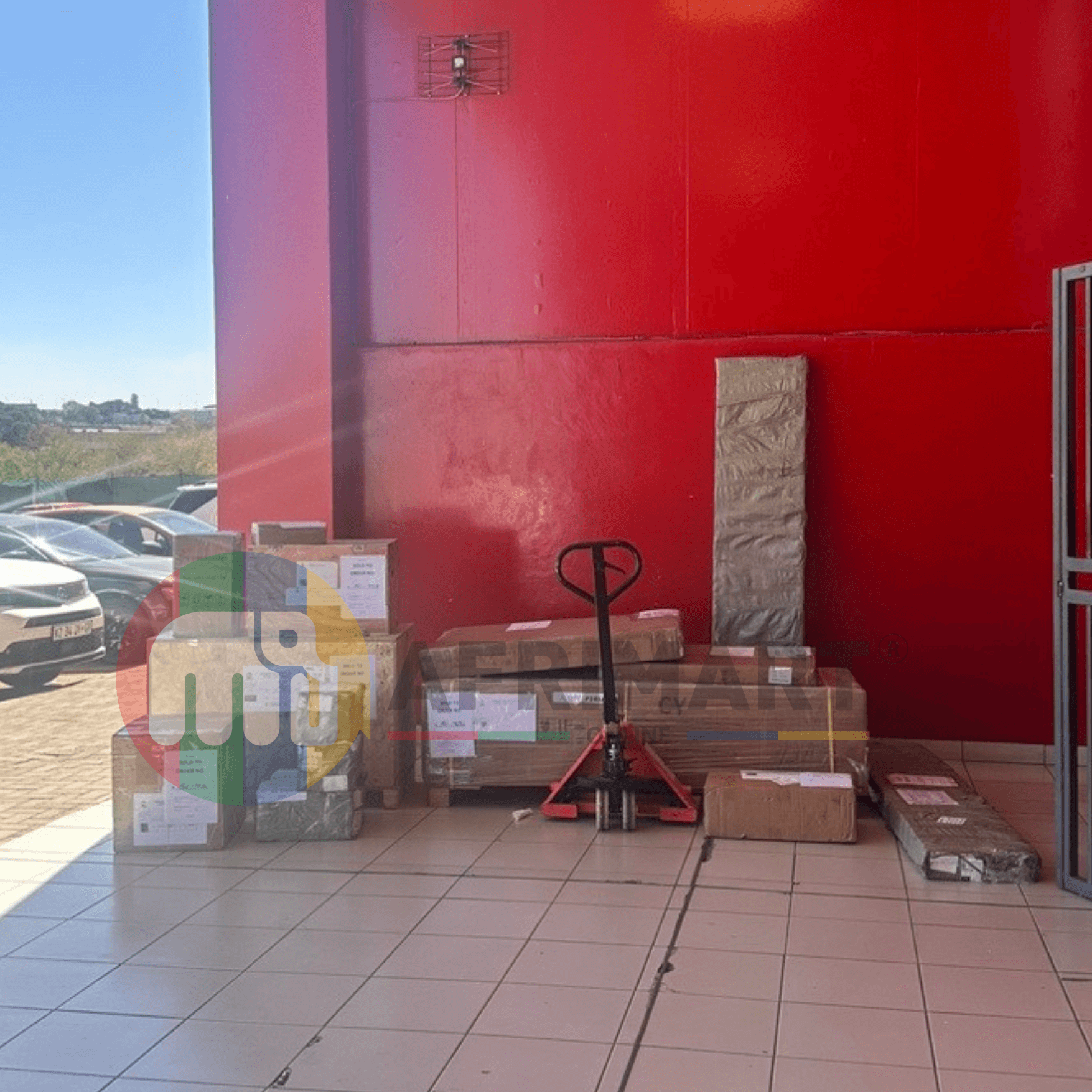
Batch of Orders
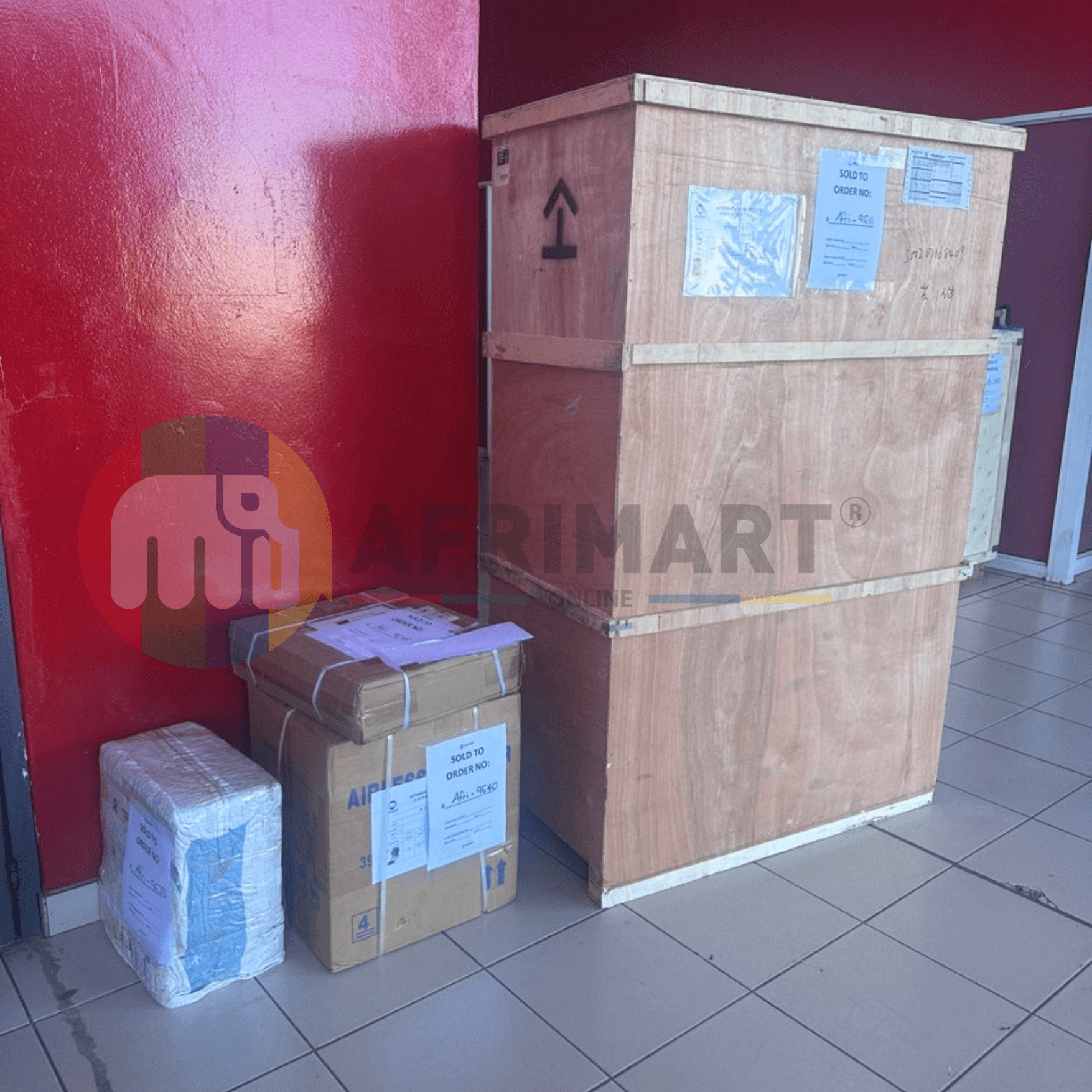
Agriculture Processing Machines
Meat Grinder Machine
Water Pump Equipment
Packaging Machine and accessories
Fabrics Manufacturing Equipment
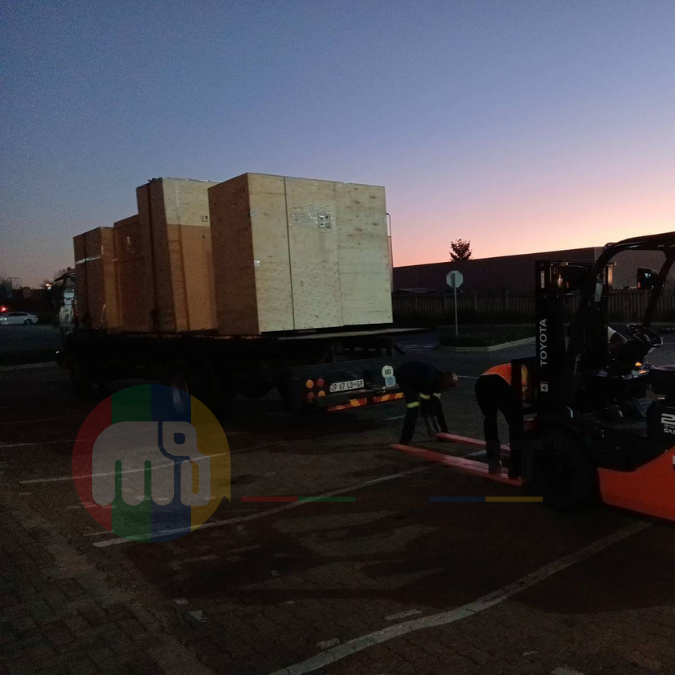
Mining Equipments
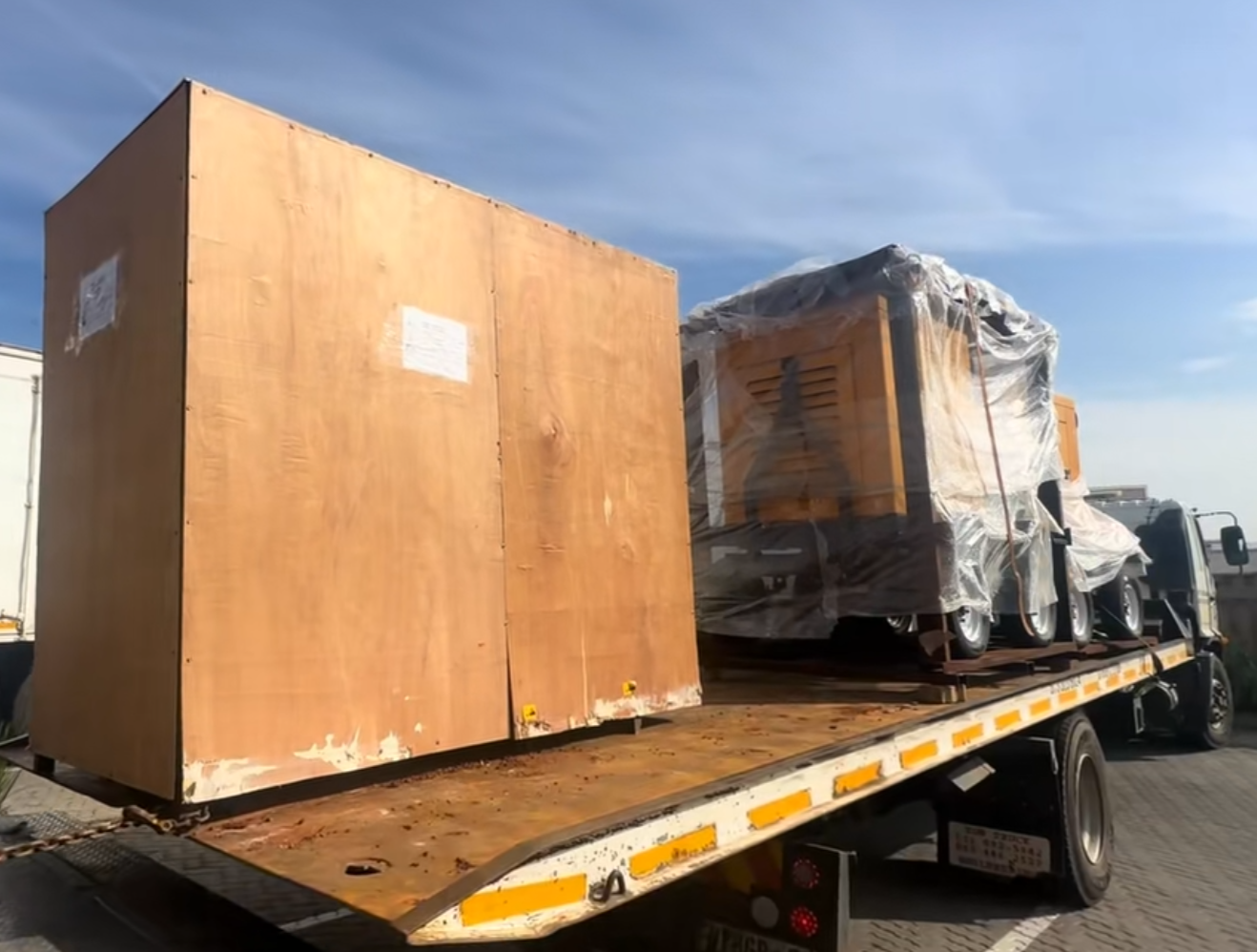
Food Processing Machine
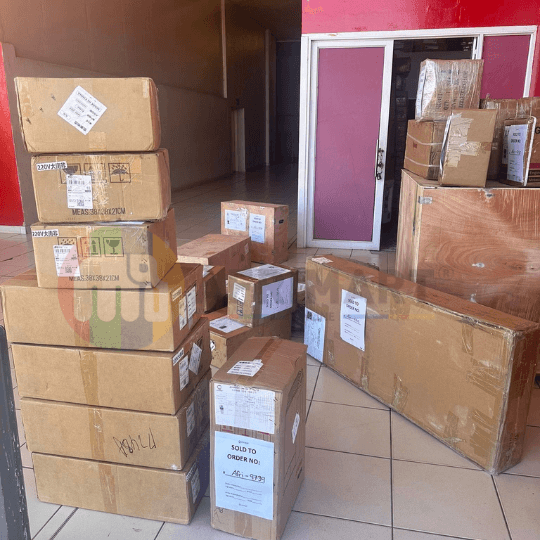
Batch of Orders
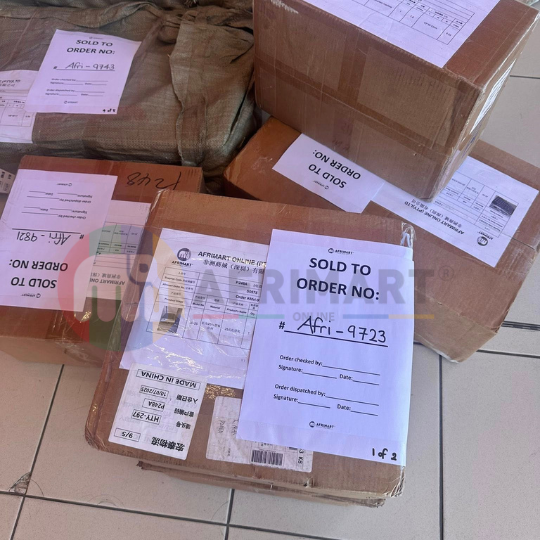
Batch of Orders
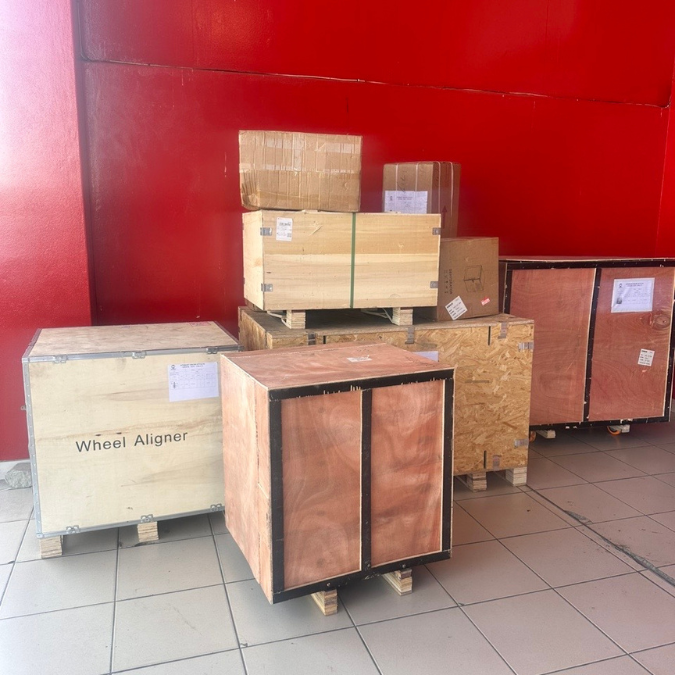
Latest Orders Labelled
wheel alignment machines
new arrivals
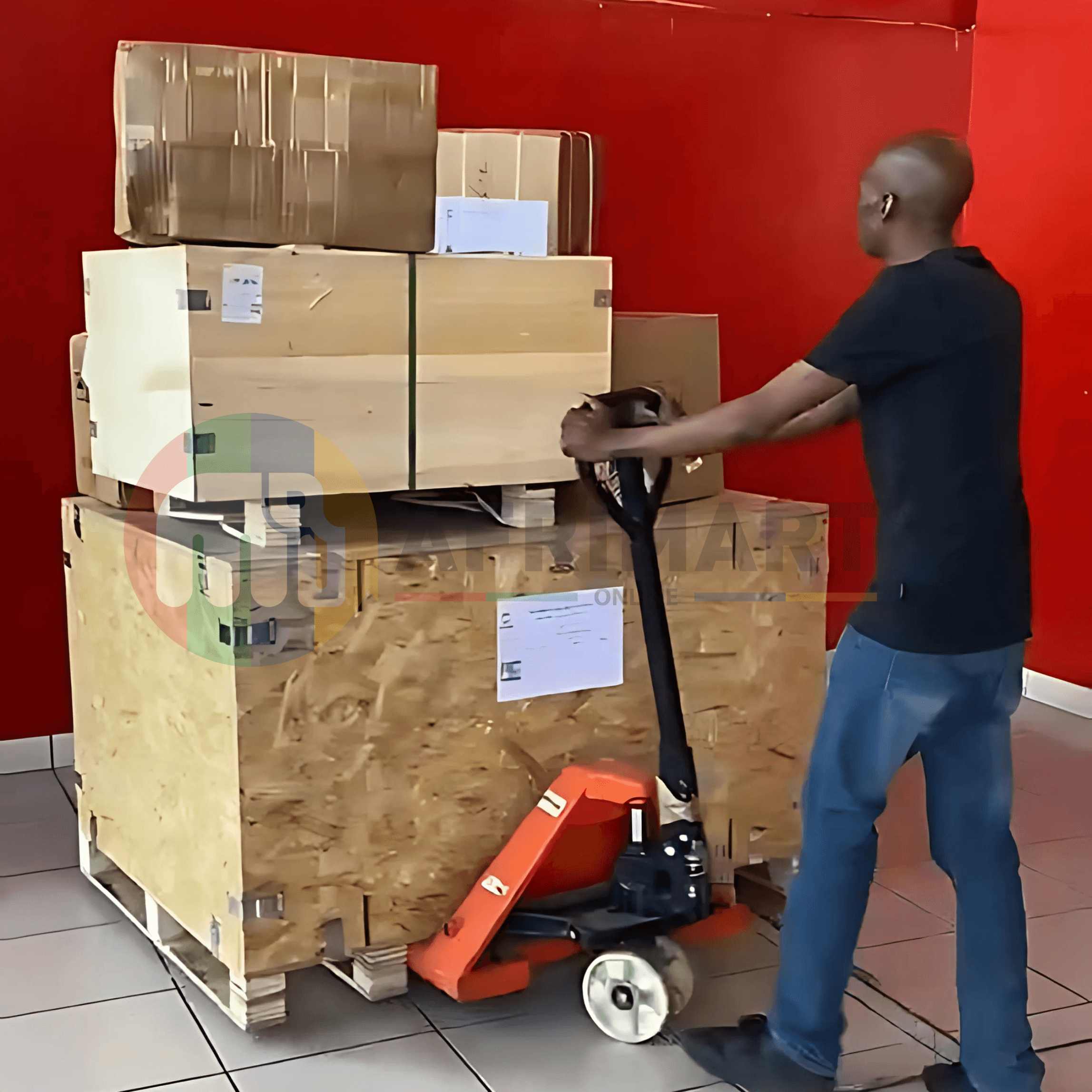
Pre Orders Offloading
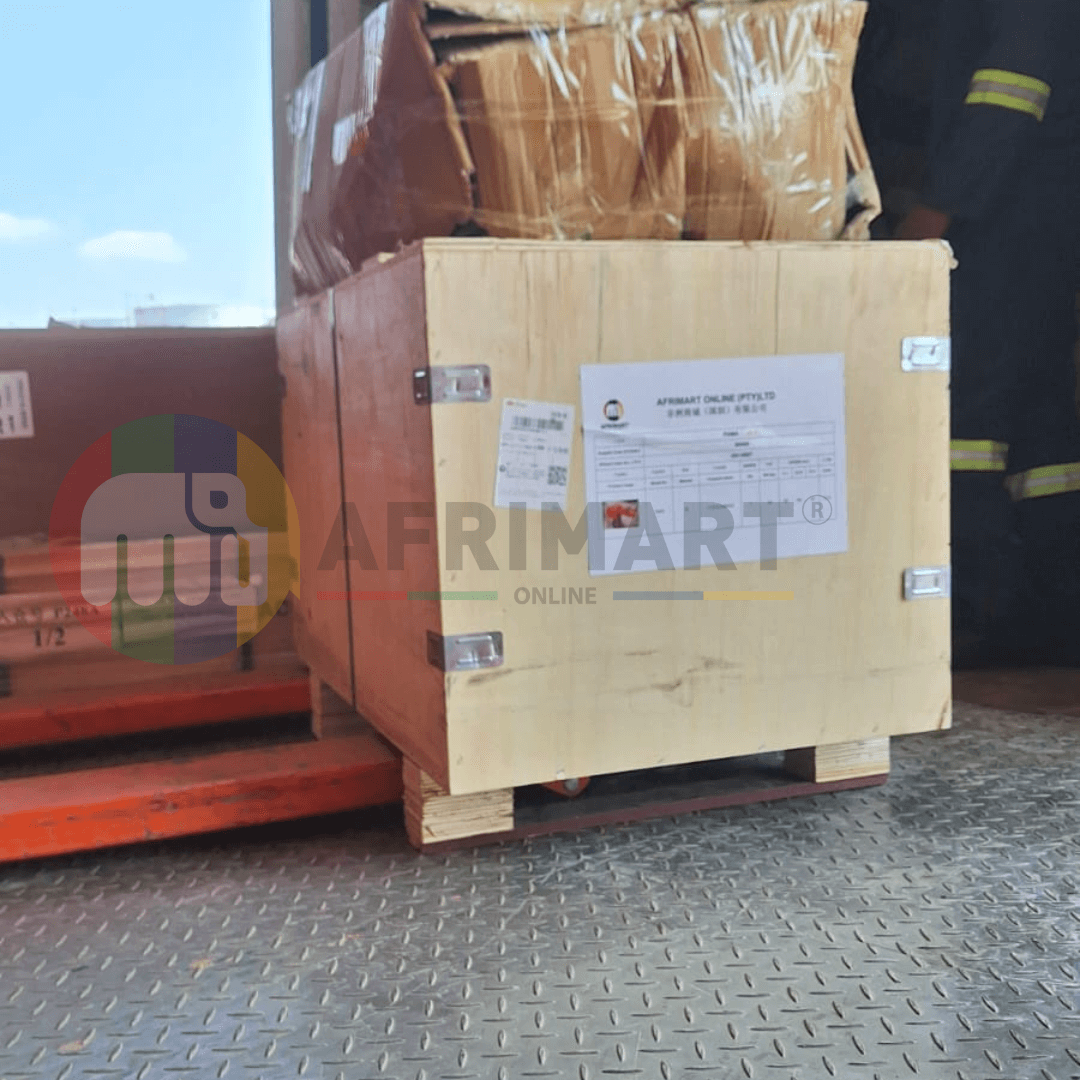
Latest Arrivals
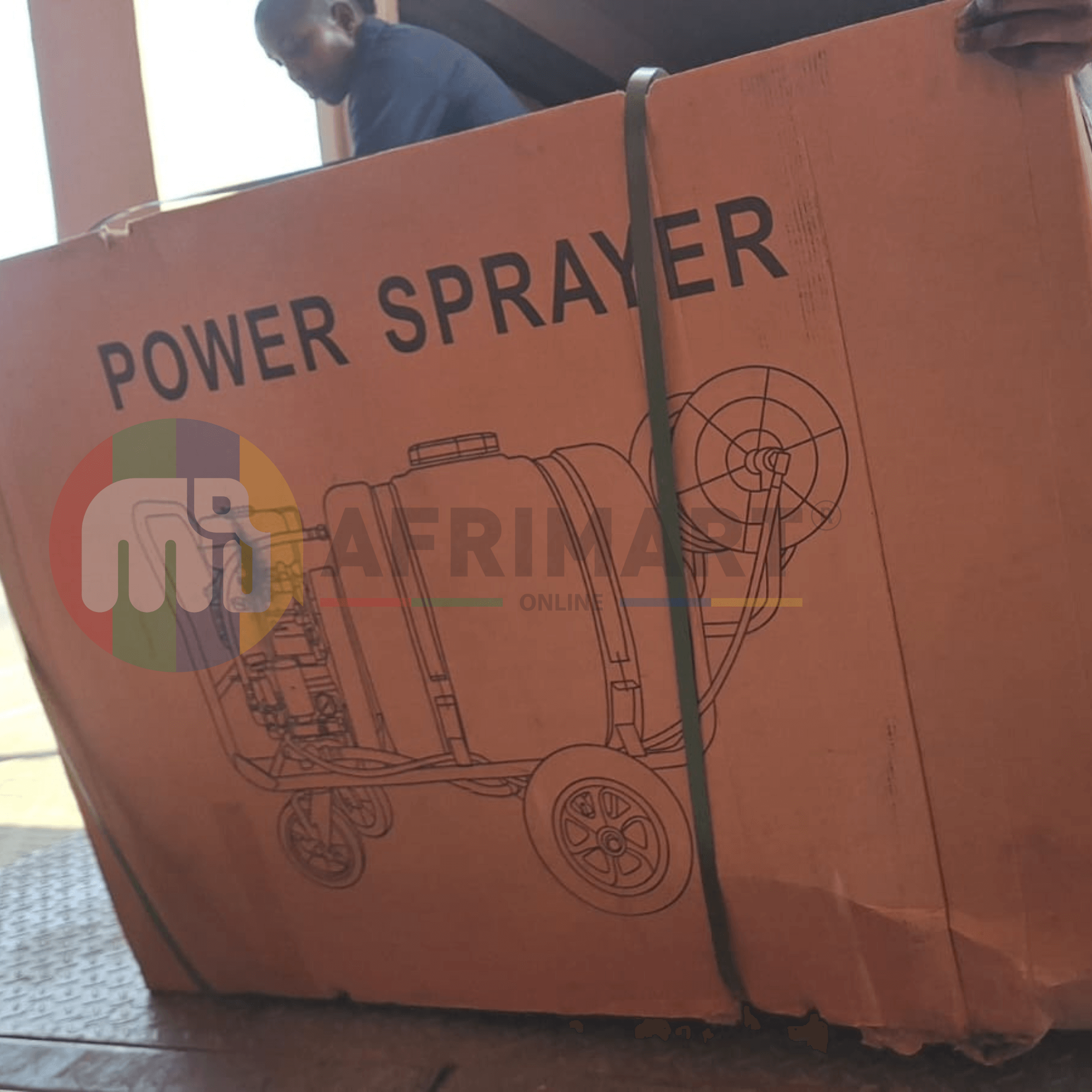
Latest Arrivals
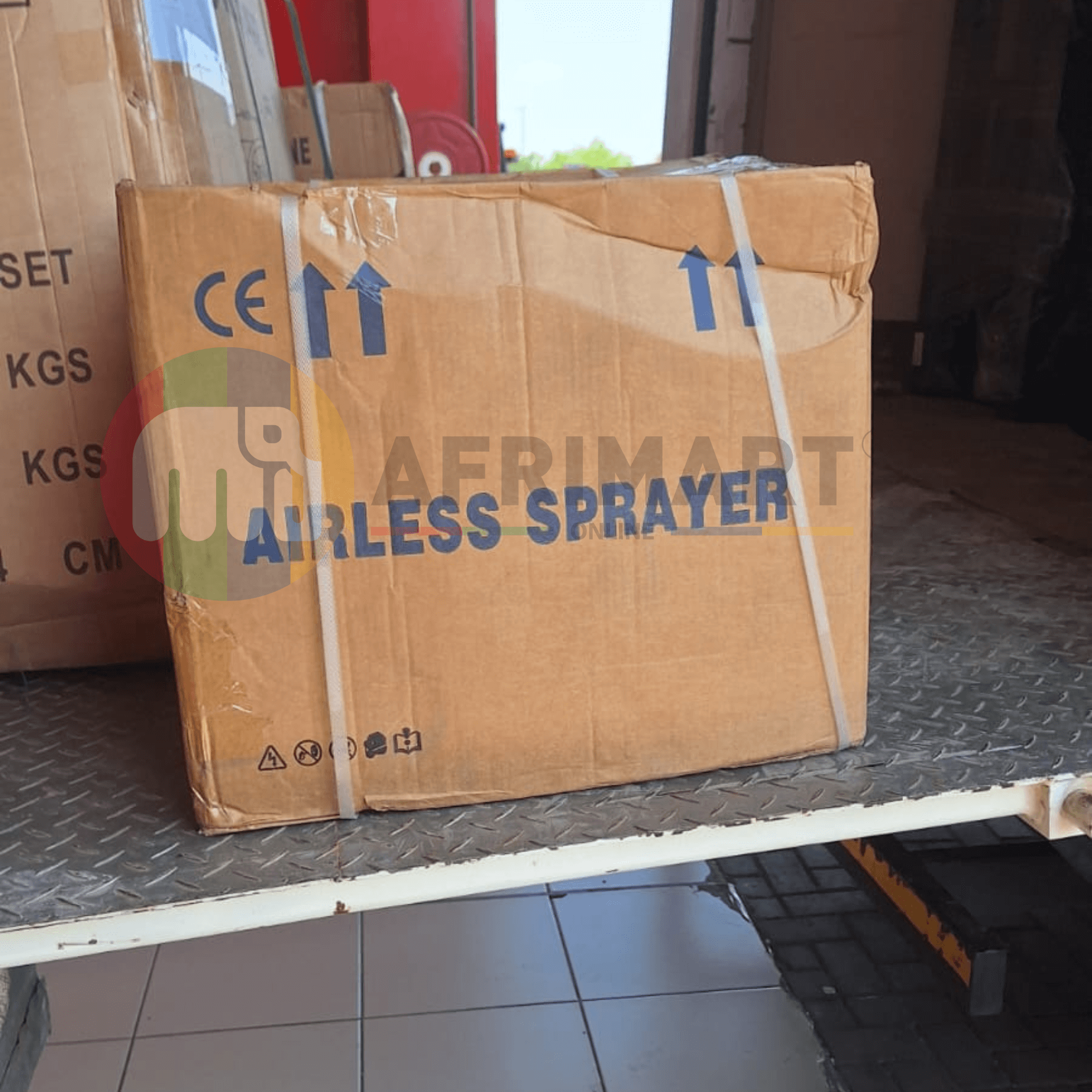
Latest Arrivals
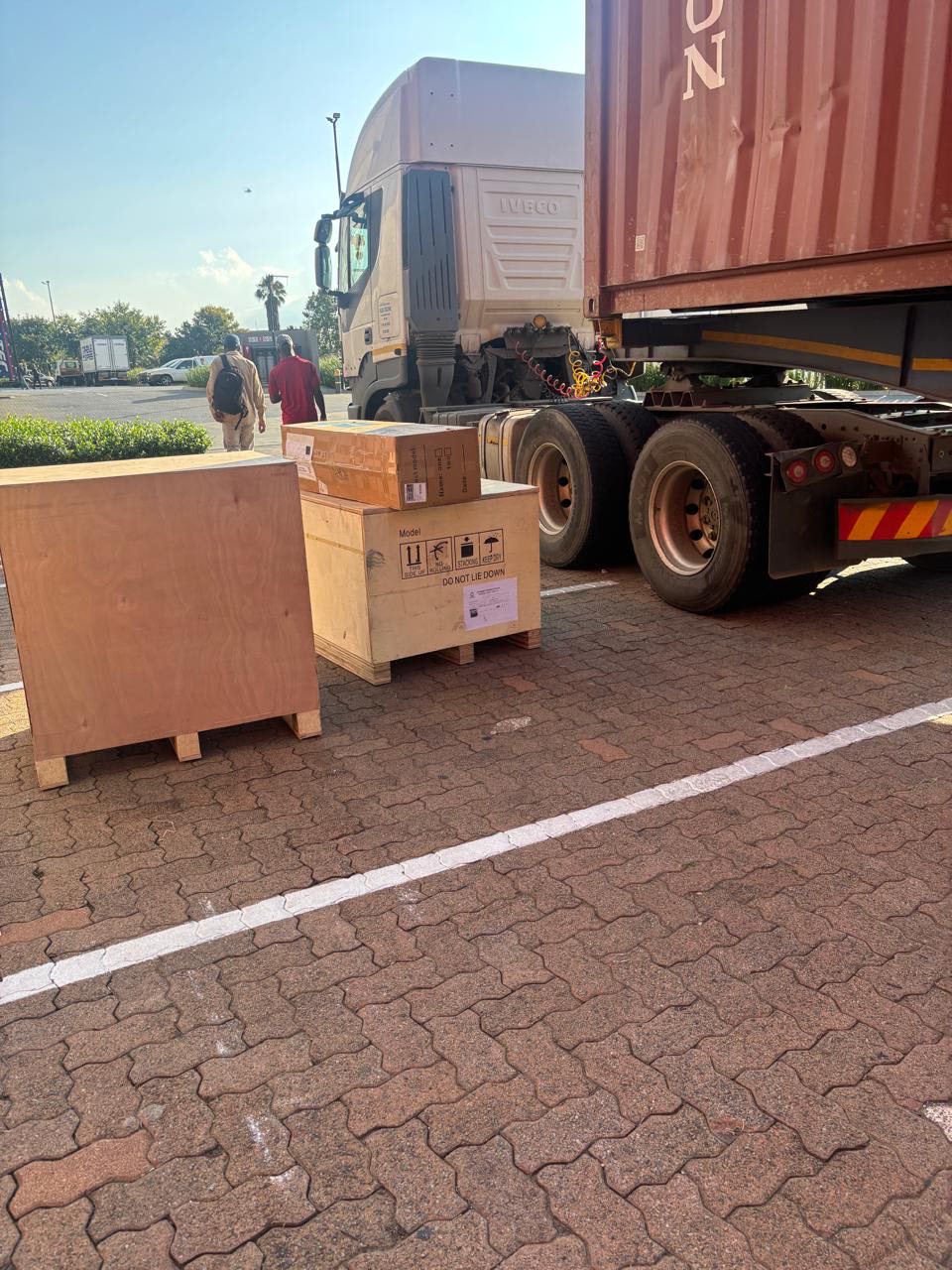
26 January 2026
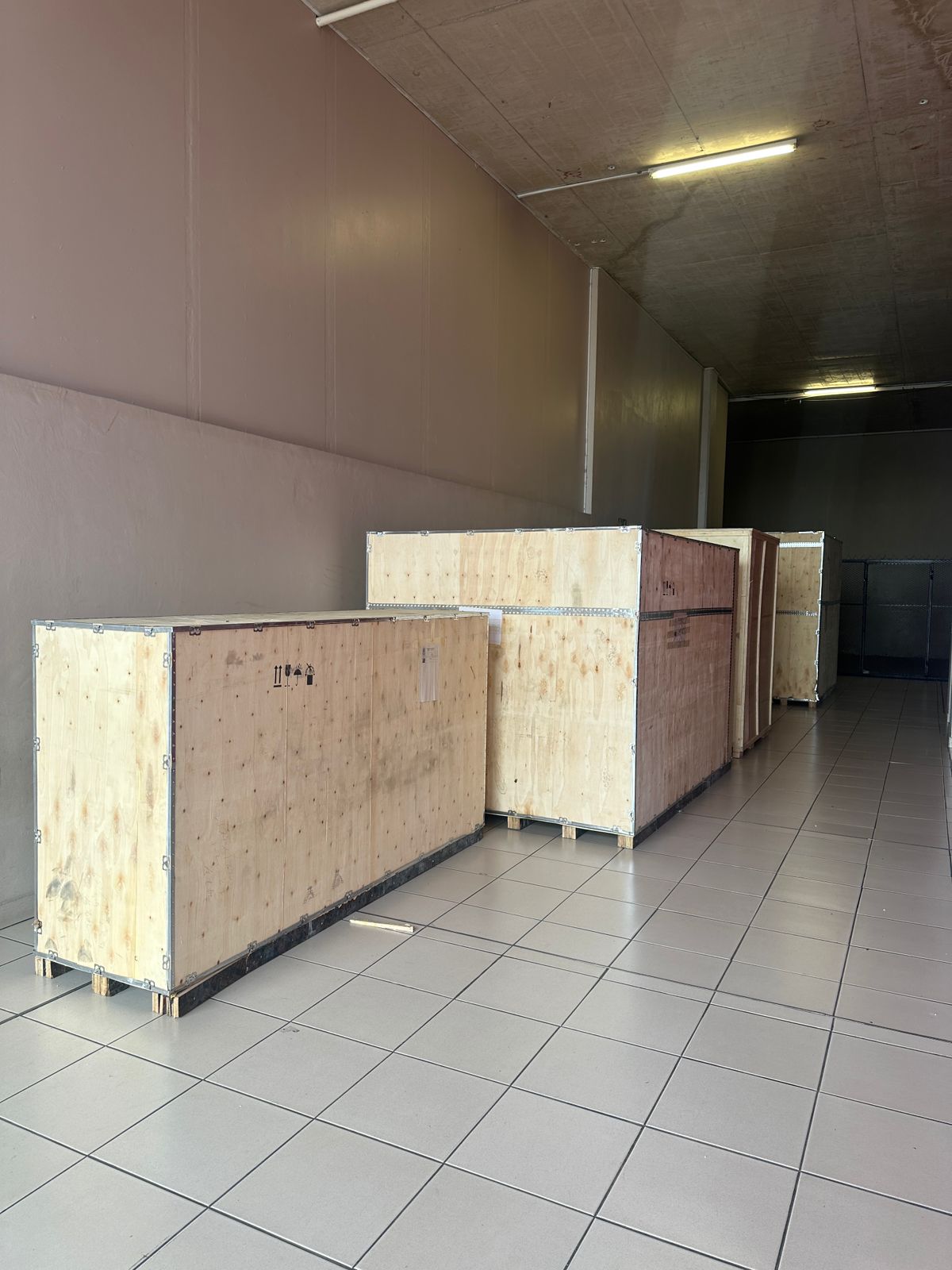
Toilet paper making machine
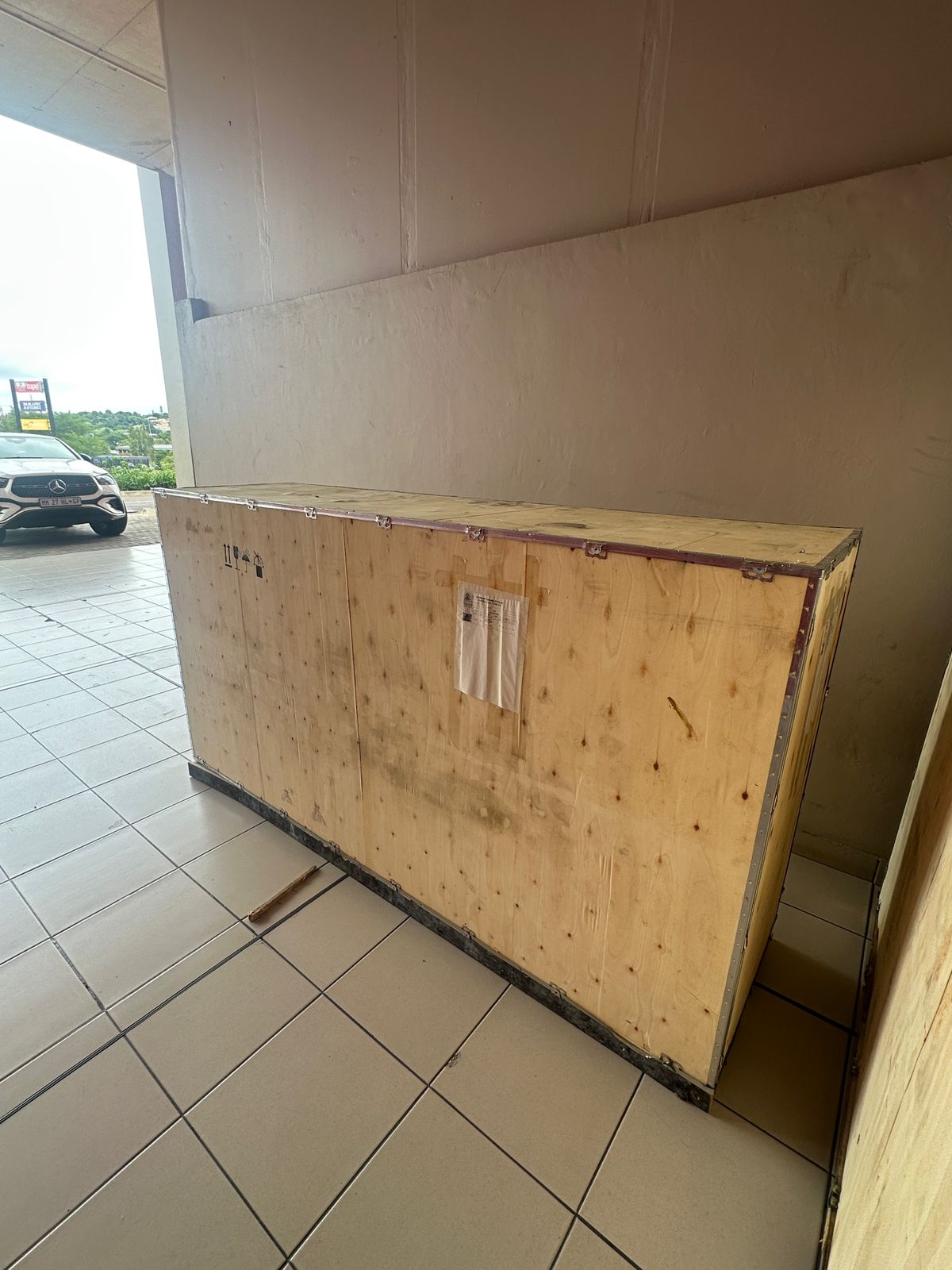
Toilet paper making machine
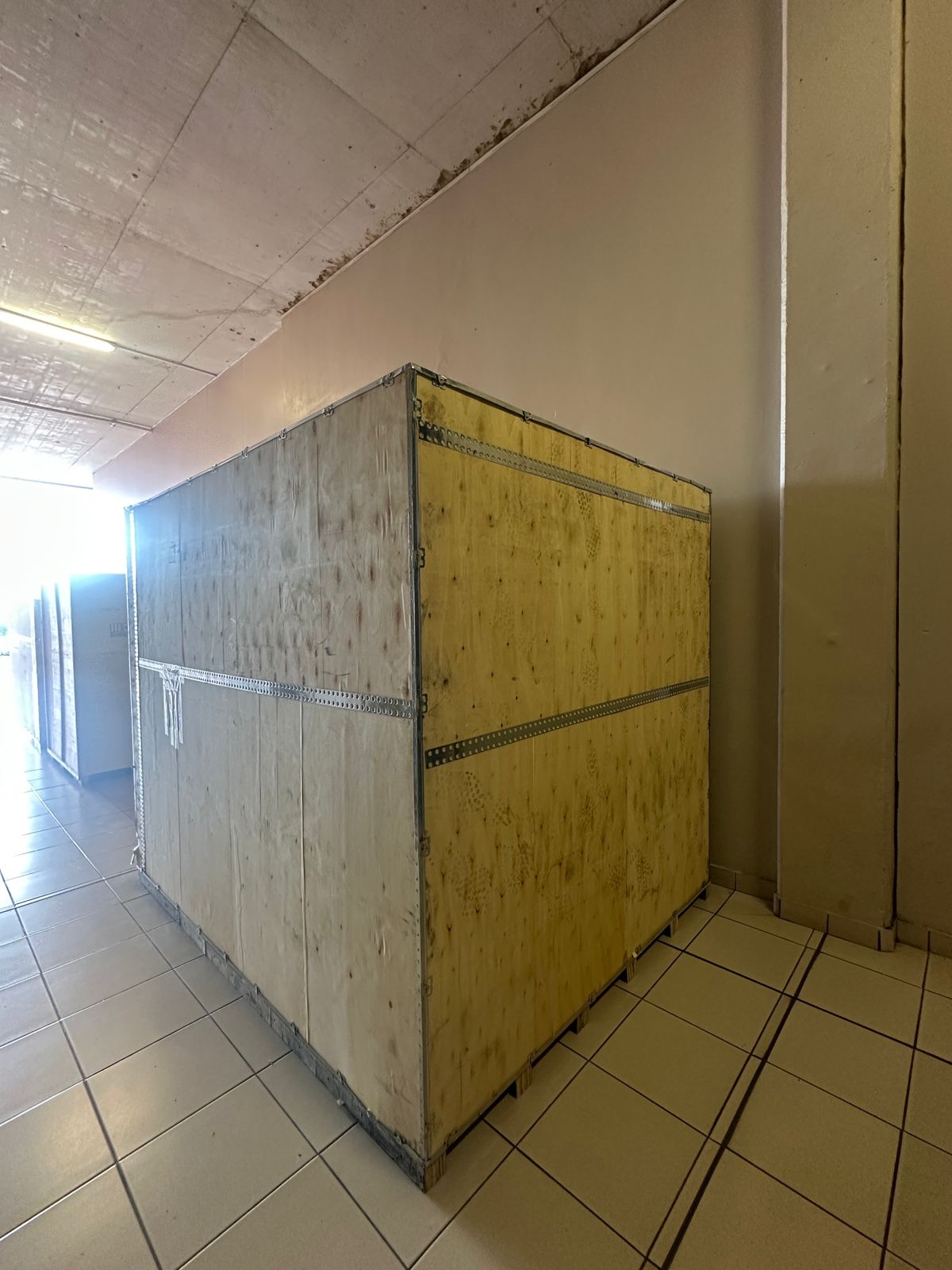
Toilet paper Rewinding Machine
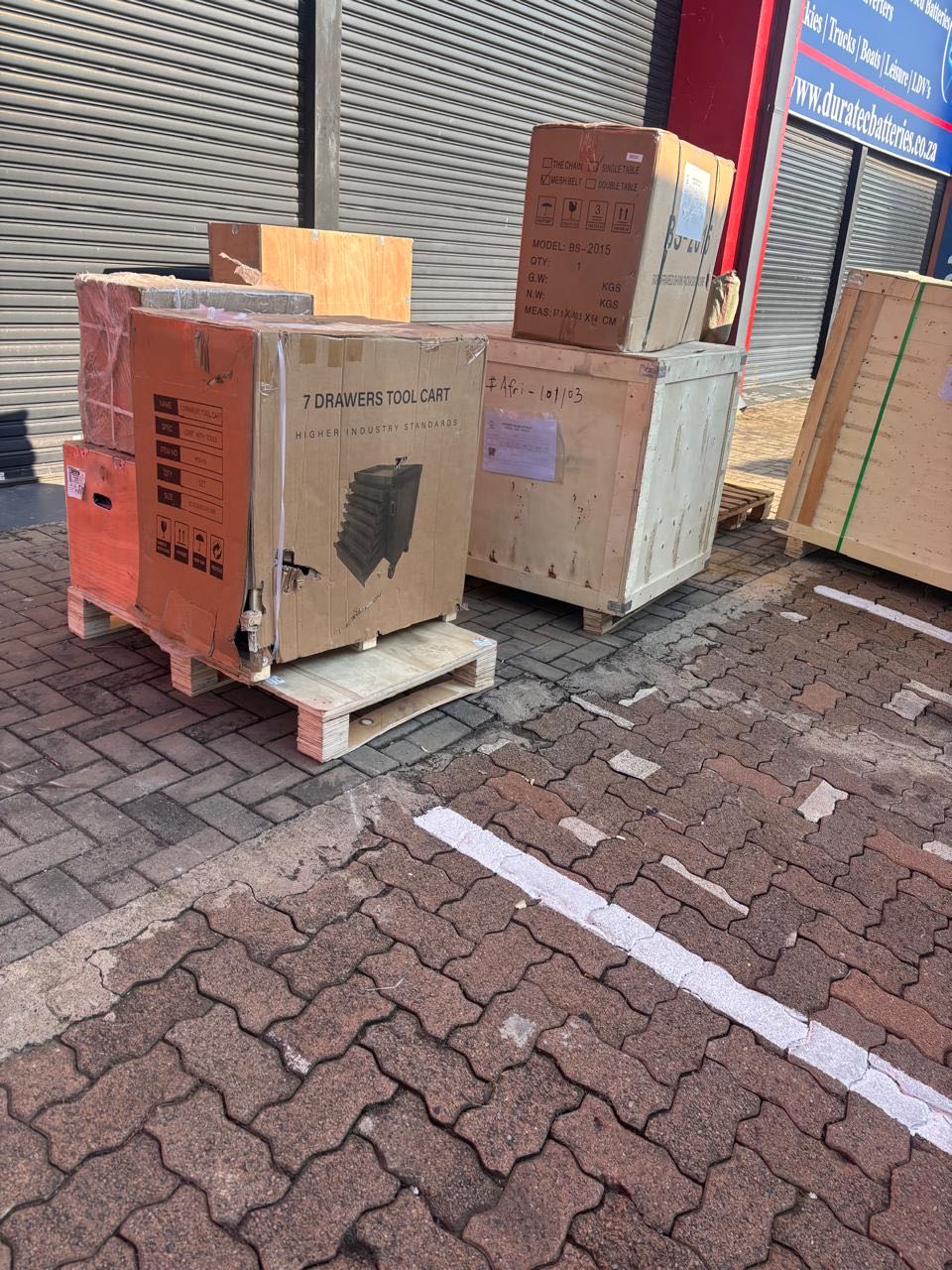
latest arrivals
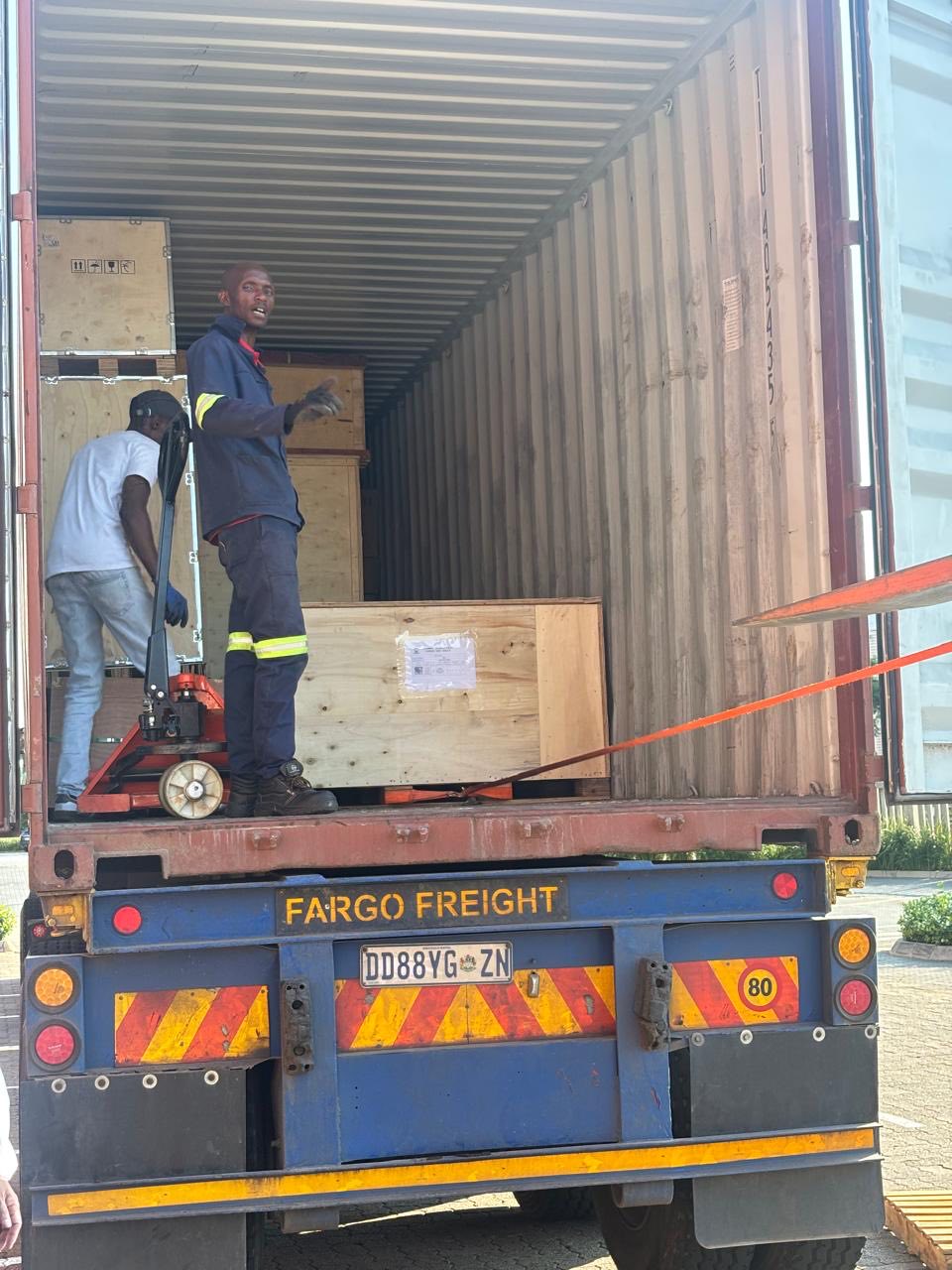
offloading
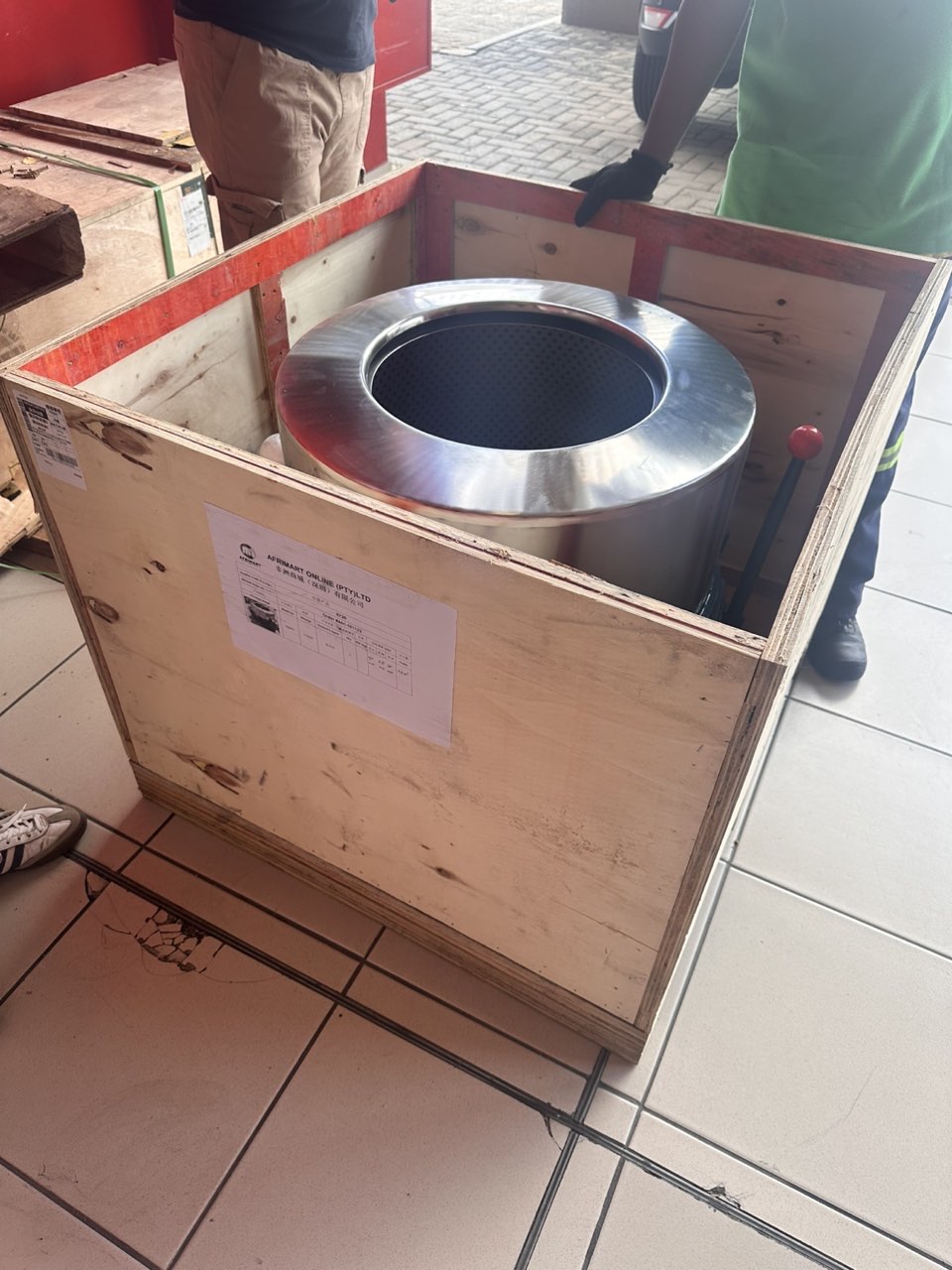
order success
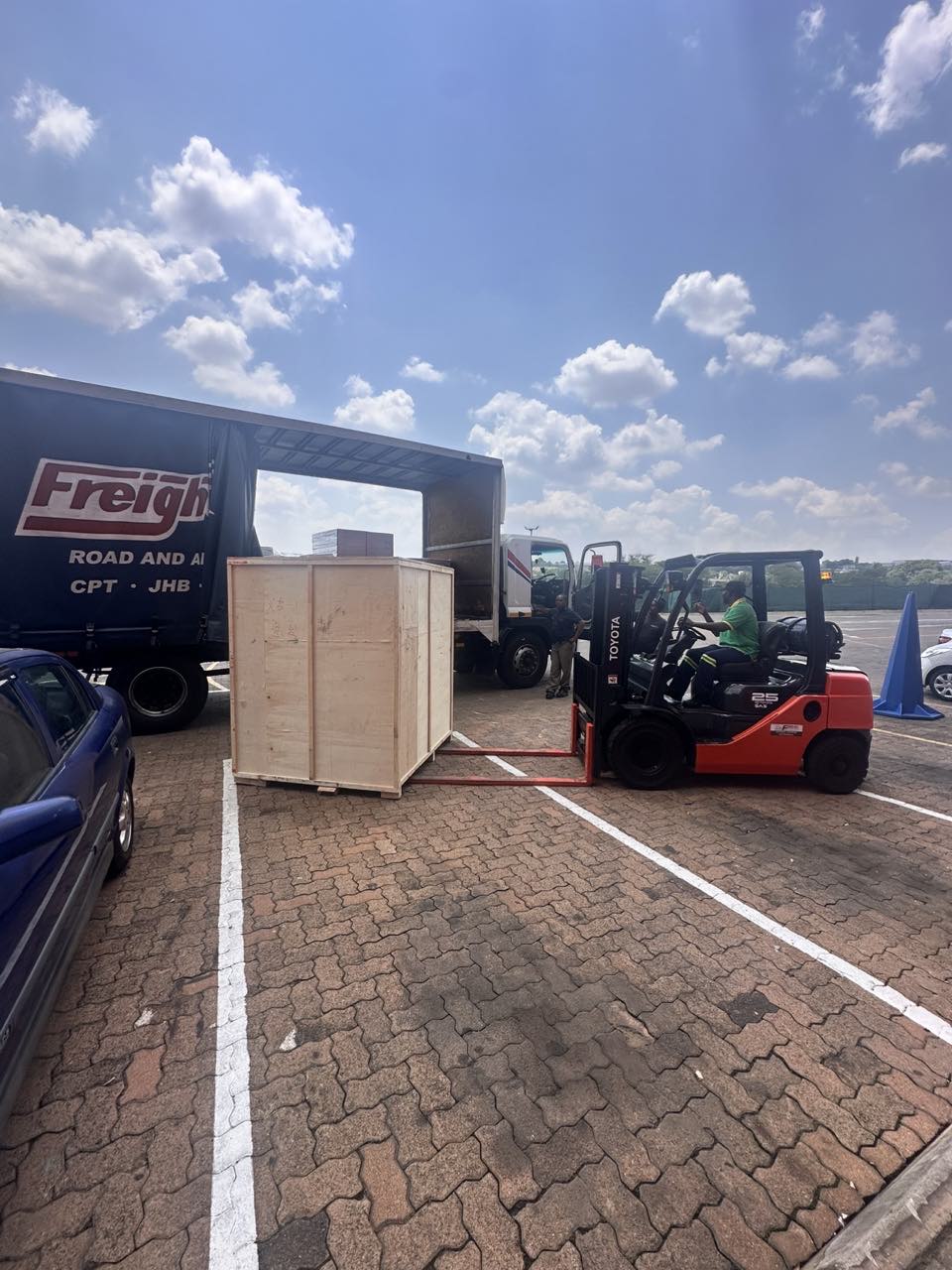
order collection
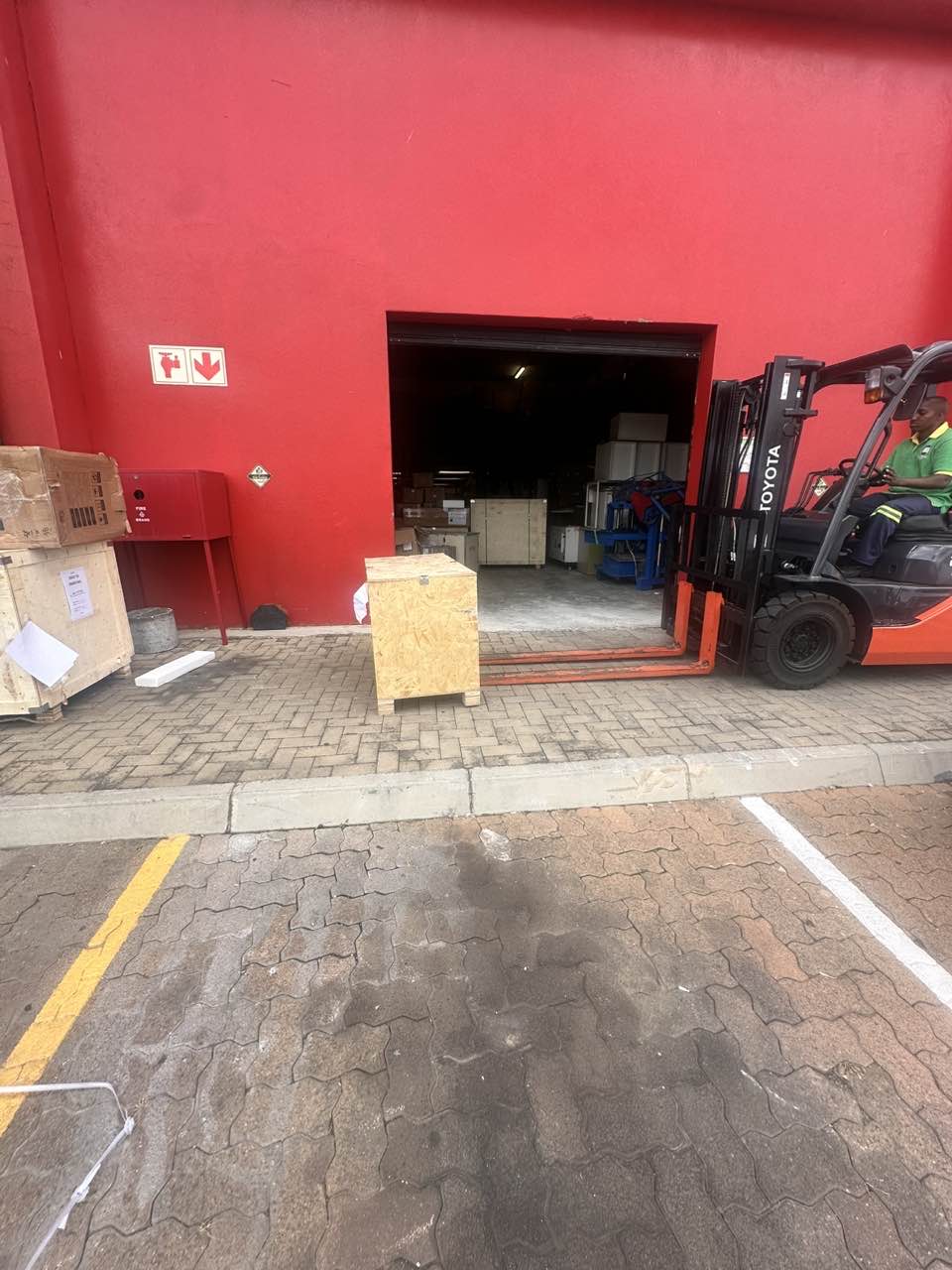
order offloading