B21, China Town Mall, Midrand


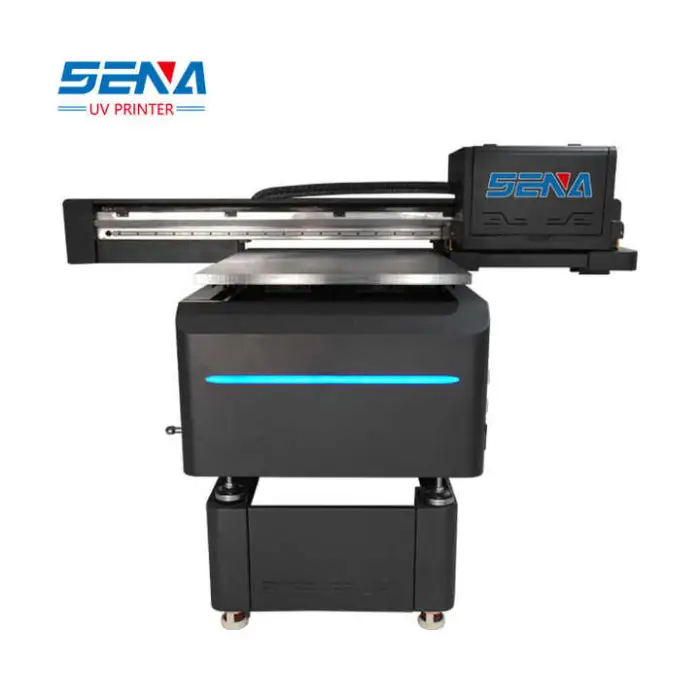
Multifunction 6090 UV Inkjet Flat Bed Machine Print Phone Case Glass Bottle Pen PVC Acrylic Ceramic Wood Metal UV Effect Printer
Asset finance available
Do you want funding for this equipment?
Afrimart can connect you with trusted funding partners who specialise in asset finance for businesses like yours. Compare options and apply in minutes — final approval is subject to provider review.
Check funding options
Secure & no obligation

- Section : Consumer Electronics
- Category : Printing Equipment
- SKU : 1600828172188

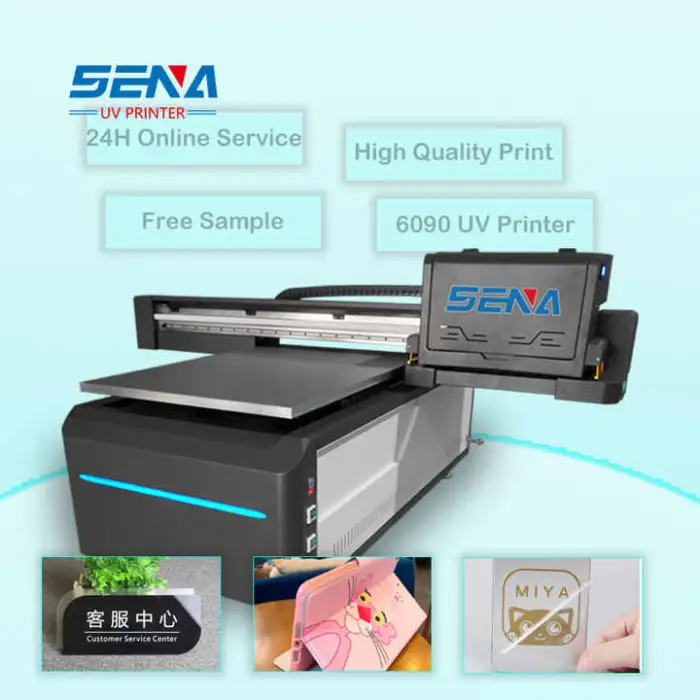
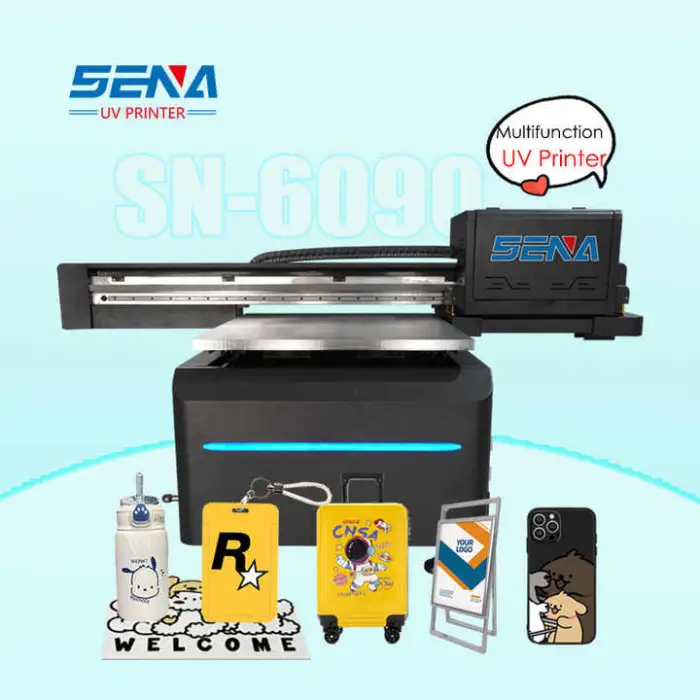
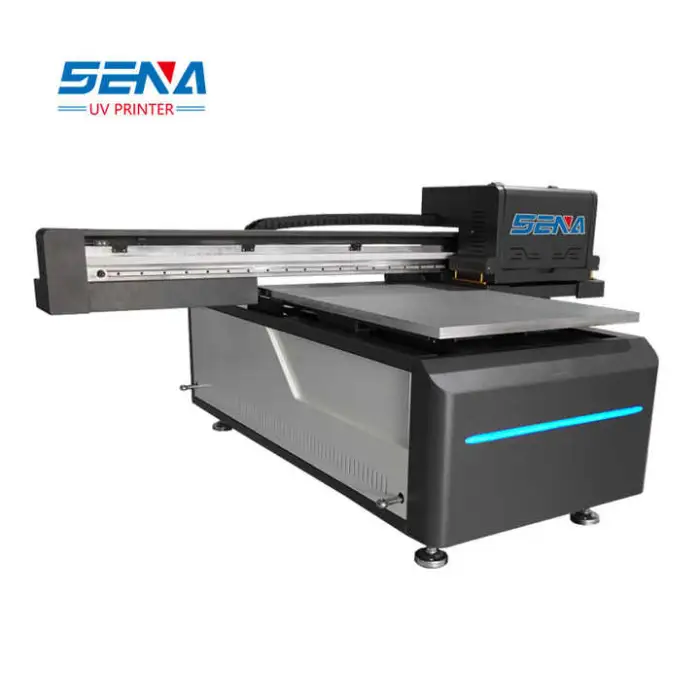
Multifunction 6090 UV Inkjet Flat Bed Machine for Printing Phone Cases, Glass Bottles, and More
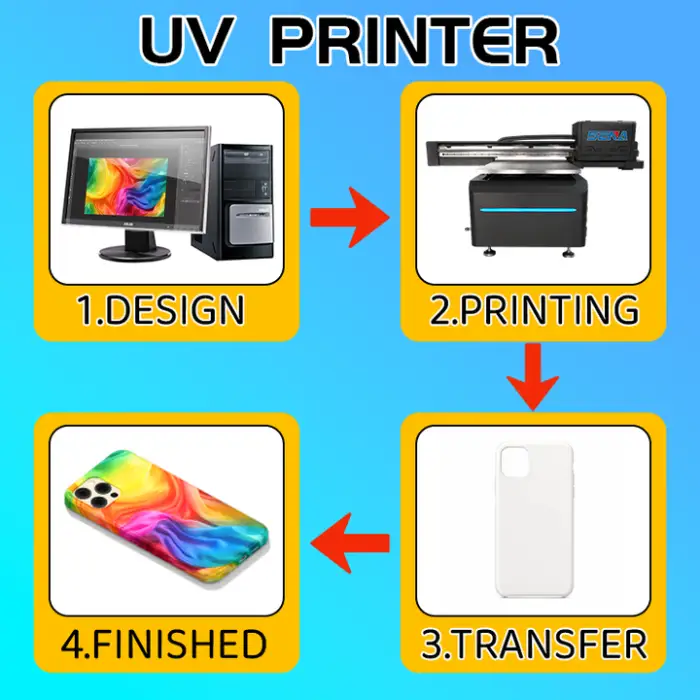
The Multifunction 6090 UV Inkjet Flat Bed Machine is an all-in-one printing solution designed to meet your creative needs. This powerful machine can print on various materials such as phone cases, glass bottles, ceramics, and wood with stunning clarity and vibrant colors. Whether you're a small business or a hobbyist, this printer will help you bring your ideas to life.
Specifications
| Attribute | Details |
|---|---|
| Type | Digital Printer, Inkjet Printer, UV Inkjet Printer |
| Print Head | XP600, Ricoh, DX5, Epson L805, DX7, I3200 |
| Print Resolution | 600 DPI, 1200 DPI, 2400 DPI, 4800 DPI, 9600 DPI |
| Print Speed | Up to 100 cm/min |
| Power Supply | Electric |
| Weight | 150 kg |
| Dimensions | 1720mm x 1450mm x 700mm |
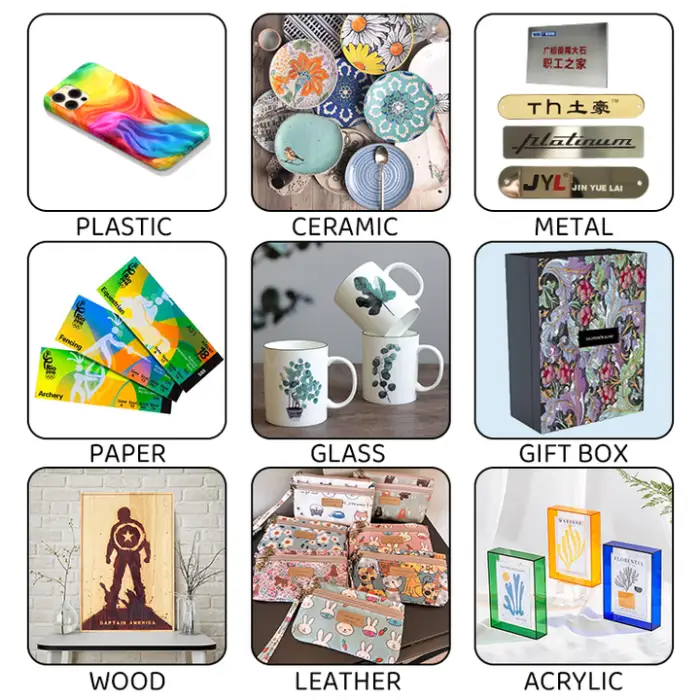
| Printing Material | Metal, Glass, Plastic, Wood, PVC, Acrylic |
| Control Type | Push Button, iOS, Android |
Key Features
- Versatile printing on multiple materials
- High-resolution printing up to 9600 DPI
- Fast print speeds for efficient production
- User-friendly controls for easy operation
- Automatic print head adjustment for precision
- Eco-friendly UV ink for safe printing
Applications
- Personalized phone case printing
- Custom glass bottle designs
- Unique pen and stationery printing
- Decorative printing on ceramic tiles
- Creative designs on wooden surfaces
- Branding and promotional products
With the Multifunction 6090 UV Inkjet Flat Bed Machine, you can unleash your creativity and produce high-quality prints for any occasion. Whether you're making gifts or starting a business, this printer is your perfect partner.
Product Info Gallery
- Shipping Timeframes: All orders are processed within 2-5 business days (excluding weekends and holidays). After your order has been processed, the estimated delivery time is before 03 Aug, 2026, depending on customs, Please note that due to high demand, some items may experience longer shipping times, which will be communicated at order confirmation email.
- Order Processing Time: Please allow 2-5 business days for us to process your order before it is shipped . Orders placed after 16:00 on Fridays, or during weekends and public holidays, will begin processing on the next business day. Processing times may be extended during peak seasons or sales events.
- Manufacturing Time: Some products needs manufacturing time, the manufacturing process will take approximately 10-30 business days depending on the product. This timeframe may vary depending on the complexity of the product and current demand. but this will be communicated with you during order confirmation.
- Returns and Exchanges: We offer a 30-day return policy for most items. If you are not completely satisfied with your purchase, you may return it within 30 days of receipt for a refund or exchange. Items must be unused, in their original packaging, and accompanied by proof of purchase. Return shipping costs are the responsibility of the customer, unless the item was damaged or defective upon arrival.
1. What materials can the Multifunction 6090 UV Inkjet Flat Bed Machine print on?
The printer supports a wide range of substrates including phone cases and other plastics (PVC, ABS), acrylic, wood, ceramic tiles, glass (bottles, jars), metal, pens and other promotional items. Always test a sample when using a new material.
2. What print resolutions and speeds does this machine offer?
Resolution options range from 600 DPI up to 9600 DPI (selectable depending on print head and settings). Maximum print speed is up to 100 cm/min, though actual speed depends on resolution, print mode, ink channels (e.g., white/varnish) and substrate.
3. Which print heads are compatible with this model?
The machine supports multiple mainstream print heads including XP600, Ricoh, DX5, Epson L805, DX7 and I3200. Choice of head affects quality, speed and running cost—confirm which head is fitted or available as an option when ordering.
4. Does the printer support white ink and clear/varnish printing (UV-effect)?
Yes — this is a UV inkjet system designed to work with specialty channels such as white ink and clear varnish/UV-effect coatings. These are commonly offered as optional ink channels; confirm exact configuration with the supplier.
5. What type of ink does the printer use and how is it cured?
The printer uses eco-friendly UV-curable inks. UV inks are cured rapidly by UV light (usually an integrated UV LED or lamp), producing durable, scratch-resistant prints with low VOC emissions.
6. Do glass, metal or ceramic substrates require pre-treatment?
Many hard, non-porous substrates benefit from surface pre-treatment (e.g., primer, plasma, flame or chemical treatments) to improve adhesion. Glass and some metals often need a primer or coating. Always follow ink and substrate manufacturer recommendations and perform adhesion tests.
7. What is the maximum printable object size or print area?
The product name suggests a 6090-class flatbed, which typically corresponds to a 600 × 900 mm bed, but exact printable area and usable platen size may vary. Confirm the exact printable area and maximum object dimensions with the vendor before purchase.
8. How thick an item can the flatbed print on?
As a flatbed printer it can handle a variety of thicknesses from thin phone cases to thicker items like bottles, but maximum thickness/height clearance depends on the model's platen and z-axis configuration. Check the supplier's spec for the maximum object height.
9. What software and file formats are supported?
The machine is compatible with common RIP and design workflows. Typical supported formats include JPG, PNG, TIFF, PDF, AI and EPS, and it works with standard RIP software for color management. The control options include push-button operation and mobile control via iOS/Android—confirm included software and supported RIP packages.
10. How do I connect and control the printer?
Control can be done via the onboard push-button interface and mobile apps for iOS and Android. Many machines also offer USB or network (Ethernet) connectivity for sending print jobs from a workstation—confirm available interfaces in the specific model.
11. What are the power, weight and space requirements?
The machine is electrically powered (specific voltage/amperage depends on configuration—confirm with supplier). The listed machine weight is 150 kg and its overall dimensions are 1720 mm × 1450 mm × 700 mm, so allow adequate floor space for installation, access and service.
12. What routine maintenance is required?
Regular maintenance includes printhead cleaning/nozzle checks, capping-station maintenance, periodic ink system flushing, cleaning the platen and dust removal, and inspecting UV lamps/LEDs. Follow the manufacturer's maintenance schedule to ensure print quality and longevity.
13. What safety and ventilation considerations are there?
UV inks are low-VOC but you should still use appropriate ventilation and PPE when handling inks (gloves, eye protection). Avoid direct skin/eye exposure to UV curing light. Ensure the workspace has sufficient ventilation and follow local waste/disposal rules for inks and consumables.
14. Are spare parts, consumables and technical support available?
Most suppliers provide replacement print heads, UV lamps, maintenance kits and original-brand inks. Warranty, spare parts availability and after-sales support vary by vendor—confirm warranty terms, lead times for spare parts and available service packages prior to purchase.
15. How can I achieve the best color accuracy and print durability?
Use ICC profiles and a RIP for color management, select appropriate print head and resolution for the job, pre-treat substrates when recommended, use the correct UV ink types (including white/varnish where needed), and perform adhesion and durability tests. Regular maintenance and proper curing also improve long-term durability.
Latest Order Arrivals
Discover our latest orders

12 Heads Embroidery Machine

Toilet Paper Machine Machine

Order Collection

Cross Border Clients

Order cros border countries Collected

Industrial Machine Cllection

Agriculture Processing Machines

Ready for collection

Water Pump Equipment

Packaging Machine and accessories

Fabrics Manufacturing Equipment

Mining Equipments

Food Processing Machine

Batch of Orders

Batch of Orders

Latest Orders Labelled

wheel alignment machines

new arrivals

Pre Orders Offloading

Latest Arrivals

Latest Arrivals

Latest Arrivals

Loading

Toilet paper making machine

Toilet paper making machine

Toilet paper Rewinding Machine

latest arrivals

offloading

order success

order collection

order offloading