B21, China Town Mall, Midrand

MSLHS05 Otoacoustic Emission Detector For Precise Hearing Screening
Asset finance available
Do you want funding for this equipment?
Afrimart can connect you with trusted funding partners who specialise in asset finance for businesses like yours. Compare options and apply in minutes — final approval is subject to provider review.
Check funding options
Secure & no obligation

- Section : Medical Supplies
- Category : Clinical Analytical Instruments
- SKU : 1600241803786

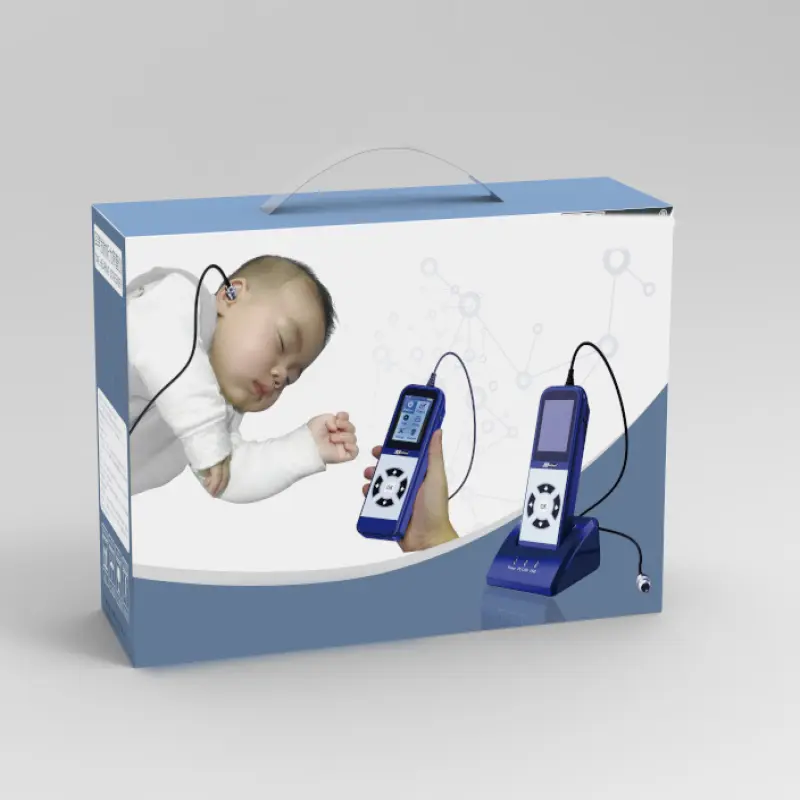
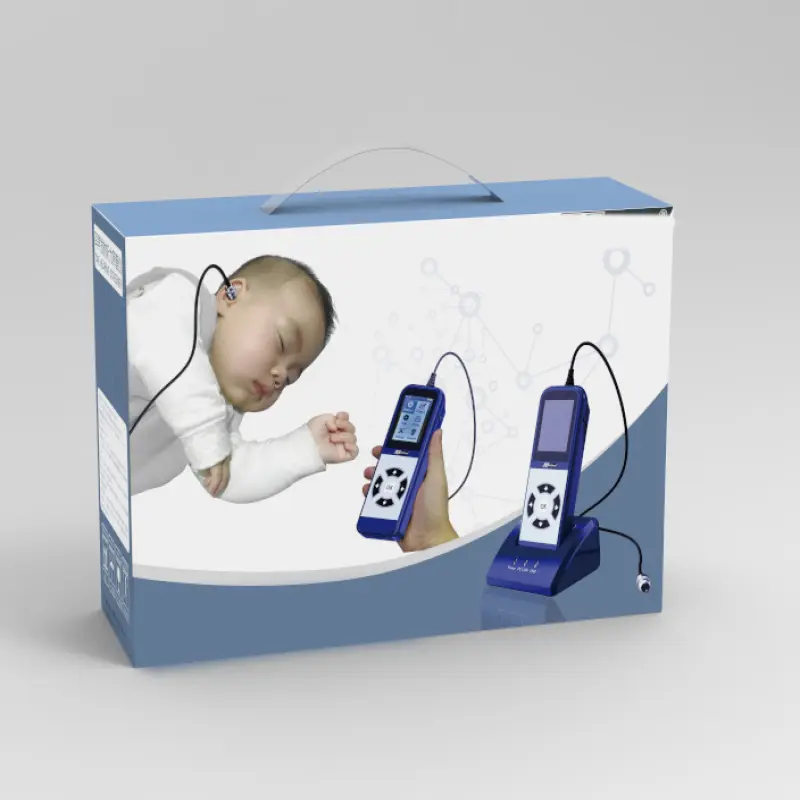
MSLHS05 Otoacoustic Emission Detector for Precise Hearing Screening
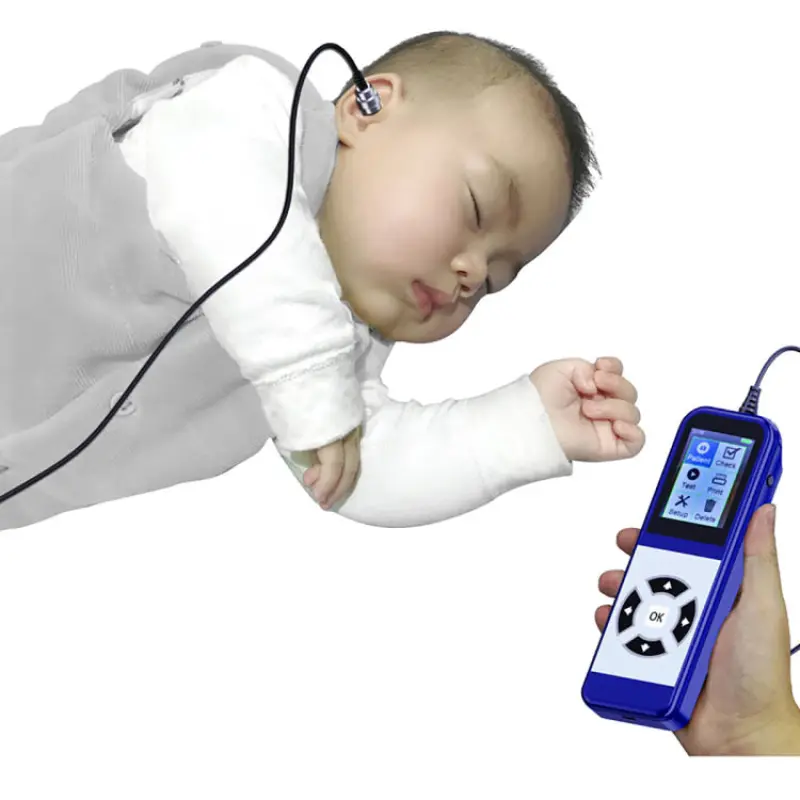
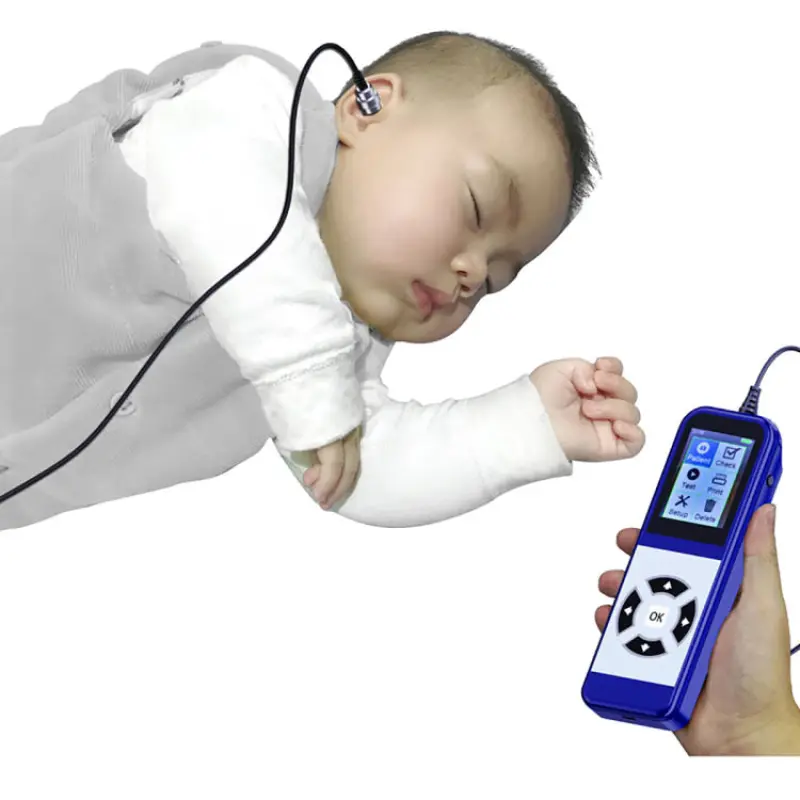
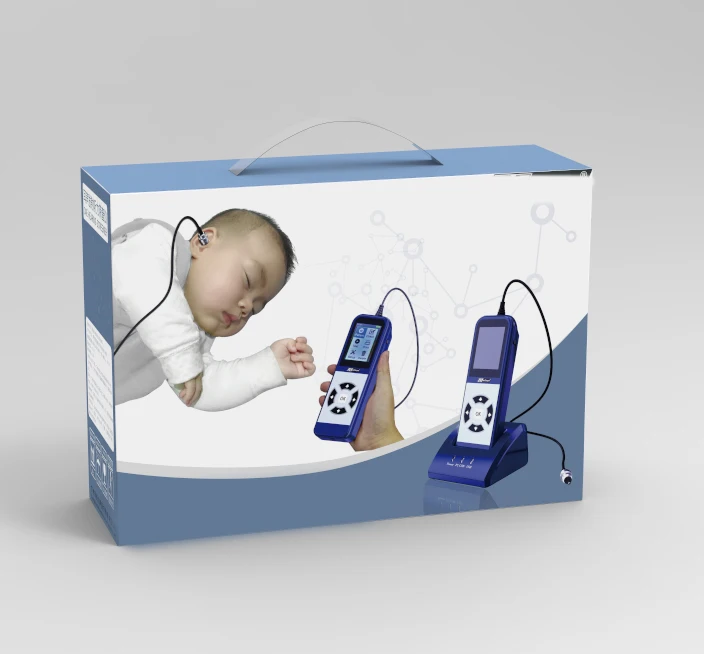
The MSLHS05 Otoacoustic Emission Detector is an essential tool for early hearing screening and diagnosis. Featuring advanced technology and a user-friendly interface, this device helps clinicians detect hearing impairments efficiently and accurately.
Key Features
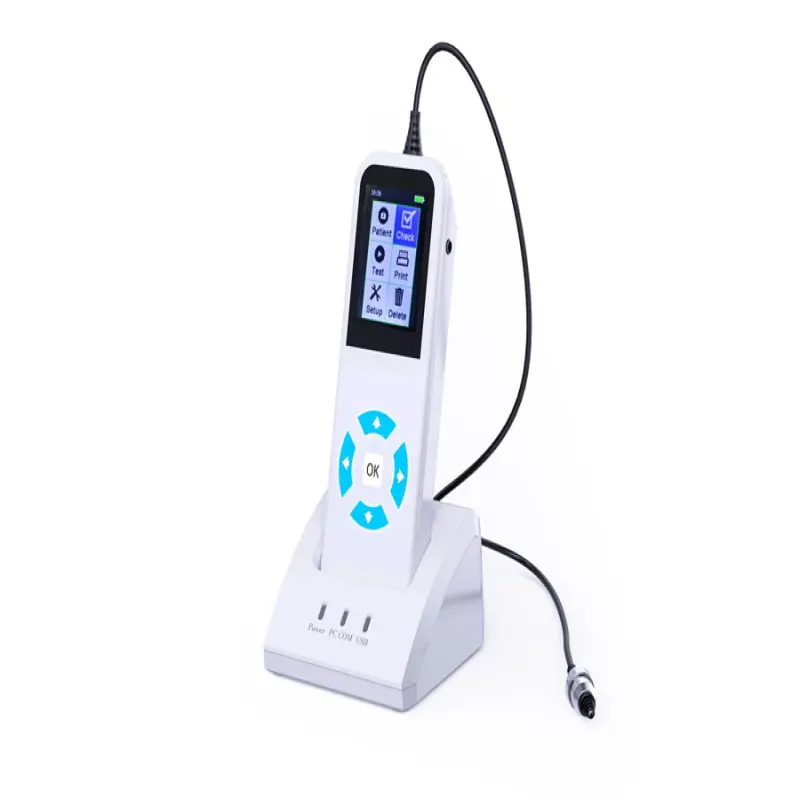
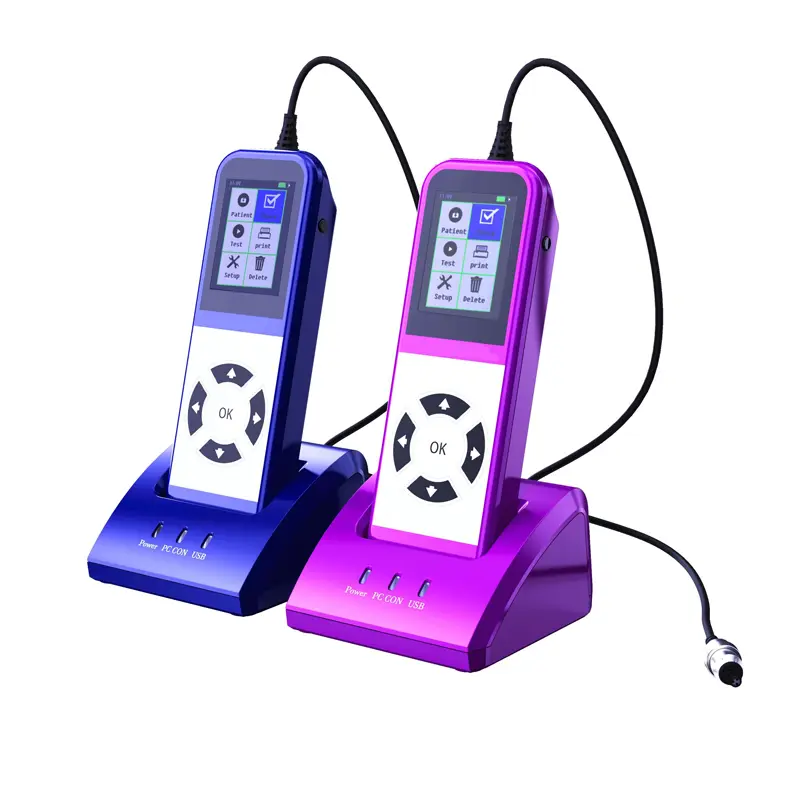
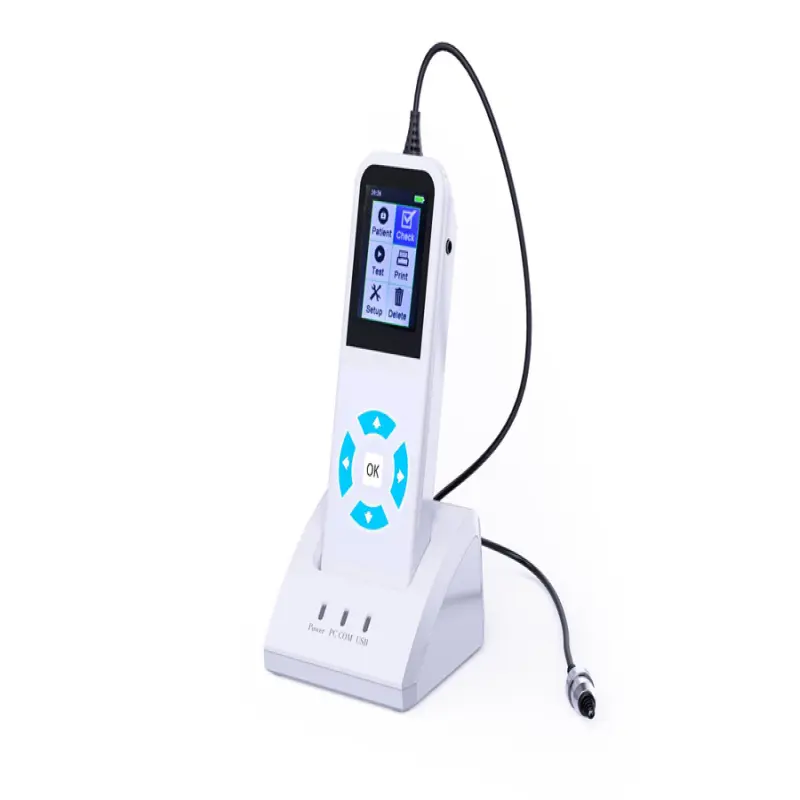
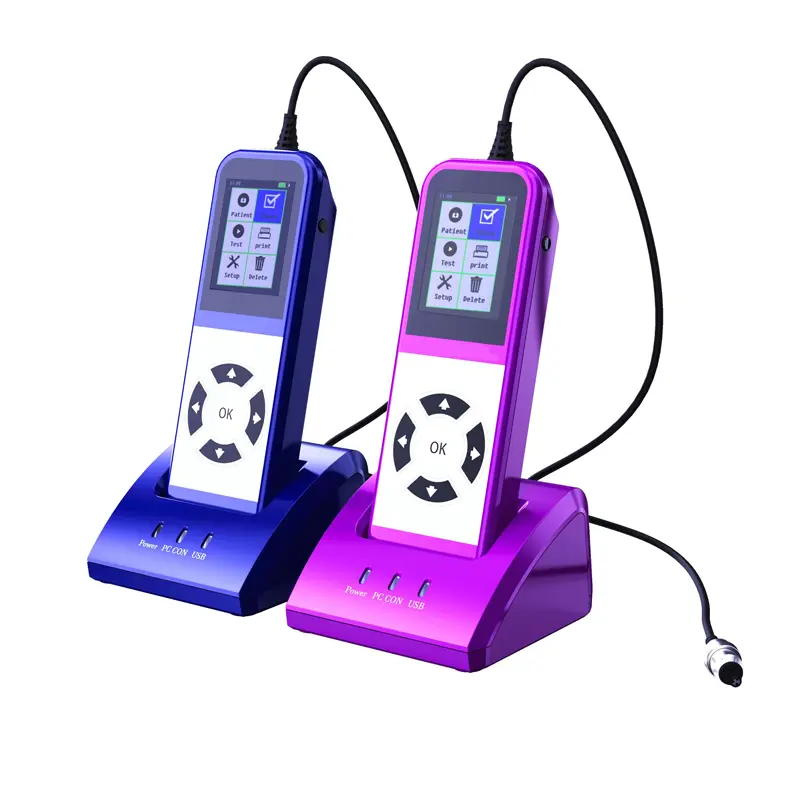
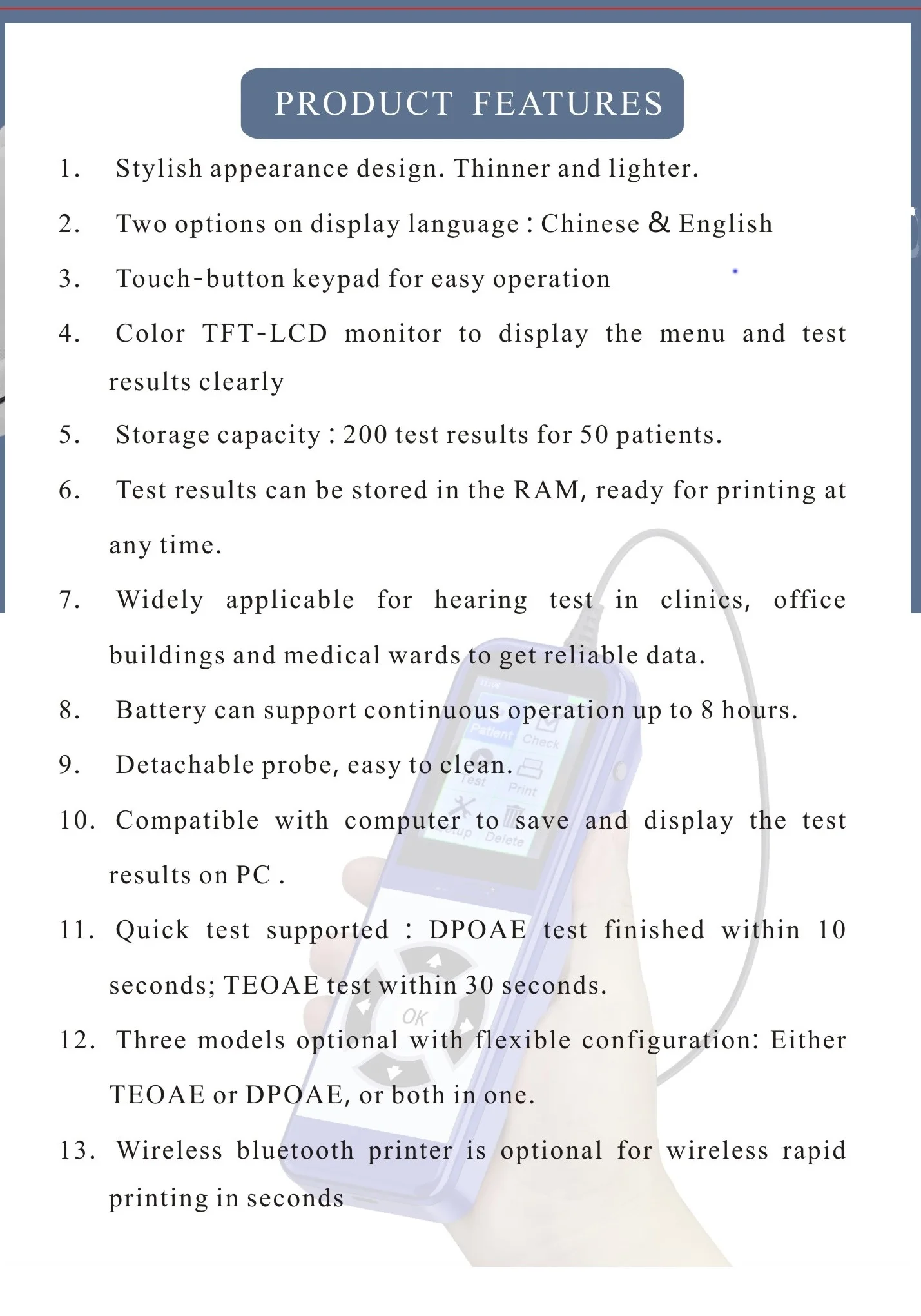
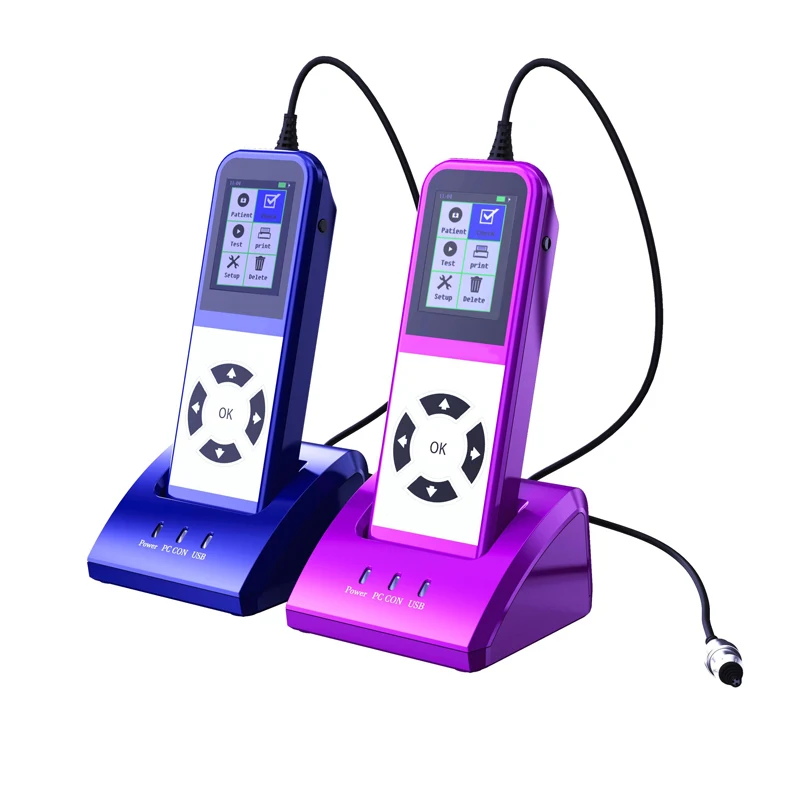
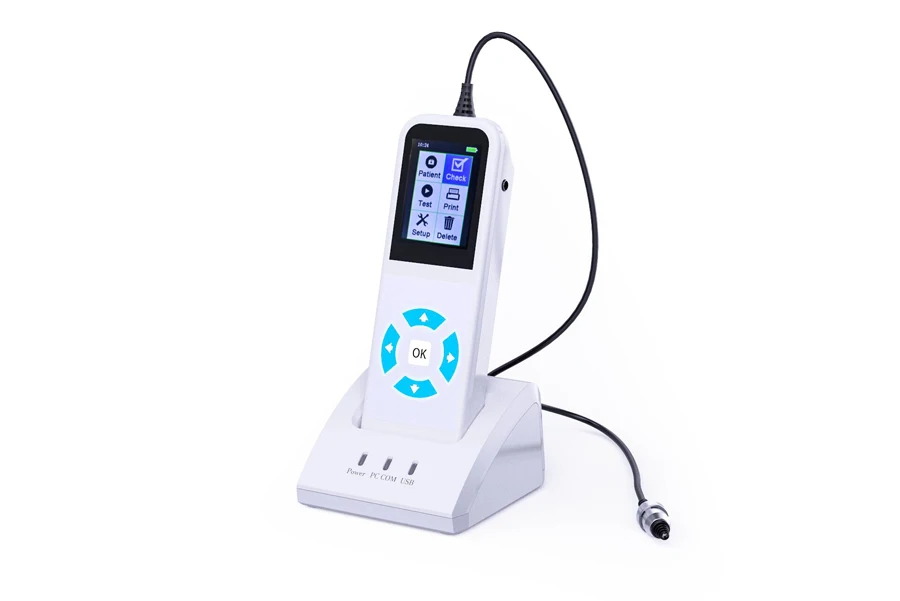
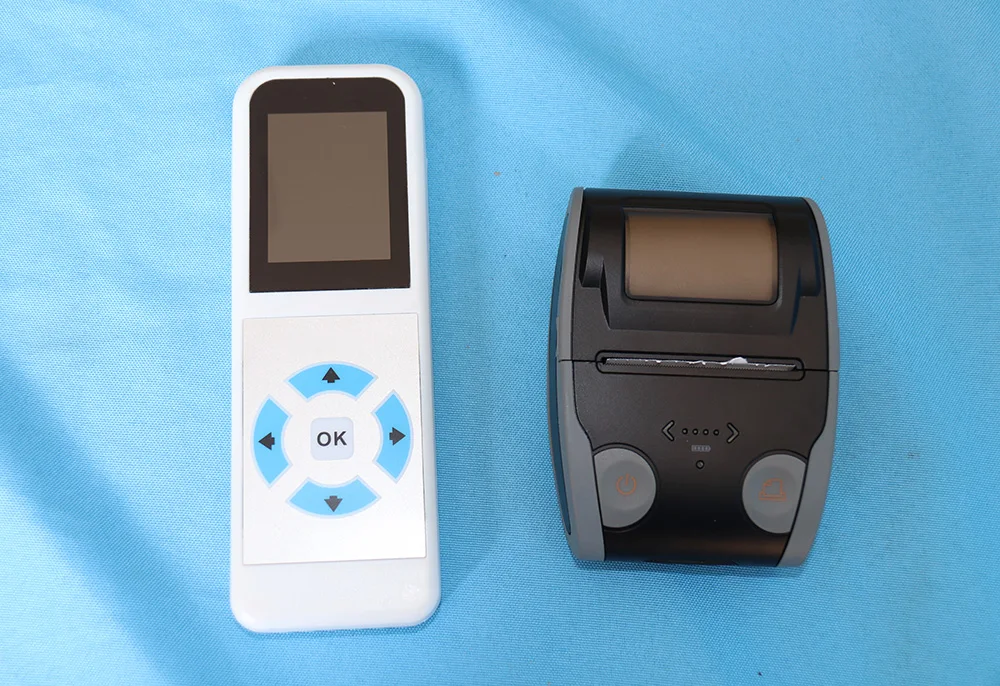
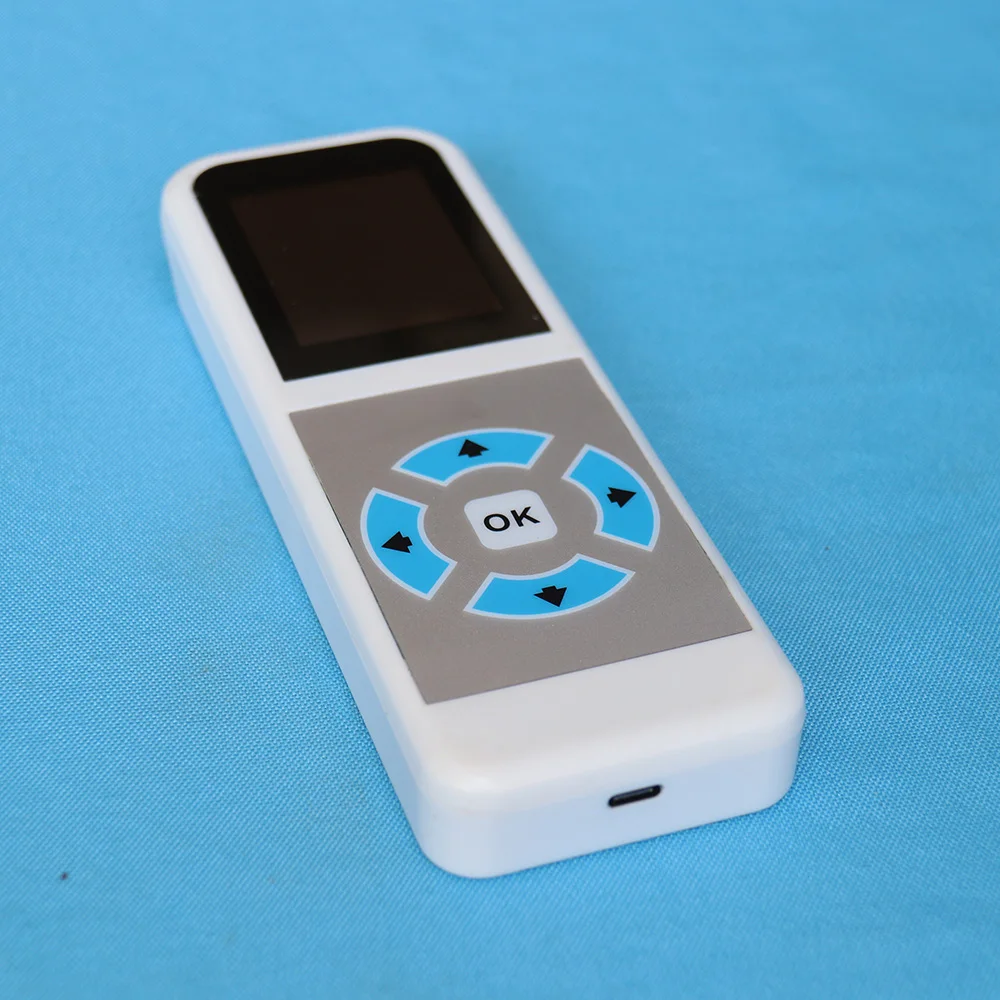
- Compact Display: The 2.4-inch color TFT-LCD screen provides clear and easy-to-read results, making it simple to view test outcomes in various clinical settings.
- Simple Navigation: With a 5-key keypad (Up, Down, Left, Right, OK), the device is intuitive to operate, ensuring quick navigation through menus and settings.
- Memory Storage: The device can store up to 200 test results for 50 patients, making it easy to track patient progress and maintain records over time.
- Low Noise Level: With a noise level of just 6dB, the MSLHS05 provides quiet operation for a comfortable testing environment.
- Result Display: The results are displayed as either PASS or REFER, providing clear and easy-to-interpret feedback on the patient's hearing status.
- Built-in Rechargeable Battery: The device is powered by a built-in DC3.7V rechargeable battery, offering portability and convenience for use in different clinical environments.
- Lightweight and Portable: Weighing only 215g, the MSLHS05 is lightweight and portable, making it ideal for use in a variety of settings, from hospitals to clinics.
- Safe and Reliable: Designed with patient safety in mind, the MSLHS05 ensures reliable results with minimal risk, making it a trusted tool for hearing screenings.
The MSLHS05 Otoacoustic Emission Detector is a reliable and user-friendly solution for efficient hearing testing. Whether in a hospital, clinic, or community setting, this device ensures quick and accurate screening, providing valuable insight into patients' hearing health.
Product Info Gallery
Specification
| Function Model | MSLHS05 | MSLHS05 | MSLHS05 |
| Test Method | TEOAE+DPOAE | DPOAE | TEOAE |
| Number of Frequency Bands | 6/4 | 4 | 6 |
| Evaluation Method | Noise-weighted Averaging, Counting of Significant Signal Peaks/ Phase statistics | Noise-weighted Phase Statistics | Noise-weighted Averaging, Counting of Significant Signal Peaks |
| Stimulus Type | Click Sound/ Primary tone pair ,F2/F1=1.22 | Primary tone pair F2/F1=1.22 | Click Sound |
| Stimulus Level | 60~80dB /50~65dB SPL | 50~65dB SPL | 60~80dB SPL |
| Frequency Range | 1.5kHz~4kHz/2kHz、3kHz 、4kHz 、5kHz | 2kHz、3kHz 、4kHz 、5kHz | 1.5kHz~4kHz |
| S/N | 6dB | 6dB | 6dB |
| Pass | 3 or more of the 6 frequencies/ 3 or more of the 4 frequencies | 3 or more of the 4 frequencies | 3 or more of the 6 frequencies |
| Display | Measurement Progress, S/N | Measurement Progress, S/N | Measurement Progress, S/N |
| Result Display | PASS/REFER | PASS/REFER | PASS/REFER |
- Shipping Timeframes: All orders are processed within 2-5 business days (excluding weekends and holidays). After your order has been processed, the estimated delivery time is before 24 Jun, 2026, depending on customs, Please note that due to high demand, some items may experience longer shipping times, which will be communicated at order confirmation email.
- Order Processing Time: Please allow 2-5 business days for us to process your order before it is shipped . Orders placed after 16:00 on Fridays, or during weekends and public holidays, will begin processing on the next business day. Processing times may be extended during peak seasons or sales events.
- Manufacturing Time: Some products needs manufacturing time, the manufacturing process will take approximately 10-30 business days depending on the product. This timeframe may vary depending on the complexity of the product and current demand. but this will be communicated with you during order confirmation.
- Returns and Exchanges: We offer a 30-day return policy for most items. If you are not completely satisfied with your purchase, you may return it within 30 days of receipt for a refund or exchange. Items must be unused, in their original packaging, and accompanied by proof of purchase. Return shipping costs are the responsibility of the customer, unless the item was damaged or defective upon arrival.
1. What is the MSLHS05 Otoacoustic Emission Detector?
The MSLHS05 is a handheld otoacoustic emission (OAE) detector designed for early hearing screening and diagnosis. It performs TEOAE and/or DPOAE tests (depending on model) to quickly identify potential hearing impairments.
2. Which OAE test methods does the MSLHS05 support?
The device supports Transient-Evoked Otoacoustic Emissions (TEOAE) and Distortion Product Otoacoustic Emissions (DPOAE). Some device variants combine both methods; check the model specification for exact capabilities.
3. What stimulus types and levels are used for testing?
TEOAE uses a click stimulus typically at 60–80 dB SPL. DPOAE uses primary tone pairs (F2/F1 = 1.22) typically at 50–65 dB SPL. Exact stimulus settings depend on the selected test mode.
4. Which frequencies and frequency bands are tested?
The MSLHS05 measures otoacoustic emissions across multiple bands in the mid‑to‑high frequency range (typically 1.5–5 kHz). Depending on mode it can test 4 or 6 frequency bands (e.g., 2, 3, 4, 5 kHz or 1.5–4 kHz with additional bands).
5. What are the pass/fail criteria and S/N threshold?
Results are reported as PASS or REFER. A signal‑to‑noise (S/N) threshold of 6 dB is used. A PASS is typically recorded when 3 or more of the relevant frequency bands meet the criteria (3 of 4 or 3 of 6, depending on the test mode).
6. How are results displayed and how do I operate the device?
The MSLHS05 has a 2.4-inch color TFT-LCD that shows measurement progress, S/N values and final PASS/REFER results. Operation is via a simple 5-key keypad (Up, Down, Left, Right, OK) for intuitive menu navigation.
7. How many tests and patient records can the device store?
The device can store up to 200 test results for up to 50 patients, allowing basic tracking of patient screening history without external storage.
8. What is the device's noise level during operation?
The MSLHS05 is specified with a low internal noise level of approximately 6 dB, which helps improve measurement sensitivity and patient comfort during testing.
9. What power source does the MSLHS05 use and is it portable?
It is powered by a built-in rechargeable DC 3.7 V battery. The unit is lightweight (about 215 g) and portable for use in hospitals, clinics and community screening environments. For charge/runtime details, refer to the user manual or supplier.
10. Is the MSLHS05 suitable for newborn hearing screening?
Yes. OAE testing (both TEOAE and DPOAE) is commonly used for newborn and infant hearing screening. The MSLHS05's PASS/REFER output makes it suitable for screening workflows; ensure proper probe fit and quiet environment for reliable results.
11. What factors can affect test accuracy or cause false REFER results?
Excess ambient noise, poor probe seal or ear canal debris, patient movement, and middle ear effusion or active ear infections can reduce OAE response and lead to false REFERs. Ensure ears are clear and testing is performed in a quiet environment.
12. How long does a typical test take per ear?
Test duration varies with test type and environmental noise but is generally short — from a few seconds to a few minutes per ear. The device displays measurement progress and S/N in real time.
13. What maintenance, cleaning and calibration are required?
Regular cleaning of the probe and use of clean/disposable ear tips is recommended. Periodic functional checks and calibration according to local regulations or manufacturer recommendations are advised. Contact the supplier or service center for calibration intervals and procedures.
14. What should I do if a patient receives a REFER result?
A REFER indicates that further diagnostic evaluation is recommended. Refer the patient for a full audiological assessment (e.g., diagnostic OAE, auditory brainstem response, and cochlear/medical evaluation) to determine the nature and degree of hearing loss.
15. What accessories are included and are spare consumables available?
Included accessories vary by supplier and package. Typical inclusions may be the probe, ear tips, charging cable and user manual. Disposable or reusable ear tips and service accessories are usually available separately — confirm the package contents with the vendor.
Latest Order Arrivals
Discover our latest orders

12 Heads Embroidery Machine

Toilet Paper Machine Machine

Order Collection

Cross Border Clients

Order cros border countries Collected

Industrial Machine Cllection

Agriculture Processing Machines

Ready for collection

Water Pump Equipment

Packaging Machine and accessories

Fabrics Manufacturing Equipment

Mining Equipments

Food Processing Machine

Batch of Orders

Batch of Orders

Latest Orders Labelled

wheel alignment machines

new arrivals

Pre Orders Offloading

Latest Arrivals

Latest Arrivals

Latest Arrivals

Loading

Toilet paper making machine

Toilet paper making machine

Toilet paper Rewinding Machine

latest arrivals

offloading

order success

order collection

order offloading