B21, China Town Mall, Midrand

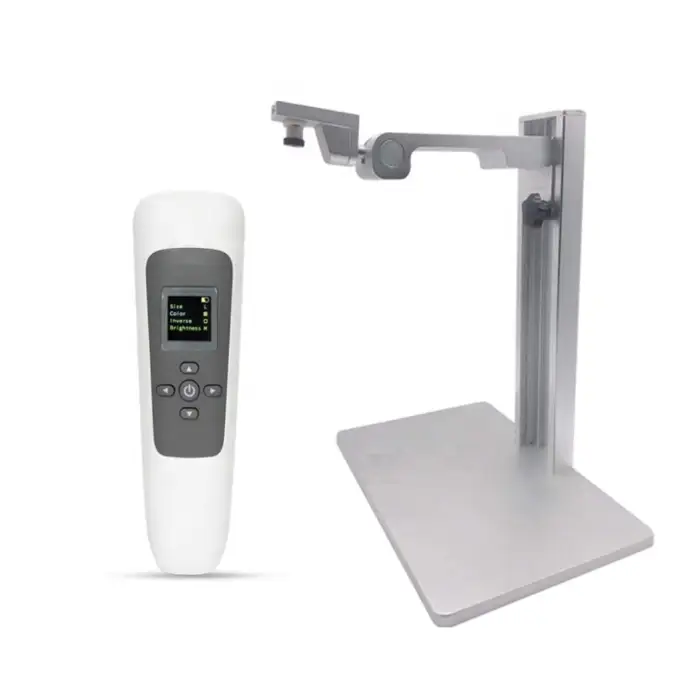
Medical Vein Viewer Finder Portable Handheld Infrared Scanner Detector Vein Finder Machine for Adults and Children

- Section : Medical Supplies
- Category : Professional Medical Devices
- SKU : 1601423707331

Medical Vein Viewer Finder Portable Handheld Infrared Scanner Detector Vein Finder Machine for Adults and Children
The Medical Vein Viewer Finder is a portable and handheld device. It uses infrared technology to help find veins easily in both adults and children. This innovative vein finder makes medical examinations quicker and more accurate. With its user-friendly design, healthcare professionals can provide better care with less hassle.
Specifications
| Attribute | Details |
|---|---|
| Brand Name | TOP |
| Model Number | TOP |
| Instrument Classification | Class II |
| Type | Clinical Examination Aids |
| Certificate | CE ISO |
| Sample Volume | 90-120 |
| Function | Detecting Body Health |
| Sample | Available |
| Principle | Ion Selective Electrode |
Key Features
- Portable and lightweight design for easy handling.
- Uses infrared technology to locate veins quickly.
- Safe for both adults and children.
- User-friendly interface for fast operation.
- Reliable and accurate readings.
- Excellent after-sale service with online technical support.
Applications
- Used in hospitals for vein detection during blood draws.
- Helpful in clinics for quick assessments.
- Assists in pediatric care for young patients.
- Ideal for emergency services to find veins in critical situations.
- Great for home healthcare providers to aid in patient care.
Product Info Gallery
- Shipping Timeframes: All orders are processed within 2-5 business days (excluding weekends and holidays). After your order has been processed, the estimated delivery time is before 04 Aug, 2026, depending on customs, Please note that due to high demand, some items may experience longer shipping times, which will be communicated at order confirmation email.
- Order Processing Time: Please allow 2-5 business days for us to process your order before it is shipped . Orders placed after 16:00 on Fridays, or during weekends and public holidays, will begin processing on the next business day. Processing times may be extended during peak seasons or sales events.
- Manufacturing Time: Some products needs manufacturing time, the manufacturing process will take approximately 10-30 business days depending on the product. This timeframe may vary depending on the complexity of the product and current demand. but this will be communicated with you during order confirmation.
- Returns and Exchanges: We offer a 30-day return policy for most items. If you are not completely satisfied with your purchase, you may return it within 30 days of receipt for a refund or exchange. Items must be unused, in their original packaging, and accompanied by proof of purchase. Return shipping costs are the responsibility of the customer, unless the item was damaged or defective upon arrival.
1. What is the Medical Vein Viewer Finder?
The Medical Vein Viewer Finder is a portable handheld device that uses infrared imaging to help locate veins quickly and non-invasively in adults and children. It is intended as an aid for clinical examinations such as venipuncture and IV insertion.
2. How does the device work?
The device projects near-infrared light onto the skin and captures the reflected image to visualize subcutaneous veins on a display. Note: the product description lists 'Ion Selective Electrode' under Principle, which appears inconsistent with infrared vein imaging—contact the manufacturer for clarification if needed.
3. Is the device safe for use on adults and children?
Yes. The device is non-invasive and designed for use with both adults and pediatric patients. It is a clinical aid and should be used by trained healthcare professionals or under their guidance.
4. What certifications and classification does this product have?
According to the product information, the device carries CE and ISO certification and is classified as a Class II clinical examination aid. Verify certification documents with the supplier for your region before clinical use.
5. What does 'Sample Volume 90-120' mean?
The specification 'Sample Volume 90-120' is not standard for vein viewers and may be a mislabel or refer to an internal test/sample numbering. Ask the seller or manufacturer to clarify the meaning in the context of this device.
6. How portable is the vein finder?
The product is described as lightweight and handheld for easy transport and one-handed operation, making it suitable for use in hospitals, clinics, emergency settings, and home healthcare.
7. What power source does the device use and how long does the battery last?
The product description does not specify power type or battery life. Similar devices commonly use rechargeable batteries or USB power. Check the product listing or user manual, or contact the seller for exact battery specifications and expected run time.
8. How accurate is the vein visualization?
The device is marketed as providing reliable and accurate readings to assist vein location. Actual performance depends on factors such as patient anatomy, skin tone, vein depth, and operator technique. It should be used as an aid in conjunction with clinical judgment.
9. Can the vein finder locate deep, small, or hard-to-find veins?
The device can improve visualization of superficial and moderate-depth veins and is often helpful for small or hard-to-find veins (e.g., in pediatric or dehydrated patients). Extremely deep veins or certain clinical situations may remain challenging—results vary by patient.
10. Does skin tone, hair, or tattoos affect performance?
Yes. Darker skin tones, dense hair, and tattoos can reduce IR visualization contrast. Techniques such as adjusting device angle, warming the extremity, applying a tourniquet, or cleaning the area may improve visibility.
11. How should I clean and disinfect the device?
Follow the manufacturer's cleaning instructions. Generally, wipe the exterior with approved disinfectant wipes or a soft cloth dampened with medical-grade disinfectant. Do not immerse the device in liquid or use abrasive cleaners. Verify compatible agents in the user manual.
12. Is special training required to use the vein finder?
Basic device orientation and hands-on practice are recommended. Many healthcare professionals can learn to use the unit quickly, and the manufacturer or supplier may provide user guides, tutorials, or online technical support.
13. What maintenance or calibration is needed?
Routine maintenance typically includes cleaning, inspecting for damage, and ensuring batteries are charged. If the device includes calibration procedures, they will be described in the user manual. Contact the supplier for recommended maintenance schedules and calibration services.
14. What warranty and after-sale support are provided?
The product listing states there is excellent after-sale service with online technical support. Warranty terms are not specified in the description—confirm the length and coverage of the warranty and available support channels with the seller before purchase.
15. Where can I get accessories or replacement parts?
For accessories, spare batteries, replacement parts, or service, contact the manufacturer or authorized distributor. The seller should be able to provide part numbers, compatibility information, and ordering details.
Latest Order Arrivals
Discover our latest orders
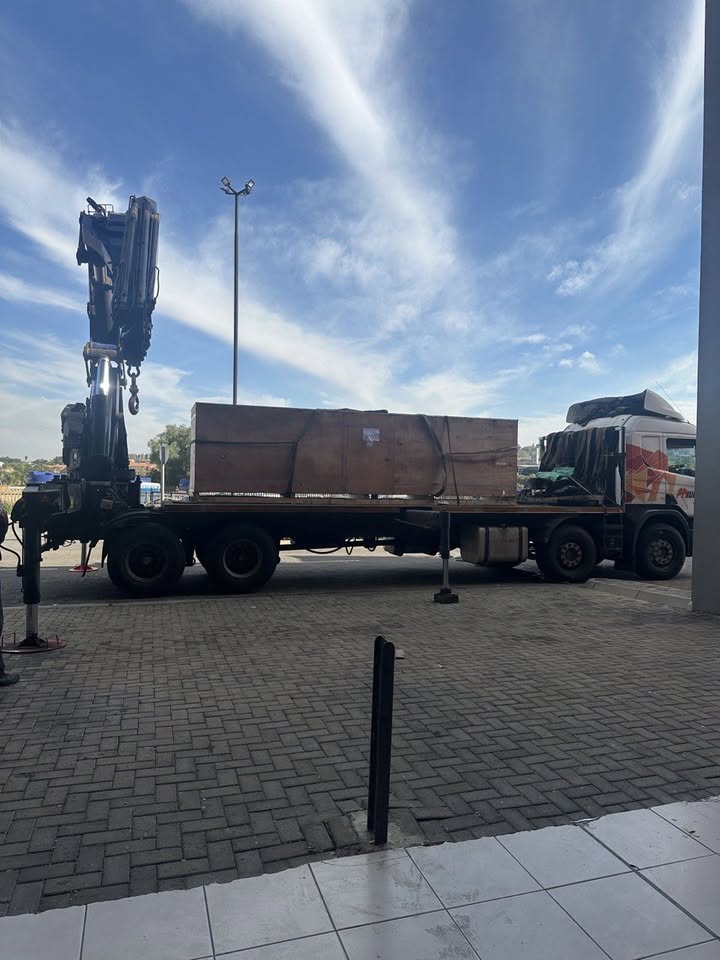
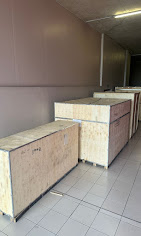
12 Heads Embroidery Machine
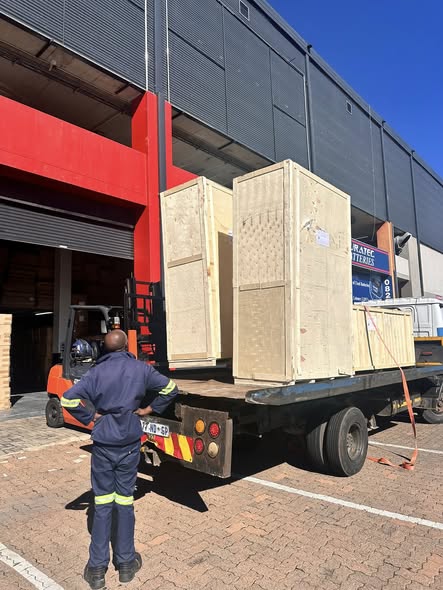
Toilet Paper Machine Machine
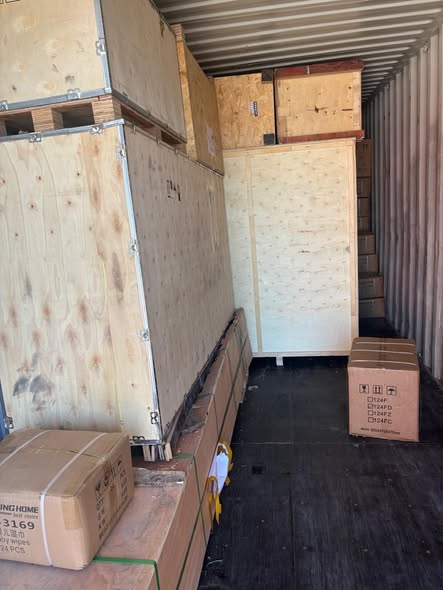
Order Collection
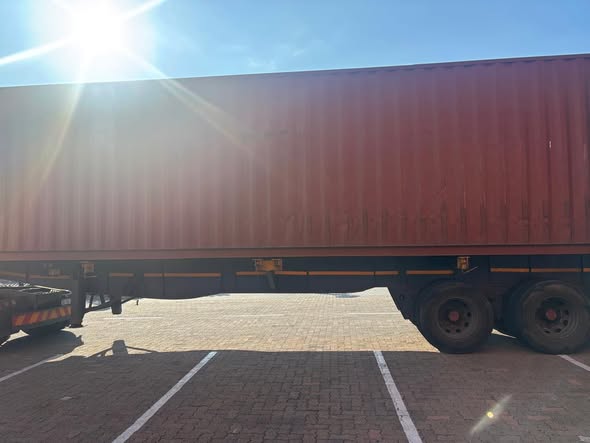
Cross Border Clients
Order cros border countries Collected
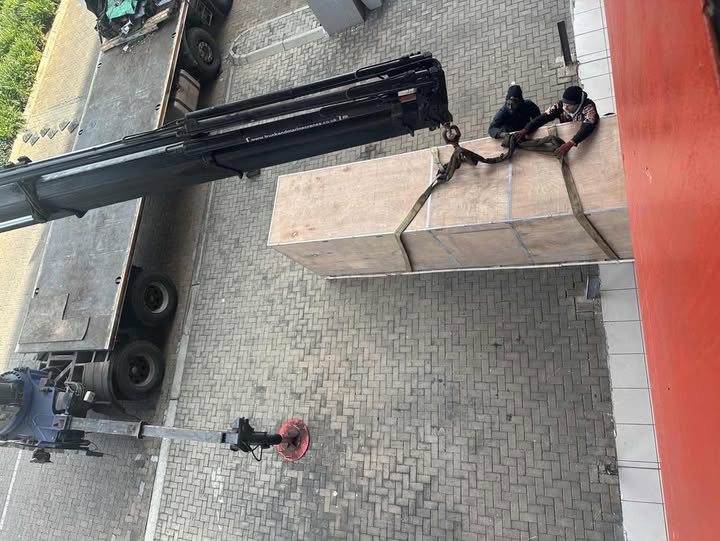
Industrial Machine Cllection
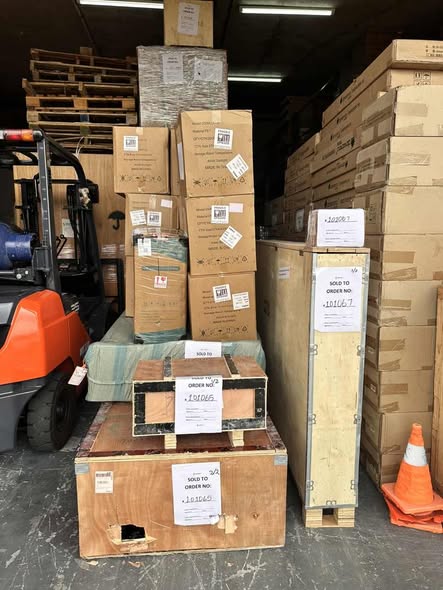
Agriculture Processing Machines
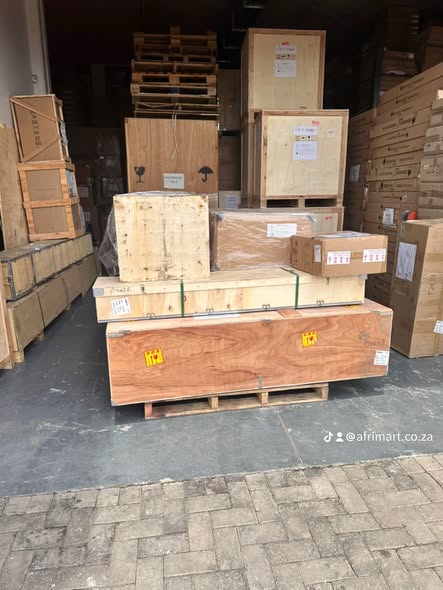
Ready for collection
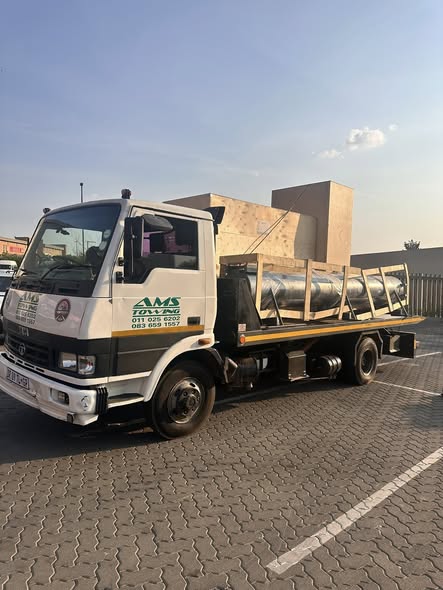
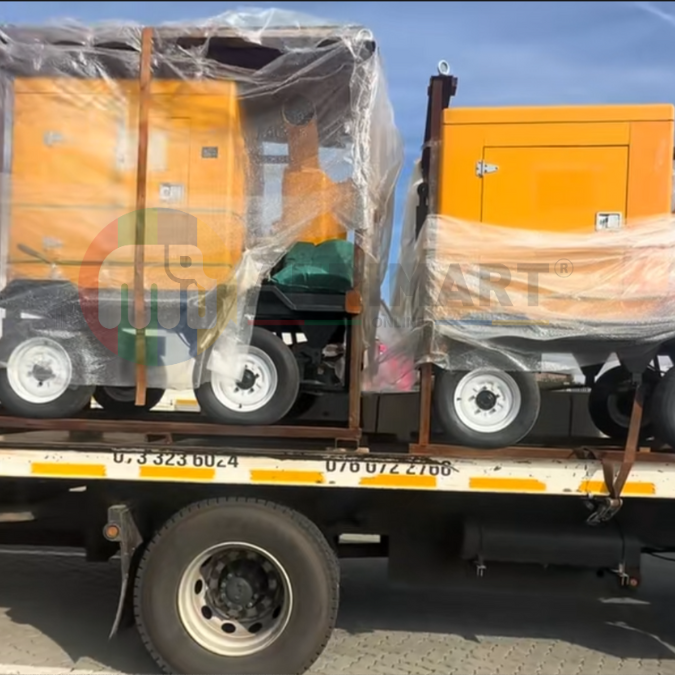
Water Pump Equipment
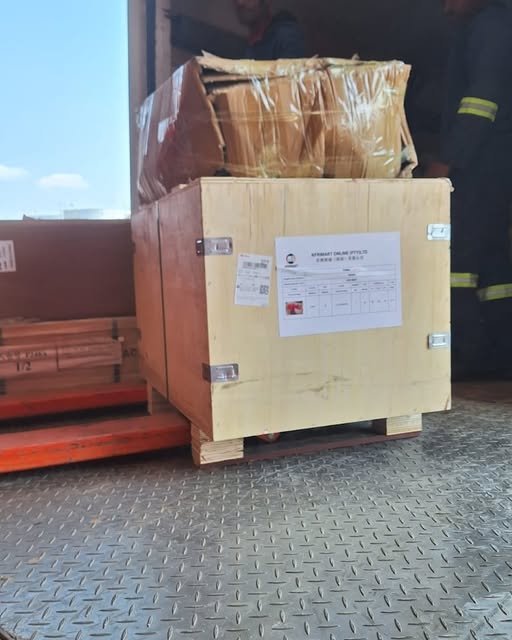
Packaging Machine and accessories
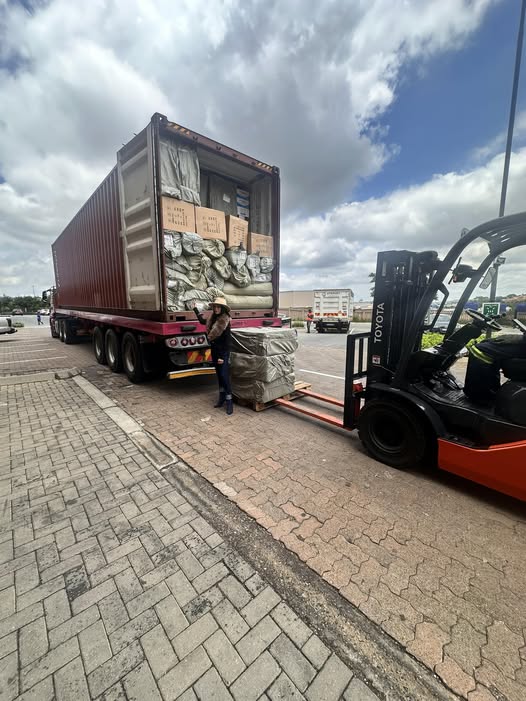
Fabrics Manufacturing Equipment
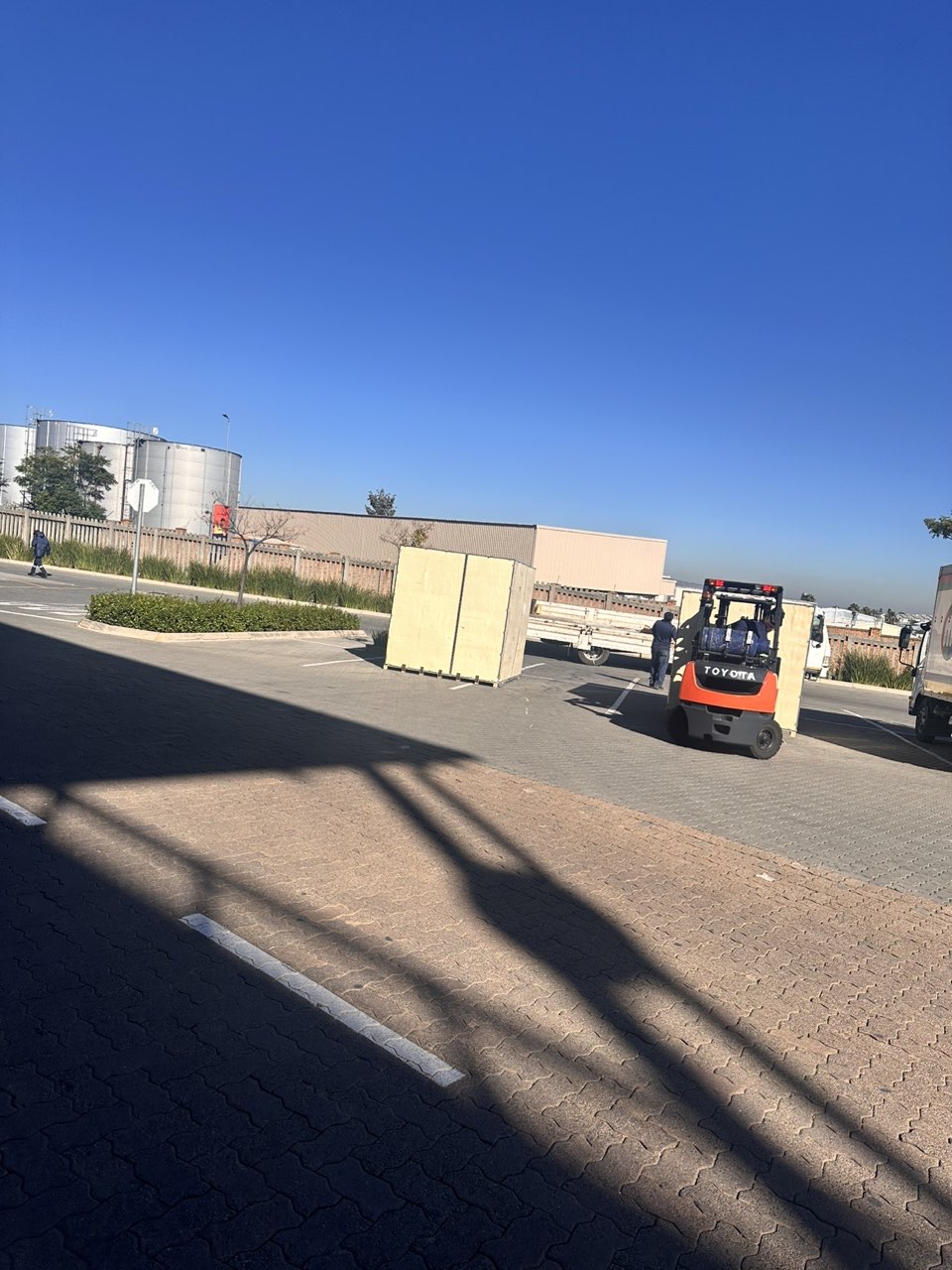
Mining Equipments
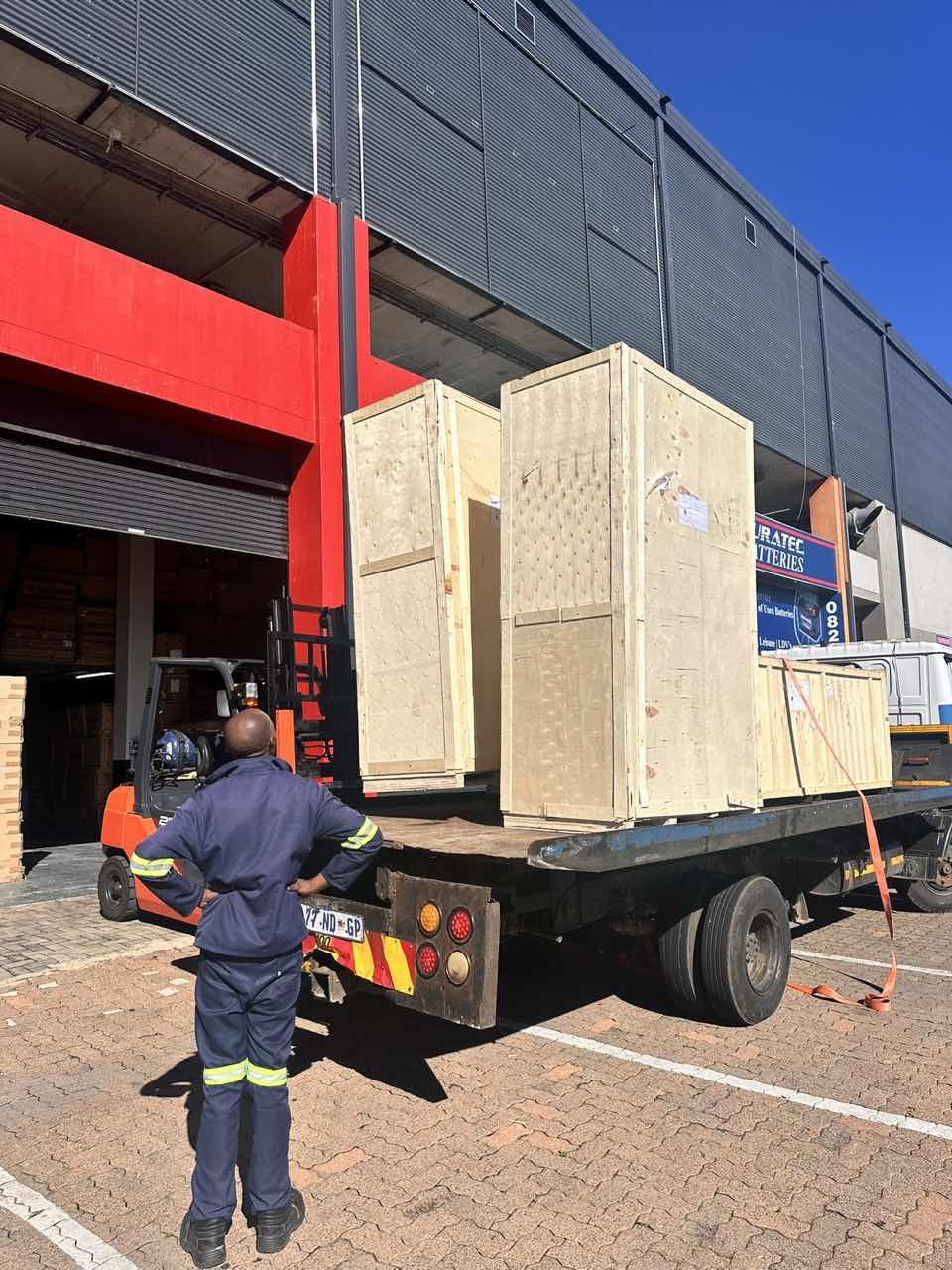
Food Processing Machine
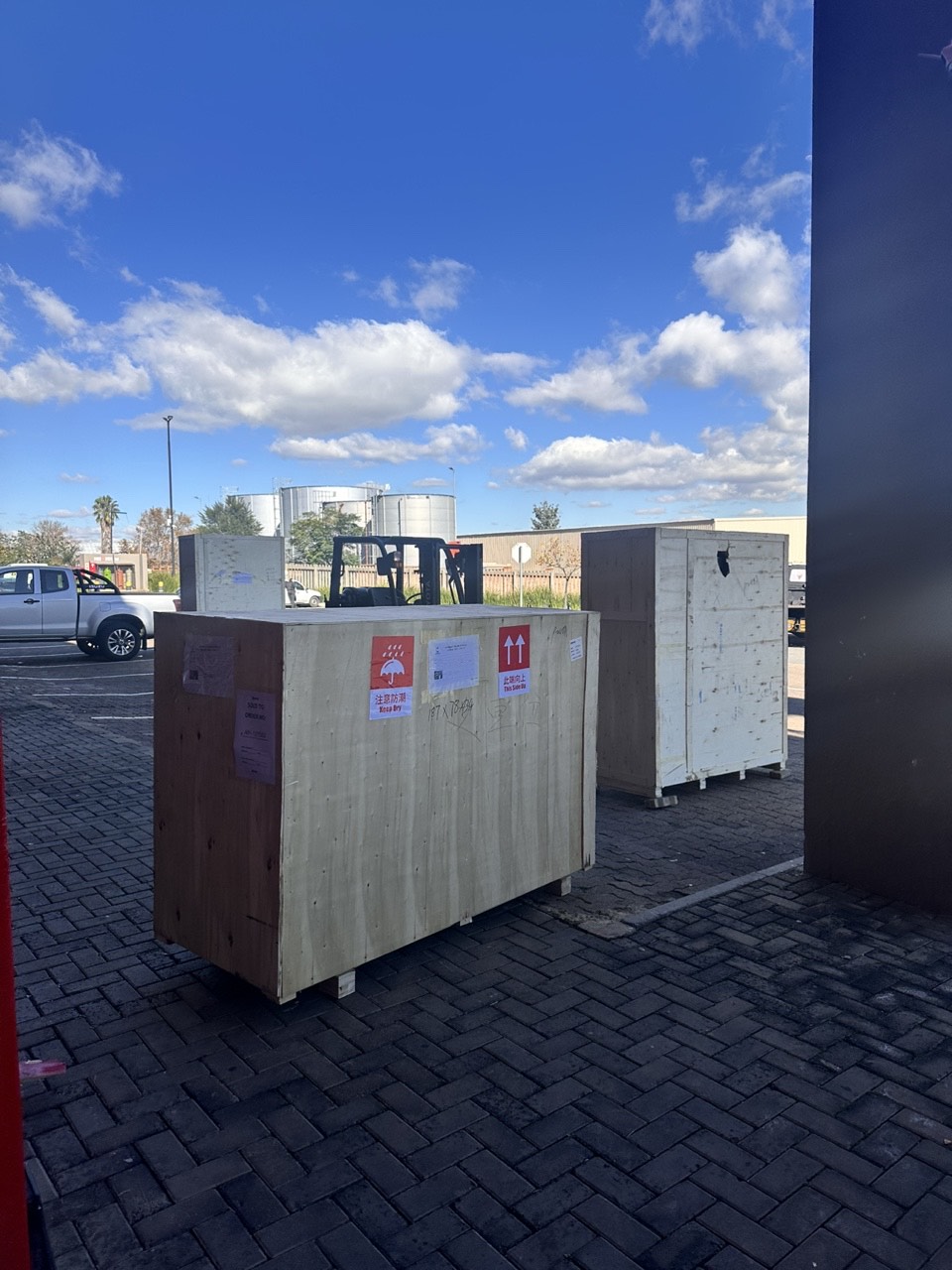
Batch of Orders
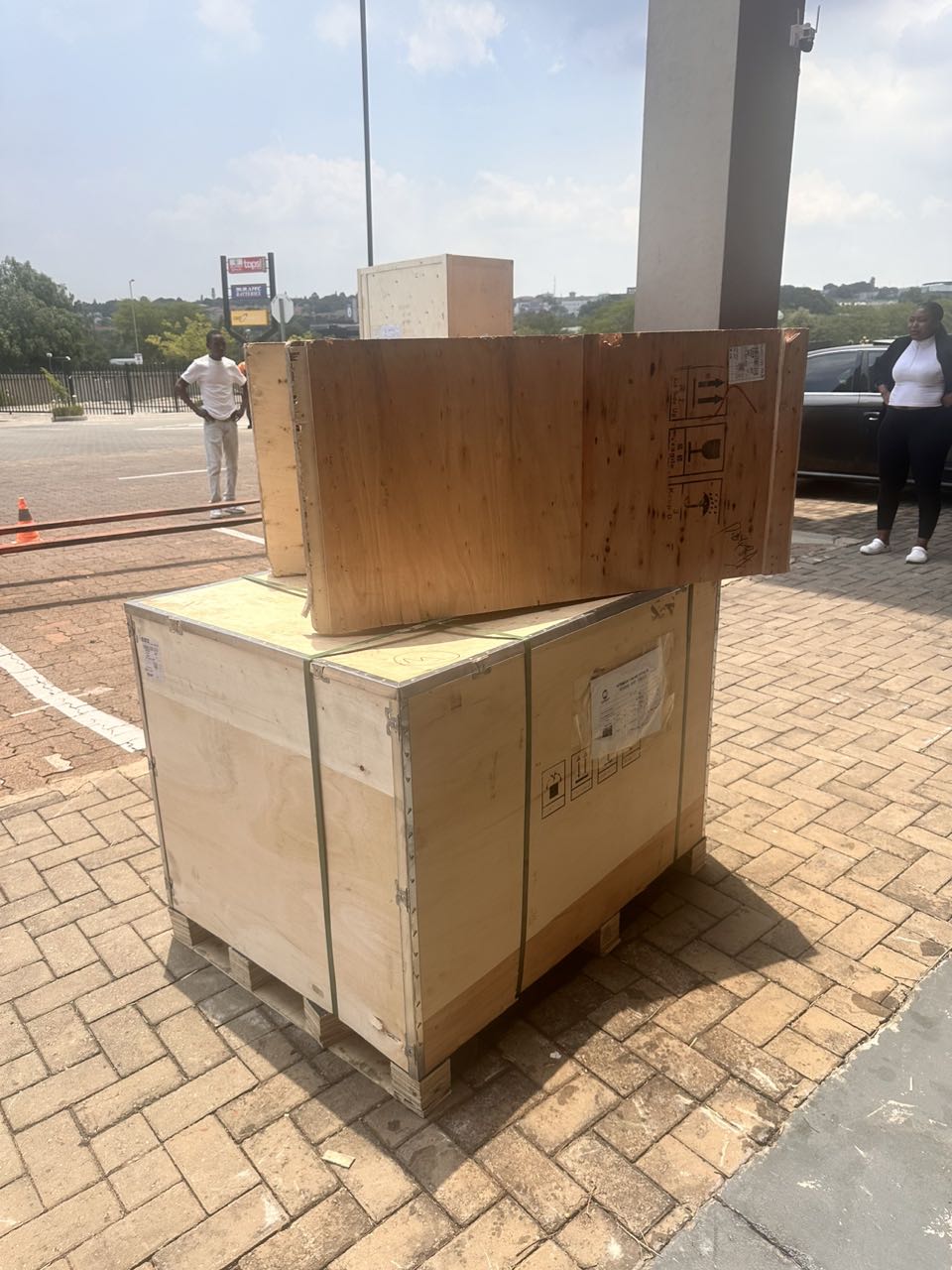
Batch of Orders
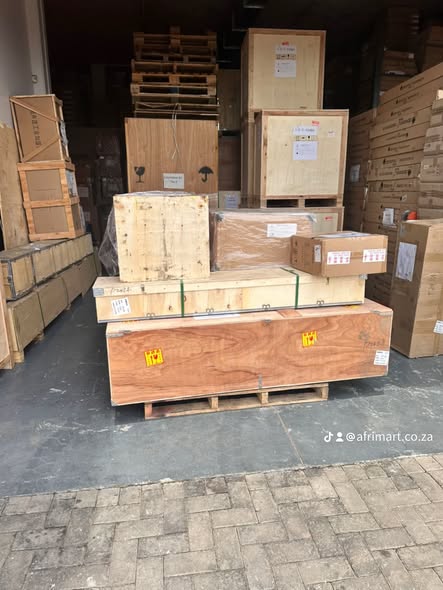
Latest Orders Labelled
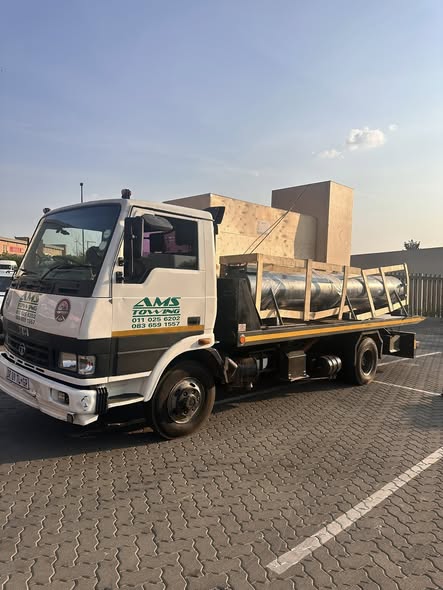
wheel alignment machines
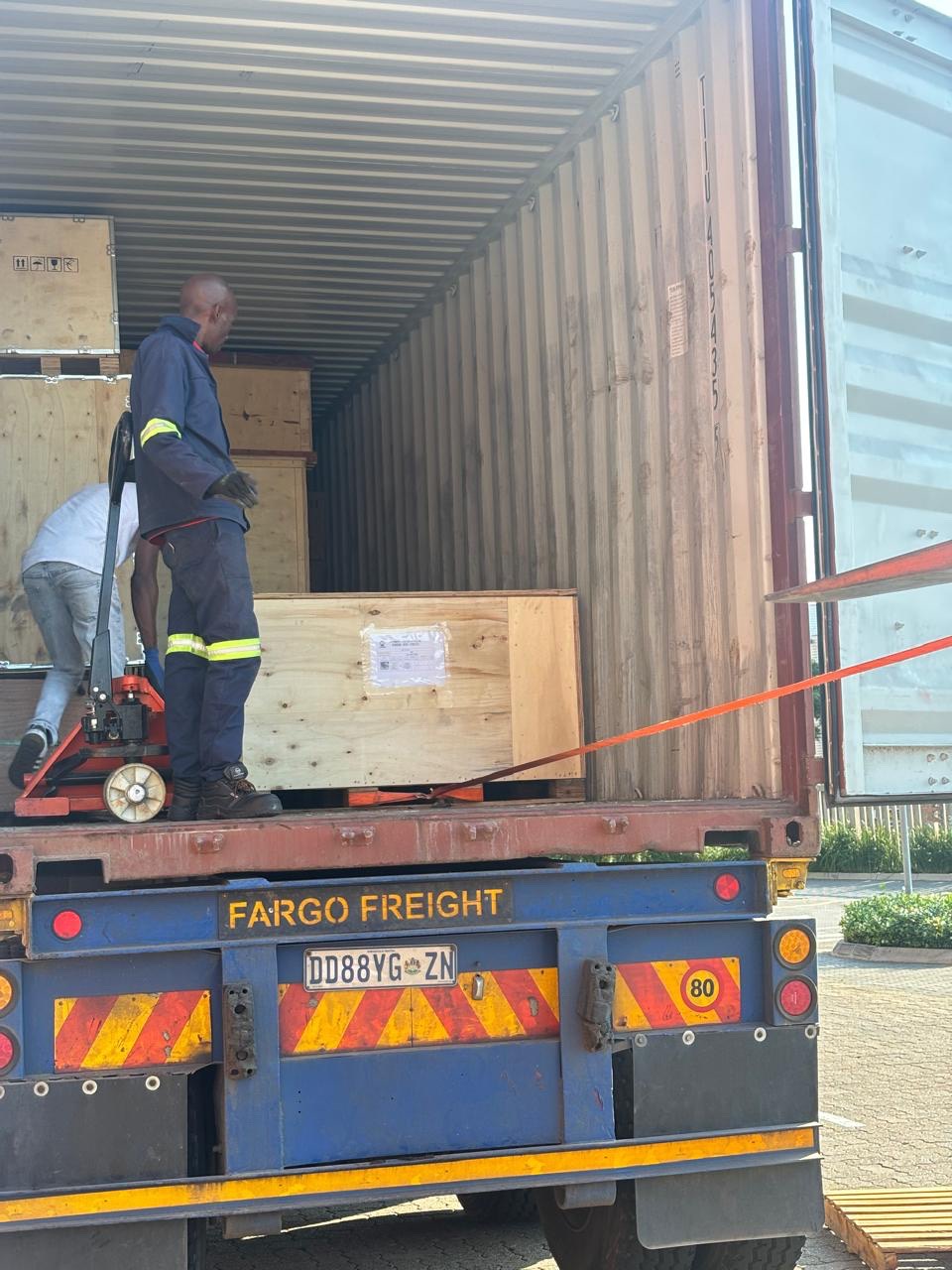
new arrivals
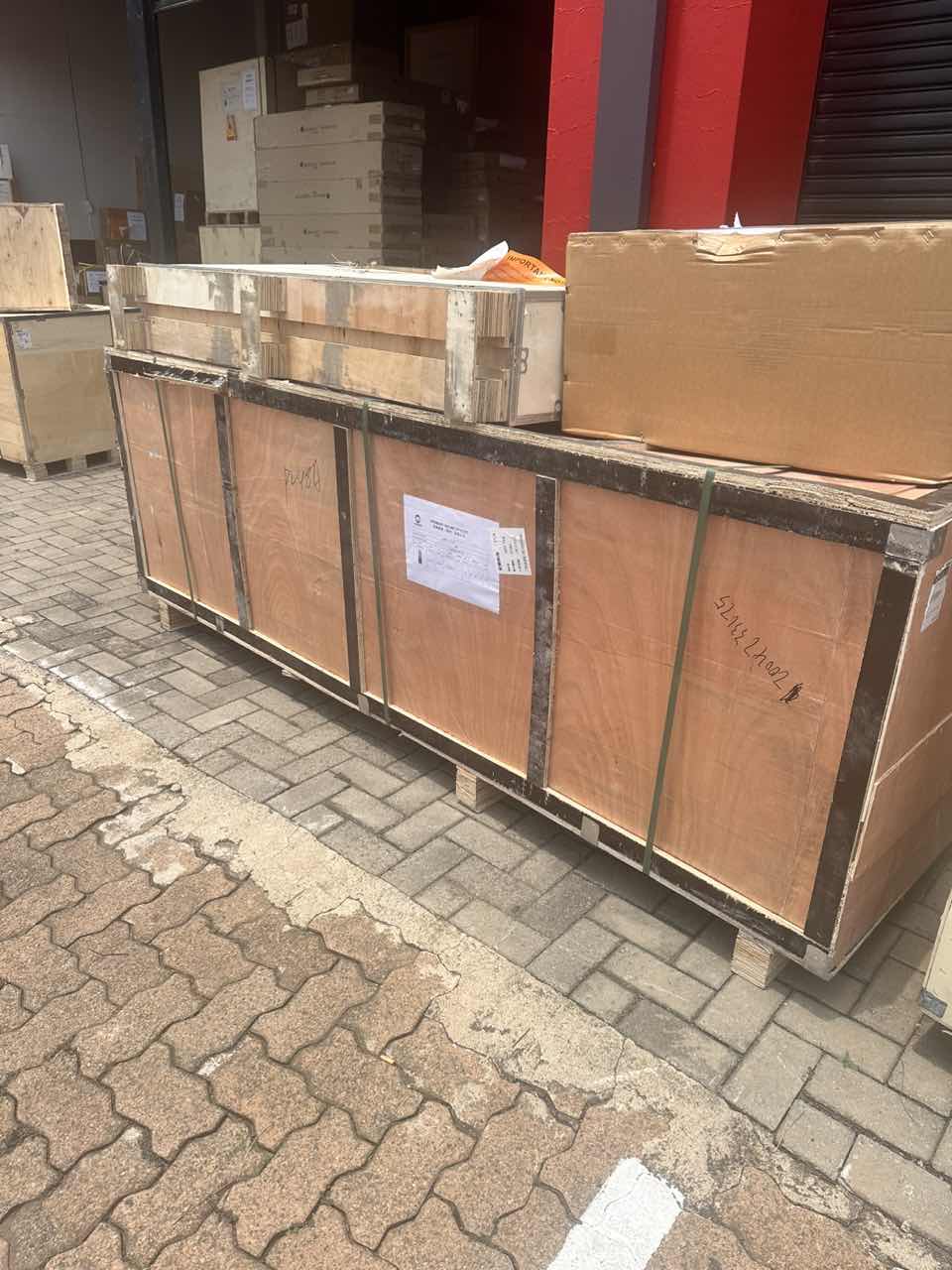
Pre Orders Offloading
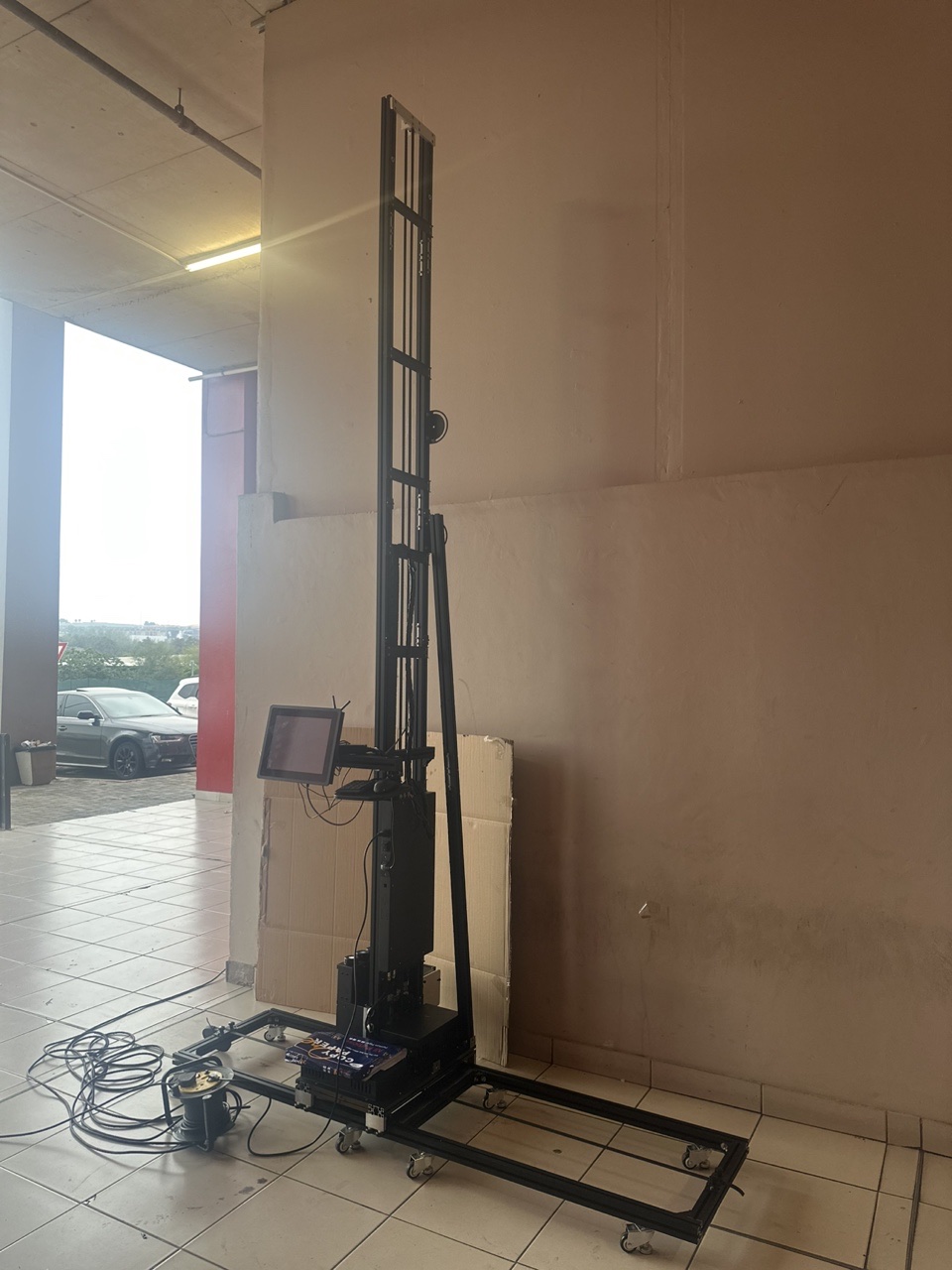
Latest Arrivals
Latest Arrivals
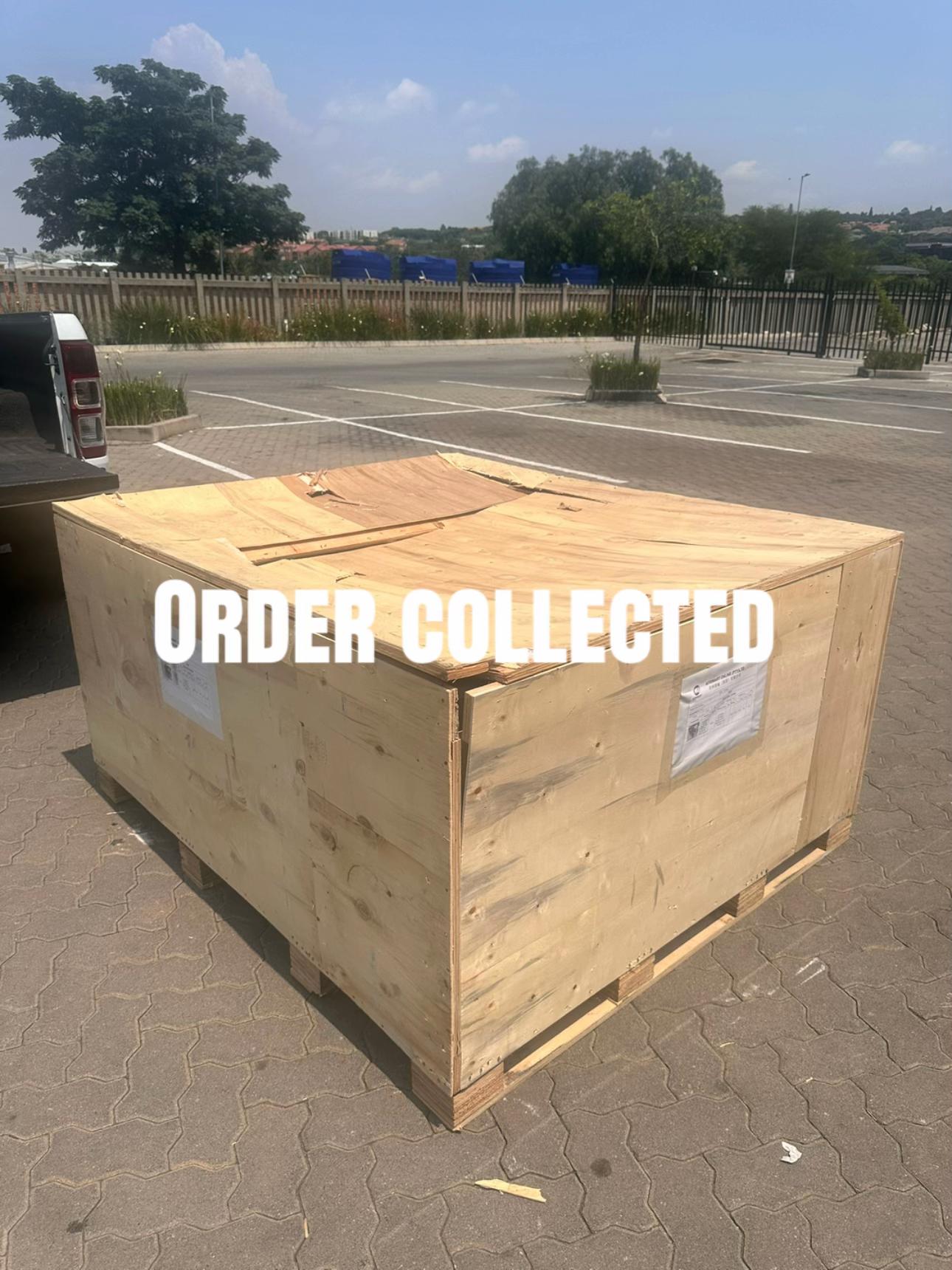
Latest Arrivals
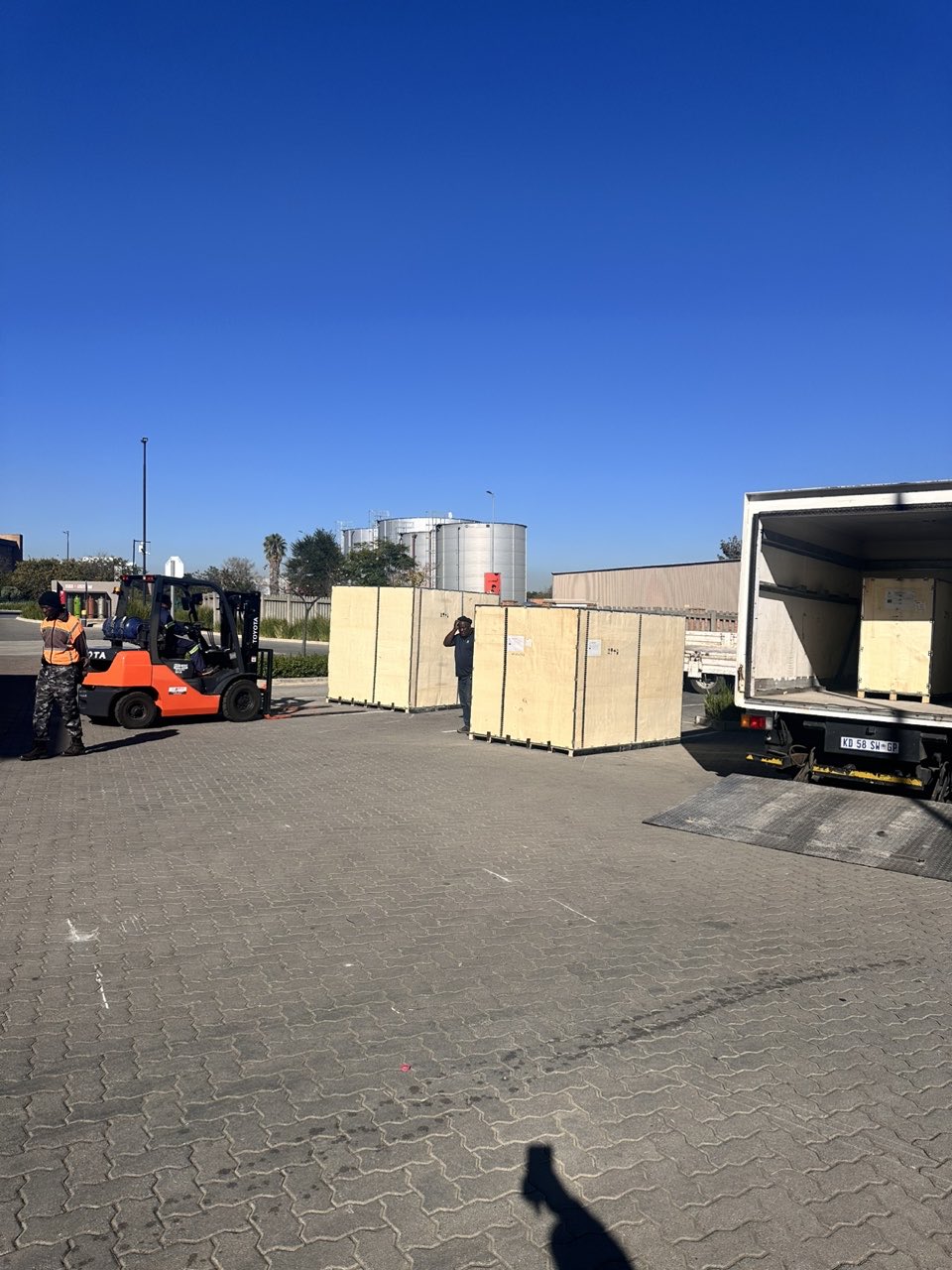
Loading
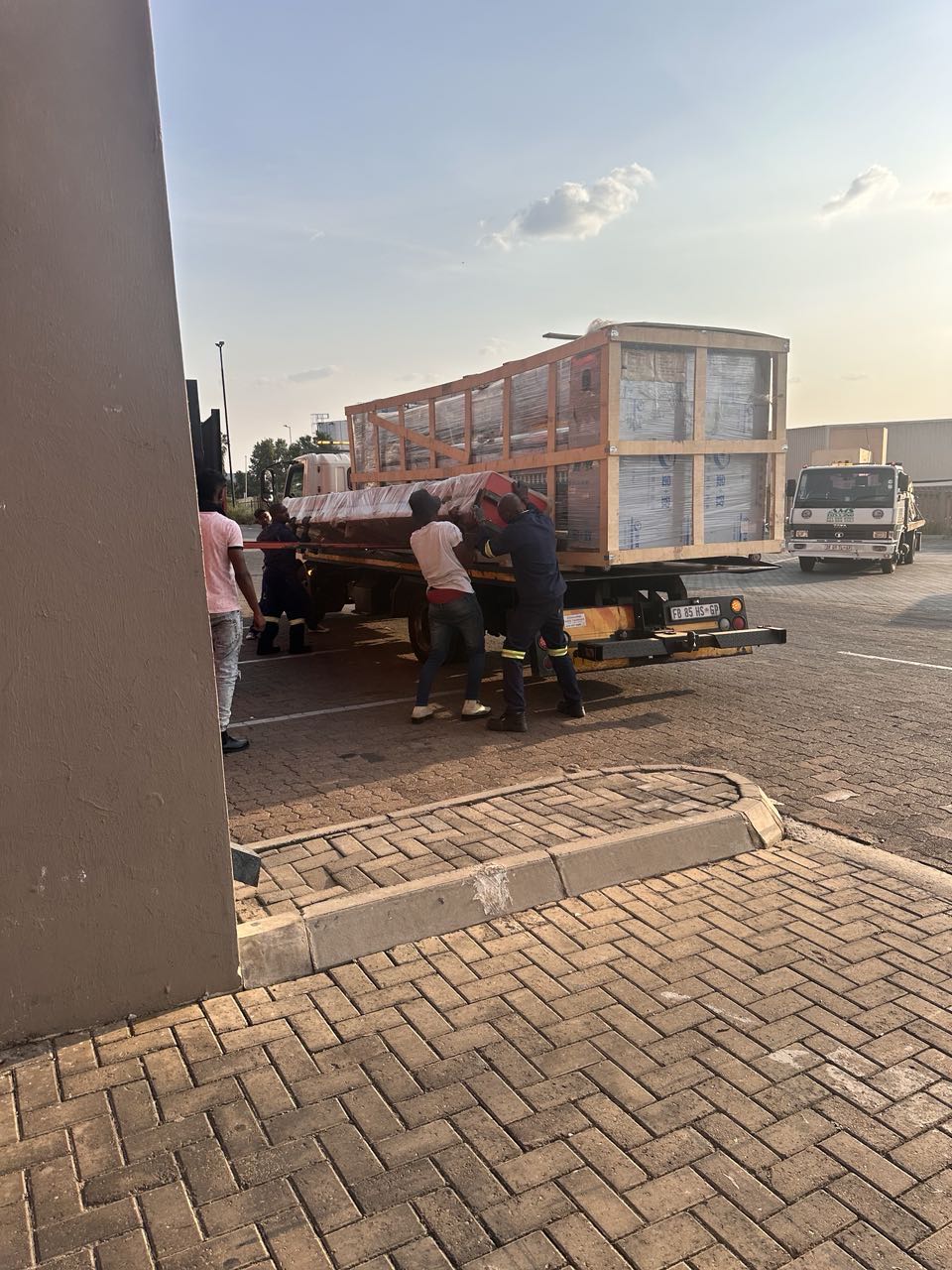
Toilet paper making machine
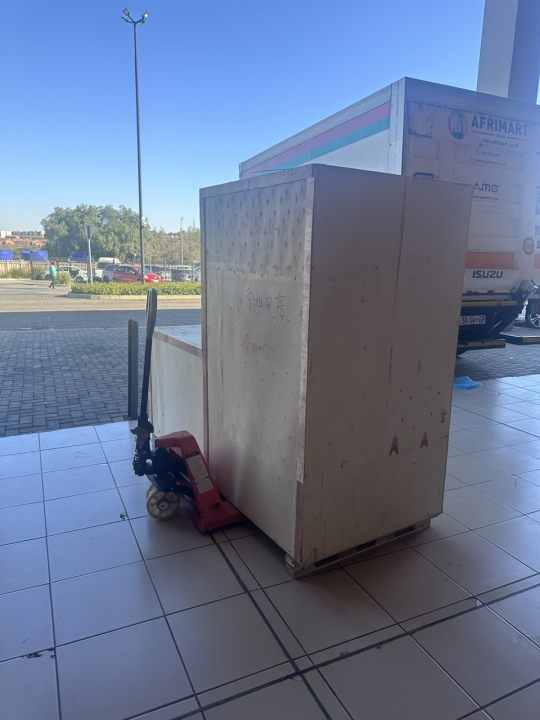
Toilet paper making machine
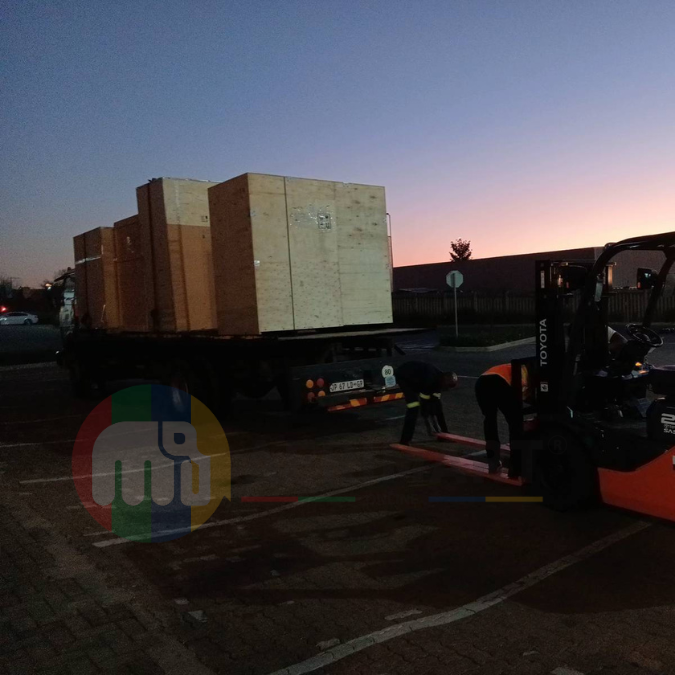
Toilet paper Rewinding Machine
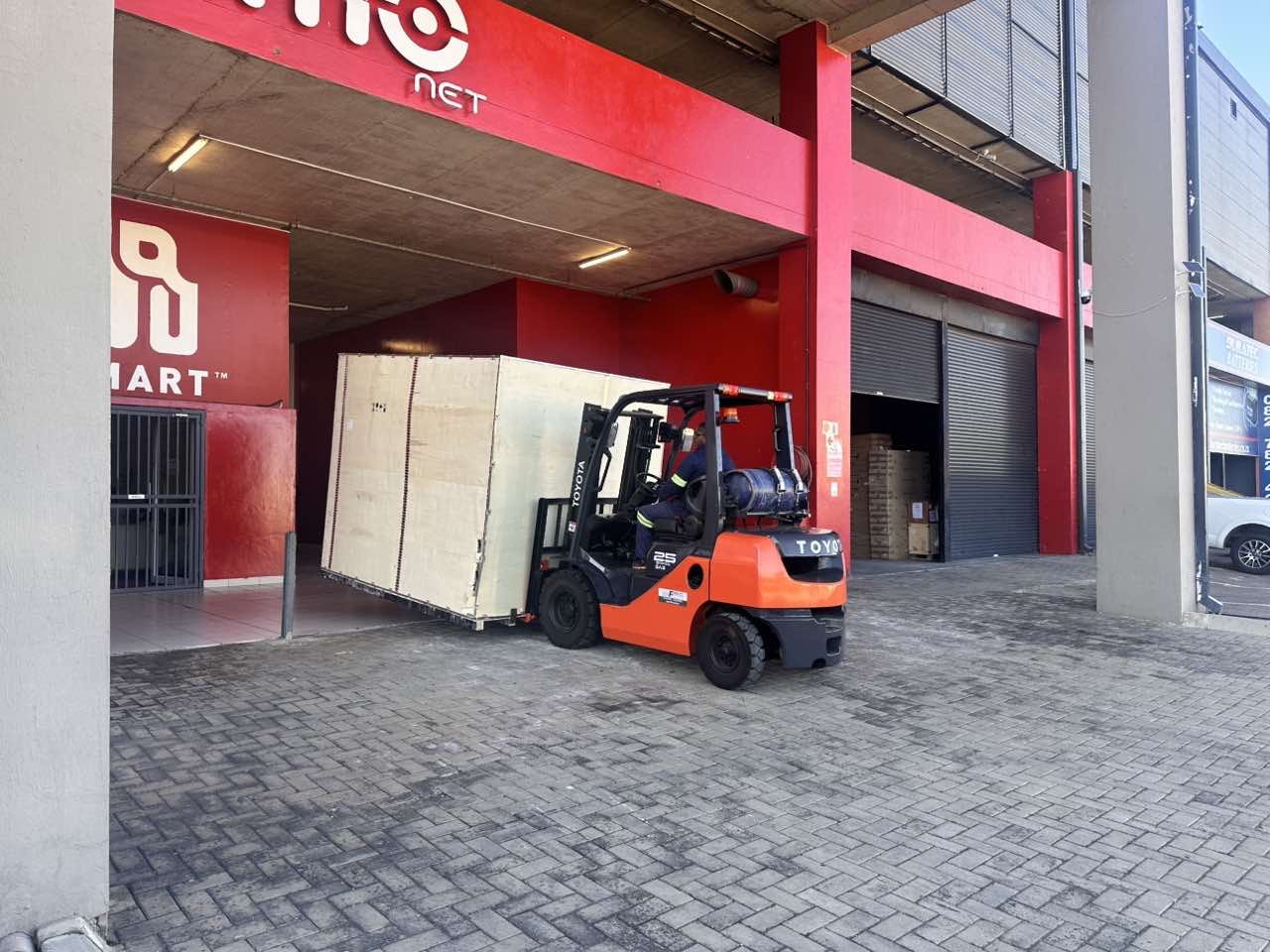
latest arrivals
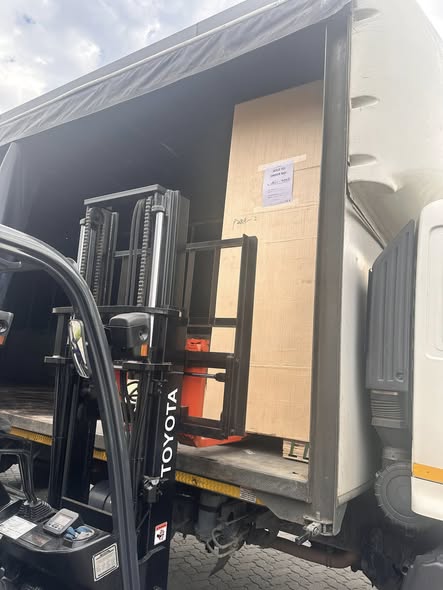
offloading
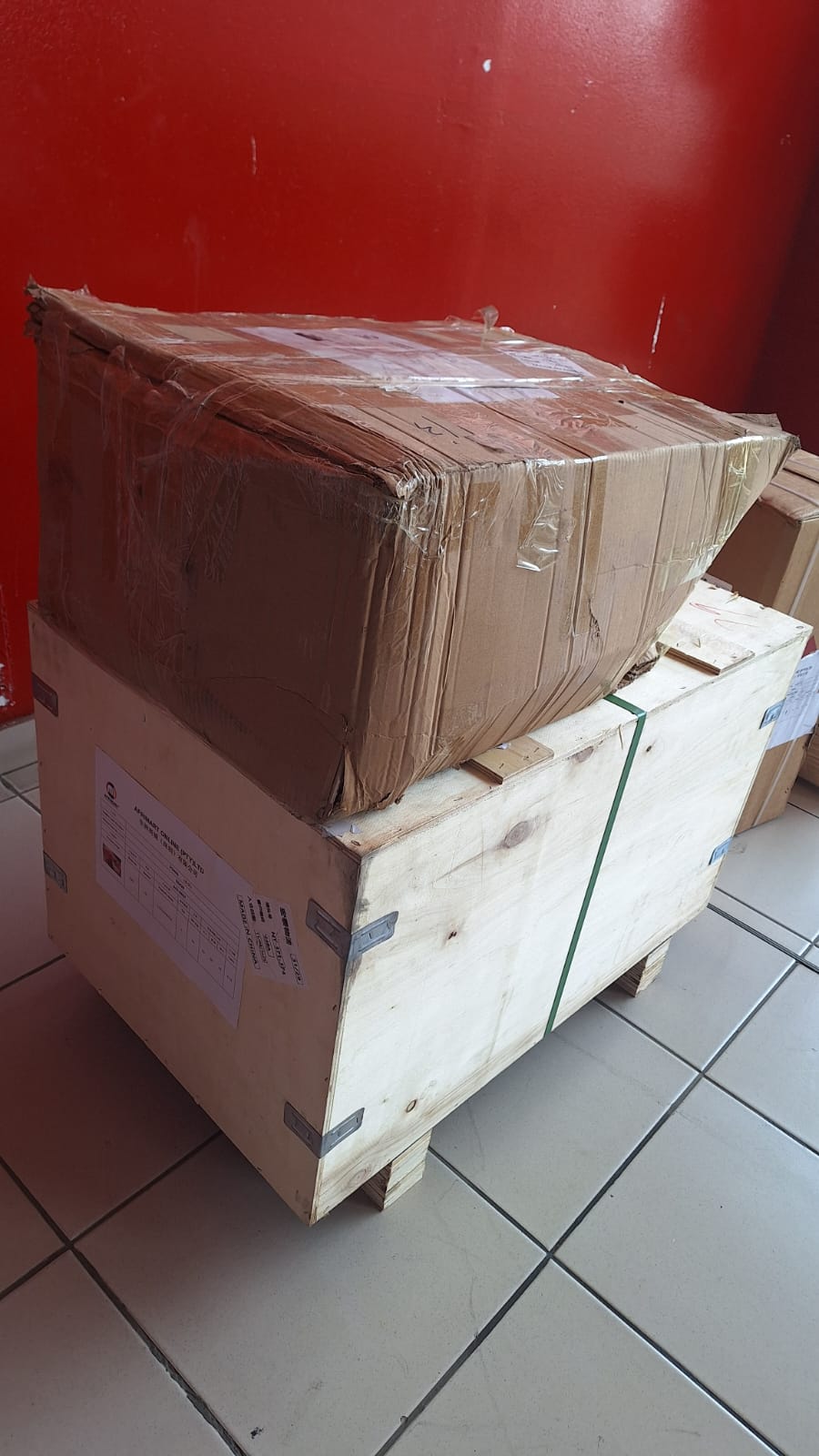
order success
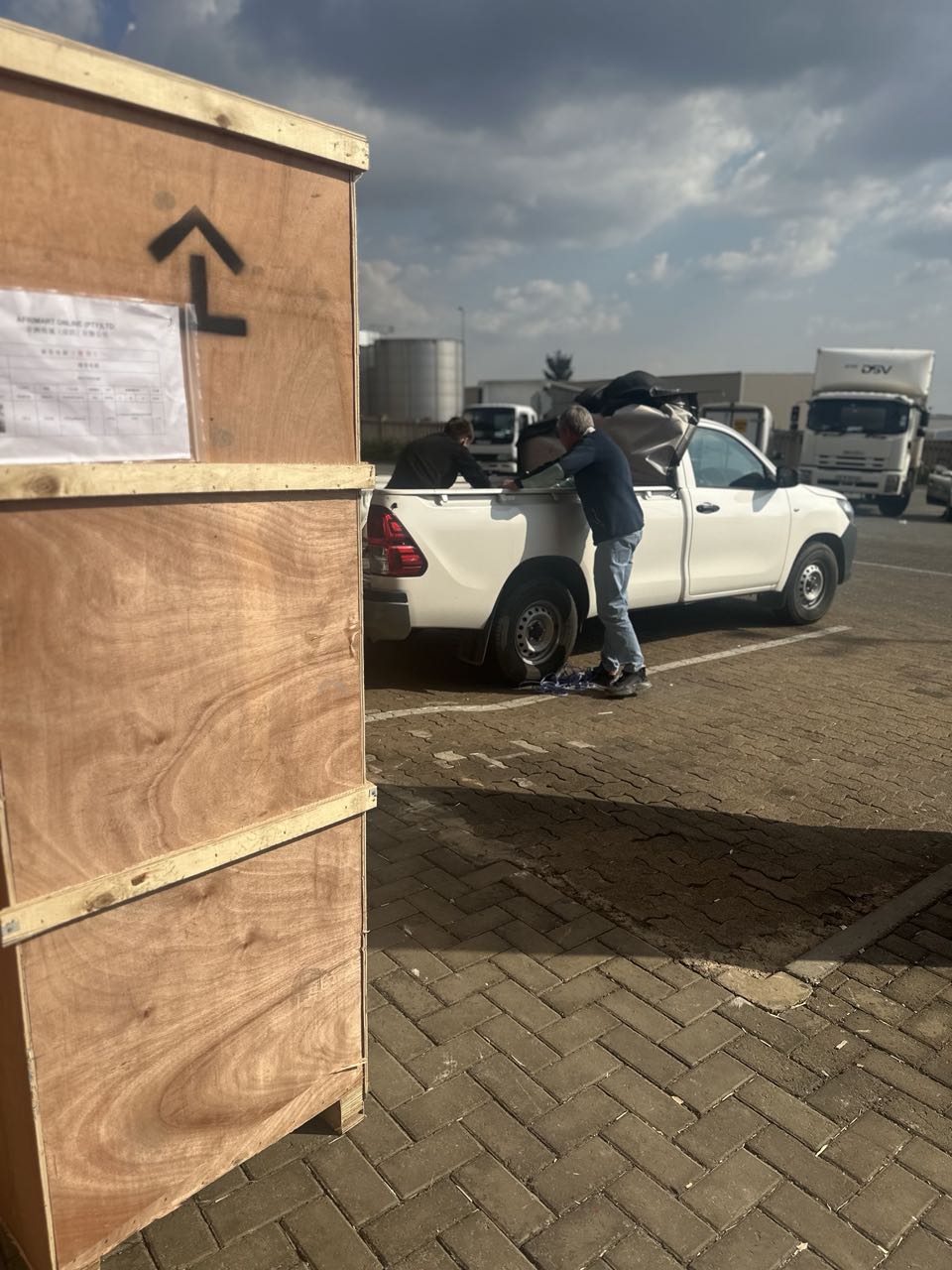
order collection
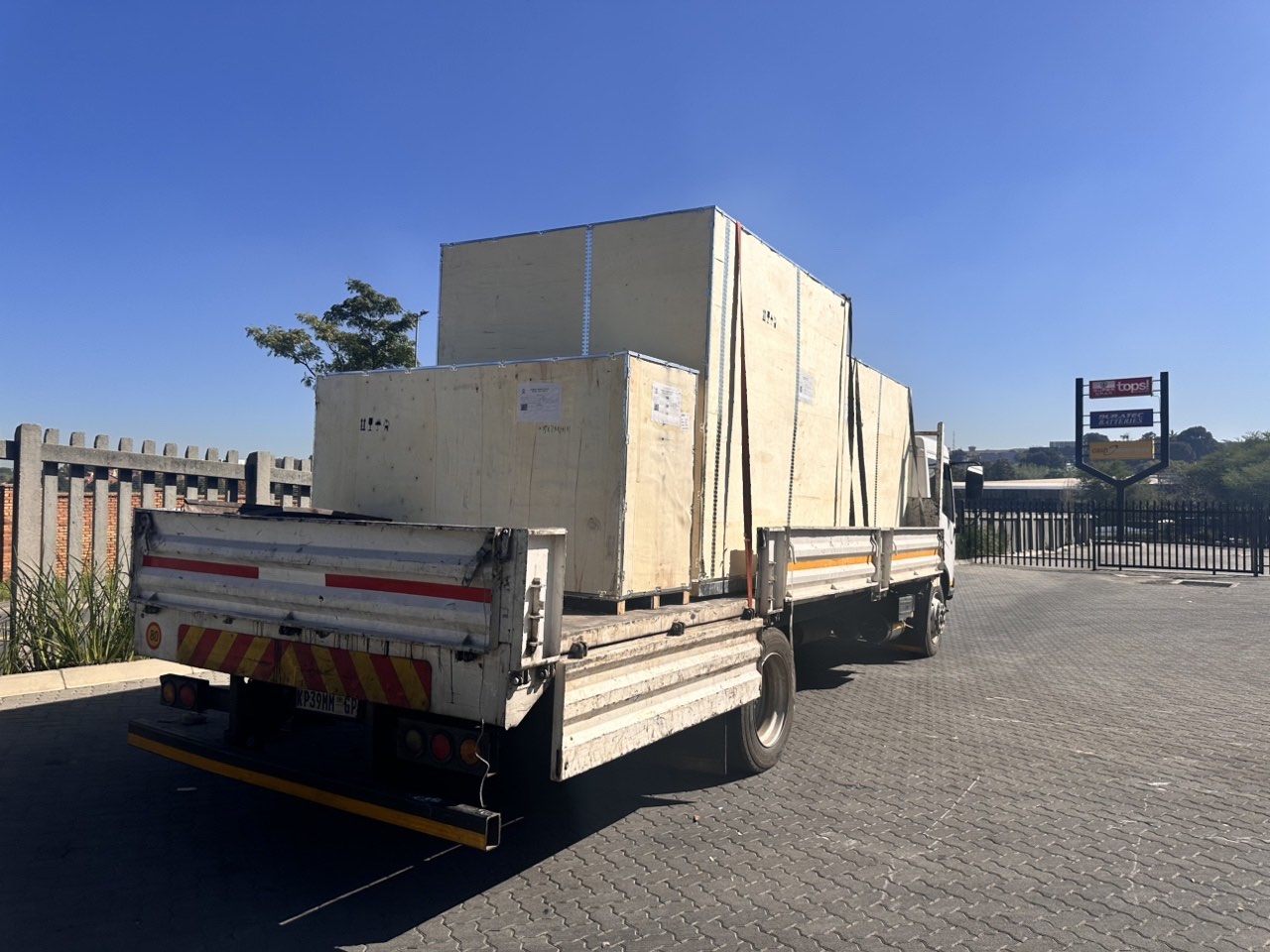
order offloading