B21, China Town Mall, Midrand


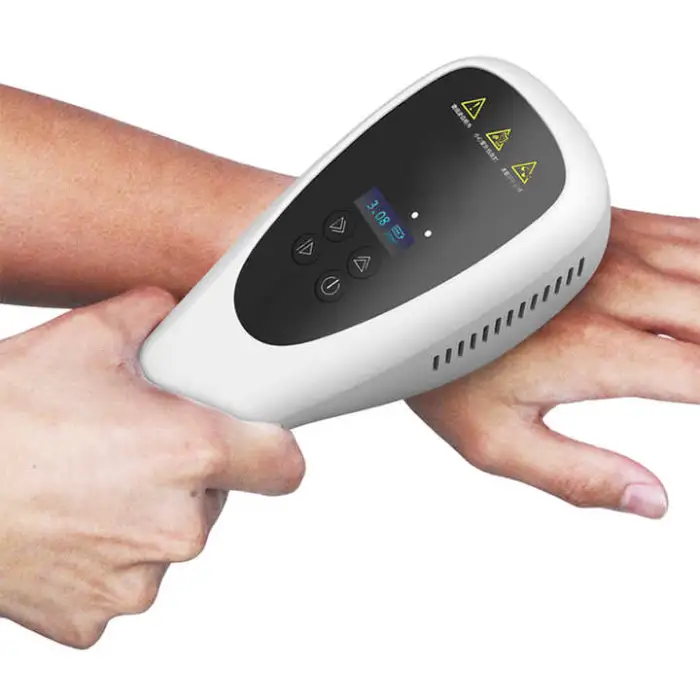
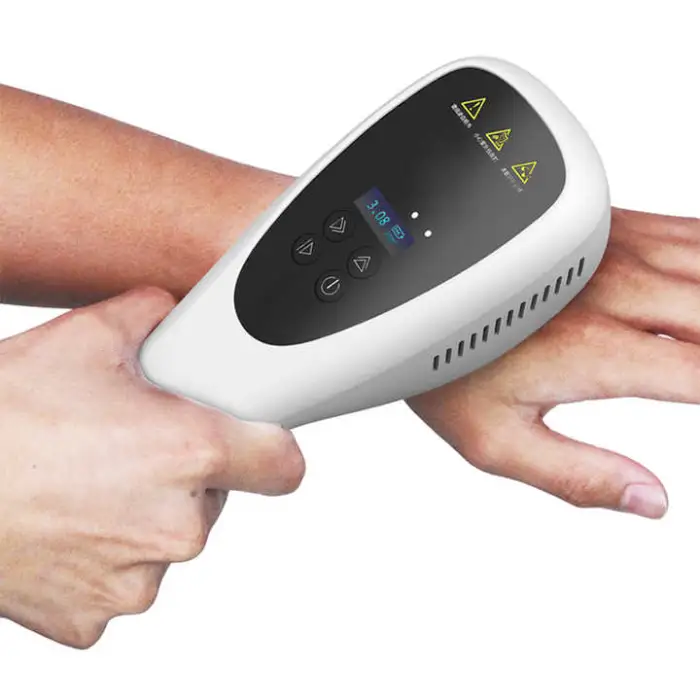
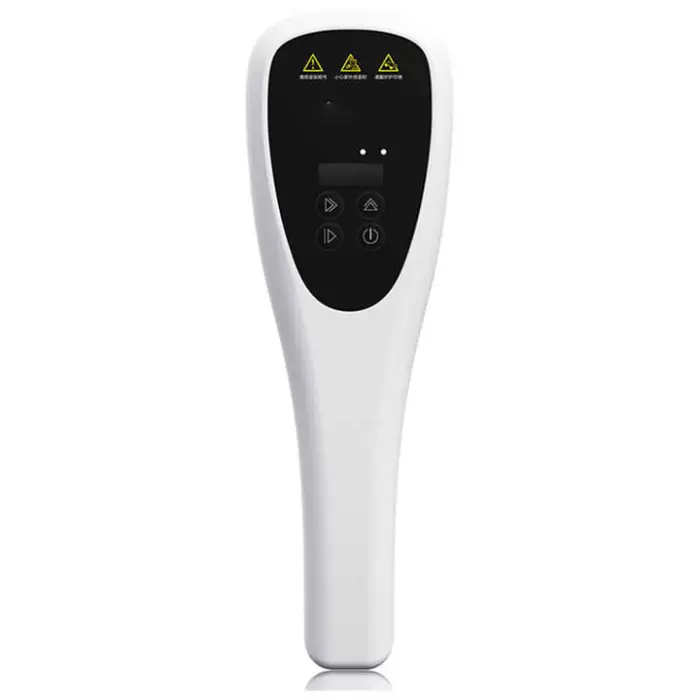
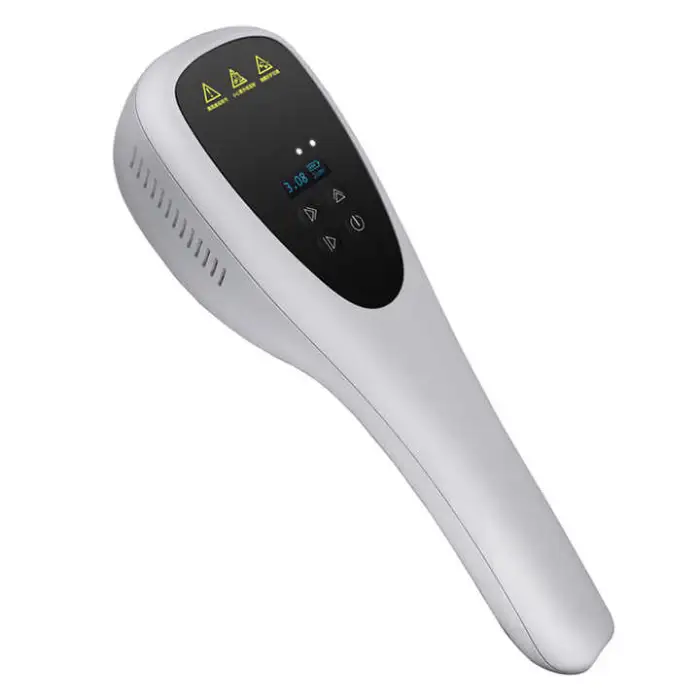
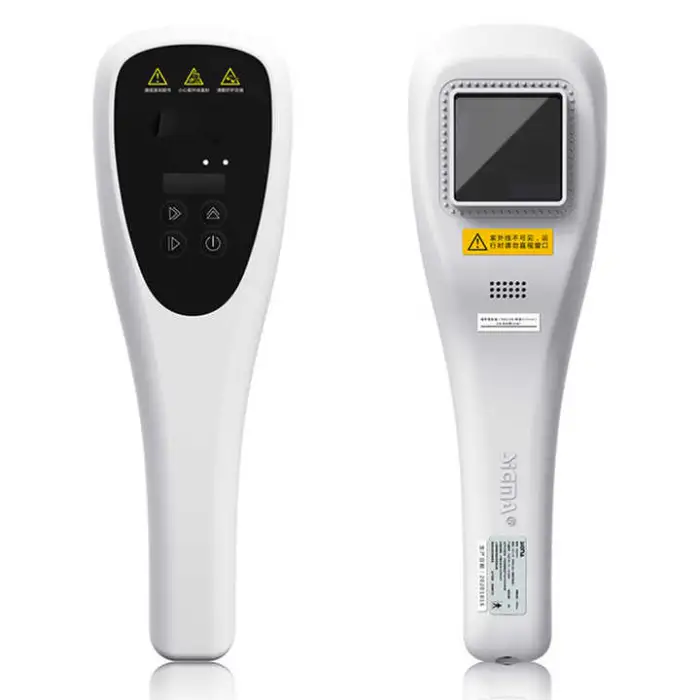
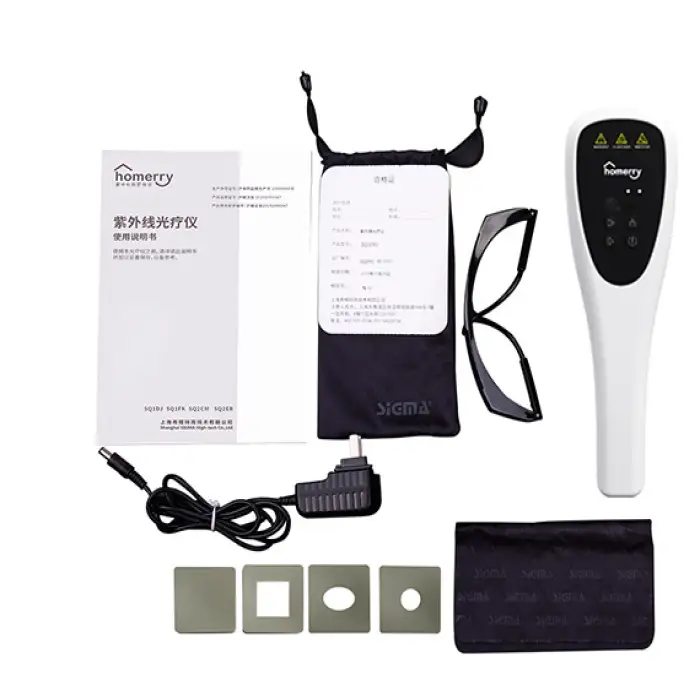
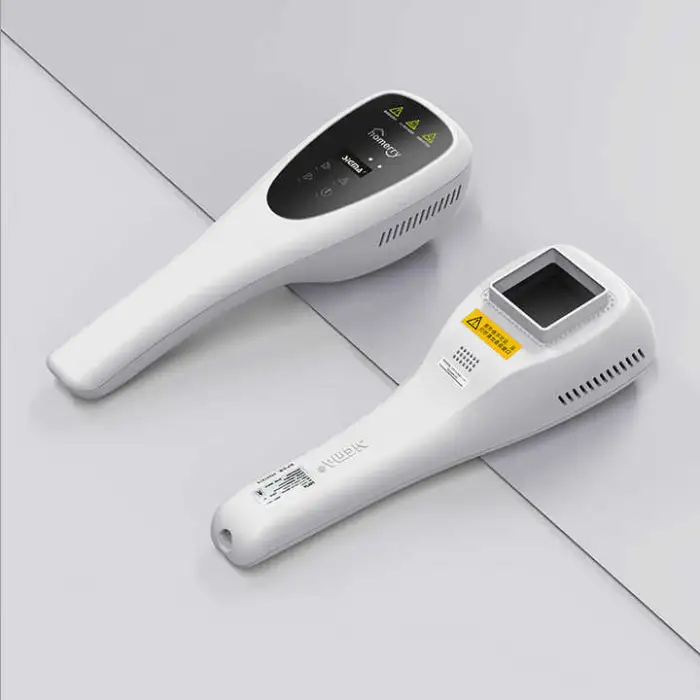
Medical Real 308nm Excimer Laser Led Light Therapy 308 Excimer for Skin Disease Uvb Phototherapy Psoriasis Vitiligo Skin Care

- Section : Beauty & Personal Care
- Category : Aesthetic medicine
- SKU : 1601245603059

Medical Real 308nm Excimer Laser Led Light Therapy 308 Excimer for Skin Disease Uvb Phototherapy Psoriasis Vitiligo Skin Care
The Medical Real 308nm Excimer Laser Led Light Therapy device is designed for effective treatment of skin diseases like psoriasis and vitiligo. This portable, handheld device provides UVB phototherapy to help improve your skin condition. It is perfect for home use and comes with online support and video technical assistance.
Specifications
| Attribute | Details |
|---|---|
| Laser Type | 308nm Excimer Laser |
| Strength | High, Medium, Low |
| Style | Portable |
| Type | Hand Held |
| Service Provided | Online Support, Video Technical Support |
| Q-Switch | No |
| Language | English |
| Model Number | FG410 |
| Application | For Home Use |
| Package Size | 27X82X59 cm |
| Gross Weight | 1.000 KG |
Key Features
- Effective treatment for psoriasis and vitiligo.
- Handheld and portable for easy use.
- Adjustable strength settings: high, medium, and low.
- Provides online support for users.
- Compact design for home therapy.
Applications
- Home treatment for skin diseases.
- Regular maintenance of skin health.
- Supplemental therapy for dermatological issues.
- Convenient phototherapy for busy lifestyles.
- Enhanced skin care routine for affected areas.
Product Info Gallery
- Shipping Timeframes: All orders are processed within 2-5 business days (excluding weekends and holidays). After your order has been processed, the estimated delivery time is before 03 Aug, 2026, depending on customs, Please note that due to high demand, some items may experience longer shipping times, which will be communicated at order confirmation email.
- Order Processing Time: Please allow 2-5 business days for us to process your order before it is shipped . Orders placed after 16:00 on Fridays, or during weekends and public holidays, will begin processing on the next business day. Processing times may be extended during peak seasons or sales events.
- Manufacturing Time: Some products needs manufacturing time, the manufacturing process will take approximately 10-30 business days depending on the product. This timeframe may vary depending on the complexity of the product and current demand. but this will be communicated with you during order confirmation.
- Returns and Exchanges: We offer a 30-day return policy for most items. If you are not completely satisfied with your purchase, you may return it within 30 days of receipt for a refund or exchange. Items must be unused, in their original packaging, and accompanied by proof of purchase. Return shipping costs are the responsibility of the customer, unless the item was damaged or defective upon arrival.
1. What is the Medical Real 308nm Excimer Laser device used for?
This handheld 308nm excimer laser provides targeted UVB phototherapy primarily for localized skin conditions such as psoriasis and vitiligo. It is intended for at-home supplemental treatment under the guidance of a healthcare professional.
2. Is the device safe to use at home?
The device is designed for home use, but you should consult your dermatologist before starting therapy. Follow the user manual, wear appropriate eye protection, and adhere to recommended treatment parameters to reduce risk of adverse effects.
3. Do I need a prescription to buy or use this device?
Regulations vary by country. Some regions require a prescription or clinician supervision for medical phototherapy devices. Check local regulations and consult your healthcare provider or the seller regarding purchasing and use requirements.
4. What safety precautions should I follow when using the 308nm excimer laser?
Wear protective goggles for both the patient and operator, avoid direct exposure to eyes or mucous membranes, do not use on open wounds or suspicious lesions, start with a low setting and perform a patch test, and stop treatment if severe irritation occurs. Always follow the supplied safety instructions.
5. How often and how long should I use the device?
Treatment frequency and duration depend on the condition, lesion size, skin type and clinical guidance. Many excimer regimens are given one to several times per week with session times from seconds to minutes. Consult your dermatologist for a personalized schedule.
6. What are the common side effects?
Common transient effects include redness, mild burning, itching, or temporary hyperpigmentation. Less commonly blistering or increased sensitivity can occur. If you experience severe or persistent side effects, stop use and contact your healthcare provider.
7. Can children or pregnant people use this device?
Use in children or pregnant people should only be considered under medical supervision. Discuss potential benefits and risks with a pediatrician or obstetrician before use.
8. Can I use topical treatments or medications with the device?
Some topical agents (for example, photosensitizing medications) may increase sensitivity to UV light. Inform your dermatologist about all medications and topical products you use; they will advise whether combination therapy is appropriate.
9. How soon will I see results?
Response varies by individual, condition severity and treatment adherence. Some users notice improvement in weeks, while others may require months. Your healthcare provider can set realistic expectations and monitor progress.
10. How do I choose between high, medium and low strength settings?
Begin at the lowest setting and perform a small-area patch test to assess skin response. Your dermatologist can recommend the appropriate starting level and adjustments based on tolerance and efficacy.
11. How should I clean and maintain the device?
Clean the exterior with a soft, dry cloth or a cloth lightly dampened with 70% isopropyl alcohol; do not immerse the device in liquid or attempt to open it. Store in a cool, dry place and follow any maintenance instructions in the user manual.
12. Does the device come with warranty and technical support?
The product listing states online support and video technical support are provided. Warranty terms are not specified here—check the seller’s listing or contact customer service for warranty length, coverage and support contact details.
13. Is the device medically certified or approved (for example FDA/CE)?
This specification does not list regulatory approvals. If regulatory certification or conformity is important to you, request documentation (FDA clearance, CE mark, or local regulatory approvals) from the seller before purchase.
14. Can I use the device on all body areas and skin types?
The excimer laser is intended for localized lesions; some body areas and skin phototypes may be more sensitive to UV exposure. Avoid mucous membranes and eye area. Consult a dermatologist to determine suitability for your skin type and lesion location.
15. What should I do if the device malfunctions or I experience unexpected reactions?
Stop using the device immediately, seek medical attention for any serious or unexpected skin reactions, and contact the seller’s technical support or customer service for troubleshooting, repair or replacement guidance. Do not attempt to disassemble the unit yourself.
Latest Order Arrivals
Discover our latest orders

12 Heads Embroidery Machine

Toilet Paper Machine Machine

Order Collection

Cross Border Clients

Order cros border countries Collected

Industrial Machine Cllection

Agriculture Processing Machines

Ready for collection

Water Pump Equipment

Packaging Machine and accessories

Fabrics Manufacturing Equipment

Mining Equipments

Food Processing Machine

Batch of Orders

Batch of Orders

Latest Orders Labelled

wheel alignment machines

new arrivals

Pre Orders Offloading

Latest Arrivals

Latest Arrivals

Latest Arrivals

Loading

Toilet paper making machine

Toilet paper making machine

Toilet paper Rewinding Machine

latest arrivals

offloading

order success

order collection

order offloading