B21, China Town Mall, Midrand

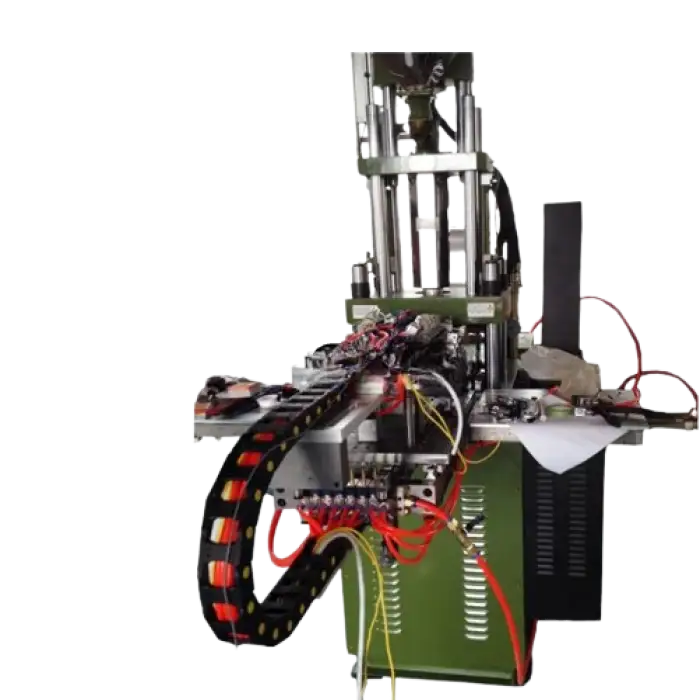
Mechanical Arm Equipped Plastic Injection Machine Injecting Machine to Get Dental Floss Pick
Asset finance available
Do you want funding for this equipment?
Afrimart can connect you with trusted funding partners who specialise in asset finance for businesses like yours. Compare options and apply in minutes — final approval is subject to provider review.
Check funding options
Secure & no obligation

- Section : Machinery
- Category : Manufacturing Machinery
- SKU : 60544869291

Mechanical Arm Equipped Plastic Injection Machine for Dental Floss Pick Production
Introducing the Mechanical Arm Equipped Plastic Injection Machine designed specifically for producing dental floss picks. This high-quality machine is efficient and reliable, making it perfect for businesses looking to enhance their production capabilities. With a robust design and customizable features, it meets the needs of modern manufacturing while ensuring top performance.
Specifications
| Attribute | Details |
|---|---|
| Model Number | PSYX |
| Brand Name | Pasen |
| Function | Make dental floss picks |
| Voltage | 380V or customized |
| Power (W) | 9kW |
| Dimension (L*W*H) | 1800*1300*2000mm |
| Service Provided | Engineers available for overseas service |
| Mould | Customizable |
| Supply Ability | 100 sets per month |
Key Features
- Equipped with a mechanical arm for precise operation.
- High production efficiency for dental floss picks.
- Customizable moulds to meet specific needs.
- Robust design to withstand heavy usage.
- Easy to operate with user-friendly controls.
Applications
- Manufacturing dental floss picks for retail.
- Supporting dental care product companies.
- Providing solutions for health and hygiene industries.
- Enhancing production lines in plastic manufacturing.
- Custom production for niche markets.
The Mechanical Arm Equipped Plastic Injection Machine is your go-to solution for efficient and high-quality production of dental floss picks. Invest in this machine to boost your manufacturing capabilities today!
Product Info Gallery
- Shipping Timeframes: All orders are processed within 2-5 business days (excluding weekends and holidays). After your order has been processed, the estimated delivery time is before 05 Aug, 2026, depending on customs, Please note that due to high demand, some items may experience longer shipping times, which will be communicated at order confirmation email.
- Order Processing Time: Please allow 2-5 business days for us to process your order before it is shipped . Orders placed after 16:00 on Fridays, or during weekends and public holidays, will begin processing on the next business day. Processing times may be extended during peak seasons or sales events.
- Manufacturing Time: Some products needs manufacturing time, the manufacturing process will take approximately 10-30 business days depending on the product. This timeframe may vary depending on the complexity of the product and current demand. but this will be communicated with you during order confirmation.
- Returns and Exchanges: We offer a 30-day return policy for most items. If you are not completely satisfied with your purchase, you may return it within 30 days of receipt for a refund or exchange. Items must be unused, in their original packaging, and accompanied by proof of purchase. Return shipping costs are the responsibility of the customer, unless the item was damaged or defective upon arrival.
1. What is the Mechanical Arm Equipped Plastic Injection Machine used for?
This machine is designed specifically to produce dental floss picks via plastic injection molding with an integrated mechanical arm for part handling and removal.
2. What are the key specifications of this machine?
Model PSYX by Pasen; power 9 kW; standard voltage 380V (customizable); dimensions 1800 × 1300 × 2000 mm; customizable moulds; manufacturer supply ability 100 sets per month; engineers available for overseas service.
3. What does the mechanical arm do and what are its benefits?
The mechanical arm automates demolding, part removal and placement (or transfer to downstream equipment), improving precision, cycle consistency, safety and overall production efficiency.
4. What types of plastic materials can the machine process?
It is suitable for common thermoplastics used for dental picks (for example polypropylene (PP), polyethylene (PE), ABS, and similar grades). For dental/medical applications, use medical- or food-grade materials and confirm material compatibility with the supplier.
5. Can I produce custom dental floss pick designs?
Yes. Moulds are customizable to accommodate different pick shapes, sizes and multi-cavity configurations. Provide your part drawings or samples so the supplier can design the appropriate mould.
6. How many dental floss picks can the machine make per hour/day?
Production rate depends on part design, shot weight, number of mould cavities and cycle time. Exact output should be calculated from your specific mould and cycle requirements—contact the supplier with your design and target output for a capacity estimate.
7. What installation and utilities are required?
Standard requirements include the specified electrical supply (380V or customized), adequate floor space (machine dimensions 1800×1300×2000 mm), and typically provisions for compressed air and water cooling depending on peripheral equipment. Confirm exact utility needs with the supplier before installation.
8. Is on-site setup, commissioning and training available?
Yes — engineers are available for overseas service for installation, commissioning and operator training. Confirm scope, travel and service terms with the supplier when ordering.
9. What safety features does the machine include?
Typical safety features include safety interlocks/guards, emergency stop, and programmed safety sequences. Exact safety items and certifications should be confirmed with the supplier to ensure compliance with local regulations.
10. What routine maintenance is required?
Routine maintenance includes keeping the mould and platens clean, regular lubrication of moving parts, inspection of the mechanical arm and pneumatic/hydraulic systems, and scheduled checks of electrical components. Follow the supplier’s maintenance schedule and manuals.
11. How long will it take to receive the machine after ordering?
Lead time depends on order details, mould development and current production schedule. The manufacturer’s machine supply capacity is up to 100 sets per month; for a specific lead time get a written delivery estimate from the supplier.
12. Are spare parts and warranty offered?
Specific warranty terms and spare parts availability are not listed here—please request the supplier’s warranty policy, spare parts list and recommended spare parts kit when requesting a quote.
13. Can this machine be integrated into an existing production line?
Yes. The machine’s mechanical arm and standard controls make it suitable for integration with downstream conveyors, packaging or inspection systems. Discuss integration requirements with the supplier and provide details of your line for compatibility planning.
14. How do I request a quotation or technical drawings?
Contact the supplier with your desired part design (CAD/drawing), expected production rate, required material grade and any special requirements. The supplier can then provide a quotation, proposed mould layout and technical specifications.
15. What quality control or certification options are available for dental products made on this machine?
Quality control depends on your process, mould design and material selection. You can implement in-line inspection, reject systems and use certified medical/food-grade materials. Ask the supplier about options for process monitoring, testing support and any machine certifications they hold.
Latest Order Arrivals
Discover our latest orders
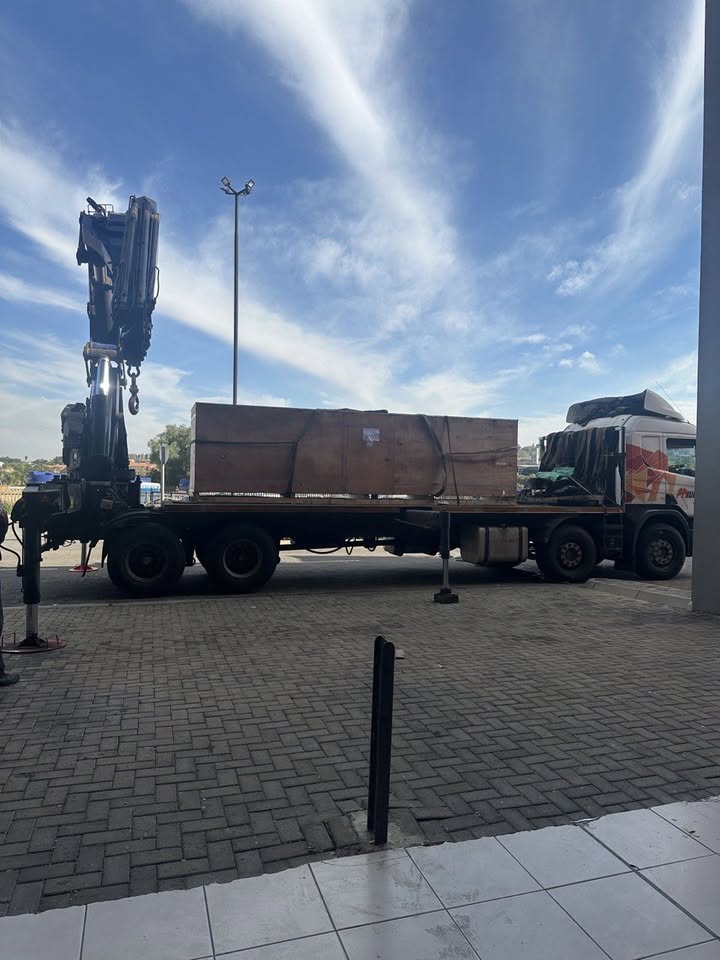
12 Heads Embroidery Machine
Toilet Paper Machine Machine
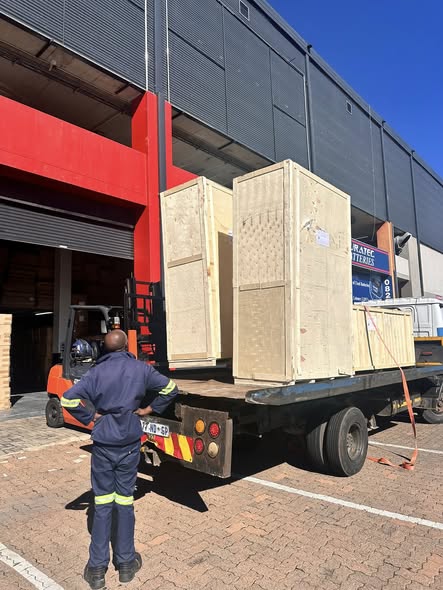
Order Collection
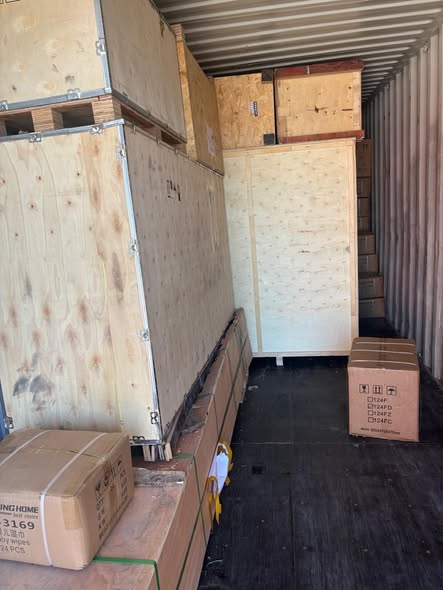
Cross Border Clients
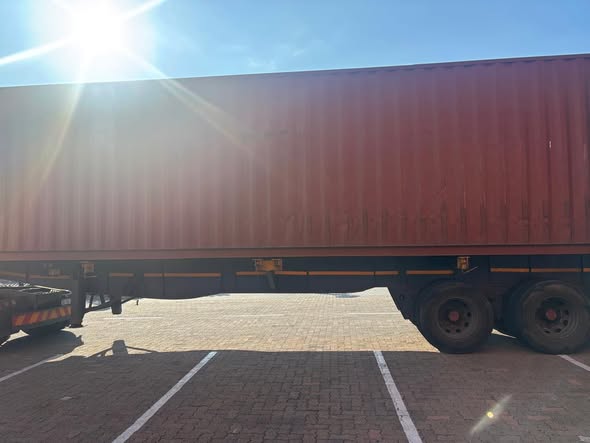
Order cros border countries Collected
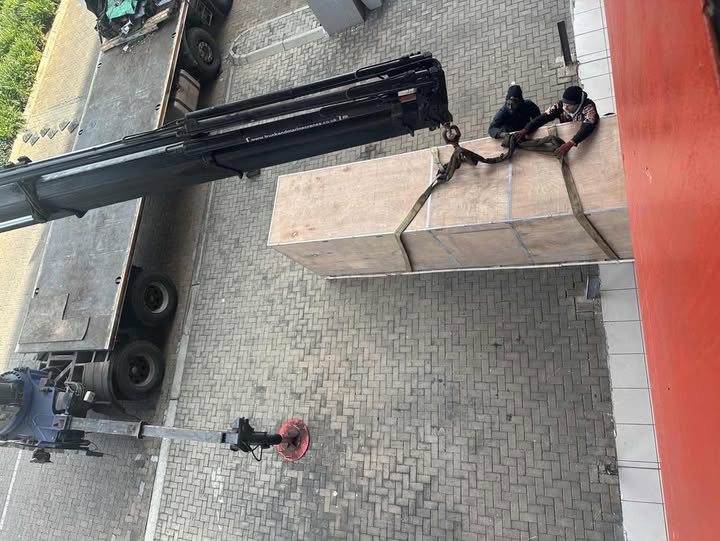
Industrial Machine Cllection
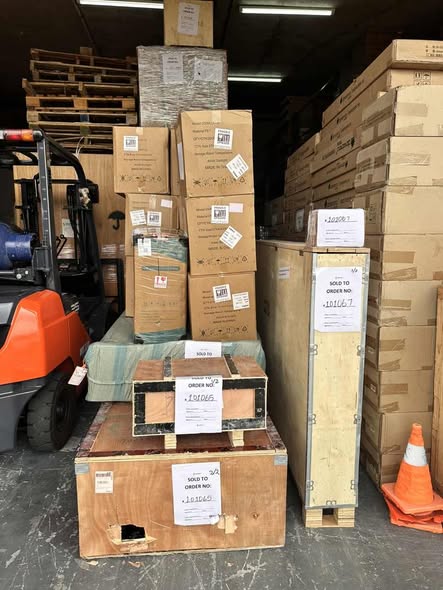
Agriculture Processing Machines
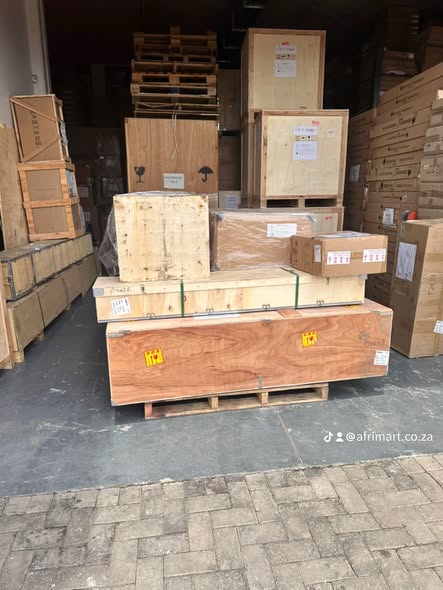
Ready for collection
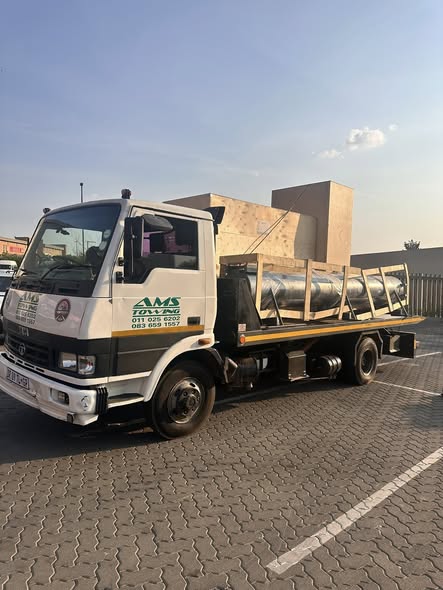
Water Pump Equipment
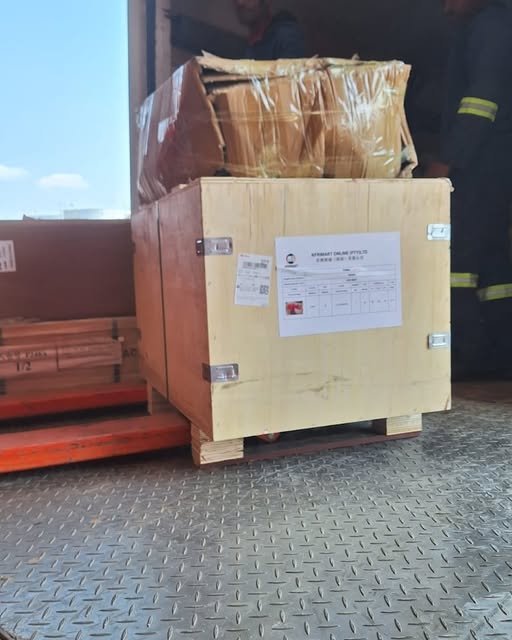
Packaging Machine and accessories
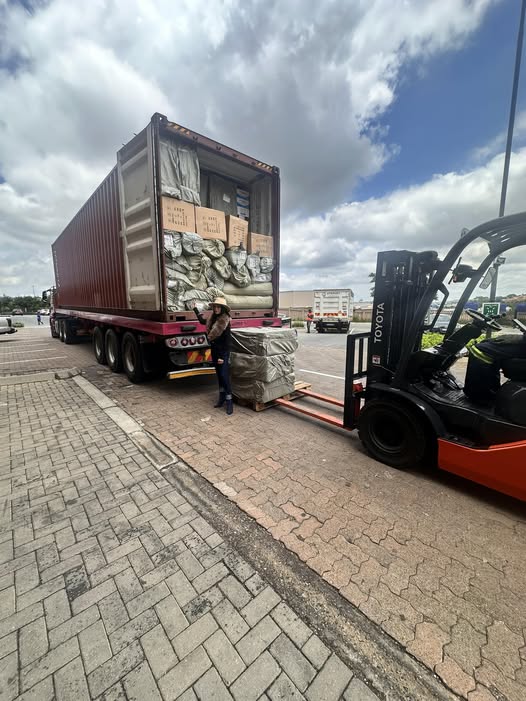
Fabrics Manufacturing Equipment
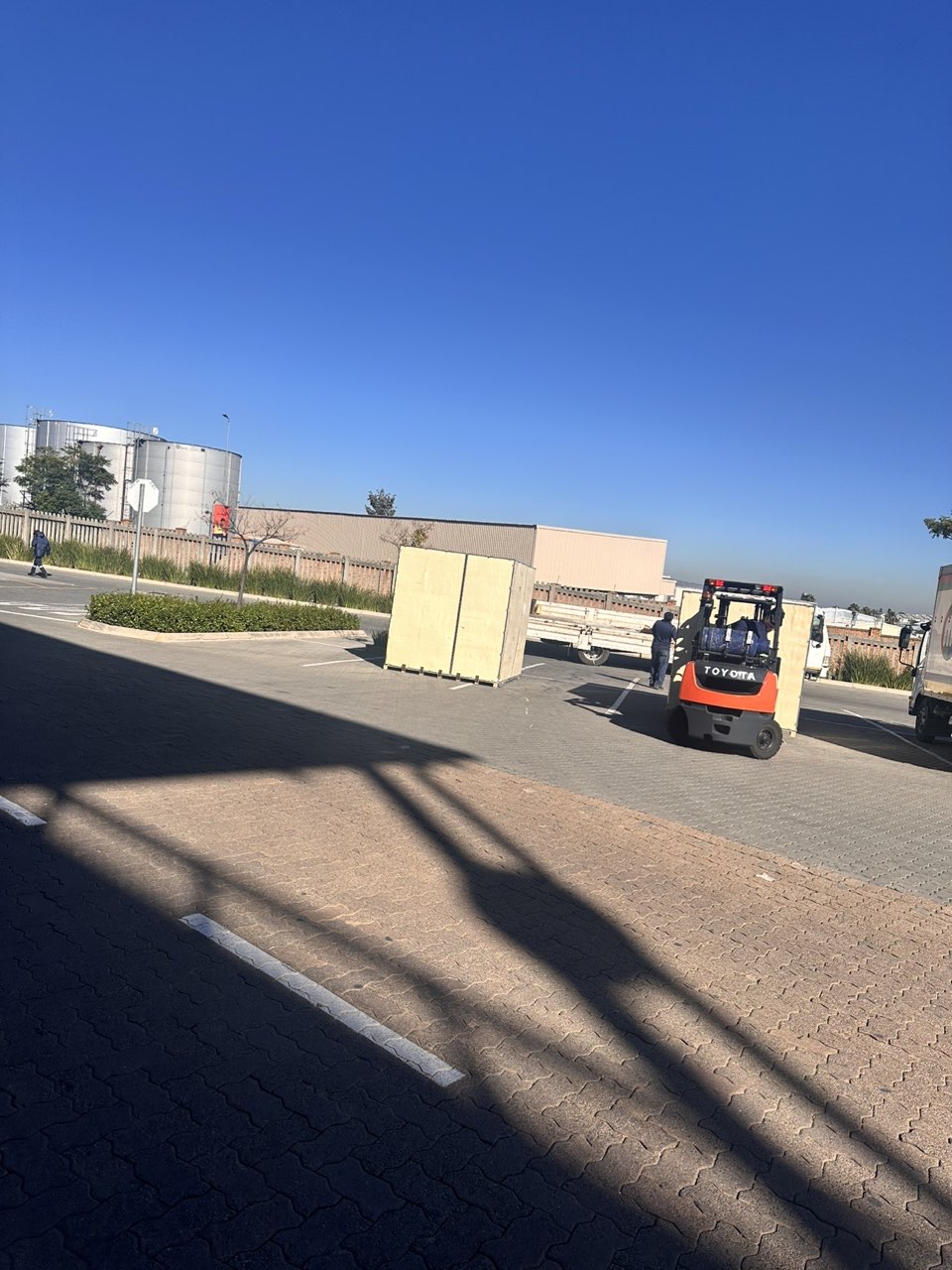
Mining Equipments
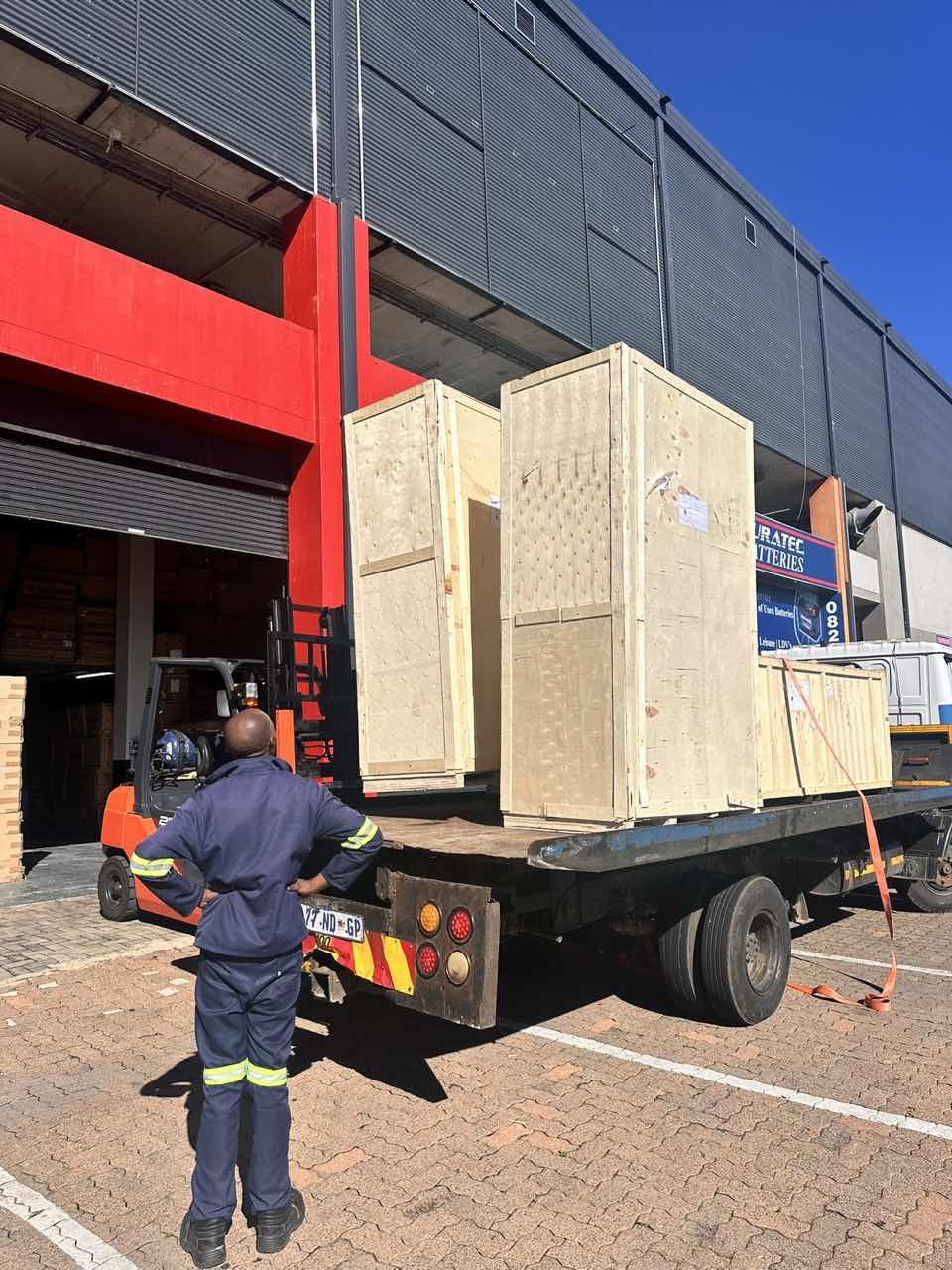
Food Processing Machine
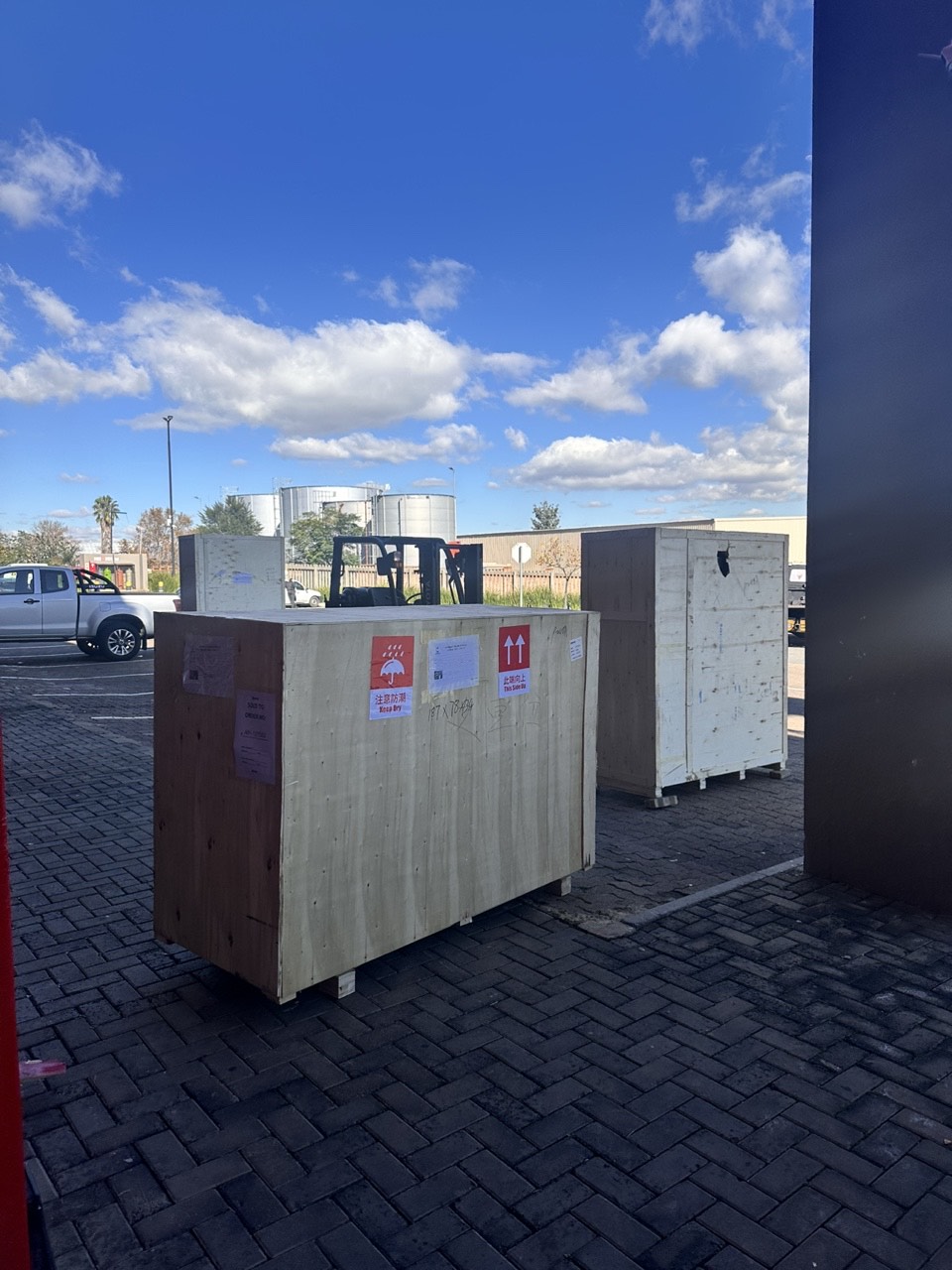
Batch of Orders
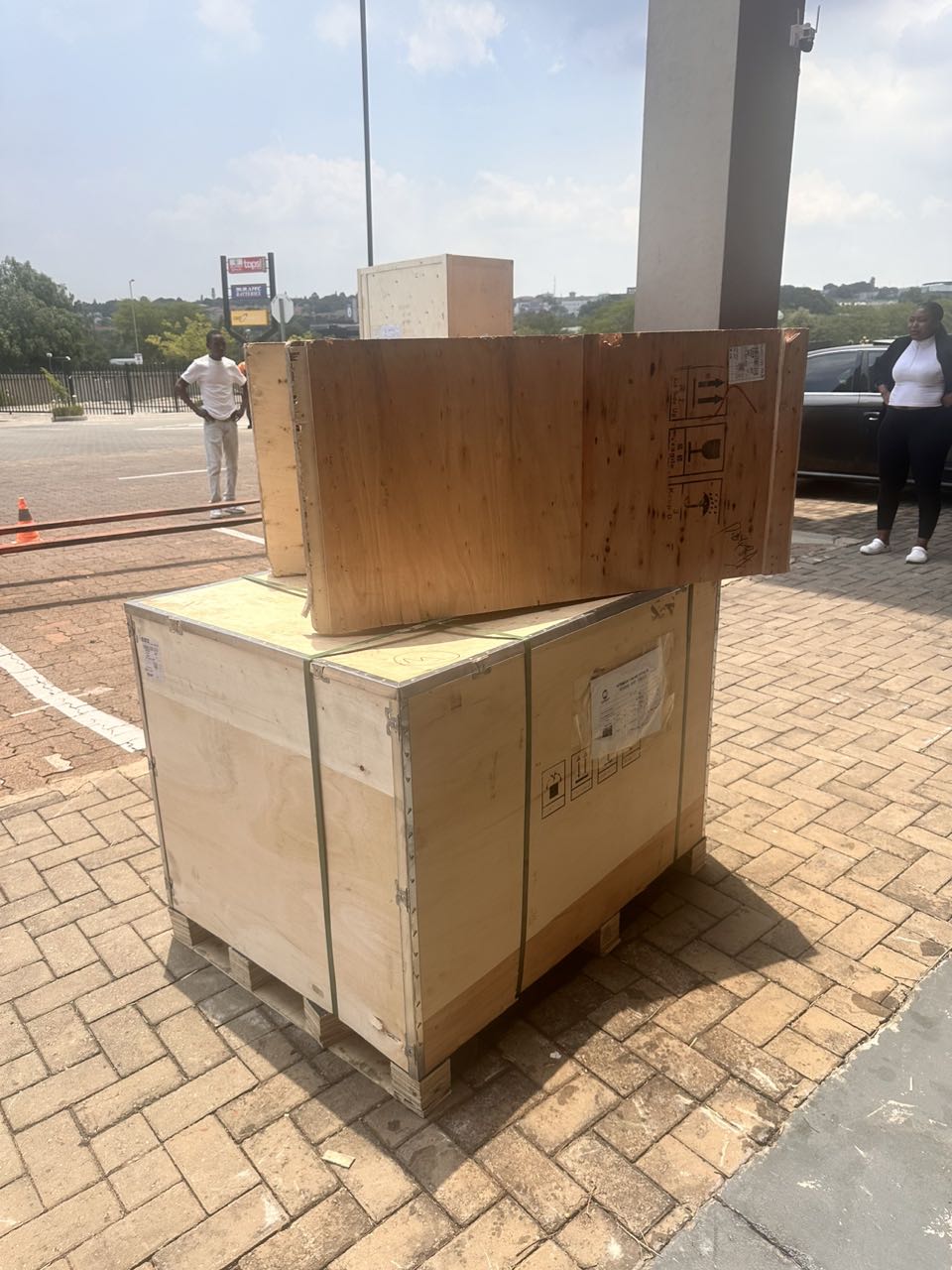
Batch of Orders
Latest Orders Labelled
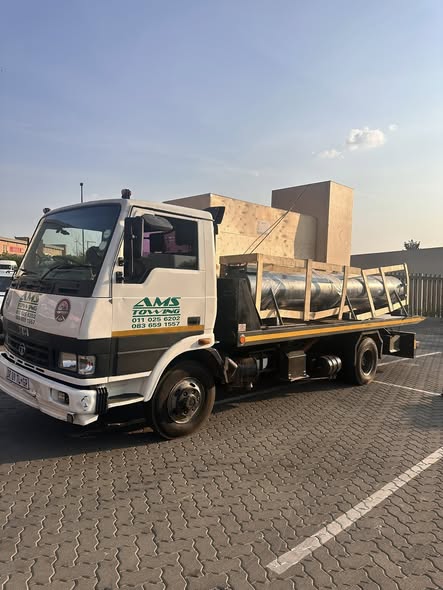
wheel alignment machines
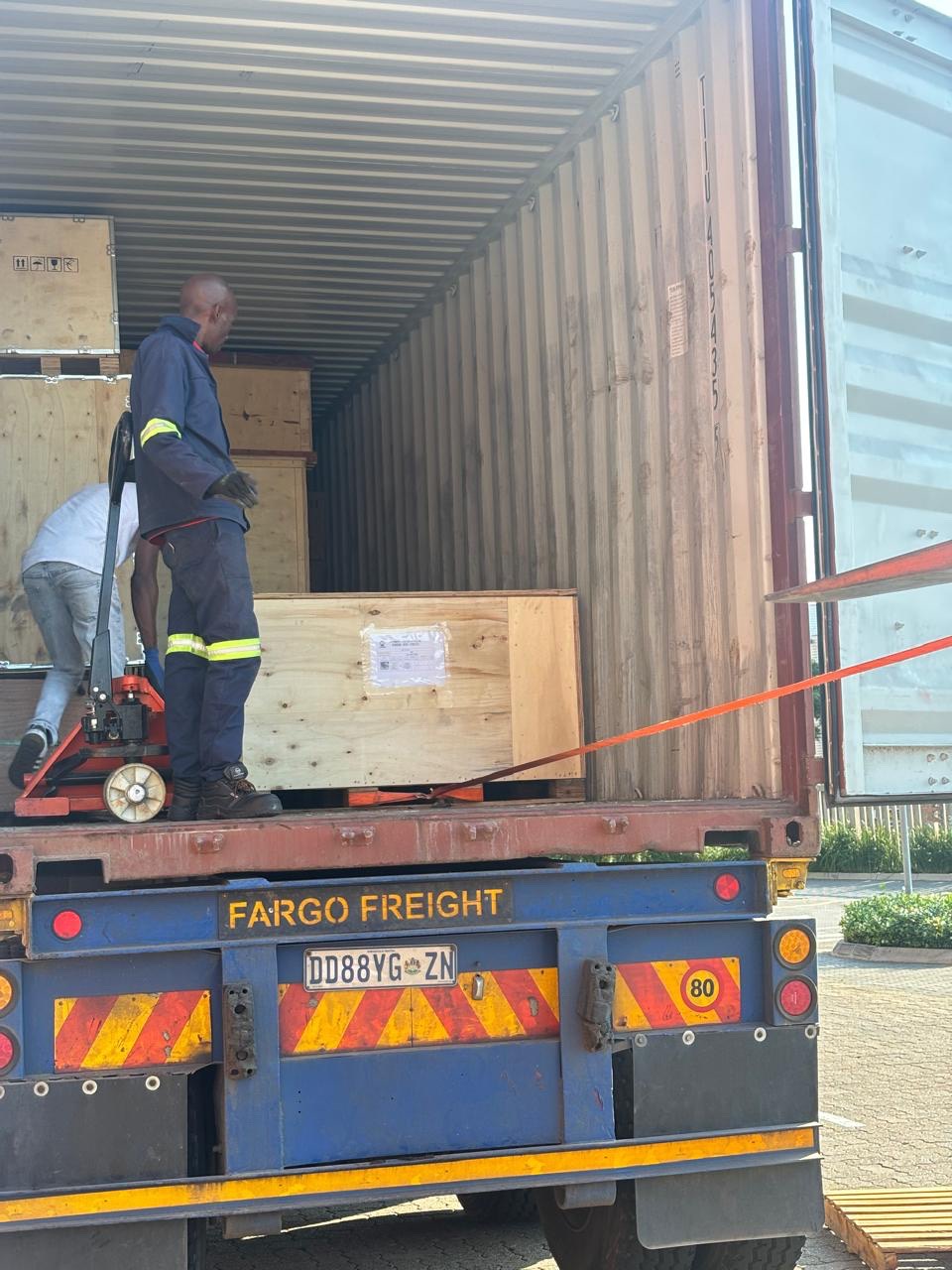
new arrivals
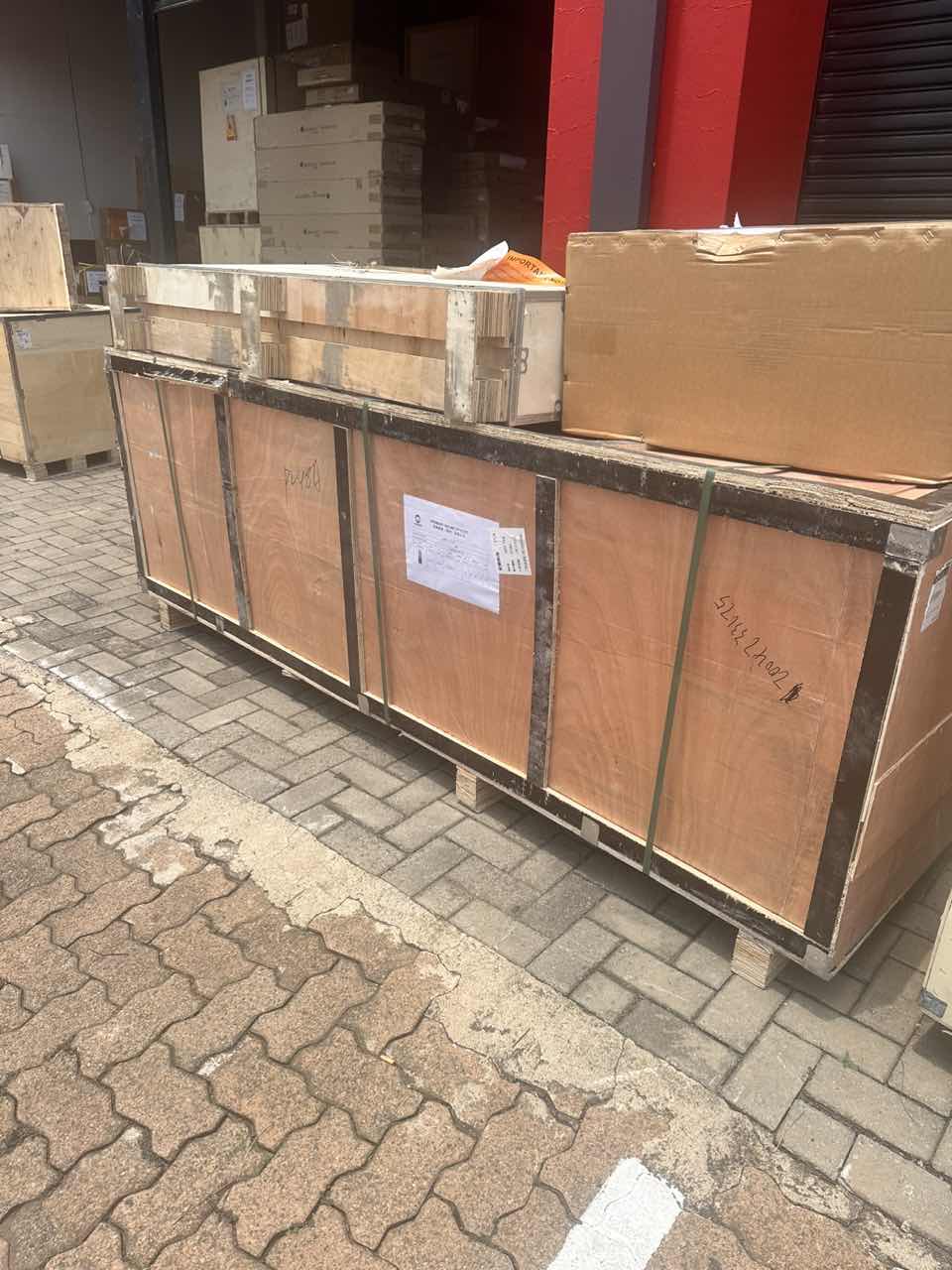
Pre Orders Offloading
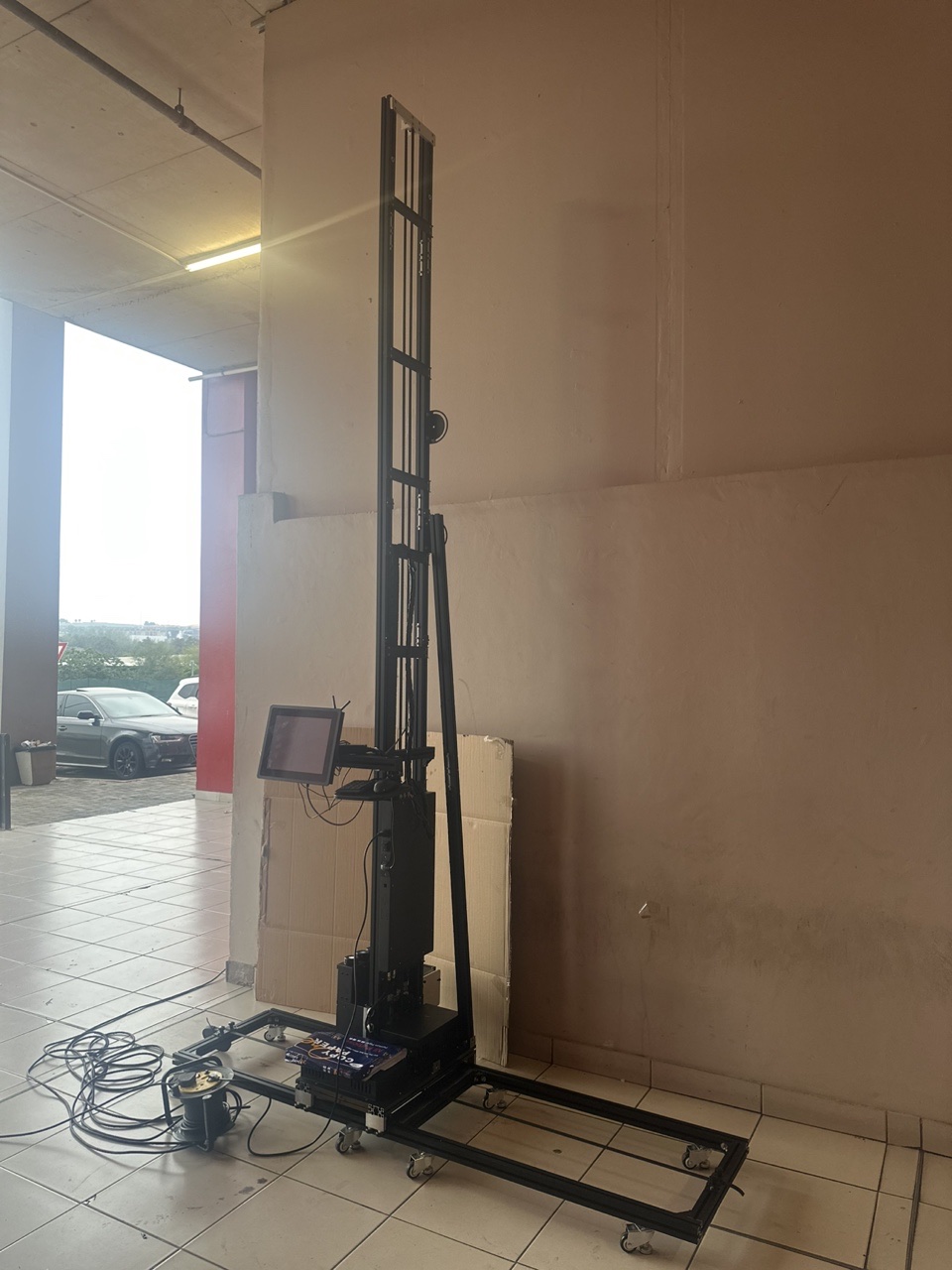
Latest Arrivals
Latest Arrivals
Latest Arrivals
Loading
Toilet paper making machine
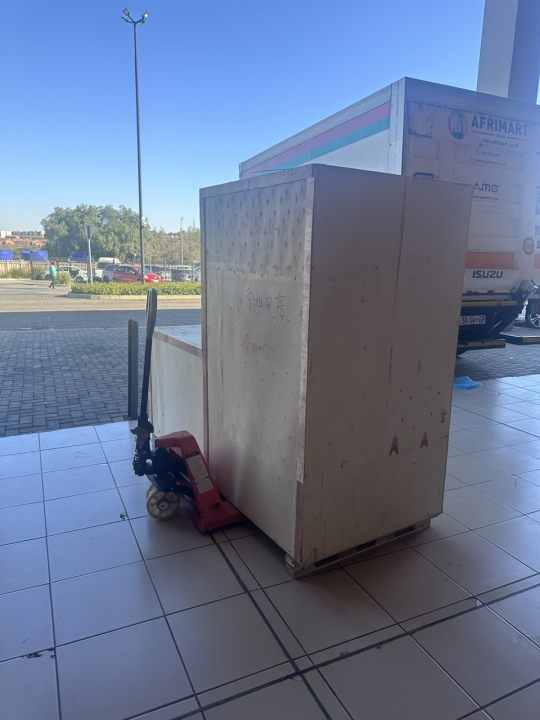
Toilet paper making machine
Toilet paper Rewinding Machine
latest arrivals
offloading
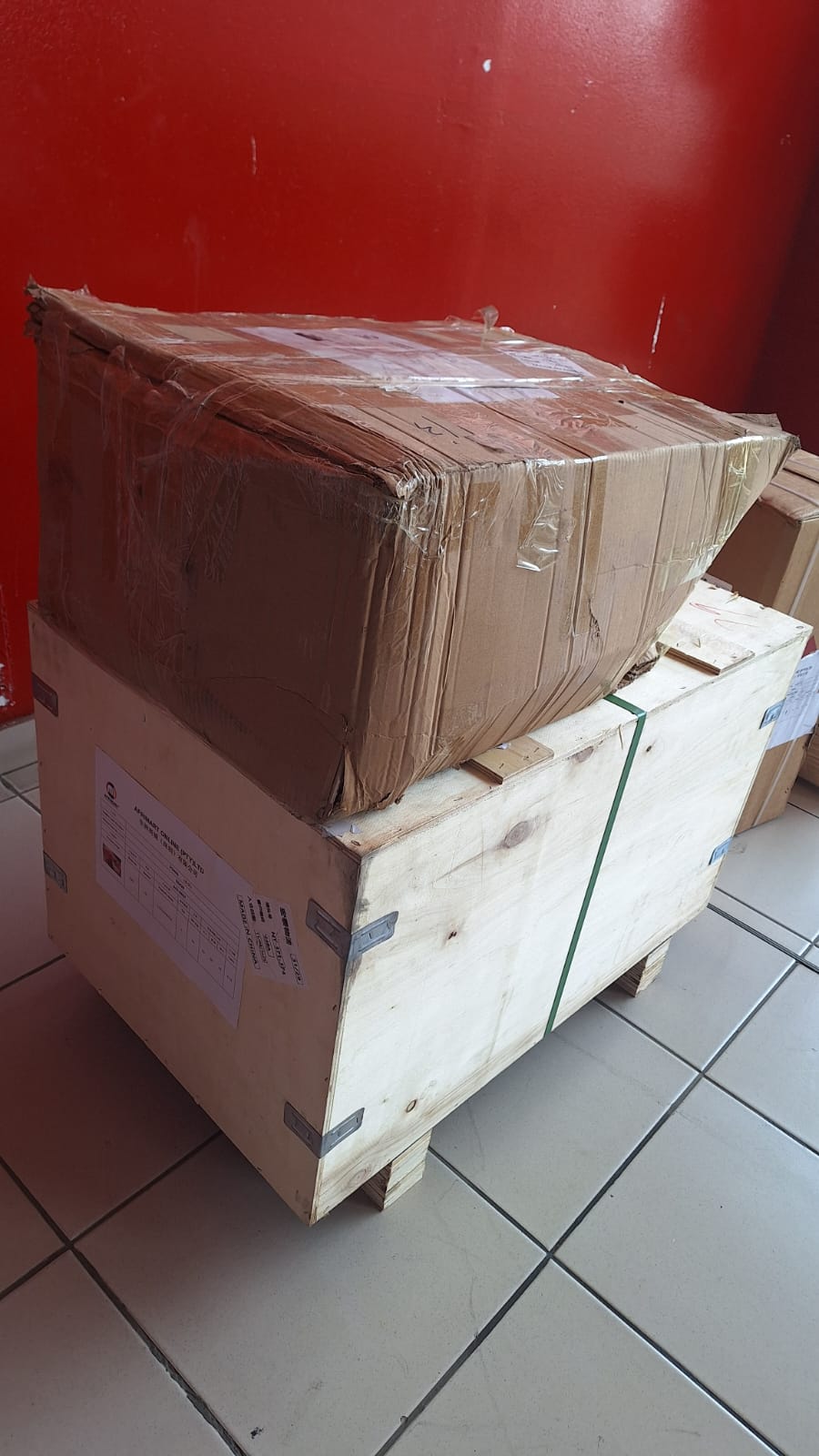
order success
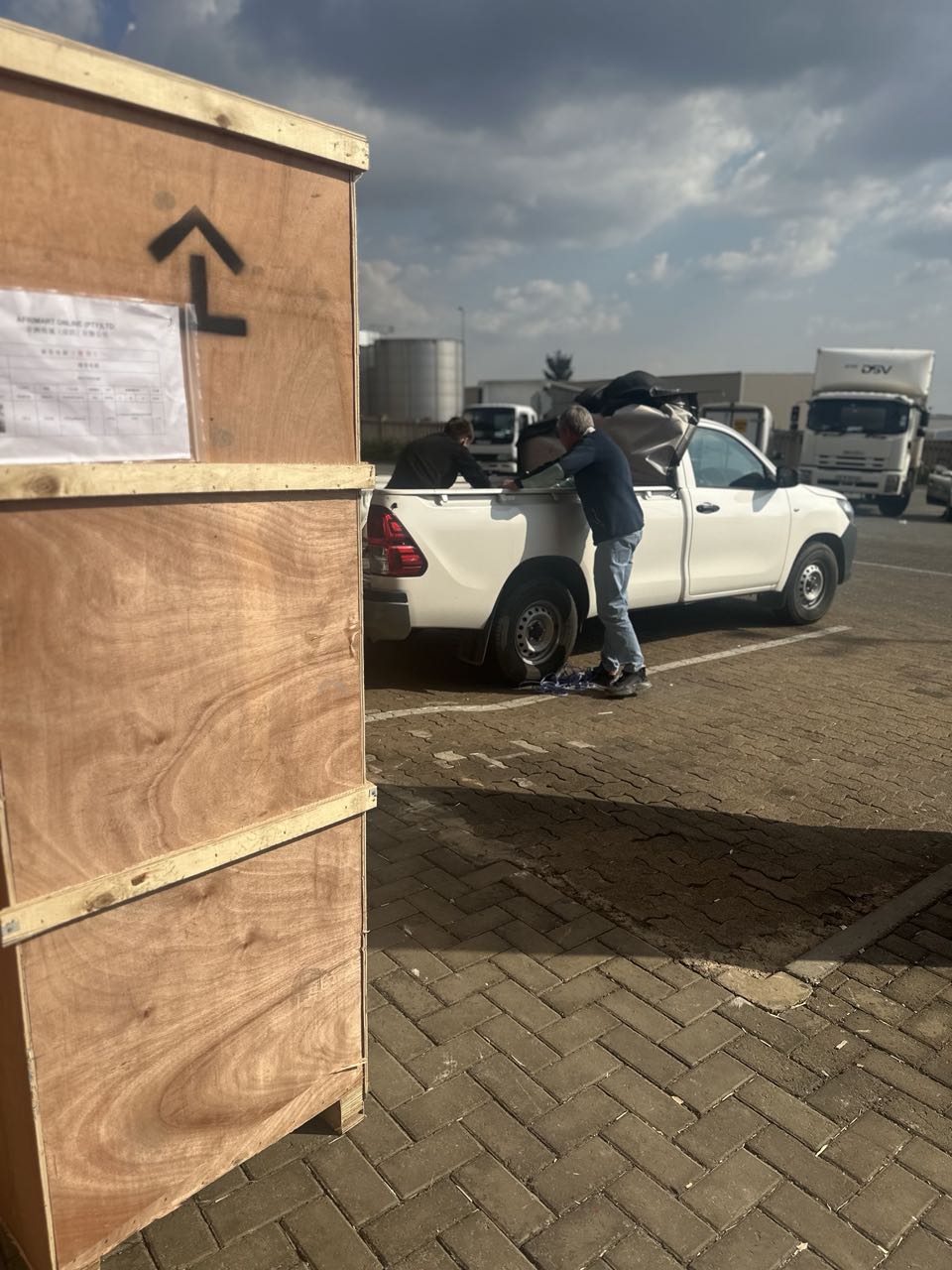
order collection
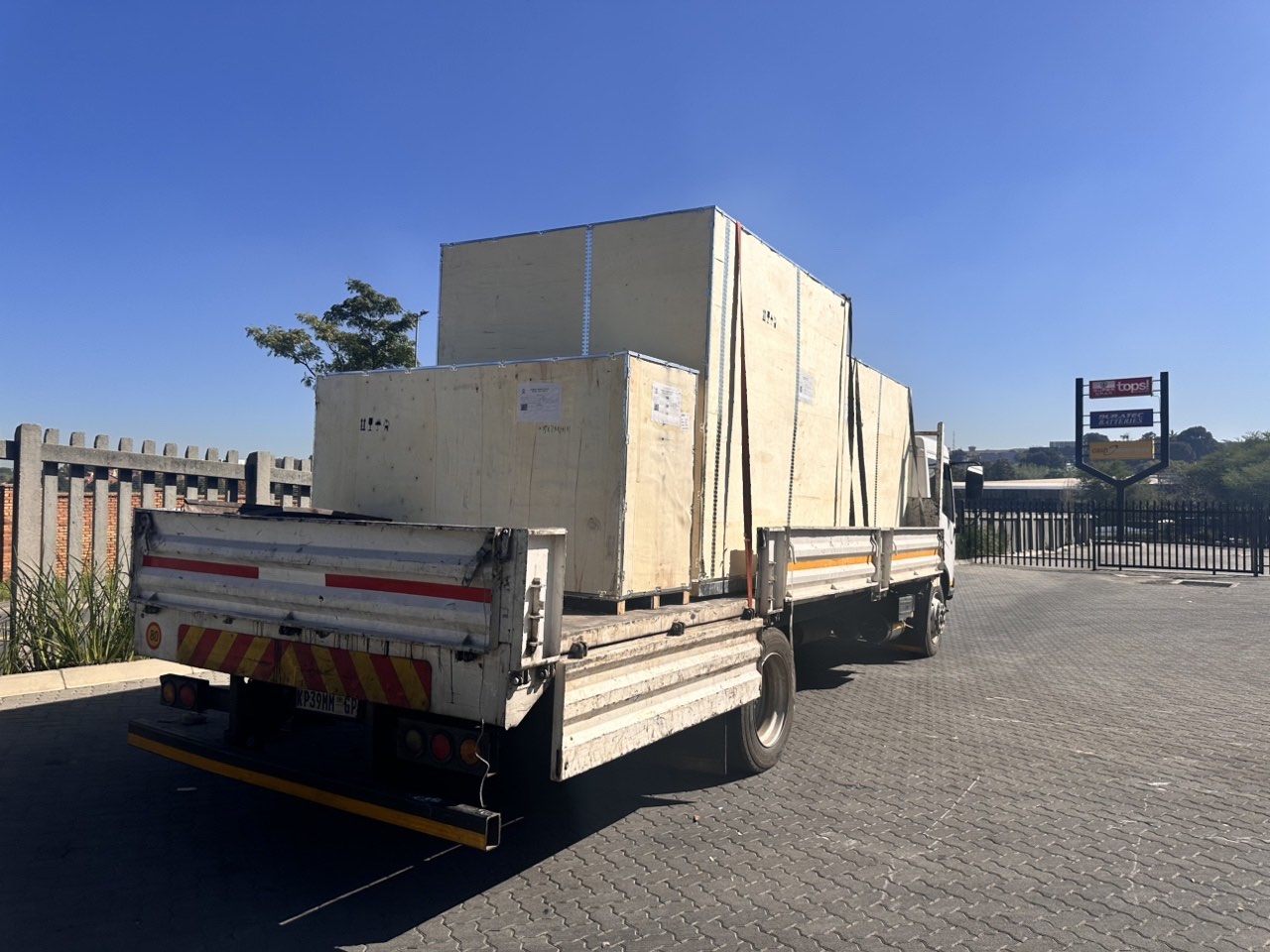
order offloading