B21, China Town Mall, Midrand


Manual Rotary Microtome For Precise Sectioning
Asset finance available
Do you want funding for this equipment?
Afrimart can connect you with trusted funding partners who specialise in asset finance for businesses like yours. Compare options and apply in minutes — final approval is subject to provider review.
Check funding options
Secure & no obligation

- Section : Medical Supplies
- Category : Clinical Analytical Instruments
- SKU : 11000012291078

Manual Rotary Microtome for Precise Sectioning
The Manual Rotary Microtome is designed for precision and ease of use in bacteria analysis and other laboratory applications. With its semi-automatic functionality and high precision, it is an excellent choice for laboratories requiring accurate and reliable specimen preparation.
Key Features
- High Precision Sectioning: Achieves a minimum sectioning thickness of 0.5μm with ±5 accuracy for detailed analysis.
- Trimming Thickness Range: Adjustable from 0 to 60μm for versatile specimen preparation.
- Large Specimen Capacity: Supports specimen sizes up to 50x70mm, suitable for various applications.
- Advanced Orientation Control: Offers XY 8° orientation with 360° rotation for flexible positioning.
- Semi-Automatic Operation: Combines manual control with automated precision for effortless use.
- Compact and Durable Design: Features external dimensions of 565x440x285mm, making it space-efficient for laboratories.
- Clear LCD Display: Provides an easy-to-read interface for monitoring and adjustments.
The Manual Rotary Microtome ensures accuracy and efficiency in laboratory settings, making it an indispensable tool for bacteria analysis and other specimen preparations.
Product Info Gallery

Features:
* Large-volume removable waste tray on the top of housing, convenient to use.
* Imported cross-roller guide rails andhigh-precision screw motion mechanism.
* Advanced high-precision micro-drive feed system enables stable and high-precision sectioning.
* Small coarse-advance hand-wheel is close to the operator, in accordance with an ergonomic design.
* The precise positioning system is not only easy to use, but also provides accurate X- and Y- axis adjustment.
* Hand-wheel balance is precisely adjusted and locked at any position, ensuring safetyand convenience of sectioning.
* Fast switching between paraffin block clamp and cassette clamp; Paraffin Block Clamp is for Standard Configuration, cassette
clam is optional.
* Blade holder can be laterally movedwithout direct contact,enabling use of the entire length of the blade. (three different
segments).
* Cassette clamp can be locked at any position along each of the three axes,enabling easy adjustment of the specimen sectioning
angle.
* The red bar on the blade holder covers the whole length of blade to protect the user and enables easy changing of the blade.
Technical Parameters
| Model | BK-MT268M(BK-2268) | BK-MT260M(BK-2218) | BK-MT258M(BK-2258) |
| Function | Sectioning, trimming, fast forward, fast backward, quick conversion; automatic retraction (Only for BK-MT268M). | ||
| Specimen Retraction | 60μm (on/off) | / | / |
| Sectioning Thickness Range | 0-60μm 0–20μm increment 1μm 20–60μm increment 5μm | 0 - 60μm 0–10μm increment 1μm 10–20μm increment 2μm 20–60μm increment 5μm | 0 - 60μm 0 - 2μm increment 0.5μm 2 - 10μm increment 1μm 10 - 20μm increment 2μm 20 - 60μm increment 5μm |
| Trimming Thickness Range | 0-60μm 15μm and 35μm(General Fast Trimming adjustable between both options) | 0-60μm | 1-60μm |
| Mini. Sectioning Thickness | 1μm | 0.5μm | |
| Max. Specimen Size | 60*50mm | ||
| Precision | ±5% | ||
| Specimen Horizontal Feed | 28mm | 25mm | |
| Specimen Vertical Stroke | 70mm | 60mm | 52 mm |
| Specimen Orientation | XY – 8° | ||
| External Size (W*D*H) | 590*500*330mm | 570*440*290mm | 565*440*285mm |
| Package Size (W*D*H) | 690*590*500mm | 620*530*450mm | 620*530*450mm |
| Gross Weight | 54kg | 40kg | 40kg |
- Shipping Timeframes: All orders are processed within 2-5 business days (excluding weekends and holidays). After your order has been processed, the estimated delivery time is before 03 Aug, 2026, depending on customs, Please note that due to high demand, some items may experience longer shipping times, which will be communicated at order confirmation email.
- Order Processing Time: Please allow 2-5 business days for us to process your order before it is shipped . Orders placed after 16:00 on Fridays, or during weekends and public holidays, will begin processing on the next business day. Processing times may be extended during peak seasons or sales events.
- Manufacturing Time: Some products needs manufacturing time, the manufacturing process will take approximately 10-30 business days depending on the product. This timeframe may vary depending on the complexity of the product and current demand. but this will be communicated with you during order confirmation.
- Returns and Exchanges: We offer a 30-day return policy for most items. If you are not completely satisfied with your purchase, you may return it within 30 days of receipt for a refund or exchange. Items must be unused, in their original packaging, and accompanied by proof of purchase. Return shipping costs are the responsibility of the customer, unless the item was damaged or defective upon arrival.
1. What is the Manual Rotary Microtome for Precise Sectioning used for?
It is designed for high-precision specimen preparation in laboratories, including bacteria analysis, histology, pathology and other applications requiring thin, reproducible sections.
2. What are the key features of this microtome?
High-precision sectioning (minimum down to 0.5 μm on the highest-resolution configuration), adjustable trimming, large specimen capacity, XY orientation control with 360° rotation, semi-automatic functions (fast forward/back, quick conversion), clear LCD display, removable waste tray and a compact, durable design.
3. What models are available and how do they differ?
There are three model variants (BK-MT268M, BK-MT260M, BK-MT258M). Differences include available sectioning increment/resolution, specimen stroke and feed, presence of automatic retraction (only BK-MT268M), and external/package dimensions and gross weight. Choose the model based on the required minimum section thickness and stroke/feed specifications.
4. What section thickness ranges and resolution does the instrument support?
Sectioning range is broadly 0–60 μm with model-dependent increments. Some configurations provide 1 μm increments across 0–20 μm, others offer finer control down to 0.5 μm increments in the 0–2 μm range. Trimming is adjustable up to 60 μm with fast-trim options (e.g., 15 μm / 35 μm on some models).
5. What is meant by the stated precision of ±5%?
±5% indicates the typical relative accuracy of the achieved section thickness versus the set thickness. For example, a target thickness of 10 μm could vary by about ±0.5 μm under normal operating conditions.
6. What specimen sizes and movements does the microtome accommodate?
Maximum specimen size is approximately 60 × 50 mm (model-dependent). Horizontal feed is around 25–28 mm and vertical stroke ranges from ~52 to 70 mm depending on model. Specimen orientation control offers ±8° in X and Y and full 360° rotation for flexible positioning.
7. What clamps are included and are cassette clamps supported?
A paraffin block clamp is included as standard. A cassette clamp is available as an optional accessory. The system supports fast switching between clamps and the cassette clamp can be locked in position along each axis for angle adjustment.
8. How does the blade holder and blade safety work?
The blade holder can be moved laterally without contacting the blade so you can use the full blade length (three usable segments). A protective red bar covers the blade length for user safety and simplifies blade changes.
9. What semi-automatic functions are available?
Semi-automatic features include fast forward and fast backward, quick conversion between modes, trimming and sectioning controls. One model (BK-MT268M) additionally offers automatic specimen retraction for safer operations.
10. How do I maintain and clean the microtome?
Regularly remove and empty the top removable waste tray, keep the cross-roller guide rails and screw mechanisms free of debris, replace blades when dull, and follow manufacturer lubrication/service schedules. Always power down (if applicable) and use PPE when cleaning. For major maintenance, use authorized service personnel.
11. What safety features are included?
Safety features include the blade guard (red bar), lockable hand-wheel balance, the ability to lock the hand-wheel in position, specimen retraction (on applicable model), and an ergonomically placed coarse advance hand-wheel to minimize operator strain. Proper training and PPE are still required.
12. What should I check if sections are uneven or torn?
Common causes: dull or damaged blade, incorrect block orientation, improper embedding or cooling, incorrect feed or thickness settings, or debris on guide rails. Replace or re-seat the blade, verify block and clamp alignment, adjust XY orientation, and clean the mechanism.
13. Does the microtome include a display and what does it show?
Yes — a clear LCD provides an easy-to-read interface for monitoring and adjusting sectioning parameters such as thickness, trimming and semi-automatic function status.
14. What accessories and consumables are recommended or available?
Common accessories include cassette clamps, spare paraffin block clamps, disposable microtome blades, blade holders, lubrication kits and calibration/service kits. Contact your supplier for compatible parts and part numbers.
15. What are the unit and package dimensions and weight for planning workspace and shipping?
Typical external dimensions are compact (approximately 565 × 440 × 285 mm depending on model). Package dimensions are roughly 620–690 × 530–590 × 450–500 mm with gross weights around 40–54 kg depending on model. Check the specific model datasheet for exact shipping dimensions.
Latest Order Arrivals
Discover our latest orders
12 Heads Embroidery Machine
Toilet Paper Machine Machine
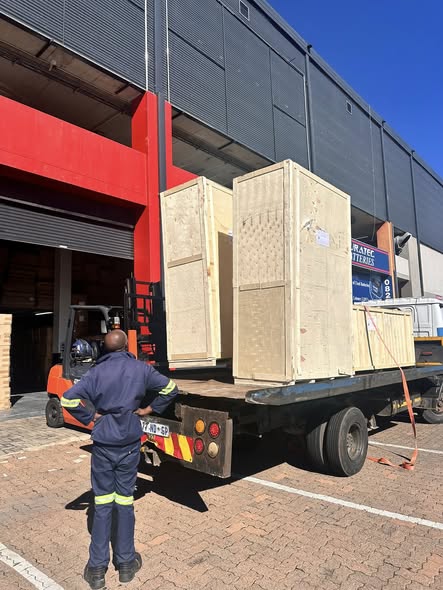
Order Collection
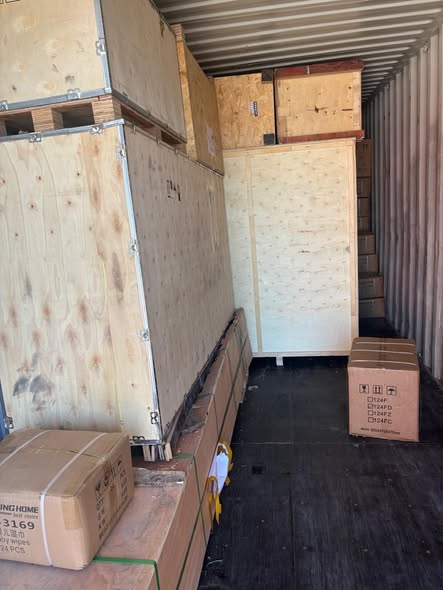
Cross Border Clients
Order cros border countries Collected
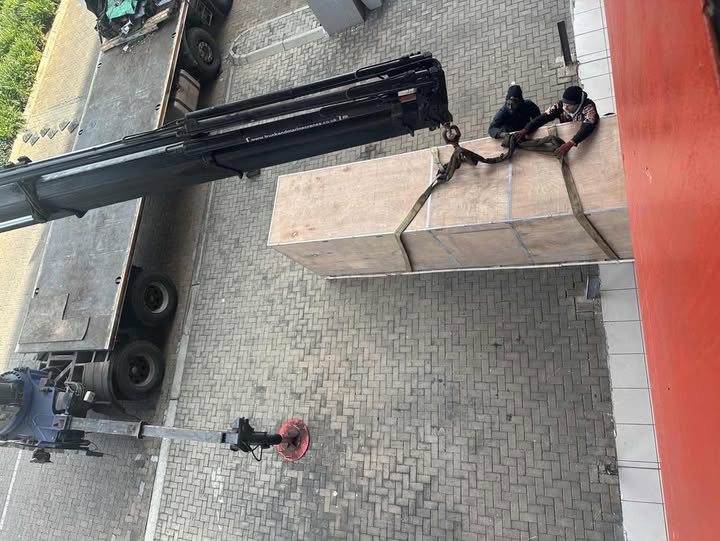
Industrial Machine Cllection
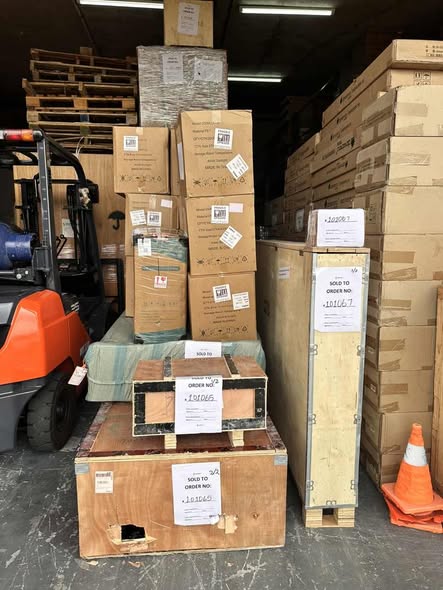
Agriculture Processing Machines
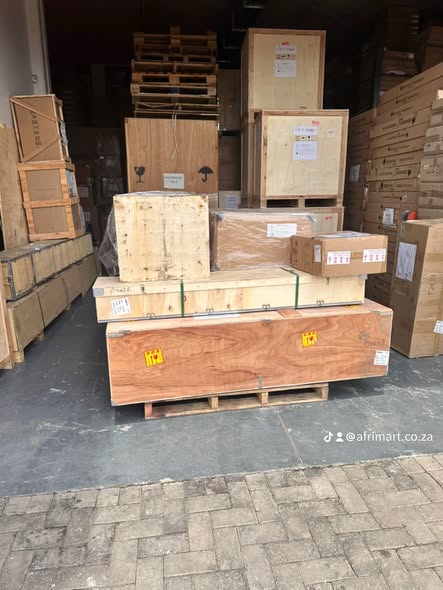
Ready for collection
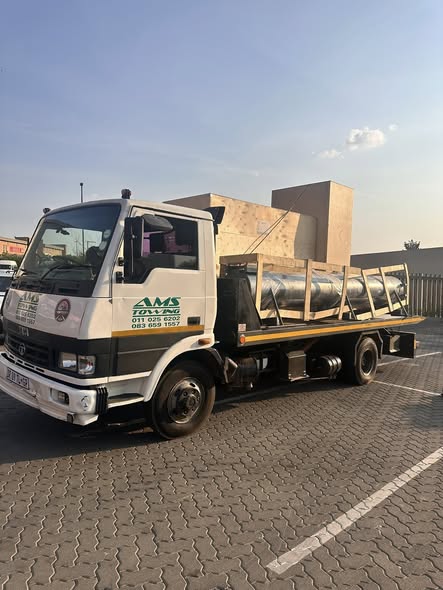
Water Pump Equipment
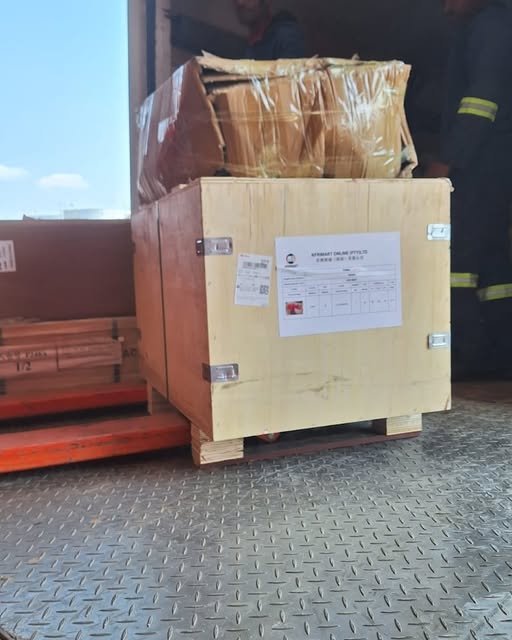
Packaging Machine and accessories
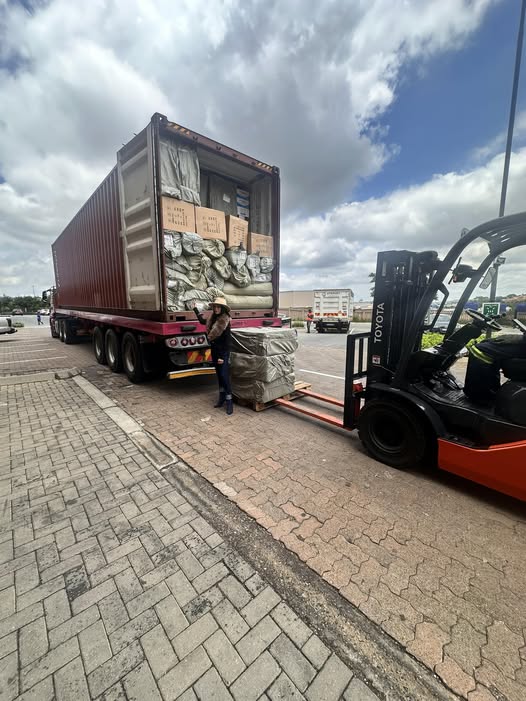
Fabrics Manufacturing Equipment
Mining Equipments
Food Processing Machine
Batch of Orders
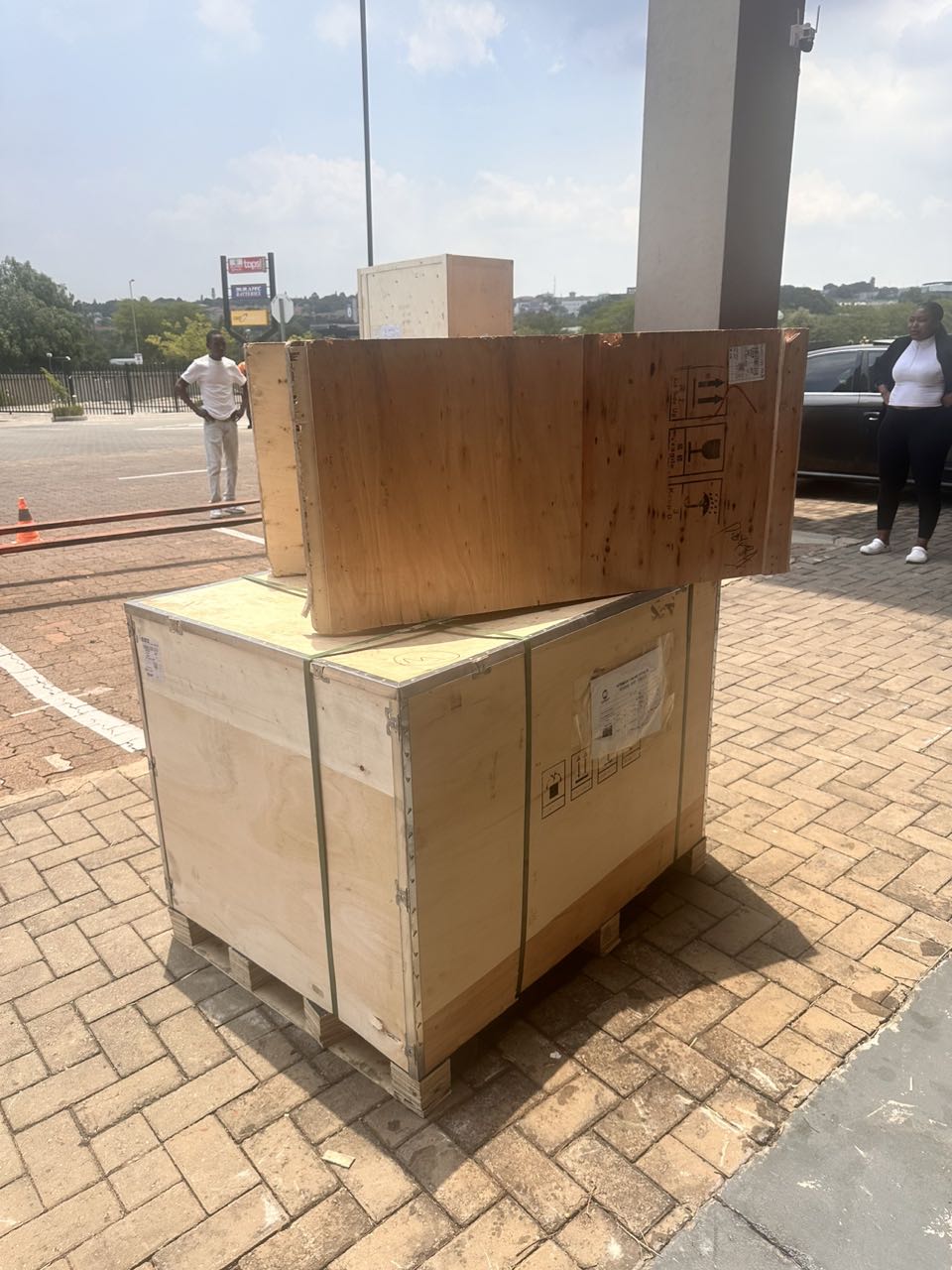
Batch of Orders
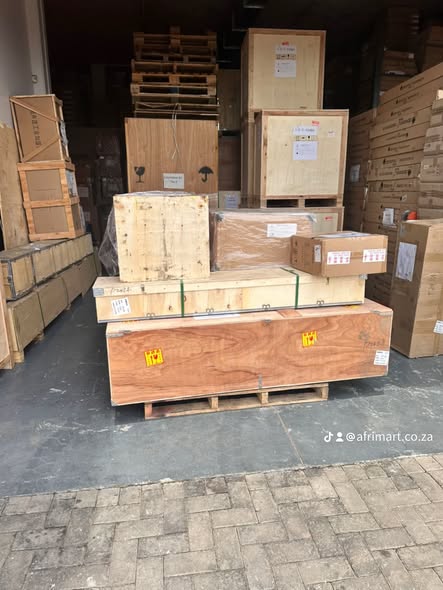
Latest Orders Labelled
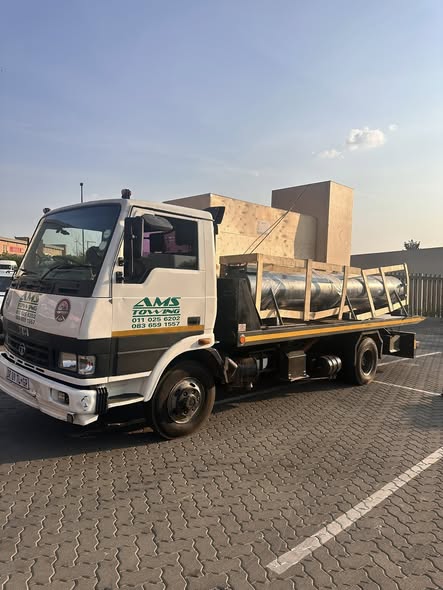
wheel alignment machines
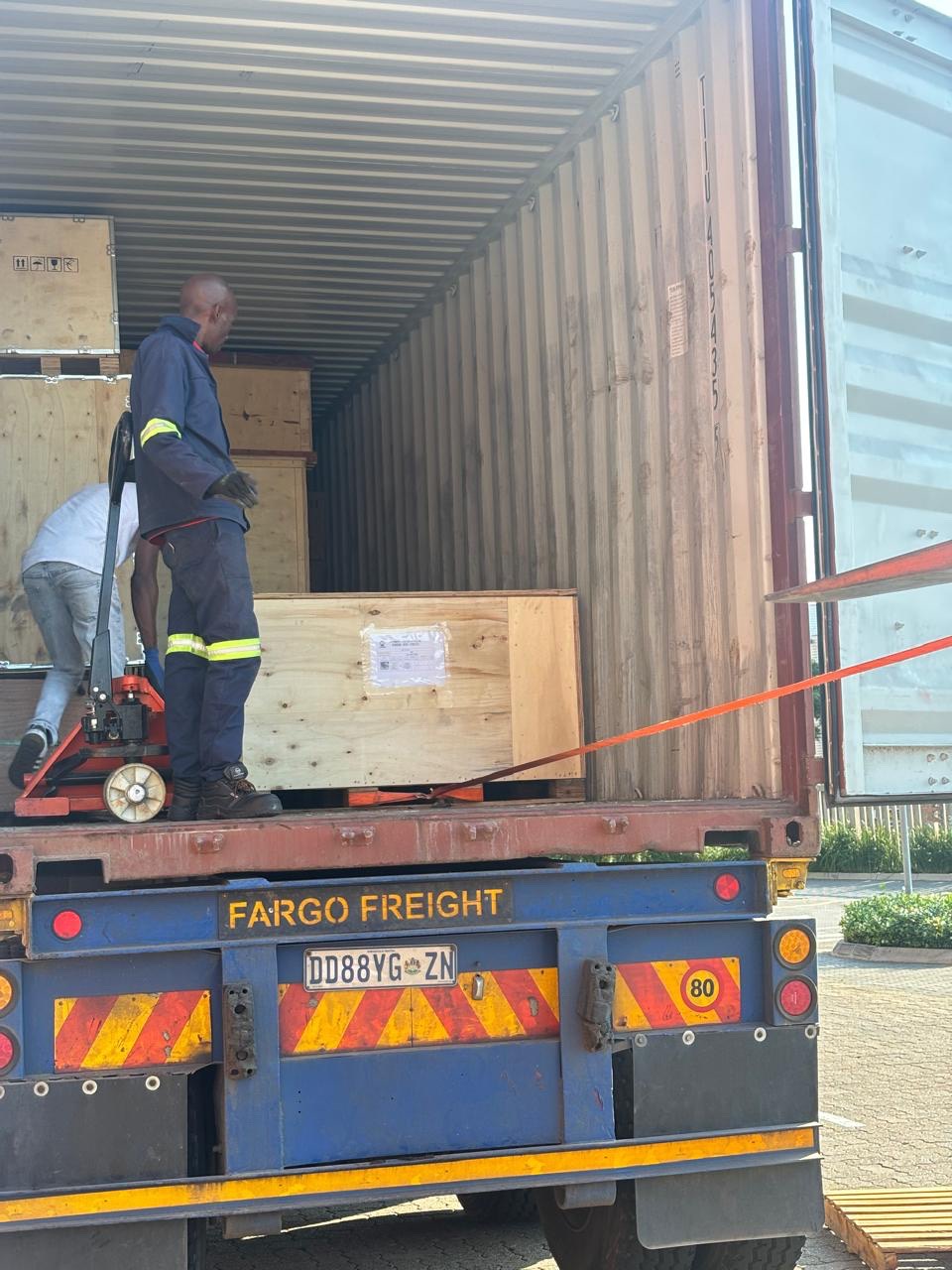
new arrivals
Pre Orders Offloading
Latest Arrivals
Latest Arrivals
Latest Arrivals
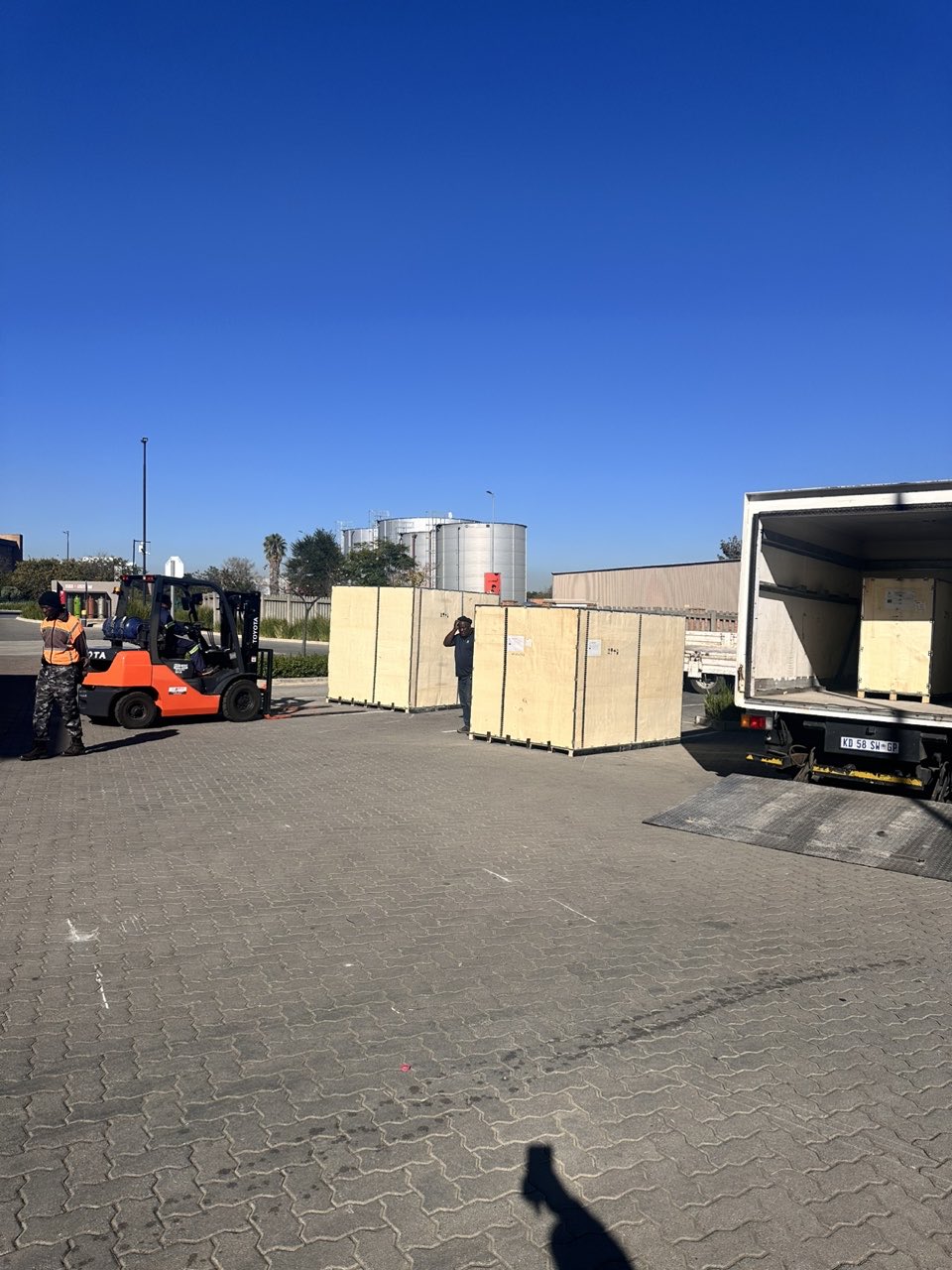
Loading
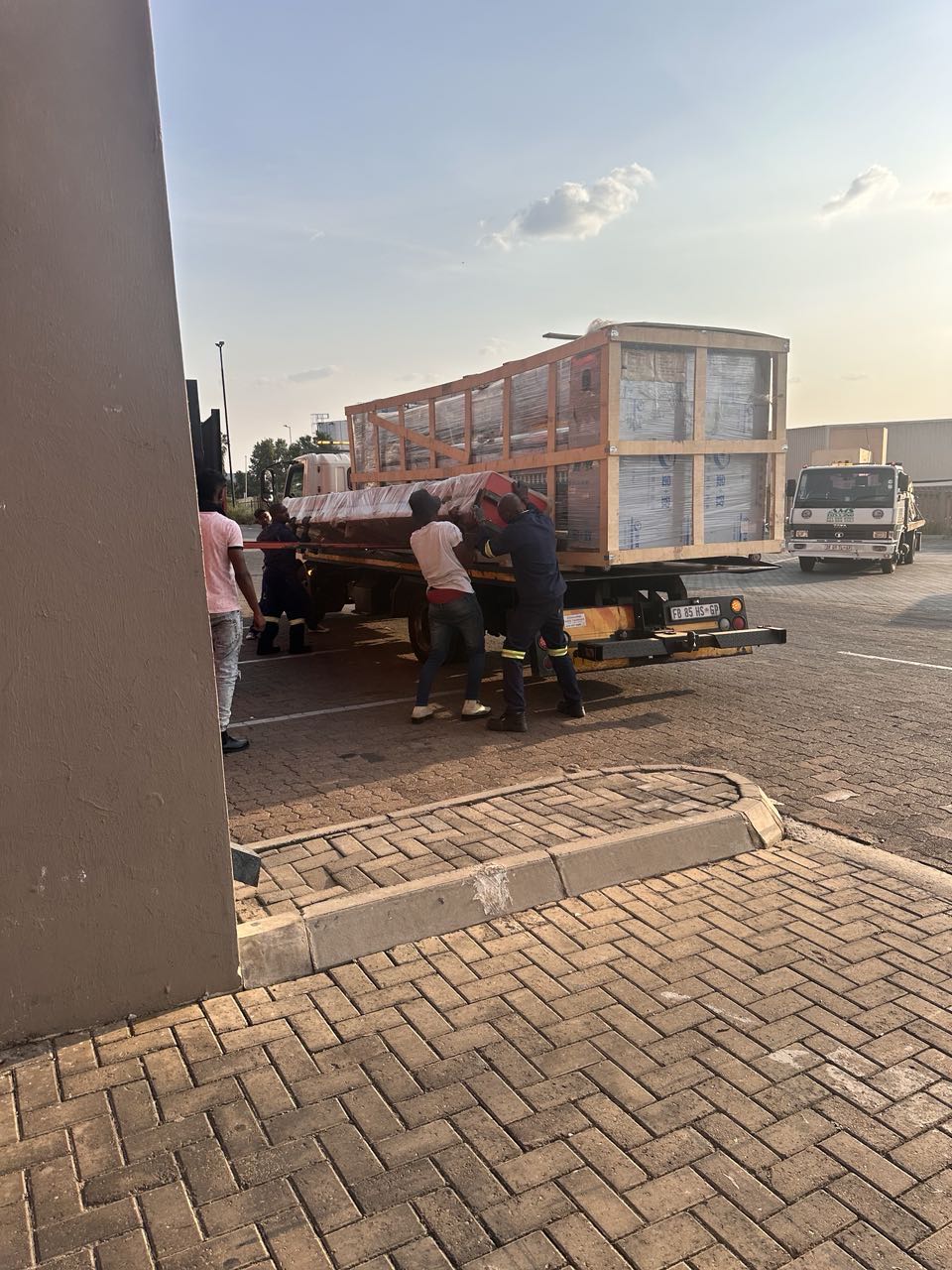
Toilet paper making machine
Toilet paper making machine
Toilet paper Rewinding Machine
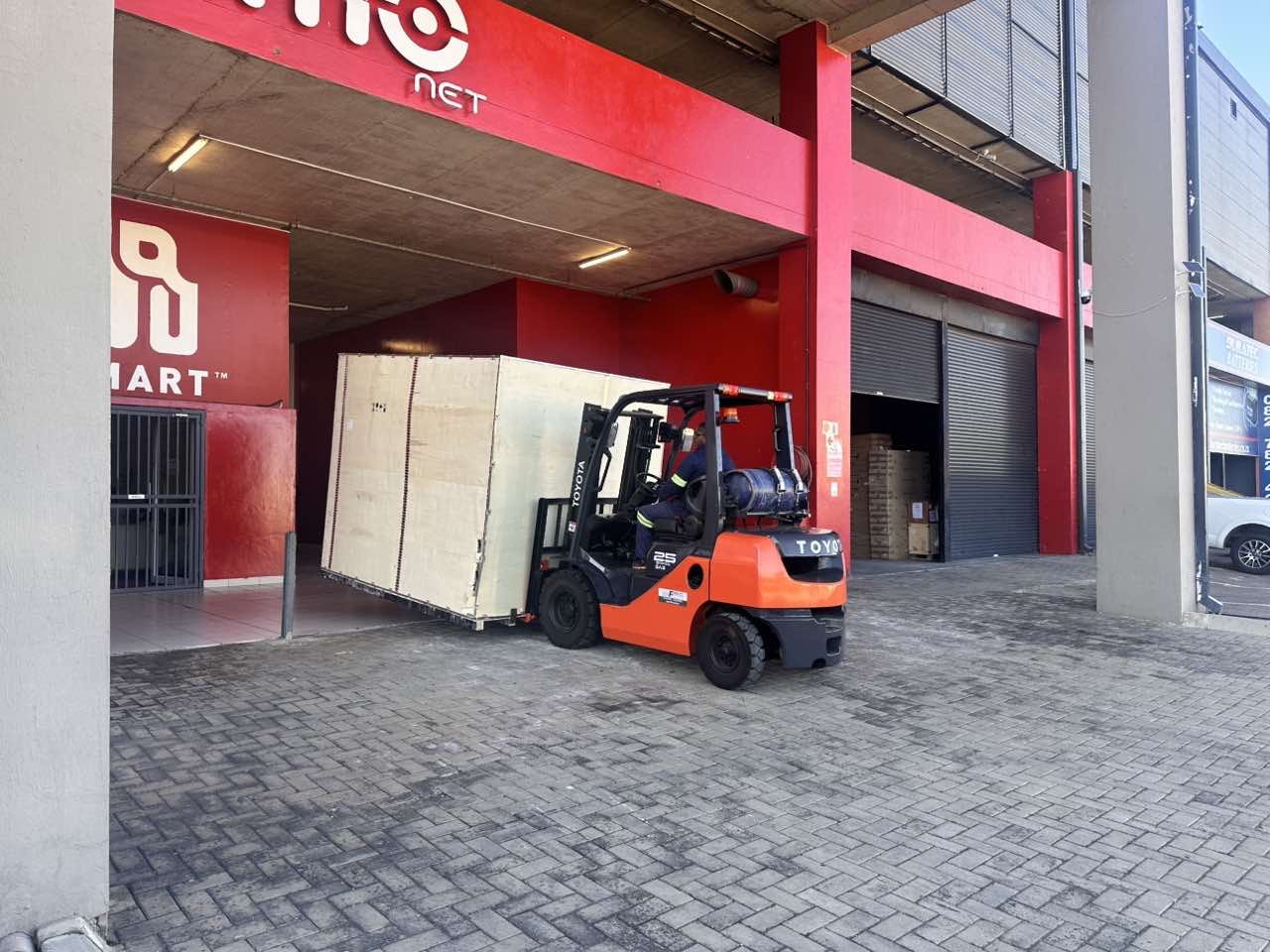
latest arrivals
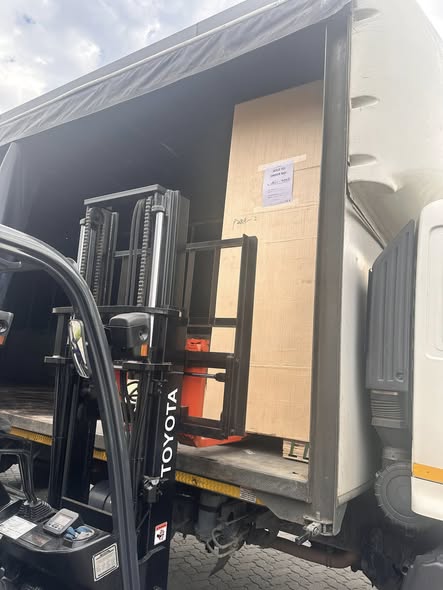
offloading
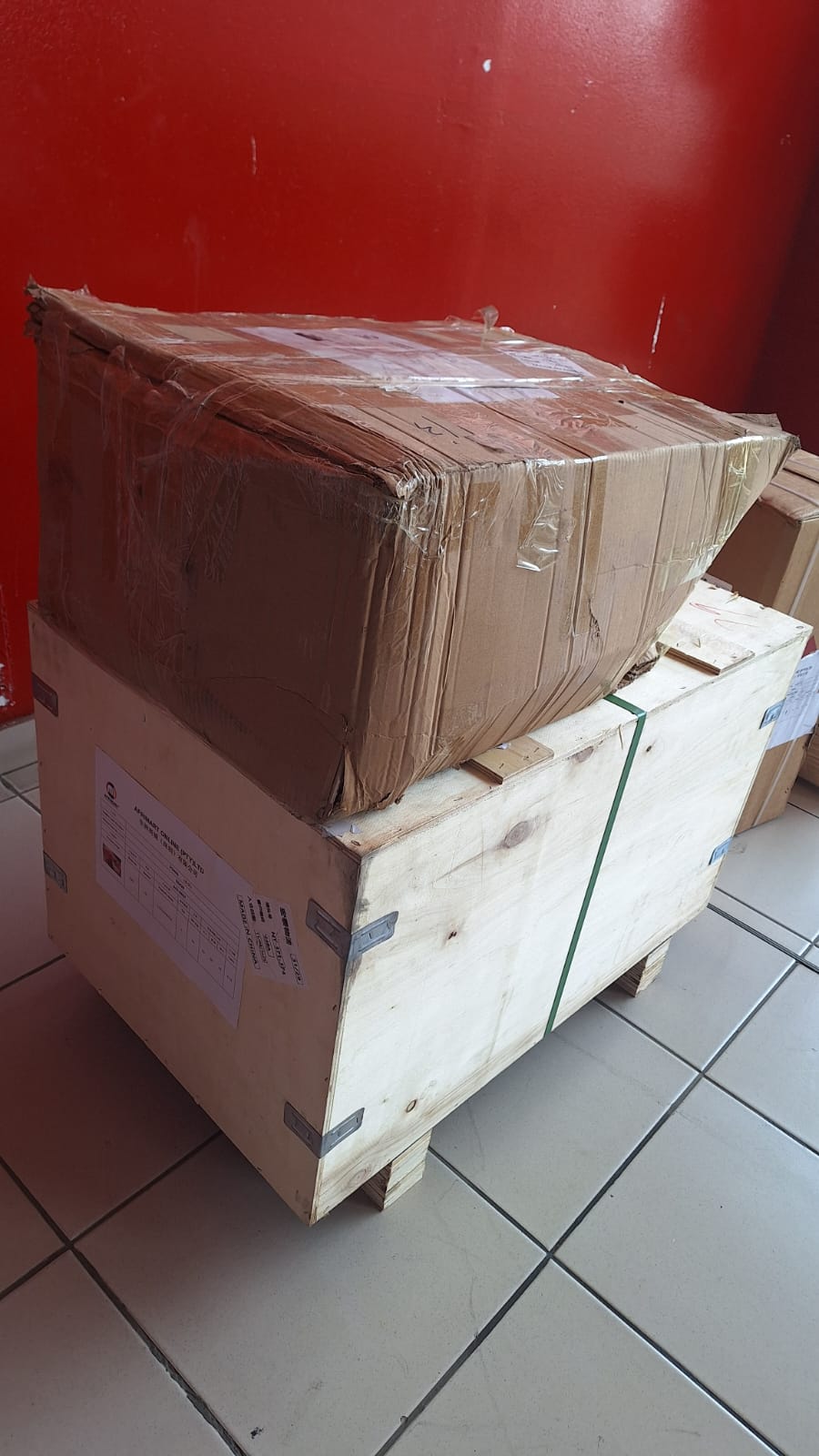
order success
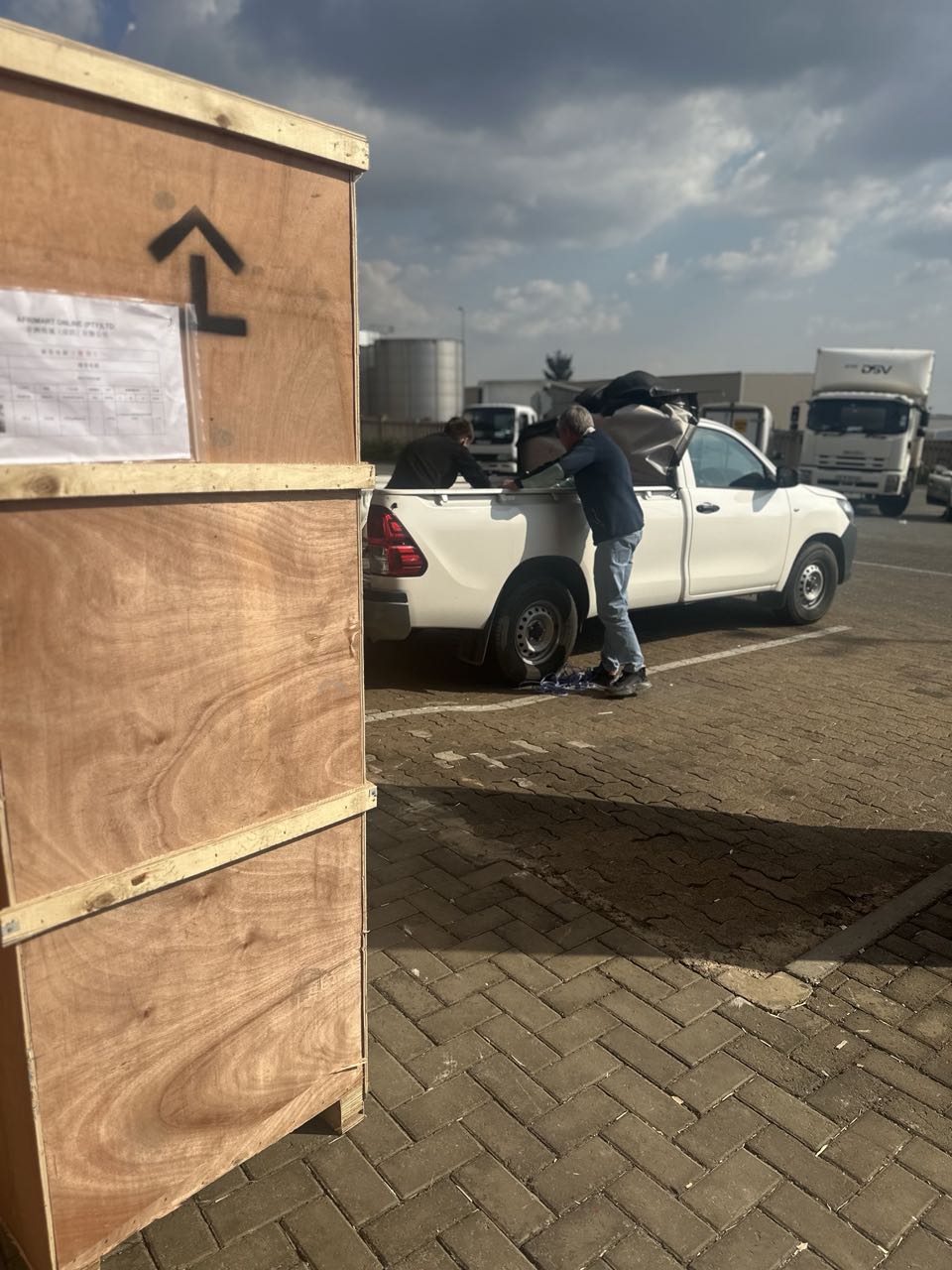
order collection
order offloading