B21, China Town Mall, Midrand

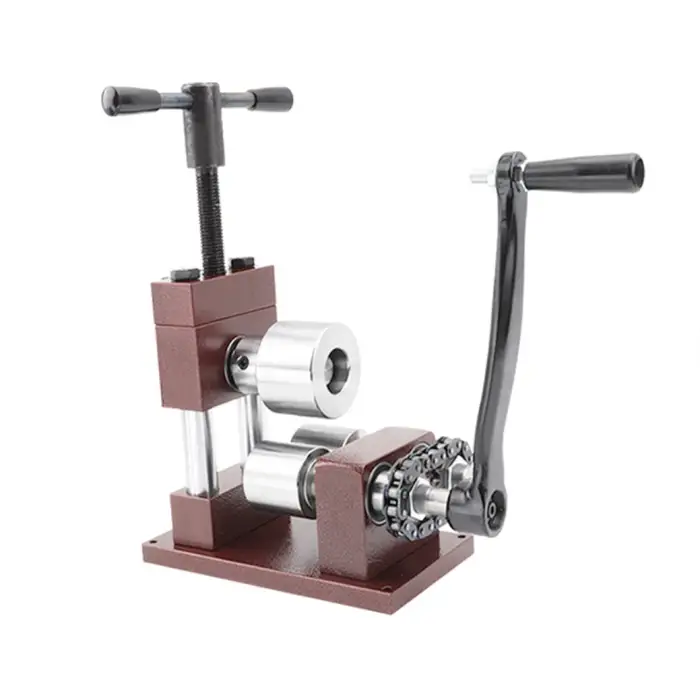
Manual Hand-cranked Jewelry Expander Gold Silver Copper Ring and Bracelet Rounding Rolling Machine Shaping Bending Machine

- Section : Machinery
- Category : Metal & Metallurgy Machinery
- SKU : 1601363221409

Manual Hand-cranked Jewelry Expander Gold Silver Copper Ring and Bracelet Rounding Rolling Machine Shaping Bending Machine
This Manual Hand-cranked Jewelry Expander is perfect for jewelry makers and hobbyists. It helps you shape and bend rings and bracelets easily. With its simple operation, you can create beautiful jewelry pieces in no time. This machine is durable and lightweight, making it a great addition to your workspace.
Specifications
| Attribute | Details |
|---|---|
| Machine Type | Jewelry Expander |
| Core Components | Gear |
| Voltage | Manual |
| Power (kW) | Manual |
| Weight (kg) | 9 |
Key Features
- Easy to operate with a hand-crank mechanism.
- Suitable for gold, silver, and copper materials.
- Compact and lightweight design for easy handling.
- Durable construction ensures long-lasting use.
- Machinery test report provided for quality assurance.
Applications
- Ideal for shaping and expanding rings.
- Perfect for rounding and bending bracelets.
- Useful in jewelry repair and customization.
- Great for both professional jewelers and hobbyists.
- Supports creative designs and unique jewelry pieces.
Product Info Gallery
- Shipping Timeframes: All orders are processed within 2-5 business days (excluding weekends and holidays). After your order has been processed, the estimated delivery time is before 03 Feb, 2026, depending on customs, Please note that due to high demand, some items may experience longer shipping times, which will be communicated at order confirmation email.
- Order Processing Time: Please allow 2-5 business days for us to process your order before it is shipped . Orders placed after 16:00 on Fridays, or during weekends and public holidays, will begin processing on the next business day. Processing times may be extended during peak seasons or sales events.
- Manufacturing Time: Some products needs manufacturing time, the manufacturing process will take approximately 10-30 business days depending on the product. This timeframe may vary depending on the complexity of the product and current demand. but this will be communicated with you during order confirmation.
- Returns and Exchanges: We offer a 30-day return policy for most items. If you are not completely satisfied with your purchase, you may return it within 30 days of receipt for a refund or exchange. Items must be unused, in their original packaging, and accompanied by proof of purchase. Return shipping costs are the responsibility of the customer, unless the item was damaged or defective upon arrival.
1. What is the Manual Hand-cranked Jewelry Expander?
It is a hand-cranked machine for shaping, rounding and expanding rings and bracelets made of metals such as gold, silver and copper. It uses a gear-driven mechanism to bend and form jewelry by manual rotation of the crank.
2. Which metals can I use with this machine?
The expander is designed for softer to medium metals commonly used in jewelry: gold, silver and copper. Very hard alloys or heavily work-hardened pieces may require additional annealing or more powerful equipment.
3. How does the hand-crank mechanism work?
Turning the hand crank rotates internal gears and forming components that apply controlled pressure to the ring or bracelet, gradually expanding or rounding it. Operation is mechanical and entirely manual—no electricity required.
4. What types of jewelry can I shape with it?
It is suitable for expanding and rounding rings, reshaping and bending bracelets, jewelry repair and small custom forming tasks. Ideal for both hobbyists and professional jewelers working with standard band and bracelet pieces.
5. What is the machine's weight and portability?
The machine weighs approximately 9 kg, making it relatively lightweight and portable for bench use or light workshop portability.
6. Do I need electricity to operate this machine?
No. This is a manual manual hand-cranked machine and does not require electricity or batteries.
7. What maintenance does the expander need?
Keep gears and moving parts clean and lightly lubricated with a suitable machine oil, store in a dry area to prevent corrosion, and inspect for wear regularly. Tighten any loose fasteners and remove metal shavings after use.
8. Is a machinery test report included?
Yes. The product description states that a machinery test report is provided for quality assurance. For details, request the specific test documentation from the seller.
9. How safe is the machine to use?
When used correctly it is safe. Take standard precautions: wear eye protection, keep fingers and loose clothing away from moving parts, secure the workpiece properly, and operate the crank at a controlled speed to avoid sudden slips.
10. Can it handle thick or heavy bands?
It can handle many common band thicknesses, but extremely thick or heavy bands may exceed the manual mechanical leverage. For very heavy gauge metals, consider annealing the piece first or using a more powerful hydraulic or motorized machine. Check with the supplier for specific capacity guidance.
11. Does the machine come with accessories or mandrels?
The product description does not list included accessories or mandrels. Contact the seller to confirm what is included (for example: handle, dies, clamps or mandrels) and whether optional tooling is available.
12. Can I mount the machine to a workbench?
Yes. For stability during use, it’s recommended to secure the machine to a bench or work surface—either by bolting or clamping—depending on the base configuration. If in doubt, ask the vendor for recommended mounting options.
13. How do I choose settings or dies for different sizes?
Adjust the workpiece positioning and use appropriate forming rollers/mandrels (if provided or available) to match the desired curvature and size. Take incremental passes and check the fit frequently to avoid over-expanding. If the machine requires specific interchangeable tooling, request sizing options from the supplier.
14. What warranty or after-sales support is available?
Warranty and support are not specified in the description. Ask the seller or manufacturer about warranty length, return policy, spare parts availability and technical support before purchase.
15. How does this manual expander compare to electric or hydraulic alternatives?
Manual expanders are lower cost, quieter, portable and give fine tactile control, ideal for small shops and hobbyists. Electric or hydraulic machines provide greater power and speed for heavy-duty or high-volume work but are larger, more expensive and require power.
Latest Order Arrivals
Discover our latest orders
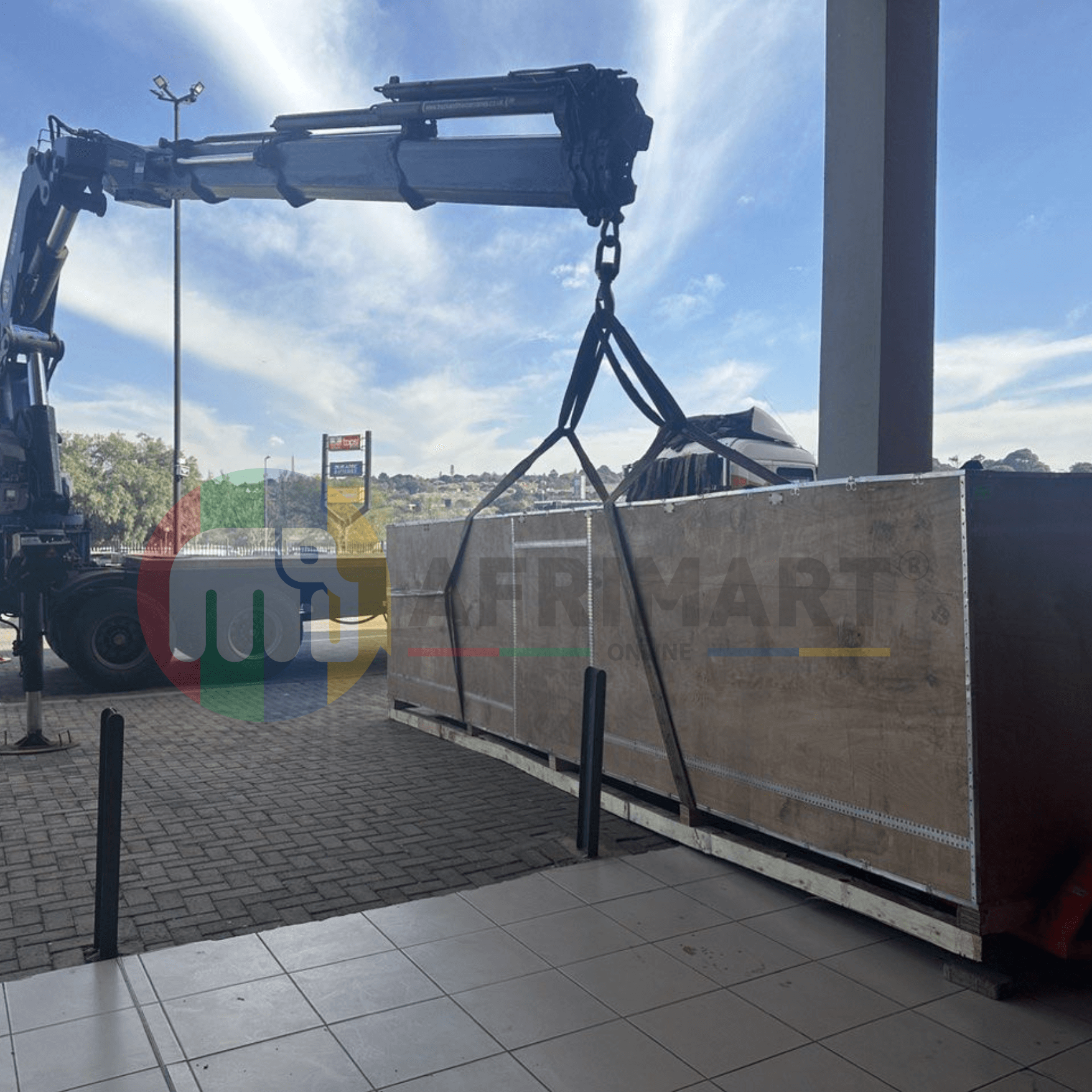
12 Heads Embroidery Machine
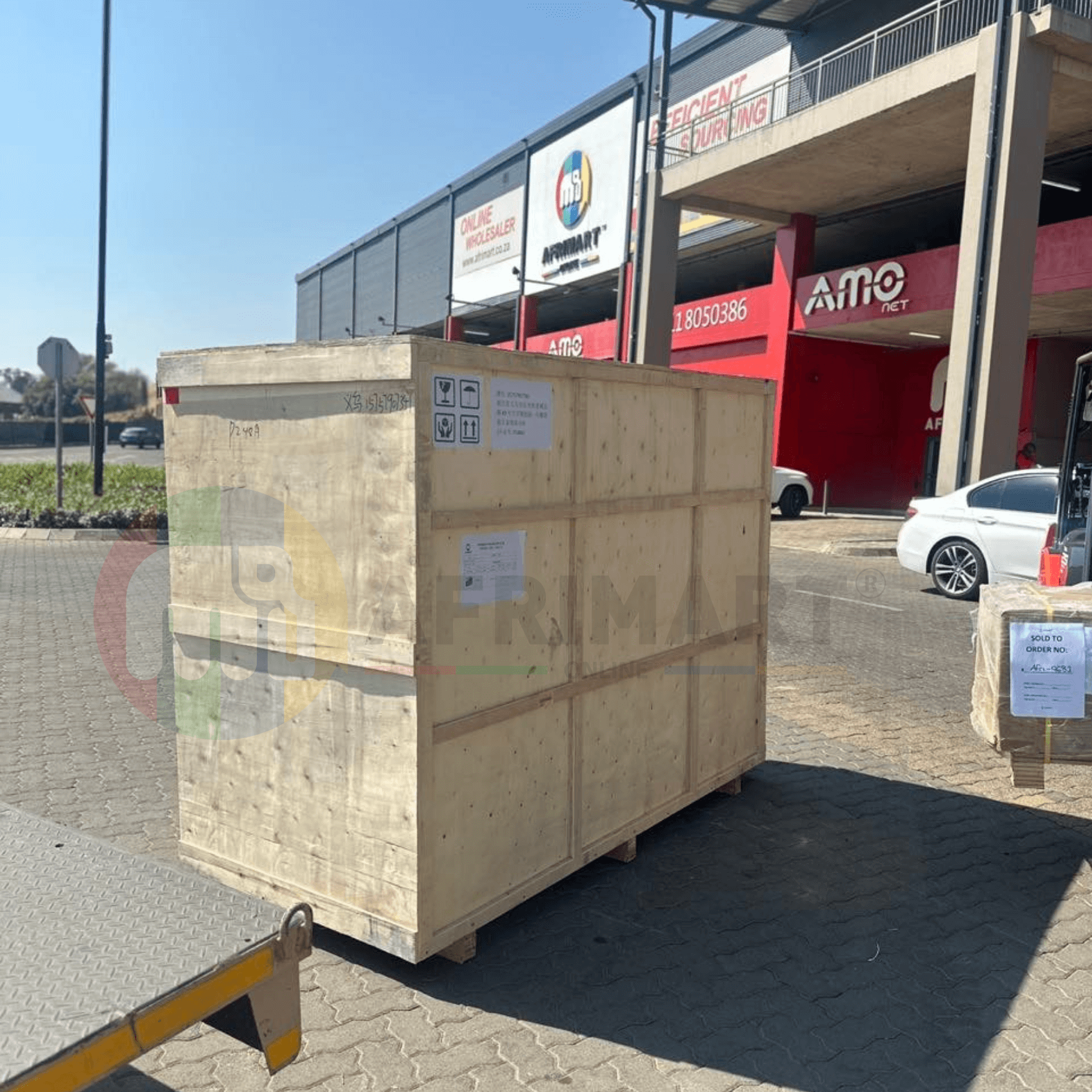
Dewatering Pump Machine
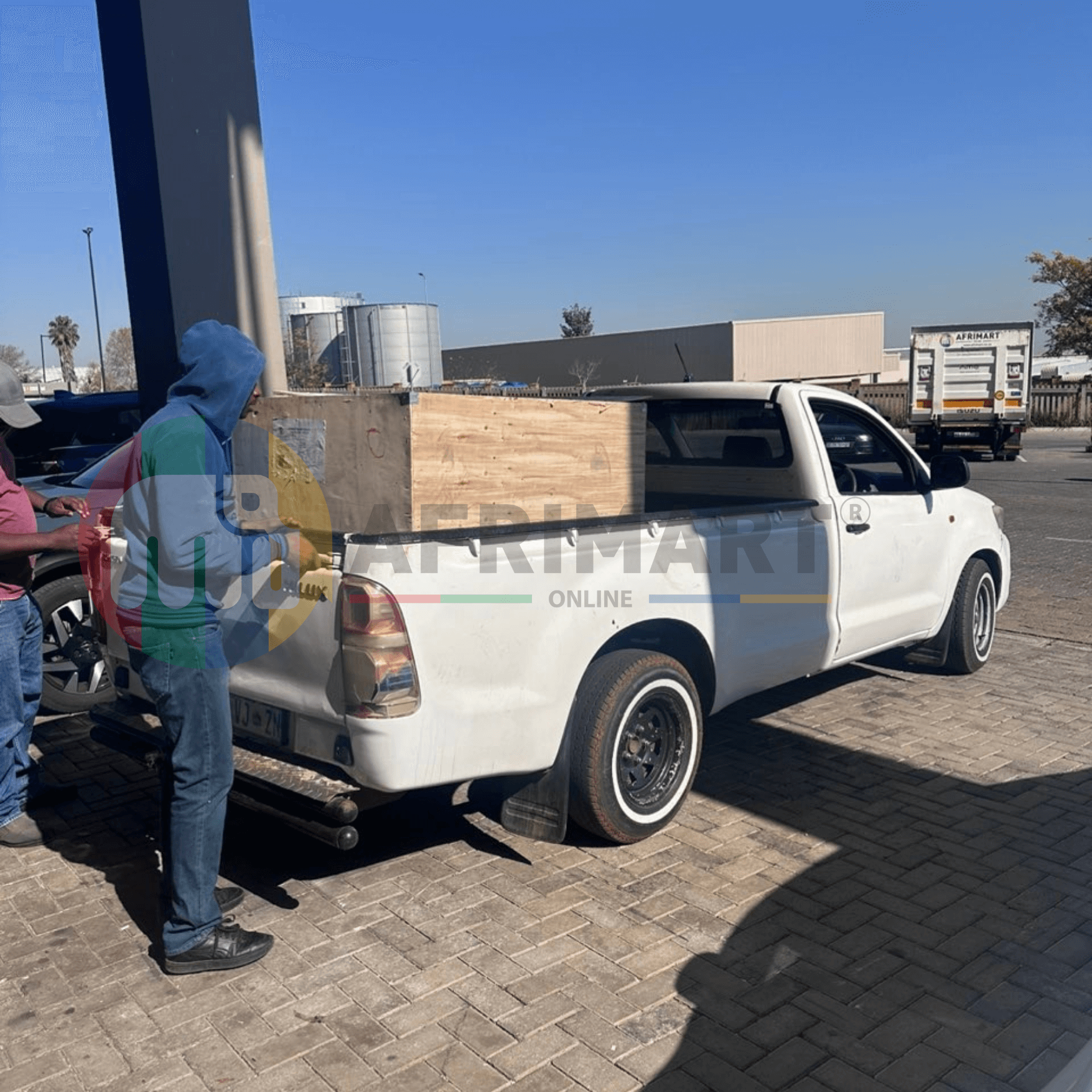
Order Collection
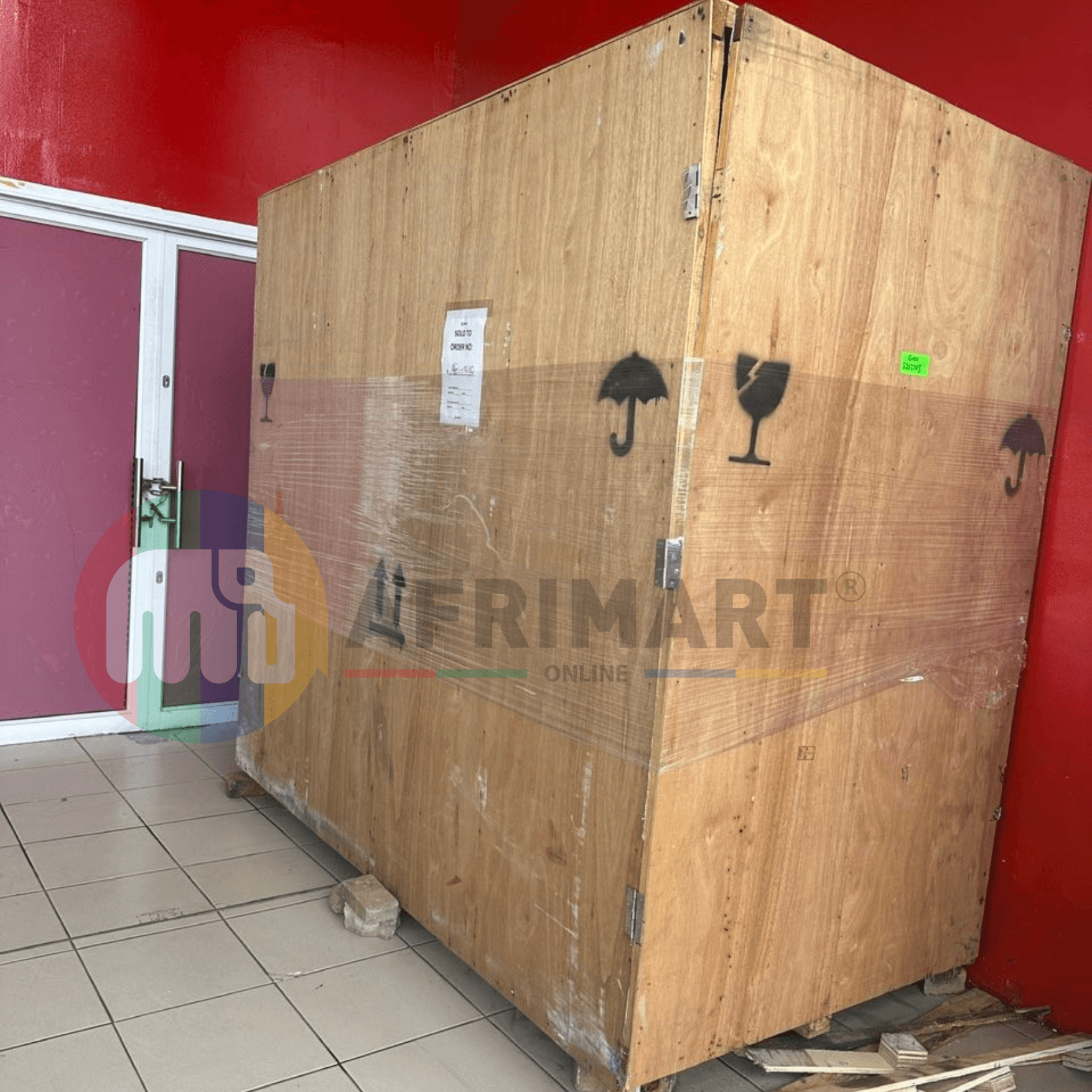
Portable Water Drilling Rig
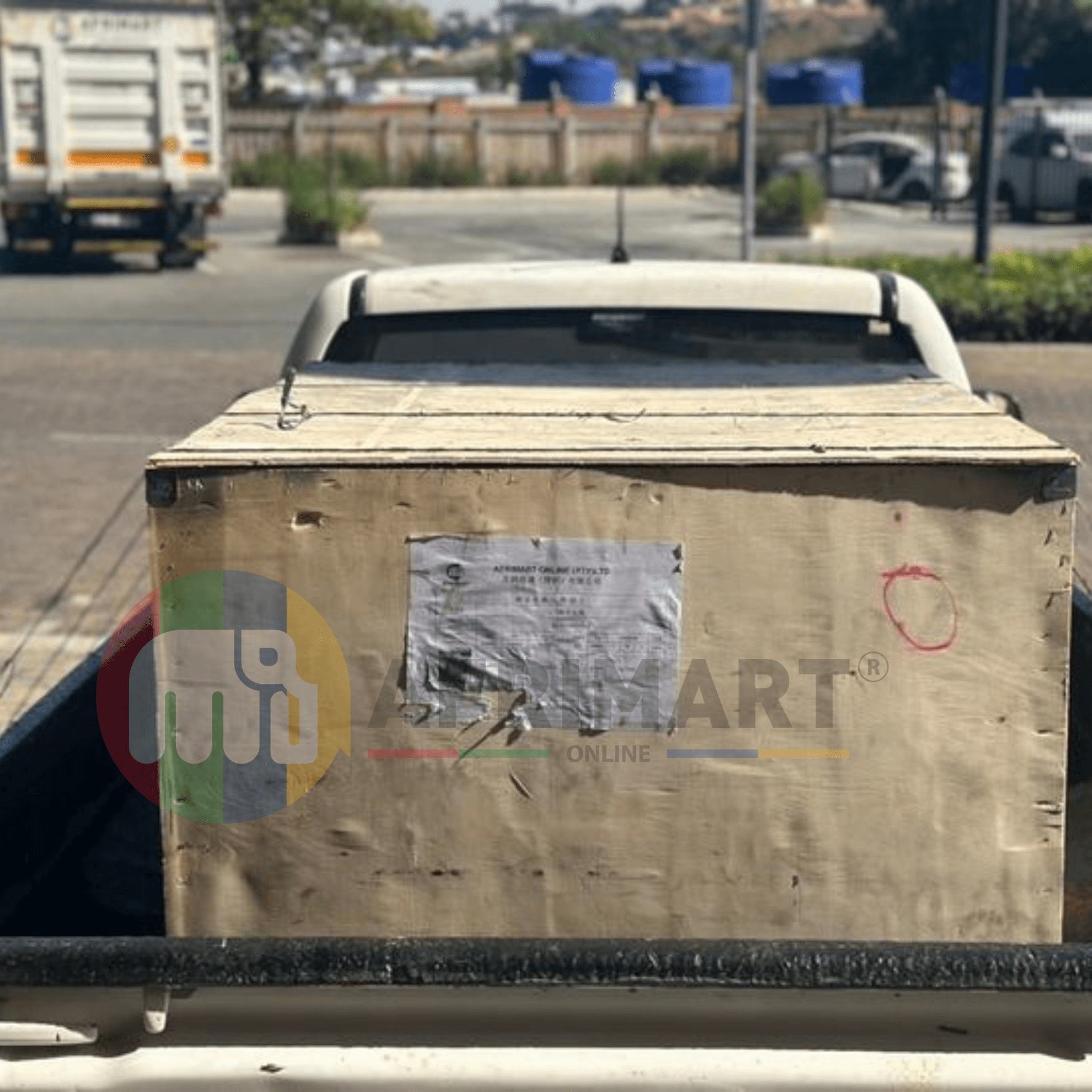
Order Usefully Collected
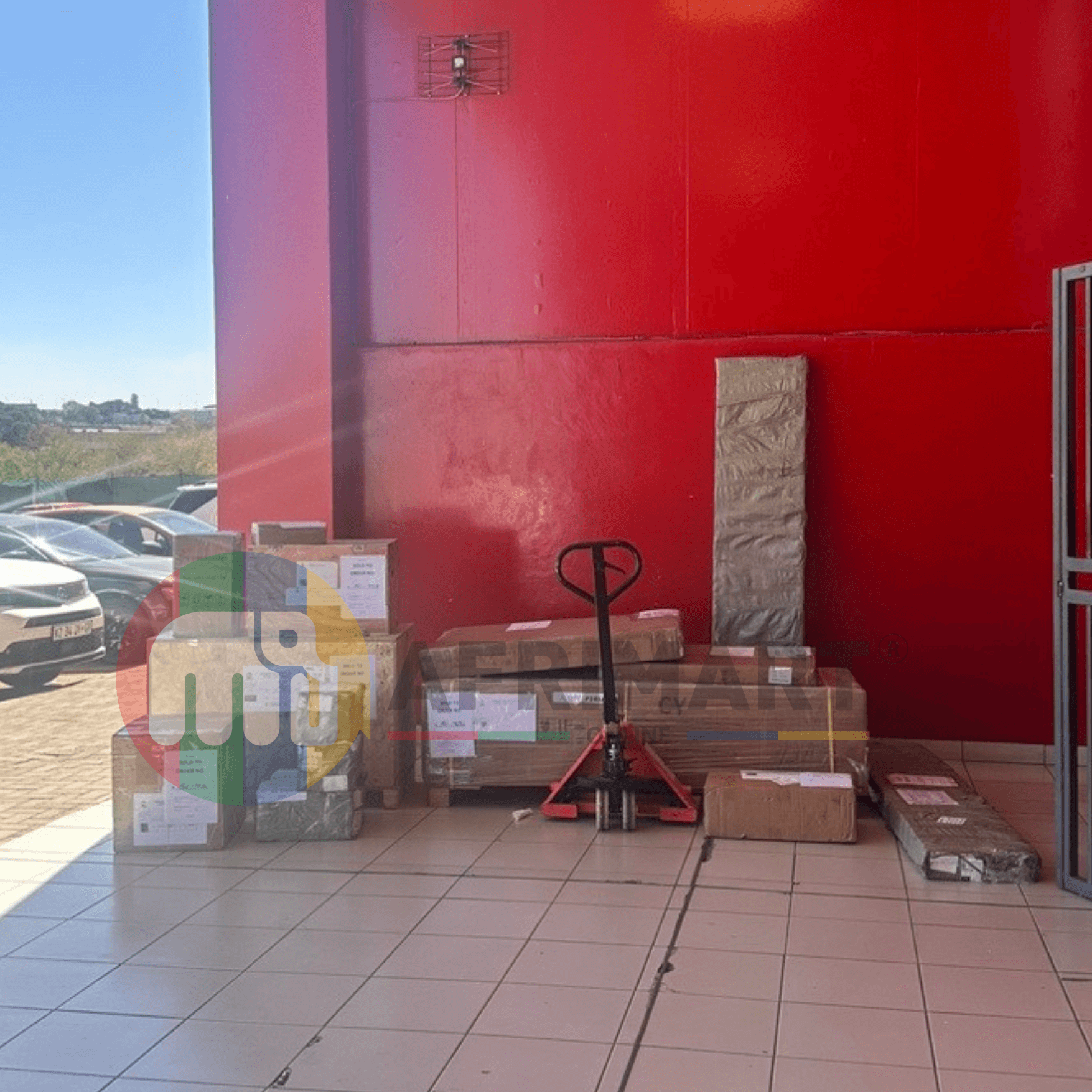
Batch of Orders
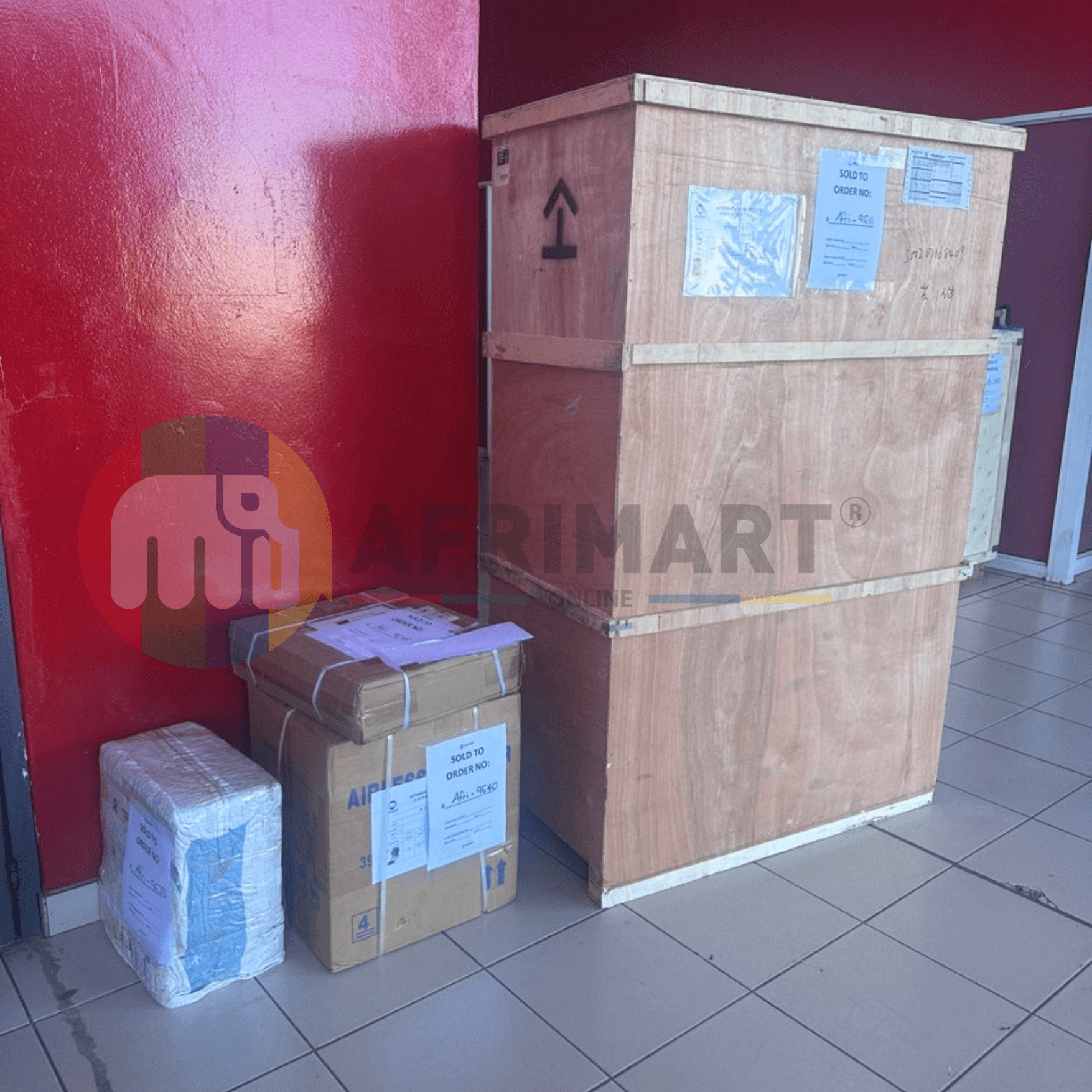
Agriculture Processing Machines
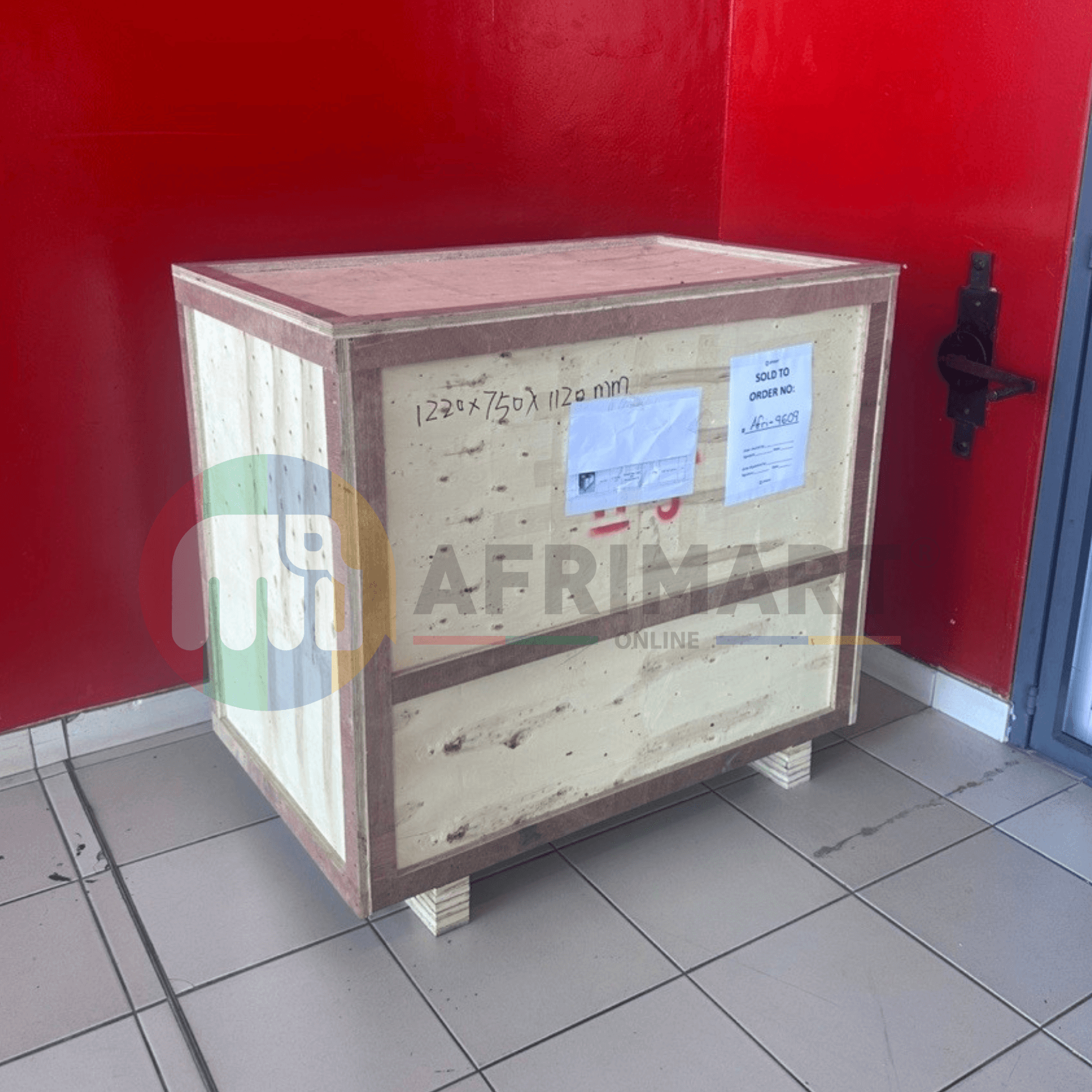
Meat Grinder Machine
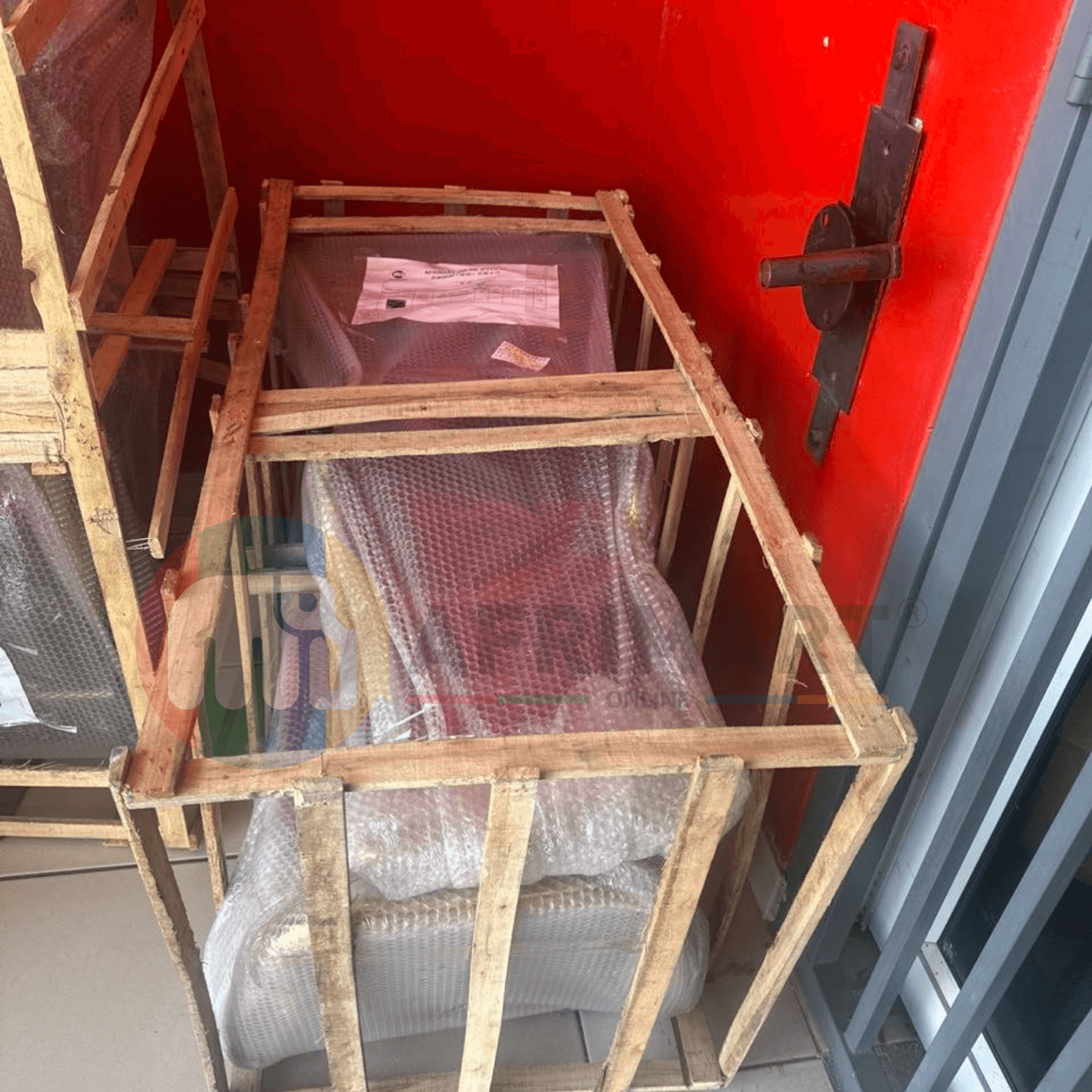
Water Pump Equipment
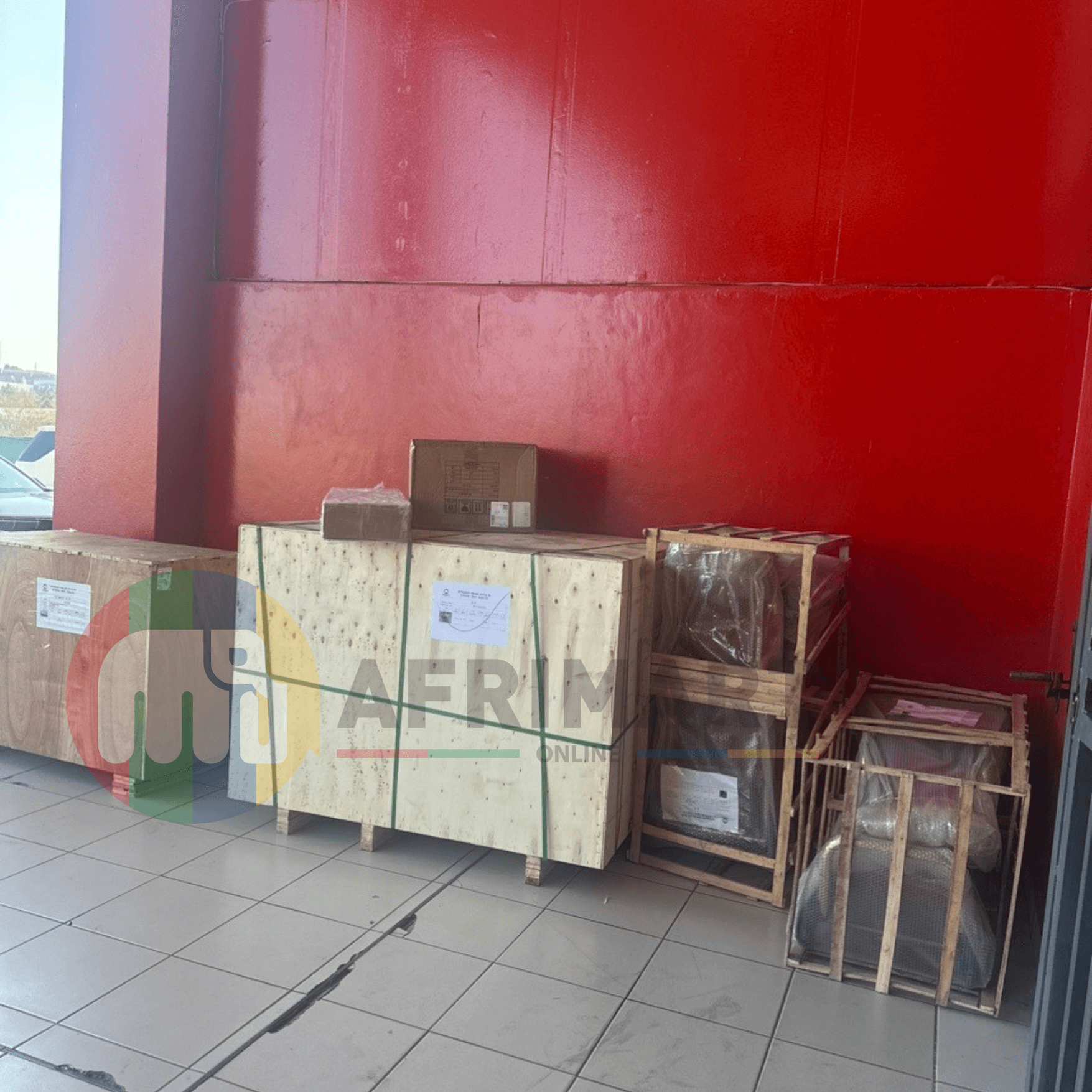
Packaging Machine and accessories
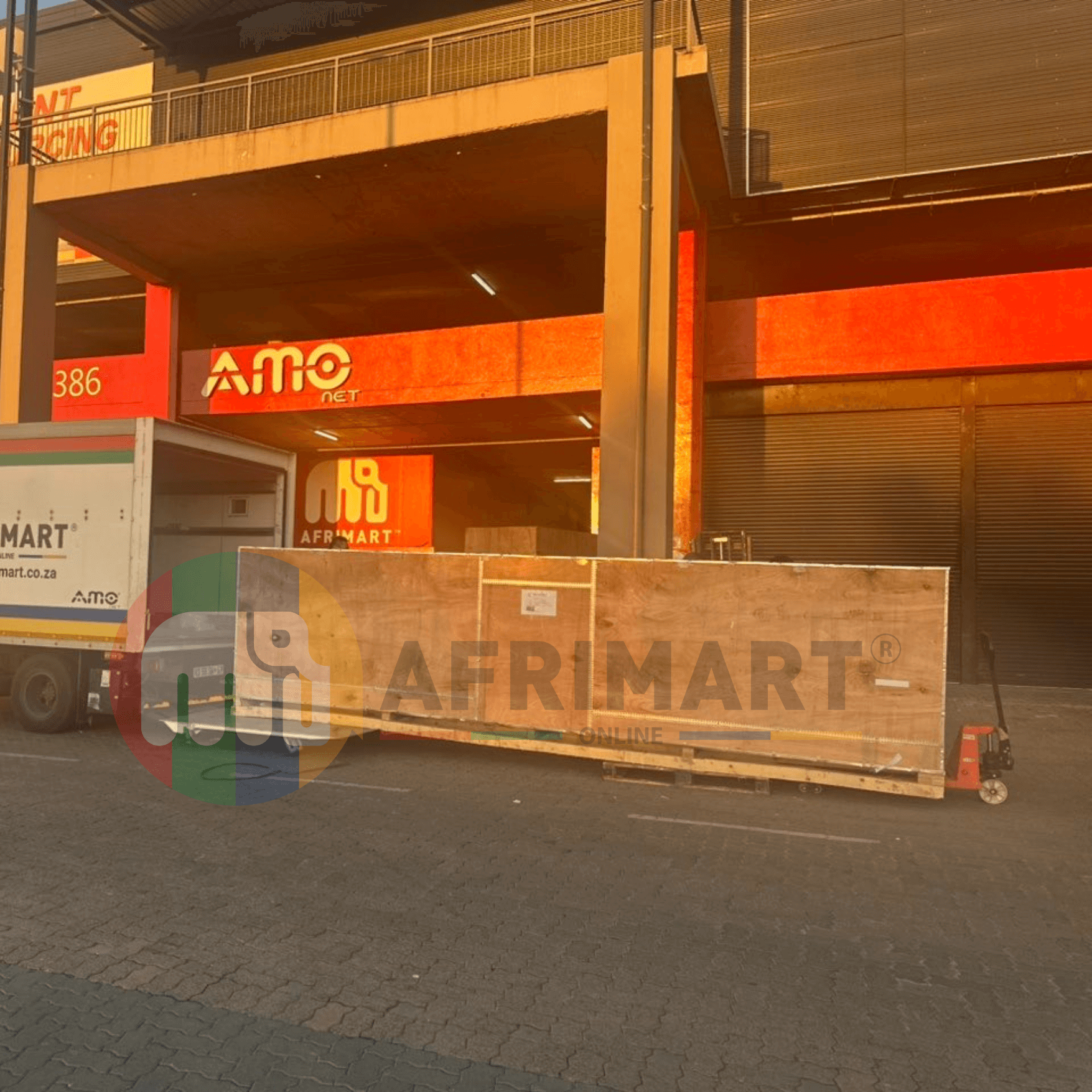
Fabrics Manufacturing Equipment
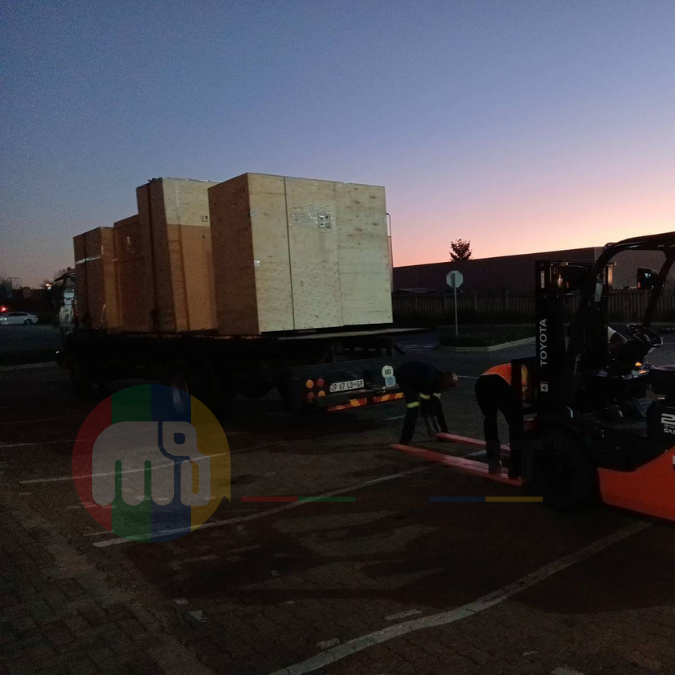
Mining Equipments
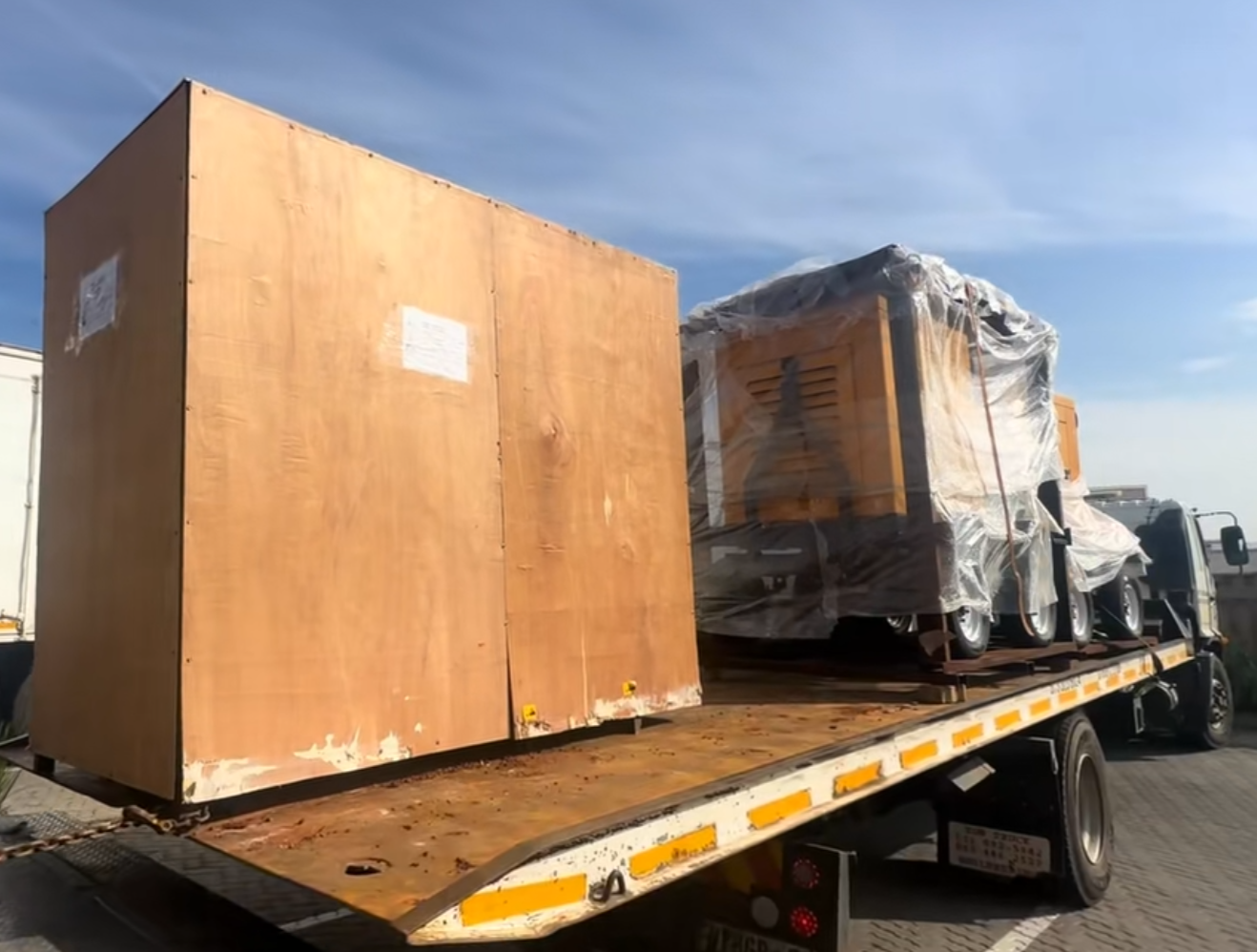
Food Processing Machine
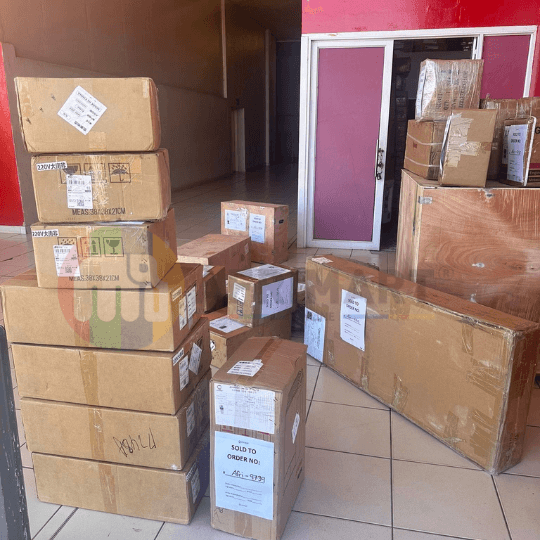
Batch of Orders
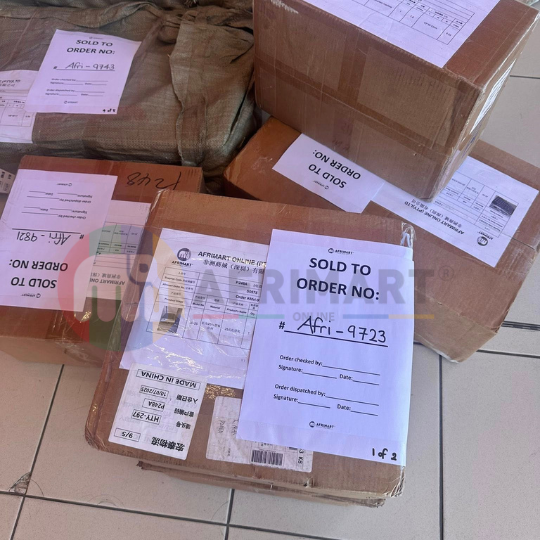
Batch of Orders
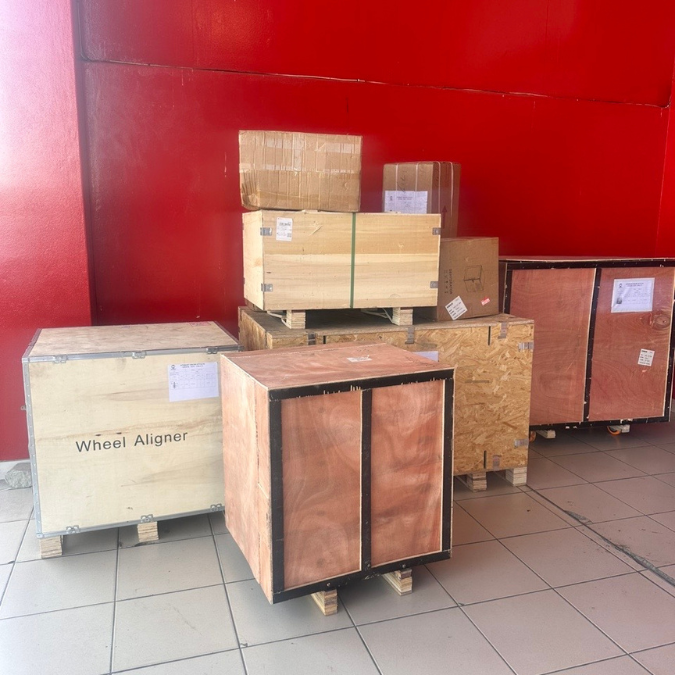
Latest Orders Labelled
wheel alignment machines
new arrivals
Pre Orders Offloading
Latest Arrivals
Latest Arrivals