B21, China Town Mall, Midrand


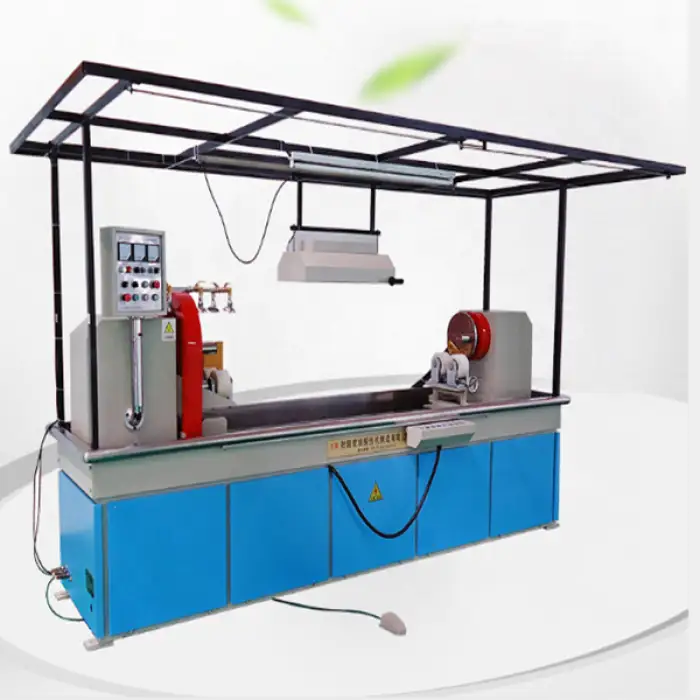
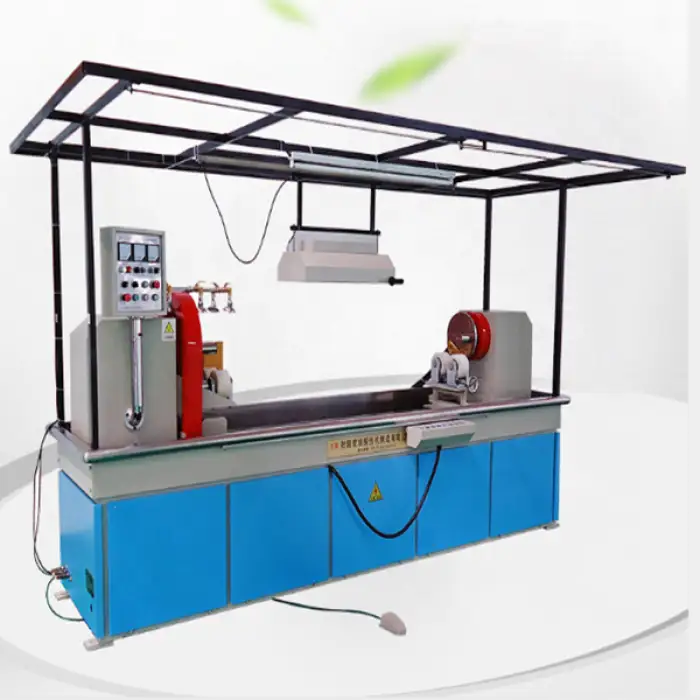
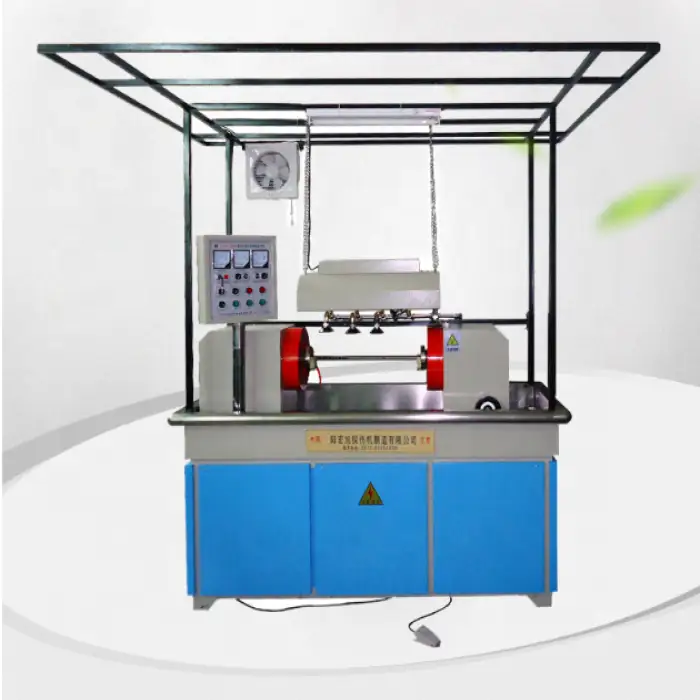
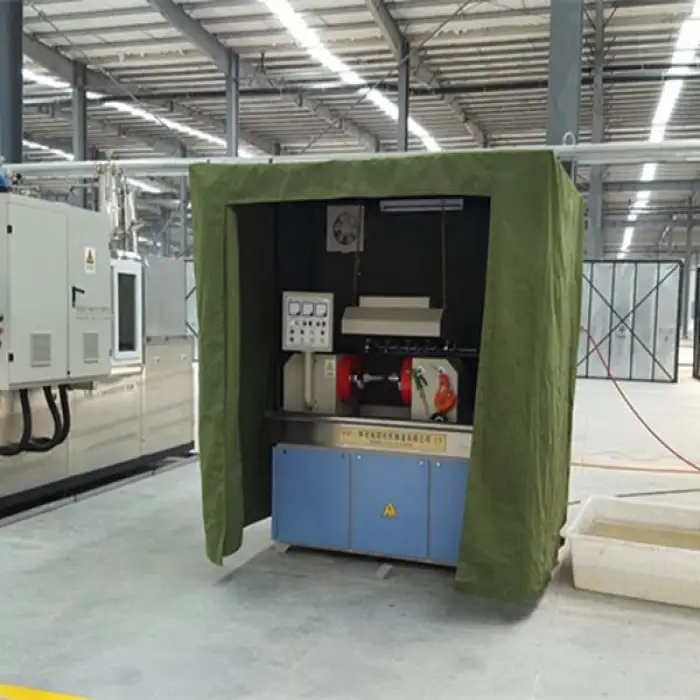
Magnetic Particle Inspection (MPI) Machine Nuclear Power Plant NDT Flaw Detector
Asset finance available
Do you want funding for this equipment?
Afrimart can connect you with trusted funding partners who specialise in asset finance for businesses like yours. Compare options and apply in minutes — final approval is subject to provider review.
Check funding options
Secure & no obligation

- Section : Consumer Electronics
- Category : Testing Equipment
- SKU : 1600973928976

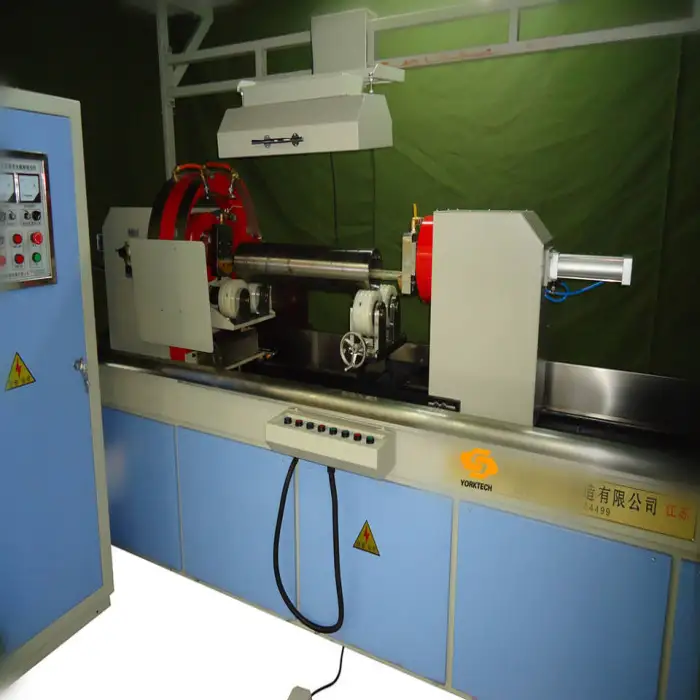
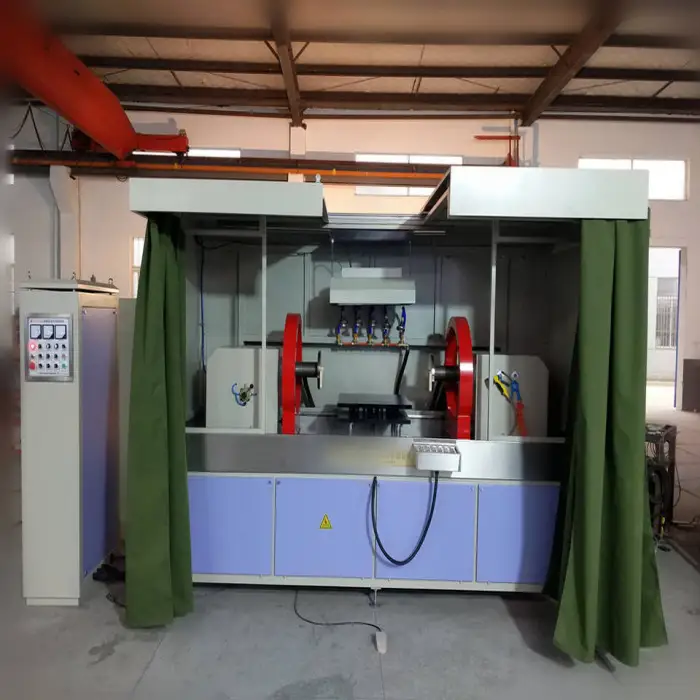
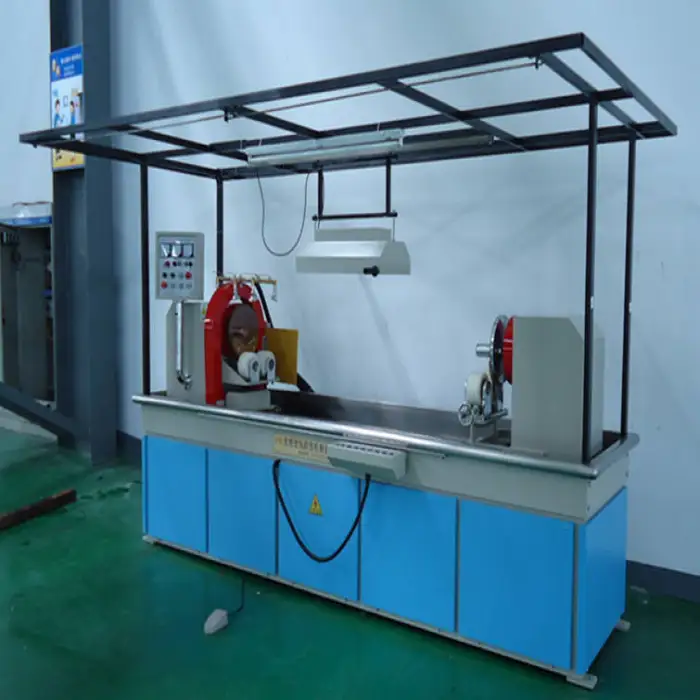
Magnetic Particle Inspection (MPI) Machine Nuclear Power Plant NDT Flaw Detector
The Magnetic Particle Inspection (MPI) Machine is a powerful tool designed for detecting flaws and cracks in various workpieces. This advanced flaw detector is ideal for use in nuclear power plants and other critical applications. With its automatic control and manual operation modes, it offers flexibility and precision in inspections. The robust design ensures reliability and durability, making it a vital asset for quality assurance in any industrial setting.
Specifications
| Attribute | Details |
|---|---|
| Air Supply Pressure | 0.4-0.8 MPa |
| Clamping Mode | Cylinder Clamping |
| Operation Mode | Automatic Control, Manual Operation |
| Output Current | Circumferential: 0-3000 A, Longitudinal: 0-16000 A |
| Pole Spacing | Adjustable 400-3000 mm |
| Search Coil Diameter | 5 cm |
| Sensitivity | 10 Inches (U.S. Coin) |
| Single Gross Weight | 180.000 kg |
| Single Package Size | 110 x 90 x 160 cm |
| Warranty | 12 Months |
| Model Number | YKTW-350 |
| Operating Frequency | 10 kHz |
Key Features
- High sensitivity for accurate flaw detection.
- Flexible operation with both automatic and manual modes.
- Robust construction using stainless steel.
- Adjustable pole spacing for various workpiece sizes.
- Comprehensive 12-month warranty for peace of mind.
Applications
- Detecting cracks in welds and metal components.
- Quality control in manufacturing processes.
- Inspection of critical components in nuclear power plants.
- Ensuring safety and reliability in aerospace applications.
- Evaluating structural integrity in construction projects.
Product Info Gallery
- Shipping Timeframes: All orders are processed within 2-5 business days (excluding weekends and holidays). After your order has been processed, the estimated delivery time is before 24 Jun, 2026, depending on customs, Please note that due to high demand, some items may experience longer shipping times, which will be communicated at order confirmation email.
- Order Processing Time: Please allow 2-5 business days for us to process your order before it is shipped . Orders placed after 16:00 on Fridays, or during weekends and public holidays, will begin processing on the next business day. Processing times may be extended during peak seasons or sales events.
- Manufacturing Time: Some products needs manufacturing time, the manufacturing process will take approximately 10-30 business days depending on the product. This timeframe may vary depending on the complexity of the product and current demand. but this will be communicated with you during order confirmation.
- Returns and Exchanges: We offer a 30-day return policy for most items. If you are not completely satisfied with your purchase, you may return it within 30 days of receipt for a refund or exchange. Items must be unused, in their original packaging, and accompanied by proof of purchase. Return shipping costs are the responsibility of the customer, unless the item was damaged or defective upon arrival.
1. What is the primary use of the Magnetic Particle Inspection (MPI) Machine?
The MPI Machine is primarily used for detecting flaws and cracks in various workpieces, making it ideal for quality assurance in critical applications like nuclear power plants.
2. What are the operation modes available for the MPI Machine?
The MPI Machine features both automatic control and manual operation modes, providing flexibility for different inspection needs.
3. What is the output current range for the MPI Machine?
The output current for the MPI Machine is circumferential up to 3000 A and longitudinal up to 16000 A.
4. How does the adjustable pole spacing benefit users?
The adjustable pole spacing, ranging from 400 to 3000 mm, allows the MPI Machine to accommodate various workpiece sizes, enhancing versatility.
5. What materials is the MPI Machine made from?
The MPI Machine features a robust construction made from stainless steel, ensuring durability and reliability.
6. What is the sensitivity of the MPI Machine?
The sensitivity of the MPI Machine is designed to detect flaws as small as 10 inches, equivalent to the size of a U.S. coin.
7. What is the weight and size of the MPI Machine?
The single gross weight of the MPI Machine is 180.000 kg, and its package size is 110 x 90 x 160 cm.
8. Is there a warranty for the MPI Machine?
Yes, the MPI Machine comes with a comprehensive 12-month warranty for peace of mind.
9. What applications is the MPI Machine suitable for?
The MPI Machine is suitable for detecting cracks in welds, quality control in manufacturing, inspection of nuclear power components, aerospace safety evaluations, and structural integrity assessments in construction.
10. What is the operating frequency of the MPI Machine?
The operating frequency of the MPI Machine is 10 kHz.
11. Can the MPI Machine be used for both manual and automatic inspections?
Yes, the MPI Machine can be operated in both manual and automatic modes, allowing users to choose the most suitable method for their inspection needs.
12. How does the MPI Machine ensure accurate flaw detection?
The MPI Machine's high sensitivity and advanced design allow for accurate detection of flaws and cracks, ensuring thorough inspections.
13. Is the MPI Machine suitable for use in aerospace applications?
Yes, the MPI Machine is suitable for aerospace applications where safety and reliability are critical.
14. What type of clamping mode does the MPI Machine use?
The MPI Machine uses a cylinder clamping mode for securing workpieces during inspection.
15. How can I maintain the MPI Machine for optimal performance?
Regular maintenance including cleaning, checking for wear, and ensuring proper calibration will help maintain the MPI Machine's performance.
Latest Order Arrivals
Discover our latest orders
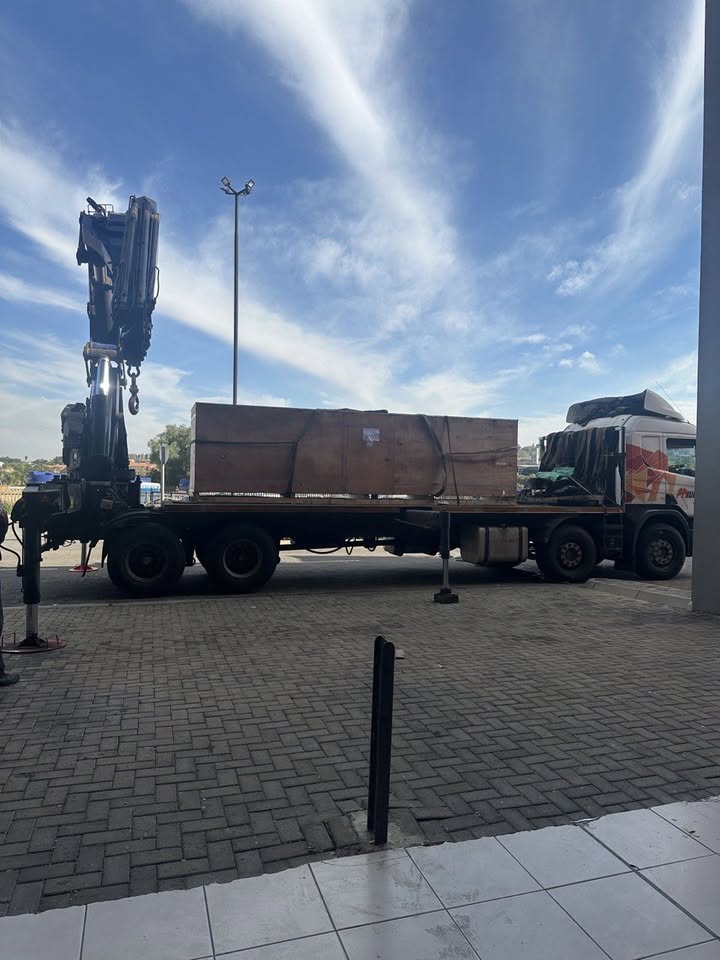
12 Heads Embroidery Machine
Toilet Paper Machine Machine
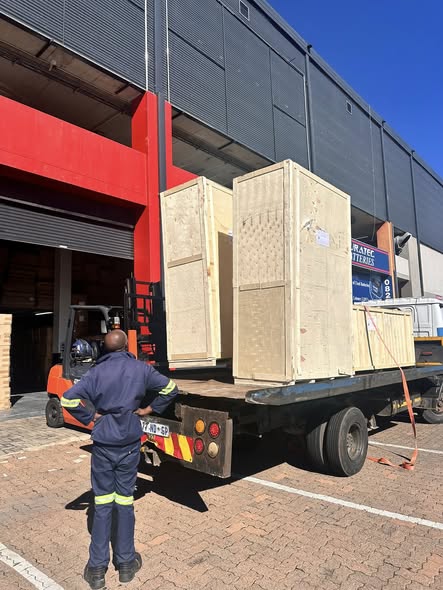
Order Collection
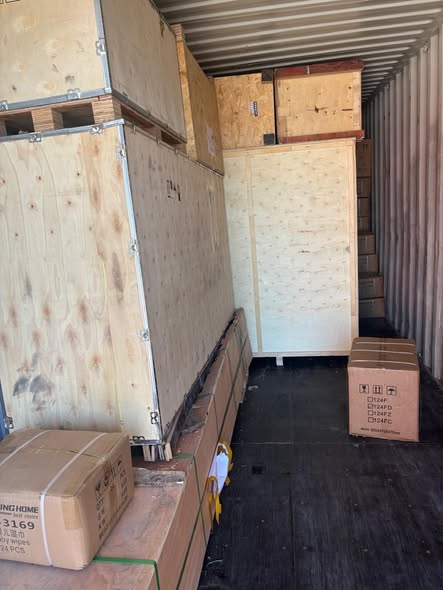
Cross Border Clients
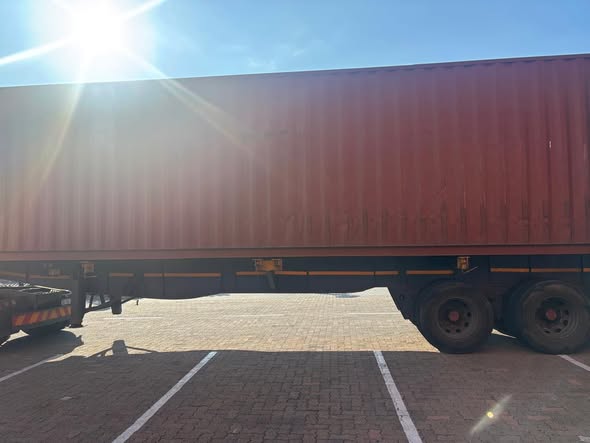
Order cros border countries Collected
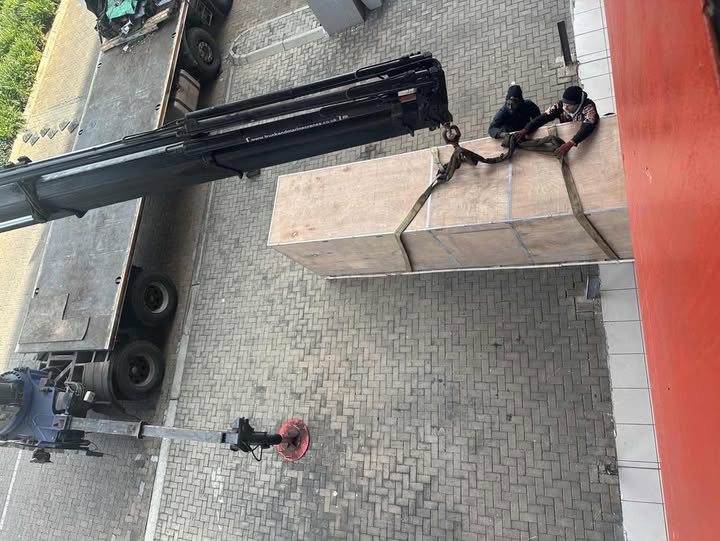
Industrial Machine Cllection
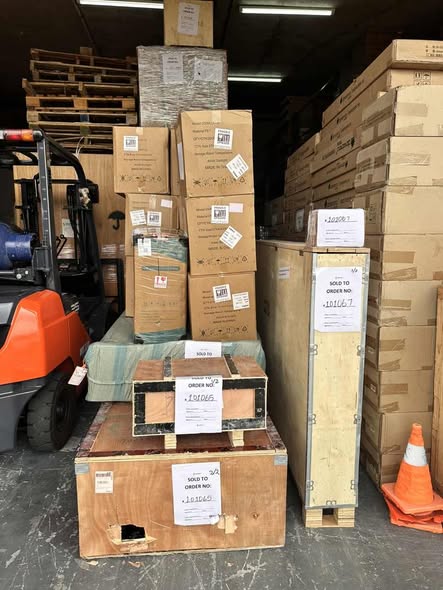
Agriculture Processing Machines
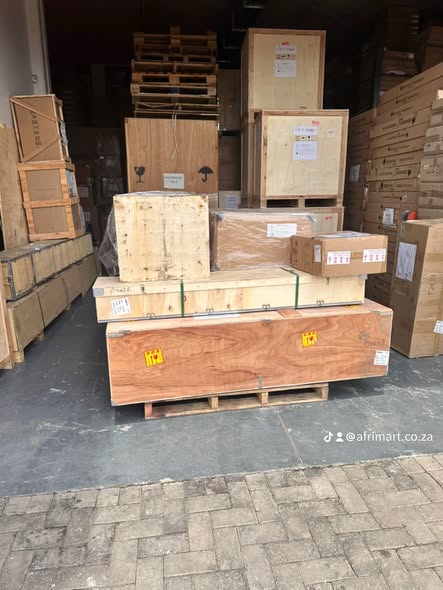
Ready for collection

Water Pump Equipment
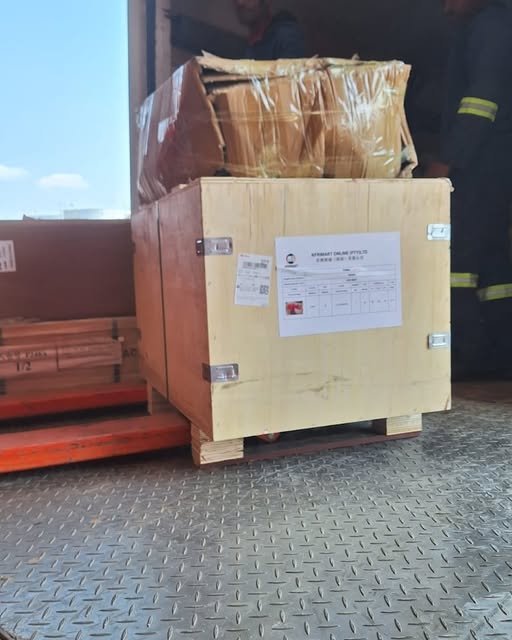
Packaging Machine and accessories
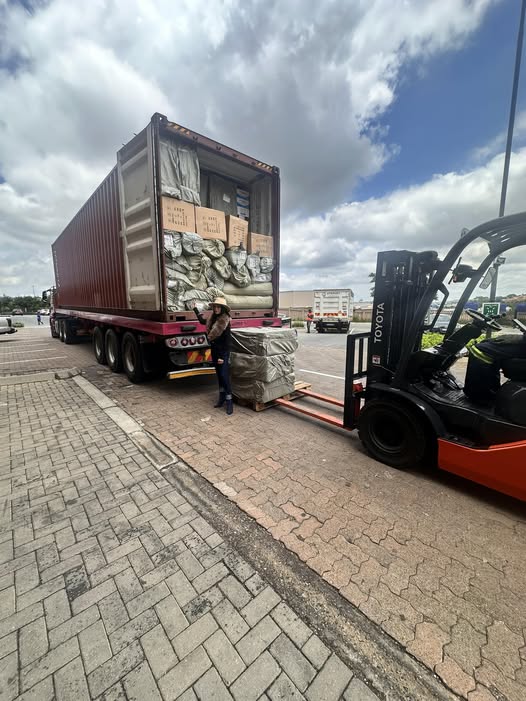
Fabrics Manufacturing Equipment
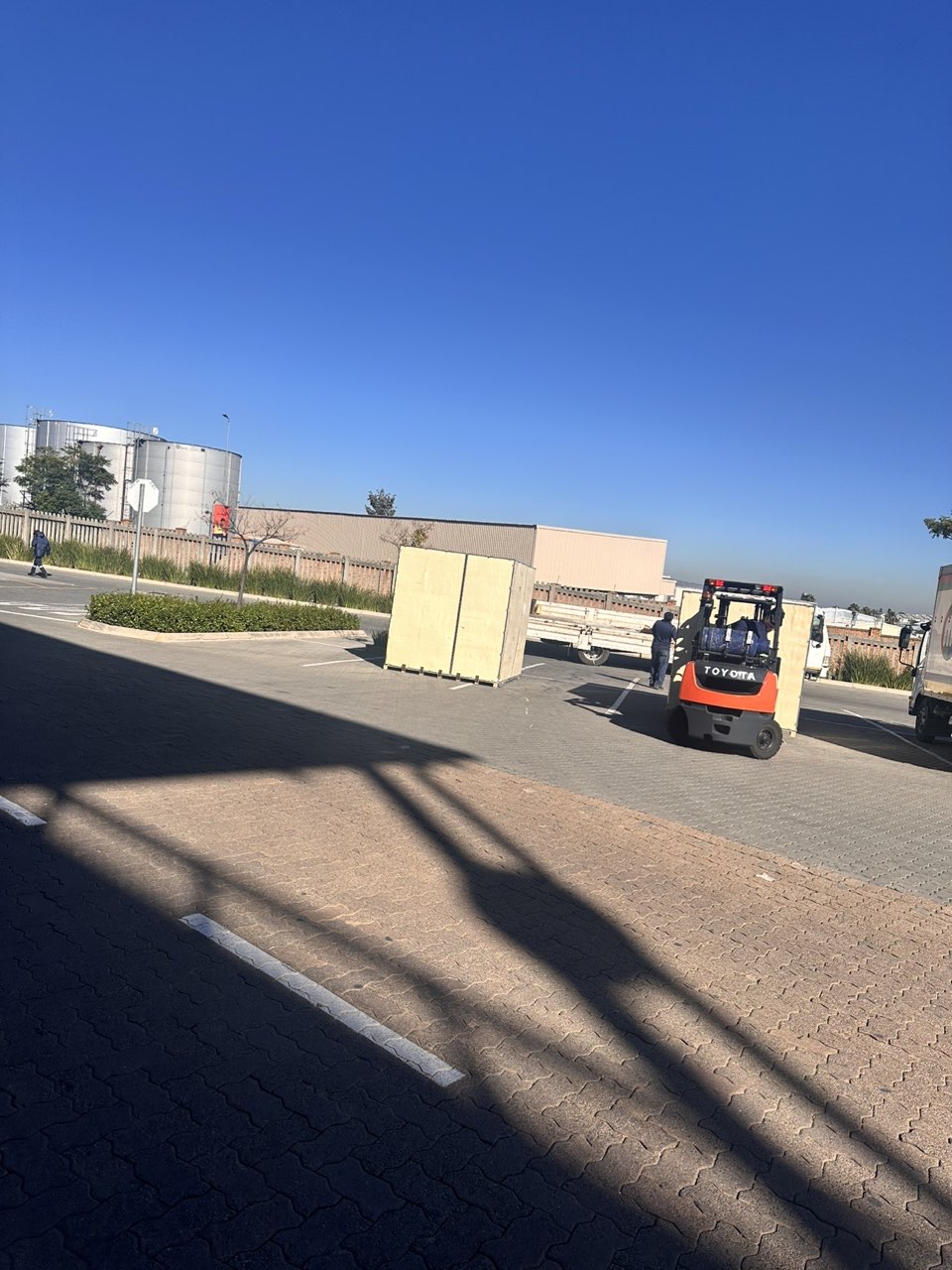
Mining Equipments
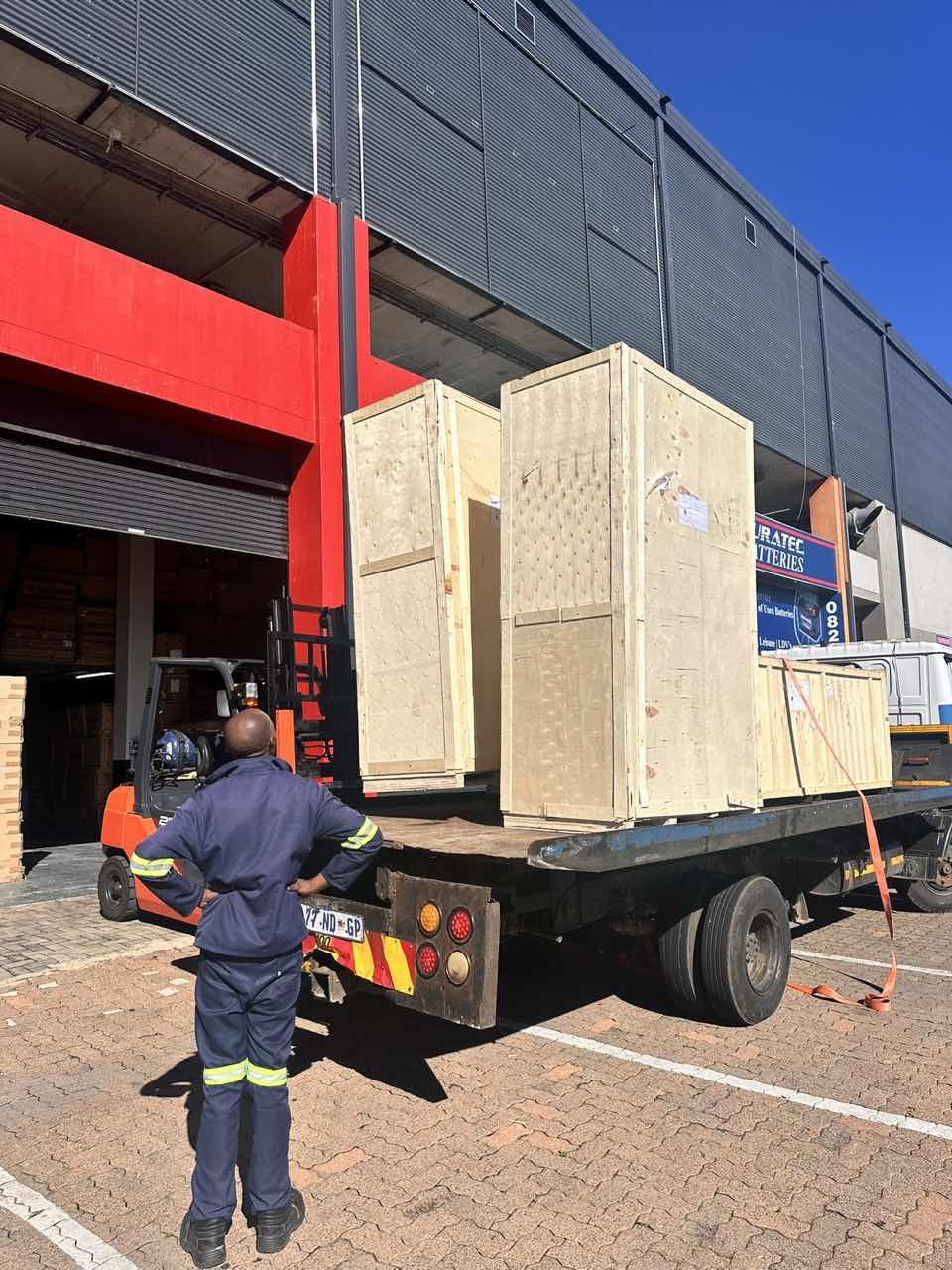
Food Processing Machine
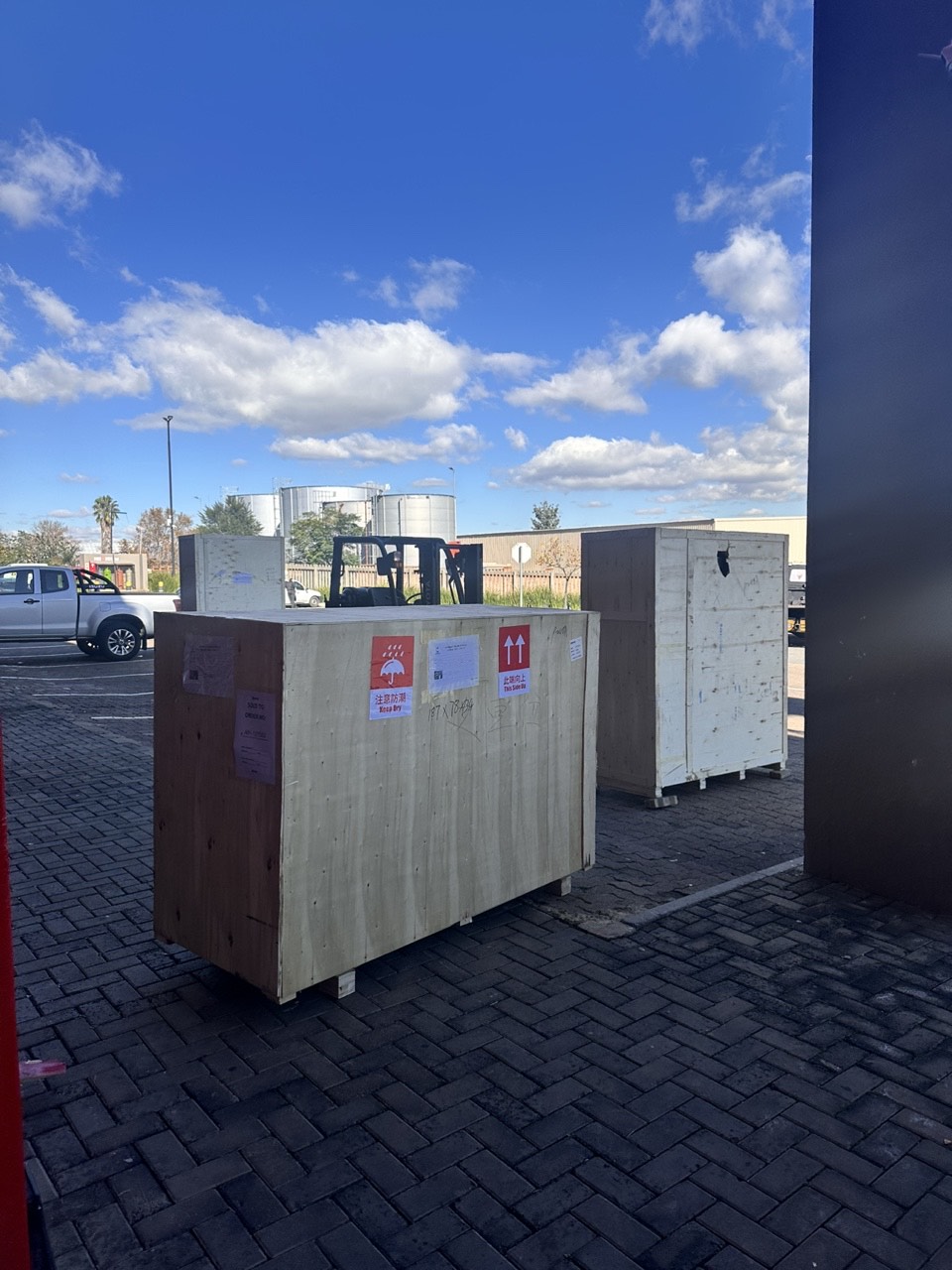
Batch of Orders
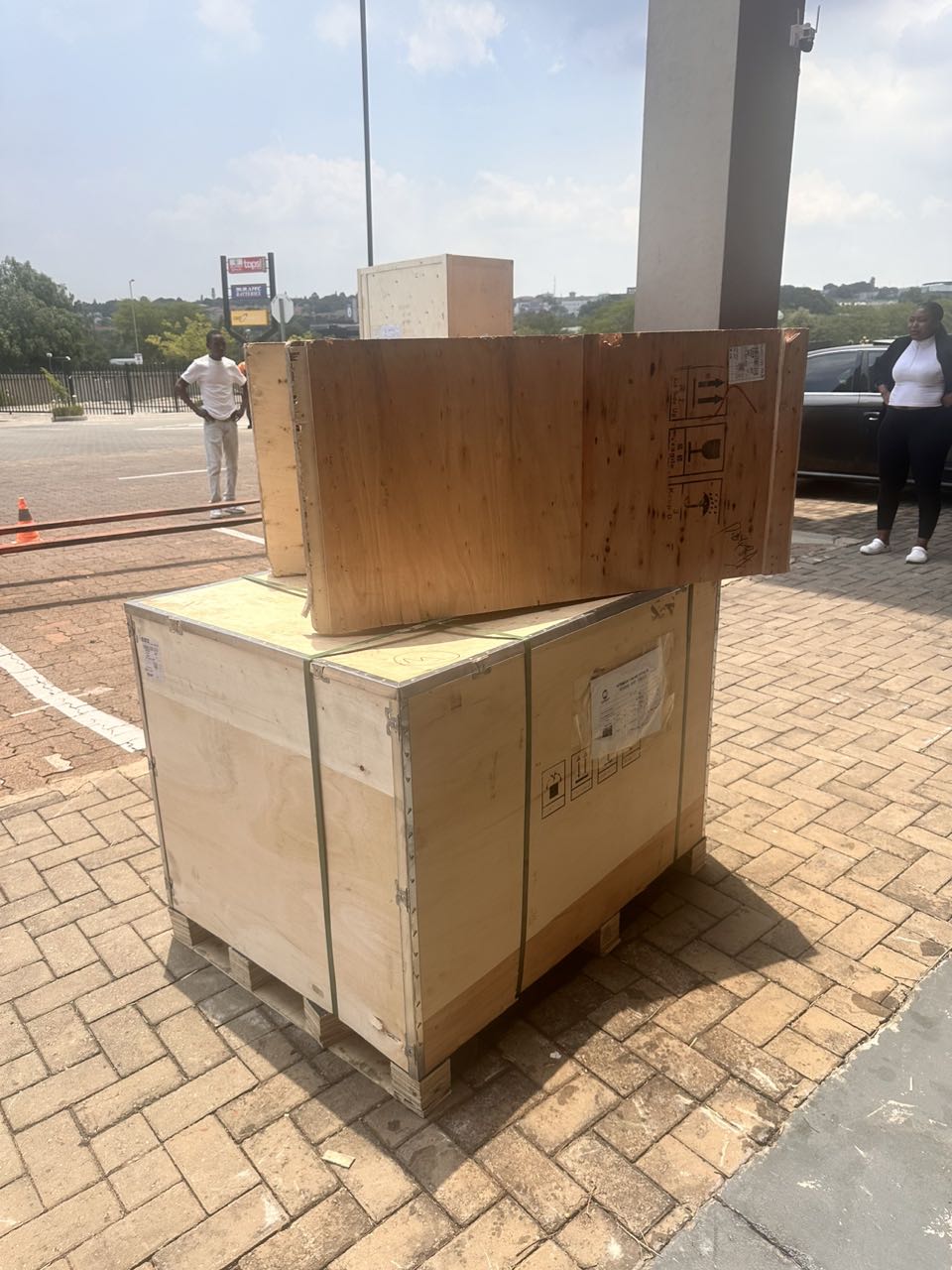
Batch of Orders
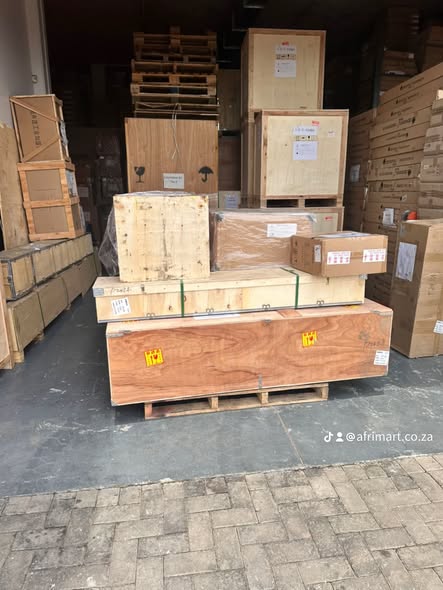
Latest Orders Labelled

wheel alignment machines
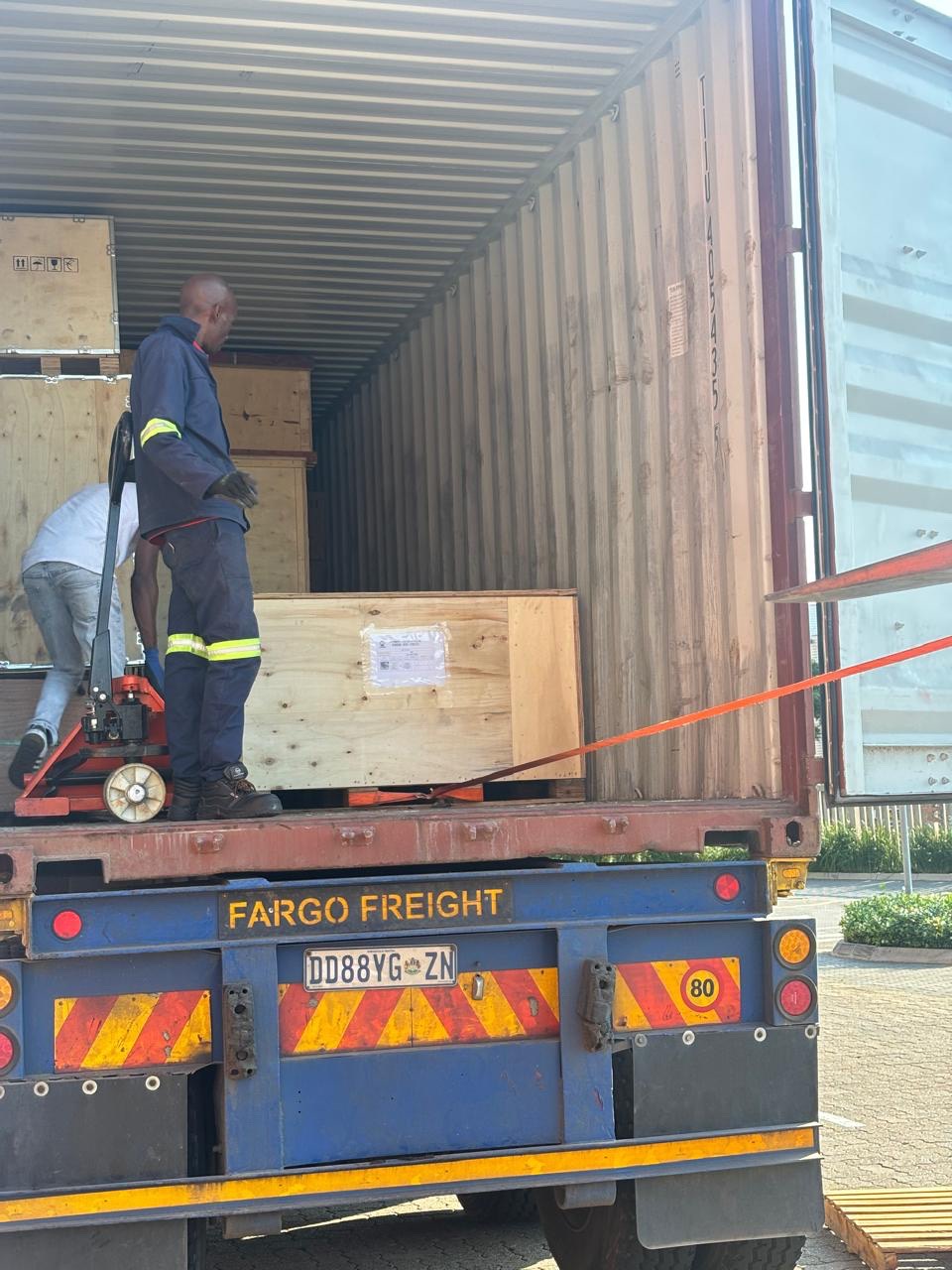
new arrivals
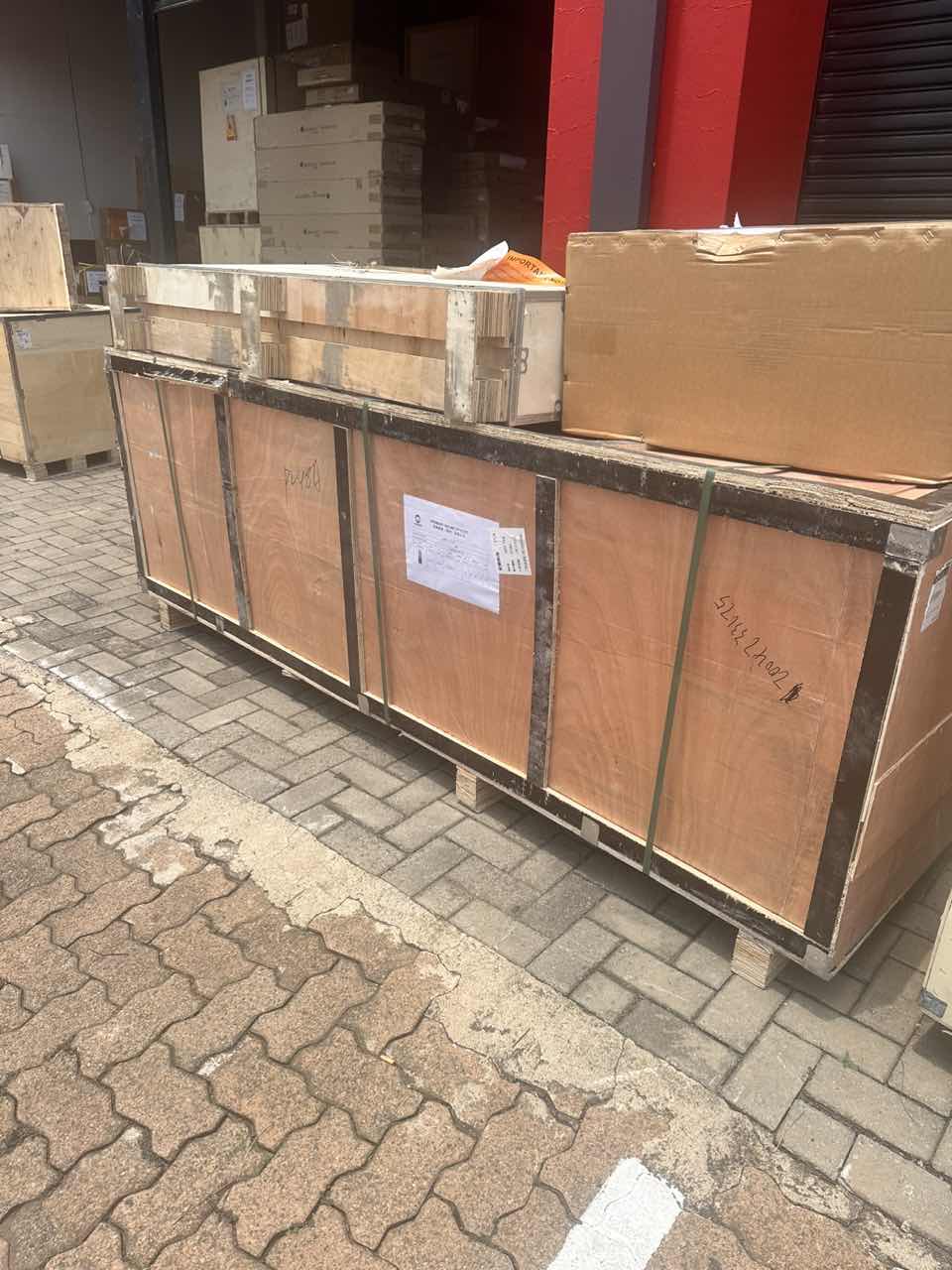
Pre Orders Offloading
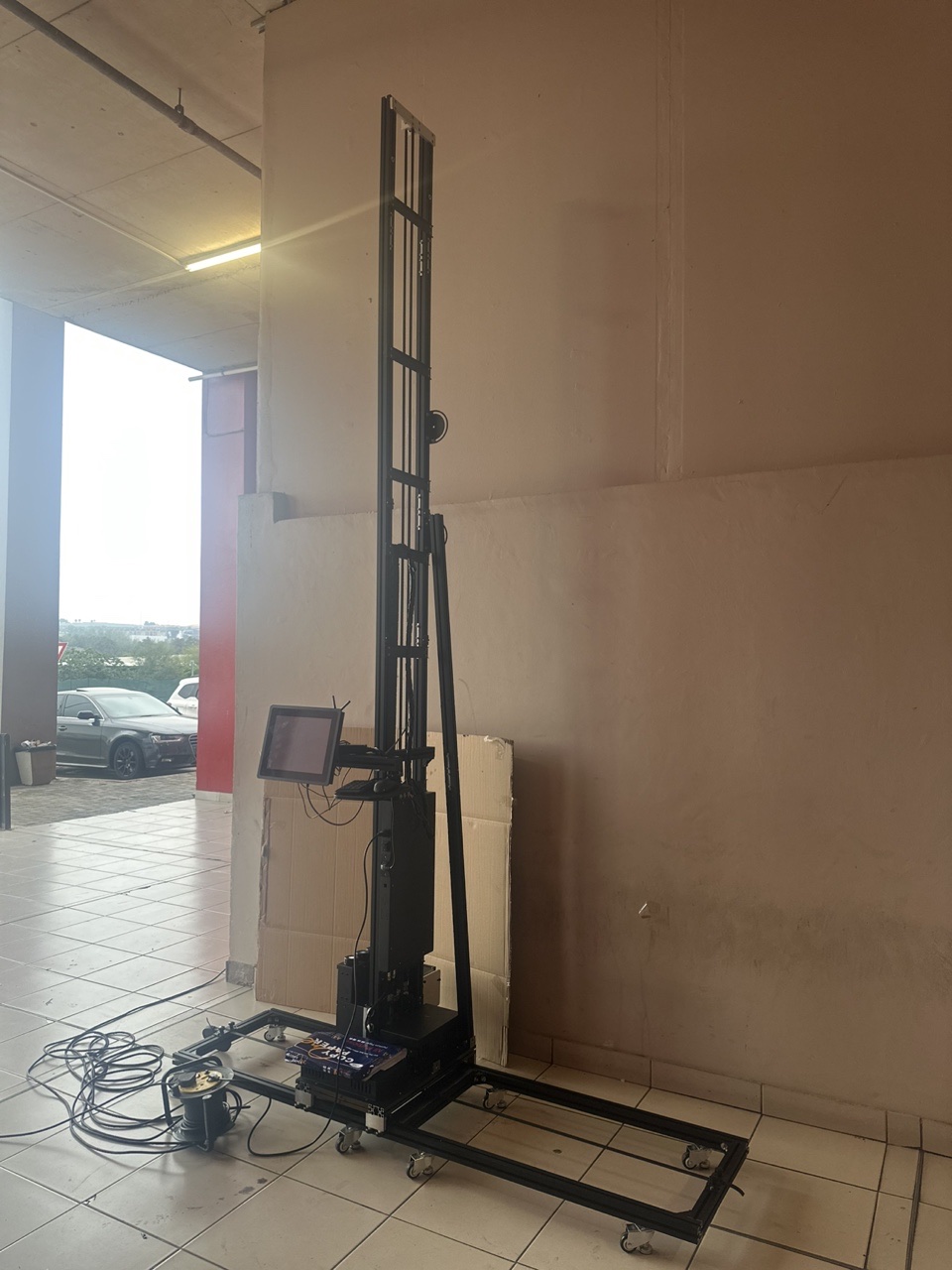
Latest Arrivals
Latest Arrivals
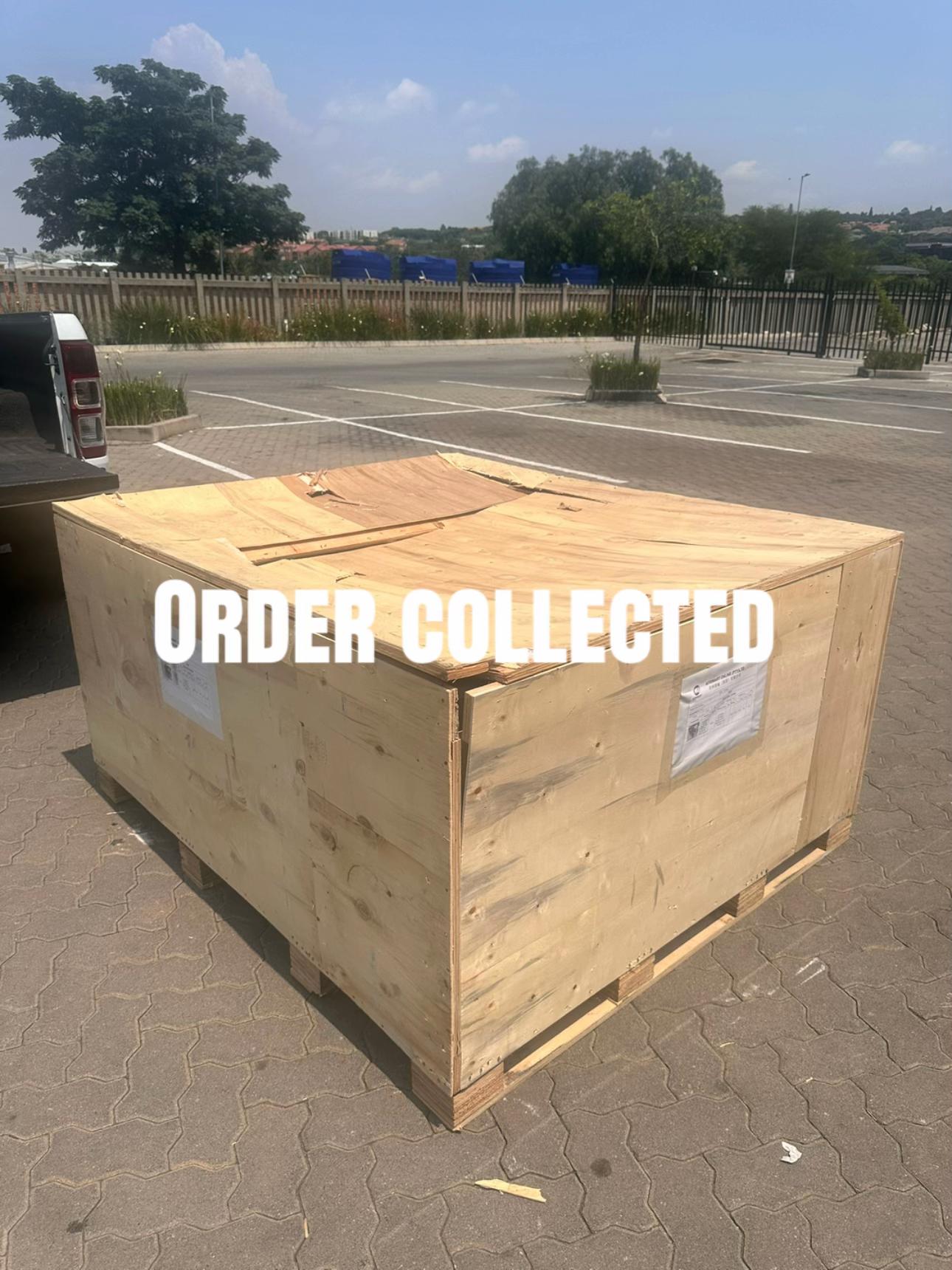
Latest Arrivals
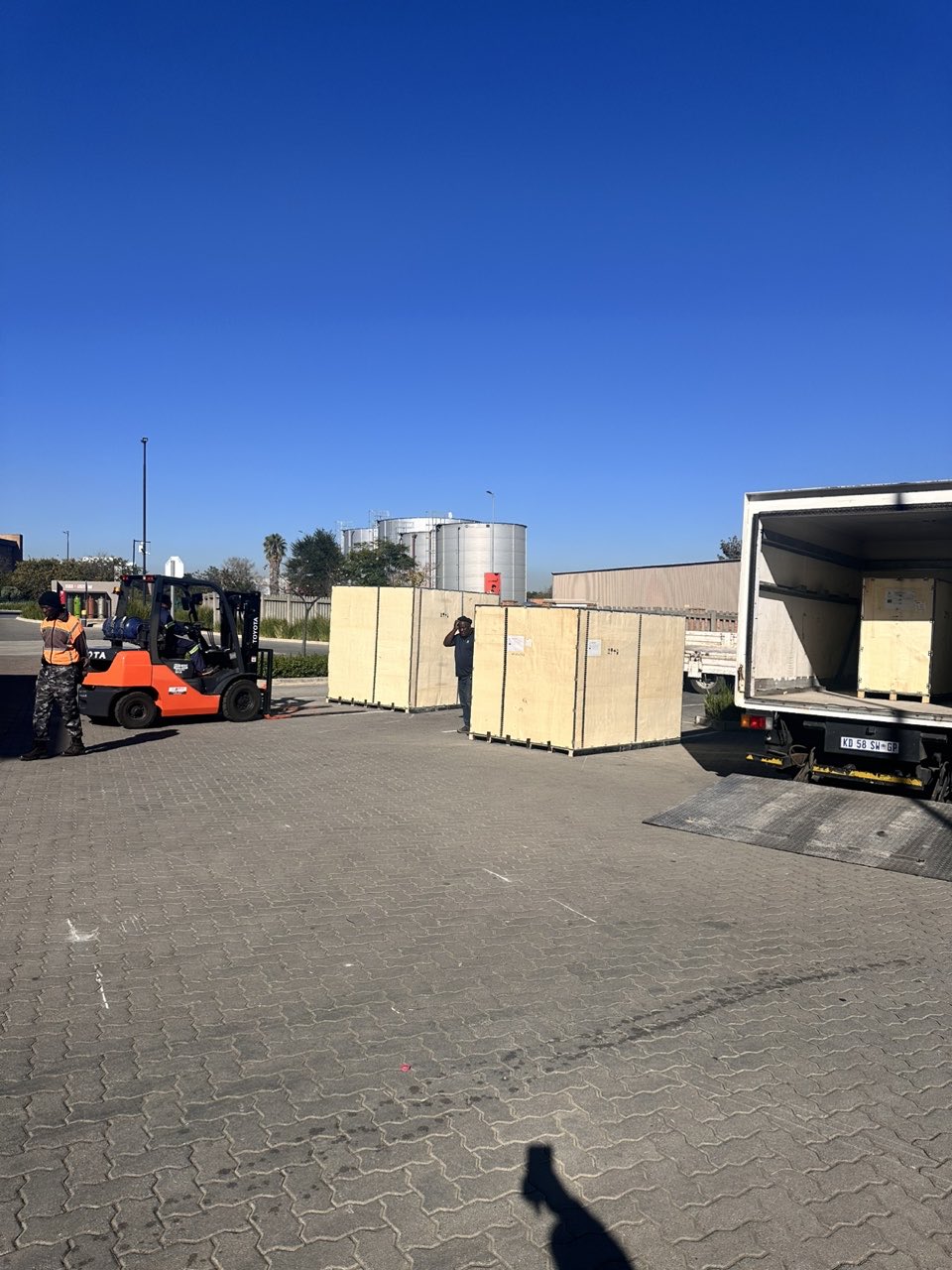
Loading
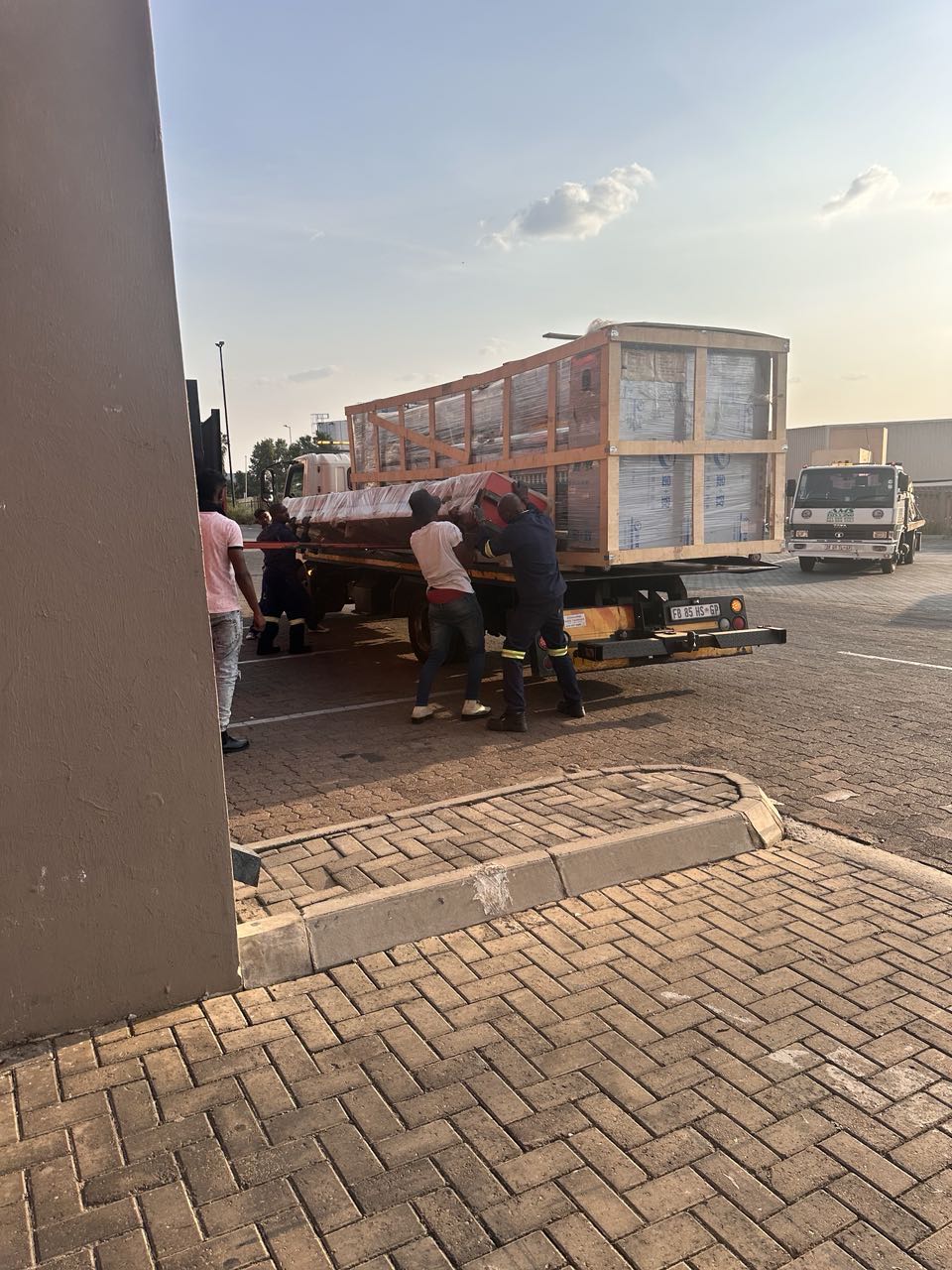
Toilet paper making machine
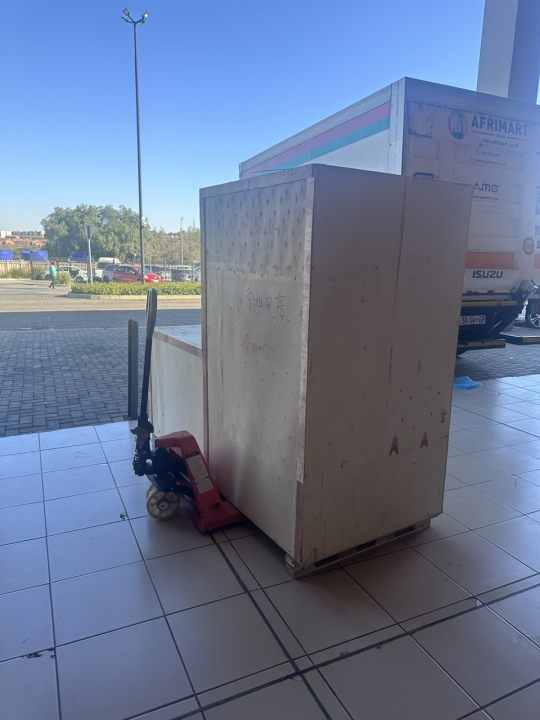
Toilet paper making machine
Toilet paper Rewinding Machine
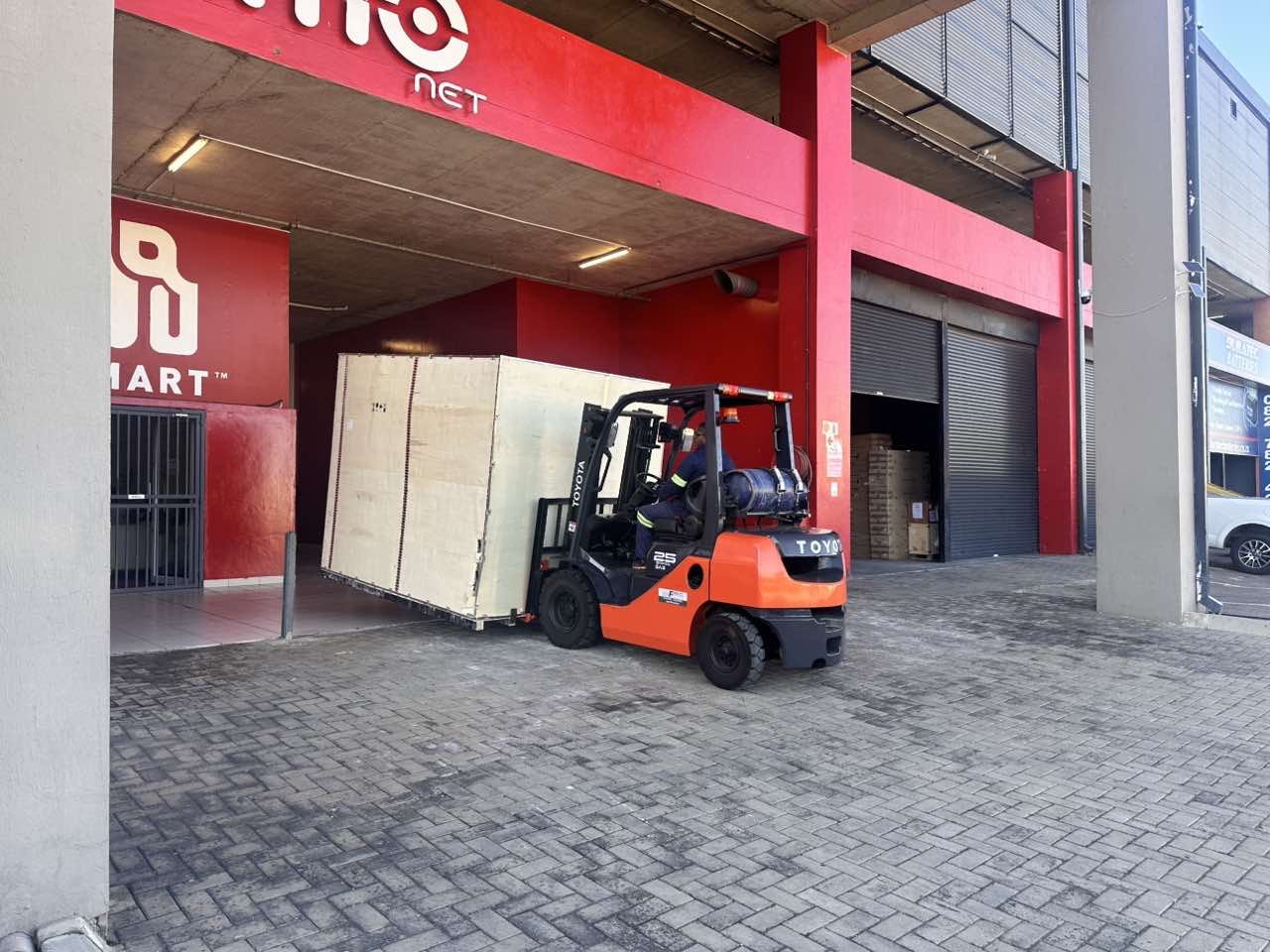
latest arrivals
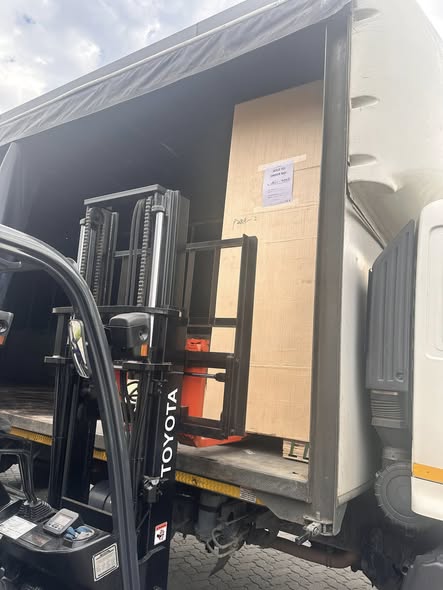
offloading
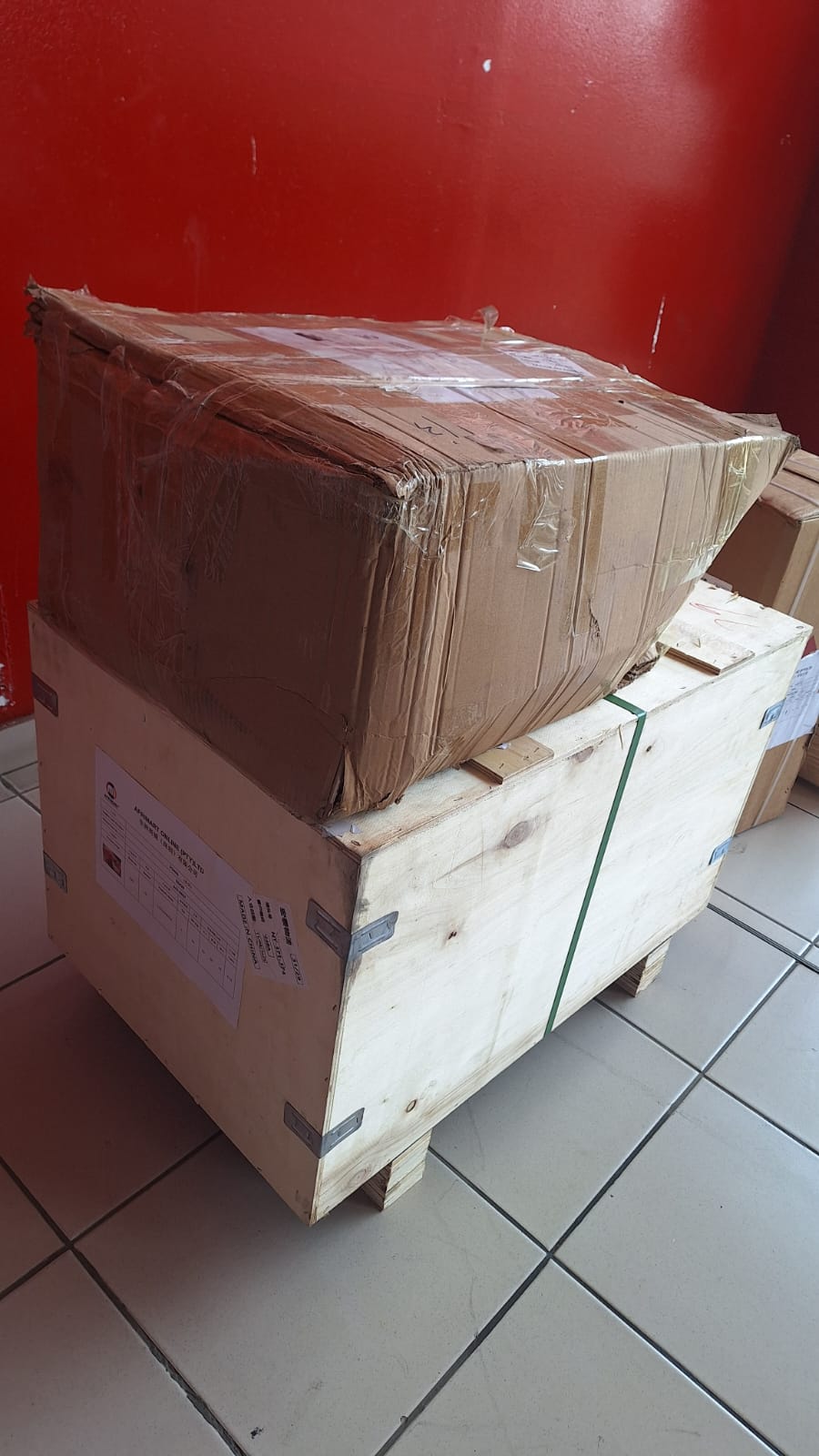
order success

order collection
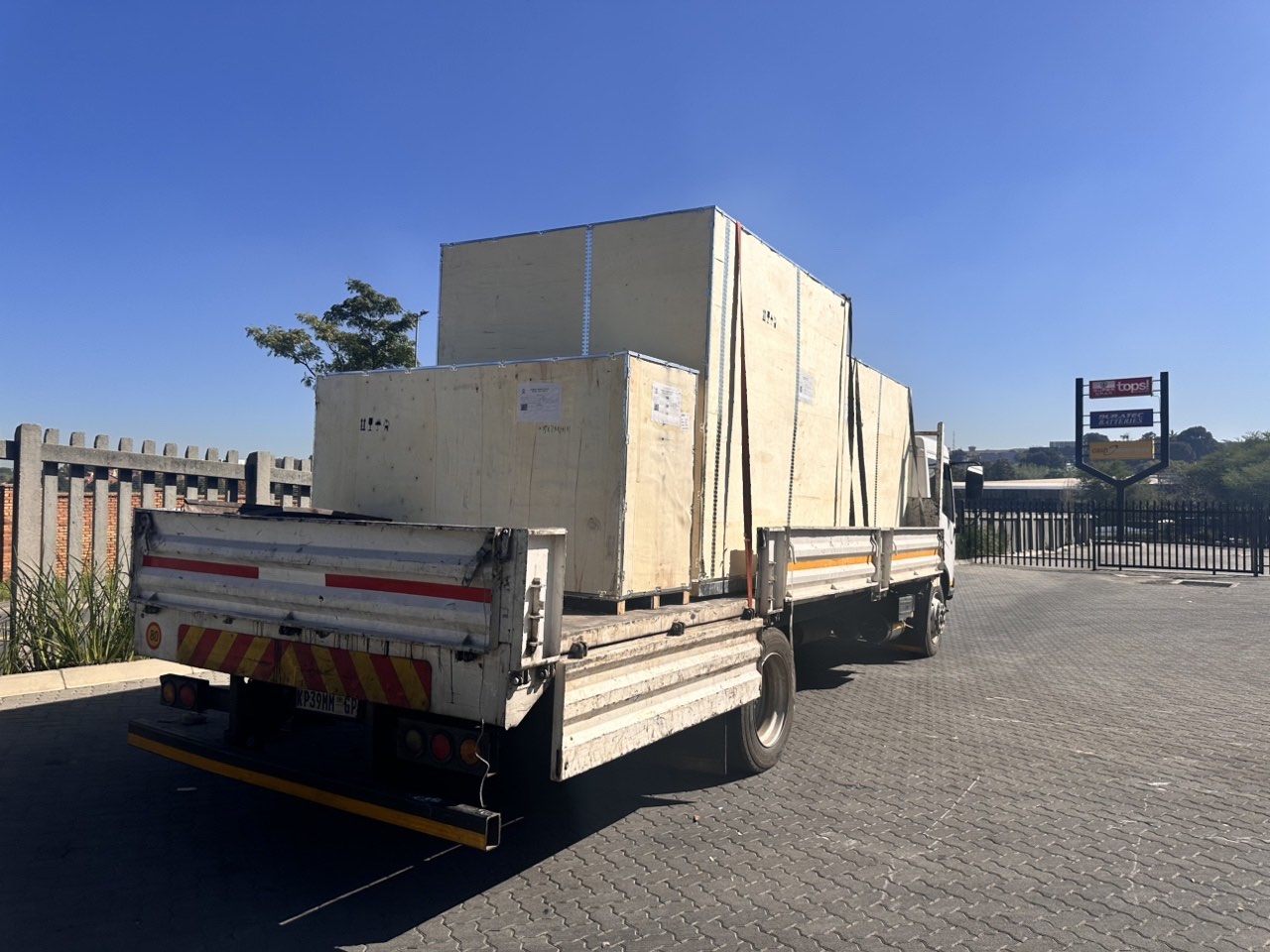
order offloading