B21, China Town Mall, Midrand


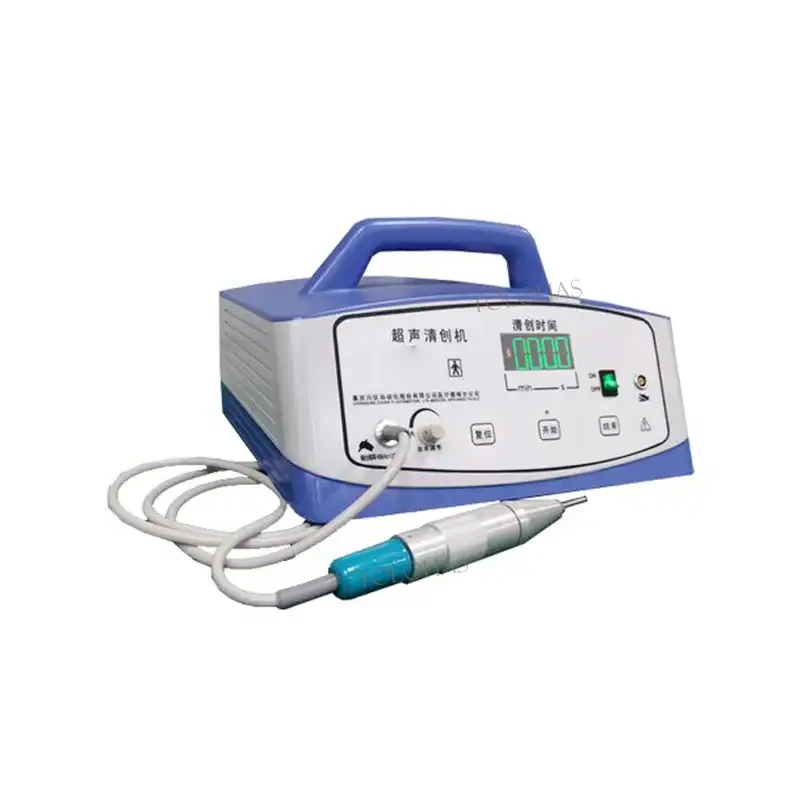
LHSUWIE Medical Wound Debridement Machine Ultrasonic Assisted Wound Ultrasound Debridement Equipment
Asset finance available
Do you want funding for this equipment?
Afrimart can connect you with trusted funding partners who specialise in asset finance for businesses like yours. Compare options and apply in minutes — final approval is subject to provider review.
Check funding options
Secure & no obligation

- Section : Medical Supplies
- Category : Medical Ultrasound Instruments
- SKU : 1600799761030

Ultrasound Debridement Machine LHSUWIE
The Ultrasound Debridement Machine LHSUWIE is a specialized medical device designed for effective and efficient debridement treatments. Using advanced ultrasonic technology, this machine helps to remove damaged tissue and promote healing, making it an essential tool for wound care and other medical applications.
Key Features:
- Class II Instrument Classification: The LHSUWIE meets industry standards for safety and performance, ensuring reliability during use.
- Ultrasonic Working Frequency: Operating at 40 KHz ±10 KHz, this machine provides precise ultrasonic energy for effective debridement.
- Low Power Consumption: The machine consumes less than 200W of power, making it energy-efficient while still providing high-performance results.
- Wide Liquid Temperature Range: It supports a liquid temperature range of 0–30°C, allowing for flexibility in various treatment conditions.
- Atmospheric Pressure: Designed to operate in atmospheric pressures ranging from 860Pa to 1060kPa, this machine is built for consistent performance in different environments.
- Compact Packaging: With a ctn size of 500500470mm, the machine's compact packaging makes it easy to store and transport.
- Lightweight: Weighing approximately 9kg, the machine is lightweight and easy to handle, making it convenient for medical professionals to use in a variety of settings.
The Ultrasound Debridement Machine LHSUWIE is an excellent choice for healthcare providers looking to provide effective wound care and promote faster healing. Its ultrasonic frequency, low power consumption, and user-friendly design make it an essential tool for any medical facility focused on advanced debridement treatments.
Product Info Gallery

Treatment mechanism:
Ultrasonic assisted wound treatment is primarily based on the cavitation effect gererated by low-frequency ultrasound. Which low-frequency high-energy ultrasound-loading jet flow technology, which produces “cavitation” effect in irrigation flow through ultrasound, and breaks & removes bacteria and dead tissues on the wound surfaces with micro-jet flow formed in collapse of cavitation bubbles.
During the process, the ultrasound distinguishes between necrotic and healthy tissue. Necroses, damaged tissue and even biofilm formations are removed without any damage occurring to the healthy tissue.
Application:
To cure all kinds of traumas, raw surfaces, non-healing wounds, sinus and fistula, bedsores and so on.
Removal trauma, surgical wound and contamination: all manner of open soft tissue injury, open fracture, firearm injury, fire burn, chemical burn and warfare-agent injury, purulent sore,sinus and fistula, and so on. Non-healing wounds: such as diabetic wound, bedsores, nervous neurotrophic ulcer,traumatic ulcer, etc. Acute infective wound,Orthopedics joint replacement,fracture fixation, and so on.
Features:
1. Operate: man-machine communication interface, intuitive, user friendly design allows surgeons to quickly learn and fully
utilize the system.
2. Portable: Compact design can be easily placed on a cart for maximum portability between operating rooms,or field use.
3. INTERCHANGEABLE: Variety of wound care probes provide flexibility to address a variety of different wound types.
Advantages:
* Return of the wound to an acute stage thereby promoting granulation
* Existing granulation tissue is preserved
* Avital tissue is detached and flushed out
* Significant reduction of germs, even in biofilm formations that are difficult to access
* Application in wound areas that are difficult to access e.g. fistula tracts
* Less pain for patient
* Controlled tissue removal
* Decreased Healing time
* Reduced bleeding
* Reduction of biofilm
Cost-cutting effects
* Generates considerable cost savings
* Effective wound cleaning reduces the number of debridements
* Quicker initial sealing
* Reduced use of analgesics as treatment is less painful
* No surgical intervention necessary as the machine reaches wound pockets and fistula tracts, etc., that are difficult to access.
Indications:
* Venous ulcers of venous and arterial origin
* Diabetic foot syndrome
* Decubitus ulcers (bedsores)
* Infected acute wounds
* Burns and scalds
* Cleaning of septic wounds
Benefits for the patients:
1. Low-pain debridement: Only the fibrinogen and necrotic tissue will be debrided, and no injury to the surrounding nerve & blood vessel, and to the normal tissue & the newborn granulation tissue. Minimizes pain for patients.
2. Promoting healing: The distinct frequency stimulates the lysosome enzymatic activity of fibroblast, increases the activity of the normal protein, and causes the release of inflammatory mediator and growth factor. It protects and promotes the growth of granulation tissue.
3. Thorough debridement: The distance can be adjusted between the probe and the wound surface according to the depth of the wound site. It can reach the position where the normal debrider couldn’t, and realize thorough debridement, The bacteria clearance rate reaches above 90%.
4. Blood clotting:Significantly reduces bleeding during the debridement procedure and maximizes patient comfort.
5. No allergic side-effects.
Product Paramenters
| Application | For wounds treatment |
| Host output power | 18-100 KHZ |
| Liquid flow | 0-200ml/min |
| Ultrasound working frequency | 20-50Khz |
| Diametre of the probe tip(liquid hole) | 1 mm |
| Voltage | a.c. 220V/50 Hz |
| Working dB | <70 dB |
| Packaging | 1 pc/carton, size: 500*500*470mm, GW: 9KG |
- Shipping Timeframes: All orders are processed within 2-5 business days (excluding weekends and holidays). After your order has been processed, the estimated delivery time is before 25 Jun, 2026, depending on customs, Please note that due to high demand, some items may experience longer shipping times, which will be communicated at order confirmation email.
- Order Processing Time: Please allow 2-5 business days for us to process your order before it is shipped . Orders placed after 16:00 on Fridays, or during weekends and public holidays, will begin processing on the next business day. Processing times may be extended during peak seasons or sales events.
- Manufacturing Time: Some products needs manufacturing time, the manufacturing process will take approximately 10-30 business days depending on the product. This timeframe may vary depending on the complexity of the product and current demand. but this will be communicated with you during order confirmation.
- Returns and Exchanges: We offer a 30-day return policy for most items. If you are not completely satisfied with your purchase, you may return it within 30 days of receipt for a refund or exchange. Items must be unused, in their original packaging, and accompanied by proof of purchase. Return shipping costs are the responsibility of the customer, unless the item was damaged or defective upon arrival.
1. What is the primary function of the LHSUWIE Medical Wound Debridement Machine?
The LHSUWIE Medical Wound Debridement Machine is designed to effectively remove damaged tissue from wounds using advanced ultrasonic technology, promoting healing and improving wound care.
2. What ultrasonic frequency does the machine operate at?
The machine operates at an ultrasonic working frequency of 40 KHz ±10 KHz, providing precise energy for effective debridement.
3. Is the LHSUWIE machine energy efficient?
Yes, the machine consumes less than 200W of power, making it energy-efficient while delivering high-performance results.
4. What types of wounds can this machine be used on?
The LHSUWIE machine can be used for various types of wounds including venous ulcers, diabetic foot syndrome, decubitus ulcers, burns, and infected acute wounds.
5. How does the ultrasonic debridement process work?
The machine utilizes the cavitation effect generated by low-frequency ultrasound to break and remove bacteria and dead tissues from the wound surface without damaging healthy tissue.
6. Is the LHSUWIE easy to transport?
Yes, with a weight of approximately 9kg and compact dimensions of 500*500*470mm, it is lightweight and easy to transport between medical facilities.
7. What are the benefits of using this machine for patients?
The benefits include low-pain debridement, promotion of healing, thorough cleaning of wounds, reduced bleeding, and no allergic side effects.
8. What is the significance of the machine's Class II Instrument Classification?
The Class II Instrument Classification indicates that the LHSUWIE meets industry standards for safety and performance, ensuring reliability during medical use.
9. Can the machine be used in different environmental conditions?
Yes, the LHSUWIE is designed to operate in atmospheric pressures ranging from 860Pa to 1060kPa, making it suitable for various environments.
10. How does the machine ensure minimal pain during the debridement process?
The machine is designed to only remove fibrinogen and necrotic tissue while preserving healthy tissue, which minimizes pain for the patient.
11. What is the liquid temperature range supported by the machine?
The LHSUWIE supports a liquid temperature range of 0–30°C, allowing for flexibility during treatment.
12. Does the machine have interchangeable probes?
Yes, the LHSUWIE comes with a variety of wound care probes that provide flexibility to address different types of wounds.
13. What is the bacteria clearance rate achieved by this machine?
The bacteria clearance rate during treatment can exceed 90%, ensuring effective cleaning of the wound.
14. Is any surgical intervention required with this machine?
No surgical intervention is necessary as the machine can reach difficult wound pockets and fistula tracts without the need for surgery.
15. How does the LHSUWIE promote faster healing?
The distinct ultrasonic frequency stimulates enzymatic activity and growth factors, which helps protect and promote the growth of granulation tissue.
Latest Order Arrivals
Discover our latest orders
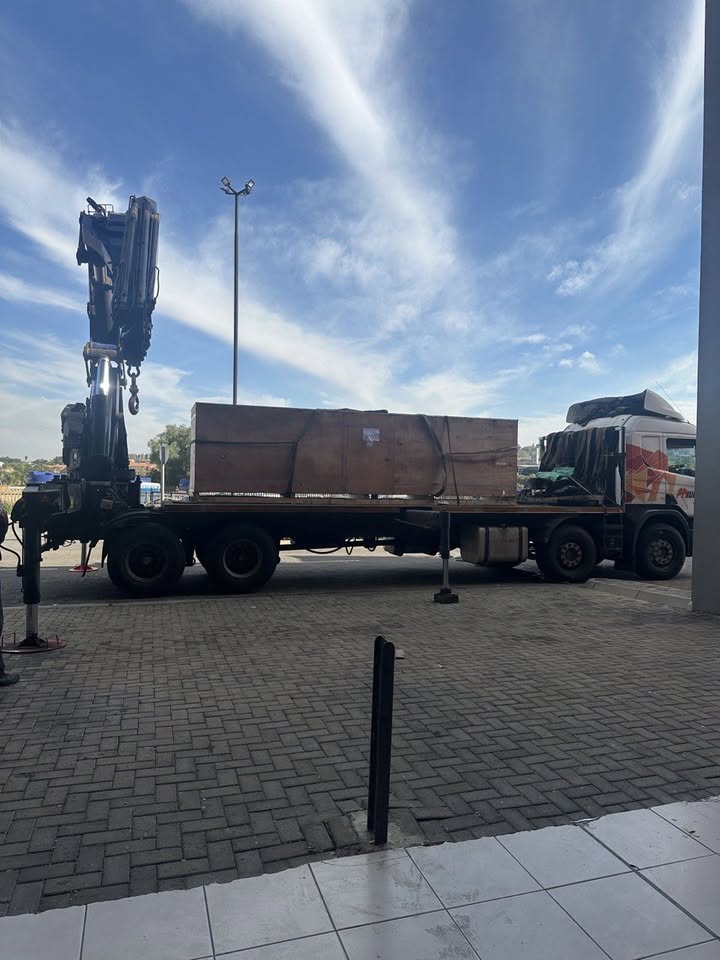
12 Heads Embroidery Machine
Toilet Paper Machine Machine
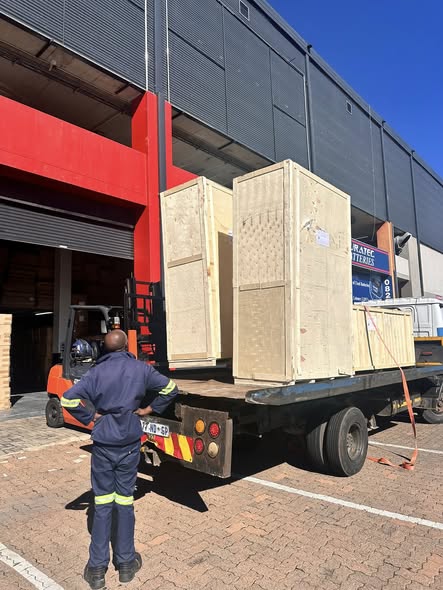
Order Collection
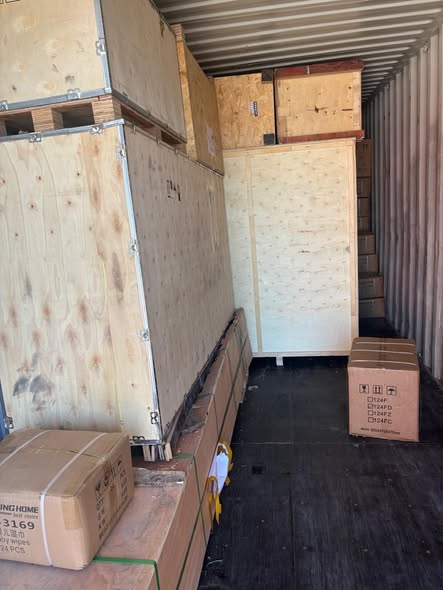
Cross Border Clients
Order cros border countries Collected
Industrial Machine Cllection
Agriculture Processing Machines
Ready for collection
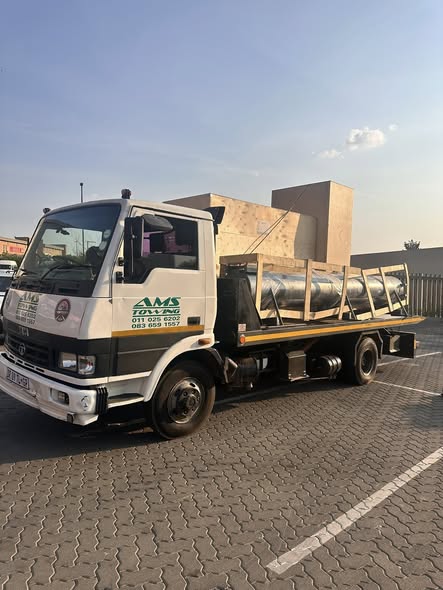
Water Pump Equipment
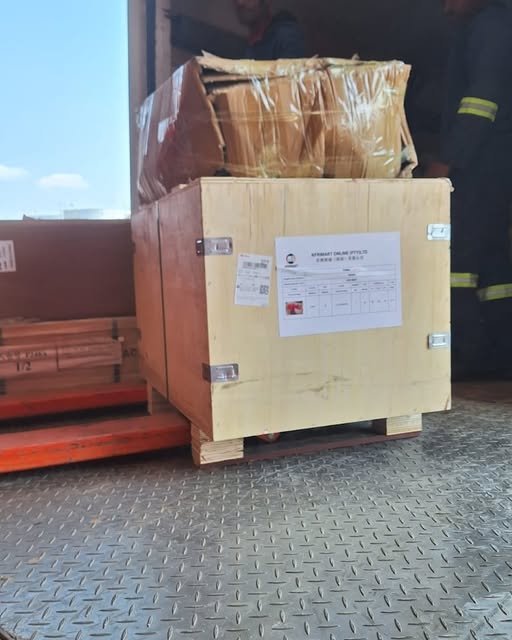
Packaging Machine and accessories
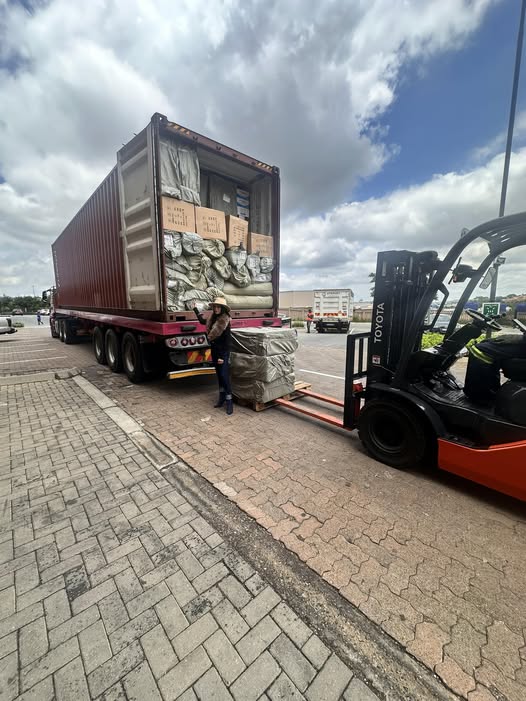
Fabrics Manufacturing Equipment
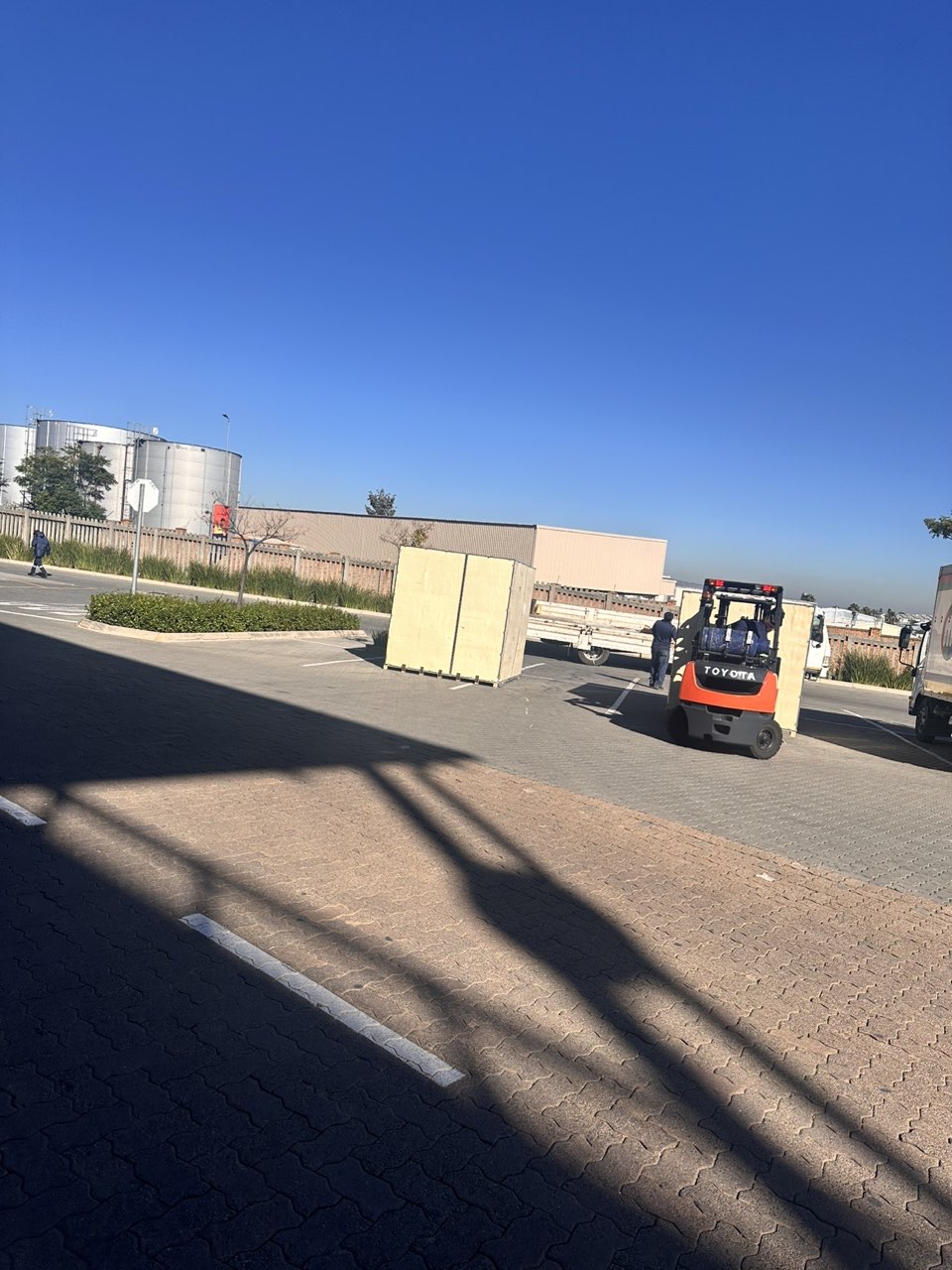
Mining Equipments
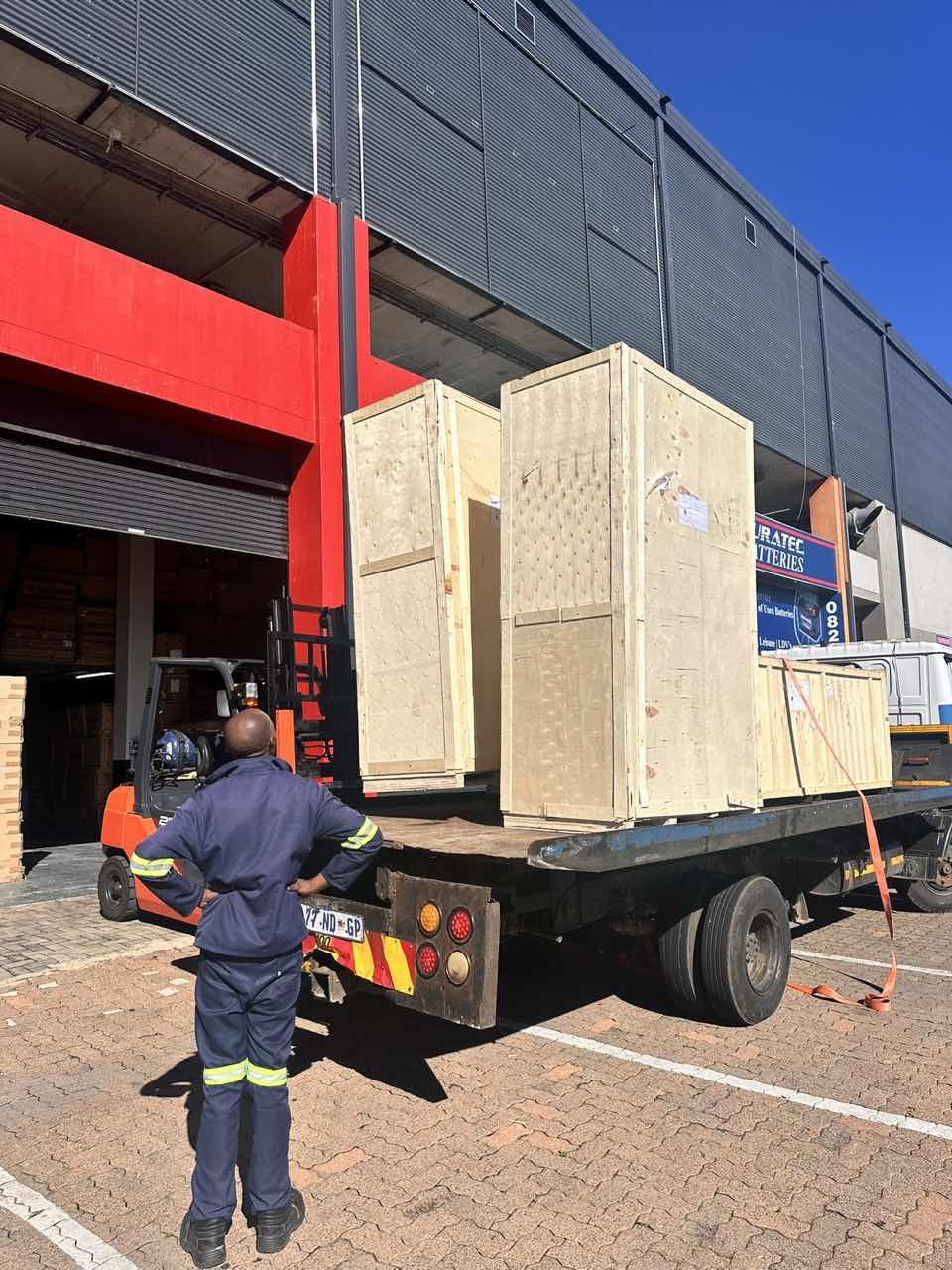
Food Processing Machine
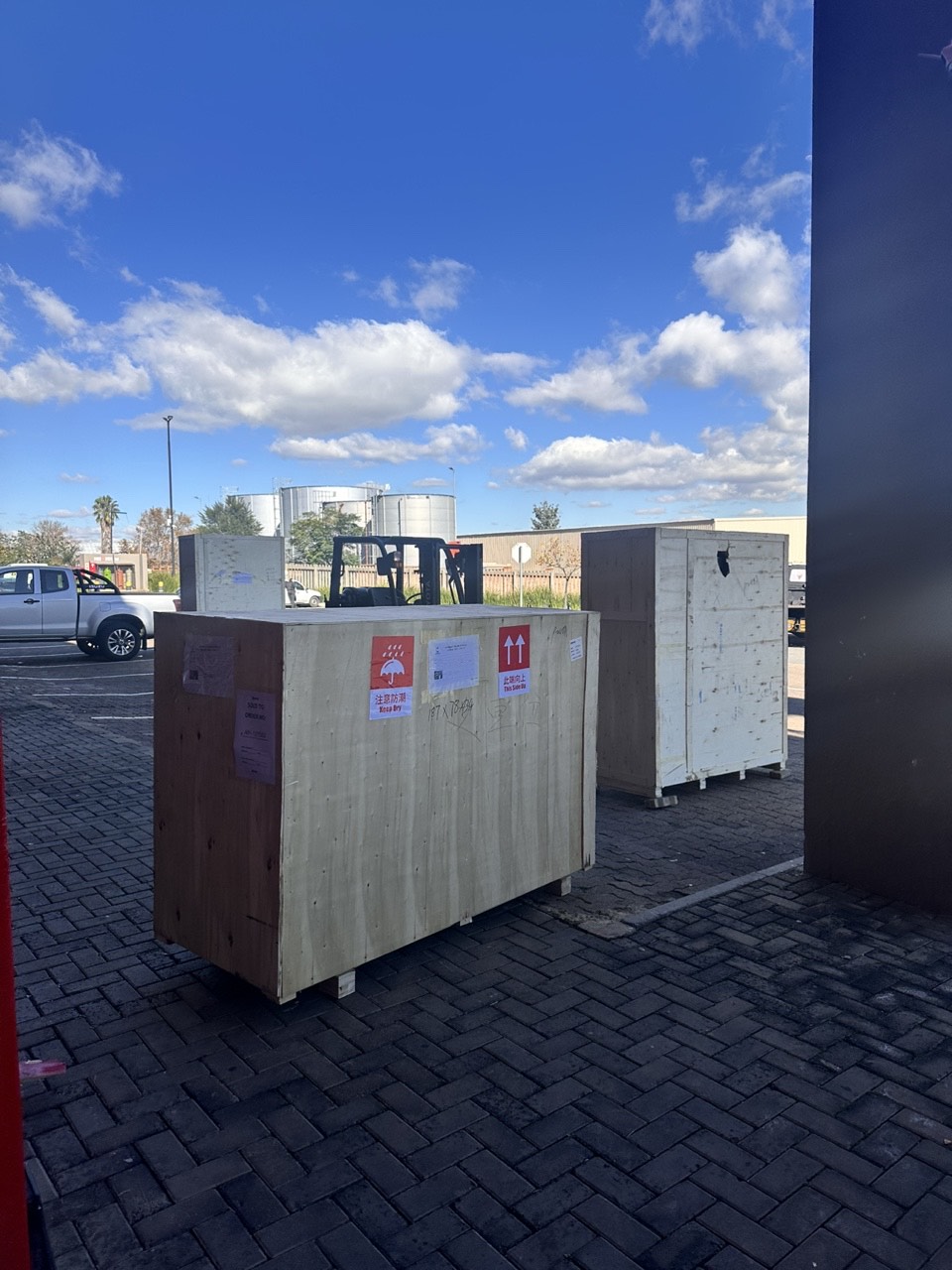
Batch of Orders
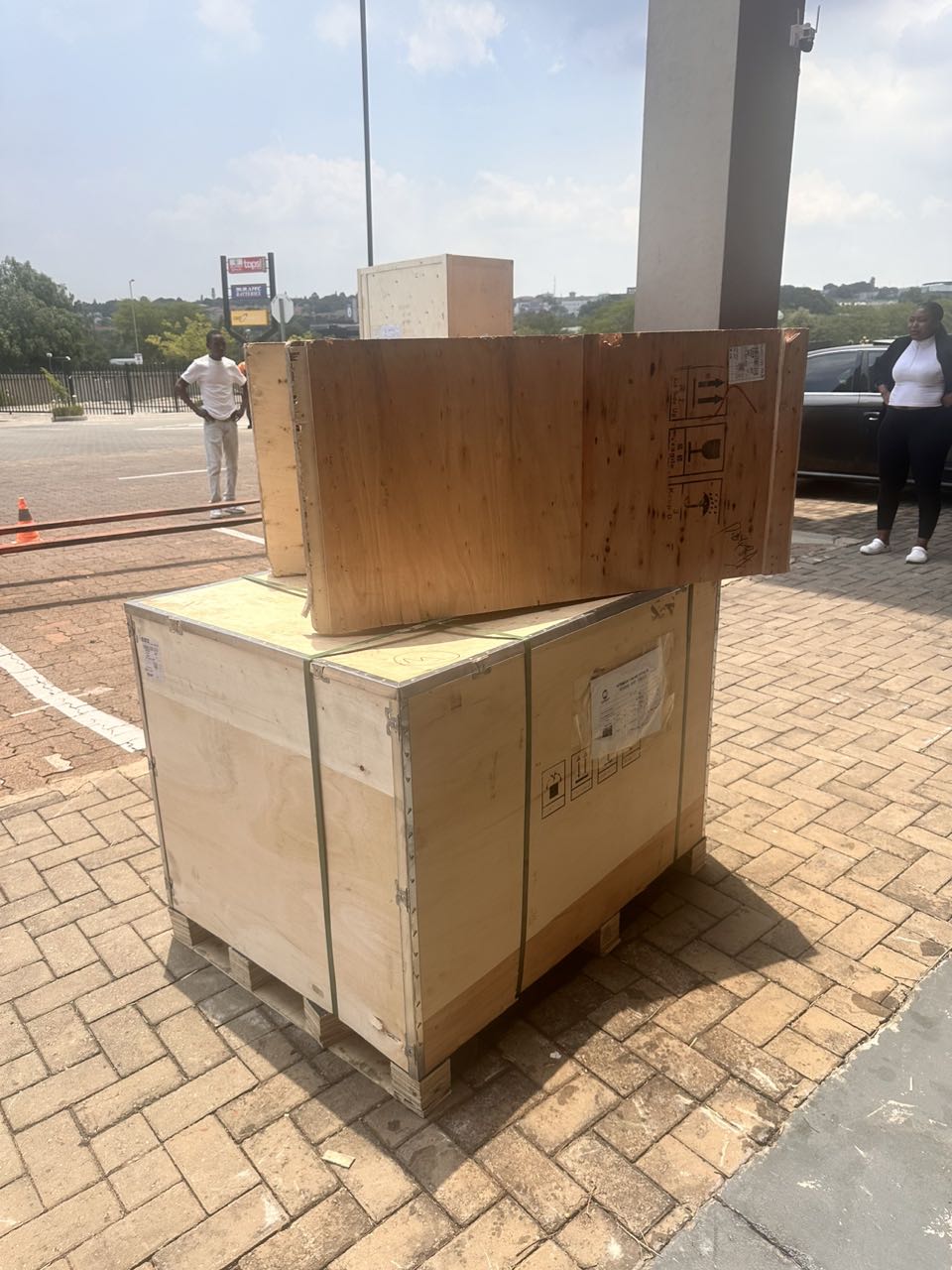
Batch of Orders
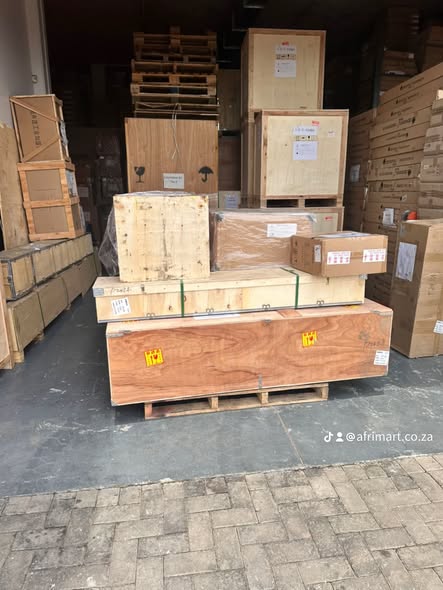
Latest Orders Labelled
wheel alignment machines
new arrivals
Pre Orders Offloading
Latest Arrivals
Latest Arrivals
Latest Arrivals
Loading
Toilet paper making machine
Toilet paper making machine
Toilet paper Rewinding Machine
latest arrivals
offloading
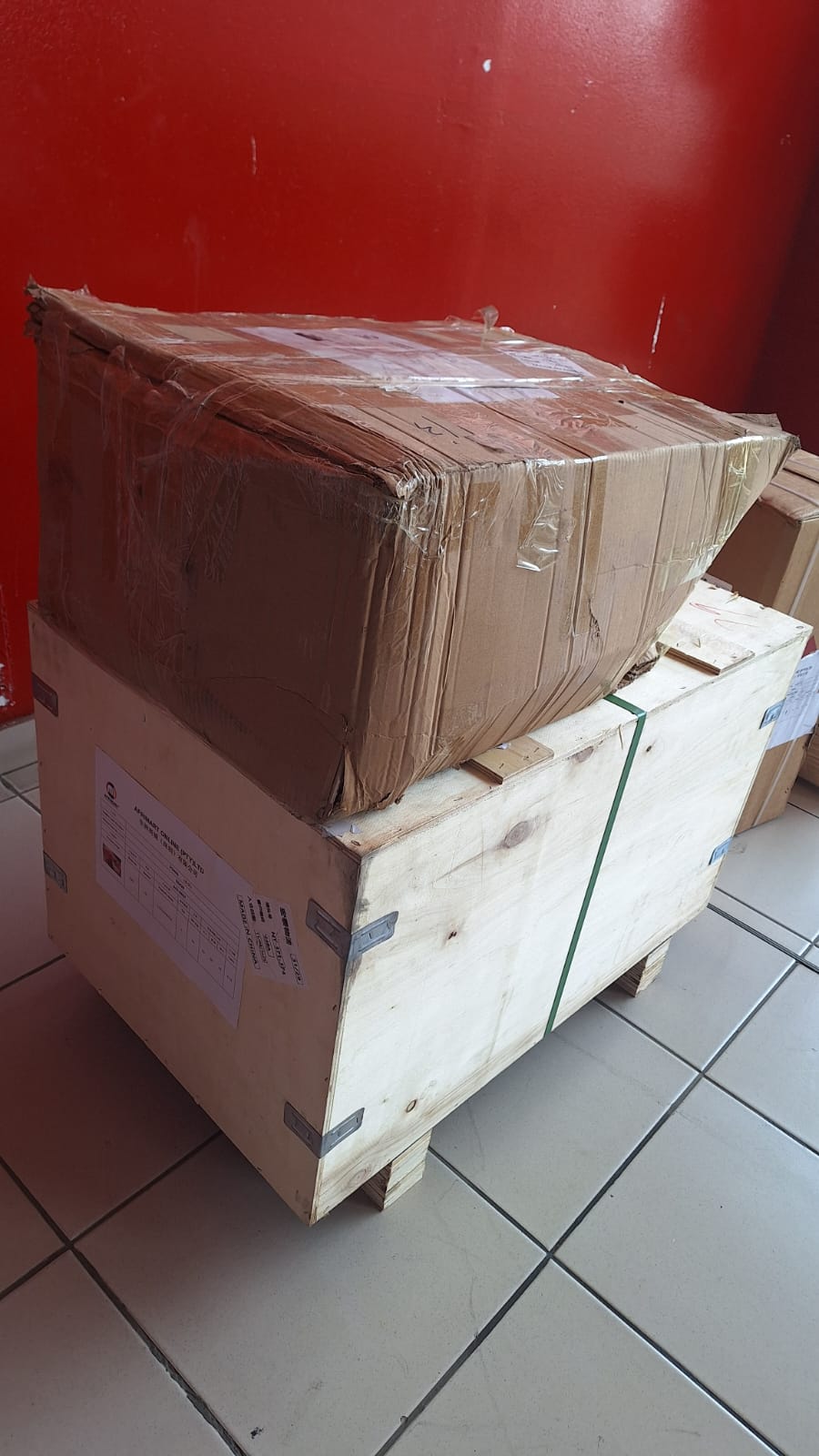
order success
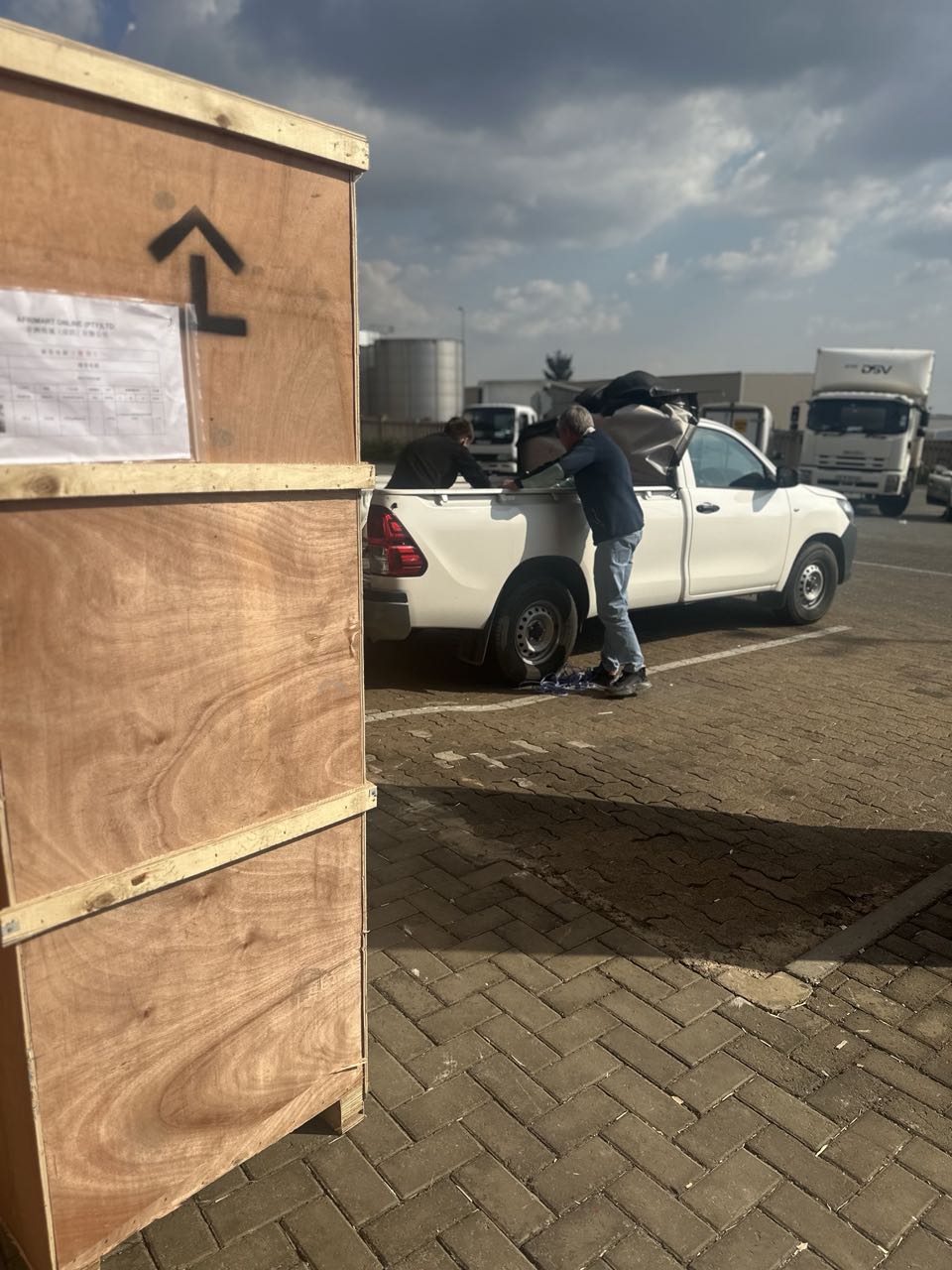
order collection
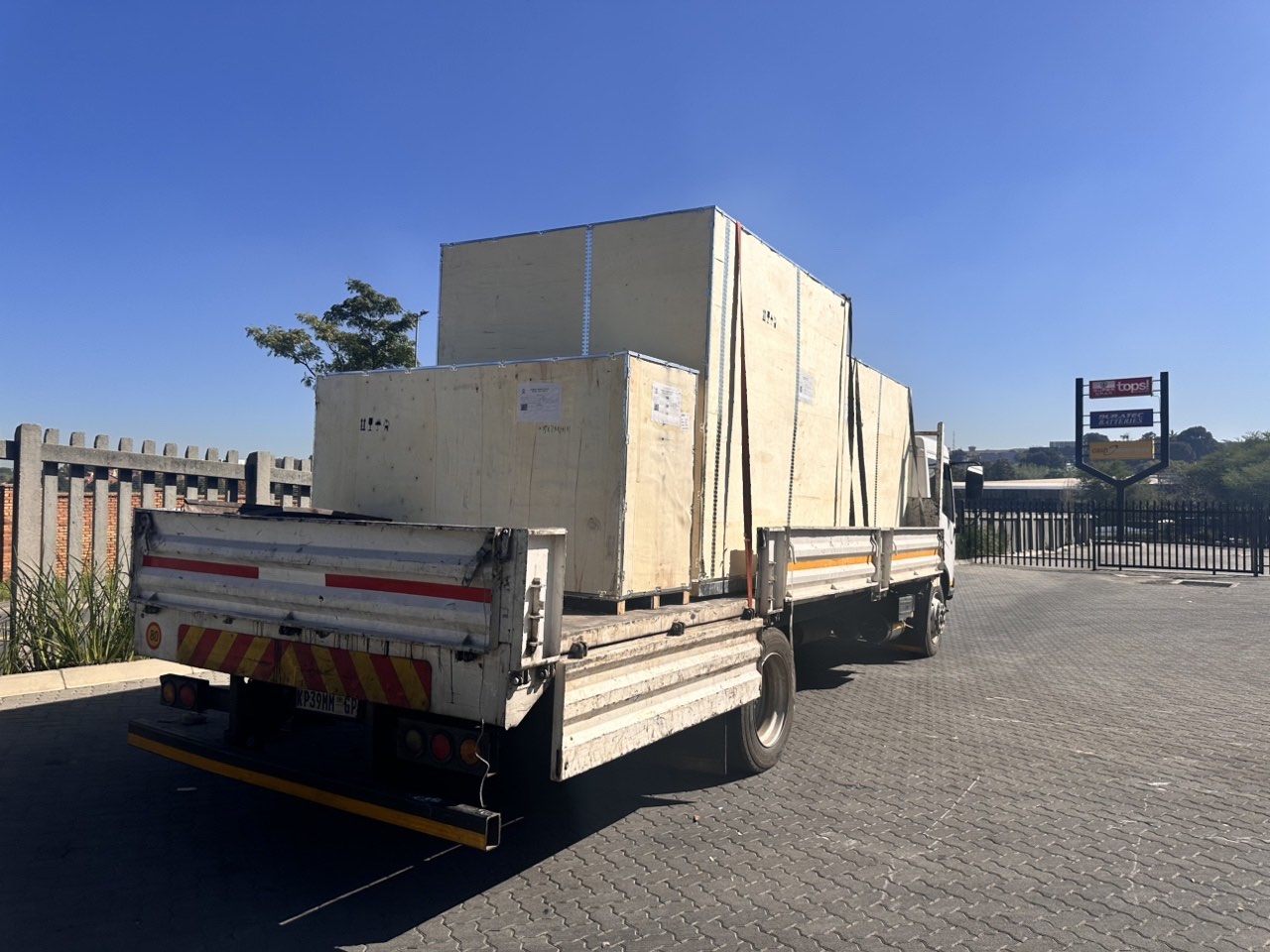
order offloading