B21, China Town Mall, Midrand

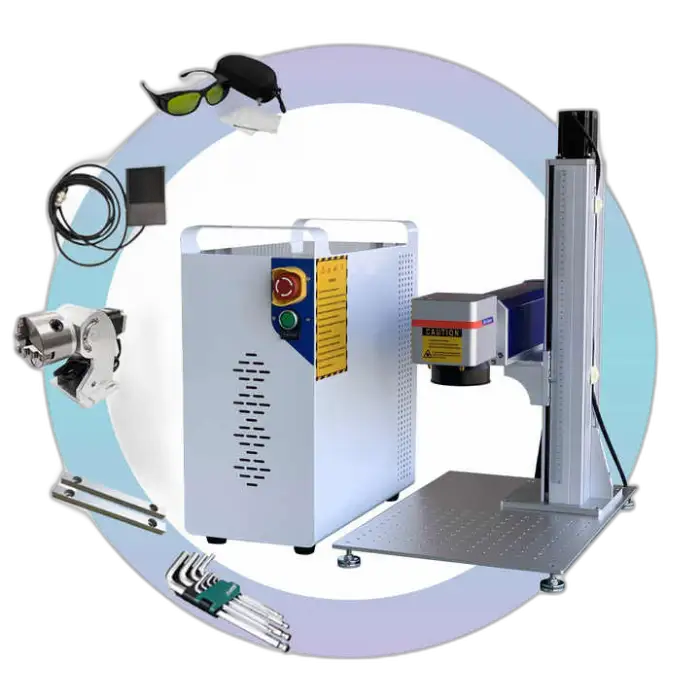
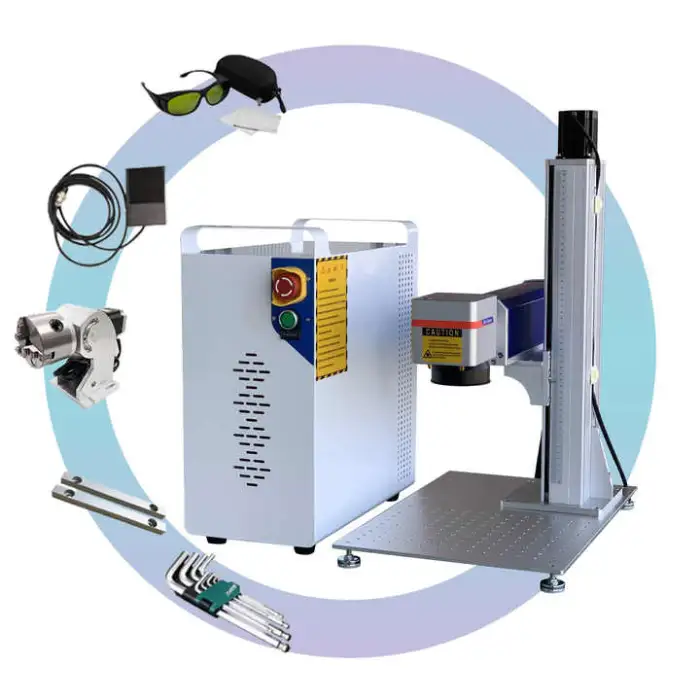
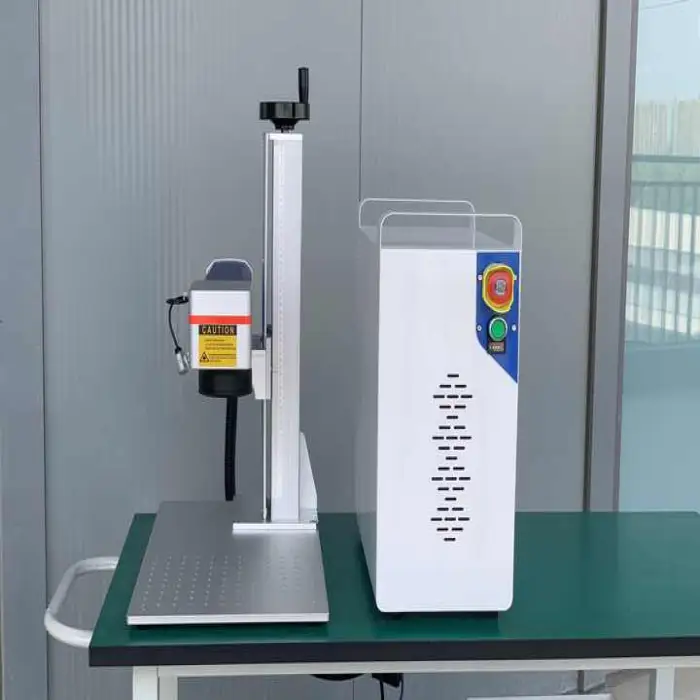
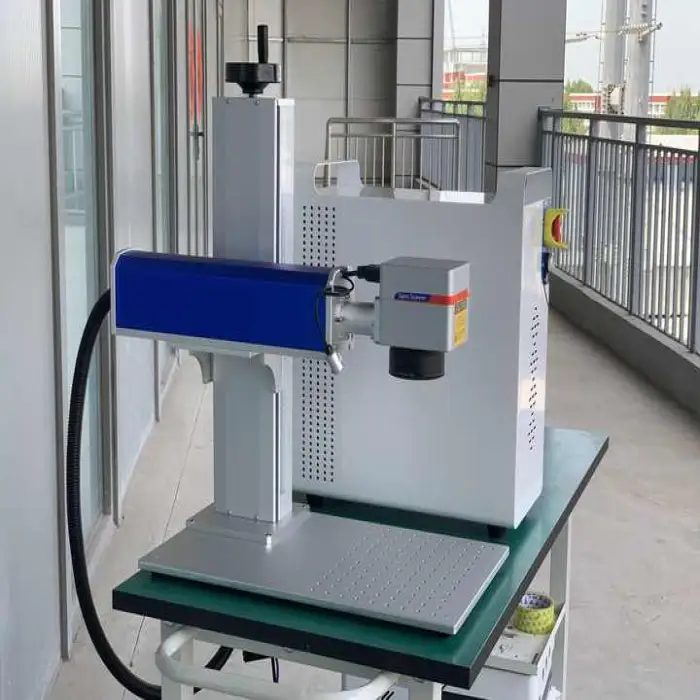
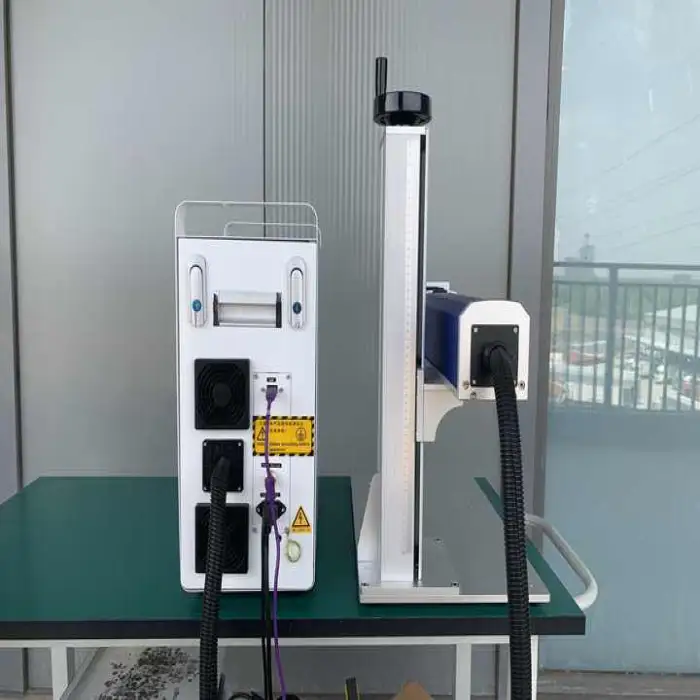
Laser Marking Machine Phone Case Making Machine Logo Printing for Metal Nonmetal Marking Engraving
- Section : Machinery
- Category : Industry Laser Equipment
- SKU : 10000015538730

Laser Marking Machine Phone Case Making Machine Logo Printing for Metal Nonmetal Marking Engraving
The Laser Marking Machine Phone Case Making Machine is perfect for creating custom logos on both metal and nonmetal materials. This easy-to-use machine is designed for high precision and efficiency. With a variety of features, it allows users to engrave detailed designs quickly and accurately. Whether you are a small business or a hobbyist, this machine can help you produce professional-quality items with ease.
Specifications
| Attribute | Details |
|---|---|
| Laser Type | Fiber Laser |
| Graphic Formats Supported | AI, PLT, DXF, BMP, Dst, Dwg, LAS, DXP |
| Feature | Automated Loading |
| Cooling System | Water Cooling |
| Working Accuracy | 0.001mm |
| Weight | 63 KG |
| Marking Area | 110mm x 110mm |
| Power Options | 30W / 60W / 100W / 150W |
| Laser Wavelength | 1064nm |
| Marking Depth | 0-1mm |
| Control System | EZCAD Control System |
Key Features
- Easy to operate with user-friendly controls
- Supports multiple graphic formats for versatility
- High precision with 0.001mm working accuracy
- Automated loading for efficient marking
- Powerful water cooling system for optimal performance
Applications
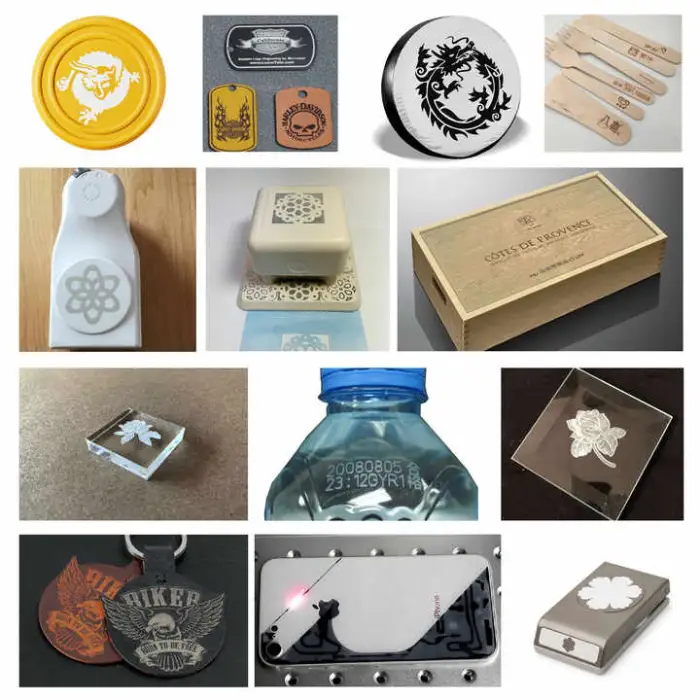
- Custom logo printing on phone cases
- Engraving designs on metal and nonmetal products
- Personalized gifts for special occasions
- Industrial marking for part identification
- Artistic engraving for craft projects
The Laser Marking Machine is a valuable tool for anyone looking to enhance their product offerings. With its advanced features and capabilities, it opens up a world of creative possibilities. Get yours today and start marking with precision!
Product Info Gallery
- Shipping Timeframes: All orders are processed within 2-5 business days (excluding weekends and holidays). After your order has been processed, the estimated delivery time is before 13 Aug, 2026, depending on customs, Please note that due to high demand, some items may experience longer shipping times, which will be communicated at order confirmation email.
- Order Processing Time: Please allow 2-5 business days for us to process your order before it is shipped . Orders placed after 16:00 on Fridays, or during weekends and public holidays, will begin processing on the next business day. Processing times may be extended during peak seasons or sales events.
- Manufacturing Time: Some products needs manufacturing time, the manufacturing process will take approximately 10-30 business days depending on the product. This timeframe may vary depending on the complexity of the product and current demand. but this will be communicated with you during order confirmation.
- Returns and Exchanges: We offer a 30-day return policy for most items. If you are not completely satisfied with your purchase, you may return it within 30 days of receipt for a refund or exchange. Items must be unused, in their original packaging, and accompanied by proof of purchase. Return shipping costs are the responsibility of the customer, unless the item was damaged or defective upon arrival.
1. What materials can this laser marking machine mark?
The machine is optimized for metals (stainless steel, aluminum, brass, copper, etc.) and many nonmetal materials such as coated plastics, painted surfaces, leather and some polymers. Because nonmetal behavior varies, test your specific phone-case material before full production.
2. What are the available laser power options and how do I choose?
Power options are 30W, 60W, 100W and 150W. Lower power suits fine surface marking and delicate substrates; higher power is better for deeper engraving, faster throughput and harder metals. Choose based on material type, required marking depth and production speed.
3. What file formats does the machine support?
The machine supports common graphic and CAD formats including AI, PLT, DXF, BMP, DST, DWG, LAS and DXP. Graphics are imported and controlled via the EZCAD software.
4. What is the maximum marking area and accuracy?
Marking area is 110 mm × 110 mm and the working accuracy is up to 0.001 mm, enabling very fine detail for logos and serial codes.
5. How deep can the laser engrave?
Marking depth is adjustable from surface marking up to approximately 1 mm, depending on material, power setting and number of passes.
6. What cooling system does the machine use and what maintenance is required?
The machine uses a water-cooling system. Use clean, deionized or distilled water, check coolant levels regularly, replace water per the manual, and inspect hoses and connections for leaks to maintain optimal performance.
7. What safety precautions are required when using the laser?
Always follow the user manual and local laser-safety regulations: use appropriate laser safety eyewear, operate with an enclosure or protective shielding, ensure proper ventilation or fume extraction for particulates and vapors, and implement interlocks and warning signage where required.
8. What control software does the machine use and is training required?
The unit uses the EZCAD control system, which supports the listed file formats and offers powerful marking controls. Basic operation is user-friendly, but initial training on EZCAD and machine setup is recommended for best results.
9. Does the machine include automated loading and how does that work?
Yes, it features automated loading to improve throughput. Specific automation (fixture types, conveyor integration or robotic feed) may vary by model or configuration—confirm details with the supplier to match your workflow and part sizes.
10. Is this machine suitable for marking phone cases without damaging them?
Yes for many phone-case types—metal cases and coated or laser-compatible plastics can be marked cleanly. For thin or heat-sensitive plastics, use lower power and test settings to avoid melting or distortion. Consider fixturing to prevent movement and protect delicate areas.
11. What regular maintenance and consumables are needed?
Routine maintenance includes cleaning the lens and protective glass, checking and replacing water coolant, keeping the work area free of dust, and inspecting cables/connectors. Fiber lasers have long lifetimes (typically tens of thousands of hours) with minimal consumables compared to CO2 lasers.
12. How fast is the marking process?
Marking speed depends on laser power, material, design complexity and resolution. The system is optimized for high throughput—simple logos can be marked in seconds, while detailed or deep engravings will take longer. Run sample tests to determine cycle times for your parts.
13. What electrical and installation requirements are there?
Exact electrical and site preparations depend on the model and power option. Typical needs include stable mains power, adequate grounding, water inlet/outlet for cooling and ventilation or fume extraction. Confirm required voltage/amperage and installation details with the vendor or installation guide.
14. Can I mark colored or anodized aluminum and will colors change?
Yes, fiber lasers can produce high-contrast marks on anodized aluminum and certain coated materials. Results vary—you can achieve color changes (annealing or oxidation effects) on some metals; test samples to verify appearance and adhesion.
15. Is there warranty and technical support available?
Warranty and support vary by seller. Most suppliers offer a limited warranty and technical support (remote or on-site) plus spare parts availability. Confirm the warranty length, coverage and available support options before purchase.
Latest Order Arrivals
Discover our latest orders
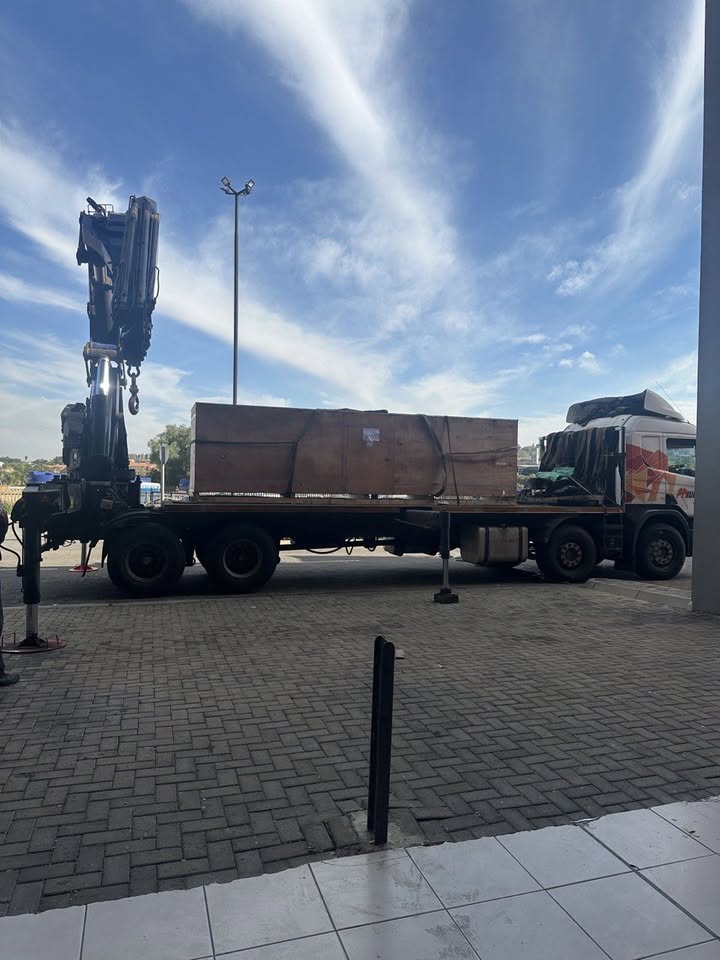
12 Heads Embroidery Machine
Toilet Paper Machine Machine
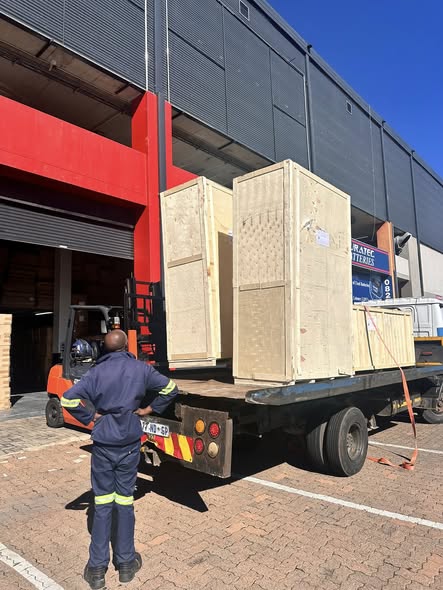
Order Collection
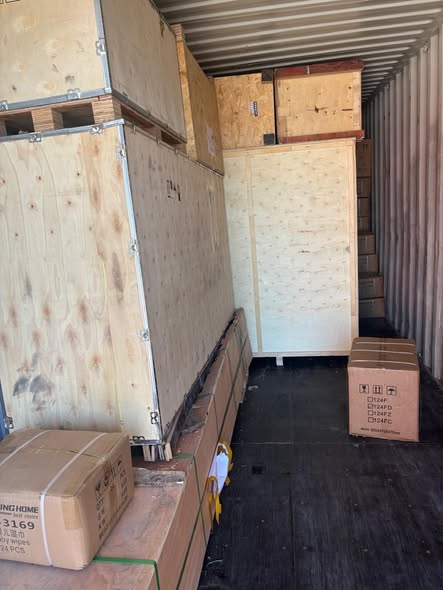
Cross Border Clients
Order cros border countries Collected
Industrial Machine Cllection
Agriculture Processing Machines
Ready for collection
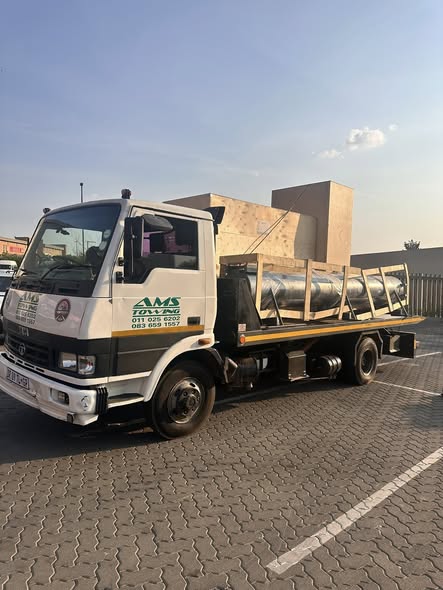
Water Pump Equipment
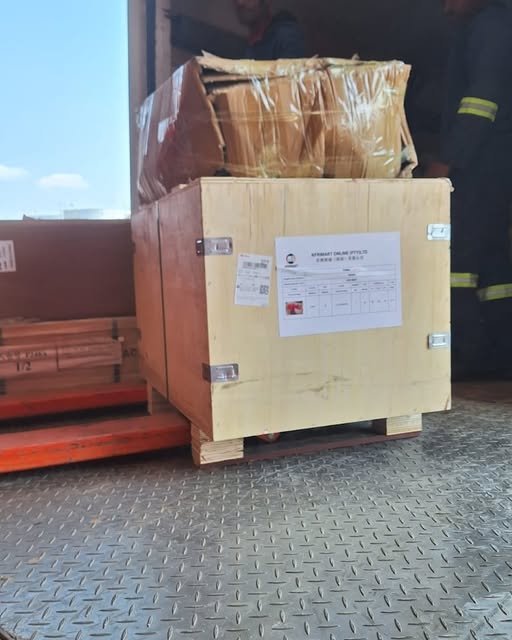
Packaging Machine and accessories
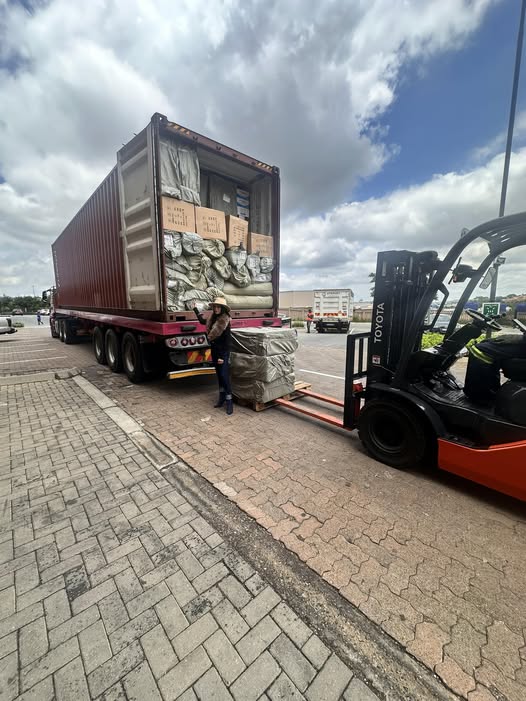
Fabrics Manufacturing Equipment
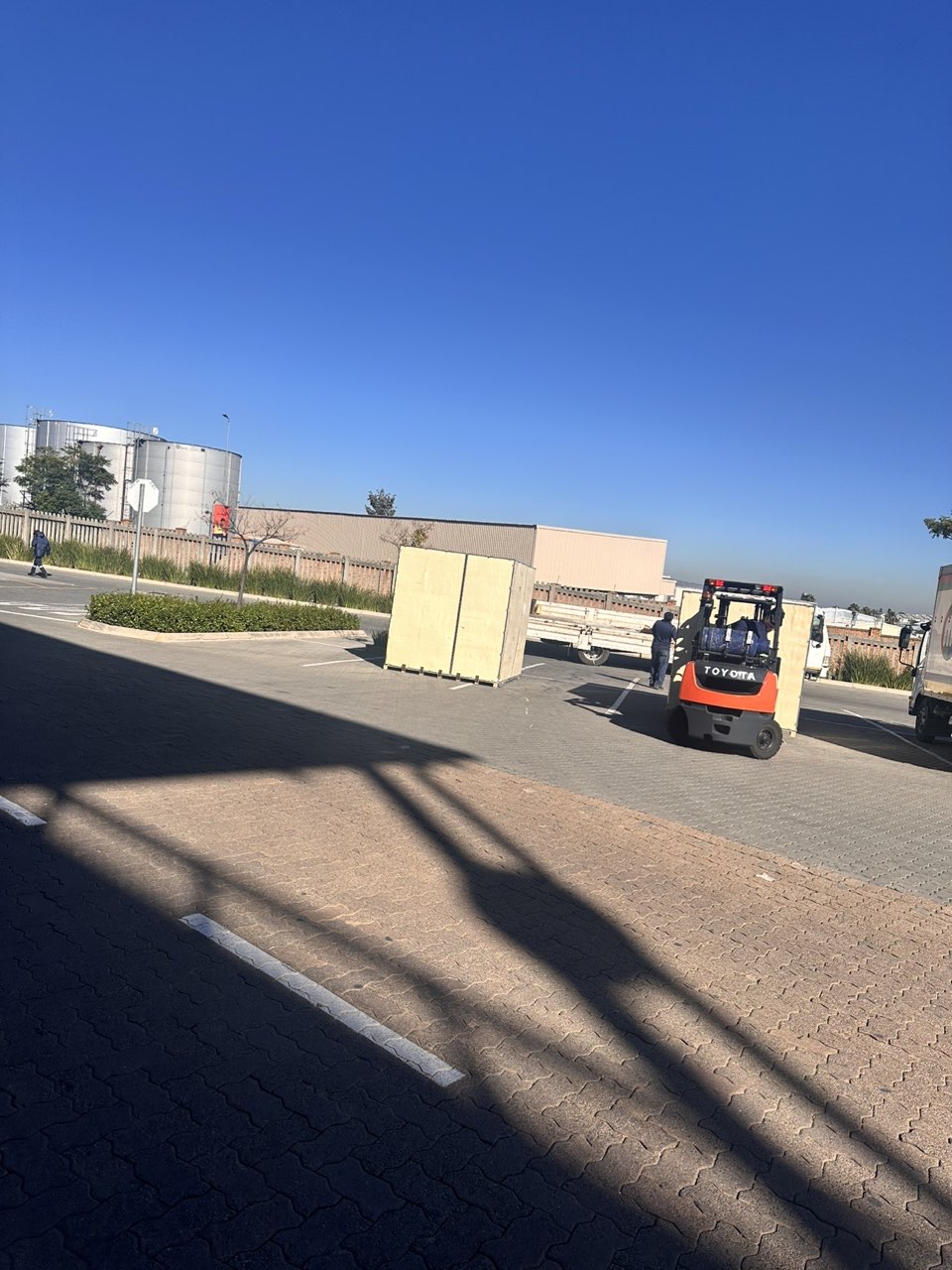
Mining Equipments
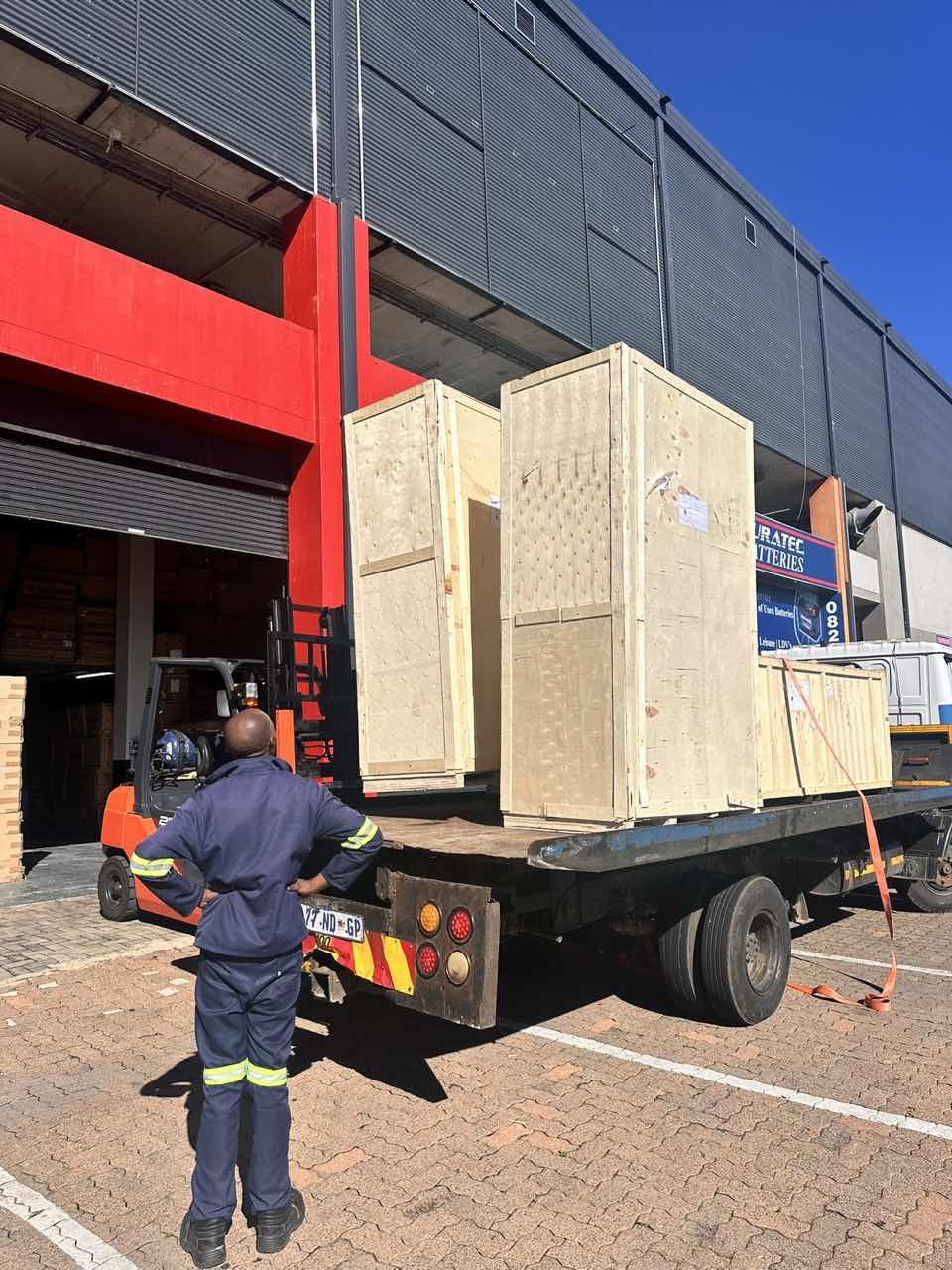
Food Processing Machine
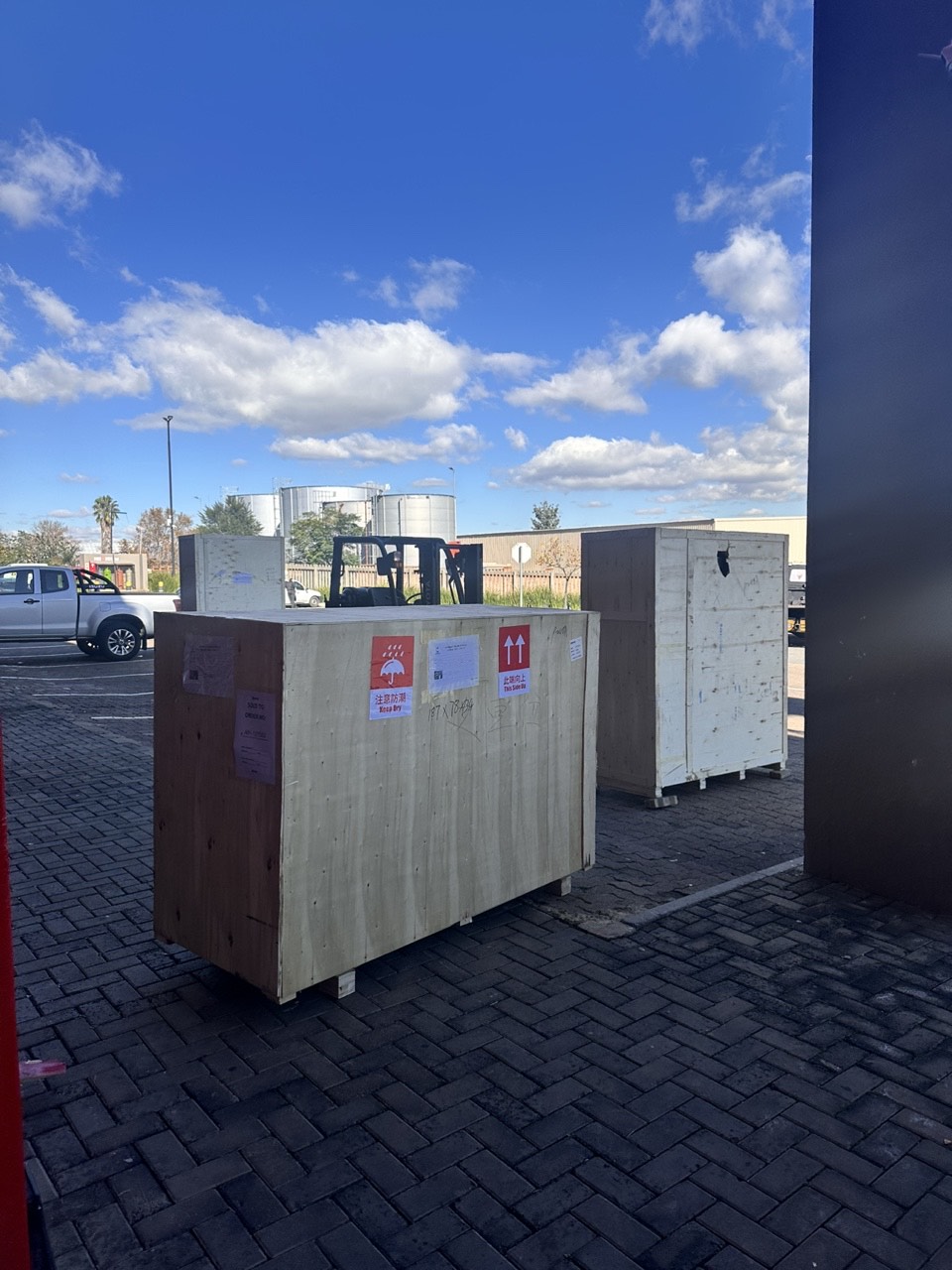
Batch of Orders
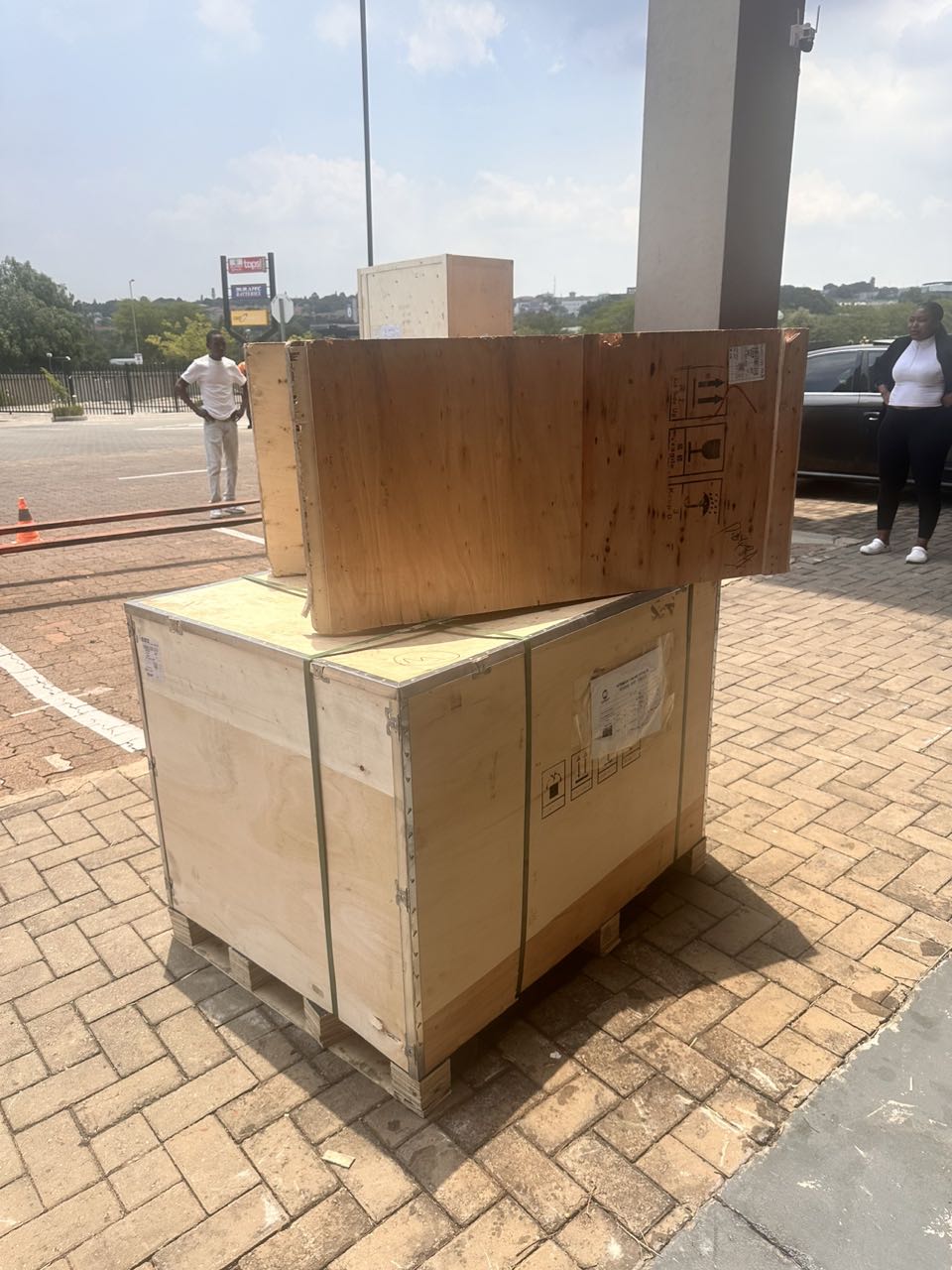
Batch of Orders
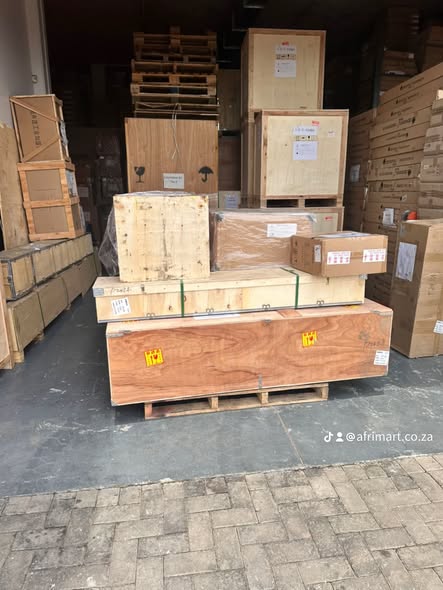
Latest Orders Labelled
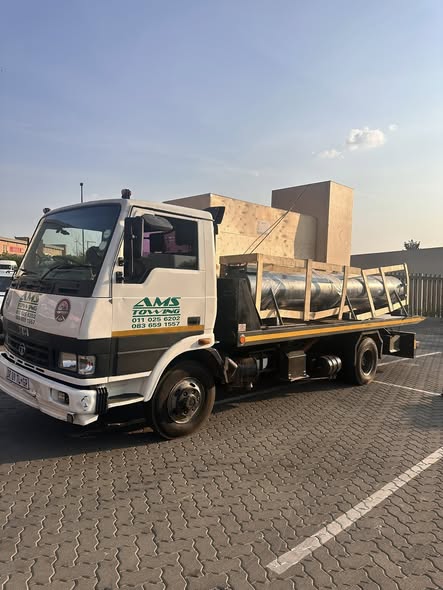
wheel alignment machines
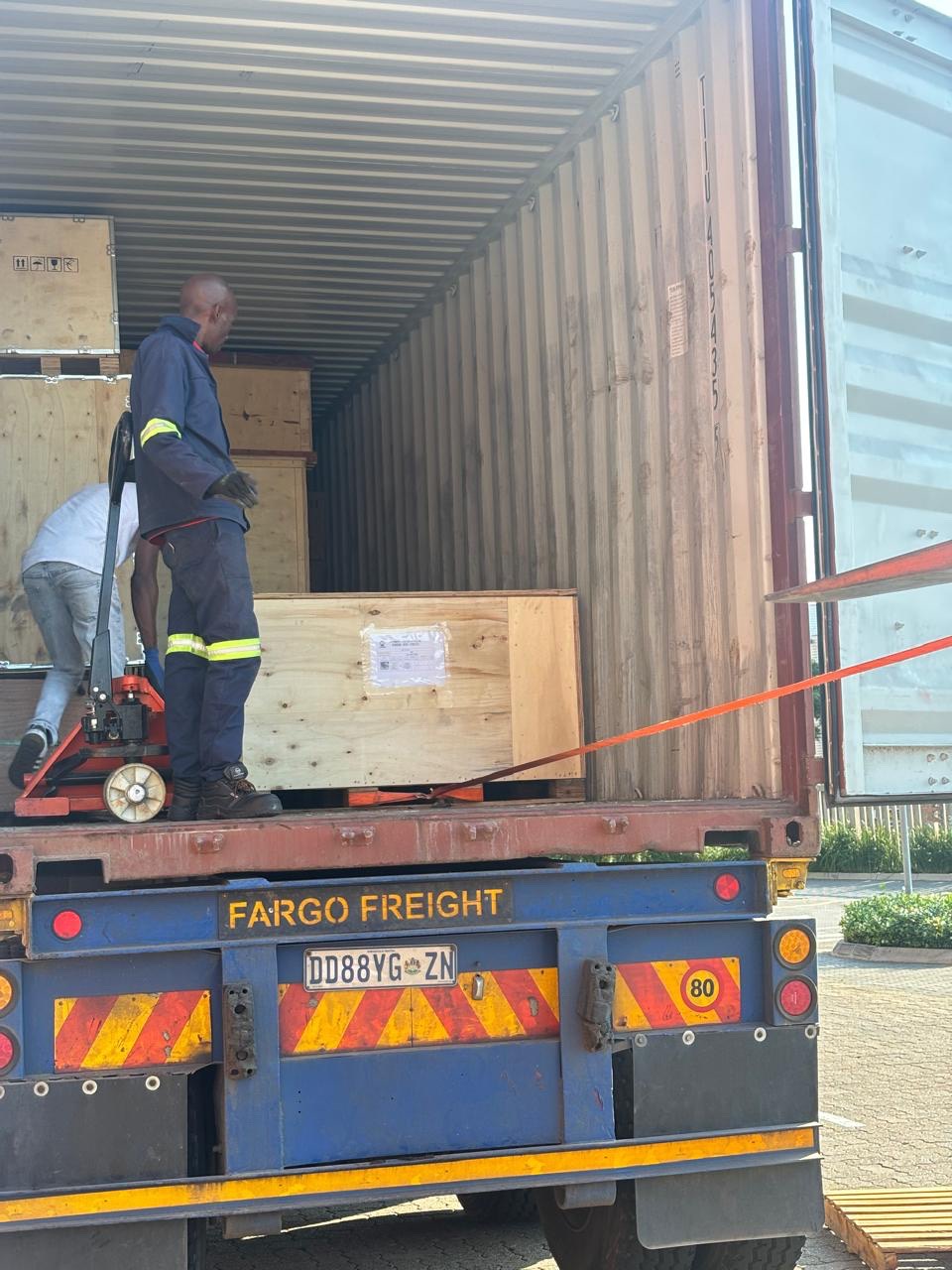
new arrivals
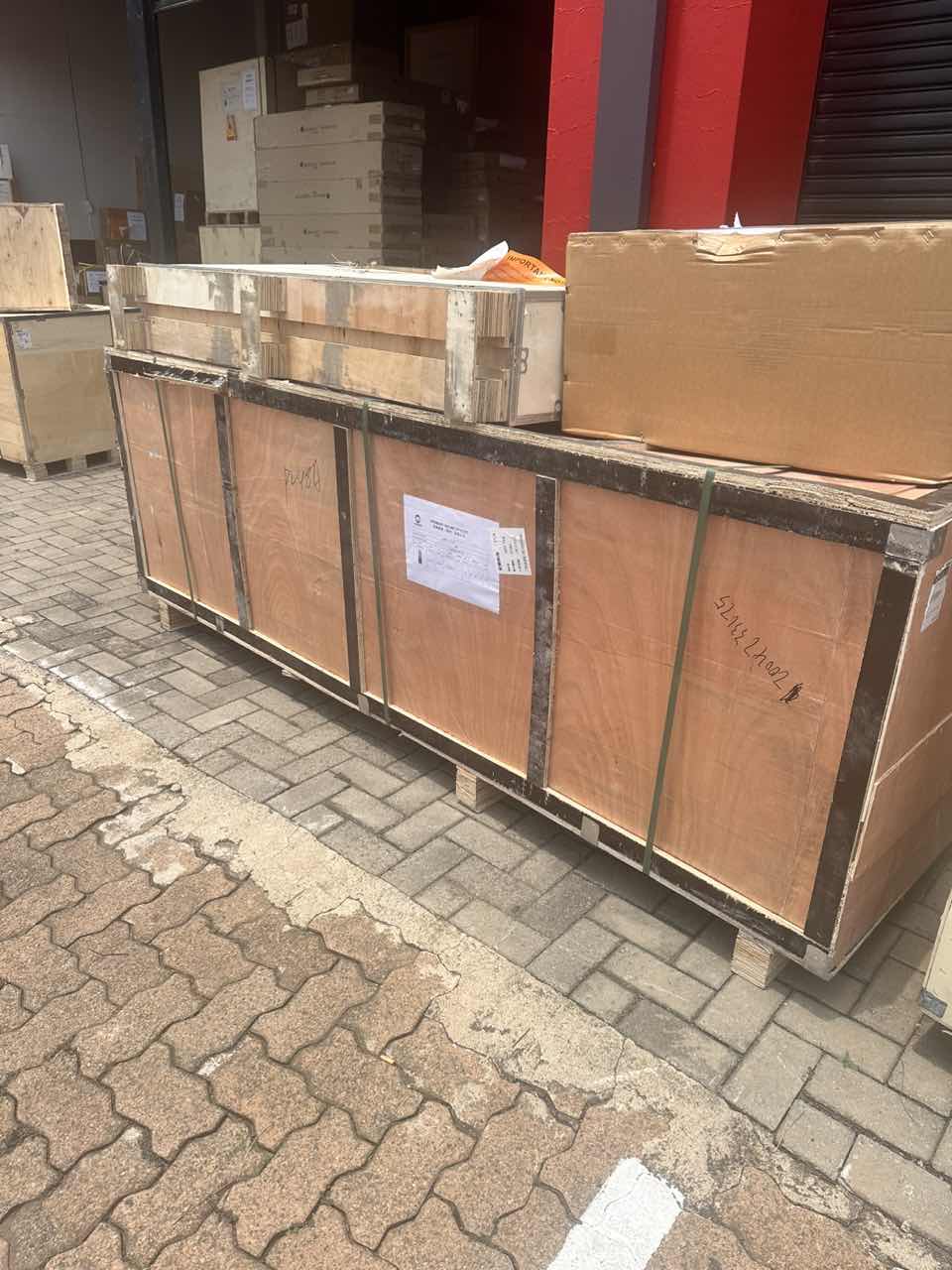
Pre Orders Offloading
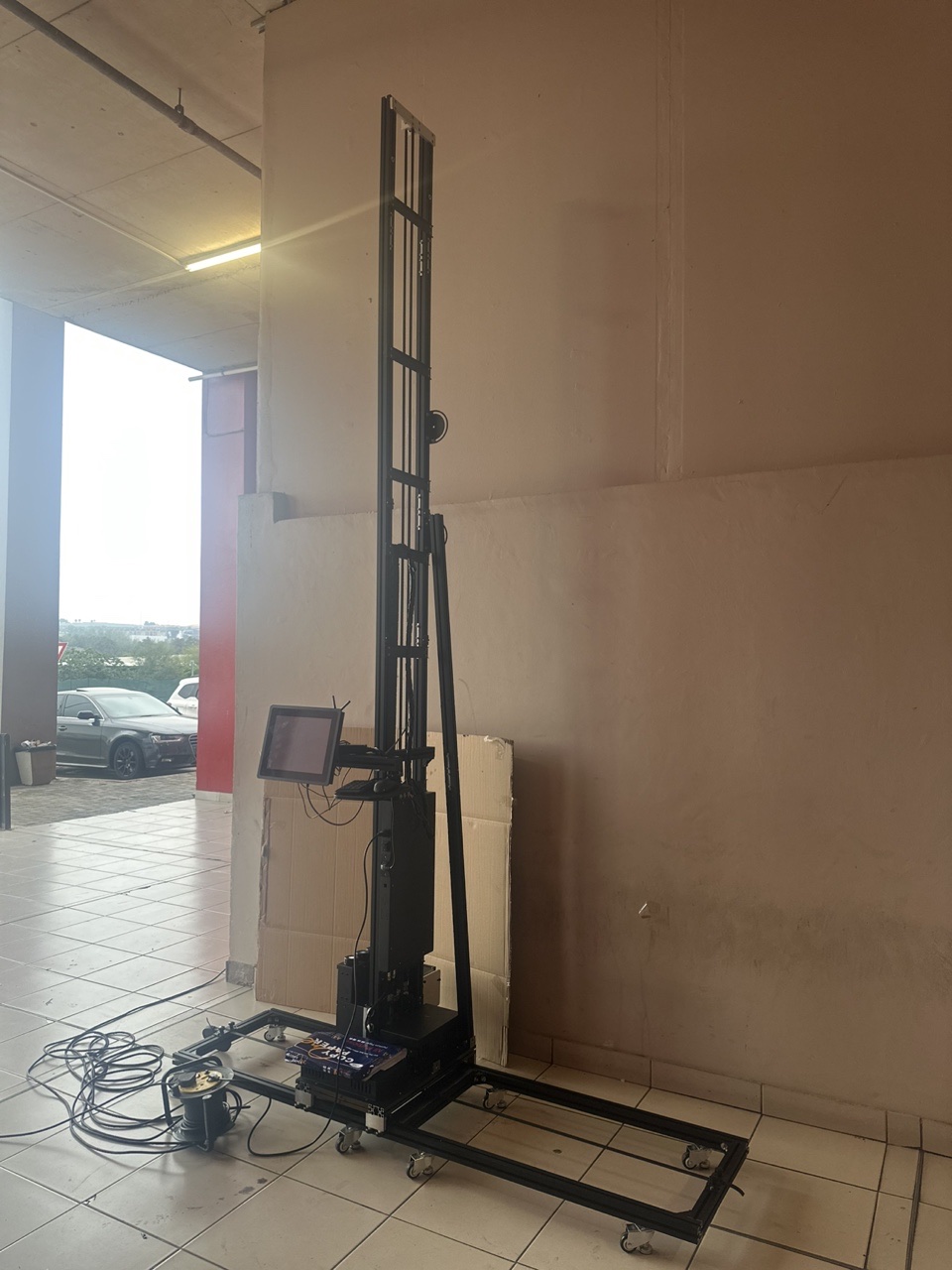
Latest Arrivals
Latest Arrivals
Latest Arrivals
Loading
Toilet paper making machine
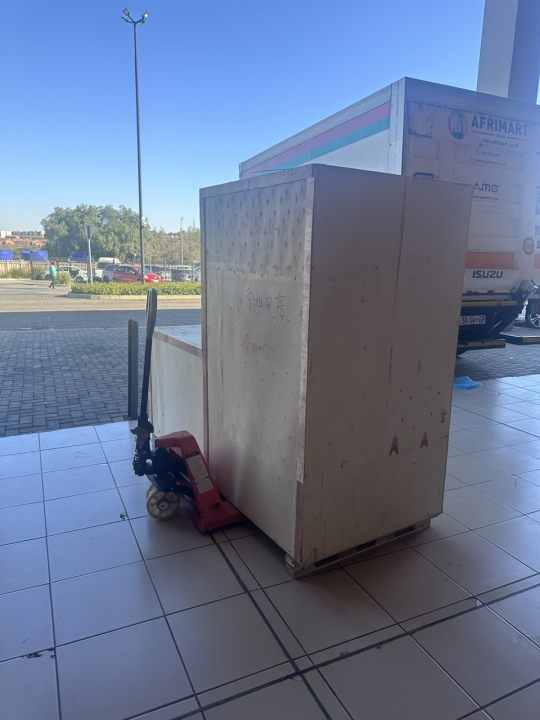
Toilet paper making machine
Toilet paper Rewinding Machine
latest arrivals
offloading
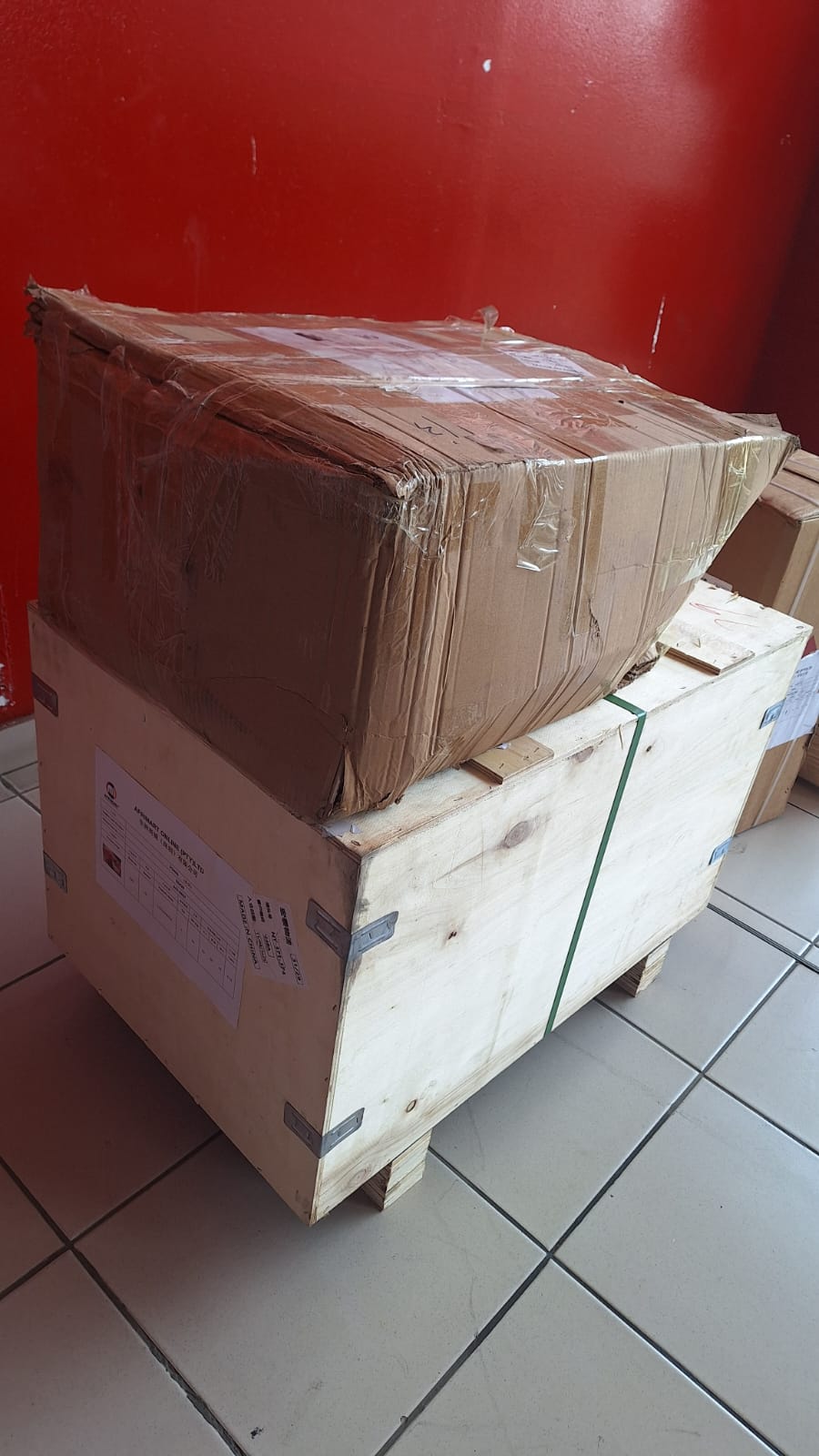
order success
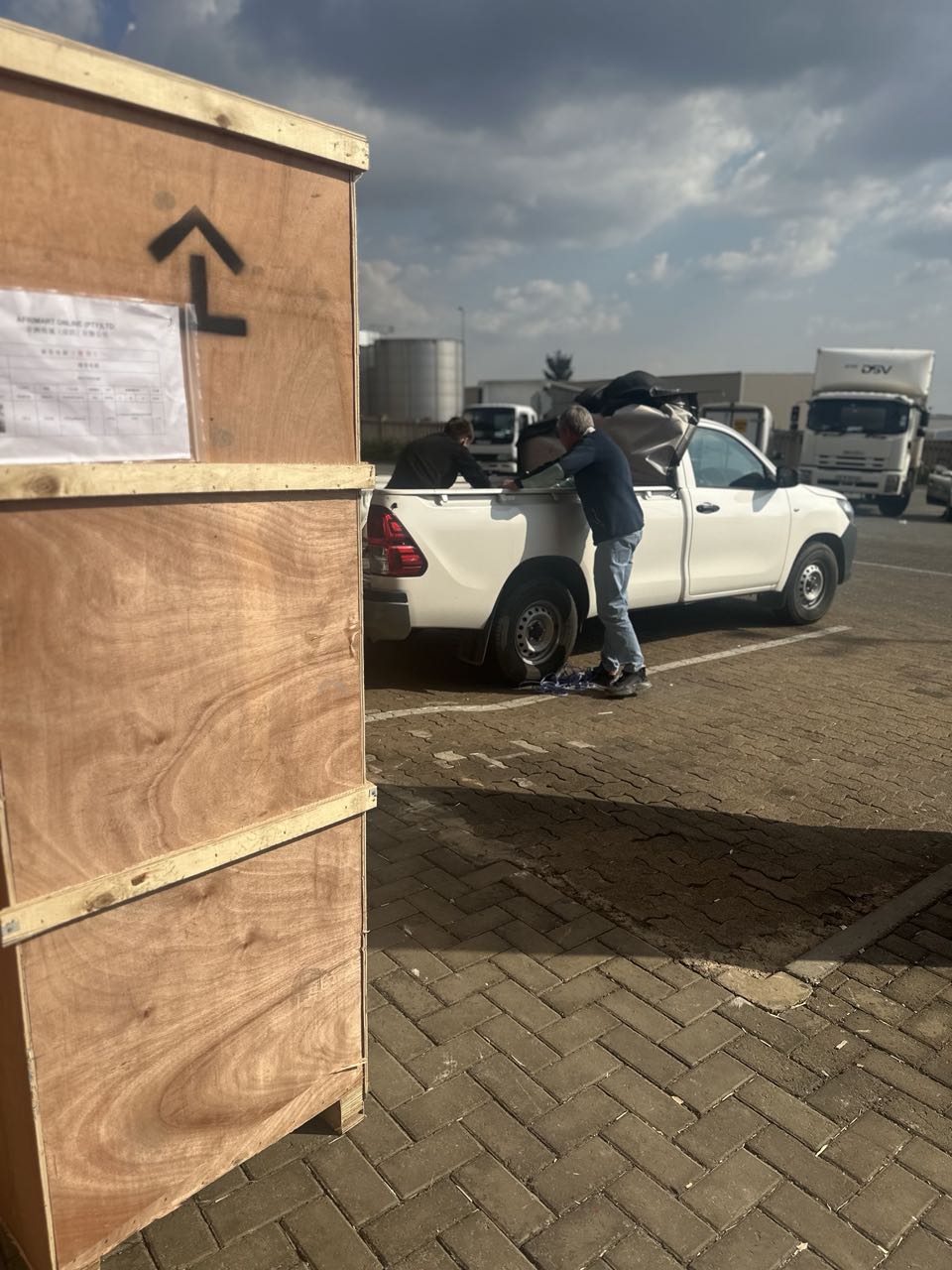
order collection
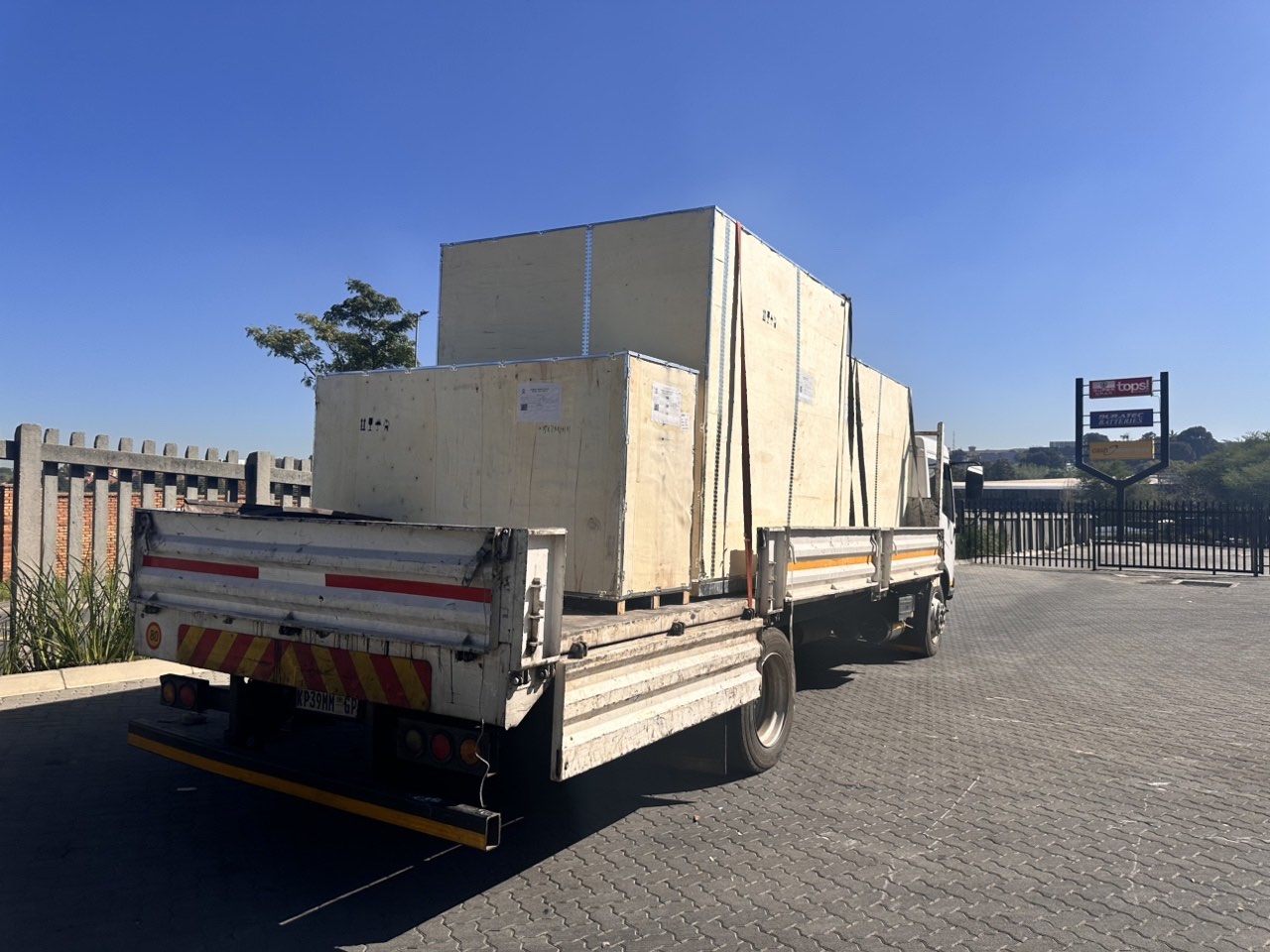
order offloading