B21, China Town Mall, Midrand

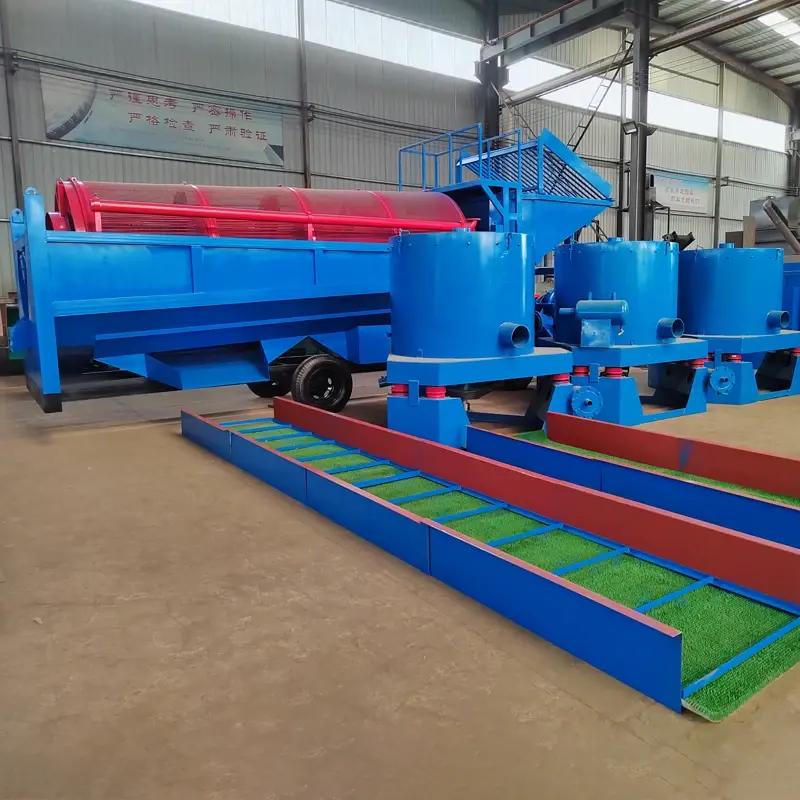
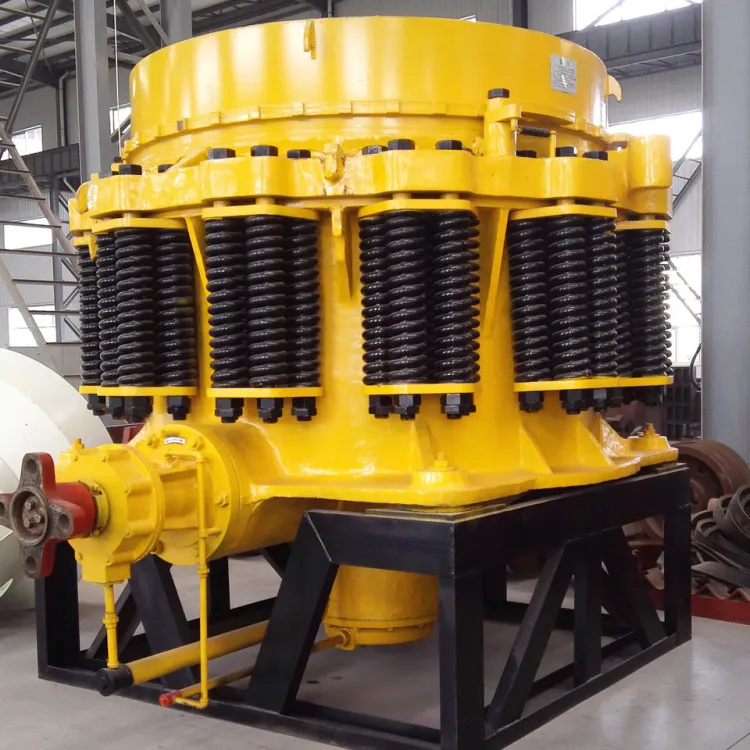
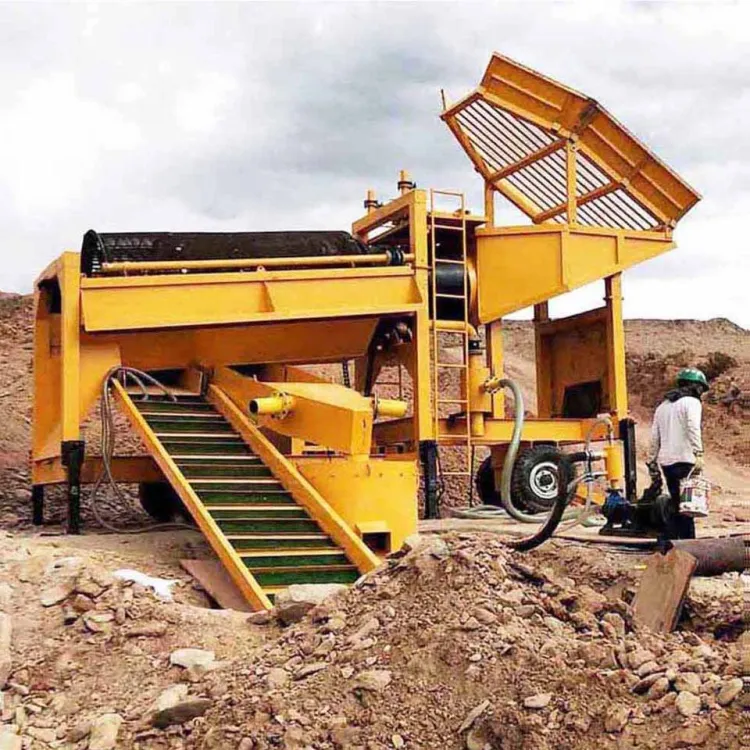
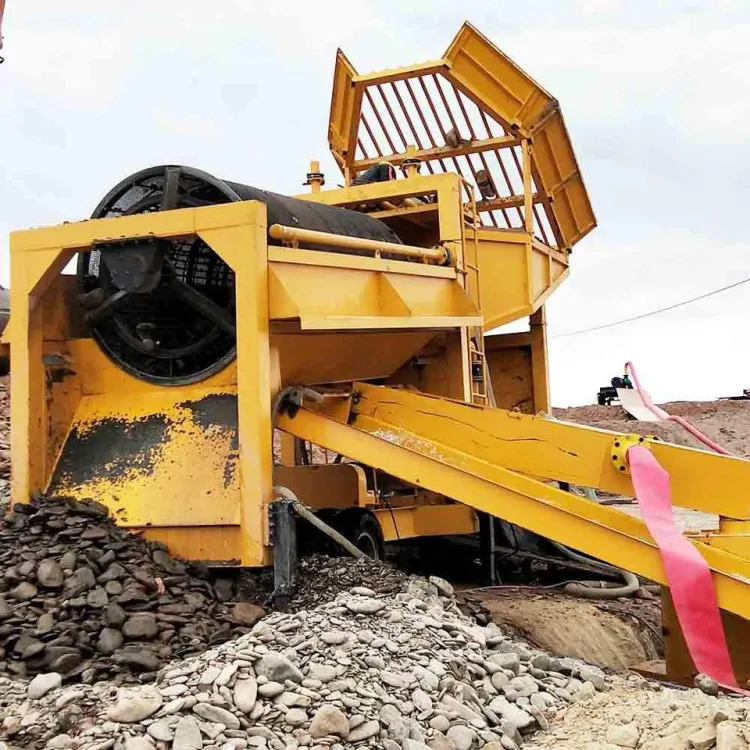
Large Capacity Alluvial Gold Mining Equipment Rotary Trommel Screen Gold Washing Plant
Asset finance available
Do you want funding for this equipment?
Afrimart can connect you with trusted funding partners who specialise in asset finance for businesses like yours. Compare options and apply in minutes — final approval is subject to provider review.
Check funding options
Secure & no obligation

- Section : Machinery
- Category : Mining Machinery
- SKU : 1600626629406

Large Capacity Alluvial Gold Mining Equipment Rotary Trommel Screen Gold Washing Plant


- Shipping Timeframes: All orders are processed within 2-5 business days (excluding weekends and holidays). After your order has been processed, the estimated delivery time is before 06 Aug, 2026, depending on customs, Please note that due to high demand, some items may experience longer shipping times, which will be communicated at order confirmation email.
- Order Processing Time: Please allow 2-5 business days for us to process your order before it is shipped . Orders placed after 16:00 on Fridays, or during weekends and public holidays, will begin processing on the next business day. Processing times may be extended during peak seasons or sales events.
- Manufacturing Time: Some products needs manufacturing time, the manufacturing process will take approximately 10-30 business days depending on the product. This timeframe may vary depending on the complexity of the product and current demand. but this will be communicated with you during order confirmation.
- Returns and Exchanges: We offer a 30-day return policy for most items. If you are not completely satisfied with your purchase, you may return it within 30 days of receipt for a refund or exchange. Items must be unused, in their original packaging, and accompanied by proof of purchase. Return shipping costs are the responsibility of the customer, unless the item was damaged or defective upon arrival.
1. What is a Rotary Trommel Screen Gold Washing Plant used for?
It is used to wash, classify and separate alluvial (placer) material to recover coarse and fine gold by screening, scrubbing and gravity concentration.
2. What throughput (capacity) can I expect from a 'large capacity' unit?
Large capacity units typically range from about 30 t/h up to several hundred tons per hour depending on feed material, feed size, moisture and machine configuration. Contact the manufacturer with your ore characteristics for an accurate capacity estimate.
3. What feed size can the rotary trommel accept?
Most trommels accept feed up to approximately 200–300 mm (8–12 inches). Oversized material should be pre-screened or crushed to avoid blockage and excessive wear.
4. What gold particle sizes can this plant recover?
The plant is effective for coarse and medium-fine gold. With proper configuration (sluices, shaking tables, centrifuges, classifiers), recovery can extend to fine gold particles — often down to a few tens of microns — but exact recovery depends on deposit characteristics and downstream concentrators.
5. What are the main components of the washing plant?
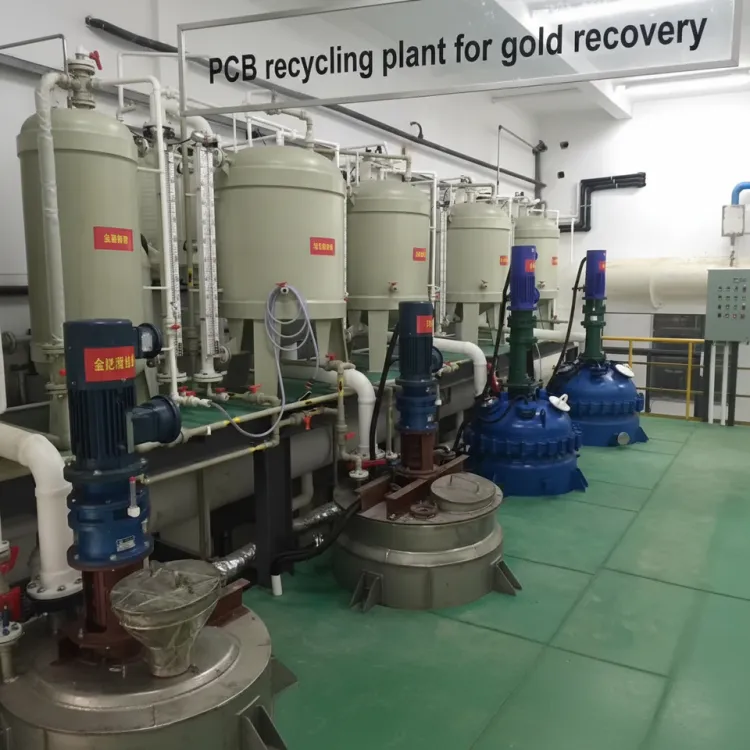
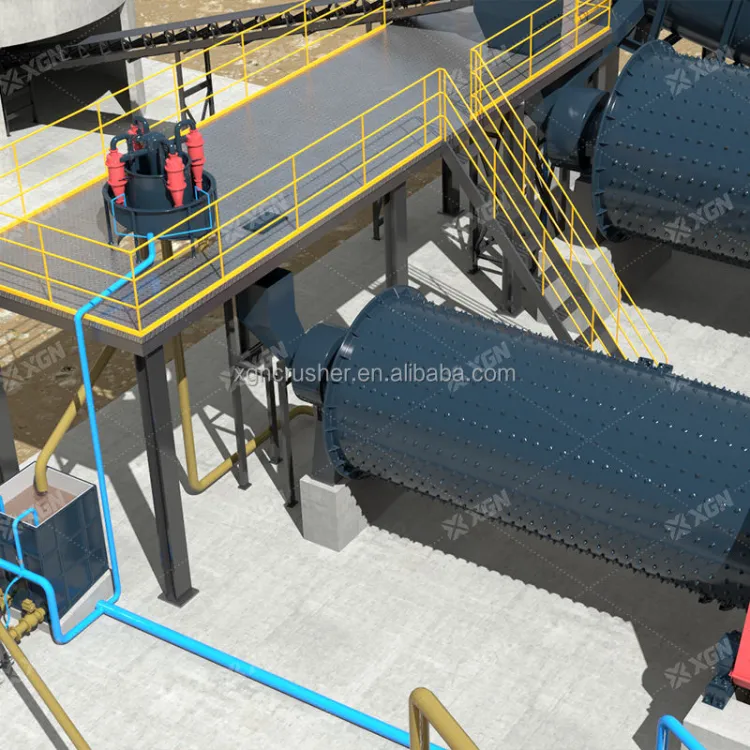
Typical components include the rotary trommel (screen drum), feed hopper and conveyor, scrubber or log washer, classifiers or vibrating screens, sluice boxes or riffles, pumps, water recycling/tailings system and control panels. Additional concentration units (shaker tables, centrifuges) can be added.
6. How much water does the plant consume and can water be recycled?
Water consumption depends on configuration and capacity. Many plants are designed with settling tanks and water recycling systems to minimize fresh water use. Recycling rates and exact consumption should be specified per project.
7. What power supply options are available?
Plants can be powered by electric motors (grid or generator) or by diesel engines for remote sites. Power requirements depend on model and size; provide your preferred power source and site details to get exact power specs.
8. Is the equipment mobile or fixed?
There are skid-mounted and trailer or tracked mobile versions for easy relocation, as well as stationary plant installations for long-term operations. Mobility options vary by model.
9. What are the typical recovery rates for alluvial gold?
Recovery rates vary widely with deposit type, particle size distribution and plant configuration. Typical gravity recovery for coarse gold can be high (often 80–95% for coarse nuggets) but fine gold recovery requires optimized plant setup. Site testing is recommended.
10. What maintenance is required and what are common wear parts?
Regular maintenance includes checking bearings, sprockets, trommel screen panels, pumps, hoses, and lubrication. Common wear parts are trommel screen panels/mesh, liners, sluice riffles, pump impellers and conveyor belts. A preventive maintenance schedule prolongs service life.
11. How long does installation and commissioning take?
Installation time depends on scope and site conditions. Small modular units can be set up in a day or two; larger plants may take several days to a few weeks including civil works and commissioning. Supplier assistance speeds up the process.
12. What environmental and regulatory issues should I consider?
You should comply with local permits for water use, discharge, tailings management and land disturbance. Using water recycling, settling ponds and responsible tailings disposal reduces environmental impact and helps meet regulatory requirements.
13. Do you offer customization and additional concentration modules?
Yes. Plants can be customized with different trommel lengths, screen apertures, scrubber types and added concentrators (shaker tables, centrifuges, jigs, hydrocyclones) to optimize recovery for specific deposits.
14. What operator skills are needed to run the plant?
Basic mechanical aptitude and training in plant operation, safety procedures and process control are required. Many suppliers provide operator training during commissioning.
15. What after-sales support and warranty are provided?
Typical offerings include a manufacturer warranty (commonly 12 months, subject to terms), spare parts supply, remote or on-site technical support and commissioning assistance. Confirm exact warranty and support terms with the supplier.
Latest Order Arrivals
Discover our latest orders

12 Heads Embroidery Machine

Toilet Paper Machine Machine

Order Collection

Cross Border Clients

Order cros border countries Collected

Industrial Machine Cllection

Agriculture Processing Machines

Ready for collection

Water Pump Equipment

Packaging Machine and accessories

Fabrics Manufacturing Equipment

Mining Equipments

Food Processing Machine

Batch of Orders

Batch of Orders

Latest Orders Labelled

wheel alignment machines

new arrivals

Pre Orders Offloading

Latest Arrivals

Latest Arrivals

Latest Arrivals

Loading

Toilet paper making machine

Toilet paper making machine

Toilet paper Rewinding Machine

latest arrivals

offloading

order success

order collection

order offloading