B21, China Town Mall, Midrand

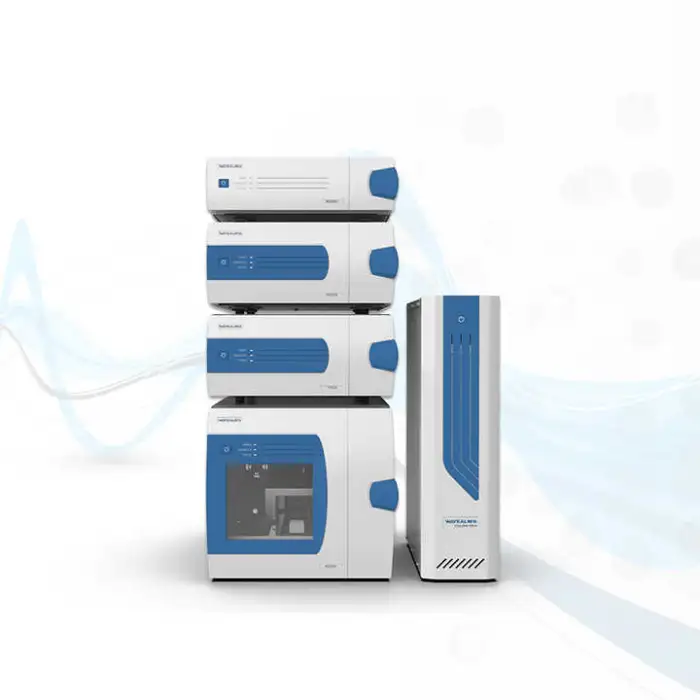
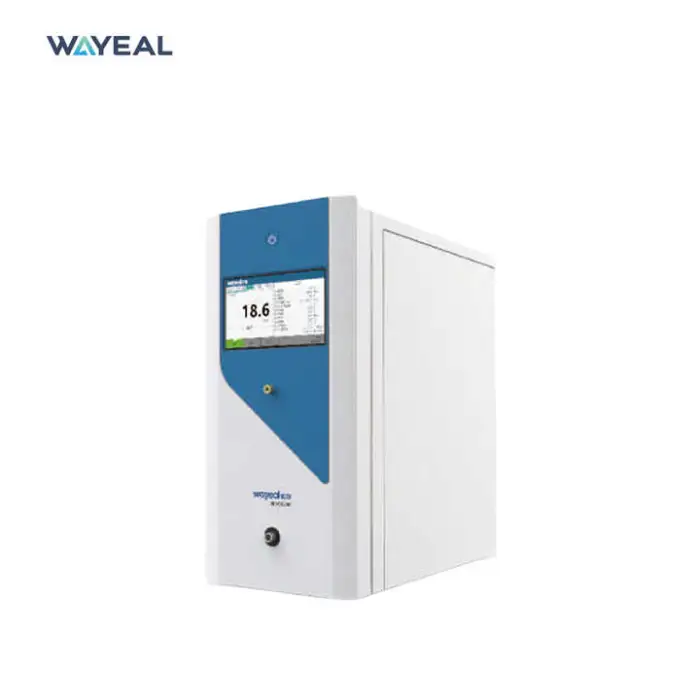
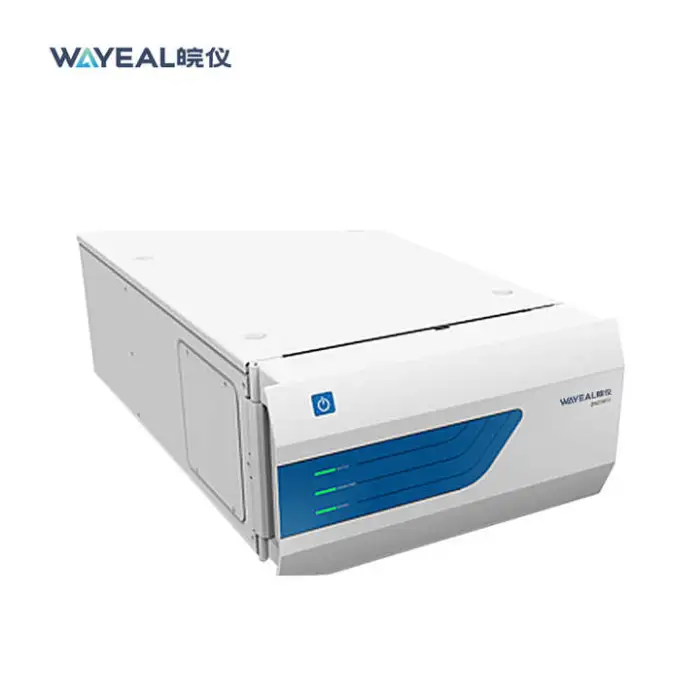
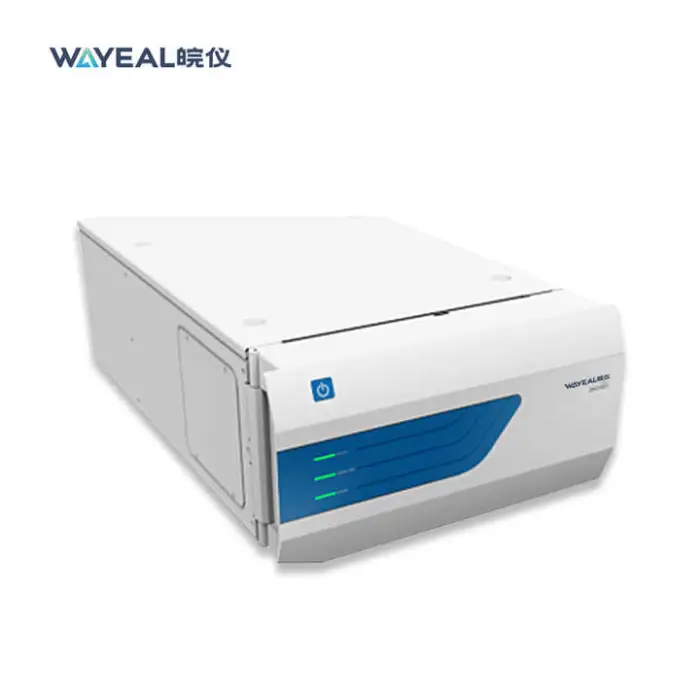
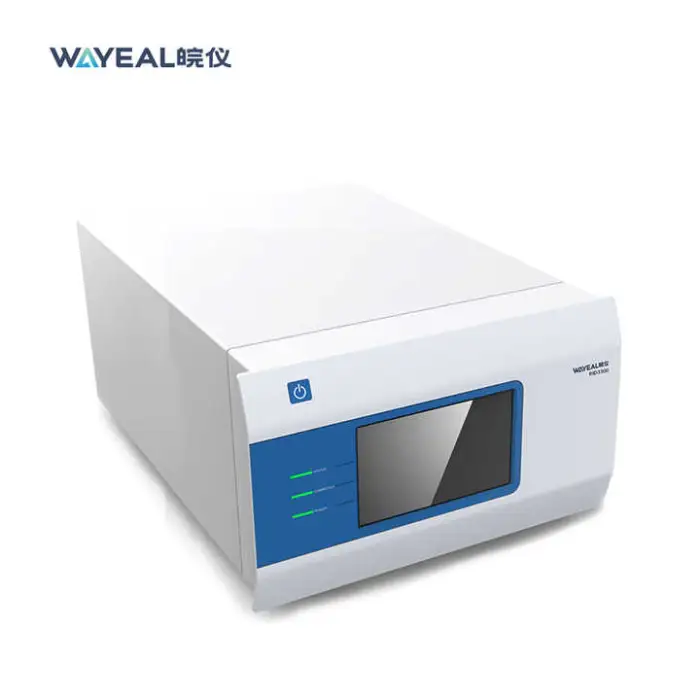
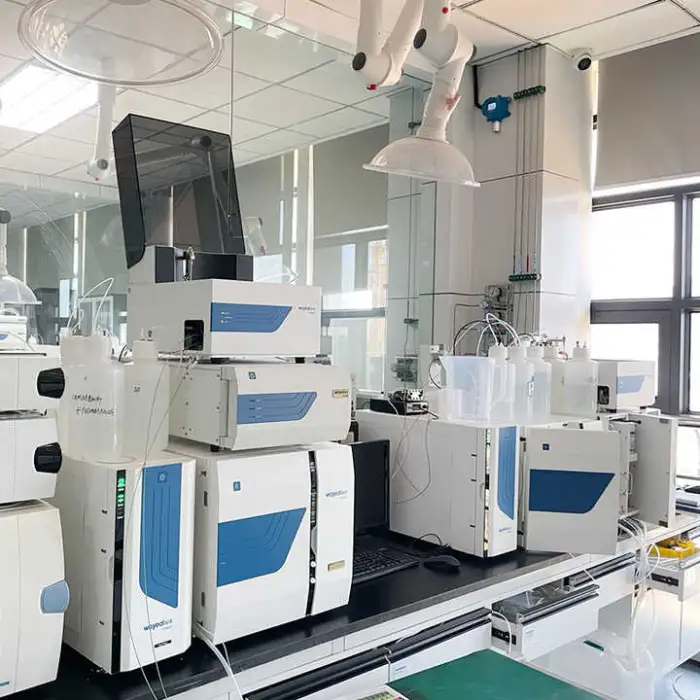
Laboratory HPLC Machine With HPLC Pump Hplc Detector High Performance Liquid Chromatography Instrument
Asset finance available
Do you want funding for this equipment?
Afrimart can connect you with trusted funding partners who specialise in asset finance for businesses like yours. Compare options and apply in minutes — final approval is subject to provider review.
Check funding options
Secure & no obligation

- Section : Consumer Electronics
- Category : Lab Supplies
- SKU : 1600535894659

Laboratory HPLC Machine With HPLC Pump Hplc Detector High Performance Liquid Chromatography Instrument
The Laboratory HPLC Machine is a top-quality instrument designed for high-performance liquid chromatography. This machine is perfect for labs that need accurate and reliable results. It features both manual and automatic injection methods, making it versatile for various applications. With a temperature control range from 4°C to 90°C, it can handle a wide range of experiments.
Specifications
| Attribute | Details |
|---|---|
| Type | Liquid Chromatograph |
| Operating System | Windows 7 and above |
| Temperature Resolution | 0.1℃ |
| Temperature Control Range | 4°C ~ 90°C |
| Injection Method | Manual and Automatic |
| Model Number | LC3200 |
| Color | White + Blue |
| Chromatography Column | 10-20cm |
| Column Diameter | 0.2-0.5mm |
| Single Package Size | 200X90X100 cm |
| Single Gross Weight | 90.000 KG |
Key Features
- High precision and reliability for accurate results.
- Compatible with Windows 7 and above operating systems.
- Temperature control from 4°C to 90°C for flexible testing.
- Manual and automatic injection methods for ease of use.
- Compact design for easy integration into laboratory spaces.
Applications
- Pharmaceutical analysis and quality control.
- Food safety testing and analysis.
- Environmental monitoring and assessment.
- Biochemical research and development.
- Clinical laboratories for diagnostic purposes.
The Laboratory HPLC Machine is an essential tool for any lab needing to perform high-performance liquid chromatography. With its advanced features and user-friendly design, it ensures that you can achieve the best results in your experiments.
Product Info Gallery
- Shipping Timeframes: All orders are processed within 2-5 business days (excluding weekends and holidays). After your order has been processed, the estimated delivery time is before 13 Aug, 2026, depending on customs, Please note that due to high demand, some items may experience longer shipping times, which will be communicated at order confirmation email.
- Order Processing Time: Please allow 2-5 business days for us to process your order before it is shipped . Orders placed after 16:00 on Fridays, or during weekends and public holidays, will begin processing on the next business day. Processing times may be extended during peak seasons or sales events.
- Manufacturing Time: Some products needs manufacturing time, the manufacturing process will take approximately 10-30 business days depending on the product. This timeframe may vary depending on the complexity of the product and current demand. but this will be communicated with you during order confirmation.
- Returns and Exchanges: We offer a 30-day return policy for most items. If you are not completely satisfied with your purchase, you may return it within 30 days of receipt for a refund or exchange. Items must be unused, in their original packaging, and accompanied by proof of purchase. Return shipping costs are the responsibility of the customer, unless the item was damaged or defective upon arrival.
1. What is the exact model and what core components are included?
The model number is LC3200. The product is described as a complete HPLC instrument that includes an HPLC pump and an HPLC detector, and supports both manual and automatic injection methods. For a full component list (e.g., autosampler model, detector type), consult the vendor specification sheet.
2. What is the temperature control capability?
The instrument provides temperature control from 4°C to 90°C with a temperature resolution of 0.1°C, suitable for temperature-sensitive separations.
3. Which operating systems and software are supported?
The system is compatible with Windows 7 and above. Specific software features, supported data formats and versions should be confirmed with the supplier or in the software manual.
4. What chromatography column sizes are supported?
Recommended column lengths are 10–20 cm with column diameters of 0.2–0.5 mm. Use columns that match these dimensions and the system’s pressure limits.
5. Does the instrument support manual and automatic injection?
Yes — it supports both manual and automatic injection methods. Exact autosampler specifications (injection volume range, carryover, vial capacity) should be verified with the vendor.
6. What typical applications is this HPLC used for?
Typical applications include pharmaceutical analysis and quality control, food safety testing, environmental monitoring, biochemical R&D, and clinical diagnostic testing.
7. What are the unit dimensions and weight for planning lab space and shipping?
Single package dimensions are listed as 200 x 90 x 100 cm and single gross weight is 90.000 kg. Allow adequate bench or floor space and appropriate handling/equipment for installation.
8. What type of detector is included and what are its detection limits?
The product listing indicates an HPLC detector is included but does not specify detector type (e.g., UV, PDA, ELSD) or limits of detection. Request the detector model and performance specifications from the supplier to confirm sensitivity and wavelength range.
9. Which solvents and sample types can be used with this instrument?
The instrument is intended for standard HPLC applications and is compatible with common HPLC solvents (e.g., water, acetonitrile, methanol). Always verify chemical compatibility of wetted materials for strong acids, bases or specialty solvents and follow the user manual for solvent preparation and degassing.
10. What routine maintenance is required?
Routine maintenance typically includes flushing the system after use, replacing inlet filters and pump seals as needed, cleaning or replacing injector/sampler components, and periodic detector maintenance. Follow the manufacturer’s maintenance schedule and document service activities.
11. How is the system calibrated and validated?
Calibration and validation should be performed using appropriate standards and ladders according to your lab’s SOPs and regulatory guidelines (e.g., USP, ICH). The vendor can provide recommended calibration procedures and qualification documentation (IQ/OQ/PQ) if available.
12. What consumables and accessories will I need?
Common consumables include analytical columns, guard columns, syringe/filter units, mobile phase solvents, sample vials, septa, inlet filters, pump seals and frits. Specific part numbers and recommended spares should be obtained from the supplier.
13. What are the electrical and installation requirements?
Electrical/power requirements are not specified in the provided description. Confirm required voltage, frequency and any grounding or UPS recommendations with the vendor prior to installation. Ensure appropriate ventilation and solvent-safe bench space.
14. What data output formats and connectivity options are available?
The listing states Windows compatibility but does not list file formats or connectivity. Typical outputs are chromatograms and raw data exportable as native files, CSV, and images; inquire with the supplier about supported export formats, network or USB connectivity and LIMS compatibility.
15. Is there warranty, installation support or training available?
Warranty, installation, training and after-sales support are not specified in the description. Contact the seller or manufacturer to confirm warranty terms, available on-site installation, user training and ongoing technical support options.
Latest Order Arrivals
Discover our latest orders
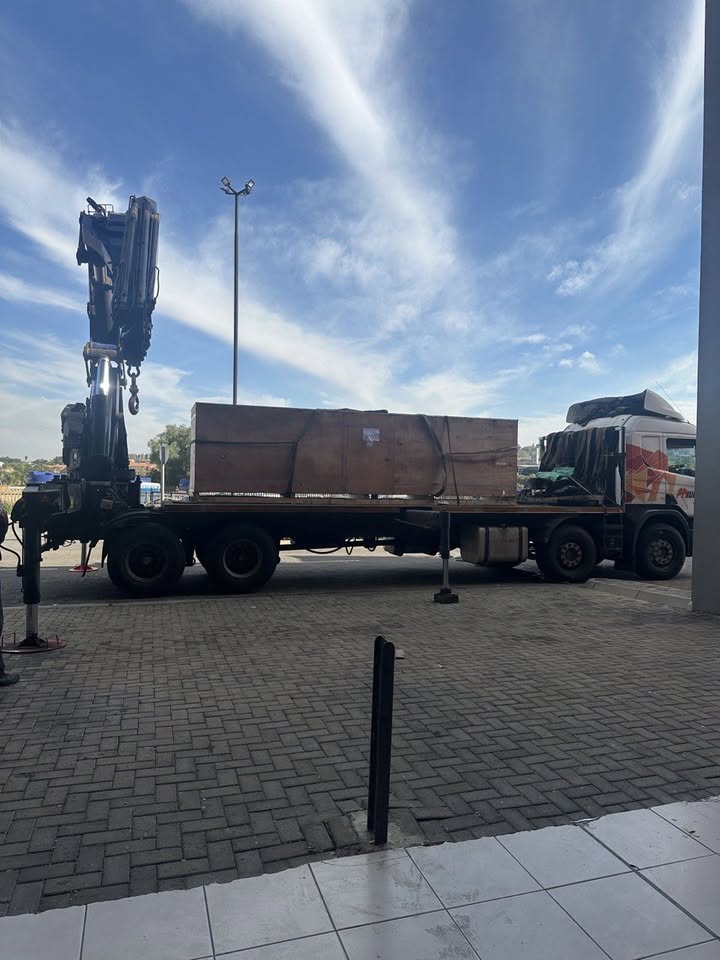
12 Heads Embroidery Machine
Toilet Paper Machine Machine
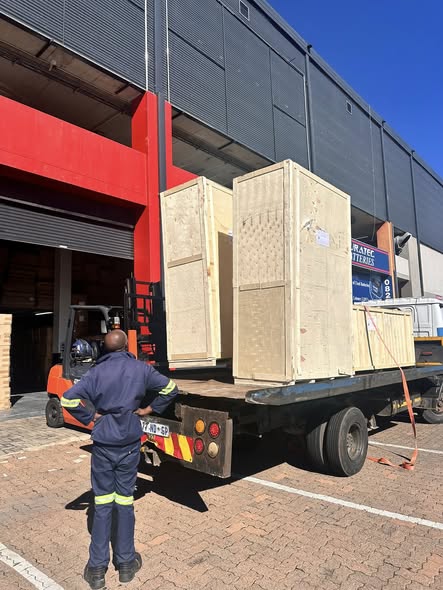
Order Collection
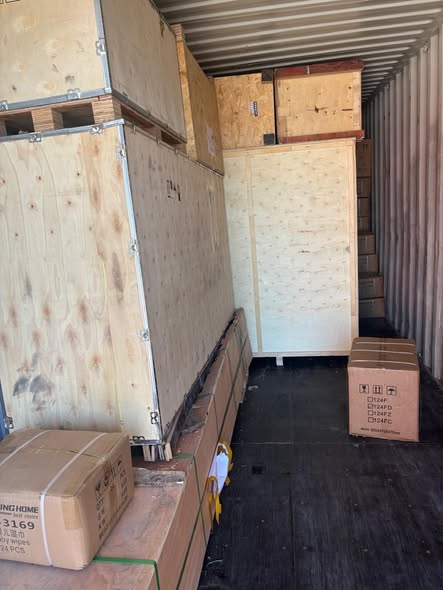
Cross Border Clients
Order cros border countries Collected
Industrial Machine Cllection
Agriculture Processing Machines
Ready for collection
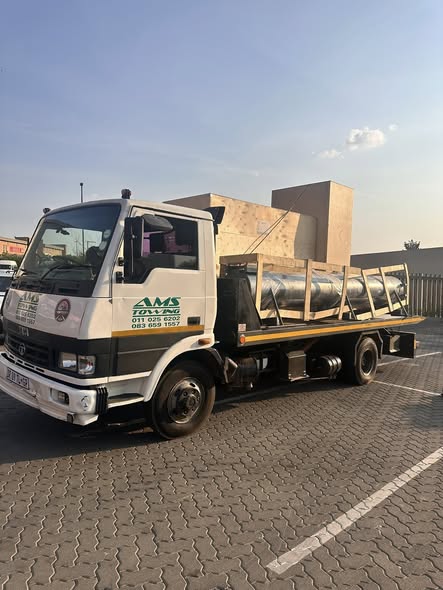
Water Pump Equipment
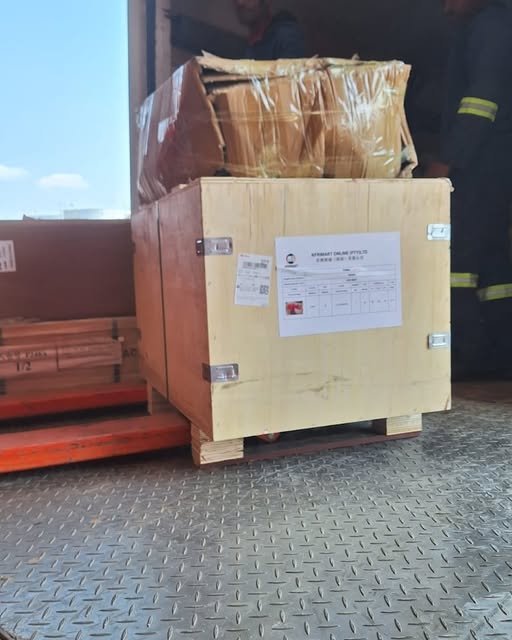
Packaging Machine and accessories
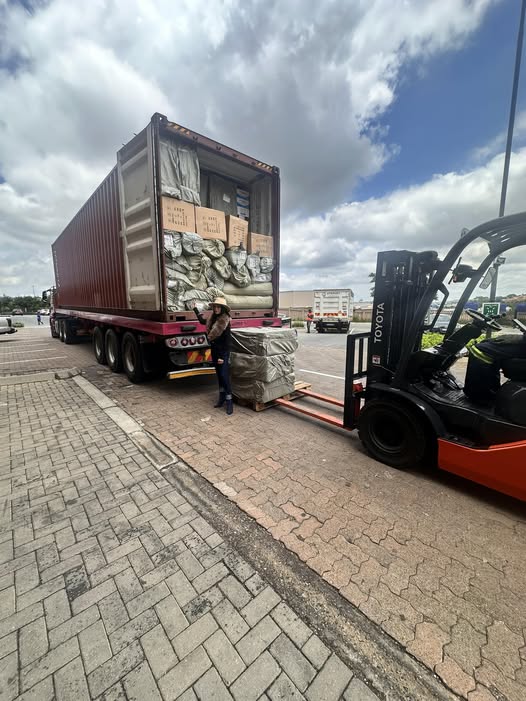
Fabrics Manufacturing Equipment
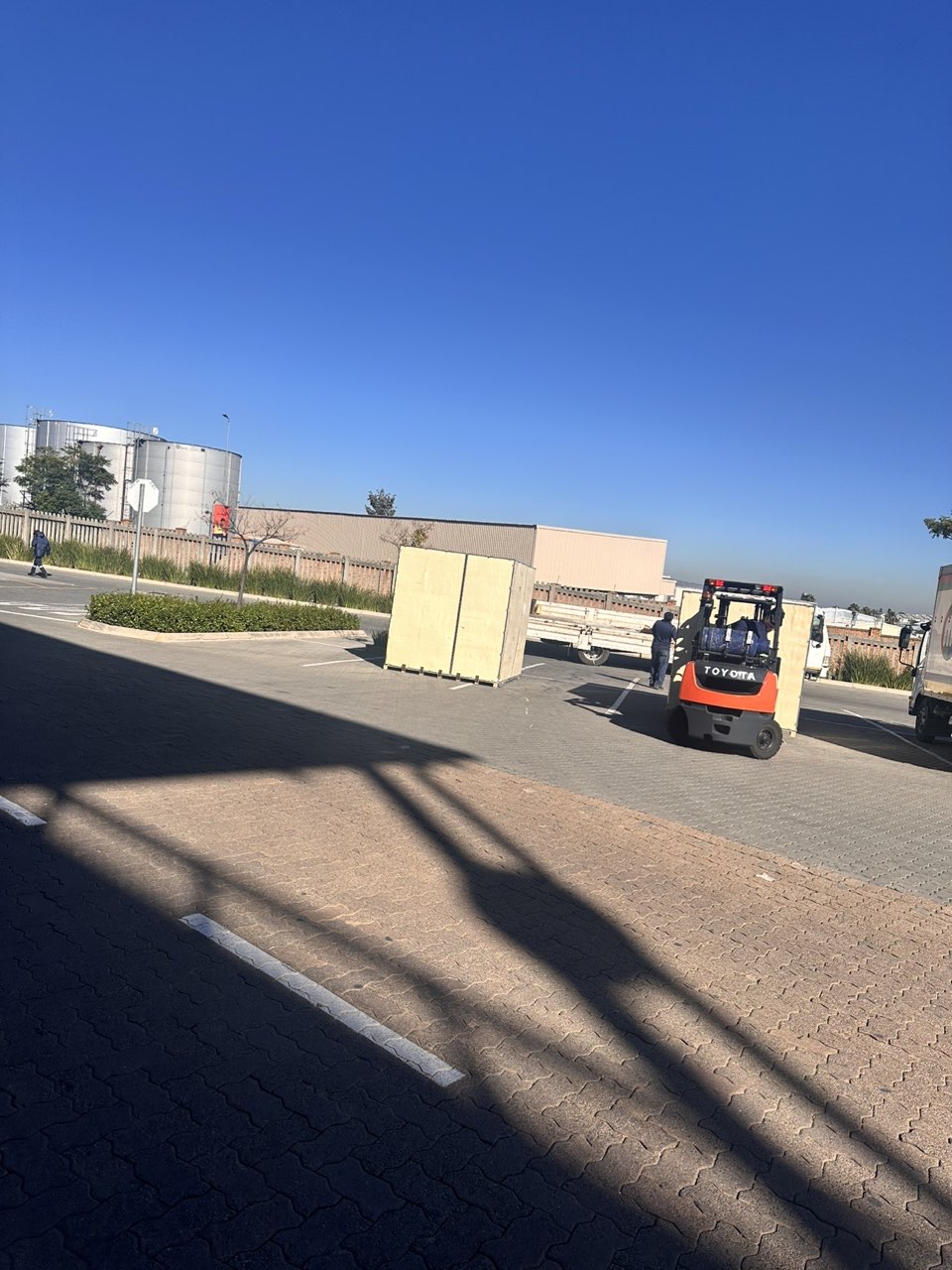
Mining Equipments
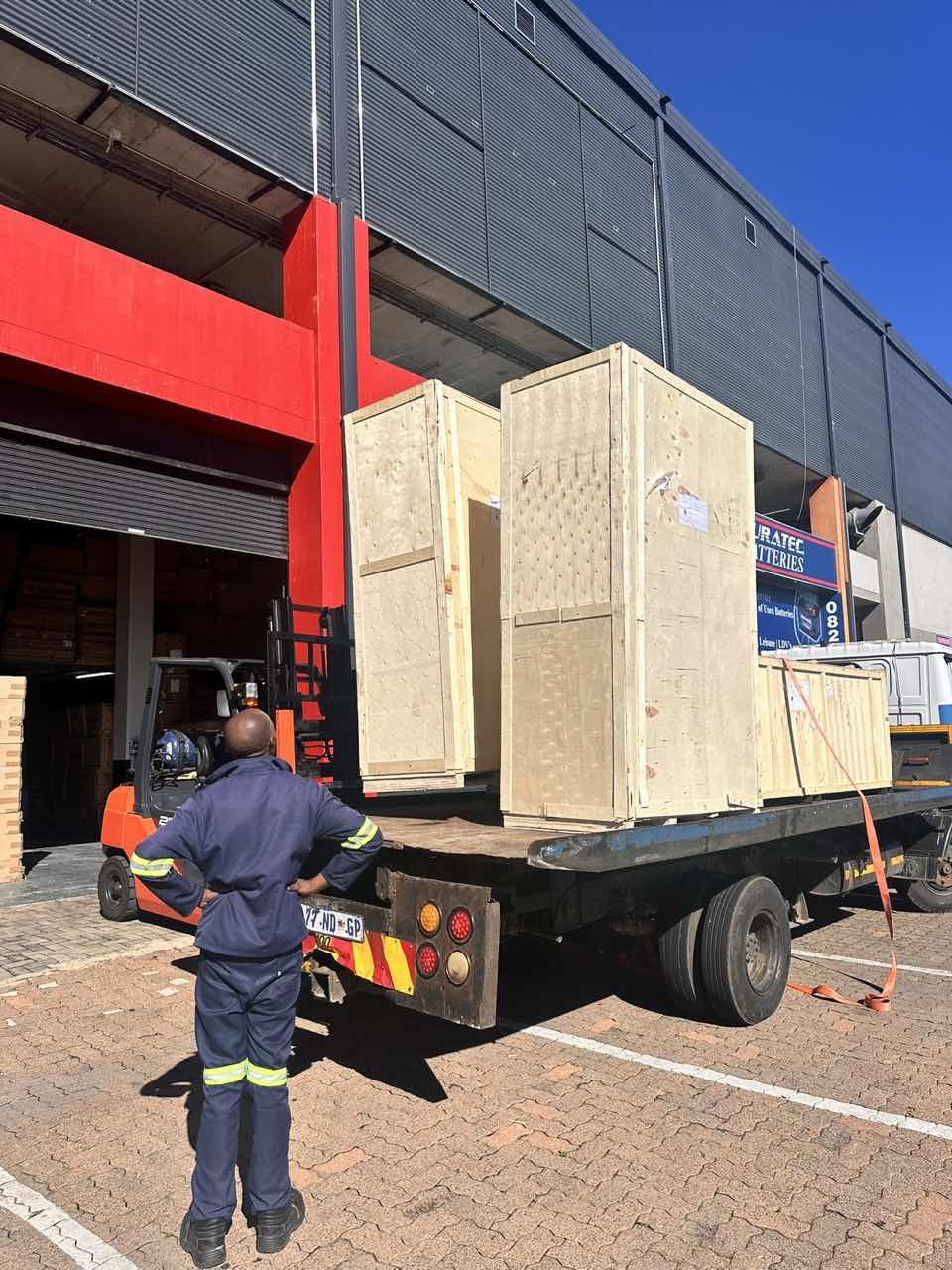
Food Processing Machine
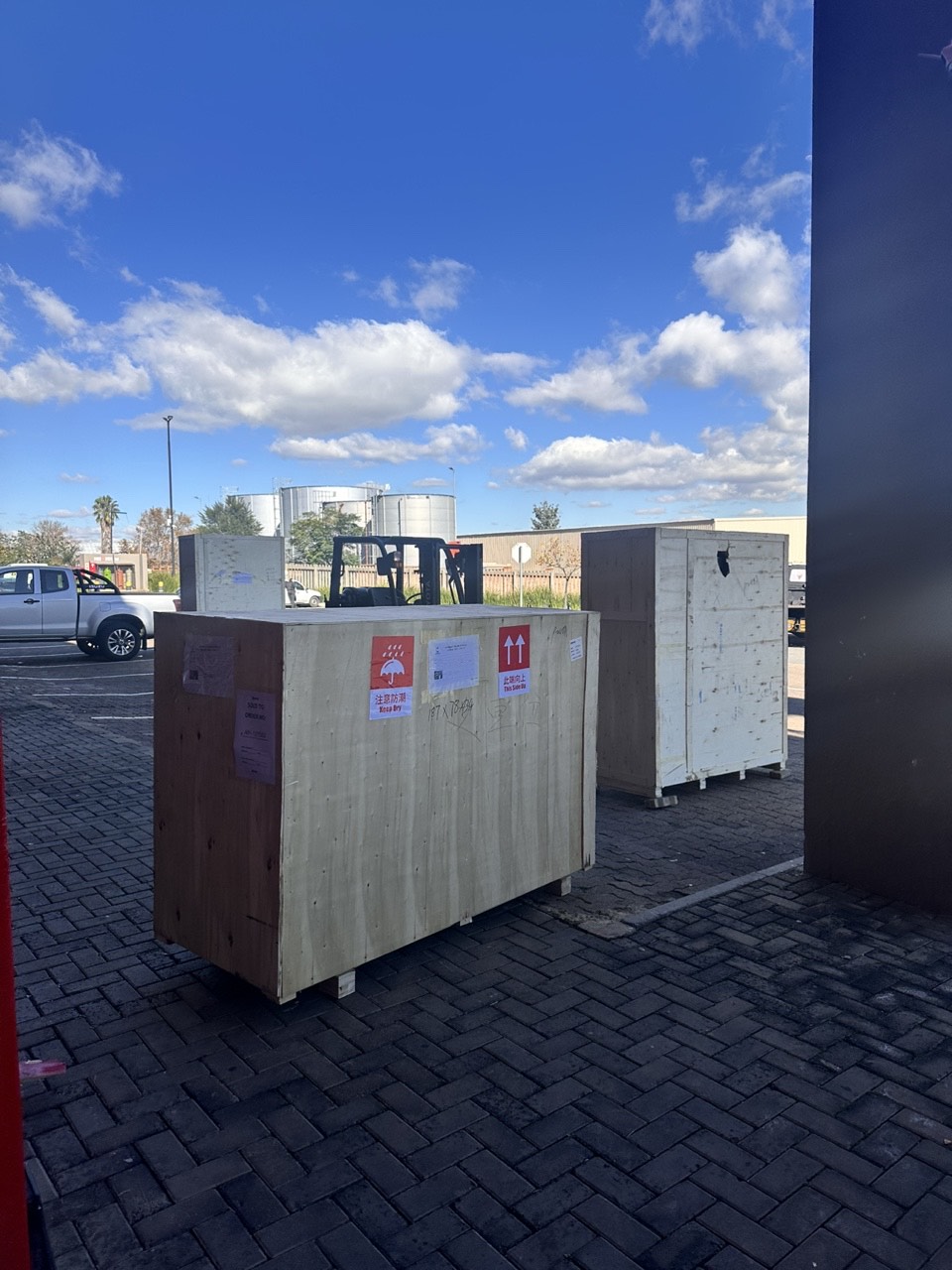
Batch of Orders
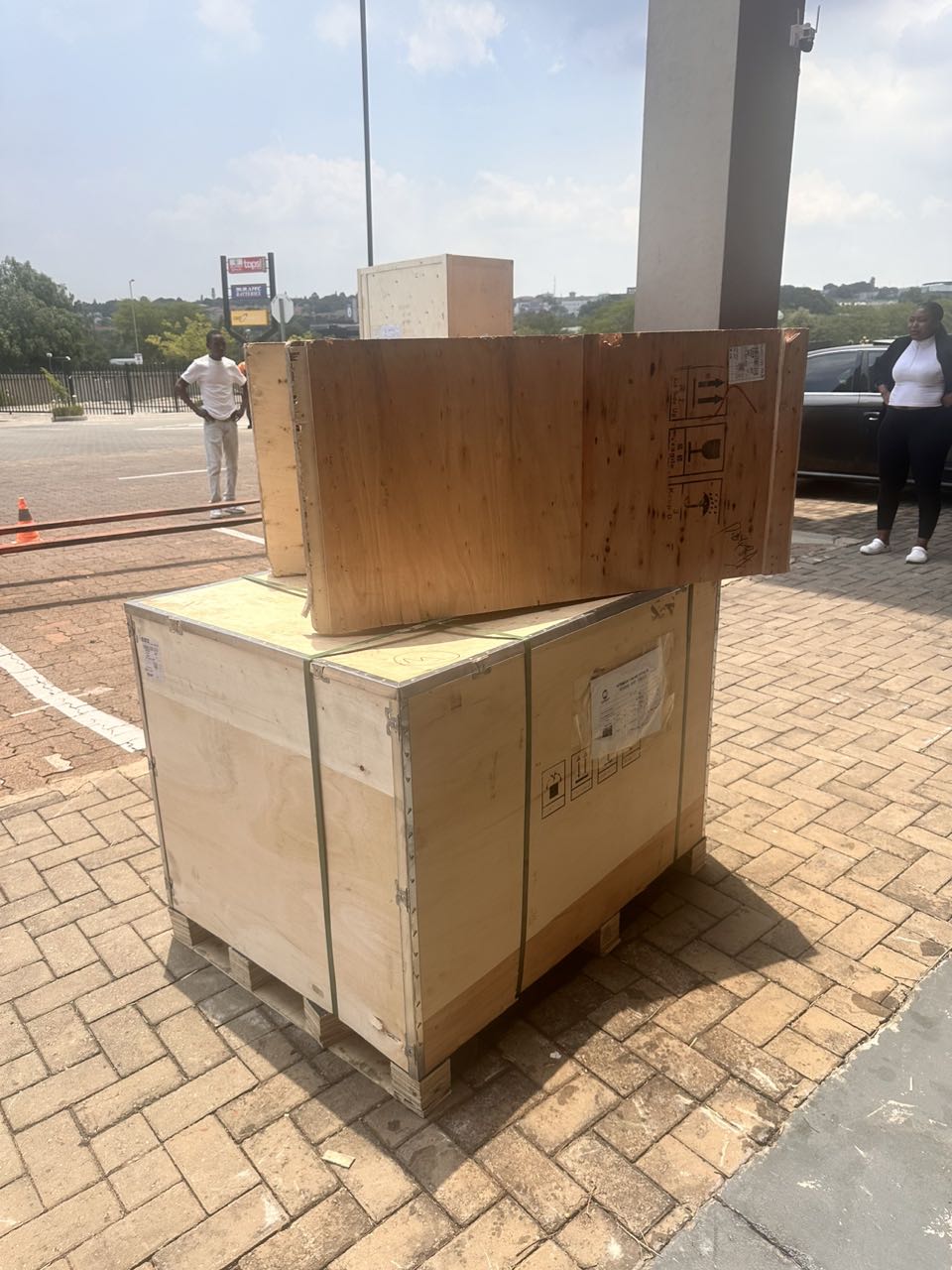
Batch of Orders
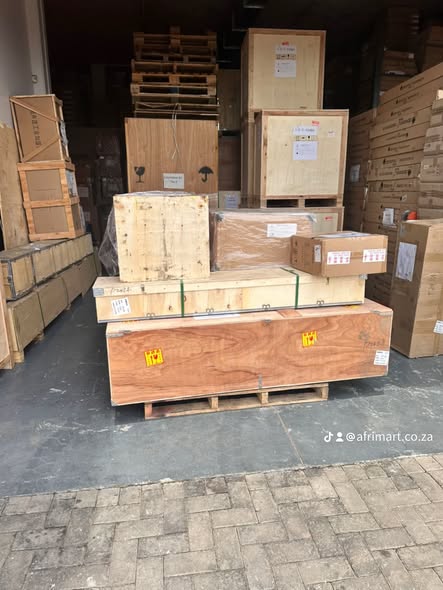
Latest Orders Labelled
wheel alignment machines
new arrivals
Pre Orders Offloading
Latest Arrivals
Latest Arrivals
Latest Arrivals
Loading
Toilet paper making machine
Toilet paper making machine
Toilet paper Rewinding Machine
latest arrivals
offloading
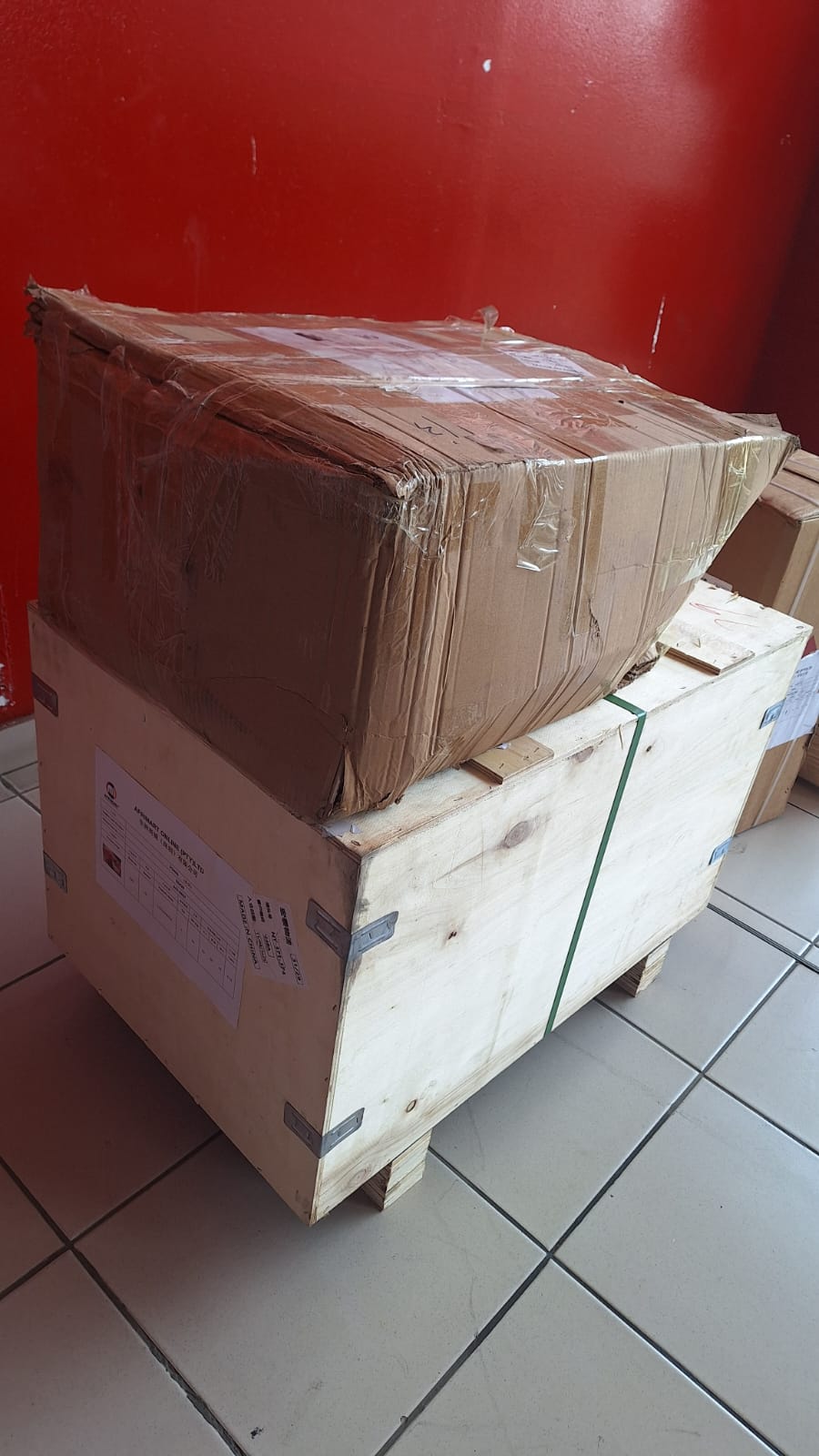
order success
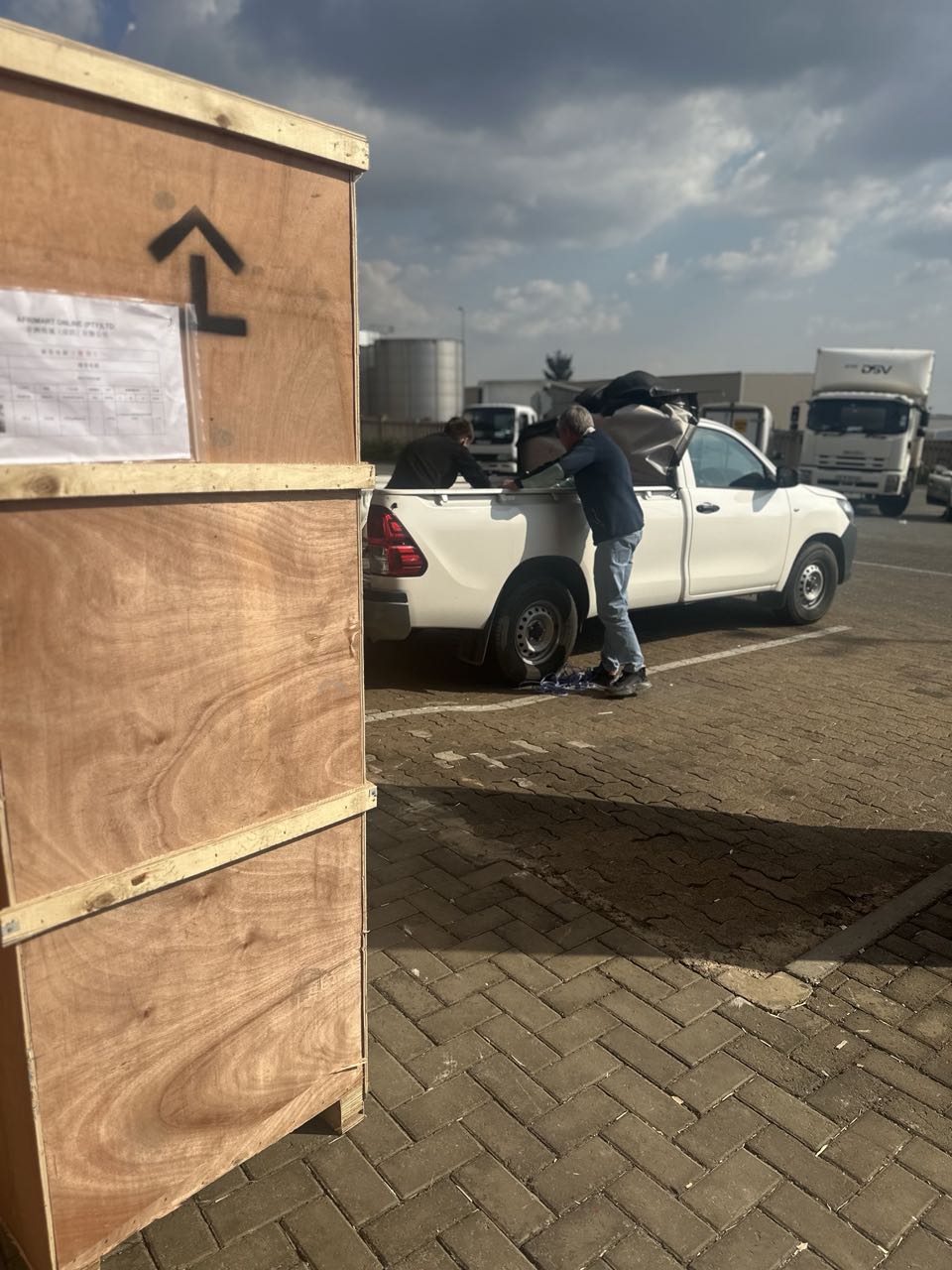
order collection
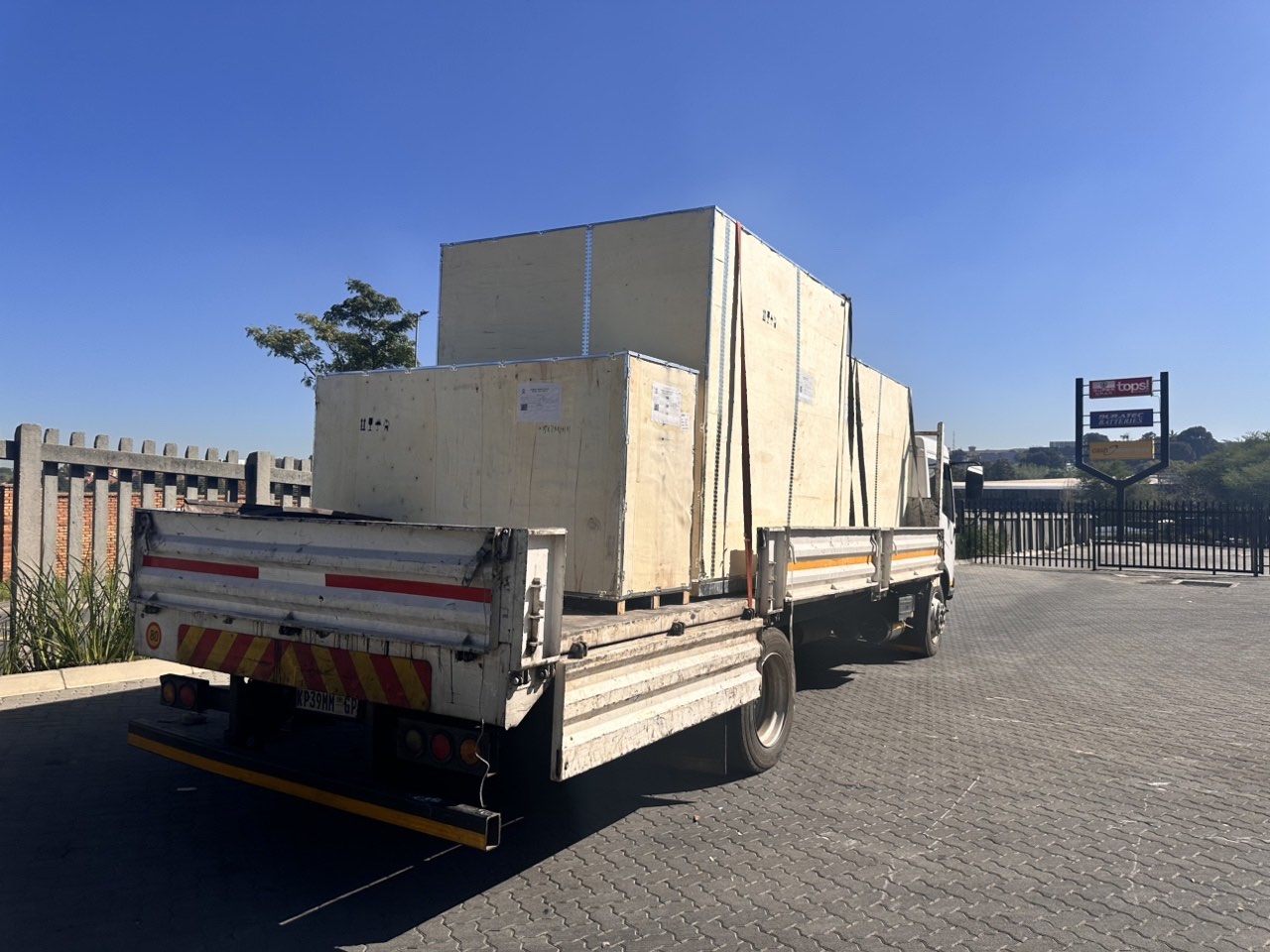
order offloading