B21, China Town Mall, Midrand


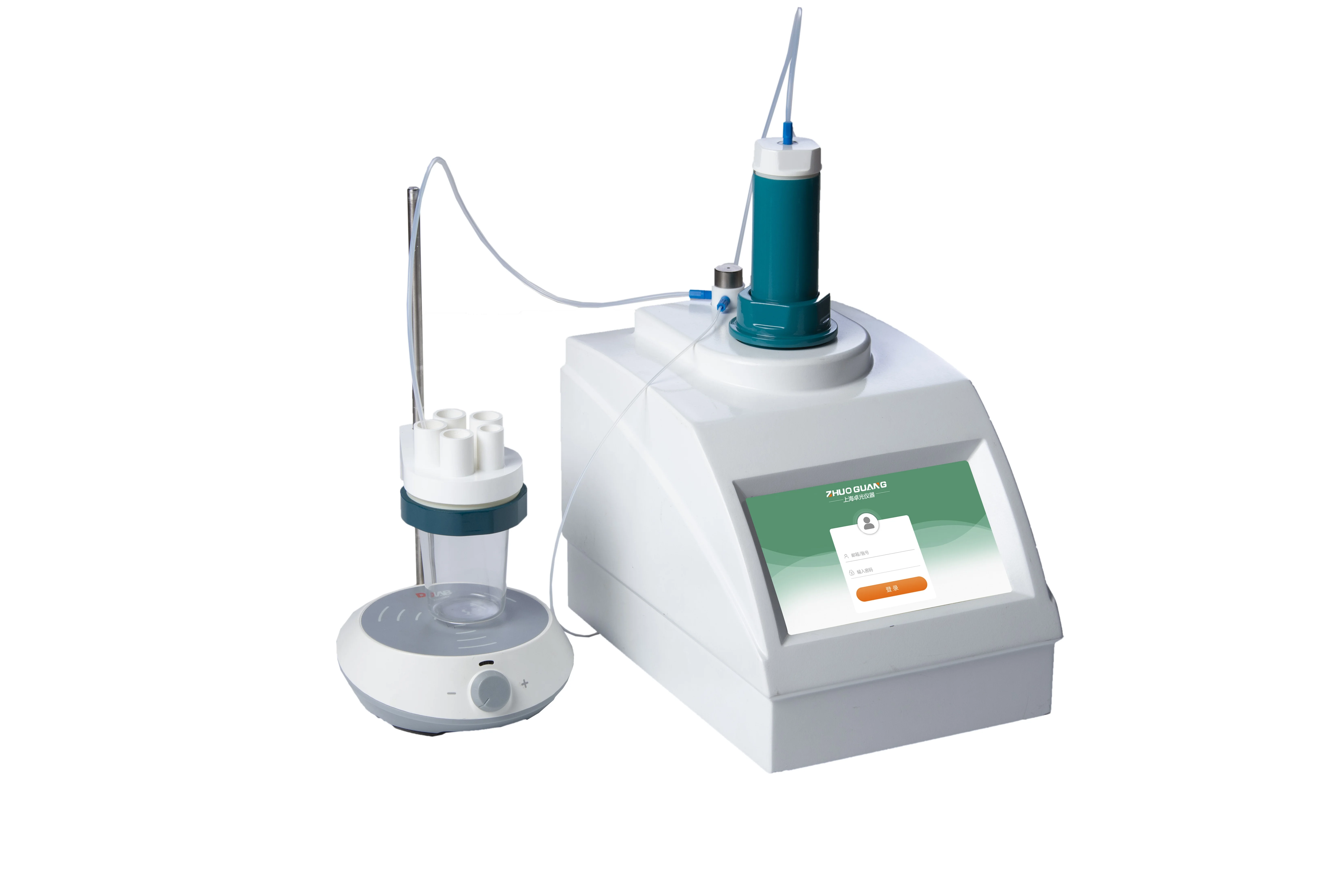
Lab Testing Equipment Digital Automatic Titration Potentiometric Titrator
Asset finance available
Do you want funding for this equipment?
Afrimart can connect you with trusted funding partners who specialise in asset finance for businesses like yours. Compare options and apply in minutes — final approval is subject to provider review.
Check funding options
Secure & no obligation

- Section : Consumer Electronics
- Category : Testing Equipment
- SKU : 1601076392743

Products Description

Recommend Products

- Shipping Timeframes: All orders are processed within 2-5 business days (excluding weekends and holidays). After your order has been processed, the estimated delivery time is before 03 Aug, 2026, depending on customs, Please note that due to high demand, some items may experience longer shipping times, which will be communicated at order confirmation email.
- Order Processing Time: Please allow 2-5 business days for us to process your order before it is shipped . Orders placed after 16:00 on Fridays, or during weekends and public holidays, will begin processing on the next business day. Processing times may be extended during peak seasons or sales events.
- Manufacturing Time: Some products needs manufacturing time, the manufacturing process will take approximately 10-30 business days depending on the product. This timeframe may vary depending on the complexity of the product and current demand. but this will be communicated with you during order confirmation.
- Returns and Exchanges: We offer a 30-day return policy for most items. If you are not completely satisfied with your purchase, you may return it within 30 days of receipt for a refund or exchange. Items must be unused, in their original packaging, and accompanied by proof of purchase. Return shipping costs are the responsibility of the customer, unless the item was damaged or defective upon arrival.
1. What is a digital automatic titration potentiometric titrator?
A digital automatic titration potentiometric titrator is a laboratory instrument used to determine the concentration of a solution by measuring the potential difference (voltage) as a titrant is added to the analyte.
2. What are the main applications of this titrator?
This titrator is commonly used in chemistry and biology labs for acid-base titrations, redox titrations, and other quantitative analyses requiring precise measurements of chemical concentrations.
3. Is this equipment suitable for both educational and professional use?
Yes, the digital automatic titration potentiometric titrator is designed for use in both educational settings and professional laboratories, providing accurate results for various applications.
4. How does the automatic titration feature work?
The automatic titration feature allows the device to control the addition of titrant to the analyte automatically, based on real-time data from the potentiometric measurements, ensuring precise and efficient titration.
5. What is the required power supply for this titrator?
The titrator typically requires a standard power supply of 100-240V AC, but it's best to check the specific model's manual for exact specifications.
6. Can the titrator store multiple calibration settings?
Yes, many models of digital automatic titration potentiometric titrators come with the ability to store multiple calibration settings for different types of titrations, making it convenient for varied applications.
7. What type of software does the device use?
The titrator usually comes with user-friendly software that allows for data analysis, result storage, and report generation, ensuring ease of use in laboratory settings.
8. How do I maintain and clean the titrator?
It's essential to follow the manufacturer's guidelines for maintenance, which typically include regular cleaning of the electrode and titration vessel, as well as calibration checks to ensure accuracy.
9. What types of electrodes are compatible with the titrator?
The titrator is compatible with various types of electrodes, including glass electrodes for pH measurements and other specific electrodes for redox titrations. Always refer to the manual for compatible options.
10. Is there a warranty on the titrator?
Most manufacturers provide a warranty that covers defects in materials and workmanship for a specific period. Please check the warranty details included with your purchase.
11. What is the expected lifespan of the equipment?
With proper care and maintenance, a digital automatic titration potentiometric titrator can last several years, though its lifespan may vary based on usage frequency and environmental conditions.
12. Are there any safety precautions I should take while using this equipment?
Yes, always wear appropriate personal protective equipment (PPE) such as gloves and goggles, and ensure proper ventilation when handling chemicals during titration.
13. Can the device be connected to a computer or external devices?
Many modern titrators come with USB or other connectivity options, allowing users to connect to computers for data transfer and analysis, enhancing usability.
14. What is the accuracy and precision of this titration equipment?
The accuracy and precision can vary based on the model, but high-quality digital automatic titration potentiometric titrators typically offer very precise measurements, often within ±0.01 pH or better.
15. Where can I purchase replacement parts for the titrator?
Replacement parts can usually be purchased directly from the manufacturer or authorized distributors. It's advisable to check the product manual for recommended suppliers.
Latest Order Arrivals
Discover our latest orders
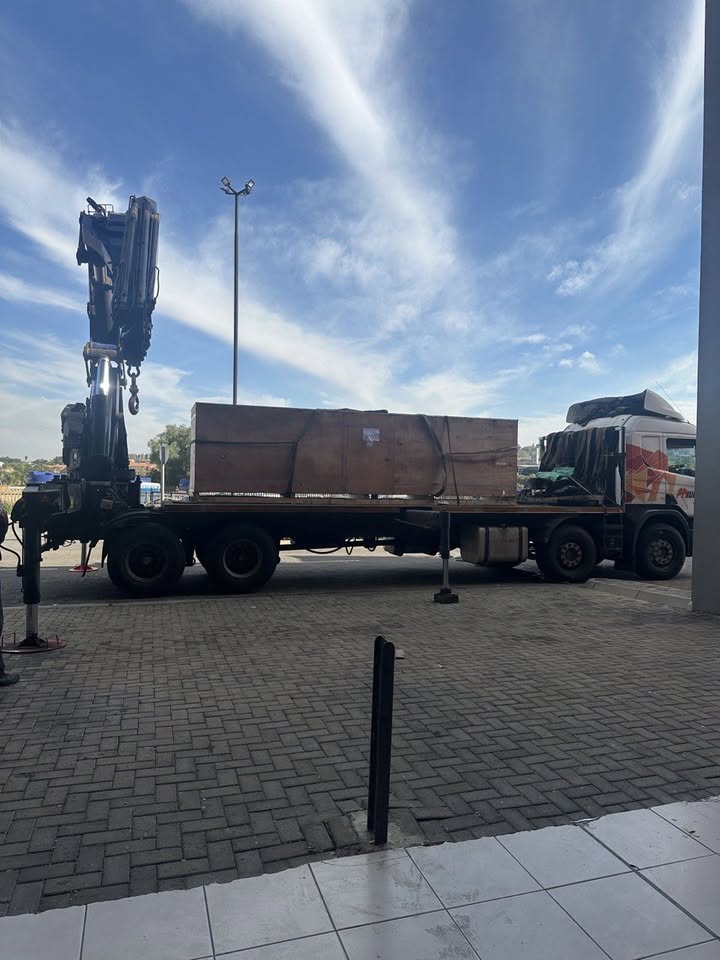
12 Heads Embroidery Machine
Toilet Paper Machine Machine
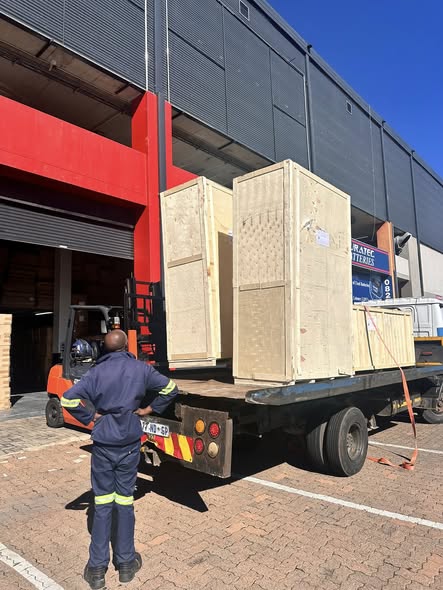
Order Collection
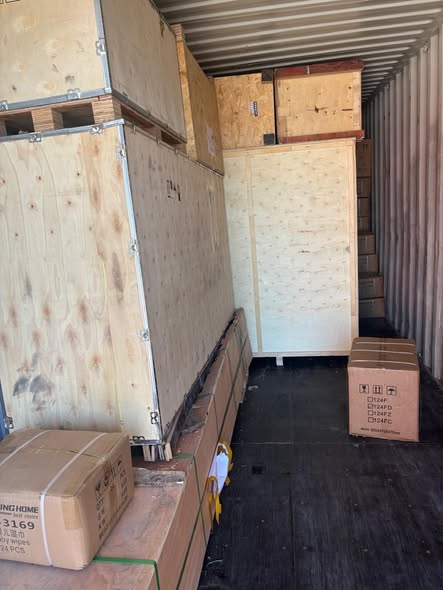
Cross Border Clients
Order cros border countries Collected
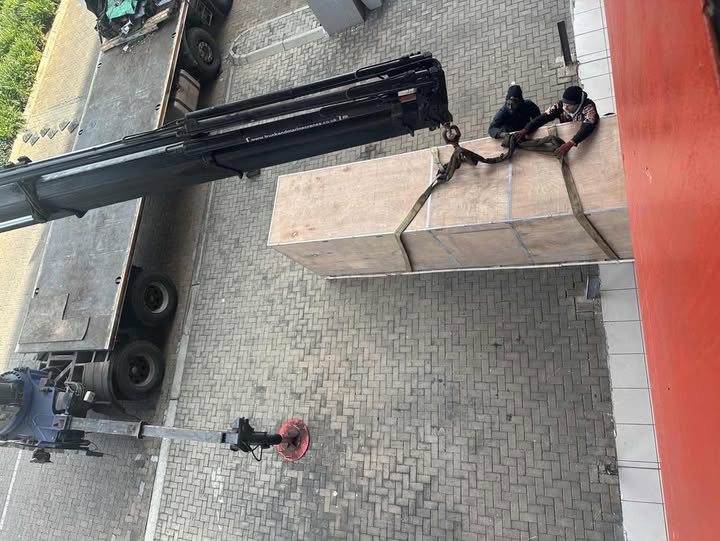
Industrial Machine Cllection
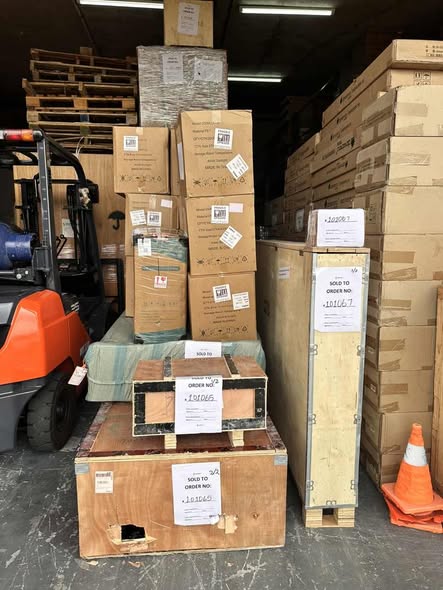
Agriculture Processing Machines
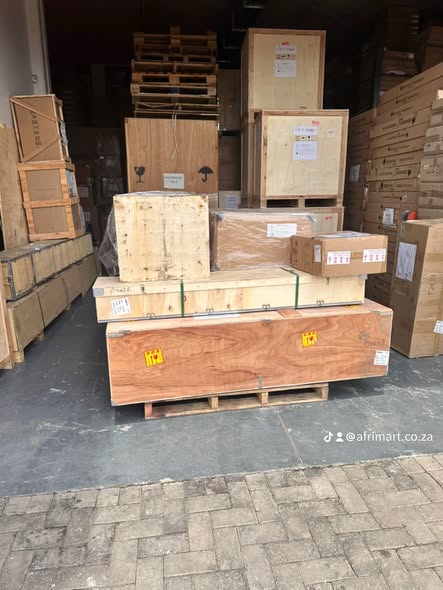
Ready for collection
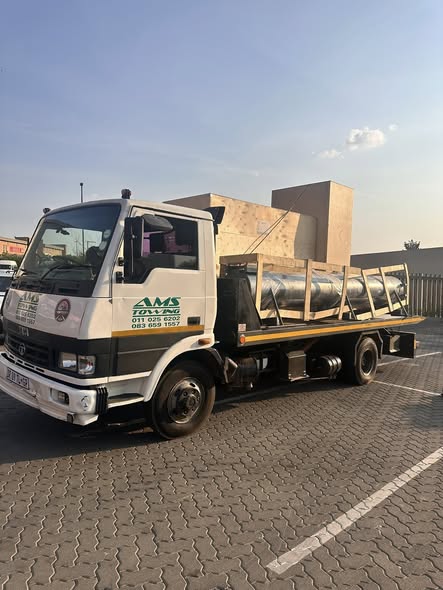
Water Pump Equipment
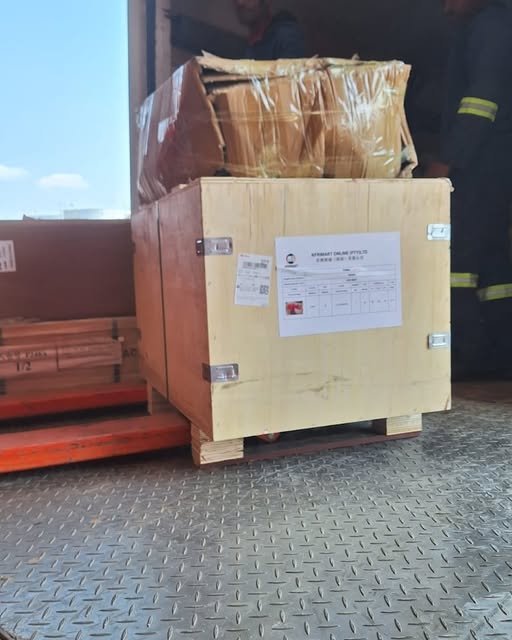
Packaging Machine and accessories
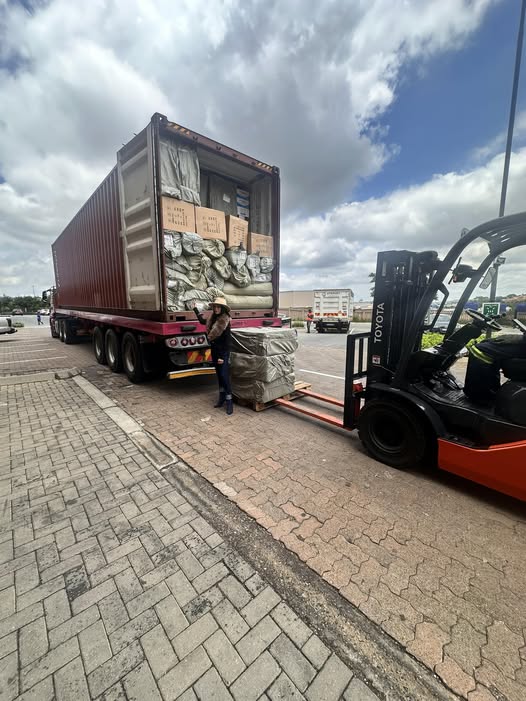
Fabrics Manufacturing Equipment
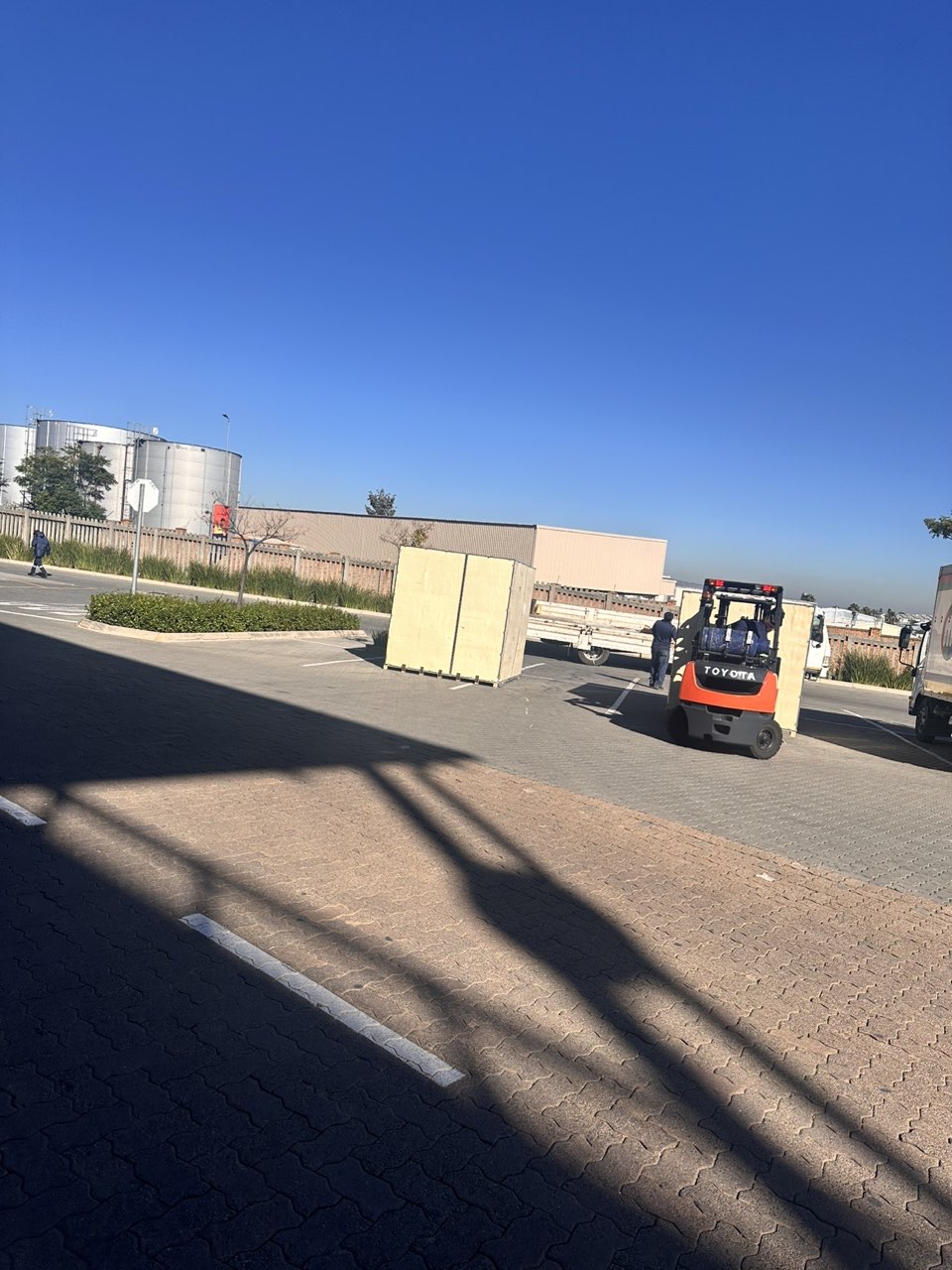
Mining Equipments
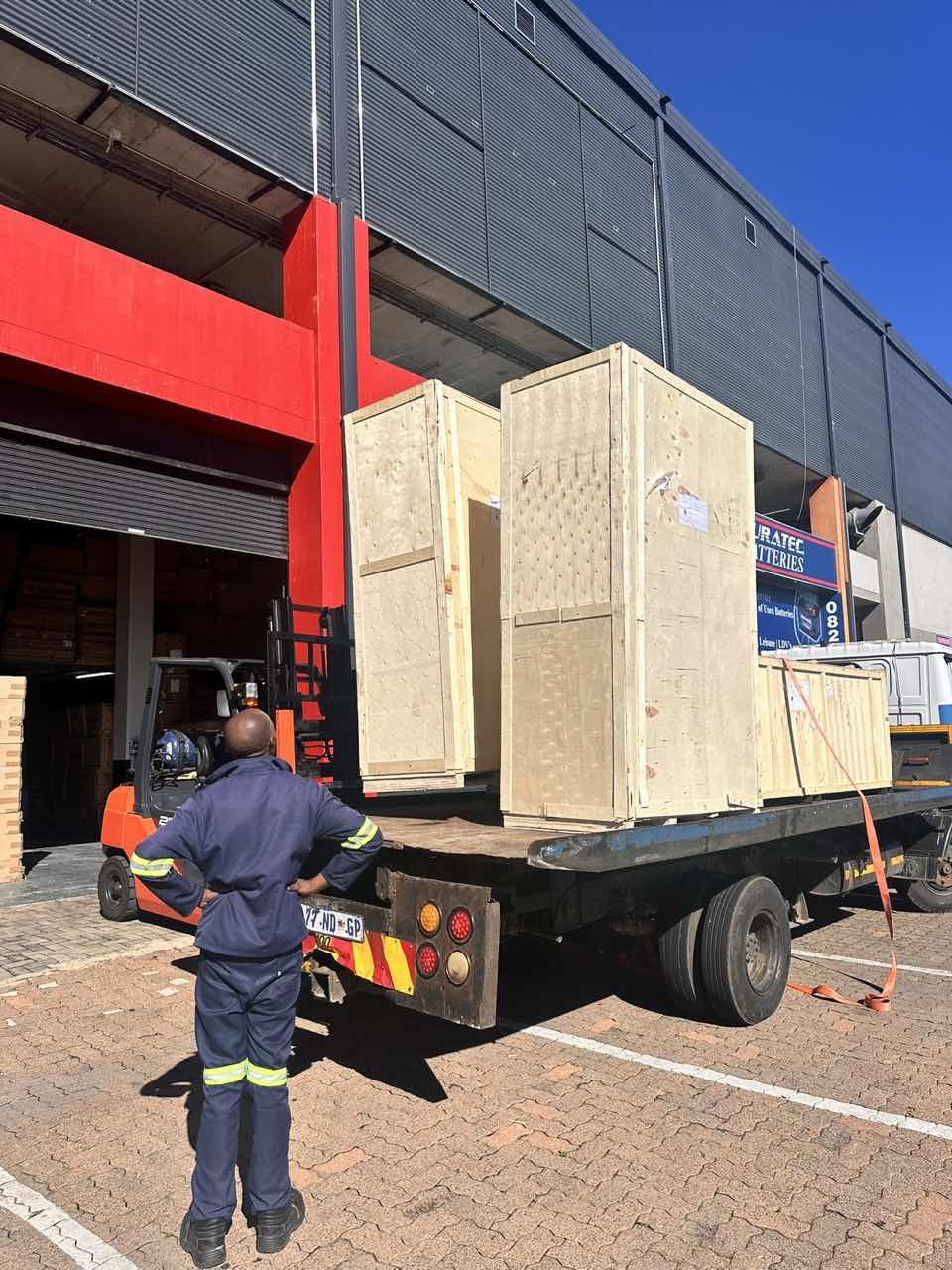
Food Processing Machine
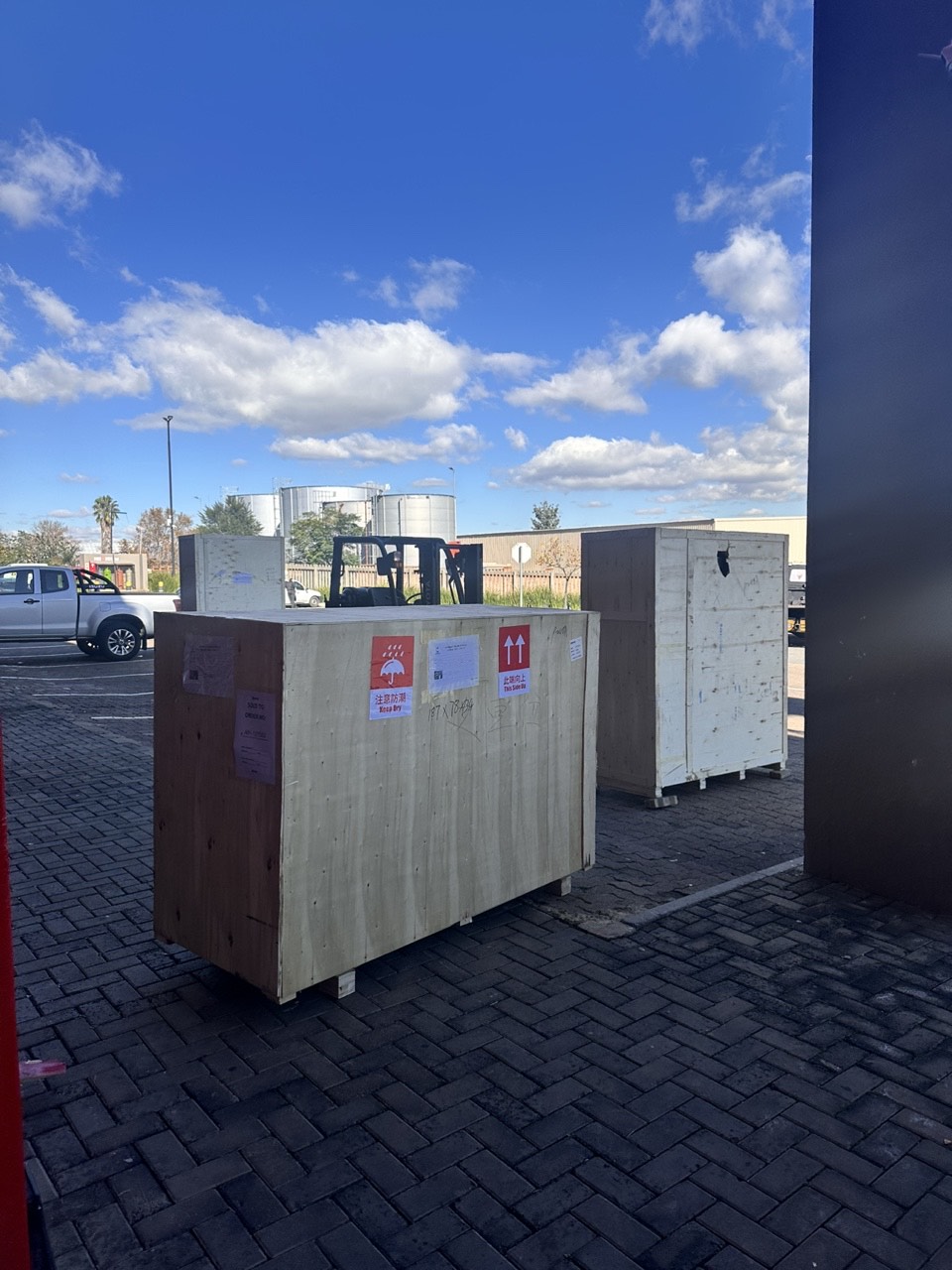
Batch of Orders
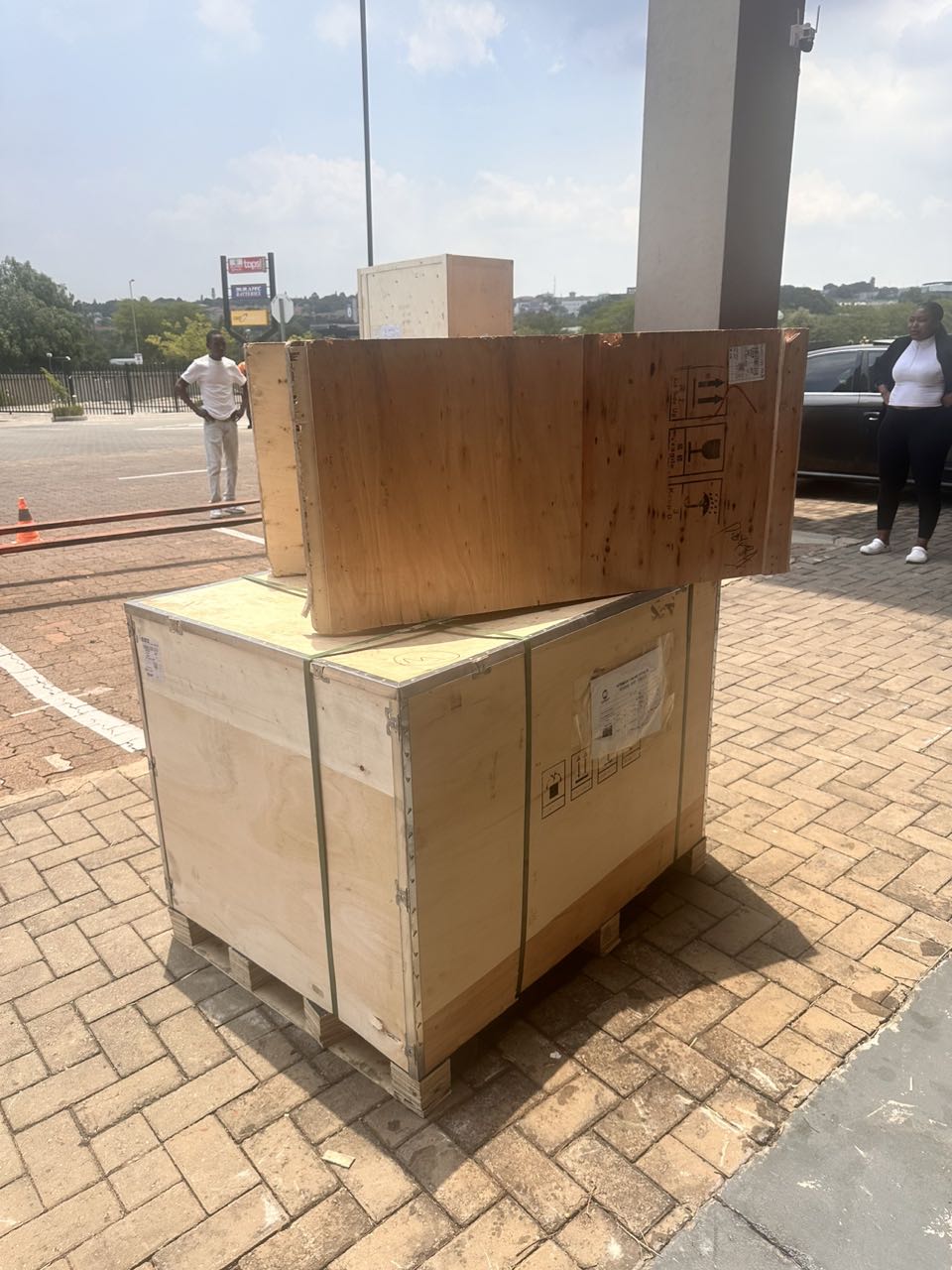
Batch of Orders
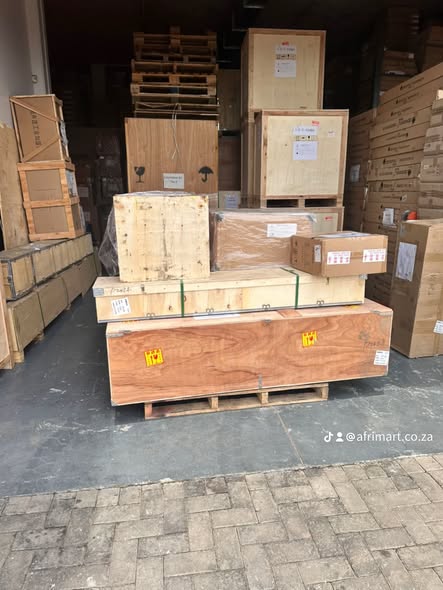
Latest Orders Labelled
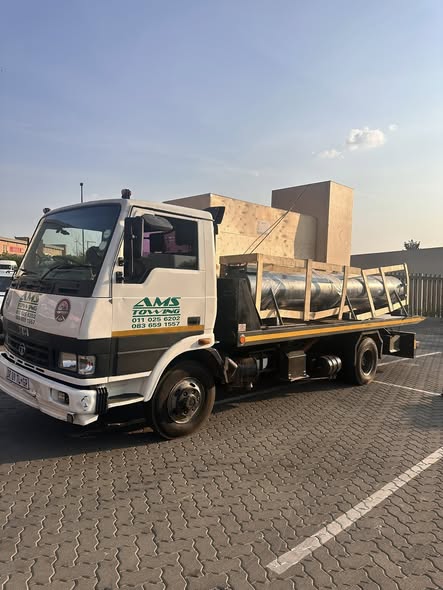
wheel alignment machines
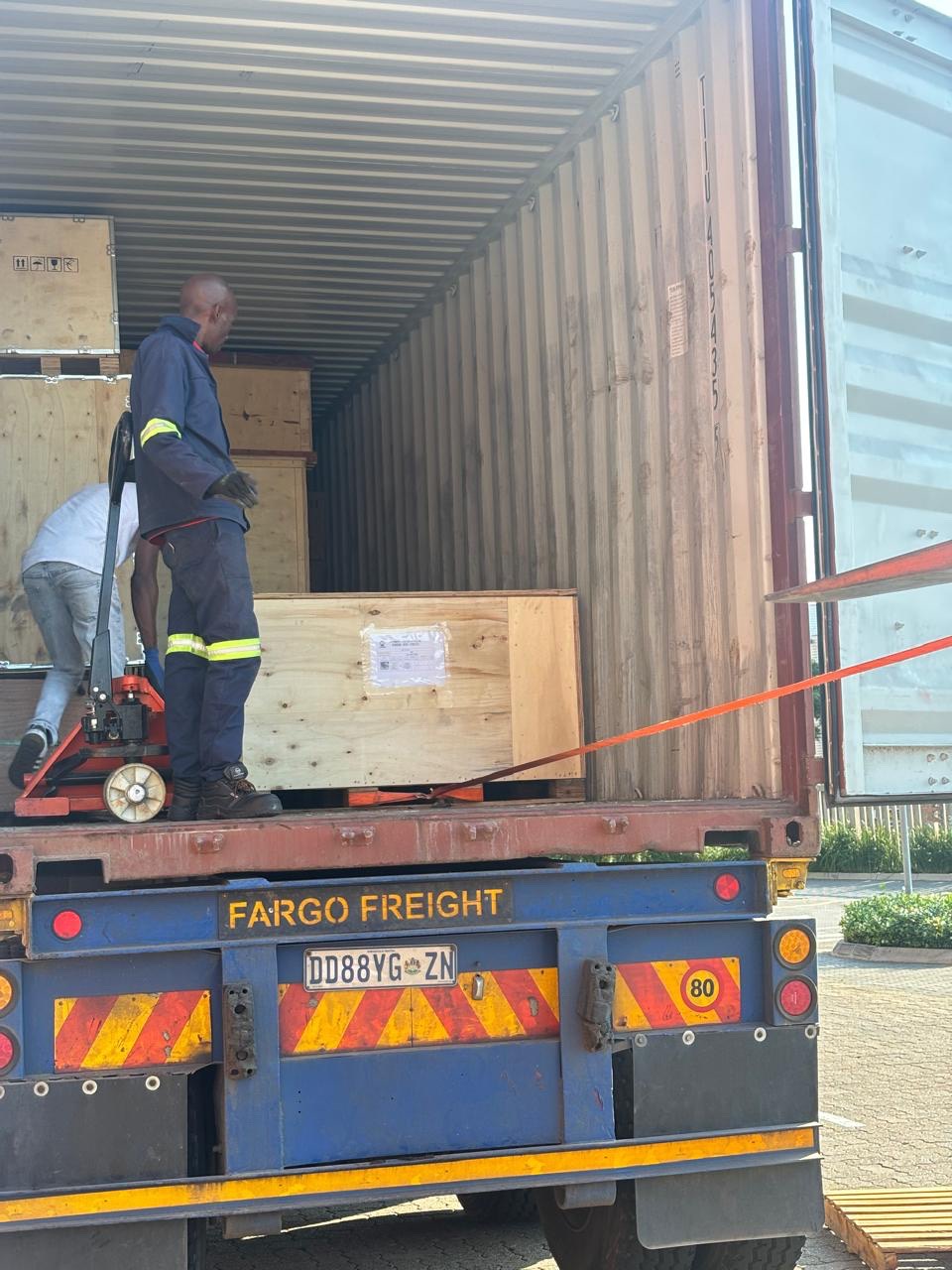
new arrivals
Pre Orders Offloading
Latest Arrivals
Latest Arrivals
Latest Arrivals
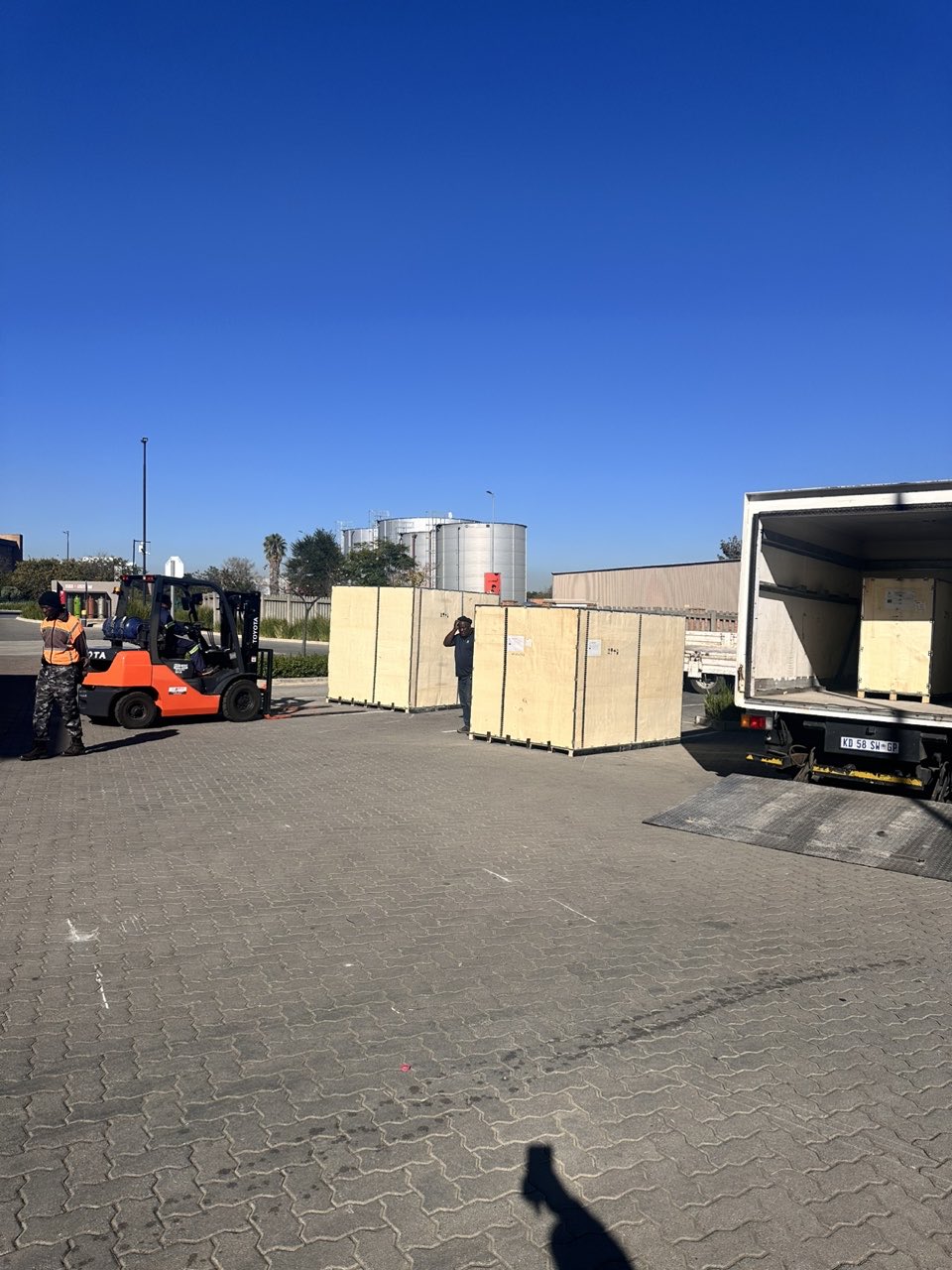
Loading
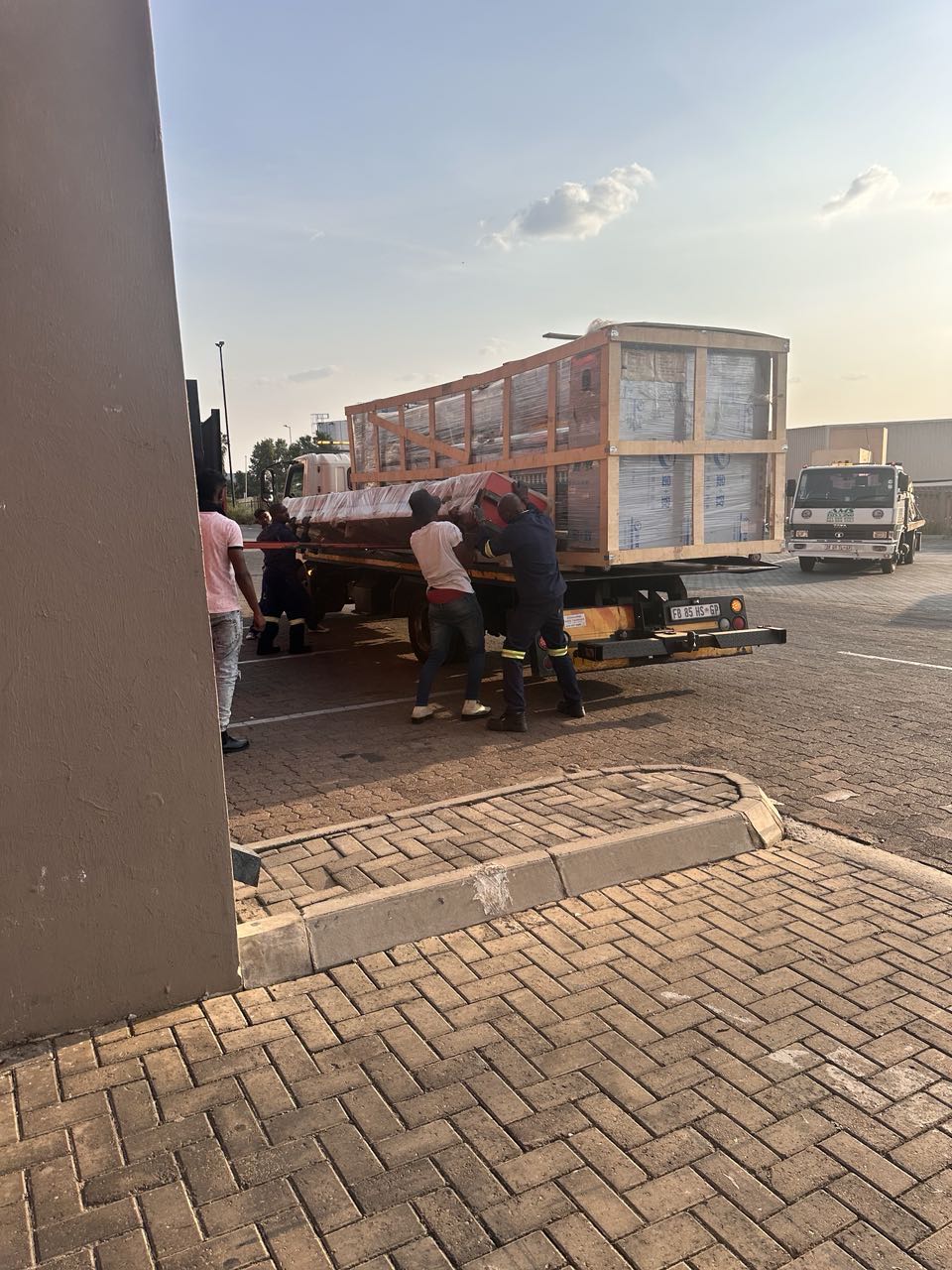
Toilet paper making machine
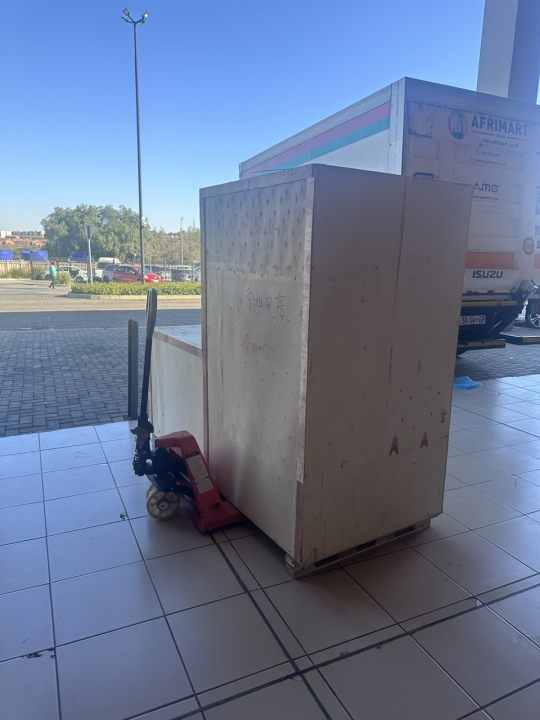
Toilet paper making machine
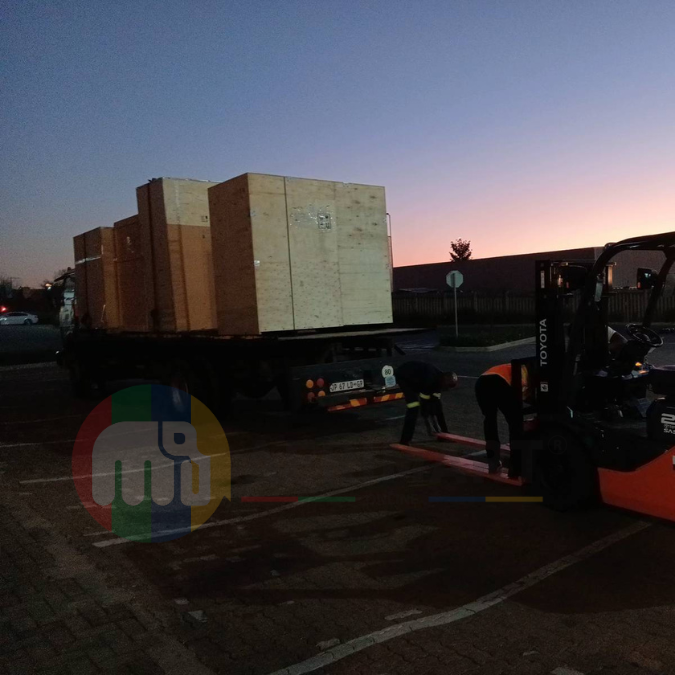
Toilet paper Rewinding Machine
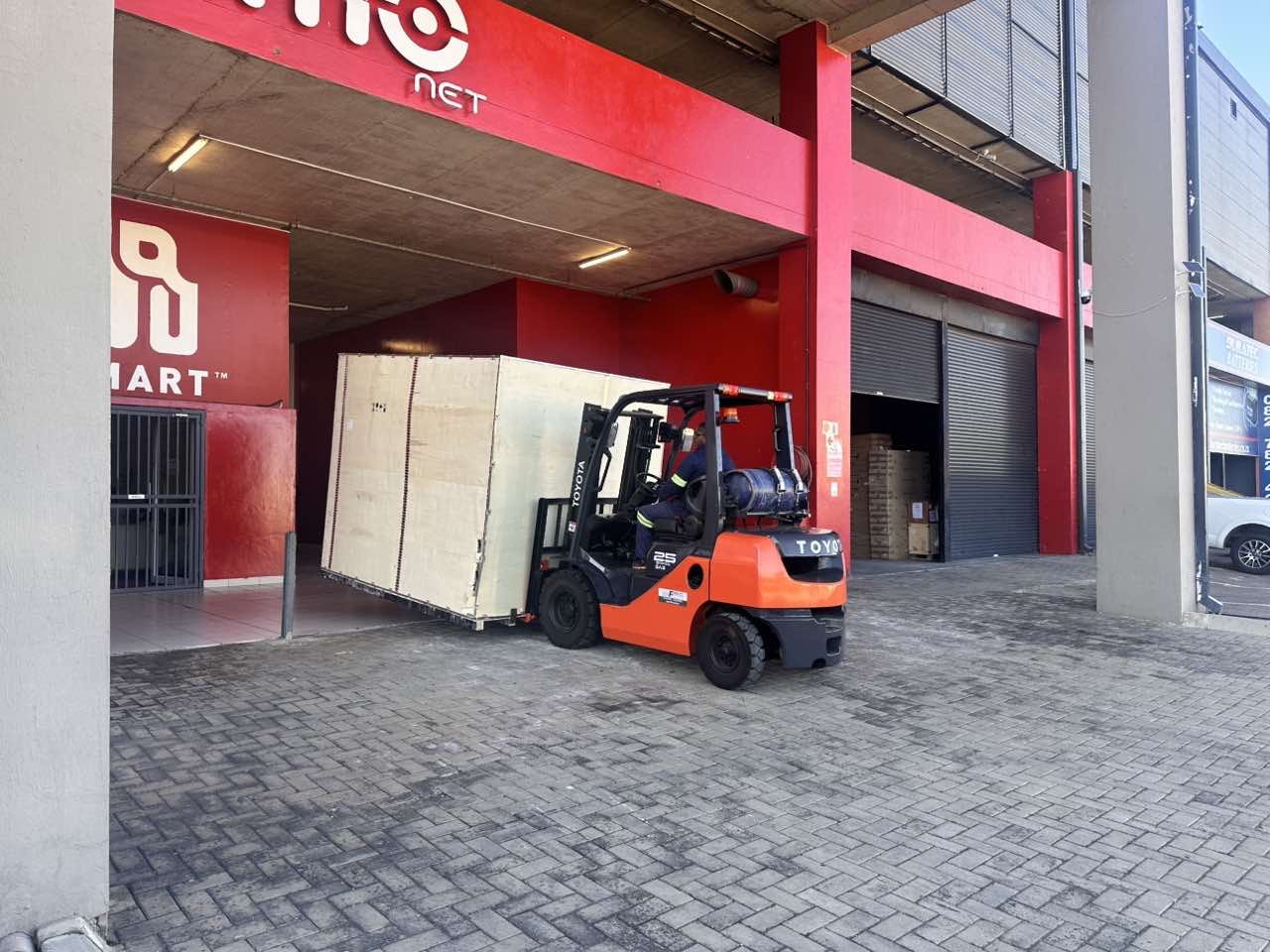
latest arrivals
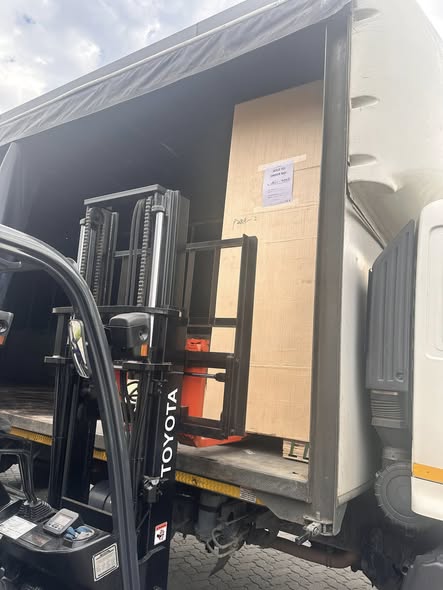
offloading
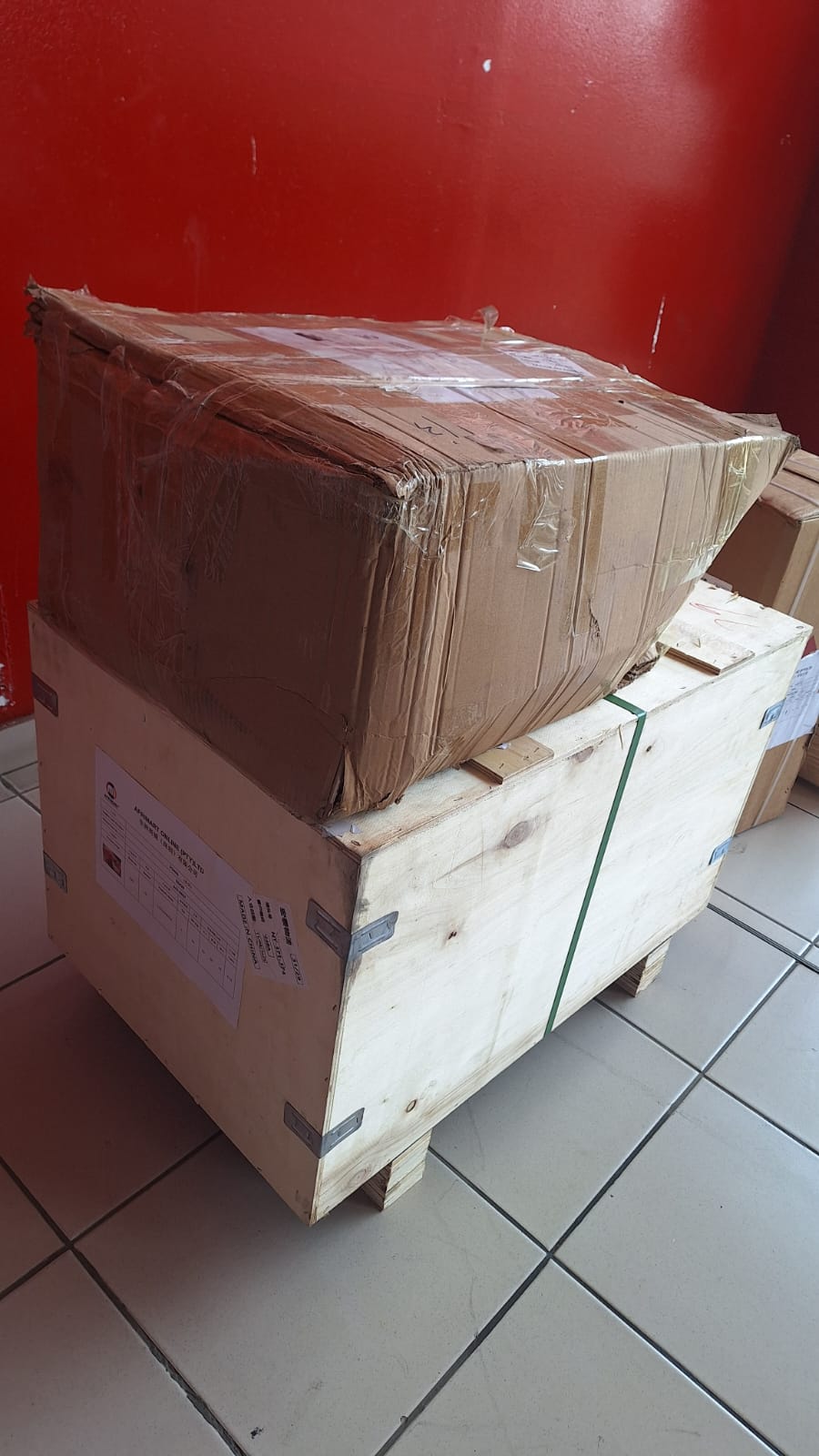
order success
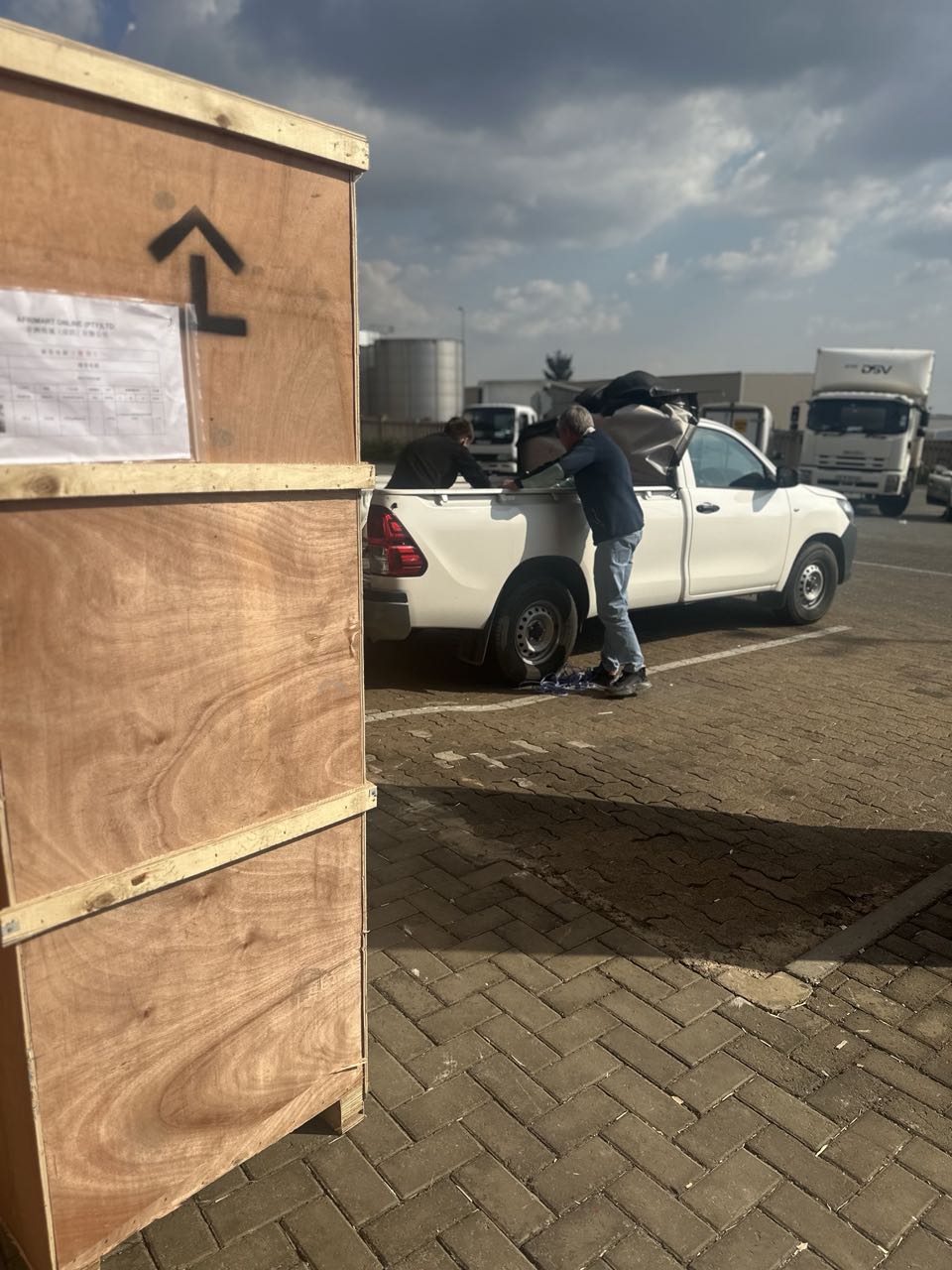
order collection
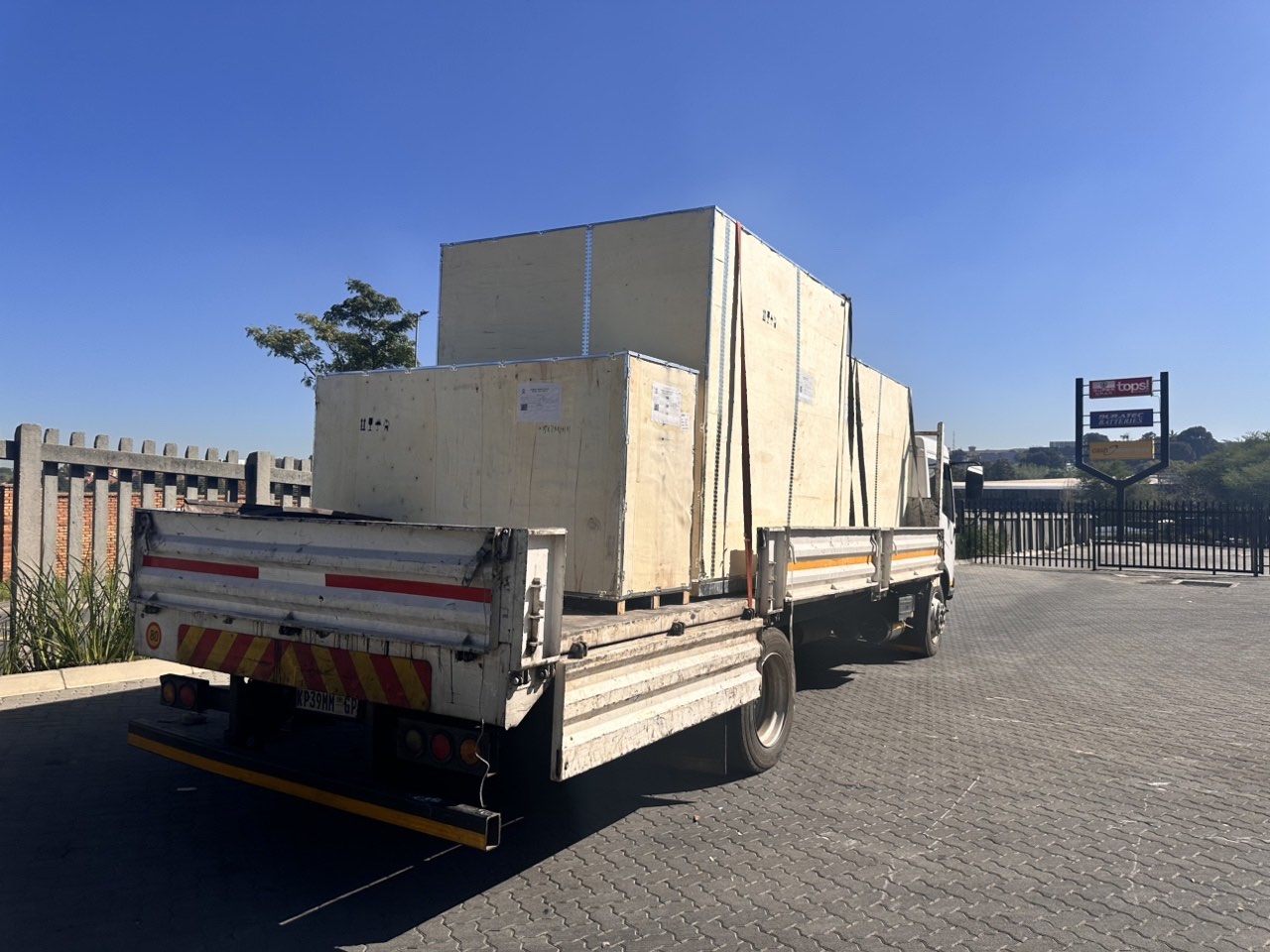
order offloading