B21, China Town Mall, Midrand

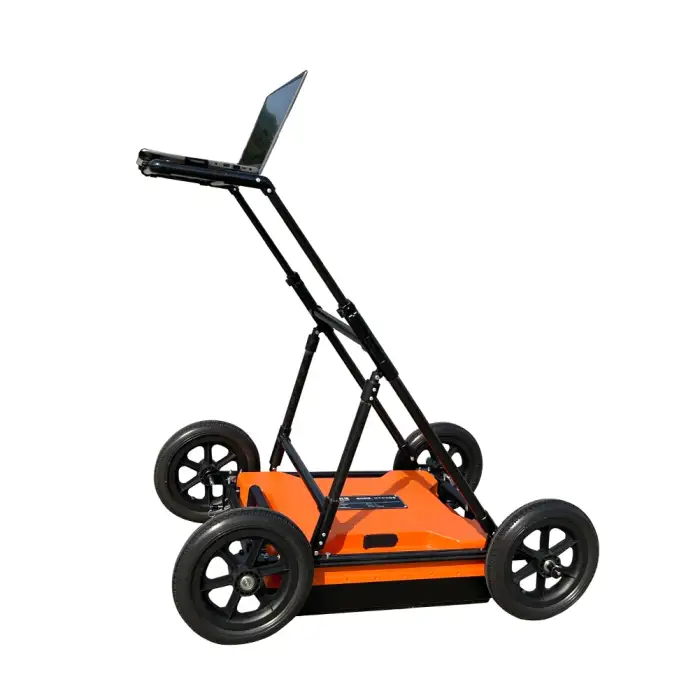
Intelligent Industrial Metal Detectors Ground-Penetrating Radar
Asset finance available
Do you want funding for this equipment?
Afrimart can connect you with trusted funding partners who specialise in asset finance for businesses like yours. Compare options and apply in minutes — final approval is subject to provider review.
Check funding options
Secure & no obligation

- Section : Consumer Electronics
- Category : Test Instruments
- SKU : 1601117898233

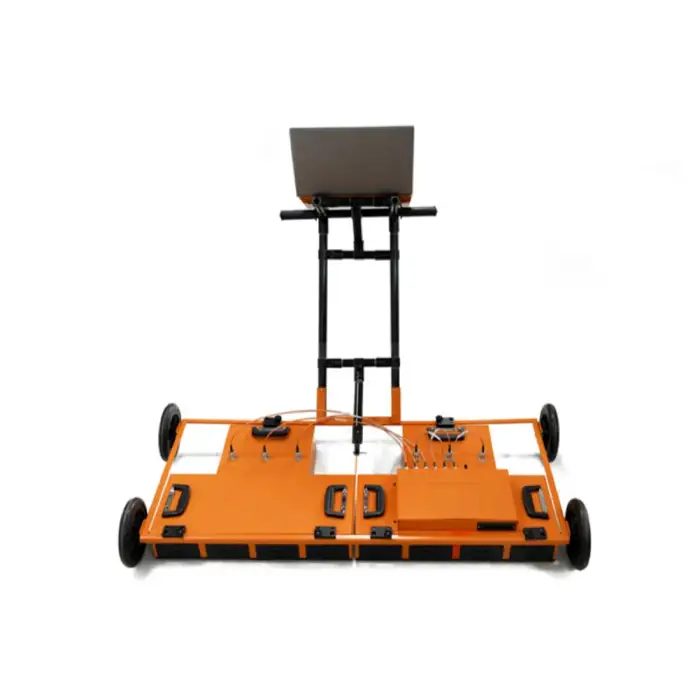
Intelligent Industrial Metal Detectors Ground-Penetrating Radar
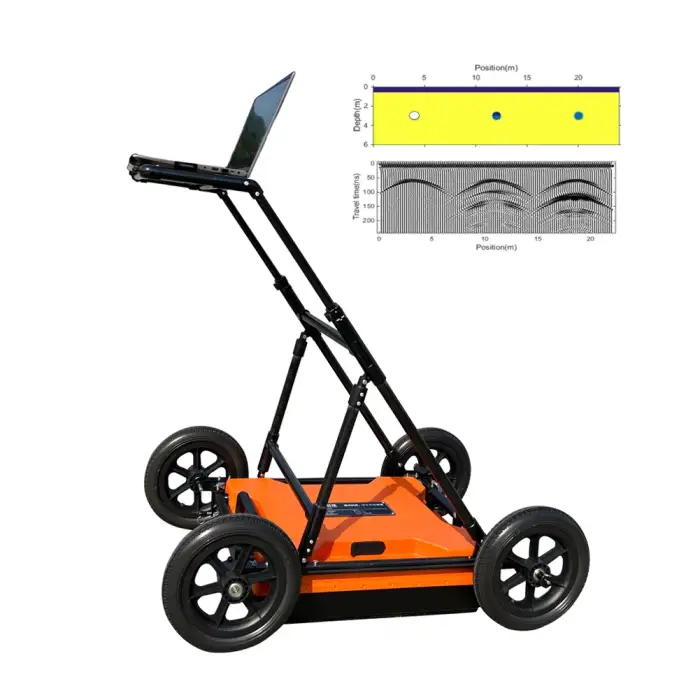
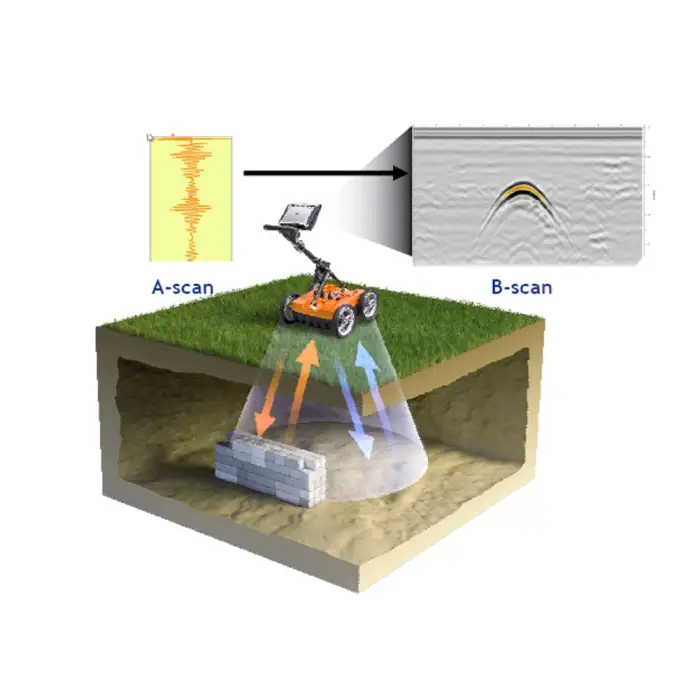
The Intelligent Industrial Metal Detectors Ground-Penetrating Radar is a high-performance tool designed for detecting metal and non-metallic objects underground. Ideal for municipal pipelines, roads, bridges, tunnel inspections, and geological disaster assessments, this radar system offers accurate and efficient detection capabilities.
Key Features
- Versatile Applications: Perfect for engineering surveys, geological disaster assessments, and municipal infrastructure inspections like pipelines, roads, bridges, and tunnels.
- Advanced Detection Technology: Equipped with a single shielded antenna and a frequency range of 100, 200, and 400 MHz, this radar ensures reliable detection of both metal and non-metal objects underground.
- High Sampling Rate and Accuracy: Offers a sampling frequency range from 0.2 to 100 GHz, with a time window range of 1 ns to 20,000 ns, continuously adjustable for precise results.
- Efficient Data Collection: Capable of scanning at a rate of 200 lines per second with 32 to 32,767 sample points per scan, ensuring fast and thorough analysis.
- Extended Battery Life: Provides over 8 hours of continuous operation with a 10-15V DC battery, ideal for extended fieldwork.
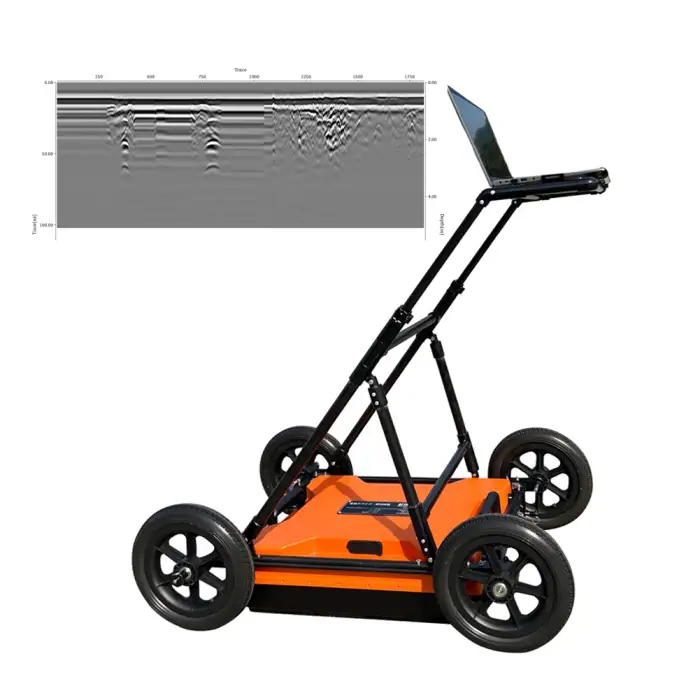
- Clear Data Visualization: Displays results through pseudo-color images, stacked waveforms, or grayscale images, making it easy to analyze and interpret data.
- Wireless and Wired Communication: Supports wireless transmission over 50 meters and wired communication via Ethernet (100 Mbps) for flexible connectivity.
- High Signal-to-Noise Ratio: With a signal-to-noise ratio better than 120 dB, the device offers clear and accurate readings even in challenging environments.
| Antenna type | Single shielded antenna |
| Antenna frequency | 100, 200, 400MHz |
| Sampling frequency | 0.2-100GHz adjustable |
| Time window range | 1ns~20000ns, continuously adjustable |
| Number of sampling points | 32~32767 sample points/scan |
| Scan rate | 200 lines/second |
| A/D conversion | 18bit |
| Working time | ≥ 8 hours |
| Signal-to-noise ratio | Better than 120dB |
| Collection speed | > 60 km/h |
| Minimum sampling interval | 10ps |
| Working temperature | -30℃~+70℃ |
The Intelligent Industrial Metal Detectors Ground-Penetrating Radar is an essential tool for professionals involved in underground infrastructure inspection and geological surveys, providing the precision and reliability needed for critical projects.
Product Info Gallery


- Shipping Timeframes: All orders are processed within 2-5 business days (excluding weekends and holidays). After your order has been processed, the estimated delivery time is before 22 Jun, 2026, depending on customs, Please note that due to high demand, some items may experience longer shipping times, which will be communicated at order confirmation email.
- Order Processing Time: Please allow 2-5 business days for us to process your order before it is shipped . Orders placed after 16:00 on Fridays, or during weekends and public holidays, will begin processing on the next business day. Processing times may be extended during peak seasons or sales events.
- Manufacturing Time: Some products needs manufacturing time, the manufacturing process will take approximately 10-30 business days depending on the product. This timeframe may vary depending on the complexity of the product and current demand. but this will be communicated with you during order confirmation.
- Returns and Exchanges: We offer a 30-day return policy for most items. If you are not completely satisfied with your purchase, you may return it within 30 days of receipt for a refund or exchange. Items must be unused, in their original packaging, and accompanied by proof of purchase. Return shipping costs are the responsibility of the customer, unless the item was damaged or defective upon arrival.
1. What types of objects can the Intelligent Industrial Metal Detectors Ground-Penetrating Radar detect?
The radar can detect both metal and non-metallic objects underground, making it suitable for a variety of applications.
2. What are the primary applications of this ground-penetrating radar?
This radar is ideal for municipal infrastructure inspections, including pipelines, roads, bridges, tunnels, and for geological disaster assessments.
3. What is the frequency range of the antenna?
The device is equipped with a single shielded antenna that operates at frequencies of 100, 200, and 400 MHz.
4. How accurate is the data collected by this radar?
The device offers a high sampling frequency range from 0.2 to 100 GHz, with a time window range of 1 ns to 20,000 ns, ensuring precise results.
5. What is the scan rate of the Intelligent Industrial Metal Detectors Ground-Penetrating Radar?
The radar can scan at a rate of 200 lines per second, collecting 32 to 32,767 sample points per scan for efficient data analysis.
6. How long can the device operate on a single battery charge?
The radar provides over 8 hours of continuous operation with a 10-15V DC battery, making it suitable for extended fieldwork.
7. What kind of data visualization does the radar offer?
Results can be displayed through pseudo-color images, stacked waveforms, or grayscale images, allowing for easy data analysis and interpretation.
8. Does the radar support wireless communication?
Yes, the device supports wireless transmission over distances of up to 50 meters, as well as wired communication via Ethernet at 100 Mbps.
9. What is the signal-to-noise ratio of this radar?
The radar has a signal-to-noise ratio better than 120 dB, providing clear and accurate readings even in challenging environments.
10. What is the minimum sampling interval of the radar?
The minimum sampling interval is 10 picoseconds, allowing for very high-resolution data collection.
11. What is the operating temperature range for the device?
The Intelligent Industrial Metal Detectors Ground-Penetrating Radar can operate in temperatures ranging from -30℃ to +70℃.
12. How does the radar handle data collection speed?
The radar can collect data at speeds greater than 60 km/h, ensuring efficient operation during surveys.
13. Is the radar suitable for use in urban environments?
Yes, its advanced detection technology and high signal-to-noise ratio make it particularly effective for urban infrastructure inspections.
14. Can the radar be used for geological surveys?
Absolutely, the radar is specifically designed for geological disaster assessments and other geological survey applications.
15. What makes this product different from other metal detectors?
This radar combines advanced ground-penetrating technology with high sampling rates and versatile applications, making it more suitable for complex underground inspections.
Latest Order Arrivals
Discover our latest orders
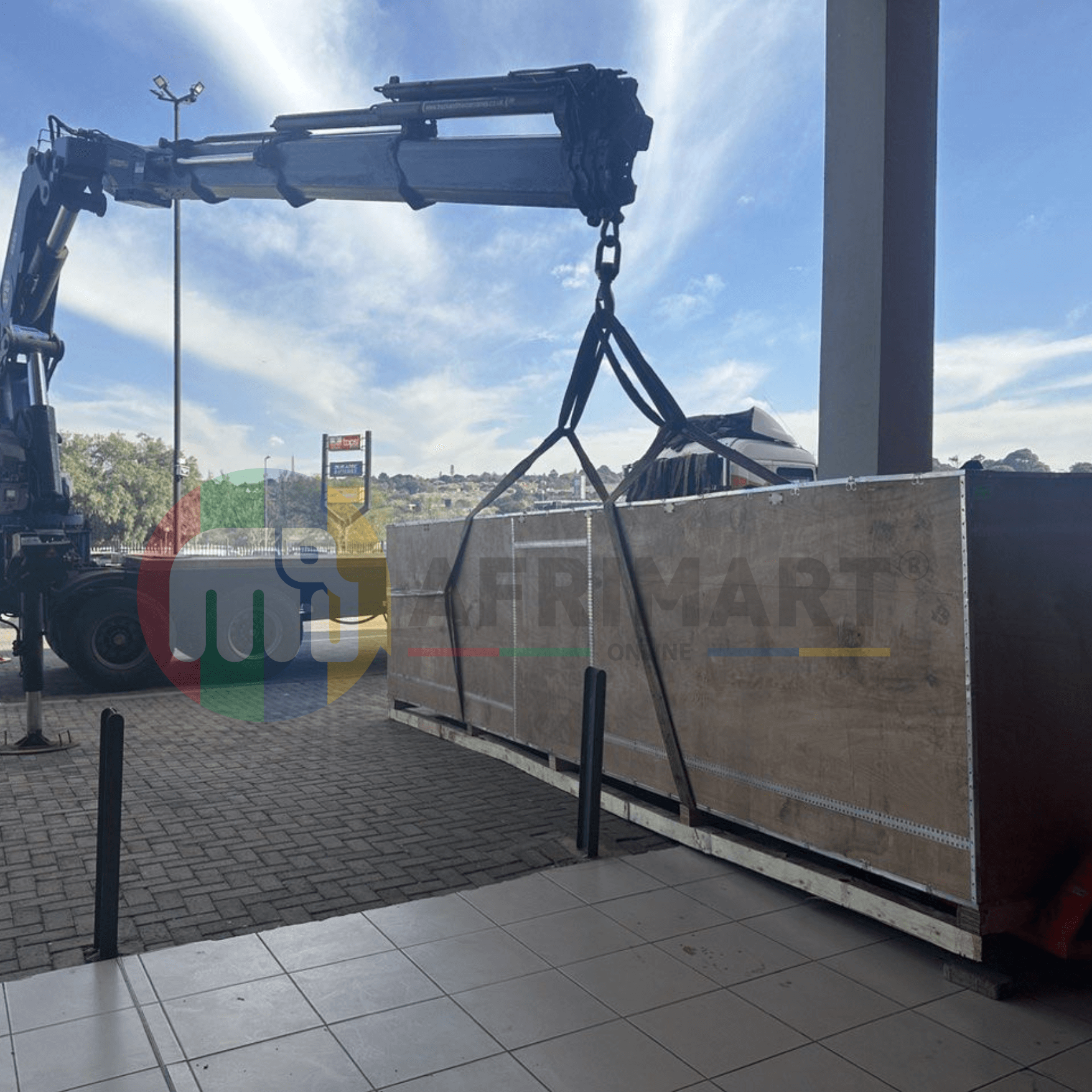
12 Heads Embroidery Machine
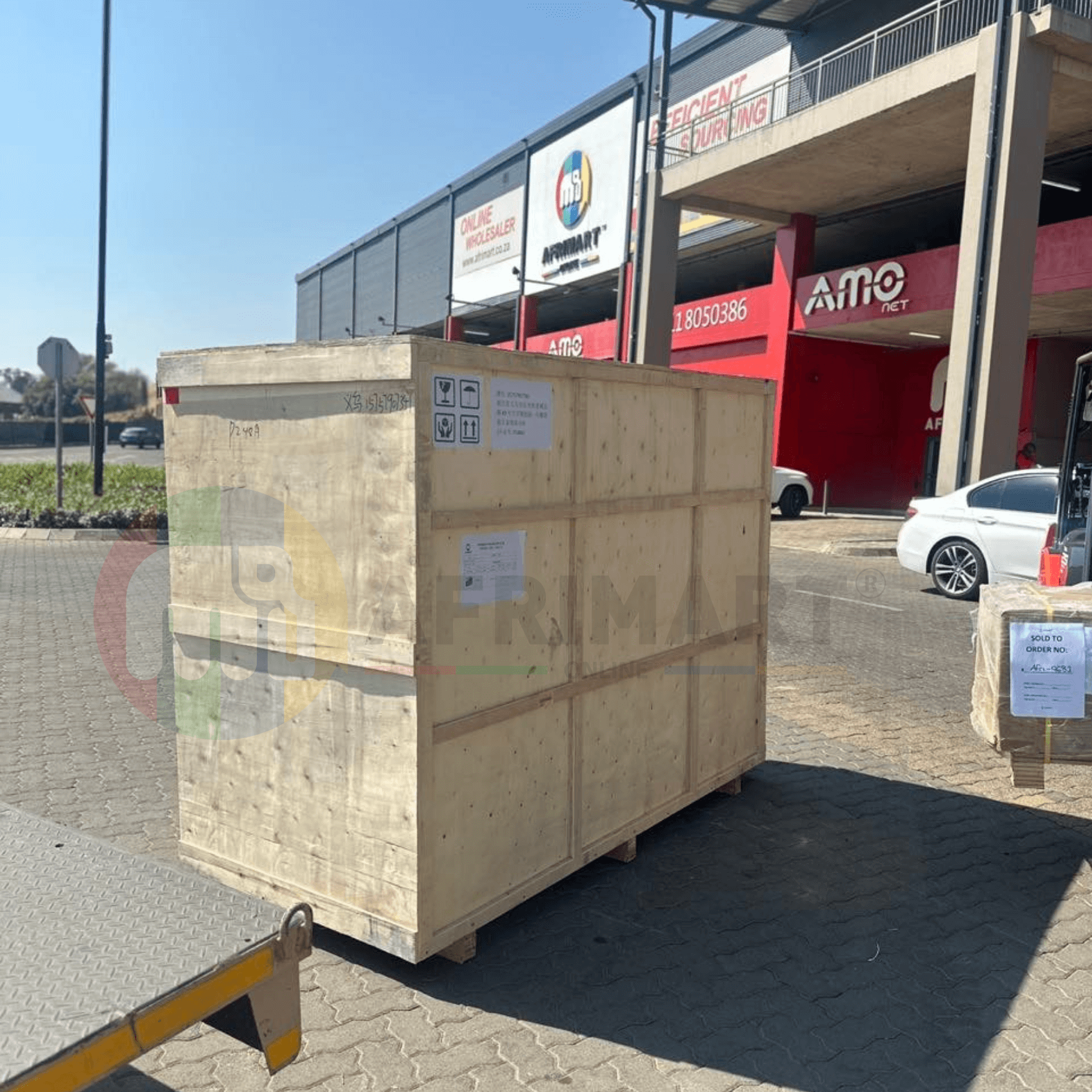
Dewatering Pump Machine
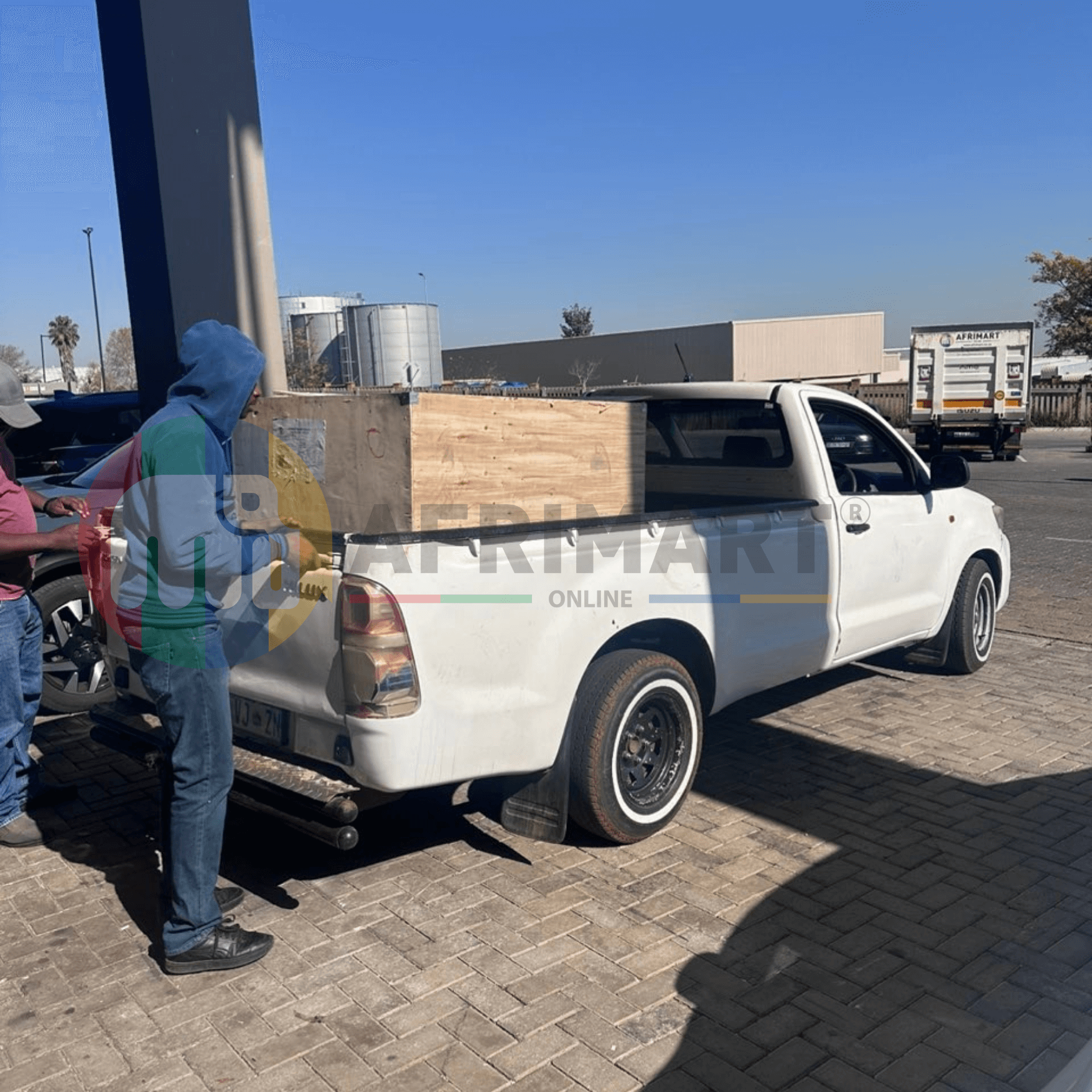
Order Collection
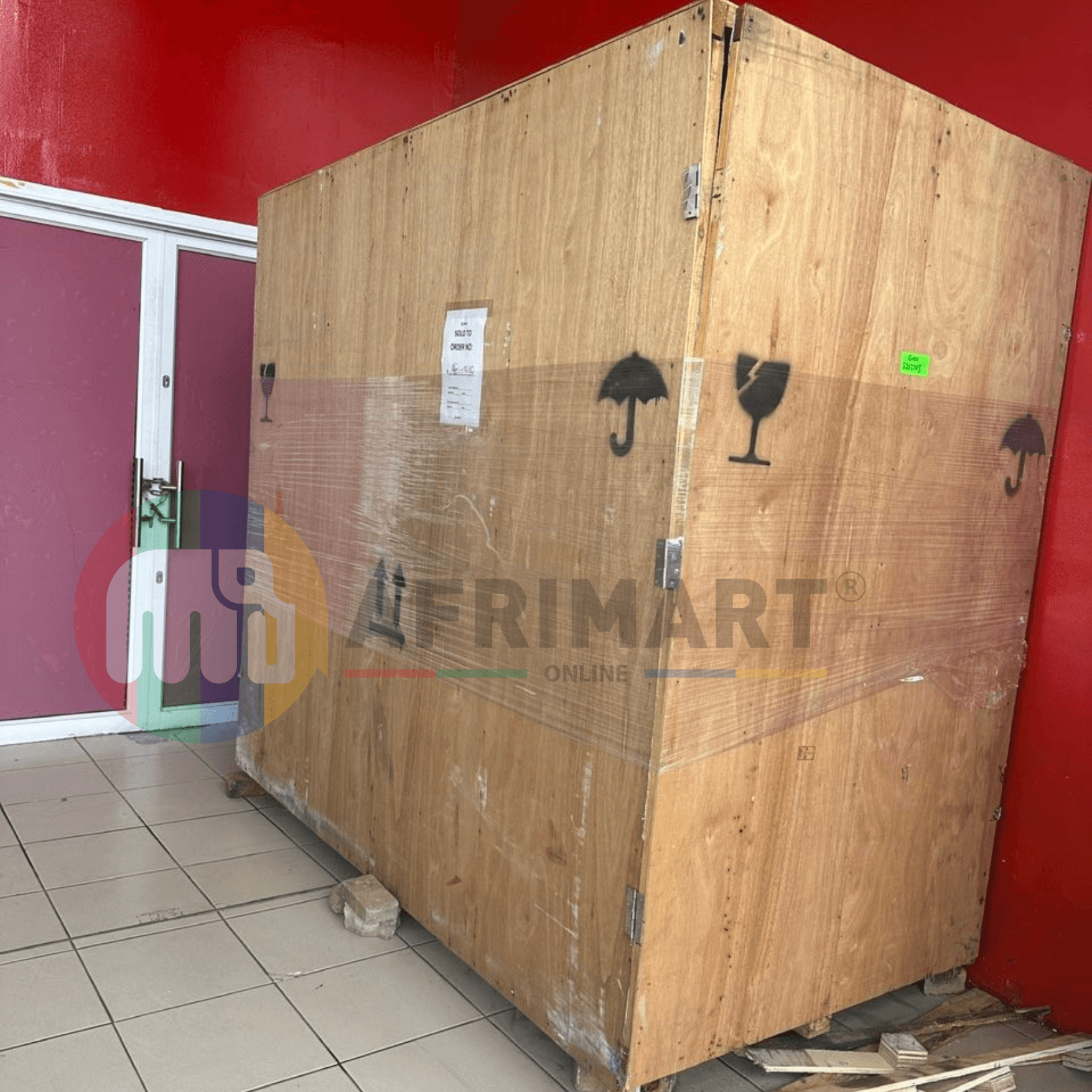
Portable Water Drilling Rig
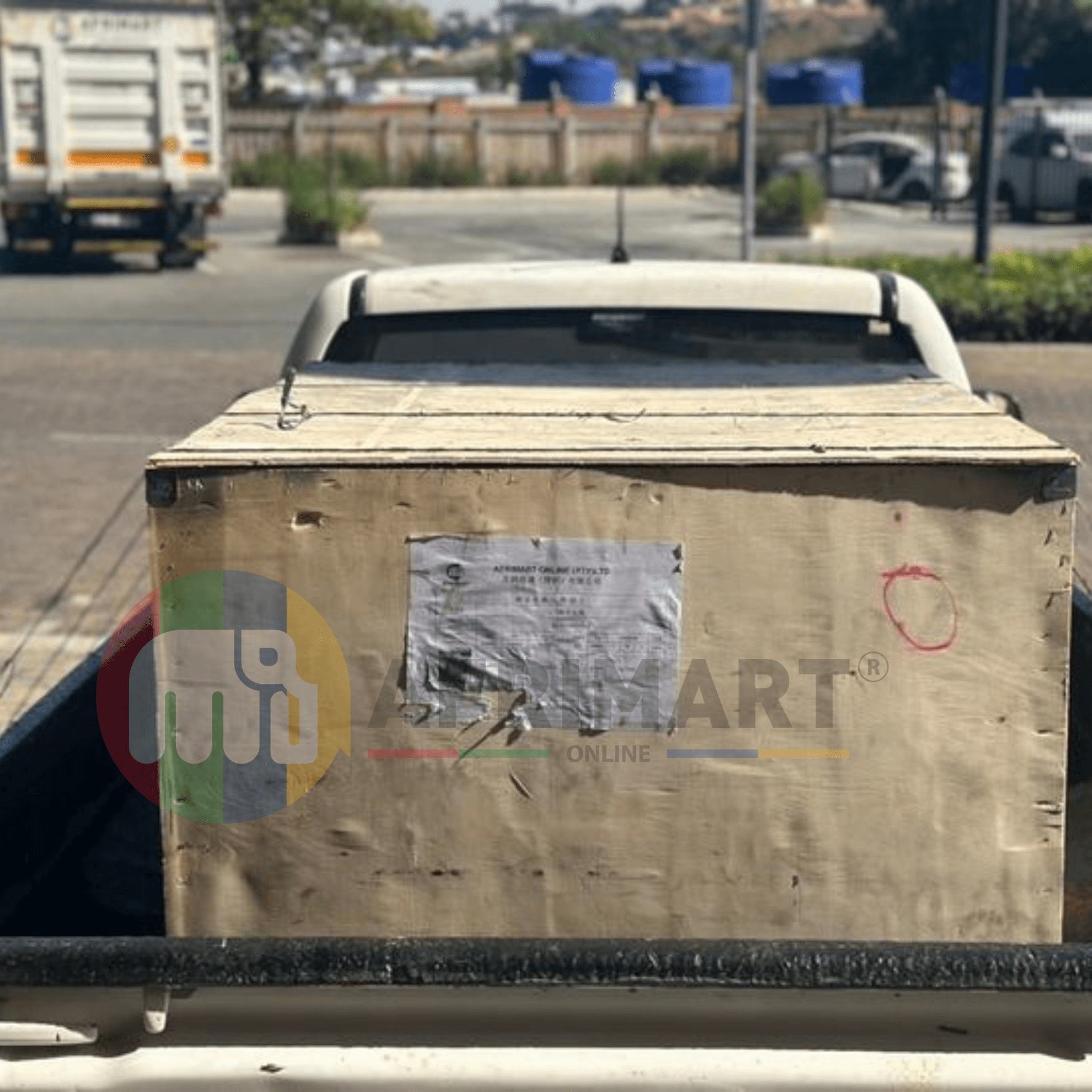
Order Usefully Collected
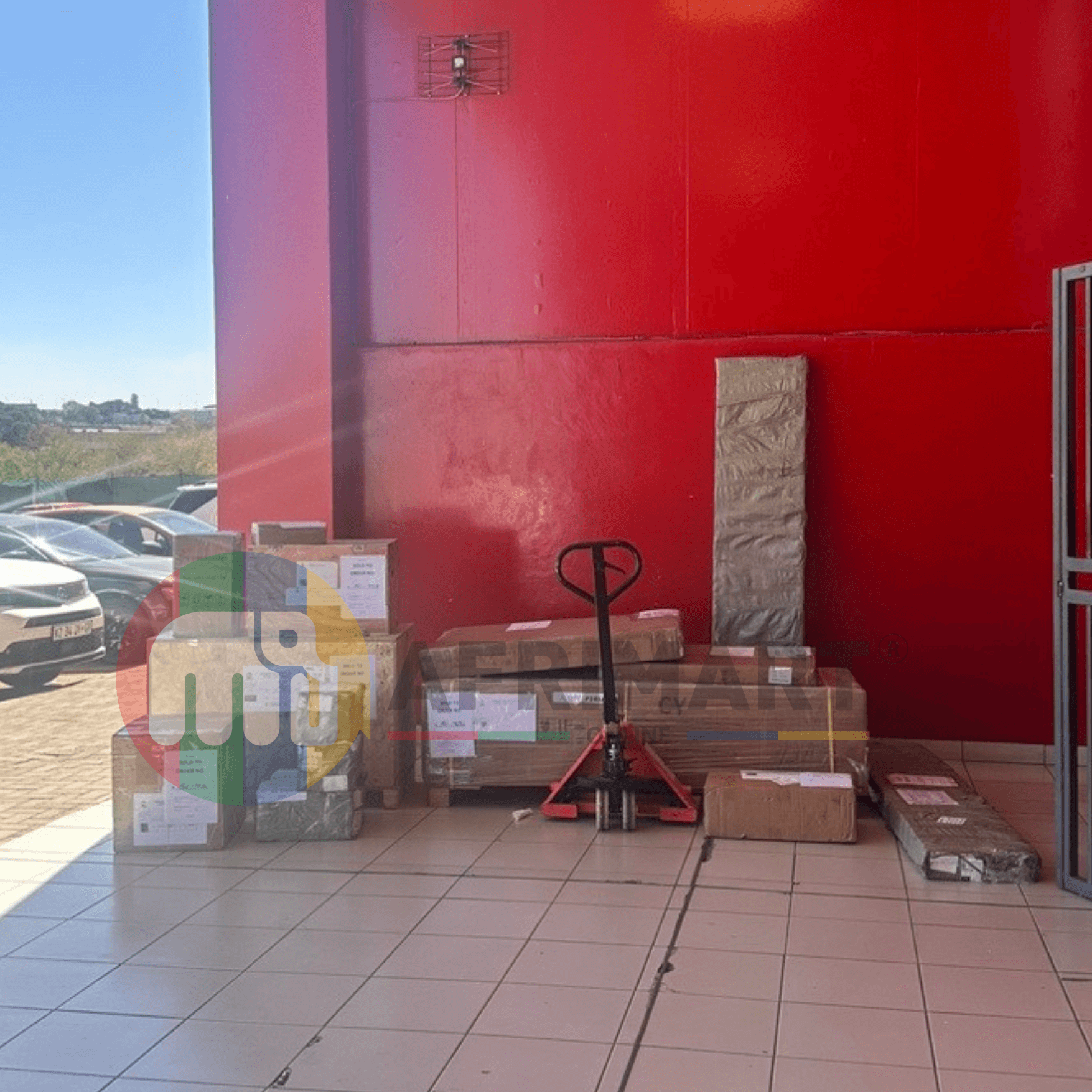
Batch of Orders
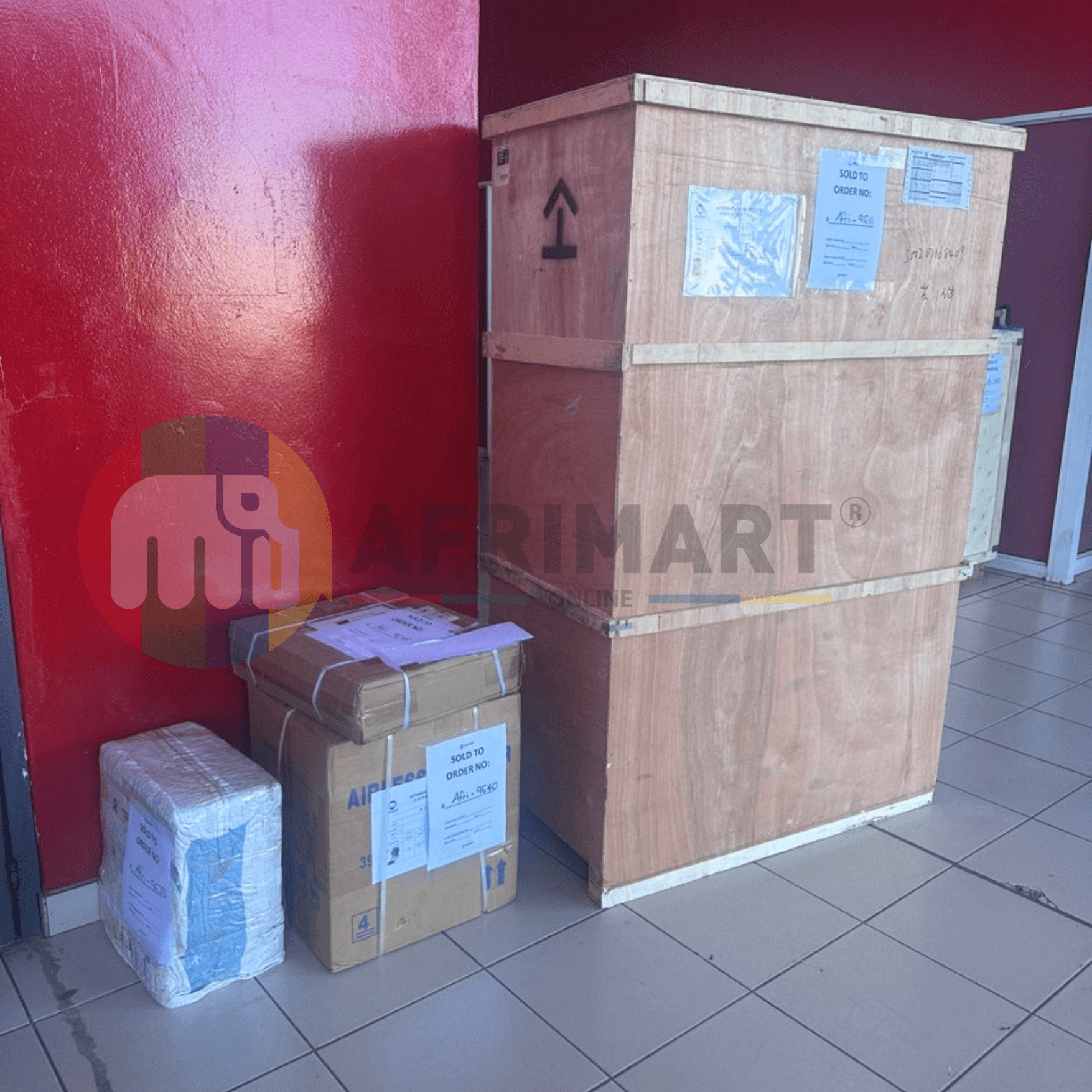
Agriculture Processing Machines
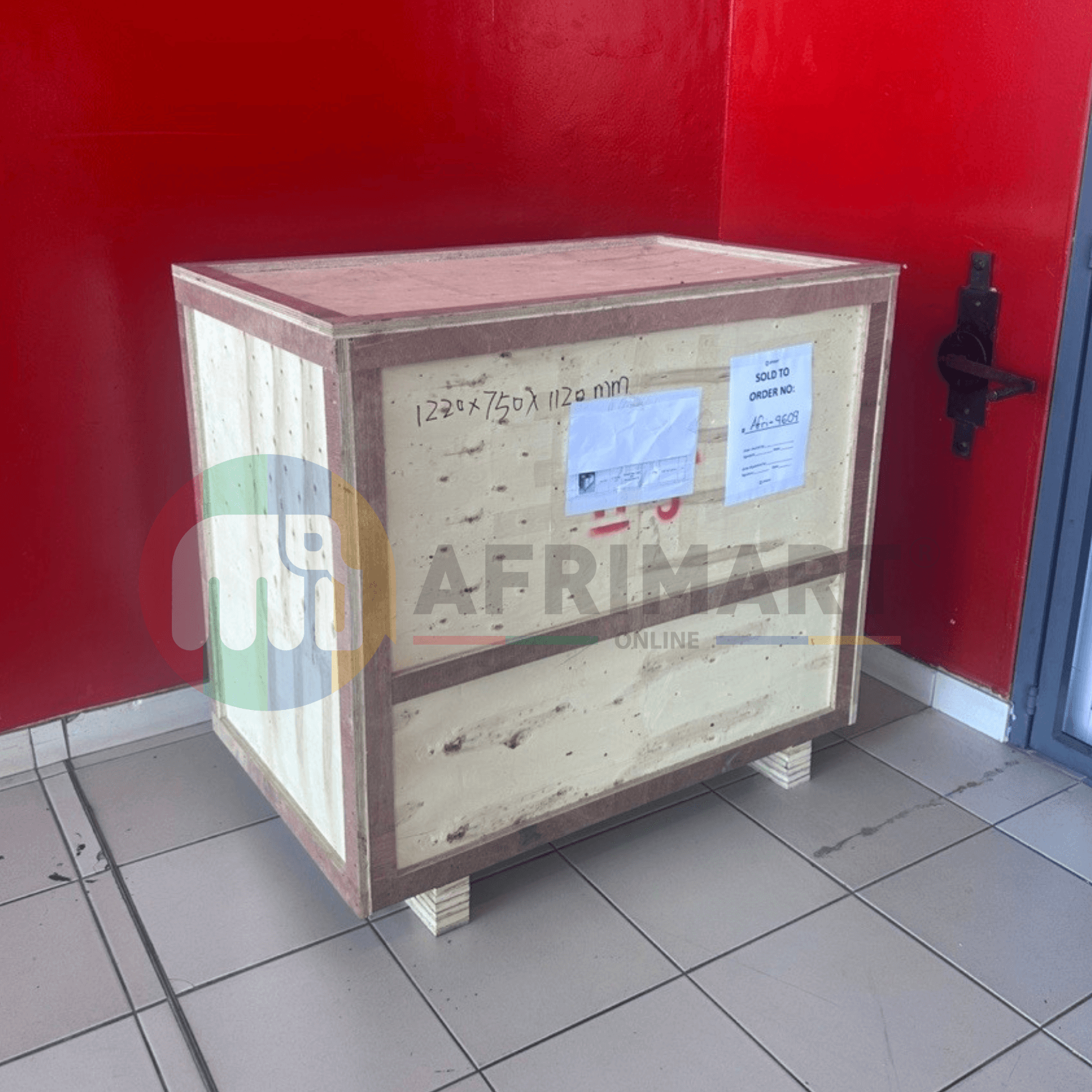
Meat Grinder Machine
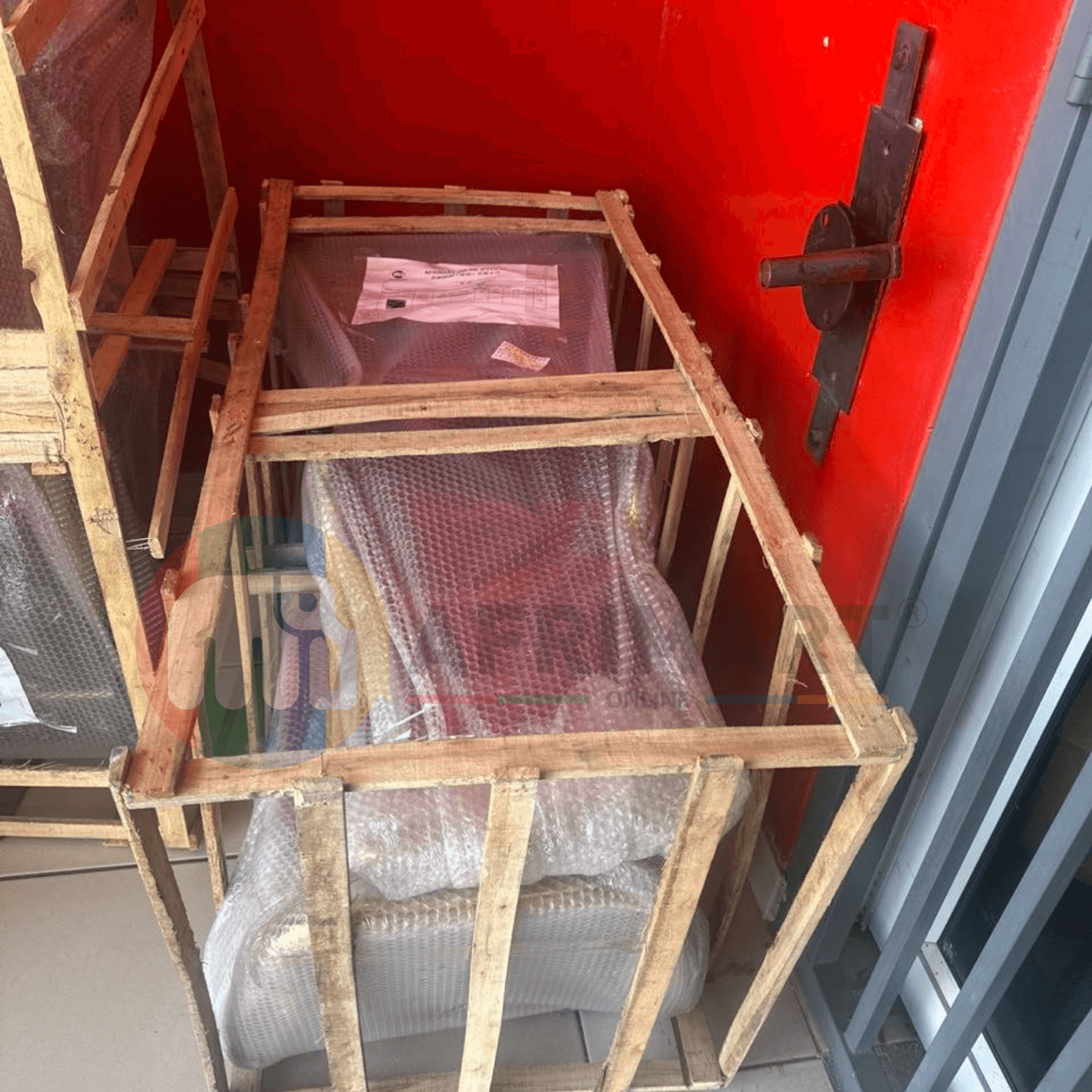
Water Pump Equipment
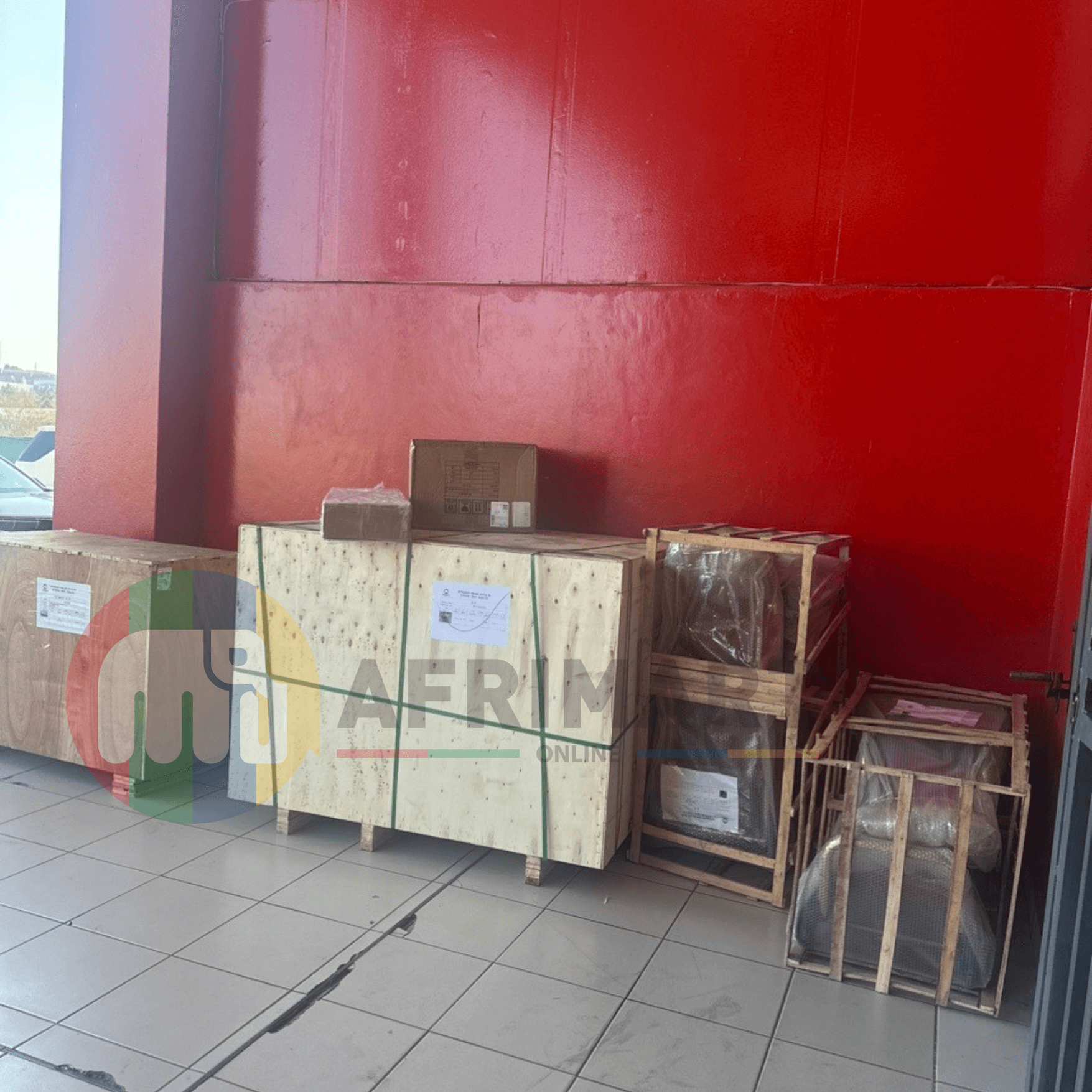
Packaging Machine and accessories
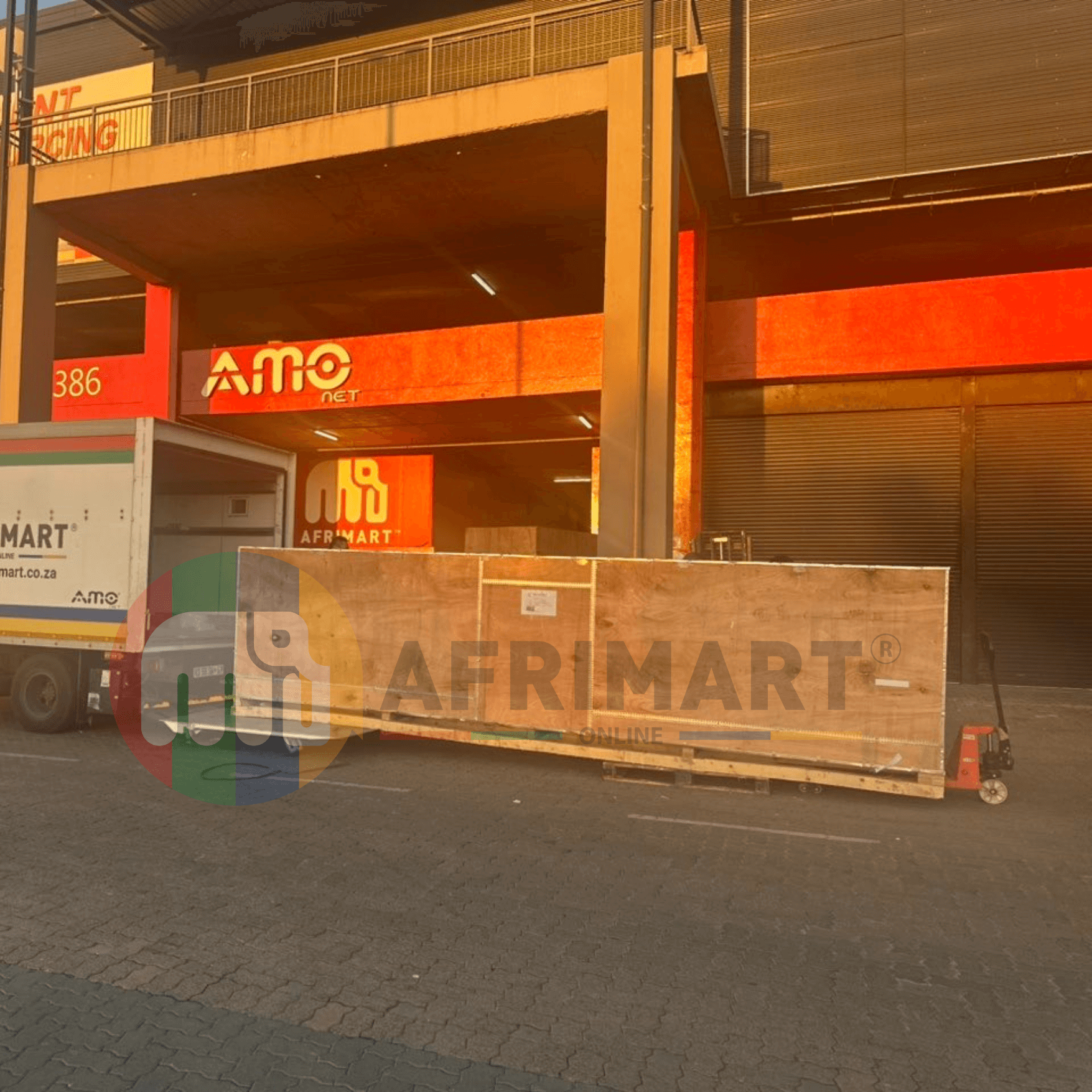
Fabrics Manufacturing Equipment
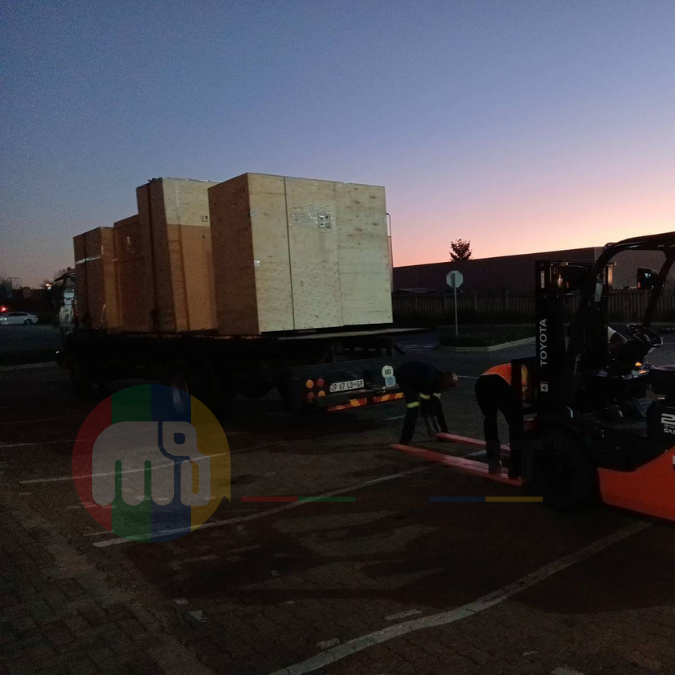
Mining Equipments
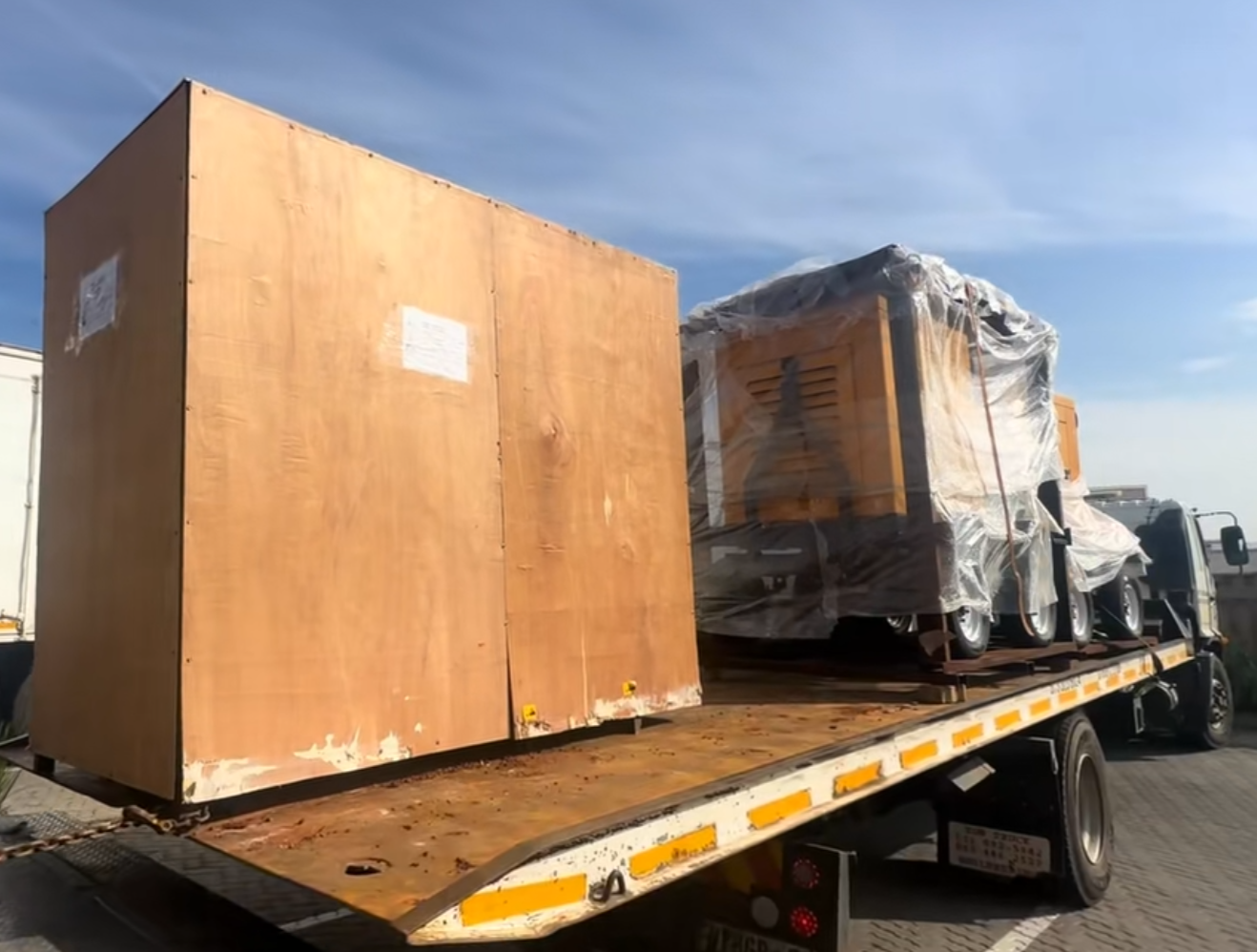
Food Processing Machine
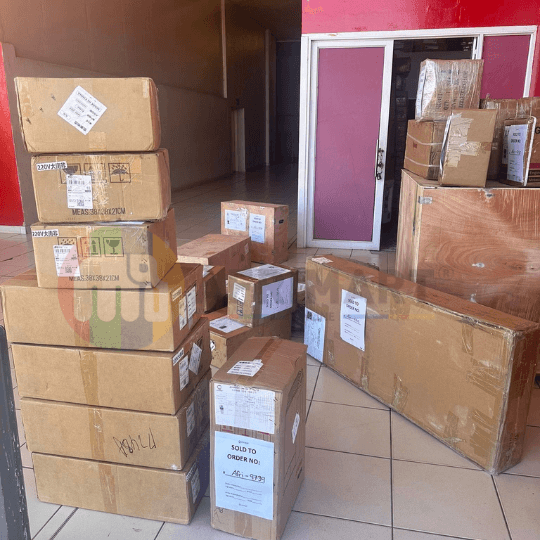
Batch of Orders
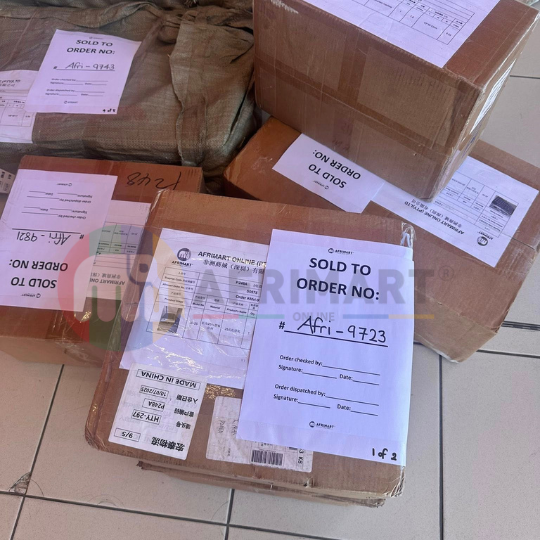
Batch of Orders
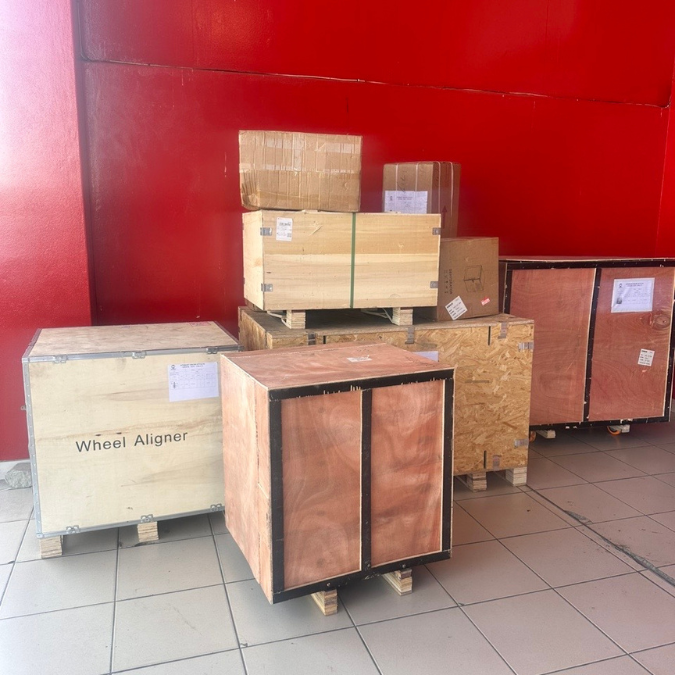
Latest Orders Labelled
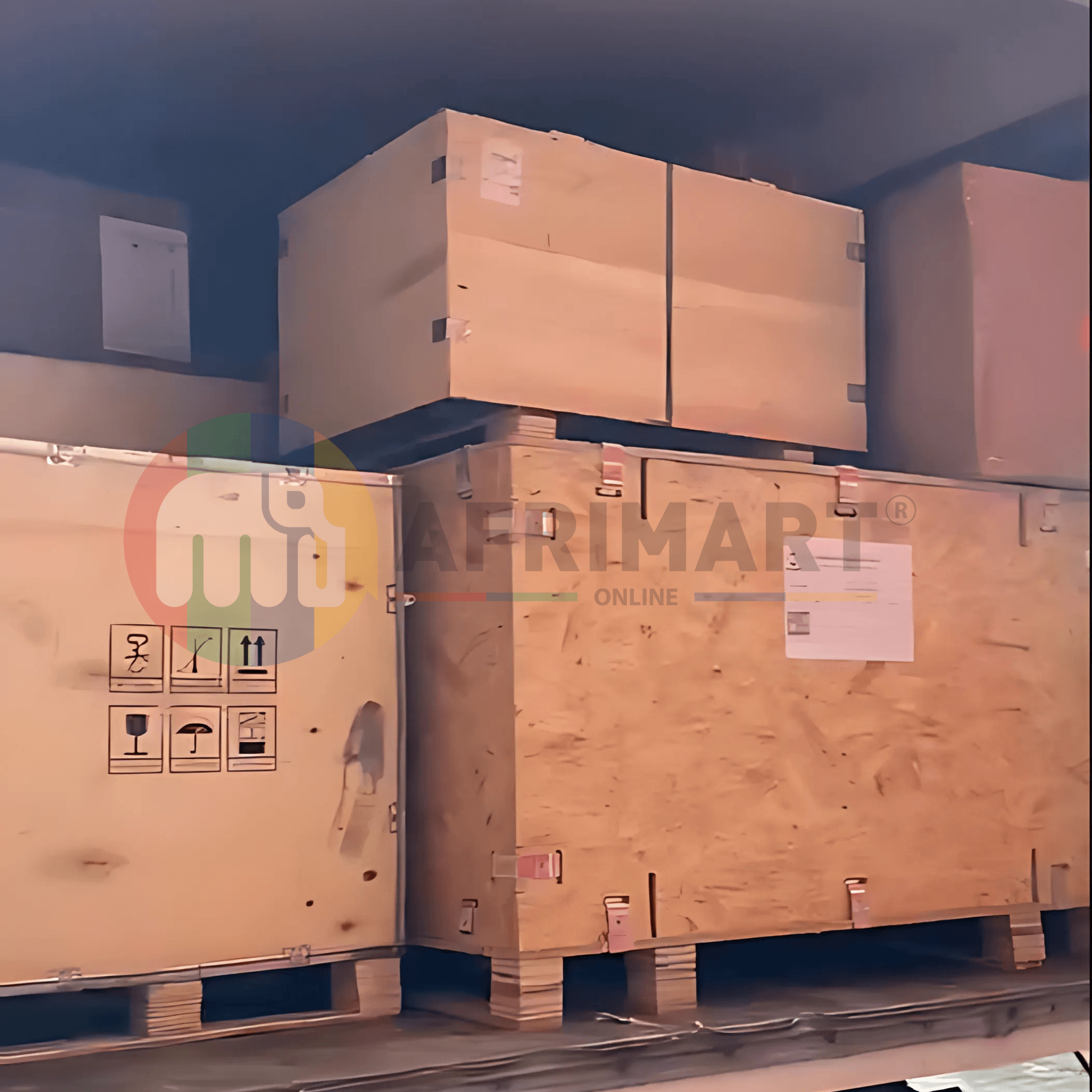
wheel alignment machines
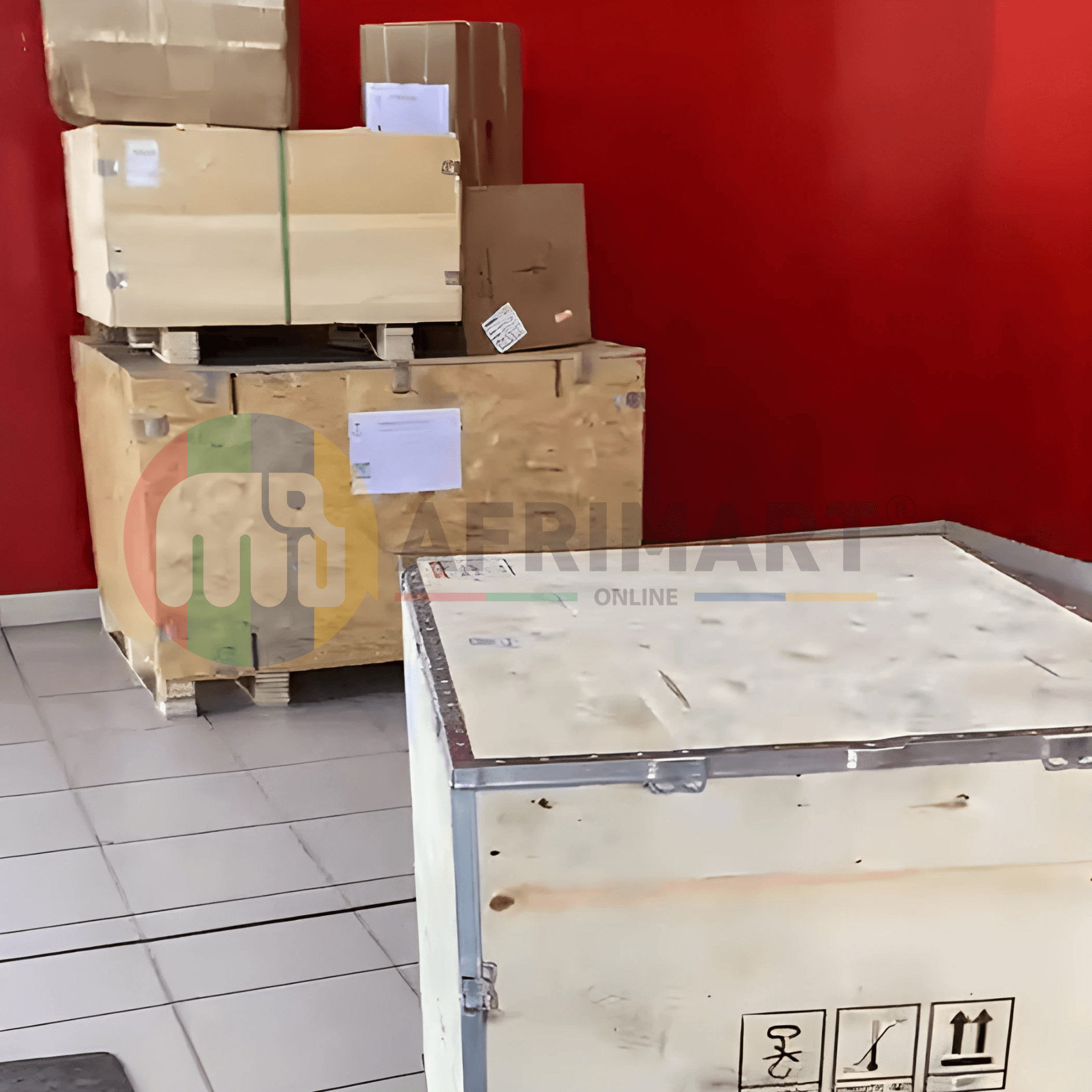
new arrivals
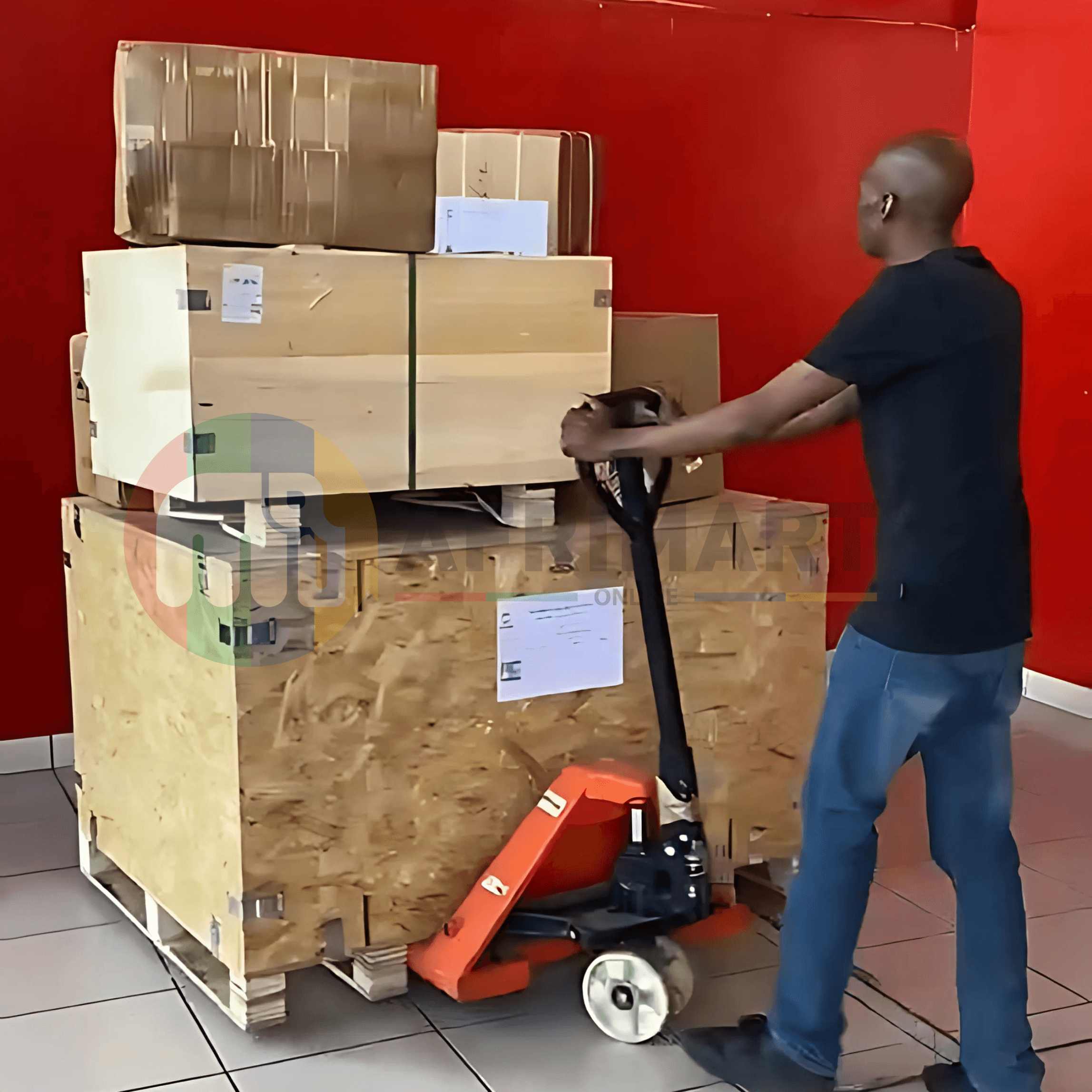
Pre Orders Offloading
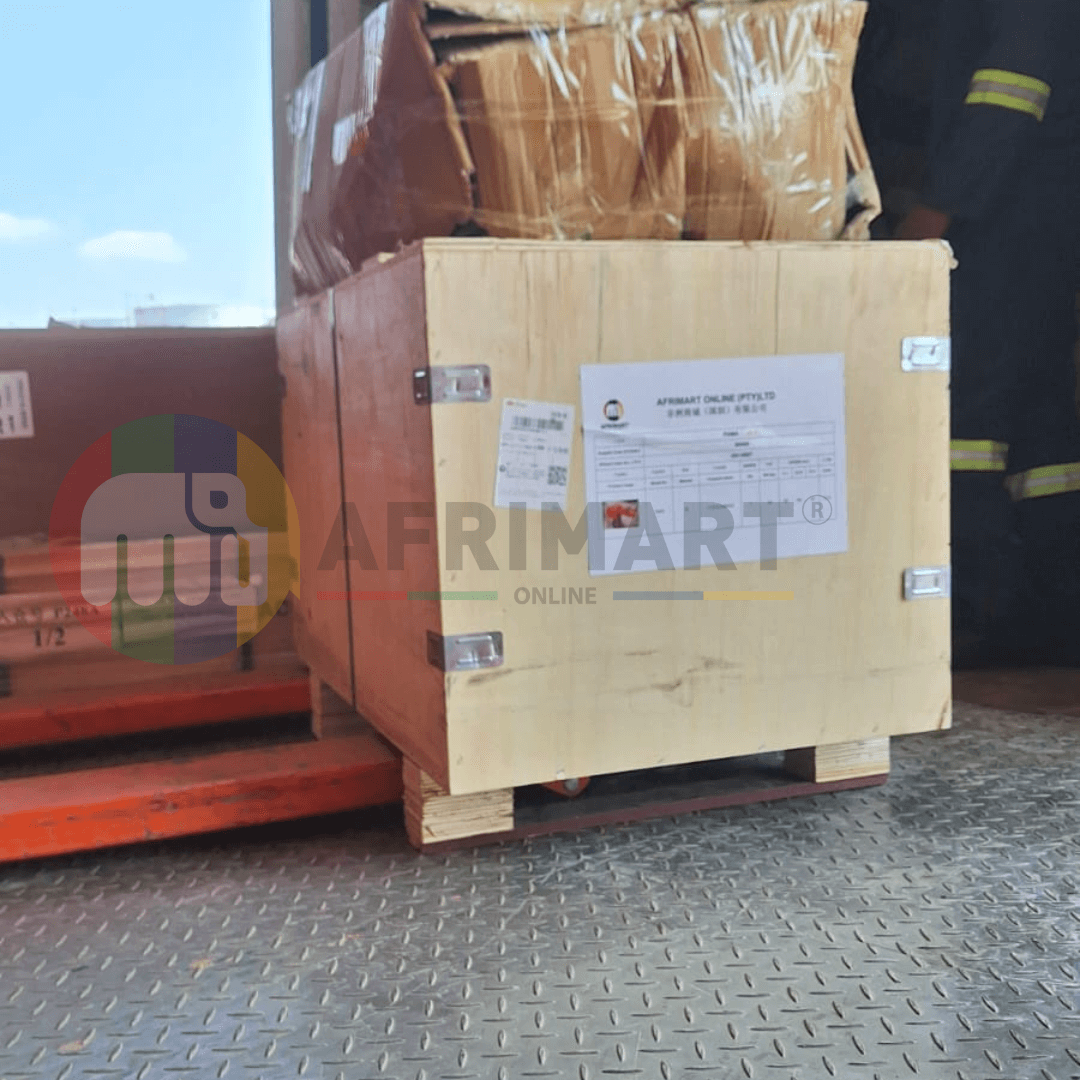
Latest Arrivals
Latest Arrivals
Latest Arrivals
26 January 2026
Toilet paper making machine
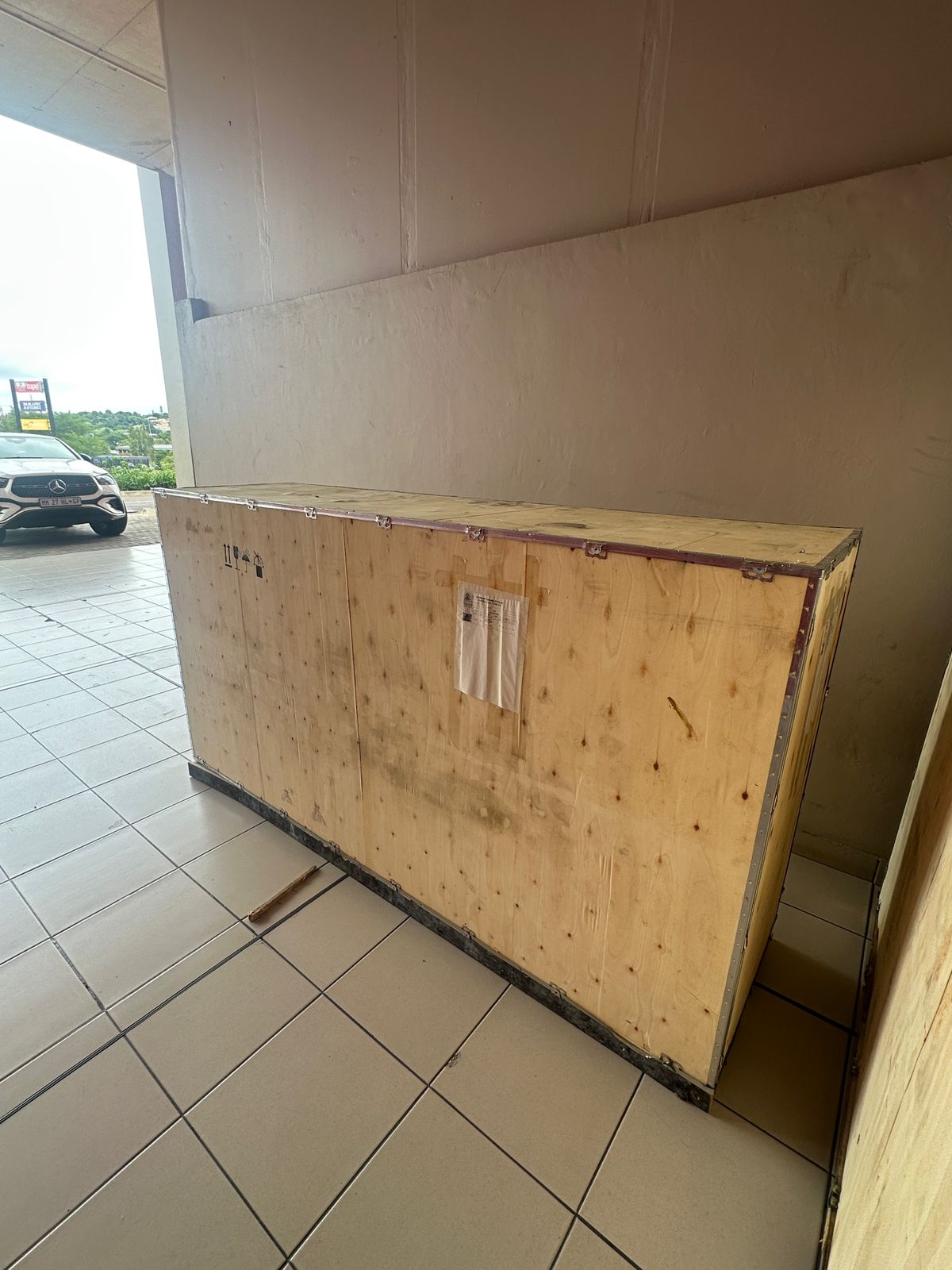
Toilet paper making machine
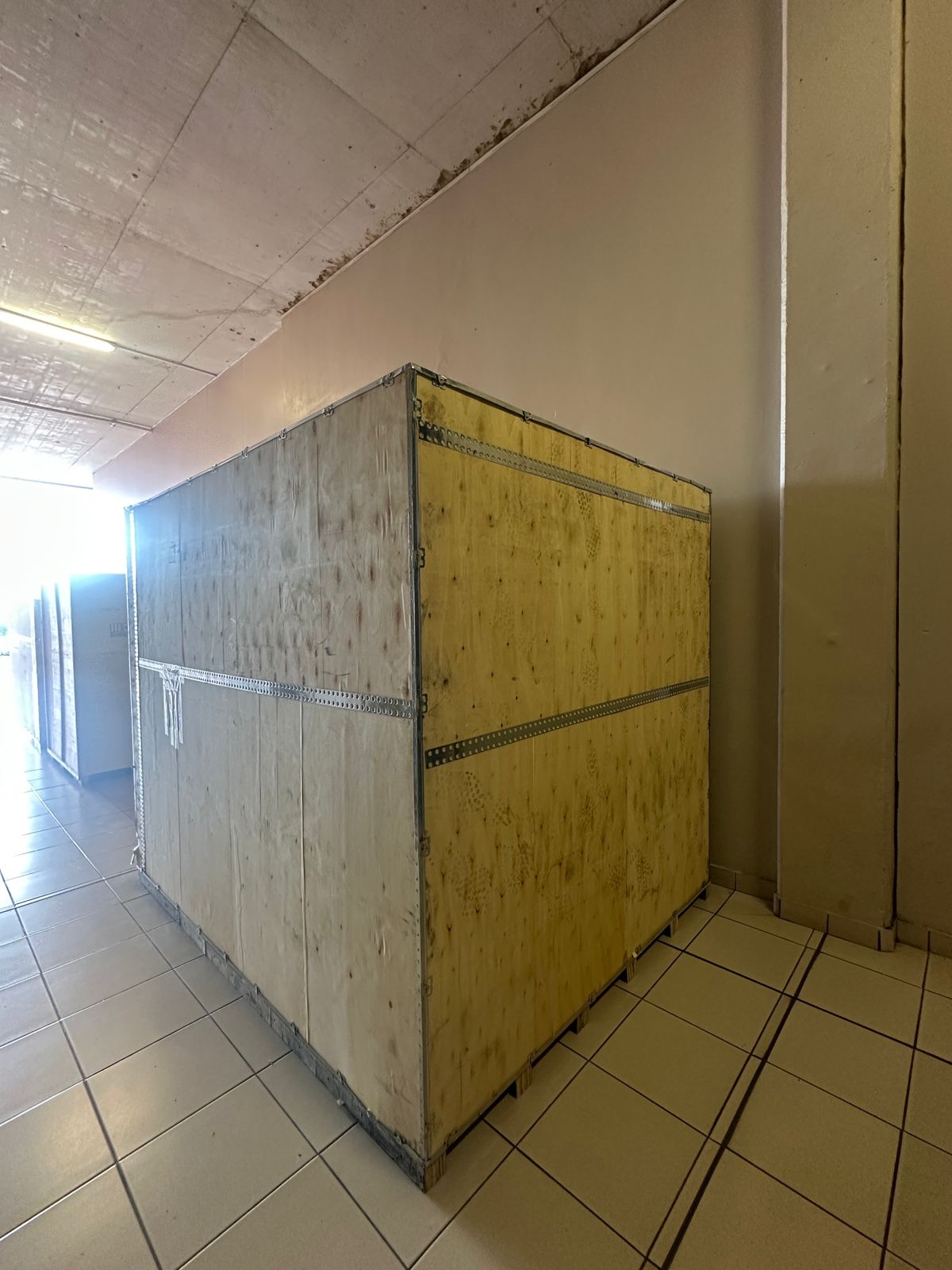
Toilet paper Rewinding Machine
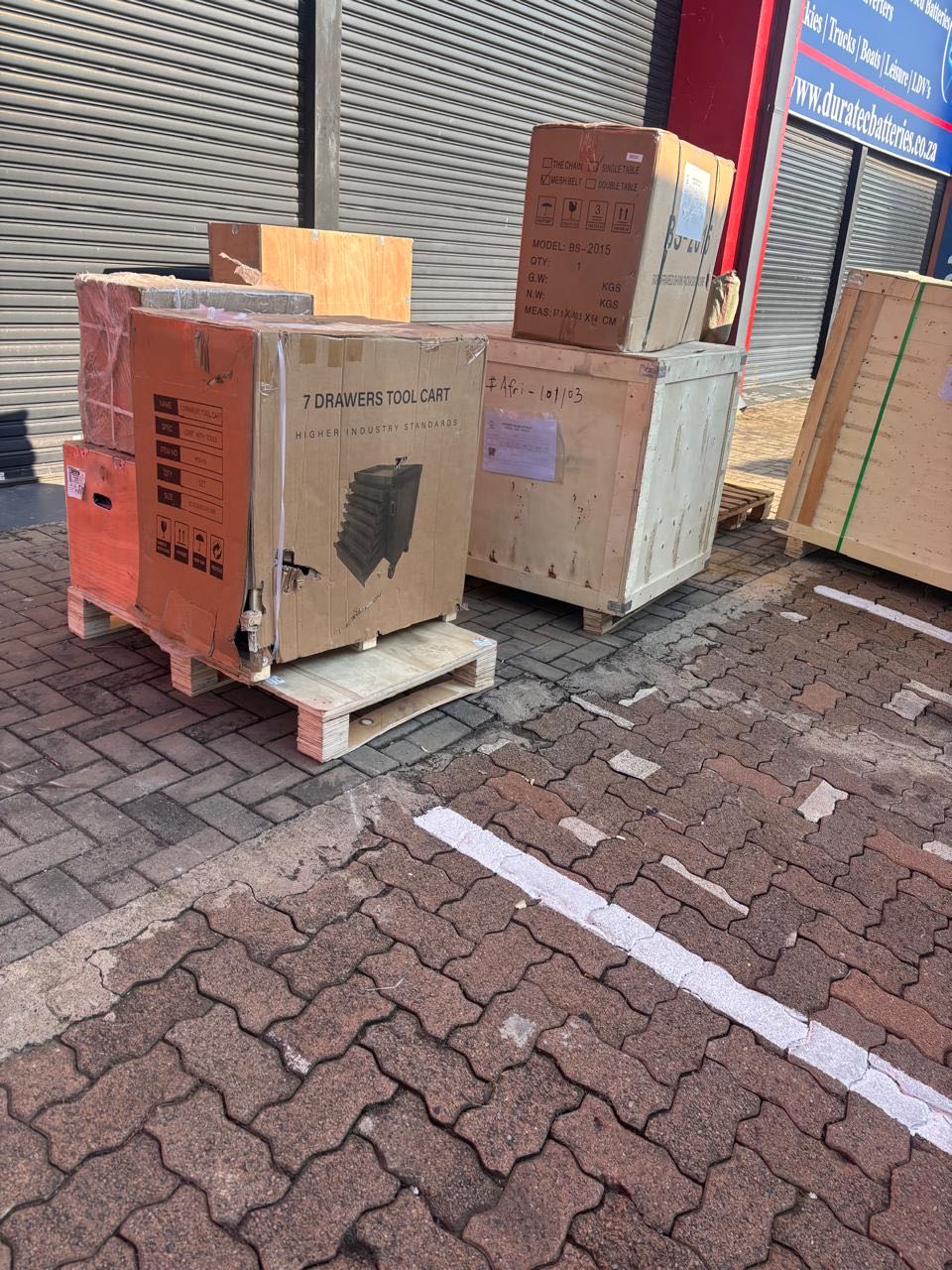
latest arrivals
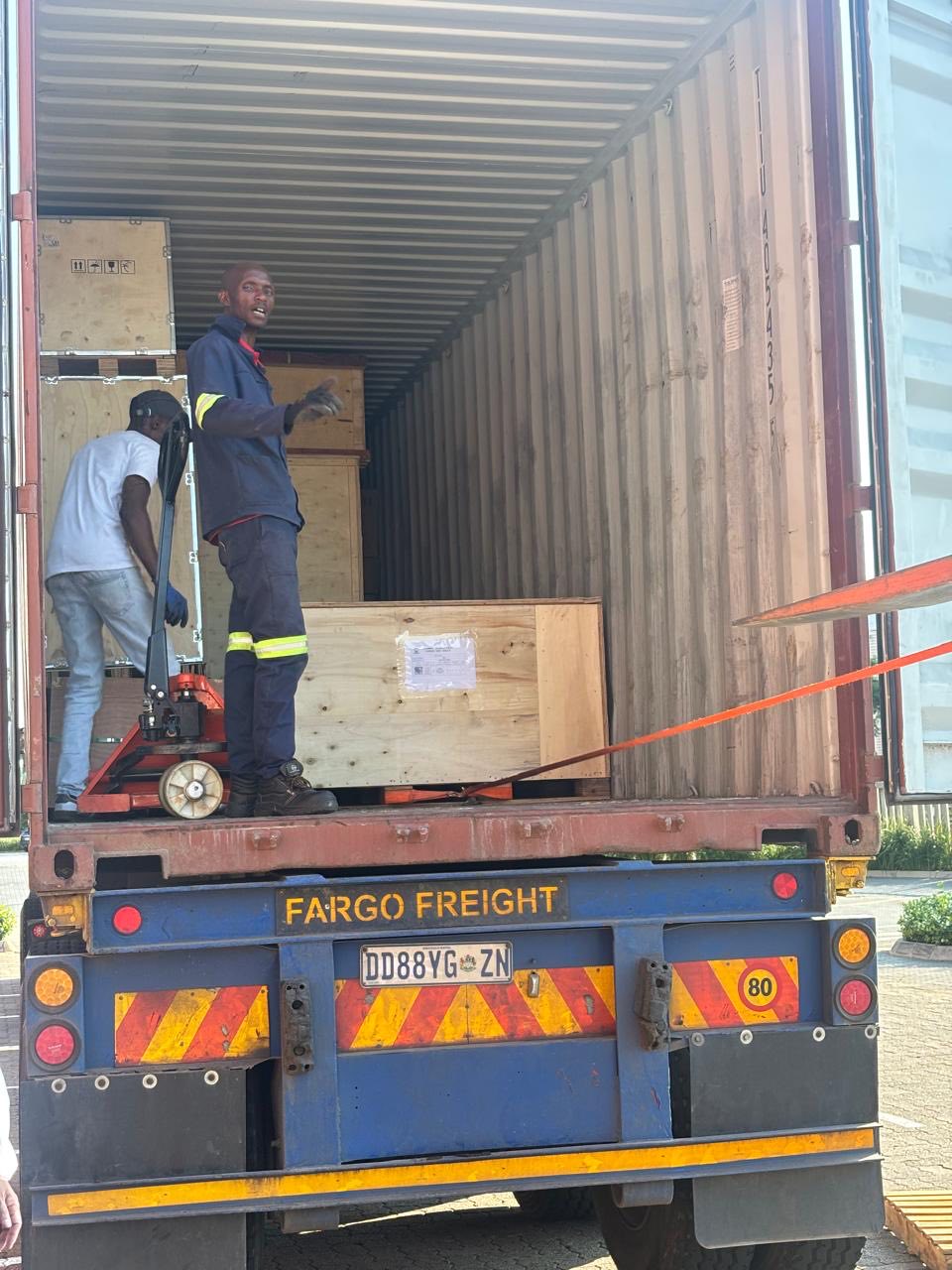
offloading
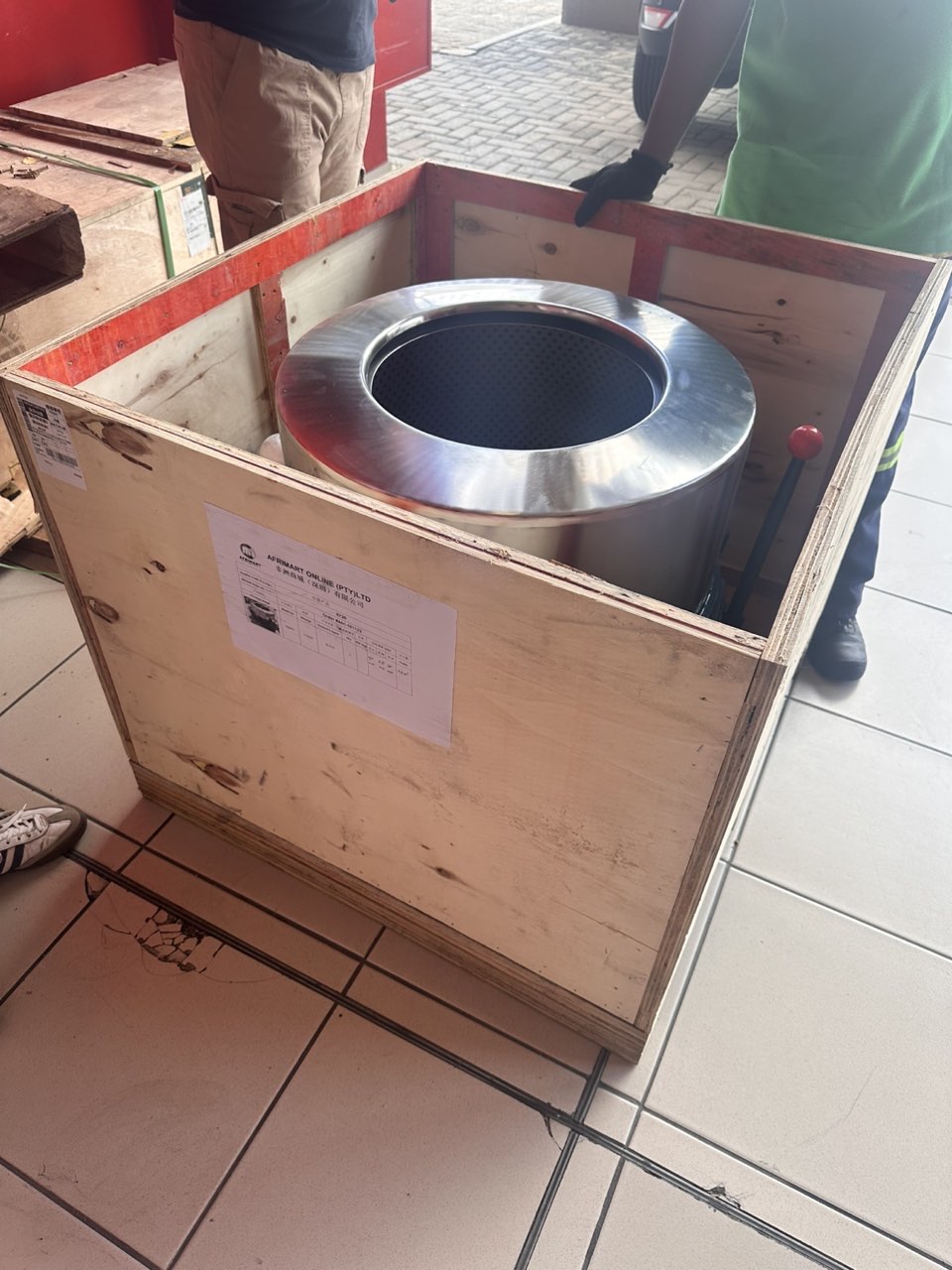
order success
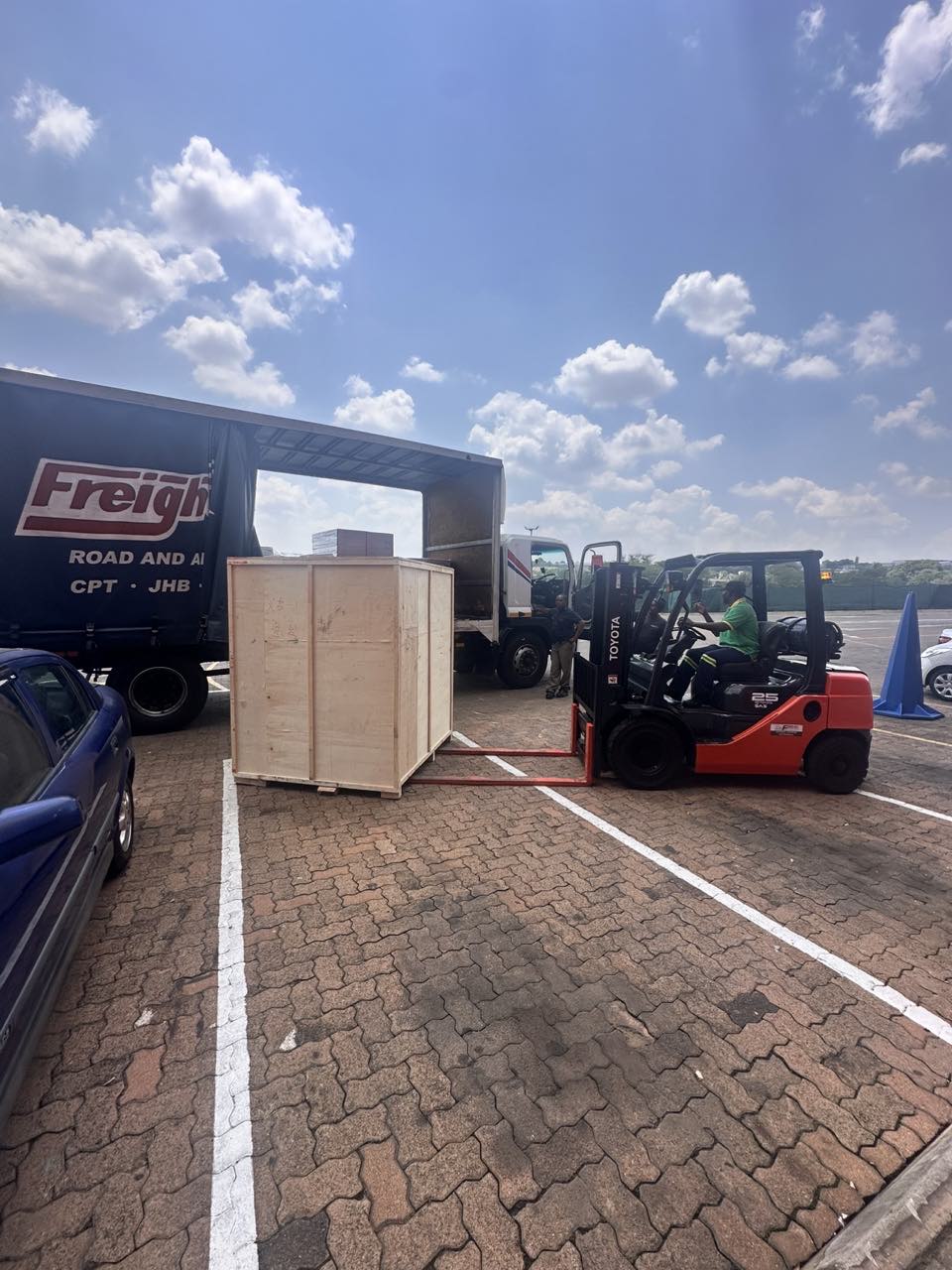
order collection
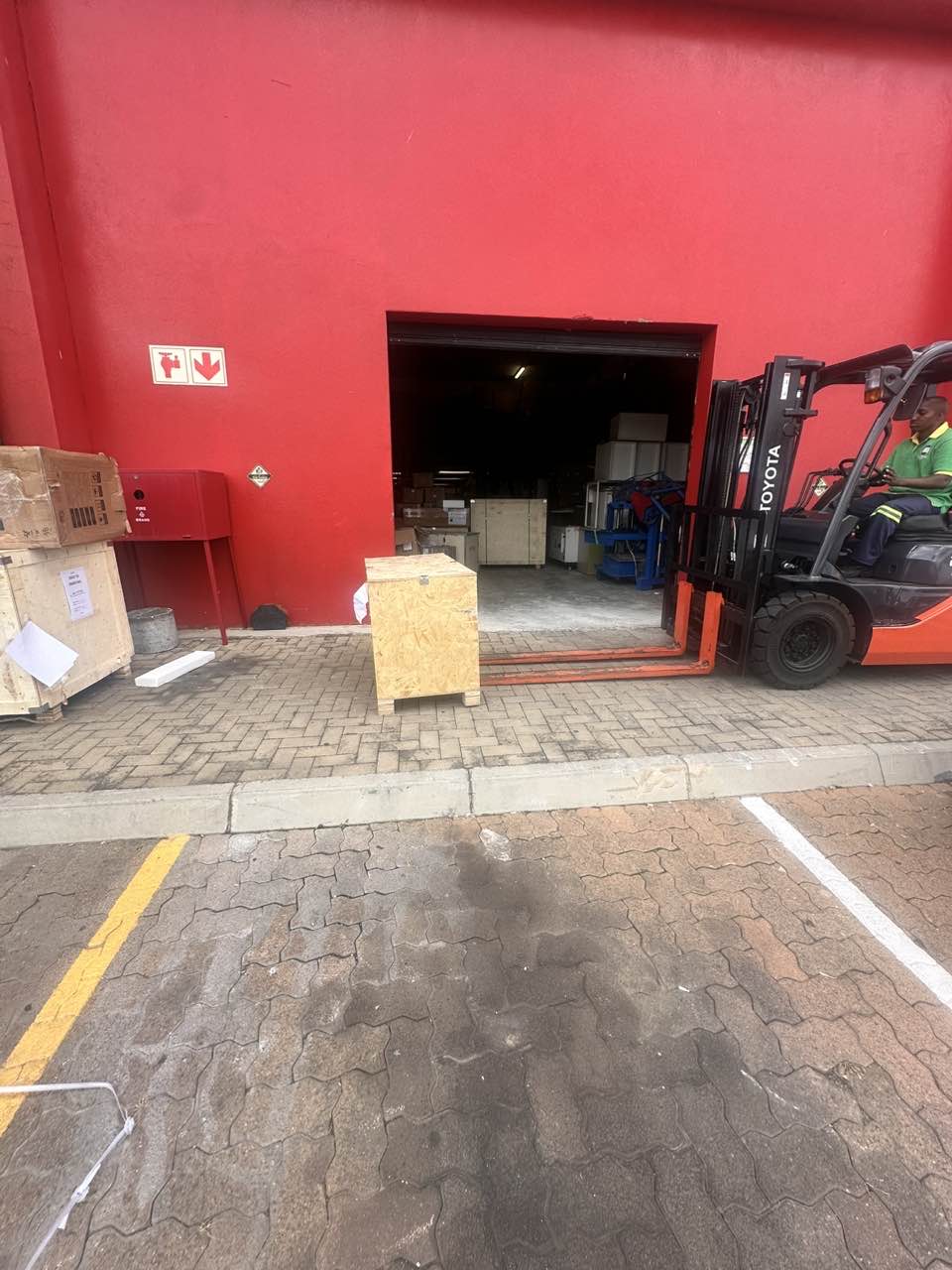
order offloading