B21, China Town Mall, Midrand

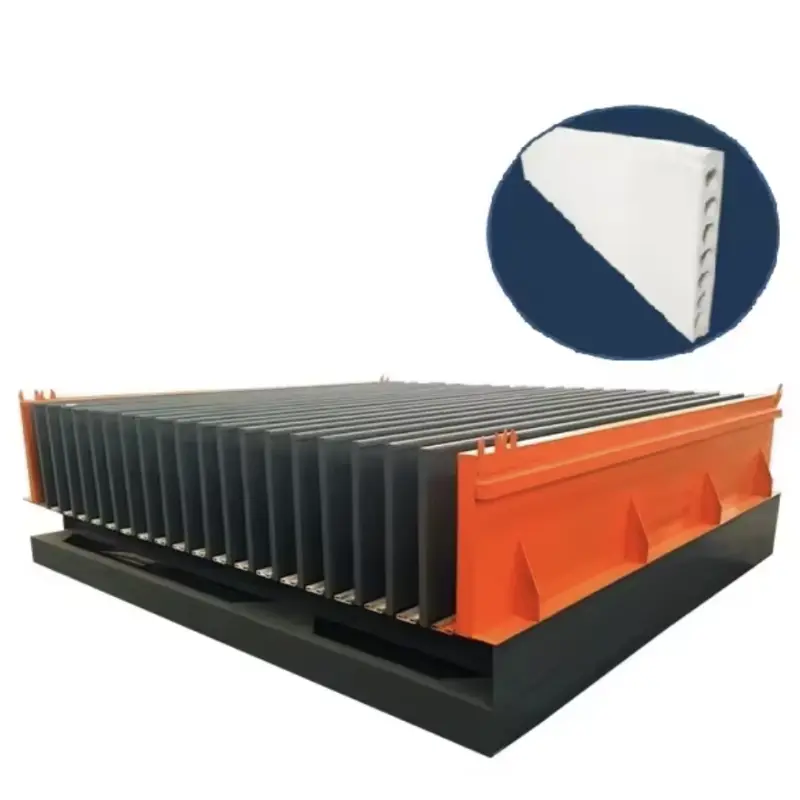
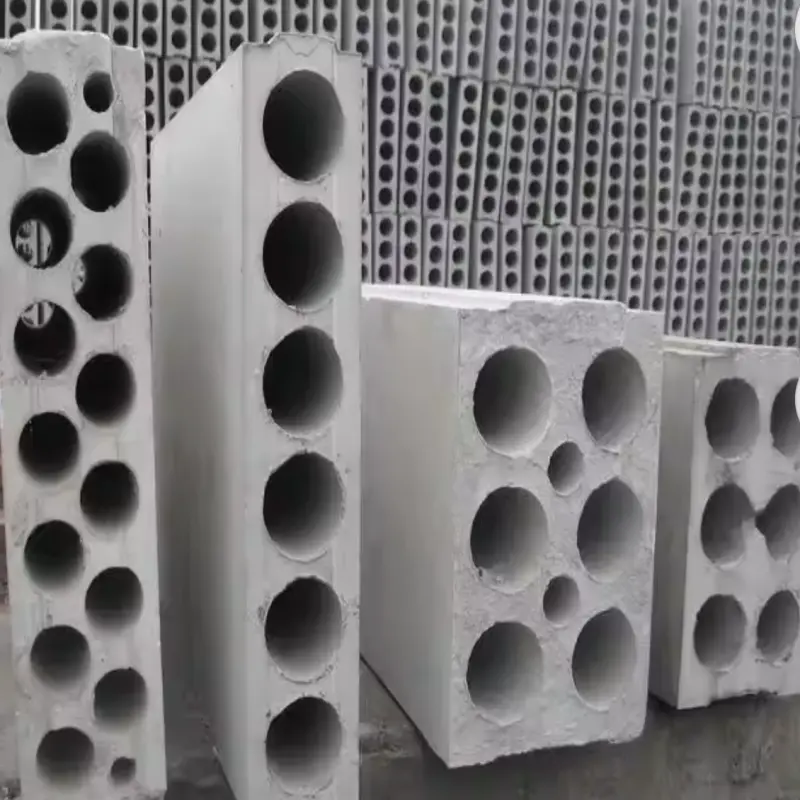
Insulated panel making machine
Asset finance available
Do you want funding for this equipment?
Afrimart can connect you with trusted funding partners who specialise in asset finance for businesses like yours. Compare options and apply in minutes — final approval is subject to provider review.
Check funding options
Secure & no obligation

- Section : Machinery
- Category : Engineering & Construction Machinery
- SKU : 1601050051590

Insulated panel making machine
What kind of wall panels can be produced?
The precast concrete wall panels battery mould machine can produce lightweight hollow core wall panels,GRC wall panel, precast concrete exterior wall panels, precast concrete interior wall panels, fence panel, foam concrete wall panel, CLC wall panel,precast hollow core wall panels with insulation, precast hollow core wall panels etc. which is smooth surface, lightweight and non-deforming after installation, It is a new-type non-loading bearing material with good fire prevention, moisture proof,good sound insulation, heat insulation used as partition wall panel and exterior wall panel
Lightweight wall panel machine description
Lightweight wall panel machine description
1. The lightweight wall panel machine using hydraulic opening and closing system.
2. Simple operation and high efficiency, low labor intensity.
3. The wall panel machine can also be equipped with vibrator system for thick mortar
4. The wall panel machine using Q235 steel, thickness 6-8mm, it will be welded on Horizontal worktable with pressing system to leveling tolerance ≤ The leveling tolerance after all the Q235 steel plates after assembling will be ≤3mm
5. The bottom steel plate for tongue,The aluminum part with plastic coating for tongue profile to guarantee the precision of tongue. The aluminum part will be fixed on 6mm steel plates.
6. Mound layer for top groove, The aluminum part with plastic coating for tongue profile to guarantee the precision of top groove
7. The Pipes, using steel pipes inside. PVC pipe fixed outside.


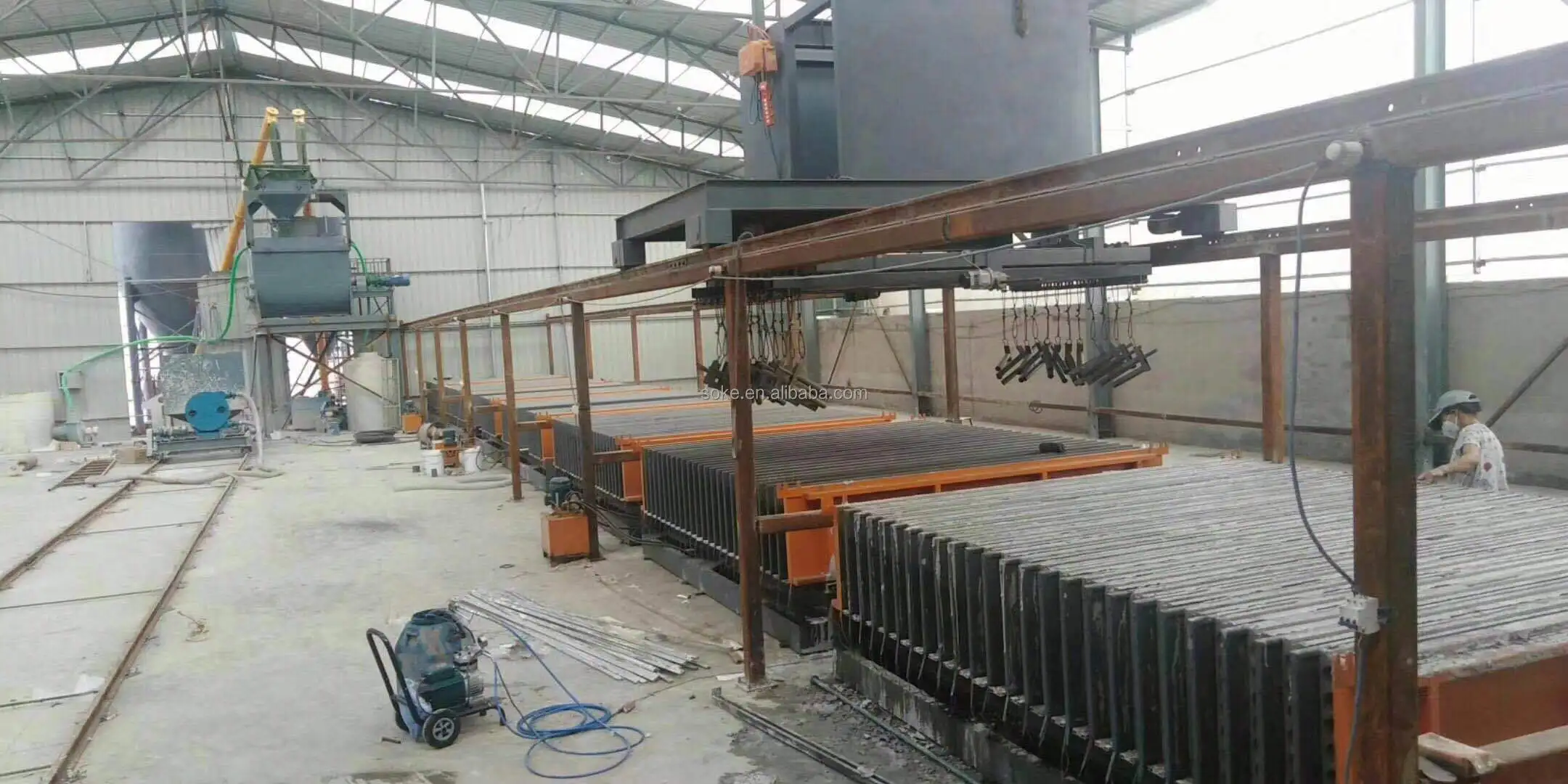
Lightweight wall panel machine specification
Lightweight wall panel machine specification
| Name | Lightweight Lightweight Hollow Core Wall Panel Machine |
| Production capacity | 20pcs wall panels per mould (90mm thick) |
| Hydraulic power | 4 KW |
| Hydraulic pressure | 5 Mpa |
| Product width | 600mm/610mm(customized) |
| Steel plates leveling tolerance | ≤1mm |
| Product length | Max.lenth from 2.5m-4m(customized) |

- Shipping Timeframes: All orders are processed within 2-5 business days (excluding weekends and holidays). After your order has been processed, the estimated delivery time is before 22 Aug, 2026, depending on customs, Please note that due to high demand, some items may experience longer shipping times, which will be communicated at order confirmation email.
- Order Processing Time: Please allow 2-5 business days for us to process your order before it is shipped . Orders placed after 16:00 on Fridays, or during weekends and public holidays, will begin processing on the next business day. Processing times may be extended during peak seasons or sales events.
- Manufacturing Time: Some products needs manufacturing time, the manufacturing process will take approximately 10-30 business days depending on the product. This timeframe may vary depending on the complexity of the product and current demand. but this will be communicated with you during order confirmation.
- Returns and Exchanges: We offer a 30-day return policy for most items. If you are not completely satisfied with your purchase, you may return it within 30 days of receipt for a refund or exchange. Items must be unused, in their original packaging, and accompanied by proof of purchase. Return shipping costs are the responsibility of the customer, unless the item was damaged or defective upon arrival.
1. What types of wall panels can the insulated panel making machine produce?
It can produce lightweight hollow core wall panels, GRC wall panels, precast exterior and interior wall panels, fence panels, foam concrete wall panels, CLC wall panels, and precast hollow core wall panels with insulation. Finished panels are smooth, lightweight, non-deforming and suitable for partition and exterior use with good fire, moisture, sound and thermal insulation.
2. What is the machine's production capacity?
Specification lists a production capacity of up to 20 panels per mould for 90 mm thick panels. Actual output per hour/day depends on cycle time, curing method and chosen panel thickness/length.
3. What are the machine's hydraulic power and pressure requirements?
The machine hydraulic power is specified as 4 kW and the hydraulic pressure as 5 MPa. Final electrical and hydraulic connection requirements should be confirmed with the supplier for your site.
4. What panel sizes can be produced (width and length)?
Standard product width is 600 mm or 610 mm (customizable). Maximum panel length is customizable in the range from 2.5 m up to 4 m, and other dimensions can be tailored to project requirements.
5. What panel thicknesses can the machine handle?
The specification example cites 90 mm thickness. The machine can be customized to produce different thicknesses—confirm the exact thickness range with the manufacturer for your model.
6. What materials and construction are used in the machine itself?
The frame and plates use Q235 steel with plate thickness 6–8 mm. Tongue profiles use aluminum parts with plastic coating fixed on 6 mm steel plates to ensure precision. Pipes are steel internally with PVC fixed externally.
7. What tolerances and flatness can be expected from the moulds/worktable?
Steel plate leveling tolerance is specified as ≤1 mm. The assembled horizontal worktable with pressing system has a leveling tolerance of ≤3 mm.
8. Does the machine support vibration for thicker mortars?
Yes. The machine can be equipped with a vibrator system as an option to help consolidate thicker mortars or heavier mixes.
9. How does the mould open and close, and is operation difficult?
The mould uses a hydraulic opening and closing system. Operation is described as simple and efficient, designed to lower labor intensity. Training is recommended for safe and optimal use.
10. Can the machine produce panels with tongue-and-groove profiles for easy installation?
Yes. The machine includes bottom steel plates for tongue profiles and a top groove (mound layer) with aluminum parts coated in plastic to guarantee profile precision for easy tongue-and-groove installation.
11. Is the machine customizable for different panel designs or insulation types?
Yes. Width, length, thickness, hollow-core configurations, insulation options and additional accessories (like vibrators) can be customized to meet project specifications.
12. What maintenance and routine checks are recommended?
Regular maintenance should follow the manufacturer's manual. Typical tasks include checking hydraulic oil level and hoses, inspecting and cleaning plates and mould faces, lubricating moving parts, and verifying alignment and profile accuracy.
13. What support and spare parts are available after purchase?
Manufacturers/suppliers typically offer installation support, operator training, and spare parts. Availability and terms vary—confirm warranty, spare-parts packages and after-sales service options with your supplier before purchase.
14. How do I request a quote, lead time or further technical details?
Contact the machine supplier or manufacturer with your required panel dimensions, desired production capacity and any customization requests. Lead time and final pricing depend on configuration and order volume—suppliers will provide a tailored quote and delivery schedule.
Latest Order Arrivals
Discover our latest orders
12 Heads Embroidery Machine
Toilet Paper Machine Machine
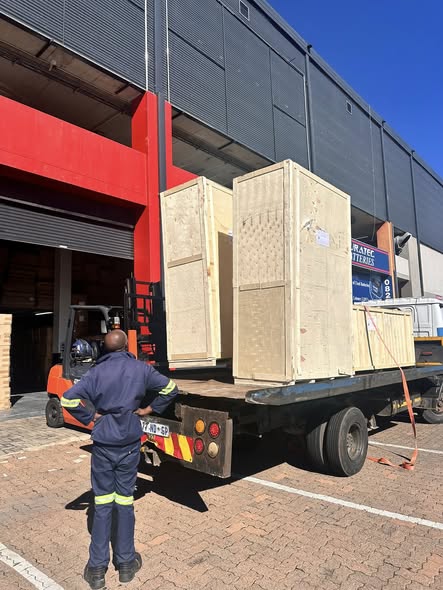
Order Collection
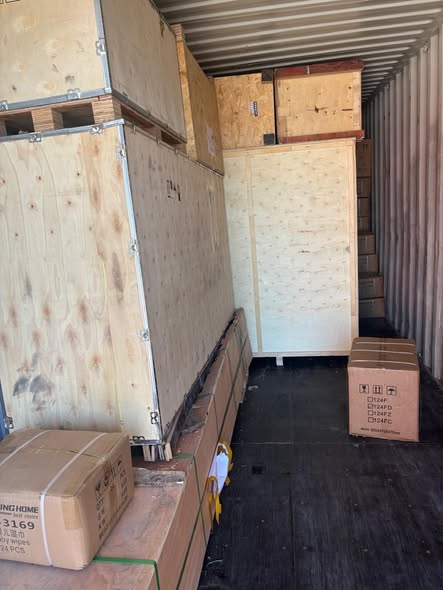
Cross Border Clients
Order cros border countries Collected
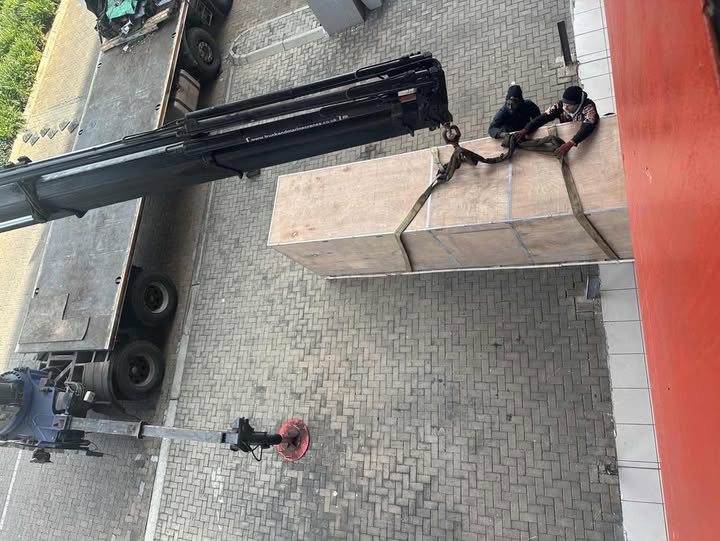
Industrial Machine Cllection
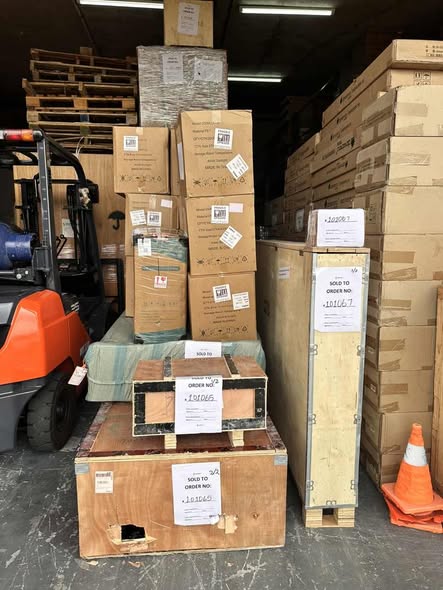
Agriculture Processing Machines
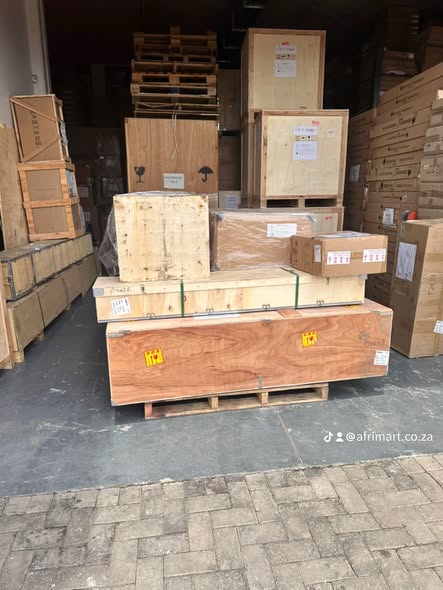
Ready for collection
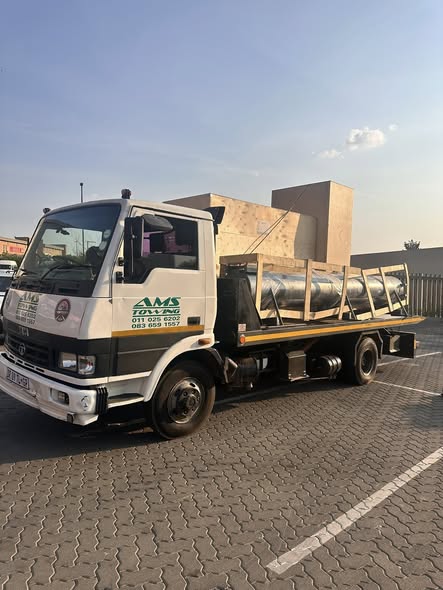
Water Pump Equipment
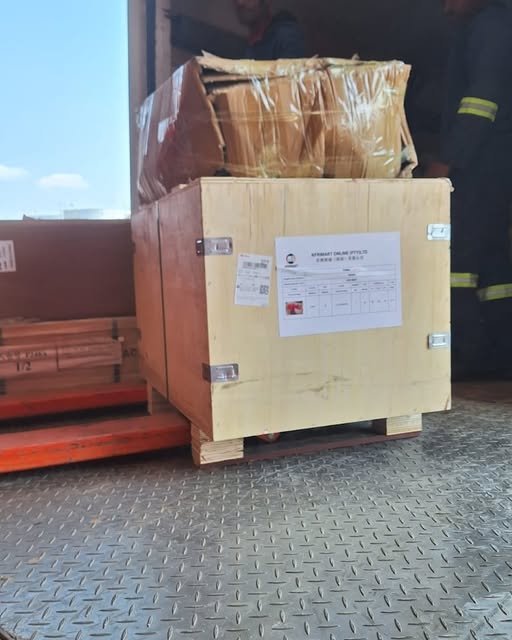
Packaging Machine and accessories
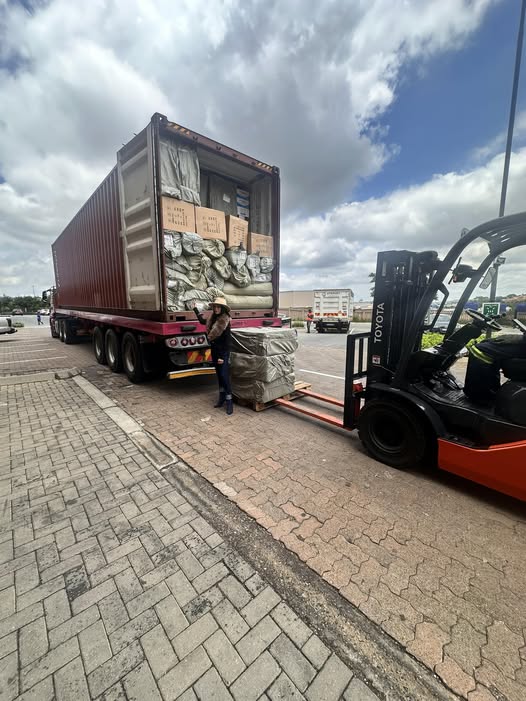
Fabrics Manufacturing Equipment
Mining Equipments
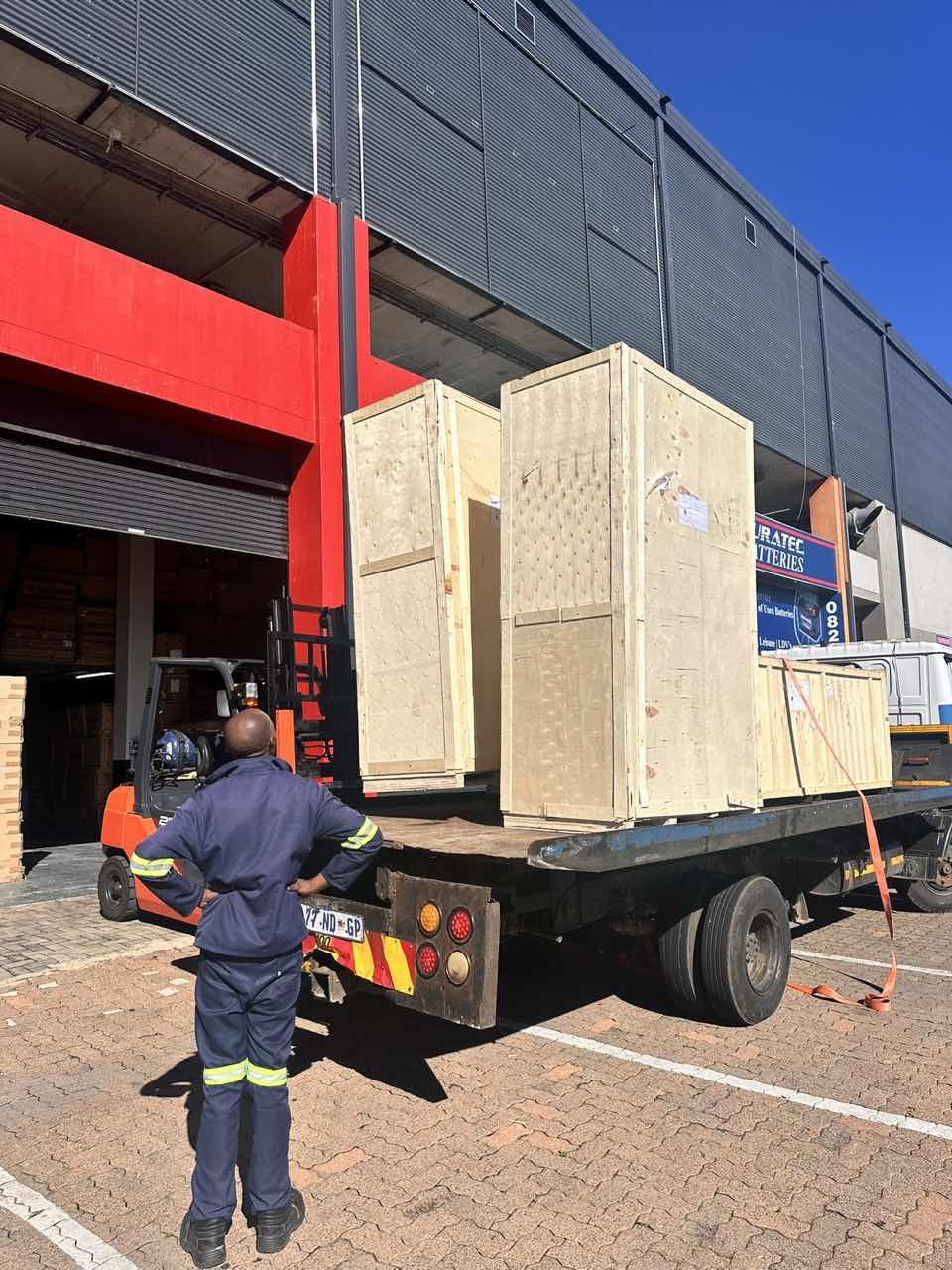
Food Processing Machine
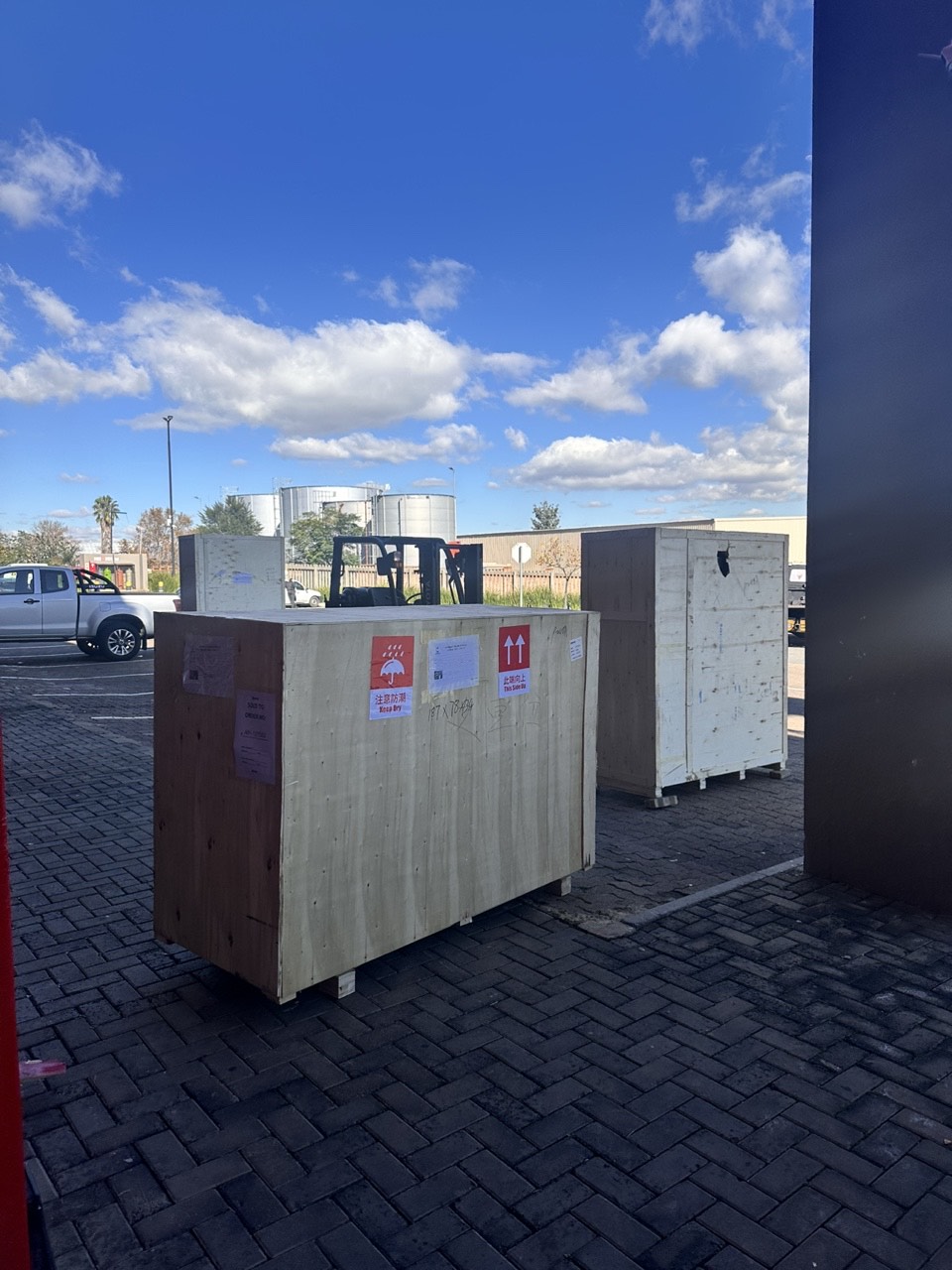
Batch of Orders
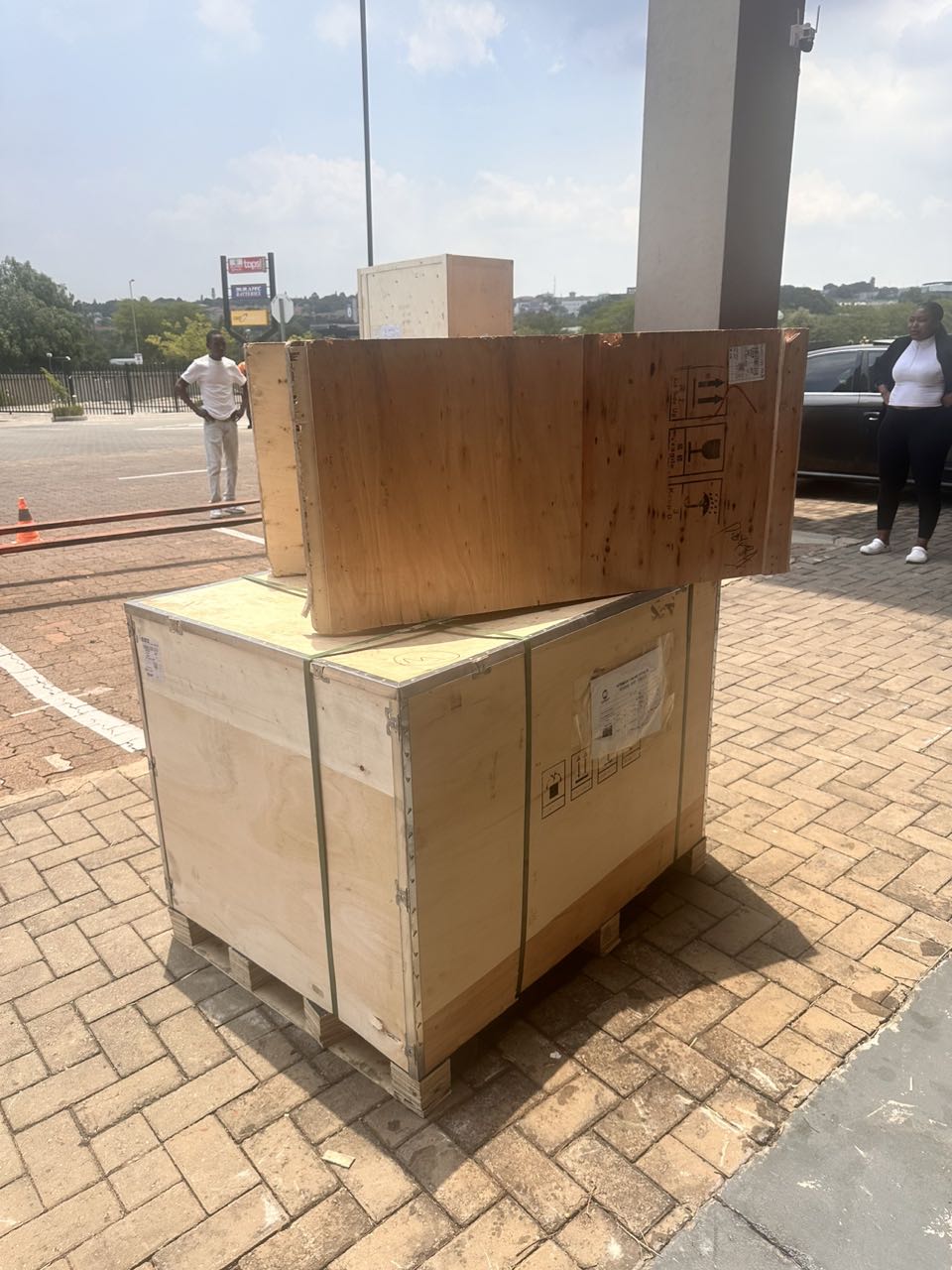
Batch of Orders
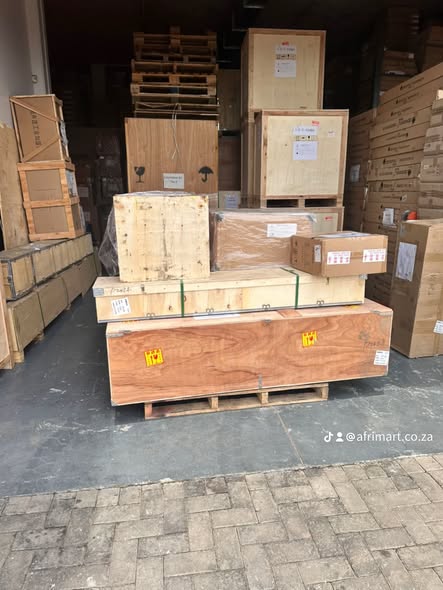
Latest Orders Labelled
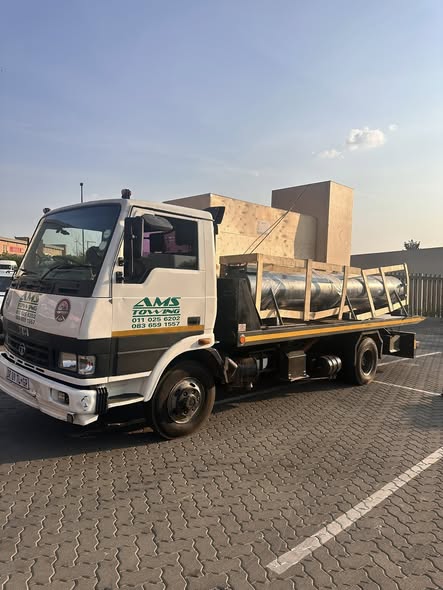
wheel alignment machines
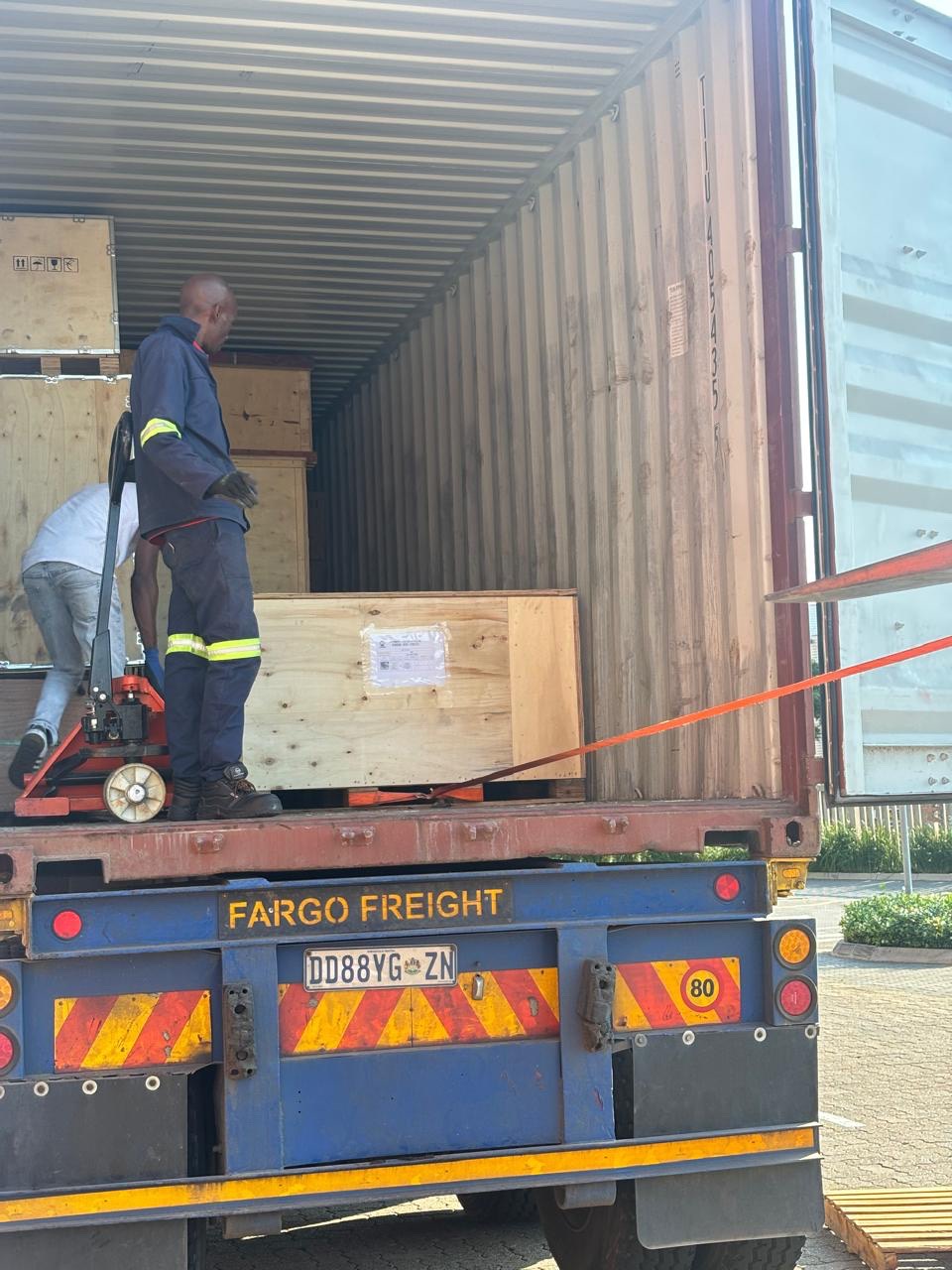
new arrivals
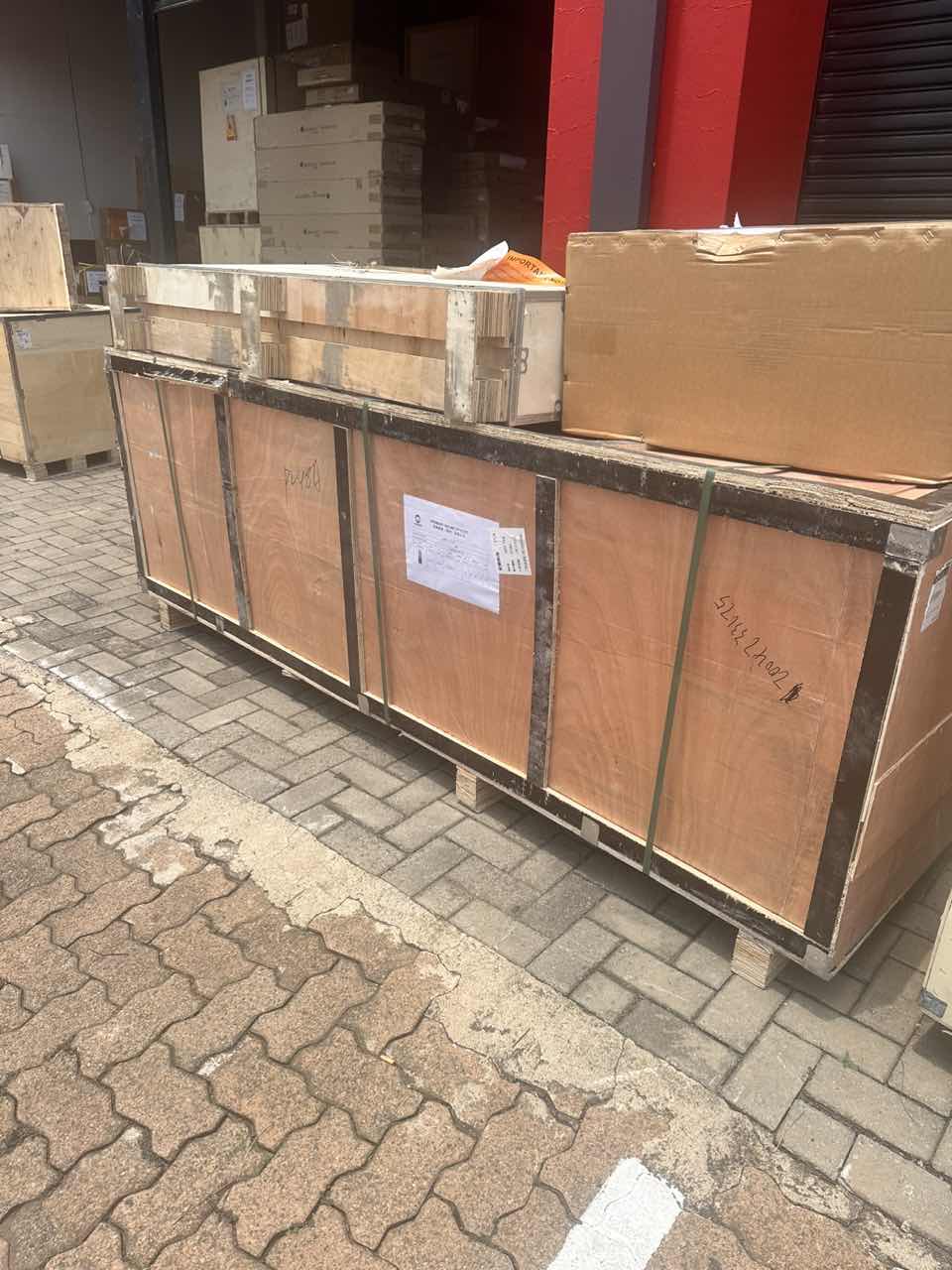
Pre Orders Offloading
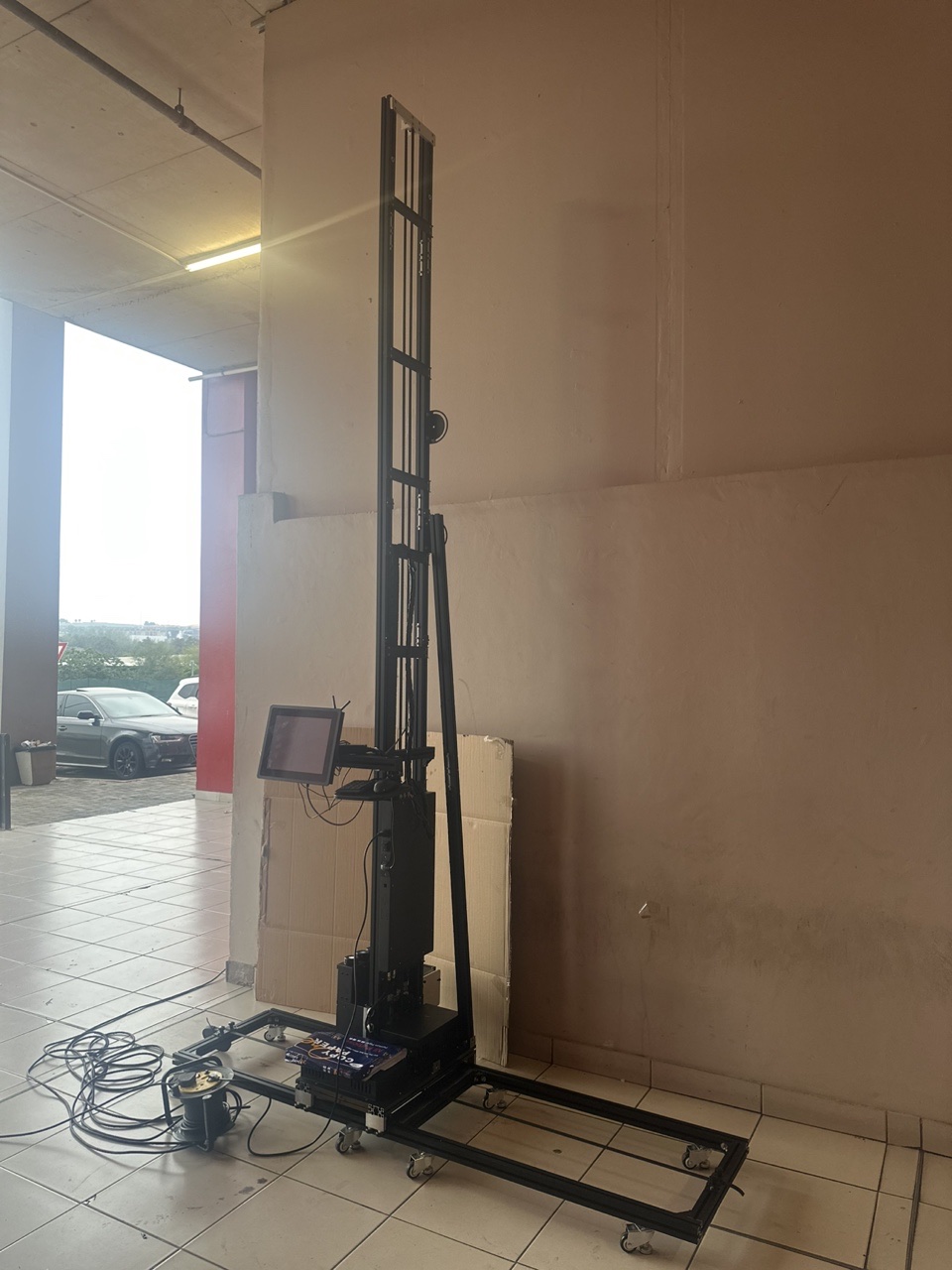
Latest Arrivals
Latest Arrivals
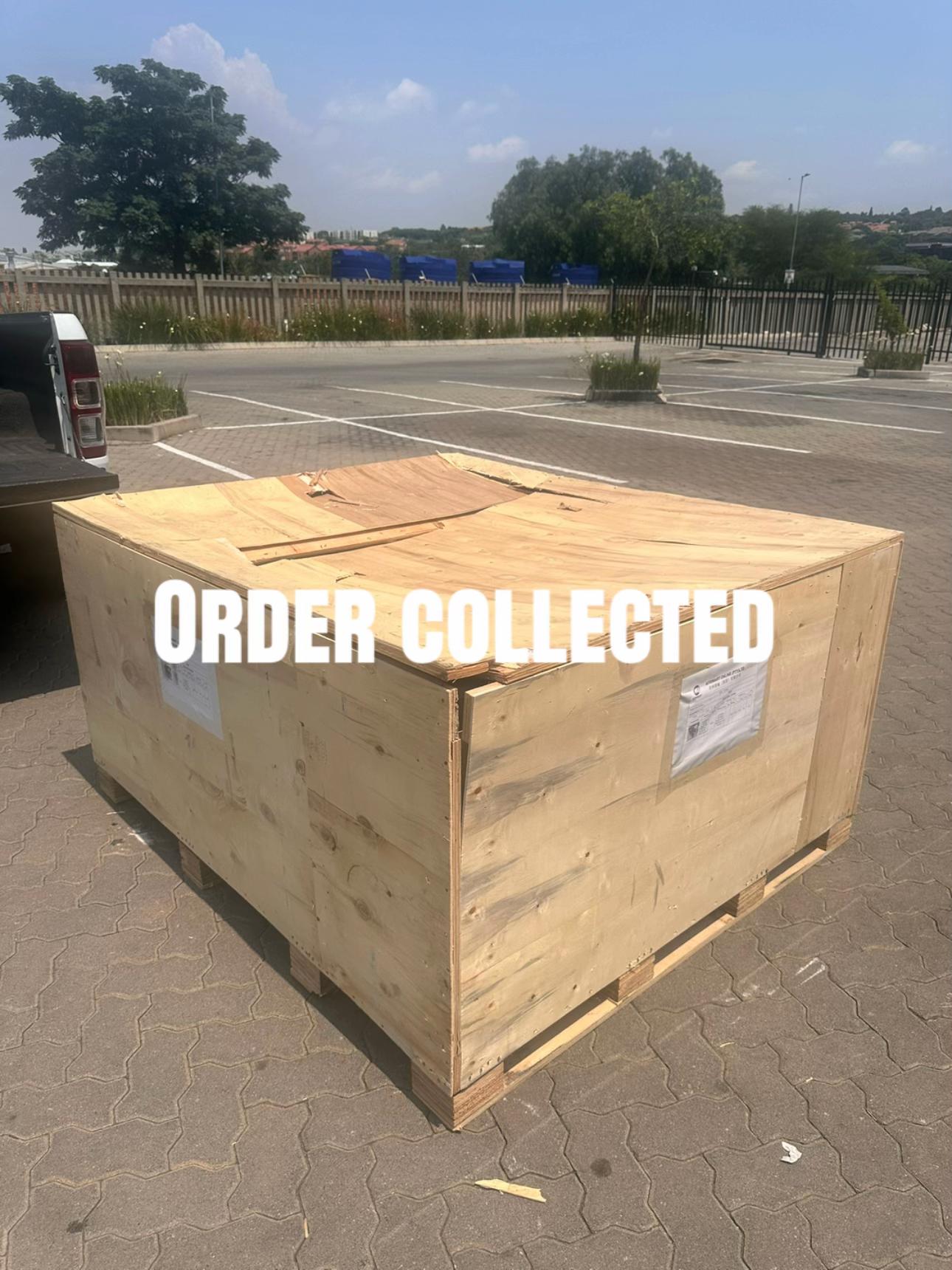
Latest Arrivals
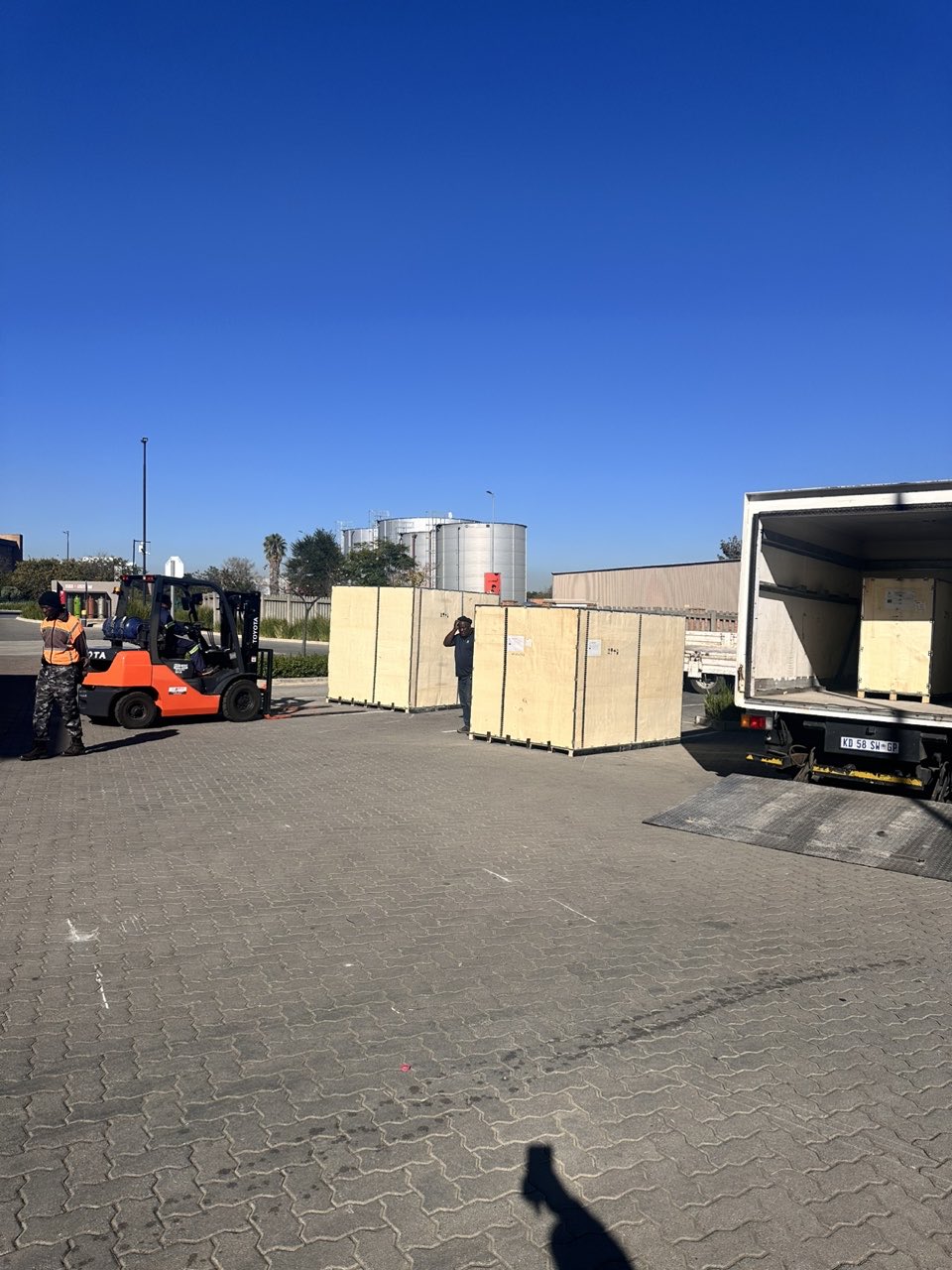
Loading
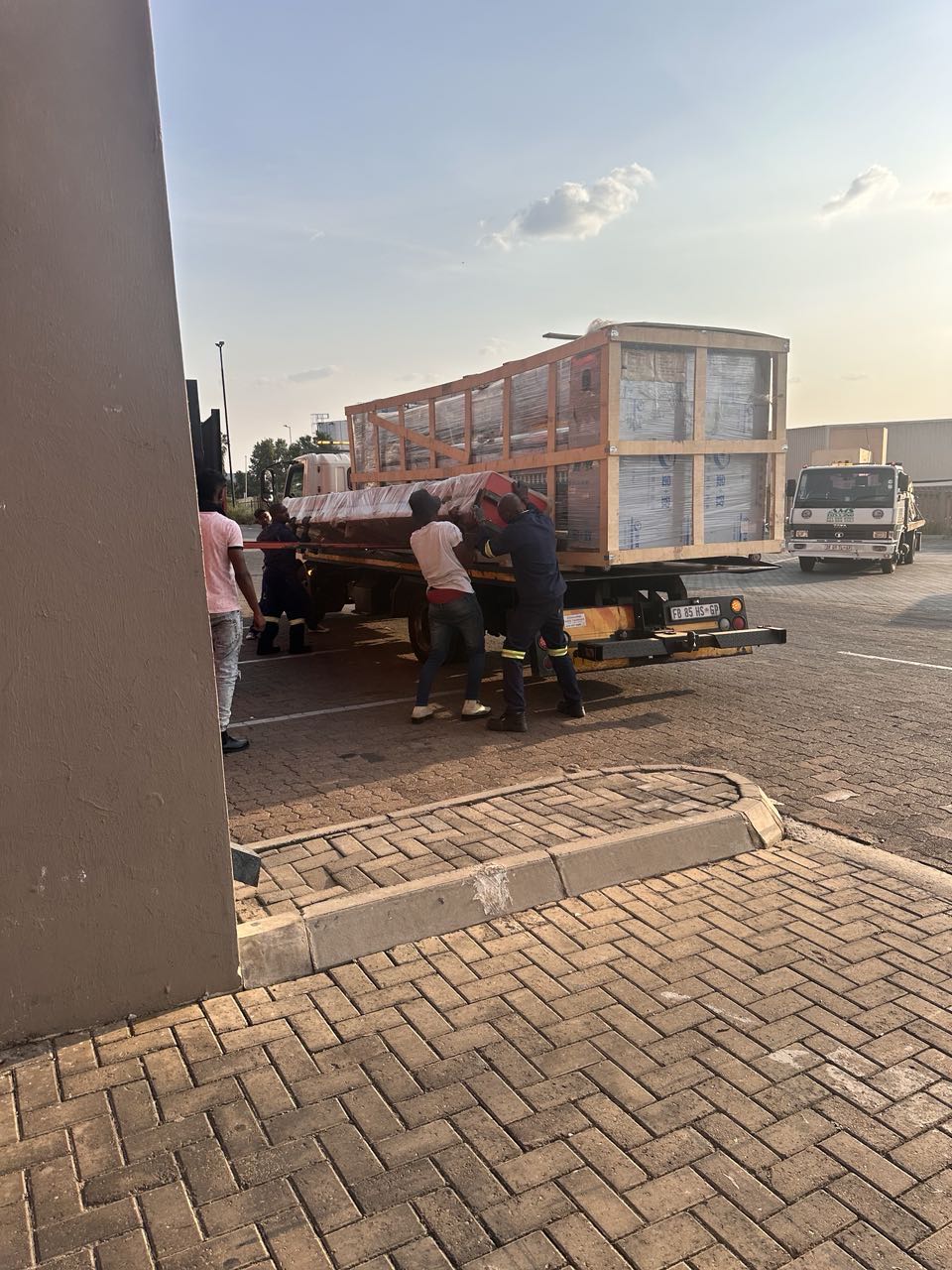
Toilet paper making machine
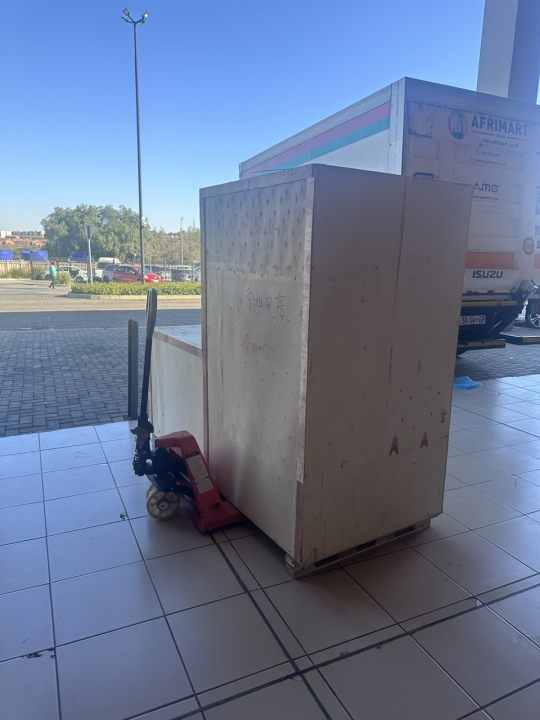
Toilet paper making machine
Toilet paper Rewinding Machine
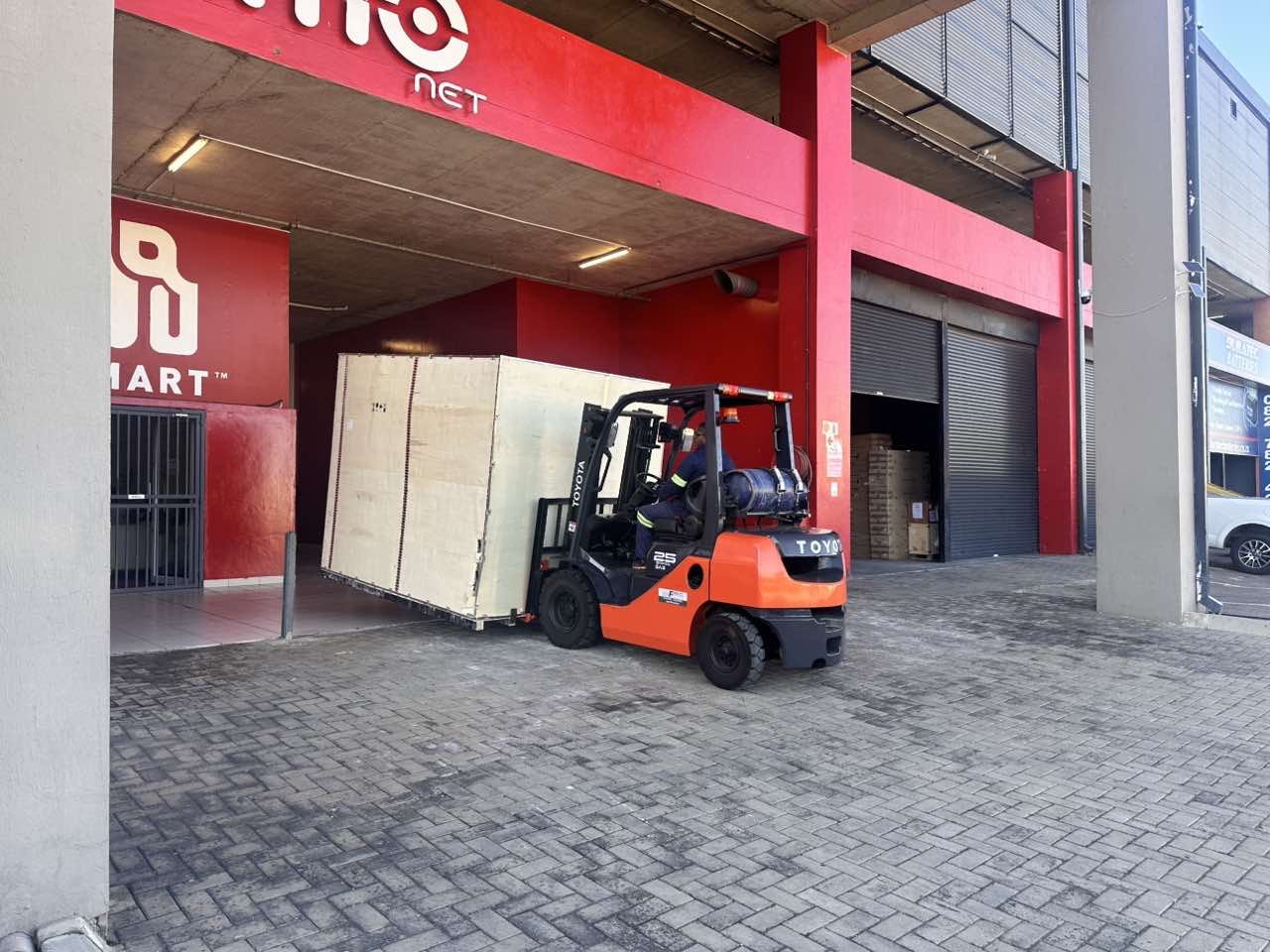
latest arrivals
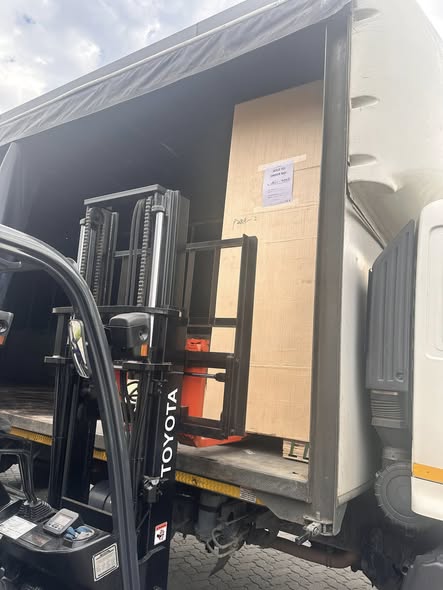
offloading
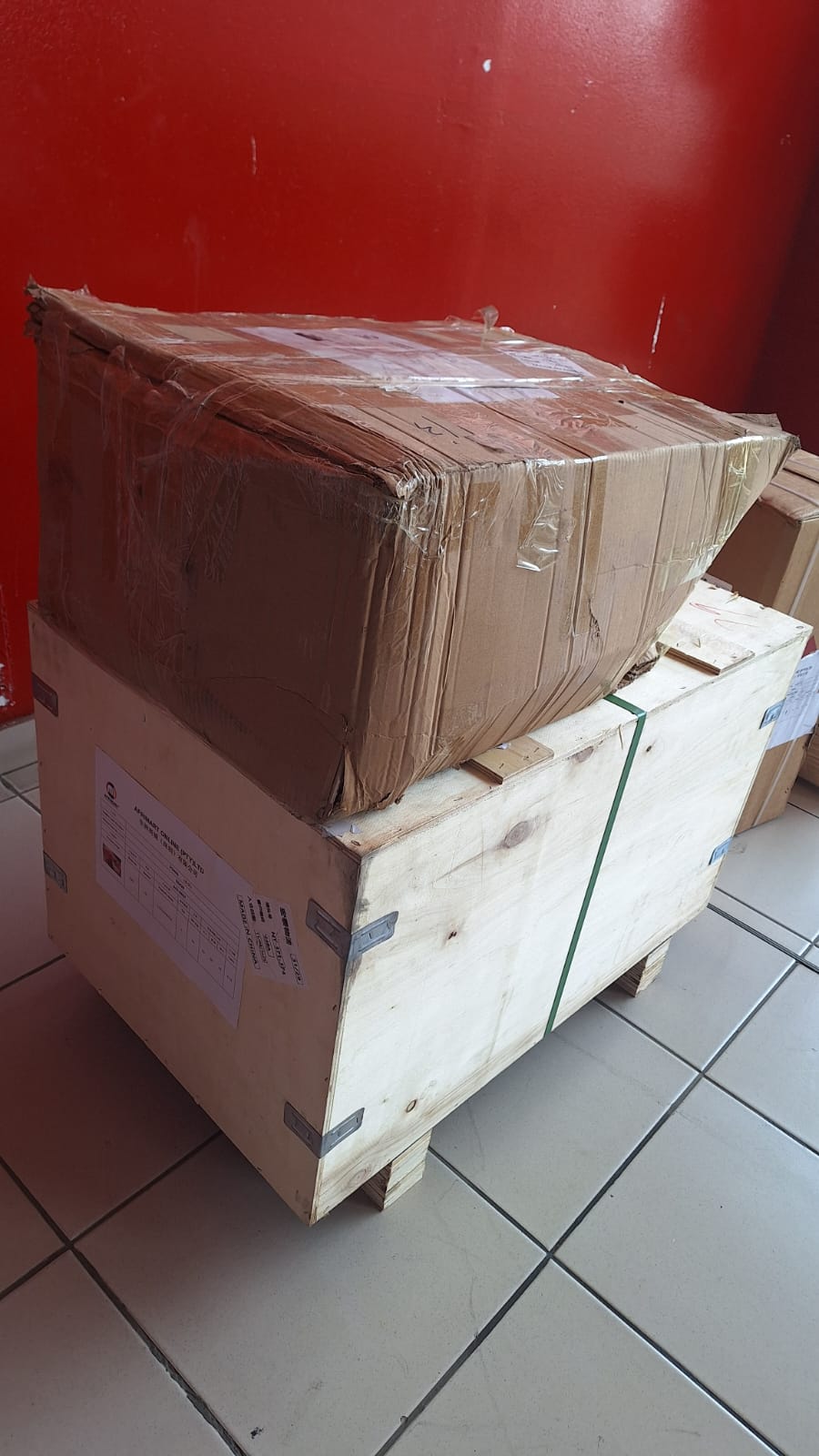
order success
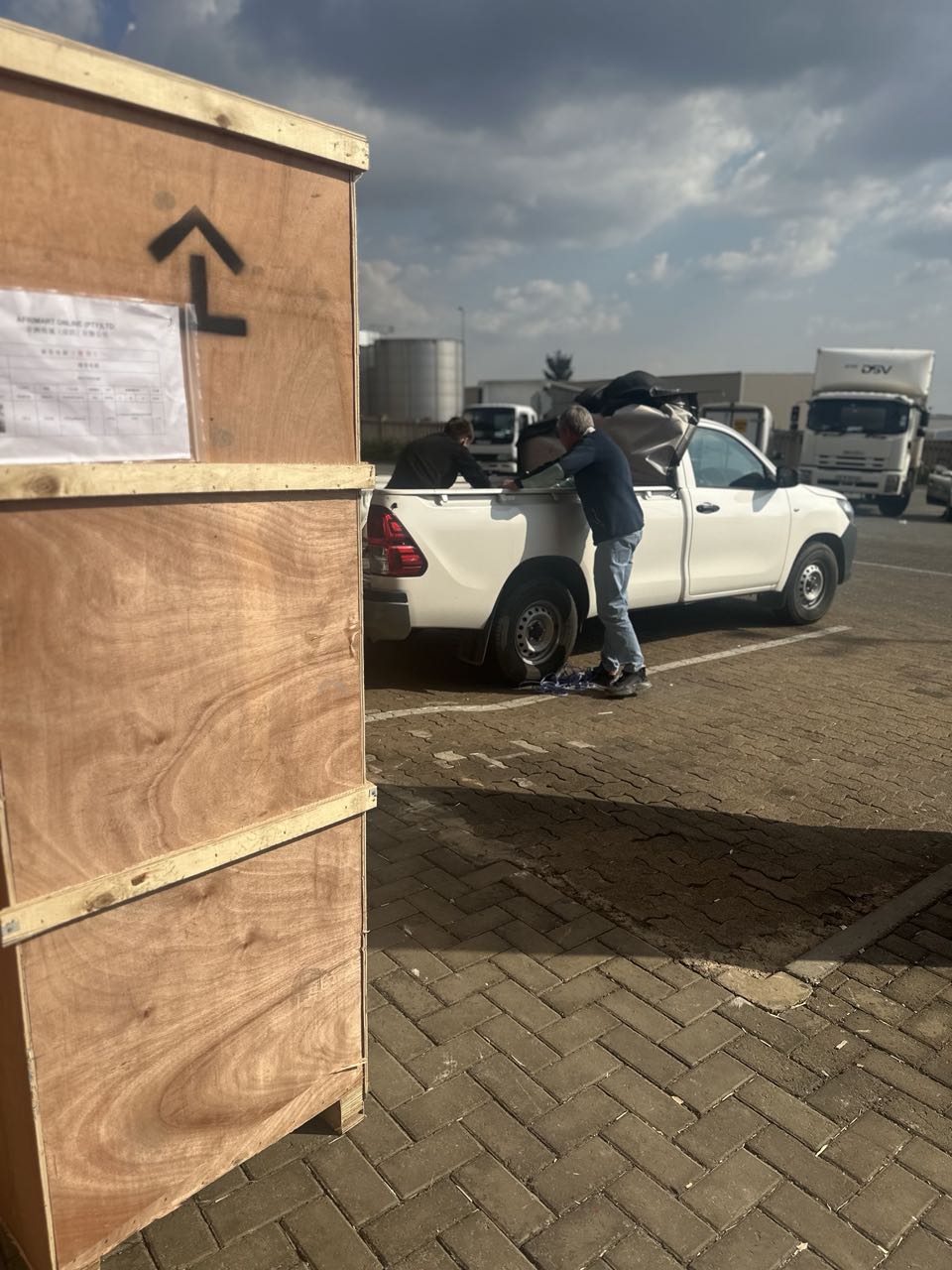
order collection
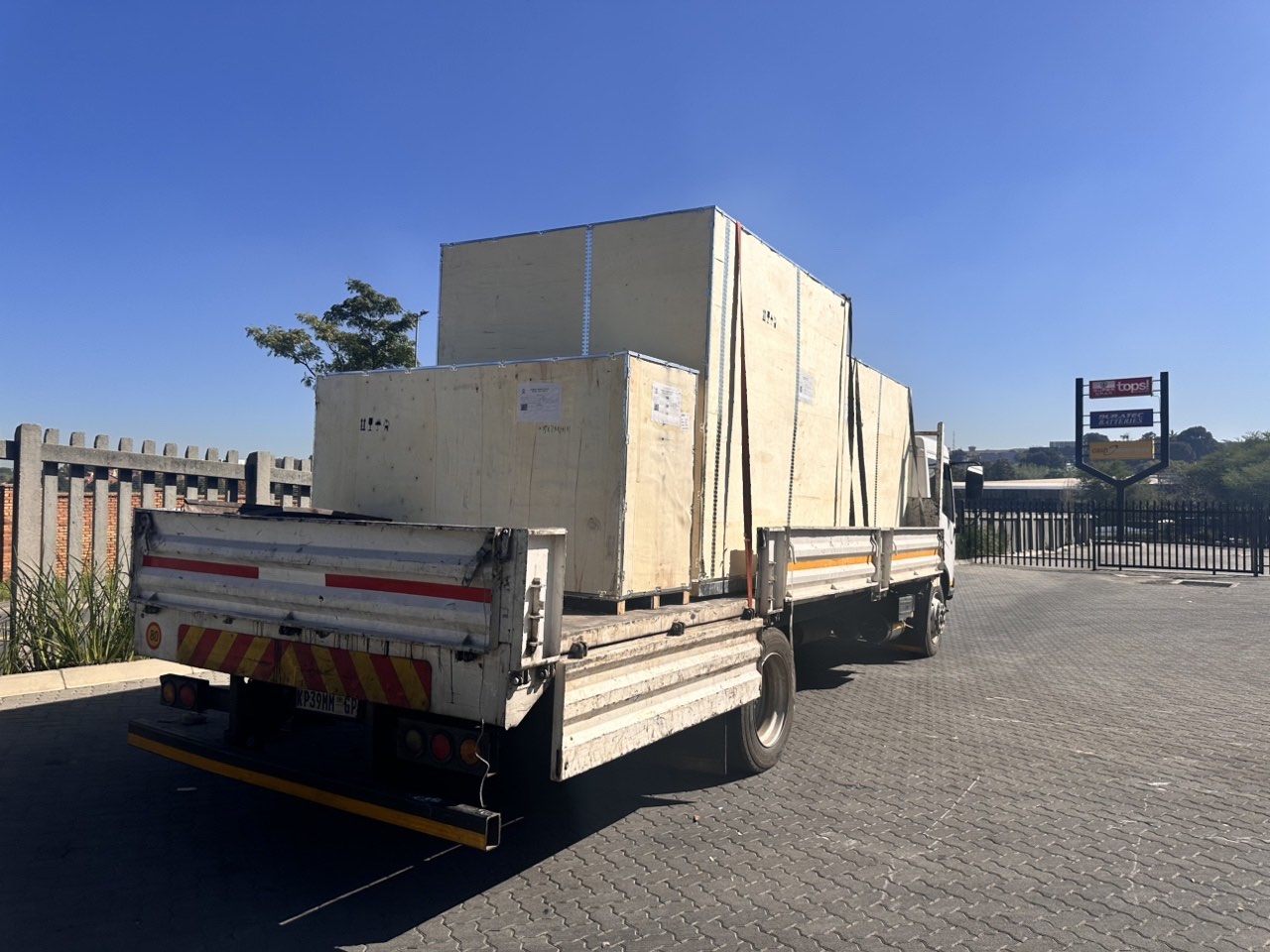
order offloading