B21, China Town Mall, Midrand

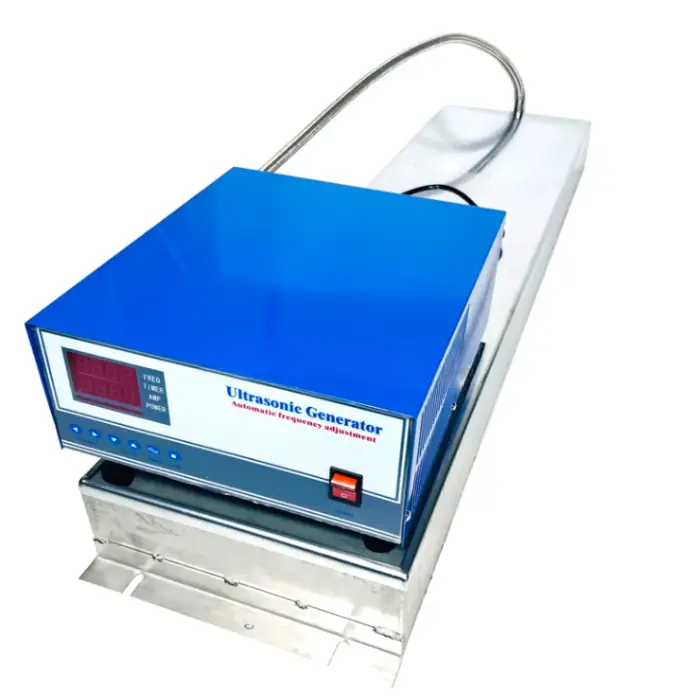
Industry Ultrasonic Cleaner Board 28kHz 40khz Auto Parts Golf Ball Metal Surface Dirty Washer Machine Soak Tank

- Section : Machinery
- Category : Cleaning Equipment
- SKU : 1601381399855

Industry Ultrasonic Cleaner Board 28kHz 40kHz Auto Parts Golf Ball Metal Surface Dirty Washer Machine Soak Tank
The Industry Ultrasonic Cleaner Board is a powerful cleaning solution designed for various applications. This machine uses ultrasonic technology to clean dirty surfaces effectively. With its stainless steel construction and multiple frequency options, it is perfect for cleaning auto parts, golf balls, and other metal items. Its user-friendly design makes it suitable for both industrial and personal use.
Specifications
| Attribute | Details |
|---|---|
| Type | Ultrasonic Transducer |
| Material | Stainless Steel |
| Condition | New |
| Weight (kg) | 80 |
| Frequency | 20KHz, 25KHz, 28KHz, 33KHz, 40KHz (Select one) |
| Power | 1800W |
| Product Name | Submersible Ultrasonic Transducer |
| Item Name | Immersible Vibration Plate |
| Selling Units | Single item |
| Single Package Size | 60X60X50 cm |
| Single Gross Weight | 120.000 KG |
Key Features
- Efficient ultrasonic cleaning technology.
- Durable stainless steel design.
- Multiple frequency options for different cleaning needs.
- Powerful 1800W motor for effective cleaning.
- Suitable for a wide range of metal items.
Applications
- Cleaning auto parts and machinery.
- Restoring golf balls to like-new condition.
- Removing dirt and grime from metal surfaces.
- Industrial cleaning for various applications.
- Personal use for household metal items.
Product Info Gallery
- Shipping Timeframes: All orders are processed within 2-5 business days (excluding weekends and holidays). After your order has been processed, the estimated delivery time is before 14 Aug, 2026, depending on customs, Please note that due to high demand, some items may experience longer shipping times, which will be communicated at order confirmation email.
- Order Processing Time: Please allow 2-5 business days for us to process your order before it is shipped . Orders placed after 16:00 on Fridays, or during weekends and public holidays, will begin processing on the next business day. Processing times may be extended during peak seasons or sales events.
- Manufacturing Time: Some products needs manufacturing time, the manufacturing process will take approximately 10-30 business days depending on the product. This timeframe may vary depending on the complexity of the product and current demand. but this will be communicated with you during order confirmation.
- Returns and Exchanges: We offer a 30-day return policy for most items. If you are not completely satisfied with your purchase, you may return it within 30 days of receipt for a refund or exchange. Items must be unused, in their original packaging, and accompanied by proof of purchase. Return shipping costs are the responsibility of the customer, unless the item was damaged or defective upon arrival.
1. What is the Industry Ultrasonic Cleaner Board?
It is a submersible ultrasonic transducer (also called an immersible vibration plate) designed to be mounted inside a soak tank to provide powerful ultrasonic cleaning for metal parts, auto components, golf balls and similar items.
2. Which ultrasonic frequencies are available?
Selectable frequency options include 20 kHz, 25 kHz, 28 kHz, 33 kHz and 40 kHz. Choose the frequency that best suits the soil and the item being cleaned.
3. What does each frequency range clean best?
Lower frequencies (20–28 kHz) generate larger cavitation bubbles and are better for heavy soils, grease and robust metal parts. Higher frequencies (33–40 kHz) produce finer cavitation for delicate surfaces, light soils and polishing effects (e.g., golf balls or precision components).
4. What is the power rating of the unit?
The unit is rated at 1800 W, providing strong ultrasonic energy for effective cleaning when correctly installed in a tank.
5. What materials and construction does the product use?
The transducer/plate is constructed with stainless steel components for corrosion resistance and durability in industrial cleaning environments.
6. What are the weight and package dimensions?
The product has a net weight of approximately 80 kg and a single gross package weight of about 120 kg. The single package size is listed as 60 × 60 × 50 cm.
7. Can this unit clean auto parts, golf balls and other metal surfaces?
Yes. The unit is designed for a wide range of metal items including automotive parts, golf balls and other metal components. Select the appropriate frequency and cleaning solution for best results.
8. What cleaning fluid should I use?
Commonly used fluids are water with an appropriate ultrasonic-compatible detergent or alkaline cleaner designed for the soils and metal being cleaned. Avoid flammable or highly volatile solvents unless the system and transducer are specifically rated for their use.
9. What temperature and soak time are recommended?
Typical ultrasonic cleaning works well at warm temperatures (around 40–60°C) and soak times vary by soil and part — from a few minutes for light soils to 15–30 minutes or longer for heavy contamination. Run trials to determine optimal time and temperature.
10. How do I install the submersible transducer plate?
The immersible plate is designed to be mounted inside a tank. Installation methods vary by tank design—common methods include mechanical mounting or welding brackets. Because proper installation affects performance, professional installation or following the manufacturer’s installation guide is recommended.
11. Can I run the transducer with no liquid in the tank?
No. Do not operate the transducer dry. It must be fully submerged in the cleaning liquid when running to avoid damage to the transducer and to ensure safe operation.
12. How should I maintain the ultrasonic cleaner board?
Regular maintenance includes: changing the cleaning solution when soiled, wiping and rinsing the tank and plate, inspecting electrical connections and seals, periodically degassing the solution before use, and following any manufacturer service intervals. Replace damaged transducers or cables promptly.
13. Is this unit safe to use with all metals and finishes?
Ultrasonic cleaning is effective on most metals, but certain soft coatings, plated or polished finishes can be affected by aggressive detergents or improper frequency/power settings. Test on a sample part first and use higher frequencies and milder detergents for delicate finishes.
14. Are there any safety precautions?
Yes. Do not use flammable liquids, ensure proper grounding and electrical supply, avoid direct exposure of skin/ears to active ultrasonics, do not run dry, use appropriate PPE when handling chemicals, and follow local electrical and safety codes.
15. What warranty, spare parts or technical support is available?
Warranty and spare parts availability are not specified in the product description. Contact the seller or manufacturer for details on warranty terms, replacement transducers, controllers and after-sales technical support.
Latest Order Arrivals
Discover our latest orders
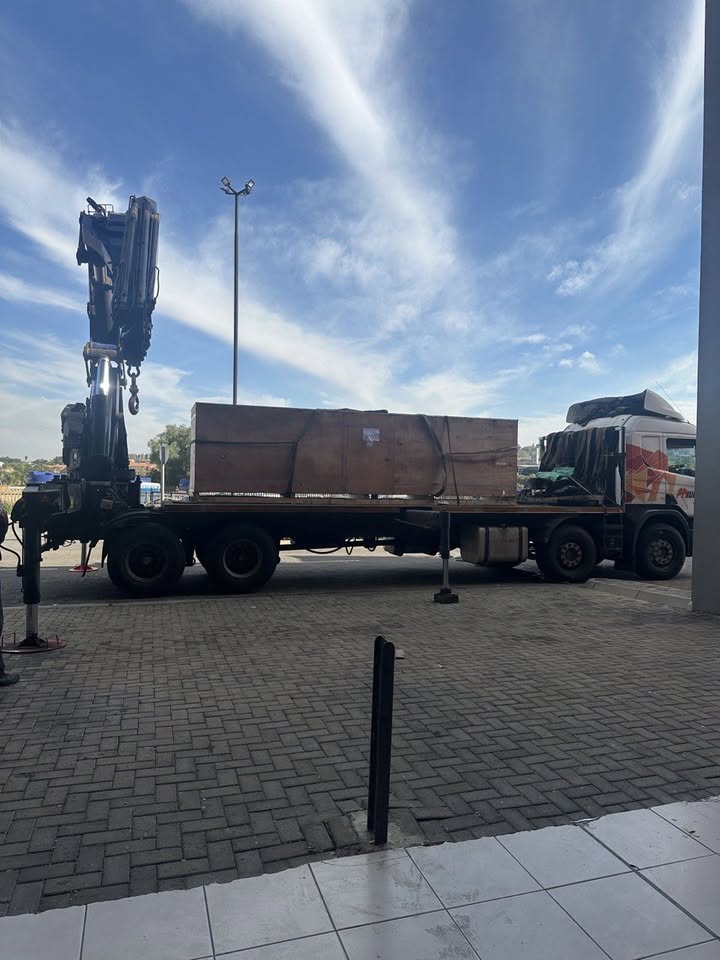
12 Heads Embroidery Machine
Toilet Paper Machine Machine
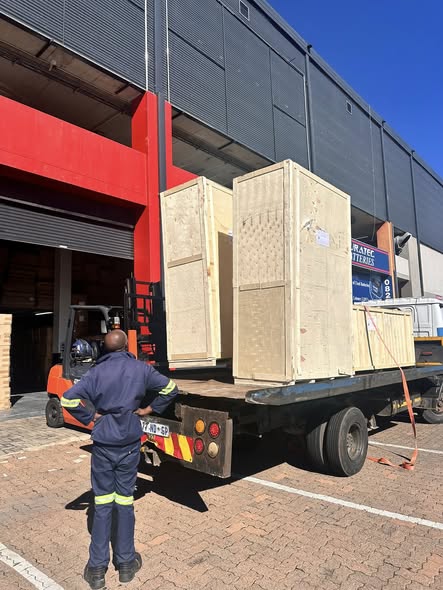
Order Collection
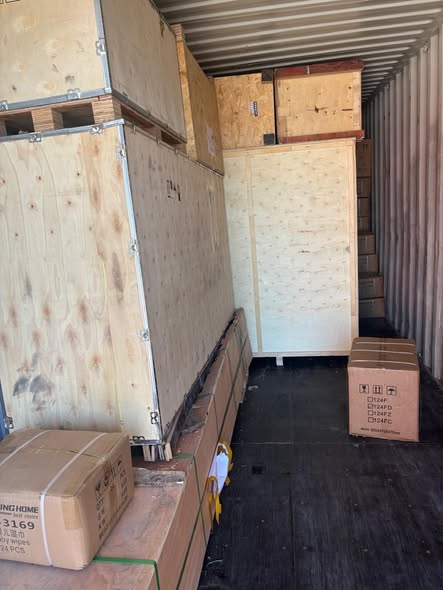
Cross Border Clients
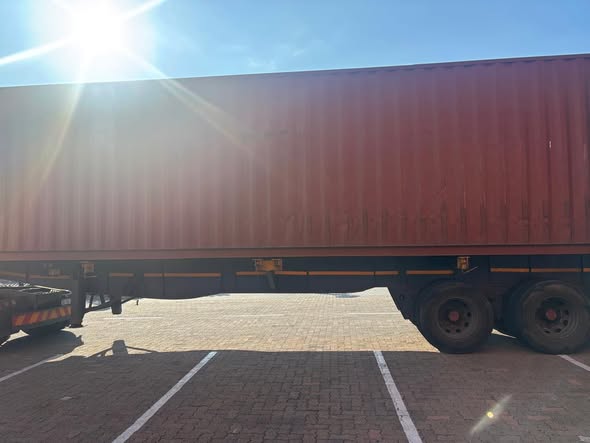
Order cros border countries Collected
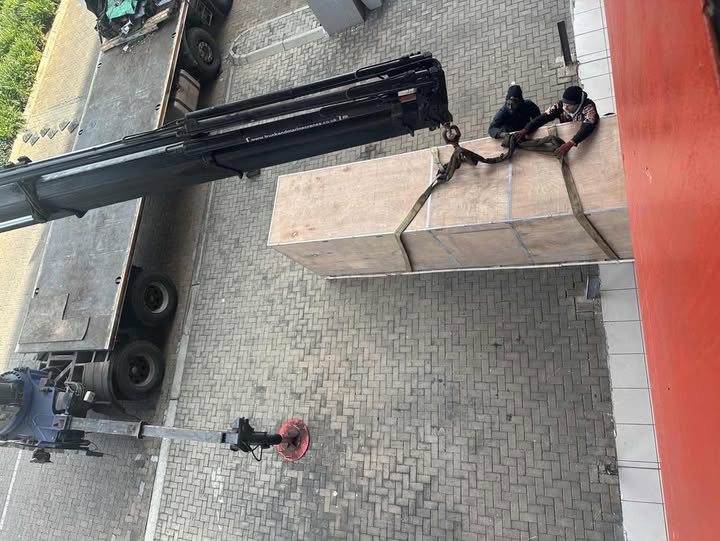
Industrial Machine Cllection
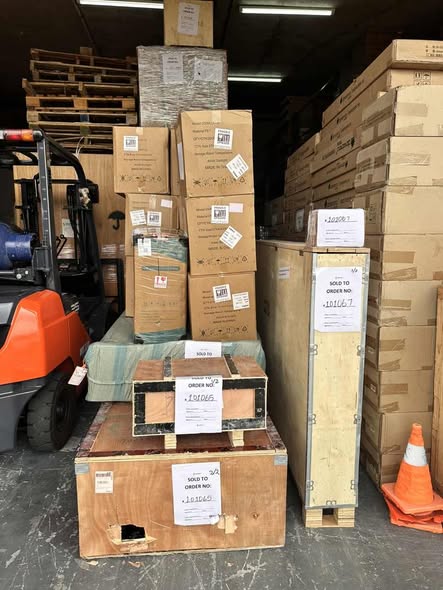
Agriculture Processing Machines
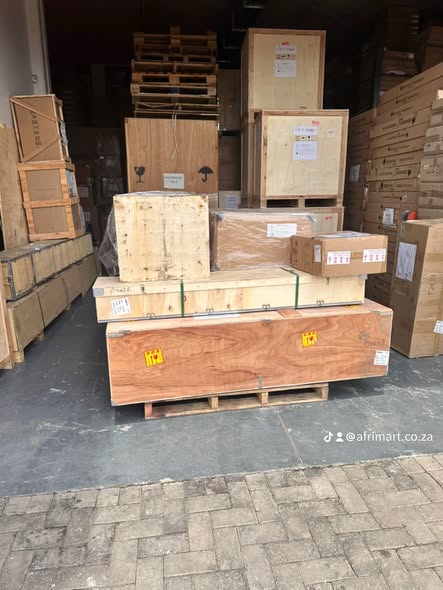
Ready for collection
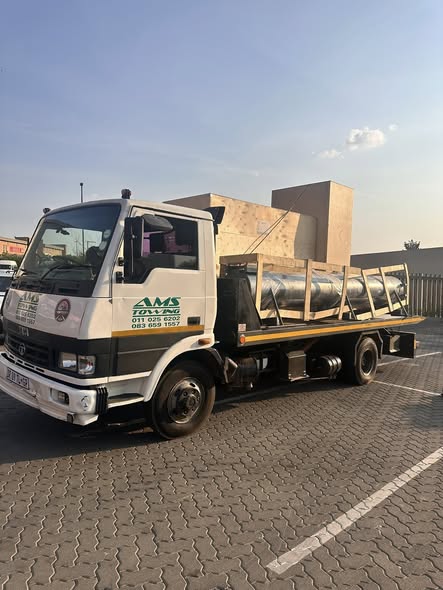
Water Pump Equipment
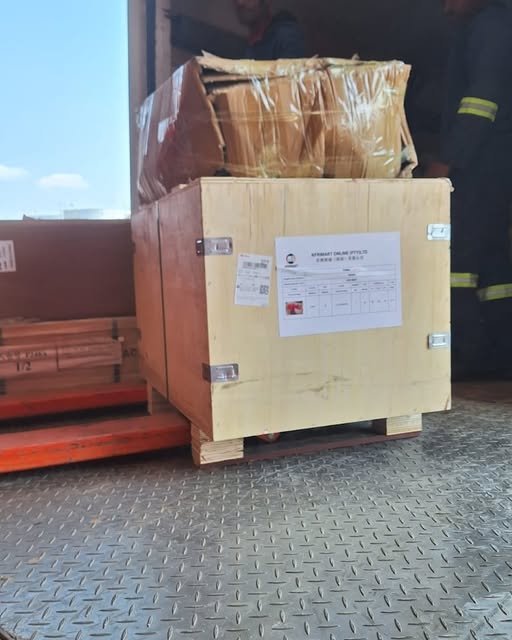
Packaging Machine and accessories
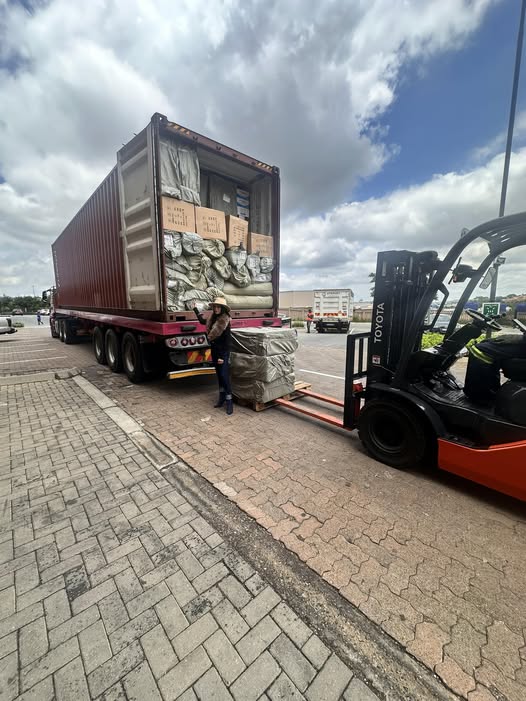
Fabrics Manufacturing Equipment
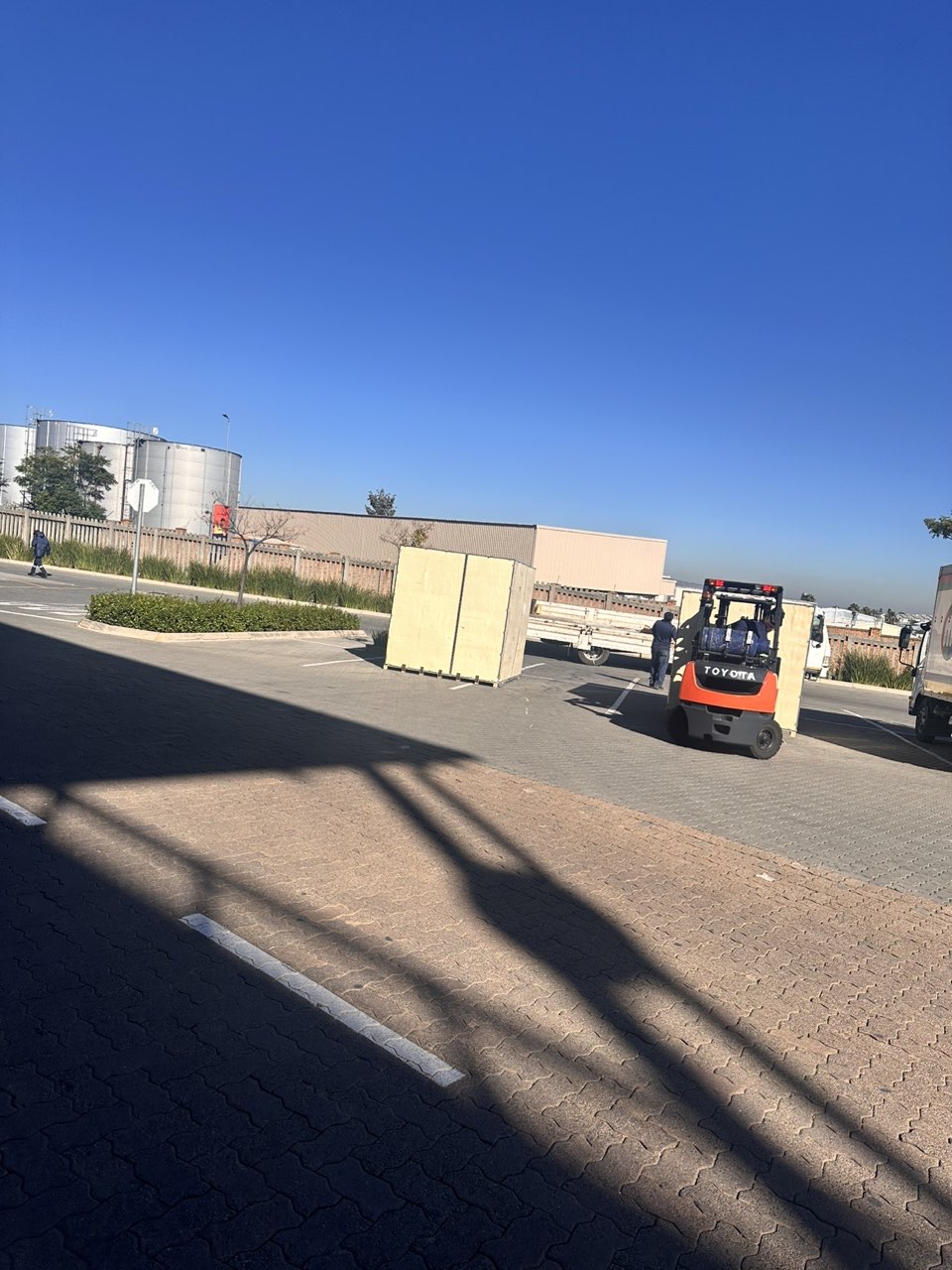
Mining Equipments
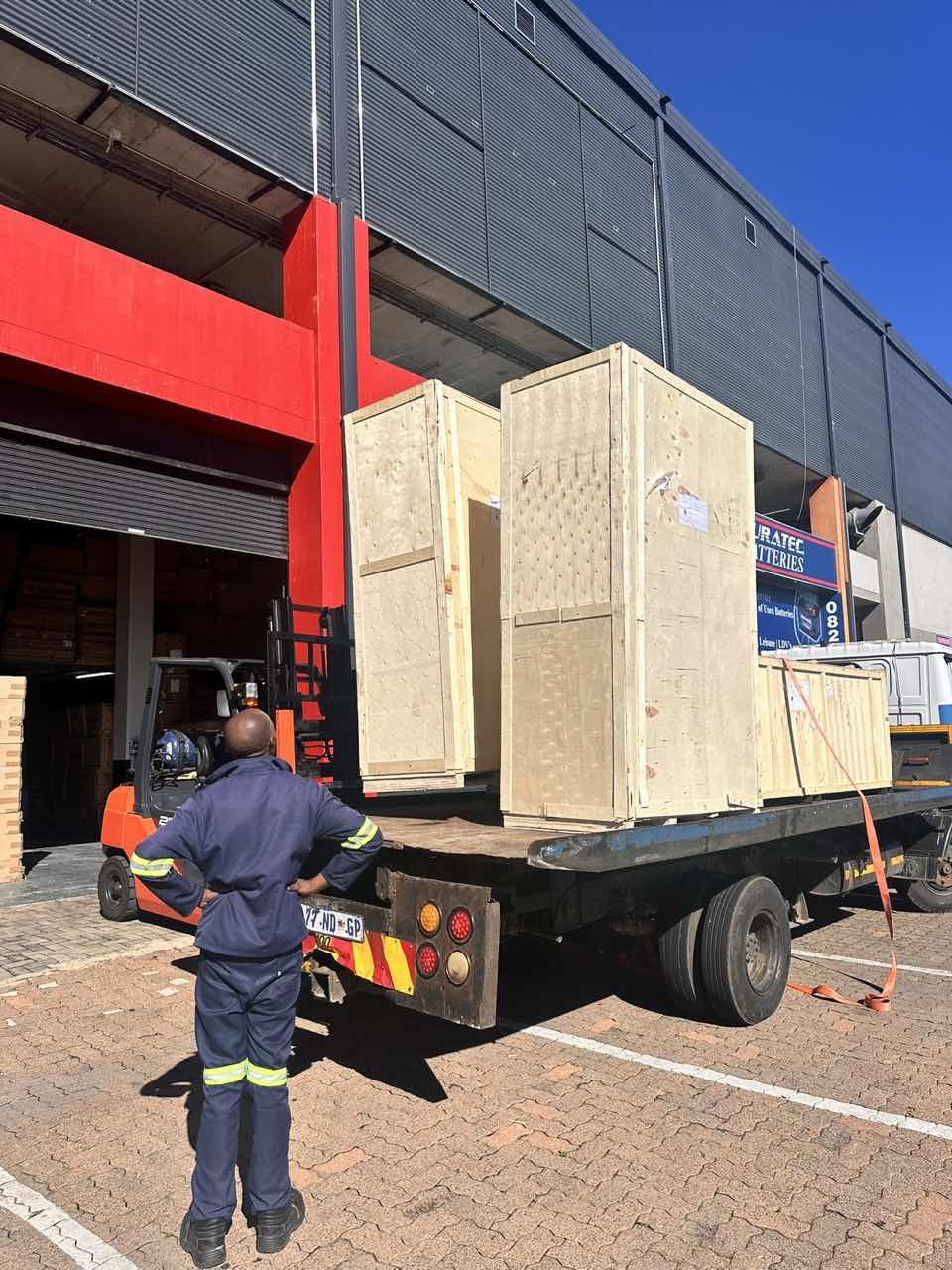
Food Processing Machine
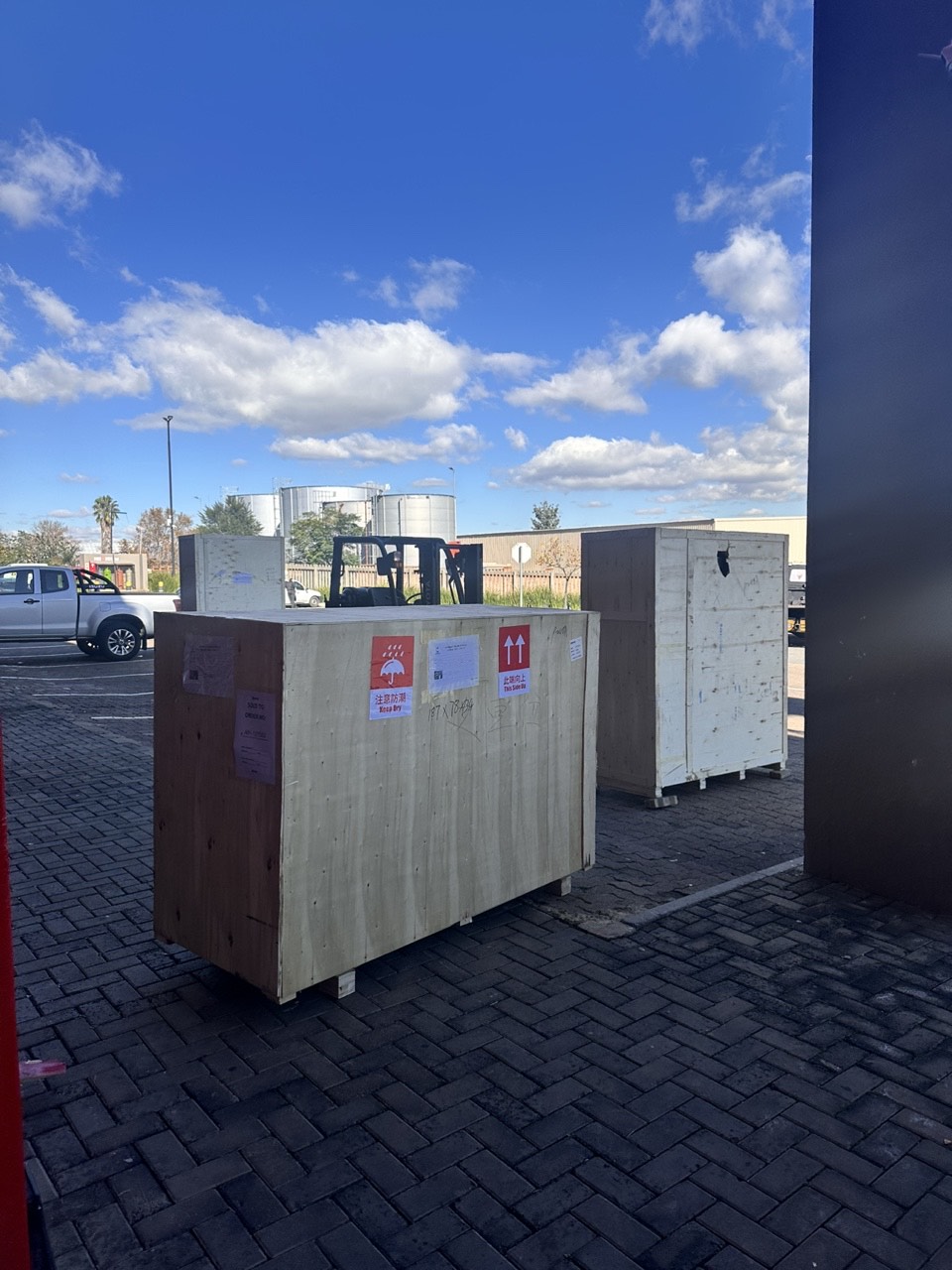
Batch of Orders
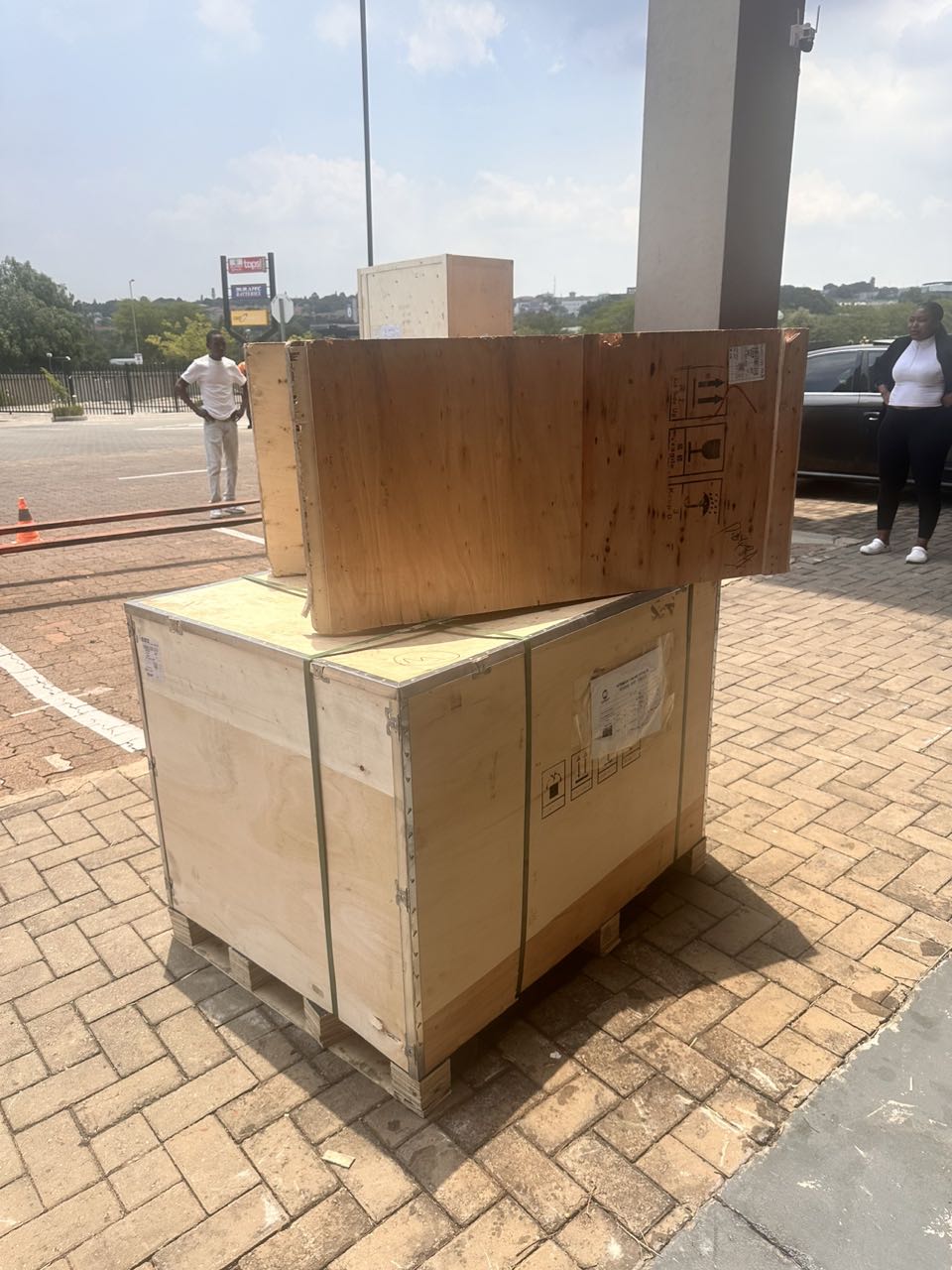
Batch of Orders
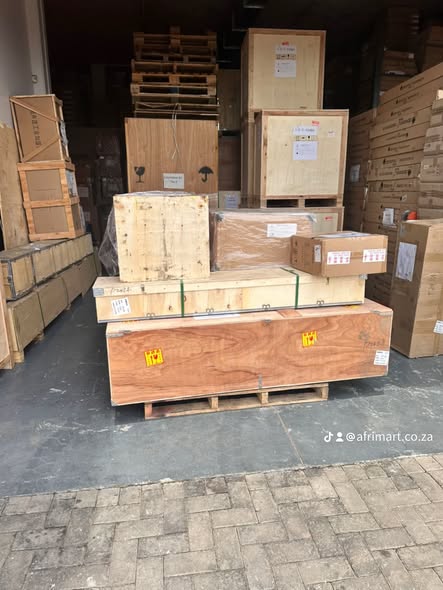
Latest Orders Labelled
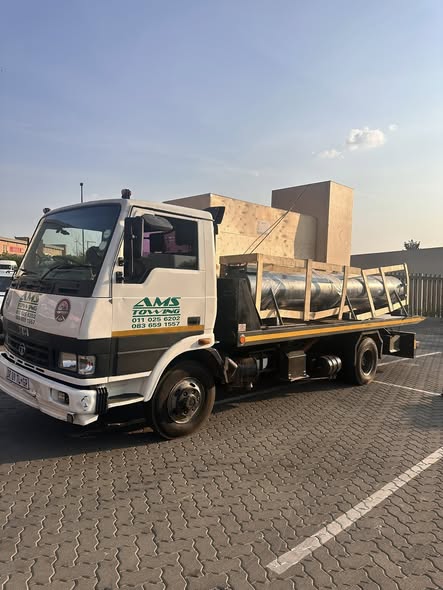
wheel alignment machines
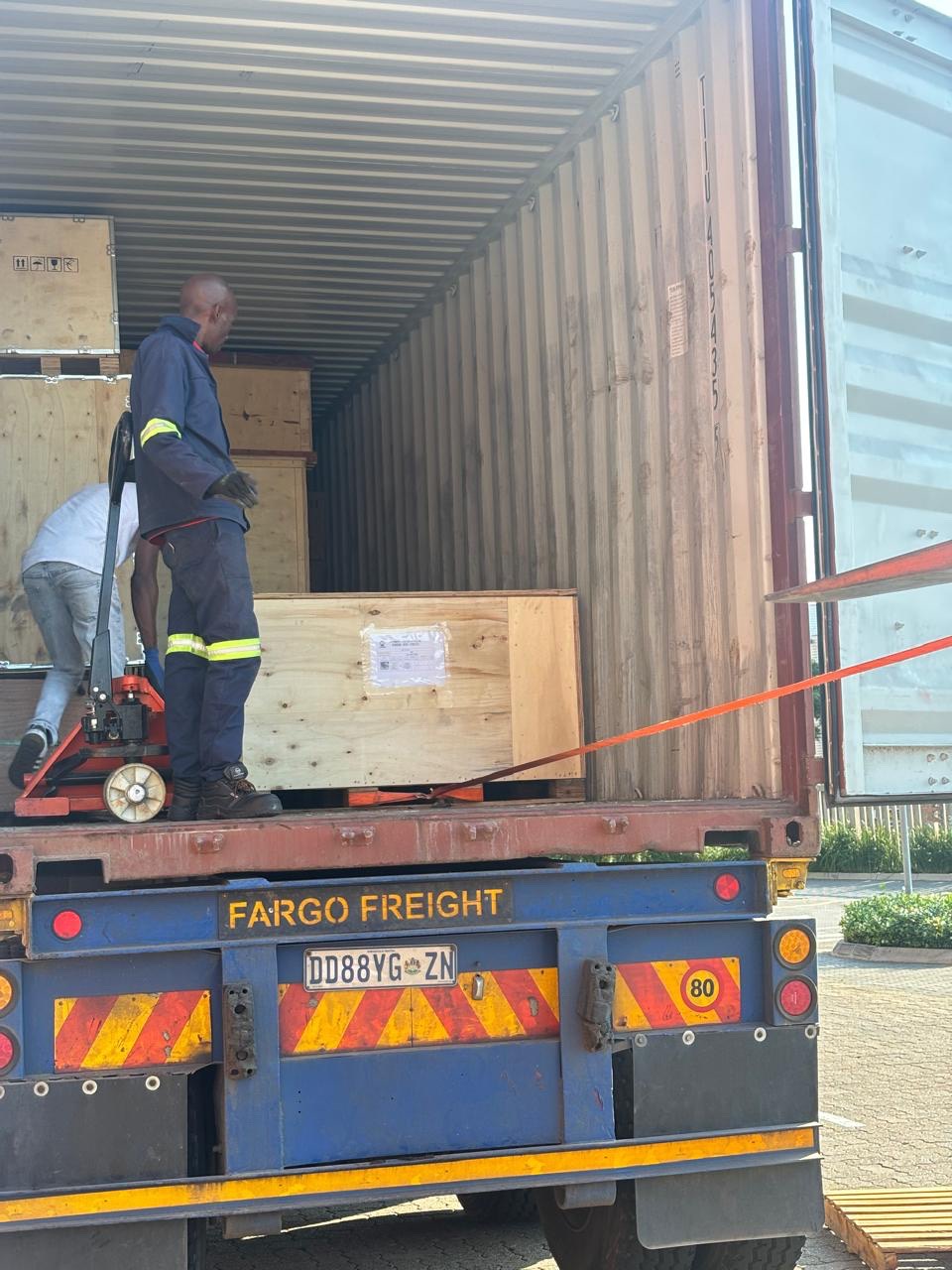
new arrivals
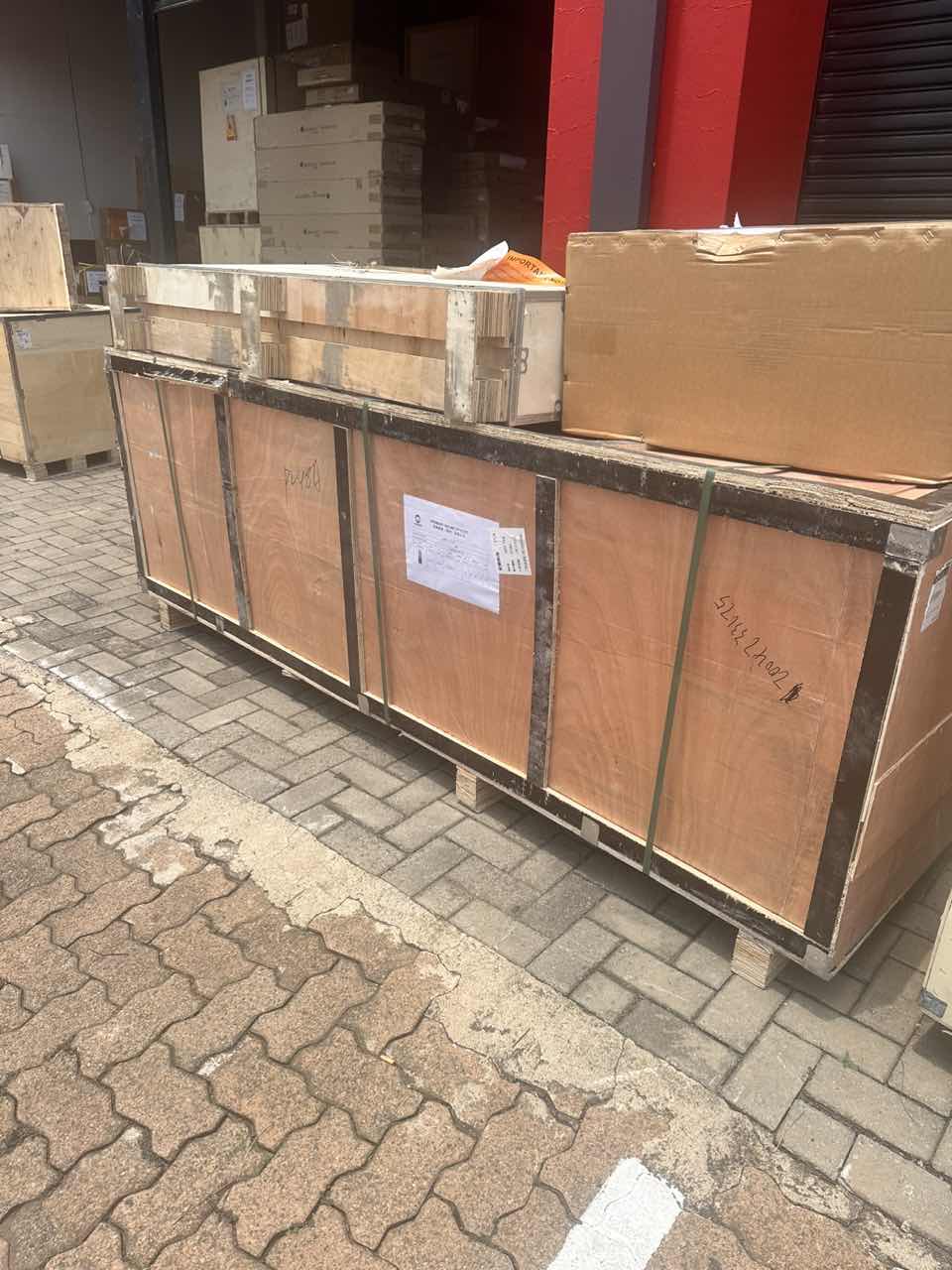
Pre Orders Offloading
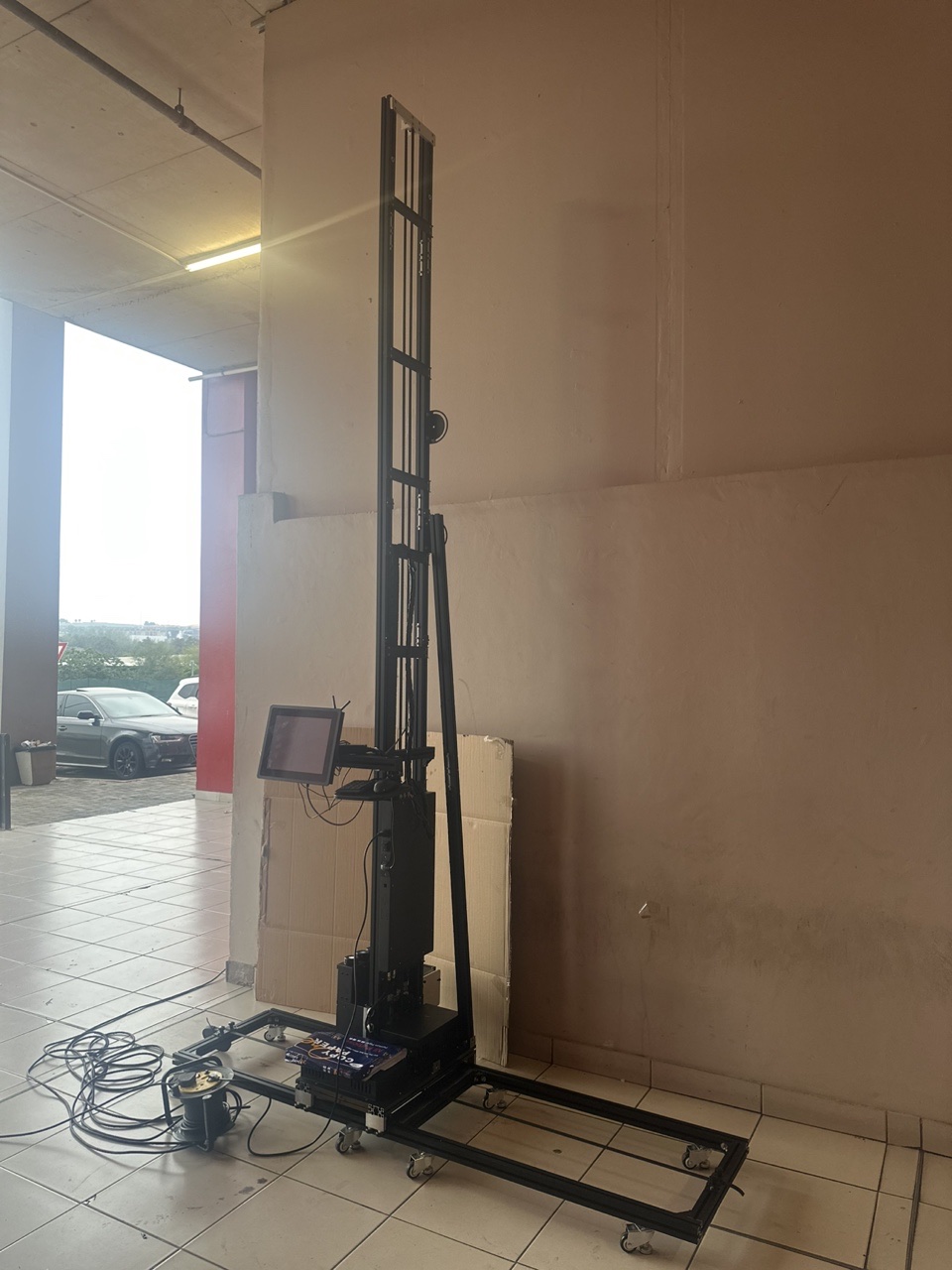
Latest Arrivals
Latest Arrivals
Latest Arrivals
Loading
Toilet paper making machine
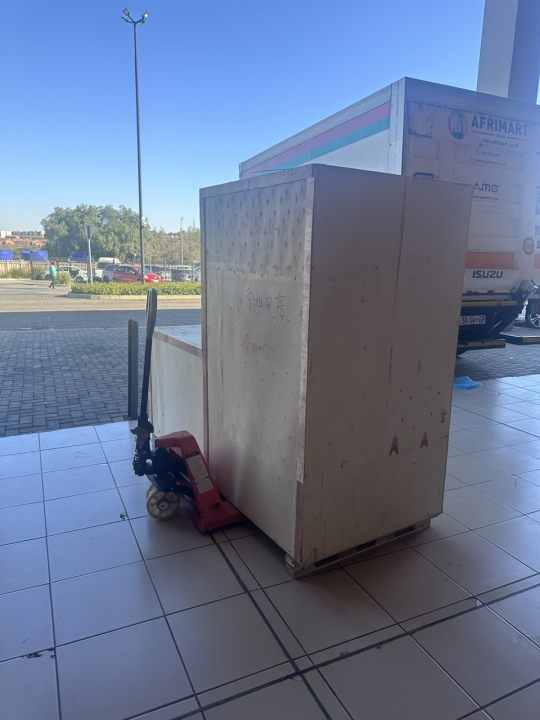
Toilet paper making machine
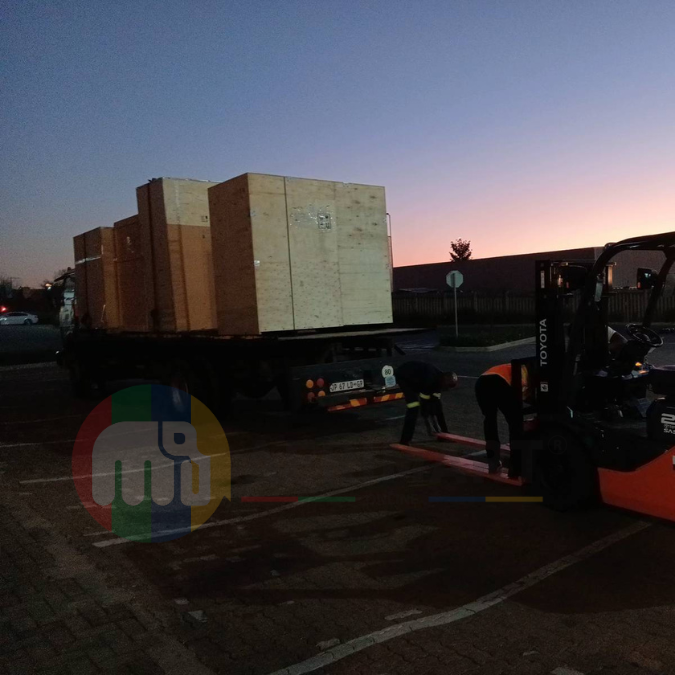
Toilet paper Rewinding Machine
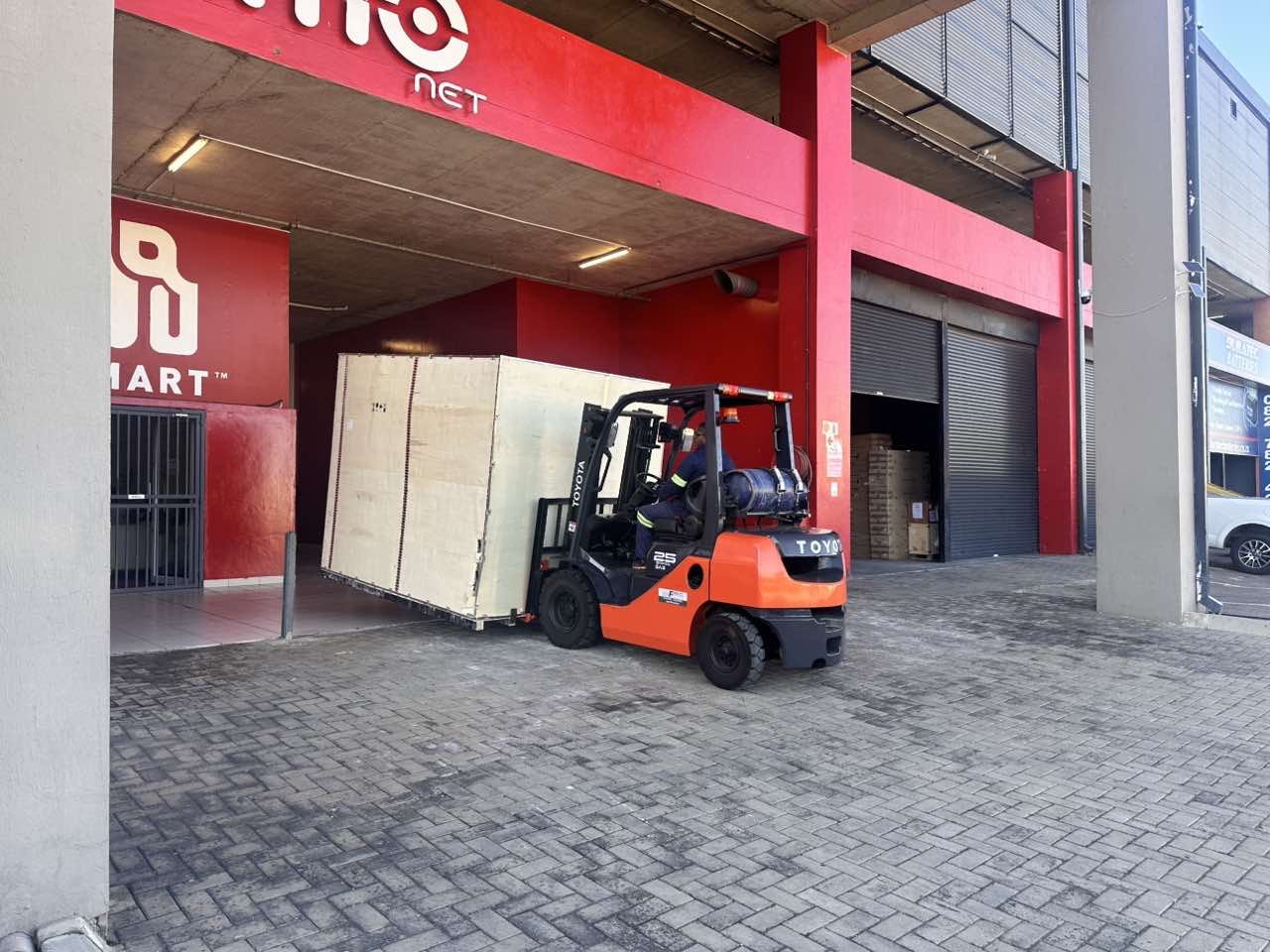
latest arrivals
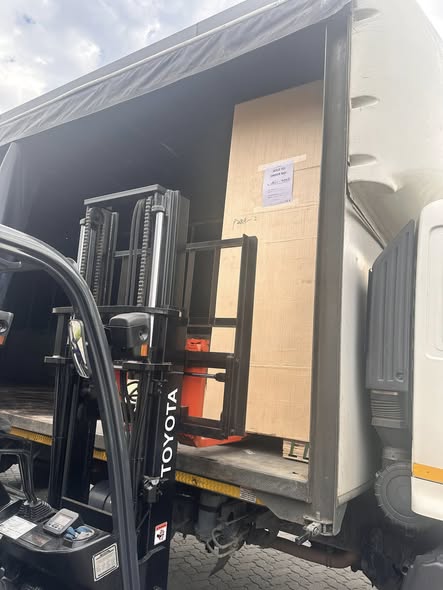
offloading
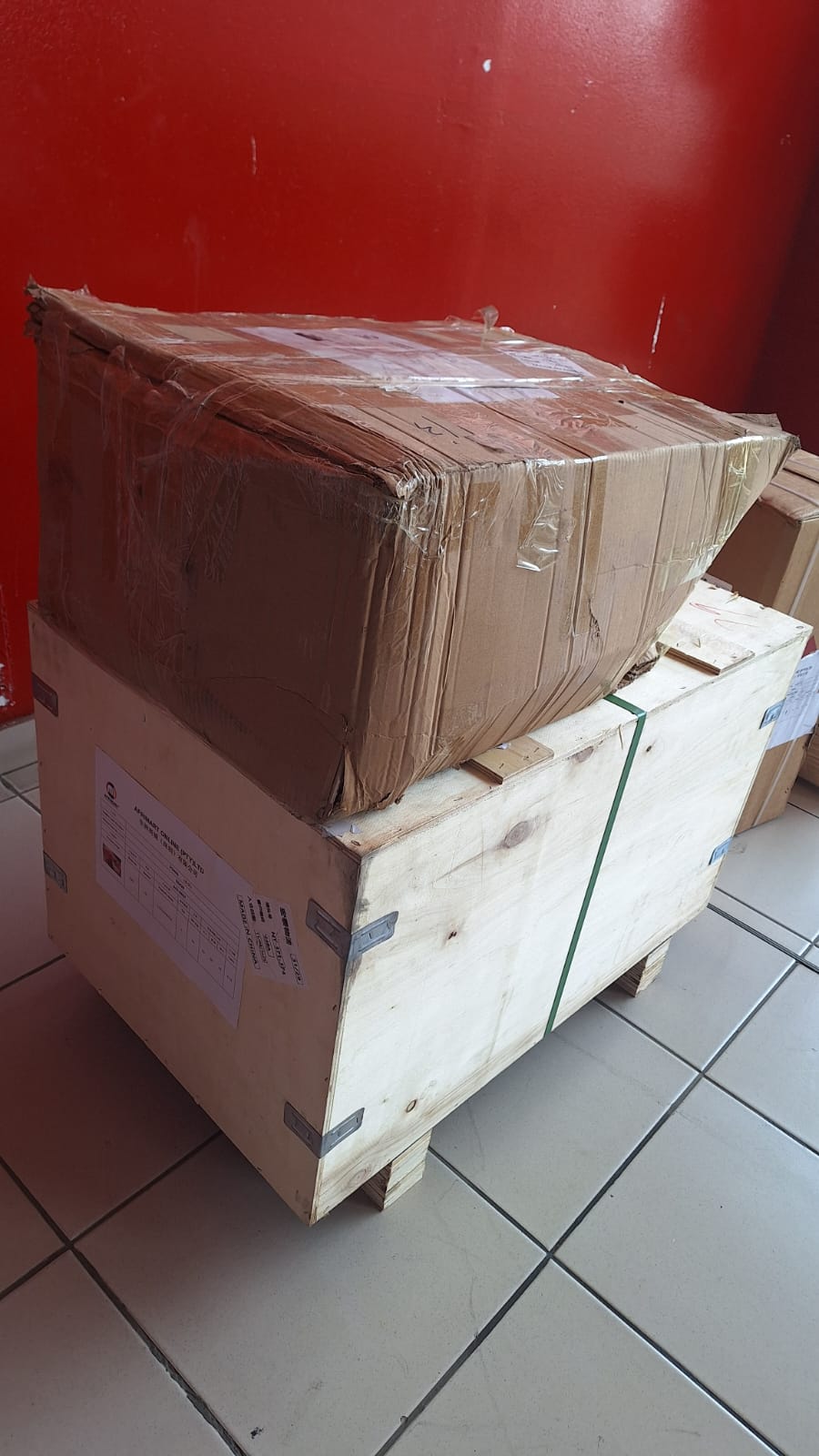
order success
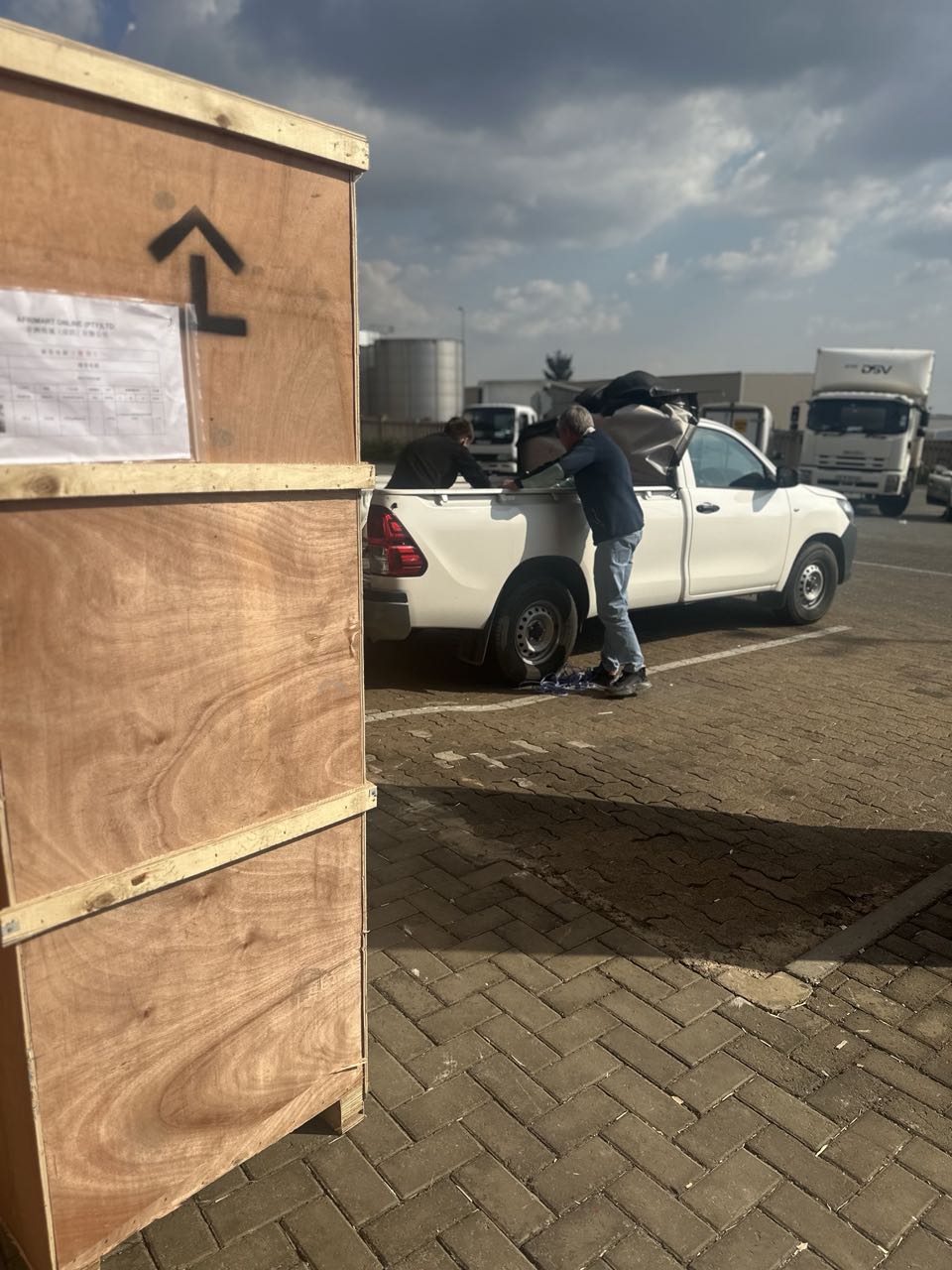
order collection
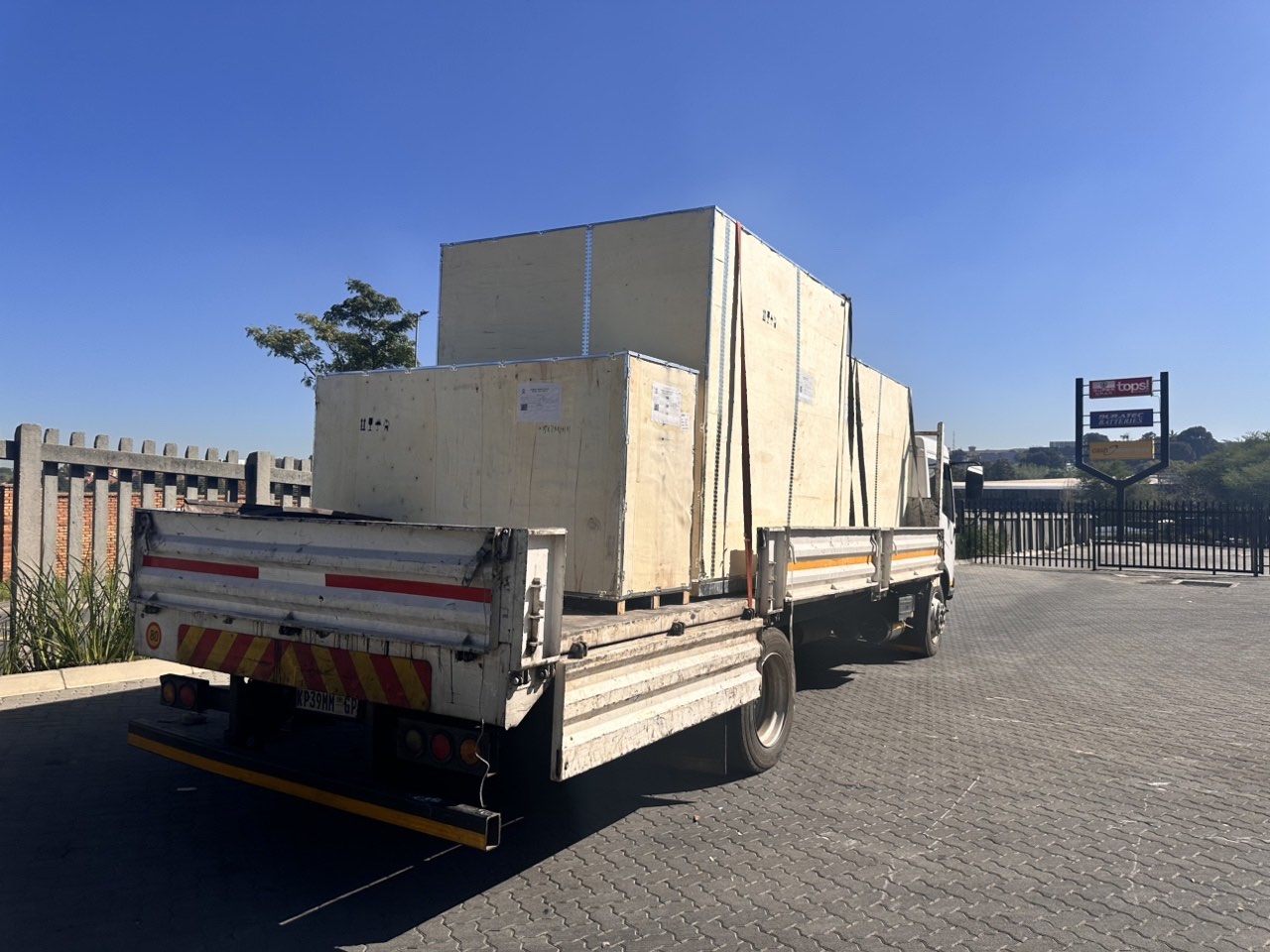
order offloading