B21, China Town Mall, Midrand

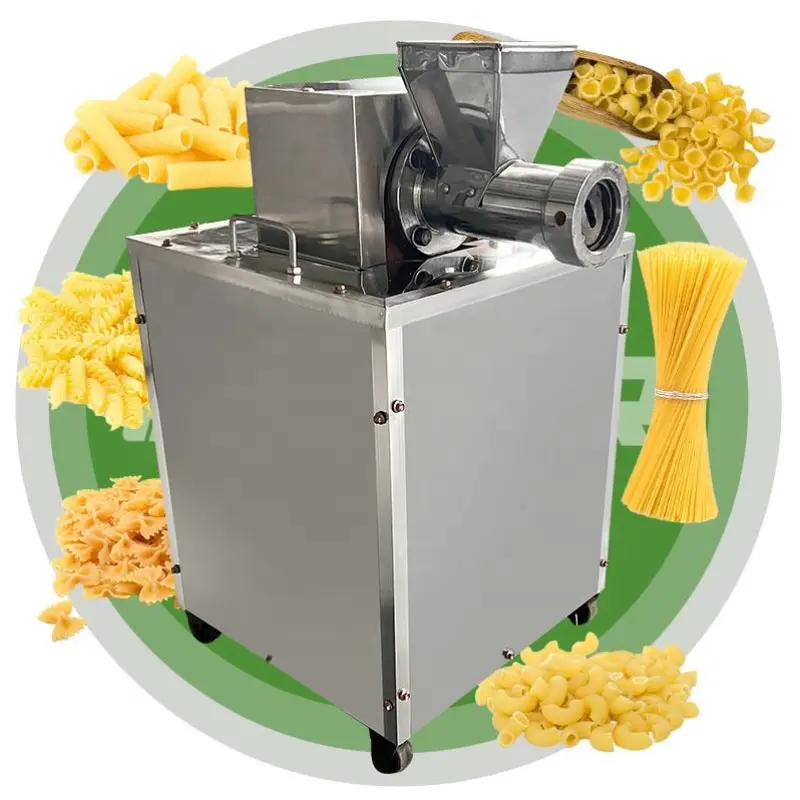
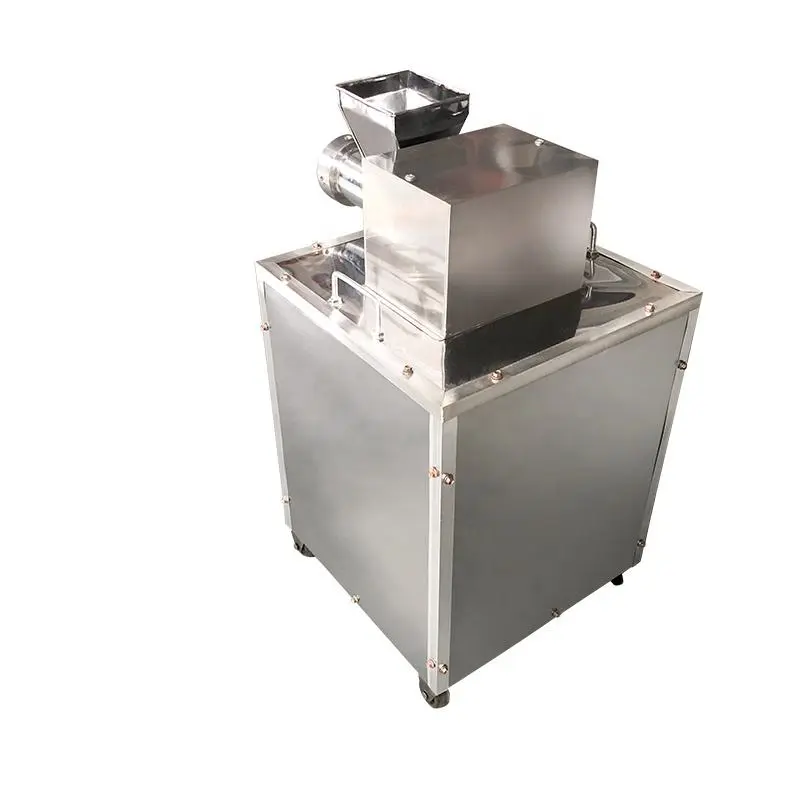
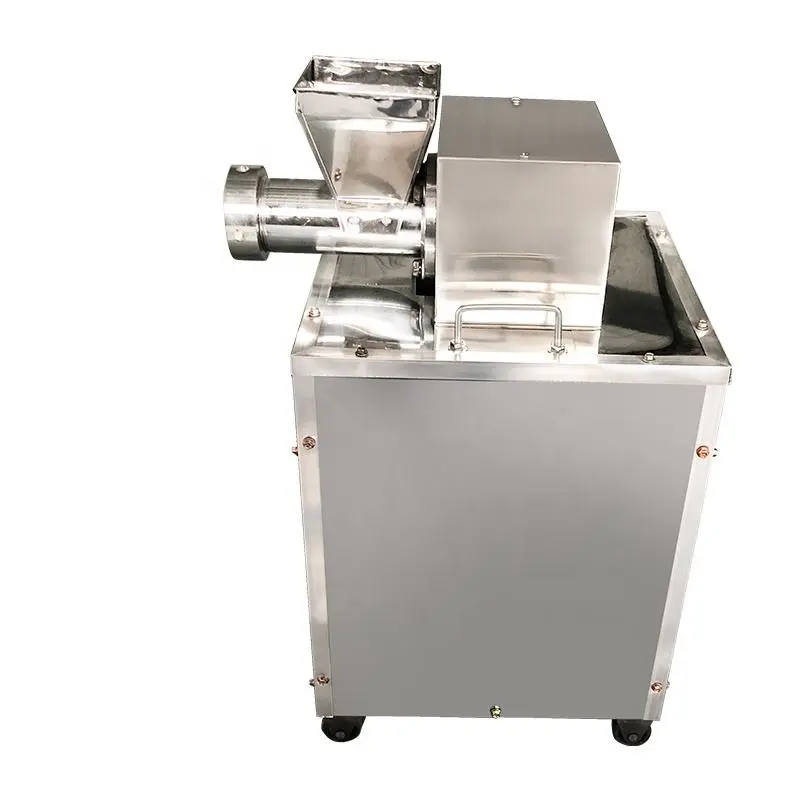
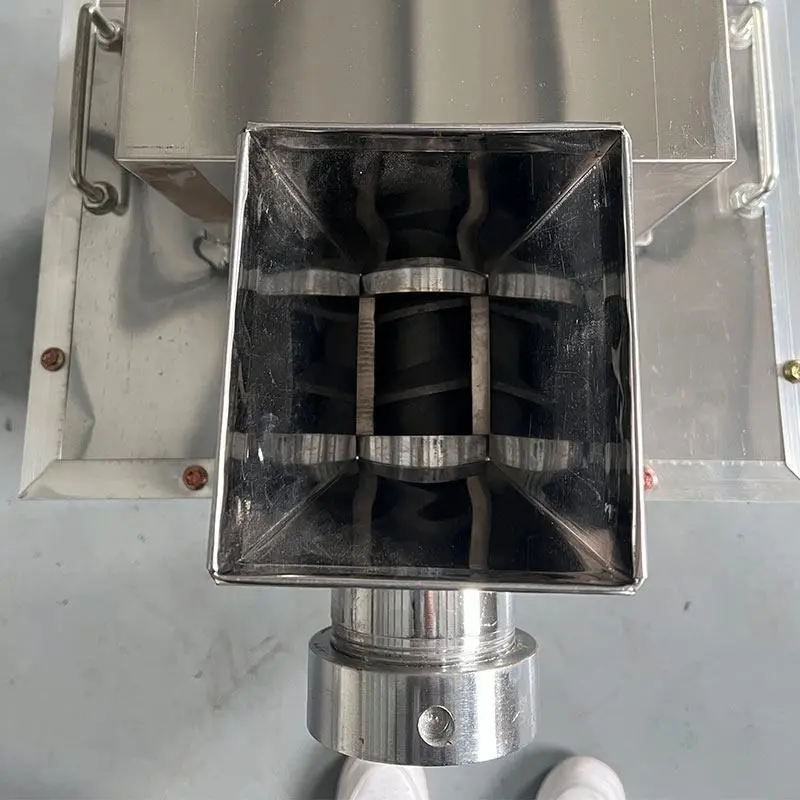
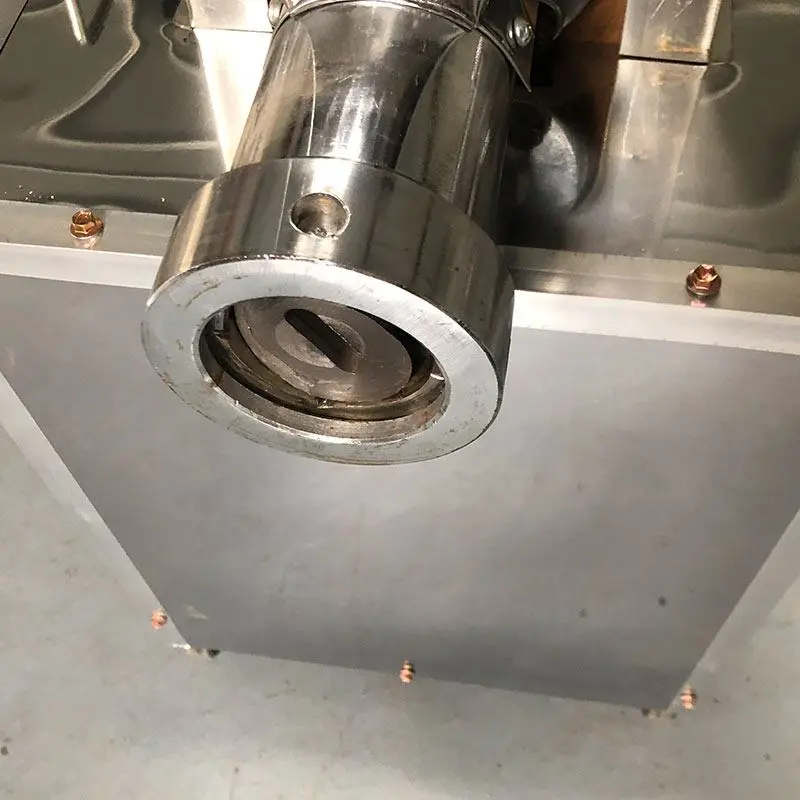
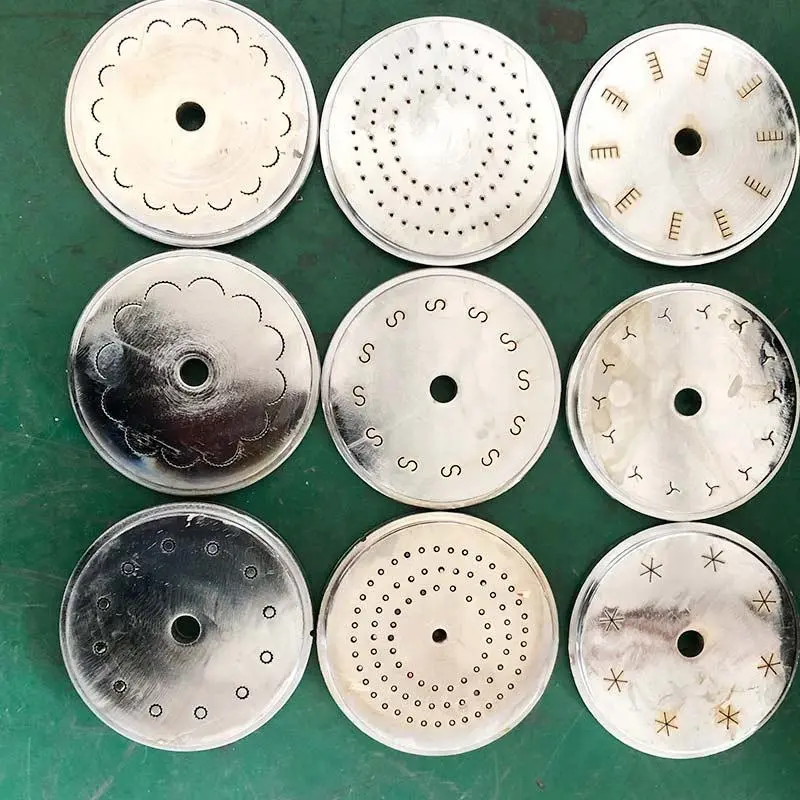
Industrial Spaghetti Manufacture Process Production Line Macaroni Pasta Maker Make Machine for Pasta sldb (GD 80)

- Section : Machinery
- Category : Food & Beverage Machinery
- SKU : 1600690217864

Product Description
 Introduction
The small pasta machine has a simple structure. By changing the mold, it can produce a variety of pasta products to meet the diverse needs of customers.
Application
1. This machine is mainly used to produce all kinds of cooked wheaten food, with high production efficiency and various finished products.
2.This machine is mainly used in food processing plants for food processing.
Features
1. High production efficiency
2. Simple operation
3. Various finished products
Parameter
| Model | Voltage(v) | Power(kw) | Packing size(mm) | Weight(kg) | Spindle speed(r/min) | Yield(kg/h) |
| GD60 | 220 | 2.2-2.5 | 80*50*65 | 90 | 100 | 15-30 |
| GD80 | 380 | 3 | 90*56*78 | 120 | 100 | 30-60 |
| GD100 | 380 | 4 | 90*56*78 | 150 | 100 | 60-90 |
| GD130 | 380 | 11 | 110*75*120 | 350 | 80-90 | 150 |
Product Detail


- Shipping Timeframes: All orders are processed within 2-5 business days (excluding weekends and holidays). After your order has been processed, the estimated delivery time is before 22 Jun, 2026, depending on customs, Please note that due to high demand, some items may experience longer shipping times, which will be communicated at order confirmation email.
- Order Processing Time: Please allow 2-5 business days for us to process your order before it is shipped . Orders placed after 16:00 on Fridays, or during weekends and public holidays, will begin processing on the next business day. Processing times may be extended during peak seasons or sales events.
- Manufacturing Time: Some products needs manufacturing time, the manufacturing process will take approximately 10-30 business days depending on the product. This timeframe may vary depending on the complexity of the product and current demand. but this will be communicated with you during order confirmation.
- Returns and Exchanges: We offer a 30-day return policy for most items. If you are not completely satisfied with your purchase, you may return it within 30 days of receipt for a refund or exchange. Items must be unused, in their original packaging, and accompanied by proof of purchase. Return shipping costs are the responsibility of the customer, unless the item was damaged or defective upon arrival.
1. What kinds of pasta and products can this machine produce?
By changing the mold (die) the machine can produce a wide variety of pasta and cooked wheaten foods, including spaghetti, macaroni, vermicelli, tube shapes and other custom shapes required by customers.
2. Which models are available and how do they differ?
Available models listed are GD60, GD80, GD100 and GD130. They differ mainly in power, size, weight and output capacity — smaller models are for low-to-medium output and larger models for higher production. Contact the supplier for the full specification sheet for each model.
3. What is the production capacity (yield) of the machines?
Production depends on model and die used. Typical yields range approximately from about 15 kg/h on the smallest model up to around 150 kg/h on the largest. Exact yields depend on product type, recipe and die.
4. What are the electrical requirements?
The small model (GD60) is typically available for single-phase 220 V, while larger models (GD80, GD100, GD130) are designed for three-phase 380 V. Power consumption varies by model (roughly from a few kW up to around 11 kW). Confirm exact voltage and power with the seller before ordering.
5. How do I change molds to make different pasta shapes?
Molds (dies) are removable and replaceable. Changing shape involves stopping the machine, removing the current die assembly and installing the required die. The process is straightforward but follow the operation manual or supplier training to ensure correct alignment and sealing.
6. What raw materials can be used with this machine?
The machine is designed for wheat-based dough and common cooked wheaten food recipes. Typical inputs are wheat flour and water; formulations with eggs, semolina or additives may be used depending on desired product. For non-wheat materials, consult the manufacturer.
7. How easy is the machine to operate and how many operators are needed?
The machine is designed for simple operation and typically requires one trained operator for normal production. The manufacturer usually provides an operation manual and can offer training.
8. What are the cleaning and maintenance requirements?
Clean all food-contact parts (dies, hopper, extruder surfaces) regularly to maintain hygiene. Do not expose electrical components to water. Lubricate bearings and moving parts per the manual schedule. Keep spare wear parts (seals, cutters, dies) on hand for quick replacement.
9. Can you customize dies or the machine for special pasta shapes or capacities?
Yes — dies can be custom-made to produce special shapes, and many suppliers offer customization of machine configuration and control options to meet different capacity or product requirements. Discuss your needs with the supplier.
10. Are spare parts and replacement dies available?
Spare parts and replacement dies are normally available from the manufacturer or distributor. Ask about lead times and recommended spare parts kit when ordering.
11. What installation, space and foundation requirements are needed?
The machine should be installed on a level, solid floor with adequate working space for feeding, cleaning and maintenance. Ensure appropriate power supply (voltage, phase) and safe routing for electrical connections. For larger models, check whether a reinforced foundation or anchoring is recommended by the supplier.
12. Does the machine meet food safety and hygiene standards?
Contact the manufacturer for certificates and material specifications. Food-contact parts are typically made of food-grade stainless steel. The supplier should be able to provide materials declaration and any relevant certifications on request.
13. What packaging, shipping dimensions and weights should I expect?
Packing size and weight vary by model. Each model is crated for export; exact packing dimensions and gross weight are provided in the specification sheet. Request the packing list from the supplier for shipping quotations.
14. What after-sales support, warranty and training are provided?
After-sales services vary by seller. Many suppliers offer a warranty period, technical support, installation guidance and operator training. Confirm warranty length, what it covers, and available on-site service or remote support before purchase.
15. Can I get a sample produced or visit the factory before buying?
Most reputable suppliers can provide sample production (produce sample pasta using your recipe) or videos of the machine running. Factory visits are often possible by appointment. Request samples, running videos or arrange a visit to evaluate performance.
Latest Order Arrivals
Discover our latest orders
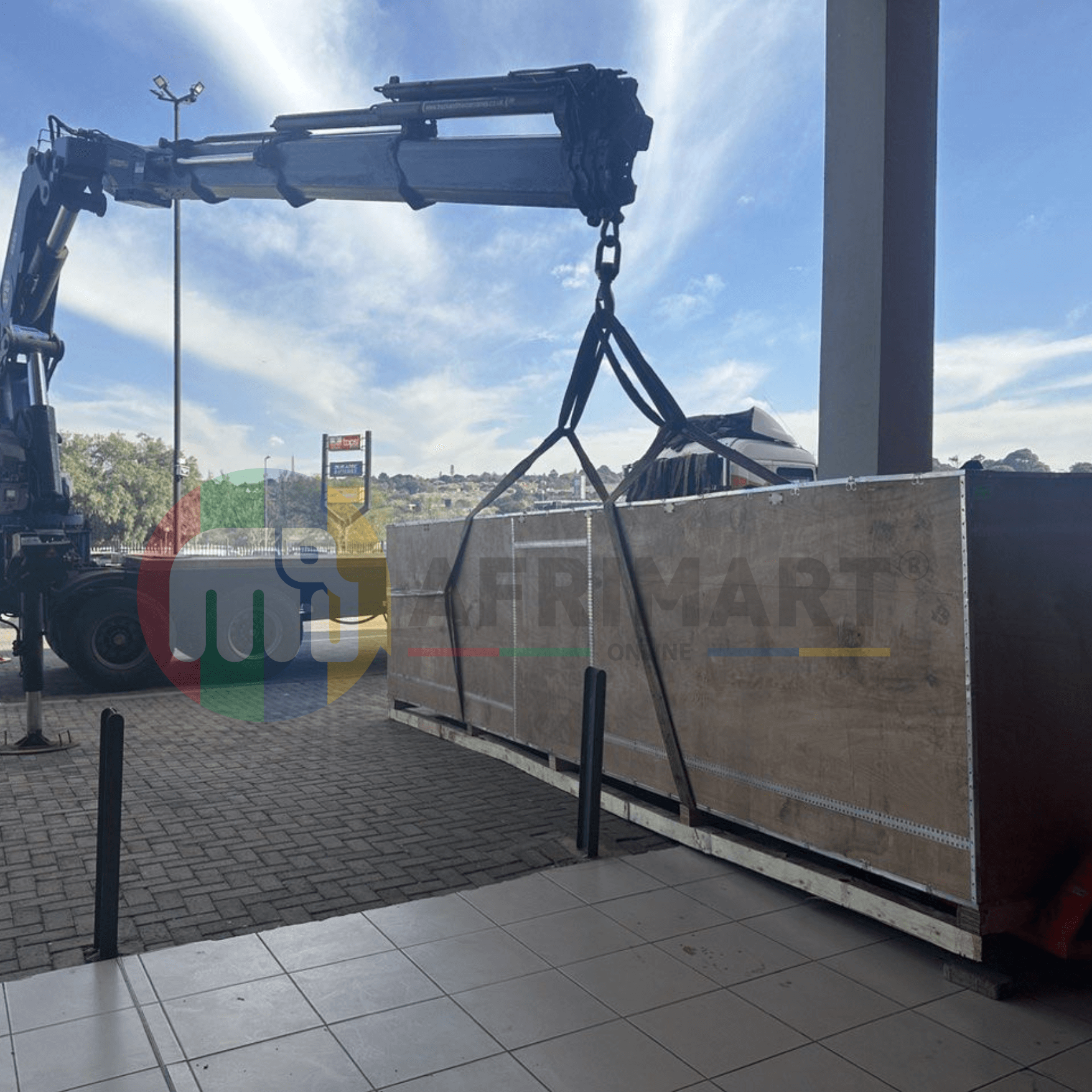
12 Heads Embroidery Machine
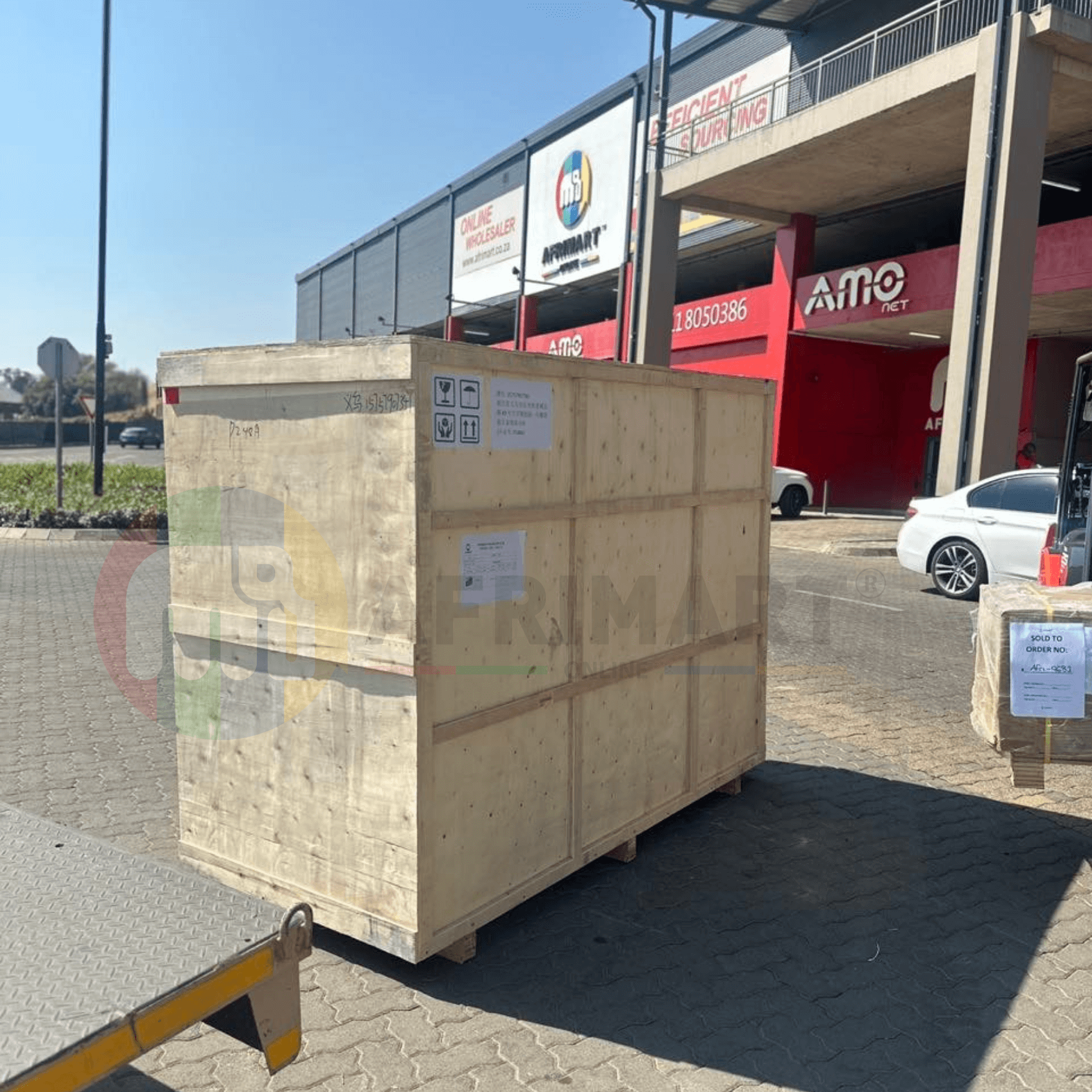
Dewatering Pump Machine
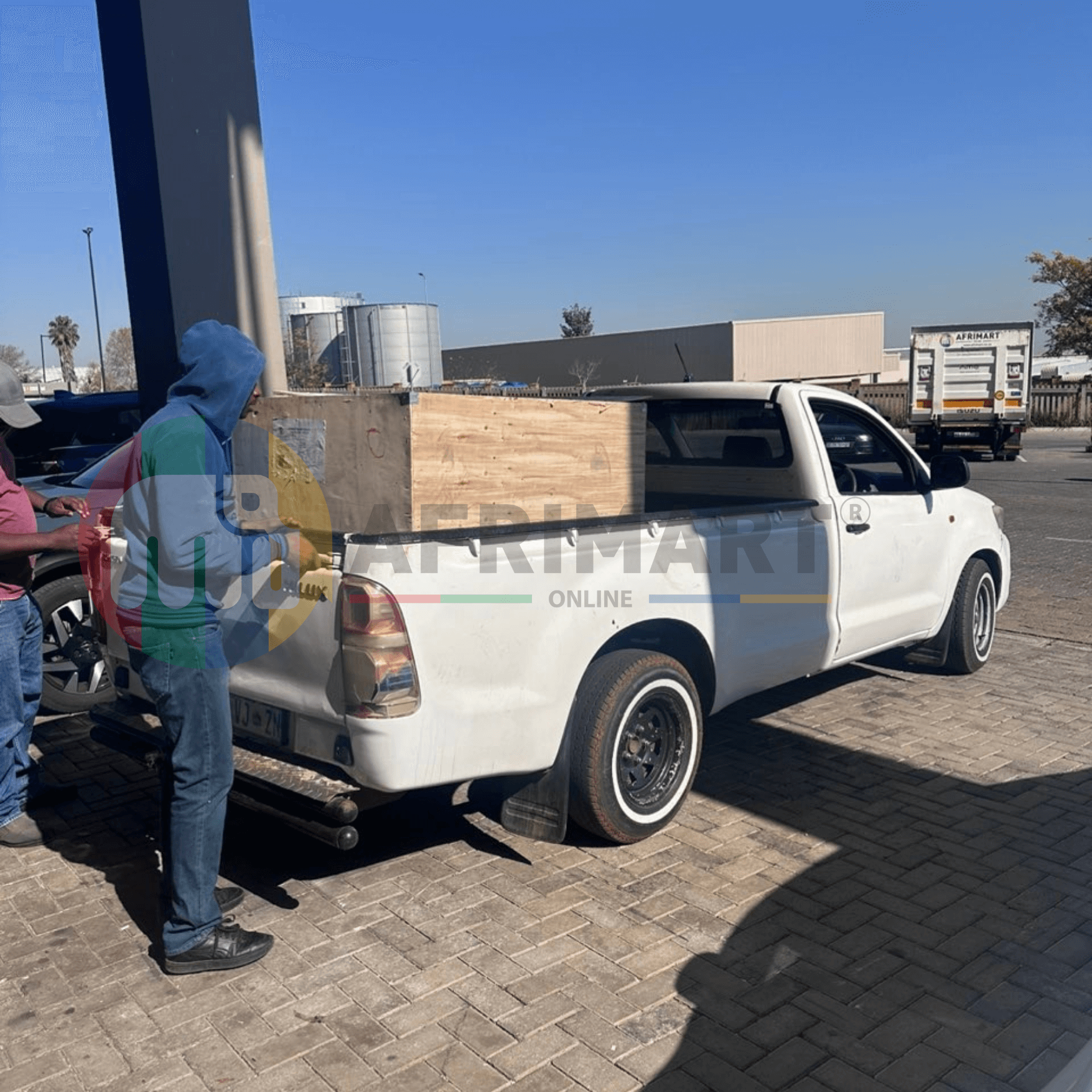
Order Collection
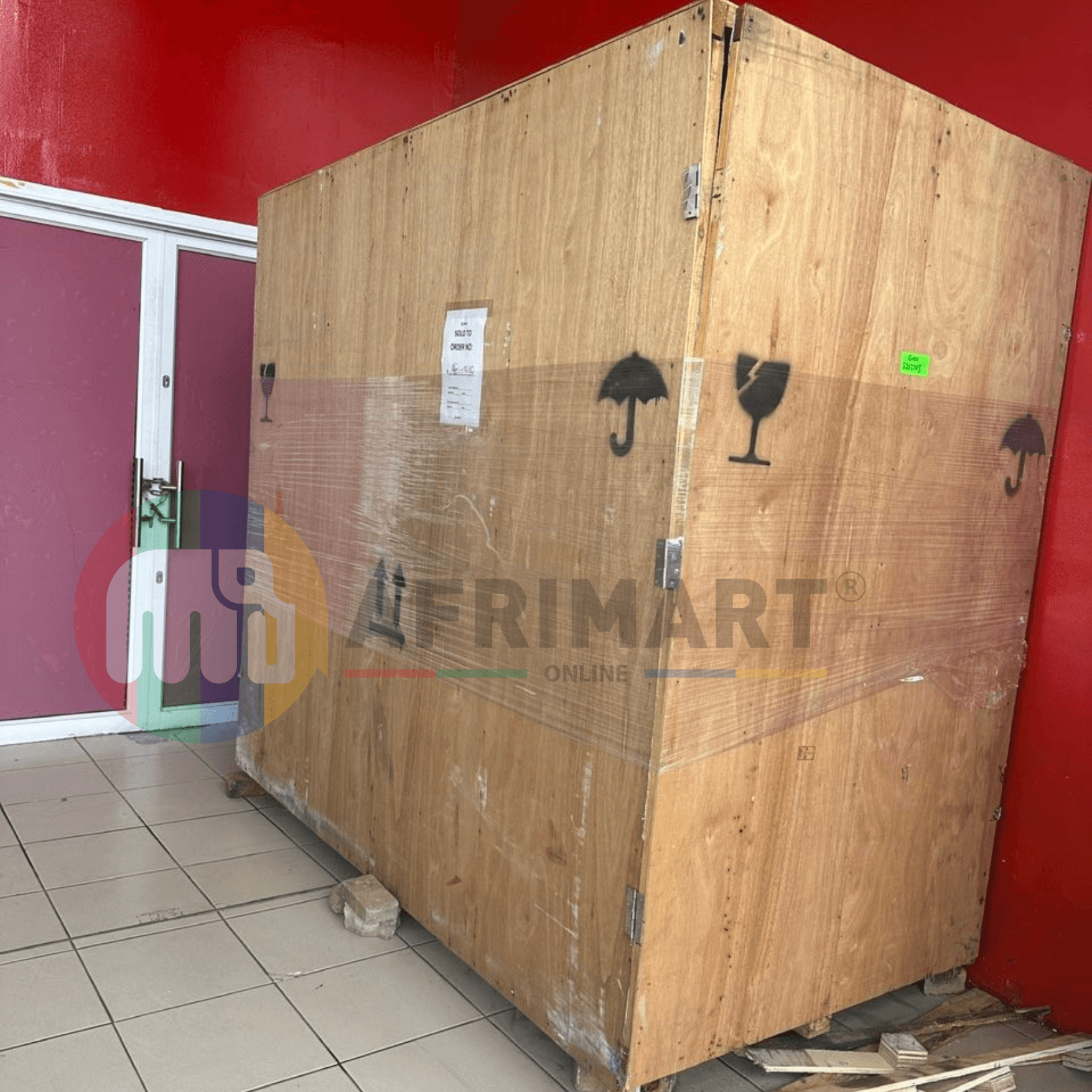
Portable Water Drilling Rig
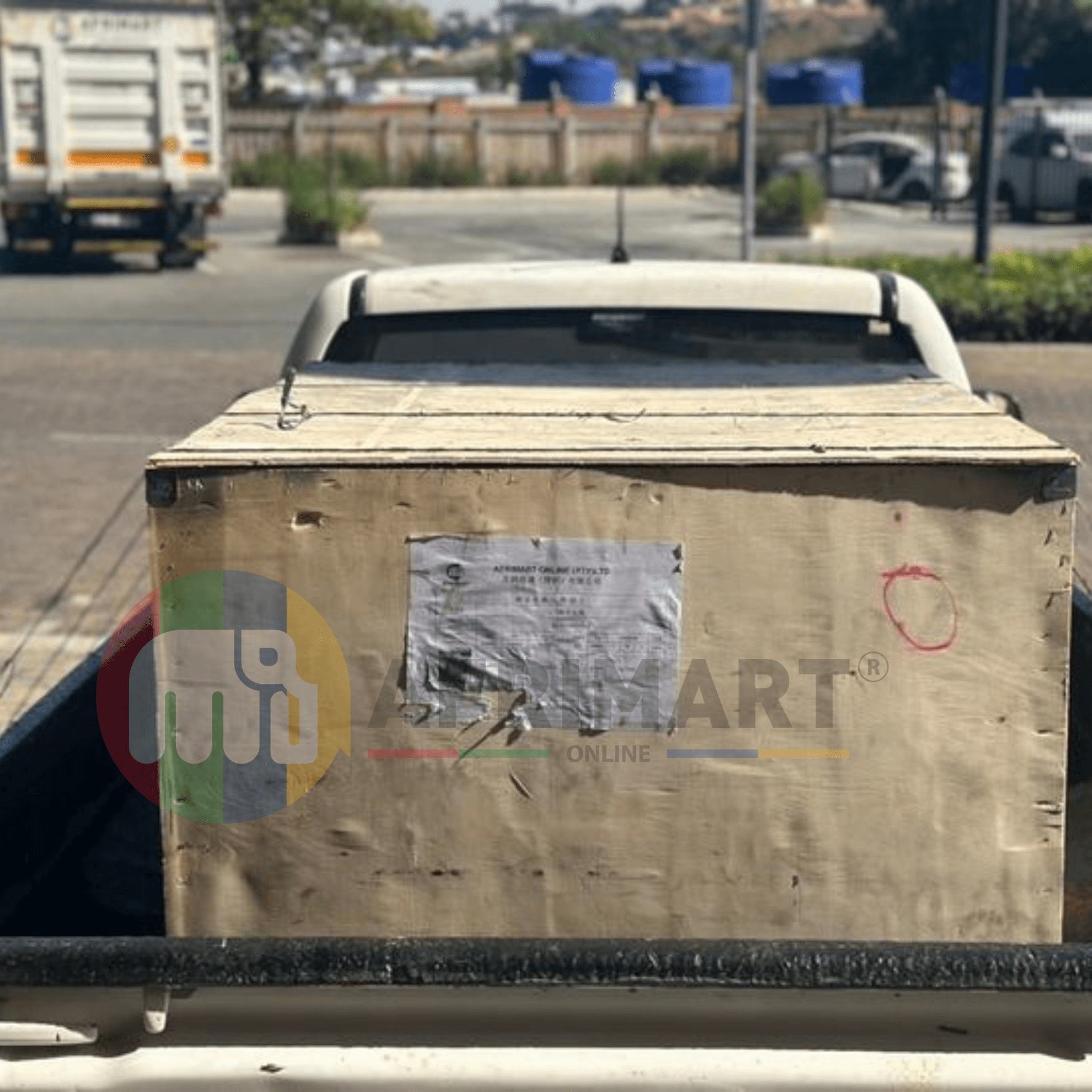
Order Usefully Collected
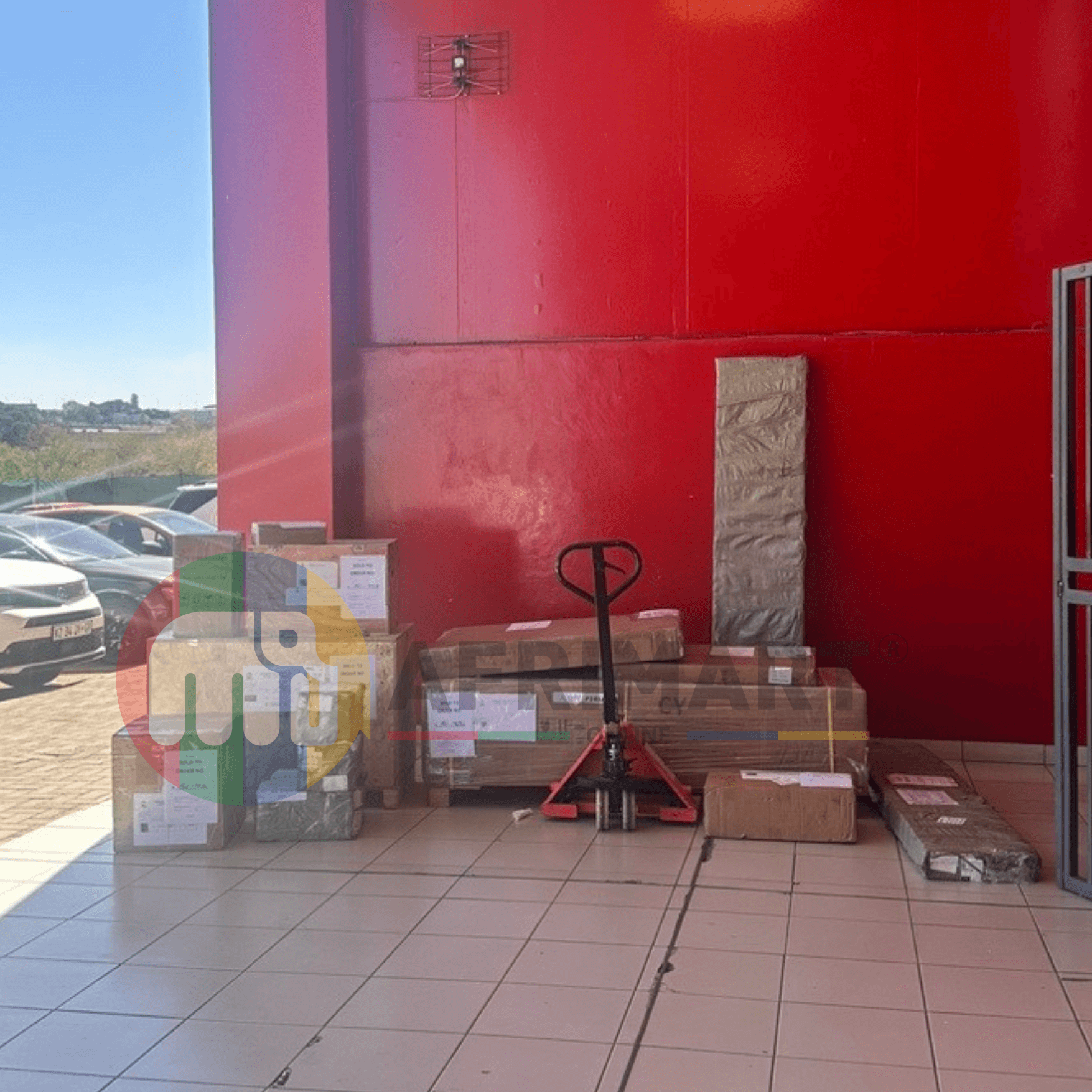
Batch of Orders
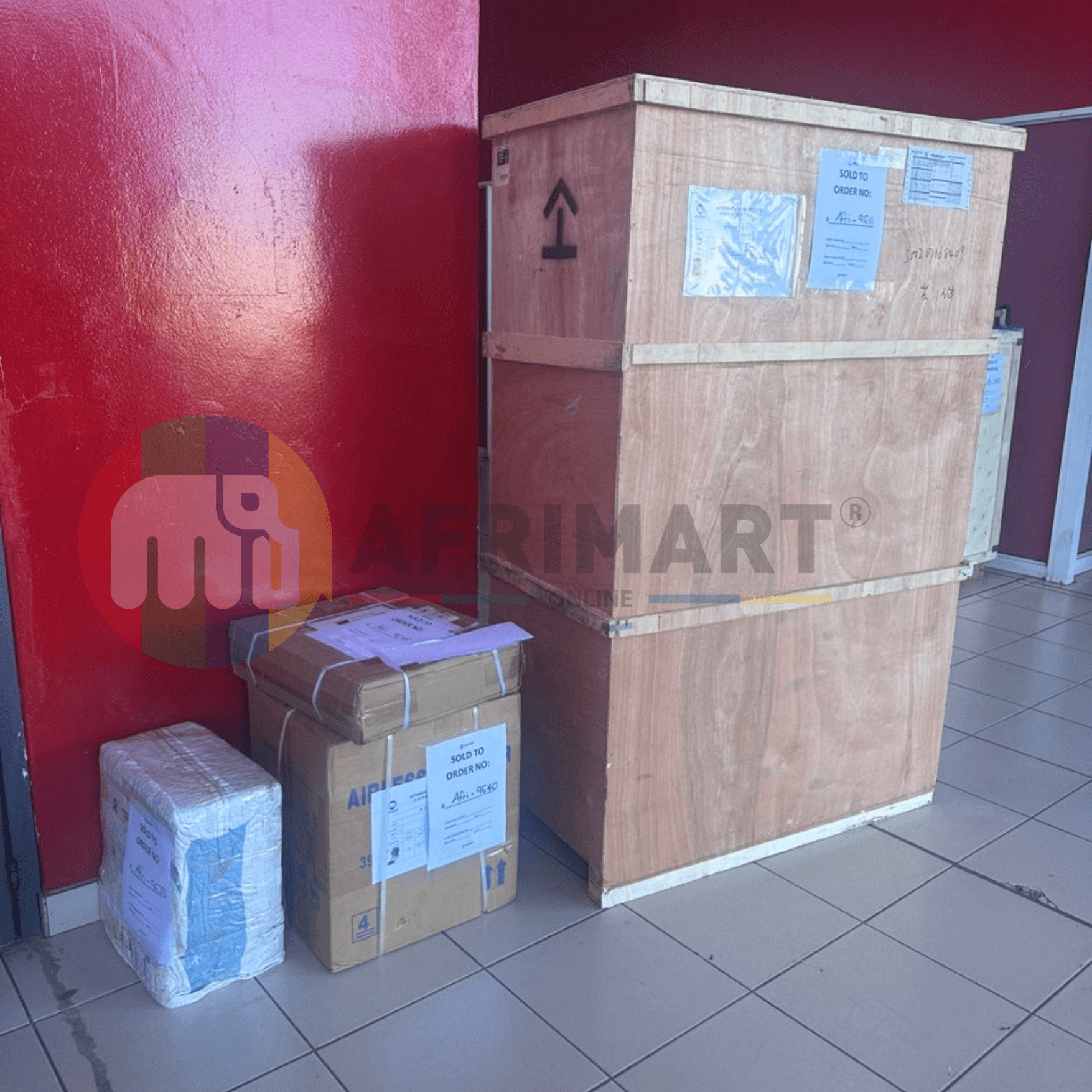
Agriculture Processing Machines
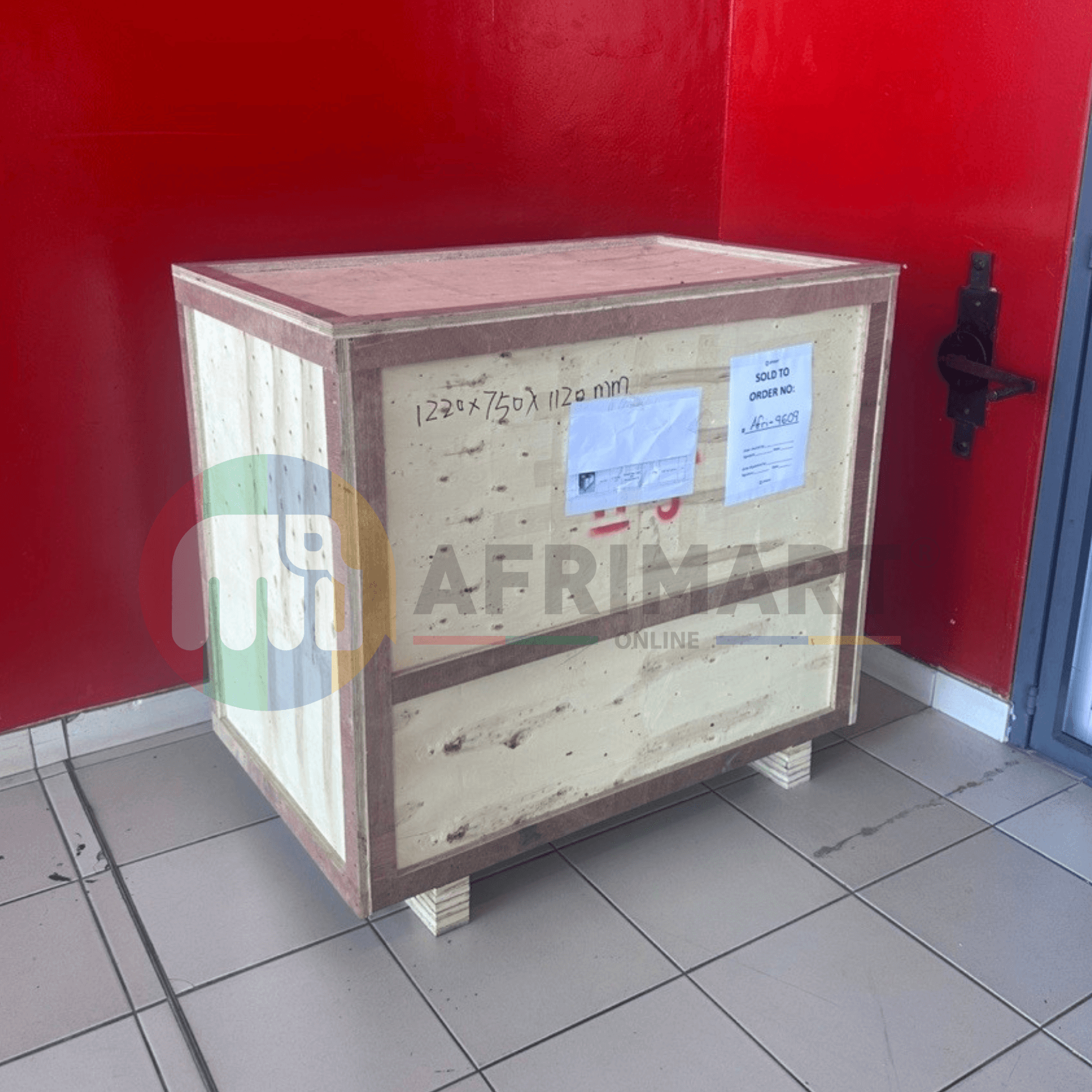
Meat Grinder Machine
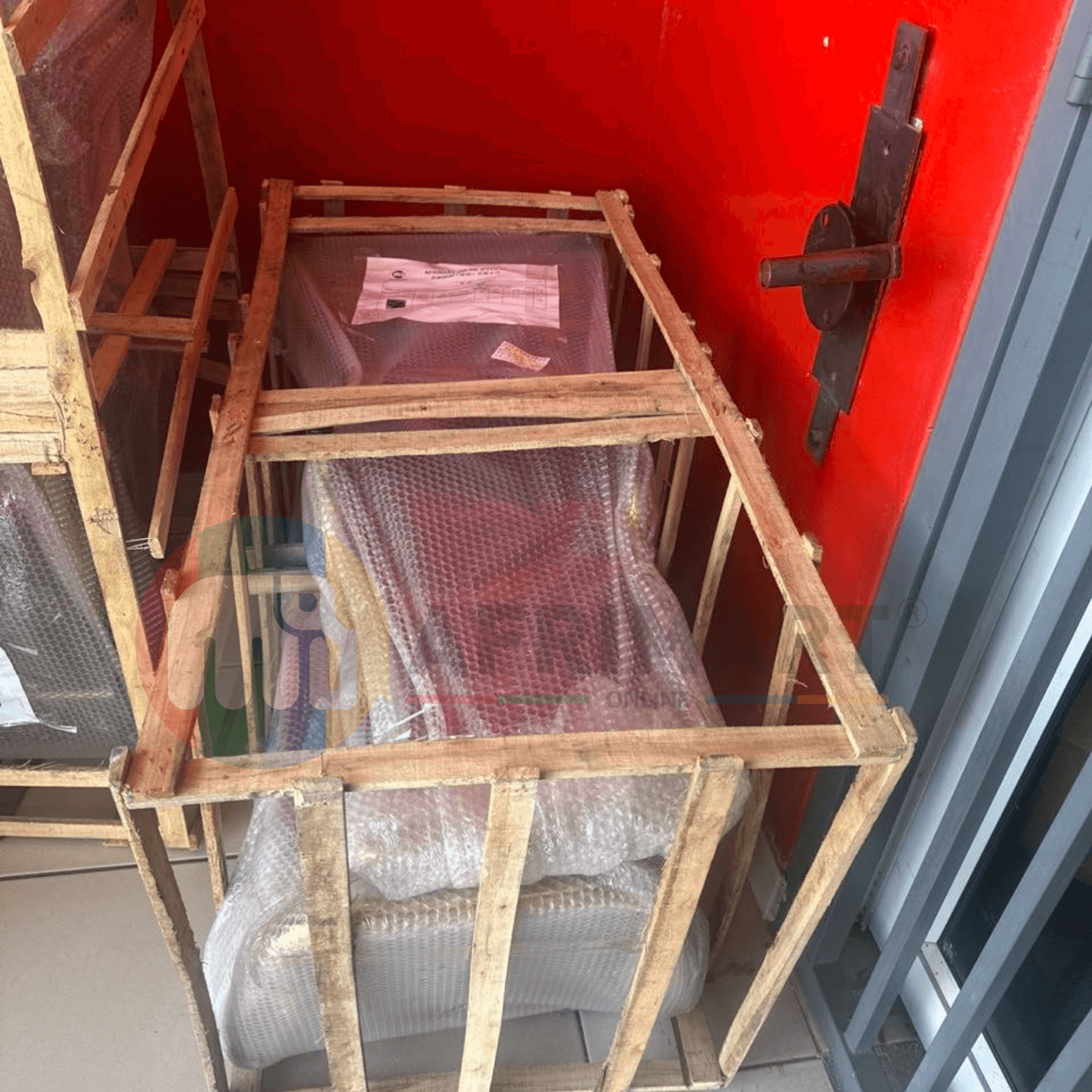
Water Pump Equipment
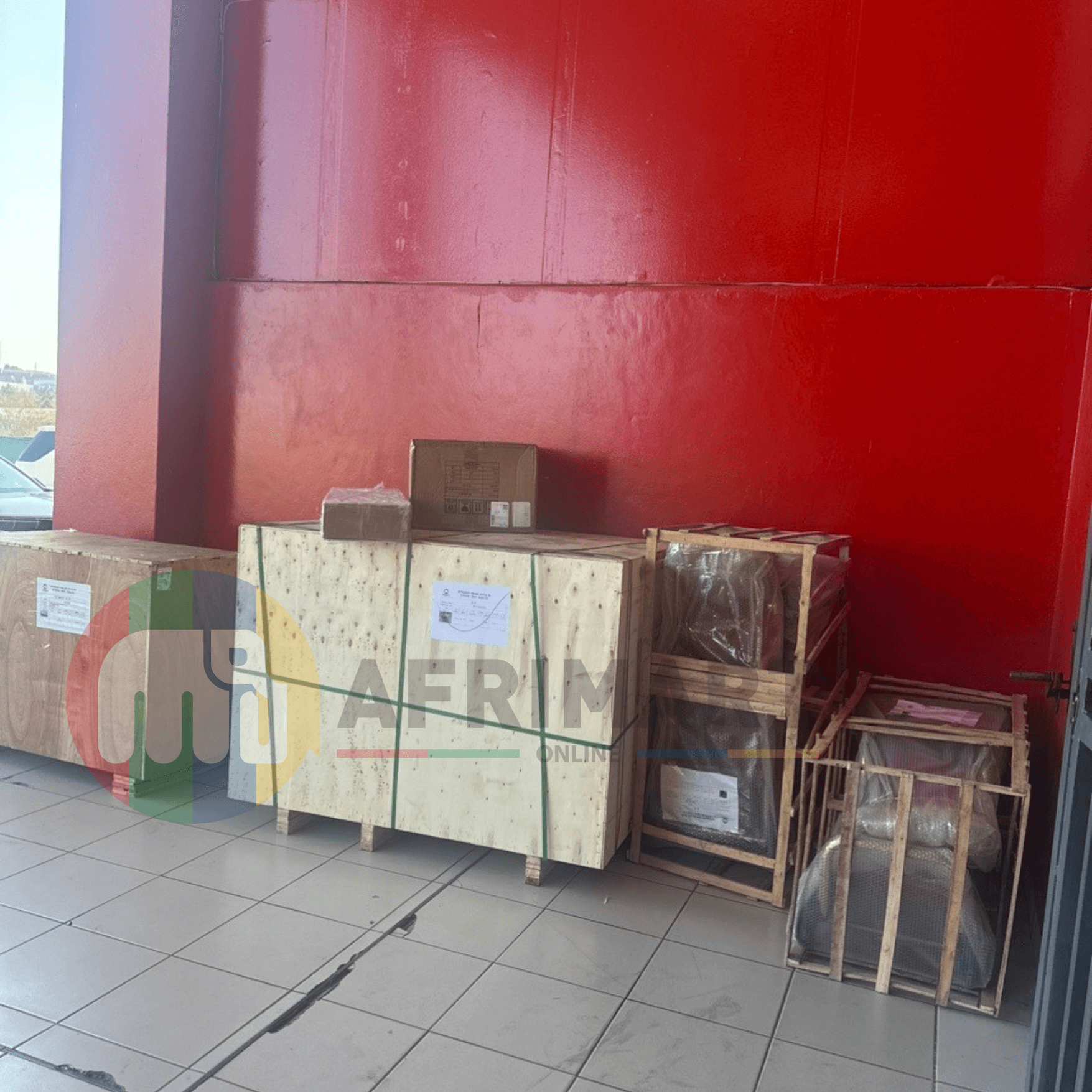
Packaging Machine and accessories
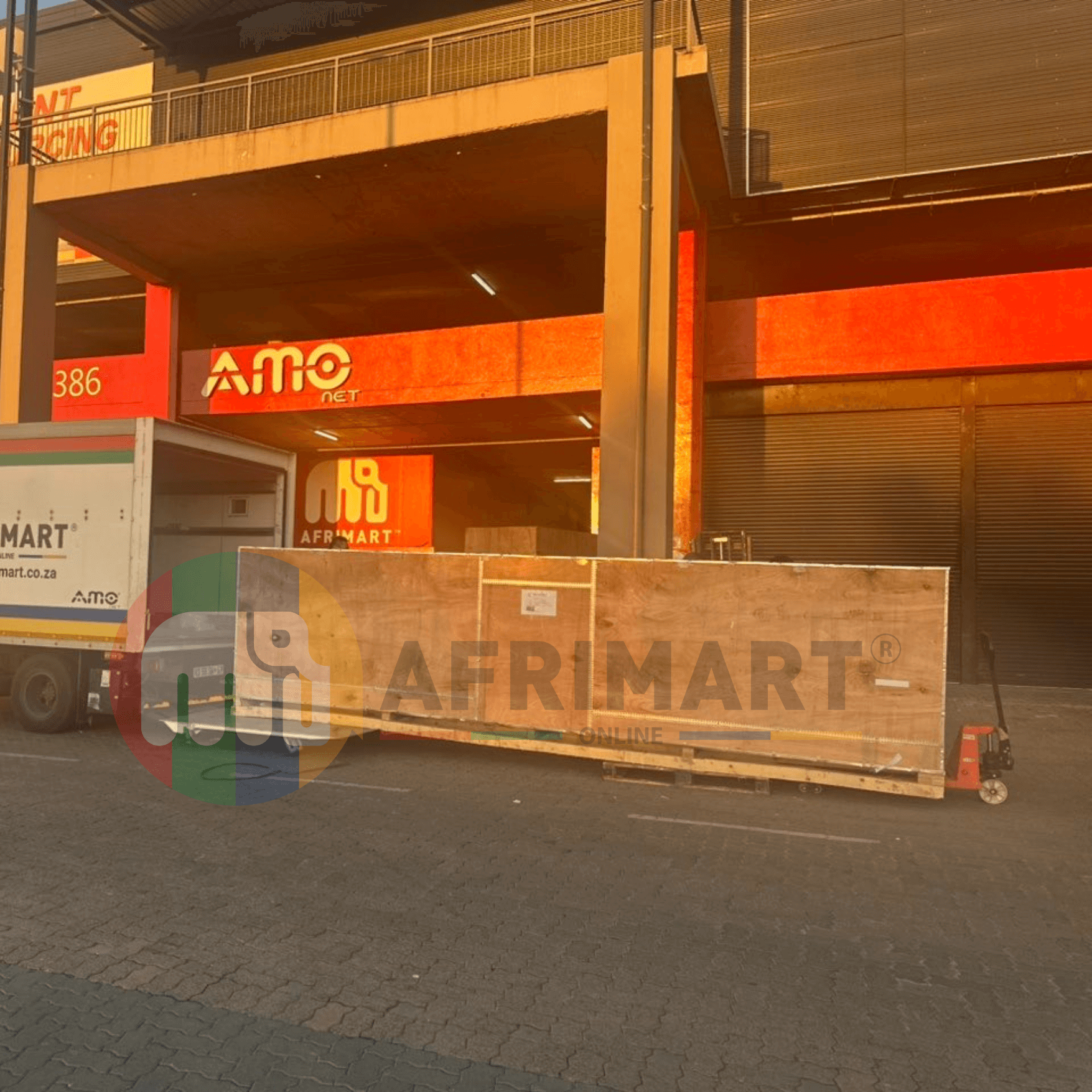
Fabrics Manufacturing Equipment
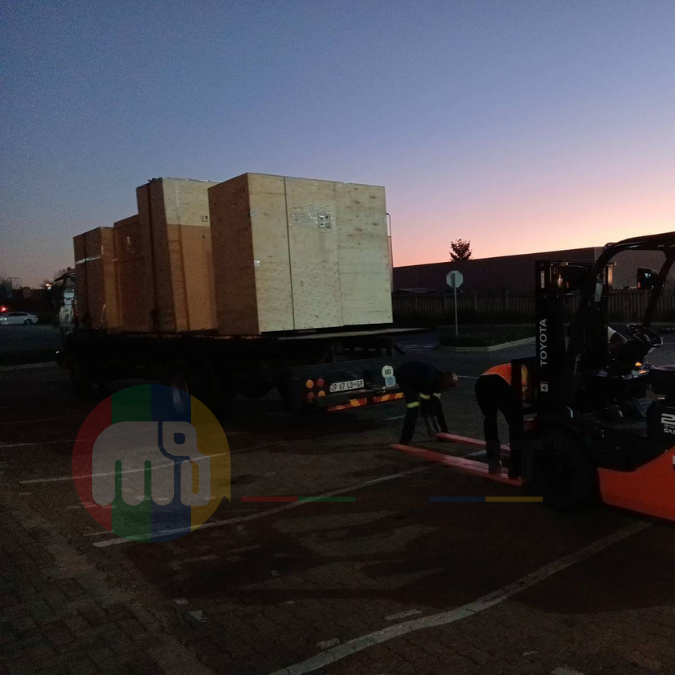
Mining Equipments
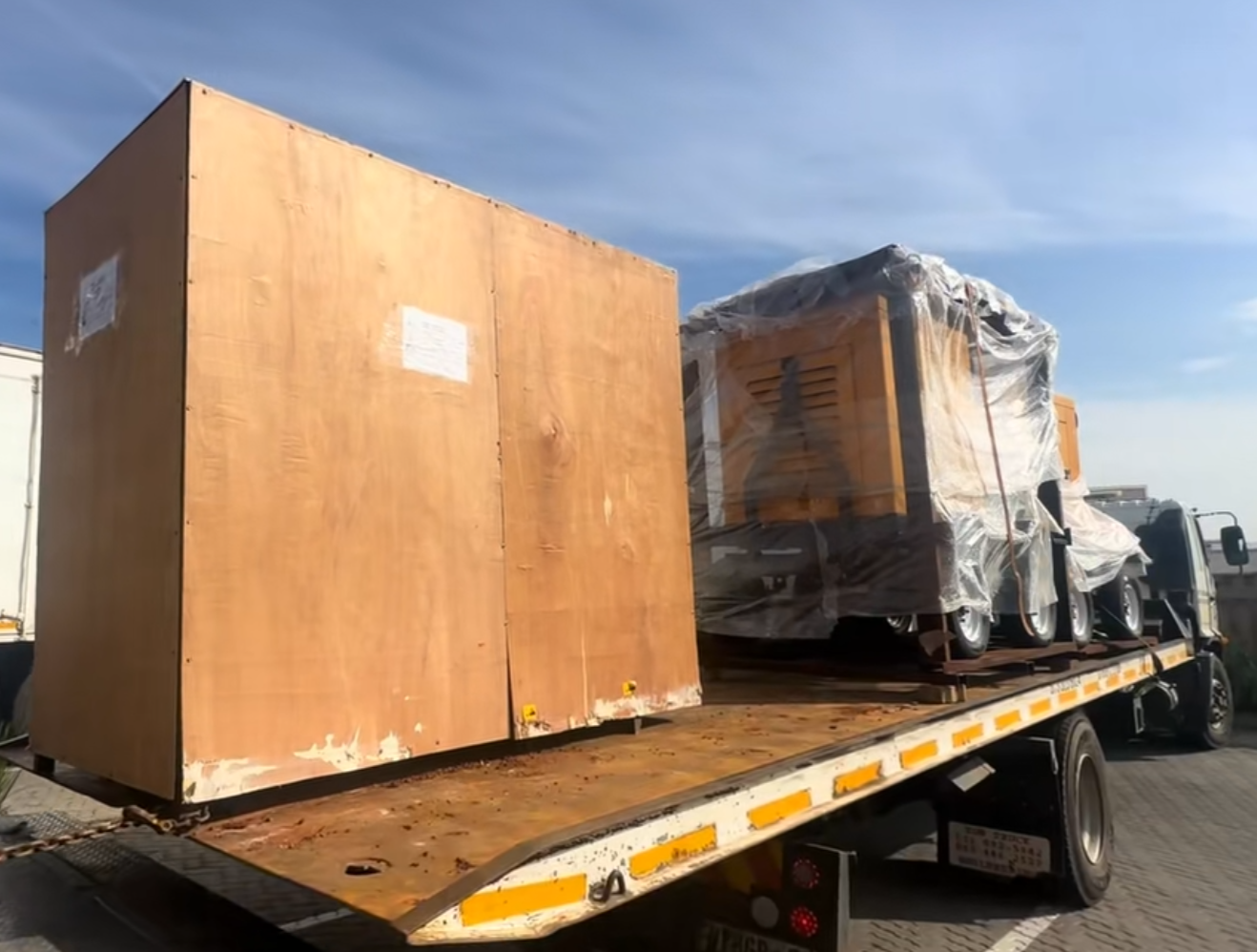
Food Processing Machine
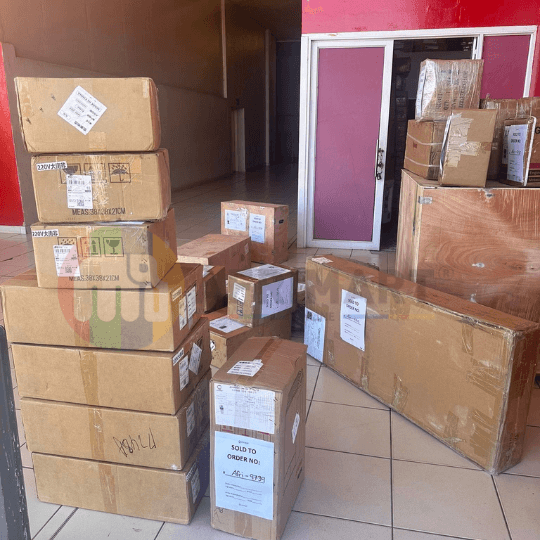
Batch of Orders
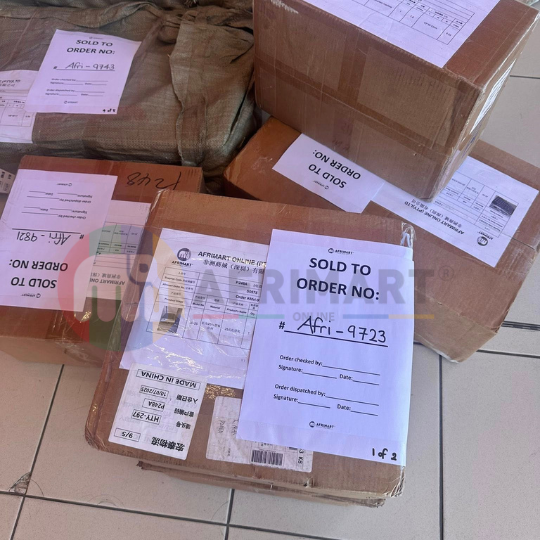
Batch of Orders
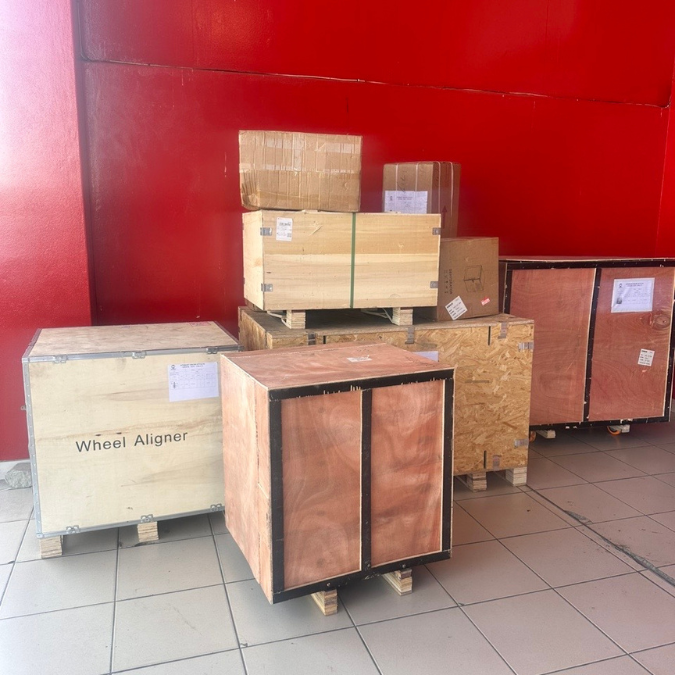
Latest Orders Labelled
wheel alignment machines
new arrivals
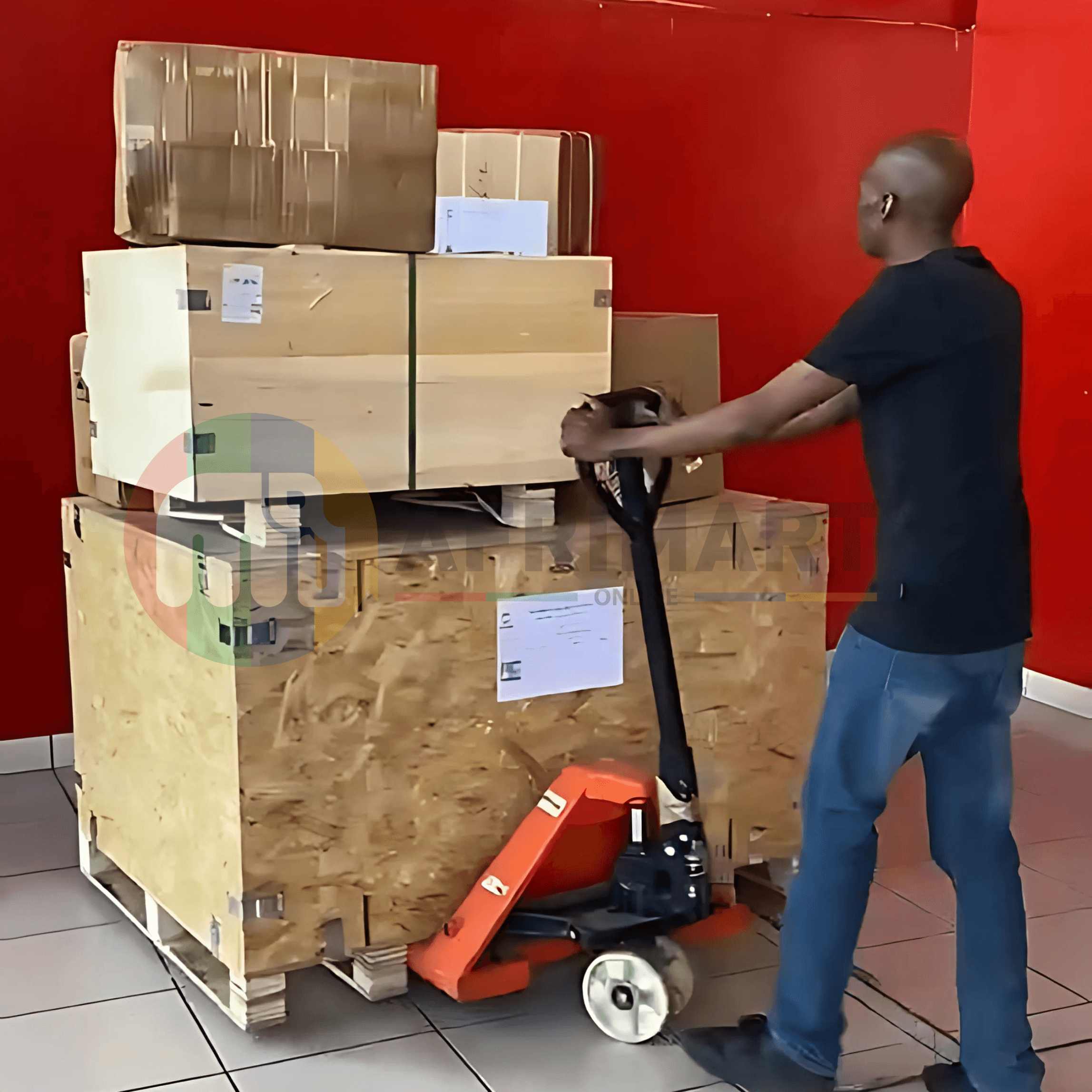
Pre Orders Offloading
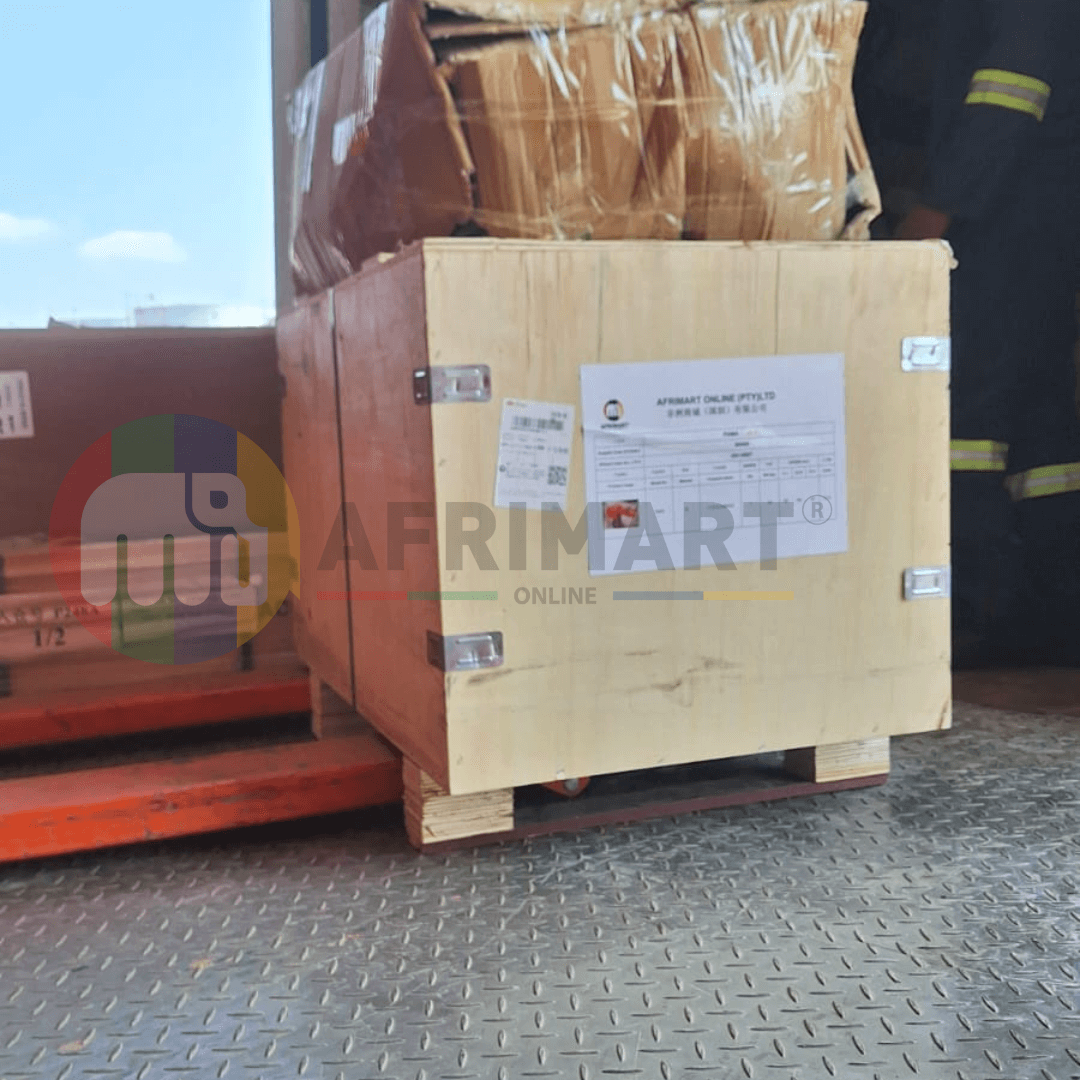
Latest Arrivals
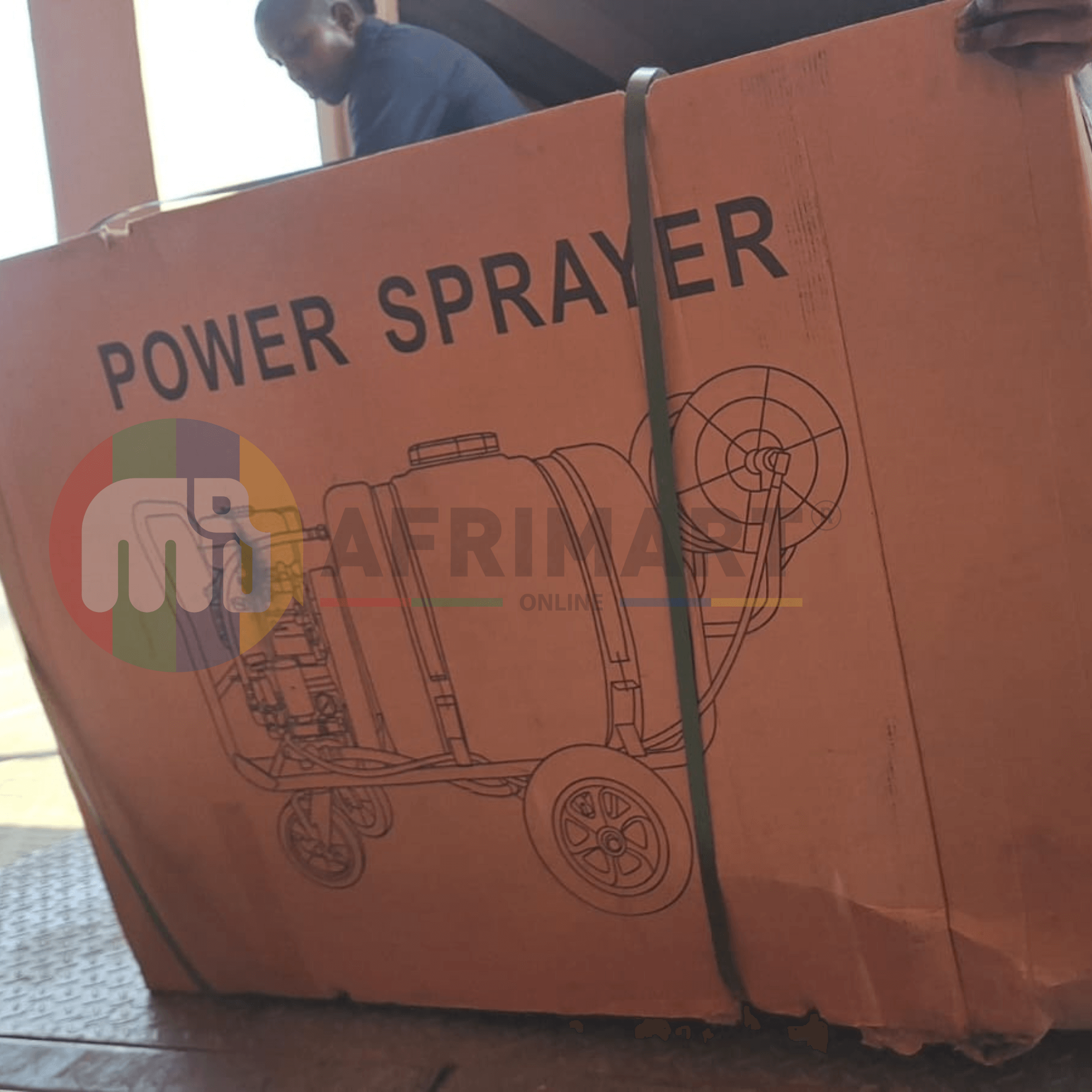
Latest Arrivals
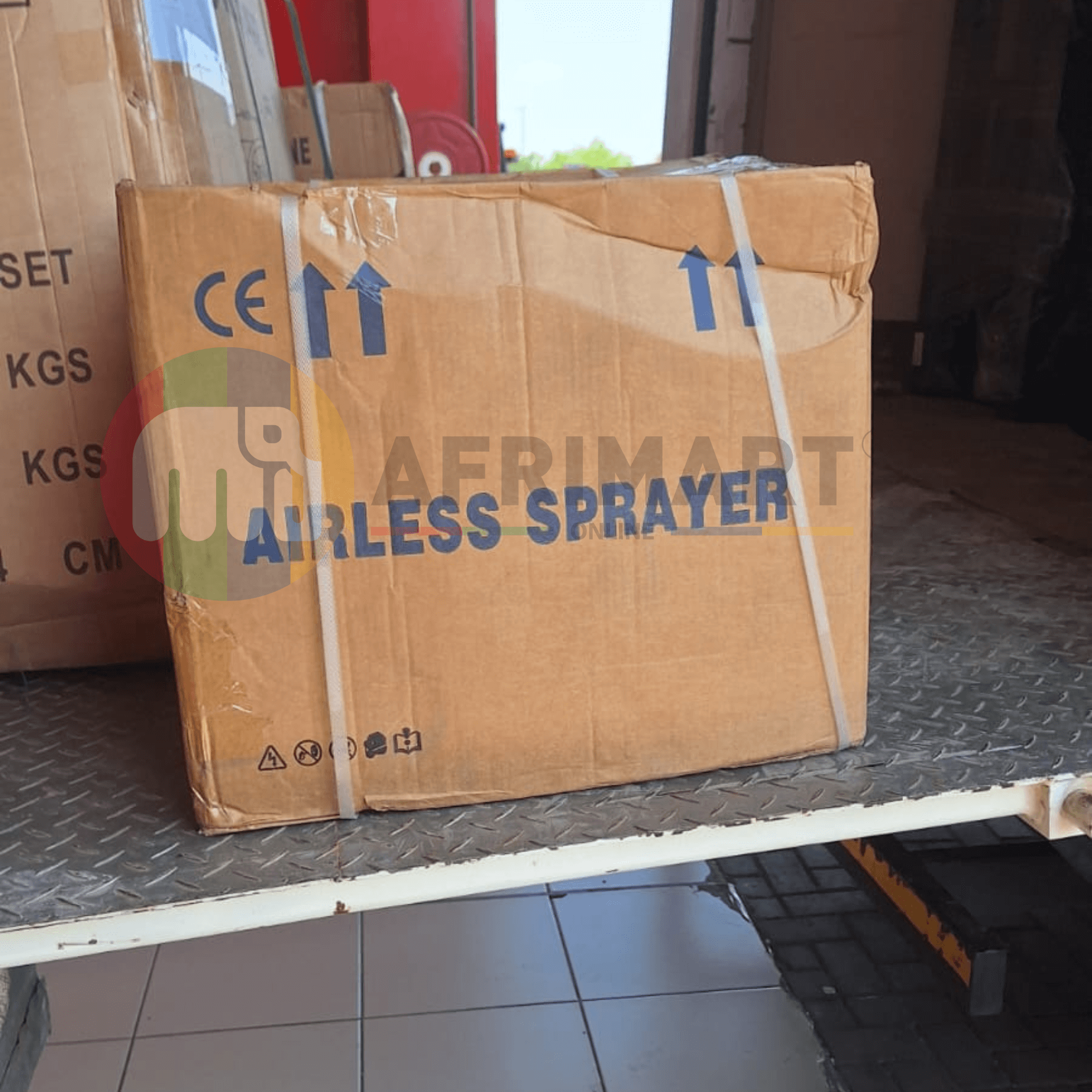
Latest Arrivals
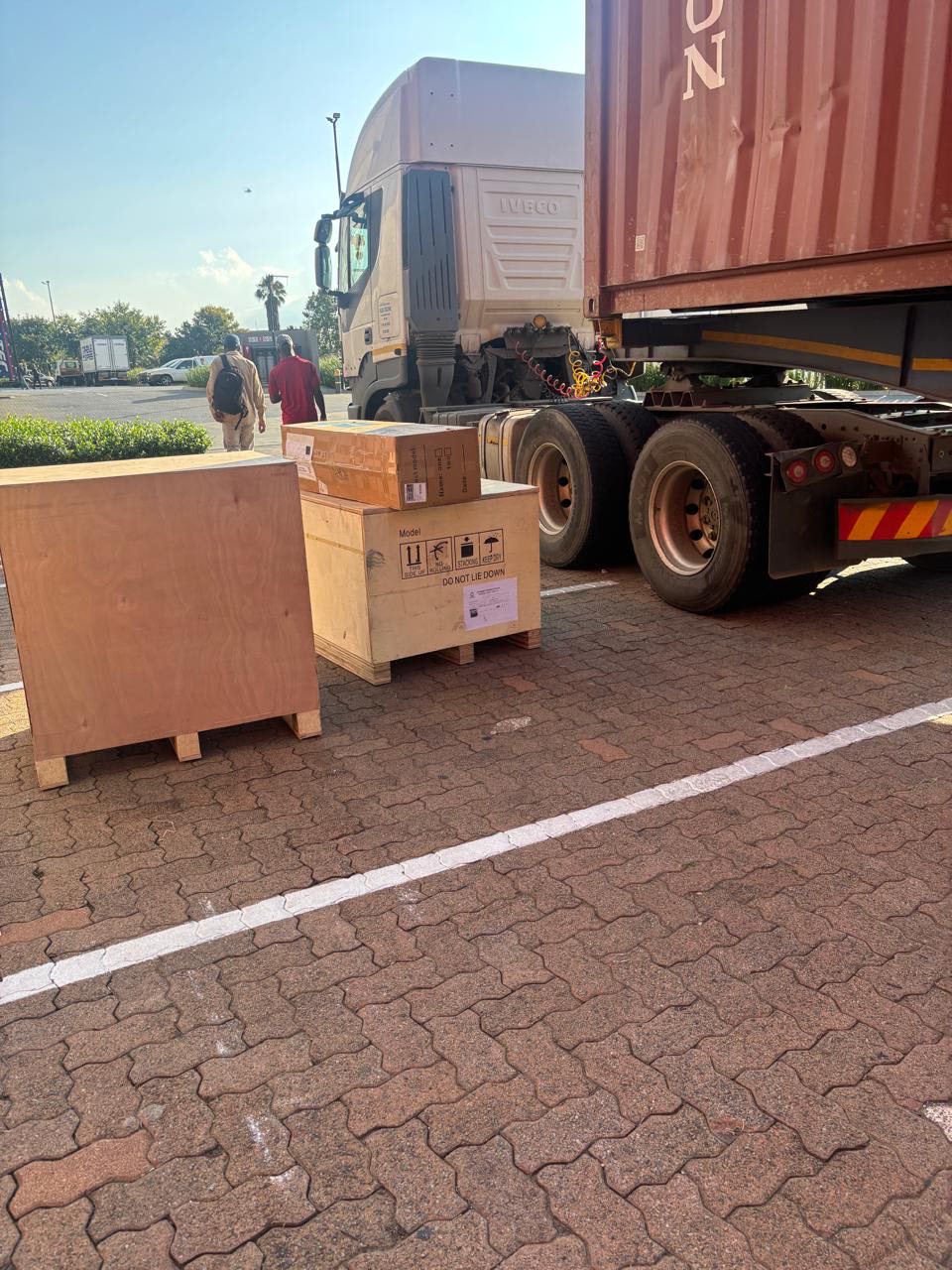
26 January 2026
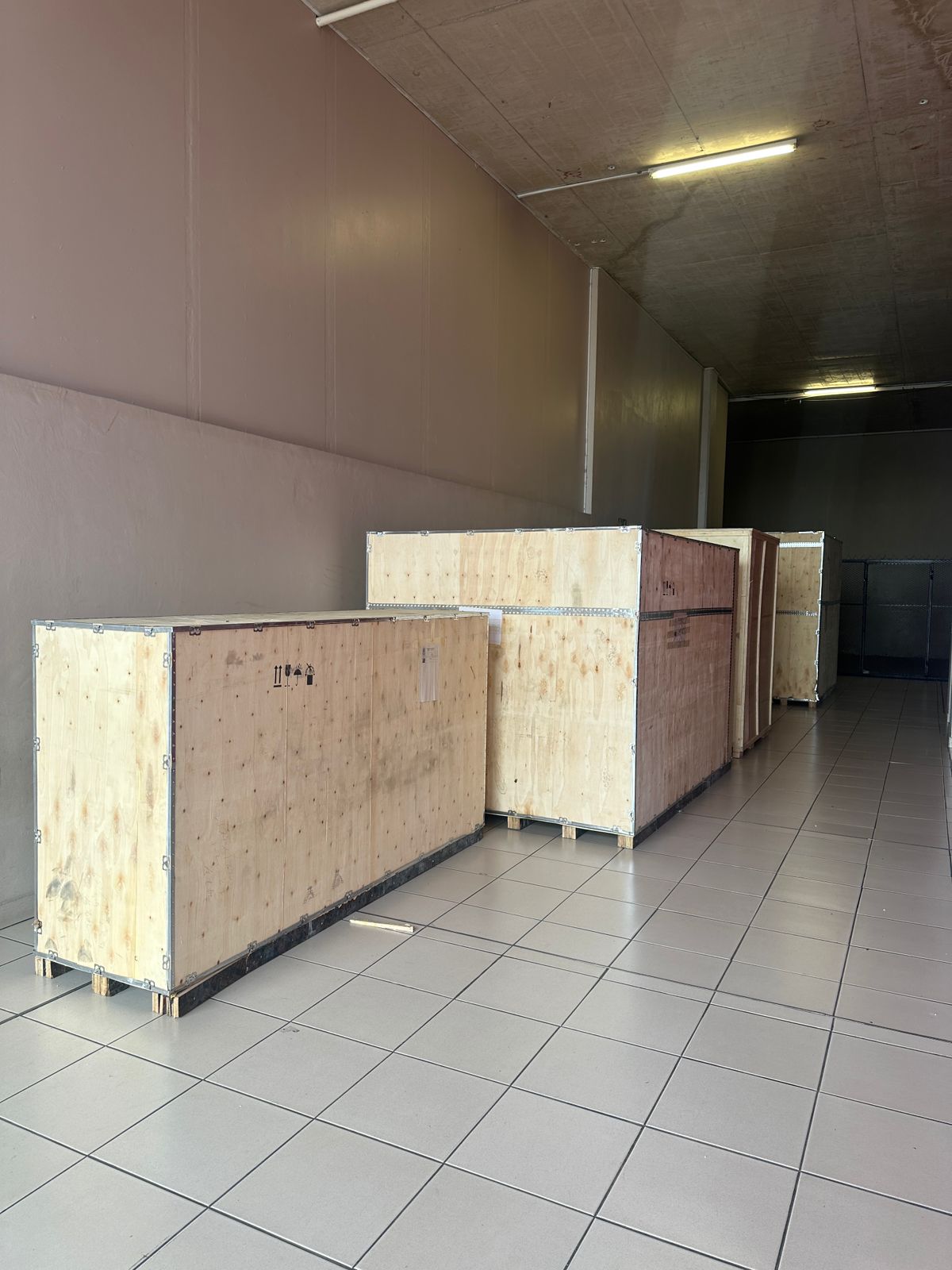
Toilet paper making machine
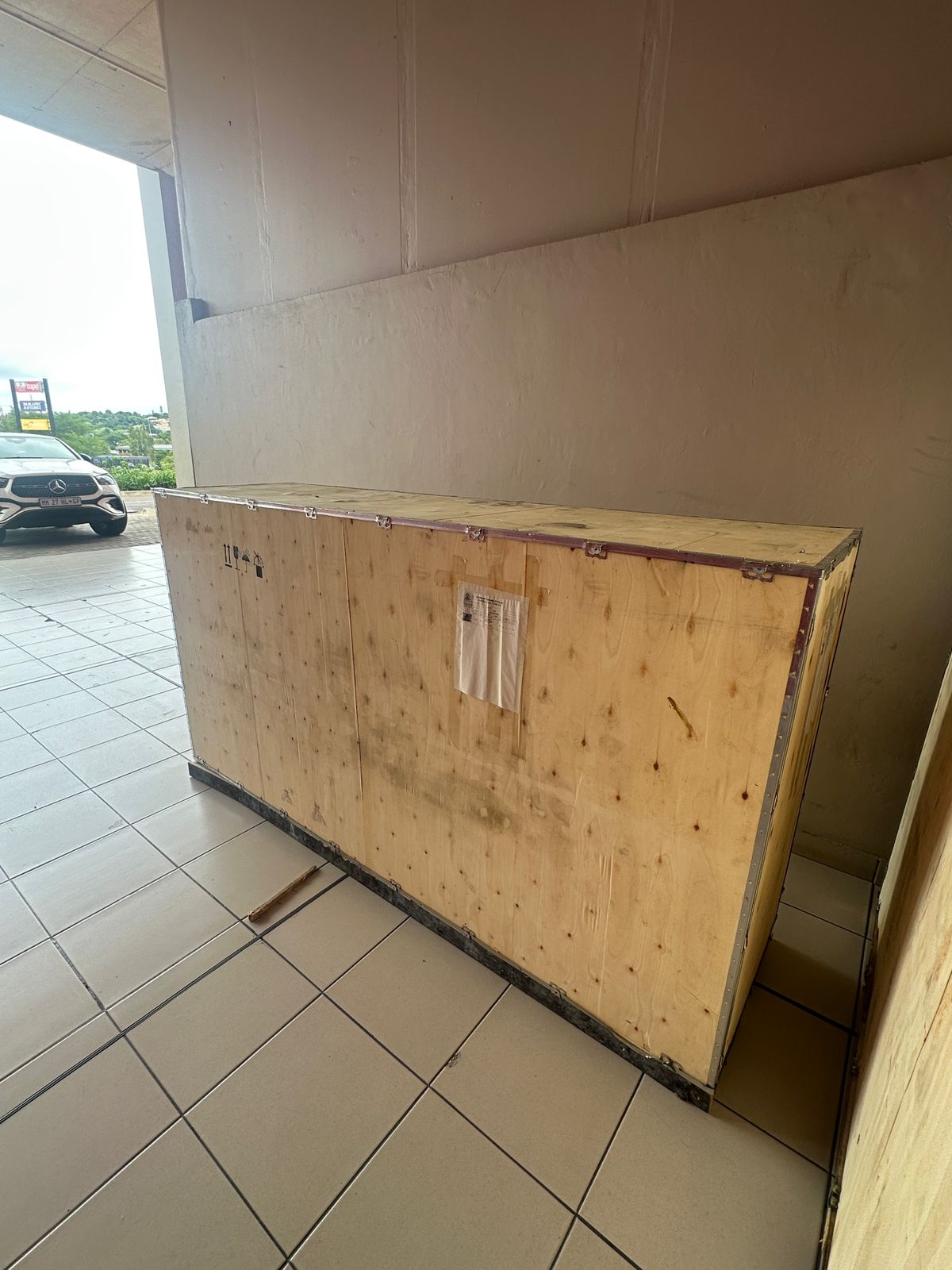
Toilet paper making machine
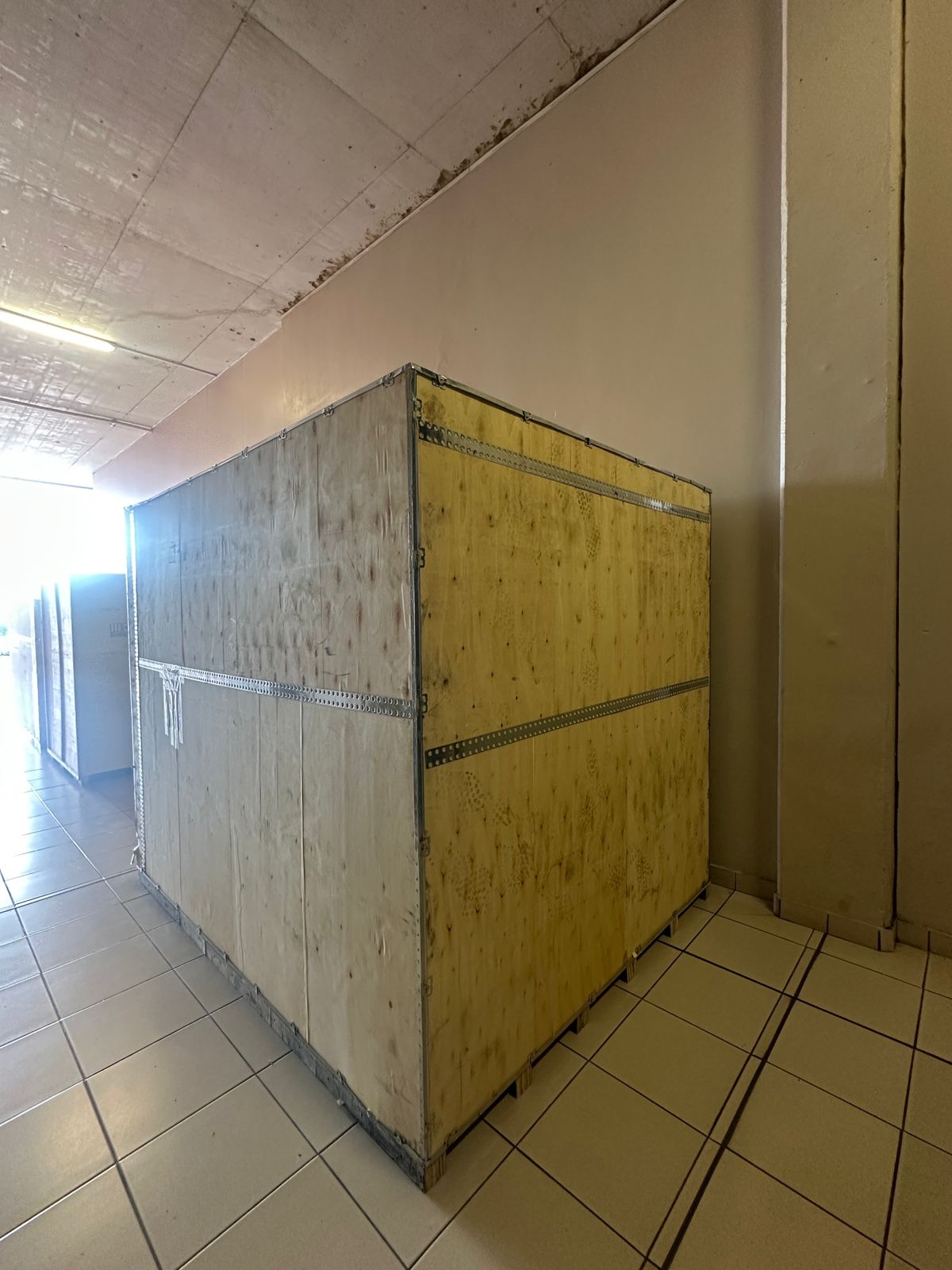
Toilet paper Rewinding Machine
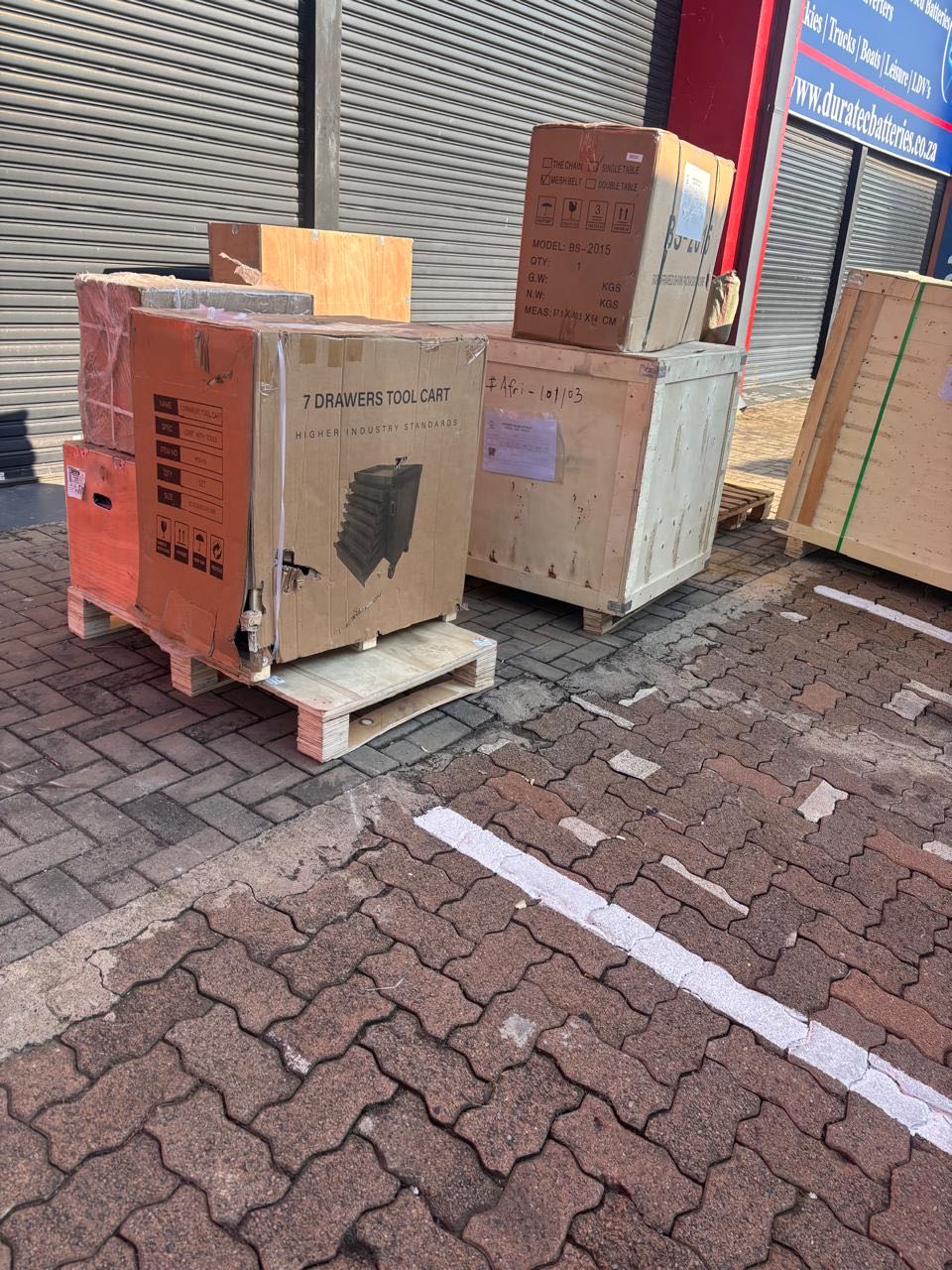
latest arrivals
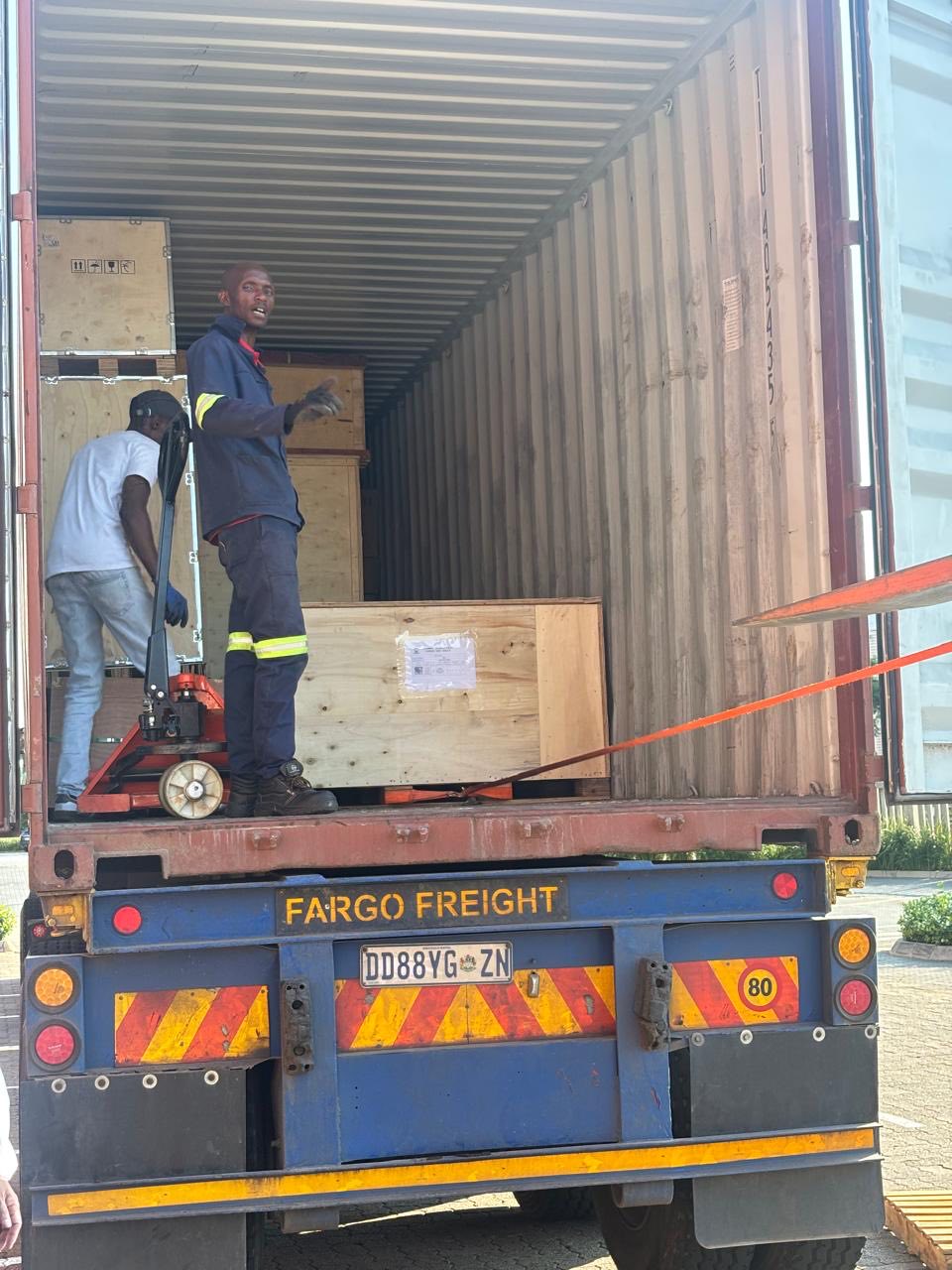
offloading
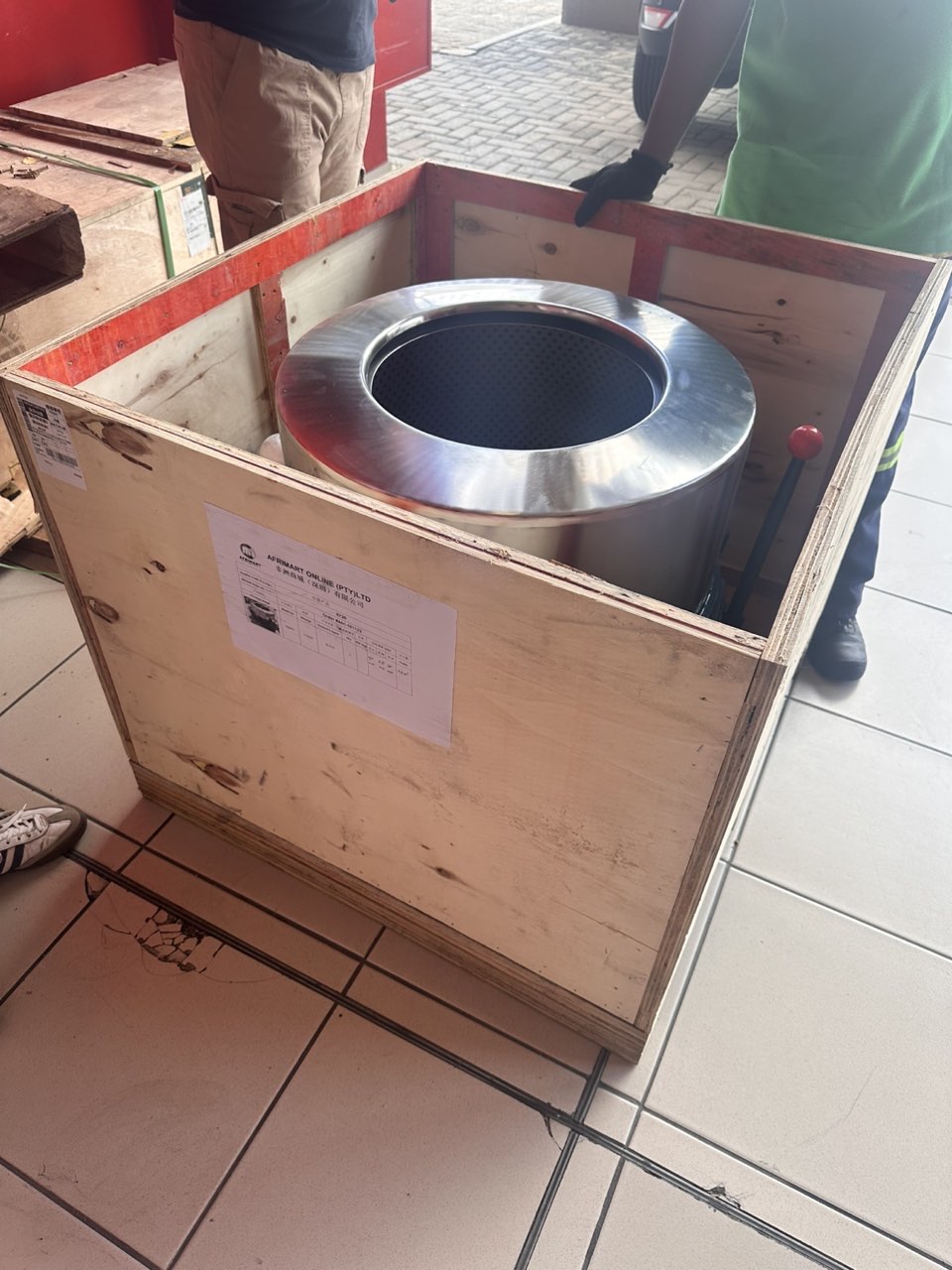
order success
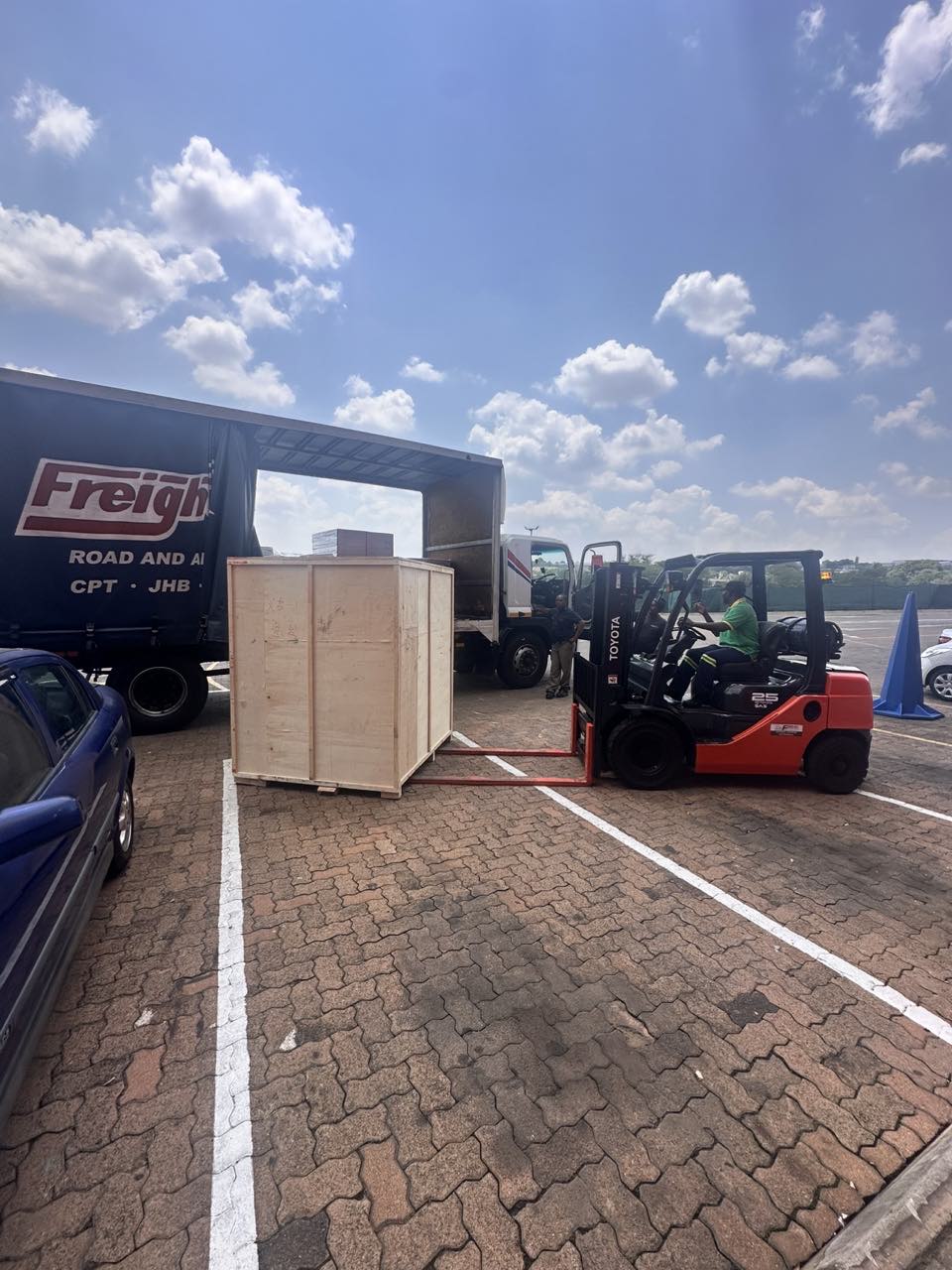
order collection
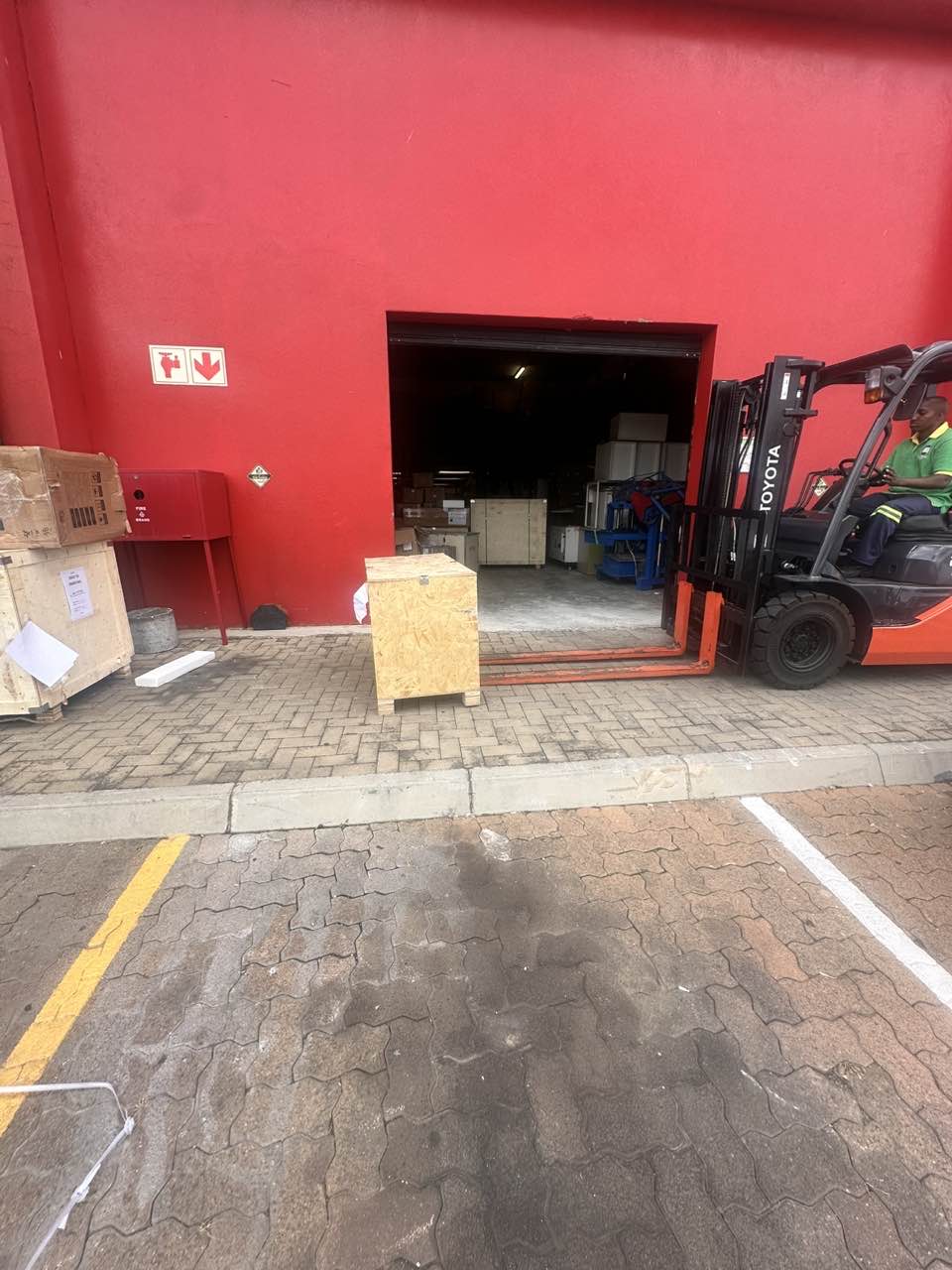
order offloading