B21, China Town Mall, Midrand

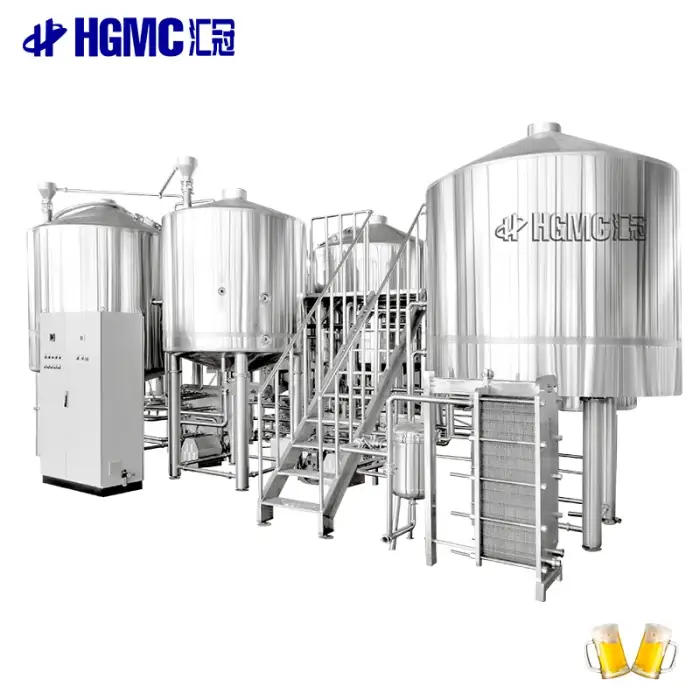
industrial alcohol distillation equipment Large brewery equipment 5000L HG-5000L (3 Vessels)
Asset finance available
Do you want funding for this equipment?
Afrimart can connect you with trusted funding partners who specialise in asset finance for businesses like yours. Compare options and apply in minutes — final approval is subject to provider review.
Check funding options
Secure & no obligation

- Section : Machinery
- Category : Beverage & Wine Machines
- SKU : 62415516049



- Shipping Timeframes: All orders are processed within 2-5 business days (excluding weekends and holidays). After your order has been processed, the estimated delivery time is before 11 Sep, 2026, depending on customs, Please note that due to high demand, some items may experience longer shipping times, which will be communicated at order confirmation email.
- Order Processing Time: Please allow 2-5 business days for us to process your order before it is shipped . Orders placed after 16:00 on Fridays, or during weekends and public holidays, will begin processing on the next business day. Processing times may be extended during peak seasons or sales events.
- Manufacturing Time: Some products needs manufacturing time, the manufacturing process will take approximately 10-30 business days depending on the product. This timeframe may vary depending on the complexity of the product and current demand. but this will be communicated with you during order confirmation.
- Returns and Exchanges: We offer a 30-day return policy for most items. If you are not completely satisfied with your purchase, you may return it within 30 days of receipt for a refund or exchange. Items must be unused, in their original packaging, and accompanied by proof of purchase. Return shipping costs are the responsibility of the customer, unless the item was damaged or defective upon arrival.
1. What is the capacity of the HG-5000L distillation equipment?
The HG-5000L industrial alcohol distillation equipment has a capacity of 5000 liters, making it suitable for large-scale brewery operations.
2. What are the main components of the HG-5000L equipment?
The HG-5000L consists of three vessels, which typically include a mash tun, a fermentation vessel, and a distillation column, allowing for efficient brewing and distillation processes.
3. Is the equipment suitable for producing high-quality spirits?
Yes, the HG-5000L is designed to produce high-quality spirits by utilizing advanced distillation techniques and maintaining optimal temperatures throughout the process.
4. What materials is the distillation equipment made from?
The equipment is generally constructed from high-grade stainless steel, ensuring durability, resistance to corrosion, and ease of cleaning.
5. Does the equipment come with a warranty?
Yes, the HG-5000L typically comes with a manufacturer's warranty, which covers defects in materials and workmanship. Please check the specific warranty terms upon purchase.
6. What is the operating temperature range for this distillation equipment?
The operating temperature range depends on the specific distillation process, but it is generally designed to operate efficiently across a wide range of temperatures suitable for alcohol distillation.
7. Can this equipment be used for other types of distillation?
While the HG-5000L is primarily designed for alcohol distillation, it can also be adapted for other distillation processes, depending on the setup and requirements.
8. What are the power requirements for the HG-5000L?
The power requirements for the HG-5000L will depend on the specific configuration and local electricity standards. It typically requires a standard three-phase power supply.
9. Is installation included with the purchase of the equipment?
Installation services may vary by supplier. It is advisable to confirm whether installation is included or if it will need to be arranged separately.
10. What is the expected lifespan of the HG-5000L distillation equipment?
With proper maintenance and care, the HG-5000L can have a lifespan of many years, often exceeding a decade, depending on usage and operating conditions.
11. Are there any safety features included with the equipment?
Yes, the HG-5000L is equipped with various safety features, including pressure relief valves, temperature controls, and emergency shut-off mechanisms to ensure safe operation.
12. What is the lead time for delivery after placing an order?
The lead time for delivery can vary based on the supplier and current stock levels, but it typically ranges from a few weeks to a couple of months.
13. Can I customize the equipment to fit my specific needs?
Yes, many manufacturers offer customization options for the HG-5000L to meet specific production requirements or operational preferences.
14. What kind of maintenance is required for this distillation equipment?
Regular maintenance includes cleaning, inspection of seals and gaskets, checking for corrosion, and ensuring all components are functioning properly to maintain efficiency.
15. Is training available for operating the distillation equipment?
Many suppliers offer training programs for operators to ensure they are familiar with the equipment's operation, safety protocols, and maintenance procedures.
Latest Order Arrivals
Discover our latest orders
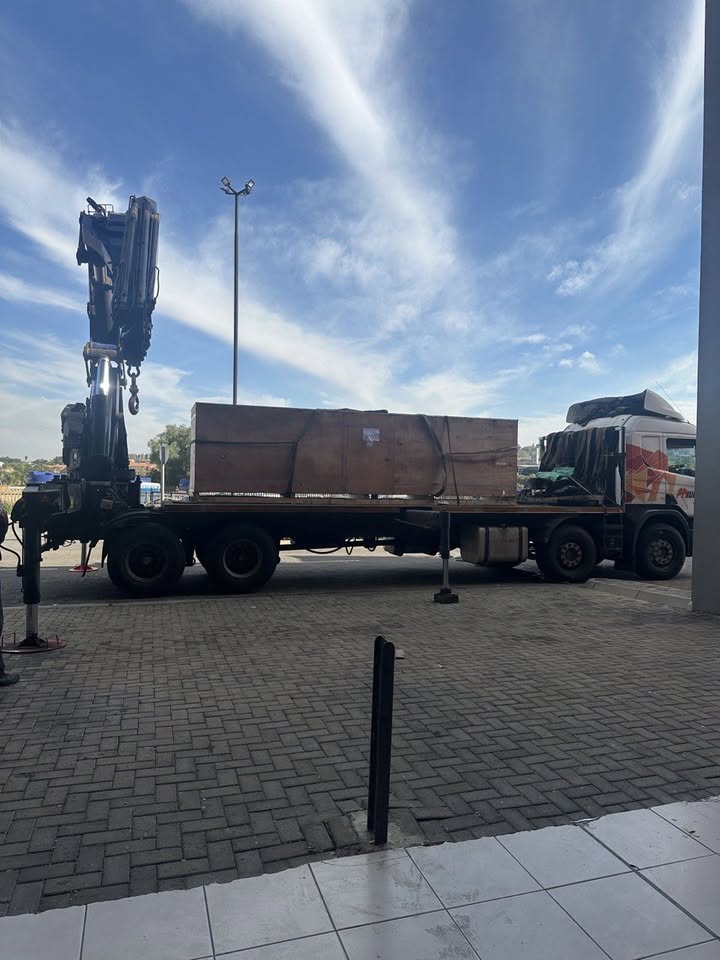
12 Heads Embroidery Machine
Toilet Paper Machine Machine
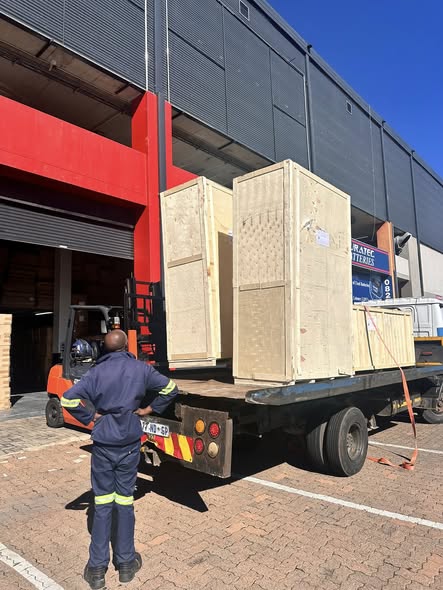
Order Collection
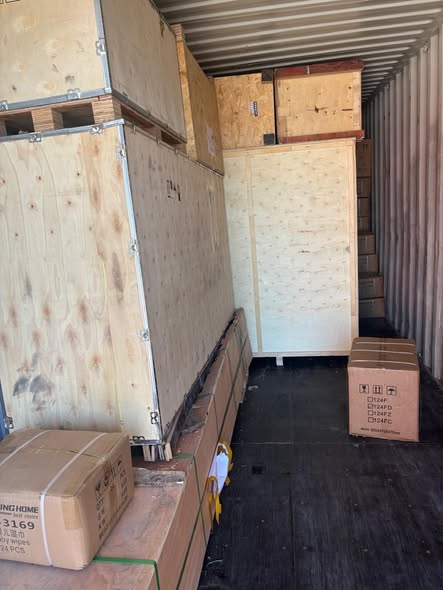
Cross Border Clients
Order cros border countries Collected
Industrial Machine Cllection
Agriculture Processing Machines
Ready for collection
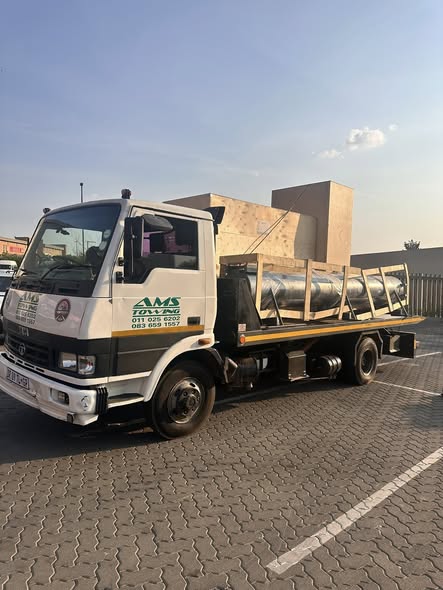
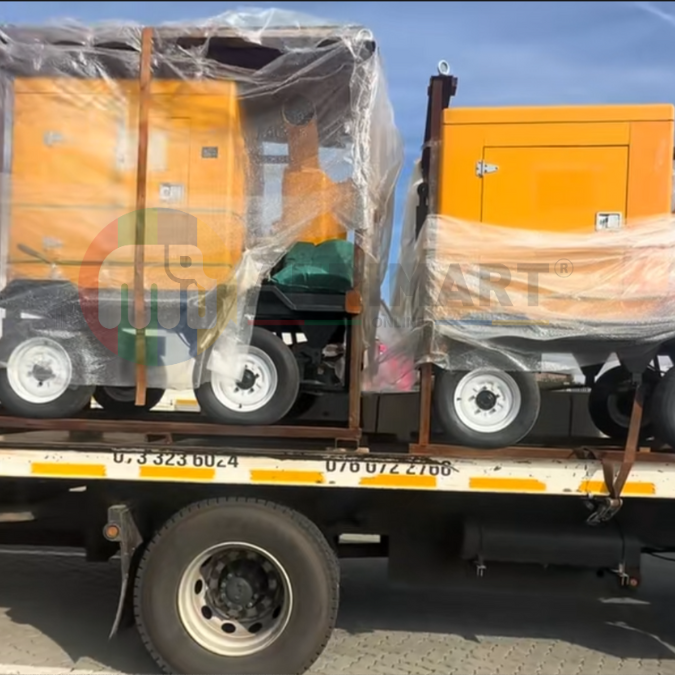
Water Pump Equipment
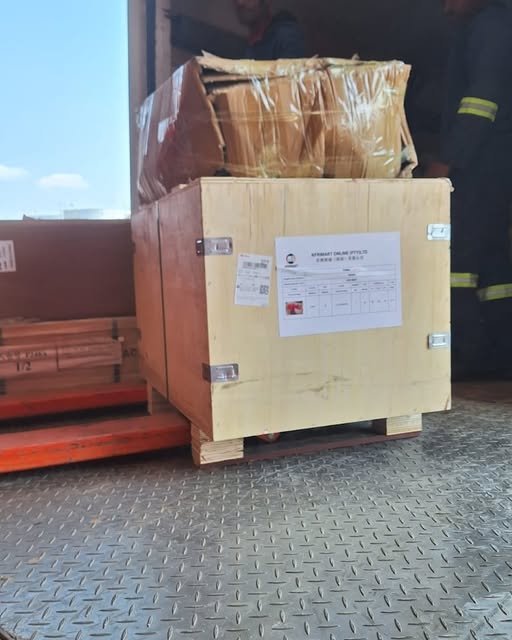
Packaging Machine and accessories
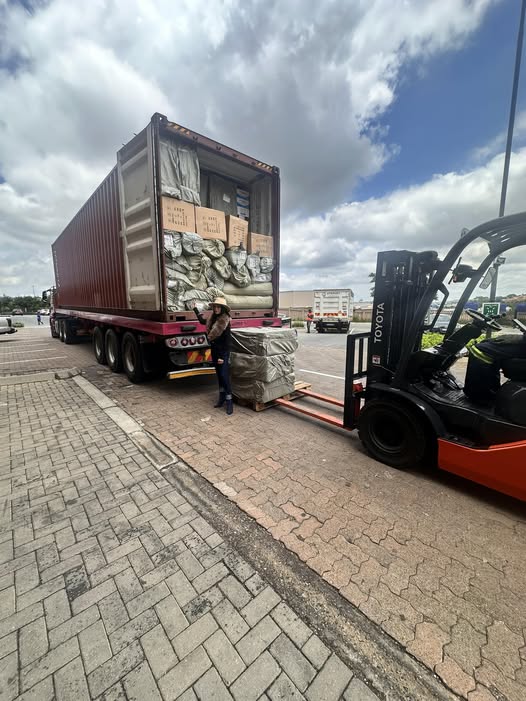
Fabrics Manufacturing Equipment
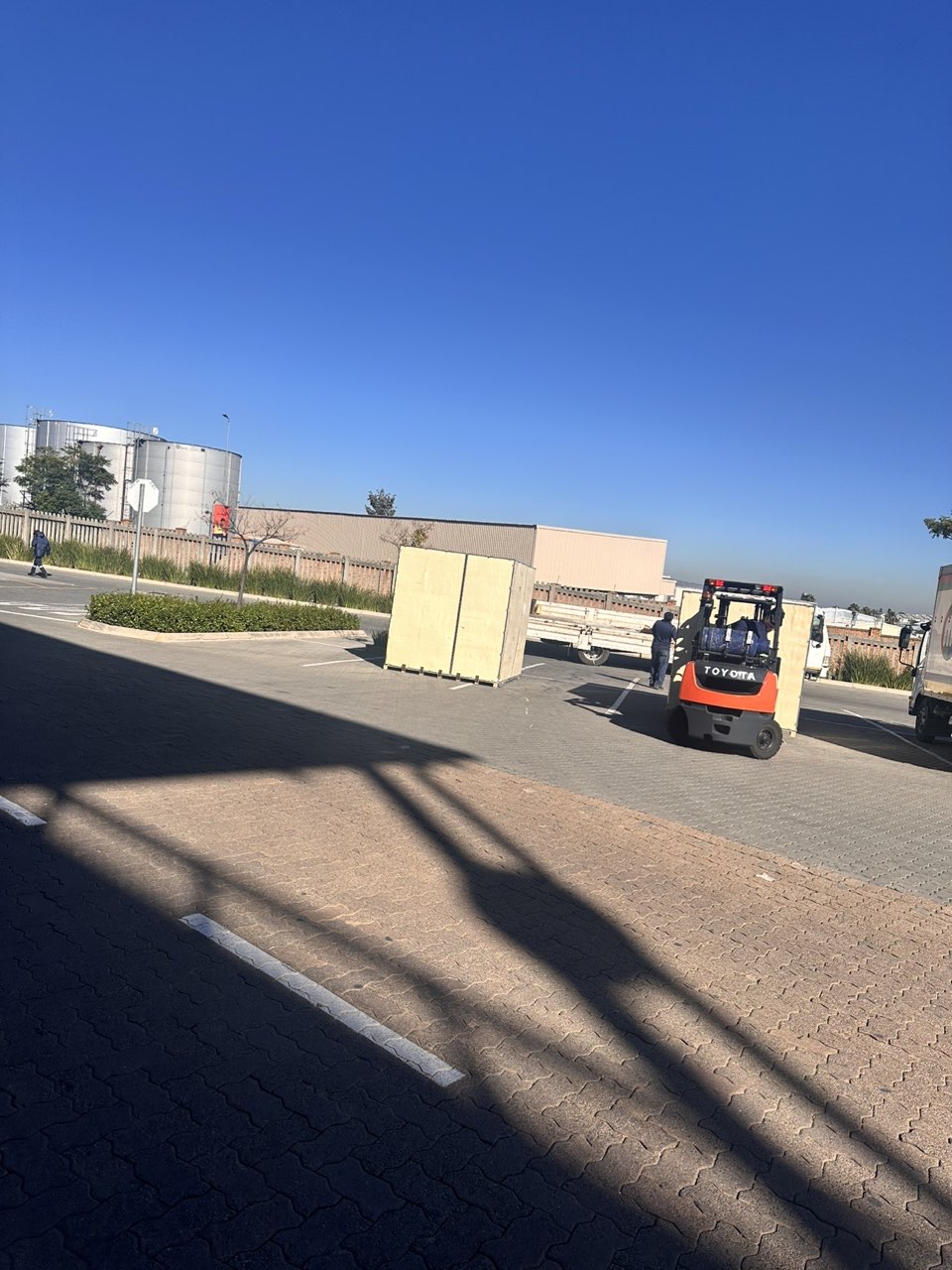
Mining Equipments
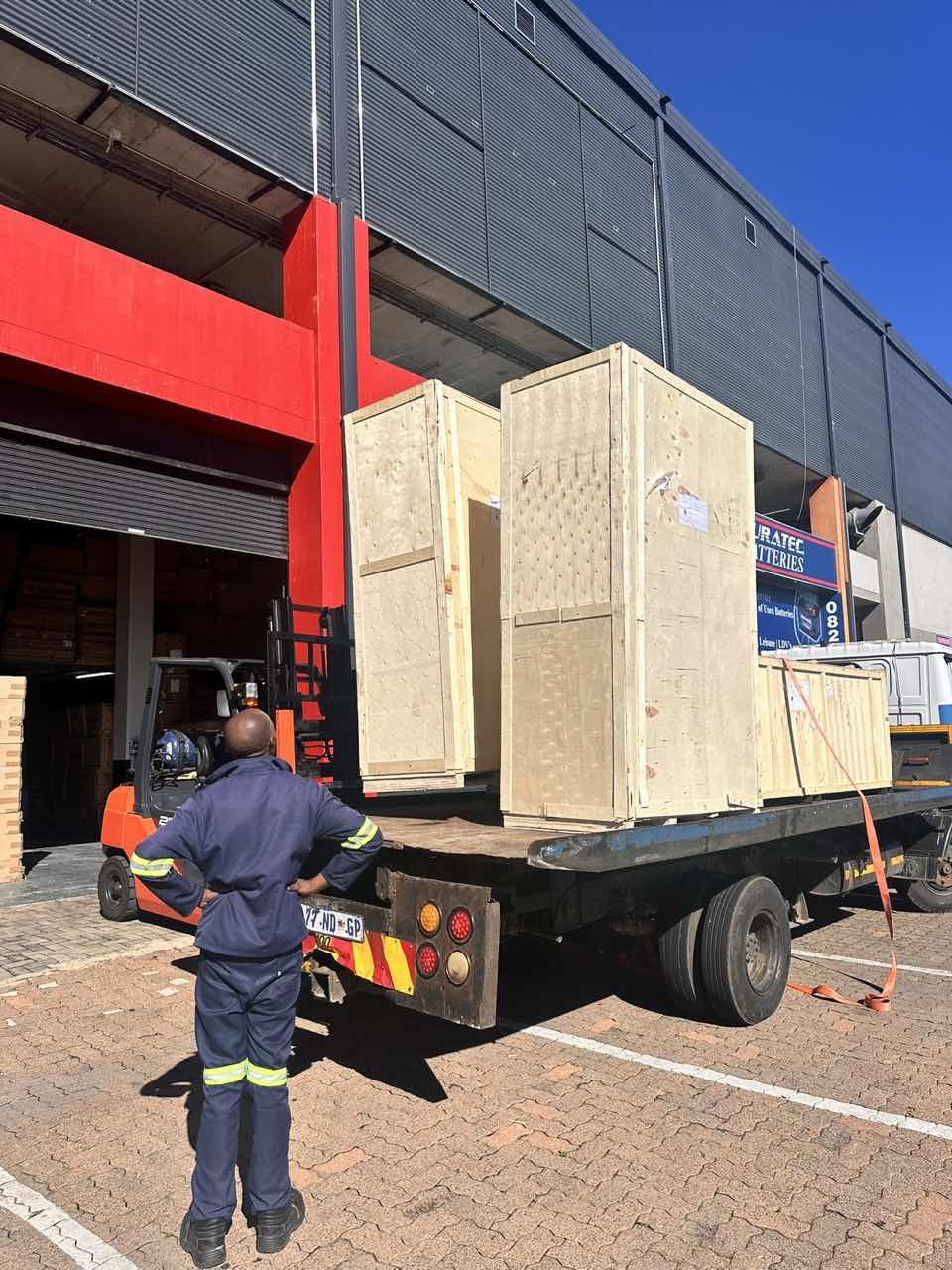
Food Processing Machine
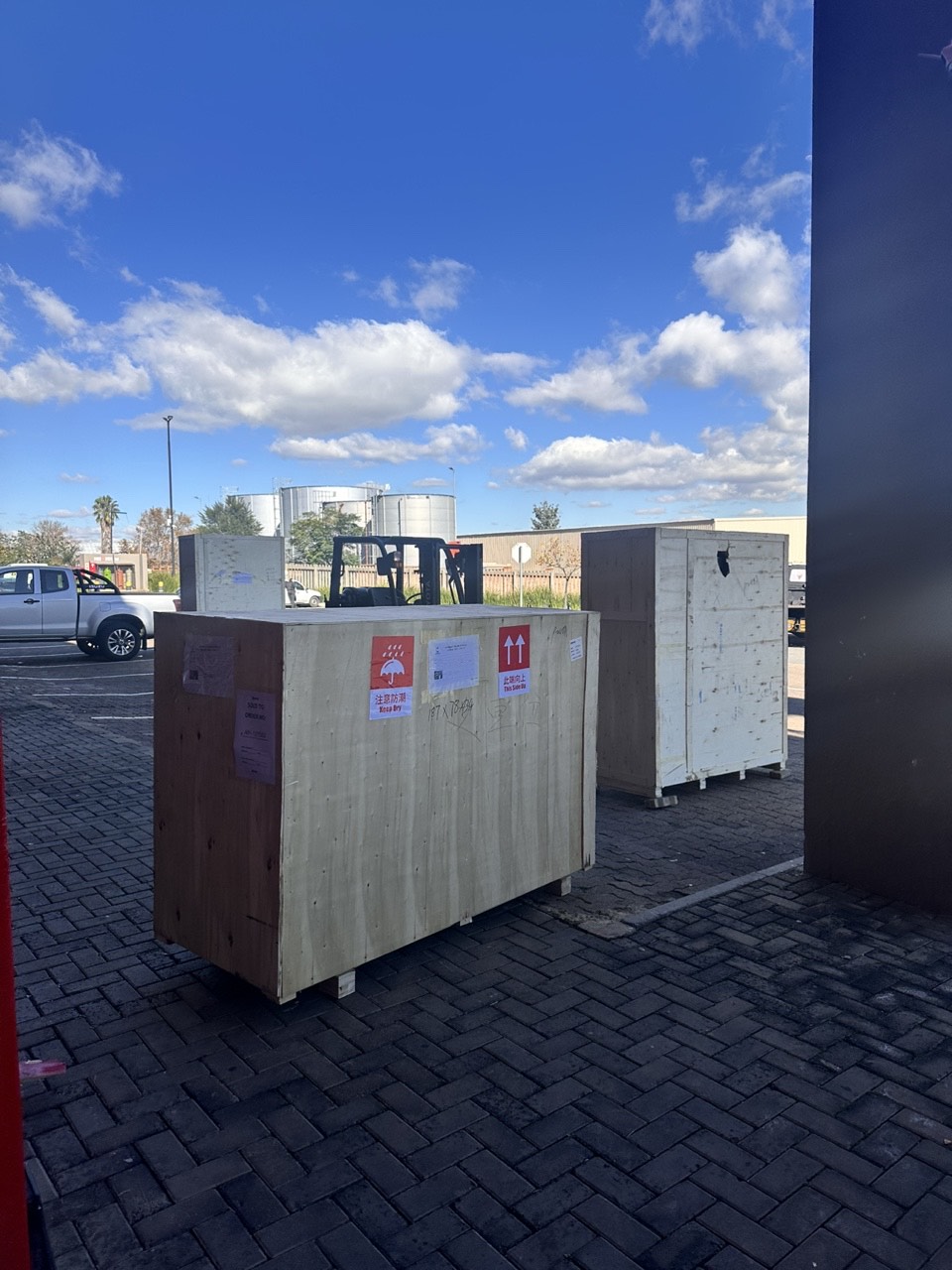
Batch of Orders
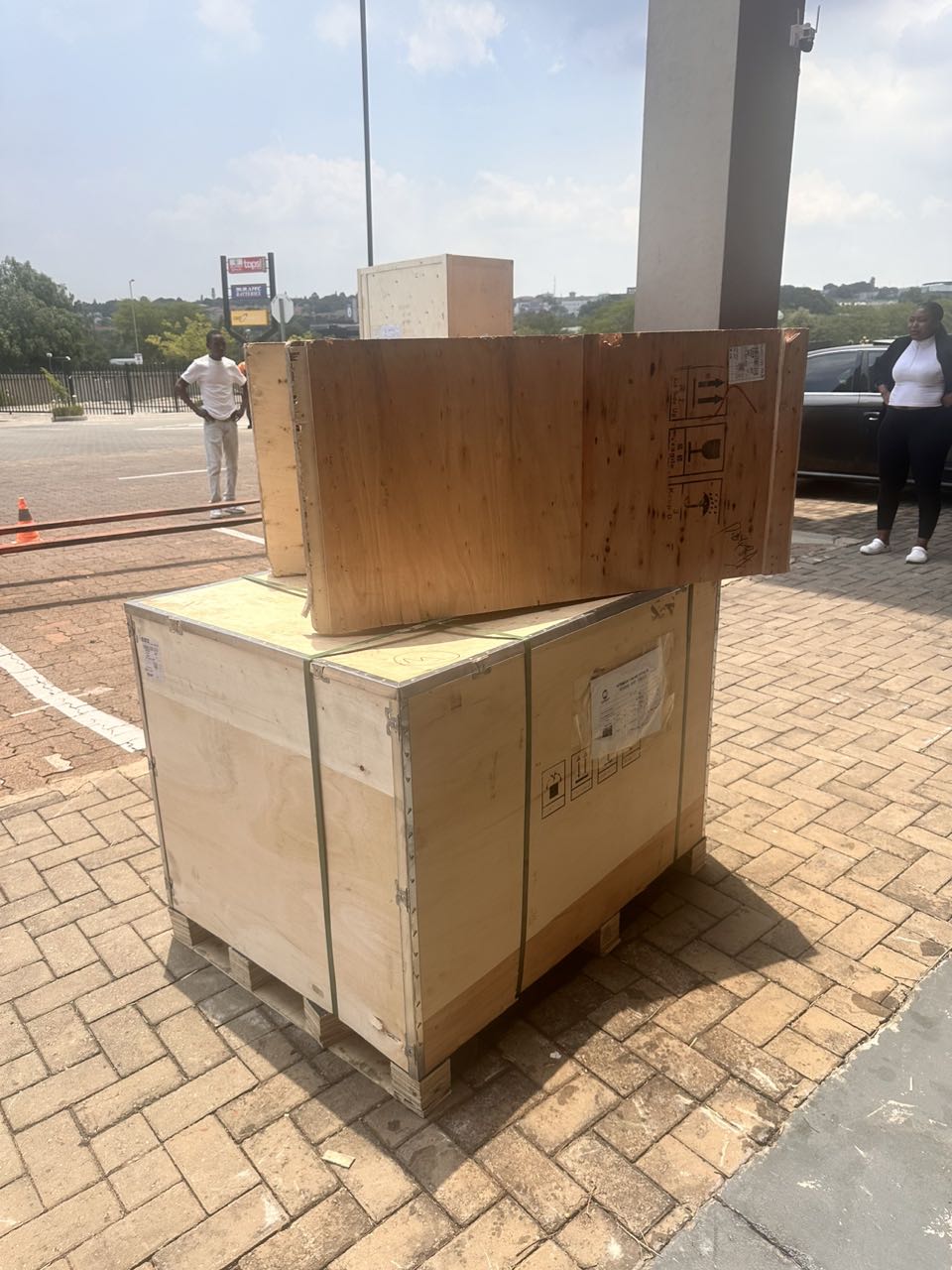
Batch of Orders
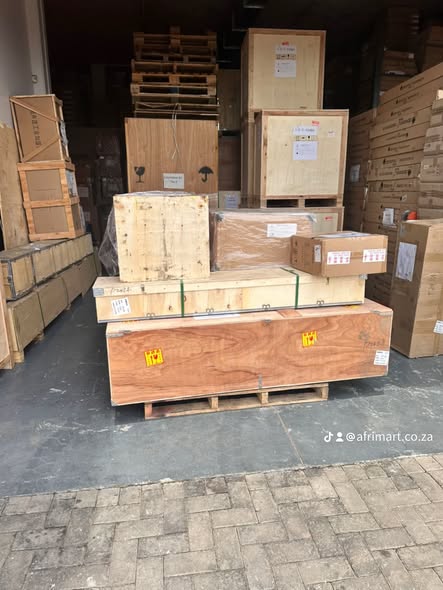
Latest Orders Labelled
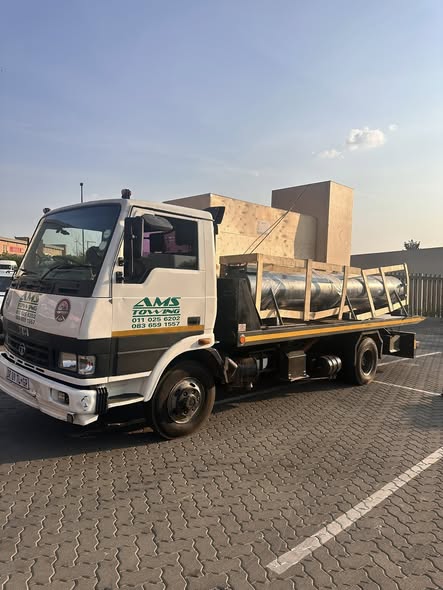
wheel alignment machines
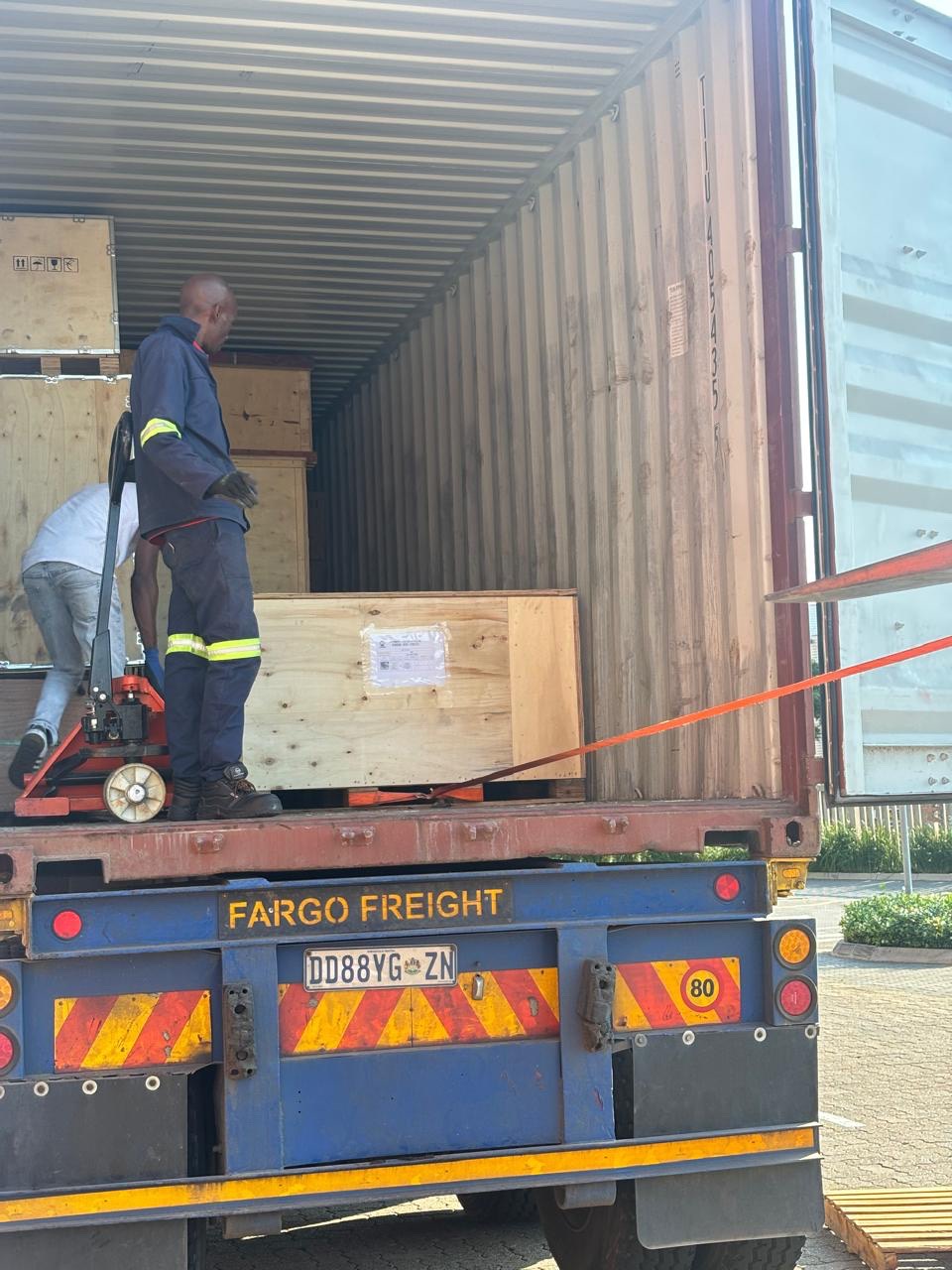
new arrivals
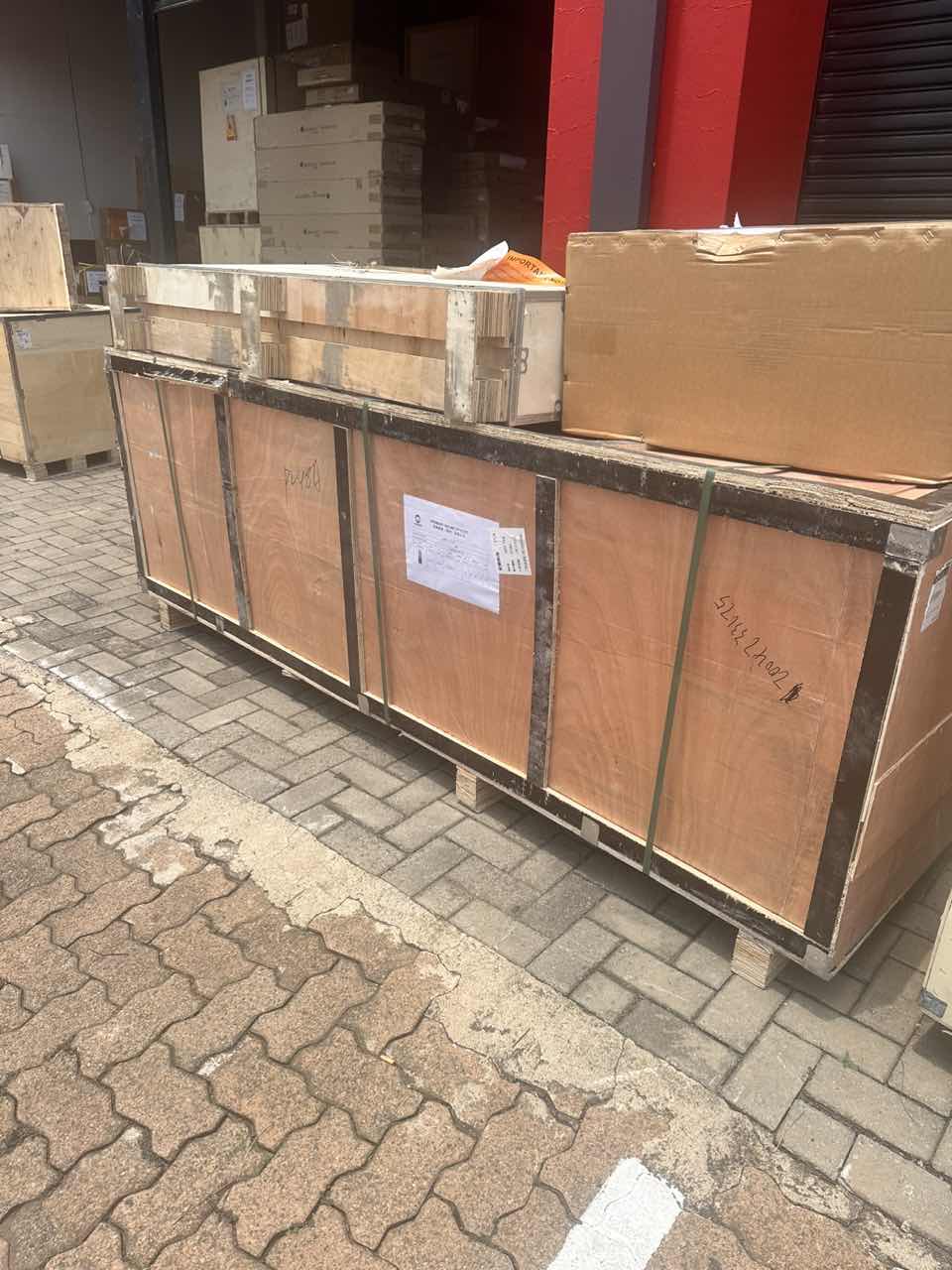
Pre Orders Offloading
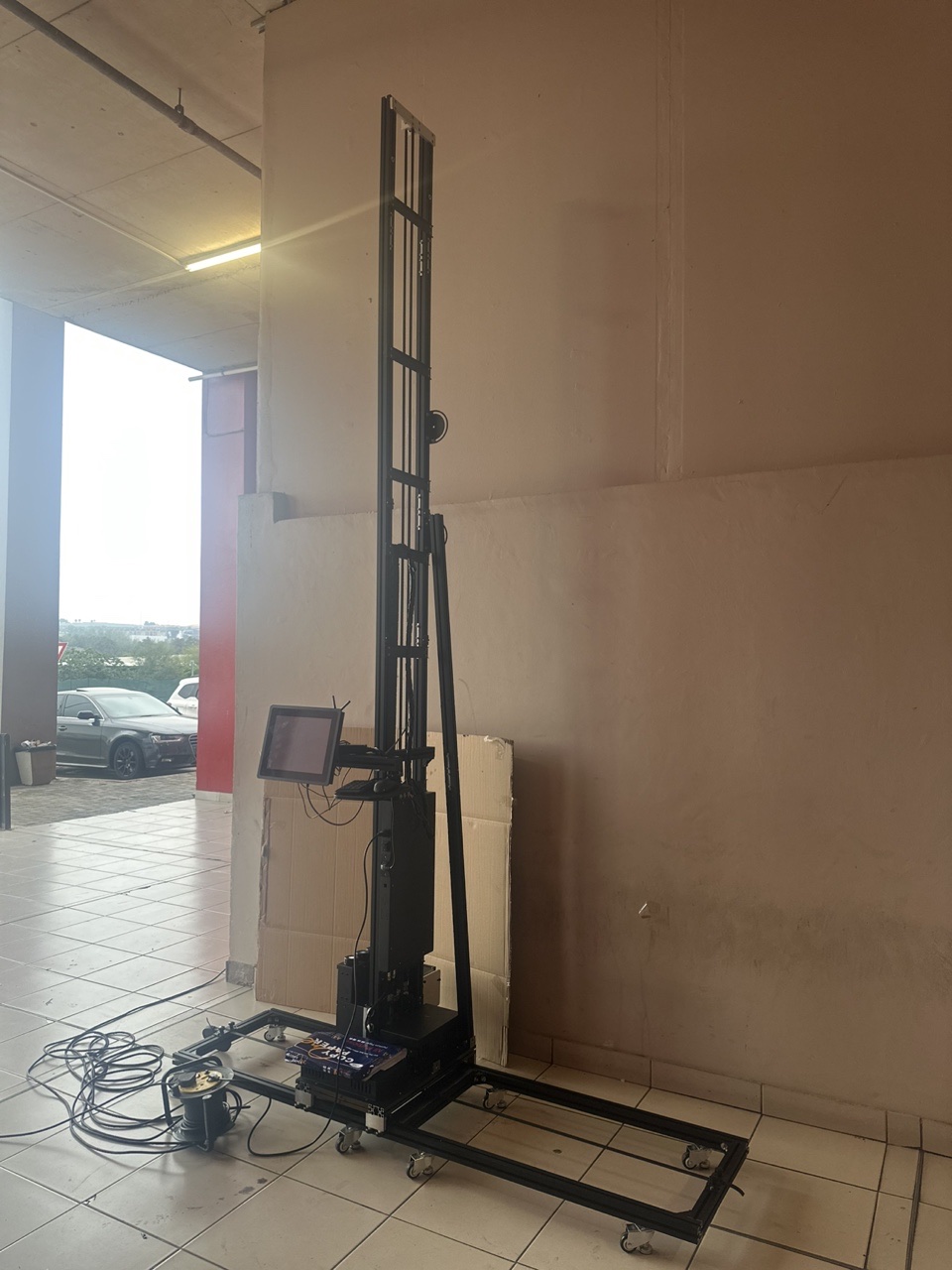
Latest Arrivals
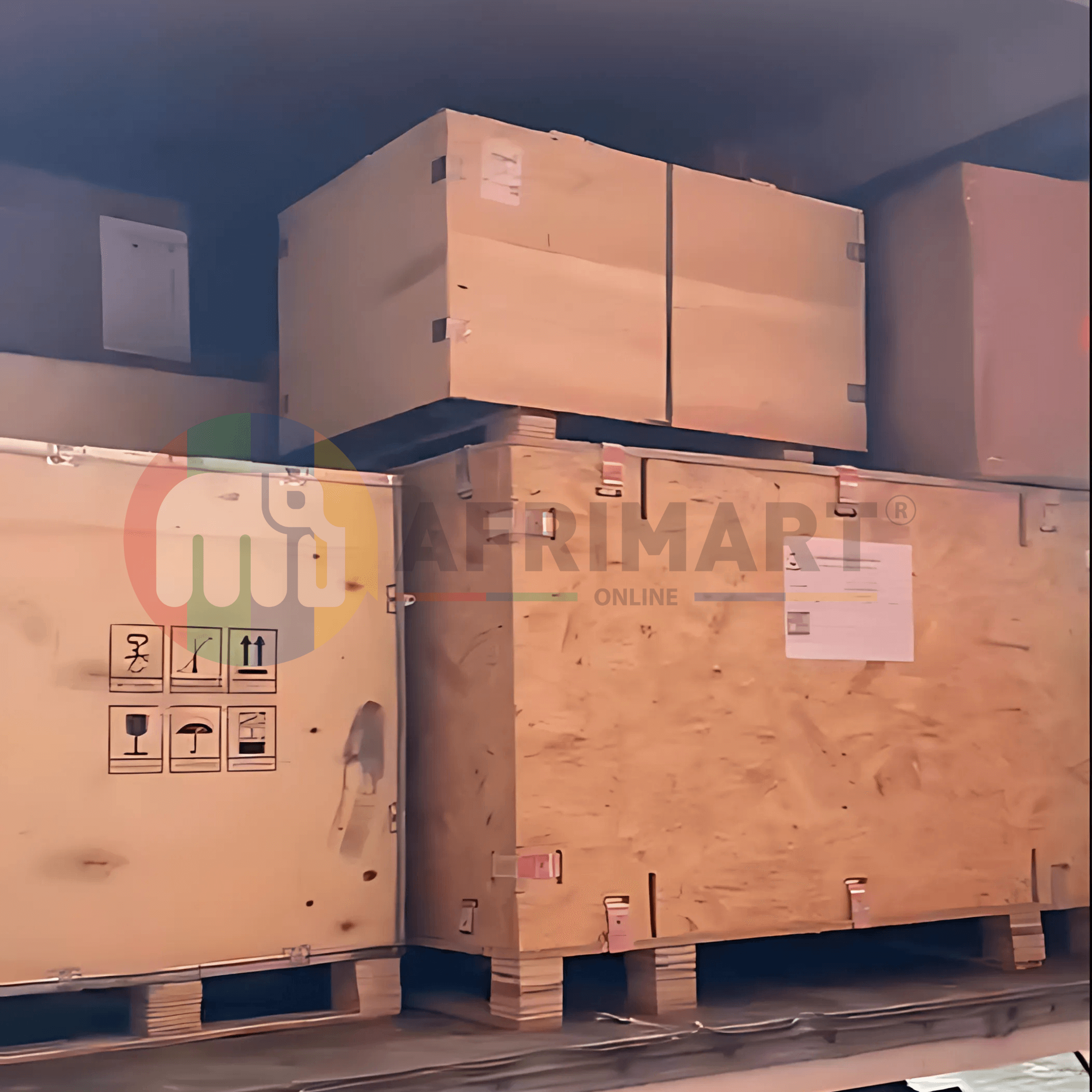
Latest Arrivals
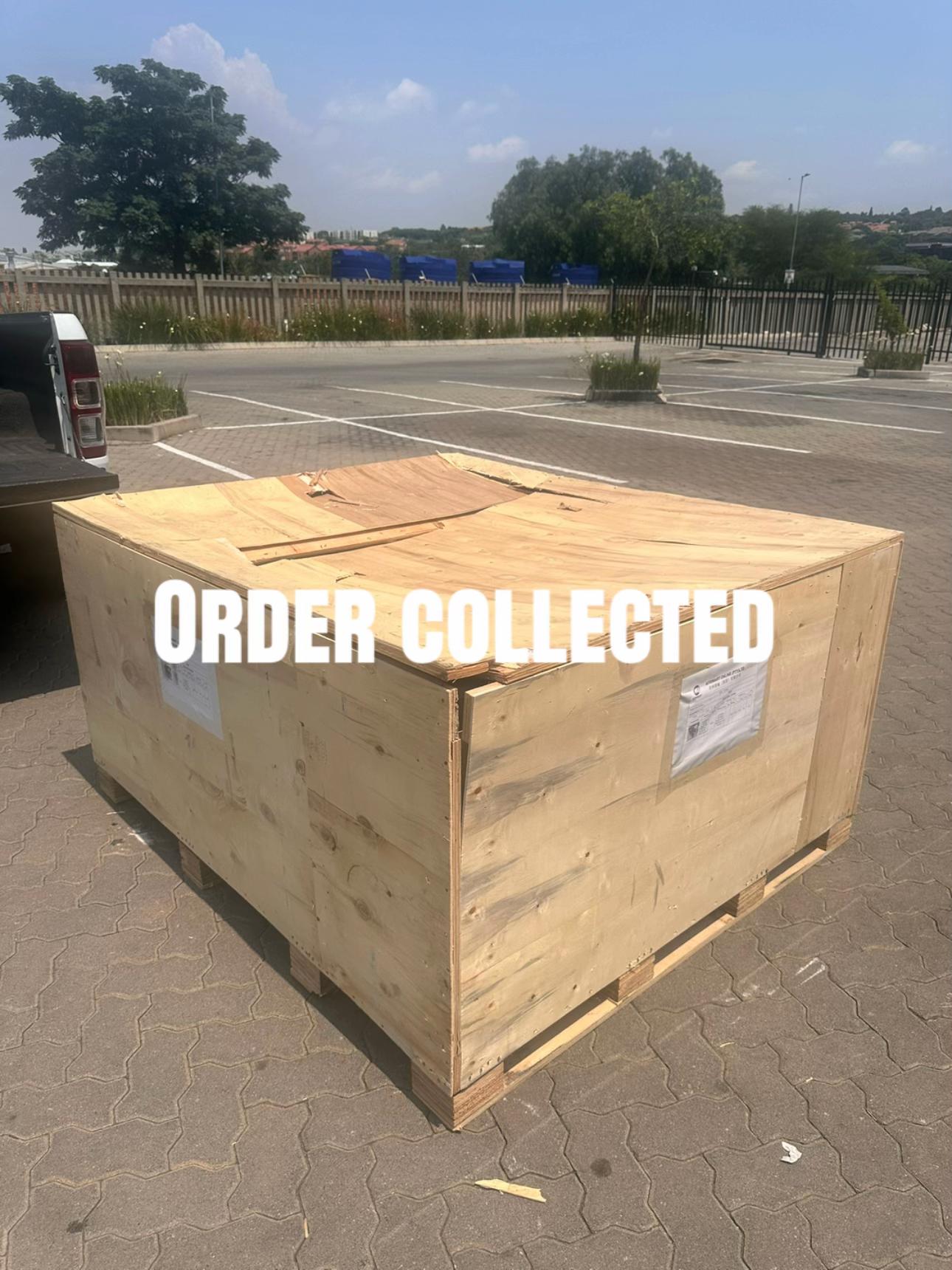
Latest Arrivals
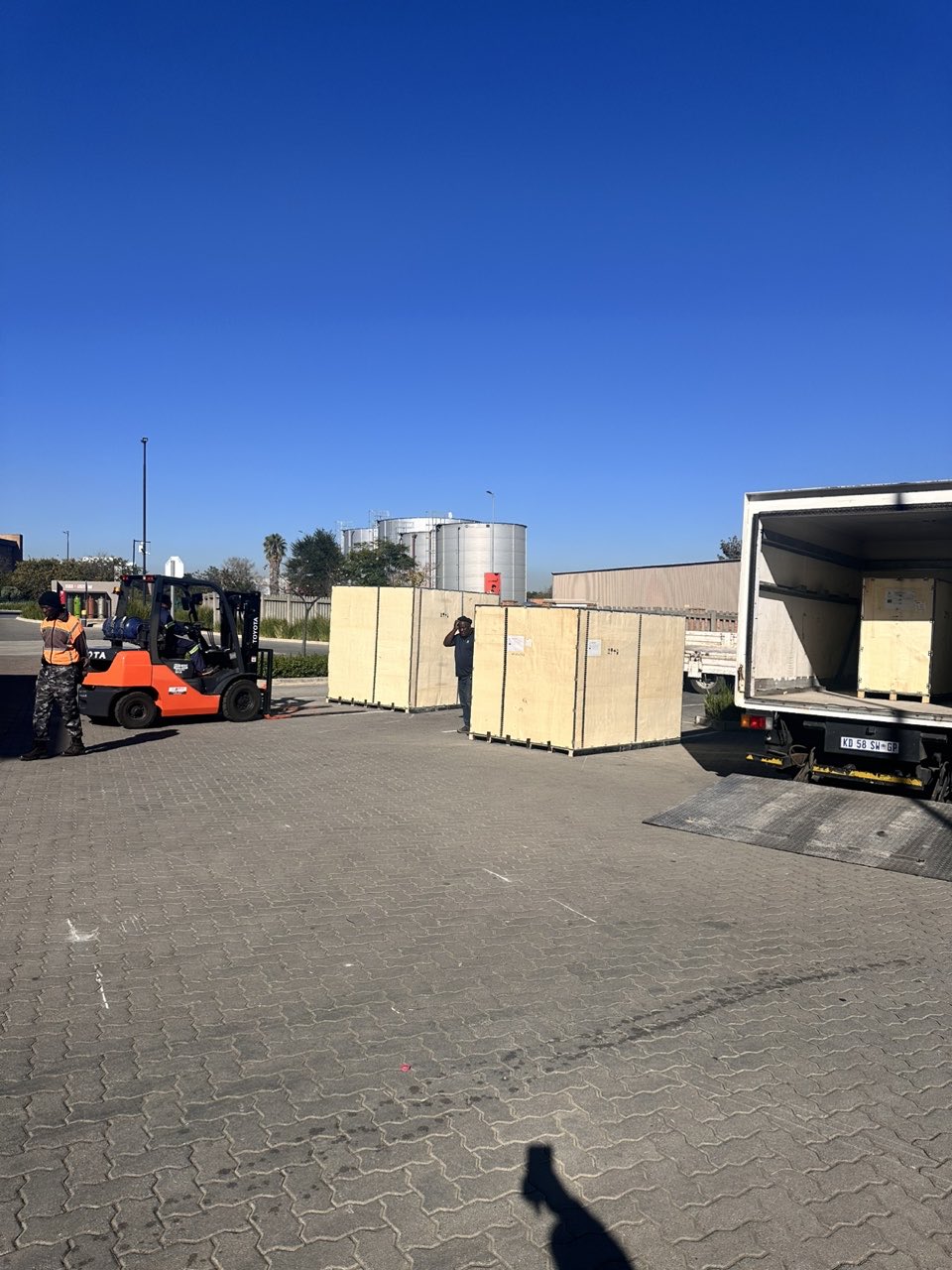
Loading
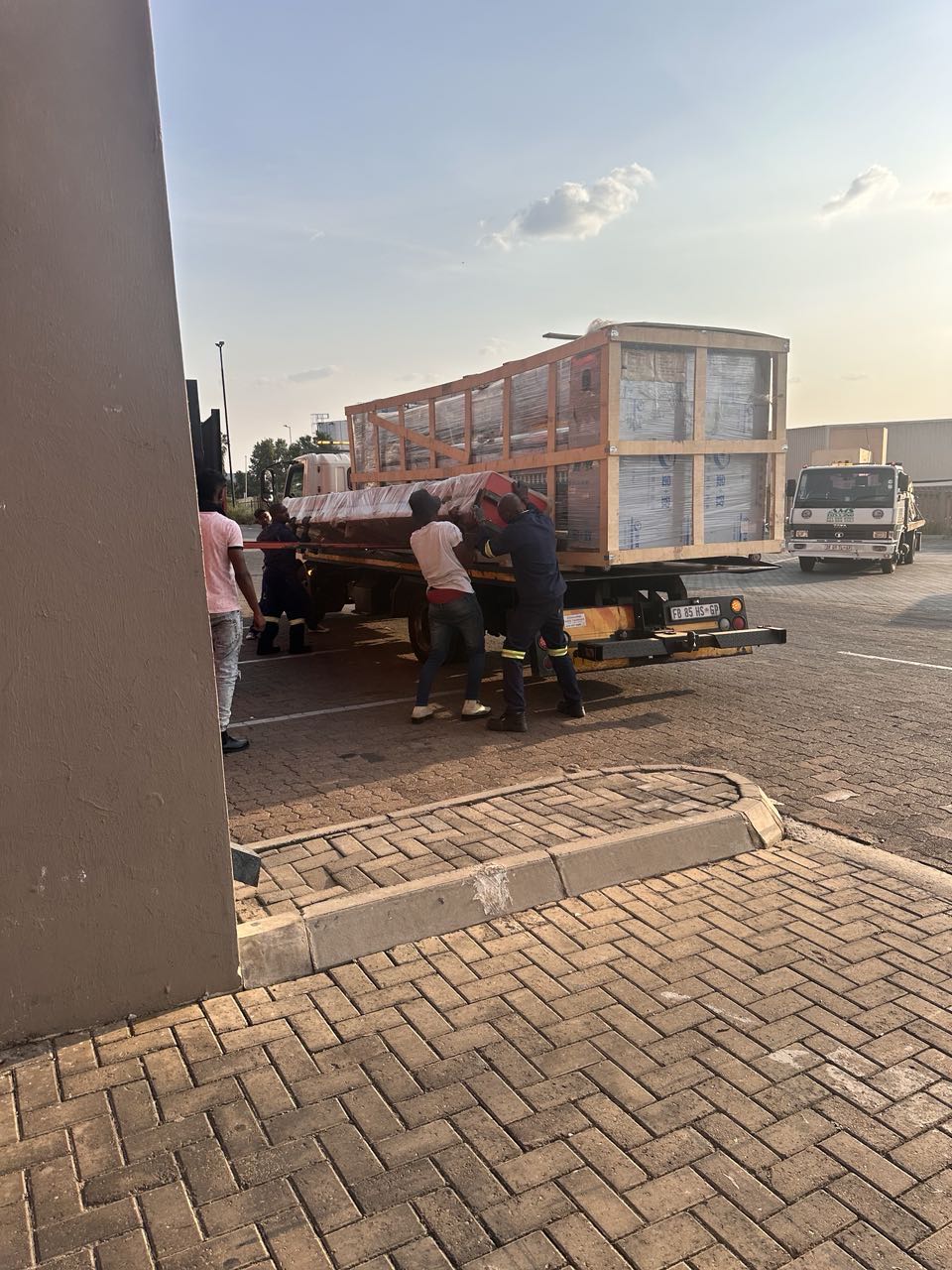
Toilet paper making machine
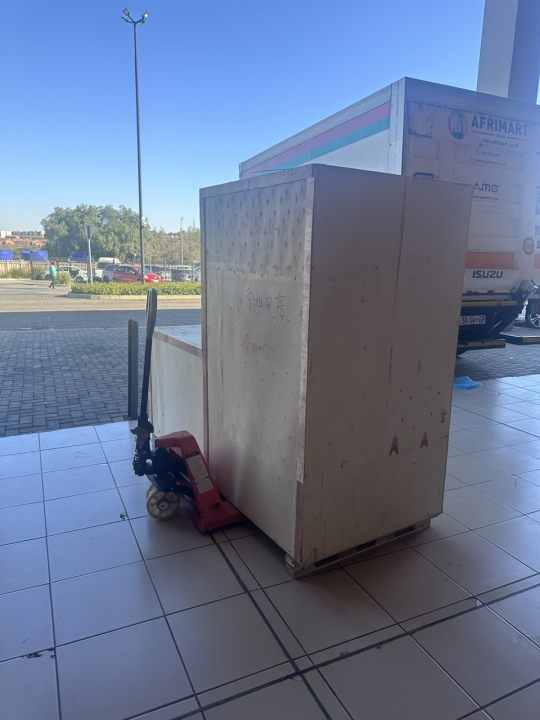
Toilet paper making machine
Toilet paper Rewinding Machine
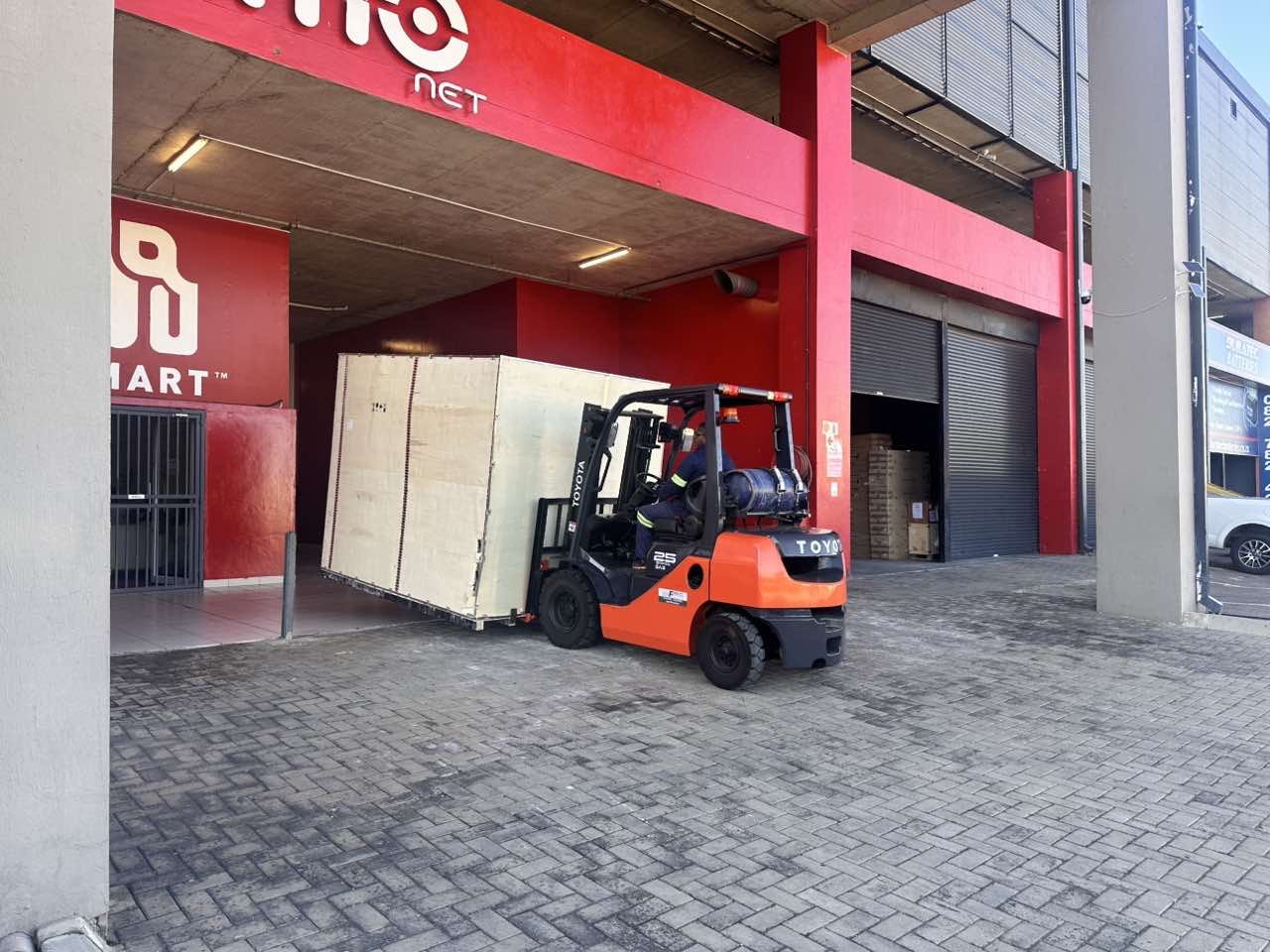
latest arrivals
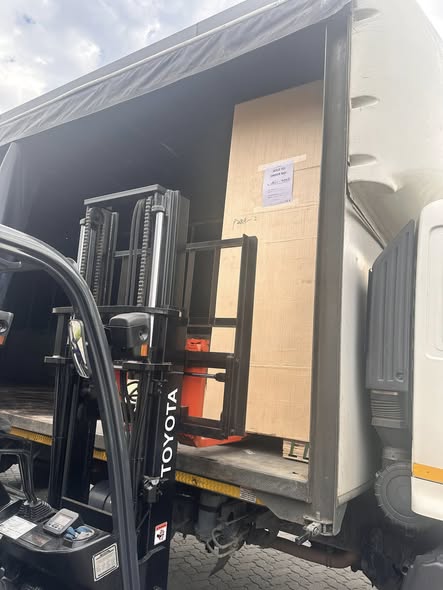
offloading
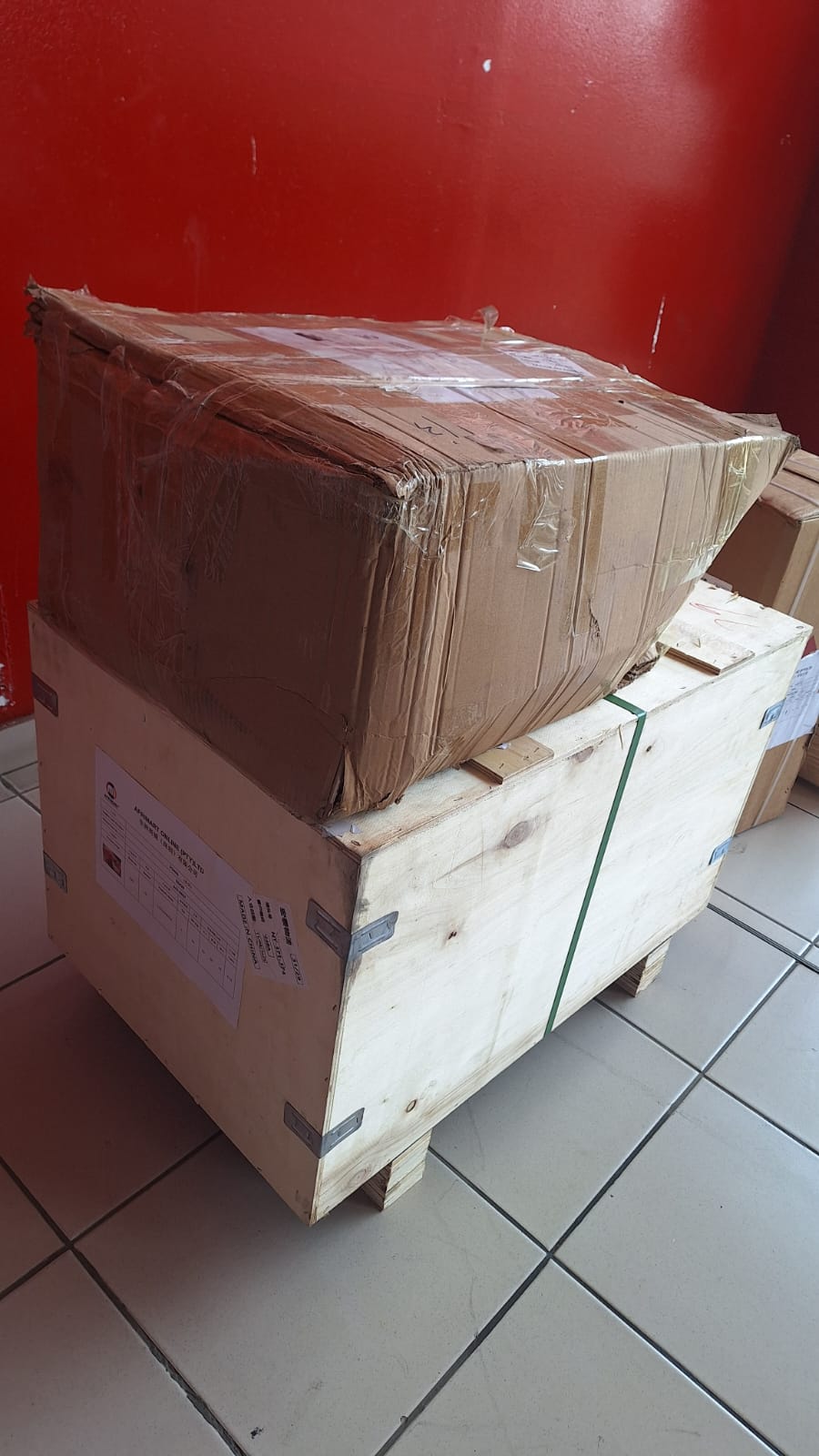
order success
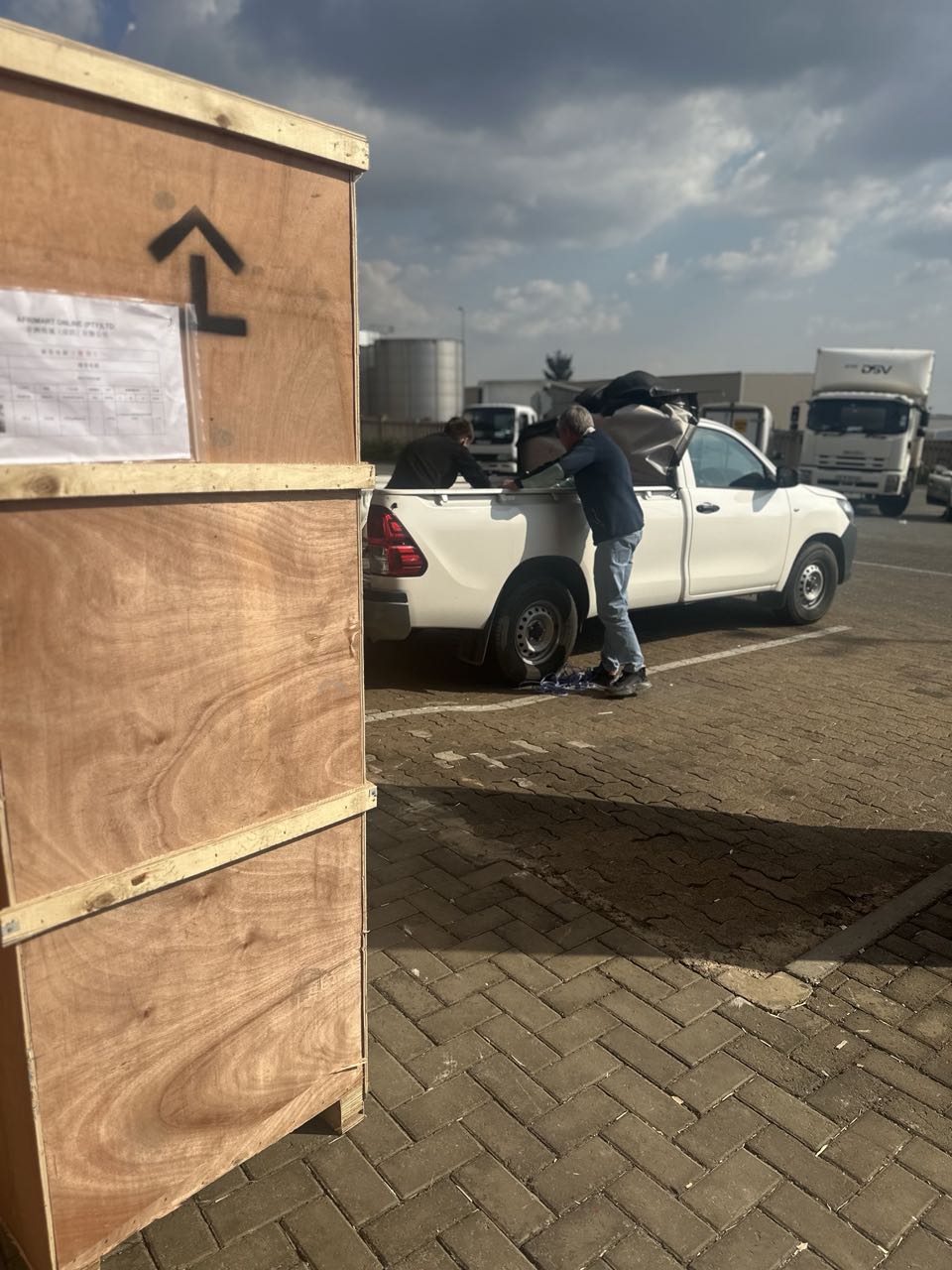
order collection
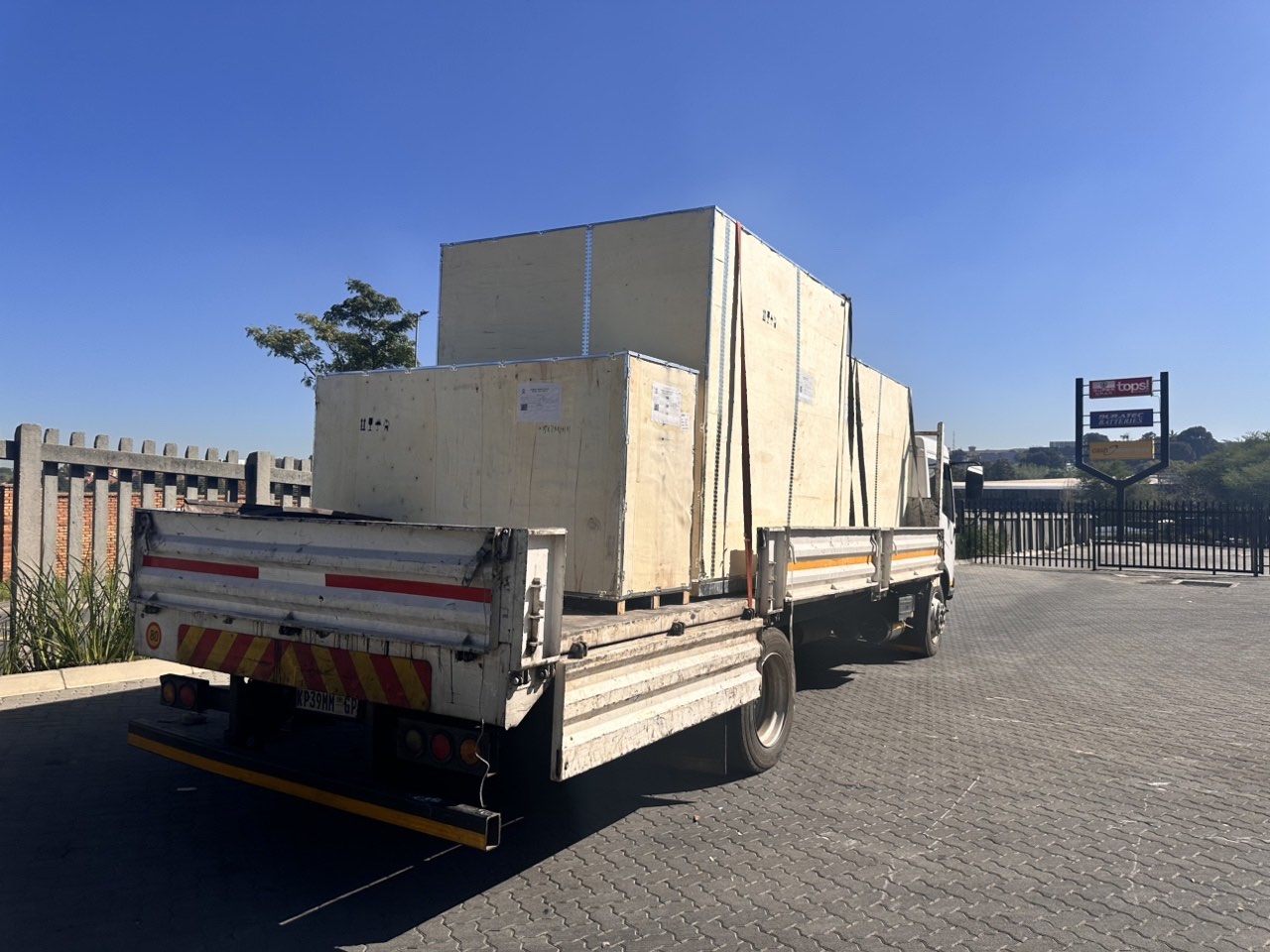
order offloading